


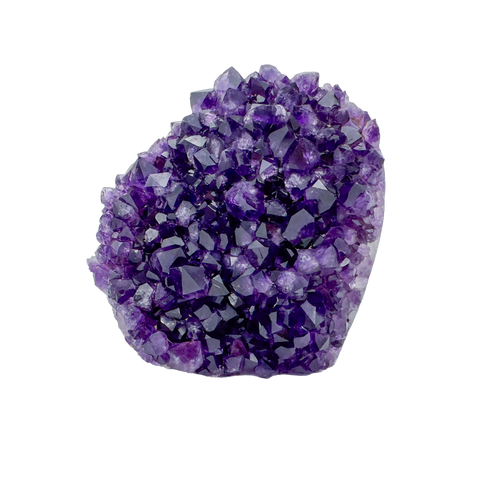
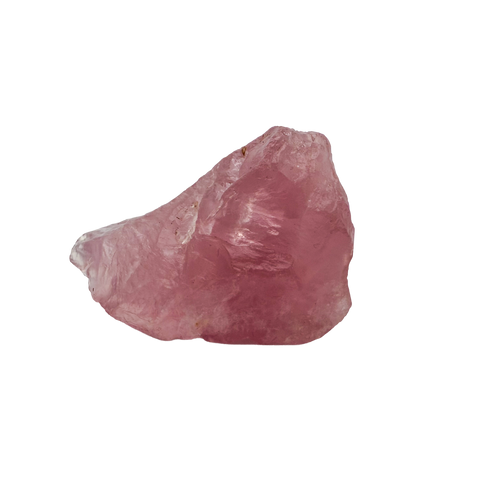
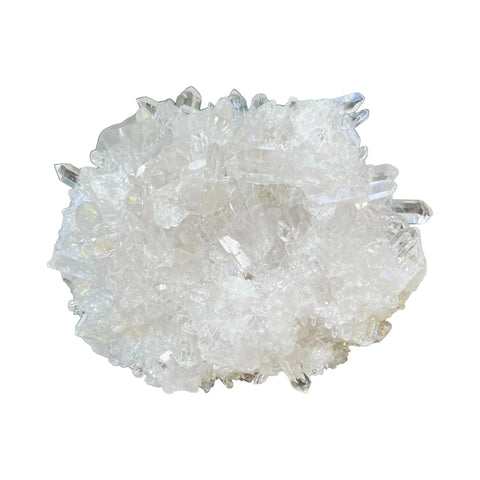
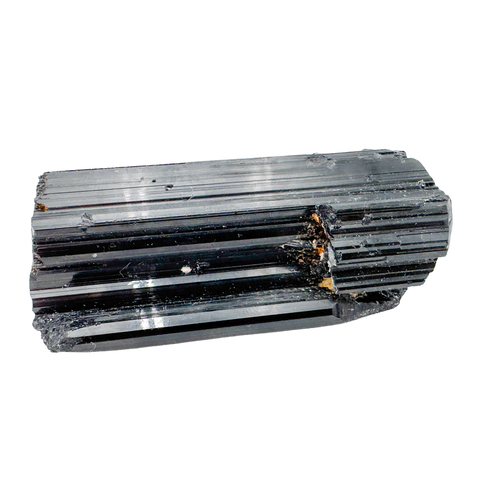
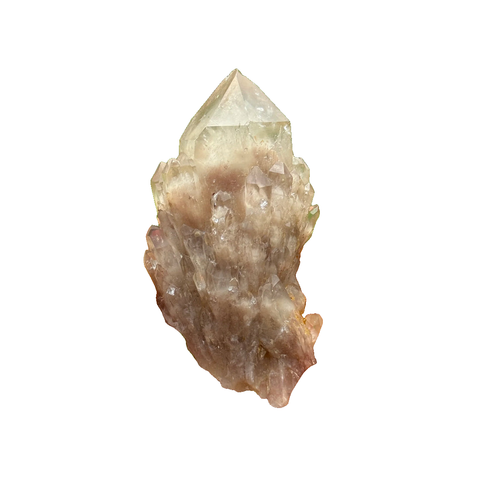
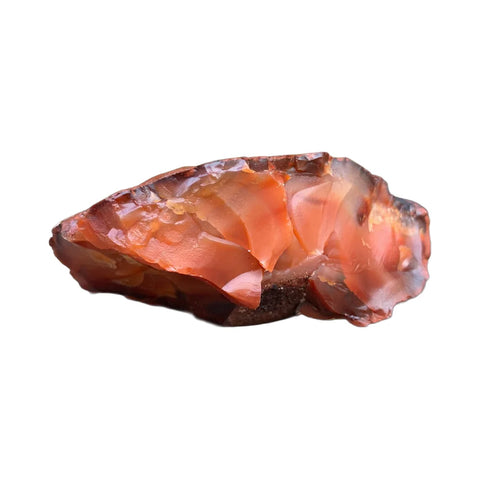
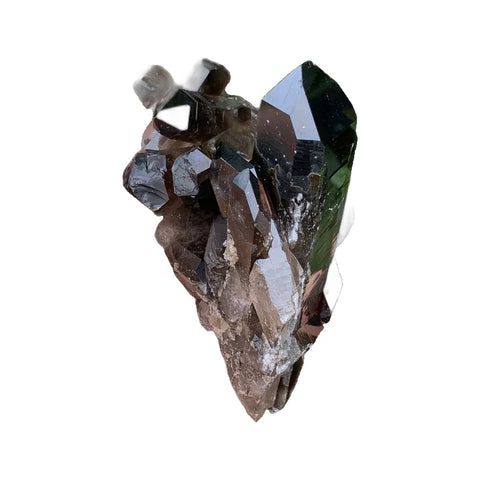
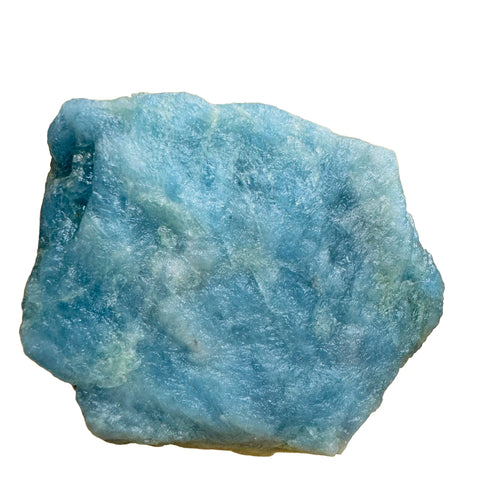
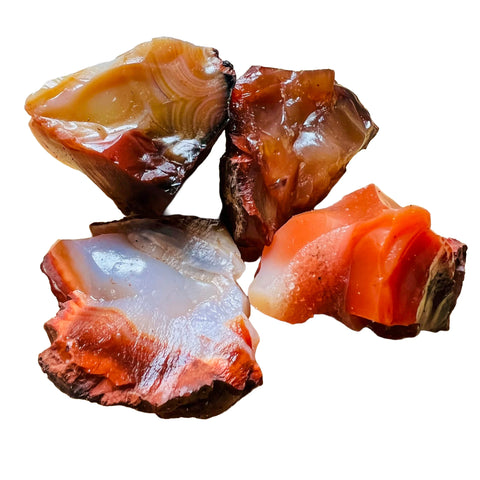


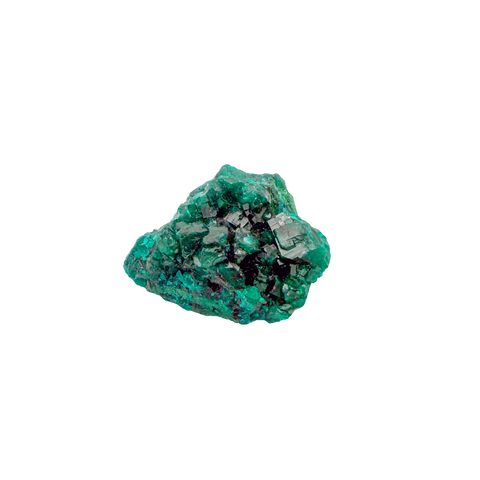
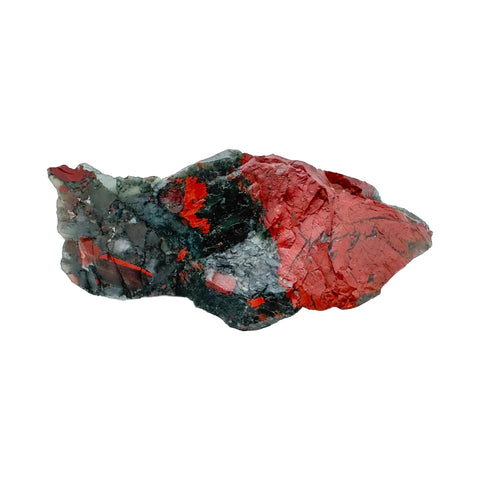
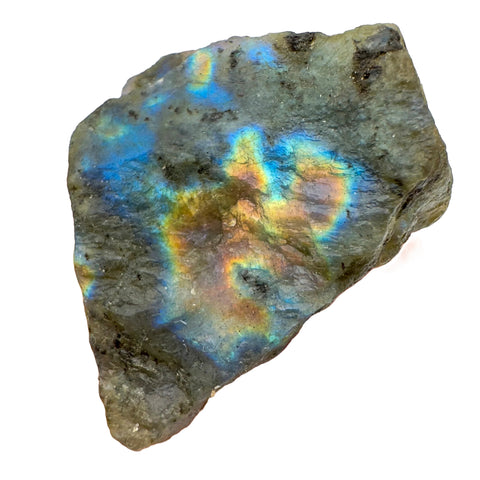
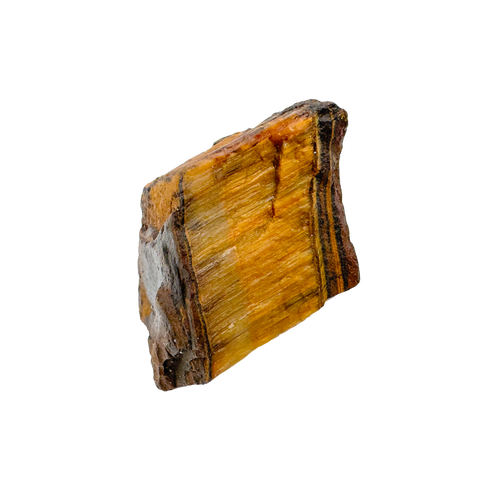
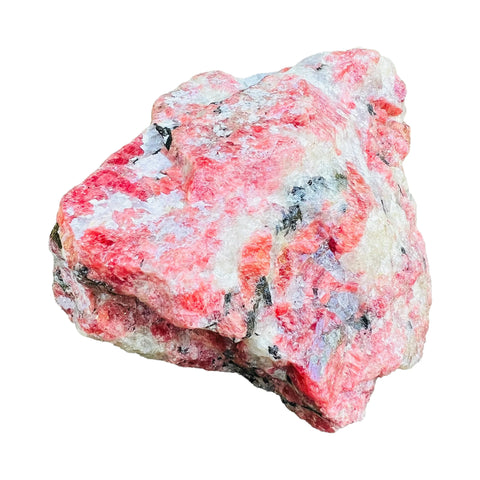
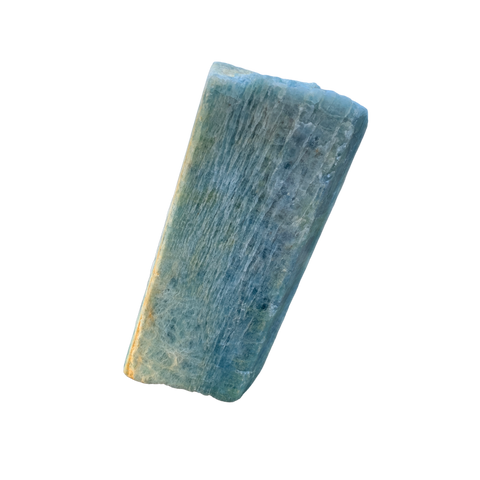
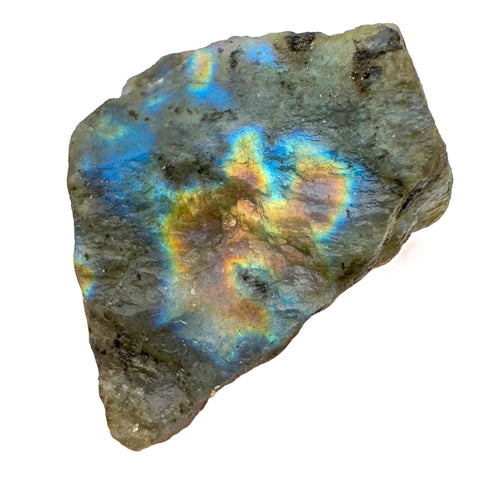



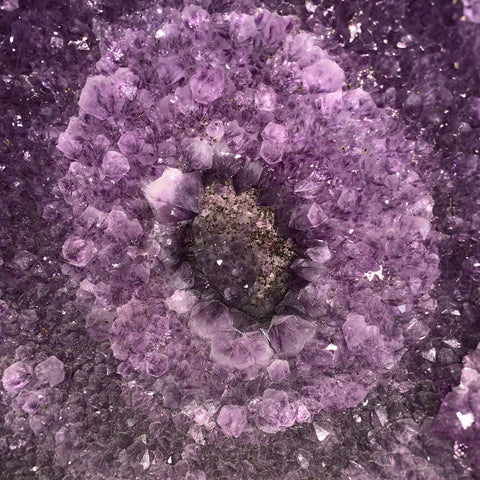

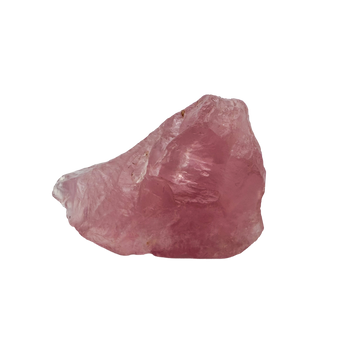
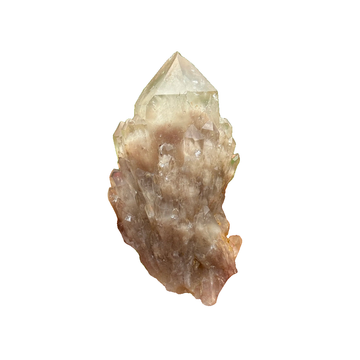
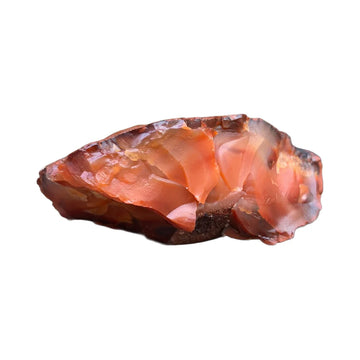
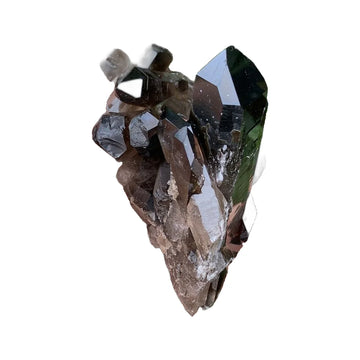
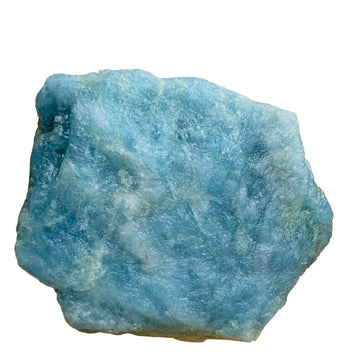
 Raw Stones
179 pieces
Raw Stones
179 pieces
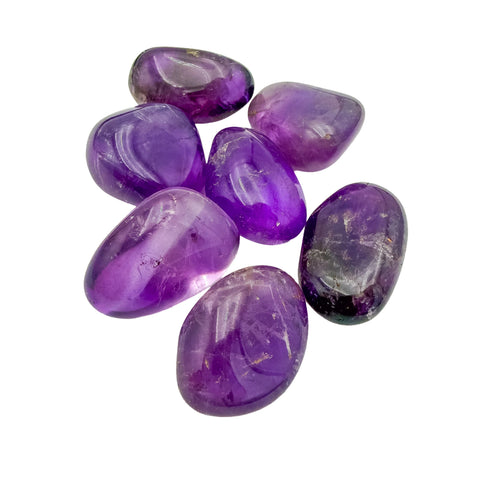
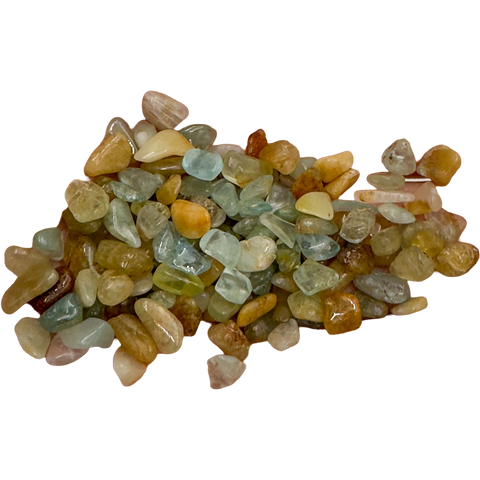
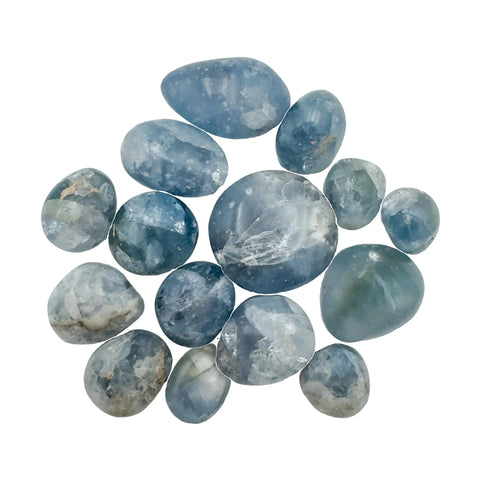
 Tumbled Stones
162 pieces
Tumbled Stones
162 pieces
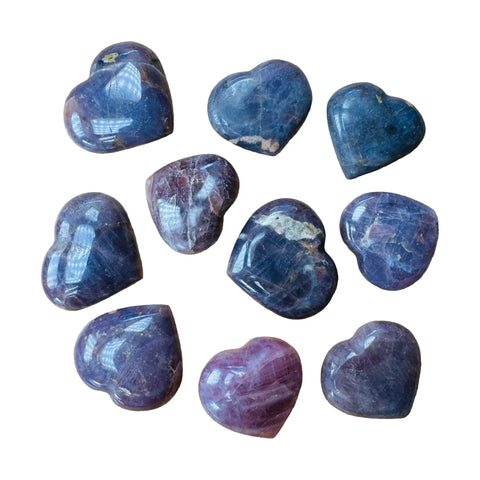
 Palm Stones
25 pieces
Palm Stones
25 pieces
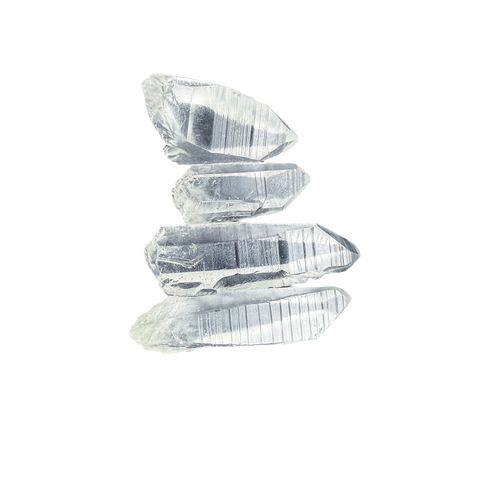
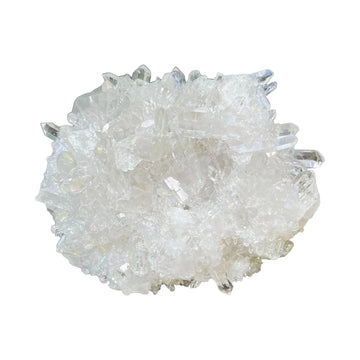
 Crystal Points
23 pieces
Crystal Points
23 pieces
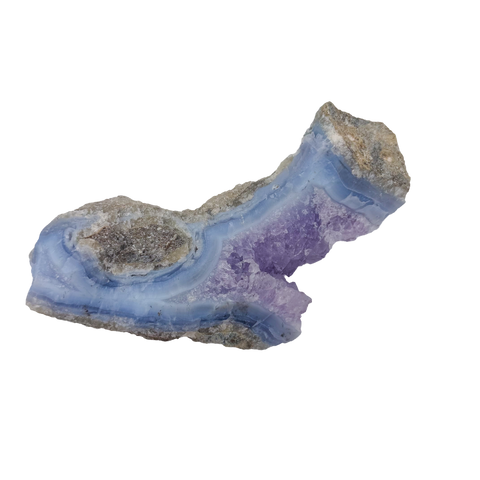
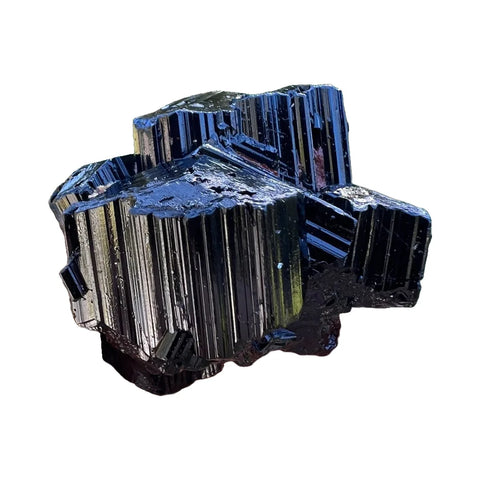
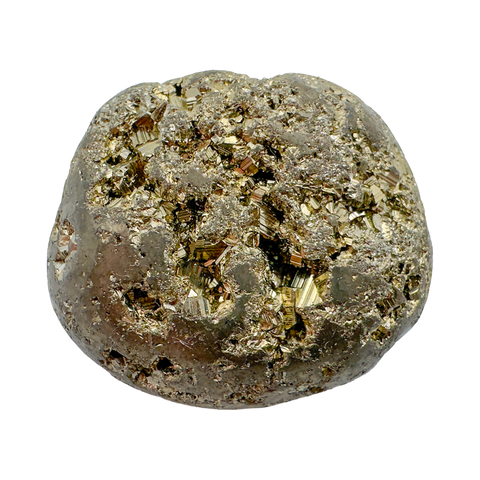
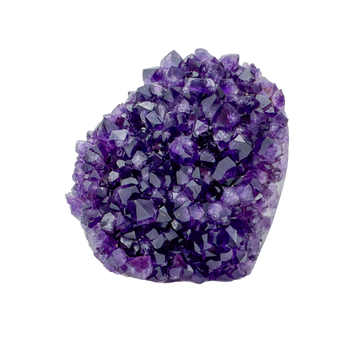
 Clusters & Geodes
104 pieces
Clusters & Geodes
104 pieces
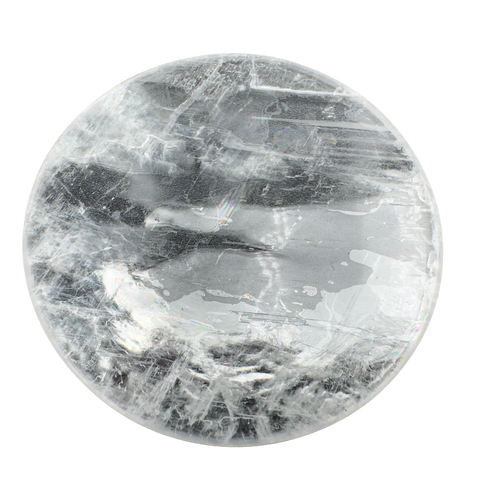
 Polished & Decor
148 pieces
Polished & Decor
148 pieces
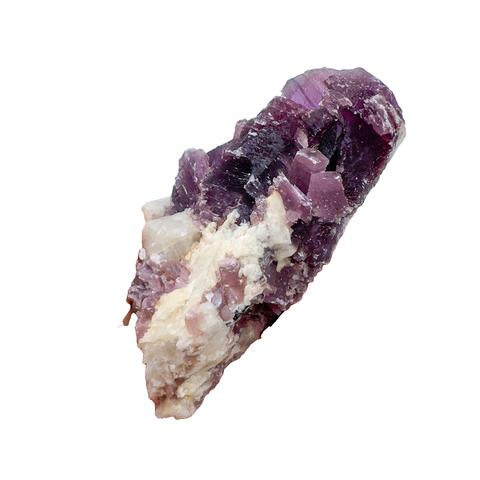
 Mineral Specimens
259 collector pieces
Mineral Specimens
259 collector pieces
 Crystal Chips
21 pieces
Browse everything
Every collection, one page.
View All Collections →
Crystal Chips
21 pieces
Browse everything
Every collection, one page.
View All Collections →


 Aries
Mar 21 – Apr 19
Carnelian
›
Aries
Mar 21 – Apr 19
Carnelian
›
 Taurus
Apr 20 – May 20
Rose Quartz
›
Taurus
Apr 20 – May 20
Rose Quartz
›
 Gemini
May 21 – Jun 20
Agate
›
Gemini
May 21 – Jun 20
Agate
›
 Cancer
Jun 21 – Jul 22
Moonstone
›
Cancer
Jun 21 – Jul 22
Moonstone
›
 Leo
Jul 23 – Aug 22
Citrine
›
Leo
Jul 23 – Aug 22
Citrine
›
 Virgo
Aug 23 – Sep 22
Amazonite
›
Virgo
Aug 23 – Sep 22
Amazonite
›
 Libra
Sep 23 – Oct 22
Blue Lace Agate
›
Libra
Sep 23 – Oct 22
Blue Lace Agate
›
 Scorpio
Oct 23 – Nov 21
Obsidian
›
Scorpio
Oct 23 – Nov 21
Obsidian
›
 Sagittarius
Nov 22 – Dec 21
Sodalite
›
Sagittarius
Nov 22 – Dec 21
Sodalite
›
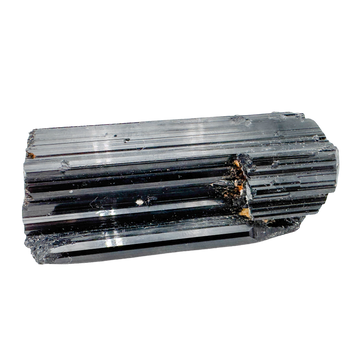
 Capricorn
Dec 22 – Jan 19
Black Tourmaline
›
Capricorn
Dec 22 – Jan 19
Black Tourmaline
›
 Aquarius
Jan 20 – Feb 18
Amethyst
›
Aquarius
Jan 20 – Feb 18
Amethyst
›
 Pisces
Feb 19 – Mar 20
Aquamarine
›
Gifting?
A birthday stone is the safe bet.
Read the zodiac guide →
Pisces
Feb 19 – Mar 20
Aquamarine
›
Gifting?
A birthday stone is the safe bet.
Read the zodiac guide →



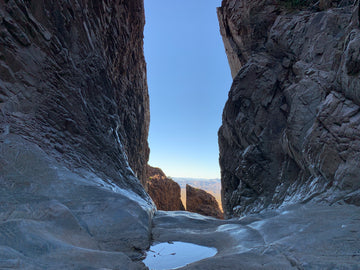

Pietersite
Pietersite looks like a storm caught in stone, swirling blues, golds, and reds that shimmer and shift as they catch the light. It is a brecciated, chatoyant quartz built from broken fibers of tiger's eye and hawk's eye. Discovered in Namibia, it has earned the nickname the tempest stone.
The geology.
Pietersite is a chatoyant quartz, related to tiger's eye and hawk's eye, but with a dramatic twist. Where those stones show neat parallel fibers, pietersite's fibers were broken apart and re-cemented by silica in a process called brecciation. The result is a swirling, chaotic flow rather than straight bands.
It is described mineralogically as a brecciated, silicified amphibole-bearing quartz, with fibers of minerals like riebeckite or crocidolite in varying stages of alteration. Those fibers create the moving sheen, called chatoyance, in blues, golds, and reddish browns. Hardness sits around 6.5 to 7, typical of the quartz family, with a vitreous to silky luster.
The origins.
Pietersite was discovered in Namibia in 1962 by Sid Pieters, who found it while prospecting and gave the stone its name. The Namibian deposits remain the classic source, valued for vivid storm-blue color and strong chatoyance. To date only a couple of Namibian sites have produced it.
A second source appeared later in Hunan, China, which supplied a redder, browner material for a time before that mine closed. Namibian pietersite is generally considered the finer of the two, with more vivid color and greater hardness. A named Namibian or Chinese origin tells you which look to expect.
Traditional associations.
Pietersite's stormy look has shaped its reputation. Many people work with it for courage through change, willpower, and a sense of moving through turbulence to clarity, which is how it earned the names tempest stone and eagle's eye.
It is usually associated with the Solar Plexus and Third Eye, an element of Storm or Wind, and the sign Leo. A common practice is to keep a piece close during a demanding or chaotic stretch as a reminder of steadiness within the storm.
Spotting the real thing.
Genuine pietersite shows a swirling, brecciated flow of chatoyance, with patches of blue, gold, and red that light up and move as you tilt the stone. The pattern looks chaotic and folded, not the straight, even bands of ordinary tiger's eye. That broken, storm-like motion is the key signature.
Be cautious of plain tiger's eye sold as pietersite, which shows simple parallel chatoyance rather than swirls, and of dyed or reconstituted imitations with too-even color. Ask whether the stone is Namibian or Chinese, since that affects the color, and look for the genuine folded, multidirectional sheen.
Care & handling.
Pietersite is durable enough for jewelry at 6.5 to 7 on the Mohs scale and cleans easily with warm water and a soft cloth. It is generally stable in light, though like other chatoyant quartz it is best not left in harsh, prolonged sun out of caution.
Avoid harsh chemicals and ultrasonic cleaners, and store it apart from harder stones to protect the polished sheen. A gentle buff with a soft cloth keeps the chatoyance bright. To reset it energetically, many people use sound, moonlight, or a rest on a selenite plate.
Pairs well with.
A deeper look.
Extended geology, sourcing, authentication, history, and varieties, for when the quick guide isn't quite enough.
Extended geology
Pietersite is a brecciated chatoyant quartz, sometimes described as a silicified, brecciated amphibole-bearing material. It began as fibrous amphibole minerals such as riebeckite and crocidolite, which give tiger's eye and hawk's eye their sheen, before tectonic forces shattered those fibers and silica re-cemented the fragments into a swirling matrix. The varied orientation of the broken fibers is what produces the multidirectional, folded chatoyance in blue, gold, and red. Hardness is 6.5 to 7, with a vitreous to silky luster and the conchoidal fracture of quartz.
Extended sourcing
The original and classic source is Namibia, where Sid Pieters discovered the stone in 1962 near Outjo in the north-central part of the country. Only a small number of Namibian sites have yielded it, and that material is prized for vivid storm-blue color. A later deposit in Hunan, China produced a redder, browner pietersite before closing. Namibian material is generally regarded as superior in color and hardness, so origin meaningfully affects both look and value.
Authentication and warning signs
Authentic pietersite shows brecciated, swirling chatoyance with shifting blue, gold, and red as the stone is tilted, quite different from the straight bands of ordinary tiger's eye. Warning signs include plain tiger's eye relabeled as pietersite, dyed material with unnaturally even color, and reconstituted imitations. Asking for the Namibian or Chinese origin and looking for the genuine folded, multidirectional sheen are the most reliable checks.
History and folklore
Pietersite is a relatively modern stone, named for Sid Pieters who brought it to attention in the early 1960s. It quickly gathered evocative names, the tempest stone and eagle's eye, inspired by its stormy, sweeping appearance. Modern associations center on courage, willpower, and finding calm within turbulence, reflecting the stone's dramatic look rather than any ancient tradition, since its history is recent.
Varieties and trade names
The two recognized types are distinguished by origin. Namibian pietersite tends toward vivid blues and golds with strong chatoyance, while the now-closed Hunan, China source produced redder and browner material. Both are sold simply as pietersite, sometimes under the names tempest stone or eagle's eye. There are no major treated varieties, so the key distinctions are color and source rather than enhancement.
What it costs in the market
Value is driven by color, the strength and movement of the chatoyance, and origin, with vivid blue Namibian material commanding the highest prices. Brown and red pieces and weaker chatoyance are more affordable. Because the classic Namibian deposits are limited and the Chinese mine closed, fine blue pietersite is comparatively scarce, which supports premium prices for the best stones.
An education-first guide.
We wrote this guide so you can tell true pietersite from ordinary tiger's eye and know what its Namibian or Chinese origin means for color and value. The swirling, brecciated sheen is the genuine signature. Explore our other crystal guides for stones with full origin and treatment notes.
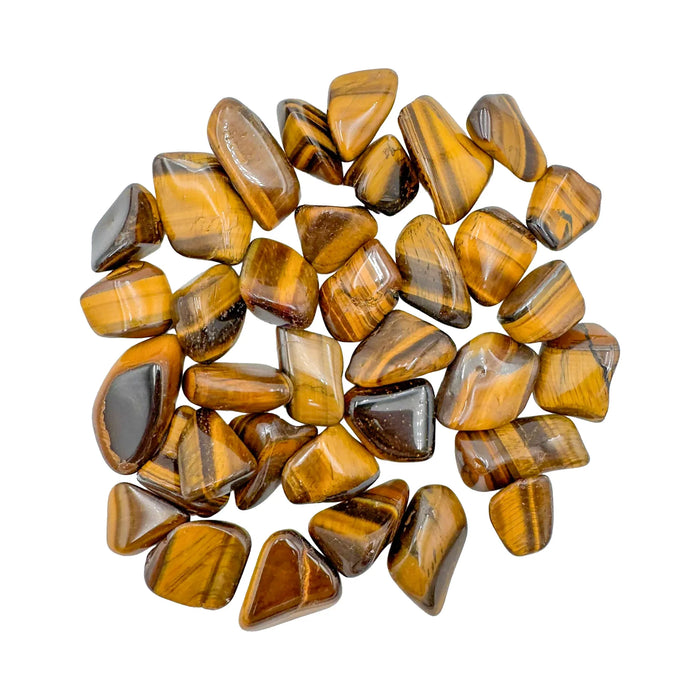
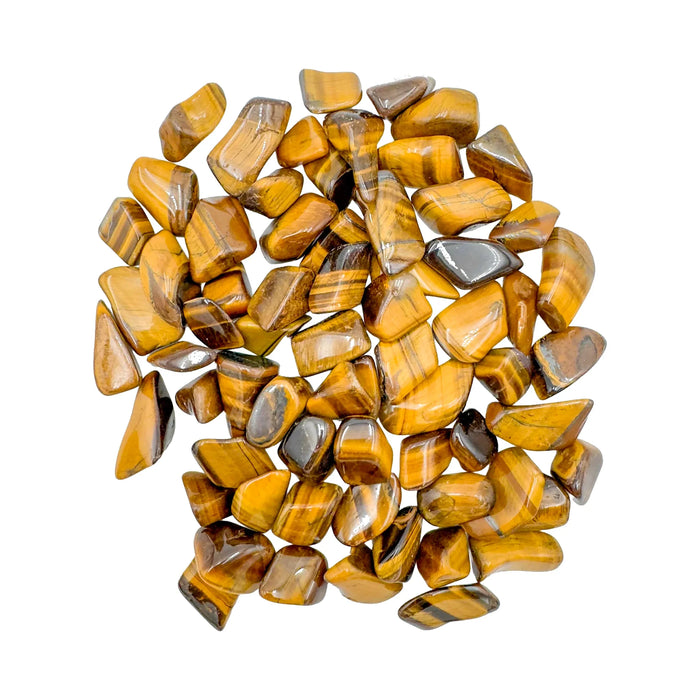
Explore the Crystal GuideThe closest match we carry: Tiger Eye.
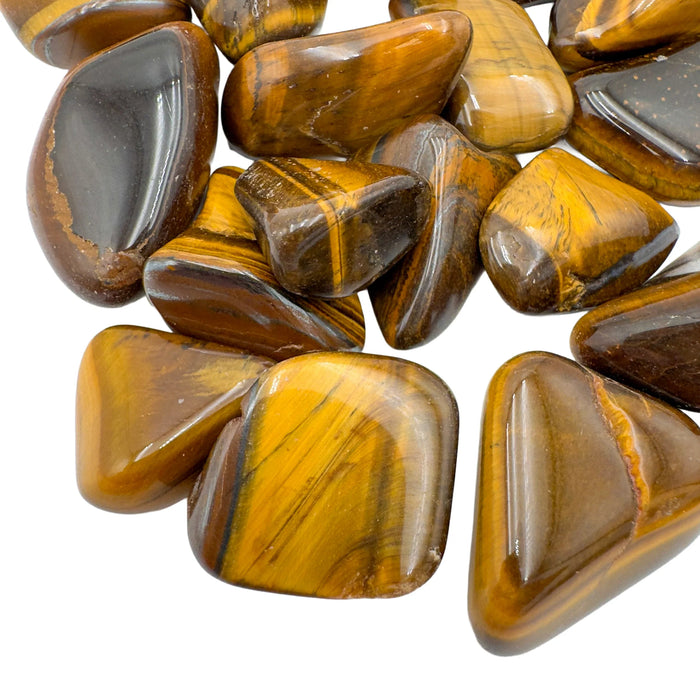
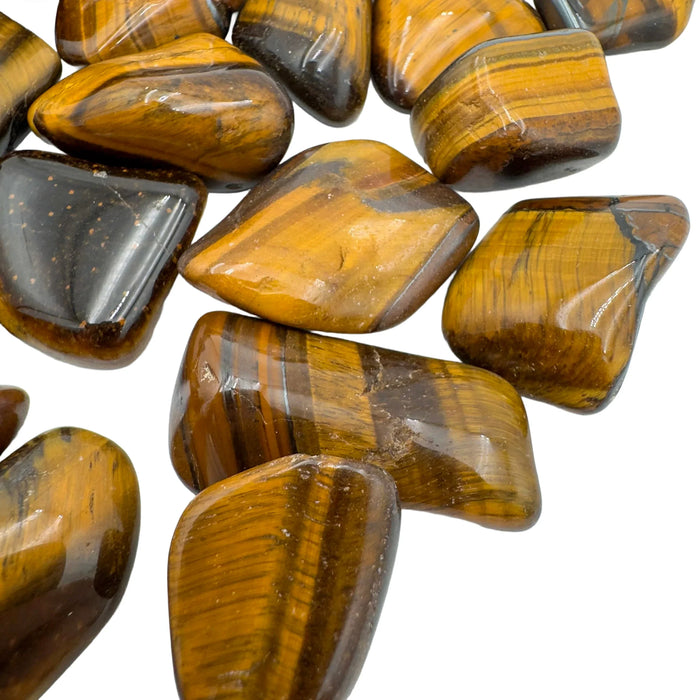
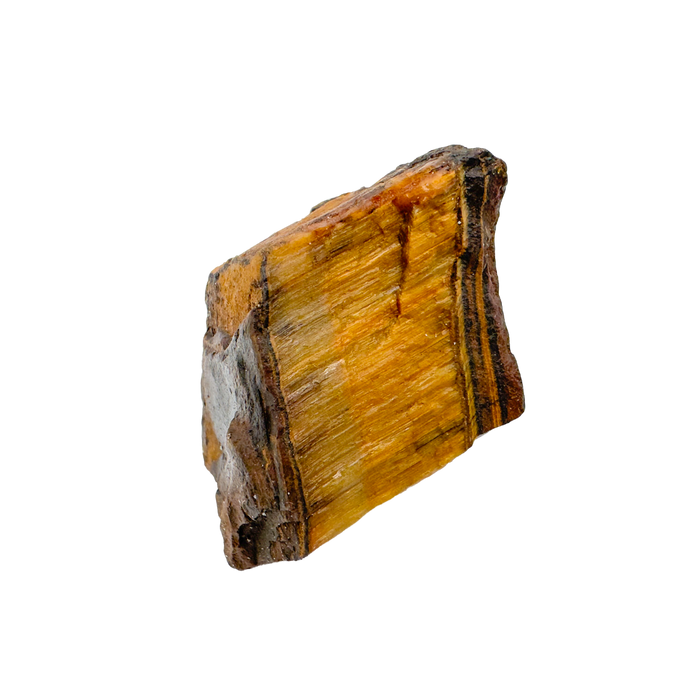
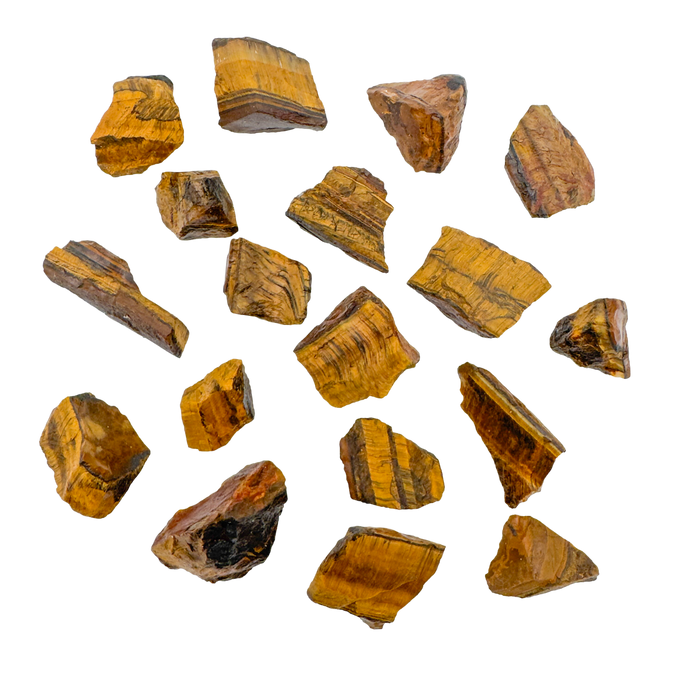
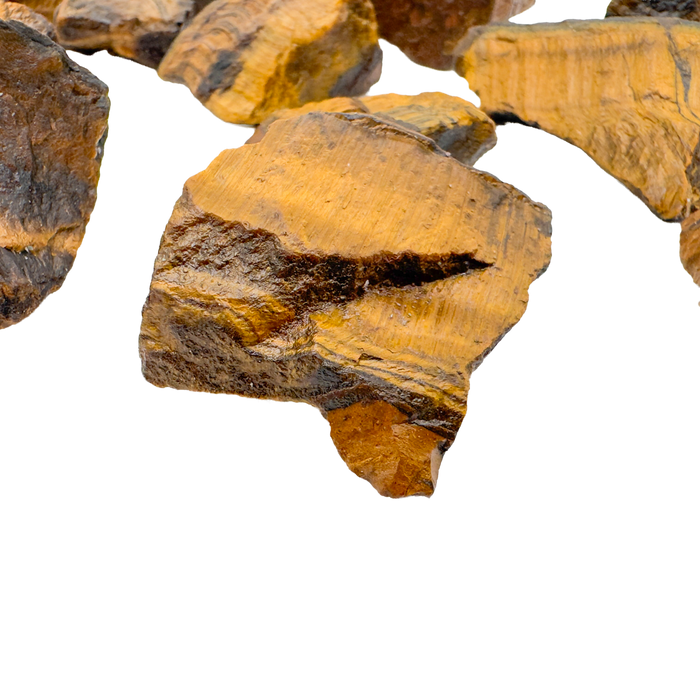
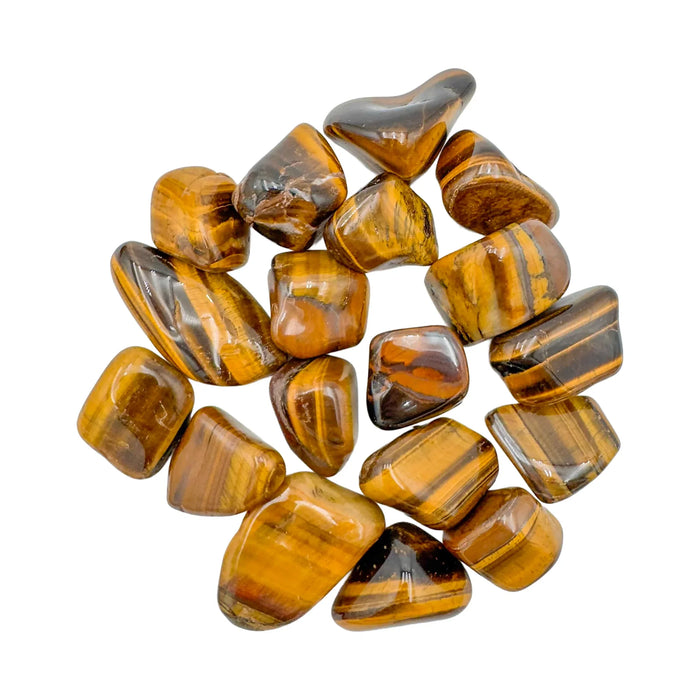
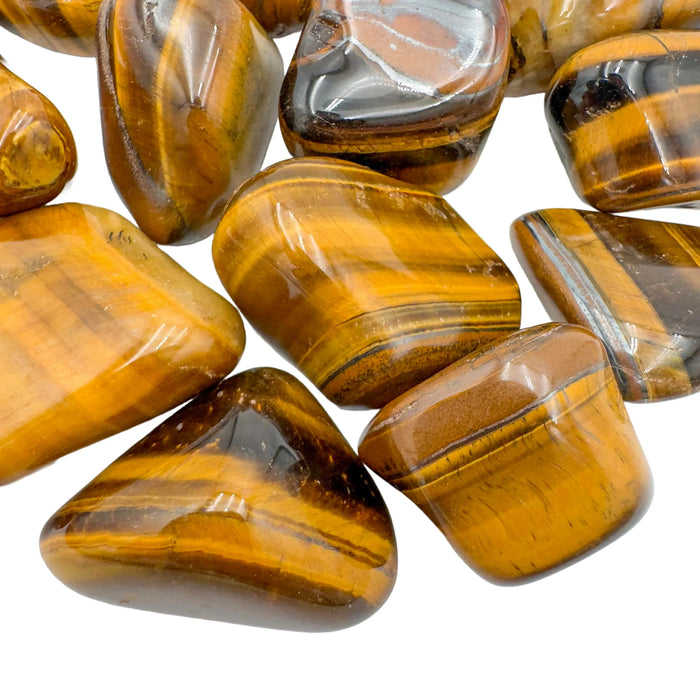
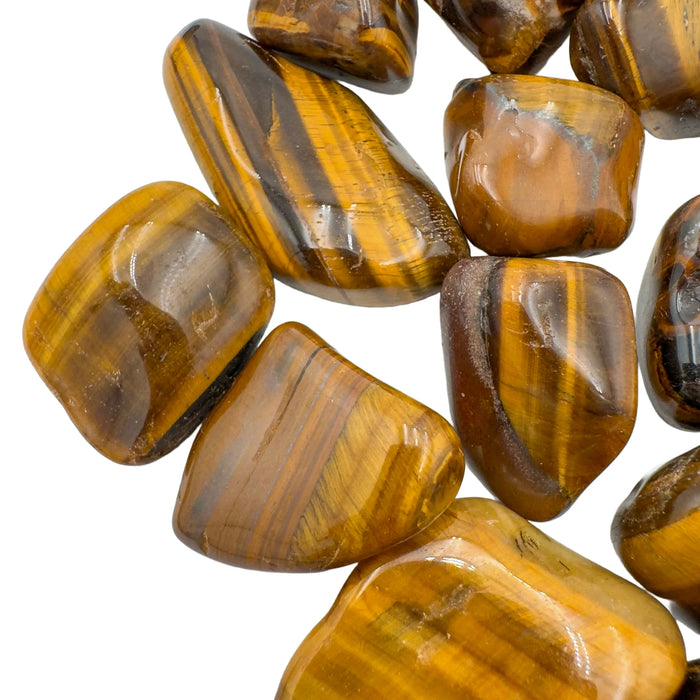
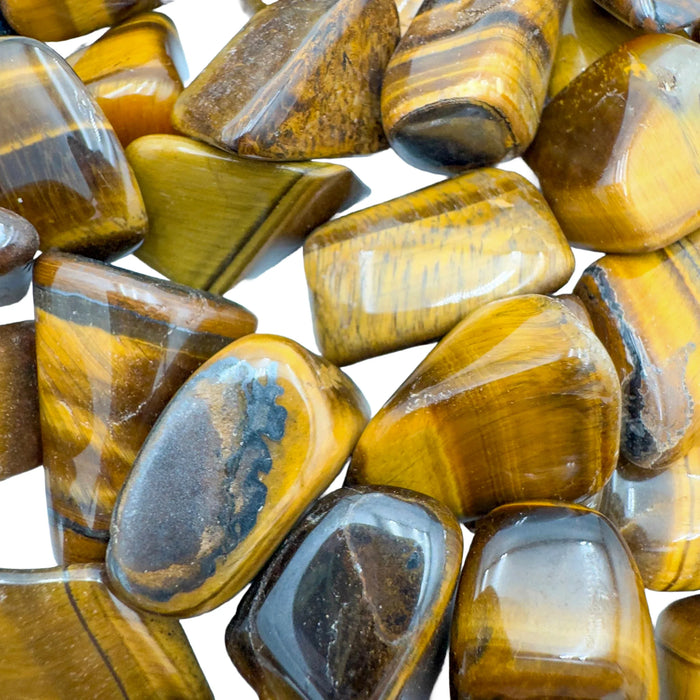
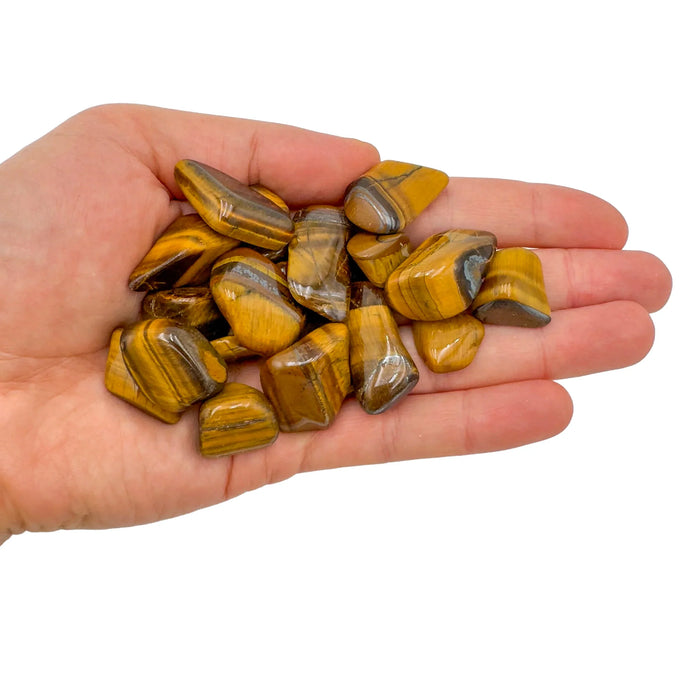
Pietersite is not something we carry. Tiger Eye is the closest match in our collection, and every piece passes our sourcing standards: origin named, treatments disclosed.
- from 1,000+ reviews
- Ships within 72 hoursMonday to Friday, tracked
- 90 days to return itif you do not love it
- Free US shipping over $99$8.99 flat rate under
The Slow Note
New stones go to the list first.
No forwarding, no selling. Unsubscribe in one click. Privacy