


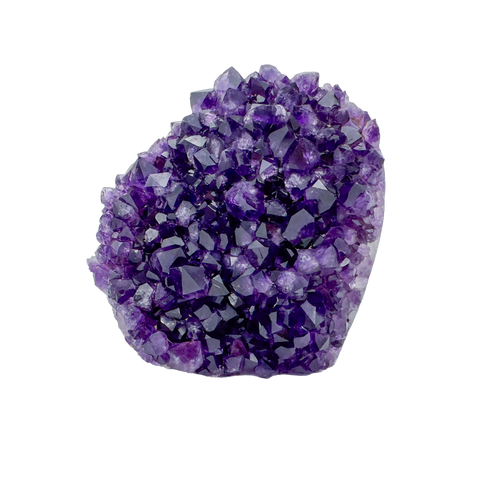
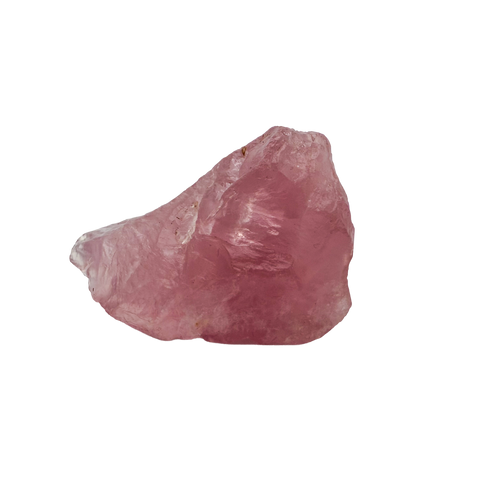
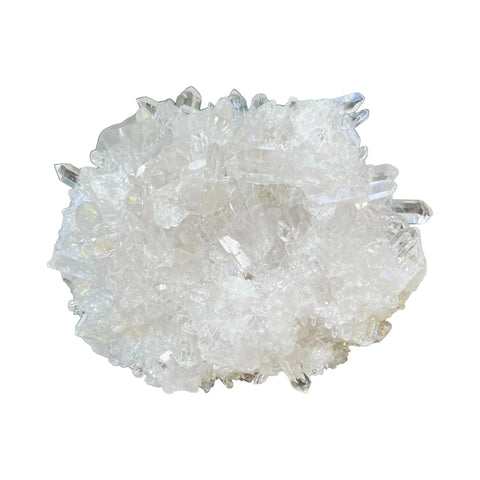
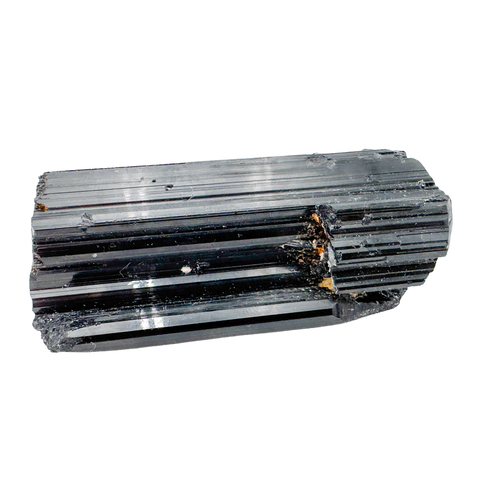
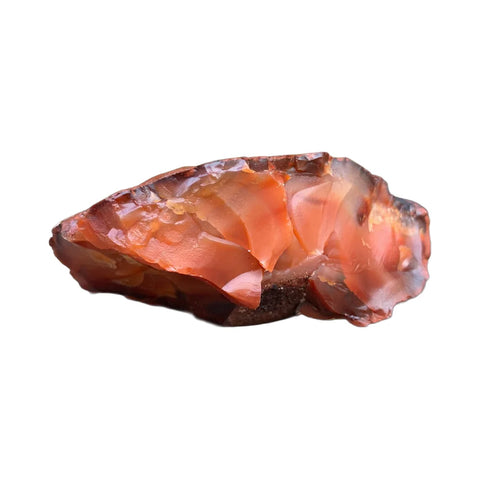
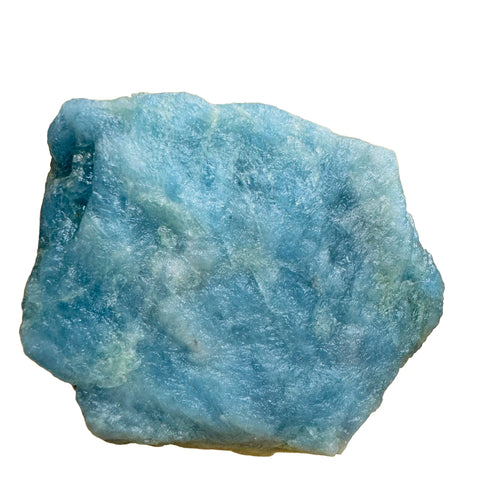
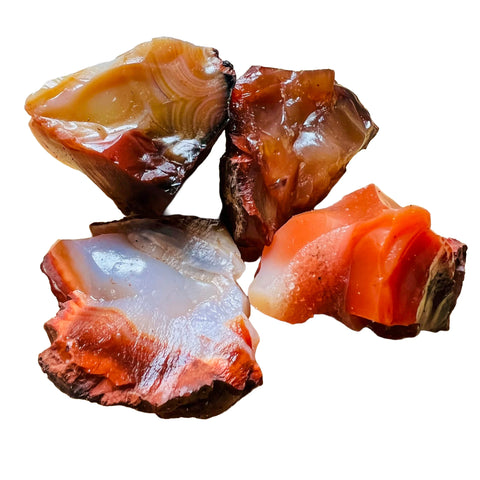


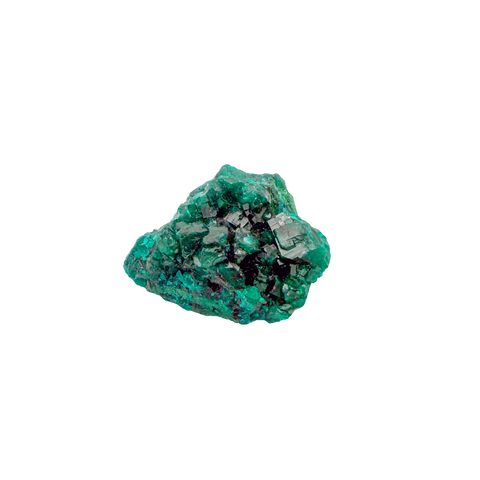
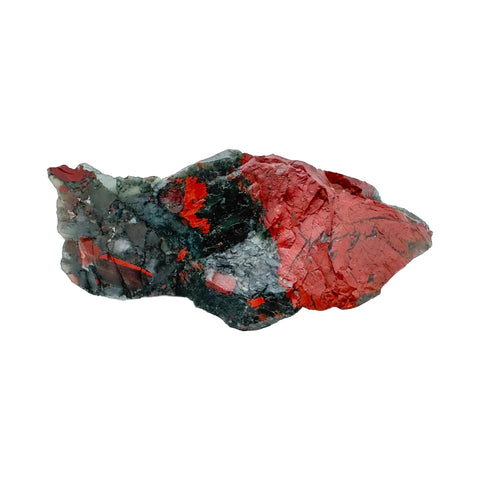
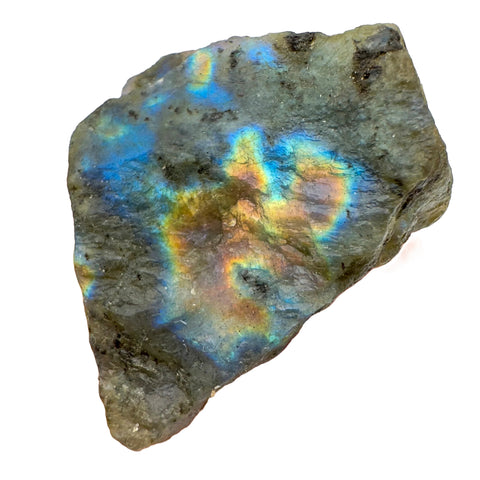
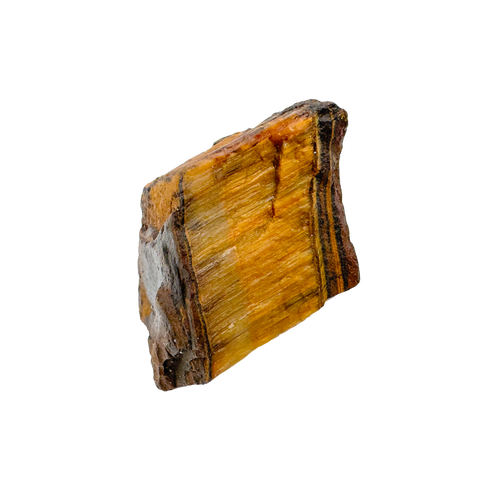
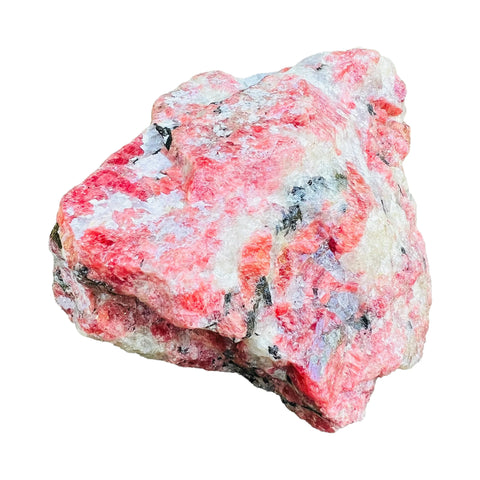
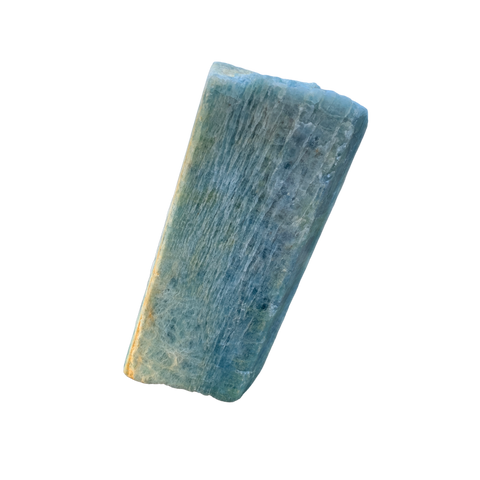
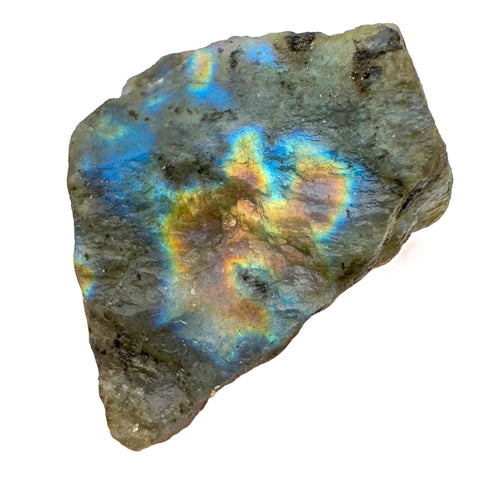



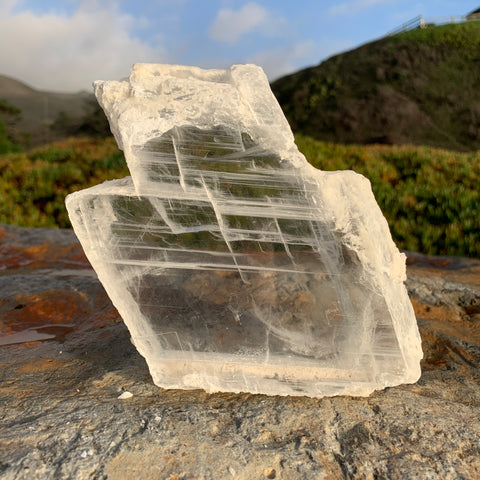

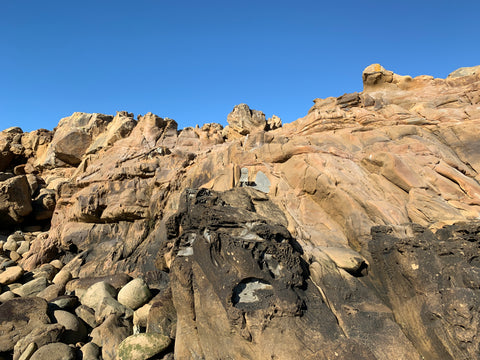

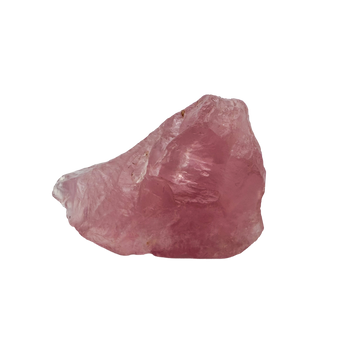
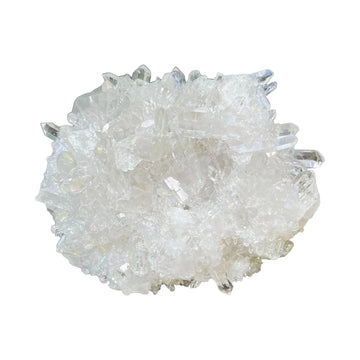
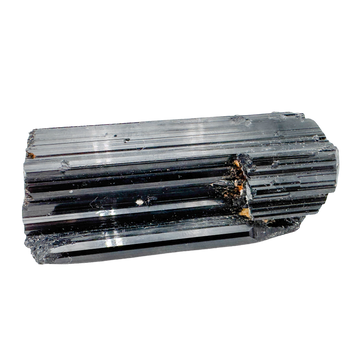
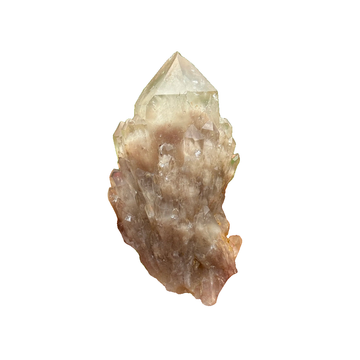
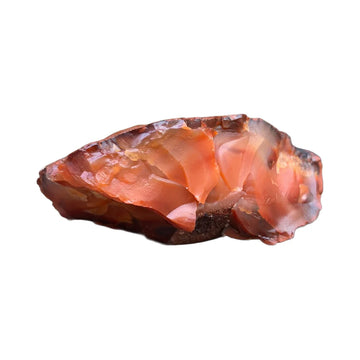
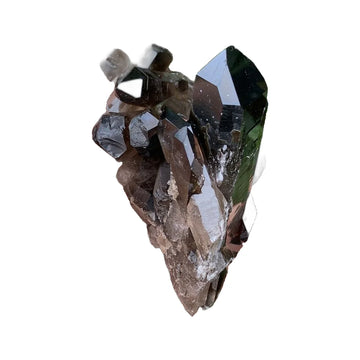
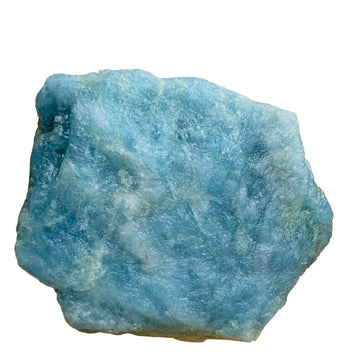
 Raw Stones
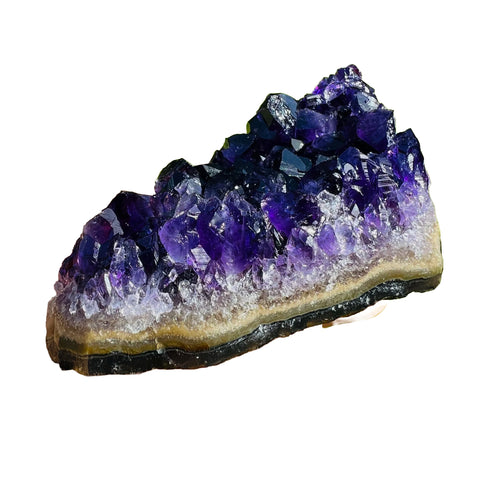
179 pieces
Raw Stones
179 pieces
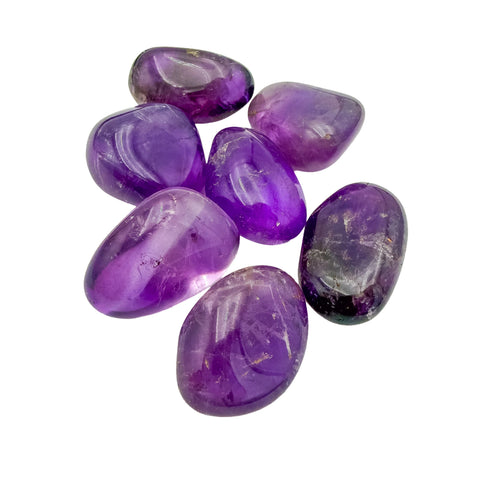
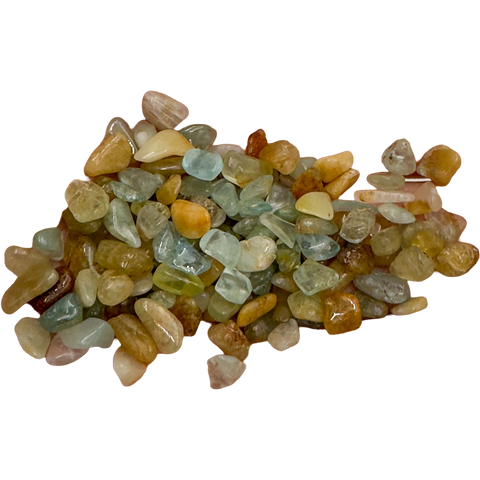
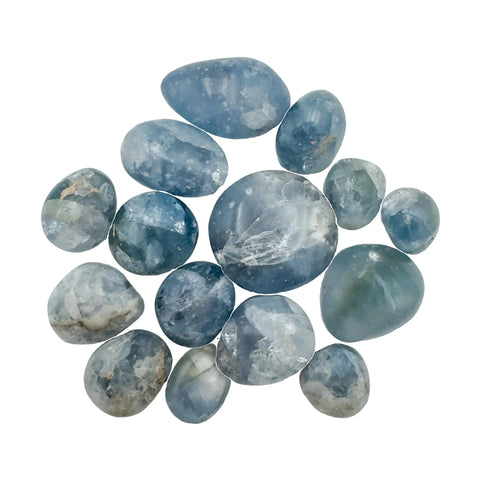
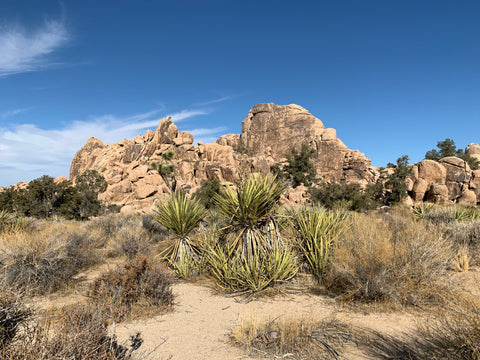
 Tumbled Stones
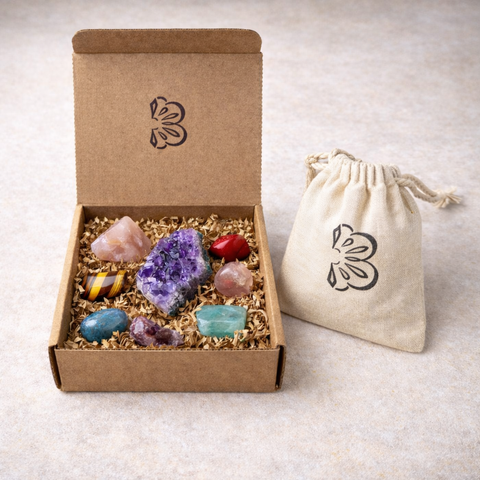
162 pieces
Tumbled Stones
162 pieces
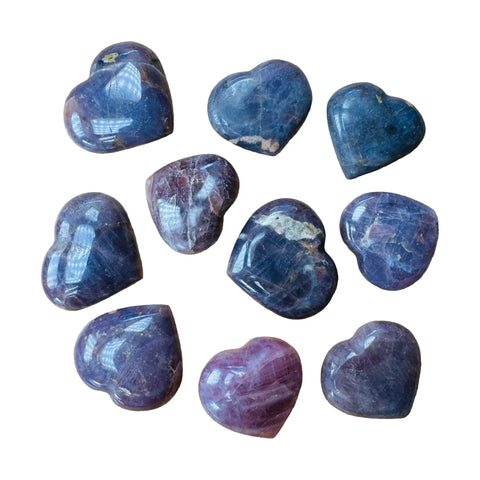
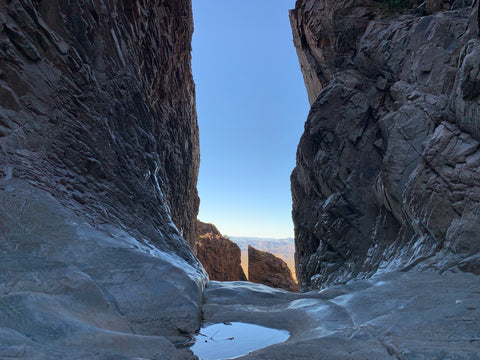
 Palm Stones
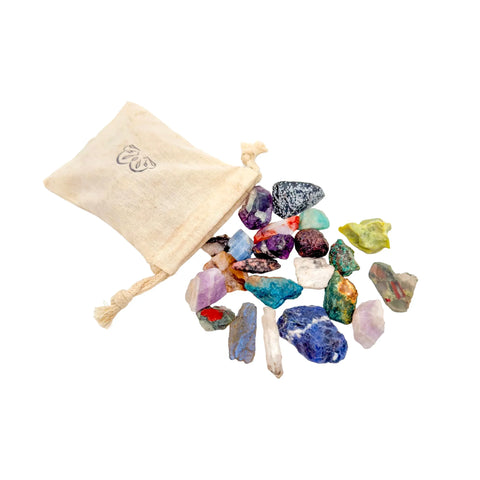
25 pieces
Palm Stones
25 pieces
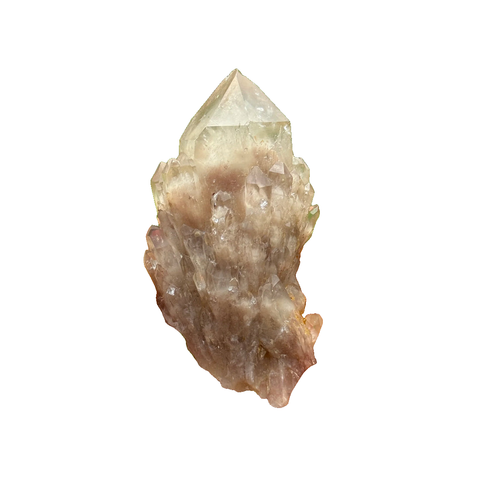
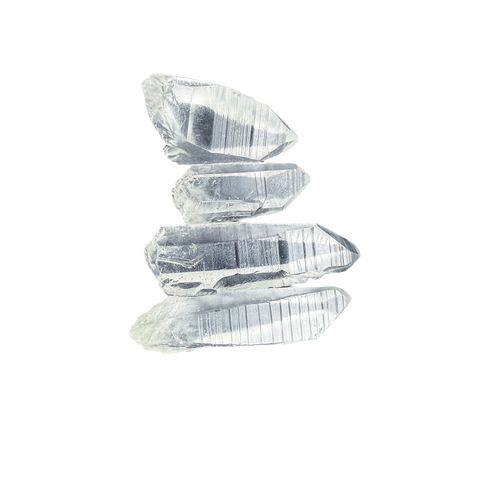
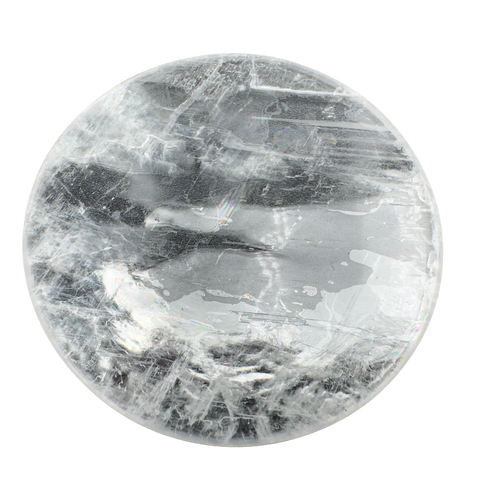
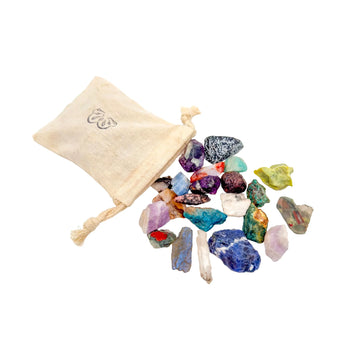
 Crystal Points
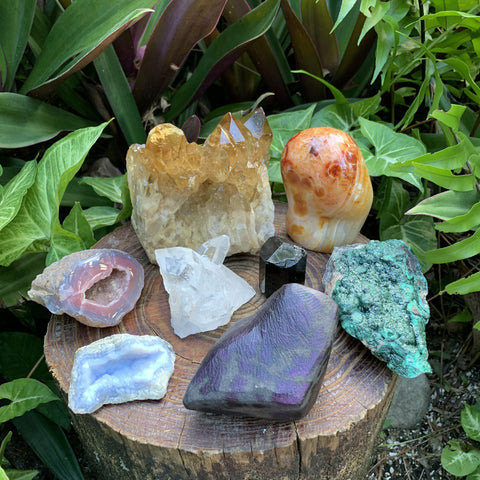
23 pieces
Crystal Points
23 pieces
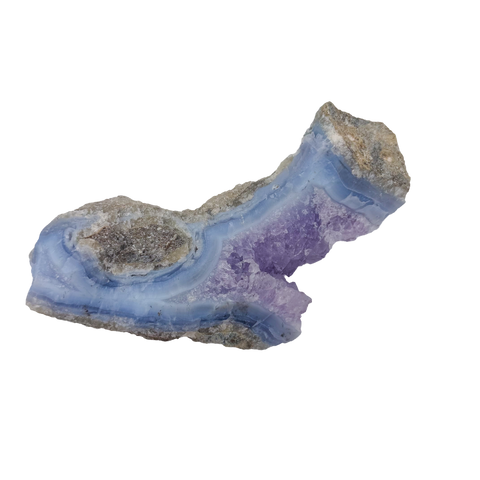
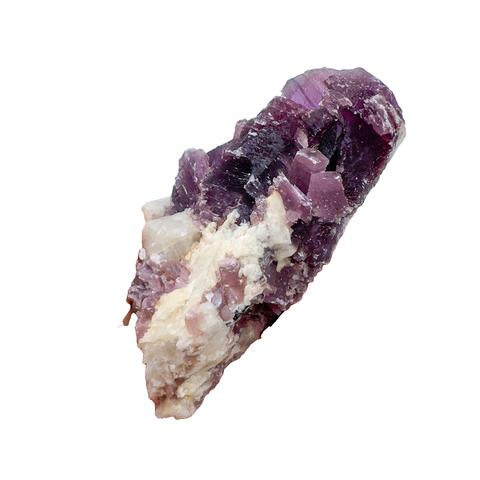
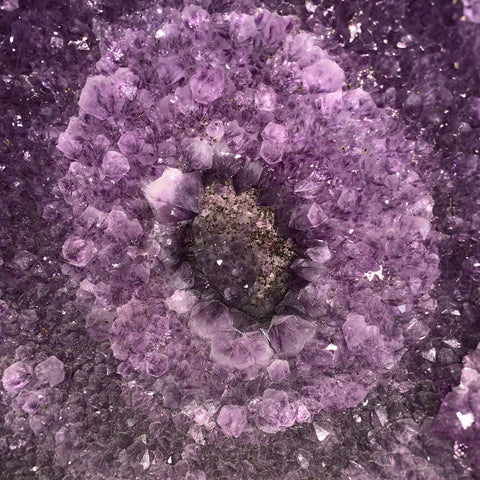
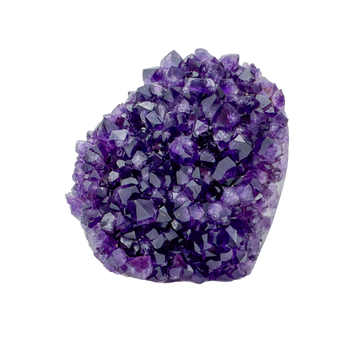
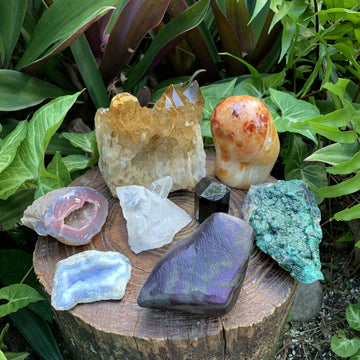
 Clusters & Geodes
104 pieces
Clusters & Geodes
104 pieces
 Polished & Decor
148 pieces
Polished & Decor
148 pieces
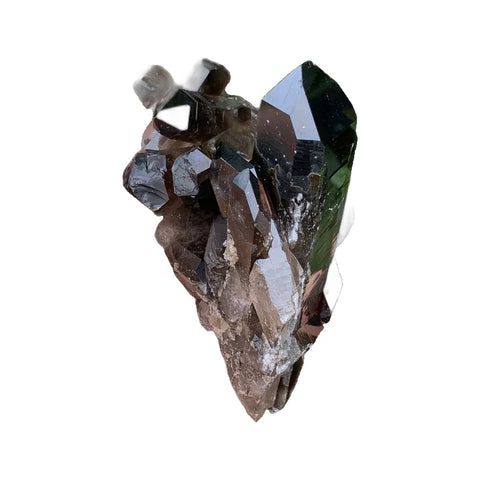
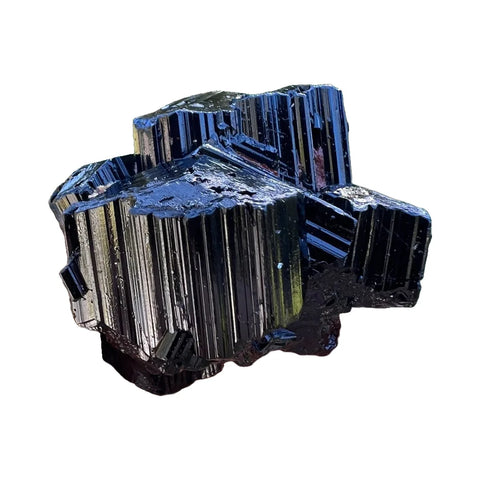
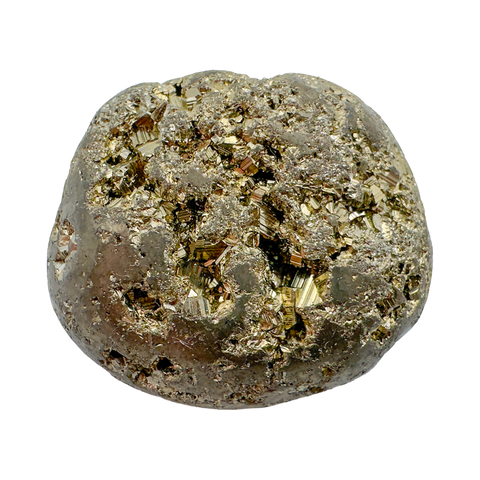
 Mineral Specimens
259 collector pieces
Mineral Specimens
259 collector pieces
 Crystal Chips
21 pieces
Browse everything
Every collection, one page.
View All Collections →
Crystal Chips
21 pieces
Browse everything
Every collection, one page.
View All Collections →


 Aries
Mar 21 – Apr 19
Carnelian
›
Aries
Mar 21 – Apr 19
Carnelian
›
 Taurus
Apr 20 – May 20
Rose Quartz
›
Taurus
Apr 20 – May 20
Rose Quartz
›
 Gemini
May 21 – Jun 20
Agate
›
Gemini
May 21 – Jun 20
Agate
›
 Cancer
Jun 21 – Jul 22
Moonstone
›
Cancer
Jun 21 – Jul 22
Moonstone
›
 Leo
Jul 23 – Aug 22
Citrine
›
Leo
Jul 23 – Aug 22
Citrine
›
 Virgo
Aug 23 – Sep 22
Amazonite
›
Virgo
Aug 23 – Sep 22
Amazonite
›
 Libra
Sep 23 – Oct 22
Blue Lace Agate
›
Libra
Sep 23 – Oct 22
Blue Lace Agate
›
 Scorpio
Oct 23 – Nov 21
Obsidian
›
Scorpio
Oct 23 – Nov 21
Obsidian
›
 Sagittarius
Nov 22 – Dec 21
Sodalite
›
Sagittarius
Nov 22 – Dec 21
Sodalite
›
 Capricorn
Dec 22 – Jan 19
Black Tourmaline
›
Capricorn
Dec 22 – Jan 19
Black Tourmaline
›
 Aquarius
Jan 20 – Feb 18
Amethyst
›
Aquarius
Jan 20 – Feb 18
Amethyst
›
 Pisces
Feb 19 – Mar 20
Aquamarine
›
Gifting?
A birthday stone is the safe bet.
Read the zodiac guide →
Pisces
Feb 19 – Mar 20
Aquamarine
›
Gifting?
A birthday stone is the safe bet.
Read the zodiac guide →

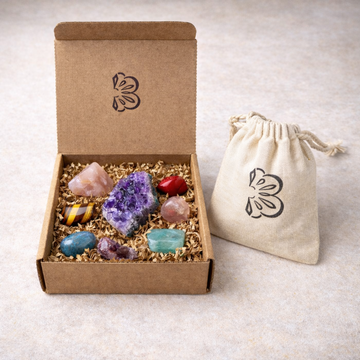



Pink Agate
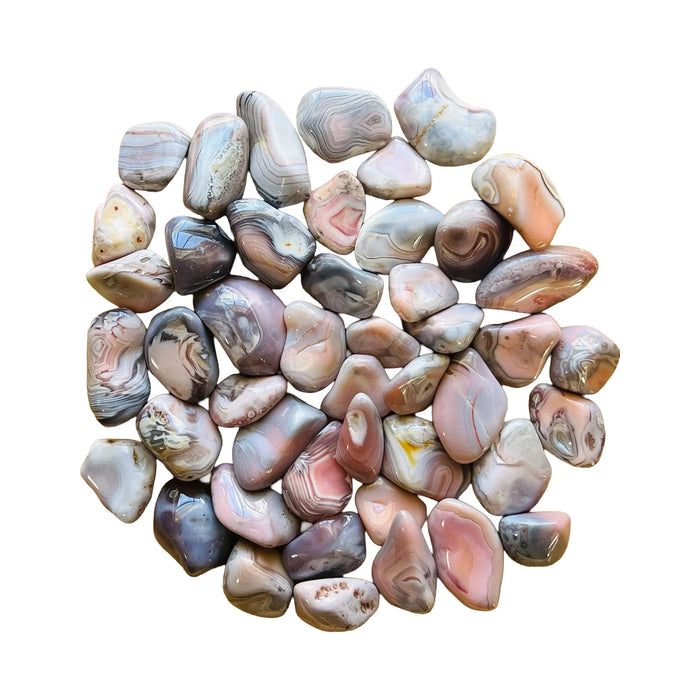
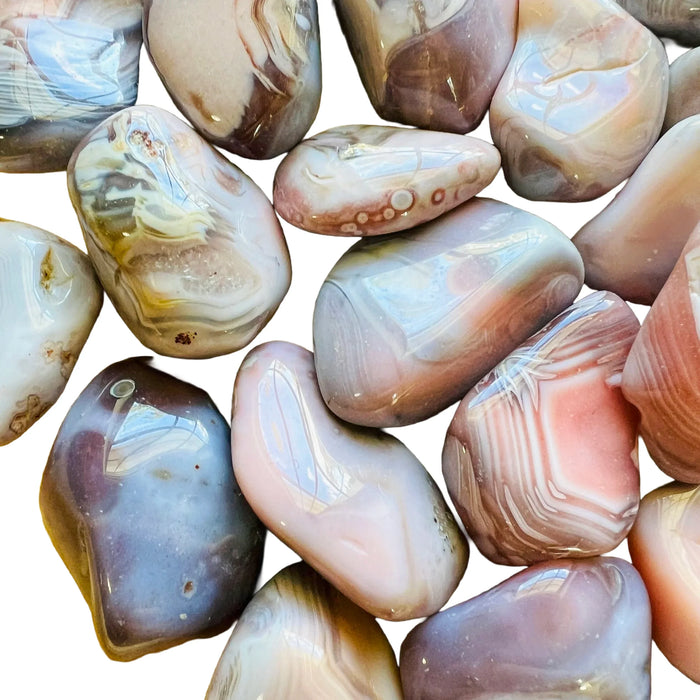
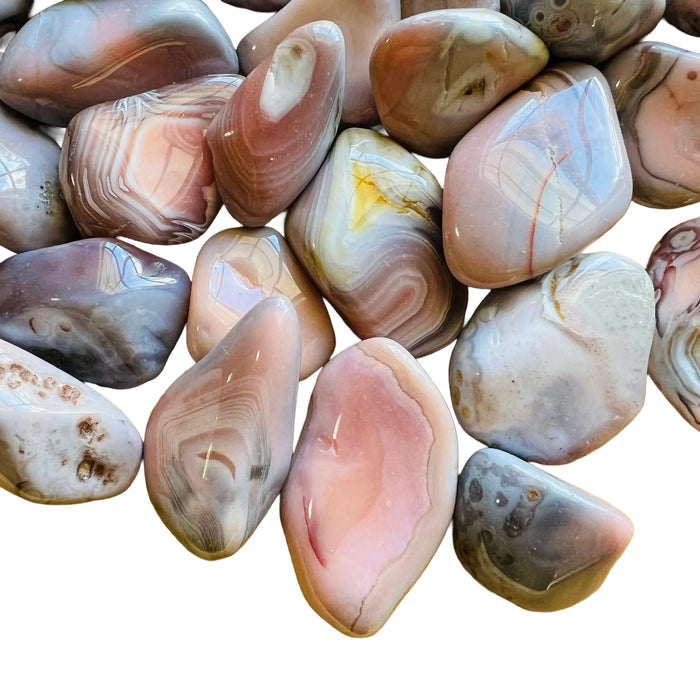
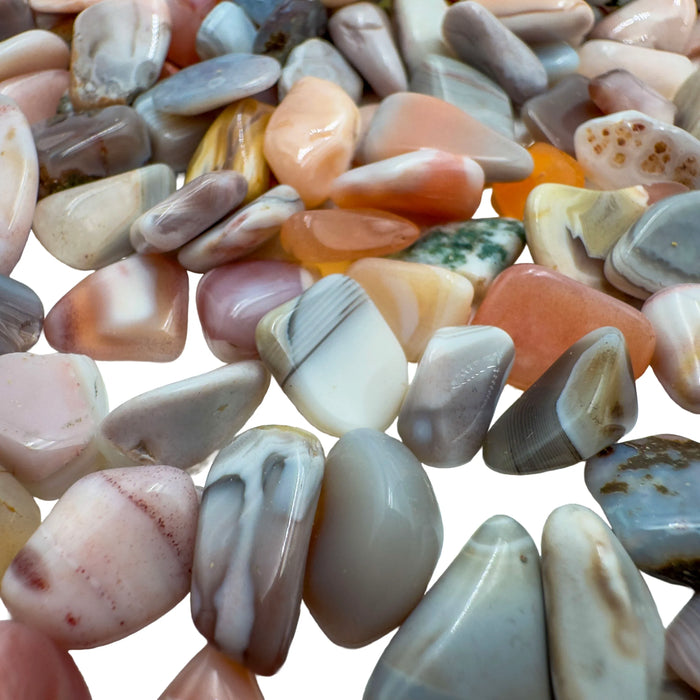
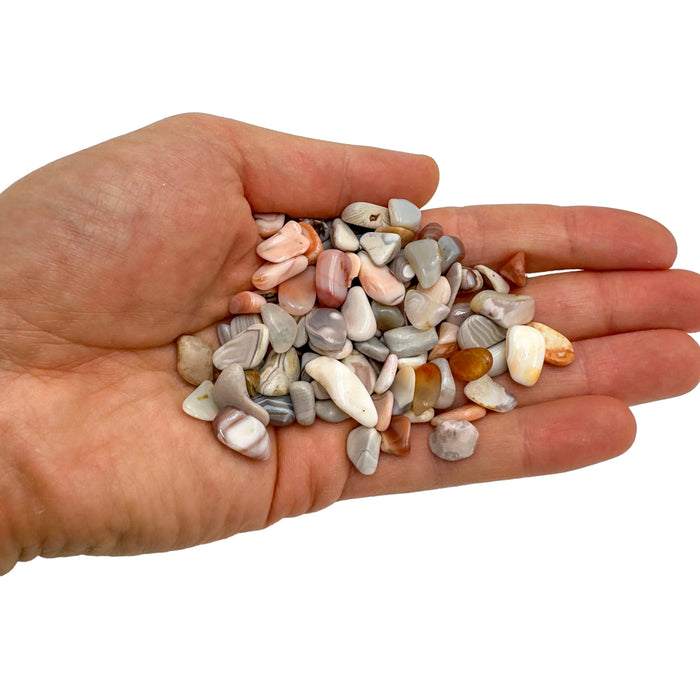
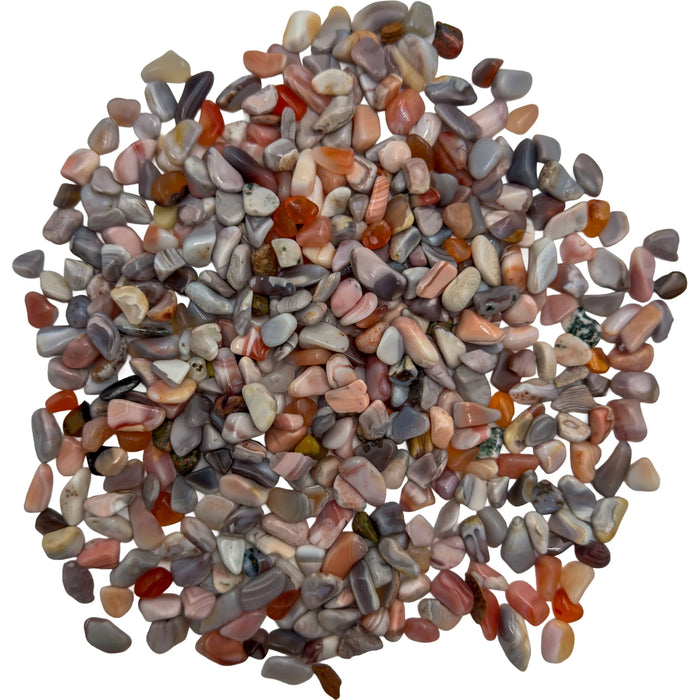
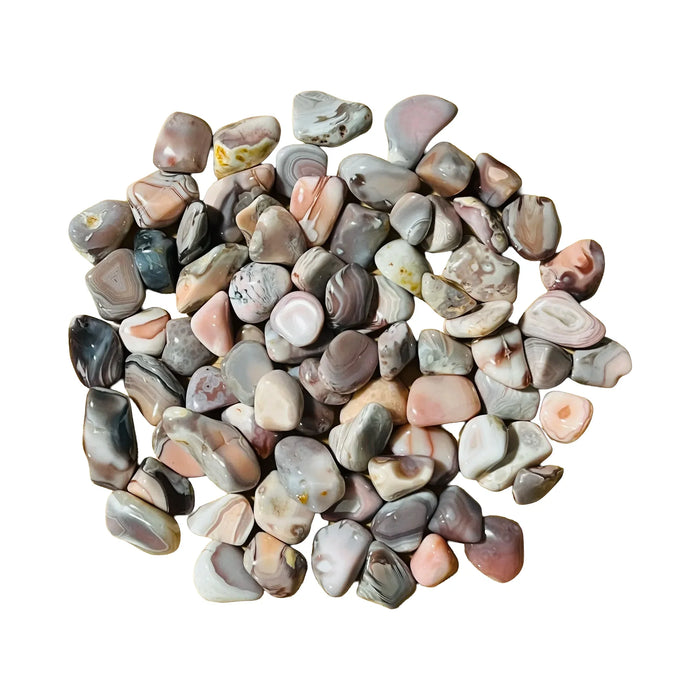
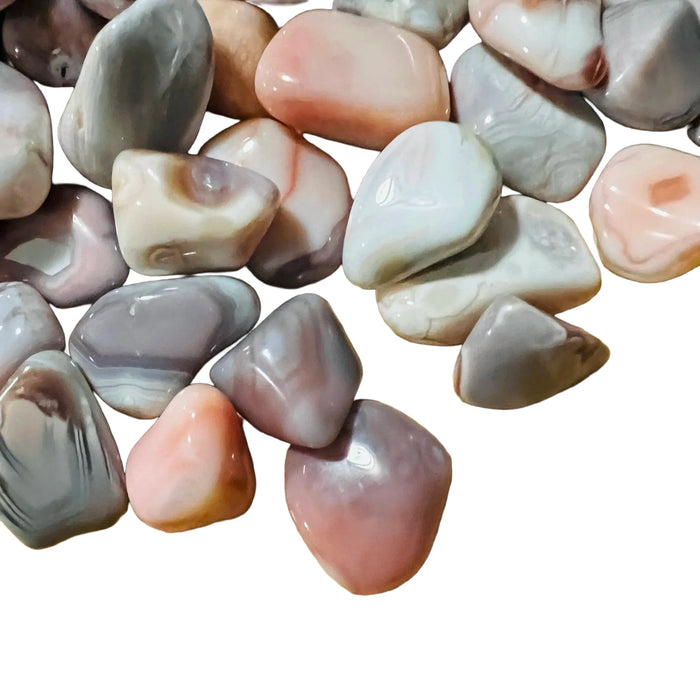
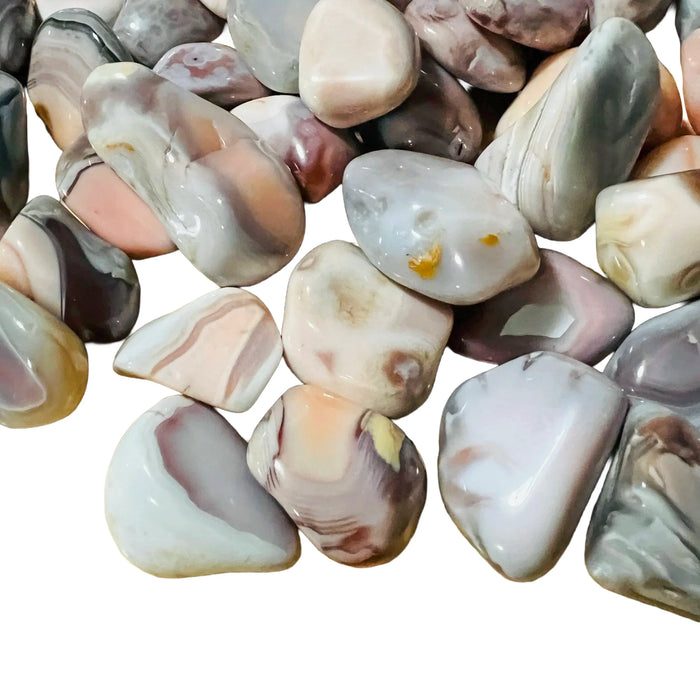
Pink Agate is a variety of chalcedony colored by trace iron and manganese, ranging from pale blush to warm rose. Often banded with white or darker pink concentric layers, it's the gentler cousin of Red Agate and Carnelian. Traditionally associated with compassion, maternal energy, and the heart-centered work of holding space for yourself and others.
Shop pink-agateThe geology.
Pink Agate is a variety of chalcedony, microcrystalline quartz (SiO₂) colored by trace iron and manganese distributed through the silica matrix. The pink ranges from pale blush to saturated rose, with banding often visible as concentric layers formed when successive pulses of mineral-rich fluid precipitated in cavities. Unlike solid-color varieties, Pink Agate often shows subtle banding that adds visual depth.
Hardness runs 6.5 to 7 on the Mohs scale, durable enough for daily-wear jewelry. No cleavage, conchoidal fracture, vitreous-to-waxy luster. Pink Agate shares structural properties with all agate varieties; the difference is entirely in the color-causing trace chemistry. The banding is natural and forms during crystallization in host cavities.
The origins.
Pink Agate is produced across several commercial regions. Botswana's agate deposits yield significant pink-banded material for the small-shop market. Brazil's Rio Grande do Sul is a classic source of agate generally, with pink varieties appearing alongside the more common clear and brown banded agates. Madagascar, India (Gujarat), Mexico, and the United States also produce Pink Agate commercially.
Each source has subtle differences. Botswanan material often shows soft natural banding with gentle pink tones. Brazilian material is frequently heat-treated to intensify color. Madagascan Pink Agate can show stronger rose hues. Mexican pink agates sometimes include dramatic banded patterns. Most commercial Pink Agate is natural or gently heat-treated; strong saturation often signals treatment.
Traditional associations.
Pink Agate shares the deep documented tradition of all agate varieties, going back to ancient Sumerian and Egyptian use. The name comes from the Achates River in Sicily where Theophrastus documented early agate trading. Pink Agate specifically appears in Greek, Roman, and Chinese jewelry, often associated with maternal figures and goddesses of love and fertility.
Many people work with Pink Agate for compassion, gentle emotional healing, and the maternal or caregiving forms of heart-centered work. It's most commonly associated with the Heart chakra, the elements of Water and Earth, and the zodiac signs Gemini and Libra. The classic working is as a gentle companion stone for people doing caregiving work or supporting others through difficult stretches.
Spotting the real thing.
Real Pink Agate shows natural color variation with subtle banding often visible as concentric layers. The polish reads vitreous to waxy. Held to strong light, the stone is usually partially translucent at thinner edges. Under a loupe, the fine-grained microcrystalline structure of chalcedony is sometimes visible. Color should be gentle and natural, not saturated or uniform.
Dyed chalcedony shows uniform saturated pink with dye pooling in fractures. Heat-treated pink agate is legitimate when disclosed; it typically shows more uniform color than natural material. Glass imitations feel warmer and lack the weight of real agate. Reputable sellers disclose treatment and confirm origin.
Care & handling.
Water safe for normal cleaning with warm water and a soft cloth. Handles saltwater rinses and brief ultrasonic cleaning. Pink Agate is stable under sunlight and temperature shifts within reason.
Cleanse energetically with moonlight, sound, smoke, salt water, or by placing on selenite overnight. At 6.5 to 7 on the Mohs scale, handles daily wear well in jewelry. Store separately from harder stones like topaz and sapphire to preserve polish.
Pairs well with.
Proof, not promises.
We measure our own sourcing across five dimensions. Supply chain, environmental footprint, artisan support, market integrity, and pricing. The number is honest, not perfect. Where we can do better, we say so.
A deeper look.
Extended geology, sourcing, authentication, history, varieties, and pricing, for when the quick guide isn't quite enough.
Extended geology
Pink Agate is a variety of chalcedony, microcrystalline quartz (SiO₂) with grains too fine to resolve without magnification. The pink coloration comes from trace iron and manganese in the silica matrix, with specific chemistry determining the tone. The banding characteristic of agates forms during crystallization when successive pulses of silica-bearing fluid deposit in cavities of volcanic or sedimentary host rock.
Mohs hardness 6.5 to 7. Specific gravity 2.58 to 2.64. Luster vitreous to waxy. No cleavage; conchoidal fracture. Like Red Agate and Carnelian, Pink Agate is often heat-treated commercially to intensify color. Heat at 400 to 500 degrees Celsius can convert iron hydroxides to hematite, deepening the pink tone.
Extended sourcing
Botswana has been a significant source of Pink Agate for the small-shop market, with soft natural pink tones. Brazil's Rio Grande do Sul produces pink agates alongside the more common clear and brown banded varieties, often with heat treatment to intensify pink. Madagascar's agate deposits yield pink material with particularly rose-toned color.
India's Gujarat region handles significant volumes of global agate, including pink varieties. Mexico (Chihuahua, Sonora) and the United States (Oregon's Graveyard Point) produce smaller commercial quantities. Each source has subtle differences in banding pattern and color tone, though heat treatment tends to even out some distinctions.
Authentication and warning signs
Real Pink Agate shows natural color variation with subtle banding. Hardness 6.5 to 7 (scratches glass easily). Under magnification, the microcrystalline structure is visible. Heat-treated material looks natural and is legitimate when disclosed. The concern is usually dyed chalcedony sold as natural Pink Agate.
Dyed pieces show saturated uniform pink without natural variation; dye pools in fractures. Glass imitations are warmer to the touch and lighter in weight. Reputable sellers disclose treatment in writing and distinguish natural from heat-treated material.
Historical and cultural context
Pink Agate shares agate's ancient tradition. Sumerian, Egyptian, and Greek sources documented agate use going back over 4,000 years. Specific pink and rose-colored agates appear in Greek and Roman jewelry, sometimes in rings and cameos, often associated with goddesses of love, compassion, and motherhood.
Chinese traditions worked Pink Agate into jewelry and carvings, where it was associated with harmony and gentleness. Indigenous American traditions in the Southwest used various agate varieties in ceremonial objects. Contemporary metaphysical practice groups Pink Agate with heart-centered and maternal-energy stones, often paired with Rose Quartz for softer heart work.
Varieties and trade names
Pink Agate: the general term for pink-colored chalcedony.
Pink Banded Agate: Pink Agate with visible concentric banding.
Botswana Agate: trade name for Botswanan agate including pink varieties.
Pink Botswana Agate: specific pink material from Botswanan deposits.
Rose Botswana Agate: alternate name for saturated pink Botswanan material.
Pricing reality
Tumbled Pink Agate: 1 to 4 dollars per piece. Small polished shapes and palm stones: 5 to 20 dollars. Larger polished freeforms, spheres, and slabs: 15 to 75 dollars depending on size and banding quality.
Value drivers: depth and evenness of pink color, quality of banding pattern, absence of chips, clean polish, and treatment disclosure. Warning signs: suspiciously saturated pink at very low prices (possibly dyed), no treatment disclosure, or pieces labeled 'natural' when heat treatment is likely.
Good sourcing is a practice, not a claim.
Nothing we sell is dyed material sold as natural Pink Agate. We disclose heat treatment in writing on every listing and name our origins where we can. We walk away from material that doesn't meet our standard, even when it costs us sales.
Bring pink-agate home.
Every piece we carry is photographed individually and listed with its own origin and treatment notes. What you see is what ships.
Shop the pink-agate collectionPink Agate, in stock now.
Our most-loved Pink Agate pieces, ready to ship.
- from 1,000+ reviews
- Ships within 72 hoursMonday to Friday, tracked
- 90 days to return itif you do not love it
- Free US shipping over $99$8.99 flat rate under
The Slow Note
New stones go to the list first.
No forwarding, no selling. Unsubscribe in one click. Privacy