


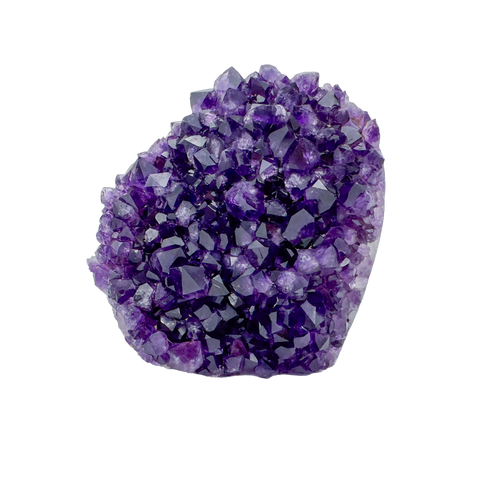
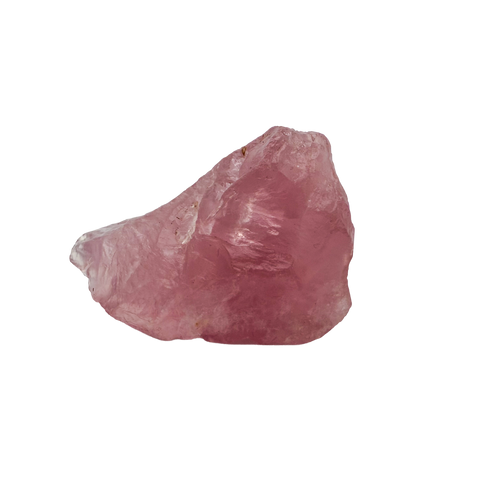
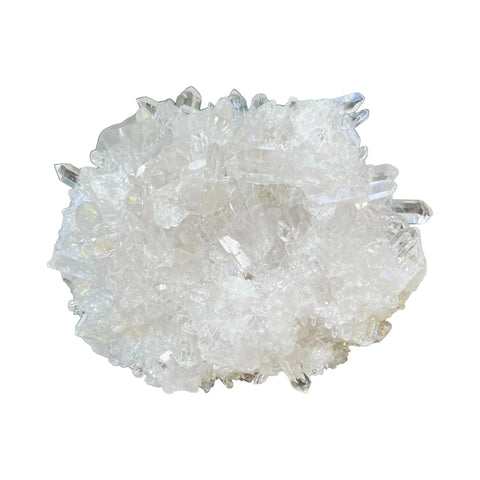
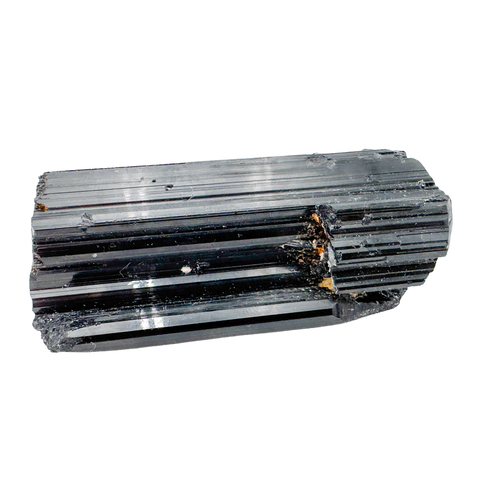
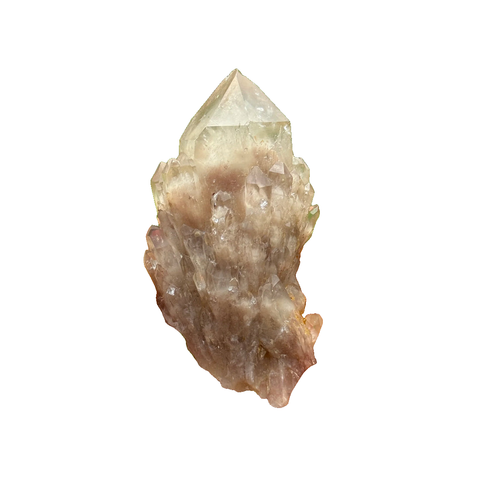
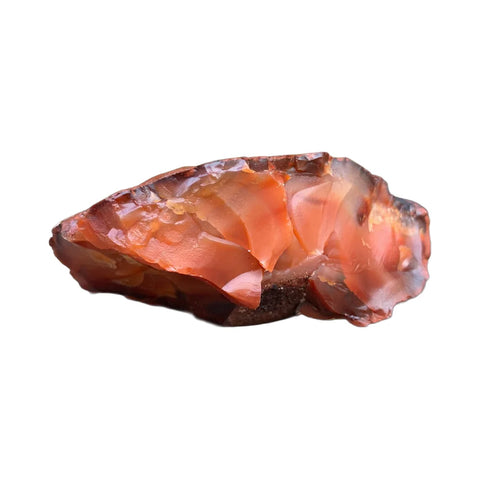
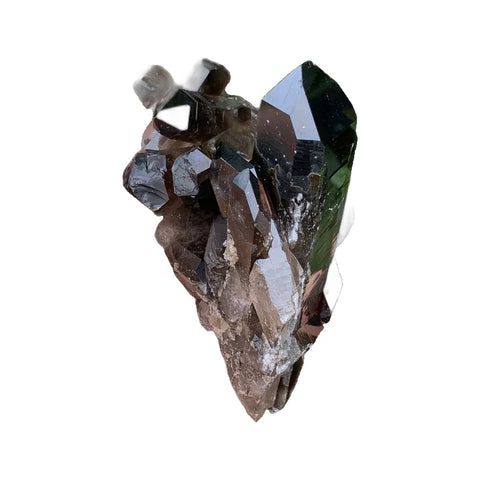
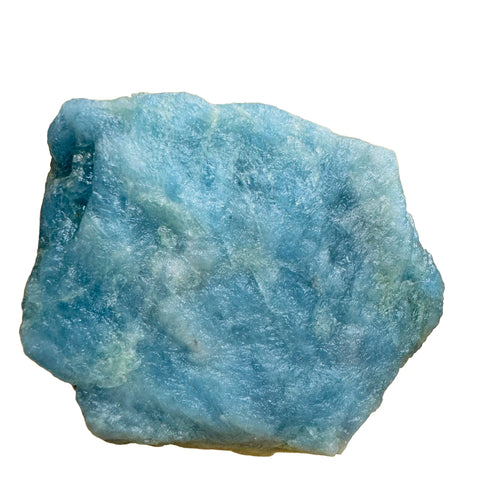
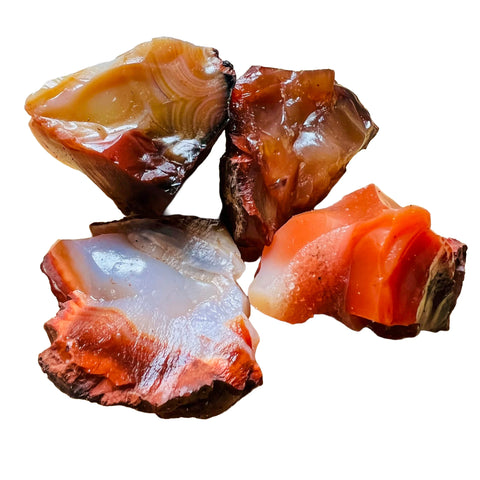


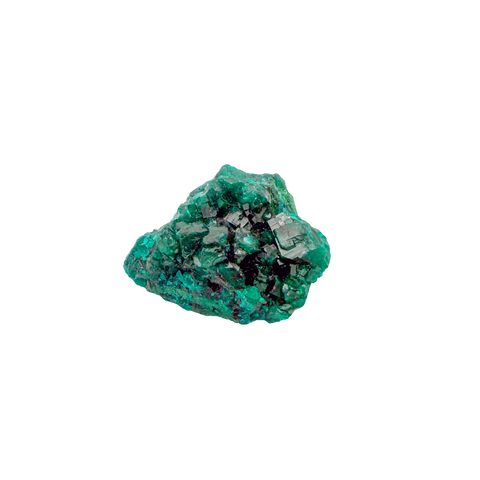
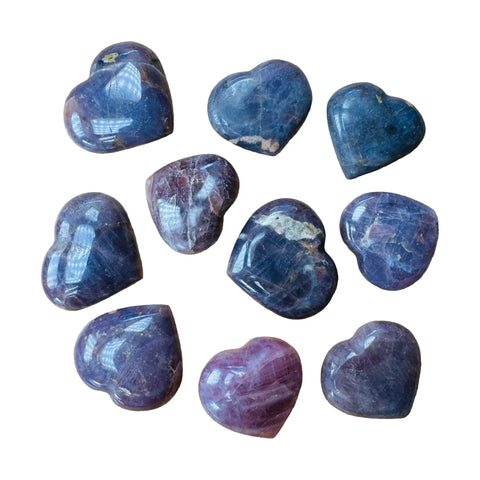
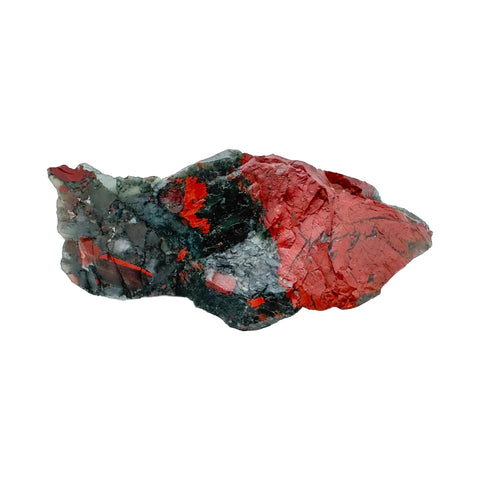
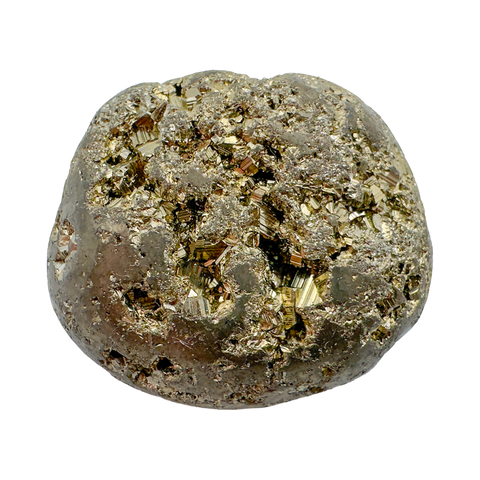
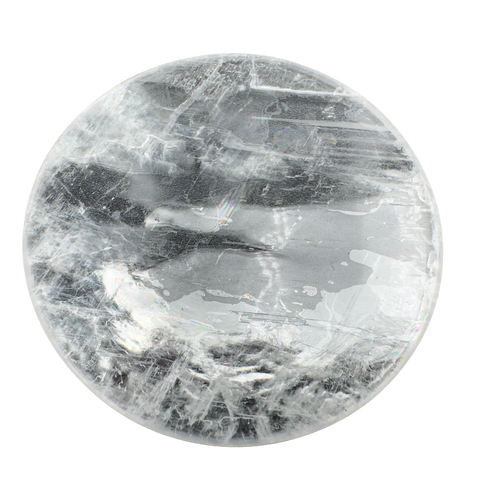
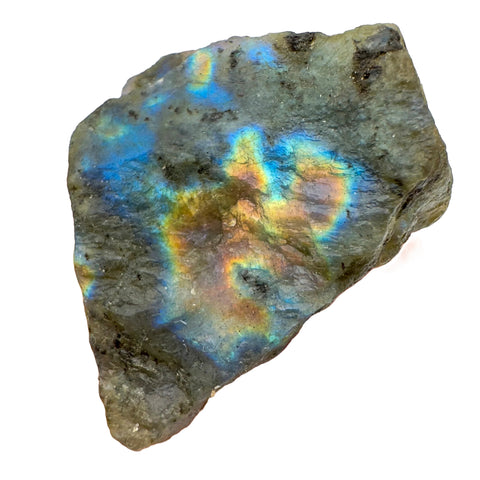
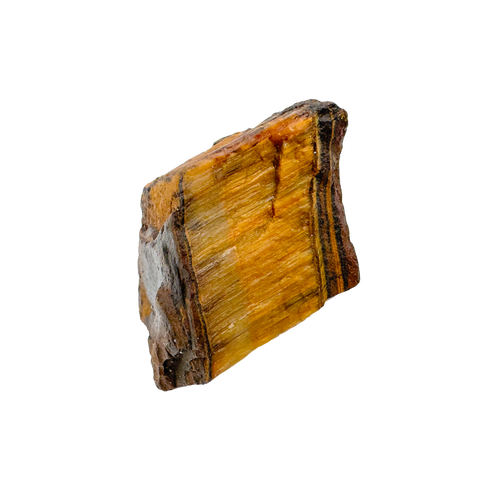
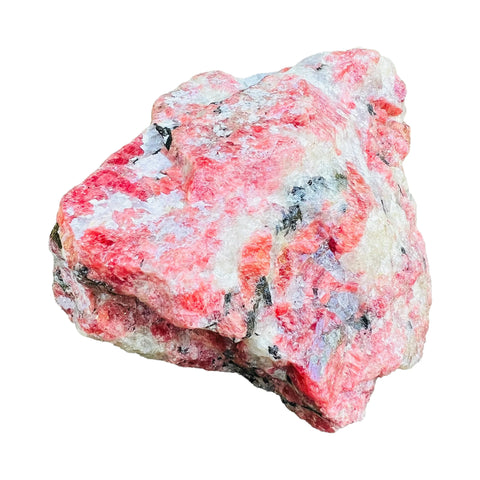
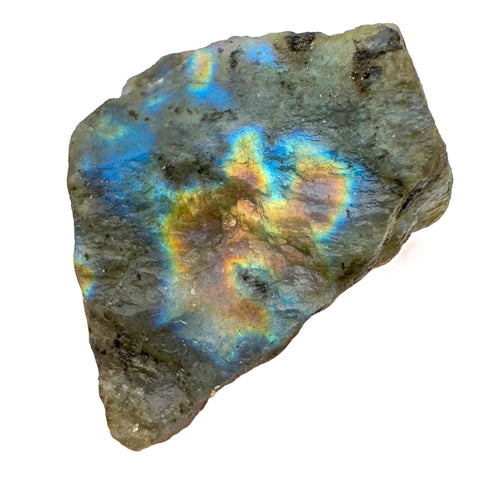
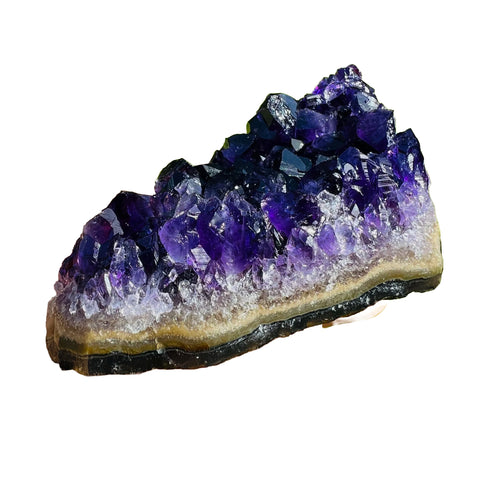



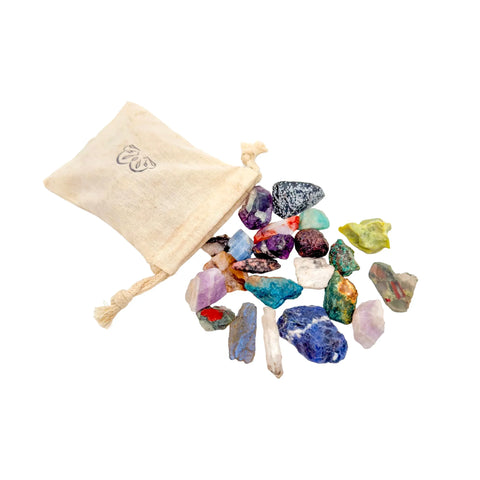
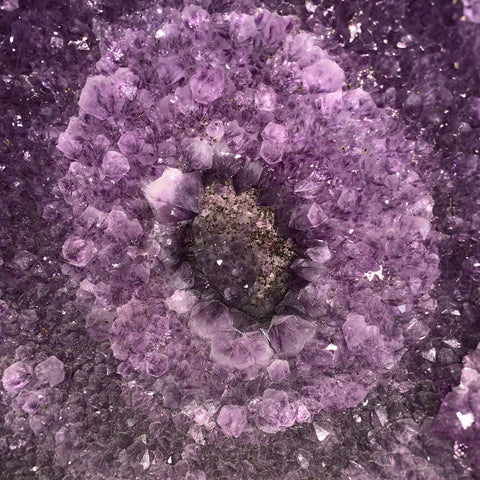
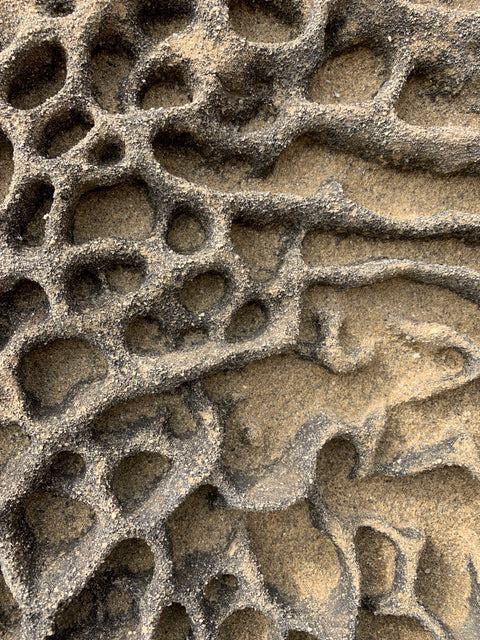
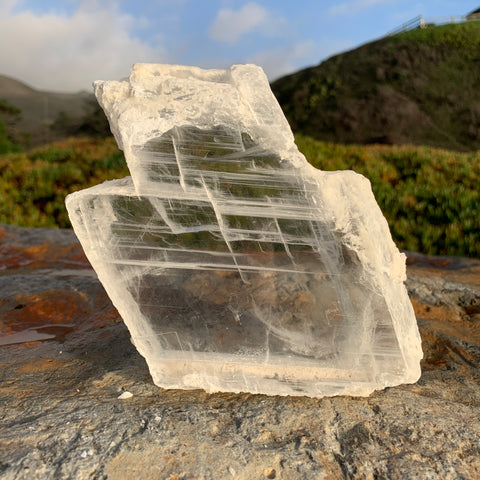
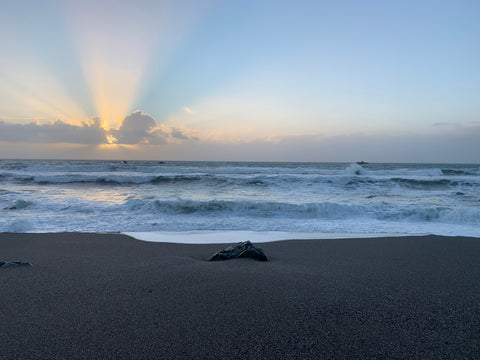
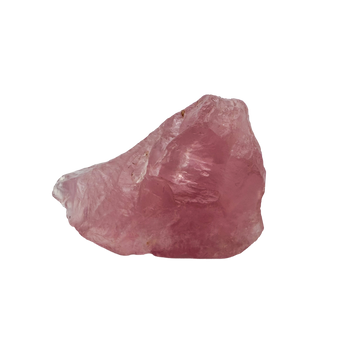
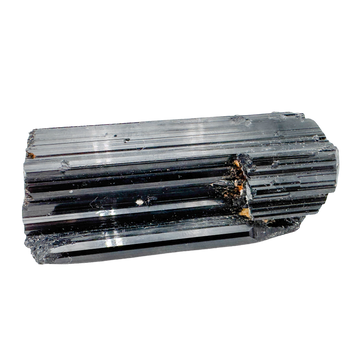
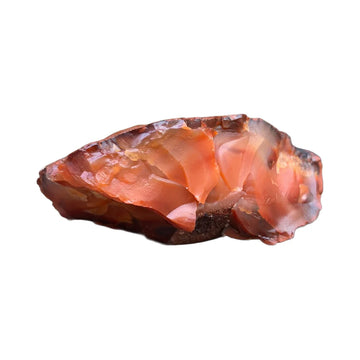
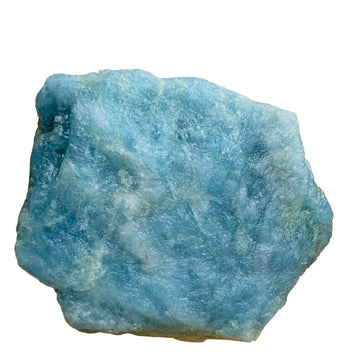
 Raw Stones
179 pieces
Raw Stones
179 pieces
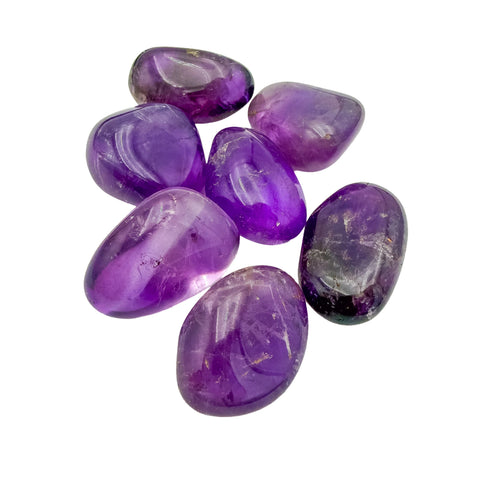
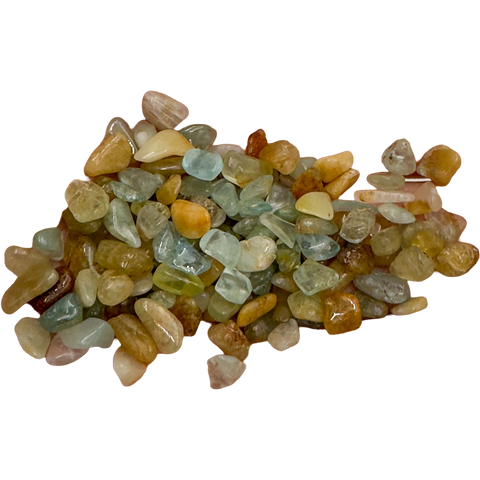
 Tumbled Stones
162 pieces
Tumbled Stones
162 pieces
 Palm Stones
25 pieces
Palm Stones
25 pieces
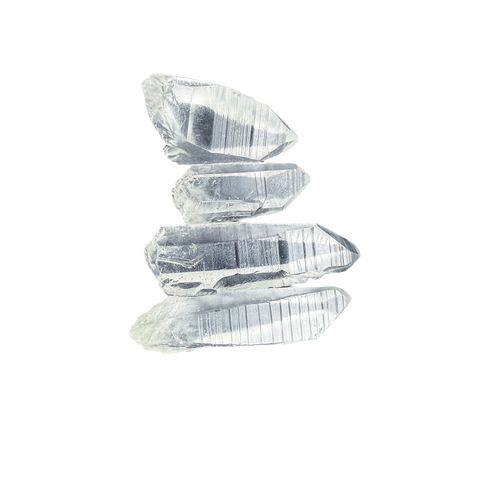
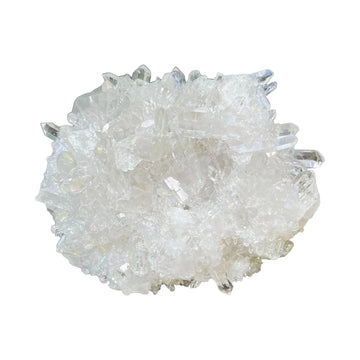
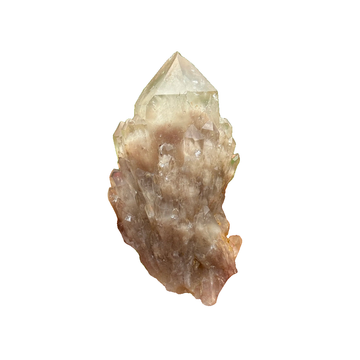
 Crystal Points
23 pieces
Crystal Points
23 pieces
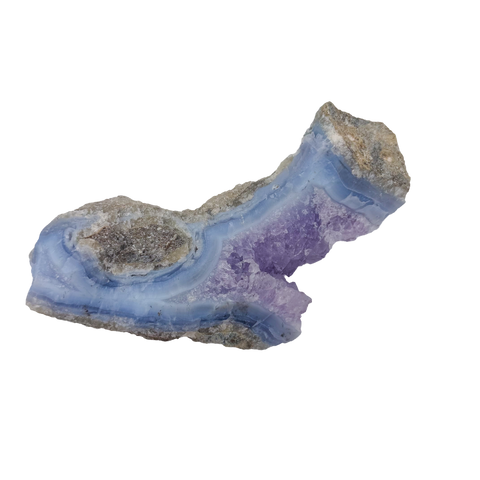
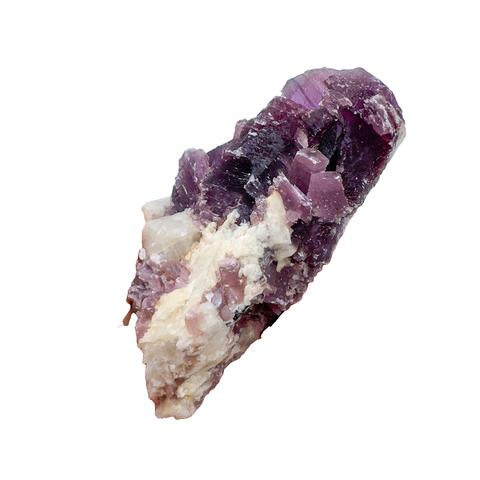
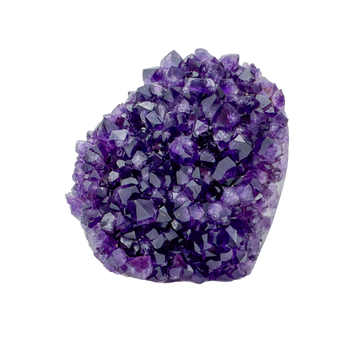
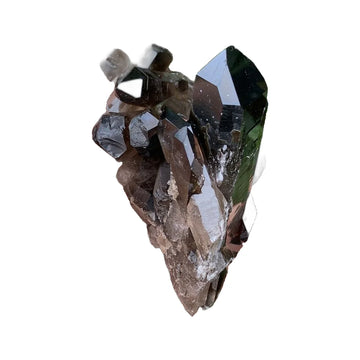
 Clusters & Geodes
104 pieces
Clusters & Geodes
104 pieces
 Polished & Decor
148 pieces
Polished & Decor
148 pieces
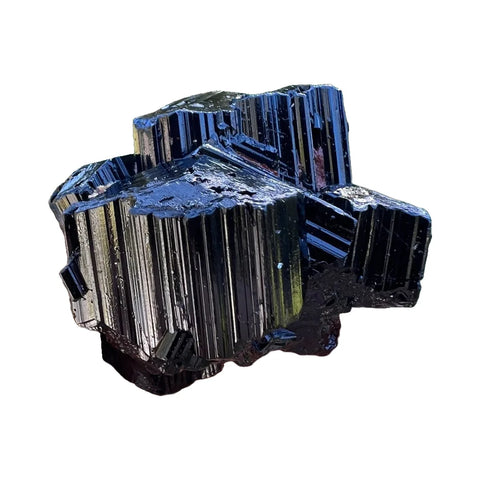
 Mineral Specimens
259 collector pieces
Mineral Specimens
259 collector pieces
 Crystal Chips
21 pieces
Browse everything
Every collection, one page.
View All Collections →
Crystal Chips
21 pieces
Browse everything
Every collection, one page.
View All Collections →


 Aries
Mar 21 – Apr 19
Carnelian
›
Aries
Mar 21 – Apr 19
Carnelian
›
 Taurus
Apr 20 – May 20
Rose Quartz
›
Taurus
Apr 20 – May 20
Rose Quartz
›
 Gemini
May 21 – Jun 20
Agate
›
Gemini
May 21 – Jun 20
Agate
›
 Cancer
Jun 21 – Jul 22
Moonstone
›
Cancer
Jun 21 – Jul 22
Moonstone
›
 Leo
Jul 23 – Aug 22
Citrine
›
Leo
Jul 23 – Aug 22
Citrine
›
 Virgo
Aug 23 – Sep 22
Amazonite
›
Virgo
Aug 23 – Sep 22
Amazonite
›
 Libra
Sep 23 – Oct 22
Blue Lace Agate
›
Libra
Sep 23 – Oct 22
Blue Lace Agate
›
 Scorpio
Oct 23 – Nov 21
Obsidian
›
Scorpio
Oct 23 – Nov 21
Obsidian
›
 Sagittarius
Nov 22 – Dec 21
Sodalite
›
Sagittarius
Nov 22 – Dec 21
Sodalite
›
 Capricorn
Dec 22 – Jan 19
Black Tourmaline
›
Capricorn
Dec 22 – Jan 19
Black Tourmaline
›
 Aquarius
Jan 20 – Feb 18
Amethyst
›
Aquarius
Jan 20 – Feb 18
Amethyst
›
 Pisces
Feb 19 – Mar 20
Aquamarine
›
Gifting?
A birthday stone is the safe bet.
Read the zodiac guide →
Pisces
Feb 19 – Mar 20
Aquamarine
›
Gifting?
A birthday stone is the safe bet.
Read the zodiac guide →

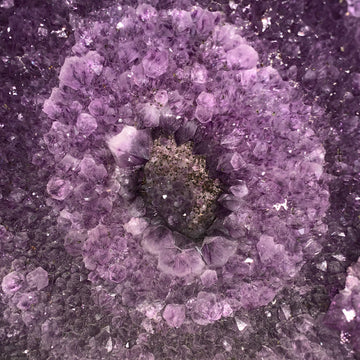
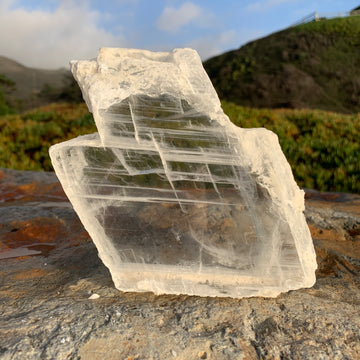
Galena
Galena is the primary ore of lead, instantly known by its bright metallic cubes and remarkable weight. It cleaves into perfect little boxes and often carries silver, which made it valuable for thousands of years. Because it is lead sulfide, it is handled as a specimen, not a wearing stone.
The geology.
Galena is lead sulfide, PbS, crystallizing in the cubic system. It is famous for its bright lead-gray metallic luster and its habit of forming sharp cubes and octahedra that break, along three perfect cleavage directions, into smaller cubes and stair-stepped blocks. Freshly broken surfaces gleam like polished metal.
Its most striking physical trait is weight. With a specific gravity around 7.4 to 7.6, galena feels startlingly heavy for its size, a direct result of its high lead content. Hardness is about 2.5, soft enough to scratch with a knife, and the streak is lead-gray. It commonly carries silver, which makes it an ore of that metal too.
The origins.
The United States has produced vast quantities, above all from the Mississippi Valley type deposits of southeast Missouri, the country's great lead district, along with the historic Tri-State region of Missouri, Kansas, and Oklahoma. England's Pennines and Cumbria yielded classic specimens.
Superb crystals come from Bulgaria's Madan district, from Germany's Harz Mountains and Freiberg, and from Morocco, with many other occurrences worldwide, since galena is a common and widespread sulfide. Collectors prize sharp, bright cubes and combinations with sphalerite, fluorite, calcite, and pyrite.
Traditional associations.
Many people associate galena with grounding and stability, drawing on its heaviness and its deep connection to the earth. In modern practice it is sometimes described as a stone for balance, for centering scattered thoughts, and for a calm, settled focus during study or reflection.
Because galena is a lead mineral, it is worked with as a specimen kept in a room rather than carried, worn, or placed in water. These associations are traditional and personal, not medical claims. It is most often linked with the Root chakra, the element of Earth, and the sign Capricorn.
Spotting the real thing.
Galena is one of the easiest minerals to recognize. Look for bright metallic gray cubes, a hardness around 2.5, a lead-gray streak, and above all the extraordinary weight, since few common minerals feel as heavy. When it breaks, it separates cleanly into cubes and right-angled steps.
There is little incentive to fake galena, so the main task is telling it from other gray metallic minerals. Its cubic cleavage, softness, and density set it apart from harder pyrite and from bladed stibnite. The real caution is not authenticity but handling, since the dust and residue carry lead.
Care & handling.
Treat galena as a lead specimen. Handle it as little as necessary, wash your hands afterward, and never grind, cut, or sand it or breathe its dust, since that is where the lead exposure risk lies. Do not make elixirs, do not place it in water you will use, and keep it away from food, children, and pets.
Keep specimens dry, since galena can slowly develop a dull tarnish or powdery alteration in humid air, and store them where the soft crystals will not be scratched or crushed. A stable shelf or a closed display case is ideal. Wiping the shelf occasionally keeps any fine residue contained.
Pairs well with.
A deeper look.
Extended geology, sourcing, authentication, history, and varieties, for when the quick guide isn't quite enough.
Extended geology
Galena's simple cubic structure, with lead and sulfur atoms alternating like a three-dimensional checkerboard, is the reason for both its perfect cubic cleavage and its cube and octahedron crystal forms. That same dense packing of heavy lead atoms gives it a specific gravity of roughly 7.5, high enough to identify it by heft alone.
It forms mainly in hydrothermal veins and in Mississippi Valley type deposits, where warm fluids precipitate it in limestone and dolomite, typically alongside sphalerite, pyrite, chalcopyrite, fluorite, barite, and calcite. Silver often substitutes into the structure, so argentiferous galena has long been mined as a silver ore as well as a lead ore.
Extended sourcing
Southeast Missouri hosts the largest known lead deposits, the Viburnum Trend and the older Lead Belt, and the Tri-State district of Missouri, Kansas, and Oklahoma produced both ore and fine display crystals. British localities in the Pennines, Cumbria, and Cornwall are classics of the older literature.
On the world stage, Bulgaria's Madan district is celebrated for large bright crystals, and Germany's Harz Mountains and Freiberg district are historic silver-lead sources. Additional notable material comes from Morocco, Kazakhstan, Peru, Mexico, and Australia's Broken Hill, reflecting how common galena is in ore deposits.
Authentication and warning signs
Identification rests on weight, luster, cleavage, hardness, and streak. Genuine galena is very heavy, bright metallic gray on fresh surfaces, breaks into cubes, scratches at about 2.5, and leaves a gray streak. These traits together are effectively unique among common minerals.
Separate it from pyrite, which is harder, brass-yellow, and does not show cubic cleavage, and from stibnite, which is bladed and even softer. Because galena is abundant, deliberate fakery is rare. The genuine concern with any specimen is safe handling of a lead mineral rather than authenticity.
History and folklore
Galena is one of humanity's oldest worked minerals. It was smelted for lead in the ancient Near East and around the Mediterranean, used by the Romans for pipes, weights, and cosmetics, and mined through the medieval and industrial eras as the world's chief lead source. Silver-rich galena underpinned major silver economies. In the early twentieth century, natural galena crystals served as the detector in crystal radio sets, where a fine wire touched the mineral to receive signals.
Varieties and forms
Cubic and octahedral crystals: sharp metallic specimens, the most collectible form, sometimes on sphalerite or fluorite.
Massive galena: granular gray ore, the common industrial form.
Argentiferous galena: silver-bearing material long mined as a silver ore.
Steel galena: fine-grained compact varieties sometimes noted in the older literature.
What it costs in the market
Common massive galena and small cubes are inexpensive, often just a few dollars, while large, bright, sharply crystallized specimens and aesthetic combinations with contrasting minerals from noted localities such as Missouri or Madan can reach the tens or hundreds of dollars. Crystal sharpness, luster, size, associated minerals, and locality drive value.
An education-first guide.
We don't currently carry galena, so there's nothing to sell you here. This guide exists because the more you understand a stone, the better every decision you make about it becomes, wherever you buy it. Explore the rest of our crystal guides for stones we do source, each with full origin and treatment notes.
Explore the Crystal GuideThe closest match we carry: Hematite.
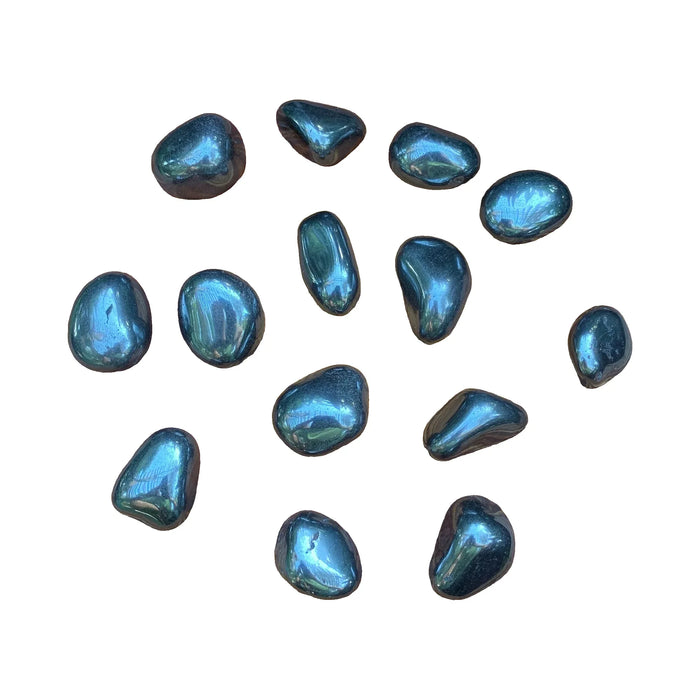
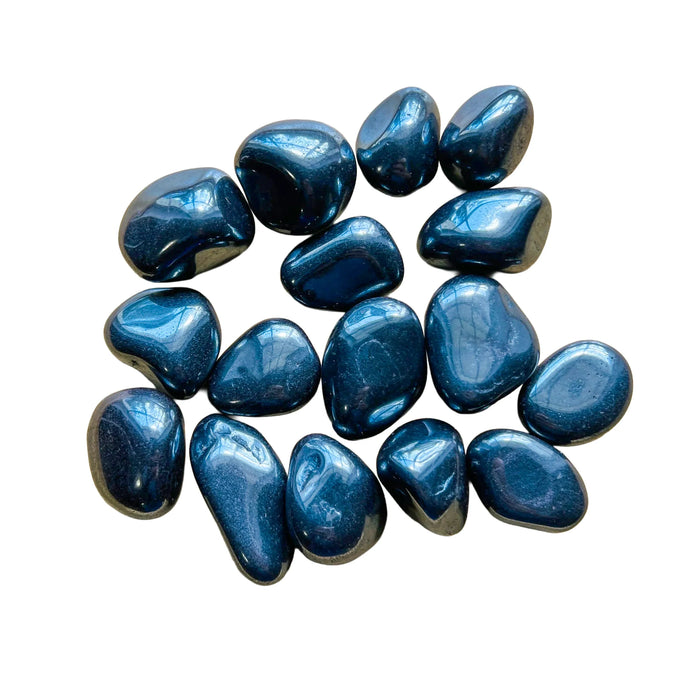
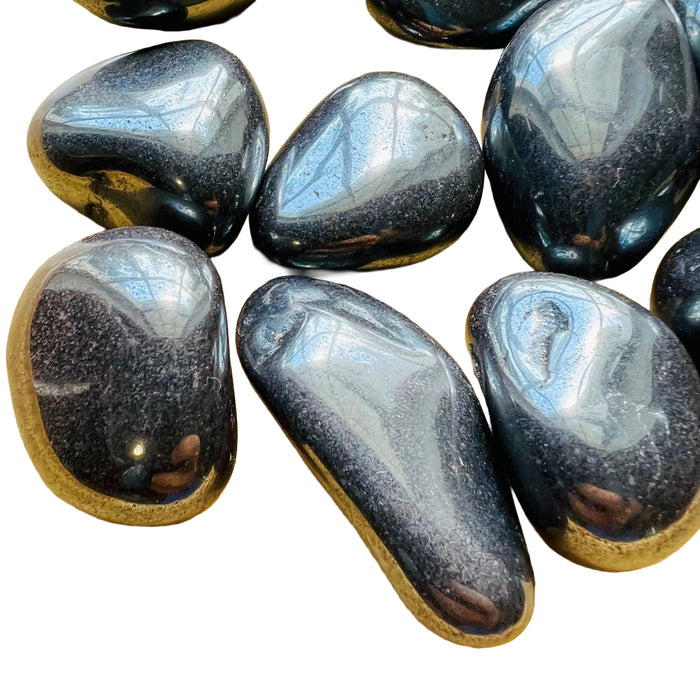
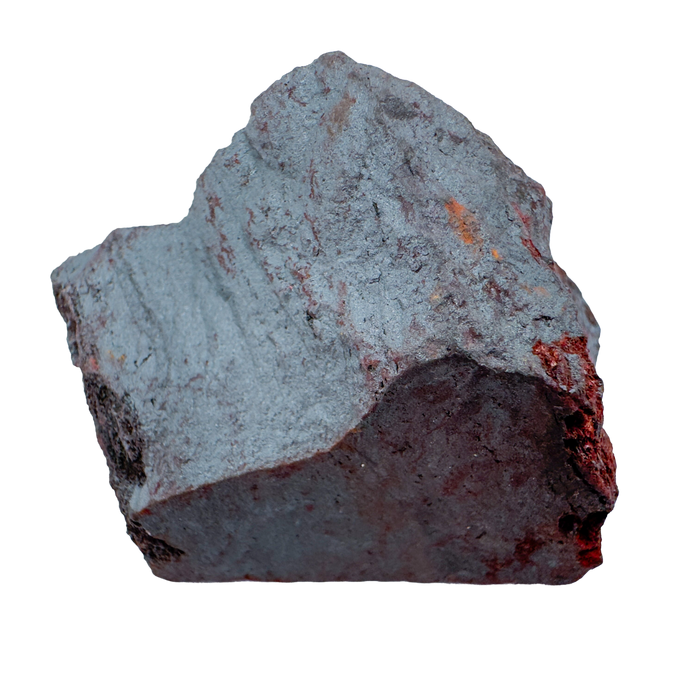
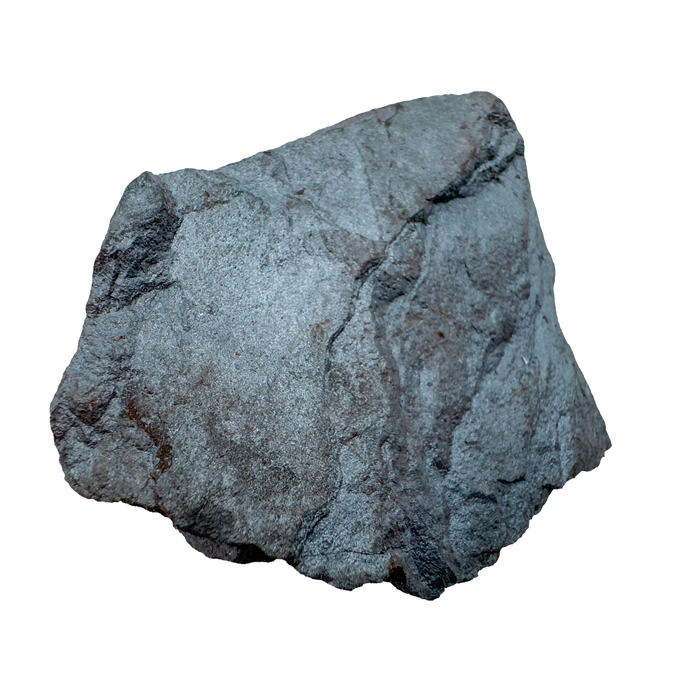
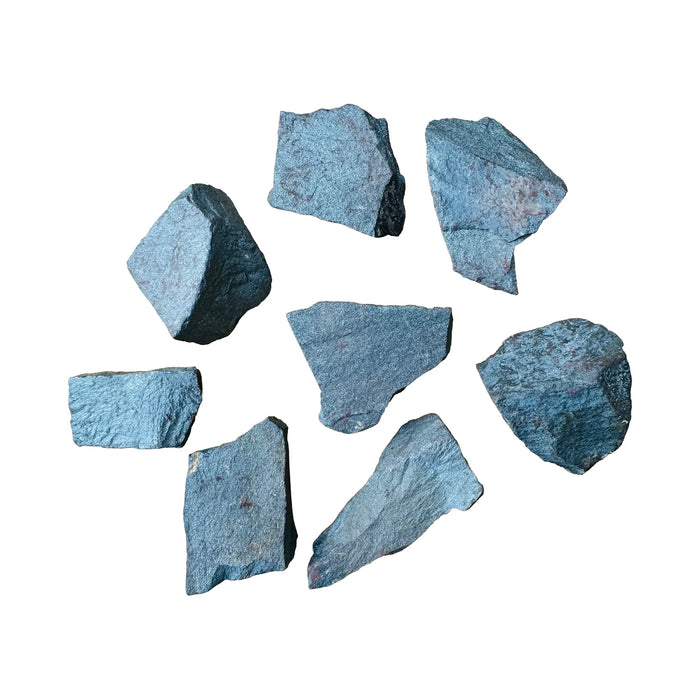
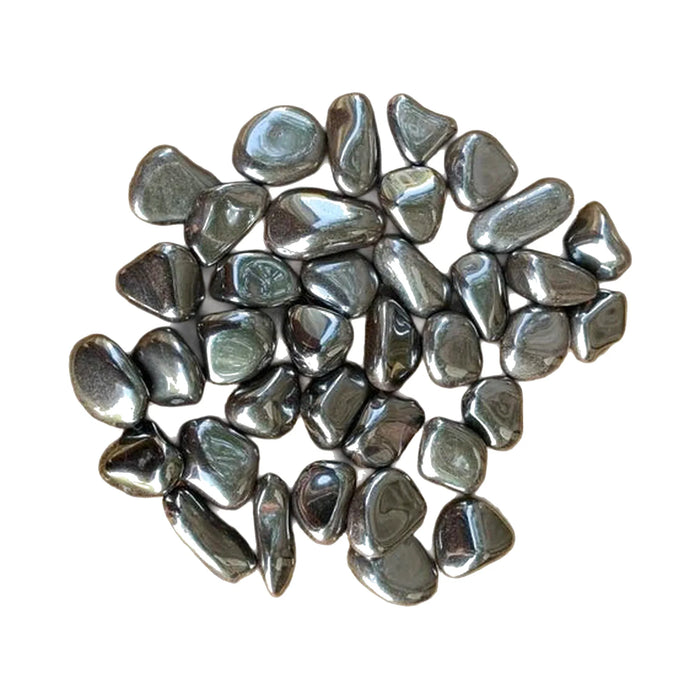
Galena is not something we carry. Hematite is the closest match in our collection, and every piece passes our sourcing standards: origin named, treatments disclosed.
- from 1,000+ reviews
- Ships within 72 hoursMonday to Friday, tracked
- 90 days to return itif you do not love it
- Free US shipping over $99$8.99 flat rate under
The Slow Note
New stones go to the list first.
No forwarding, no selling. Unsubscribe in one click. Privacy