


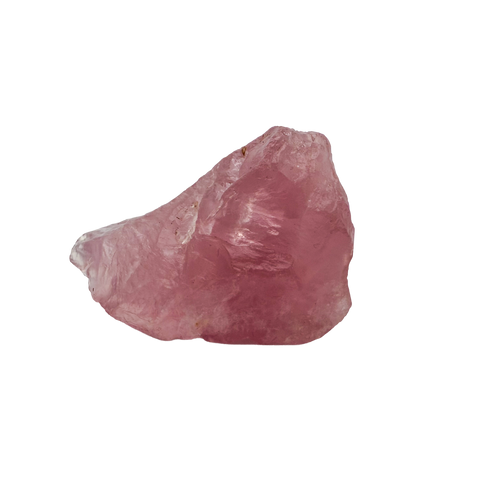
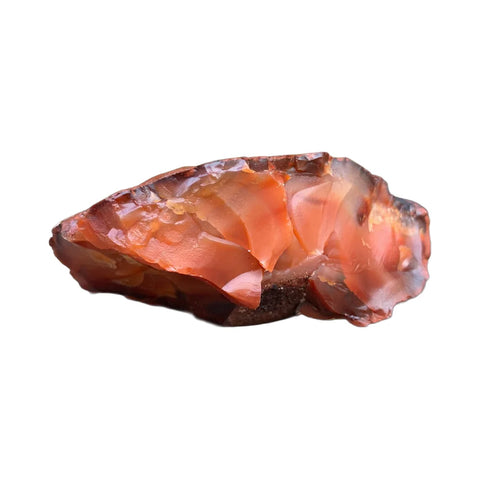
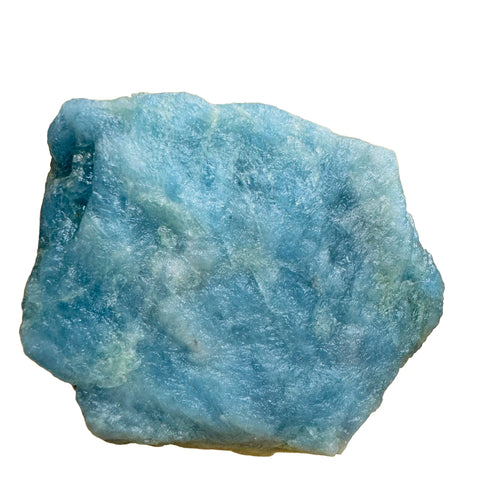
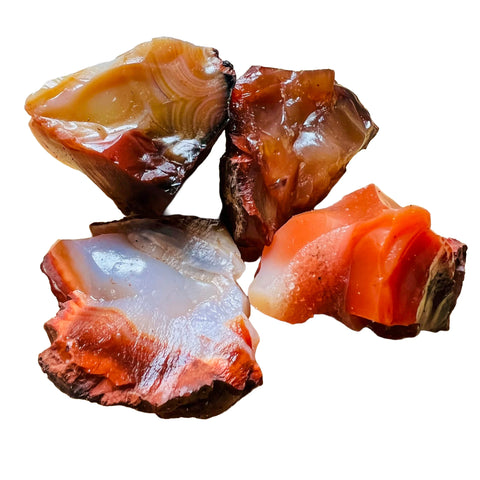


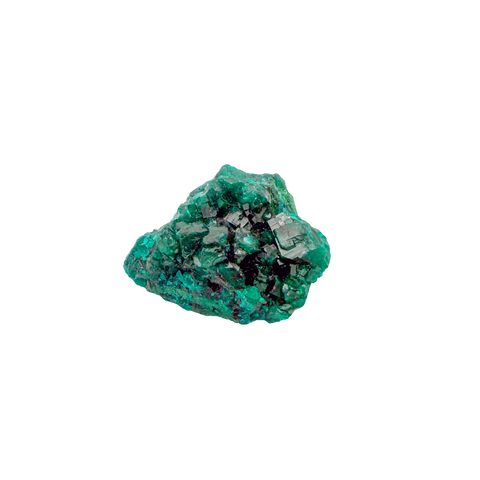
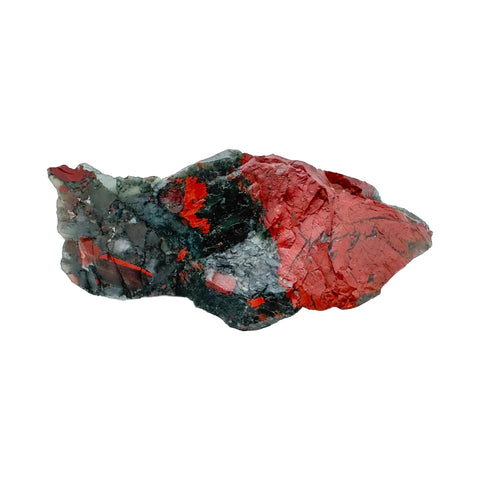
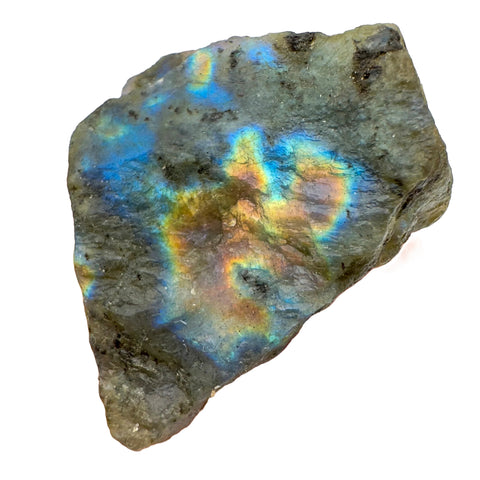
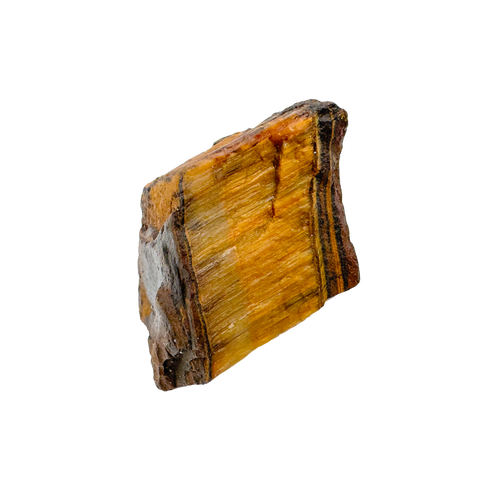
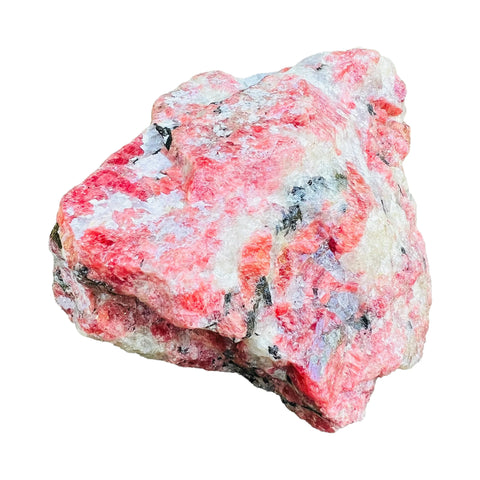
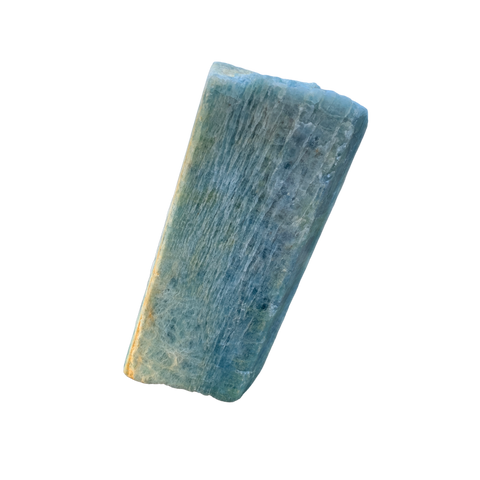
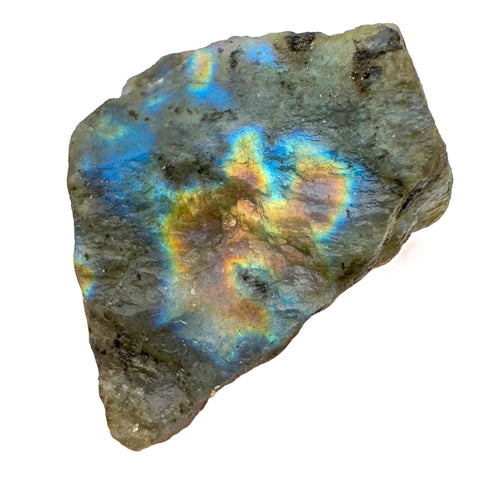



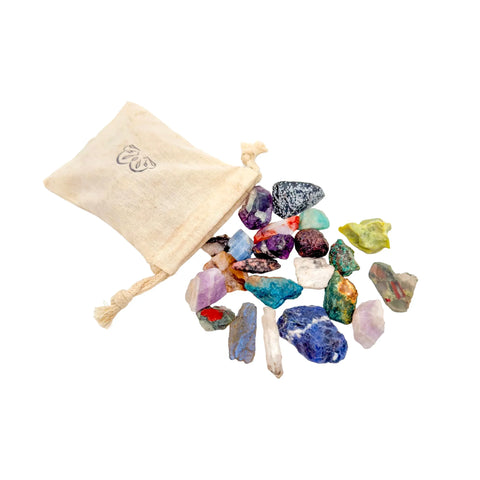
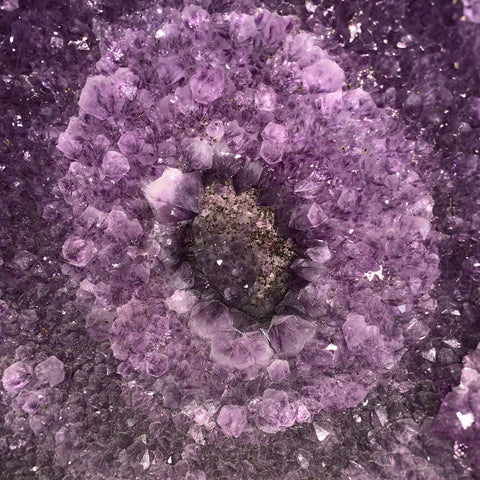
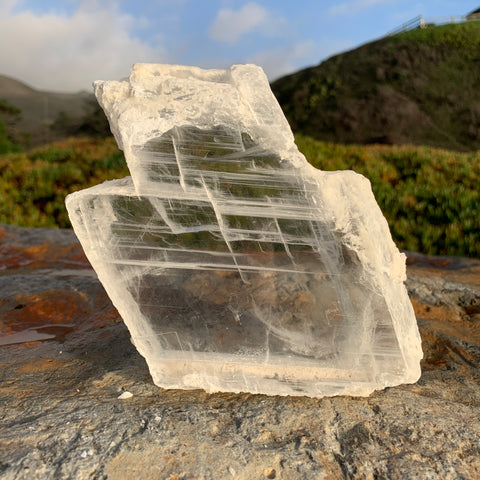
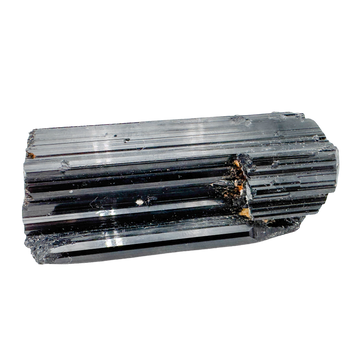
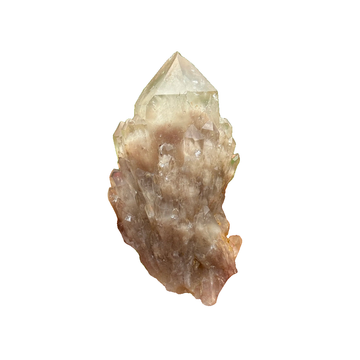
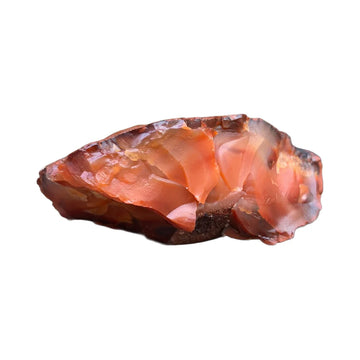
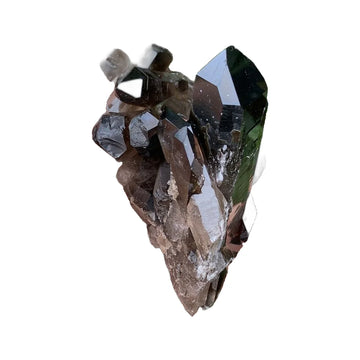
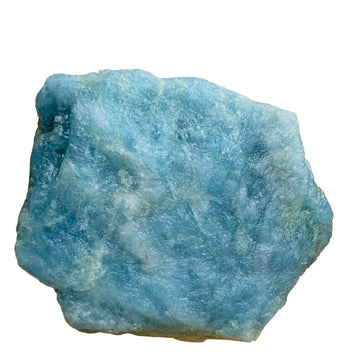
 Raw Stones
179 pieces
Raw Stones
179 pieces
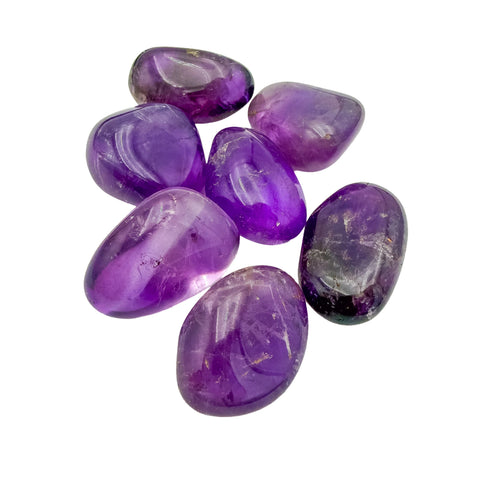
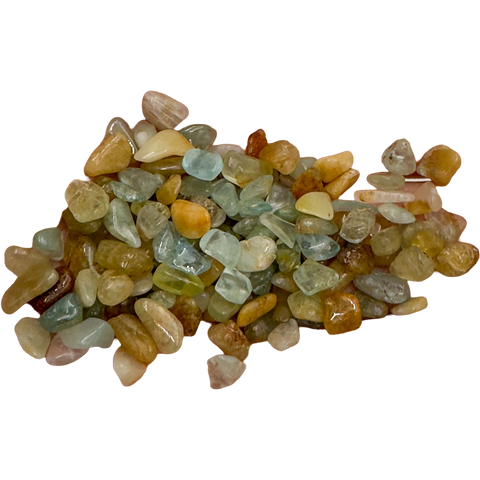
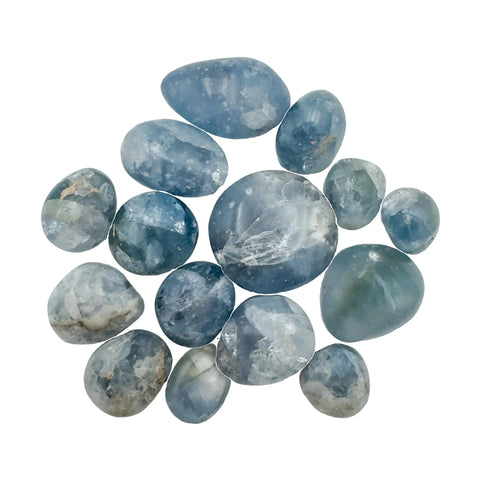
 Tumbled Stones
162 pieces
Tumbled Stones
162 pieces
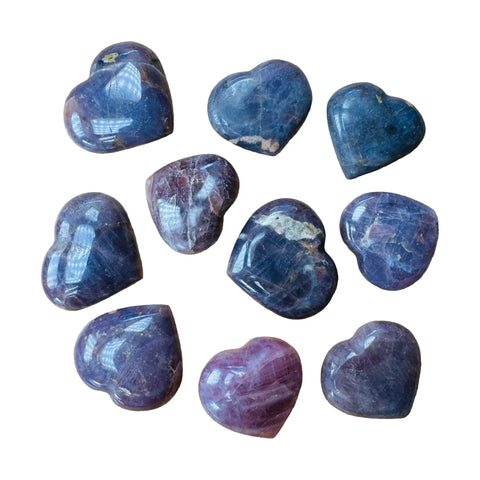
 Palm Stones
25 pieces
Palm Stones
25 pieces
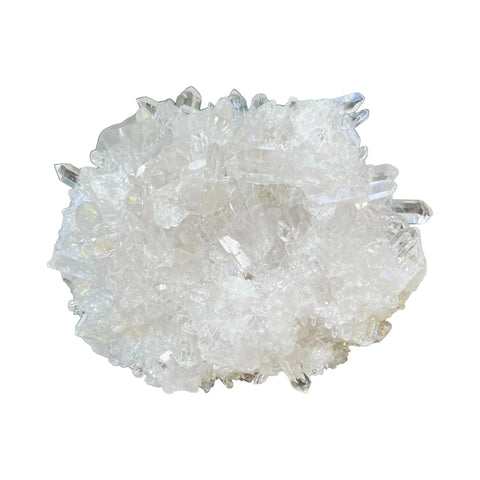
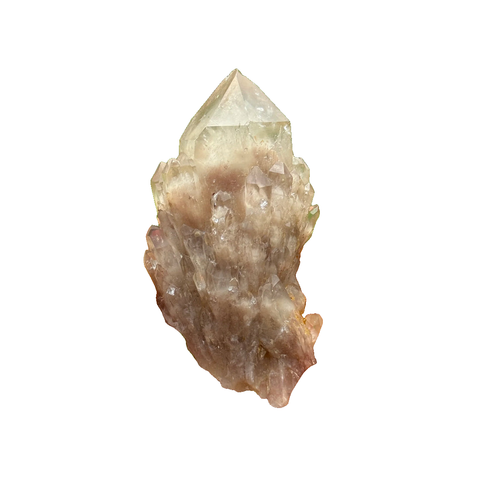
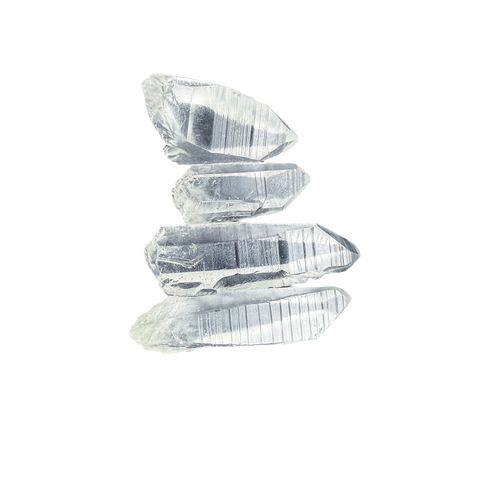
 Crystal Points
23 pieces
Crystal Points
23 pieces
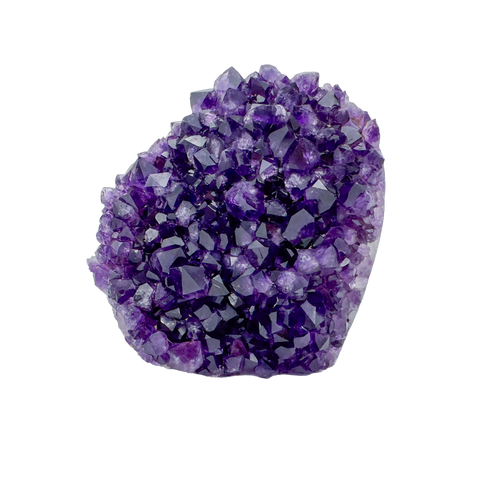
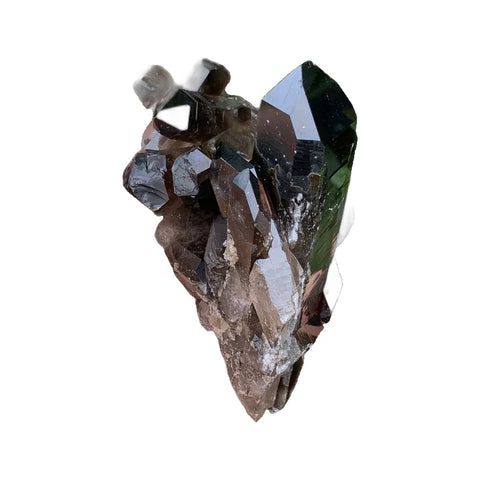
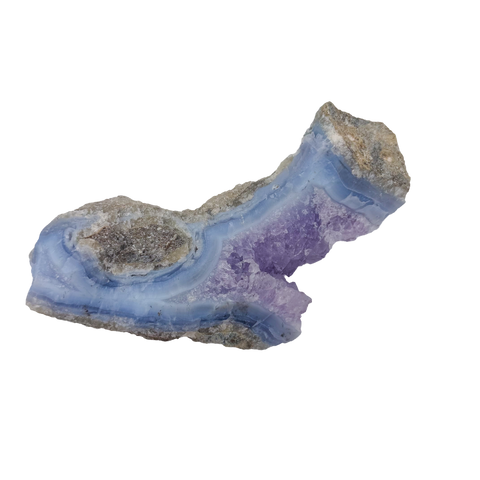
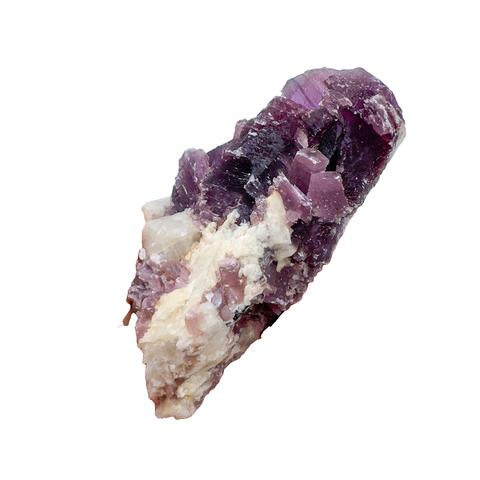
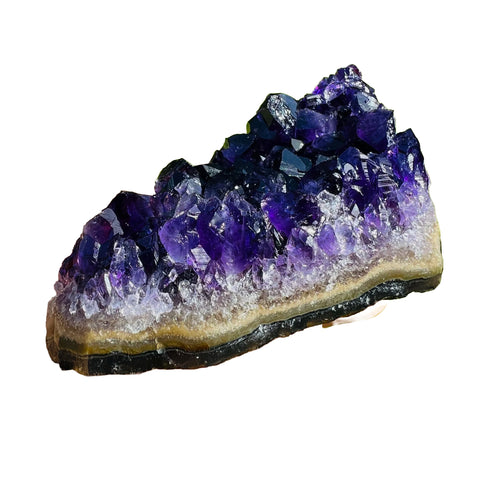
 Clusters & Geodes
104 pieces
Clusters & Geodes
104 pieces
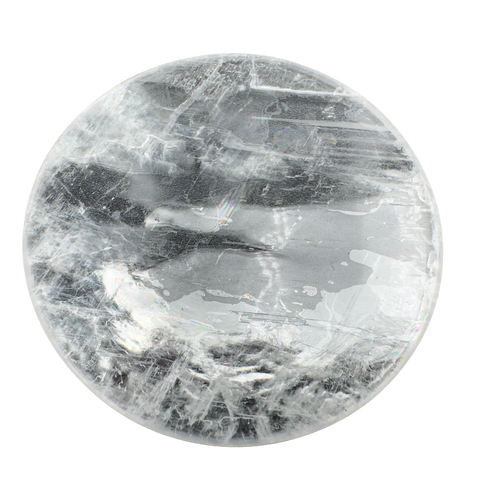
 Polished & Decor
148 pieces
Polished & Decor
148 pieces
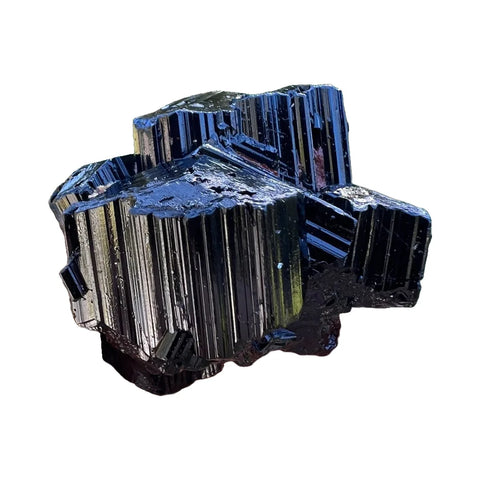
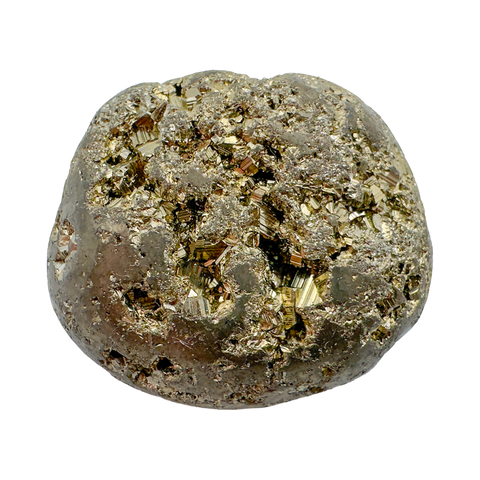
 Mineral Specimens
259 collector pieces
Mineral Specimens
259 collector pieces
 Crystal Chips
21 pieces
Browse everything
Every collection, one page.
View All Collections →
Crystal Chips
21 pieces
Browse everything
Every collection, one page.
View All Collections →


 Aries
Mar 21 – Apr 19
Carnelian
›
Aries
Mar 21 – Apr 19
Carnelian
›
 Taurus
Apr 20 – May 20
Rose Quartz
›
Taurus
Apr 20 – May 20
Rose Quartz
›
 Gemini
May 21 – Jun 20
Agate
›
Gemini
May 21 – Jun 20
Agate
›
 Cancer
Jun 21 – Jul 22
Moonstone
›
Cancer
Jun 21 – Jul 22
Moonstone
›
 Leo
Jul 23 – Aug 22
Citrine
›
Leo
Jul 23 – Aug 22
Citrine
›
 Virgo
Aug 23 – Sep 22
Amazonite
›
Virgo
Aug 23 – Sep 22
Amazonite
›
 Libra
Sep 23 – Oct 22
Blue Lace Agate
›
Libra
Sep 23 – Oct 22
Blue Lace Agate
›
 Scorpio
Oct 23 – Nov 21
Obsidian
›
Scorpio
Oct 23 – Nov 21
Obsidian
›
 Sagittarius
Nov 22 – Dec 21
Sodalite
›
Sagittarius
Nov 22 – Dec 21
Sodalite
›
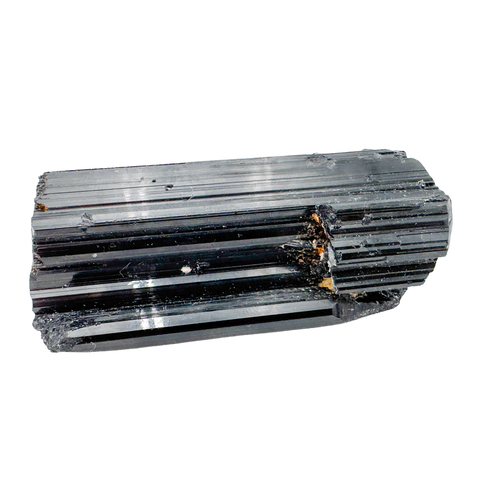
 Capricorn
Dec 22 – Jan 19
Black Tourmaline
›
Capricorn
Dec 22 – Jan 19
Black Tourmaline
›
 Aquarius
Jan 20 – Feb 18
Amethyst
›
Aquarius
Jan 20 – Feb 18
Amethyst
›
 Pisces
Feb 19 – Mar 20
Aquamarine
›
Gifting?
A birthday stone is the safe bet.
Read the zodiac guide →
Pisces
Feb 19 – Mar 20
Aquamarine
›
Gifting?
A birthday stone is the safe bet.
Read the zodiac guide →

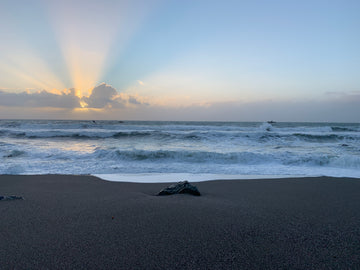
Heulandite
Heulandite forms in the gas pockets of ancient basalt, growing tabular, coffin-shaped crystals with a soft, pearly sheen. The green pieces so many collectors love get their color from celadonite trapped inside the silica. It is a gentle, water-sensitive zeolite that people tend to keep for calm, reflection, and slow inner work.
The geology.
Heulandite is a zeolite, part of a family of hydrated aluminosilicates built on an open, cage-like framework that holds water and exchangeable ions inside its structure. It is not a single fixed mineral but a small series, named for the element that dominates the framework: heulandite-Ca, heulandite-Na, heulandite-K, and a few rarer members. The composition runs along the lines of a calcium sodium potassium aluminosilicate carrying roughly two dozen water molecules.
Crystals are monoclinic and usually grow as tabular, coffin-shaped plates with a distinct pearly luster on the flat face, the result of perfect cleavage in one direction. Hardness is low, around 3 to 4 on the Mohs scale, and the stone is light, with a specific gravity near 2.2. Many pieces are white or colorless, but green, pink, salmon, orange, and red heulandite are common, colored by tiny mineral inclusions rather than by the zeolite itself.
The origins.
India is the great source. The Deccan Traps, a vast plateau of ancient basalt lava across Maharashtra, produce museum-grade heulandite in geodes and cavities, often growing alongside stilbite, apophyllite, and other zeolites. The quarrying districts around Pune, Nashik, and Jalgaon supply most of the world's specimen material.
Iceland is the other classic locality, together with the Faroe Islands, both young volcanic settings where zeolites fill basalt vesicles. Good heulandite also comes from Nova Scotia in Canada, the Paraná basalts of Brazil, and localities in New Jersey and Oregon. Wherever old lava met warm groundwater over long spans of time, zeolites like heulandite tend to appear.
Traditional associations.
Heulandite is a modern metaphysical stone rather than an ancient talisman, since fine crystals only reached collectors in quantity over the last century or two. In that time it has gathered a steady reputation as a stone of release, with many people working with it during meditation, reflection, and seasons of letting something go.
It is most often associated with the Heart and Crown chakras, the element of Wind, and the sign Sagittarius. A common practice is to sit with a piece during quiet inner work, or to keep it on a shelf as a reminder to loosen a grip on the past. Because it is soft and water sensitive, it lives better on a desk than in a pocket.
Spotting the real thing.
Real heulandite shows tabular, coffin-shaped crystals with one very pearly, almost mother-of-pearl face where the cleavage runs. Tilt light across that face and it should shimmer. The crystals sit in clusters or line a cavity, and green pieces show color that varies subtly across the specimen rather than an even, painted tone.
The honest confusion is with stilbite, a close zeolite relative that grows in the same rocks. Stilbite tends to form sheaf-like or bowtie bundles that fan out at the ends, while heulandite stays as blockier, tabular plates. Many specimens are actually mixtures of both, which is fine, but a seller who can tell them apart is worth trusting. Be cautious with dyed material sold as natural green, where the color pools evenly in cracks with no suspended structure.
Care & handling.
Heulandite is delicate. At 3 to 4 on the Mohs scale it scratches easily, and its perfect cleavage means a sharp knock can split a crystal along the pearly plane. Keep specimens where they will not be handled roughly or knocked against harder stones. This is a shelf and display stone, not a ring stone.
Most important, keep it dry. Zeolites hold water inside their structure and can slowly cloud, break down, or crumble with repeated soaking, so skip water and saltwater cleaning entirely. Dust with a soft, dry brush. Keep it out of long, direct sun to protect any color. To reset it energetically, many people use sound, smoke, or a night beside selenite rather than water.
Pairs well with.
A deeper look.
Extended geology, sourcing, authentication, history, and varieties, for when the quick guide isn't quite enough.
Extended geology
Heulandite belongs to the zeolite group, framework silicates whose crystal structure is riddled with open channels and cavities. Those spaces hold loosely bound water and cations such as calcium, sodium, and potassium that can move in and out without collapsing the framework, which is why zeolites are used industrially as molecular sieves and water softeners. Heulandite is defined by a specific ratio of aluminum to silicon and by its framework geometry, and it grades into clinoptilolite, a more silica-rich relative.
The crystals form in the low-temperature, watery final stage of volcanic activity. As basalt lava cools and later interacts with circulating groundwater, silica and alumina redeposit inside gas bubbles and fractures, growing zeolites over long spans of time. Specific gravity sits near 2.2, unusually light for a silicate, and hardness is 3 to 4. Perfect cleavage in one direction gives the flat crystal face its signature pearly to mother-of-pearl shine.
Extended sourcing
India dominates the specimen trade. The Deccan Traps, one of the largest volcanic provinces on Earth, stretch across much of western and central India and are quarried extensively for basalt. Zeolite-lined cavities turn up as a byproduct, and the districts around Pune, Nashik, Jalgaon, and Aurangabad in Maharashtra have produced world-class heulandite, often in combination with green apophyllite, stilbite, and mordenite.
Beyond India, Iceland and the Faroe Islands are historic European sources tied to young North Atlantic basalt. Nova Scotia's Bay of Fundy shoreline, Brazil's Paraná basalts, and localities in New Jersey and Oregon round out supply. Because heulandite is common as a species but delicate to collect intact, value tracks crystal size, luster, color, and how cleanly a piece survived extraction.
Authentication and warning signs
The reliable tells are the tabular, coffin-like crystal shape and the strong pearly luster on the cleavage face. Green color in natural heulandite comes from celadonite and reads as slightly uneven, concentrated where inclusions cluster. Even, saturated green that fills every crack is a warning sign for dye.
The bigger issue is naming. Heulandite and stilbite are chemically and visually similar and frequently grow together, so specimens are often labeled loosely. Neither is more valuable in a way that should tempt a swap, but accurate labeling signals a knowledgeable seller. Be cautious with grand trade names attached to ordinary green heulandite, and with any zeolite sold as suitable for daily jewelry, since the softness and cleavage make that impractical.
History and folklore
Heulandite was recognized as a distinct mineral in 1822, when the English crystallographer Henry James Brooke separated it from stilbite and named it after Henry Heuland, a well-known British mineral dealer of the period. For most of its history it was a scientist's and collector's mineral rather than a folk talisman, valued for the study of zeolite structures.
Its metaphysical reputation is recent, growing with the modern crystal movement as fine Indian specimens became widely available. In that setting it is generally treated as a stone of release and reflection, without the deep historical lore attached to older stones like agate or jade.
Varieties and trade names
Green heulandite: the most sought variety, colored by celadonite inclusions, mostly from India.
Pink, salmon, and red heulandite: colored by iron and other inclusions, also common from the Deccan Traps.
White and colorless heulandite: the plain form, often overlooked but showing the pearly luster best.
Combination pieces: heulandite is frequently sold intergrown with stilbite, apophyllite, and mordenite, and clinoptilolite is a closely related, more silica-rich zeolite sometimes confused with it.
What it costs in the market
Small heulandite clusters and thumbnail specimens: roughly 5 to 25 dollars. Larger, well-formed green plates or attractive combination pieces with apophyllite and stilbite: 30 to 150 dollars. Fine cabinet specimens with sharp luster, strong color, and undamaged crystals: several hundred dollars and up. Value is driven by crystal quality, color, luster, and condition, since the soft, cleavable crystals are easily damaged during collecting and shipping. Named Indian localities carry a modest premium.
An education-first guide.
We don't currently carry heulandite, so there's nothing to sell you here. This guide exists because the more you understand a stone, the better every decision you make about it becomes, wherever you buy it. Explore the rest of our crystal guides for stones we do source, each with full origin and treatment notes.
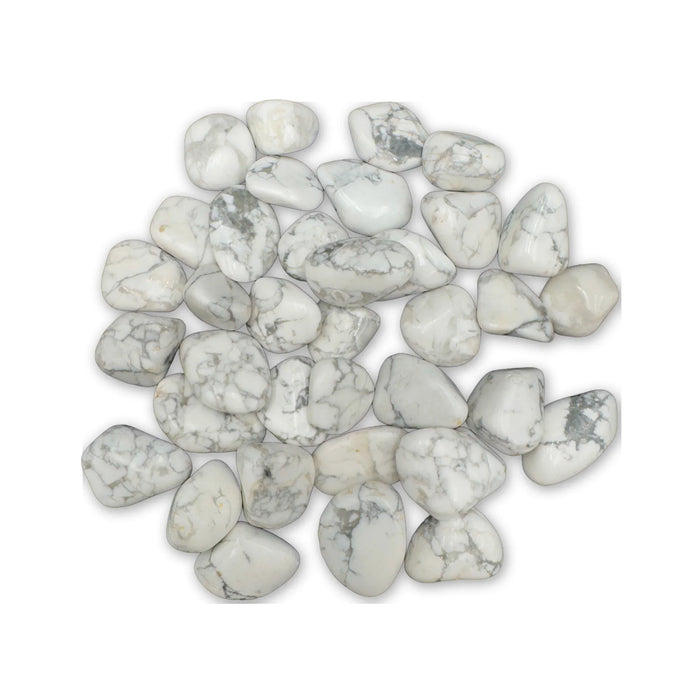
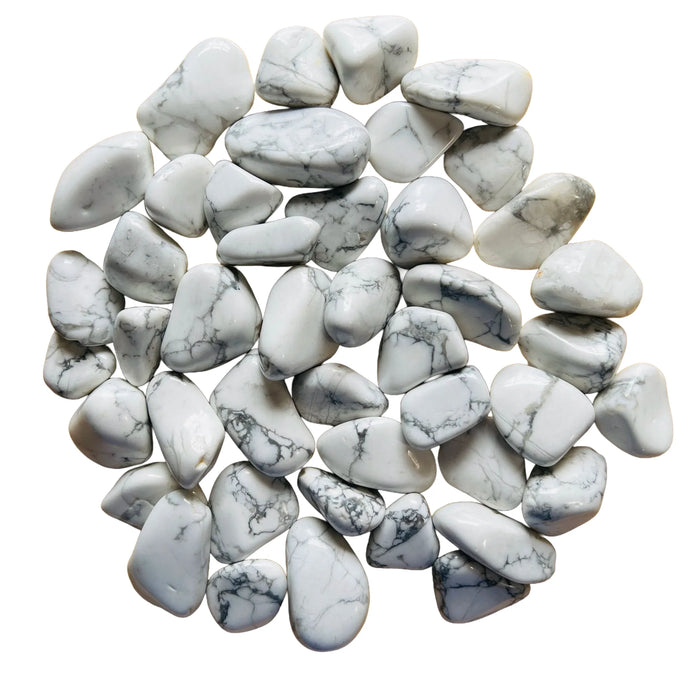
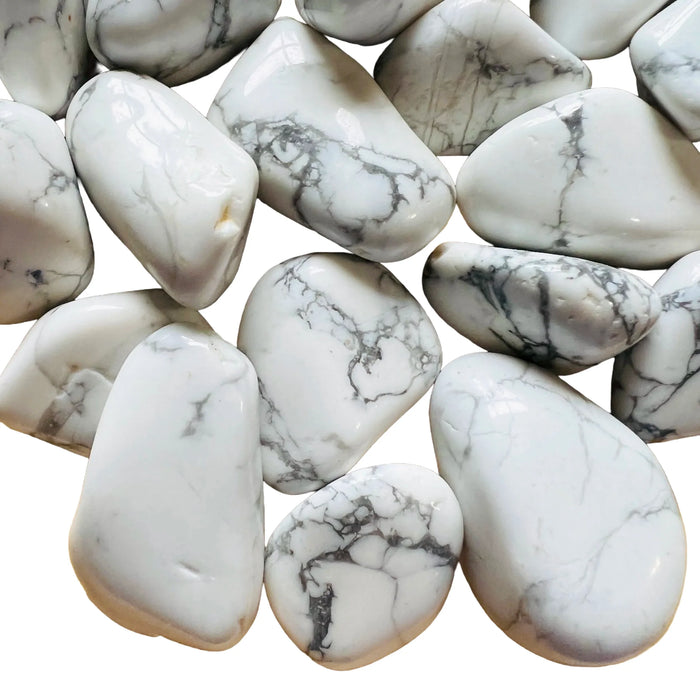
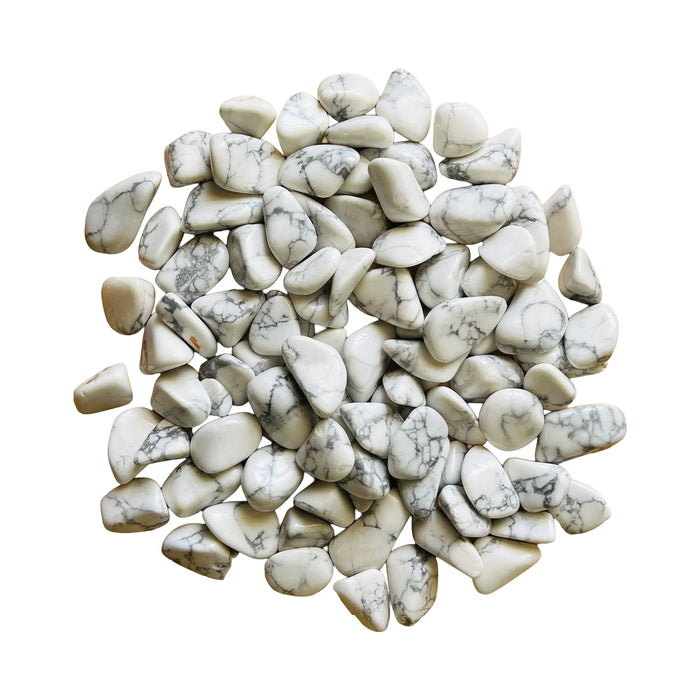
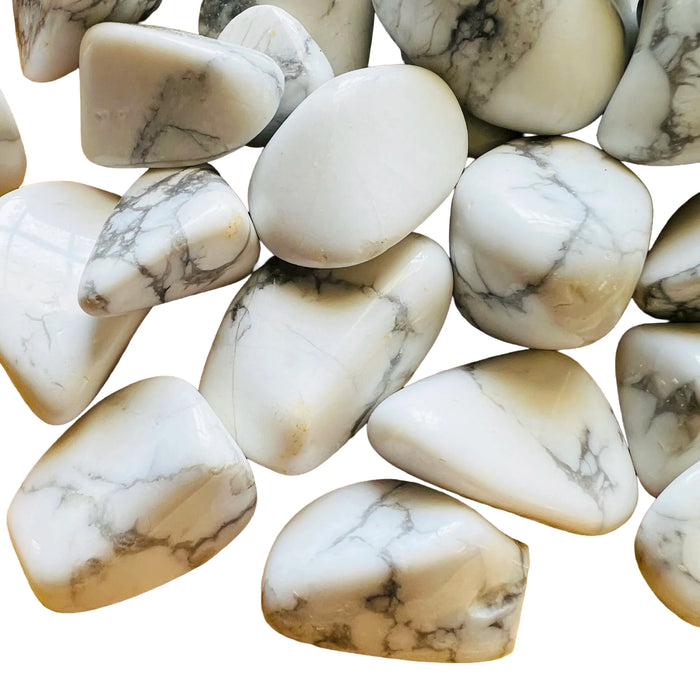
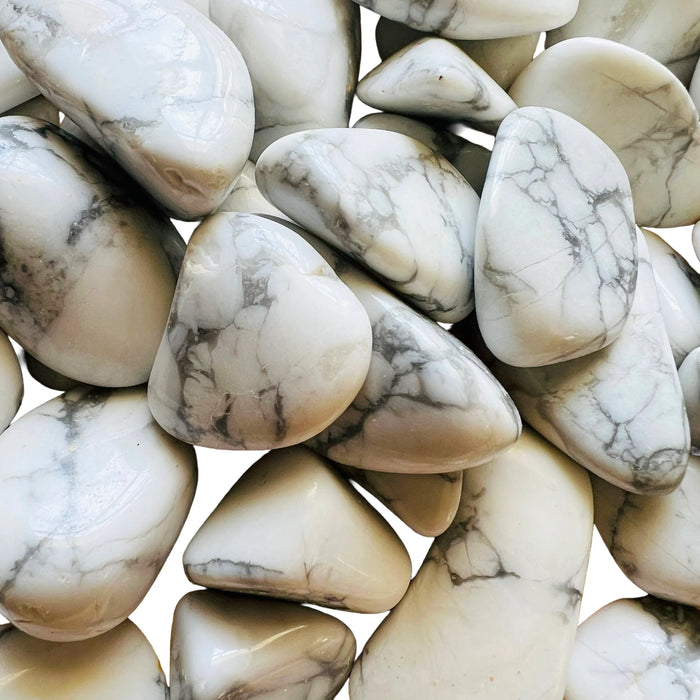
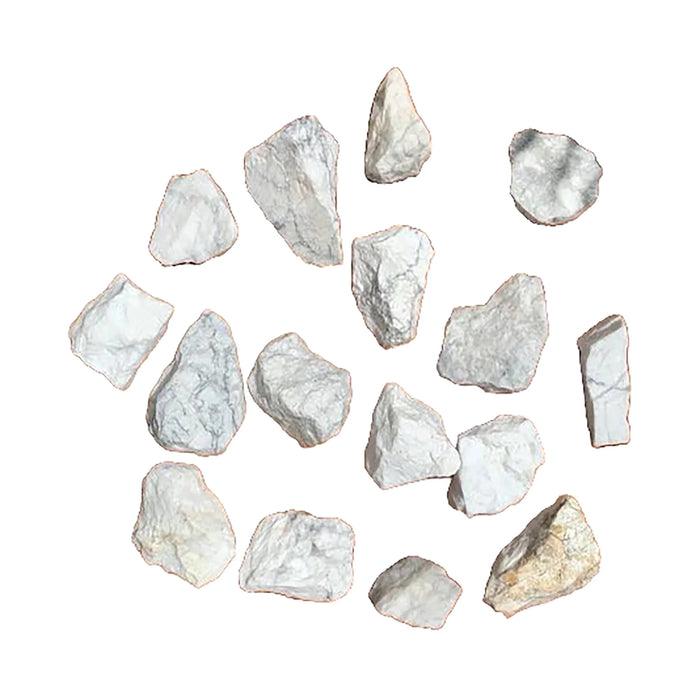
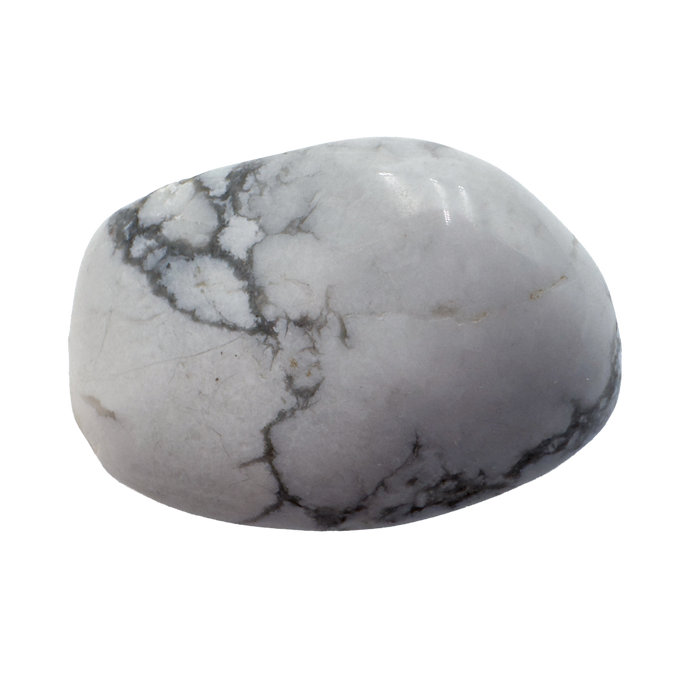
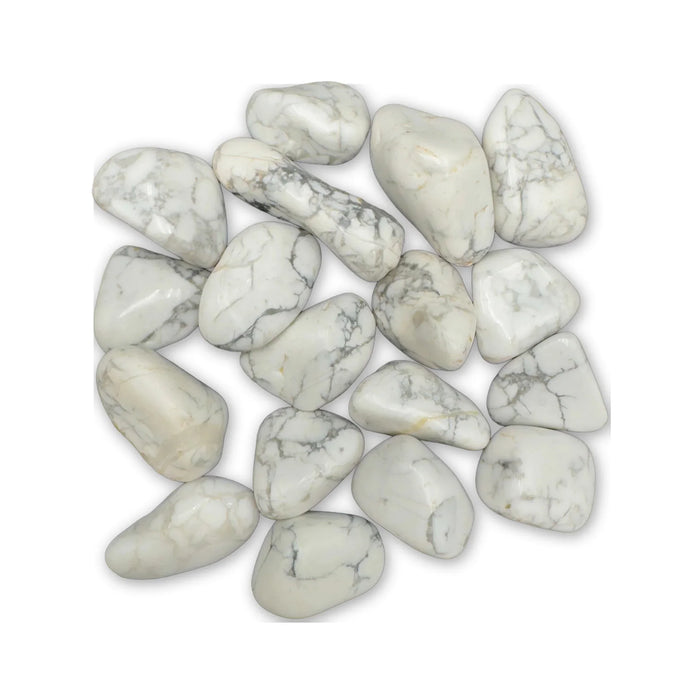
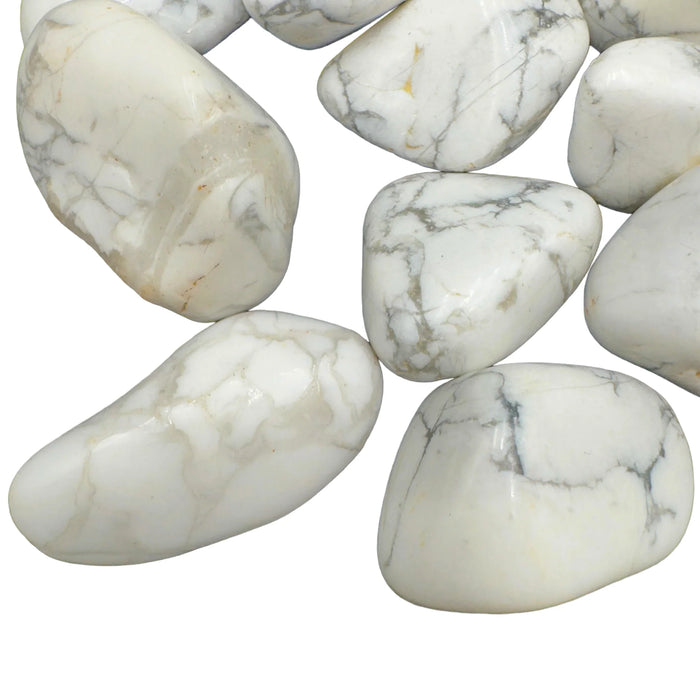
Explore the Crystal GuideLove Heulandite? Meet Howlite.
Heulandite is not something we carry. Howlite is the closest match in color, and every piece passes our sourcing standards: origin named, treatments disclosed.
- from 1,000+ reviews
- Ships within 72 hoursMonday to Friday, tracked
- 90 days to return itif you do not love it
- Free US shipping over $99$8.99 flat rate under
The Slow Note
New stones go to the list first.
No forwarding, no selling. Unsubscribe in one click. Privacy