


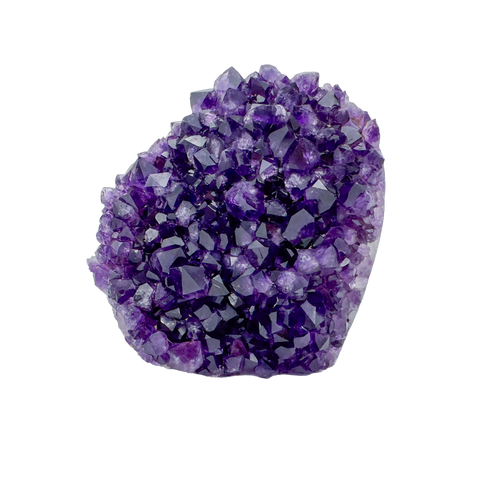
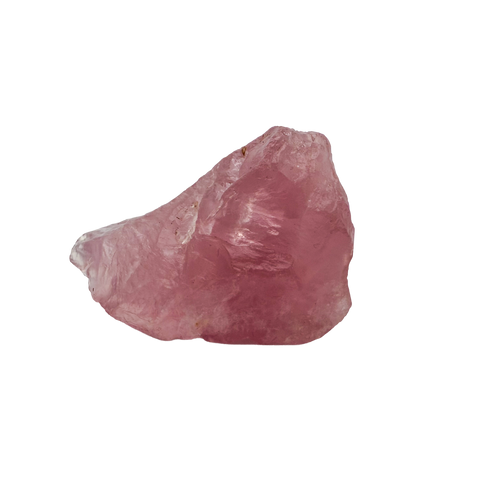
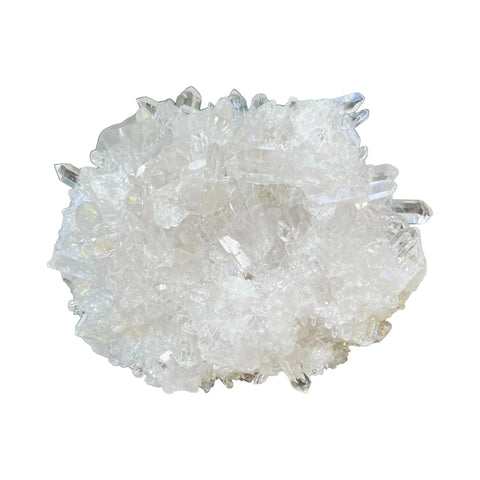
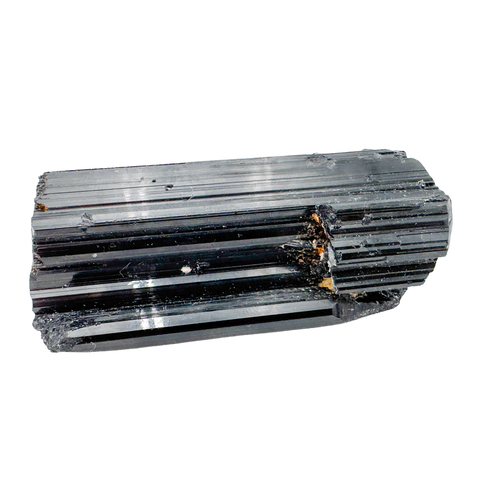
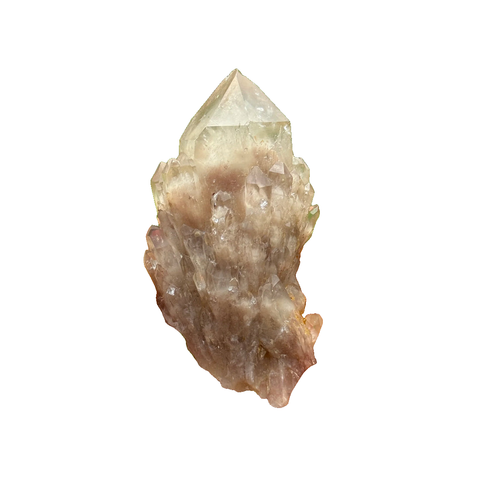
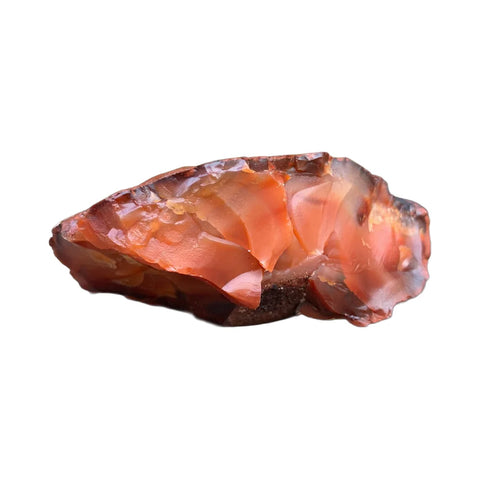
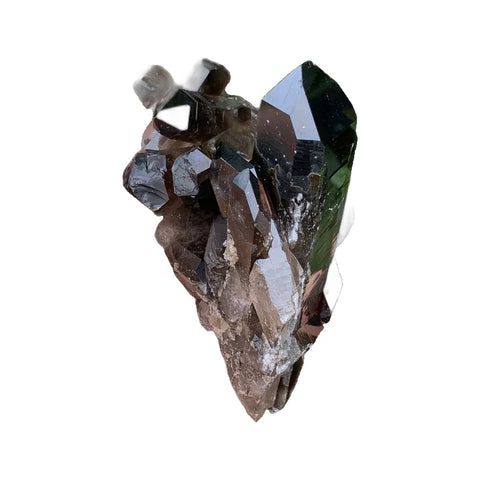
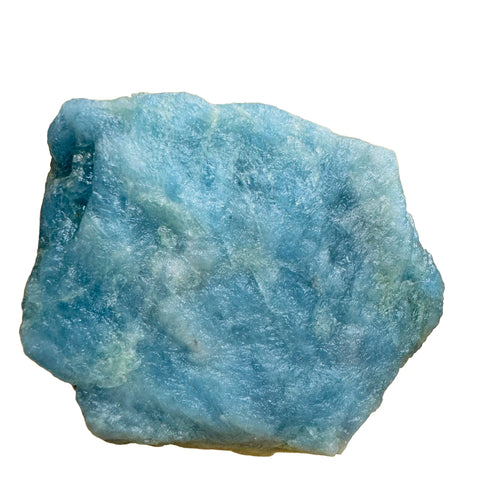
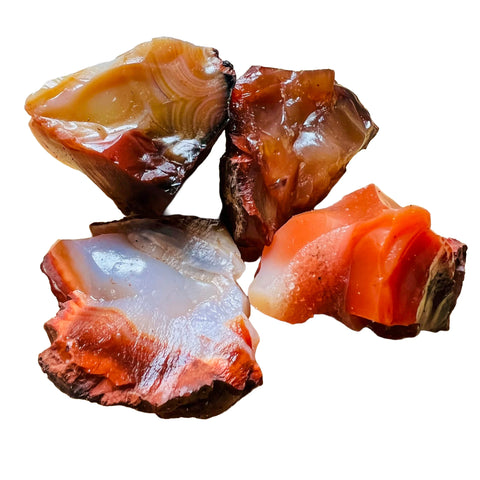


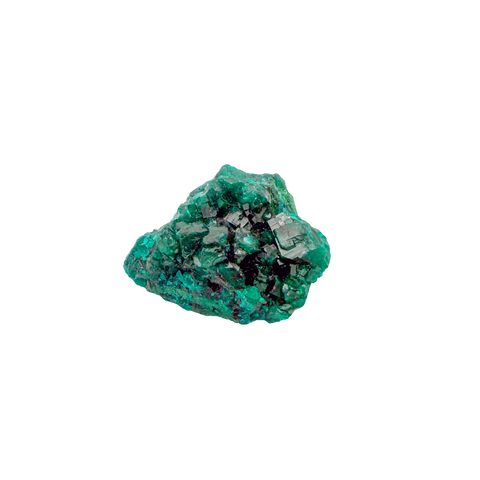
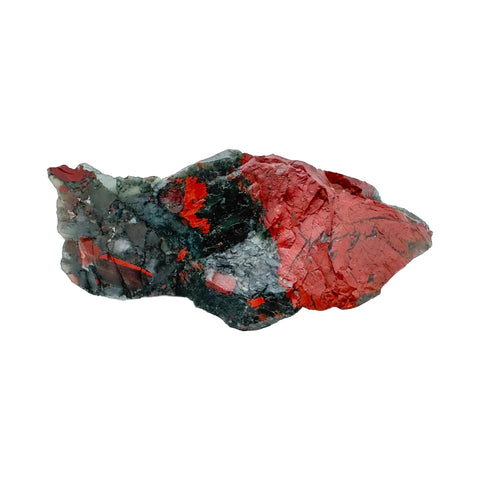
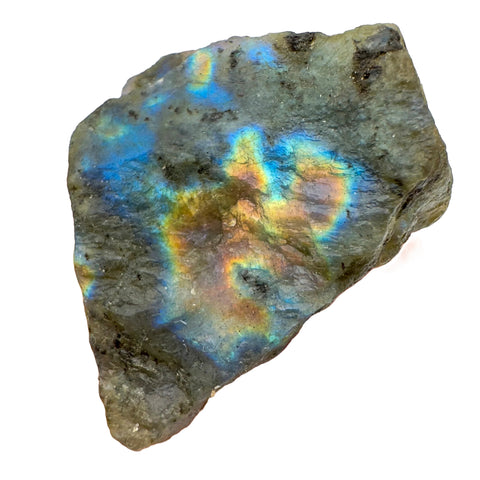
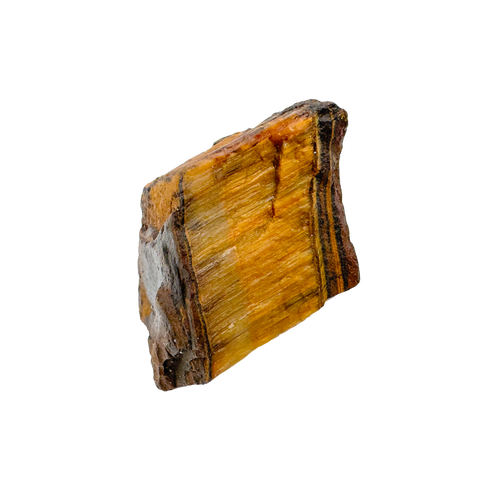
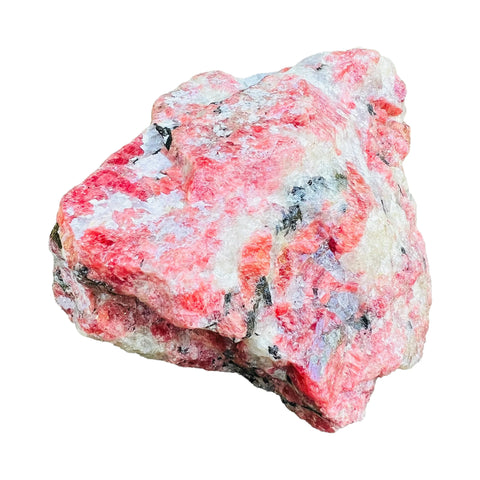
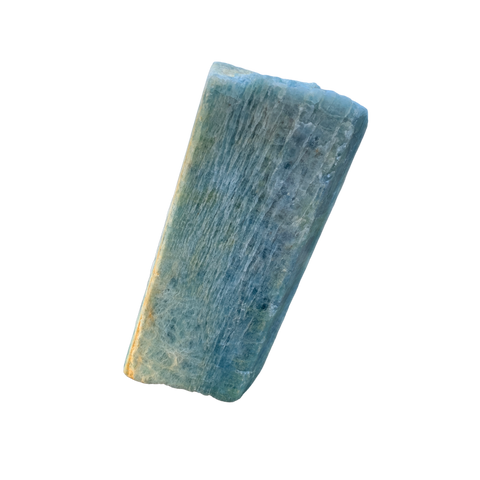
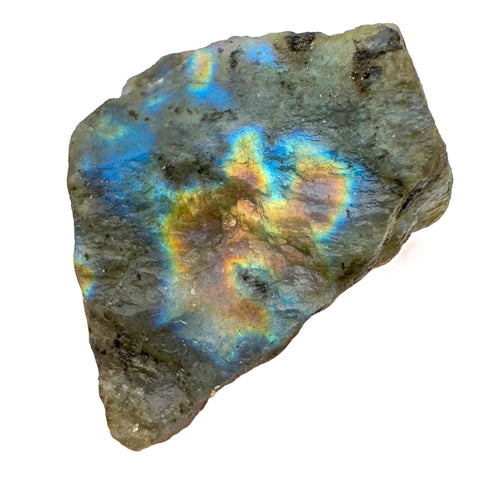
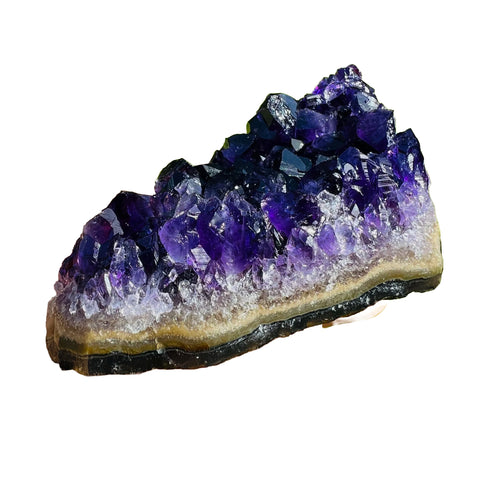



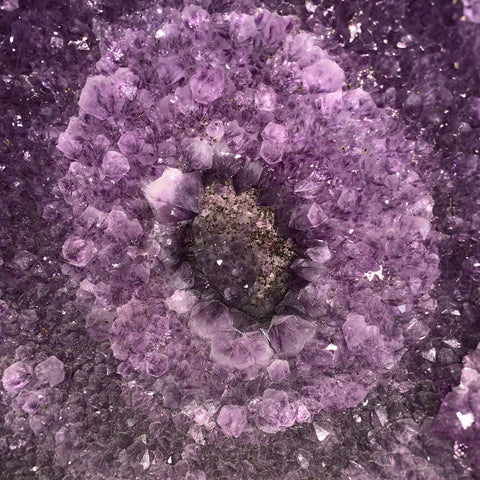
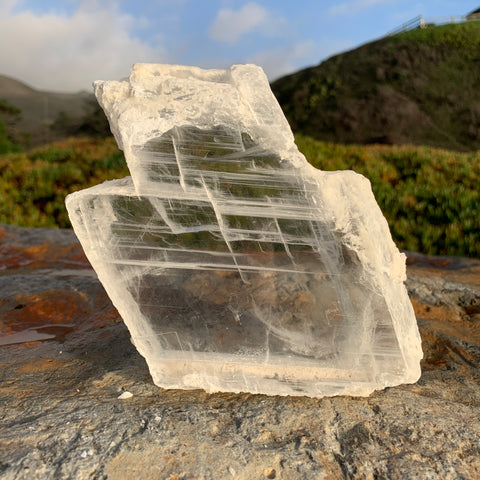
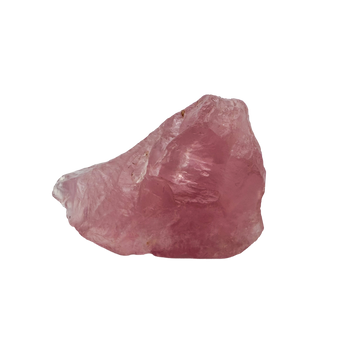
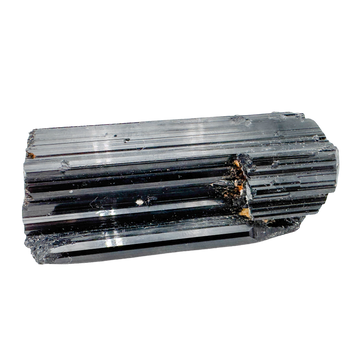
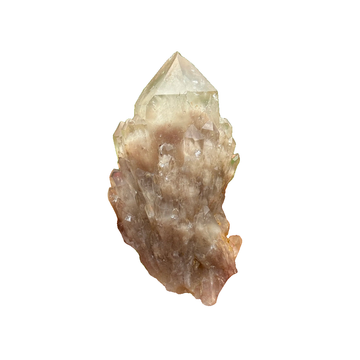
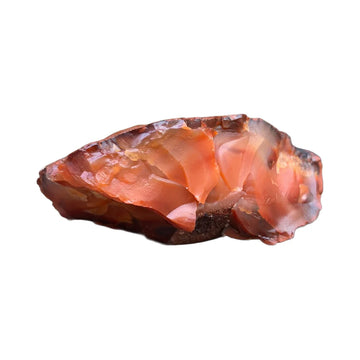
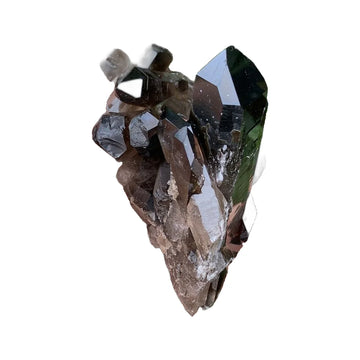
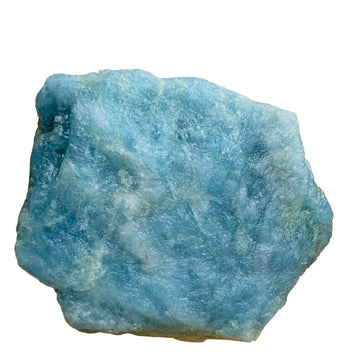
 Raw Stones
180 pieces
Raw Stones
180 pieces
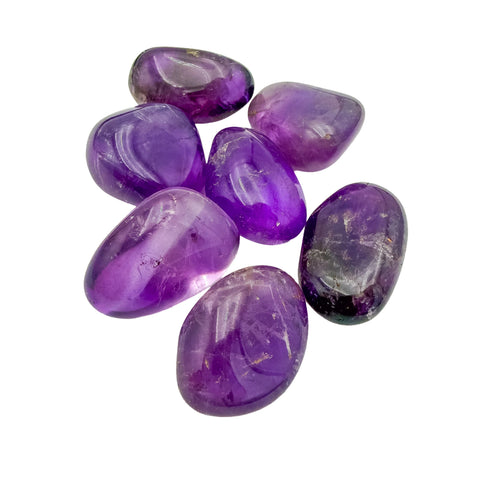
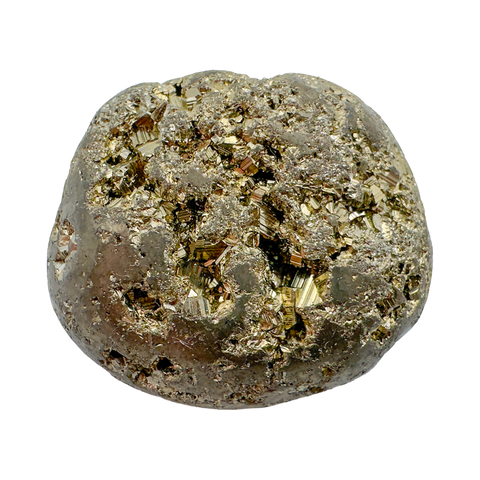
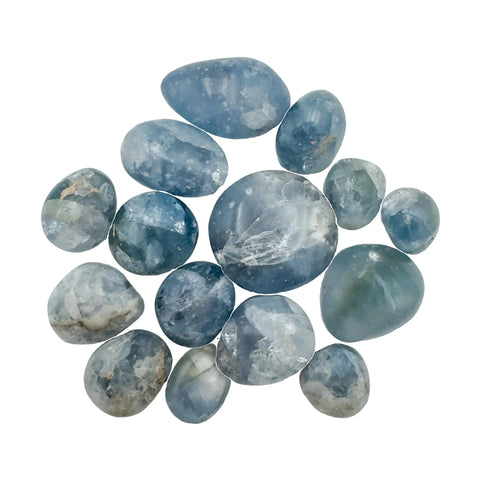
 Tumbled Stones
162 pieces
Tumbled Stones
162 pieces
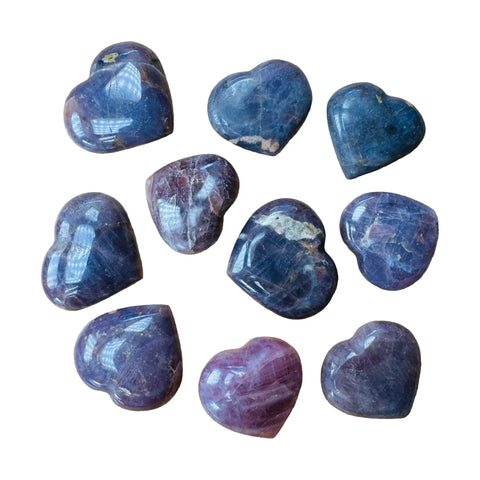
 Palm Stones
26 pieces
Palm Stones
26 pieces
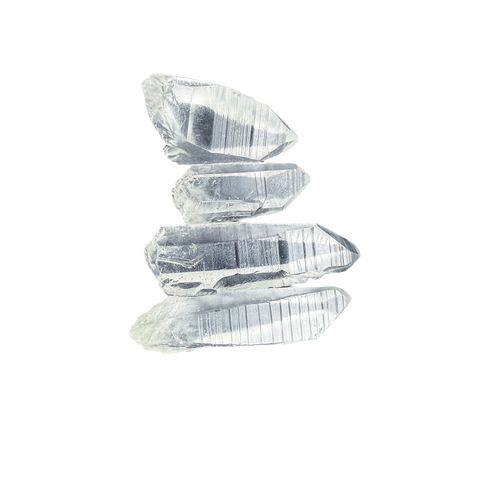
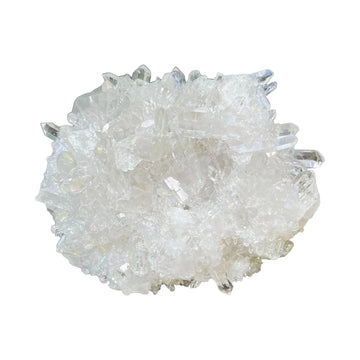
 Crystal Points
23 pieces
Crystal Points
23 pieces
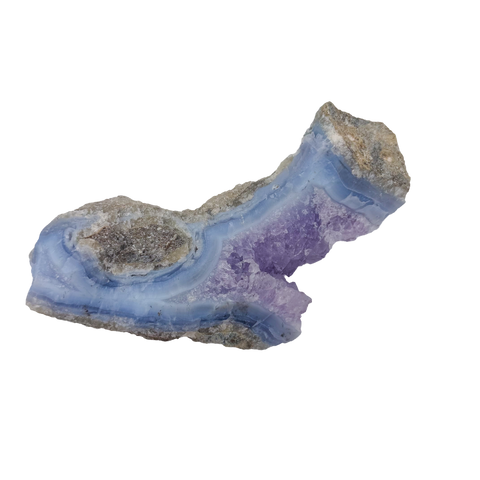
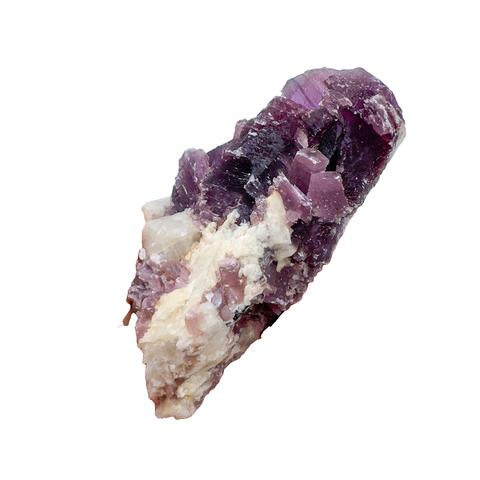
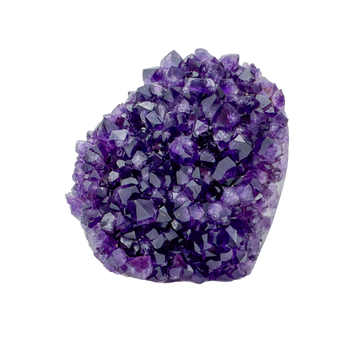
 Clusters & Geodes
112 pieces
Clusters & Geodes
112 pieces
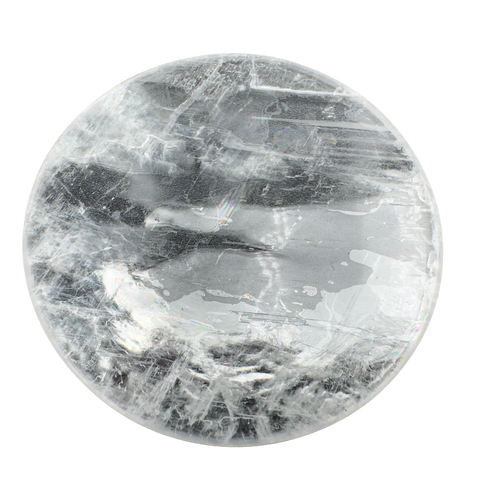
 Polished & Decor
155 pieces
Polished & Decor
155 pieces
 Mineral Specimens
269 collector pieces
Mineral Specimens
269 collector pieces
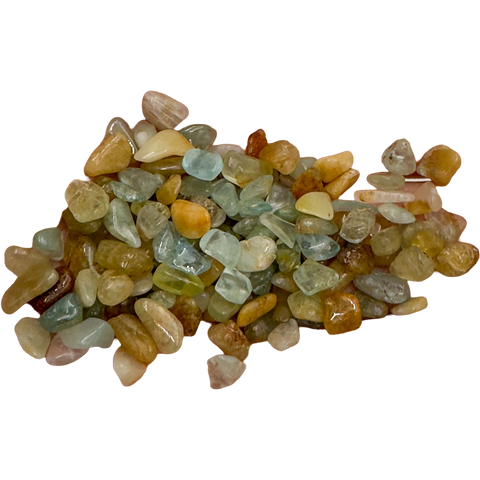
 Crystal Chips
21 pieces
Browse everything
Every collection, one page.
View All Collections →
Crystal Chips
21 pieces
Browse everything
Every collection, one page.
View All Collections →


 Aries
Mar 21 – Apr 19
Carnelian
›
Aries
Mar 21 – Apr 19
Carnelian
›
 Taurus
Apr 20 – May 20
Rose Quartz
›
Taurus
Apr 20 – May 20
Rose Quartz
›
 Gemini
May 21 – Jun 20
Agate
›
Gemini
May 21 – Jun 20
Agate
›
 Cancer
Jun 21 – Jul 22
Moonstone
›
Cancer
Jun 21 – Jul 22
Moonstone
›
 Leo
Jul 23 – Aug 22
Citrine
›
Leo
Jul 23 – Aug 22
Citrine
›
 Virgo
Aug 23 – Sep 22
Amazonite
›
Virgo
Aug 23 – Sep 22
Amazonite
›
 Libra
Sep 23 – Oct 22
Blue Lace Agate
›
Libra
Sep 23 – Oct 22
Blue Lace Agate
›
 Scorpio
Oct 23 – Nov 21
Obsidian
›
Scorpio
Oct 23 – Nov 21
Obsidian
›
 Sagittarius
Nov 22 – Dec 21
Sodalite
›
Sagittarius
Nov 22 – Dec 21
Sodalite
›
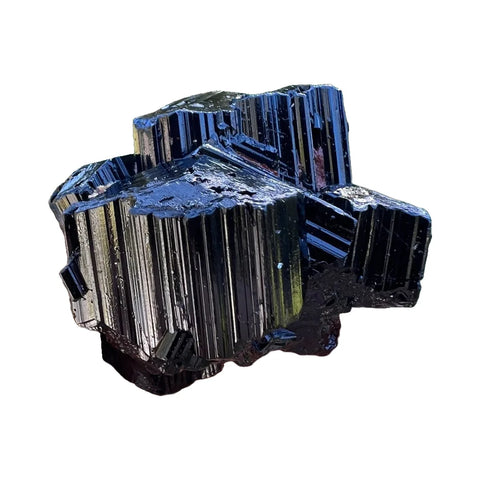
 Capricorn
Dec 22 – Jan 19
Black Tourmaline
›
Capricorn
Dec 22 – Jan 19
Black Tourmaline
›
 Aquarius
Jan 20 – Feb 18
Amethyst
›
Aquarius
Jan 20 – Feb 18
Amethyst
›
 Pisces
Feb 19 – Mar 20
Aquamarine
›
Gifting?
A birthday stone is the safe bet.
Read the zodiac guide →
Pisces
Feb 19 – Mar 20
Aquamarine
›
Gifting?
A birthday stone is the safe bet.
Read the zodiac guide →

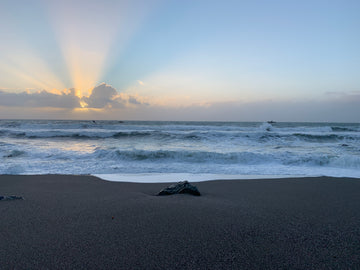
Scolecite
Scolecite is a zeolite, a hydrated calcium aluminum silicate that grows as clusters of fine white needles, often in radiating, spray-like fans. Most of the fine material comes from the basalt cavities of India. It is soft, light, and untreated, and people often work with it as a calm, meditative stone.
The geology.
Scolecite is a member of the zeolite group, a hydrated calcium aluminum silicate with the formula CaAl2Si3O10 combined with water. It crystallizes in the monoclinic system as slender, needle-like prisms that gather into radiating sprays and fibrous masses, usually colorless to white with a silky to vitreous luster. Some pieces show a faint pink or pale tint.
Hardness is 5 to 5.5 on the Mohs scale, which is soft for a display stone, and the specific gravity is low, around 2.25 to 2.4, so scolecite specimens feel light. Like other zeolites, it holds water within an open framework structure, and it can show a gentle fluorescence under ultraviolet light.
The origins.
The great source of fine scolecite is India, where the Deccan Traps basalt of Maharashtra, around Pune and Nashik, produces superb white sprays in gas cavities alongside other zeolites and apophyllite. Iceland, another basalt-rich land, is a classic locality tied to the mineral's early study.
Scolecite also comes from Brazil, the United States, Norway, and elsewhere that basaltic lava has left cavities for zeolites to grow. Because it forms with stilbite, heulandite, and apophyllite, Indian specimens often arrive as striking mixed clusters that show several minerals at once.
Traditional associations.
Scolecite has a reputation as a deeply calming, meditative stone. People often describe it as quieting the mind and supporting restful sleep and inner stillness, and it is a favorite for meditation and dreamwork.
Many work with it for peace, gentle awakening, and a connection between the heart and higher awareness, linking it most often to the Third Eye and Crown chakras, with a heart note as well. It is associated with the element of Air and the sign Capricorn. A common practice is to keep a spray by the bed or hold a piece during quiet reflection.
Spotting the real thing.
Genuine scolecite shows slender white needles in radiating, spray-like clusters, with a silky to glassy luster and a light feel. It is soft at 5 to 5.5 on the Mohs scale, so the fine needles are fragile and can snap. Its typical home is a basalt cavity, often shared with green apophyllite or peachy stilbite, which helps place Indian material.
The real challenge is separating scolecite from natrolite and mesolite, near-identical fibrous zeolites. Even specialists sometimes rely on locality, crystal detail, or lab testing to be sure. Scolecite is rarely faked, but it is often labeled by association, so a careful seller will say when the name reflects a known deposit rather than a tested identification.
Care & handling.
Scolecite is a delicate specimen stone. At 5 to 5.5 on the Mohs scale, and made of fine needles, it scratches and breaks easily, so it is best kept as a display piece rather than worn. Dust it gently with a soft brush and handle it by the base to protect the fragile sprays.
Keep it dry. As a water-bearing zeolite, scolecite can be harmed by long soaking, so avoid water cleaning, salt, ultrasonic and steam cleaners, heat, and harsh chemicals. Store it where it will not be knocked or rubbed by other minerals. To reset it, many people use moonlight, sound, or a gentle rest on a selenite plate.
Pairs well with.
A deeper look.
Extended geology, sourcing, authentication, history, and varieties, for when the quick guide isn't quite enough.
Extended geology
Scolecite belongs to the zeolites, a family of hydrated aluminosilicates built on open, cage-like frameworks that hold water and exchangeable cations. Its formula is CaAl2Si3O10 with about three water molecules, placing it in the fibrous natrolite subgroup alongside natrolite and mesolite. It crystallizes in the monoclinic system as thin prismatic to needle-like crystals that fan out into radiating sprays and puffball-like masses.
It forms at low temperatures in the gas cavities and fractures of basaltic lava, precipitating from silica-rich waters after the lava cools. That setting explains its constant companions, apophyllite, stilbite, heulandite, and other zeolites. Hardness is 5 to 5.5, specific gravity about 2.25 to 2.4, and the crystals can be piezoelectric and weakly fluorescent.
Extended sourcing
The Deccan Traps of Maharashtra, India, around Pune, Nashik, and Jalgaon, are the world's premier source of display-quality scolecite, producing brilliant white radiating sprays, often perched on or intergrown with green apophyllite and stilbite. Iceland is a classic locality tied to the mineral's early study. Brazil, Norway, Greenland, and localities in the United States such as New Jersey and Oregon also yield scolecite.
Value rests on the quality of the sprays: brightness, length and delicacy of the needles, and the beauty of any associated minerals. Large, undamaged Indian clusters with contrasting apophyllite are the most prized.
Authentication and warning signs
Radiating white needles in a basalt pocket, light in weight and soft to the touch, point to scolecite. Association with apophyllite and stilbite supports Indian material. The difficulty is that natrolite and mesolite look almost the same, and reliable separation may need optical or chemical testing. Mesolite tends to form even finer, hair-like needles, while natrolite is often stouter, but overlap is common.
Because scolecite is inexpensive as specimens and hard to fake convincingly, the main issue is naming rather than forgery. A conscientious seller will note when an identification rests on locality and association. Handle any purchase gently, since damaged sprays are common.
History and folklore
Scolecite was described in 1813, and its name comes from the Greek word for worm, because it curls and swells when heated in a flame. As a mineral studied only in the modern scientific era, it carries no ancient tradition. Its calming, meditative reputation has grown within the contemporary crystal community, often alongside other zeolites valued for stillness and rest.
Varieties and trade names
Scolecite sprays: the classic radiating white clusters.
Scolecite with apophyllite: Indian specimens combining white needles and green apophyllite crystals.
Natrolite and mesolite: closely related fibrous zeolites often confused with scolecite.
There are few trade names, since scolecite is sold mainly as mineral specimens under its own name.
What it costs in the market
Small scolecite specimens: roughly 8 to 40 dollars. Larger single-mineral sprays and clusters: around 30 to 150 dollars depending on size and quality. Fine Indian pieces with dramatic white sprays and contrasting apophyllite or stilbite: from a hundred into several hundred dollars. Value tracks the brightness and delicacy of the needles, size, condition, and associated minerals.
An education-first guide.
We don't currently carry scolecite, so there's nothing to sell you here. This guide exists because the more you understand a stone, the better every decision you make about it becomes, wherever you buy it. Explore the rest of our crystal guides for stones we do source, each with full origin and treatment notes.
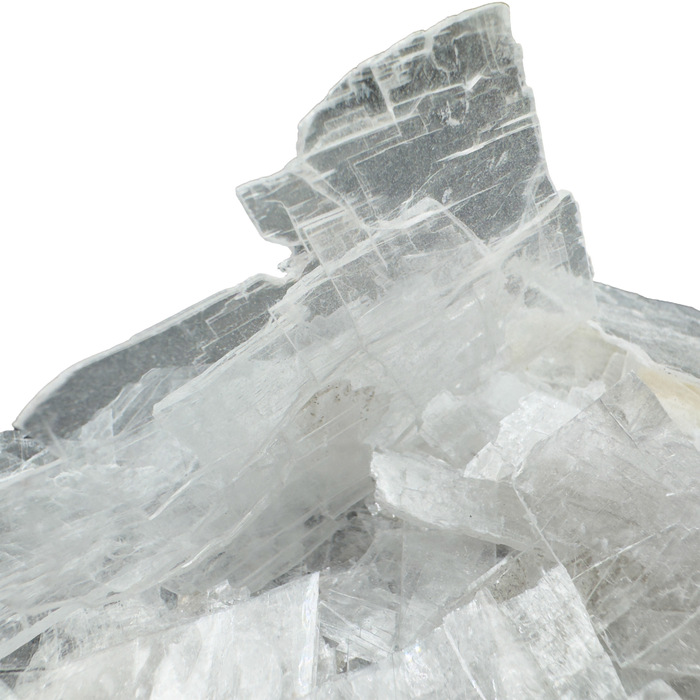
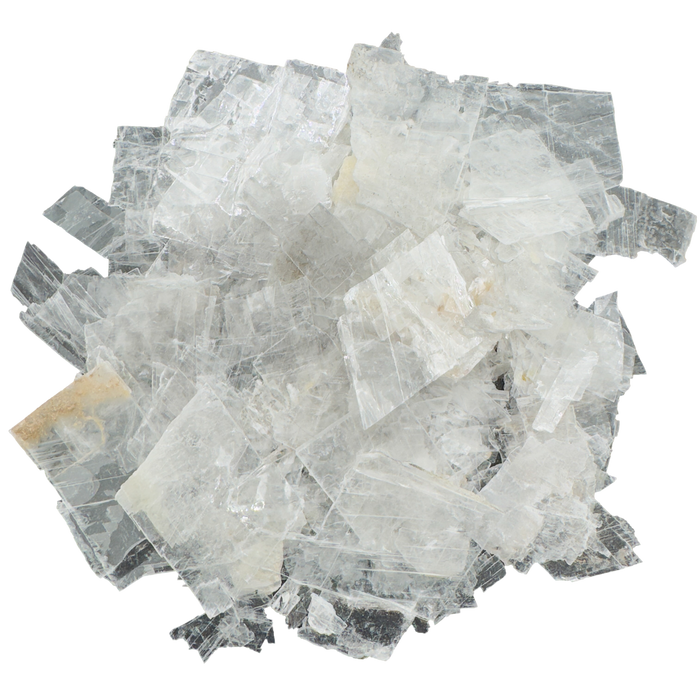
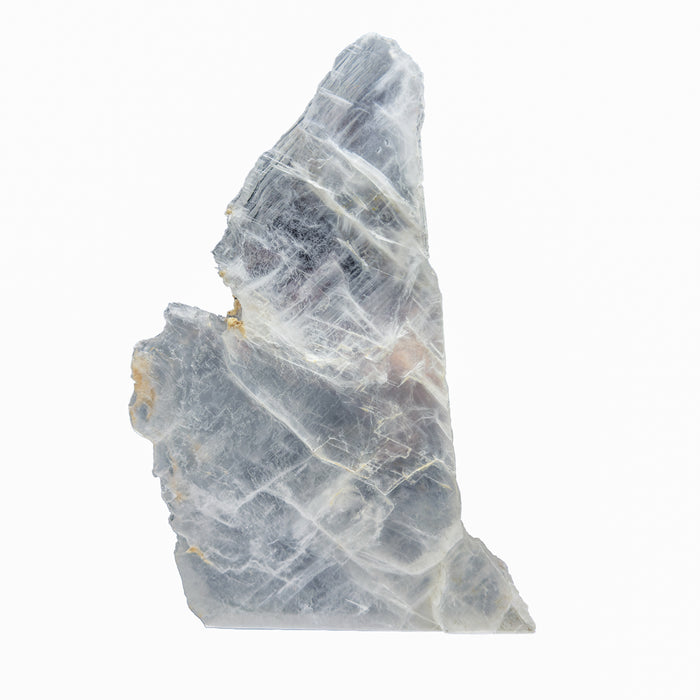
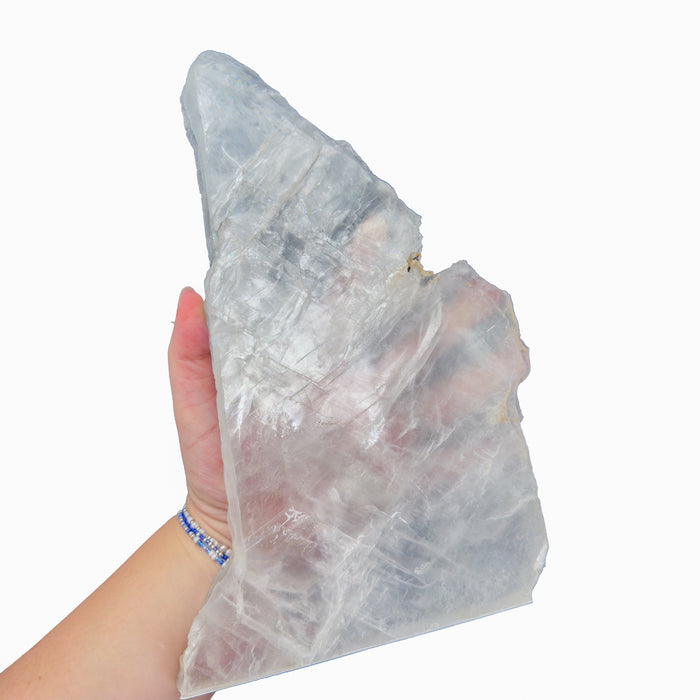
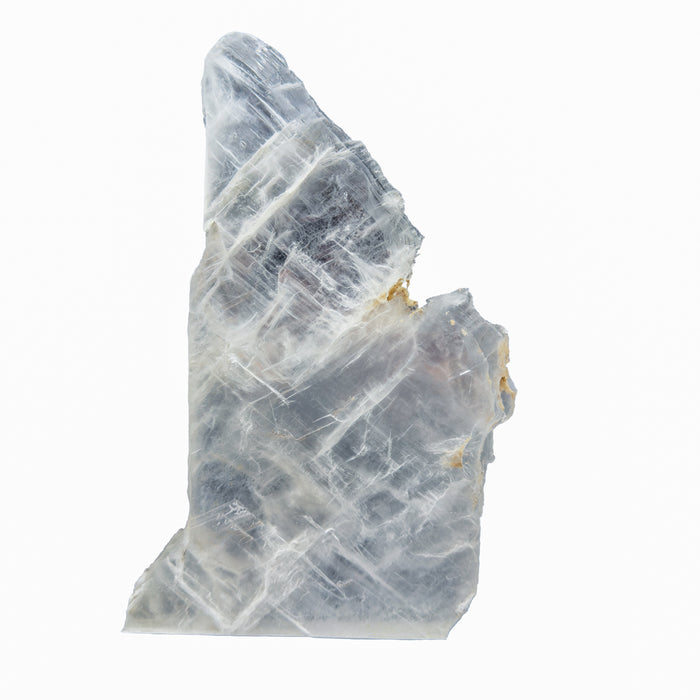
Explore the Crystal GuideThe closest match we carry: Selenite.
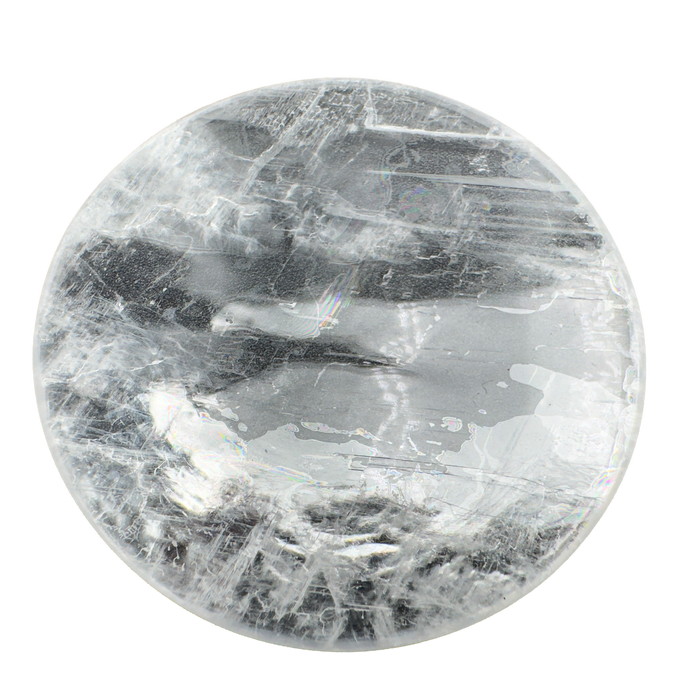
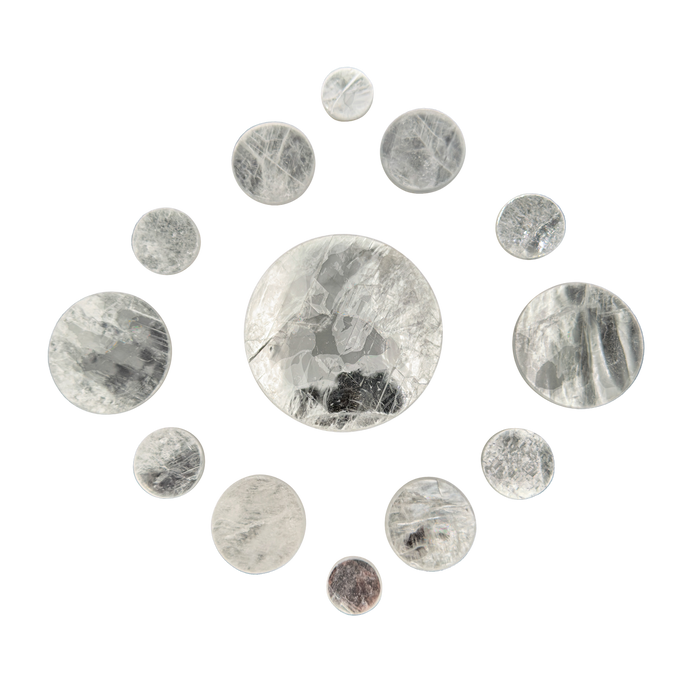
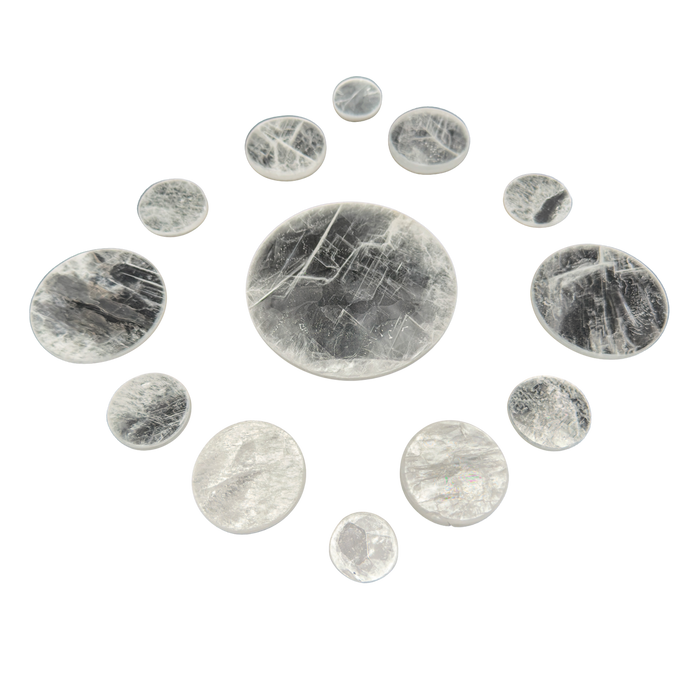
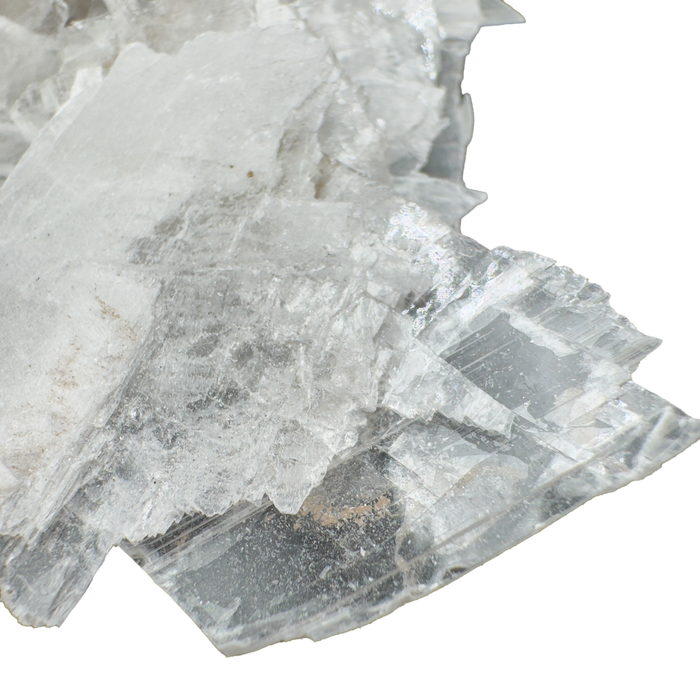
Scolecite is not something we carry. Selenite is the closest match in our collection, and every piece passes our sourcing standards: origin named, treatments disclosed.
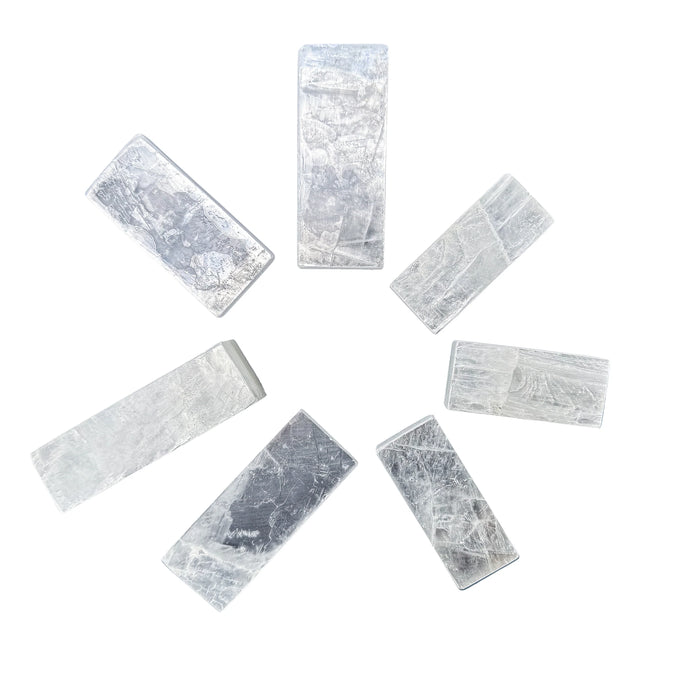
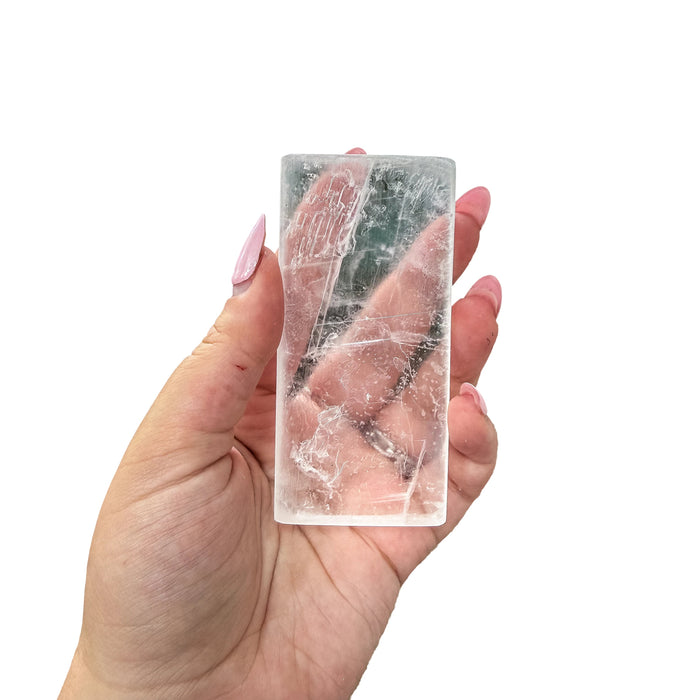
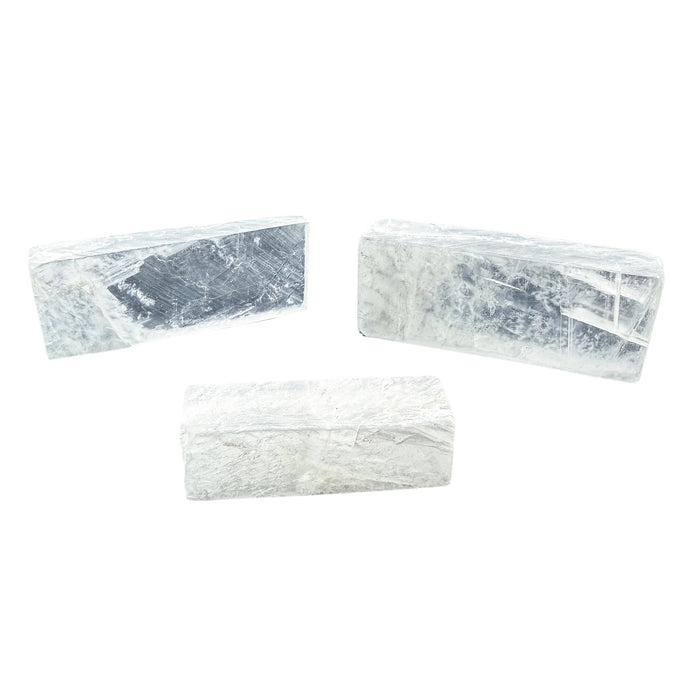
- 4.9 out of 5from 1,000+ reviews
- Ships within 72 hoursMonday to Friday, tracked
- 90 days to return itif you do not love it
- Free US shipping over $99$8.99 flat rate under