


 Agatefor stress relief
 Amazonitefor stress relief
 Aquamarinefor serenity
 Aventurinefor luck
 Bloodstonefor energy
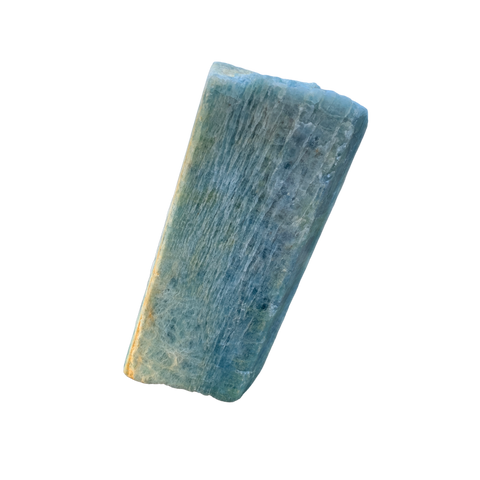
 Blue Kyanitefor confidence
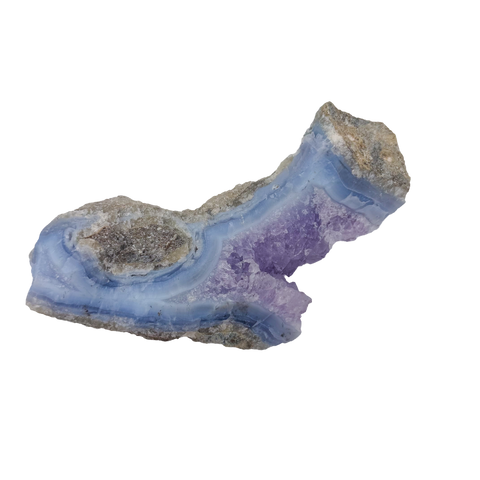
 Blue Lace Agatefor stress relief
 Chrysocollafor emotional healing
 Fluoritefor focus
 Garnetfor energy
 Lepidolitefor stress relief
 Malachitefor emotional healing
 Moonstonefor grounding
 Obsidianfor protection
 Ocean Jasperfor emotional healing
 Red Jasperfor grounding
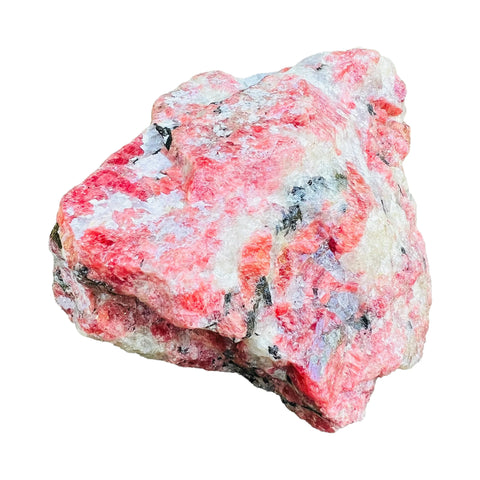
 Rhodonitefor emotional healing
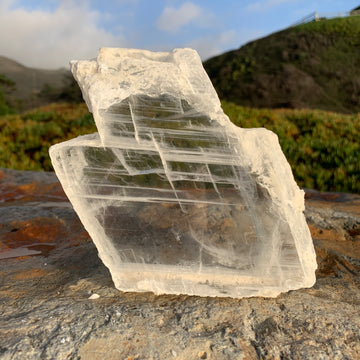
 Selenitefor cleansing
 Sodalitefor focus
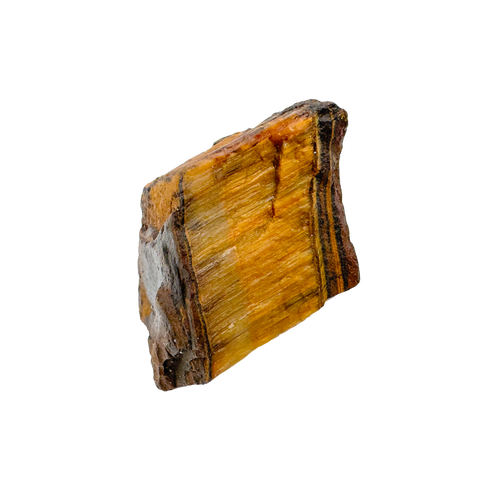
 Tiger Eyefor confidence
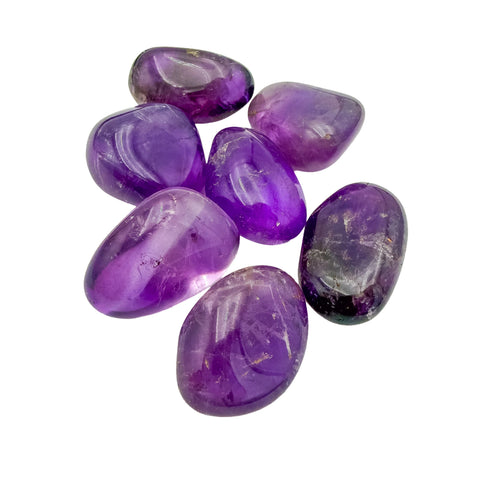


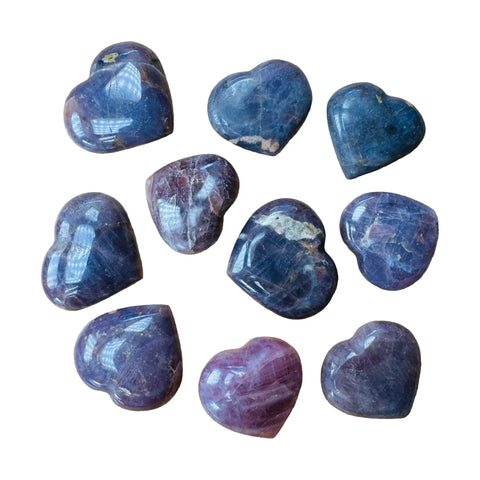
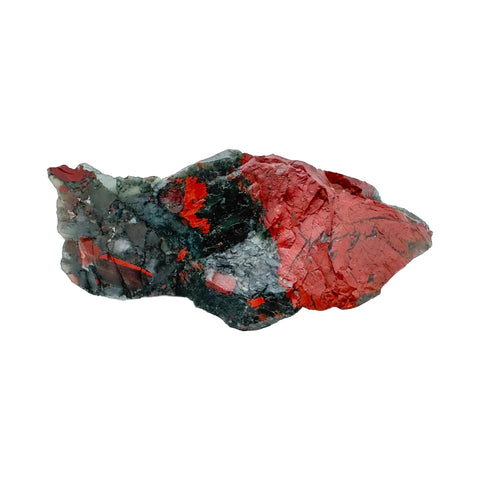
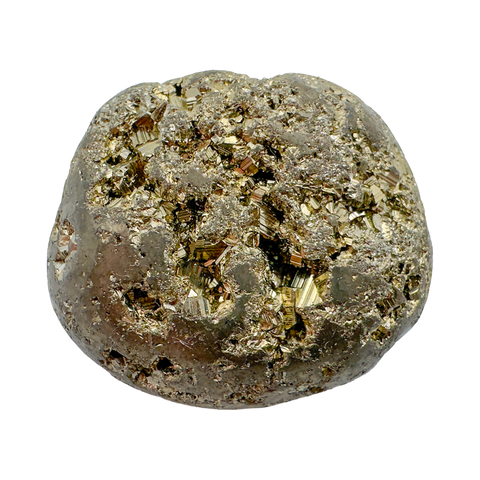
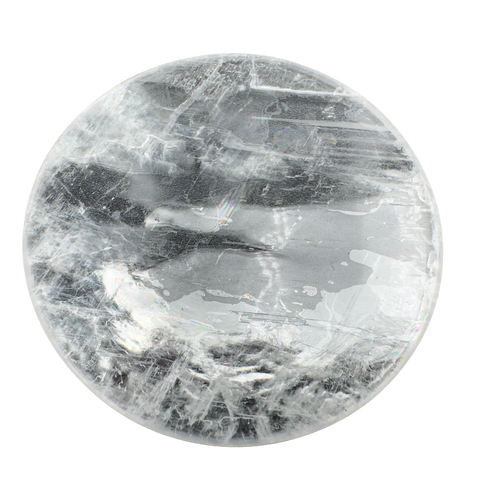


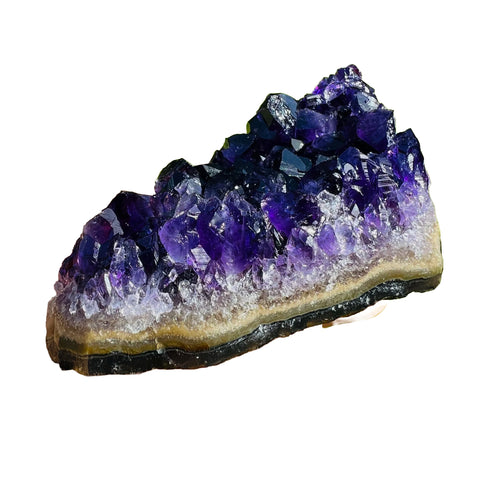








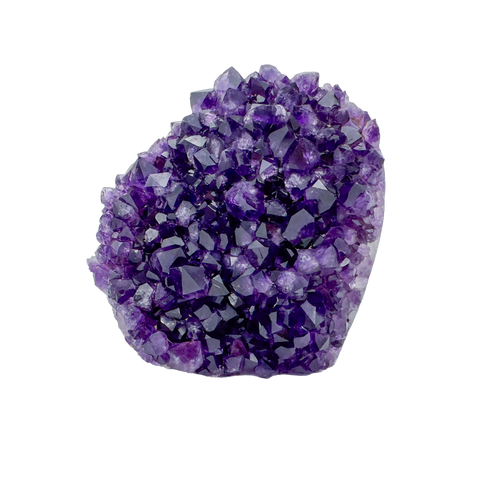
 Amethyst
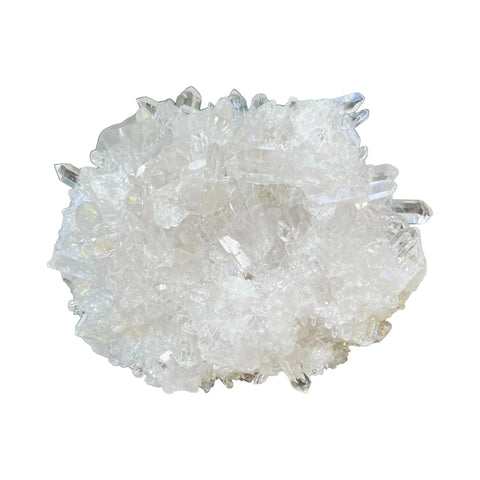
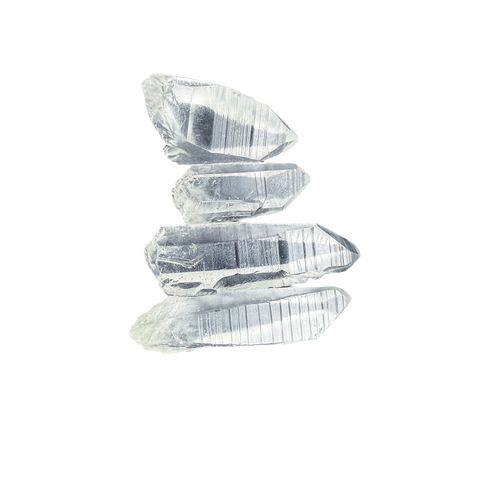
 Clear Quartz
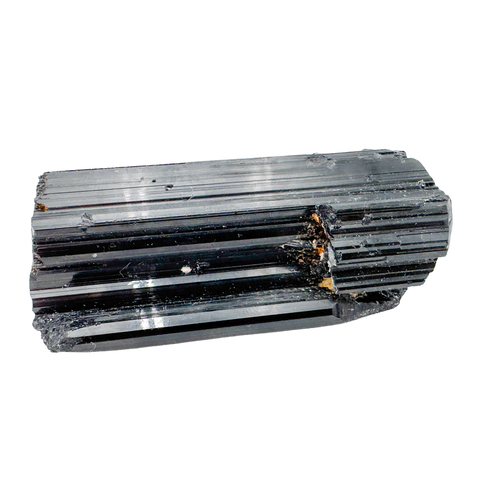
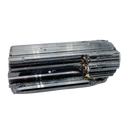 Black Tourmaline
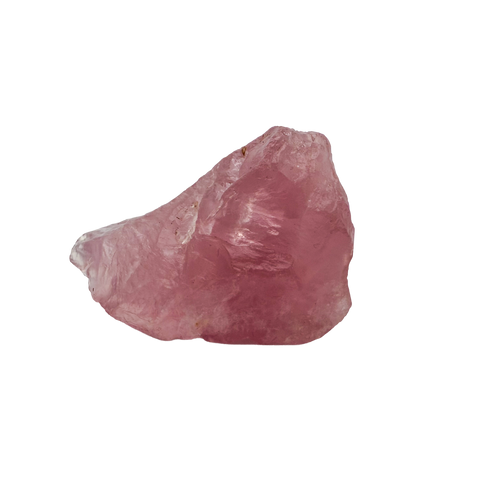
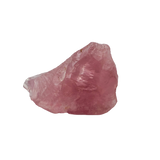 Rose Quartz
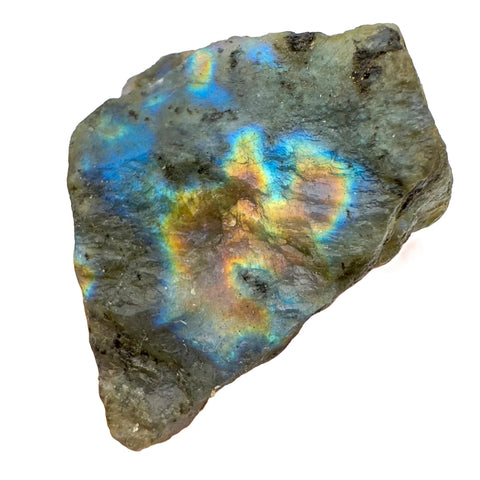
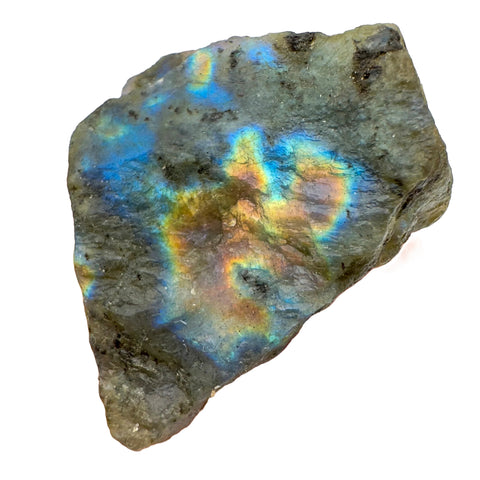
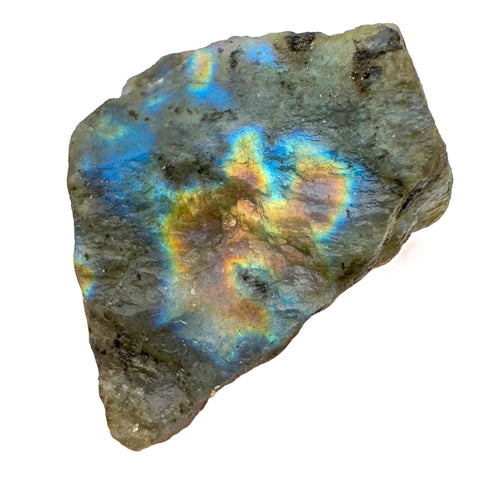
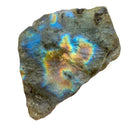 Labradorite
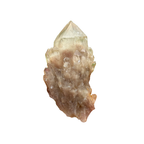 Natural Citrine
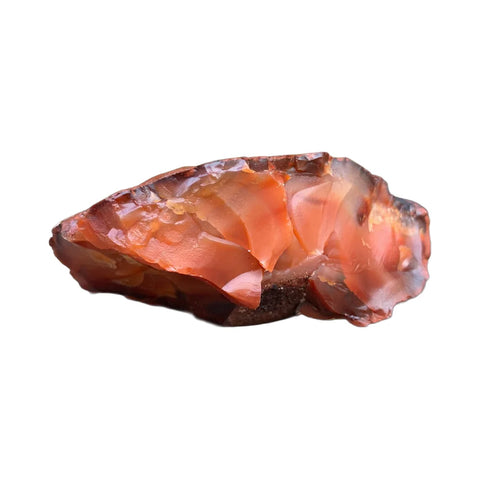
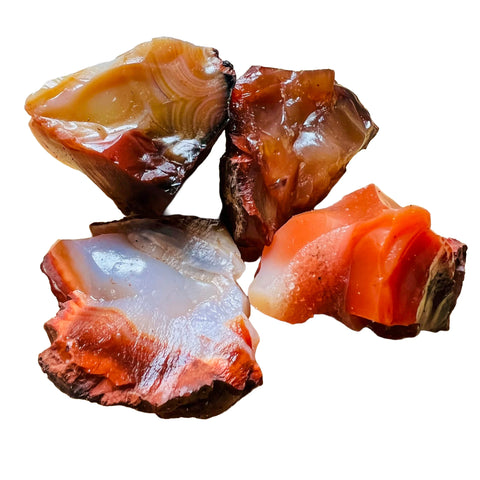
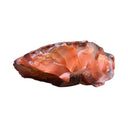 Carnelian
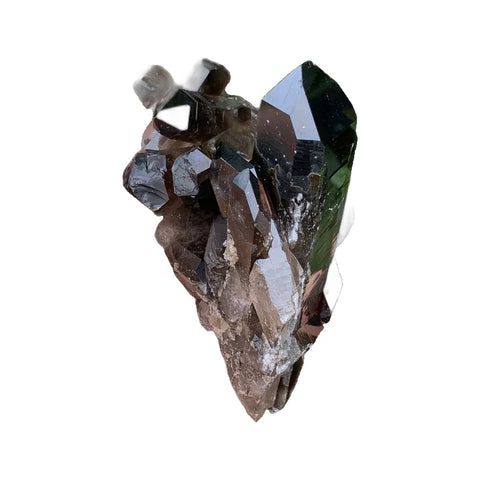
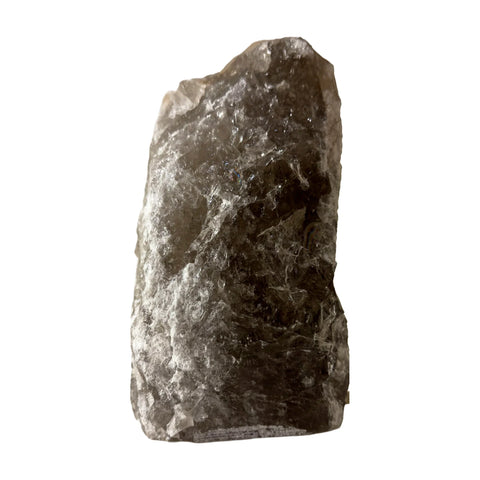
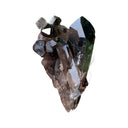 Smoky Quartz
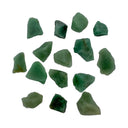 Aventurine
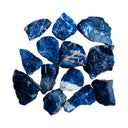 Sodalite
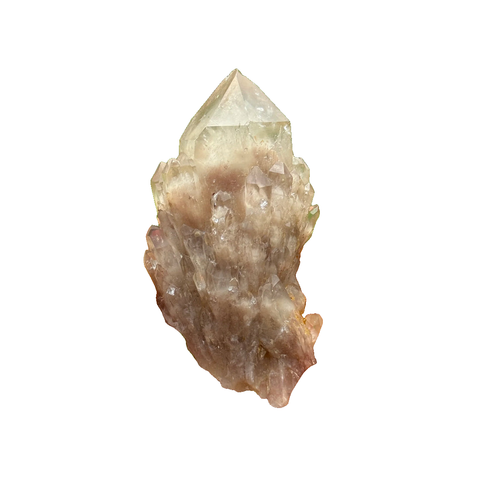
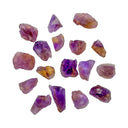 Ametrine
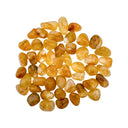 Golden Healer
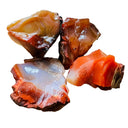 Raw Stones
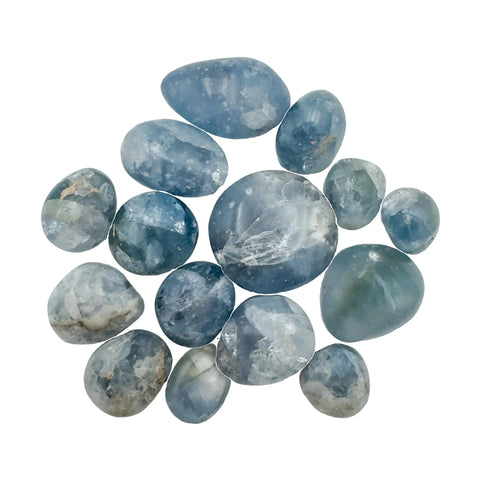
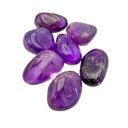 Tumbled Stones
 Palm Stones
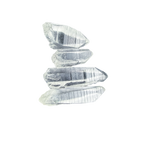 Crystal Points
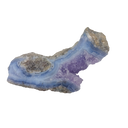 Clusters & Geodes
 Polished & Decor
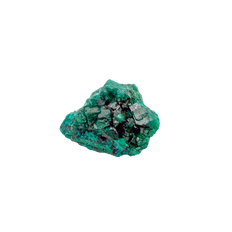 Mineral Specimens
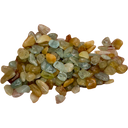 Crystal Chips
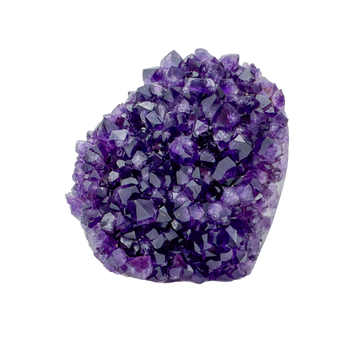
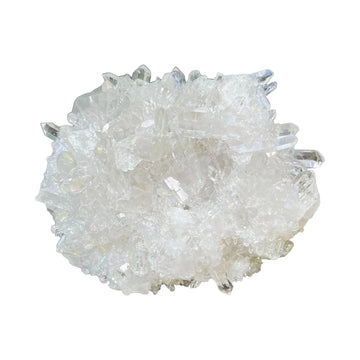
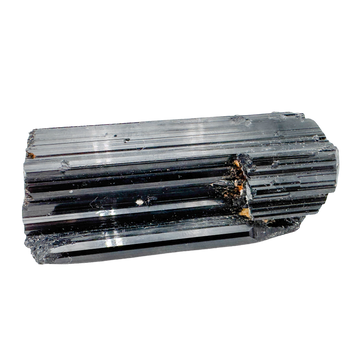
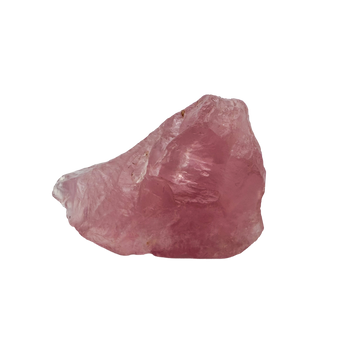
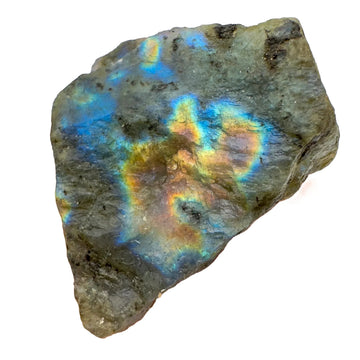
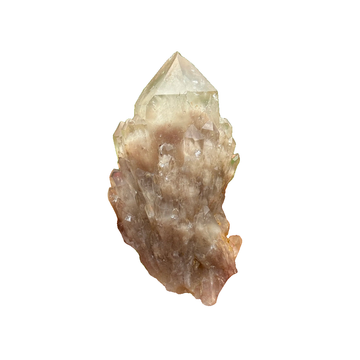
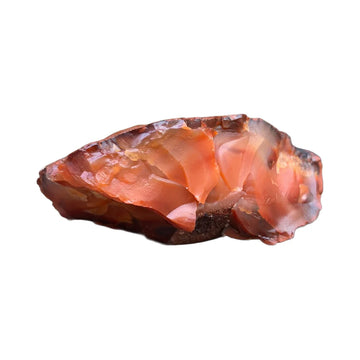
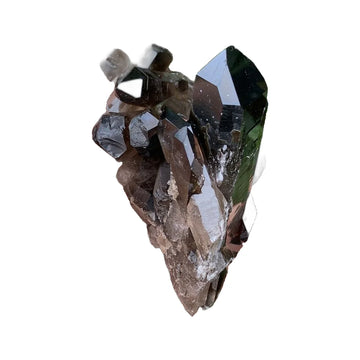
 Raw Stones
179 to choose from
Raw Stones
179 to choose from
 Tumbled Stones
162 to choose from
Tumbled Stones
162 to choose from
 Palm Stones
25 to choose from
Palm Stones
25 to choose from
 Crystal Points
23 to choose from
Crystal Points
23 to choose from
 Clusters & Geodes
101 to choose from
Clusters & Geodes
101 to choose from
 Polished & Decor
148 to choose from
Polished & Decor
148 to choose from
 Mineral Specimens
254 to choose from
Mineral Specimens
254 to choose from
 Crystal Chips
21 to choose from
Crystal Chips
21 to choose from


 AngolaAquamarine
›
AngolaAquamarine
›
 BotswanaCarnelian, Tree Agate
›
BotswanaCarnelian, Tree Agate
›
 DR CongoMalachite, Natural Citrine
›
DR CongoMalachite, Natural Citrine
›
 EswatiniBloodstone
›
EswatiniBloodstone
›
 MadagascarLabradorite, Clear Quartz
›
MadagascarLabradorite, Clear Quartz
›
 MalawiBlue Lace Agate, Garnet
›
MalawiBlue Lace Agate, Garnet
›
 MozambiqueAmazonite
›
MozambiqueAmazonite
›
 NamibiaSodalite, Blue Lace Agate
›
NamibiaSodalite, Blue Lace Agate
›
 Republic of the CongoDioptase
›
Republic of the CongoDioptase
›
 South AfricaTiger Eye, Unakite
›
South AfricaTiger Eye, Unakite
›
 ZambiaChevron Amethyst
›
ZambiaChevron Amethyst
›
 ZimbabweEmerald, Rhodonite
›
ZimbabweEmerald, Rhodonite
›
 ArgentinaBlack Obsidian, Rhodochrosite
›
ArgentinaBlack Obsidian, Rhodochrosite
›
 BoliviaAmetrine
›
BoliviaAmetrine
›
 BrazilAmethyst, Clear Quartz
›
BrazilAmethyst, Clear Quartz
›
 PeruSerpentine, Jade
›
PeruSerpentine, Jade
›
 UruguayAmethyst
›
UruguayAmethyst
›
 Dominican RepublicLarimar
›
Dominican RepublicLarimar
›
 MexicoRainbow Obsidian, Crazy Lace Agate
›
MexicoRainbow Obsidian, Crazy Lace Agate
›
 United StatesSelenite, Peridot
›
United StatesSelenite, Peridot
›
 ChinaFluorite
›
ChinaFluorite
›
 RussiaShungite
›
RussiaShungite
›
 AustraliaMookaite
›
AustraliaMookaite
›
 Where our crystals come from
See where we source →
Where our crystals come from
See where we source →


 Aries
Mar 21 to Apr 19
Carnelian
›
Aries
Mar 21 to Apr 19
Carnelian
›
 Taurus
Apr 20 to May 20
Rose Quartz
›
Taurus
Apr 20 to May 20
Rose Quartz
›
 Gemini
May 21 to Jun 20
Agate
›
Gemini
May 21 to Jun 20
Agate
›
 Cancer
Jun 21 to Jul 22
Moonstone
›
Cancer
Jun 21 to Jul 22
Moonstone
›
 Leo
Jul 23 to Aug 22
Citrine
›
Leo
Jul 23 to Aug 22
Citrine
›
 Virgo
Aug 23 to Sep 22
Amazonite
›
Virgo
Aug 23 to Sep 22
Amazonite
›
 Libra
Sep 23 to Oct 22
Blue Lace Agate
›
Libra
Sep 23 to Oct 22
Blue Lace Agate
›
 Scorpio
Oct 23 to Nov 21
Obsidian
›
Scorpio
Oct 23 to Nov 21
Obsidian
›
 Sagittarius
Nov 22 to Dec 21
Sodalite
›
Sagittarius
Nov 22 to Dec 21
Sodalite
›
 Capricorn
Dec 22 to Jan 19
Black Tourmaline
›
Capricorn
Dec 22 to Jan 19
Black Tourmaline
›
 Aquarius
Jan 20 to Feb 18
Amethyst
›
Aquarius
Jan 20 to Feb 18
Amethyst
›
 Pisces
Feb 19 to Mar 20
Aquamarine
›
Gifting?
A birthday stone is the safe bet.
Read the zodiac guide →
Pisces
Feb 19 to Mar 20
Aquamarine
›
Gifting?
A birthday stone is the safe bet.
Read the zodiac guide →






Sapphire
Sapphire is gem corundum in every color except red, which we call ruby instead. Most people picture deep blue, but sapphire also comes in pink, yellow, green, and the rare pink-orange padparadscha. At 9 on the Mohs scale it is the second hardest natural mineral after diamond, and people have long linked it with wisdom, clarity, and a calm, focused mind.
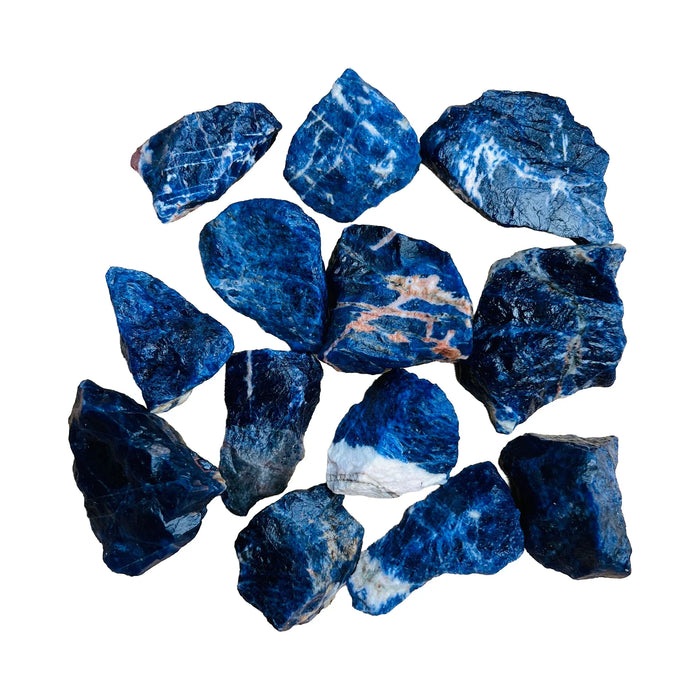
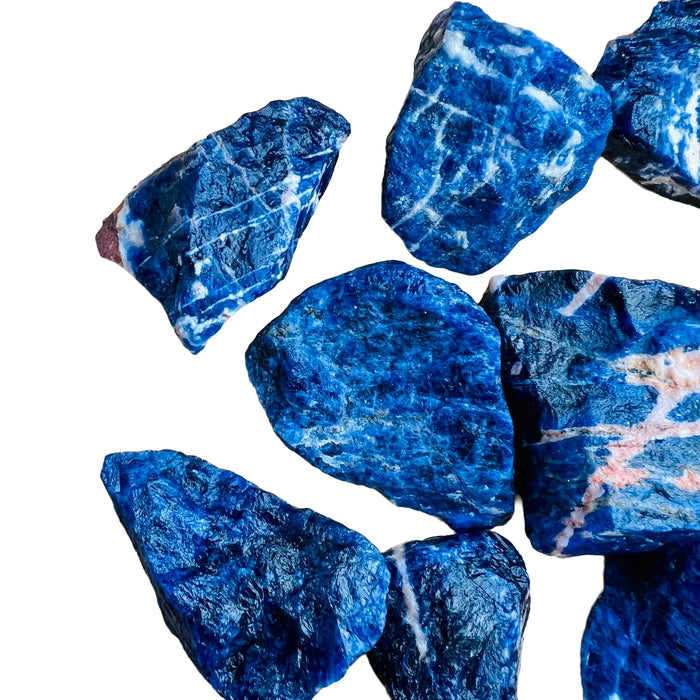
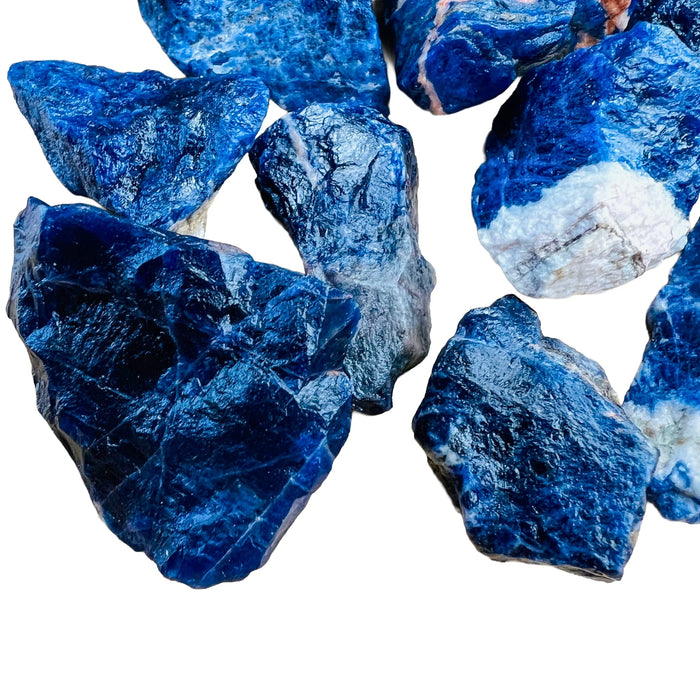
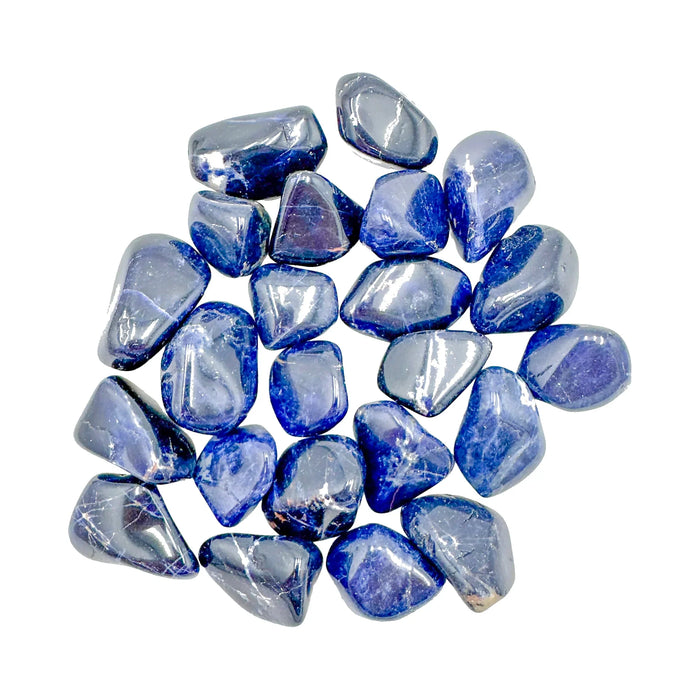
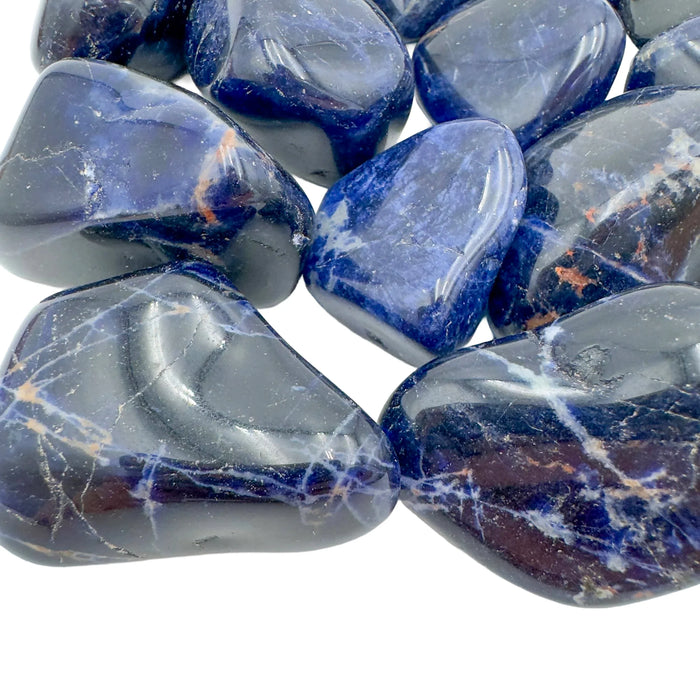
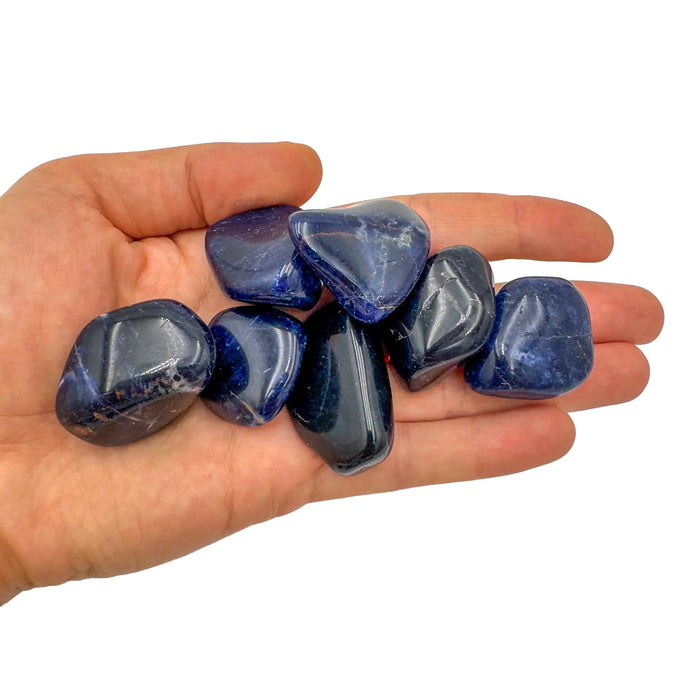
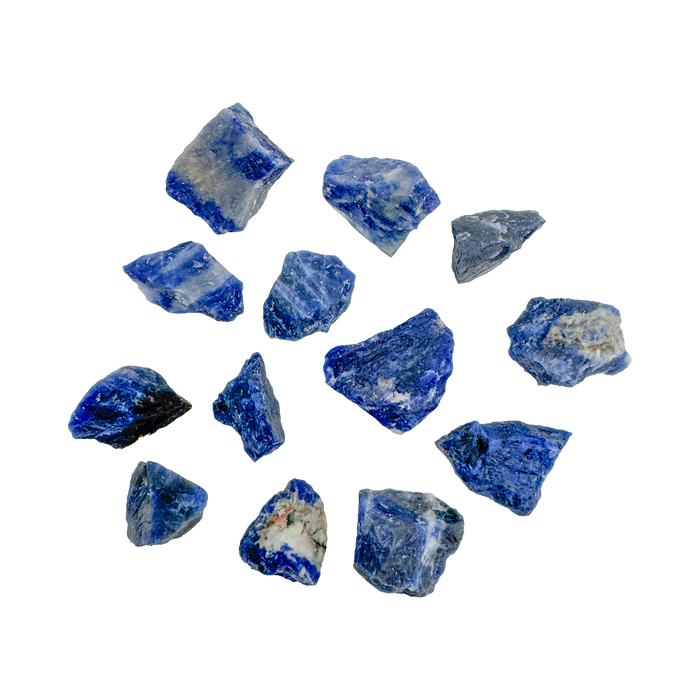
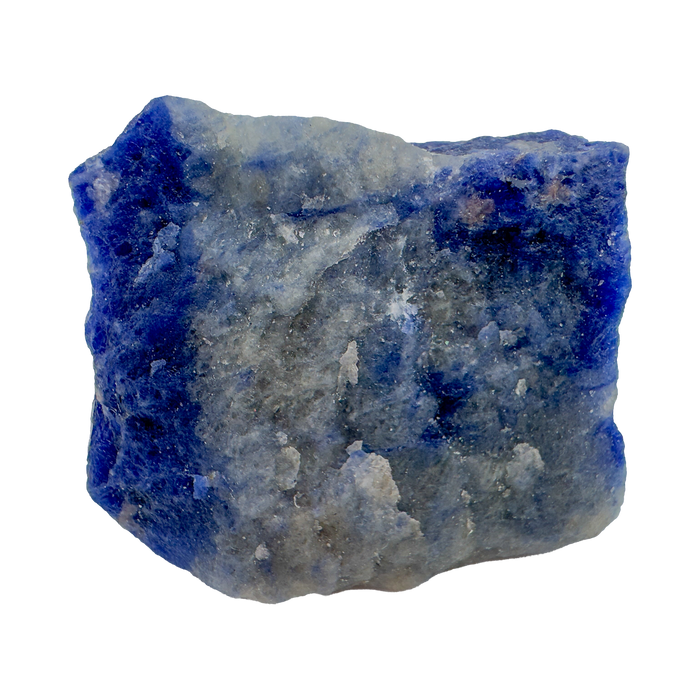
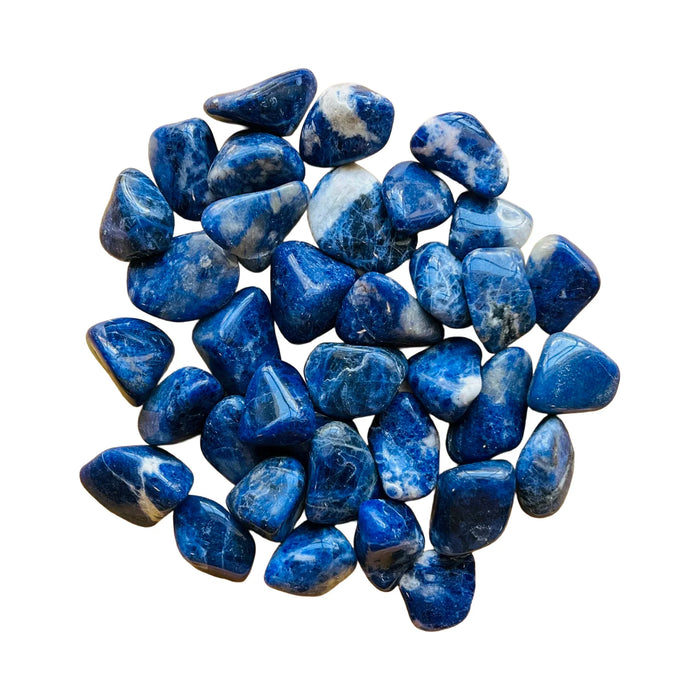
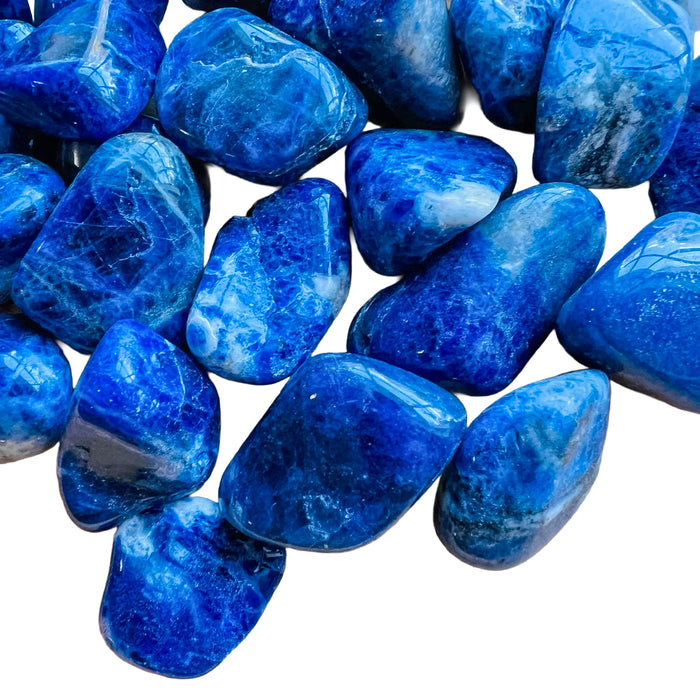
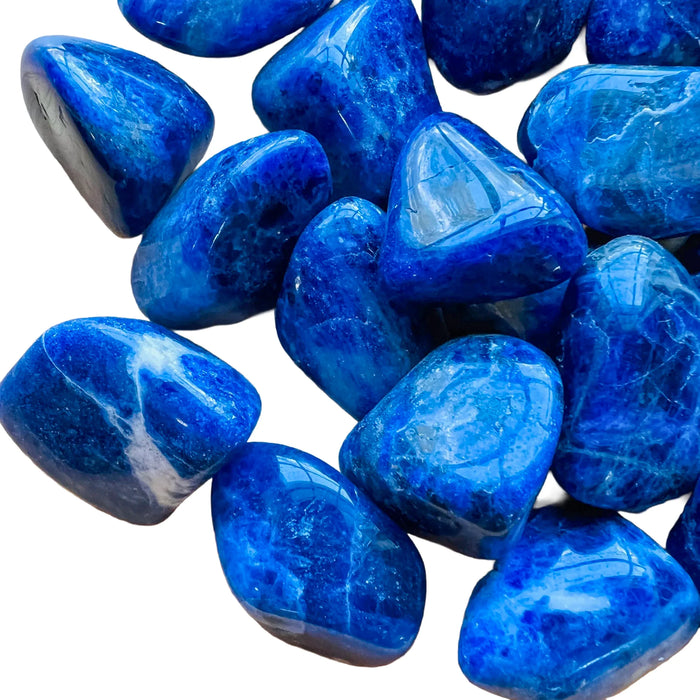
Love Sapphire? Meet Sodalite.
Sapphire is not something we carry. Sodalite is the closest match in color, and every product page names its origin and grade.

- from 1,000+ reviews
- Ships within 72 hoursMonday to Friday, tracked
- 90 days to return itif you do not love it
- Free US shipping over $99$8.99 flat rate under
The geology.
Sapphire is the gem variety of corundum, crystalline aluminum oxide with the formula Al2O3. The same mineral gives us ruby. The only difference is color: red corundum is ruby, and every other color, blue, pink, yellow, green, purple, and colorless, is called sapphire. Trace elements do the coloring. Iron and titanium together produce the classic blue, while chromium leans pink and iron alone can give yellow or green.
Corundum crystallizes in the trigonal system, often as barrel or tapered prismatic crystals, and sits at 9 on the Mohs scale, harder than any natural gem except diamond. That hardness, plus no cleavage and a bright luster, is why sapphire wears so well in everyday rings. Fine needles of rutile inside the stone can scatter light into a six-rayed star, the effect called asterism that gives us star sapphire.
The origins.
Sri Lanka, long known as Ceylon, has produced sapphire for more than two thousand years and remains a benchmark for bright cornflower and soft pastel blues. Myanmar, or Burma, is famous for deep velvety blues, and the legendary Kashmir deposit, mined only briefly in the late 1800s, set a standard collectors still chase. Madagascar became a major modern source in the 1990s and now supplies a large share of the world's fine sapphire.
Other important sources include Australia and Thailand for darker blues, Montana in the United States for steely blues and the Yogo Gulch deposit, plus Tanzania, Cambodia, and Nigeria. Origin matters in this stone more than almost any other, because a Kashmir or Burmese pedigree can multiply value. A seller who can name the country, and back it with a lab report at the high end, is one who knows the trade.
Traditional associations.
Sapphire has carried associations with wisdom, truth, and royalty for centuries. Medieval kings and clergy wore it as a symbol of heaven and sincerity, and it has long been a stone of vows, part of why it stays a favorite for engagement rings. The blue in particular is tied to the mind and to clear, honest thinking.
Today many people work with sapphire for focus, self-discipline, and a settled mind. It is most often linked to the Third Eye and Throat chakras, and it is the modern birthstone for September. Blue is the classic, but each color carries its own gentle reputation, with yellow tied to abundance and pink to the heart.
Spotting the real thing.
Natural sapphire is hard, cool to the touch, and holds a bright polish. Under magnification it often shows fine rutile silk, color zoning, or tiny mineral crystals, the fingerprints of natural growth. Glass imitations feel warmer and lighter, scratch easily, and can trap round bubbles. Lab-grown sapphire is real corundum but usually too clean, with curved growth lines instead of natural angular zoning.
The bigger questions are color and treatment. Diffusion-treated stones can show color concentrated along facet edges, and glass-filled stones reveal flattened gas bubbles and a blue flash under the right light. For any significant sapphire, a report from a respected gem lab is the honest path, stating species, origin where possible, and treatment.
Care & handling.
Sapphire is one of the easiest gems to live with. At 9 on the Mohs scale with no cleavage, it shrugs off daily wear and is safe to clean with warm water, mild soap, and a soft brush. It is a sound choice for rings and bracelets that take knocks.
The one caution is for glass-filled stones, which should avoid heat, ultrasonic cleaners, and acids that can attack the filler. If you are unsure how a stone was treated, stick to gentle hand cleaning. Store sapphire apart from diamond, and away from softer stones it can scratch.
Pairs well with.
A deeper look.
Extended geology, sourcing, authentication, history, and varieties, for when the quick guide isn't quite enough.
Extended geology
Corundum is simple in formula, aluminum oxide, but rich in color chemistry. Pure corundum is colorless. Iron and titanium produce blue through a charge transfer between the two elements, chromium produces pink and, in higher amounts with no blue, the red we call ruby. Iron alone gives yellows and greens, and the prized pink-orange padparadscha blends chromium and iron. Rutile needles aligned along the crystal structure create the silky sheen and, when dense and oriented, the six-rayed star.
Extended sourcing
Kashmir sapphire, mined high in the Himalayas for only a few years from 1881, is the most storied source, known for a sleepy velvety blue. Burma and Sri Lanka are the classic historic producers, Sri Lanka still active and prolific. Madagascar reshaped the market from the 1990s and is now a leading source. Montana gives American sapphire, including the even, steely Yogo Gulch stones. Australia and Thailand supply large volumes of darker material.
Treatment in depth
Heat treatment, often at very high temperatures, has been standard for decades and improves color and clarity permanently. Lattice or bulk diffusion drives elements such as titanium or beryllium into the stone to create or deepen color, sometimes only skin deep. Fracture filling with glass disguises cracks and cavities. Each of these is acceptable when disclosed, and each affects value differently, which is why a clear treatment statement matters.
Authentication and warning signs
Lab-grown corundum has been produced by flame fusion since the early 1900s and is real sapphire chemically, so the giveaways are clarity that is too perfect and curved growth striae rather than natural straight color banding. Glass imitations are softer and warmer, with round bubbles. Composite or glass-filled stones show flattened bubbles and flashes of color. A gem lab settles species, treatment, and often origin.
History and folklore
Across the ancient and medieval world, blue sapphire stood for the heavens, truth, and faithfulness. Clergy wore it as a symbol of purity, and rulers prized it for protection and wisdom. Its long role in betrothal jewelry continues today, made famous again by a well-known royal engagement ring.
Varieties and trade names
Blue sapphire is the classic, but fancy sapphires span yellow, pink, purple, green, and orange. Padparadscha is the rare pink-orange variety. Star sapphire shows asterism from rutile. Color-change sapphire shifts hue between daylight and incandescent light. Names like Ceylon and Kashmir refer to origin and should be backed by a report at the top end. Market prices range from modest for commercial heated blues to extraordinary for fine unheated Kashmir or Burmese stones at auction.
An education-first guide.
We made this guide to explain what sapphire is, where it comes from, and how to tell real, well-disclosed stones from treated or imitation ones, so every decision you make about it is a better one, wherever you buy. Explore the rest of our crystal guides for more stones, each with full origin and treatment notes.
Explore the Crystal GuideGrounded Connections
New stones go to the list first.
No forwarding, no selling. Unsubscribe in one click. Privacy