


 Agatefor stress relief
 Amazonitefor stress relief
 Aquamarinefor serenity
 Aventurinefor luck
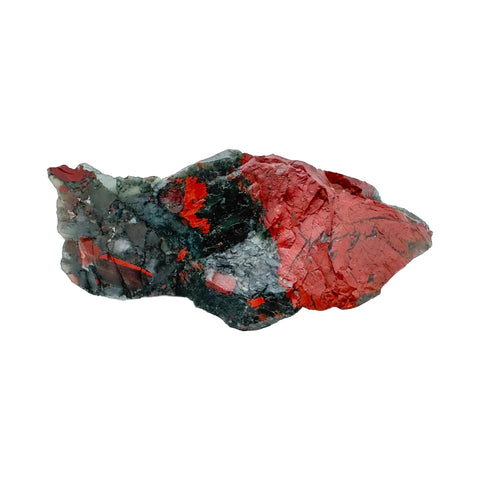
 Bloodstonefor energy
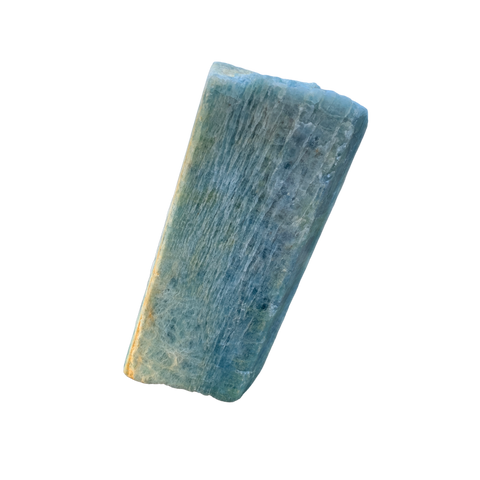
 Blue Kyanitefor confidence
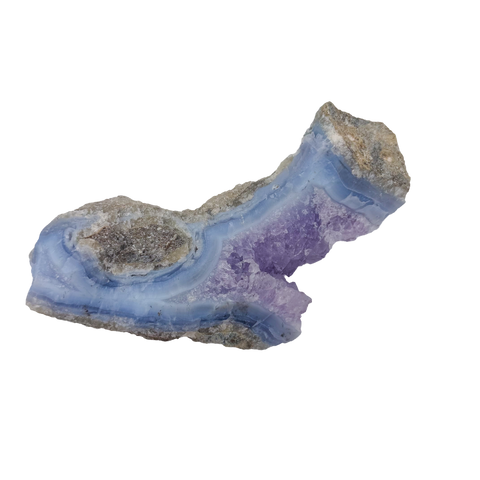
 Blue Lace Agatefor stress relief
 Chrysocollafor emotional healing
 Fluoritefor focus
 Garnetfor energy
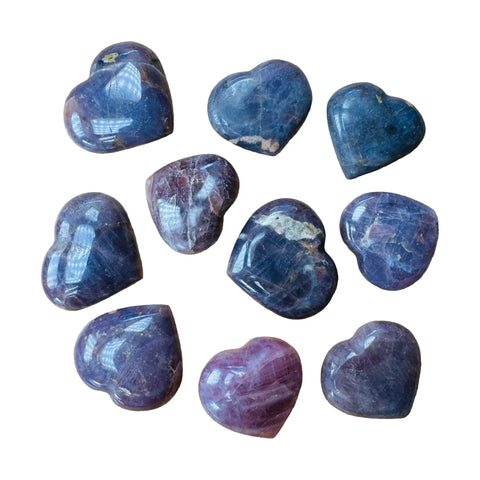
 Lepidolitefor stress relief
 Malachitefor emotional healing
 Moonstonefor grounding
 Obsidianfor protection
 Ocean Jasperfor emotional healing
 Red Jasperfor grounding
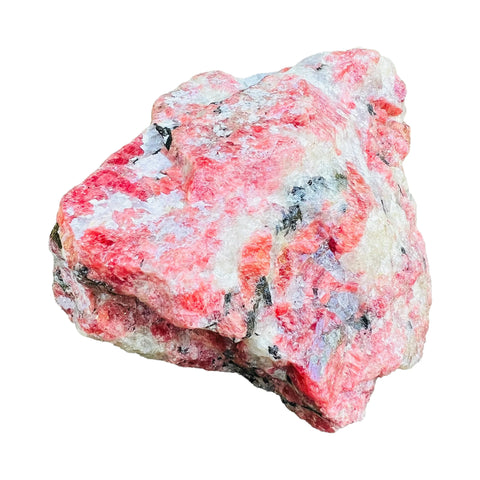
 Rhodonitefor emotional healing
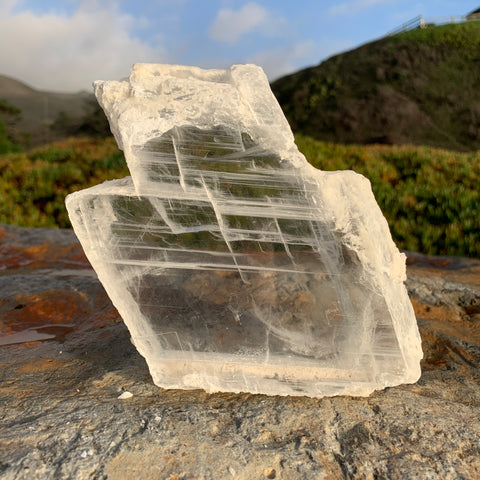
 Selenitefor cleansing
 Sodalitefor focus
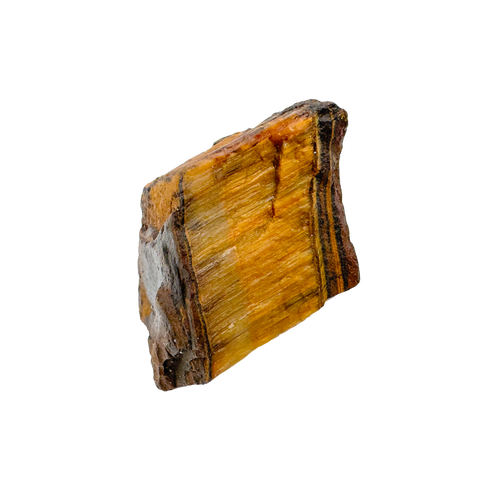
 Tiger Eyefor confidence
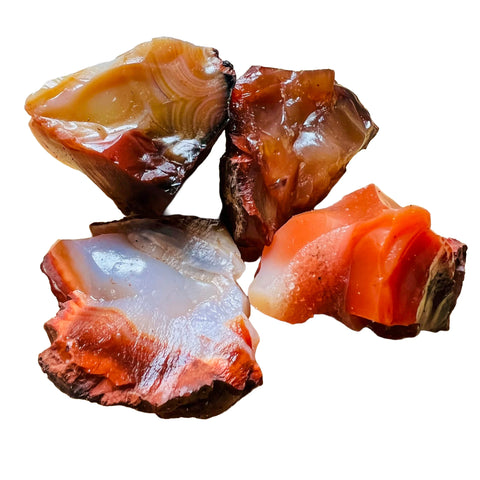
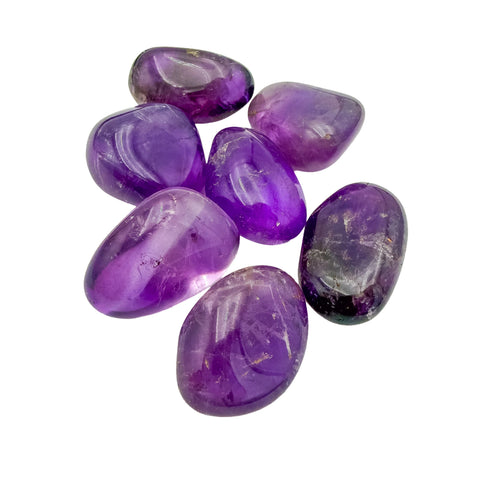


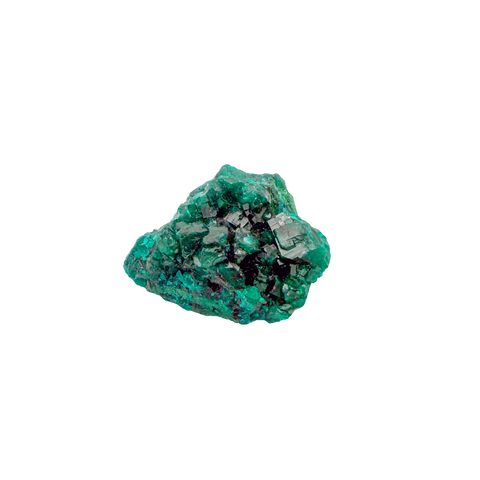
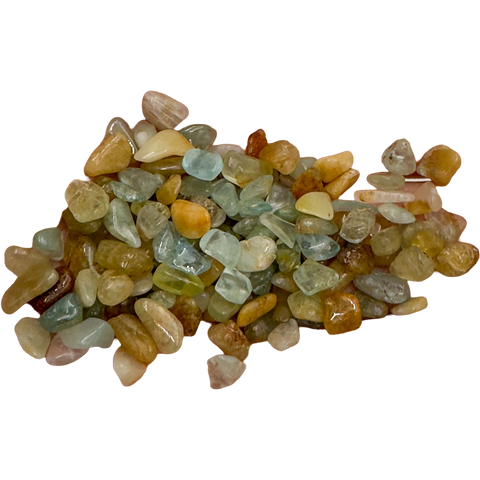
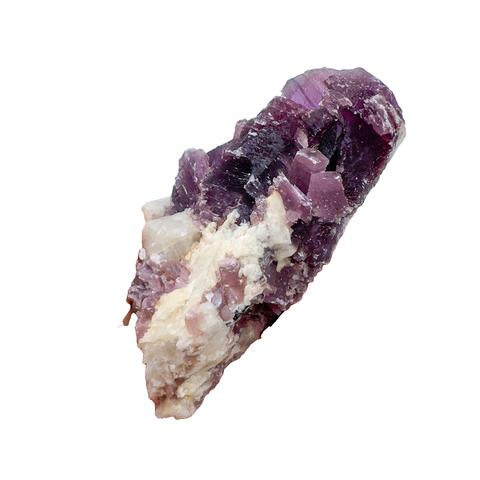
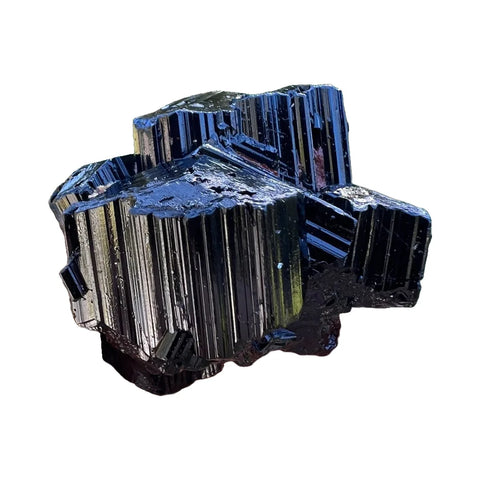
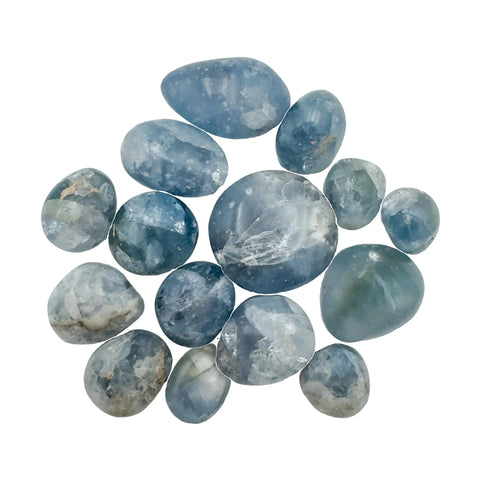


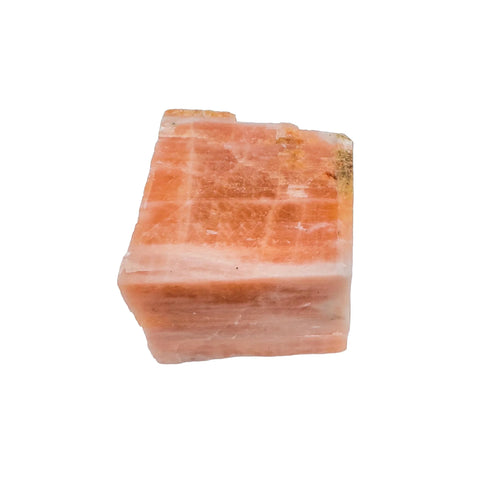
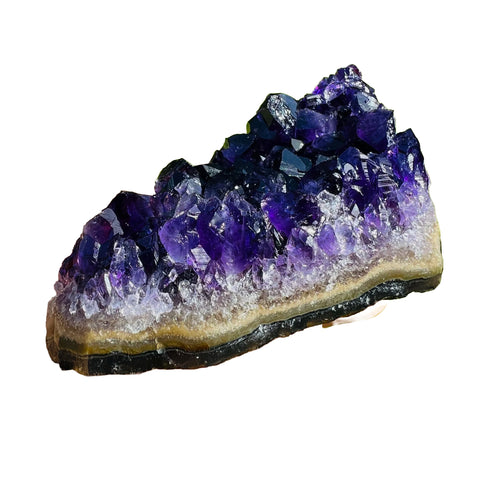





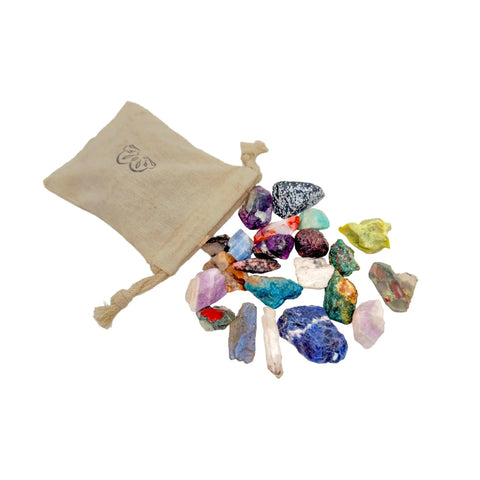
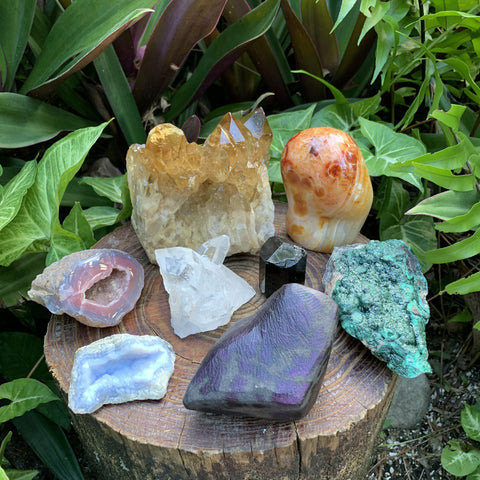
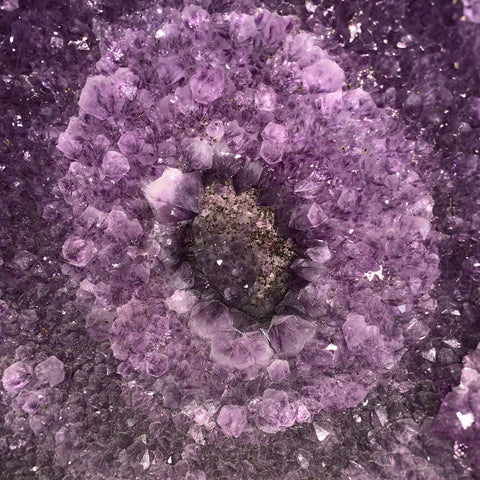

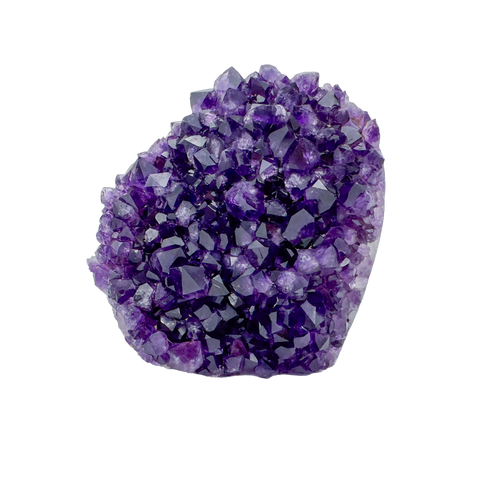
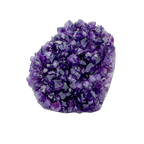 Amethyst
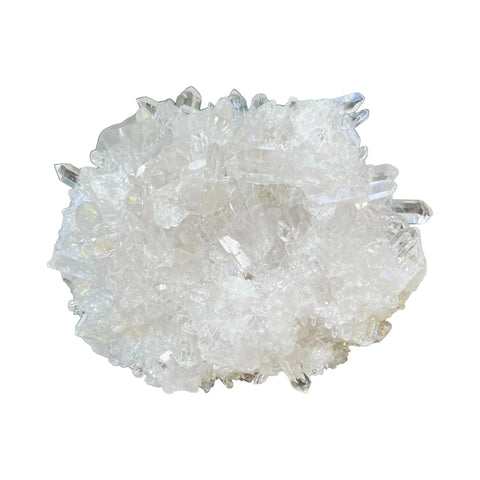
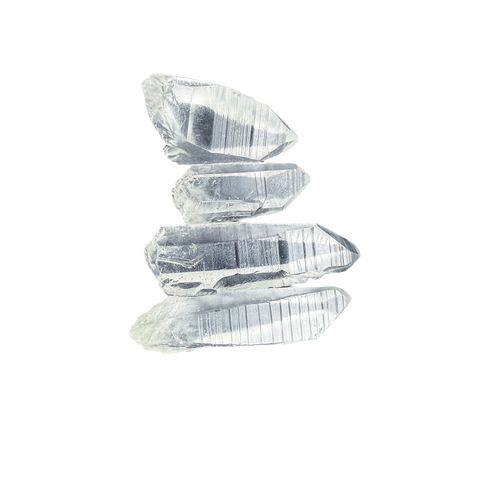
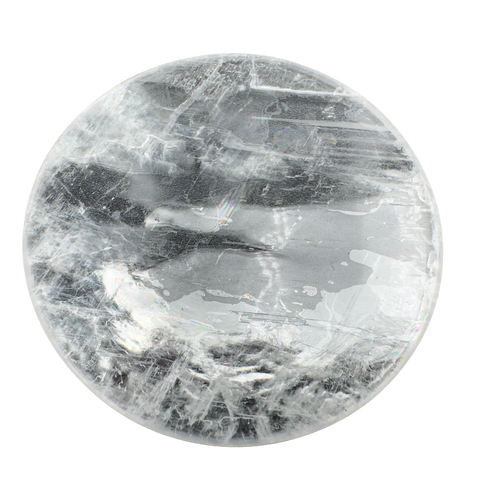
 Clear Quartz
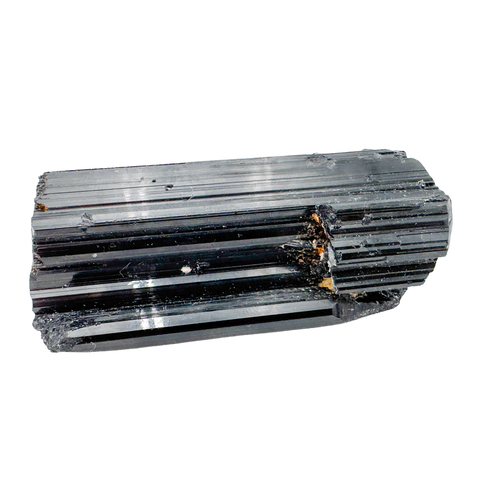
 Black Tourmaline
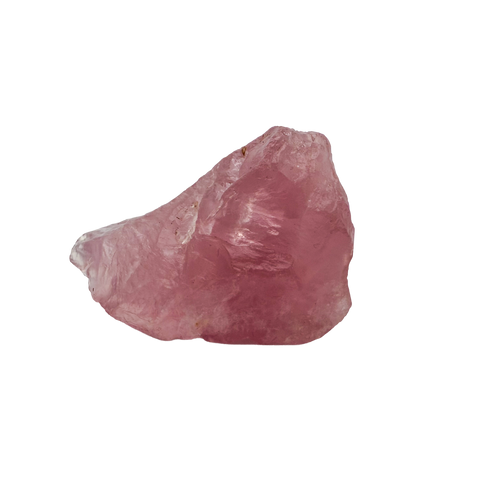
 Rose Quartz
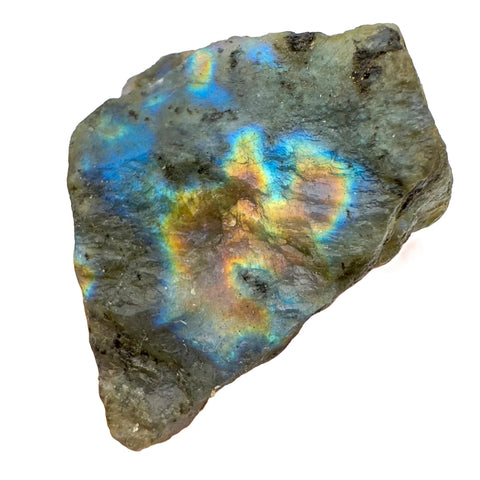
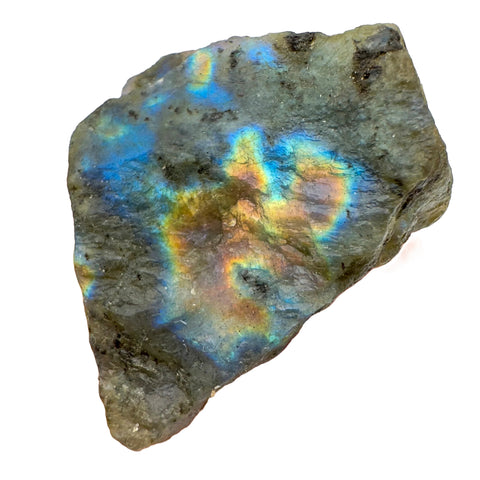
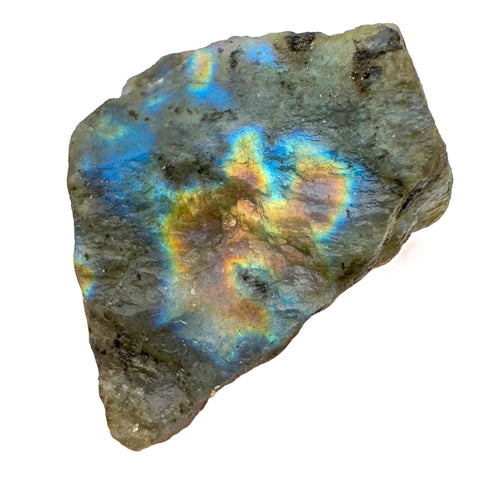
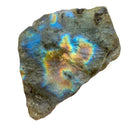 Labradorite
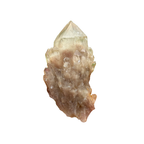 Natural Citrine
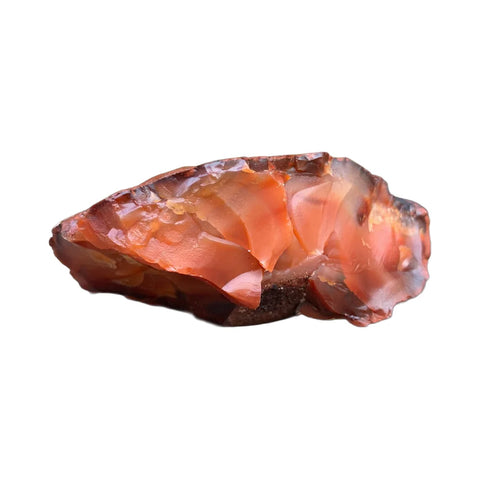
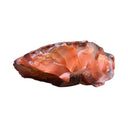 Carnelian
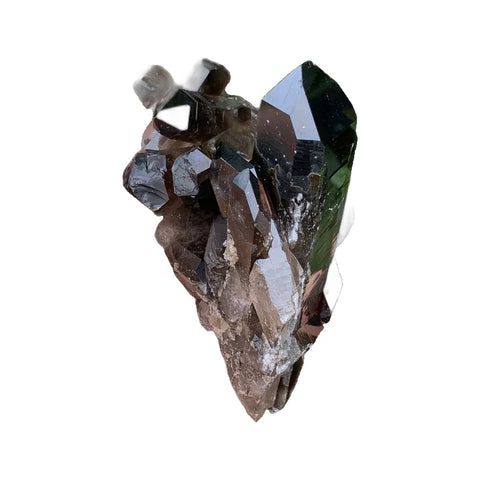
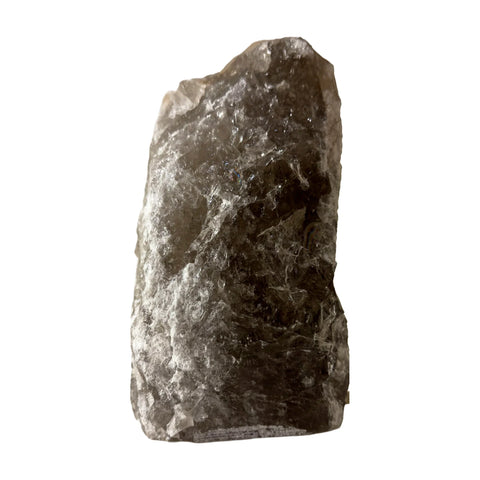
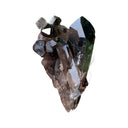 Smoky Quartz
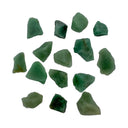 Aventurine
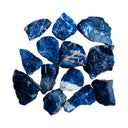 Sodalite
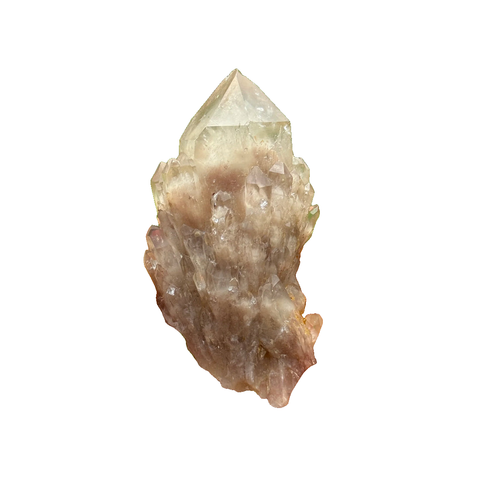
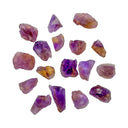 Ametrine
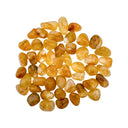 Golden Healer
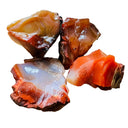 Raw Stones
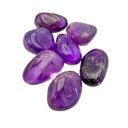 Tumbled Stones
 Palm Stones
 Crystal Points
 Clusters & Geodes
 Polished & Decor
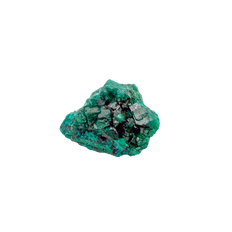 Mineral Specimens
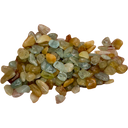 Crystal Chips
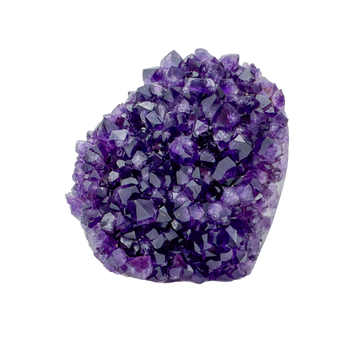
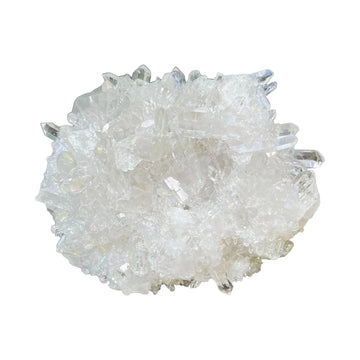
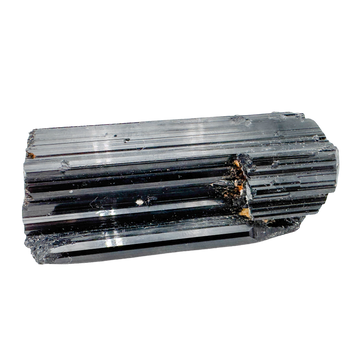
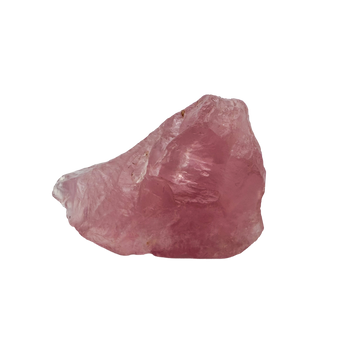
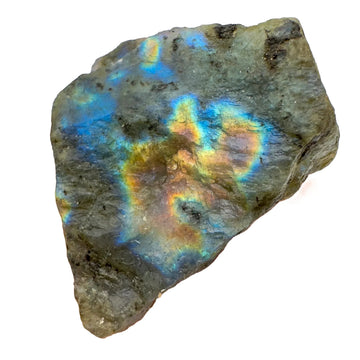
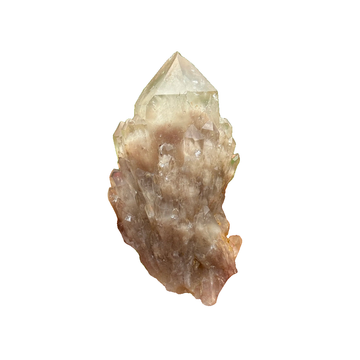
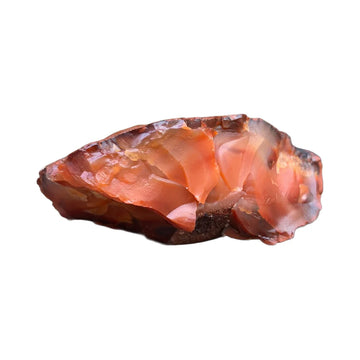
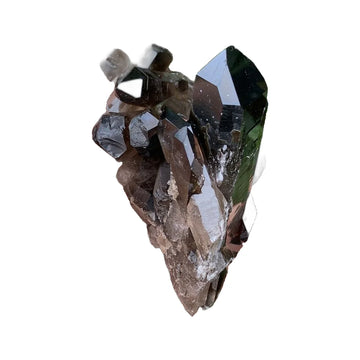
 Raw Stones
179 to choose from
Raw Stones
179 to choose from
 Tumbled Stones
162 to choose from
Tumbled Stones
162 to choose from
 Palm Stones
25 to choose from
Palm Stones
25 to choose from
 Crystal Points
23 to choose from
Crystal Points
23 to choose from
 Clusters & Geodes
101 to choose from
Clusters & Geodes
101 to choose from
 Polished & Decor
148 to choose from
Polished & Decor
148 to choose from
 Mineral Specimens
254 to choose from
Mineral Specimens
254 to choose from
 Crystal Chips
21 to choose from
Crystal Chips
21 to choose from


 AngolaAquamarine
›
AngolaAquamarine
›
 BotswanaCarnelian, Tree Agate
›
BotswanaCarnelian, Tree Agate
›
 DR CongoMalachite, Natural Citrine
›
DR CongoMalachite, Natural Citrine
›
 EswatiniBloodstone
›
EswatiniBloodstone
›
 MadagascarLabradorite, Clear Quartz
›
MadagascarLabradorite, Clear Quartz
›
 MalawiBlue Lace Agate, Garnet
›
MalawiBlue Lace Agate, Garnet
›
 MozambiqueAmazonite
›
MozambiqueAmazonite
›
 NamibiaSodalite, Blue Lace Agate
›
NamibiaSodalite, Blue Lace Agate
›
 Republic of the CongoDioptase
›
Republic of the CongoDioptase
›
 South AfricaTiger Eye, Unakite
›
South AfricaTiger Eye, Unakite
›
 ZambiaChevron Amethyst
›
ZambiaChevron Amethyst
›
 ZimbabweEmerald, Rhodonite
›
ZimbabweEmerald, Rhodonite
›
 ArgentinaBlack Obsidian, Rhodochrosite
›
ArgentinaBlack Obsidian, Rhodochrosite
›
 BoliviaAmetrine
›
BoliviaAmetrine
›
 BrazilAmethyst, Clear Quartz
›
BrazilAmethyst, Clear Quartz
›
 PeruSerpentine, Jade
›
PeruSerpentine, Jade
›
 UruguayAmethyst
›
UruguayAmethyst
›
 Dominican RepublicLarimar
›
Dominican RepublicLarimar
›
 MexicoRainbow Obsidian, Crazy Lace Agate
›
MexicoRainbow Obsidian, Crazy Lace Agate
›
 United StatesSelenite, Peridot
›
United StatesSelenite, Peridot
›
 ChinaFluorite
›
ChinaFluorite
›
 RussiaShungite
›
RussiaShungite
›
 AustraliaMookaite
›
AustraliaMookaite
›
 Where our crystals come from
See where we source →
Where our crystals come from
See where we source →


 Aries
Mar 21 to Apr 19
Carnelian
›
Aries
Mar 21 to Apr 19
Carnelian
›
 Taurus
Apr 20 to May 20
Rose Quartz
›
Taurus
Apr 20 to May 20
Rose Quartz
›
 Gemini
May 21 to Jun 20
Agate
›
Gemini
May 21 to Jun 20
Agate
›
 Cancer
Jun 21 to Jul 22
Moonstone
›
Cancer
Jun 21 to Jul 22
Moonstone
›
 Leo
Jul 23 to Aug 22
Citrine
›
Leo
Jul 23 to Aug 22
Citrine
›
 Virgo
Aug 23 to Sep 22
Amazonite
›
Virgo
Aug 23 to Sep 22
Amazonite
›
 Libra
Sep 23 to Oct 22
Blue Lace Agate
›
Libra
Sep 23 to Oct 22
Blue Lace Agate
›
 Scorpio
Oct 23 to Nov 21
Obsidian
›
Scorpio
Oct 23 to Nov 21
Obsidian
›
 Sagittarius
Nov 22 to Dec 21
Sodalite
›
Sagittarius
Nov 22 to Dec 21
Sodalite
›
 Capricorn
Dec 22 to Jan 19
Black Tourmaline
›
Capricorn
Dec 22 to Jan 19
Black Tourmaline
›
 Aquarius
Jan 20 to Feb 18
Amethyst
›
Aquarius
Jan 20 to Feb 18
Amethyst
›
 Pisces
Feb 19 to Mar 20
Aquamarine
›
Gifting?
A birthday stone is the safe bet.
Read the zodiac guide →
Pisces
Feb 19 to Mar 20
Aquamarine
›
Gifting?
A birthday stone is the safe bet.
Read the zodiac guide →


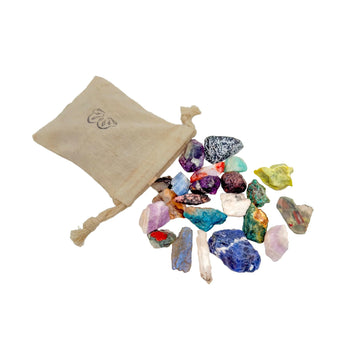
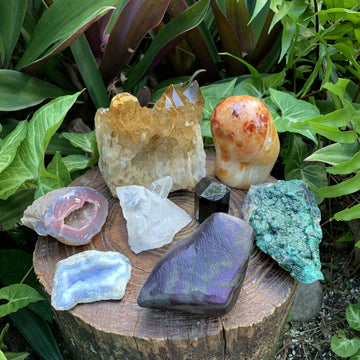

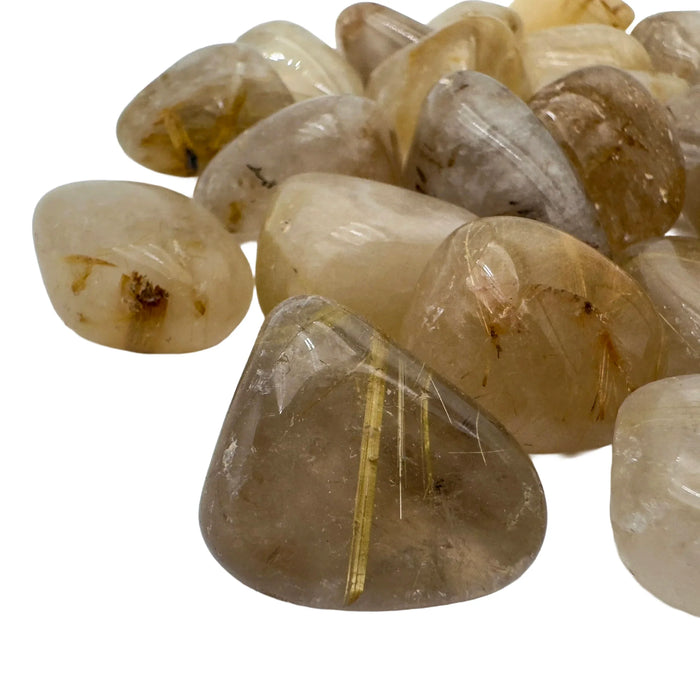
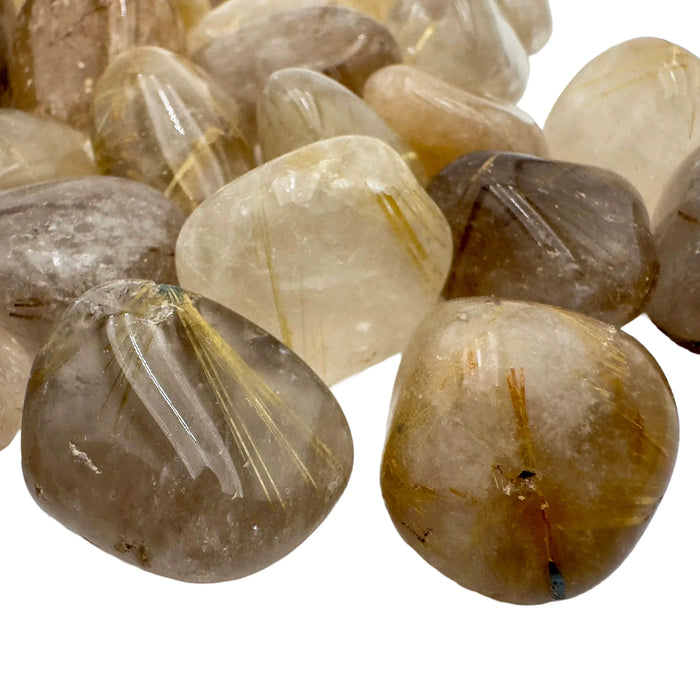
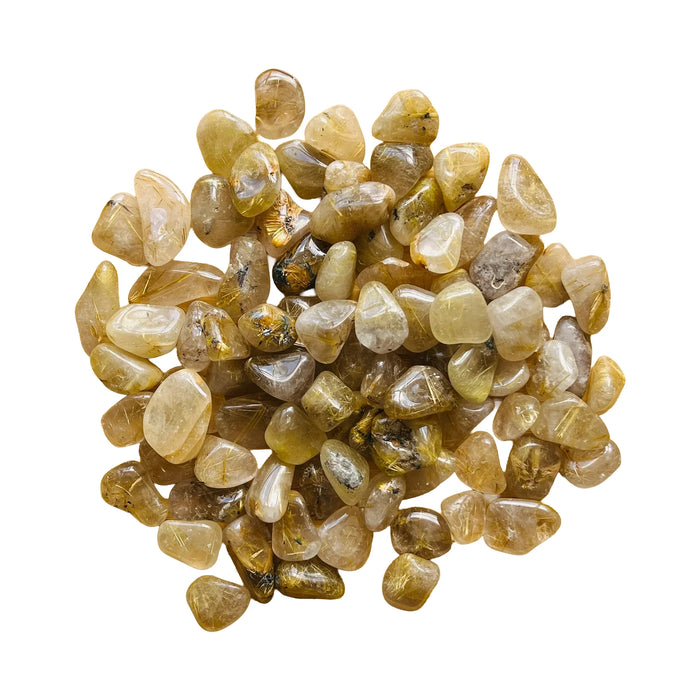
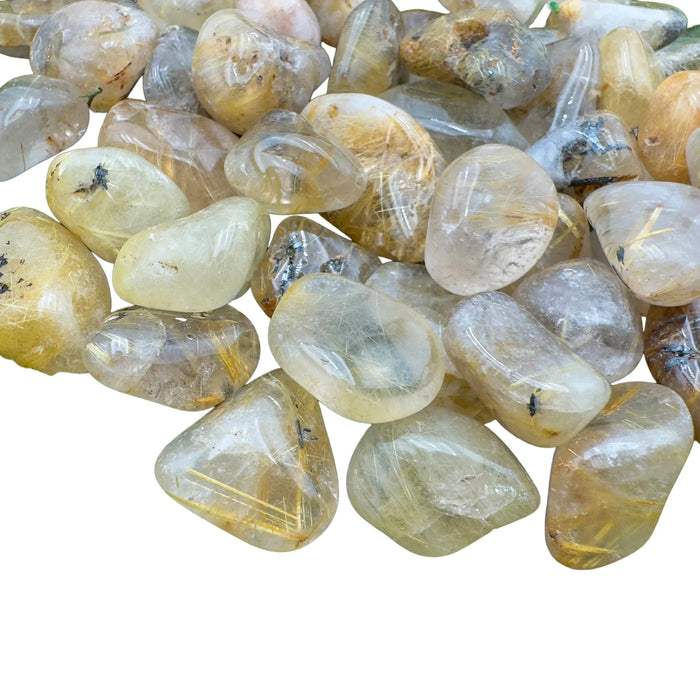
Rutilated Quartz
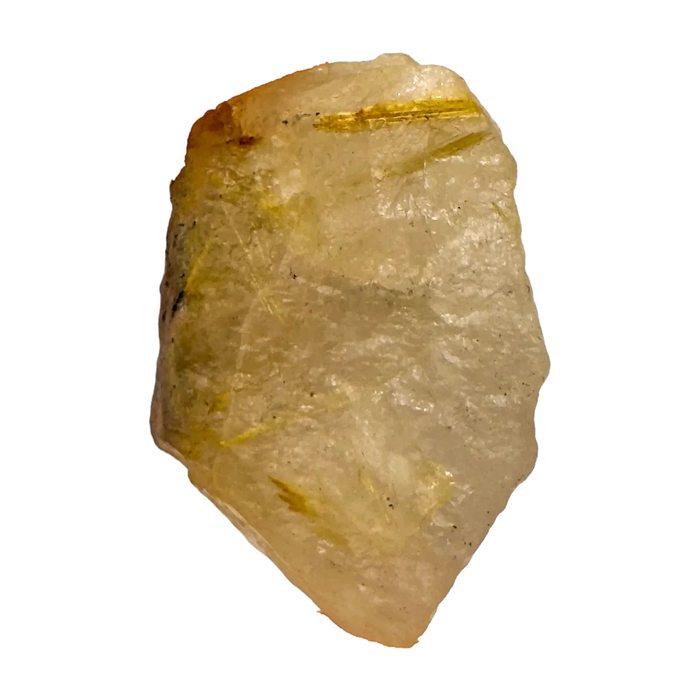
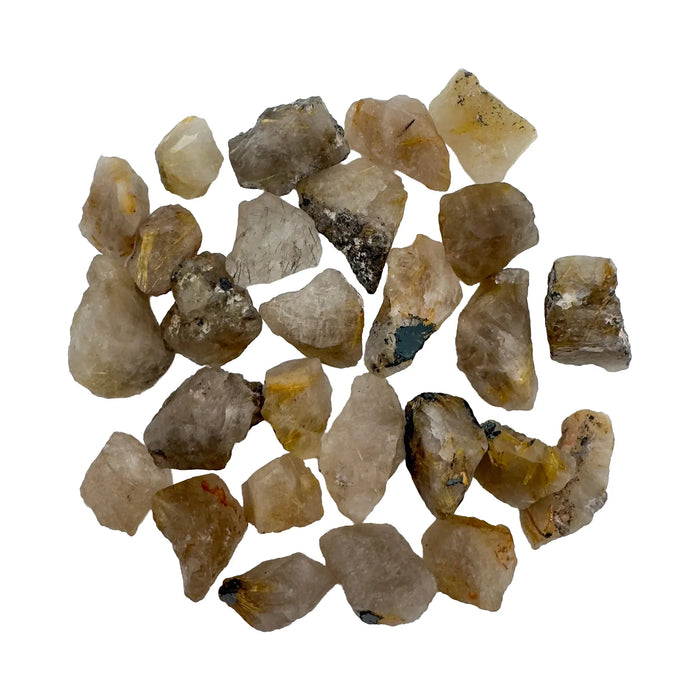
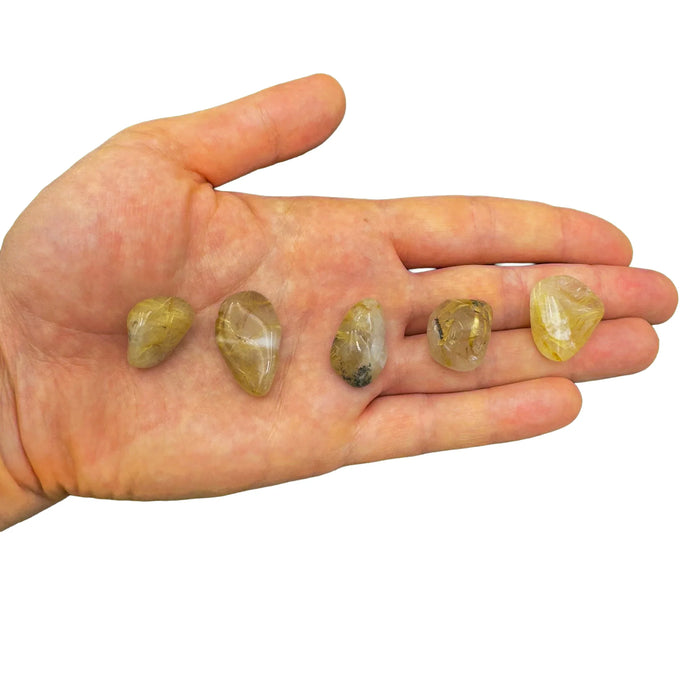
Rutilated Quartz is clear or smoky quartz containing golden, copper, or silver needle-like inclusions of rutile (titanium dioxide) arranged in web-like or parallel patterns. Traditionally associated with mental clarity, inspired action, and the practical application of insight. Often called Venus-hair stone or Cupid's arrows after the golden threads that catch the light.
Shop rutilated-quartzThe closest match we carry: Rutilated Quartz.
Rutilated Quartz is not something we carry. Rutilated Quartz is the closest match in our collection, and every product page names its origin and grade.
- from 1,000+ reviews
- Ships within 72 hoursMonday to Friday, tracked
- 90 days to return itif you do not love it
- Free US shipping over $99$8.99 flat rate under
The geology.
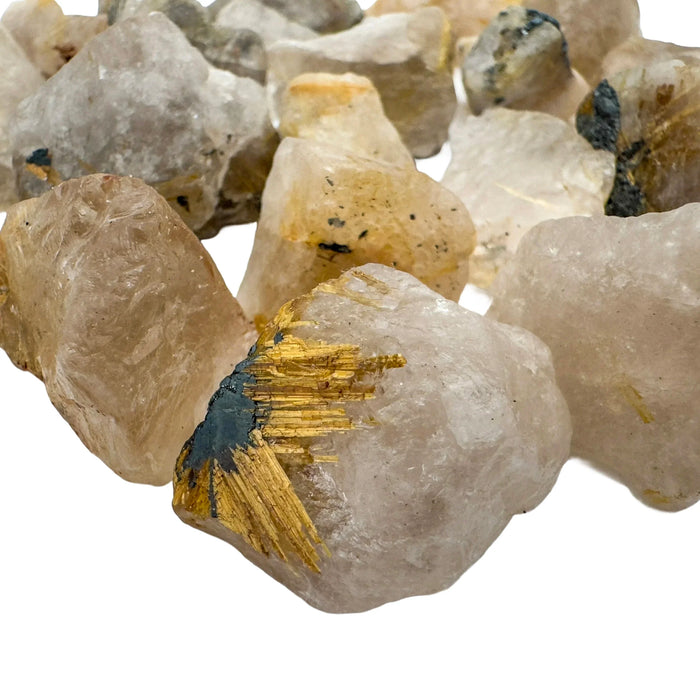
Rutilated Quartz is clear or smoky quartz (SiO₂) containing needle-like inclusions of rutile (TiO₂, titanium dioxide). The rutile needles crystallized first and were then incorporated into the growing quartz around them. Color of the rutile needles varies from gold (the classic Venus-hair variety) through copper-red and silver-black, depending on trace elements and crystal form. The needles appear as parallel strands, chaotic webs, or dense bundles inside the transparent quartz host.
Hardness sits at 7 on the Mohs scale, identical to all quartz varieties. The rutile needles themselves are softer (around 6 to 6.5) but are completely enclosed in the quartz and not exposed. Trigonal crystal system, no cleavage, conchoidal fracture, vitreous luster. The rutile inclusions are structural features, not flaws, and they're the entire reason people seek out this material.
The origins.
Brazil's Minas Gerais region is the dominant commercial source of Rutilated Quartz globally, producing most of the clear and smoky host material with golden rutile inclusions. Madagascar produces excellent Rutilated Quartz, often with particularly fine needle patterns. Pakistan, the Swiss and Austrian Alps, Norway, and the United States (North Carolina and Arkansas) also produce commercial and collector-grade material.
Each source has subtle differences. Brazilian material is most common and affordable, with gold rutile in clear or smoky quartz. Alpine specimens are classic collector pieces with particularly well-formed needles. Pakistani material sometimes shows dramatic needle density. Madagascar's rutilated quartz is known for clean host material and bright golden inclusions. The character of the rutile pattern varies even within a single source.
Traditional associations.
Rutilated Quartz has been known and worked since antiquity, though often under poetic names rather than the modern mineralogical one. Greek and Roman tradition called it 'Venus-hair stone' (Venus crinita) for the golden threads inside, and the needles were sometimes called Cupid's arrows or angel hair. The formal identification of rutile as the included mineral came in the eighteenth century.
Many people work with Rutilated Quartz for mental clarity, inspired action, and the practical grounding of ideas into outcomes. It's most commonly associated with the Crown and Solar Plexus chakras, the elements of Air and Fire, and the zodiac signs Taurus and Gemini. The classic working is as a thinking and writing companion stone, often kept on a desk or in a workspace rather than worn.
Spotting the real thing.
Real Rutilated Quartz shows genuine rutile needle inclusions that extend into the host quartz in three dimensions. Under magnification, you can see that each needle is a distinct crystalline inclusion with its own internal structure. The needles vary in density and orientation across a single piece, creating the organic look of natural inclusions. Hardness 7, so the stone scratches glass easily.
Fake Rutilated Quartz with sprinkled copper filings or painted-on lines is rare but exists at the very bottom of the market. Giveaways: needles that only appear near the surface, uniform regular patterns, or needles that can be scratched off or that don't extend into the stone under magnification. Reputable sellers confirm country of origin.
Care & handling.
Water safe for normal cleaning with warm water and a soft cloth. Rutilated Quartz handles saltwater rinses and brief ultrasonic cleaning because the rutile inclusions are fully enclosed in the quartz host. Stable under sunlight with no meaningful color fade.
Cleanse energetically with moonlight, sound, smoke, salt water, or by placing on selenite overnight. At 7 on the Mohs scale, it handles daily wear well in all jewelry settings. Store with other quartzes or on its own; it can scratch softer stones.
Pairs well with.
Proof, not promises.
We measure our own sourcing across five dimensions. Supply chain, environmental footprint, artisan support, market integrity, and pricing. The number is honest, not perfect. Where we can do better, we say so.
A deeper look.
Extended geology, sourcing, authentication, history, varieties, and pricing, for when the quick guide isn't quite enough.
Extended geology
Rutilated Quartz is quartz (SiO₂) containing needle inclusions of rutile (TiO₂). Rutile is the most common natural form of titanium dioxide and crystallizes in the tetragonal system, forming needle or blade-like habits. In Rutilated Quartz, the rutile crystallized first in the growth environment; later quartz growth incorporated the rutile needles without dissolving them, preserving them as inclusions.
The rutile needles can appear as: parallel strands along a single orientation, radiating sprays from a point source, chaotic three-dimensional webs, or dense bundles. Color of the needles depends on trace chemistry of the rutile itself: gold and copper from iron-rich rutile, silver from rutile with different trace elements. Host quartz is typically clear but can also be smoky (with aluminum impurities providing smoky color to the quartz while rutile provides needle inclusions). Mohs hardness 7 for the host quartz, 6 to 6.5 for exposed rutile.
Extended sourcing
Brazil's Minas Gerais state is the global heavyweight producer, with pegmatite deposits supplying the vast majority of commercial Rutilated Quartz. The material from Minas Gerais includes clear quartz with gold rutile (the classic commercial form) and smoky quartz with rutile needles. Madagascar produces well-formed rutilated crystals with clean host material.
Pakistan's Baluchistan region produces Rutilated Quartz with sometimes unusual needle density. The Swiss and Austrian Alps have produced classic collector specimens since the nineteenth century. Norway, the United States (North Carolina and Arkansas), Russia, and Australia contribute smaller commercial quantities.
Authentication and warning signs
Real rutile inclusions are three-dimensional needle crystals embedded in the host quartz. Under magnification, each needle shows its own crystalline structure and extends into the stone, not just along the surface. The pattern should vary across a single piece, with needle density and orientation changing organically. Hardness 7 (scratches glass).
Fake Rutilated Quartz with sprinkled filings or painted lines appears at the very bottom of the market. Dead giveaways: needles that only appear on or near the surface; regular, uniform, or machine-drawn-looking patterns; inclusions that can be scratched off; warmer-to-touch imitation glass. Reputable sellers confirm origin and authenticity.
Historical and cultural context
Rutilated Quartz has been known to stone workers since antiquity. Classical tradition called it Venus-hair stone (Venus crinita in Latin) for the golden threads inside, and the needles were sometimes called Cupid's arrows or angel hair. Greek and Roman jewelry included Rutilated Quartz cabochons and beads. Medieval European tradition continued the classical names.
The formal identification of rutile as the included mineral came in 1803 when Abraham Gottlob Werner named the species. The name comes from Latin rutilus (reddish, golden). In contemporary practice, Rutilated Quartz is grouped with clarity and manifestation stones, particularly useful for people doing creative or intellectual work where ideas need to translate into action.
Varieties and trade names
Golden Rutilated Quartz: the classic commercial form with gold-colored rutile in clear quartz.
Smoky Rutilated Quartz: rutile inclusions in smoky quartz host.
Copper Rutilated Quartz: reddish-copper rutile inclusions, rarer.
Silver Rutilated Quartz: silver to black rutile (often more properly black tourmaline or other dark needle inclusions; authentic silver rutile is rarer).
Venus-hair stone (Venus crinita): classical name.
Angel hair stone: poetic name for fine-needled golden material.
Pricing reality
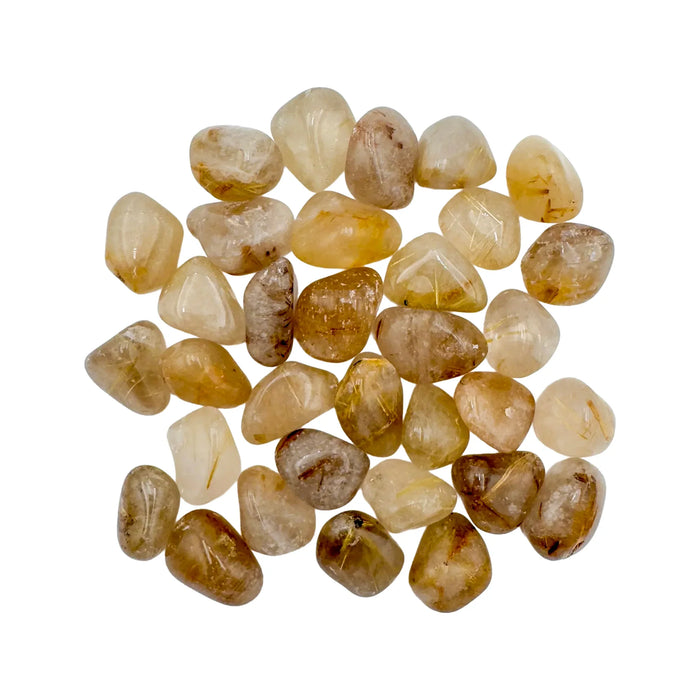
Tumbled Rutilated Quartz: 3 to 12 dollars per piece. Small raw points and crystal specimens: 15 to 60 dollars. Larger polished pieces and cabochons: 30 to 200 dollars depending on needle density and host clarity. Specimen-grade Brazilian or Alpine Rutilated Quartz with dramatic patterns: 100 to 1,000 dollars. Museum-grade pieces: collector pricing.
Value drivers: density and pattern of rutile needles, color and uniformity of rutile (gold versus silver versus mixed), clarity of host quartz, size, and documented origin. Warning signs: fake inclusions (scattered filings or painted lines), suspiciously perfect needle patterns, or pieces sold without origin detail at higher price points.
Good sourcing is a practice, not a claim.
Nothing we sell is glass with fake inclusions sold as Rutilated Quartz. We name our origins where we can. We say so when we cannot. We walk away from material that doesn't meet our standard, even when it costs us sales.
Bring rutilated-quartz home.
Every piece we carry is photographed individually and listed with its own origin and treatment notes. What you see is what ships.
Shop the rutilated-quartz collectionGrounded Connections
New stones go to the list first.
No forwarding, no selling. Unsubscribe in one click. Privacy