


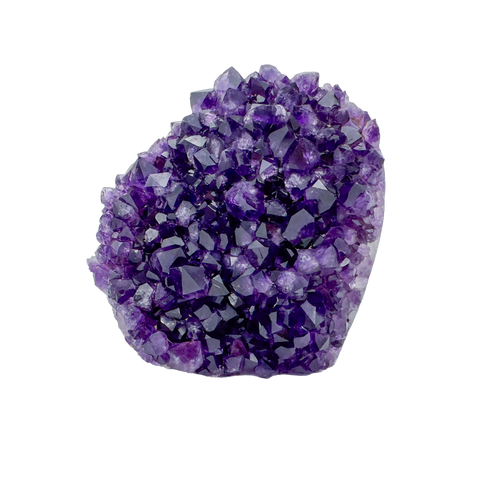
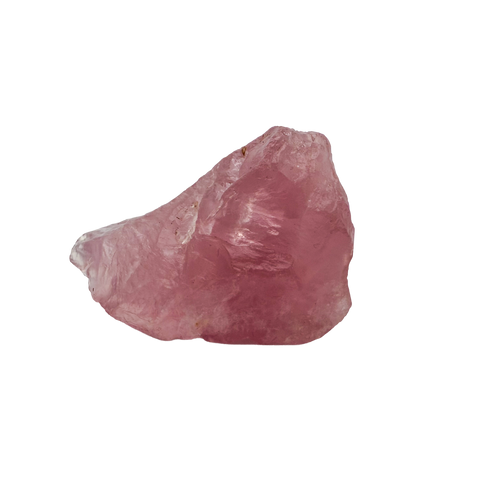
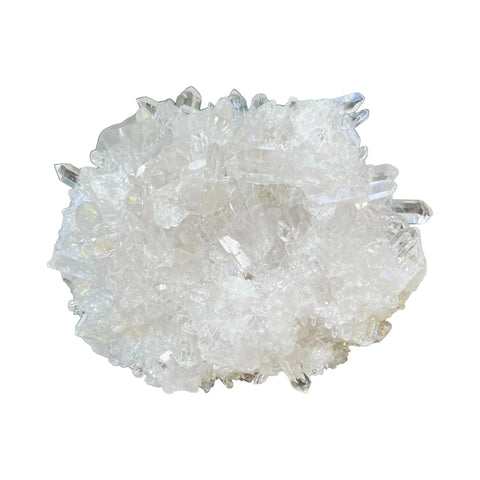
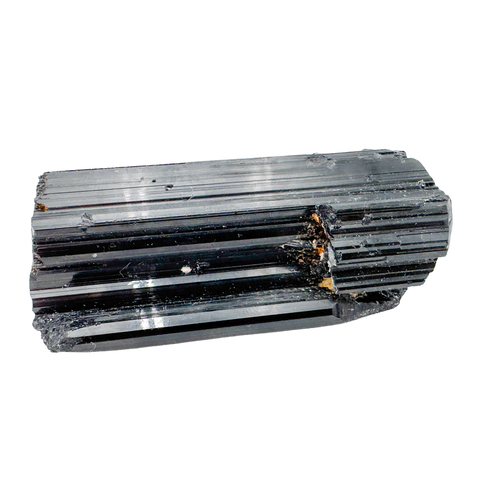
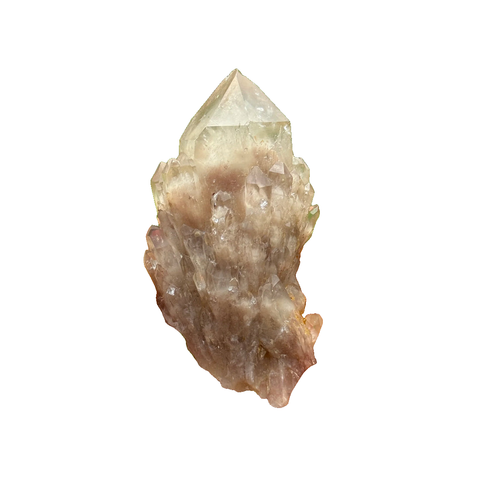
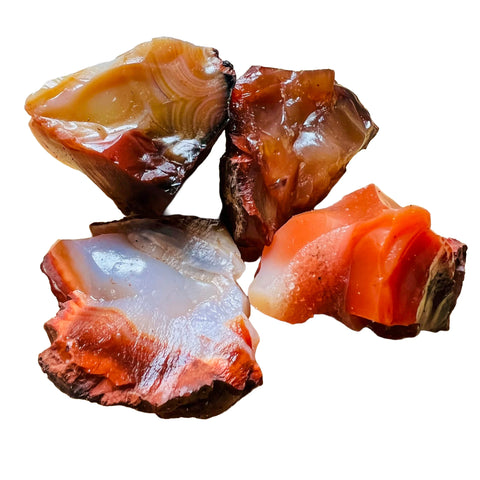


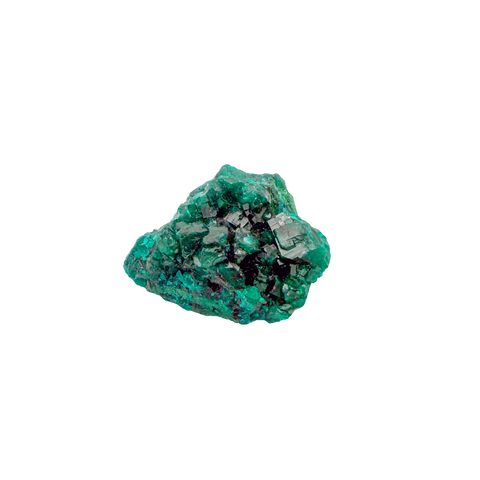
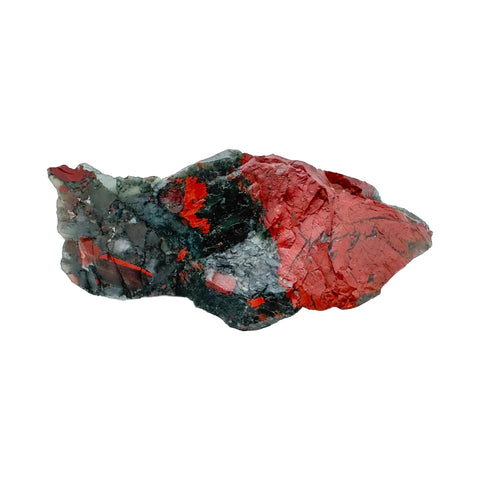
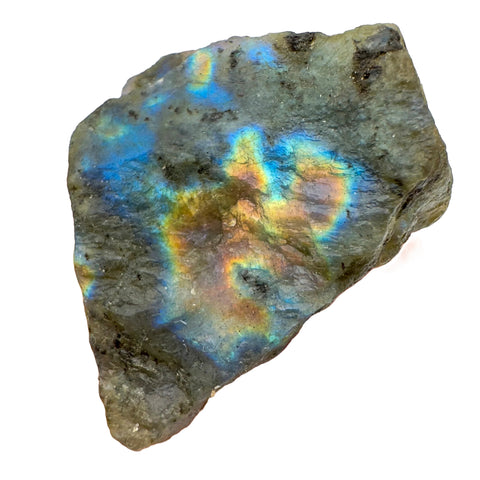
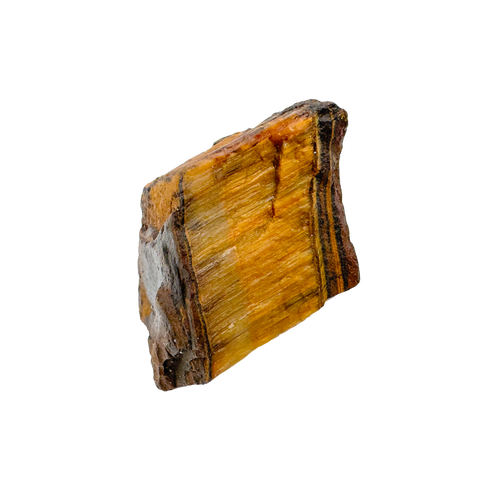
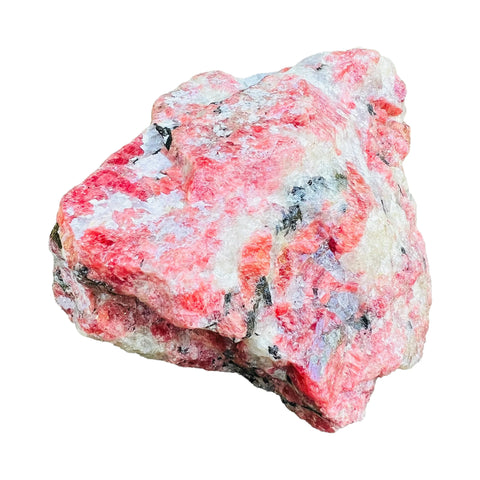
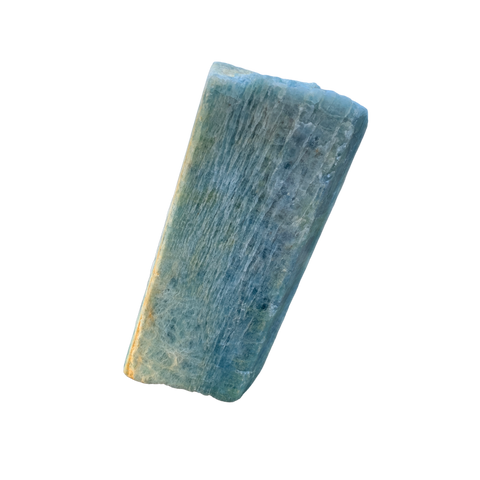
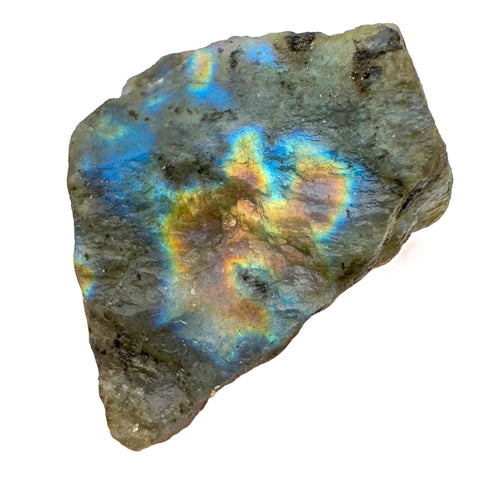
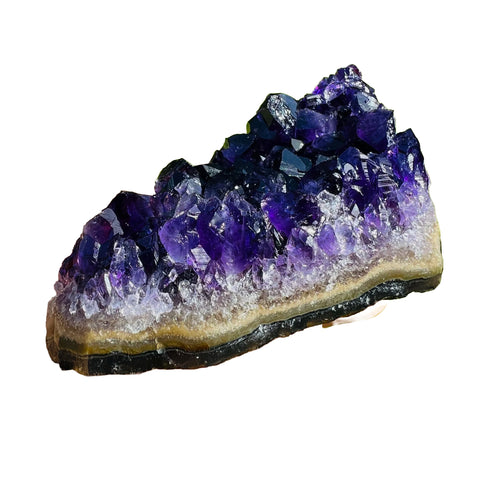



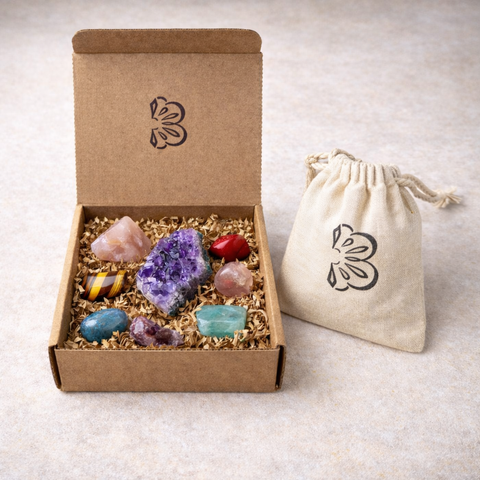
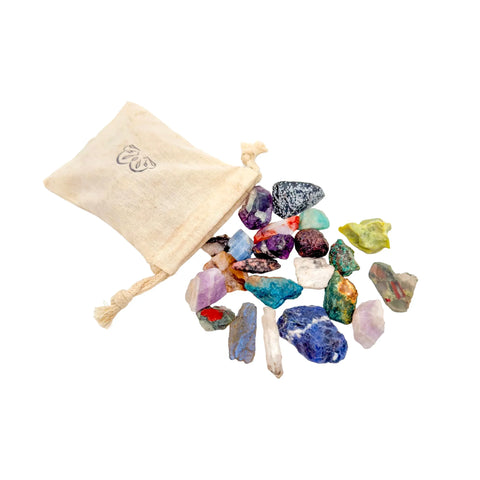
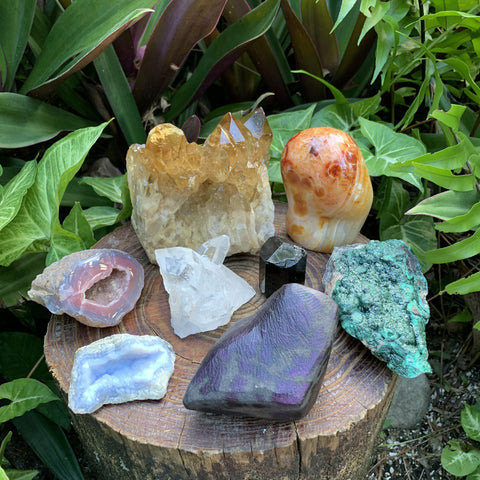
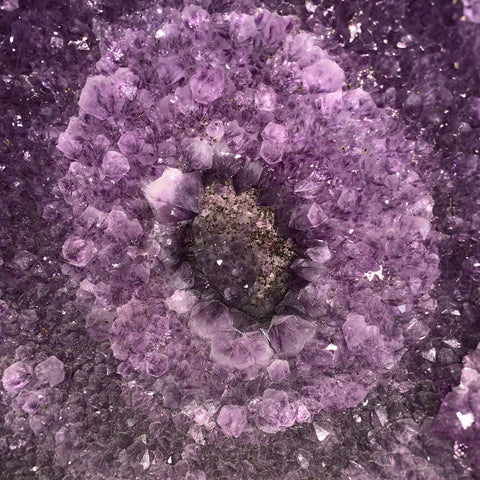
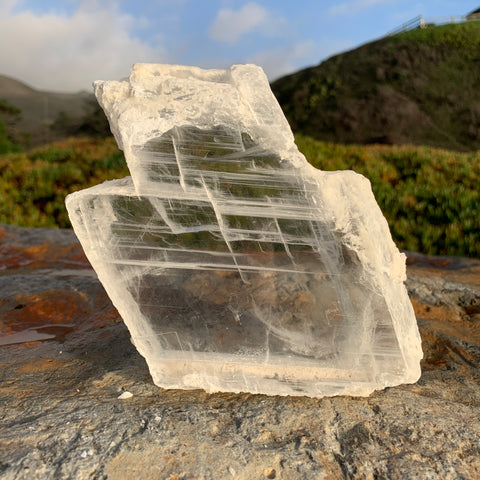
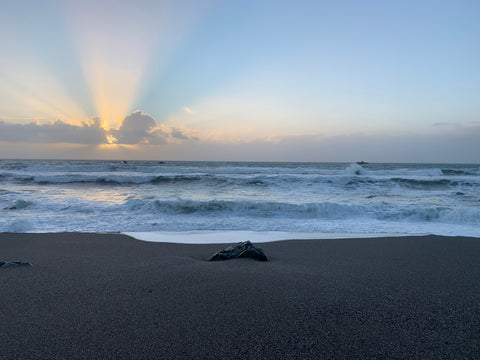
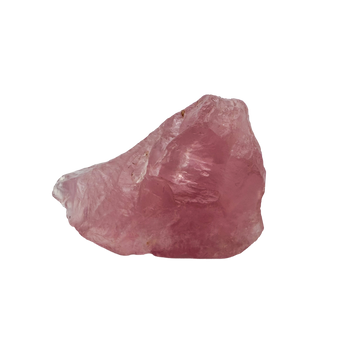
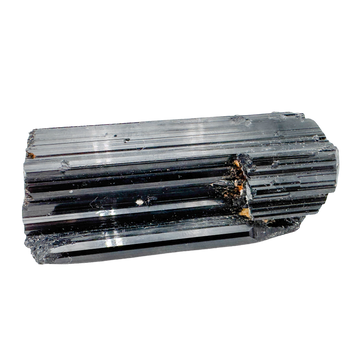
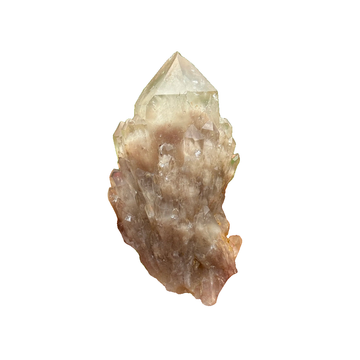
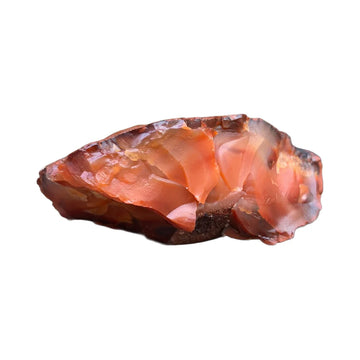
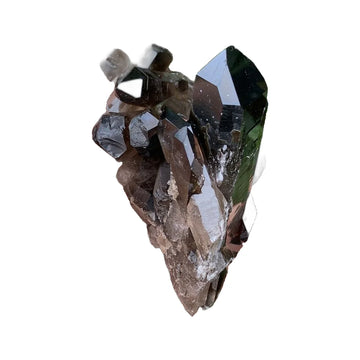
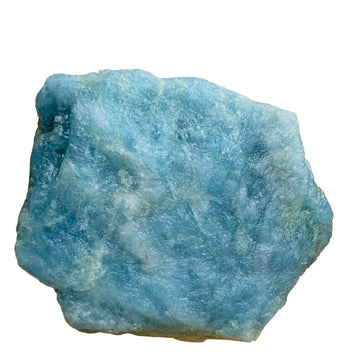
 Raw Stones
179 pieces
Raw Stones
179 pieces
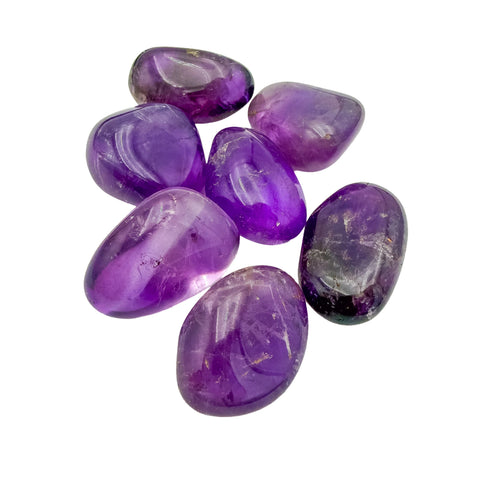
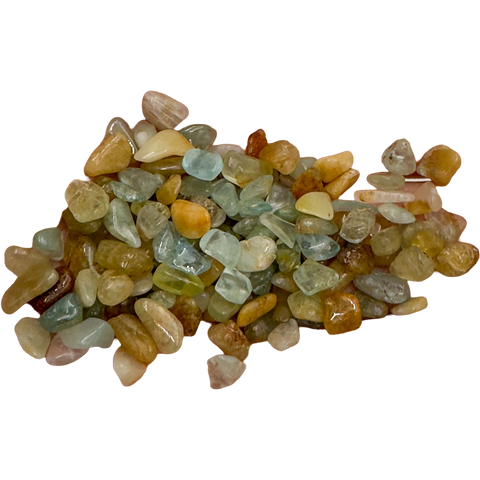
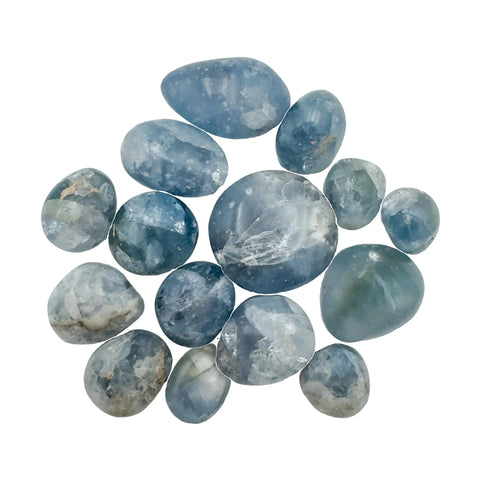
 Tumbled Stones
162 pieces
Tumbled Stones
162 pieces
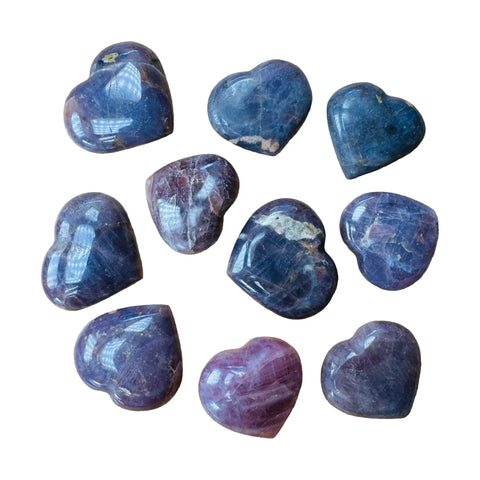
 Palm Stones
25 pieces
Palm Stones
25 pieces
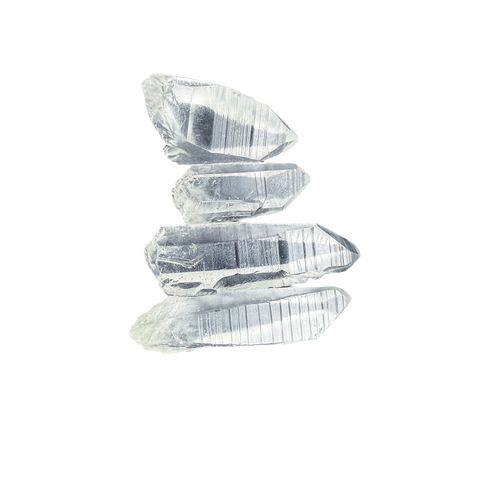
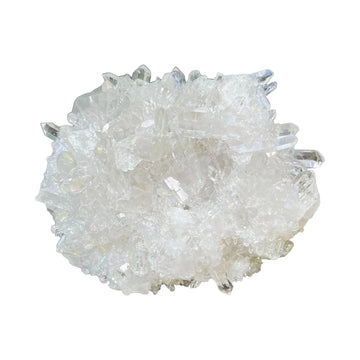
 Crystal Points
23 pieces
Crystal Points
23 pieces
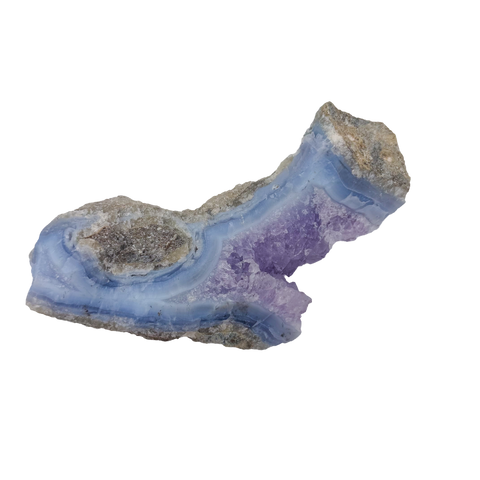
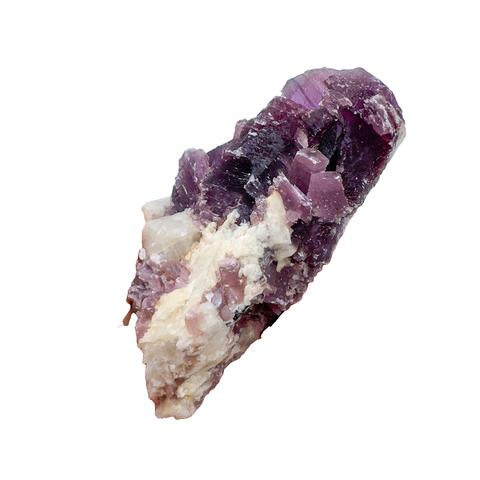
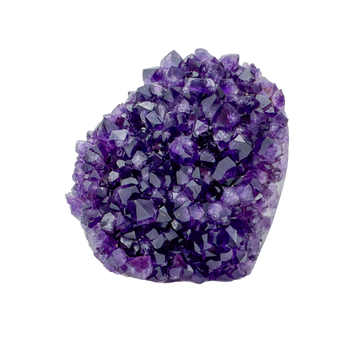
 Clusters & Geodes
104 pieces
Clusters & Geodes
104 pieces
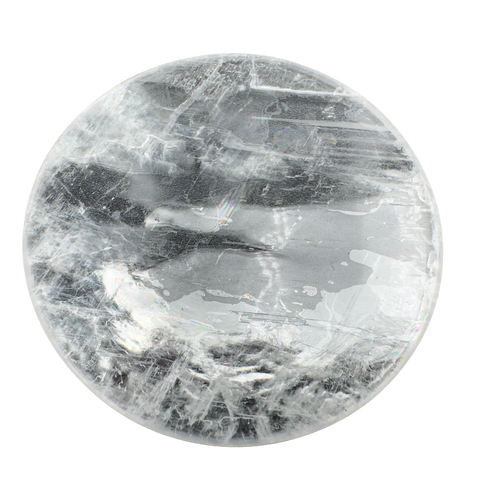
 Polished & Decor
148 pieces
Polished & Decor
148 pieces
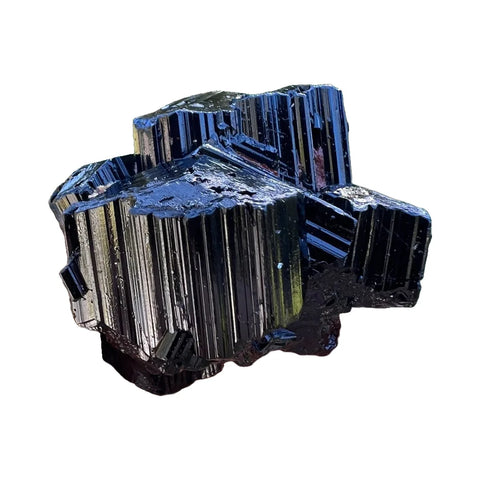
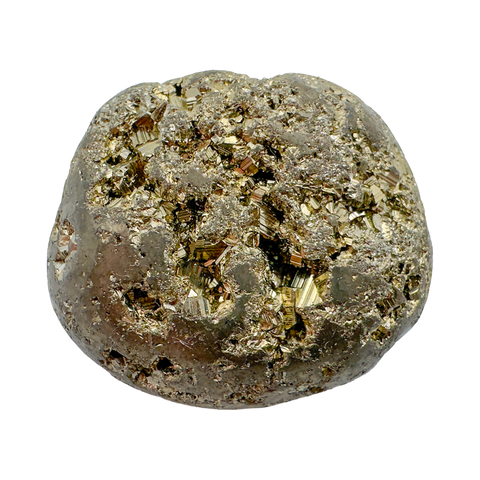
 Mineral Specimens
259 collector pieces
Mineral Specimens
259 collector pieces
 Crystal Chips
21 pieces
Browse everything
Every collection, one page.
View All Collections →
Crystal Chips
21 pieces
Browse everything
Every collection, one page.
View All Collections →


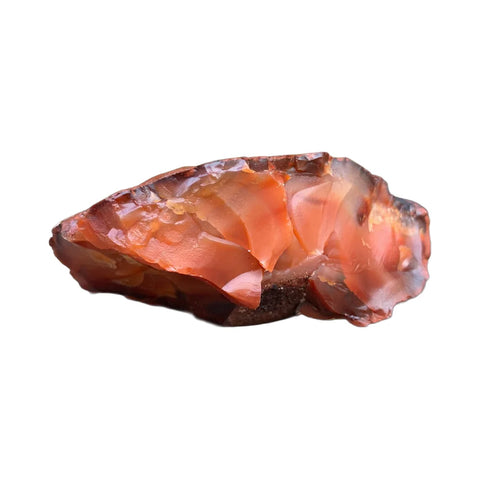
 Aries
Mar 21 – Apr 19
Carnelian
›
Aries
Mar 21 – Apr 19
Carnelian
›
 Taurus
Apr 20 – May 20
Rose Quartz
›
Taurus
Apr 20 – May 20
Rose Quartz
›
 Gemini
May 21 – Jun 20
Agate
›
Gemini
May 21 – Jun 20
Agate
›
 Cancer
Jun 21 – Jul 22
Moonstone
›
Cancer
Jun 21 – Jul 22
Moonstone
›
 Leo
Jul 23 – Aug 22
Citrine
›
Leo
Jul 23 – Aug 22
Citrine
›
 Virgo
Aug 23 – Sep 22
Amazonite
›
Virgo
Aug 23 – Sep 22
Amazonite
›
 Libra
Sep 23 – Oct 22
Blue Lace Agate
›
Libra
Sep 23 – Oct 22
Blue Lace Agate
›
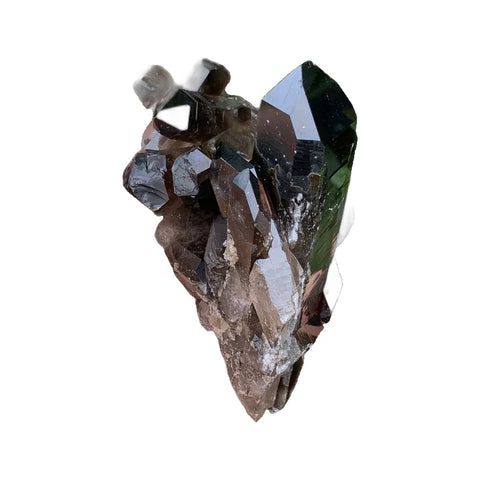
 Scorpio
Oct 23 – Nov 21
Obsidian
›
Scorpio
Oct 23 – Nov 21
Obsidian
›
 Sagittarius
Nov 22 – Dec 21
Sodalite
›
Sagittarius
Nov 22 – Dec 21
Sodalite
›
 Capricorn
Dec 22 – Jan 19
Black Tourmaline
›
Capricorn
Dec 22 – Jan 19
Black Tourmaline
›
 Aquarius
Jan 20 – Feb 18
Amethyst
›
Aquarius
Jan 20 – Feb 18
Amethyst
›
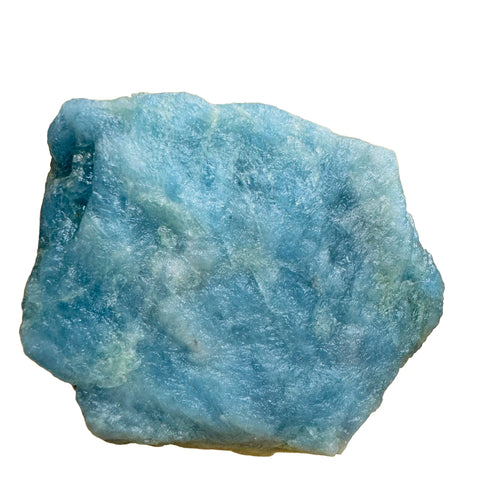
 Pisces
Feb 19 – Mar 20
Aquamarine
›
Gifting?
A birthday stone is the safe bet.
Read the zodiac guide →
Pisces
Feb 19 – Mar 20
Aquamarine
›
Gifting?
A birthday stone is the safe bet.
Read the zodiac guide →

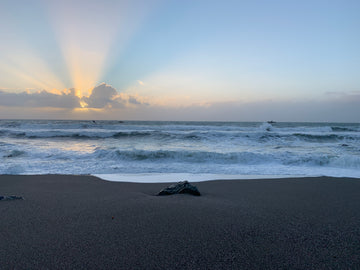
Petalite
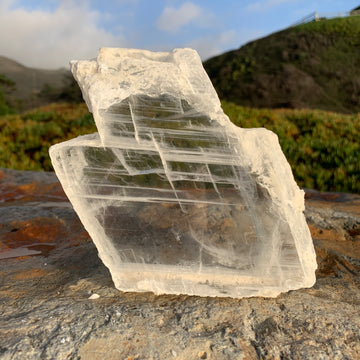
Petalite is a lithium aluminum silicate, usually colorless, white, or gray, with occasional soft pink. It is an ore of lithium and grows in the same pegmatites as tourmaline and kunzite. Largely untreated, it is a light, gentle stone that people often work with for calm and mental clarity.
The geology.
Petalite is a lithium aluminum silicate with the formula LiAlSi4O10. It crystallizes in the monoclinic system, though well-formed crystals are uncommon, and it more often appears as cleavable masses that are colorless, white, or gray, with pale pink in some material. Its name comes from the Greek word for leaf, a nod to the way it splits into thin, leaf-like plates along a perfect cleavage.
Hardness sits at 6 to 6.5 on the Mohs scale, with a vitreous to pearly luster and a low specific gravity around 2.4, which gives finished pieces a noticeably light feel. Clear material can be faceted into bright, glassy gems, while massive pieces are cut into tumbles and cabochons.
The origins.
Petalite forms in lithium-rich granite pegmatites, so its sources track the world's lithium districts. Brazil is a major supplier of gem and specimen material, and Namibia, Zimbabwe (notably the Bikita pegmatite), and Australia are important for both mineral specimens and lithium production. The Swedish island of Uto is the historic type locality.
Additional material comes from Afghanistan, Pakistan, Madagascar, and the United States. Because petalite so often shares pegmatites with tourmaline, kunzite, and lepidolite, a named pegmatite source usually signals cleaner, gemmier material.
Traditional associations.
Petalite is often called a stone of the angels in modern crystal circles, valued for a soft, calming presence. People describe it as quieting mental chatter and supporting a peaceful, centered state, which makes it a popular meditation stone.
Many work with it for serenity, mental clarity, and a sense of gentle spiritual connection, linking it most often to the Crown and Third Eye chakras. It is associated with the element of Air and the signs Leo and Libra. A common practice is to hold a smooth piece during meditation or keep one in a calm corner of the home.
Spotting the real thing.
Petalite is usually pale and glassy, colorless to white or gray, and noticeably light in the hand thanks to its low density. Look for its perfect cleavage, which lets it flake into thin plates, and a vitreous to pearly luster. In faceted form it is bright but soft, and its low specific gravity helps separate it from denser lookalikes.
Because it is pale and not widely known, petalite is more often mislabeled than faked. It can be confused with pollucite, quartz, or other colorless pegmatite minerals, and pale pink material with morganite or kunzite. Ask for the species and, where possible, the pegmatite source. Reputable sellers name petalite plainly.
Care & handling.
Petalite calls for a little care because of its perfect cleavage. At 6 to 6.5 on the Mohs scale it is reasonably hard, but a sharp knock along the cleavage can split it, so it suits pendants and earrings better than rough daily-wear rings. A rinse in warm water with a soft cloth is enough.
Avoid ultrasonic and steam cleaners, sudden temperature change, and harsh chemicals, all of which can stress a cleavable stone. Store it on its own so harder stones do not scratch it, and handle faceted pieces gently. To reset it, many people use moonlight, sound, or a rest on a selenite plate.
Pairs well with.
A deeper look.
Extended geology, sourcing, authentication, history, and varieties, for when the quick guide isn't quite enough.
Extended geology
Petalite is a framework silicate and an important ore of lithium, with the formula LiAlSi4O10. Its structure links silicon-oxygen and aluminum-oxygen units into a framework that holds lithium, and on heating petalite can convert toward spodumene and other lithium phases, which is of interest in ceramics and industry. Crystals are monoclinic but rare, so the mineral usually appears as cleavable, blocky masses with one perfect cleavage.
It is a classic pegmatite mineral, crystallizing from the last, water-and-lithium-rich fluids of granitic melts. That is why it keeps company with lepidolite, spodumene (including kunzite), tourmaline, and pollucite. Colorless and white are normal, and pink comes from traces of manganese. Specific gravity is low, about 2.4, and hardness is 6 to 6.5.
Extended sourcing
The island of Uto in Sweden is the historic type locality, where petalite was described in the early nineteenth century and where lithium itself was first detected. Today Brazil is a leading source of gem and specimen petalite, with Namibia, the Bikita pegmatite in Zimbabwe, and Australia important for both specimens and lithium ore. Afghanistan, Pakistan, Madagascar, and parts of the United States also produce it.
Gem-quality petalite is prized by collectors for its brightness and rarity as a cut stone, while massive material serves tumbles, spheres, and cabochons. Clean, colorless, and pink pieces are the most valued.
Authentication and warning signs
Low density is a helpful clue, since petalite feels light for its size. Its single perfect cleavage, pale color, and vitreous-to-pearly luster support identification, and a hardness near 6.5 rules out very soft lookalikes. Faceted petalite is bright but not fiery, which distinguishes it from some brilliant colorless gems.
Because it is not a mainstream stone, the main risk is mislabeling. Colorless petalite can be sold as or mistaken for pollucite or quartz, and pink petalite for other pink pegmatite gems. A seller who names the species, and ideally the pegmatite, is worth trusting. Petalite is rarely imitated by glass.
History and folklore
Petalite was described in 1800 and takes its name from the Greek petalon, meaning leaf, for its leaf-like cleavage flakes. It holds a place in scientific history because lithium was first identified in petalite from Uto in 1817. Its metaphysical reputation, including the popular nickname stone of the angels, is a modern development within the contemporary crystal community.
Varieties and trade names
Colorless and white petalite: the most common, glassy and light.
Pink petalite: manganese-tinted, softer in color than morganite or kunzite.
Gem petalite: transparent faceted stones cut for collectors.
Castorite is an older varietal name occasionally seen in mineral collections.
What it costs in the market
Tumbled petalite and small pieces: roughly 4 to 20 dollars. Cabochons and specimen chunks: around 15 to 70 dollars depending on size and clarity. Faceted gem petalite, especially clean or pink stones, can run from tens into the low hundreds of dollars. Value tracks clarity, color, size, and how cleanly the piece has been cut given its cleavage.
An education-first guide.
We don't currently carry petalite, so there's nothing to sell you here. This guide exists because the more you understand a stone, the better every decision you make about it becomes, wherever you buy it. Explore the rest of our crystal guides for stones we do source, each with full origin and treatment notes.
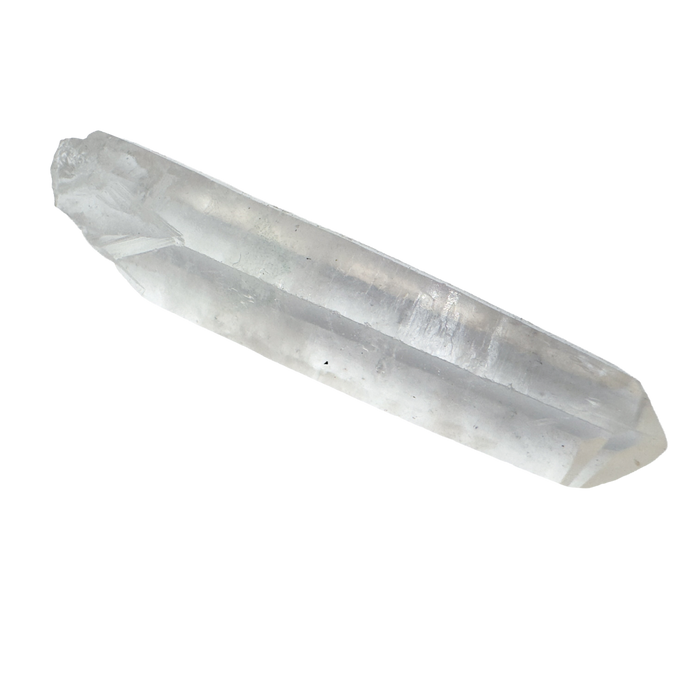
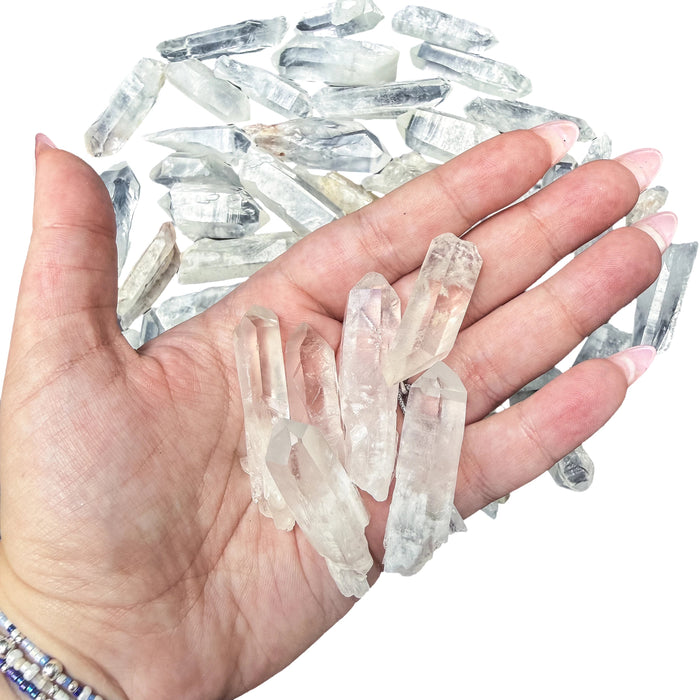
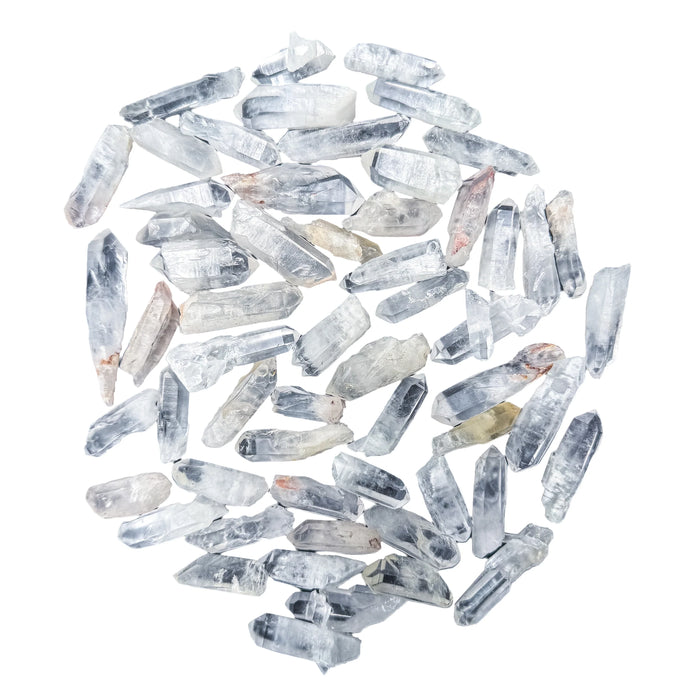
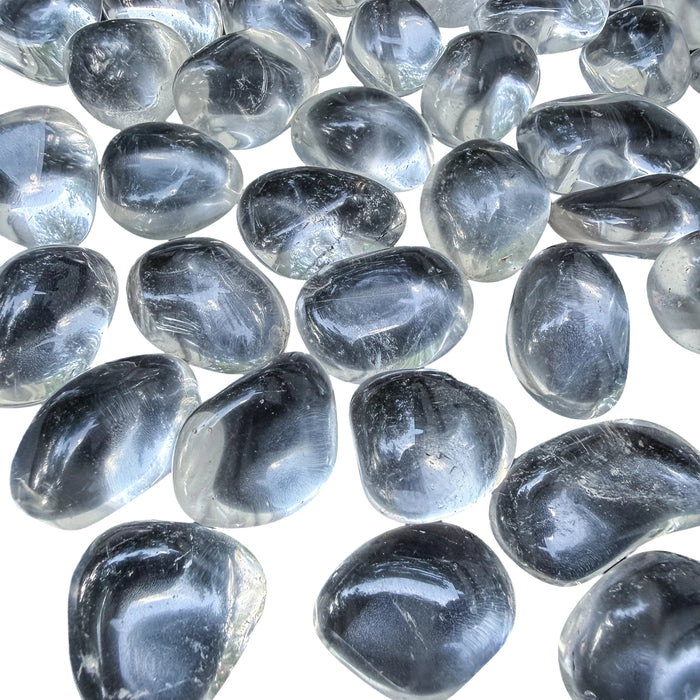
Explore the Crystal GuideThe closest match we carry: Clear Quartz.
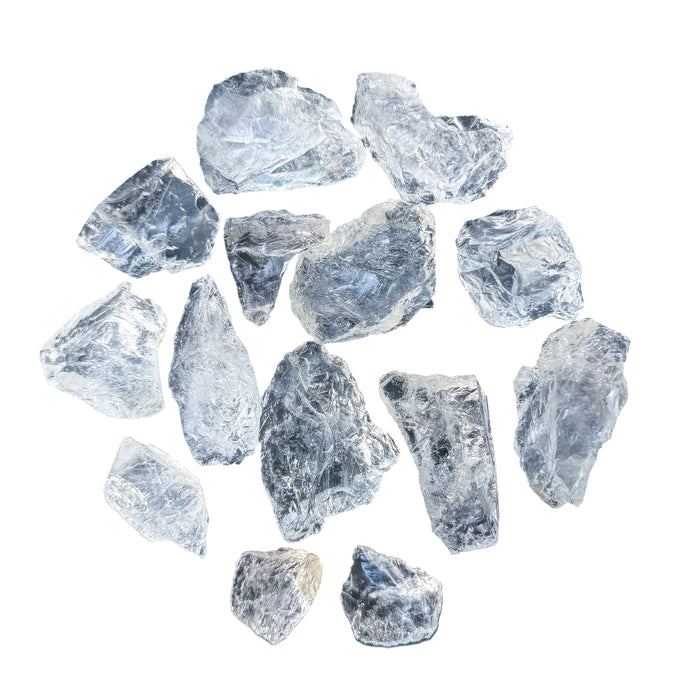
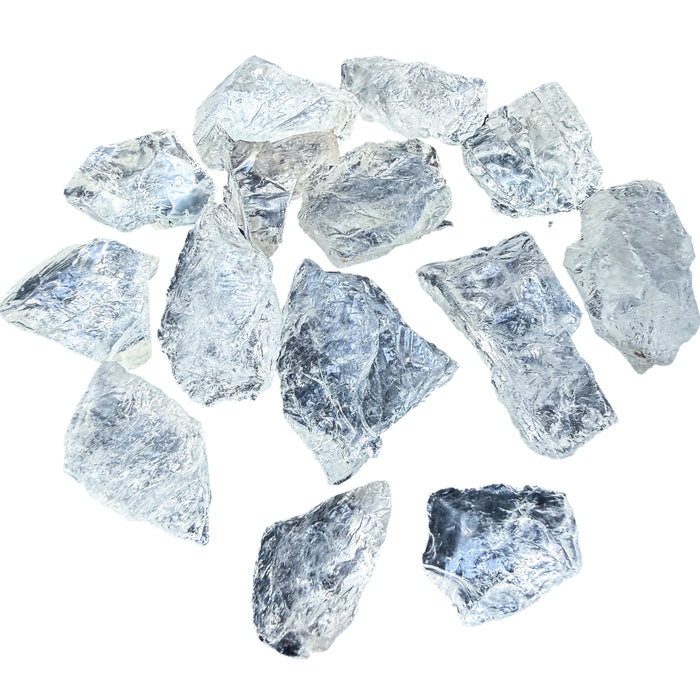
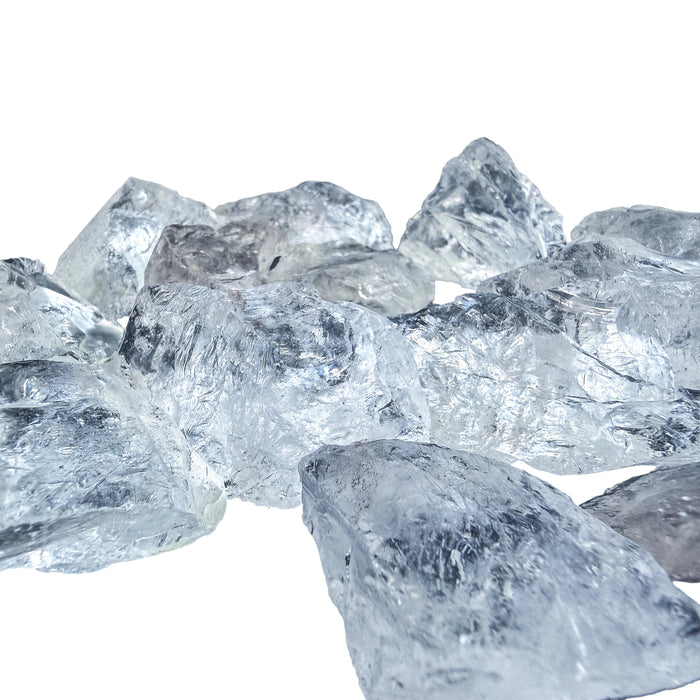
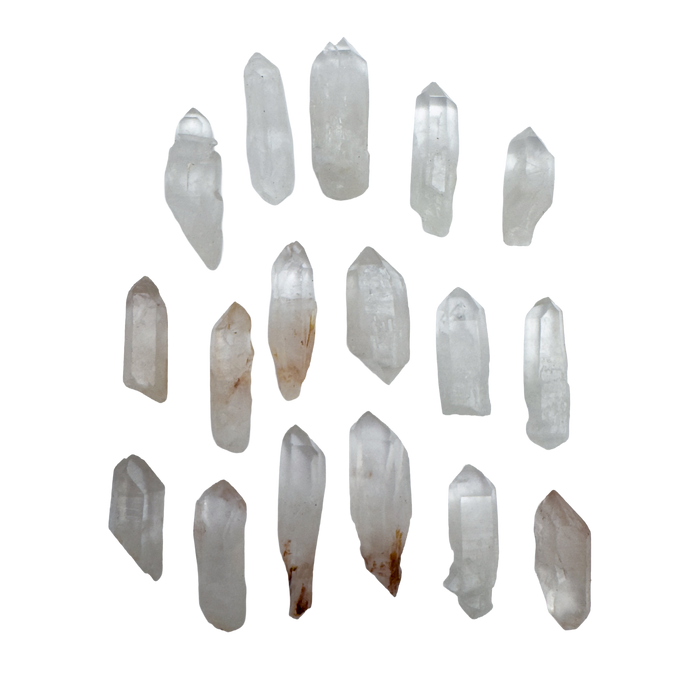
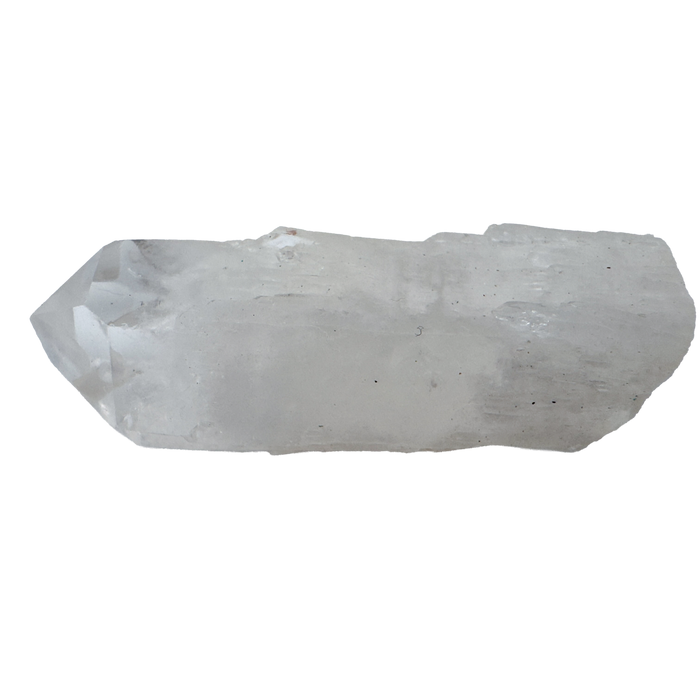
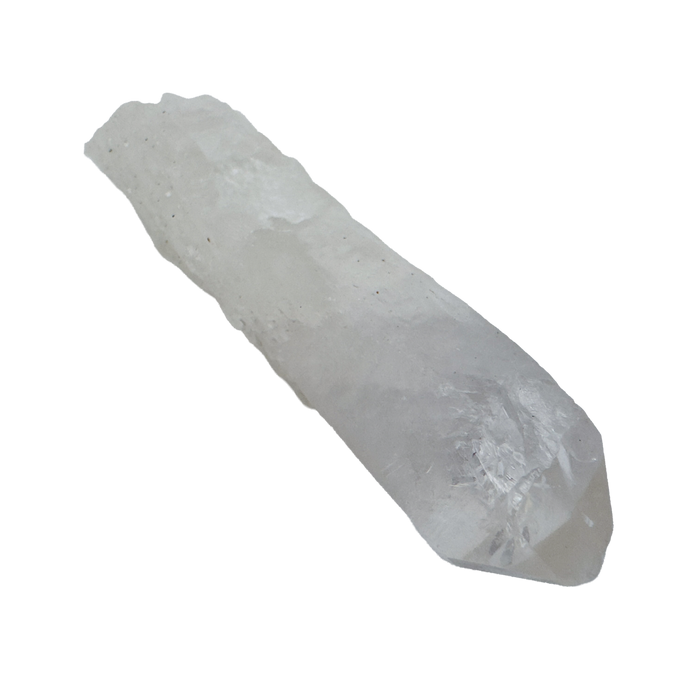
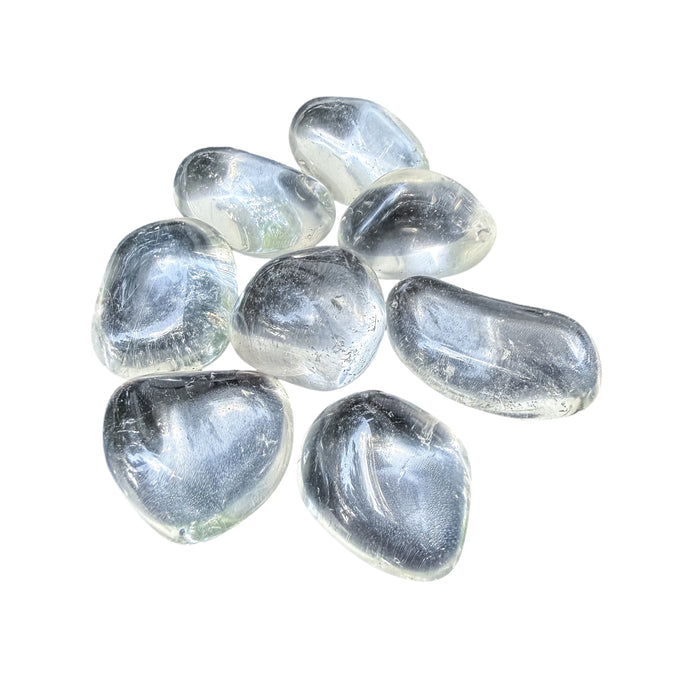
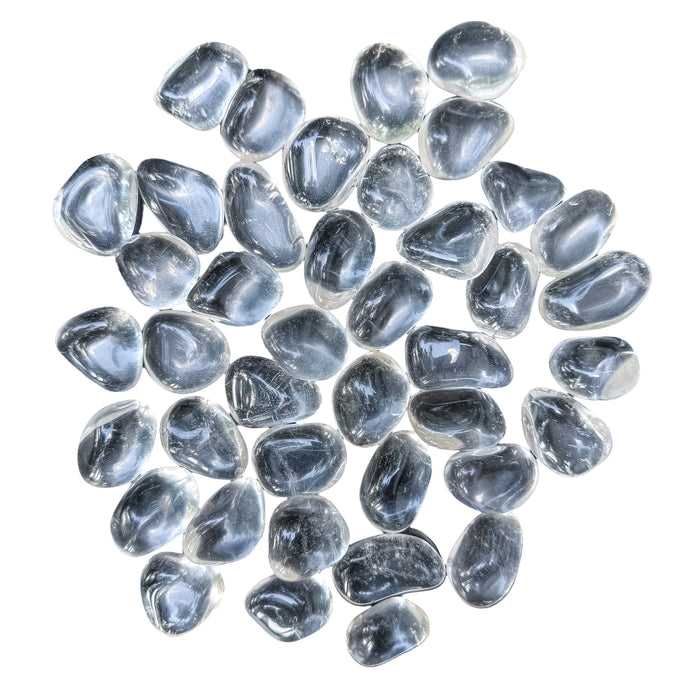
Petalite is not something we carry. Clear Quartz is the closest match in our collection, and every piece passes our sourcing standards: origin named, treatments disclosed.
- from 1,000+ reviews
- Ships within 72 hoursMonday to Friday, tracked
- 90 days to return itif you do not love it
- Free US shipping over $99$8.99 flat rate under
The Slow Note
New stones go to the list first.
No forwarding, no selling. Unsubscribe in one click. Privacy