


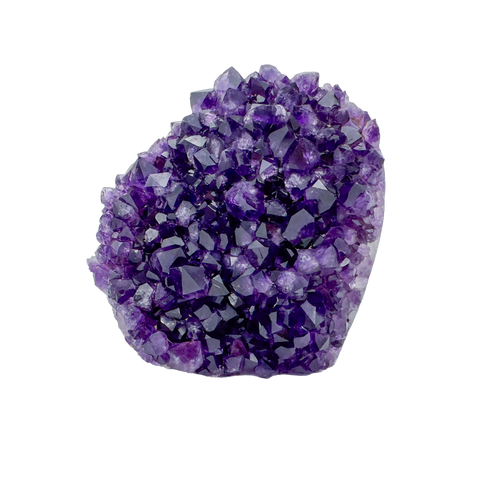
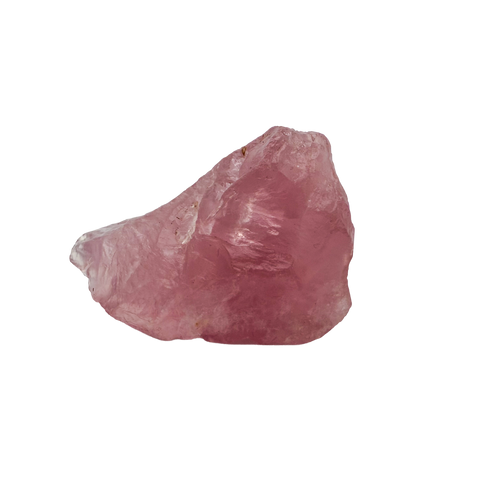
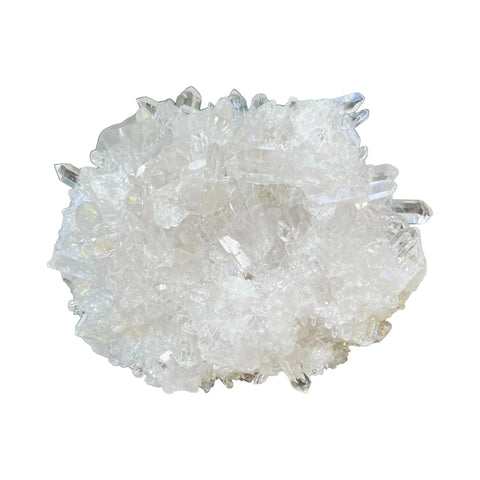
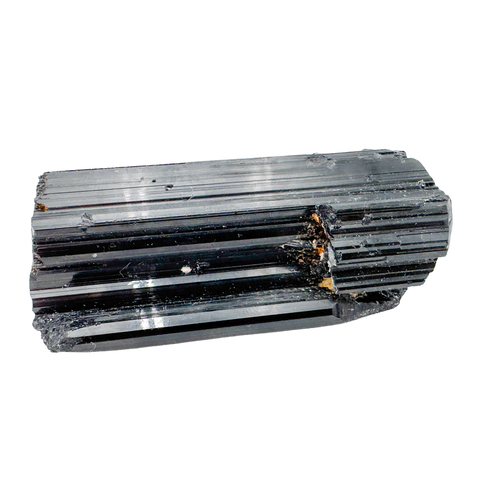
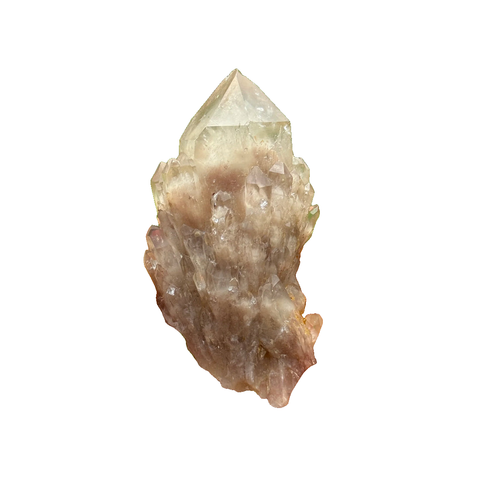
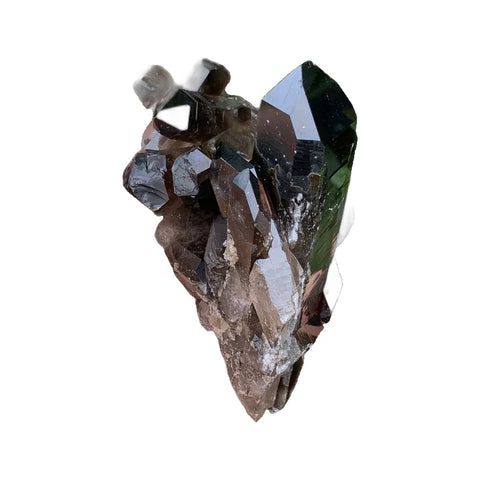
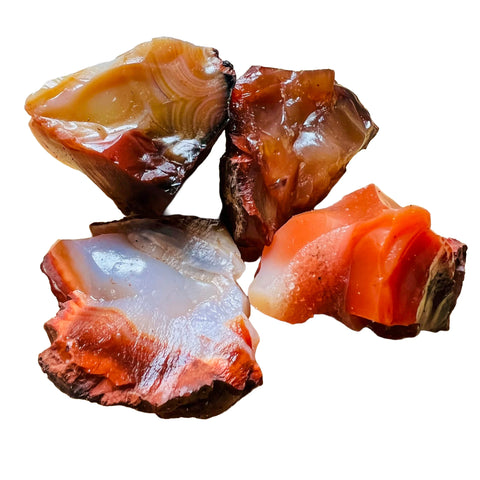


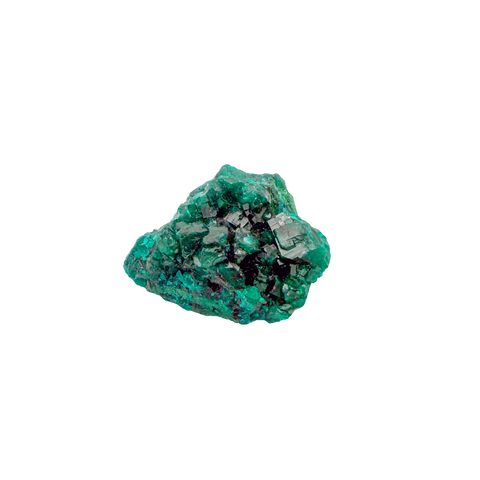
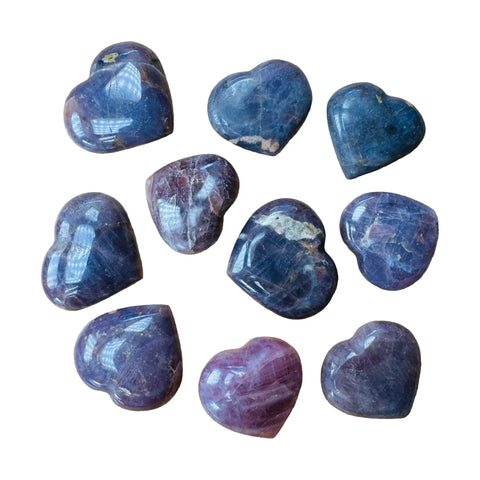
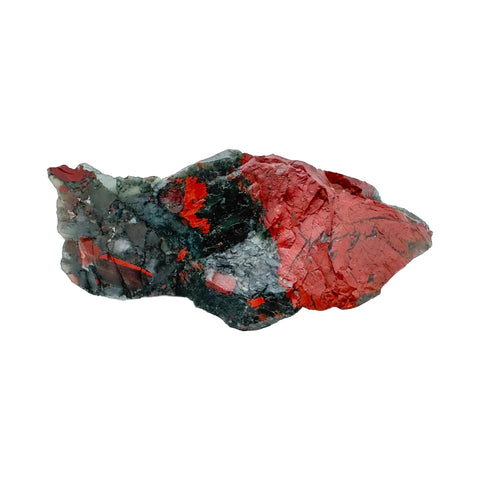
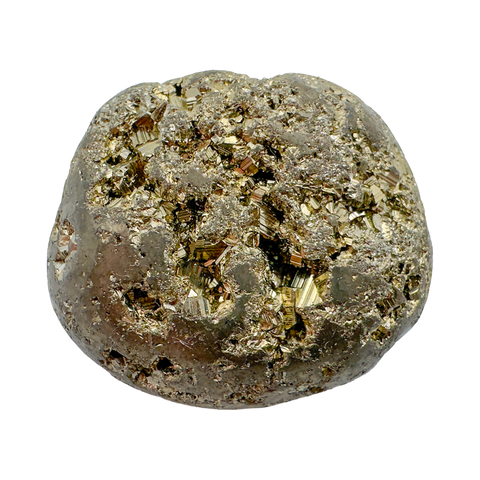
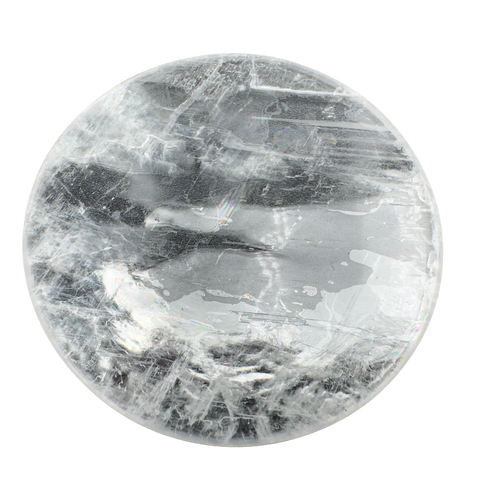
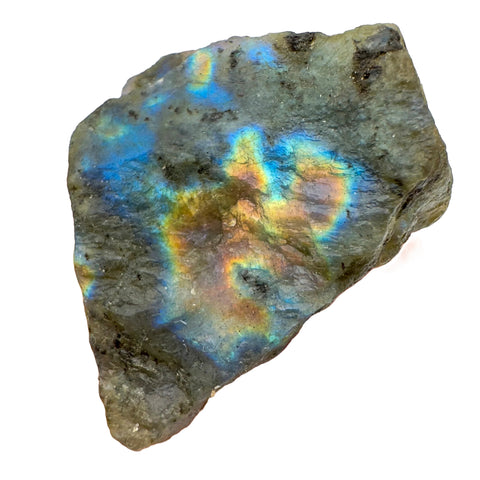
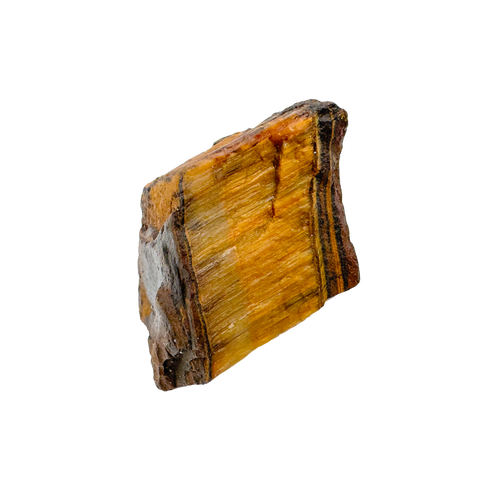
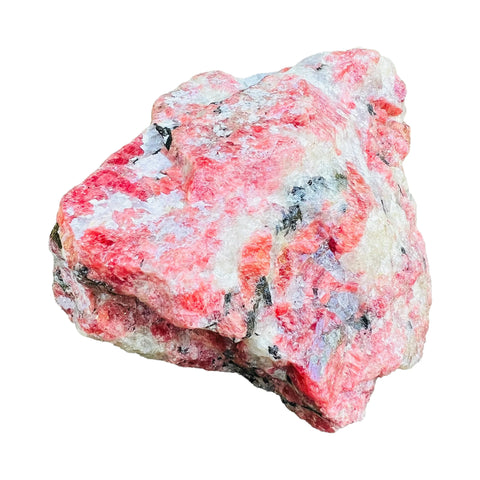
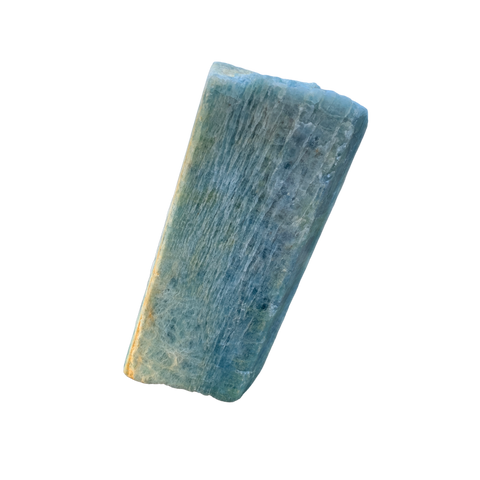
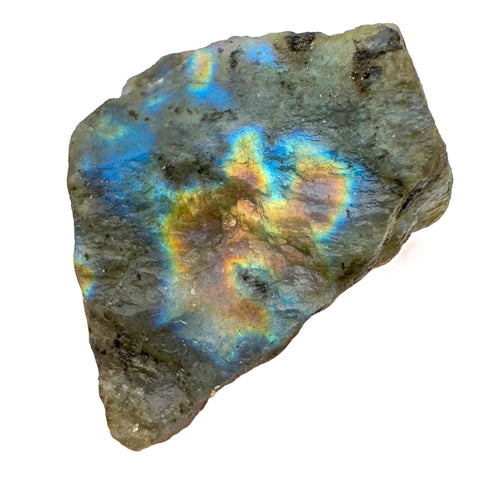



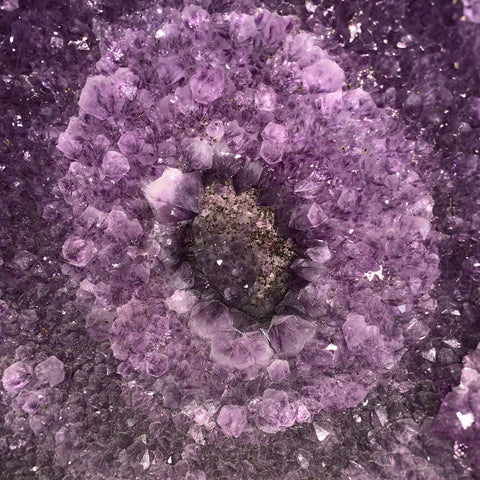
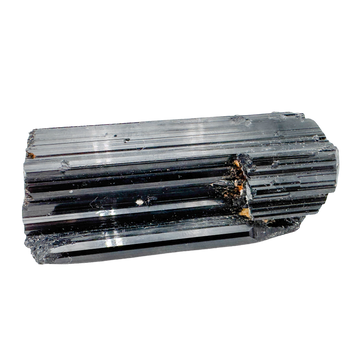
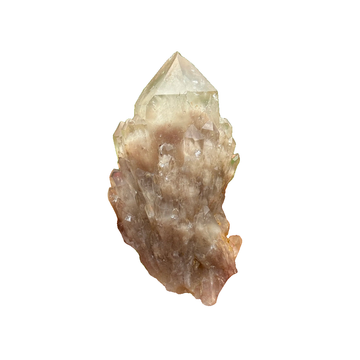
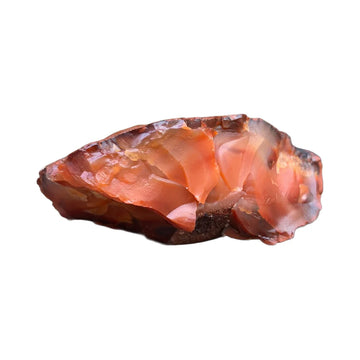
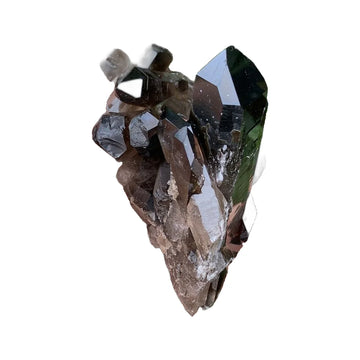
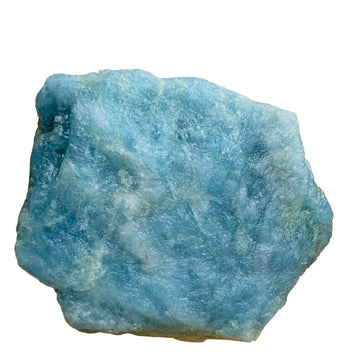
 Raw Stones
179 pieces
Raw Stones
179 pieces
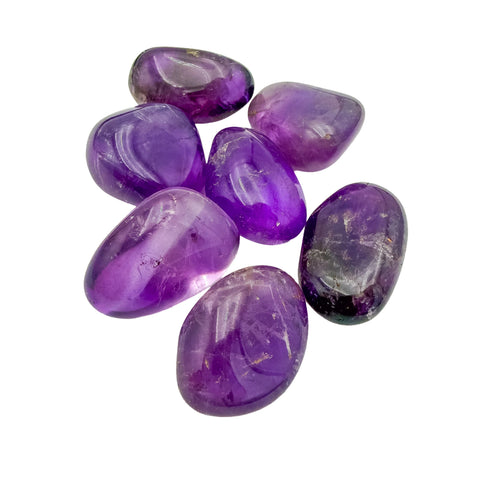
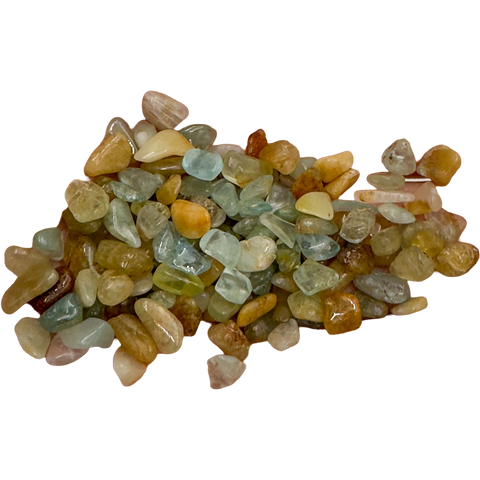
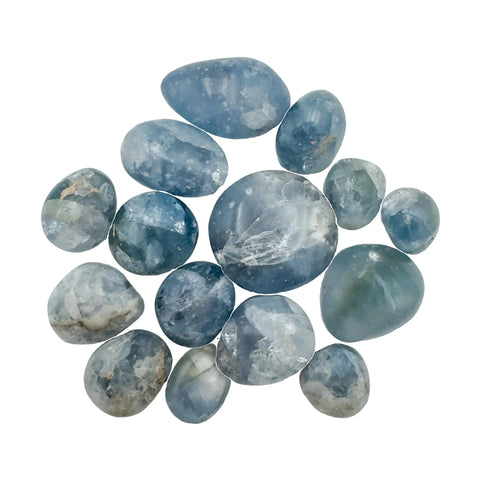
 Tumbled Stones
162 pieces
Tumbled Stones
162 pieces
 Palm Stones
25 pieces
Palm Stones
25 pieces
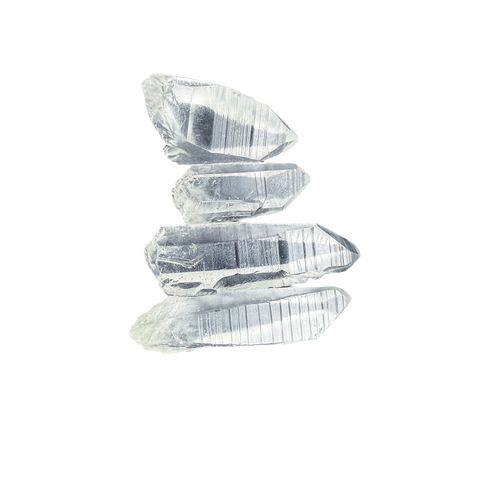
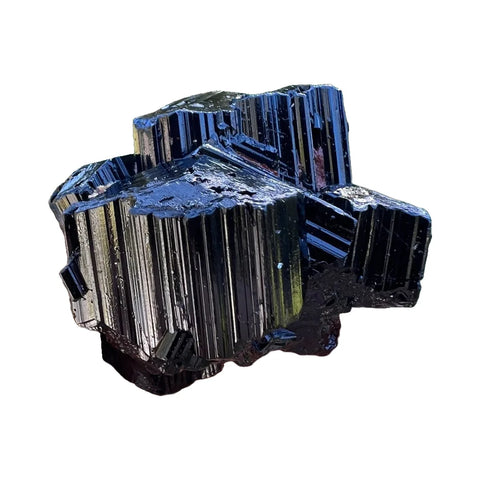
 Crystal Points
23 pieces
Crystal Points
23 pieces
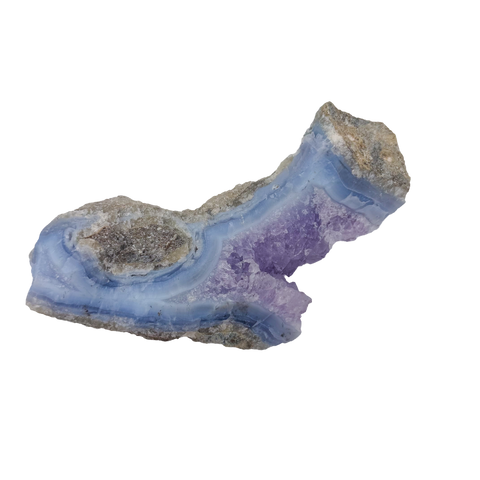
 Clusters & Geodes
104 pieces
Clusters & Geodes
104 pieces
 Polished & Decor
148 pieces
Polished & Decor
148 pieces
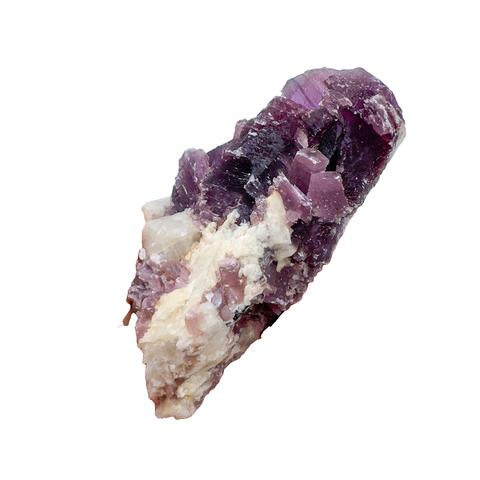
 Mineral Specimens
259 collector pieces
Mineral Specimens
259 collector pieces
 Crystal Chips
21 pieces
Browse everything
Every collection, one page.
View All Collections →
Crystal Chips
21 pieces
Browse everything
Every collection, one page.
View All Collections →


 Aries
Mar 21 – Apr 19
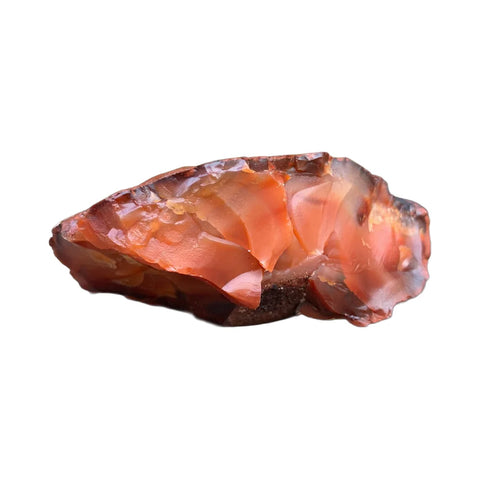
Carnelian
›
Aries
Mar 21 – Apr 19
Carnelian
›
 Taurus
Apr 20 – May 20
Rose Quartz
›
Taurus
Apr 20 – May 20
Rose Quartz
›
 Gemini
May 21 – Jun 20
Agate
›
Gemini
May 21 – Jun 20
Agate
›
 Cancer
Jun 21 – Jul 22
Moonstone
›
Cancer
Jun 21 – Jul 22
Moonstone
›
 Leo
Jul 23 – Aug 22
Citrine
›
Leo
Jul 23 – Aug 22
Citrine
›
 Virgo
Aug 23 – Sep 22
Amazonite
›
Virgo
Aug 23 – Sep 22
Amazonite
›
 Libra
Sep 23 – Oct 22
Blue Lace Agate
›
Libra
Sep 23 – Oct 22
Blue Lace Agate
›
 Scorpio
Oct 23 – Nov 21
Obsidian
›
Scorpio
Oct 23 – Nov 21
Obsidian
›
 Sagittarius
Nov 22 – Dec 21
Sodalite
›
Sagittarius
Nov 22 – Dec 21
Sodalite
›
 Capricorn
Dec 22 – Jan 19
Black Tourmaline
›
Capricorn
Dec 22 – Jan 19
Black Tourmaline
›
 Aquarius
Jan 20 – Feb 18
Amethyst
›
Aquarius
Jan 20 – Feb 18
Amethyst
›
 Pisces
Feb 19 – Mar 20
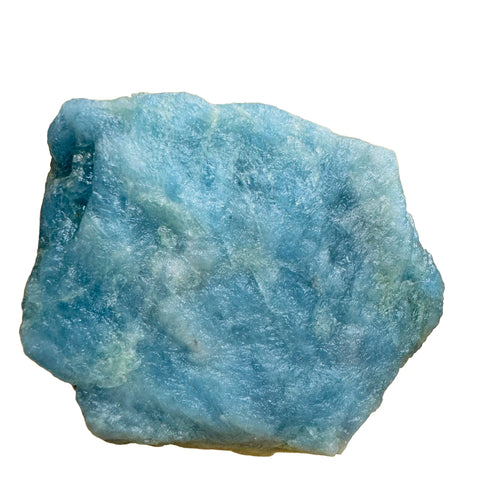
Aquamarine
›
Gifting?
A birthday stone is the safe bet.
Read the zodiac guide →
Pisces
Feb 19 – Mar 20
Aquamarine
›
Gifting?
A birthday stone is the safe bet.
Read the zodiac guide →


Pink Amethyst
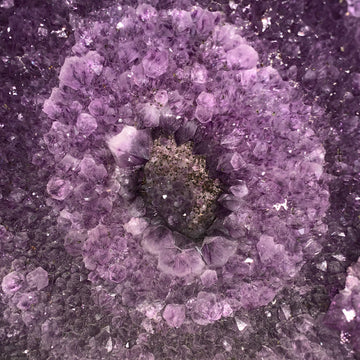
Pink amethyst is the gentle, blush-pink crystalline quartz that has become popular as druzy geode slices and clusters. Its color comes from iron together with tiny hematite inclusions, a recipe different from both rose quartz and classic purple amethyst. Almost all of it comes from one region of Patagonia, and it only reached the wider market in recent years.
The geology.
Pink amethyst is a pink variety of crystalline quartz, plain silicon dioxide carrying trace iron. Its color is generally attributed to a combination of iron and microscopic hematite, an iron oxide, suspended in the crystal. That is a different mechanism from rose quartz, which owes its pink to fine fibrous inclusions, and from purple amethyst, whose color comes from iron color centers set by natural radiation.
It typically grows as a druzy lining of small crystal points inside volcanic geodes, often over a gray to white agate-like base, which is why so much of it is sold as geode slices and clusters rather than single crystals. Hardness is the standard quartz 7 on the Mohs scale. Worth knowing honestly: some mineralogists debate whether the material is strictly amethyst or better called pink quartz, but either way it is genuine, naturally colored quartz.
The origins.
Pink amethyst is essentially a single-source stone. Nearly all of it comes from Patagonia in southern Argentina, particularly the Neuquen Province, where it was first brought to commercial attention around 2017. That narrow origin is a large part of why it feels distinctive and why supply is comparatively limited.
The Patagonian deposits formed as silica-rich fluids filled gas cavities in volcanic rock and slowly crystallized into druzy quartz. Because the commercial material traces to this one area, a seller who can name the Argentine, Patagonian origin is giving you a meaningful signal about authenticity rather than a generic label.
Traditional associations.
Because pink amethyst is new to the market, it carries less inherited folklore than older stones. In practice it tends to blend two reputations people already know: the calm associated with amethyst and the gentle, heart-centered softness associated with pink stones.
Many people work with pink amethyst for calm, comfort, and a sense of emotional ease, and associate it with the Heart and Crown, the element of Water, and the sign Pisces. A common practice is to keep a druzy cluster or geode slice somewhere visible as a quiet, soft presence in a room.
Spotting the real thing.
Real pink amethyst shows a soft, slightly uneven natural pink across a field of small druzy crystal points, with color often concentrated toward the tips and a gray to white base beneath. The look is crystalline and sparkly, not the solid, massive pink of rose quartz, which has no crystal faces. Genuine geode pieces also tend to show natural banding in the base.
Be cautious with color that is too vivid, too even, or that gathers in surface cracks, all of which suggest dye. Pale purple amethyst tinted pink and pink-dyed agate are the usual stand-ins. The strongest assurance is an Argentine, Patagonian origin from a seller who understands the stone and will describe it accurately rather than overselling the amethyst name.
Care & handling.
Pink amethyst is durable at a hardness of 7 and fine for everyday handling, but like other amethyst its color can pale under long, strong sunlight, so display it away from a hot, sunny window if you want the pink to stay rich. A brief rinse in cool water with a soft cloth is all it needs to clean.
Avoid prolonged heat and harsh chemicals, and treat druzy pieces gently, since the fine crystal points along a geode can chip if knocked or stacked against harder stones. Store slices and clusters where their delicate surfaces are protected.
Pairs well with.
A deeper look.
Extended geology, sourcing, authentication, history, and varieties, for when the quick guide isn't quite enough.
Extended geology
Mineralogically, pink amethyst is macrocrystalline quartz, trigonal silicon dioxide, with a specific gravity near 2.65 and a hardness of 7. The accepted explanation for its color combines an iron-related color center, the same general family of cause that gives amethyst its purple, with microscopic particles of hematite that push the hue toward pink rather than violet.
This dual mechanism is why pink amethyst sits in its own category. It is not rose quartz, whose color comes from nanoscale fibers and which forms in massive, point-free habit, and it is not ordinary amethyst. The debate among collectors over whether to file it as amethyst or as pink quartz is genuine, but it does not change the fact that the Patagonian material is natural, untreated quartz.
Extended sourcing
The commercial supply is concentrated in Patagonia, Argentina, with the Neuquen Province as the key area. Material reached international markets around 2017 and spread quickly, sold as geode slices with a druzy pink face, as clusters, and as polished towers and spheres cut from larger pieces.
Because the deposit base is narrow, pink amethyst has stayed relatively scarce even as demand has grown, which supports its price. Provenance to the Argentine source is the practical marker of the genuine article, and reputable suppliers treat that origin as part of the stone's identity rather than an afterthought.
Authentication and warning signs
Three distinctions help. Natural versus dyed: real color is soft and slightly variable, while dye looks uniform or concentrates in fractures. Pink amethyst versus rose quartz: the former is druzy and crystalline with visible points, the latter massive and smooth. Pink amethyst versus tinted pale amethyst: genuine Patagonian material has its characteristic geode structure and base.
Provenance ties it together. Since nearly all true pink amethyst comes from one Argentine region, a seller who can state that origin and describe the geode habit accurately is far more trustworthy than a listing leaning hard on the amethyst name with a suspiciously low price and a flawless, candy-pink color.
History and folklore
Pink amethyst is a genuinely twenty-first-century addition to the crystal trade, with its rise tied closely to the Patagonian finds and to social media, where its blush-colored geode slices photograph beautifully. That recency is why it lacks the deep folklore attached to stones worked for millennia.
Its backdrop is amethyst's long history. The name amethyst comes from a Greek word once linked to sobriety, and purple amethyst has been prized since antiquity. Pink amethyst borrows that lineage by name while standing as its own distinct, modern material with a single celebrated source.
Varieties and trade names
Most pink amethyst on the market falls into a few forms: druzy geode slices with a sparkling pink face, standing clusters, and polished pieces such as towers, hearts, and spheres cut from solid sections. Color ranges from very pale blush to a deeper, more saturated rose, with the richer, more even tones generally most prized.
You will also see naming overlap, with some sellers using pink amethyst, rose amethyst, or pink quartz for similar Patagonian material. The practical point is consistency of natural color and the quality of the druzy crystal surface, regardless of which of those names a particular shop prefers.
What it costs in the market
Value in pink amethyst tracks the depth and evenness of the natural pink, the quality and sparkle of the druzy crystal layer, the size of the piece, and the form it is cut into. Large geode slices and clusters with rich, uniform color sit at the top, while pale or small fragments are the affordable entry point.
Its single-source scarcity helps support prices relative to more abundant pink stones. The honest risks to value are dyed imitations sold cheaply and overstated grading, so the variables that genuinely matter are natural color, druzy quality, size, and verifiable Patagonian origin.
An education-first guide.
We don't currently carry pink amethyst, so there's nothing to sell you here. This guide exists because the more you understand a stone, the better every decision you make about it becomes, wherever you buy it. Explore the rest of our crystal guides for stones we do source, each with full origin and treatment notes.
Explore the Crystal GuideThe closest match we carry: Amethyst.
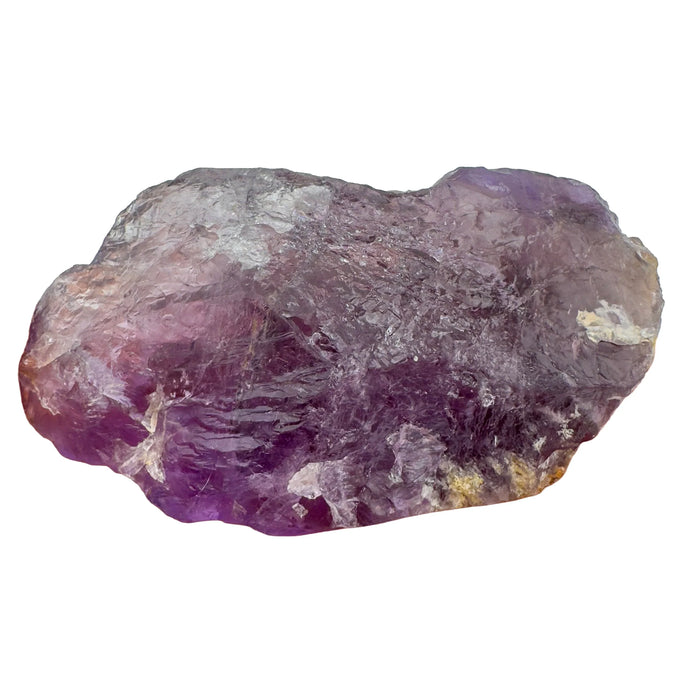
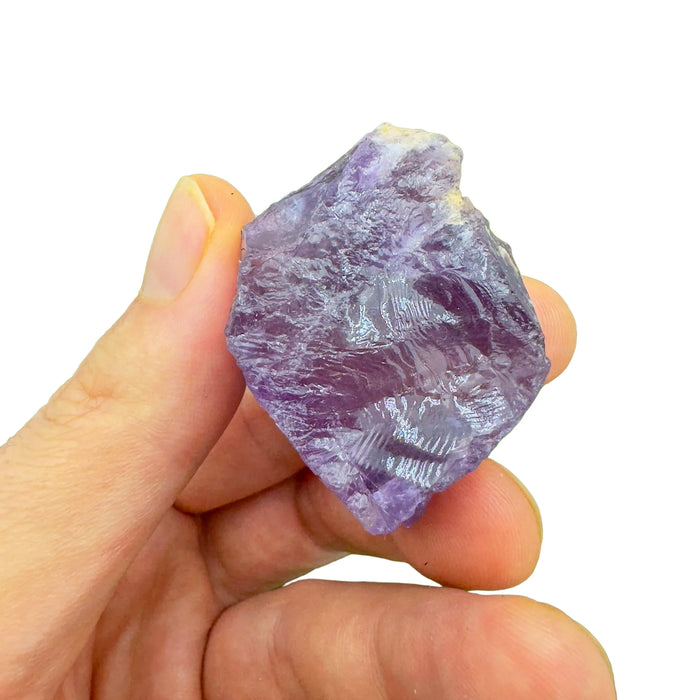
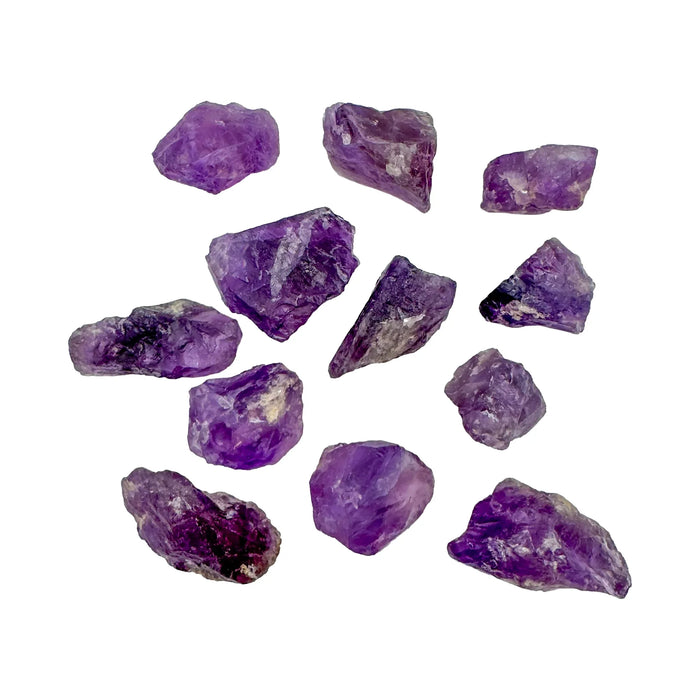
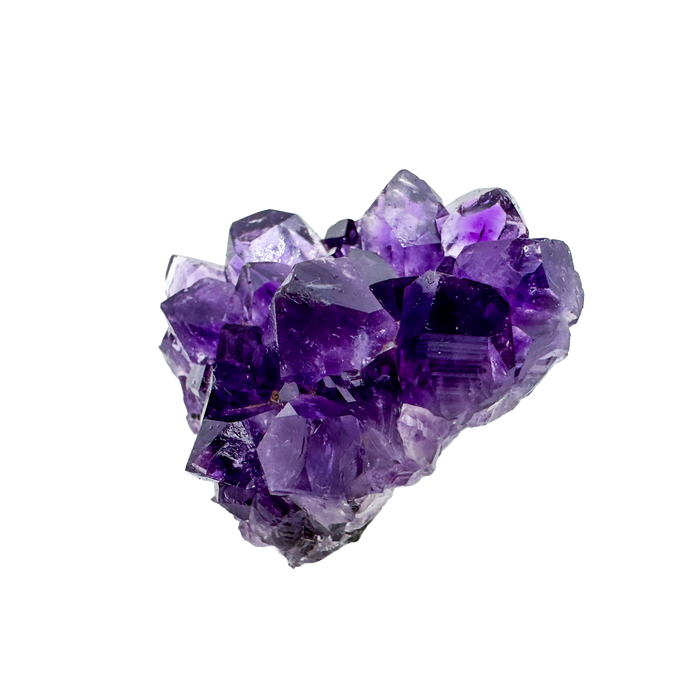
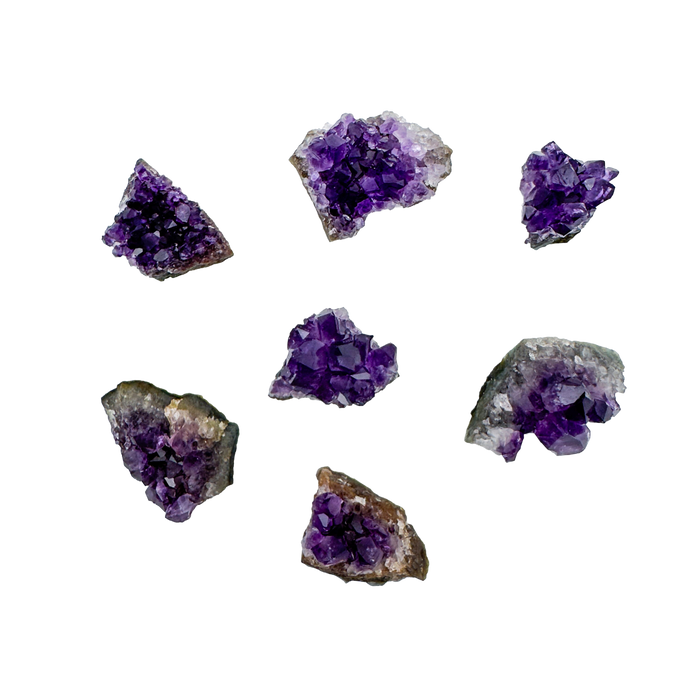
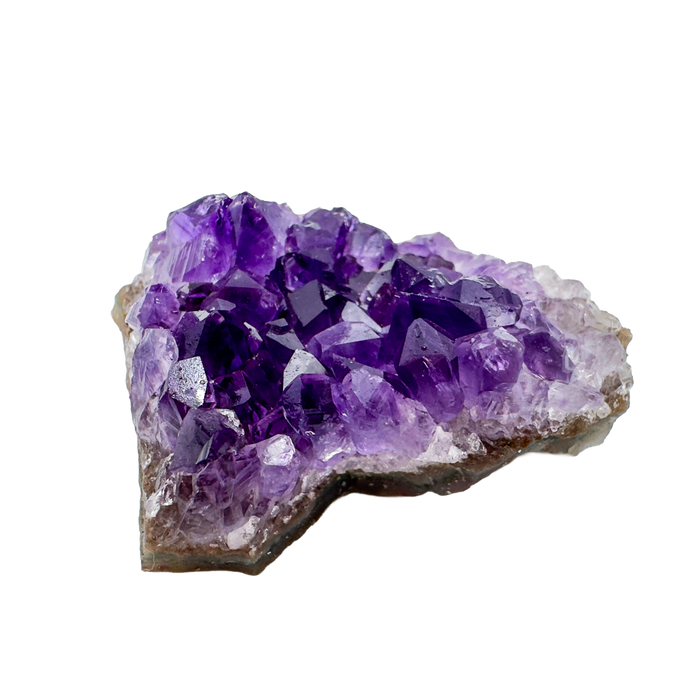
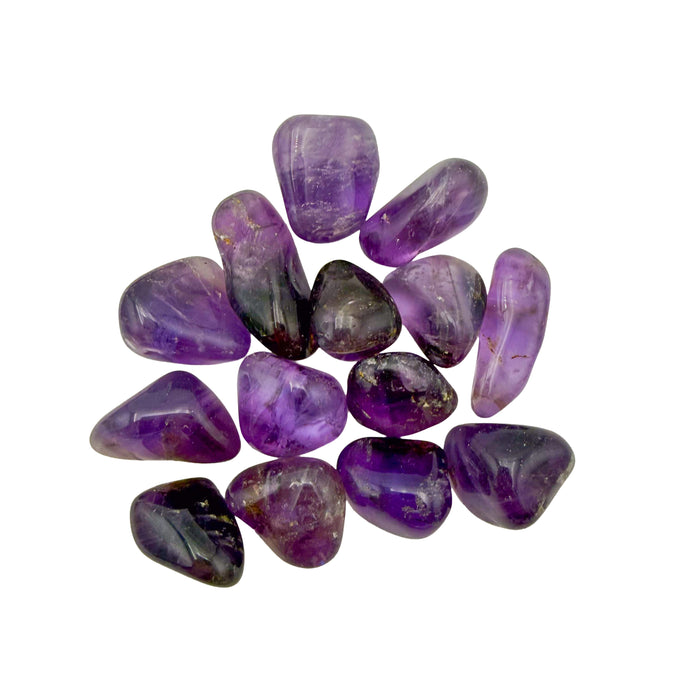
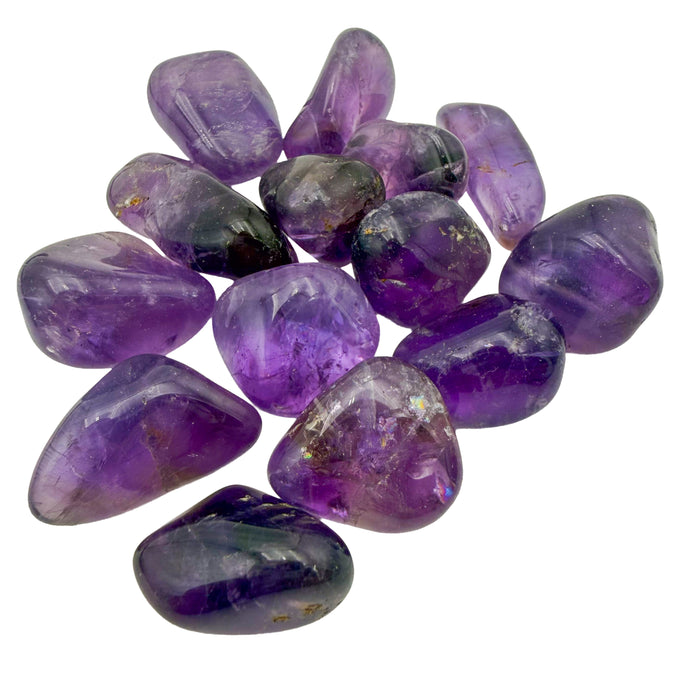
Pink Amethyst is not something we carry. Amethyst is the closest match in our collection, and every piece passes our sourcing standards: origin named, treatments disclosed.


- from 1,000+ reviews
- Ships within 72 hoursMonday to Friday, tracked
- 90 days to return itif you do not love it
- Free US shipping over $99$8.99 flat rate under
The Slow Note
New stones go to the list first.
No forwarding, no selling. Unsubscribe in one click. Privacy