


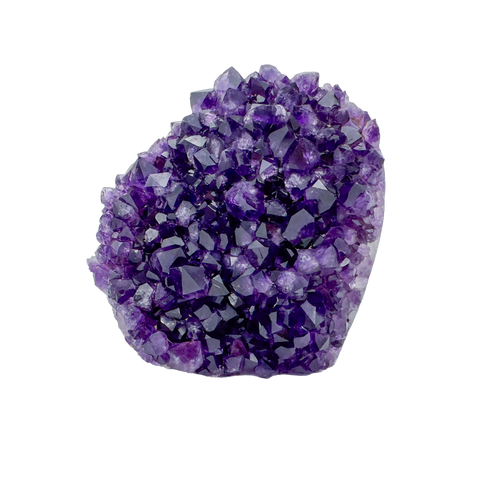
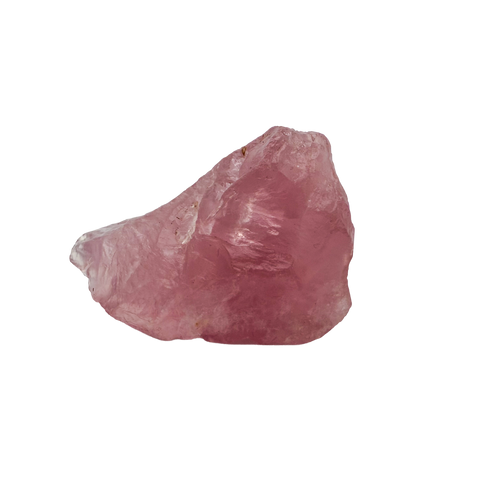
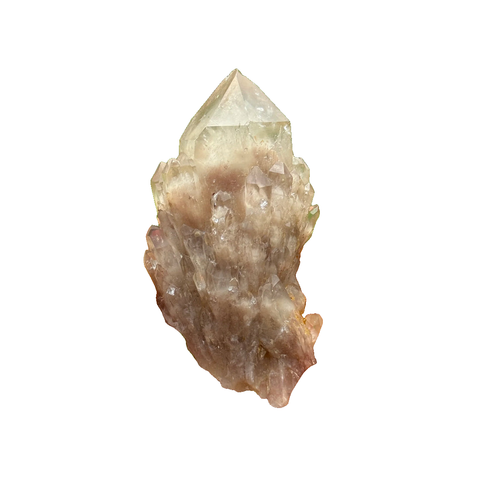
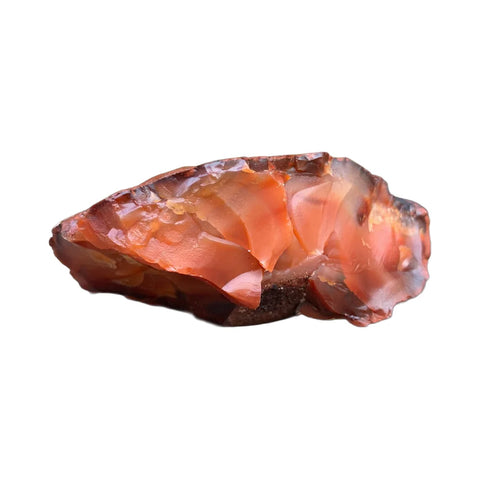
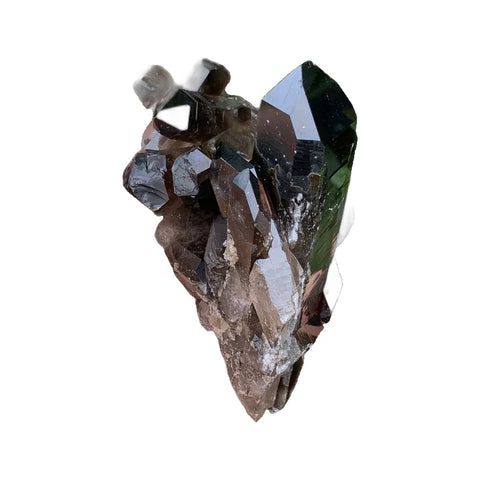
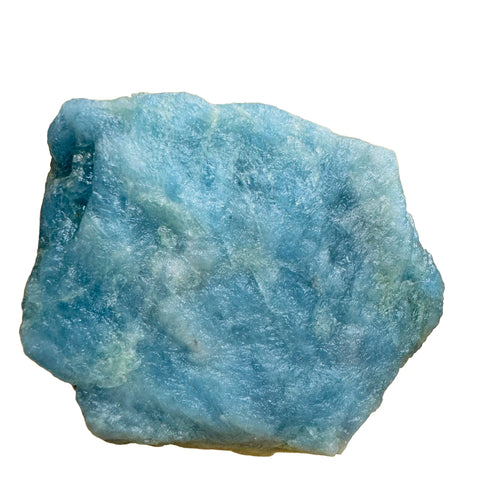
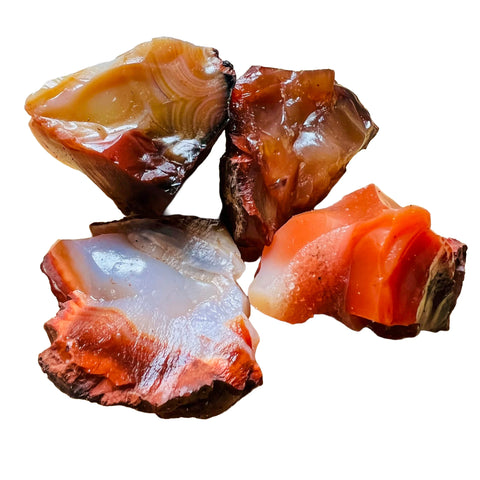


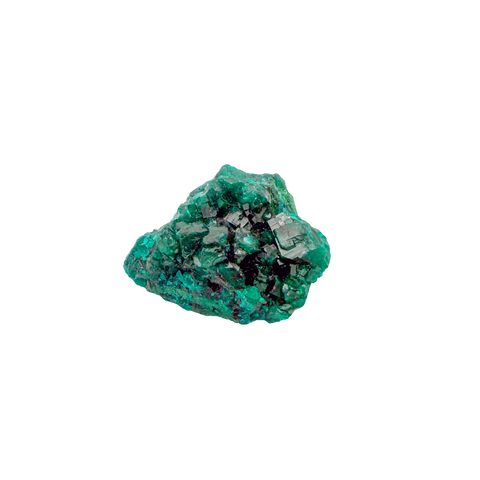
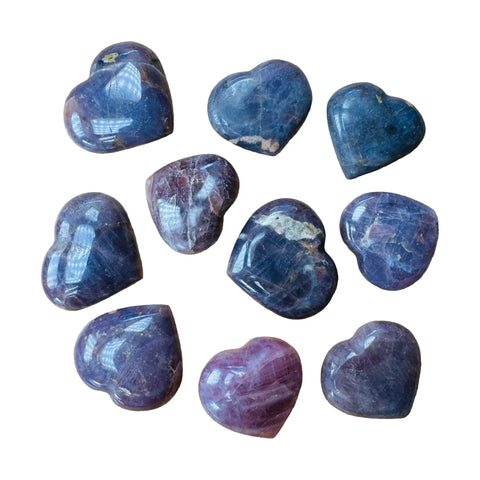
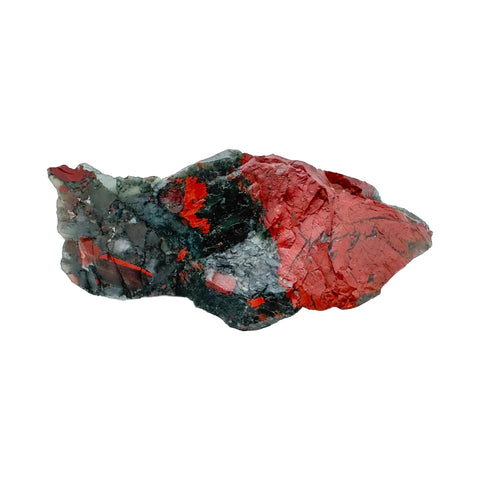
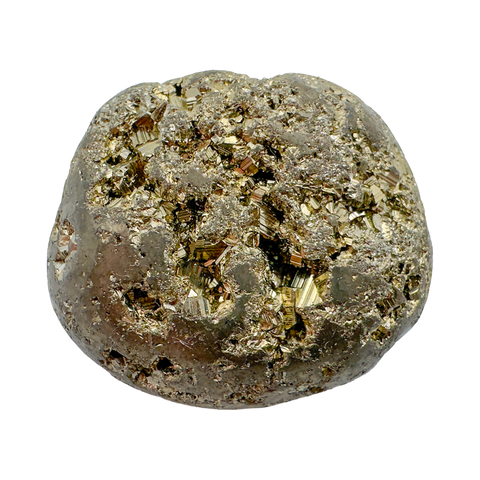
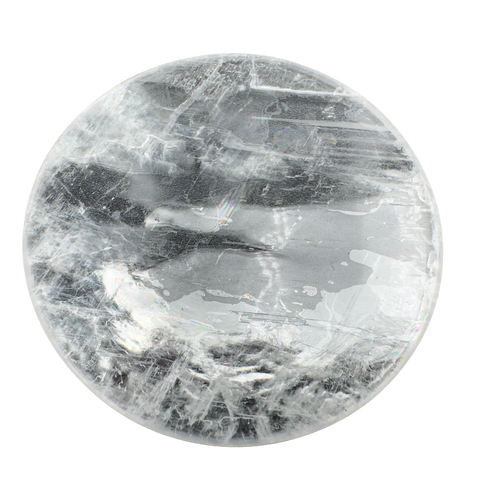
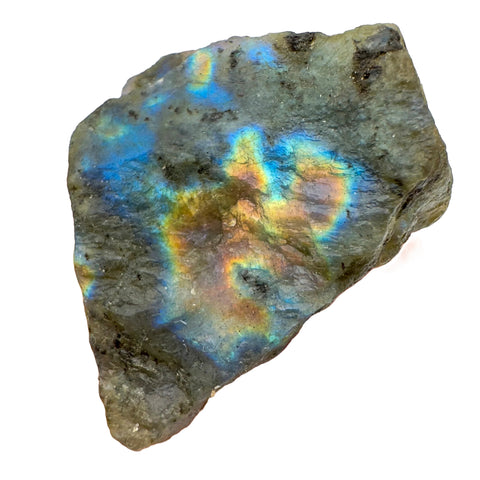
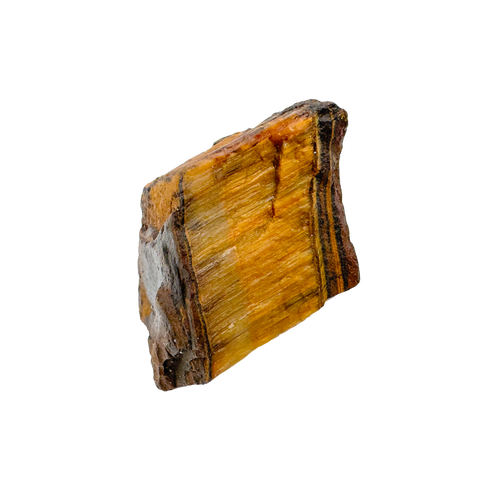
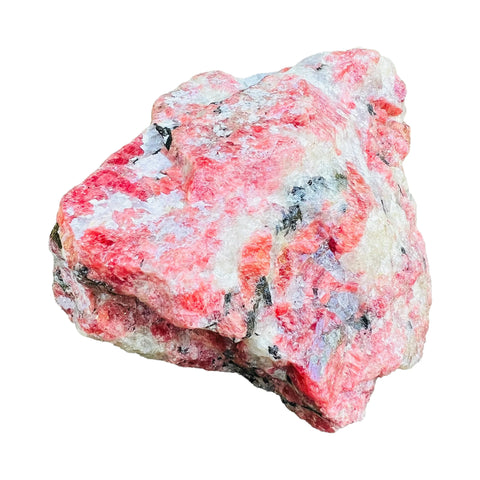
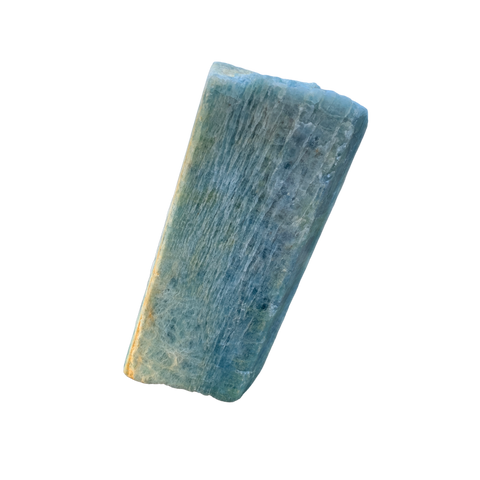
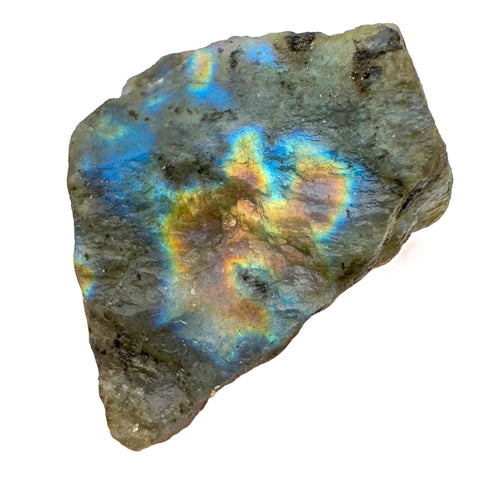



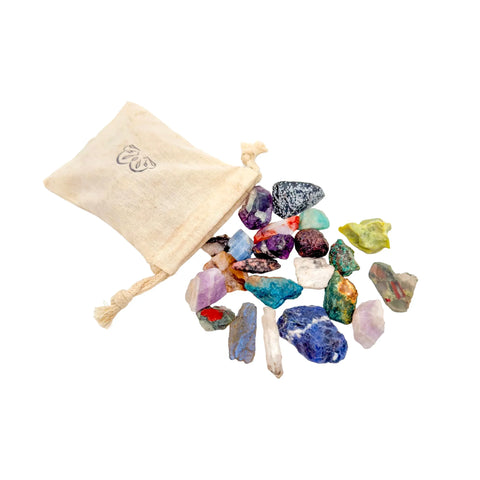
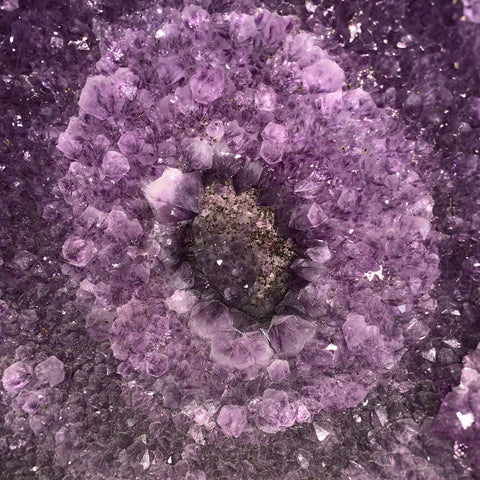
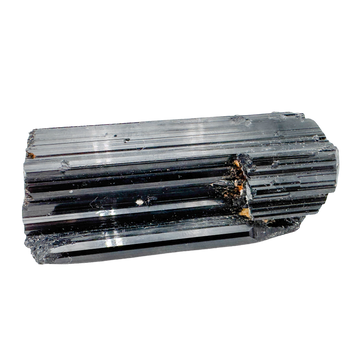
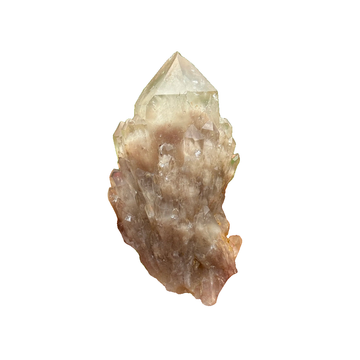
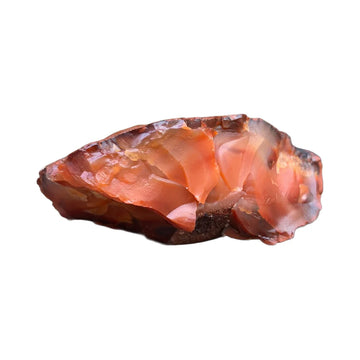
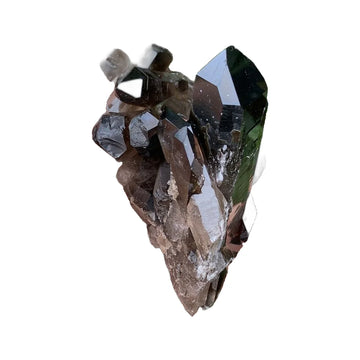
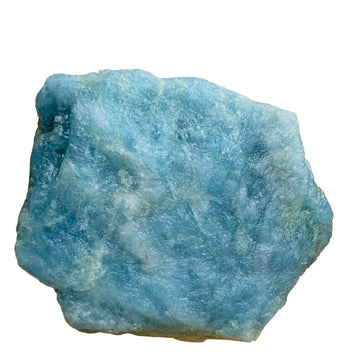
 Raw Stones
179 pieces
Raw Stones
179 pieces
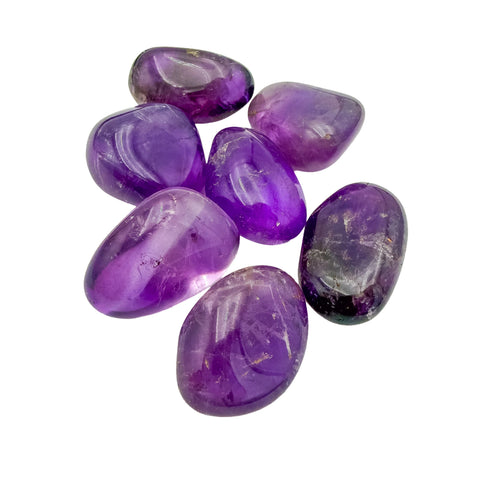
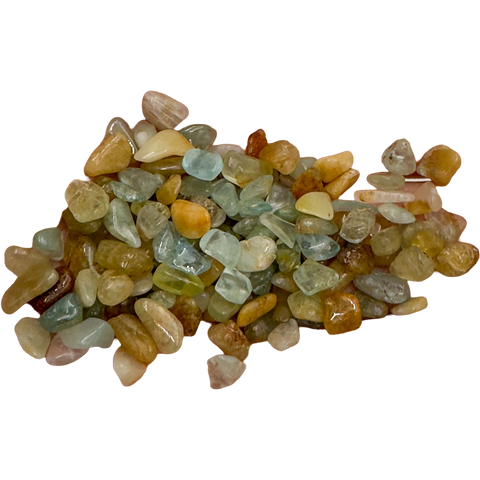
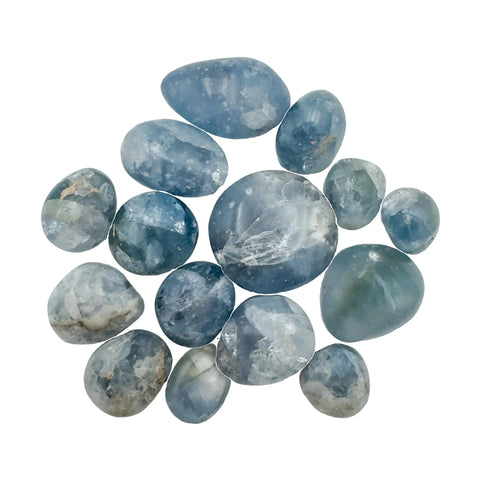
 Tumbled Stones
162 pieces
Tumbled Stones
162 pieces
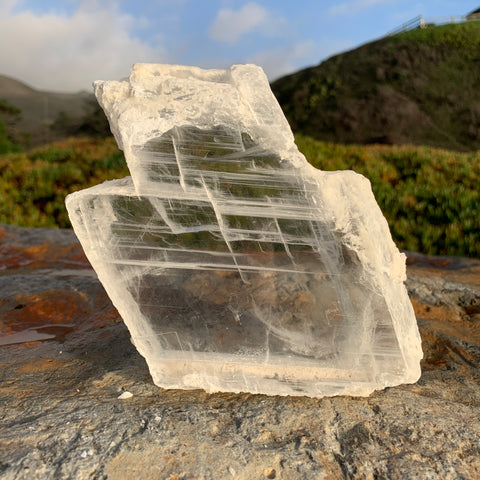
 Palm Stones
25 pieces
Palm Stones
25 pieces
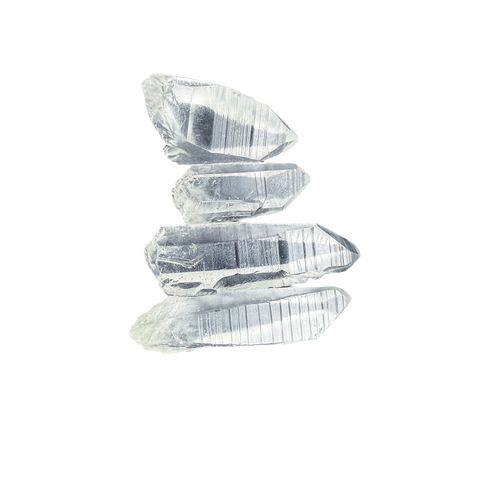
 Crystal Points
23 pieces
Crystal Points
23 pieces
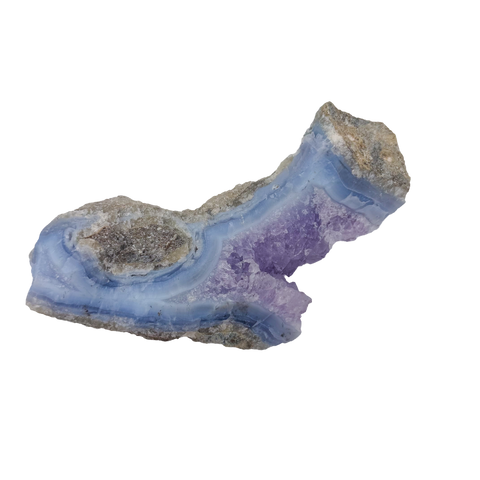
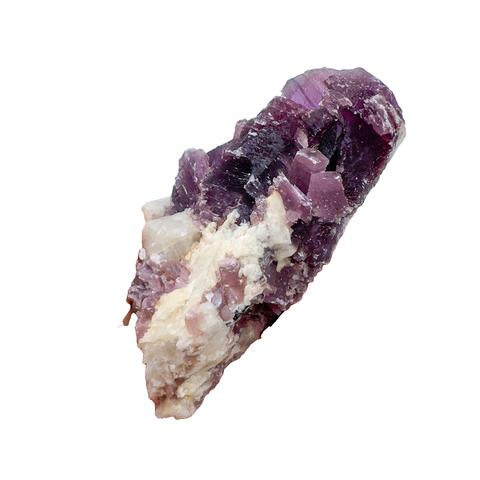
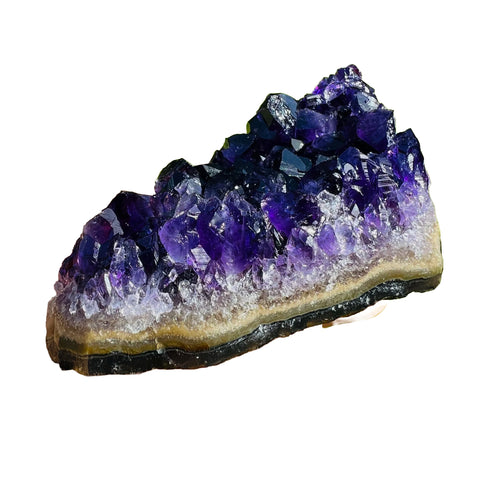
 Clusters & Geodes
104 pieces
Clusters & Geodes
104 pieces
 Polished & Decor
148 pieces
Polished & Decor
148 pieces
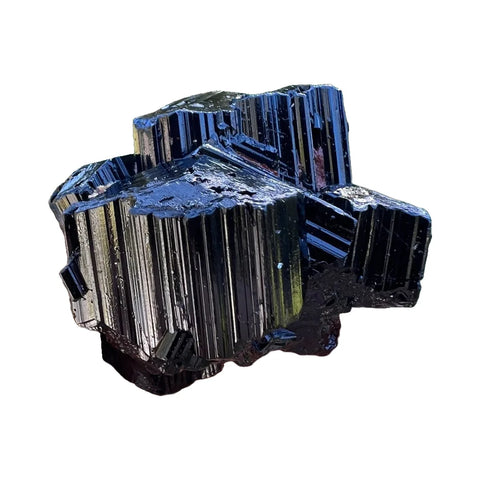
 Mineral Specimens
259 collector pieces
Mineral Specimens
259 collector pieces
 Crystal Chips
21 pieces
Browse everything
Every collection, one page.
View All Collections →
Crystal Chips
21 pieces
Browse everything
Every collection, one page.
View All Collections →


 Aries
Mar 21 – Apr 19
Carnelian
›
Aries
Mar 21 – Apr 19
Carnelian
›
 Taurus
Apr 20 – May 20
Rose Quartz
›
Taurus
Apr 20 – May 20
Rose Quartz
›
 Gemini
May 21 – Jun 20
Agate
›
Gemini
May 21 – Jun 20
Agate
›
 Cancer
Jun 21 – Jul 22
Moonstone
›
Cancer
Jun 21 – Jul 22
Moonstone
›
 Leo
Jul 23 – Aug 22
Citrine
›
Leo
Jul 23 – Aug 22
Citrine
›
 Virgo
Aug 23 – Sep 22
Amazonite
›
Virgo
Aug 23 – Sep 22
Amazonite
›
 Libra
Sep 23 – Oct 22
Blue Lace Agate
›
Libra
Sep 23 – Oct 22
Blue Lace Agate
›
 Scorpio
Oct 23 – Nov 21
Obsidian
›
Scorpio
Oct 23 – Nov 21
Obsidian
›
 Sagittarius
Nov 22 – Dec 21
Sodalite
›
Sagittarius
Nov 22 – Dec 21
Sodalite
›
 Capricorn
Dec 22 – Jan 19
Black Tourmaline
›
Capricorn
Dec 22 – Jan 19
Black Tourmaline
›
 Aquarius
Jan 20 – Feb 18
Amethyst
›
Aquarius
Jan 20 – Feb 18
Amethyst
›
 Pisces
Feb 19 – Mar 20
Aquamarine
›
Gifting?
A birthday stone is the safe bet.
Read the zodiac guide →
Pisces
Feb 19 – Mar 20
Aquamarine
›
Gifting?
A birthday stone is the safe bet.
Read the zodiac guide →


Orange Kyanite
Orange kyanite is a manganese-colored variety of kyanite that reached the market only recently, almost entirely from Tanzania. Like all kyanite it grows as bladed crystals with a hardness that changes by direction. Many people work with it for creativity, drive, and confidence.
The geology.
Orange kyanite is a variety of kyanite, the aluminum silicate Al2SiO5 that grows as flat, bladed crystals in high-pressure metamorphic rocks. It shares the family trait of anisotropic hardness, roughly 4.5 to 5 along the length of a blade and 6.5 to 7 across it, together with one perfect cleavage that lets blades split thin.
The orange to reddish-orange color comes from manganese held in the crystal structure. This is a natural coloring mechanism, the same way trace elements color other kyanites, so the orange is part of the stone rather than a surface treatment. Crystals tend to be small compared with blue kyanite, often appearing as slender blades and sprays.
The origins.
Orange kyanite has an unusually specific origin story. It was reported around 2008 and comes almost entirely from the Loliondo area of the Arusha Region in northern Tanzania, near the Kenyan border. That single-source concentration is uncommon and helps explain why the material is still relatively niche.
Because supply comes mainly from one region, orange kyanite is less abundant than the widespread blue variety, and most pieces on the market are small blades, chips, and sprays rather than large specimens. When a seller can point to Tanzania as the source, that matches the known geology.
Traditional associations.
As a recently discovered material, orange kyanite does not carry centuries of folklore. Its associations have grown alongside the wider revival of interest in kyanite, and they lean on both its color and its family reputation for keeping an open, clear channel.
Many people connect orange kyanite with the Sacral chakra, working with it for creativity, motivation, confidence, and the drive to follow through. It is commonly linked with the element of Fire and the sign Aries. Like other kyanite, it is often described as a stone that does not need heavy cleansing.
Spotting the real thing.
Genuine orange kyanite shows the bladed habit of the family, usually as small, slender crystals or sprays with a pearly to glassy luster and lengthwise striations. Its directional hardness is a reliable identifier, since a blade resists scratching across its width far more than along its length.
Because the natural color is manganese-based, look for a warm orange that varies naturally within and between blades. Ask about origin, since nearly all genuine material is Tanzanian. Uniform, painted-looking color or dye pooling in cracks would be reasons to ask more questions, though orange kyanite is usually sold in its natural state.
Care & handling.
Treat orange kyanite as fragile. Its lengthwise hardness is about 4.5 to 5, and its perfect cleavage means thin blades can snap or flake under pressure. Keep it away from harder stones, avoid knocks, and favor it in pendants and pocket pieces over rings. Because crystals are small, they are easy to lose, so store them carefully.
Clean with a quick rinse and a soft cloth, and skip long soaks, ultrasonic cleaners, and harsh chemicals that can seep into cleavage planes. In keeping with the family reputation, many people find kyanite does not require frequent energetic cleansing and simply keep it dry and dusted.
Pairs well with.
A deeper look.
Extended geology, sourcing, authentication, history, and varieties, for when the quick guide isn't quite enough.
Extended geology
Orange kyanite is chemically the same species as blue and green kyanite, an aluminum silicate (Al2SiO5) and one of three polymorphs alongside andalusite and sillimanite. It forms under high pressure in metamorphic rocks and crystallizes in the triclinic system as elongated blades with one perfect cleavage.
The orange color is attributed to manganese. Specific gravity is about 3.5 to 3.7, matching the rest of the family, and the mineral keeps the hallmark directional hardness. Because Tanzanian crystals tend to be small, orange kyanite is more often seen as blades and sprays than as large single pieces.
Extended sourcing
The defining feature of orange kyanite sourcing is its concentration. First reported around 2008, it comes almost entirely from the Loliondo area of the Arusha Region in northern Tanzania. This gives the variety a clear, traceable origin, which is unusual and useful for buyers who value provenance.
Single-source materials can be sensitive to the fortunes of one mining area, so availability may vary over time. For now, most orange kyanite in the trade is Tanzanian, sold as small natural blades rather than cut gems.
Authentication and warning signs
Identify orange kyanite by the family traits, bladed crystals, perfect cleavage, pearly sheen, and directional hardness, combined with a natural manganese-orange color. Genuine pieces usually vary in tone and often occur as sprays of slender blades.
The reasonable checks are origin and color. Nearly all authentic material is Tanzanian, so a very different claimed source is worth questioning. While the orange is naturally colored, kyanite in general is occasionally dyed, so uniform, painted color or dye in cracks would prompt a closer look.
History and folklore
Orange kyanite is a modern discovery rather than a stone of ancient tradition. Its story begins in the late 2000s in Tanzania, and its reputation has been built within contemporary crystal culture rather than inherited from historical sources.
Because of that, its associations borrow from two threads, the general kyanite reputation for an open, self-clearing energy, and the warm, active symbolism people attach to orange stones. The result is a stone commonly linked with creativity and momentum.
Varieties and trade names
Kyanite occurs in several colors that share one species. Blue kyanite is the classic and most common. Green kyanite is colored by chromium. Black kyanite usually forms fanned blades. Orange kyanite, colored by manganese, is the Tanzanian newcomer. Indigo and teal blades also exist. The colors differ only in trace elements.
What it costs in the market
Orange kyanite is generally affordable but less common than blue. Small natural blades and chips often cost a few dollars, tidy sprays and cleaner blades reach the low tens, and larger or especially vivid pieces cost more. Its niche, single-source supply and small crystal size shape both price and availability.
An education-first guide.
We don't currently carry orange kyanite, so there's nothing to sell you here. This guide exists because the more you understand a stone, the better every decision you make about it becomes, wherever you buy it. Explore the rest of our crystal guides for stones we do source, each with full origin and treatment notes.
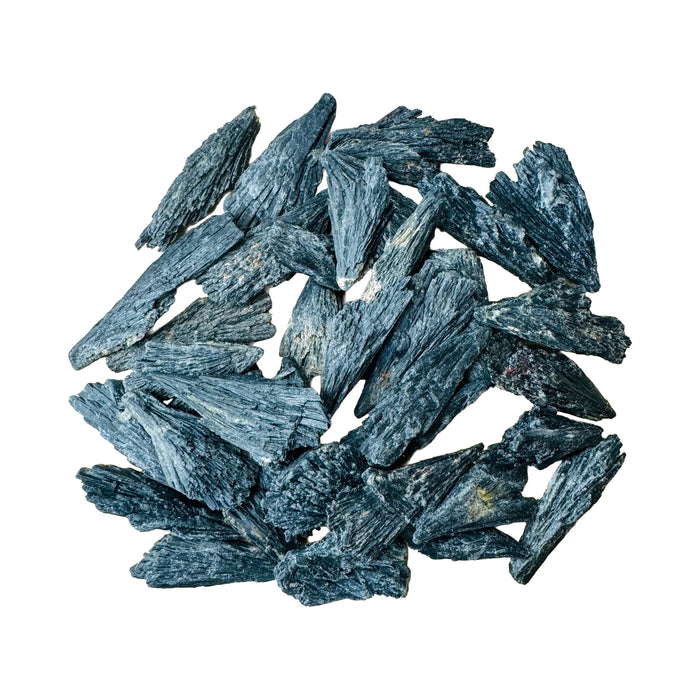
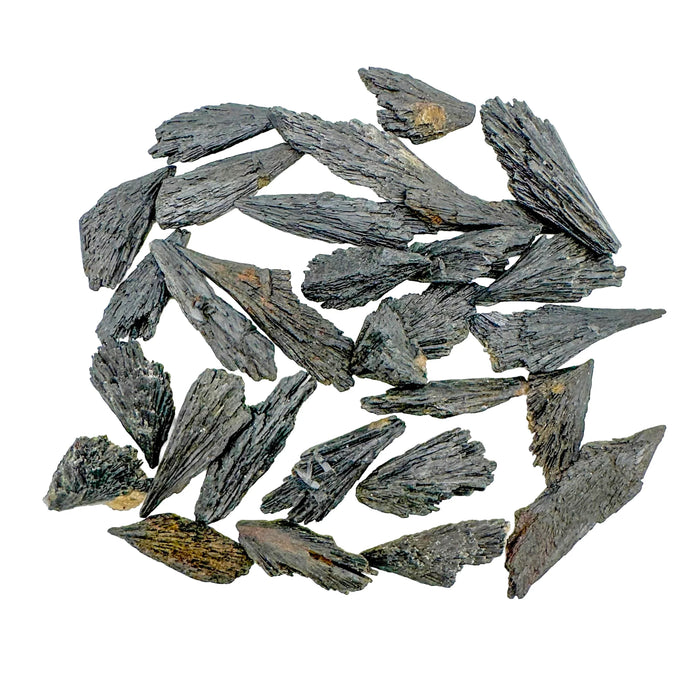
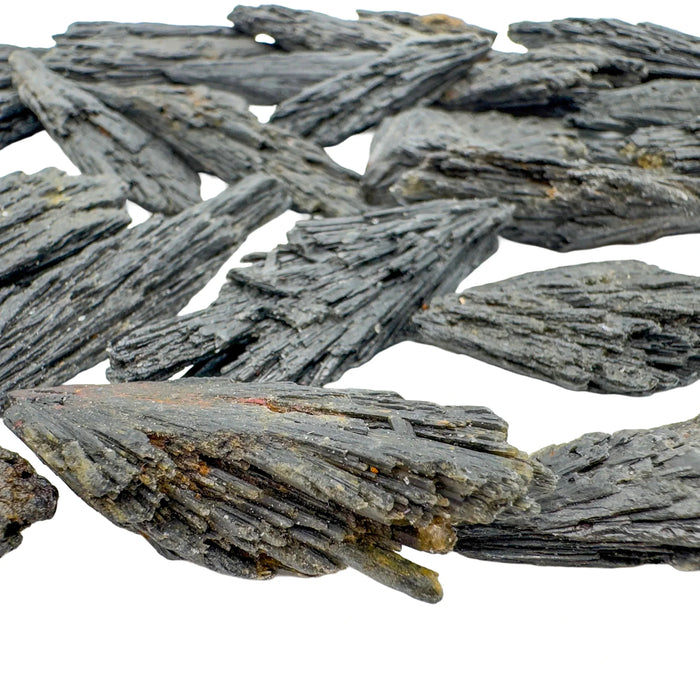
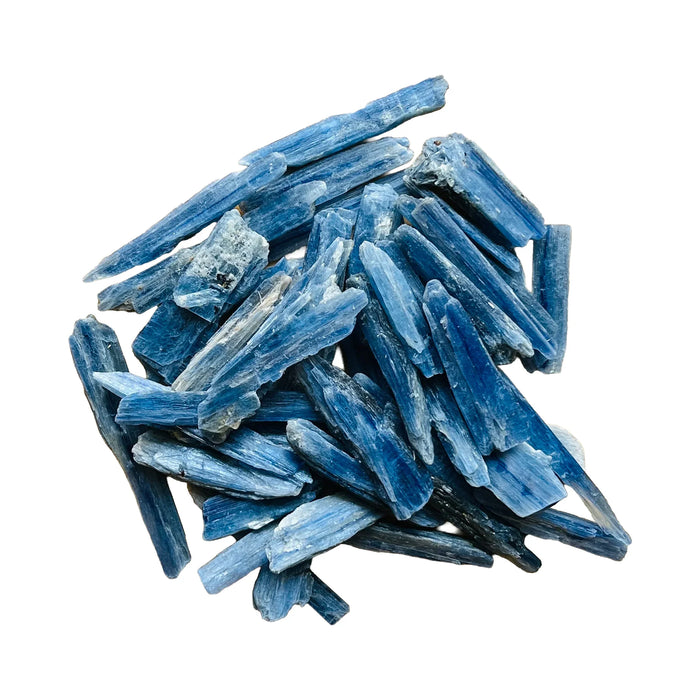
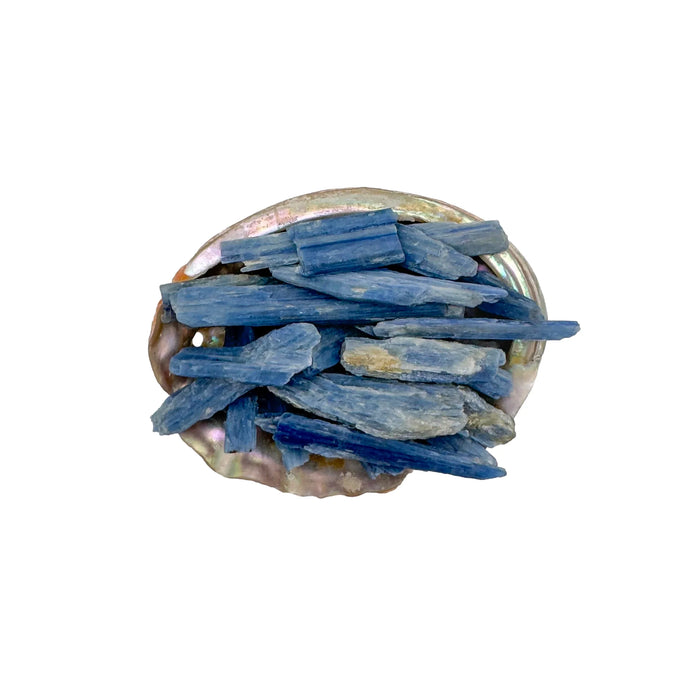
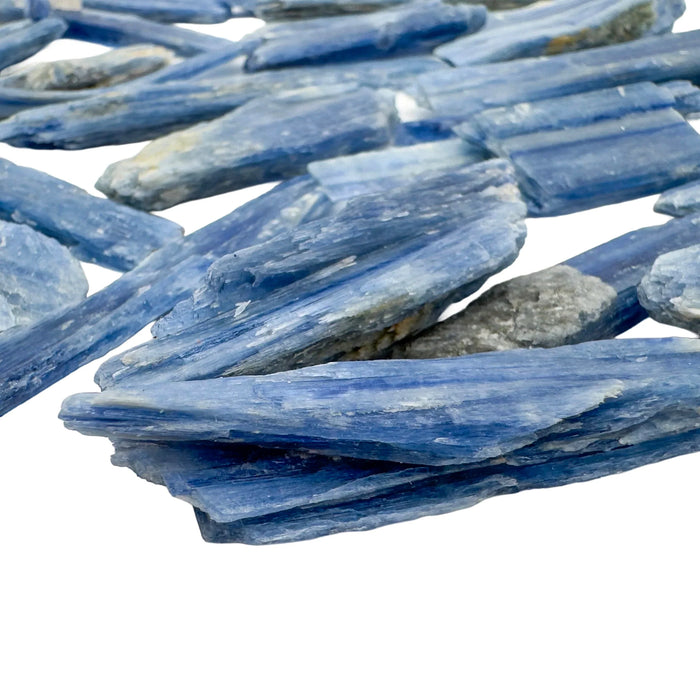
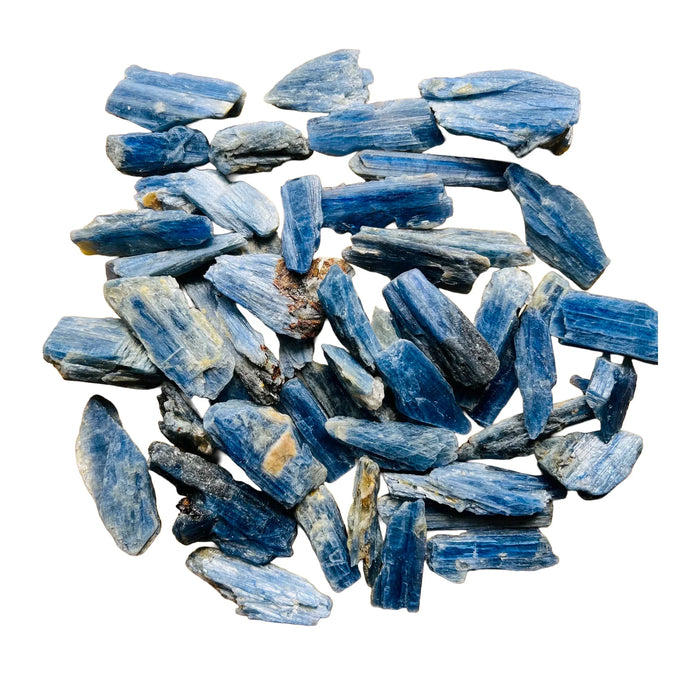
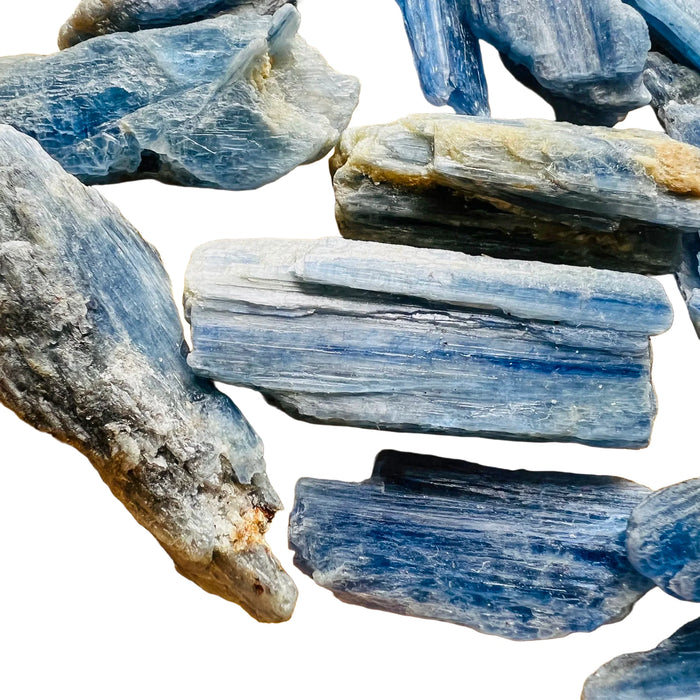
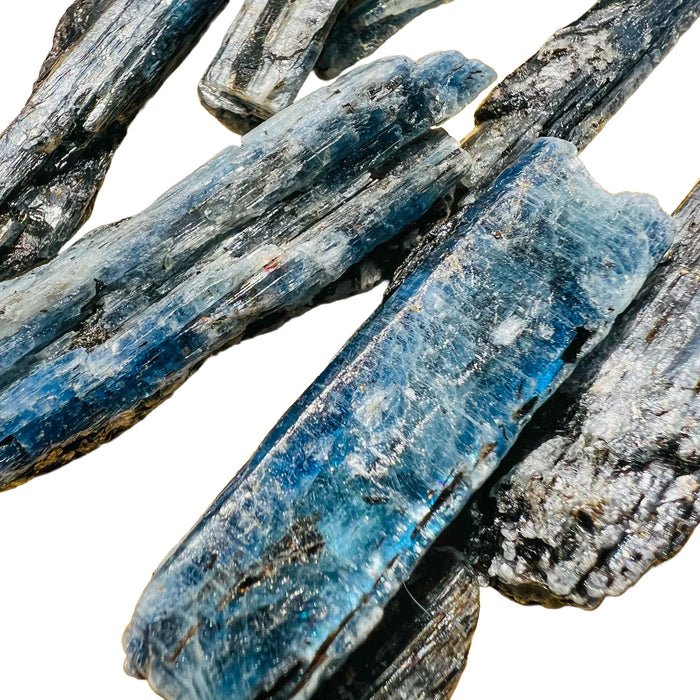
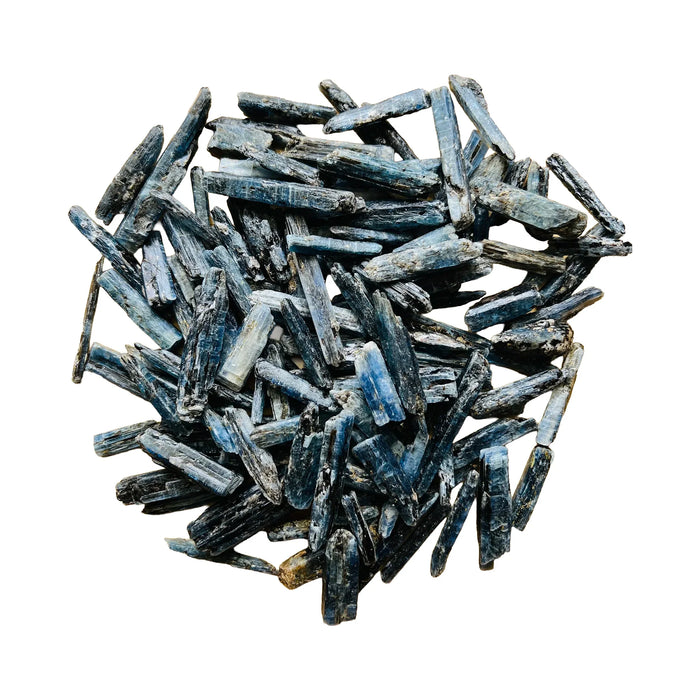
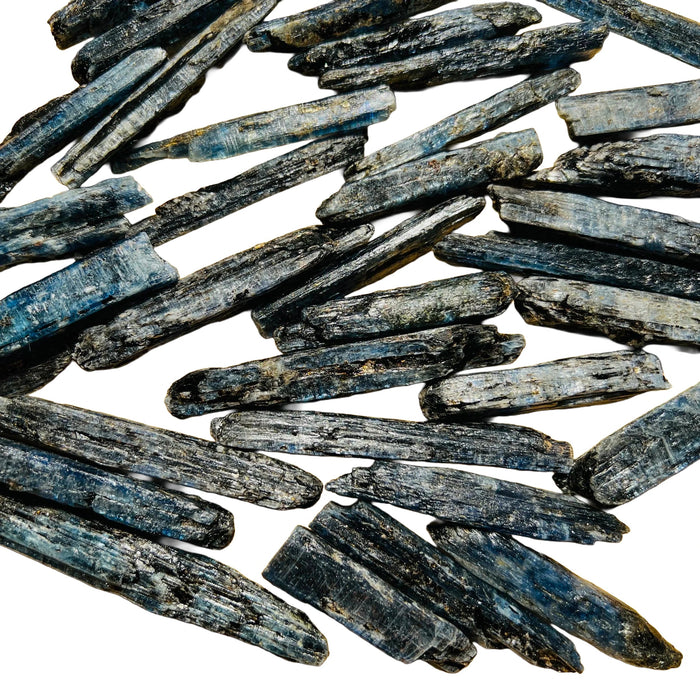
Explore the Crystal GuideThe closest match we carry: Kyanite.
Orange Kyanite is not something we carry. Kyanite is the closest match in our collection, and every piece passes our sourcing standards: origin named, treatments disclosed.
- from 1,000+ reviews
- Ships within 72 hoursMonday to Friday, tracked
- 90 days to return itif you do not love it
- Free US shipping over $99$8.99 flat rate under
The Slow Note
New stones go to the list first.
No forwarding, no selling. Unsubscribe in one click. Privacy