









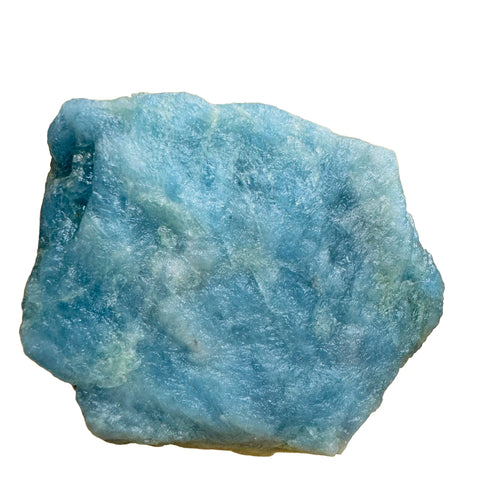











































 Raw Stones
179 pieces
Raw Stones
179 pieces
 Tumbled Stones
162 pieces
Tumbled Stones
162 pieces
 Palm Stones
25 pieces
Palm Stones
25 pieces
 Crystal Points
23 pieces
Crystal Points
23 pieces
 Clusters & Geodes
104 pieces
Clusters & Geodes
104 pieces
 Polished & Decor
148 pieces
Polished & Decor
148 pieces
 Mineral Specimens
259 collector pieces
Mineral Specimens
259 collector pieces
 Crystal Chips
21 pieces
Browse everything
Every collection, one page.
View All Collections →
Crystal Chips
21 pieces
Browse everything
Every collection, one page.
View All Collections →


 Aries
Mar 21 – Apr 19
Carnelian
›
Aries
Mar 21 – Apr 19
Carnelian
›
 Taurus
Apr 20 – May 20
Rose Quartz
›
Taurus
Apr 20 – May 20
Rose Quartz
›
 Gemini
May 21 – Jun 20
Agate
›
Gemini
May 21 – Jun 20
Agate
›
 Cancer
Jun 21 – Jul 22
Moonstone
›
Cancer
Jun 21 – Jul 22
Moonstone
›
 Leo
Jul 23 – Aug 22
Citrine
›
Leo
Jul 23 – Aug 22
Citrine
›
 Virgo
Aug 23 – Sep 22
Amazonite
›
Virgo
Aug 23 – Sep 22
Amazonite
›
 Libra
Sep 23 – Oct 22
Blue Lace Agate
›
Libra
Sep 23 – Oct 22
Blue Lace Agate
›
 Scorpio
Oct 23 – Nov 21
Obsidian
›
Scorpio
Oct 23 – Nov 21
Obsidian
›
 Sagittarius
Nov 22 – Dec 21
Sodalite
›
Sagittarius
Nov 22 – Dec 21
Sodalite
›
 Capricorn
Dec 22 – Jan 19
Black Tourmaline
›
Capricorn
Dec 22 – Jan 19
Black Tourmaline
›
 Aquarius
Jan 20 – Feb 18
Amethyst
›
Aquarius
Jan 20 – Feb 18
Amethyst
›
 Pisces
Feb 19 – Mar 20
Aquamarine
›
Gifting?
A birthday stone is the safe bet.
Read the zodiac guide →
Pisces
Feb 19 – Mar 20
Aquamarine
›
Gifting?
A birthday stone is the safe bet.
Read the zodiac guide →











Brookite
Brookite is one of three natural forms of titanium dioxide, sharing that chemistry with rutile and anatase but crystallizing in its own bladed, brown-to-amber crystals. Collectors love it most as glossy blades perched on or inside clear quartz, especially from Pakistan. It is a mineralogist's classic, valued for its crystal form and its place in the titanium dioxide story.
The geology.
Brookite is titanium dioxide, TiO2, the same chemistry as rutile and anatase but with a different crystal structure. It is the orthorhombic form of the three, and it grows as tabular to bladed crystals, often with striated faces and a bright sub-metallic to adamantine luster. Colors run through brown, reddish brown, yellow brown, amber, and near black.
It rates 5.5 to 6 on the Mohs scale, with a specific gravity around 4.1, heavier than most common minerals. Brookite is the rarest of the three titanium dioxide forms and is metastable, meaning that with enough heat it converts to rutile. Its blade-like crystals and rich brown color make it a favorite of collectors, particularly when they sit on colorless quartz.
The origins.
Some of the most admired brookite comes from the mountains of Pakistan, where lustrous brown blades grow on and within clear quartz crystals, producing specimens that are widely collected. Classic European material comes from Alpine clefts in Switzerland, Italy, Austria, and France, where brookite occurs with quartz and other cleft minerals.
The mineral was first recognized from Britain, and Wales is tied to its early history. A notable dark variety called arkansite comes from Magnet Cove in Arkansas, in the United States, and further localities are known in Russia, Norway, and elsewhere. Across these sources, brookite is prized both as isolated crystals and as accents on quartz.
Traditional associations.
As a collector's mineral rather than a traditional talisman, brookite carries mostly modern associations. Many people connect it with expansion, alignment, and a broadened perspective, and describe it as a stone for feeling connected to something larger.
Because it is often found joined with quartz, some pair its energy with clarity and amplification. These associations are traditional and personal rather than medical claims. Brookite is most often linked with the Crown chakra and the element of Wind.
Spotting the real thing.
Brookite is identified by its bladed to tabular brown crystals, its high luster, its hardness of 5.5 to 6, and its notable weight for its size. On quartz specimens, the flat, striated blades of warm brown to black are characteristic. Its orthorhombic form distinguishes it in principle from its tetragonal relatives, though this can take a trained eye.
The main honesty question is which titanium dioxide you are looking at. Rutile and anatase share brookite's chemistry, and needles or blades in quartz are sometimes labeled brookite when they are actually rutile or anatase. For most buyers the visible difference is habit, since brookite tends to form broader blades, but certainty may require a specialist. Reputable dealers describe the crystal form and locality accurately.
Care & handling.
Brookite is reasonably hard at 5.5 to 6 but its crystals can be brittle and its blades thin, so it is handled mainly as a specimen. Protect crystals from knocks and pressure, especially delicate blades on quartz, and keep specimens where they will not be jostled. Dust gently and avoid harsh chemicals.
When brookite sits on quartz, the quartz is the more robust part, so support specimens by the base rather than the fragile blades. Store them apart from harder minerals that could scratch or chip the crystals. As a stable oxide, brookite keeps its color and luster indefinitely with basic care.
Pairs well with.
A deeper look.
Extended geology, sourcing, authentication, history, and varieties, for when the quick guide isn't quite enough.
Extended geology
Brookite is one of three natural forms of titanium dioxide, the others being tetragonal rutile and tetragonal anatase, and it is set apart by its orthorhombic structure with eight titanium dioxide units in each unit cell. This structure gives it a larger cell than either relative and expresses itself in the mineral's characteristic broad, striated blades. Its high luster and strong light-bending are shared traits of the titanium dioxide minerals.
Brookite is metastable, so given enough heat it converts to rutile, the most stable of the three forms, which is one reason it stays comparatively rare. It occurs in alpine-type fissures, in hydrothermal veins, and as an accessory in various rocks, frequently growing on or within quartz. It is often accompanied by anatase, rutile, and titanite in these settings.
Extended sourcing
The Alpine clefts of Switzerland, Italy, Austria, and France are the historic European source, producing brookite crystals with quartz and other fissure minerals prized since the nineteenth century. Britain, and Wales in particular, is tied to the mineral's original description. These classic localities established brookite's reputation among collectors.
In recent decades Pakistan has become a leading source of showy specimens, with brown brookite blades on and in clear quartz that are widely traded. The dark variety arkansite comes from Magnet Cove in Arkansas, and additional crystals are found in Russia, Norway, and other regions. Pakistani quartz-and-brookite combinations are among the most sought display pieces today.
Authentication and warning signs
A sound identification uses crystal habit, hardness, luster, and density, ideally confirmed by optical or instrumental testing. Brookite's broad, striated, warm-brown blades, its hardness of 5.5 to 6, and its heft help separate it from many look-alikes. When it is intergrown with quartz, the contrast between the glassy quartz and the metallic-brown blades is distinctive.
The real subtlety is telling brookite from its relatives rutile and anatase, which share the same chemistry. Slender needles in quartz are often rutile, while sharper bipyramids may be anatase, and broad blades are more typical of brookite, but overlap exists. Where the distinction matters, laboratory methods give the definitive answer, and honest sellers will not guess between the three.
History and folklore
Brookite was described in 1825 and named for Henry James Brooke, an English crystallographer and mineralogist. It was recognized as a distinct titanium dioxide mineral separate from rutile and anatase, an important point in the study of polymorphism, the phenomenon of one chemistry taking more than one crystal form. The black variety from Magnet Cove, Arkansas, was once described under the separate name arkansite before being understood as brookite. Today the mineral is valued less for any industrial use, since titanium is won from more common ores, and more as a collector's crystal and a teaching example of how structure, not just composition, defines a mineral.
Varieties and related forms
Brookite on quartz: brown blades on or inside clear quartz, the most popular specimens, notably from Pakistan.
Arkansite: a dark, near-black variety of brookite from Magnet Cove, Arkansas.
Alpine brookite: bladed crystals from European mountain clefts, classic collector material.
Rutile and anatase: the two other natural titanium dioxide minerals, close relatives with different structures.
What it costs in the market
Brookite is priced as a collector mineral. Simple crystals and small pieces are modest, while fine, lustrous blades and attractive brookite-in-quartz specimens, especially sharp Pakistani combinations, can reach substantial prices. Value depends on crystal size, luster, color, and how well the brookite is displayed on its matrix. Because good specimens are uncommon, quality pieces hold their appeal in the collector market.
An education-first guide.
We don't currently carry brookite, so there's nothing to sell you here. This guide exists because the more you understand a stone, the better every decision you make about it becomes, wherever you buy it. Explore the rest of our crystal guides for stones we do source, each with full origin and treatment notes.
Explore the Crystal GuideLove Brookite? Meet Carnelian.
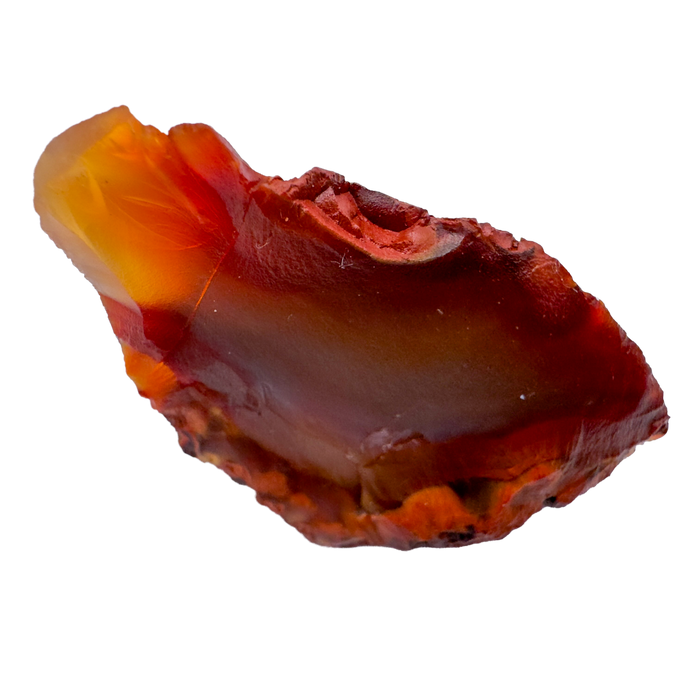
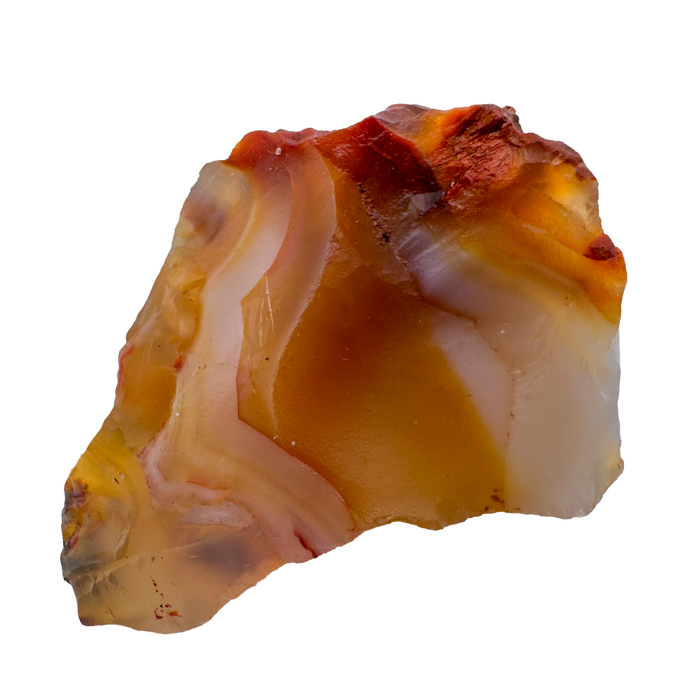
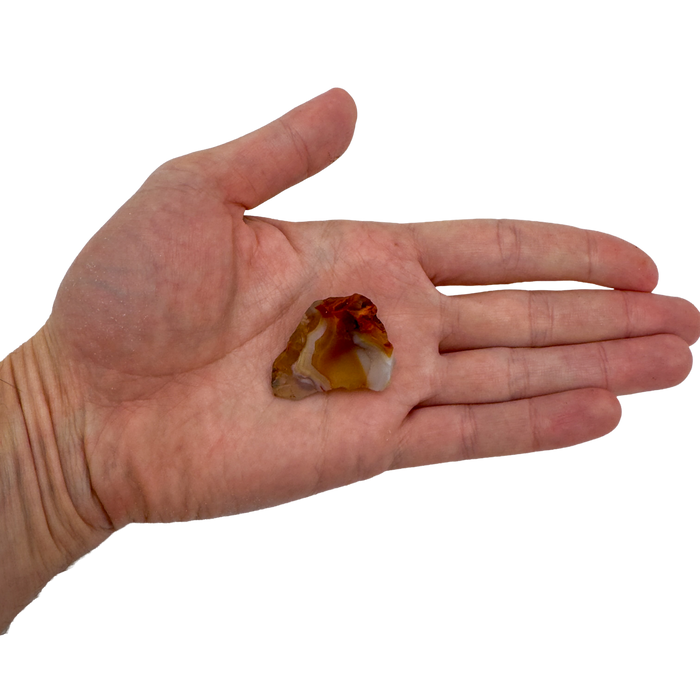
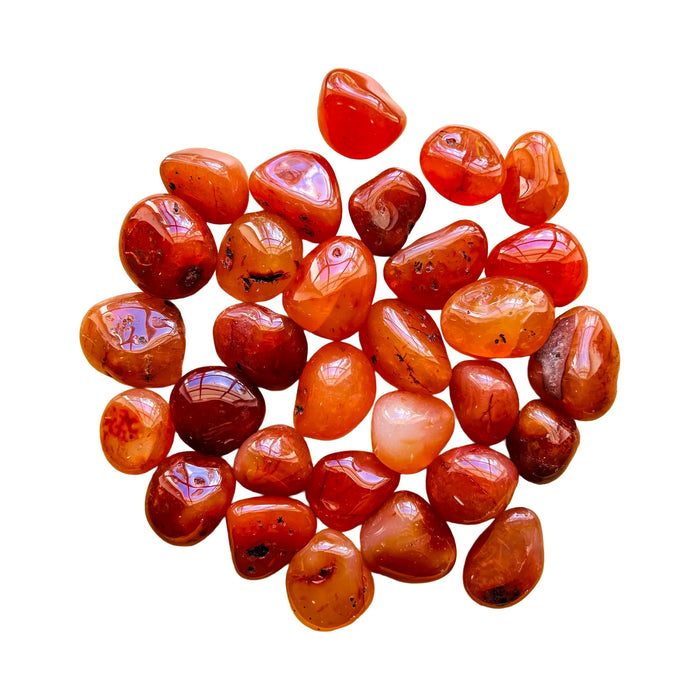
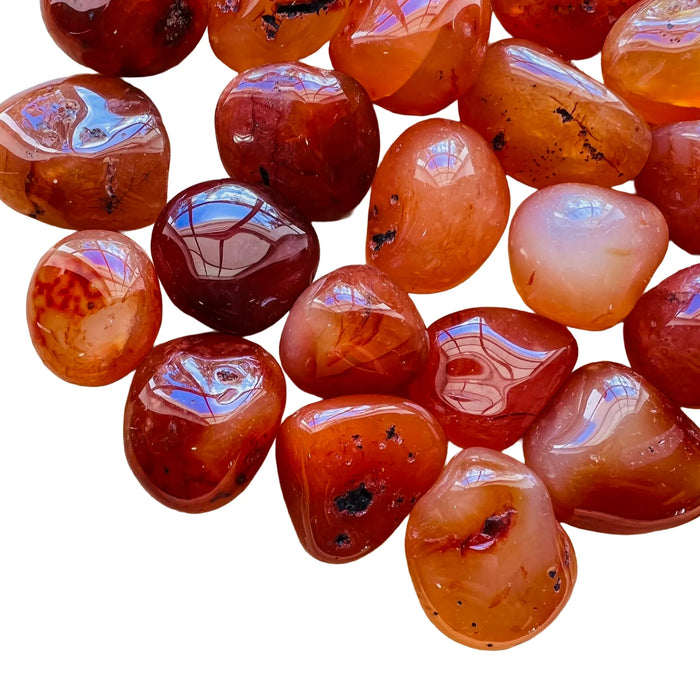
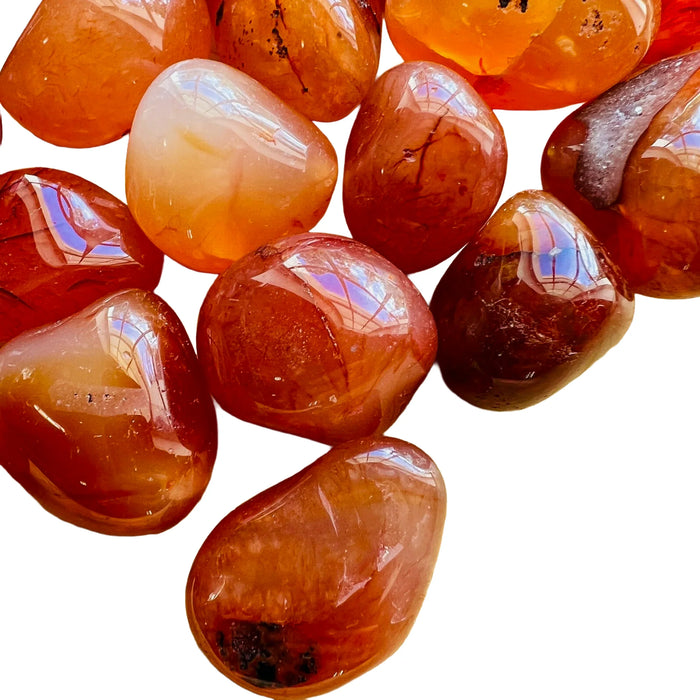
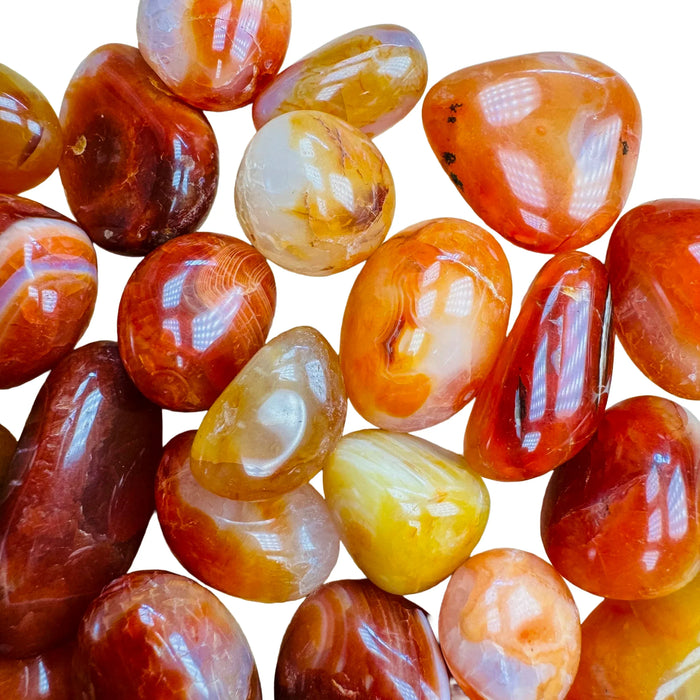
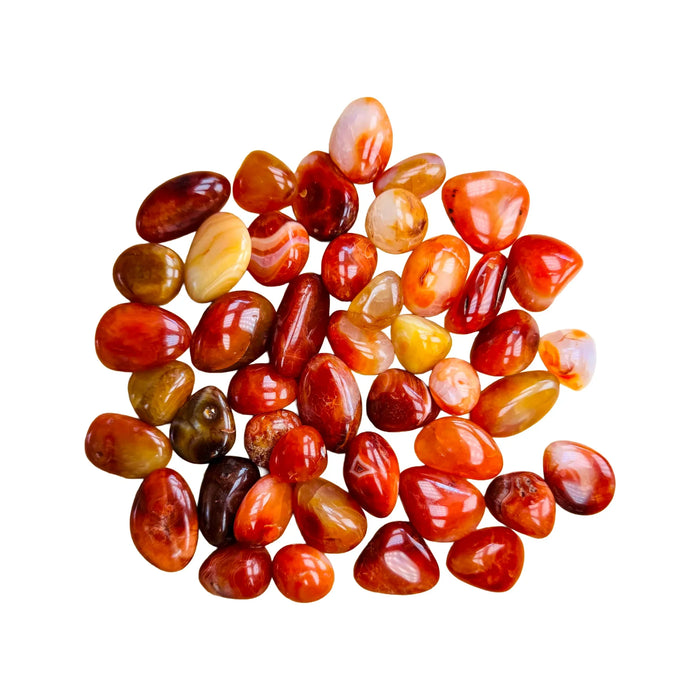
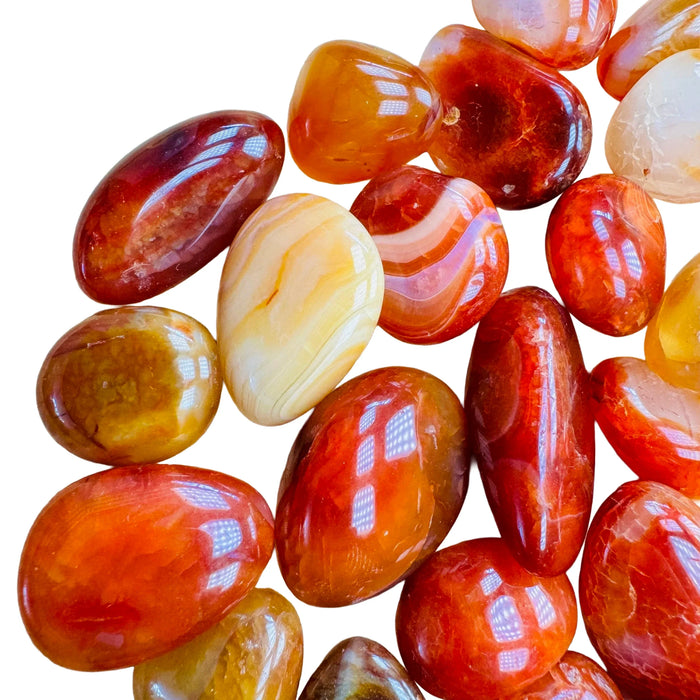
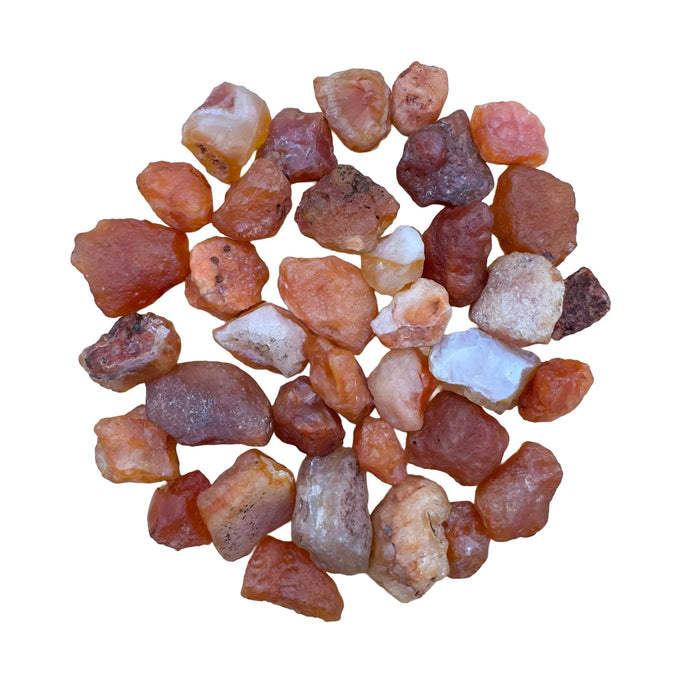
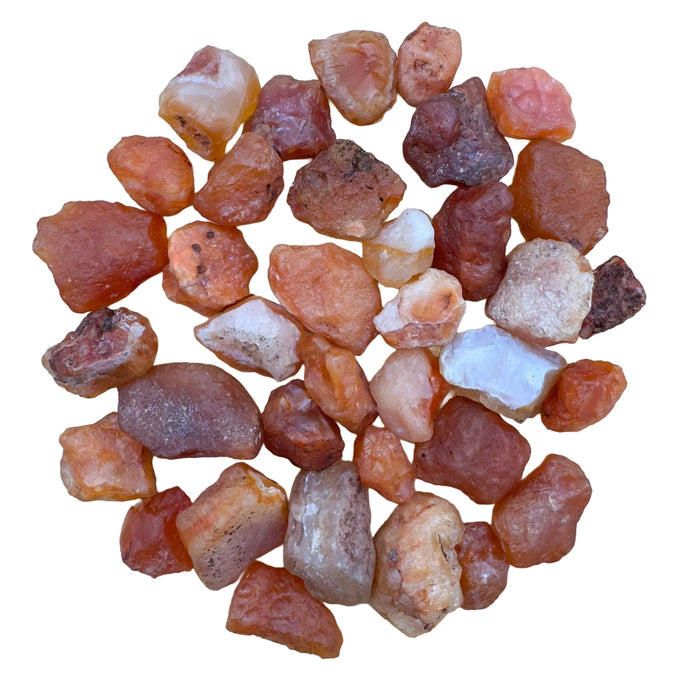
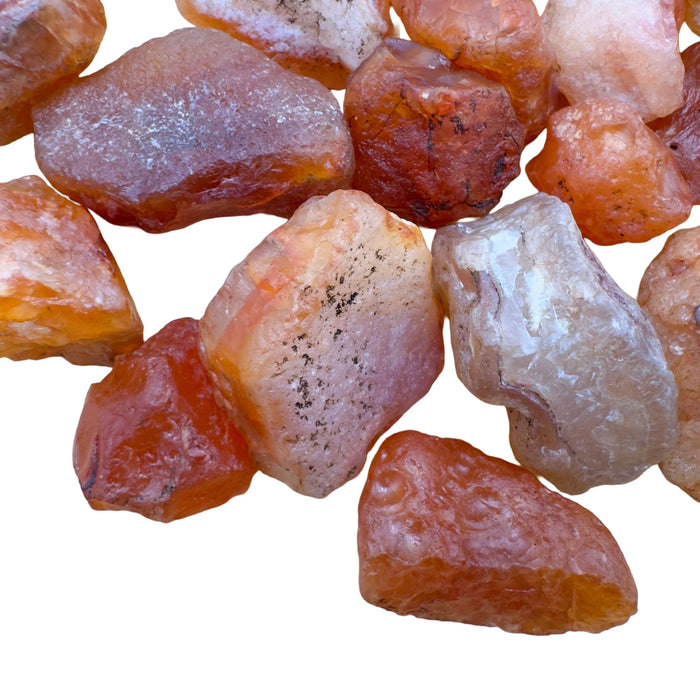
Brookite is not something we carry. Carnelian is the closest match in color, and every piece passes our sourcing standards: origin named, treatments disclosed.
- from 1,000+ reviews
- Ships within 72 hoursMonday to Friday, tracked
- 90 days to return itif you do not love it
- Free US shipping over $99$8.99 flat rate under
The Slow Note
New stones go to the list first.
No forwarding, no selling. Unsubscribe in one click. Privacy