


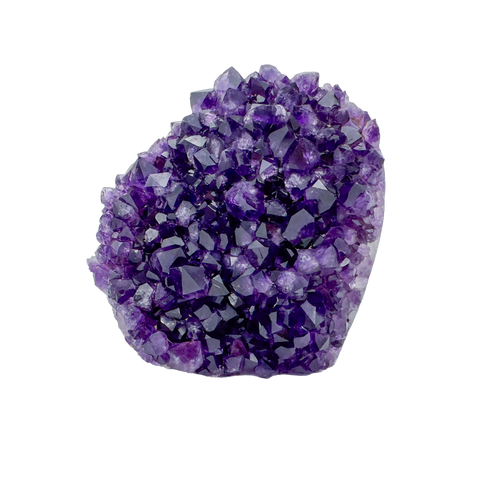
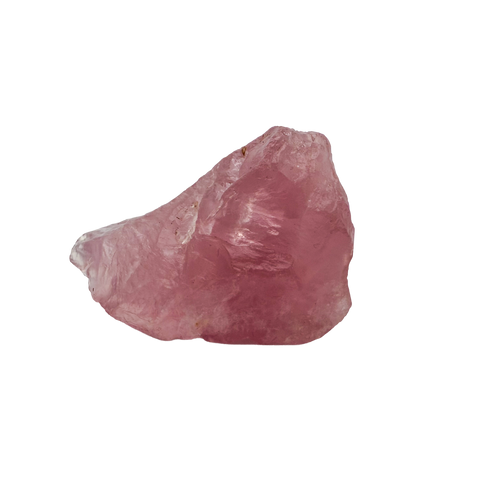
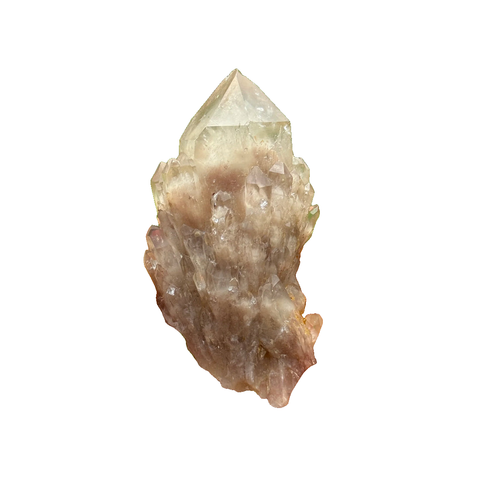
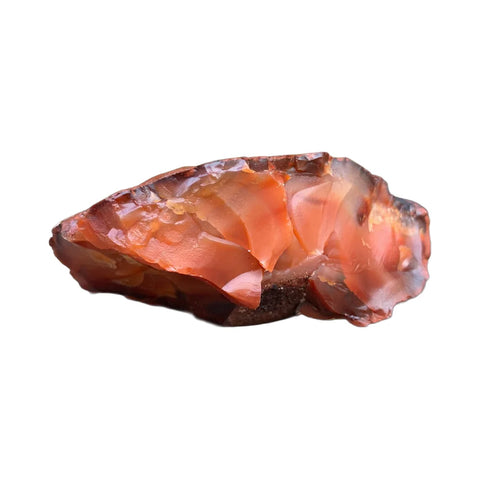
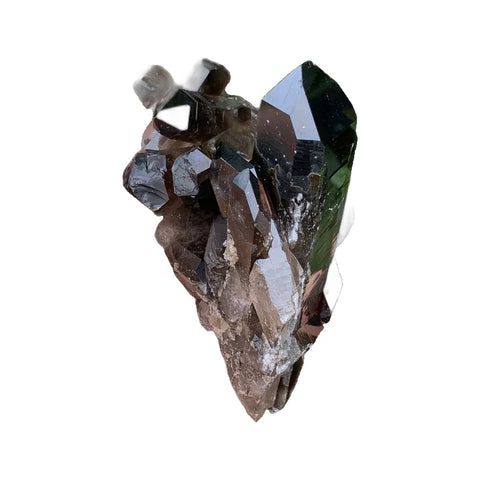
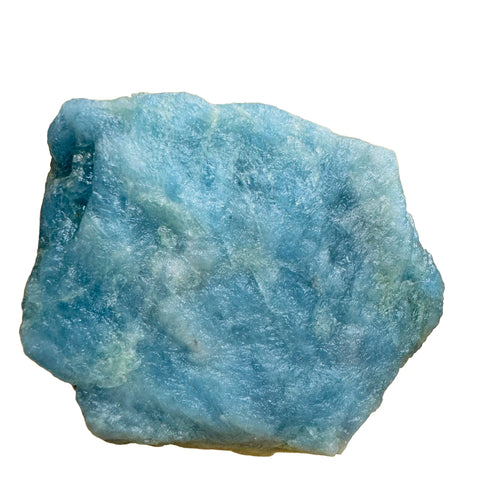
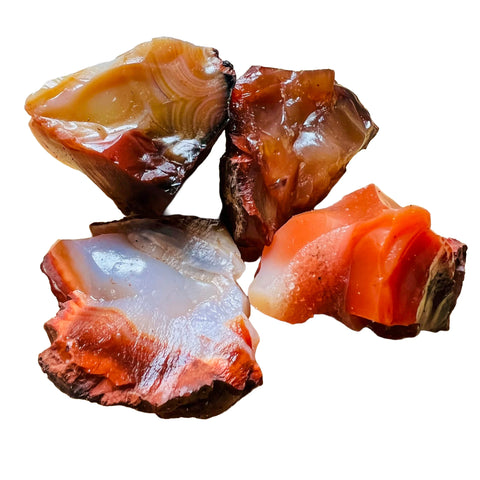


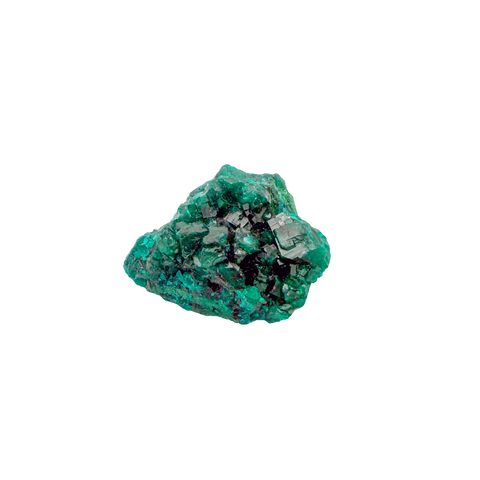
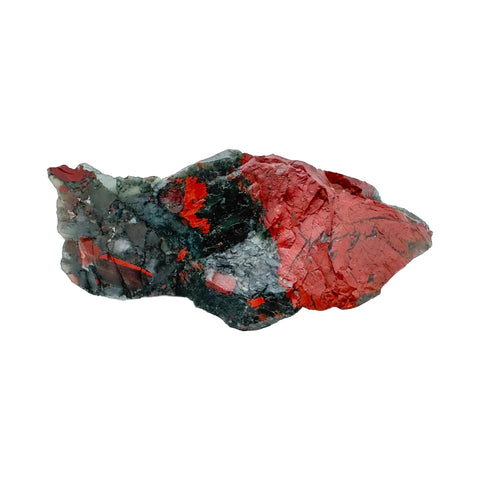
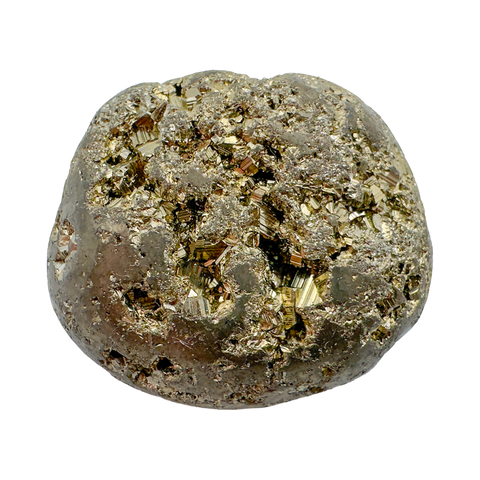
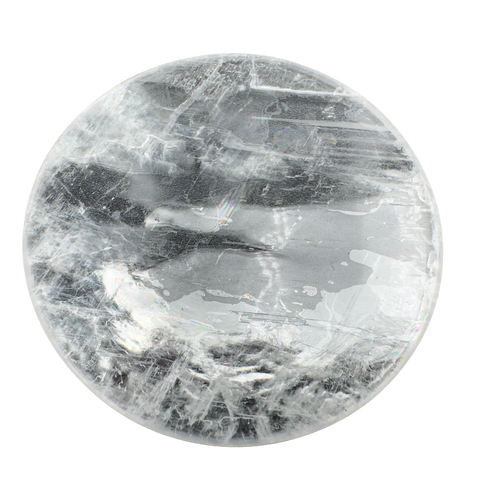
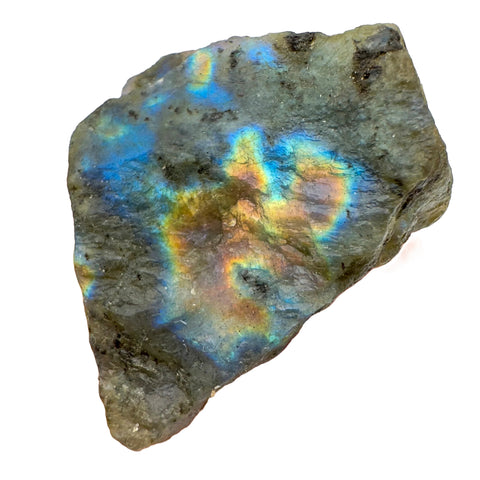
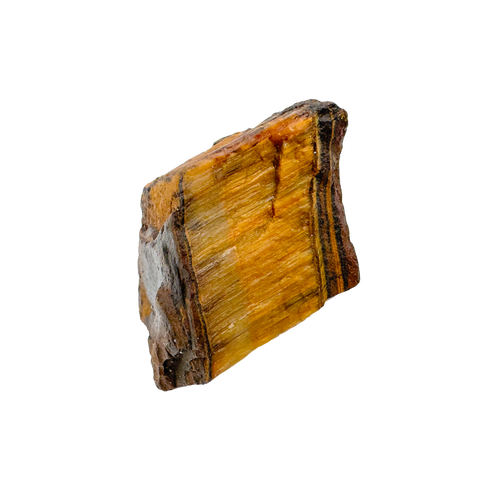
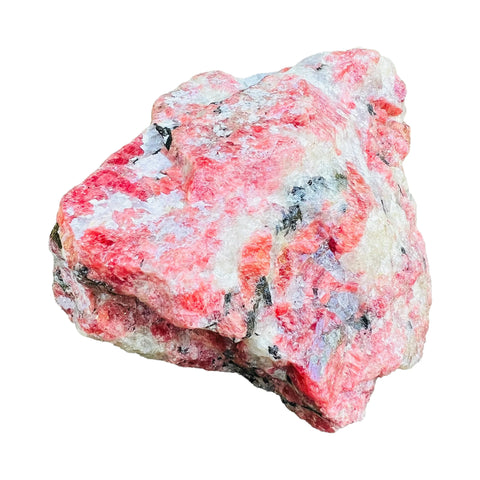
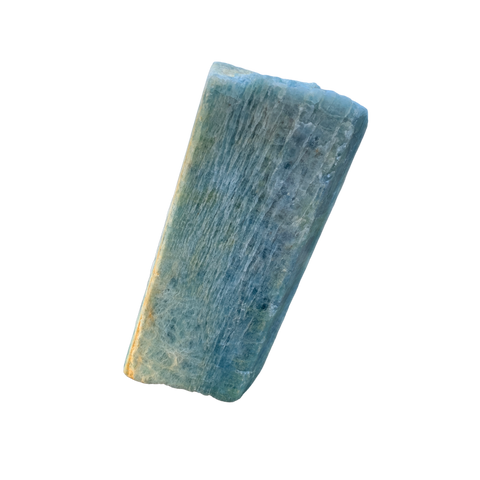
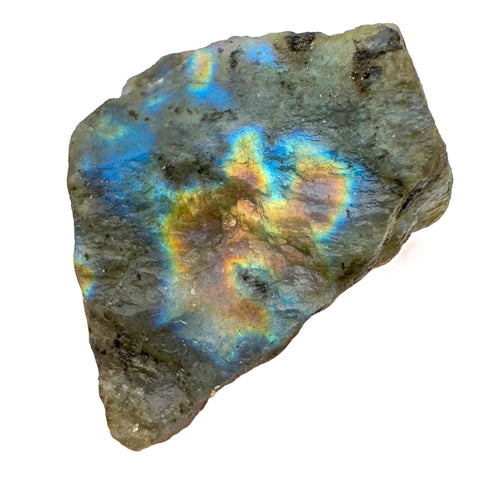



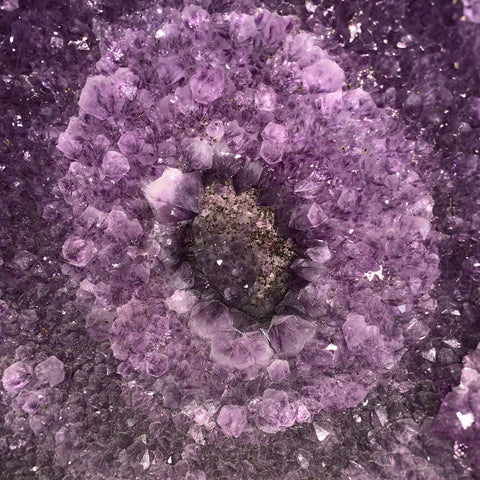
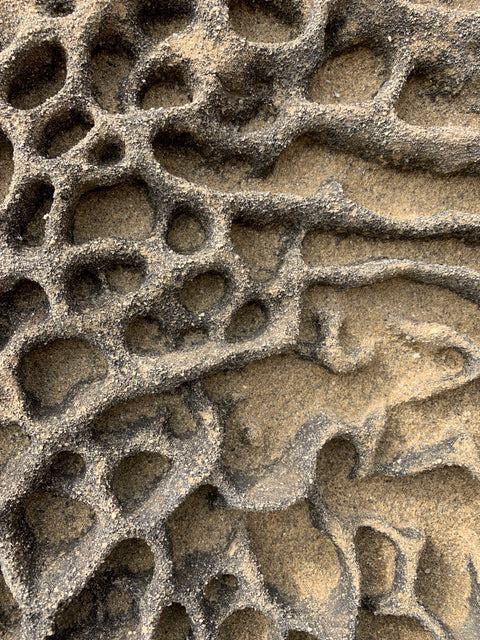
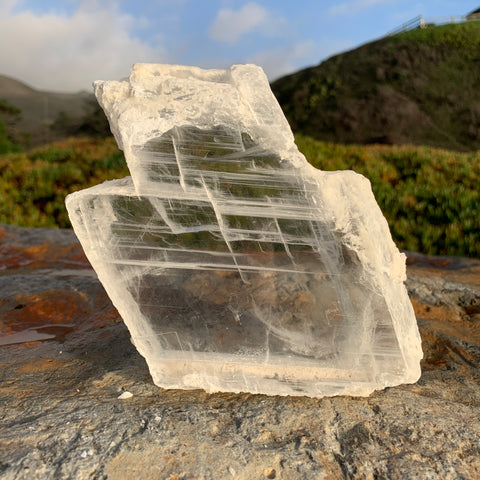
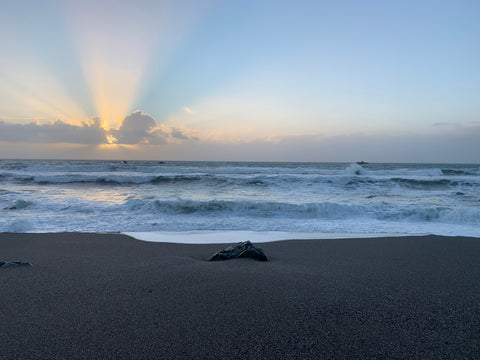
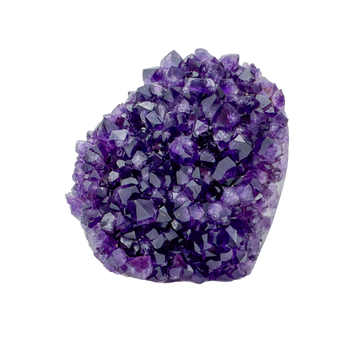
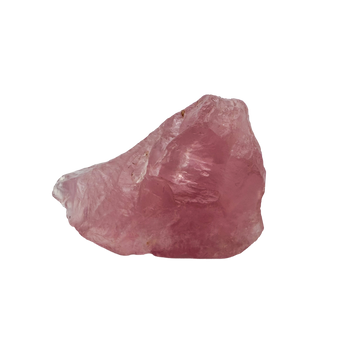
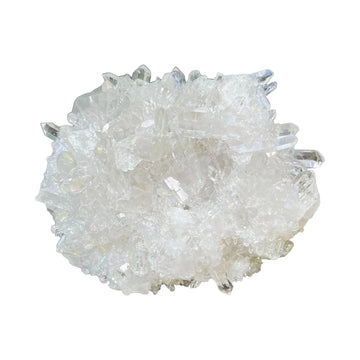
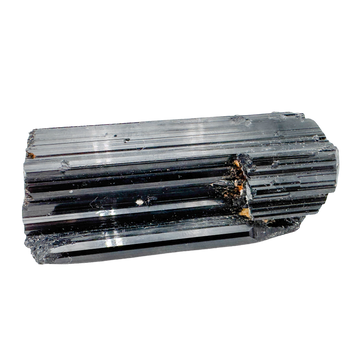
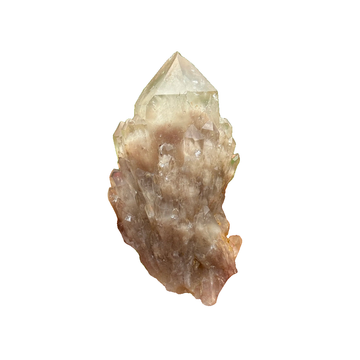
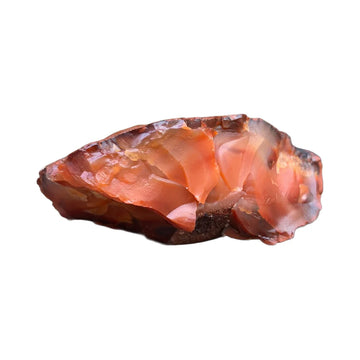
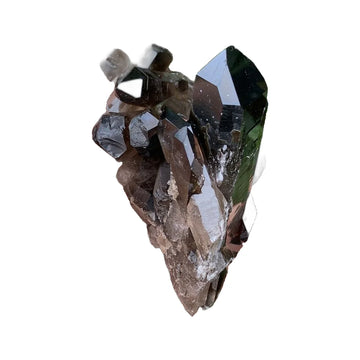
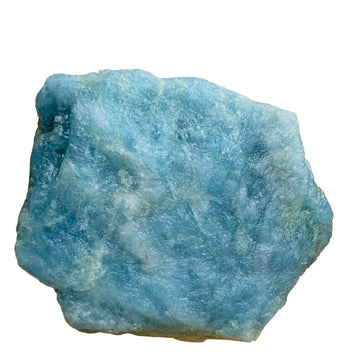
 Raw Stones
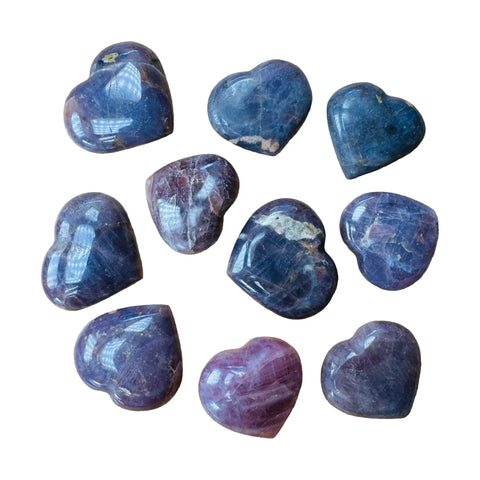
179 pieces
Raw Stones
179 pieces
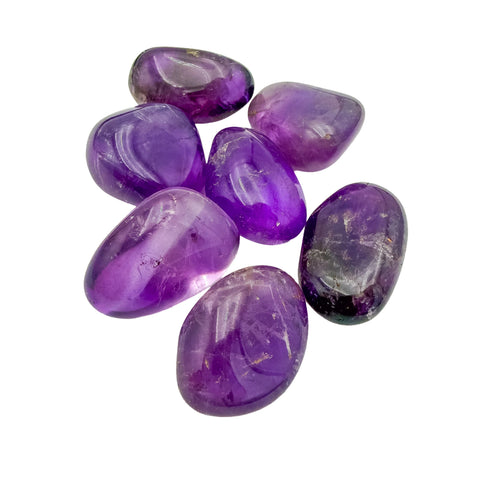
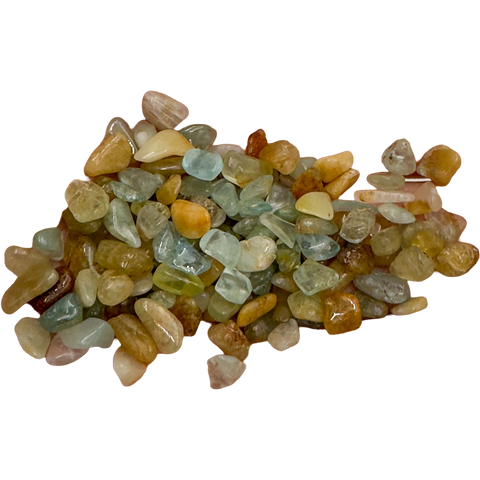
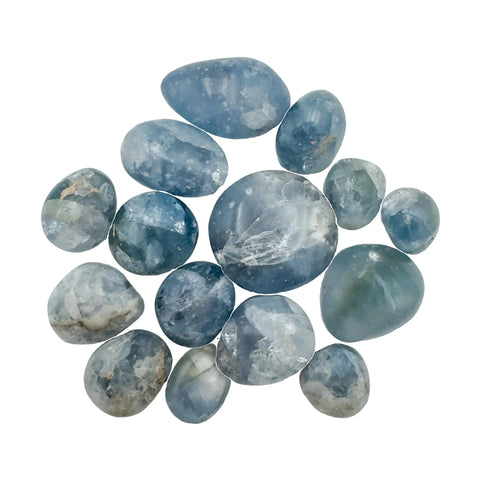
 Tumbled Stones
162 pieces
Tumbled Stones
162 pieces
 Palm Stones
25 pieces
Palm Stones
25 pieces
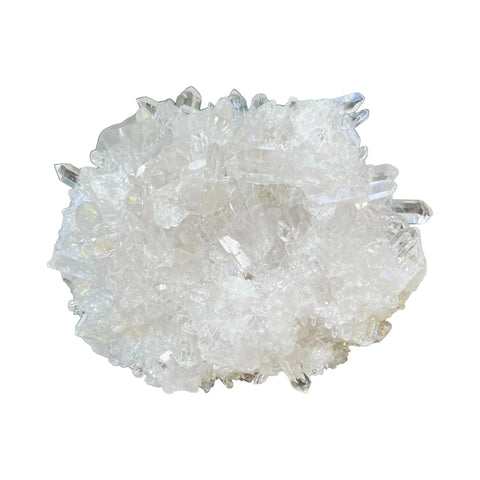
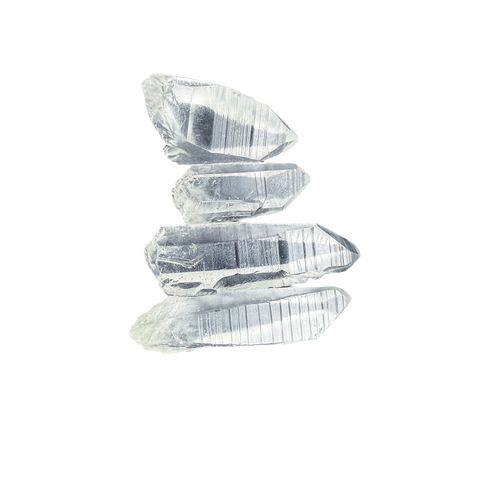
 Crystal Points
23 pieces
Crystal Points
23 pieces
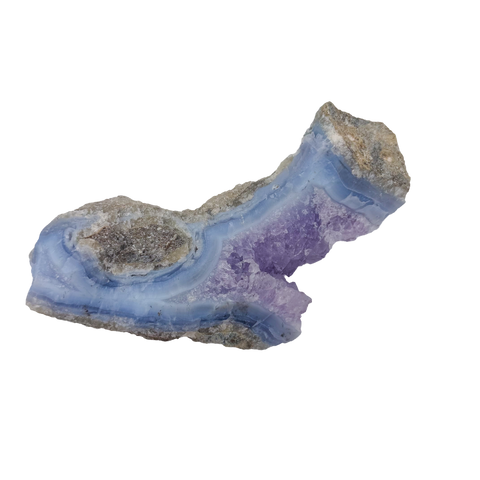
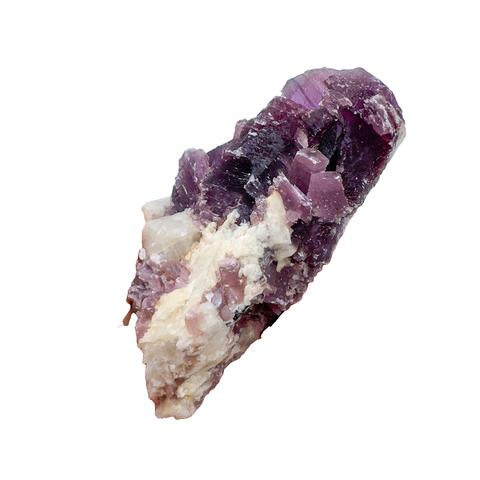
 Clusters & Geodes
104 pieces
Clusters & Geodes
104 pieces
 Polished & Decor
148 pieces
Polished & Decor
148 pieces
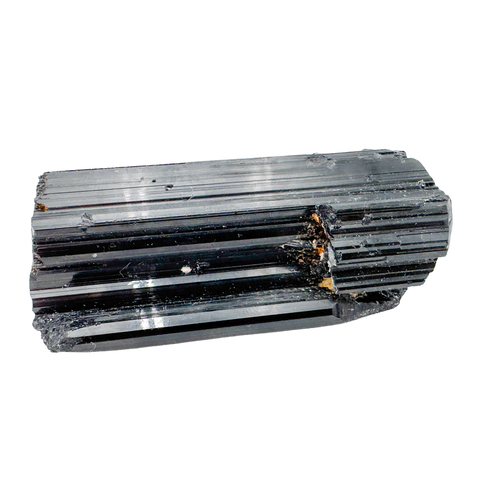
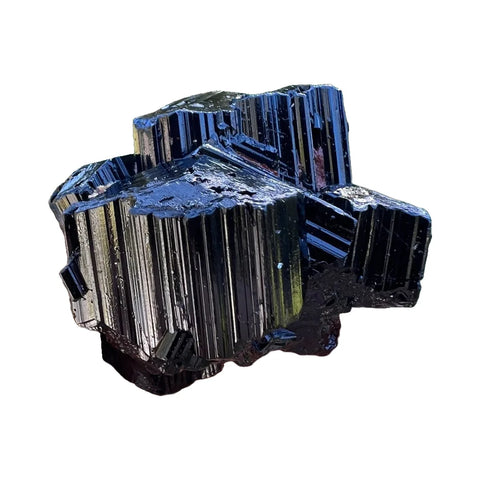
 Mineral Specimens
259 collector pieces
Mineral Specimens
259 collector pieces
 Crystal Chips
21 pieces
Browse everything
Every collection, one page.
View All Collections →
Crystal Chips
21 pieces
Browse everything
Every collection, one page.
View All Collections →


 Aries
Mar 21 – Apr 19
Carnelian
›
Aries
Mar 21 – Apr 19
Carnelian
›
 Taurus
Apr 20 – May 20
Rose Quartz
›
Taurus
Apr 20 – May 20
Rose Quartz
›
 Gemini
May 21 – Jun 20
Agate
›
Gemini
May 21 – Jun 20
Agate
›
 Cancer
Jun 21 – Jul 22
Moonstone
›
Cancer
Jun 21 – Jul 22
Moonstone
›
 Leo
Jul 23 – Aug 22
Citrine
›
Leo
Jul 23 – Aug 22
Citrine
›
 Virgo
Aug 23 – Sep 22
Amazonite
›
Virgo
Aug 23 – Sep 22
Amazonite
›
 Libra
Sep 23 – Oct 22
Blue Lace Agate
›
Libra
Sep 23 – Oct 22
Blue Lace Agate
›
 Scorpio
Oct 23 – Nov 21
Obsidian
›
Scorpio
Oct 23 – Nov 21
Obsidian
›
 Sagittarius
Nov 22 – Dec 21
Sodalite
›
Sagittarius
Nov 22 – Dec 21
Sodalite
›
 Capricorn
Dec 22 – Jan 19
Black Tourmaline
›
Capricorn
Dec 22 – Jan 19
Black Tourmaline
›
 Aquarius
Jan 20 – Feb 18
Amethyst
›
Aquarius
Jan 20 – Feb 18
Amethyst
›
 Pisces
Feb 19 – Mar 20
Aquamarine
›
Gifting?
A birthday stone is the safe bet.
Read the zodiac guide →
Pisces
Feb 19 – Mar 20
Aquamarine
›
Gifting?
A birthday stone is the safe bet.
Read the zodiac guide →

Okenite
Okenite is famous for looking like a puff of cotton, growing as clusters of fine white fibers that radiate into soft, touchable-looking balls inside volcanic rock. It is a hydrated calcium silicate, most often found in the basalt cavities of India alongside zeolites. The fibers are flexible yet fragile, so okenite is admired as a specimen more than handled.
The geology.
Okenite is a hydrated calcium silicate, CaSi2O5 with bound water, that crystallizes in the triclinic system as fine, needle-like fibers. These fibers gather into radiating sprays and rounded, ball-like tufts that look remarkably like cotton, usually pure white and sometimes with a faint blue or yellow tint. The clusters have a silky to pearly sheen.
It is soft, at about 4.5 to 5 on the Mohs scale, and its slender fibers are flexible but easily damaged. Okenite forms in cavities in volcanic basalt, where it grows alongside zeolite minerals, though okenite itself is not a zeolite. Its delicate, fibrous habit is the whole of its charm and also the reason it needs such careful handling.
The origins.
India is the great source of okenite, especially the Deccan Traps of Maharashtra around the Pune district, where the famous white cotton-ball clusters form in basalt cavities. Most of the okenite specimens in collections and shops come from these Indian basalt flows, often nestled with apophyllite, stilbite, and other zeolites.
The mineral was first described from Greenland, which is its type locality, and it has been reported from other basalt regions around the world, including places in Ireland, the Faroe Islands, Chile, and the United States. None of these rival India for the classic fluffy specimens, so a cotton-ball okenite is almost always an Indian one.
Traditional associations.
Okenite's gentle, cloud-like appearance has inspired modern associations with comfort, support, and fresh starts. Many people describe it as a stone for self-forgiveness, for releasing old patterns, and for a feeling of being cushioned through change.
Its soft white fibers lead some to link it with the higher chakras and with clearing. These associations are traditional and personal rather than medical claims. Okenite is most often linked with the Crown chakra and the element of Wind.
Spotting the real thing.
Okenite is easy to recognize by its white, cotton-like balls of fine radiating fibers, usually sitting in a basalt cavity with zeolite companions. Its softness of 4.5 to 5, its silky luster, and its flexible-looking fibers all point to it. The resemblance to a puff of cotton or a small snowball is the mineral's calling card.
There is little faking of okenite, since its habit is so distinctive, but two points are worth noting. Brightly colored fluffy balls have usually been dyed, as natural okenite is white to very pale, and the fibers can carry dust or damage that reduces a specimen's value. Buy from sellers who show the piece clearly, and treat vivid colors as an added, non-natural touch rather than a natural feature.
Care & handling.
Okenite is delicate above all else. The fine fibers crush, bend, and soil easily, so the golden rule is not to touch the cotton-ball tufts, since even careful fingers leave oils and flatten the fibers. Keep specimens in a covered case or box, away from dust, drafts, and vibration, and move them by the surrounding rock rather than the fibers.
Do not wash okenite or soak it, as water and handling can mat or break the fibers, and skip any mechanical cleaning. If dusting is unavoidable, a very gentle puff of air is safer than any brush. Kept untouched in a stable, enclosed display, okenite holds its soft, cloud-like form for years.
Pairs well with.
A deeper look.
Extended geology, sourcing, authentication, history, and varieties, for when the quick guide isn't quite enough.
Extended geology
Okenite's structure is based on sheets and chains of silica with calcium and bound water, which it expresses as masses of extremely fine, hair-like fibers. Those fibers grow together into the radiating balls and sprays that give the mineral its cottony look. The included water is part of its makeup, and like many hydrous minerals it should be kept from harsh drying or heating.
It forms as a secondary mineral lining cavities in volcanic basalt, crystallizing from silica-rich fluids after the lava cooled. In these gas pockets it grows with a suite of zeolites and related minerals such as apophyllite, gyrolite, prehnite, and chalcedony, even though okenite itself falls outside the zeolite family. The great basalt provinces, above all the Deccan Traps of India, provide the ideal setting.
Extended sourcing
The Deccan Traps of Maharashtra in western India are by far the most important source, particularly the quarries around Pune, where basalt is worked and okenite is recovered from the cavities. These Indian specimens, with their bright white cotton-ball tufts often perched beside green apophyllite or peach stilbite, are the ones most collectors picture.
Okenite was first described from Disko Island in Greenland, its type locality, and it turns up in other basaltic regions, including Ireland, the Faroe Islands, Chile, and parts of the United States. These occurrences tend to be smaller and less showy than the Indian material, so India remains the defining source for display-quality okenite.
Authentication and warning signs
Identifying okenite is usually straightforward, because few minerals mimic its dense balls of fine white fibers in a basalt cavity. Its softness of 4.5 to 5, silky luster, and flexible fibers, together with the company of zeolites, confirm it. The overall impression of soft cotton or a snowball is diagnostic to most collectors at a glance.
Rather than fakery, the concerns are dyeing and condition. Natural okenite is white to very pale, so any vivid pink, blue, or green fluff has almost certainly been colored artificially. Fibers that are matted, gray with dust, or crushed indicate a mishandled specimen. A clean, bright, undisturbed cotton ball in fresh matrix is the mark of a good piece.
History and folklore
Okenite was described in 1828 and named after Lorenz Oken, a German naturalist and philosopher, from material found on Disko Island in Greenland. For much of its history it was a relatively obscure mineral known to specialists, but the opening of the great basalt quarries of the Deccan Traps in India brought a flood of beautiful cotton-ball specimens to the collecting world. Those Indian pieces made okenite a familiar and beloved display mineral, valued not for any gem use, which its softness and fragility rule out, but purely for the wonder of a stone that looks like it was spun from cotton.
Forms and associations
Cotton-ball okenite: dense white balls of fine radiating fibers, the classic and most prized form.
Radiating sprays: fan-like bursts of fibers lining a cavity, often with zeolites.
Dyed okenite: novelty pieces colored bright shades, easy to tell from the natural white.
Zeolite associations: apophyllite, stilbite, and prehnite that commonly share okenite's basalt cavities.
What it costs in the market
Okenite is an affordable collector mineral for the most part. Small clusters and pieces in matrix are inexpensive, while large, bright, undamaged cotton-ball specimens, especially aesthetic combinations with green apophyllite or other zeolites, bring higher prices. Condition is everything, since crushed or soiled fibers sharply reduce value. Size, whiteness, fluffiness, and the quality of the accompanying minerals set what a specimen is worth.
An education-first guide.
We don't currently carry okenite, so there's nothing to sell you here. This guide exists because the more you understand a stone, the better every decision you make about it becomes, wherever you buy it. Explore the rest of our crystal guides for stones we do source, each with full origin and treatment notes.
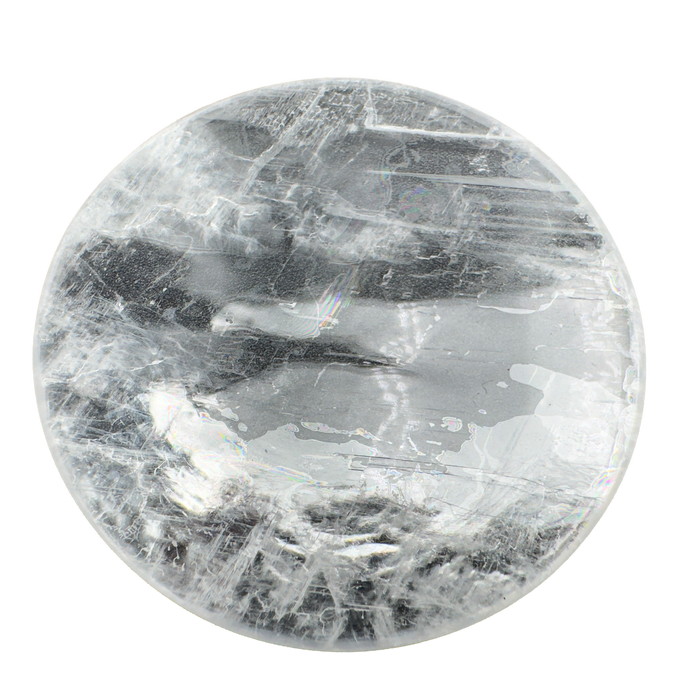
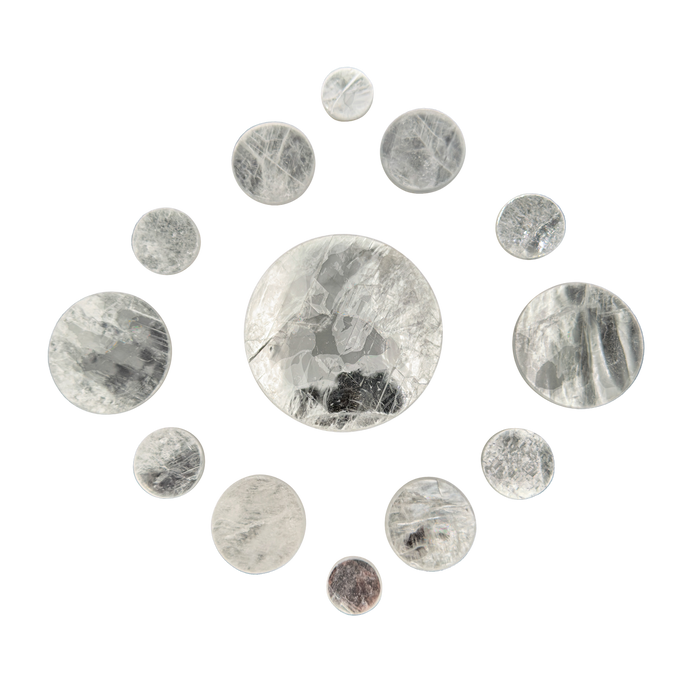
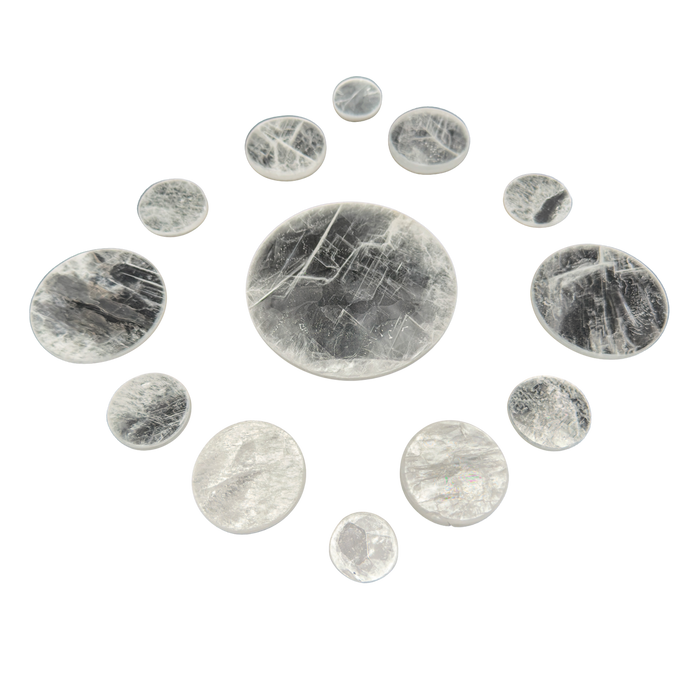
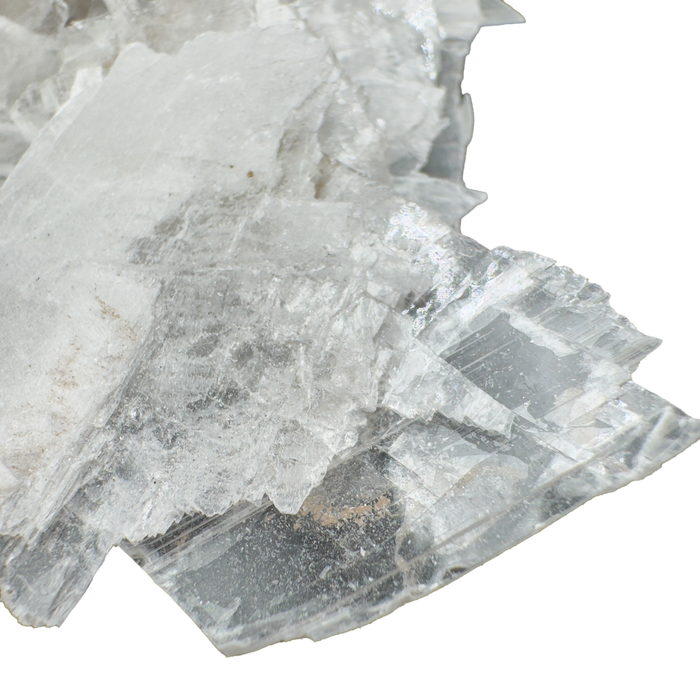
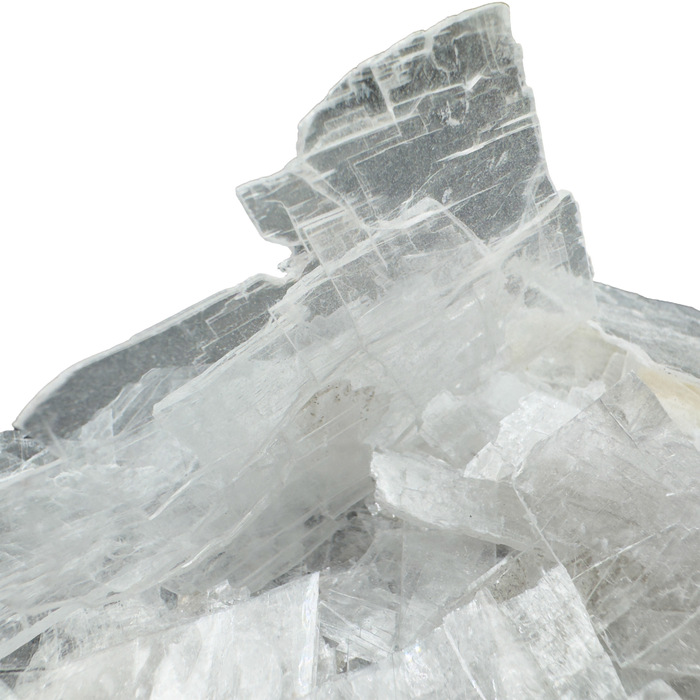
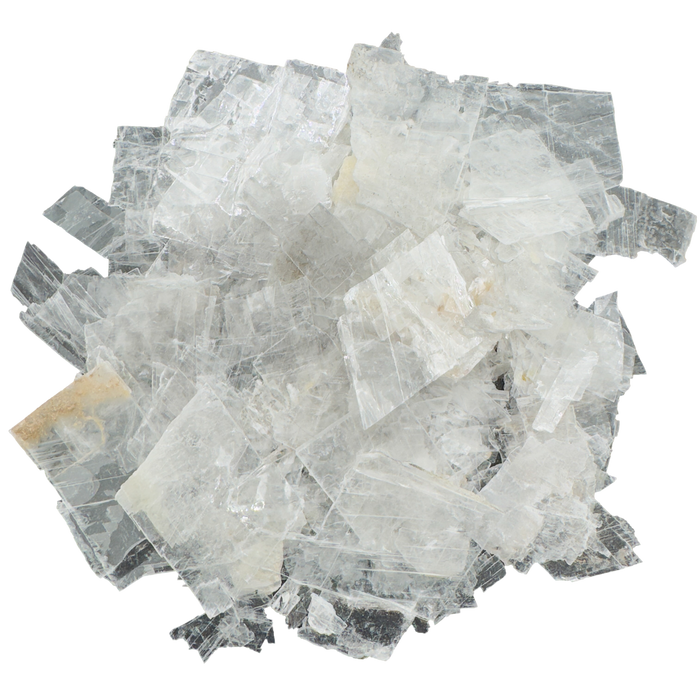
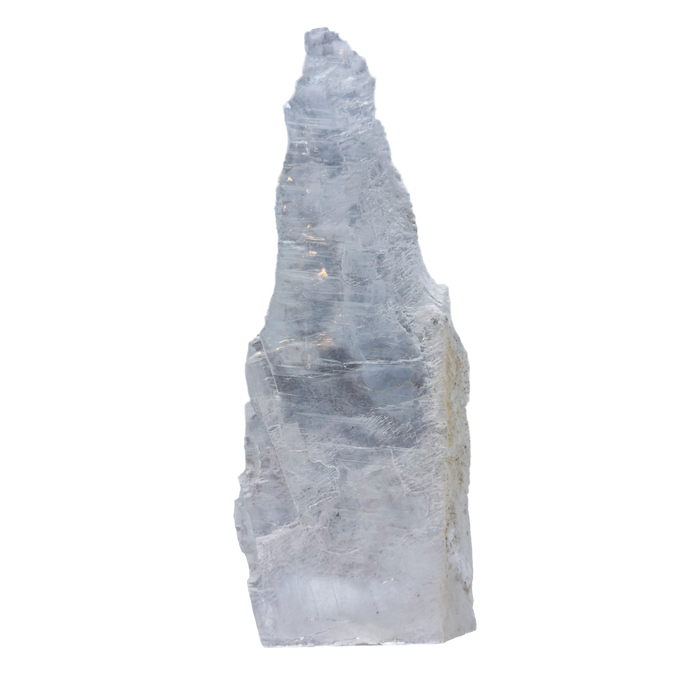
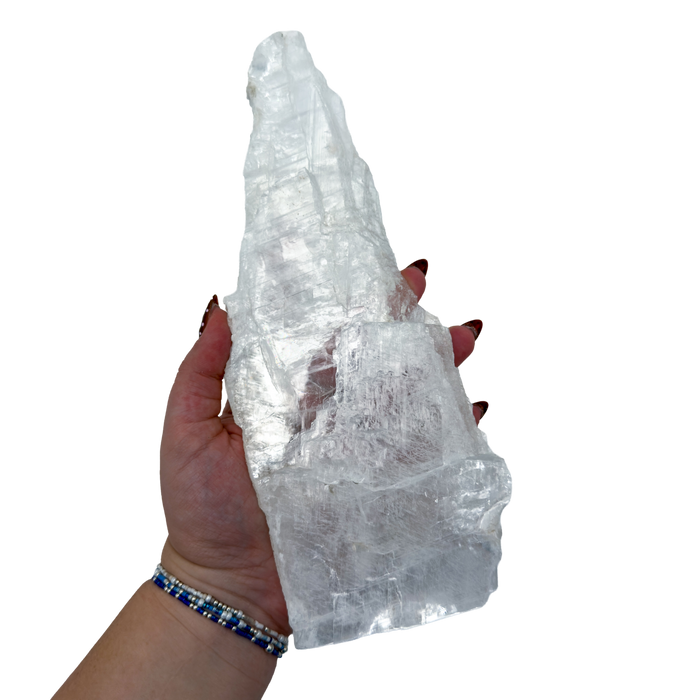
Explore the Crystal GuideThe closest match we carry: Selenite.
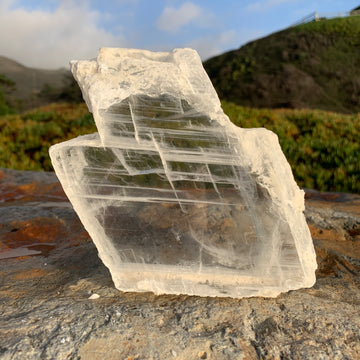
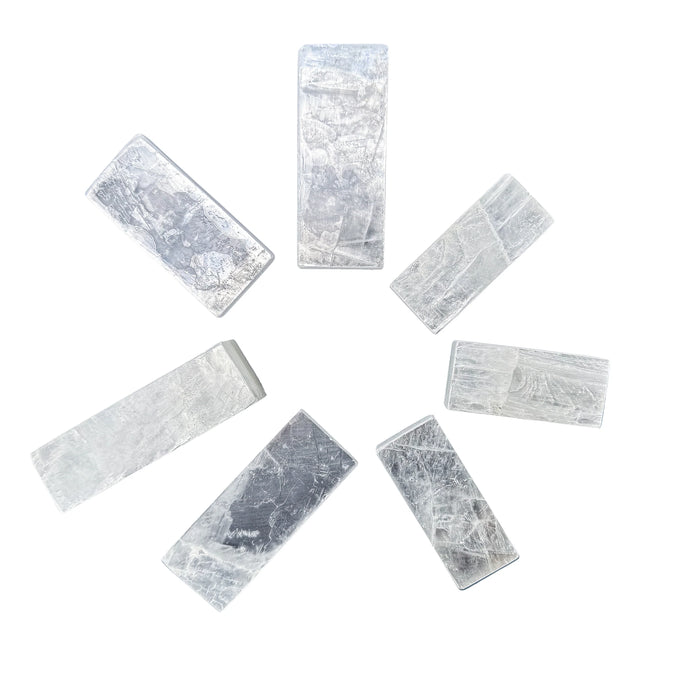
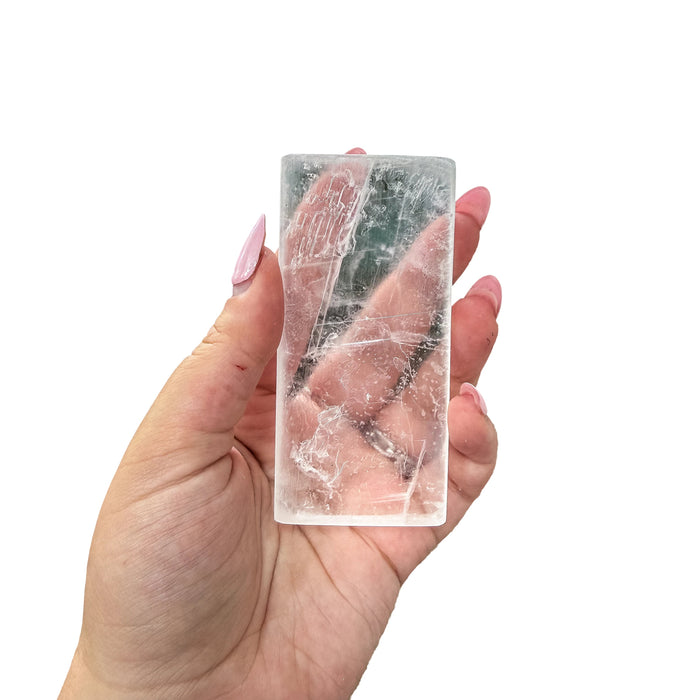
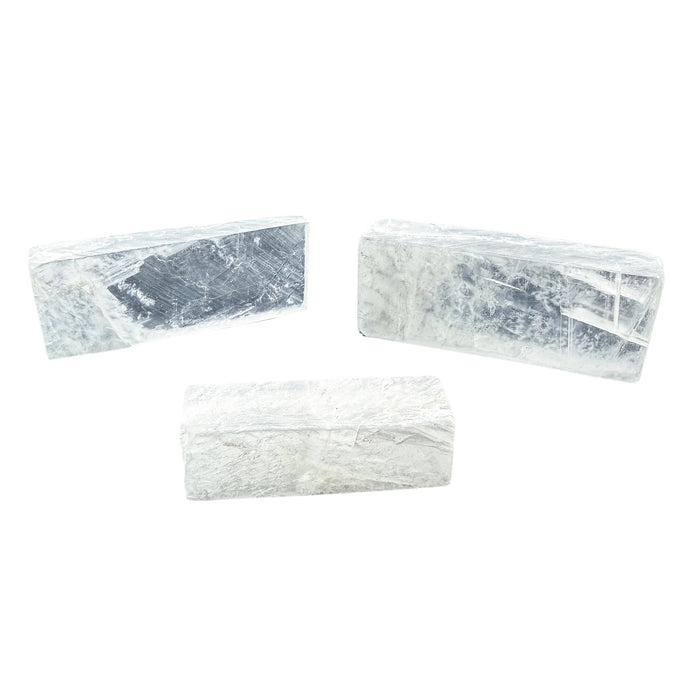
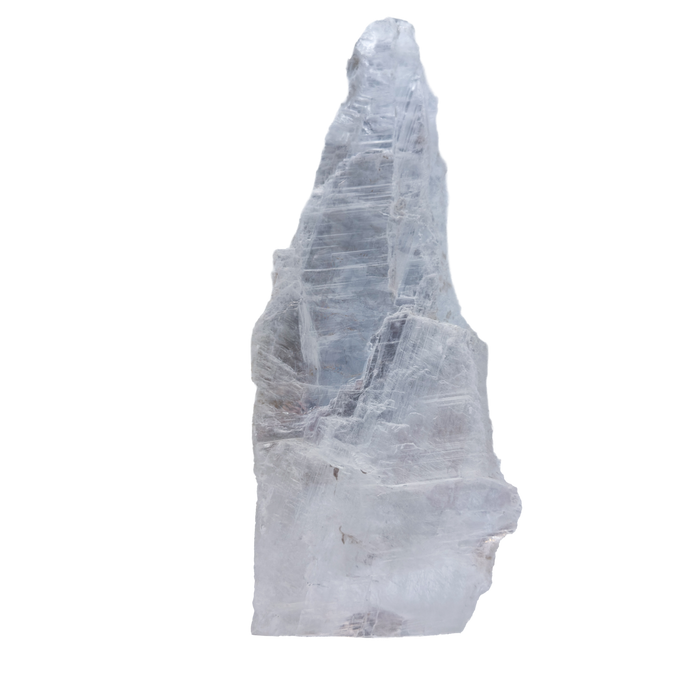
Okenite is not something we carry. Selenite is the closest match in our collection, and every piece passes our sourcing standards: origin named, treatments disclosed.
- from 1,000+ reviews
- Ships within 72 hoursMonday to Friday, tracked
- 90 days to return itif you do not love it
- Free US shipping over $99$8.99 flat rate under
The Slow Note
New stones go to the list first.
No forwarding, no selling. Unsubscribe in one click. Privacy