









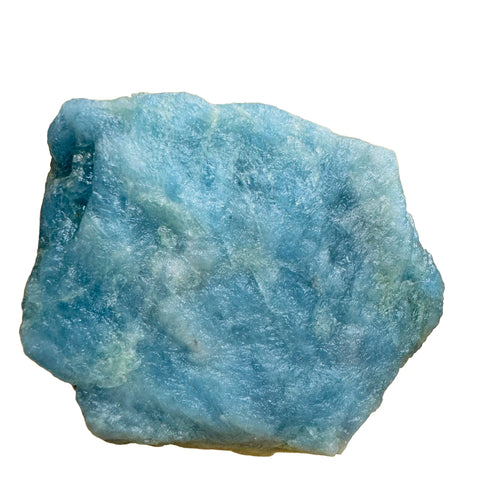











































 Raw Stones
179 pieces
Raw Stones
179 pieces
 Tumbled Stones
162 pieces
Tumbled Stones
162 pieces
 Palm Stones
25 pieces
Palm Stones
25 pieces
 Crystal Points
23 pieces
Crystal Points
23 pieces
 Clusters & Geodes
104 pieces
Clusters & Geodes
104 pieces
 Polished & Decor
148 pieces
Polished & Decor
148 pieces
 Mineral Specimens
259 collector pieces
Mineral Specimens
259 collector pieces
 Crystal Chips
21 pieces
Browse everything
Every collection, one page.
View All Collections →
Crystal Chips
21 pieces
Browse everything
Every collection, one page.
View All Collections →


 Aries
Mar 21 – Apr 19
Carnelian
›
Aries
Mar 21 – Apr 19
Carnelian
›
 Taurus
Apr 20 – May 20
Rose Quartz
›
Taurus
Apr 20 – May 20
Rose Quartz
›
 Gemini
May 21 – Jun 20
Agate
›
Gemini
May 21 – Jun 20
Agate
›
 Cancer
Jun 21 – Jul 22
Moonstone
›
Cancer
Jun 21 – Jul 22
Moonstone
›
 Leo
Jul 23 – Aug 22
Citrine
›
Leo
Jul 23 – Aug 22
Citrine
›
 Virgo
Aug 23 – Sep 22
Amazonite
›
Virgo
Aug 23 – Sep 22
Amazonite
›
 Libra
Sep 23 – Oct 22
Blue Lace Agate
›
Libra
Sep 23 – Oct 22
Blue Lace Agate
›
 Scorpio
Oct 23 – Nov 21
Obsidian
›
Scorpio
Oct 23 – Nov 21
Obsidian
›
 Sagittarius
Nov 22 – Dec 21
Sodalite
›
Sagittarius
Nov 22 – Dec 21
Sodalite
›
 Capricorn
Dec 22 – Jan 19
Black Tourmaline
›
Capricorn
Dec 22 – Jan 19
Black Tourmaline
›
 Aquarius
Jan 20 – Feb 18
Amethyst
›
Aquarius
Jan 20 – Feb 18
Amethyst
›
 Pisces
Feb 19 – Mar 20
Aquamarine
›
Gifting?
A birthday stone is the safe bet.
Read the zodiac guide →
Pisces
Feb 19 – Mar 20
Aquamarine
›
Gifting?
A birthday stone is the safe bet.
Read the zodiac guide →











Cavansite
Cavansite is a rare blue silicate that grows as small radiating rosettes on beds of zeolite. The name is a contraction of its ingredients, calcium, vanadium, and silicon, and the vanadium is what gives it that electric blue. Collectors prize the Indian material above all others.
The geology.
Cavansite is a hydrated calcium vanadium silicate, with the formula Ca(VO)Si4O10 and four waters of crystallization. It forms small spheres of fine needle-like crystals, called rosettes, usually perched on a matrix of zeolite minerals. The deep blue to blue-green color comes directly from its vanadium content.
It is a soft mineral, 3 to 4 on the Mohs scale, and the delicate sprays are fragile. Cavansite has a close relative in chemistry called pentagonite, which shares the same formula but a different crystal structure. That relationship, two minerals from one recipe, is part of what makes it interesting to mineralogists.
The origins.
Cavansite was first described in 1967 from Oregon, in the United States, but the specimens that made it famous come from India. The Wagholi quarries near Pune, in the Deccan Traps basalt, are the world's leading source and set the standard collectors measure everything else against.
The Indian material grows as bright blue rosettes on cream and white zeolites such as stilbite and heulandite, a color contrast that gives the specimens their appeal. Because good pieces come from a small number of quarries, supply is limited and matrix specimens are valued whole rather than broken apart.
Traditional associations.
Cavansite is a modern collector's mineral rather than an ancient talisman, so its lore is recent. Because of its clear blue and its home near the throat and brow in color association, many people connect it with communication, clear thinking, and a settled kind of focus.
It is usually linked with the Throat and Third Eye chakras and the element of air. Most people keep cavansite as a display piece on a shelf or desk rather than carrying it, both for its look and because the crystals are too fragile for a pocket.
Spotting the real thing.
Real cavansite shows tiny needle crystals gathered into three-dimensional balls and fans, a bright blue that reads as structural rather than painted. Tilt the piece and the rosettes catch light like little sea urchins. The color should sit inside the crystals, never pooled on the surface like a coating.
The honest point of confusion is pentagonite, which shares cavansite's chemistry and color but grows in blade-like crystals rather than rounded rosettes. Reputable dealers will name which one you are looking at. Be wary of any deeply saturated blue on a chalky base with no visible crystal structure, and ask for the locality, since Wagholi material is the benchmark.
Care & handling.
Cavansite is soft and delicate. At 3 to 4 on the Mohs scale, with fine radiating needles, it is best treated as a specimen rather than jewelry. Keep it where it will not be knocked, brushed, or stacked against harder stones.
Skip water soaks, ultrasonic cleaners, and chemicals, which can damage the fragile sprays and the zeolite matrix. Dust it gently with a soft brush and keep it out of heavy handling. To reset it, many people use sound or a short rest on selenite rather than water.
Pairs well with.
A deeper look.
Extended geology, sourcing, authentication, history, and varieties, for when the quick guide isn't quite enough.
Extended geology
Cavansite crystallizes as a secondary mineral in cavities within basalt and andesite, alongside the zeolite family. Field study of the Indian deposits points to formation at low temperatures, roughly 120 to 200 degrees Celsius, in the same conditions that grow the associated zeolites. Its specific gravity is low and its luster vitreous to pearly.
Extended sourcing
Oregon produced the first recognized cavansite, at the Owyhee Dam site, and small amounts have come from other basalt localities. The dominant commercial source by far is the Wagholi and Pune quarry district in Maharashtra, India, where road and building-stone quarrying exposes the zeolite-lined cavities that hold the best rosettes.
Authentication and warning signs
Look for rounded rosettes of fine needles with the blue held inside the crystals, on a pale zeolite matrix. The main honest distinction is from pentagonite, its structural relative, which forms blades rather than balls. Solid painted-looking blue with no crystal structure is a warning sign, as is a repaired or glued matrix, which is common on delicate specimens.
History and folklore
Cavansite is a recent discovery, named in 1967 for its chemistry rather than a place or person, so it carries no ancient folklore. Its meaning in modern crystal practice grew up around its vivid blue and its association with clear expression.
Varieties and trade names
Cavansite: the rounded rosette form, the material most often sold. Pentagonite: the rarer blade-forming relative with the same chemistry. Both are usually offered as matrix specimens on zeolite rather than cut stones.
What it costs in the market
Small cavansite specimens can be modest, while large, well-formed rosettes with strong color on clean matrix reach into the hundreds of dollars. Value tracks the size and number of intact rosettes, the depth of blue, and the condition of the surrounding zeolite.
An education-first guide.
This guide is here to teach, not to sell. Knowing how a stone like cavansite forms, where it really comes from, and how it can be confused with its relative makes every buying decision sharper, wherever you shop. Explore the rest of our crystal guides for the full library.
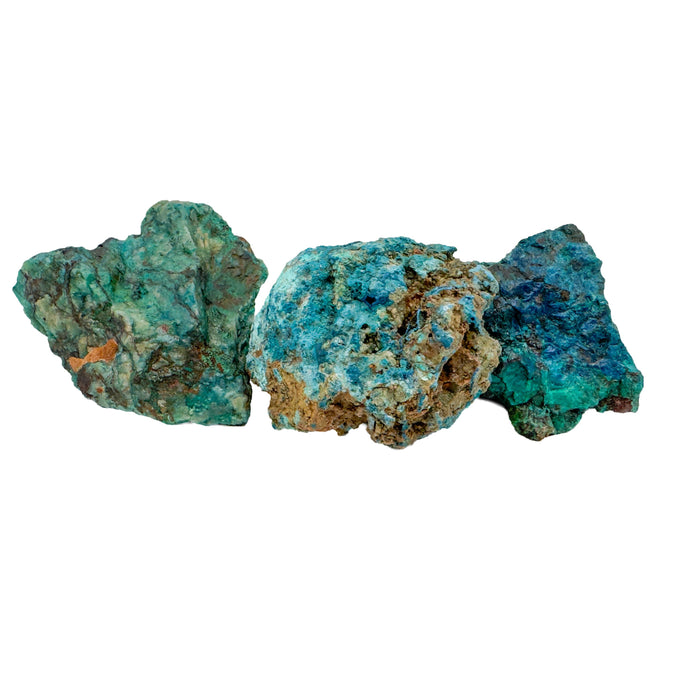
Explore the Crystal GuideLove Cavansite? Meet Shattuckite.
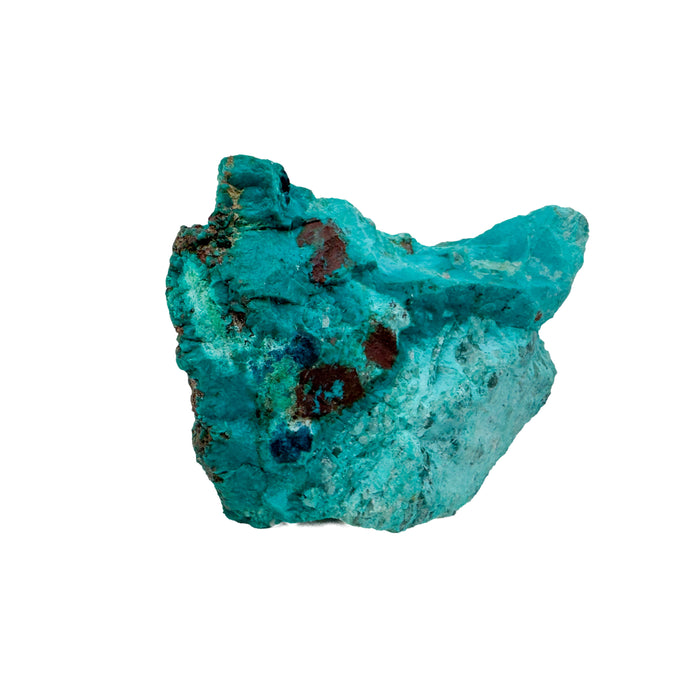
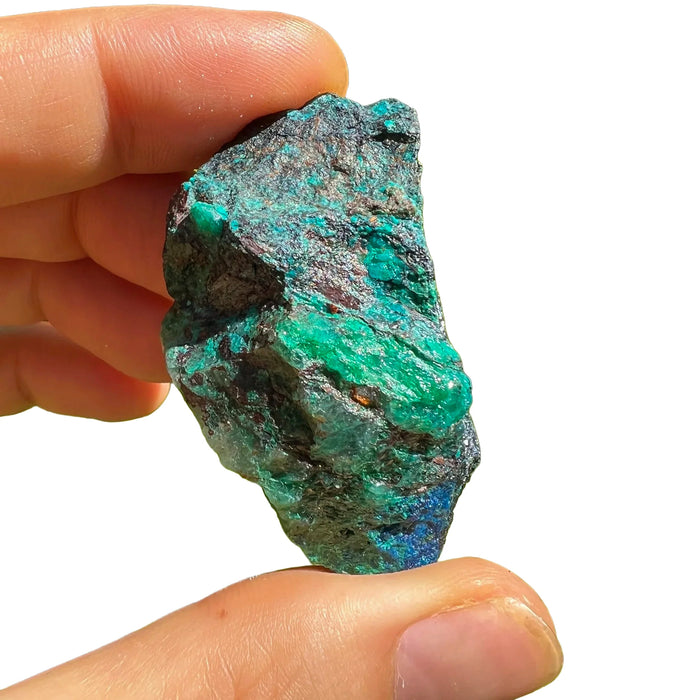
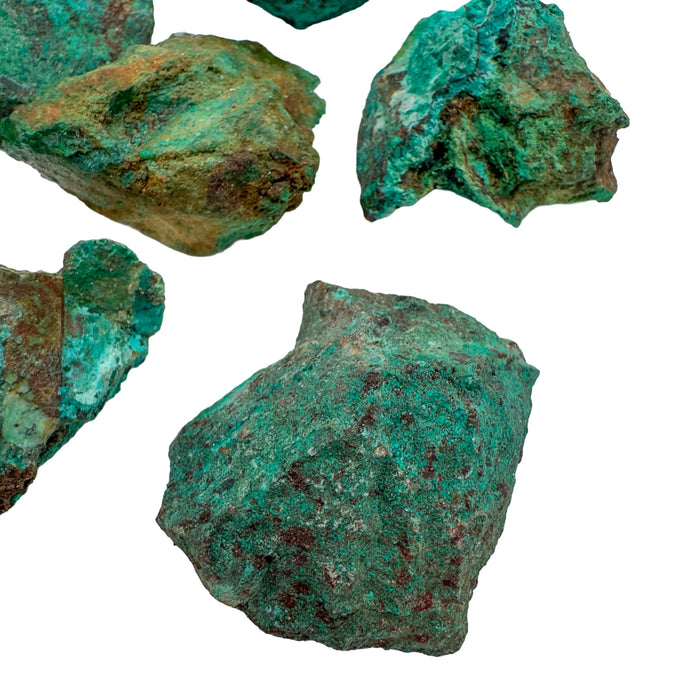
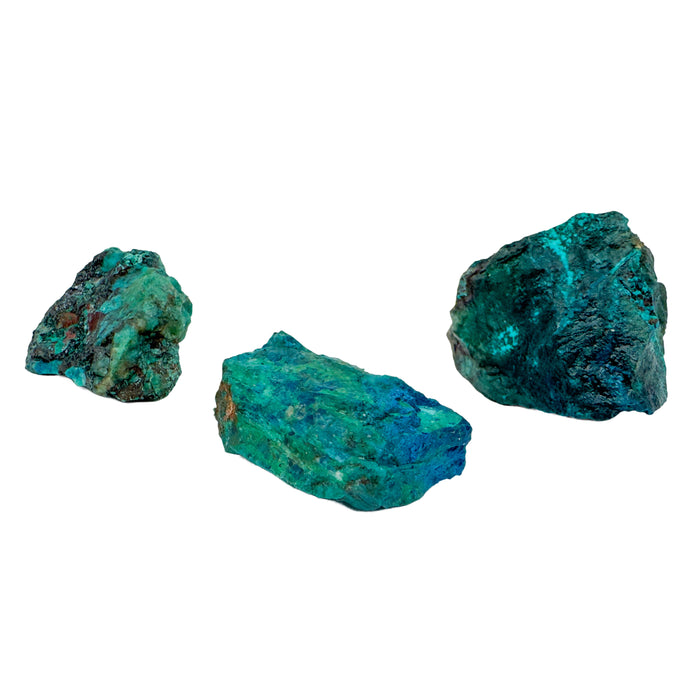
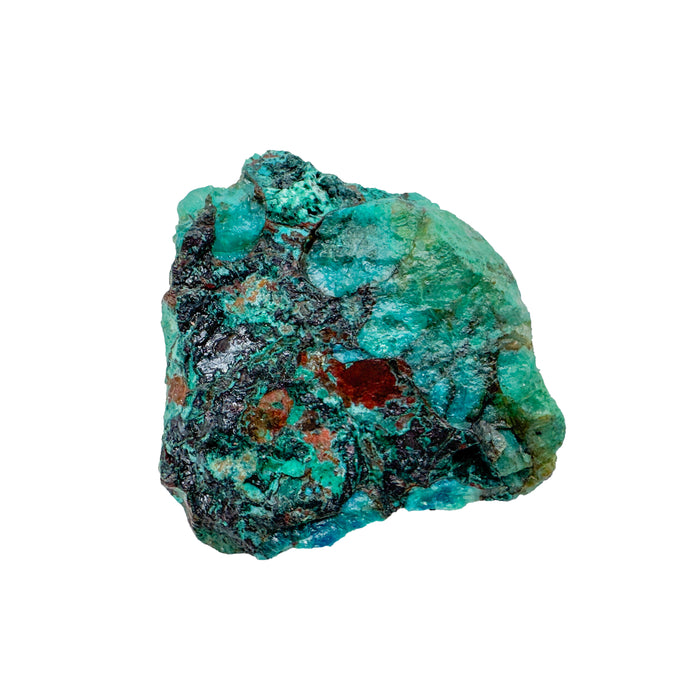
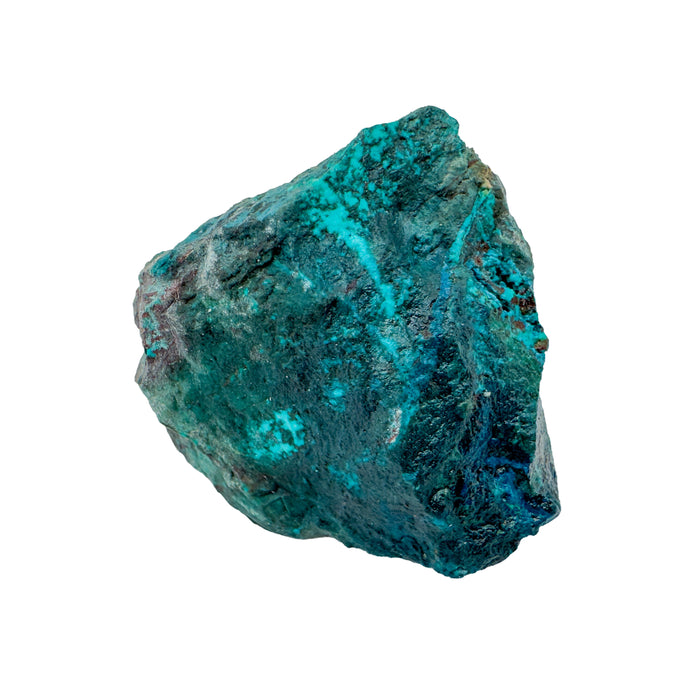
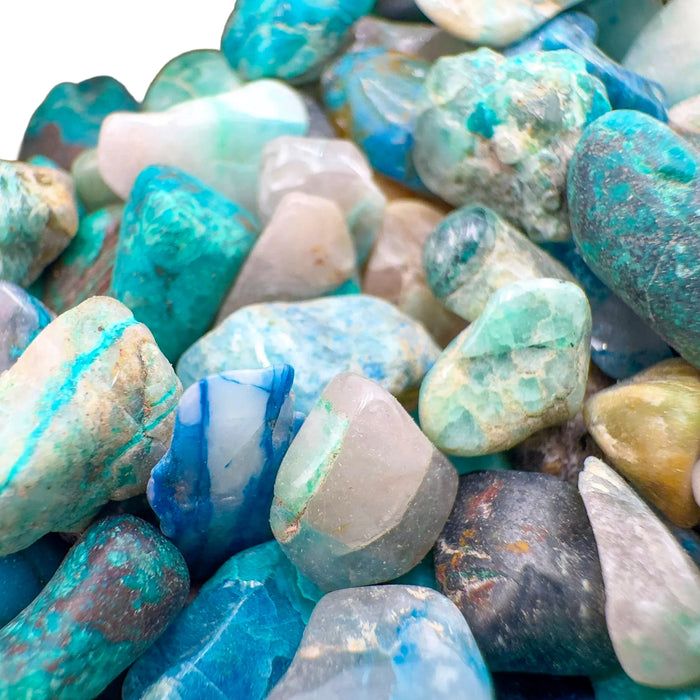
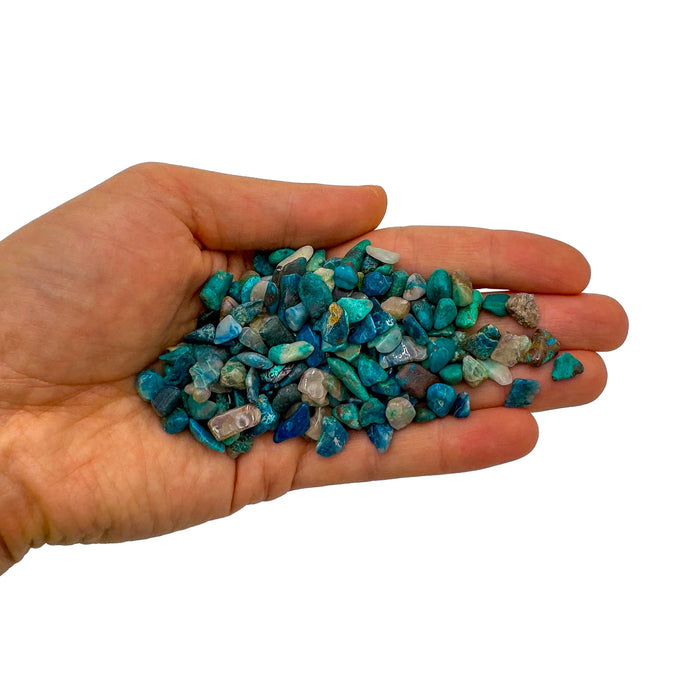
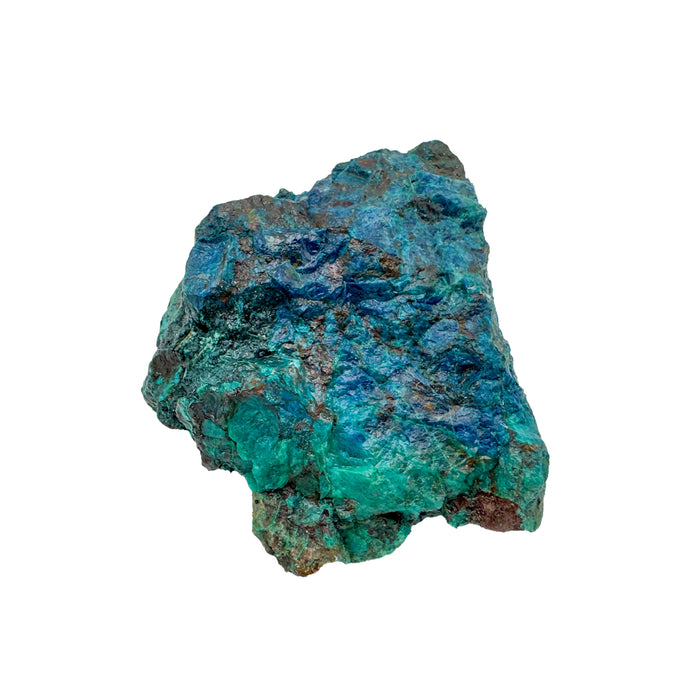
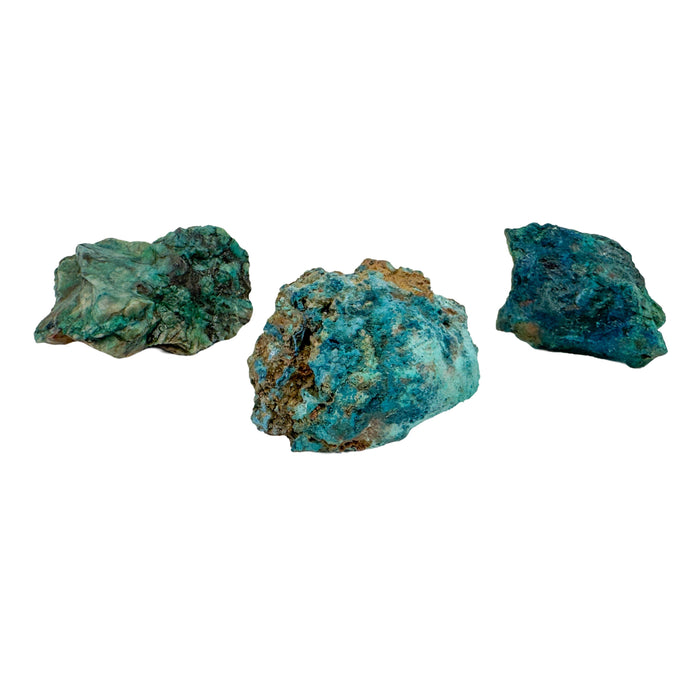
Cavansite is not something we carry. Shattuckite is the closest match in color, and every piece passes our sourcing standards: origin named, treatments disclosed.

- from 1,000+ reviews
- Ships within 72 hoursMonday to Friday, tracked
- 90 days to return itif you do not love it
- Free US shipping over $99$8.99 flat rate under
The Slow Note
New stones go to the list first.
No forwarding, no selling. Unsubscribe in one click. Privacy