


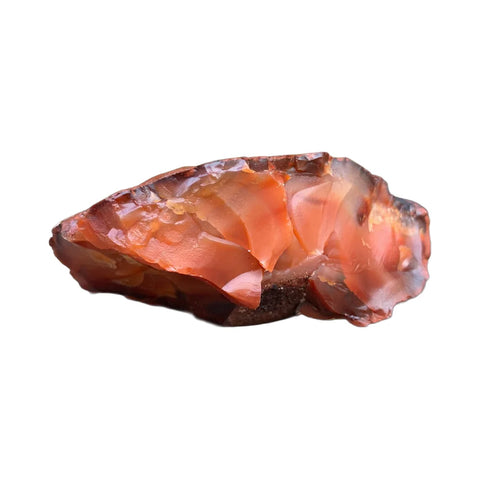
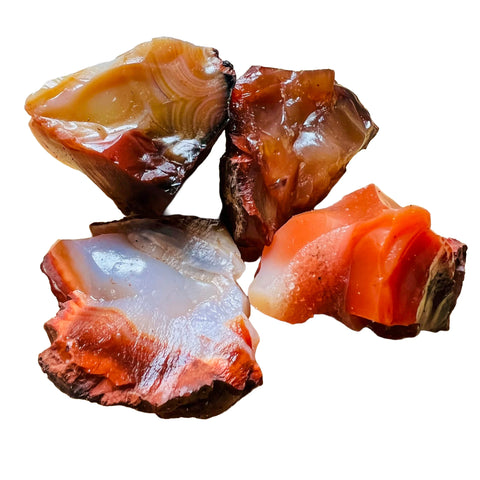


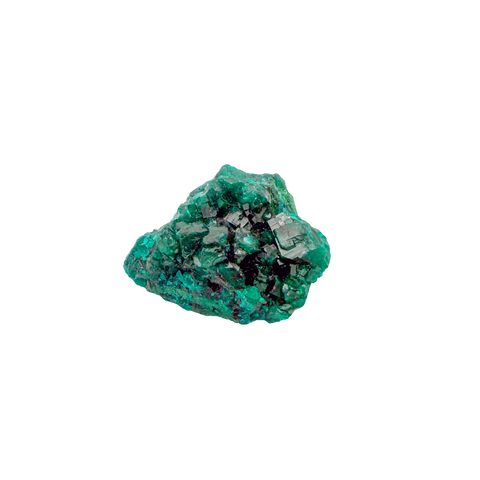
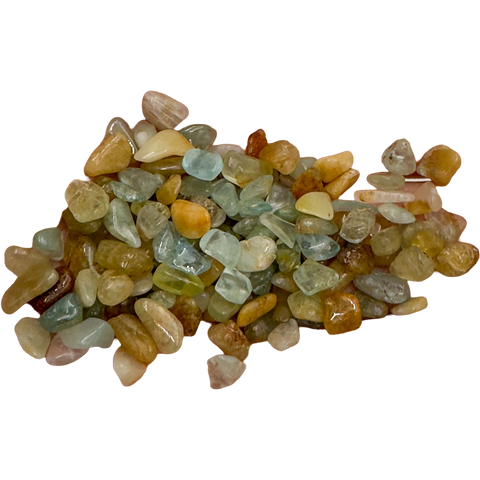
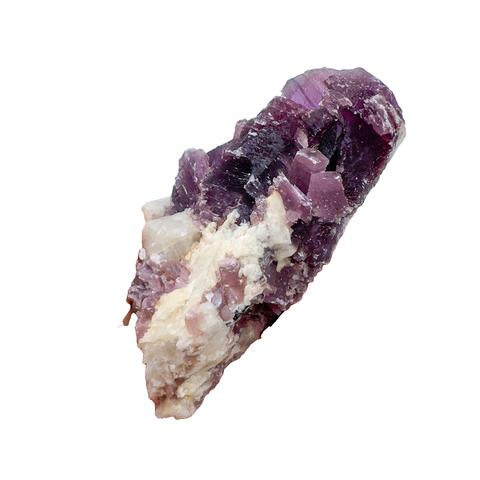
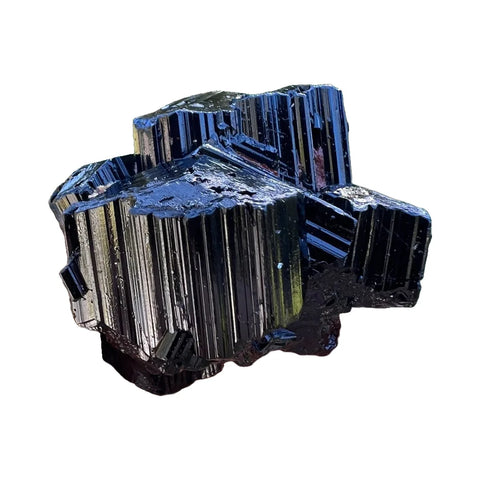
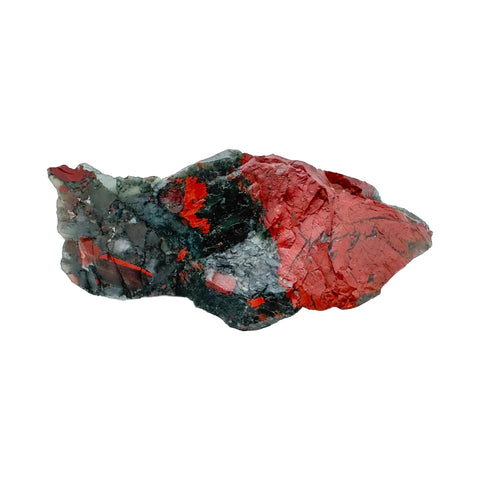
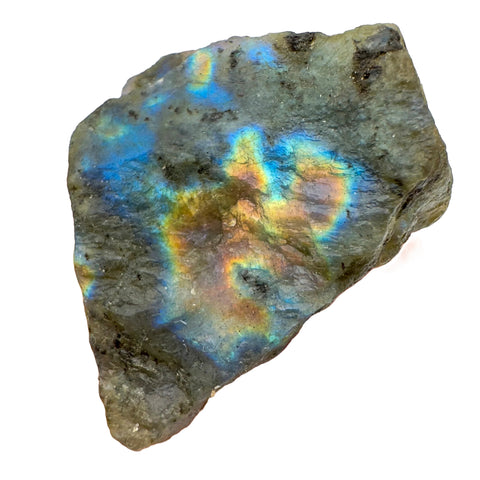
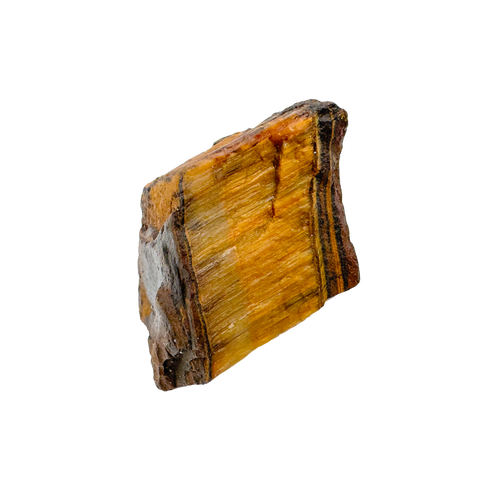
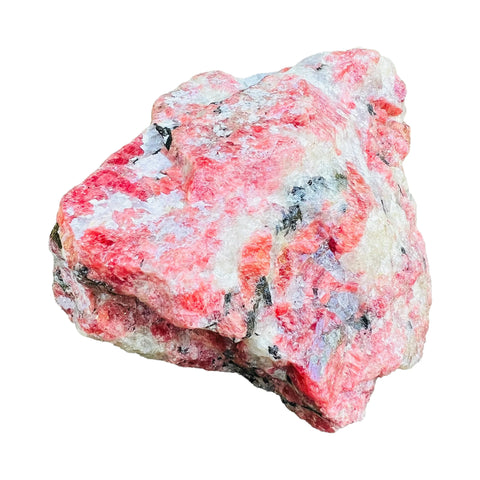
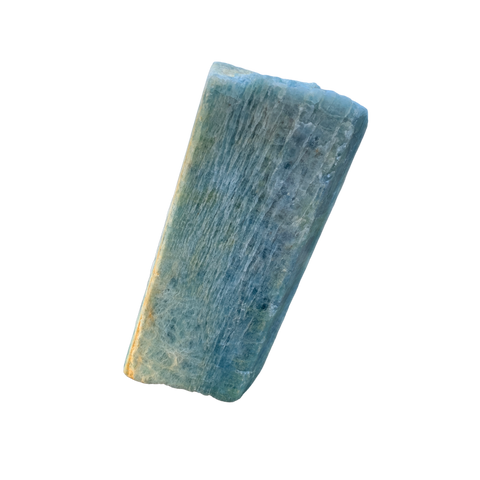
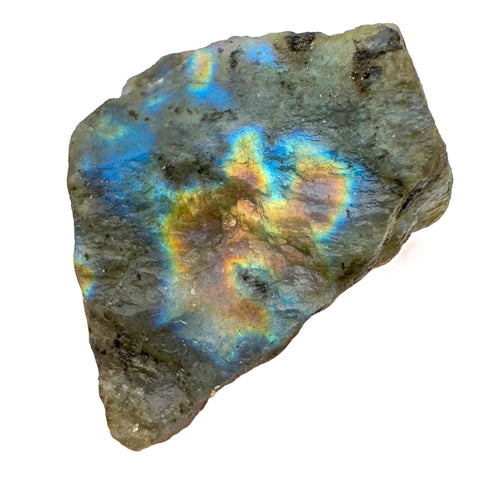
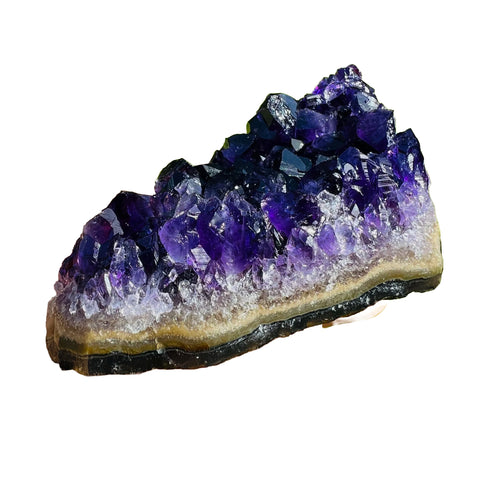


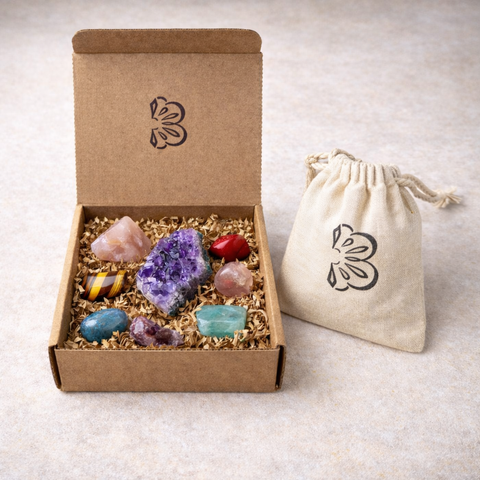
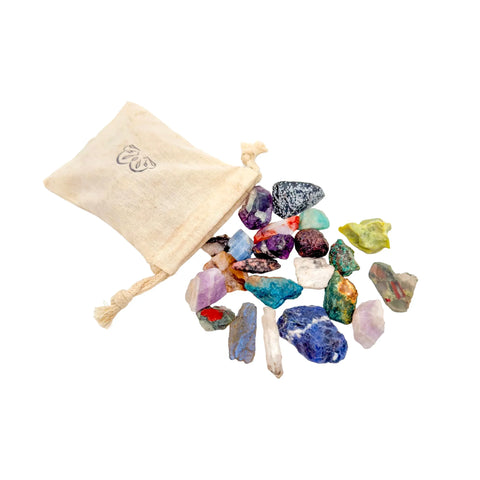
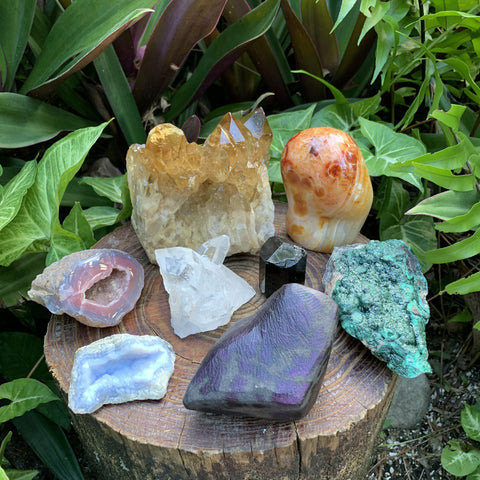
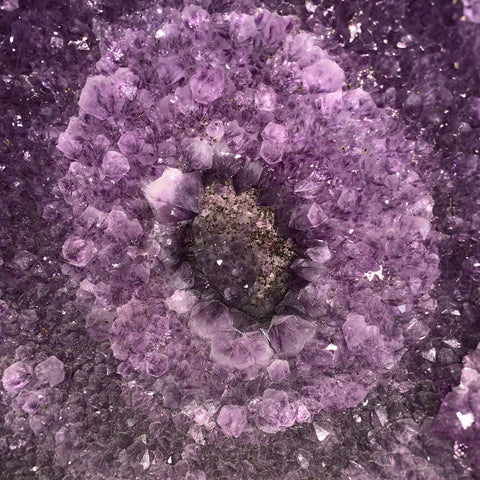
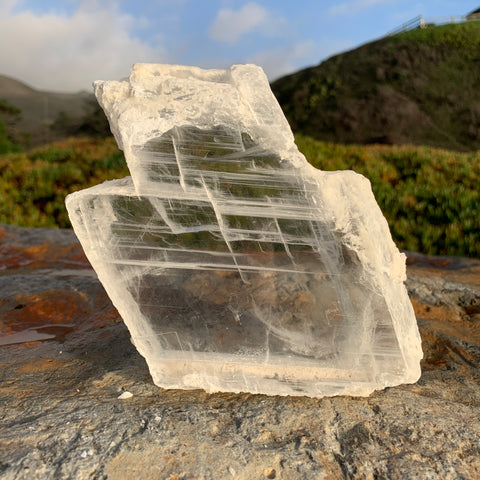
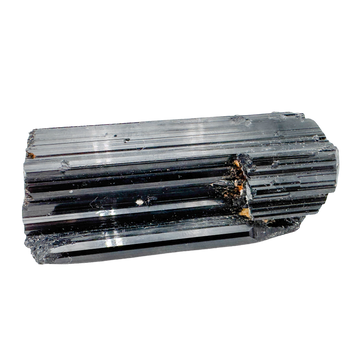
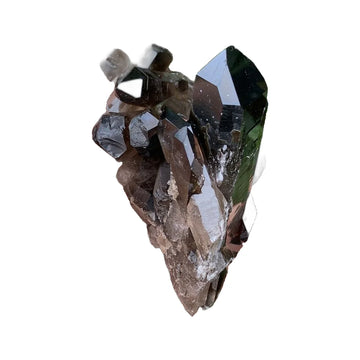
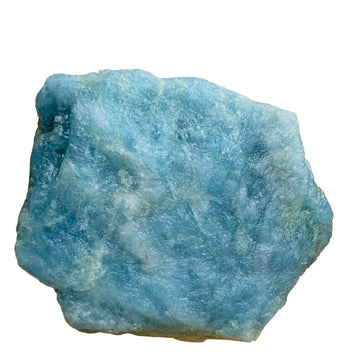
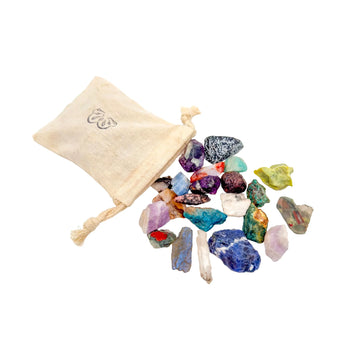
 Raw Stones
179 pieces
Raw Stones
179 pieces
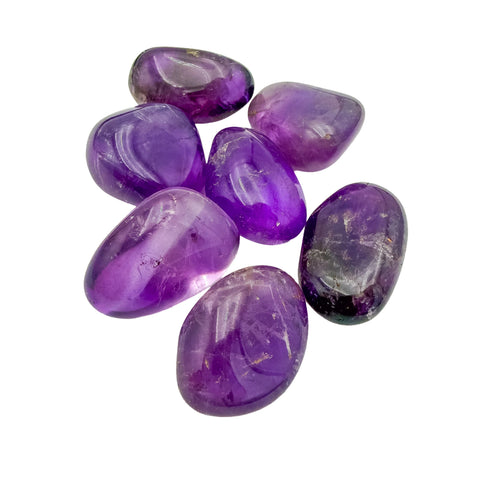
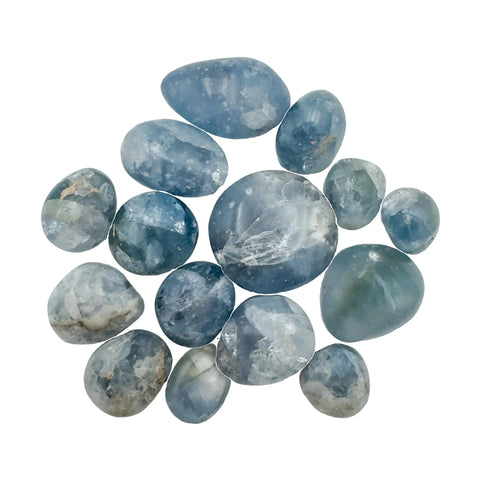
 Tumbled Stones
162 pieces
Tumbled Stones
162 pieces
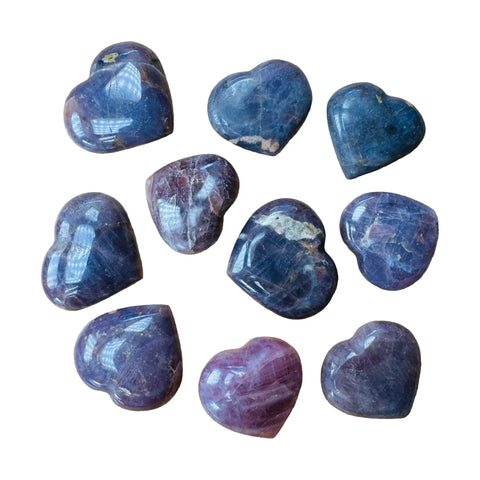
 Palm Stones
25 pieces
Palm Stones
25 pieces
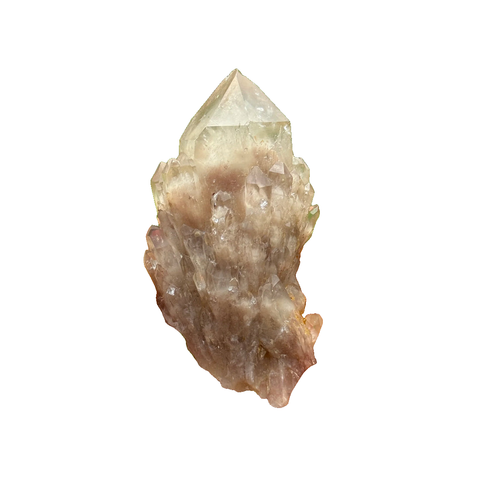
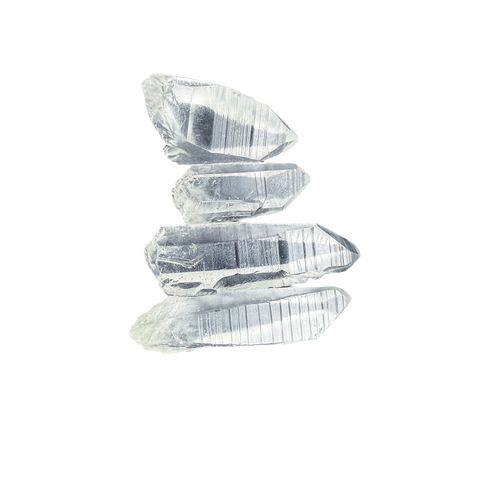
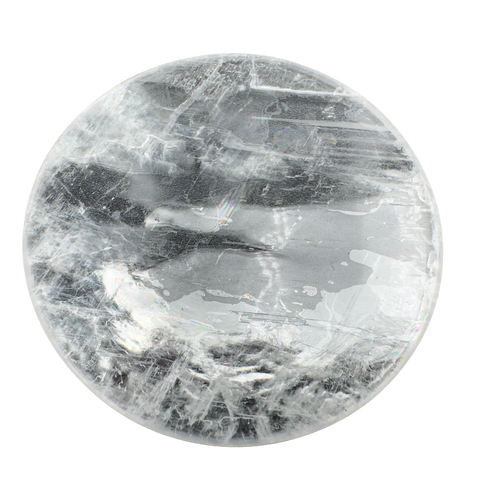
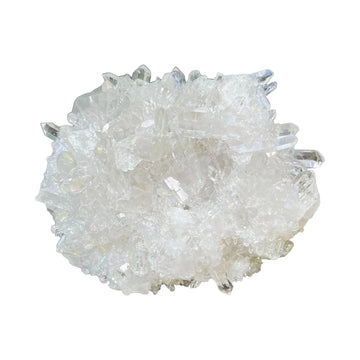
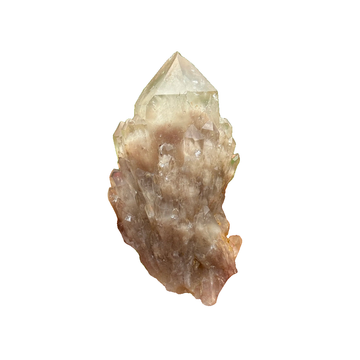
 Crystal Points
23 pieces
Crystal Points
23 pieces
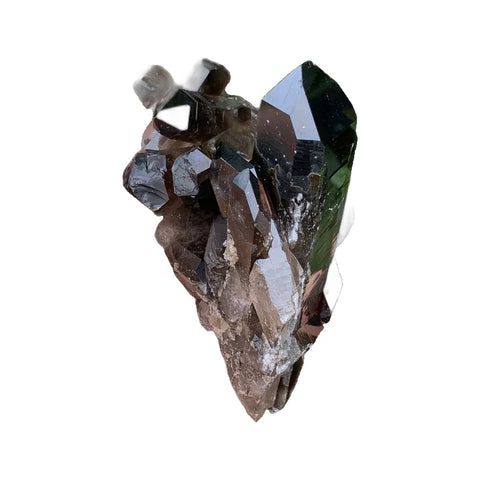
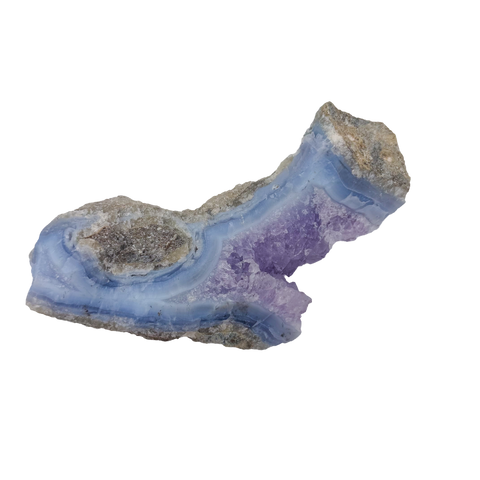
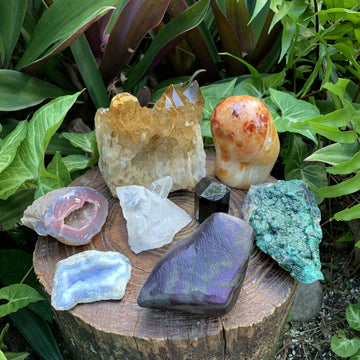
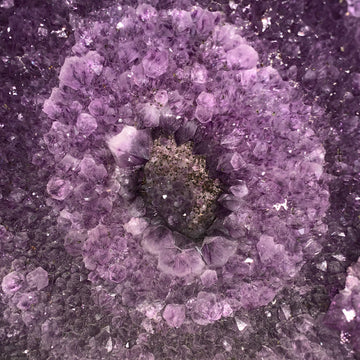
 Clusters & Geodes
104 pieces
Clusters & Geodes
104 pieces
 Polished & Decor
148 pieces
Polished & Decor
148 pieces
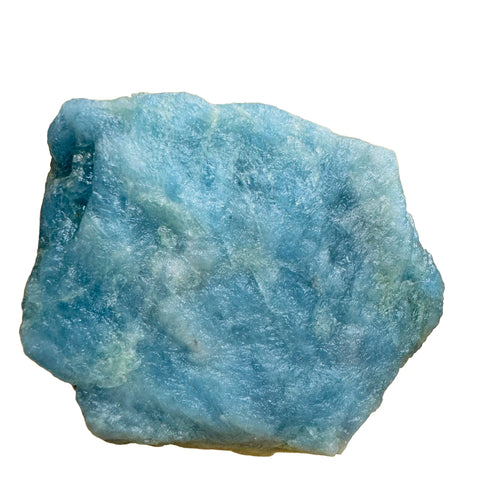
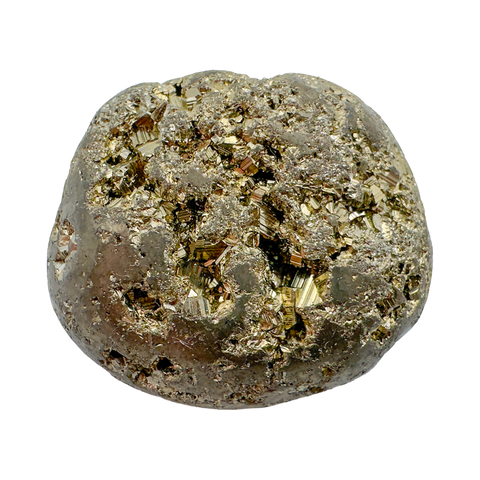
 Mineral Specimens
259 collector pieces
Mineral Specimens
259 collector pieces
 Crystal Chips
21 pieces
Browse everything
Every collection, one page.
View All Collections →
Crystal Chips
21 pieces
Browse everything
Every collection, one page.
View All Collections →


 Aries
Mar 21 – Apr 19
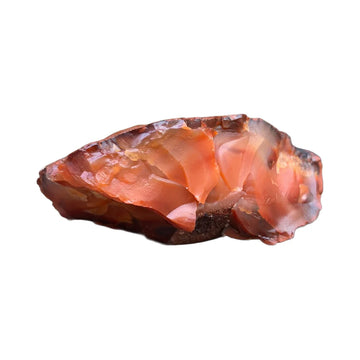
Carnelian
›
Aries
Mar 21 – Apr 19
Carnelian
›
 Taurus
Apr 20 – May 20
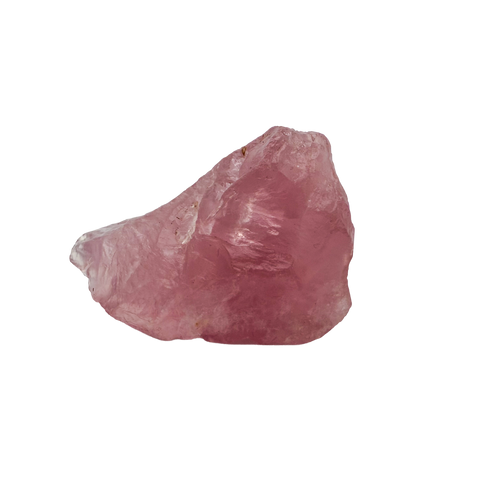
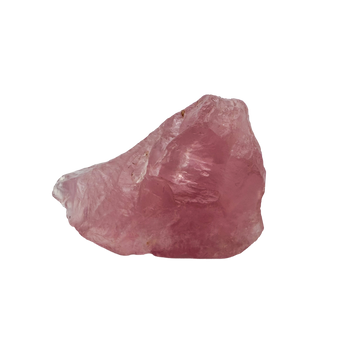
Rose Quartz
›
Taurus
Apr 20 – May 20
Rose Quartz
›
 Gemini
May 21 – Jun 20
Agate
›
Gemini
May 21 – Jun 20
Agate
›
 Cancer
Jun 21 – Jul 22
Moonstone
›
Cancer
Jun 21 – Jul 22
Moonstone
›
 Leo
Jul 23 – Aug 22
Citrine
›
Leo
Jul 23 – Aug 22
Citrine
›
 Virgo
Aug 23 – Sep 22
Amazonite
›
Virgo
Aug 23 – Sep 22
Amazonite
›
 Libra
Sep 23 – Oct 22
Blue Lace Agate
›
Libra
Sep 23 – Oct 22
Blue Lace Agate
›
 Scorpio
Oct 23 – Nov 21
Obsidian
›
Scorpio
Oct 23 – Nov 21
Obsidian
›
 Sagittarius
Nov 22 – Dec 21
Sodalite
›
Sagittarius
Nov 22 – Dec 21
Sodalite
›
 Capricorn
Dec 22 – Jan 19
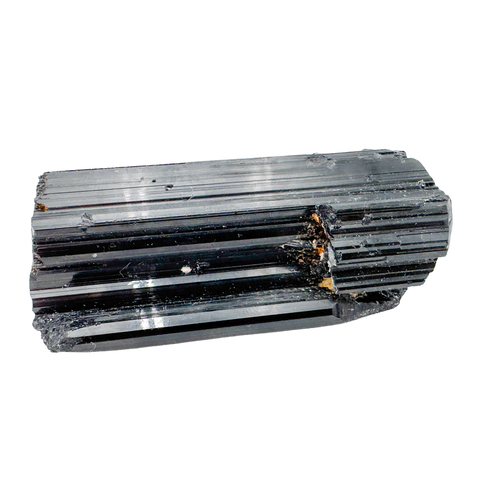
Black Tourmaline
›
Capricorn
Dec 22 – Jan 19
Black Tourmaline
›
 Aquarius
Jan 20 – Feb 18
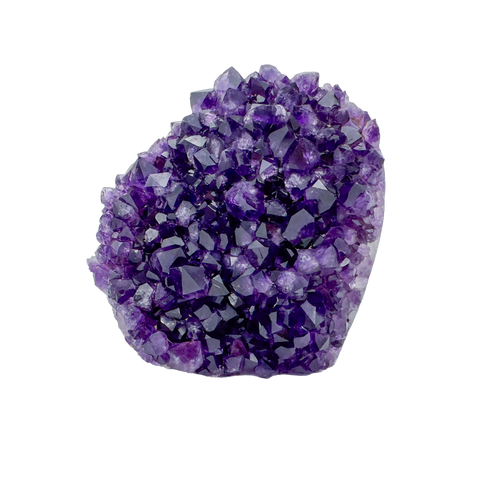
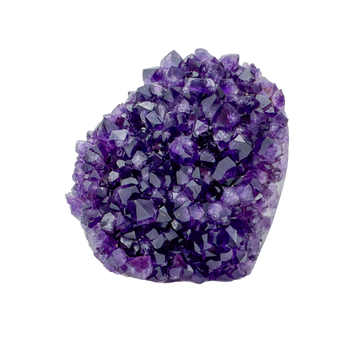
Amethyst
›
Aquarius
Jan 20 – Feb 18
Amethyst
›
 Pisces
Feb 19 – Mar 20
Aquamarine
›
Gifting?
A birthday stone is the safe bet.
Read the zodiac guide →
Pisces
Feb 19 – Mar 20
Aquamarine
›
Gifting?
A birthday stone is the safe bet.
Read the zodiac guide →
Benitoite
Benitoite is one of the rarest gem minerals in the world, a sapphire-blue barium titanium silicate found in gem quality only in one small area of California. It is prized for intense blue color, strong fire, and a distinctive bright glow under ultraviolet light. Faceted stones are almost always small, and fine ones are true collector pieces.
The geology.
Benitoite is a barium titanium silicate, BaTiSi3O9, a cyclosilicate built on rings of silica tetrahedra. Its color runs from pale to deep sapphire blue, occasionally colorless or white, and its high dispersion gives cut stones noticeable fire. It rates 6 to 6.5 on the Mohs scale, with a specific gravity near 3.65 and a vitreous luster.
It crystallizes in a rare branch of the hexagonal system, and benitoite is the only mineral known to form in its particular symmetry class. Crystals are typically flat, triangular, and tabular. One of its most useful traits is fluorescence, since it glows a bright chalky blue under short-wave ultraviolet light, a feature collectors rely on to spot it.
The origins.
Benitoite's story belongs almost entirely to one place. Gem-quality material has been found in economic amounts at only a single locality, the Benitoite Gem Mine, also called the Dallas Gem Mine, in San Benito County, California, near the headwaters of the San Benito River. The mine gave the mineral its name.
It was discovered there in 1907, and for decades this remained the only source of facetable benitoite in the world. Minor, non-gem occurrences have since been noted in a few other places, including Arkansas, Japan, and Australia, but none rival California for gem material. That single-source reality is a large part of why fine benitoite is so scarce and so prized.
Traditional associations.
Because benitoite is a modern discovery rather than an ancient talisman, its associations are recent. Many people connect its clear blue color with insight, calm communication, and a sense of mental clarity, and link it to the higher chakras.
Some describe it as a stone for aligning thought with expression. These associations are traditional and personal rather than medical claims. Benitoite is most often linked with the Third Eye chakra and the element of Water.
Spotting the real thing.
The two most telling features are color and fluorescence. Fine benitoite shows a saturated sapphire blue with lively fire, and genuine crystals glow a distinctive bright blue under short-wave ultraviolet light, a test few imitations pass. Its hardness of 6 to 6.5 and moderate weight also help place it.
Be careful with the name and with size. Gem benitoite is almost always small, so large, clean, inexpensive blue stones described as benitoite deserve real skepticism, since sapphire, tanzanite, blue spinel, and glass are all sold in the same color. Ask for the source, and for high-value stones look for laboratory identification. Provenance from the California locality is itself part of the value.
Care & handling.
Benitoite is durable enough for careful jewelry at 6 to 6.5, but it is a collector's gem more than an everyday one. Protect it from knocks and abrasion, store it away from harder stones like quartz and topaz, and avoid harsh chemicals and ultrasonic cleaners. Warm water, mild soap, and a soft brush are enough.
Most benitoite lives in collections as loose stones or specimens rather than in daily-worn rings. If you do set it, choose a protective mounting and reserve it for gentle wear. Kept out of harm's way, it holds its polish and color indefinitely.
Pairs well with.
A deeper look.
Extended geology, sourcing, authentication, history, and varieties, for when the quick guide isn't quite enough.
Extended geology
Benitoite's structure is based on three-membered rings of silica tetrahedra, linked through titanium and barium, which places it among the cyclosilicates. Its unusually high dispersion, higher even than diamond, is what gives well-cut stones their flash of fire, though the strong blue body color often masks it. The crystals commonly take a flattened triangular form that reflects the mineral's rare symmetry.
It forms in a very specific setting, growing in veins of natrolite that cut hydrothermally altered serpentinite within a blueschist terrane, the kind of high-pressure, low-temperature rock produced in subduction zones. It is found alongside the black mineral neptunite and honey-colored joaquinite, a distinctive trio that helps identify the California deposit.
Extended sourcing
The Benitoite Gem Mine in San Benito County is the heart of the story. Discovered in 1907 and worked intermittently for more than a century, it has produced nearly all the world's faceted benitoite, usually in small stones, with anything above a carat or two considered notable. Commercial mining there has largely wound down, which keeps supply tight.
Trace, non-gem benitoite has been reported from scattered localities, including places in Japan, Arkansas in the United States, and Australia, typically as tiny grains of interest mainly to mineralogists. For anyone seeking a cut stone or a display crystal on matrix, California remains effectively the only source, and that exclusivity underpins its value.
Authentication and warning signs
Short-wave ultraviolet fluorescence is the classic confirming test, since benitoite glows a bright blue that most look-alikes cannot mimic. Combined with its hardness, its high fire, and the characteristic tabular triangular crystal shape, this makes a reasonably secure identification for a specimen in matrix with its natrolite, neptunite, and joaquinite companions.
For faceted stones, the market realities matter. Genuine gem benitoite is small and costly, so treat large, cheap blue gems sold under the name with suspicion. Sapphire, tanzanite, blue spinel, and glass occupy the same color space, and only testing separates them with certainty. Reputable dealers state the California origin and, for important stones, provide a laboratory report.
History and folklore
Benitoite was found in 1907 near the head of the San Benito River, and after some early confusion with sapphire it was recognized as a new mineral species and named for its California locality. Its rarity and beauty made it a favorite among mineral collectors from the start, and in 1985 California named it the official state gem. Because the primary mine has produced only sporadically, benitoite has always been more a connoisseur's mineral than a commercial gemstone, admired as much for the story of its single source as for the color itself.
Forms and related material
Faceted benitoite: small transparent blue stones, the most valuable form, prized for color and fire.
Crystals on matrix: tabular blue crystals set in white natrolite with black neptunite, classic display specimens.
Colorless benitoite: rare clear to white crystals, some of which fluoresce red under long-wave ultraviolet light.
Non-gem grains: tiny occurrences from other localities, of mineralogical rather than gem interest.
What it costs in the market
Benitoite is priced as a rarity. Small faceted stones command strong per-carat prices, and fine gems above a carat rise sharply because so few exist. Well-formed crystals on white natrolite matrix are collector items in their own right, valued for color, sharpness, and the presence of their classic mineral companions. As with any single-source gem, provenance and quality drive price far more than size alone.
An education-first guide.
We don't currently carry benitoite, so there's nothing to sell you here. This guide exists because the more you understand a stone, the better every decision you make about it becomes, wherever you buy it. Explore the rest of our crystal guides for stones we do source, each with full origin and treatment notes.
Explore the Crystal GuideLove Benitoite? Meet Sodalite.
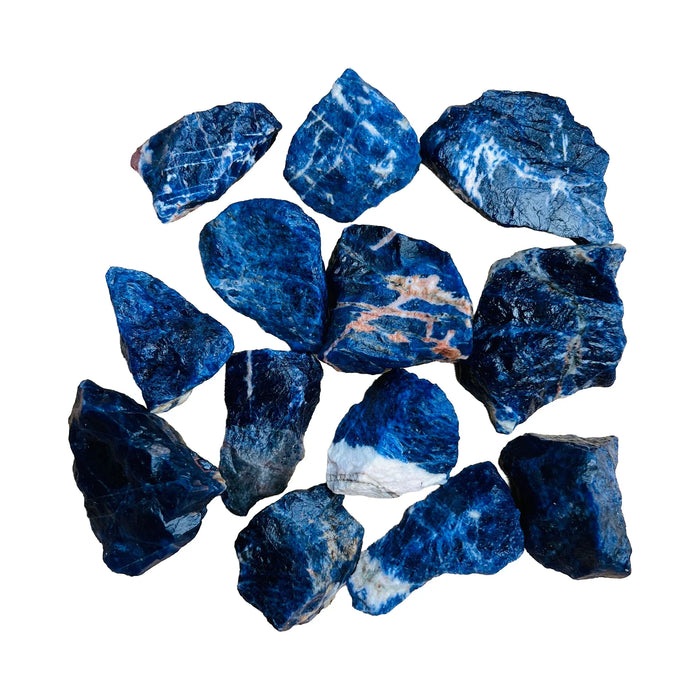
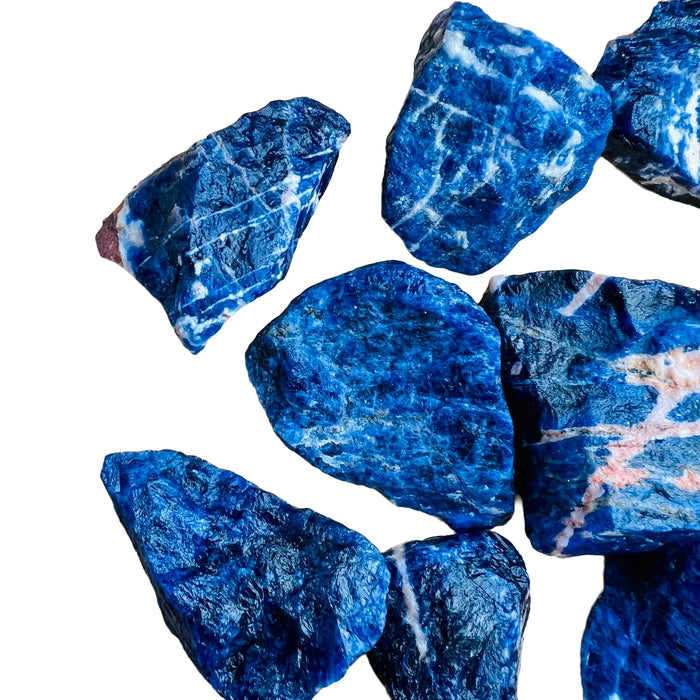
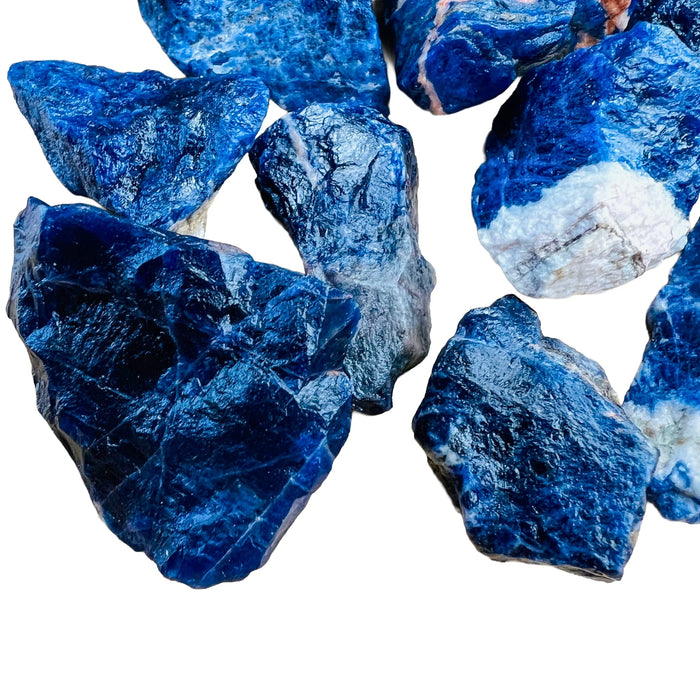
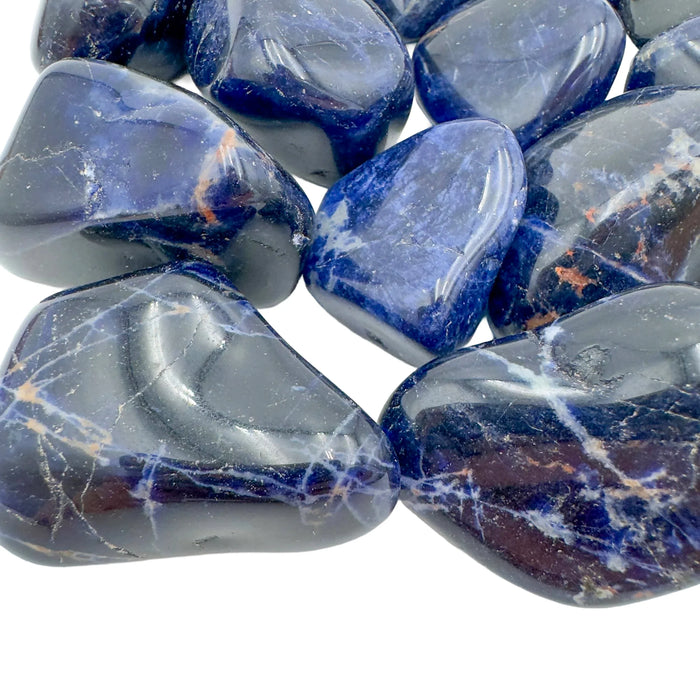
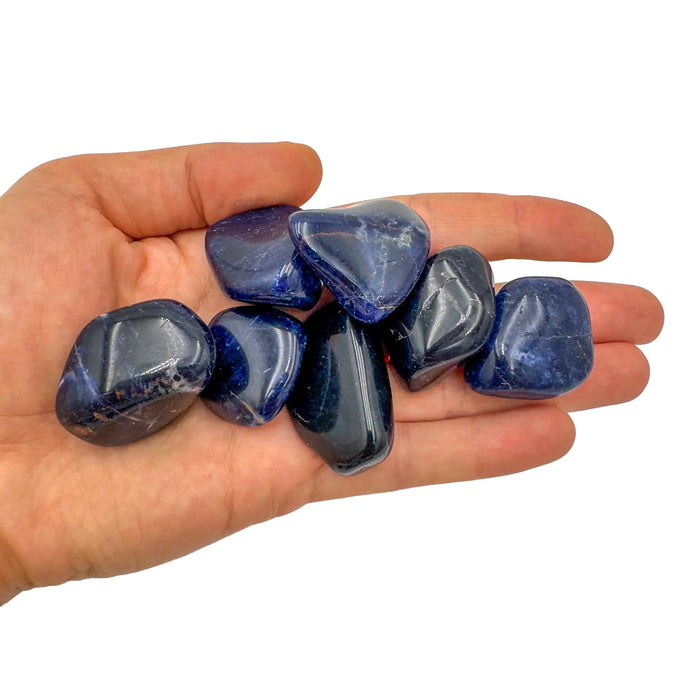
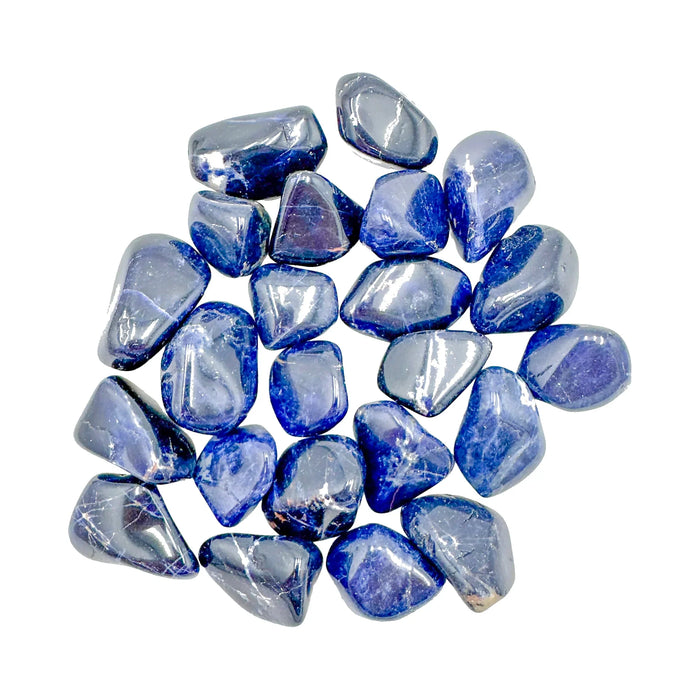
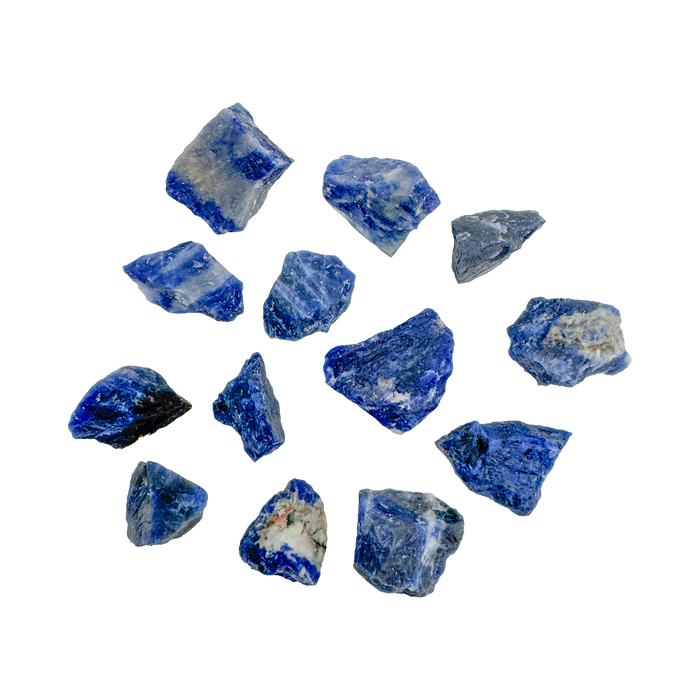
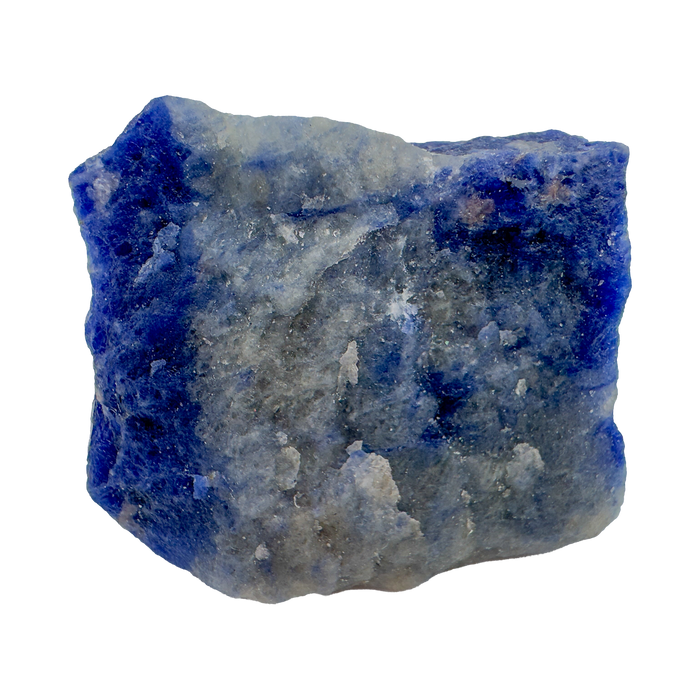
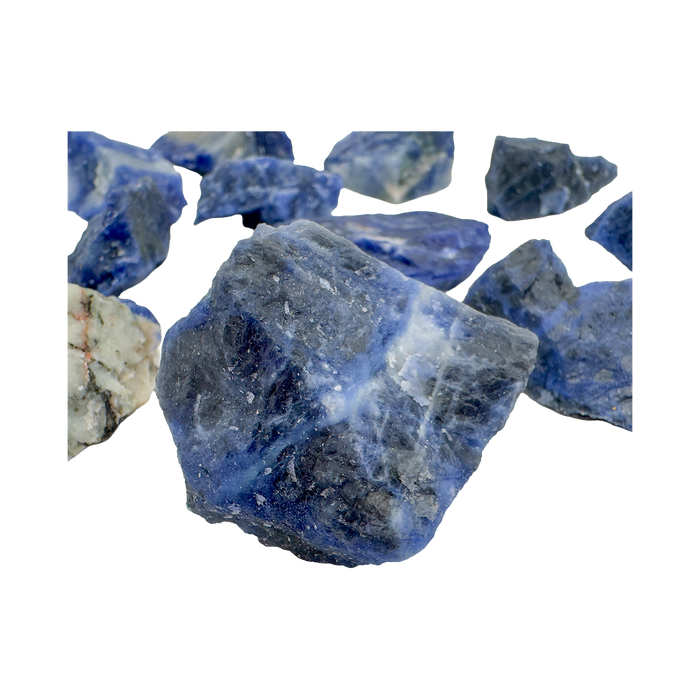
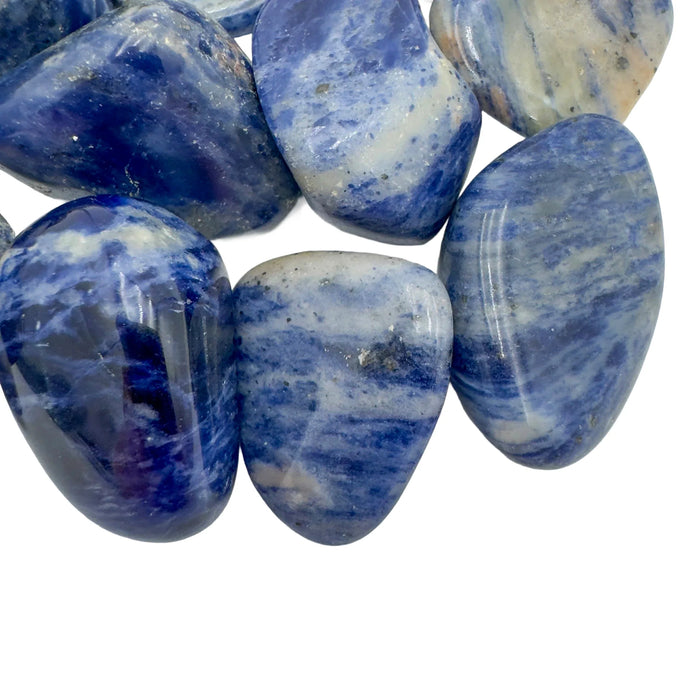
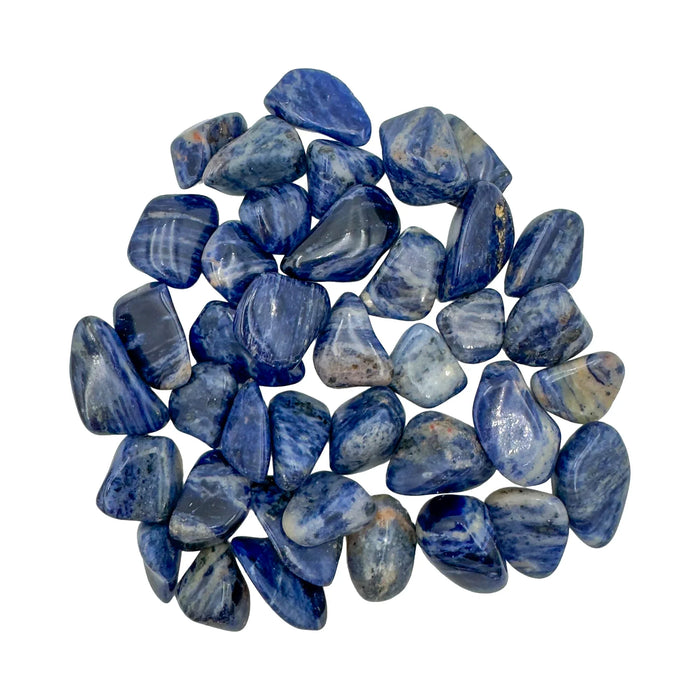
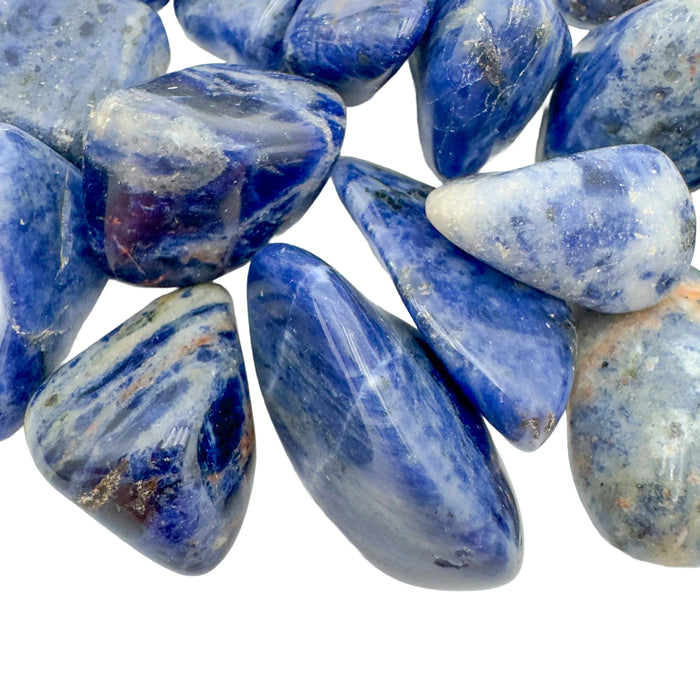
Benitoite is not something we carry. Sodalite is the closest match in color, and every piece passes our sourcing standards: origin named, treatments disclosed.
- from 1,000+ reviews
- Ships within 72 hoursMonday to Friday, tracked
- 90 days to return itif you do not love it
- Free US shipping over $99$8.99 flat rate under
The Slow Note
New stones go to the list first.
No forwarding, no selling. Unsubscribe in one click. Privacy