


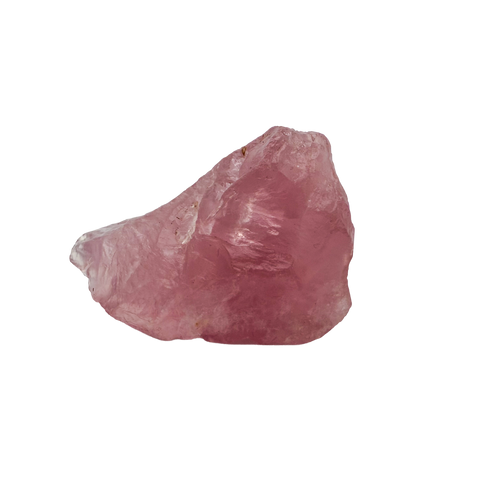
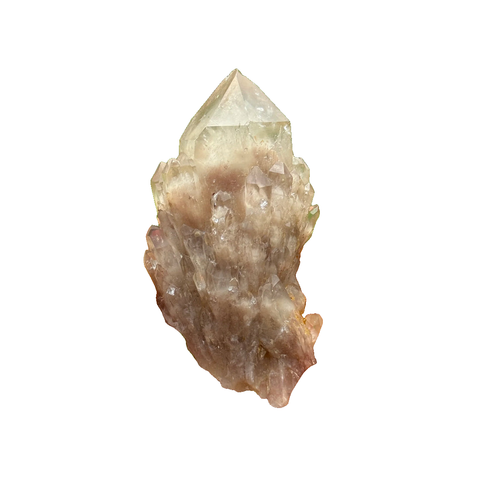
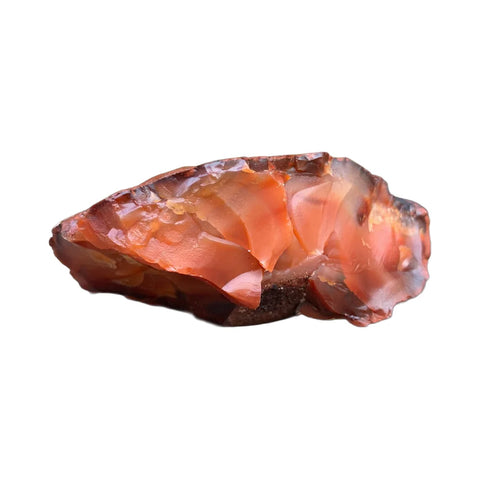
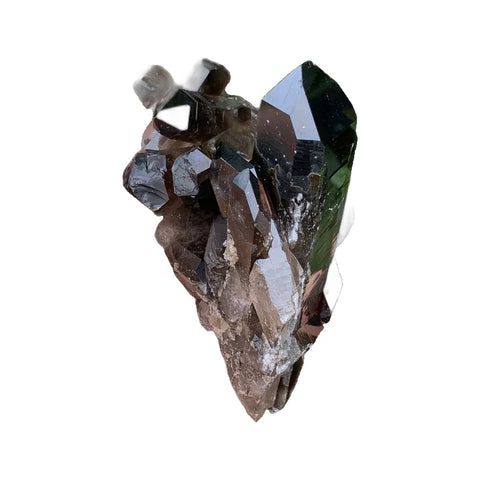
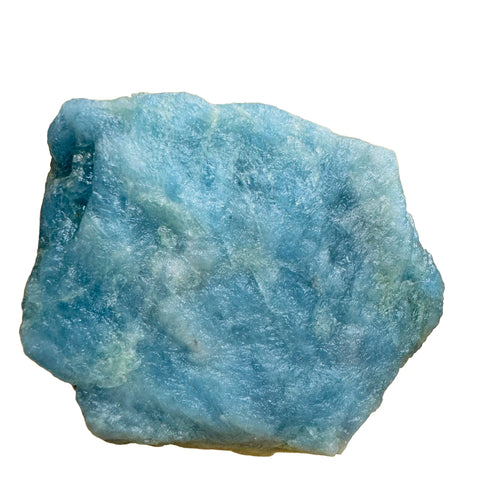
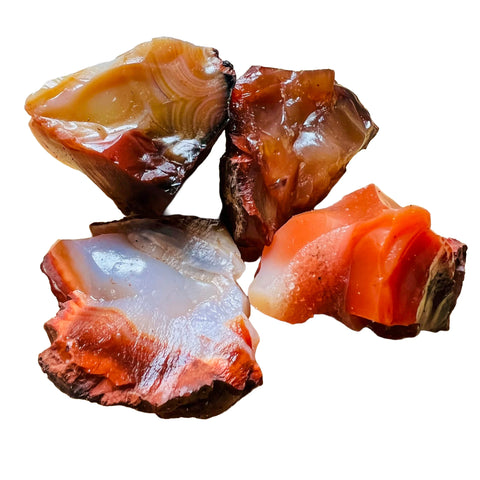


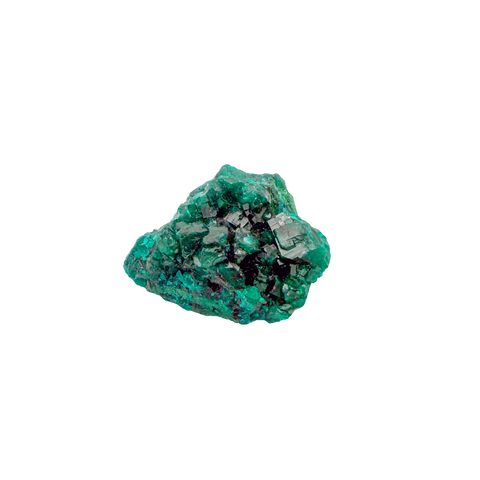
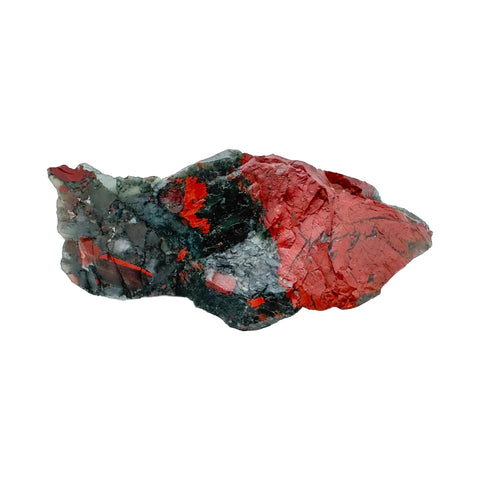
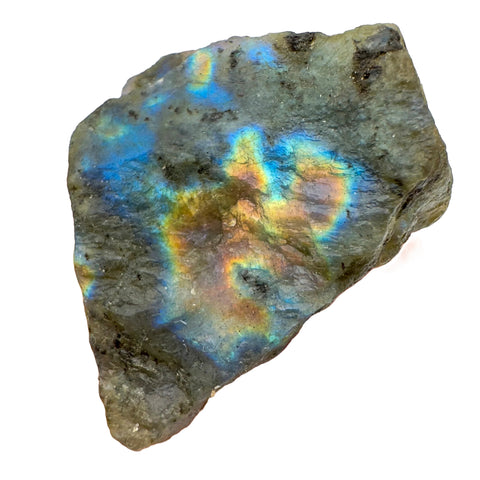
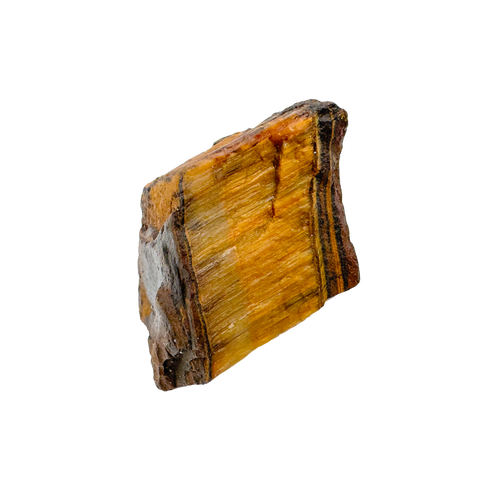
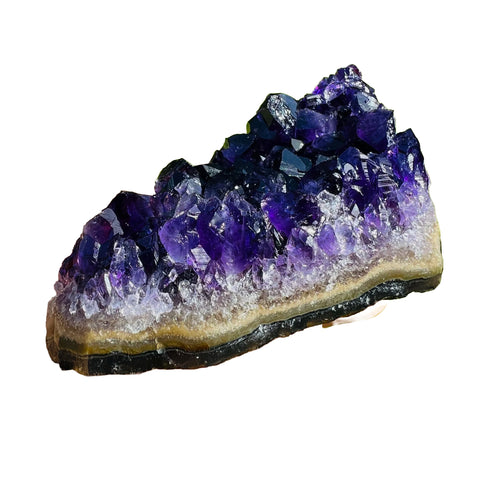



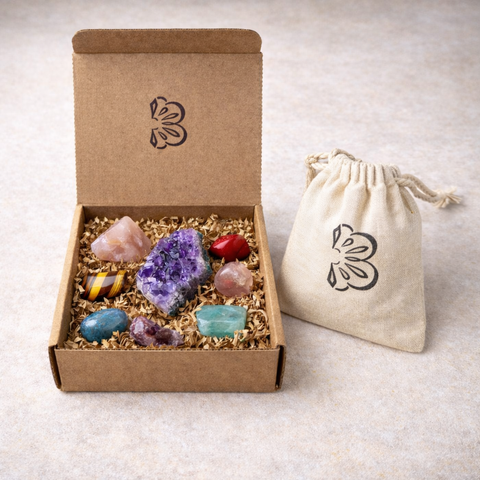
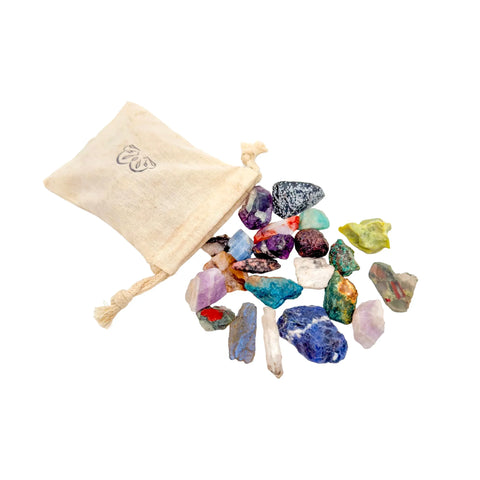
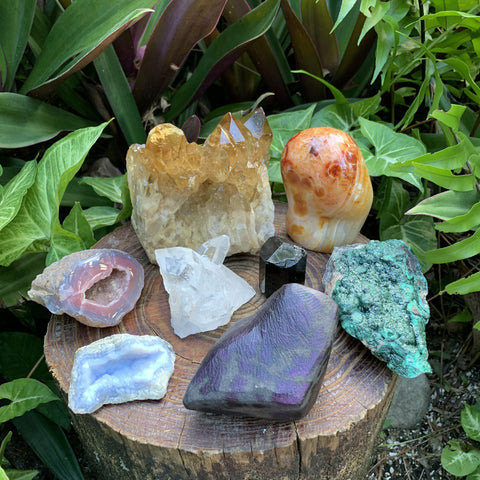
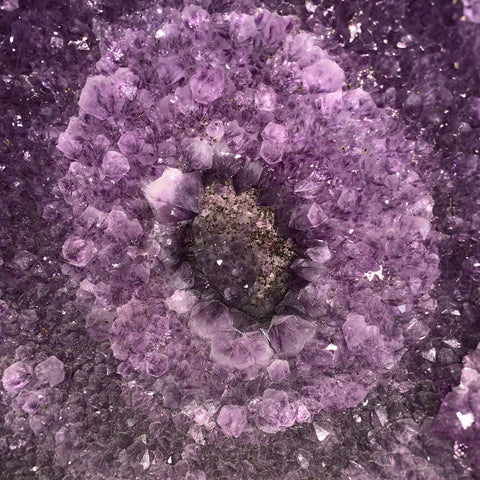
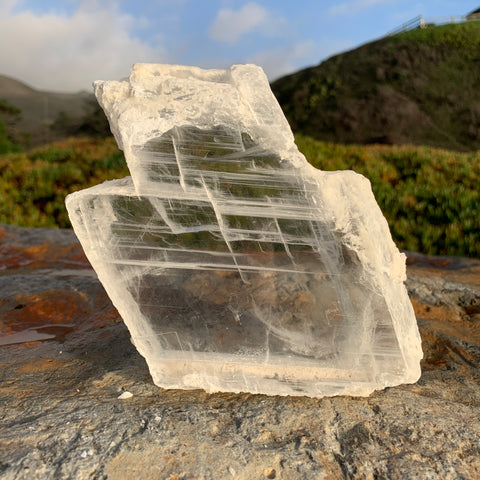
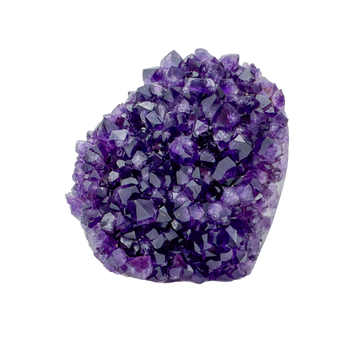
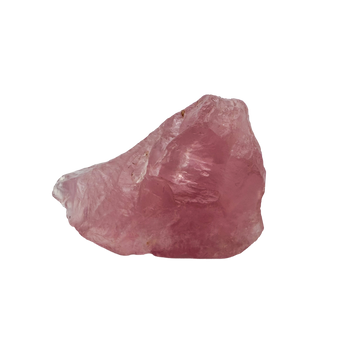
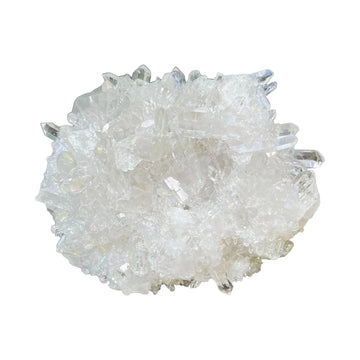
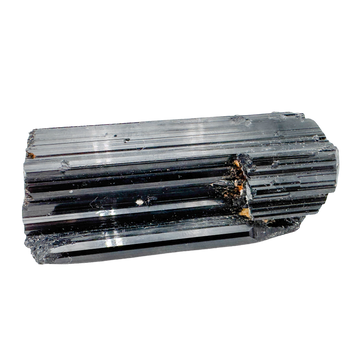
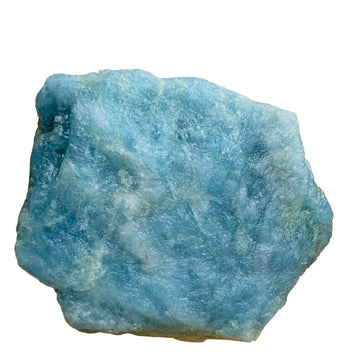
 Raw Stones
179 pieces
Raw Stones
179 pieces
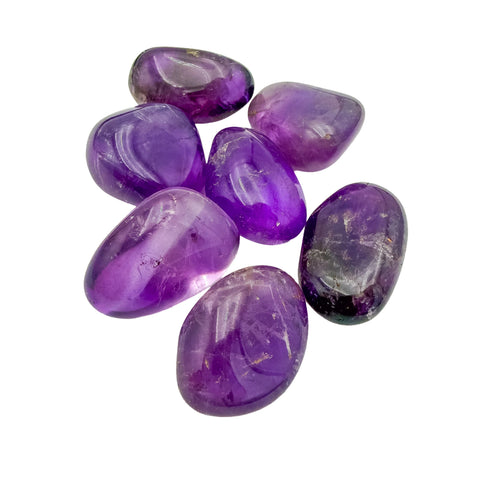
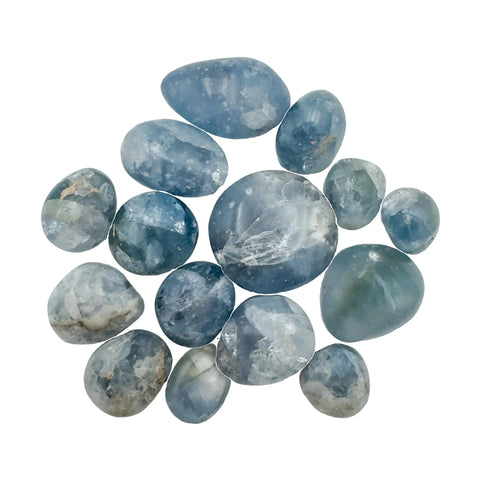
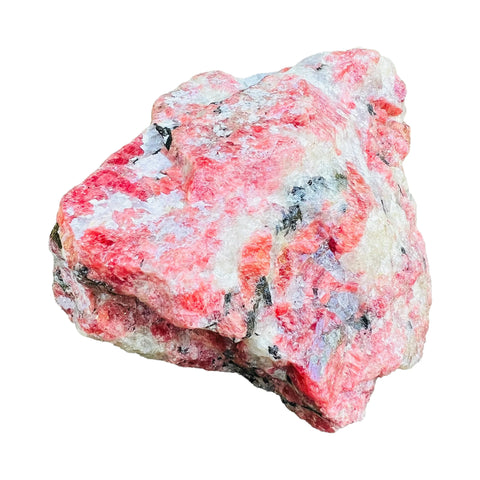
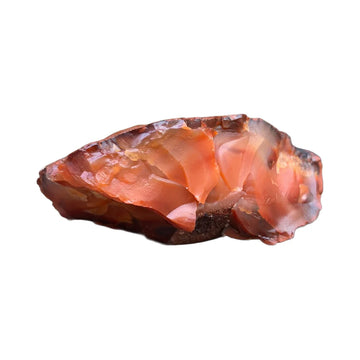
 Tumbled Stones
162 pieces
Tumbled Stones
162 pieces
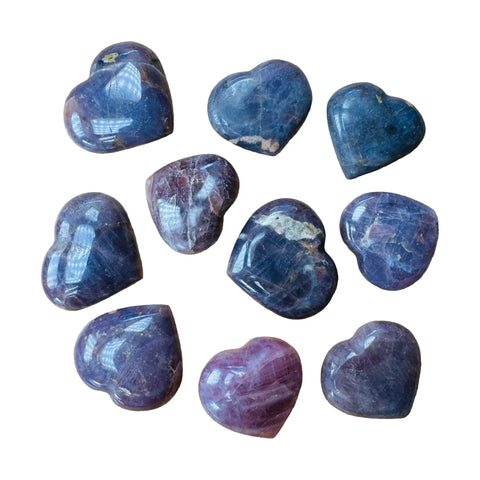
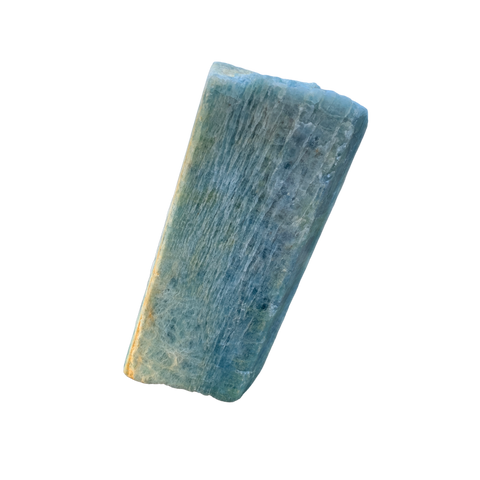
 Palm Stones
25 pieces
Palm Stones
25 pieces
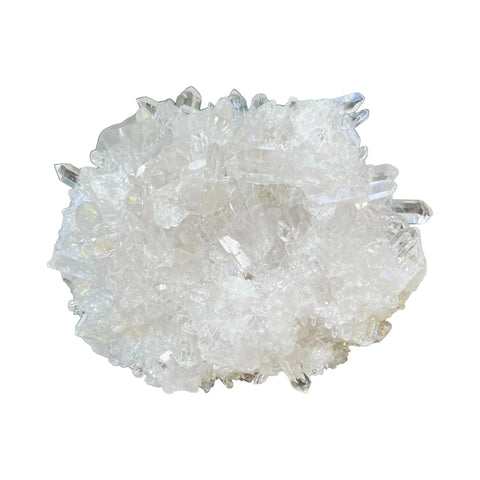
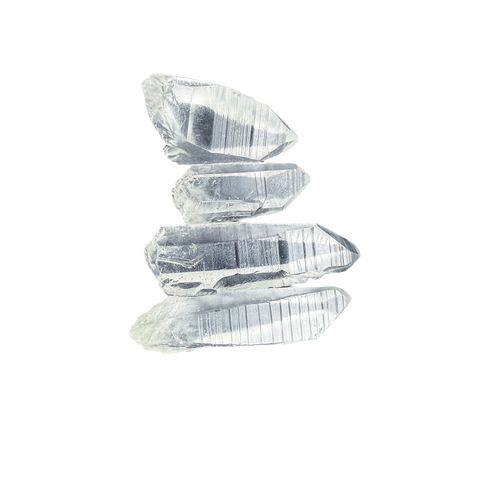
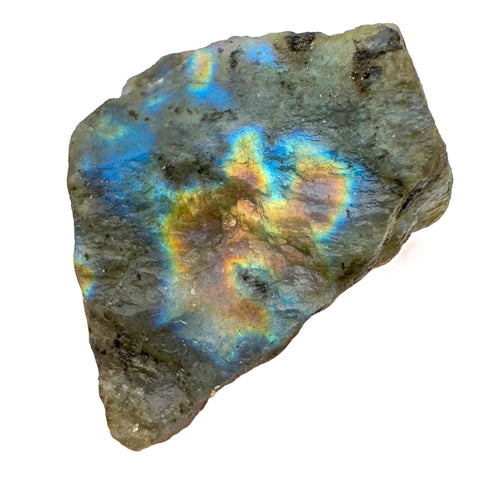
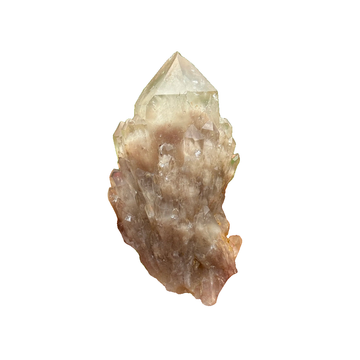
 Crystal Points
23 pieces
Crystal Points
23 pieces
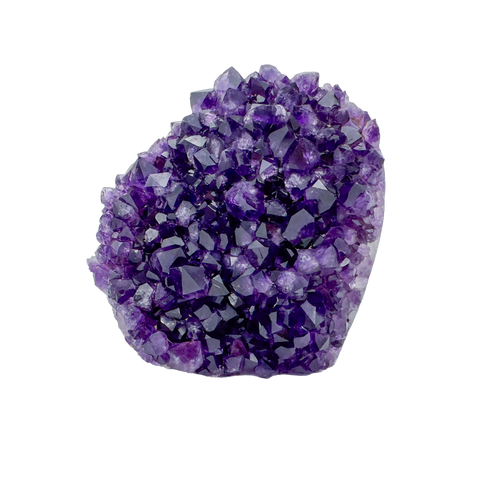
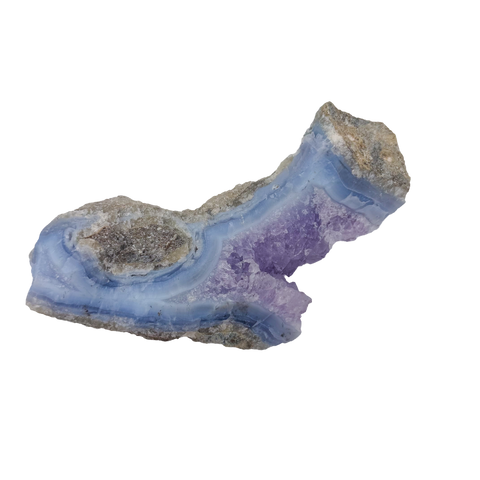
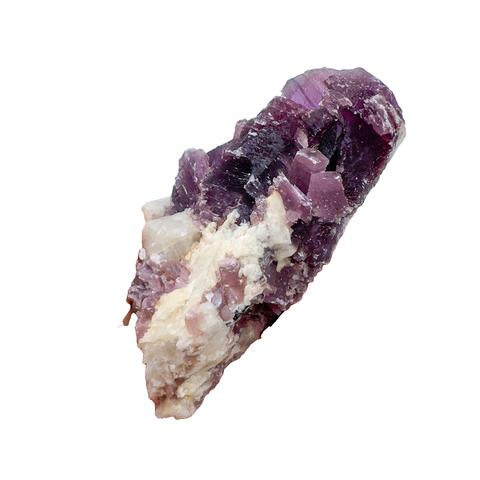
 Clusters & Geodes
104 pieces
Clusters & Geodes
104 pieces
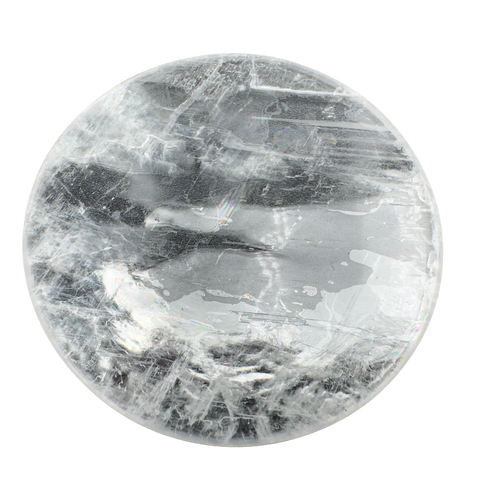
 Polished & Decor
148 pieces
Polished & Decor
148 pieces
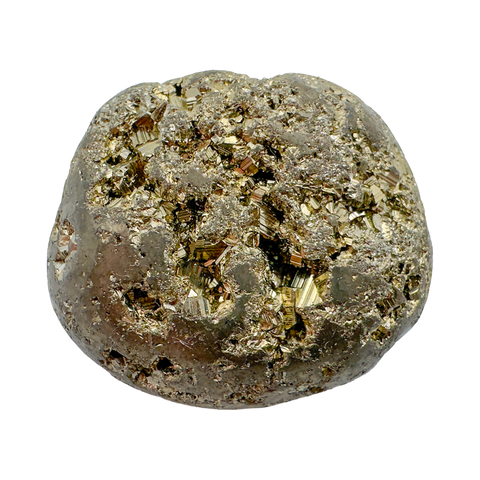
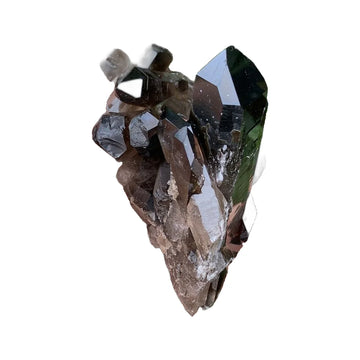
 Mineral Specimens
259 collector pieces
Mineral Specimens
259 collector pieces
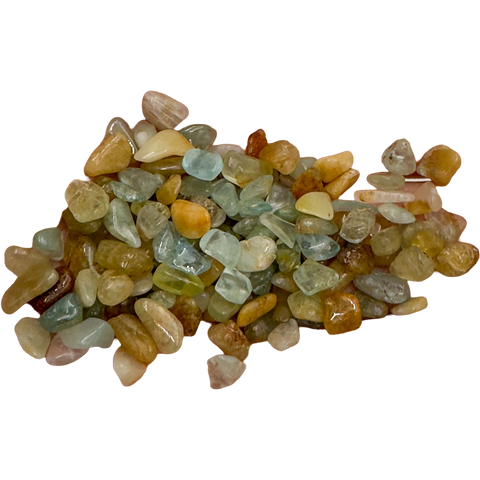
 Crystal Chips
21 pieces
Browse everything
Every collection, one page.
View All Collections →
Crystal Chips
21 pieces
Browse everything
Every collection, one page.
View All Collections →


 Aries
Mar 21 – Apr 19
Carnelian
›
Aries
Mar 21 – Apr 19
Carnelian
›
 Taurus
Apr 20 – May 20
Rose Quartz
›
Taurus
Apr 20 – May 20
Rose Quartz
›
 Gemini
May 21 – Jun 20
Agate
›
Gemini
May 21 – Jun 20
Agate
›
 Cancer
Jun 21 – Jul 22
Moonstone
›
Cancer
Jun 21 – Jul 22
Moonstone
›
 Leo
Jul 23 – Aug 22
Citrine
›
Leo
Jul 23 – Aug 22
Citrine
›
 Virgo
Aug 23 – Sep 22
Amazonite
›
Virgo
Aug 23 – Sep 22
Amazonite
›
 Libra
Sep 23 – Oct 22
Blue Lace Agate
›
Libra
Sep 23 – Oct 22
Blue Lace Agate
›
 Scorpio
Oct 23 – Nov 21
Obsidian
›
Scorpio
Oct 23 – Nov 21
Obsidian
›
 Sagittarius
Nov 22 – Dec 21
Sodalite
›
Sagittarius
Nov 22 – Dec 21
Sodalite
›
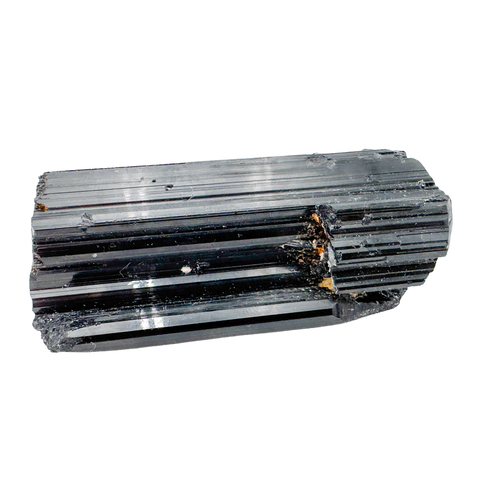
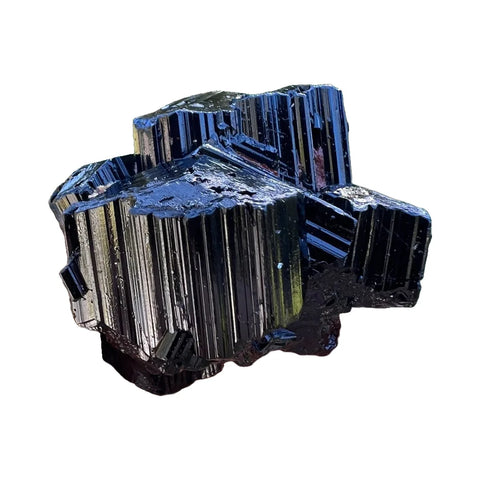
 Capricorn
Dec 22 – Jan 19
Black Tourmaline
›
Capricorn
Dec 22 – Jan 19
Black Tourmaline
›
 Aquarius
Jan 20 – Feb 18
Amethyst
›
Aquarius
Jan 20 – Feb 18
Amethyst
›
 Pisces
Feb 19 – Mar 20
Aquamarine
›
Gifting?
A birthday stone is the safe bet.
Read the zodiac guide →
Pisces
Feb 19 – Mar 20
Aquamarine
›
Gifting?
A birthday stone is the safe bet.
Read the zodiac guide →

Crocoite
Crocoite grows as brilliant orange to red needle-like crystals that look almost too vivid to be real. The finest come from Dundas in Tasmania, where the mineral is a point of local pride. It is soft, fragile, and made of lead chromate, so it lives its life as a display specimen.
The geology.
Crocoite is lead chromate, PbCrO4, a monoclinic mineral prized for slender prismatic crystals in glowing shades of orange to hyacinth-red. It has an adamantine to vitreous luster, a specific gravity around 6, and a hardness of only 2.5 to 3, which leaves the delicate needles easy to bend and break.
Its color comes from chromium in the structure, and the crystals often grow in open cavities as sprays of bright reddish-orange blades. Crocoite forms in the oxidized zones of lead deposits, where lead-bearing minerals meet chromium-rich fluids, an unusual combination that helps explain why fine crocoite is rare and localized.
The origins.
Dundas, Tasmania, is the world's premier source. The Adelaide, Red Lead, and other mines there have produced the finest crocoite specimens known, cavities lined with brilliant orange crystal sprays, and the mineral is celebrated as Tasmania's official mineral emblem.
The mineral was first found at the Berezovskoe gold deposit near Ekaterinburg in Russia's Ural Mountains, its type locality, and it also occurs in Brazil, Germany, the Philippines, Zimbabwe, and the United States. Outside Tasmania, though, large, well-preserved crystal groups are uncommon.
Traditional associations.
Many people associate crocoite with creativity, passion, and vitality, drawing on its fiery orange-red color. In modern practice it is sometimes described as a stone for inspiration, sensuality, and a spark of renewed energy, linked with the warmth of its glowing crystals.
Because it is fragile and made of lead chromate, crocoite is worked with as a specimen kept safely in a case rather than handled often, carried, or placed in water. These associations are traditional and personal, not medical claims. It is most often linked with the Sacral chakra and the element of Fire.
Spotting the real thing.
Genuine crocoite shows slender, bright orange to red prismatic crystals with a brilliant adamantine luster, real heft from its lead content, and a hardness low enough to scratch easily. Tasmanian specimens typically appear as tangled sprays of needles in and on a matrix, sometimes with pale host rock.
Outright fakes are unusual, since crocoite is distinctive and hard to imitate. The main cautions are condition and labeling. Fragile sprays are easily damaged and sometimes repaired, so inspect for broken or reglued needles, and confirm locality, since Dundas material carries a premium over crocoite from lesser-known sources.
Care & handling.
Handle crocoite as little as possible. The needle crystals are soft, at 2.5 to 3 on the Mohs scale, and snap under the lightest pressure, so hold specimens by the matrix and keep them in a stable case away from vibration and dusting. A protected display is the safest home for a fine spray.
Because crocoite is a lead chromate, wash your hands after handling, avoid creating or breathing any dust, and do not make elixirs or place it in water. Keep it out of strong direct light and away from children and pets. Treat it as a specimen to admire rather than a stone to carry.
Pairs well with.
A deeper look.
Extended geology, sourcing, authentication, history, and varieties, for when the quick guide isn't quite enough.
Extended geology
Crocoite crystallizes in the monoclinic system, most often as long, slender prisms with a bright adamantine luster, though it also occurs as granular masses and crusts. The chromium in its structure produces the intense orange-red color, and its high specific gravity of about 6 reflects the heavy lead it contains. It is soft and sectile, with the fragility typical of lead minerals.
It is a secondary mineral, forming in the oxidized zones of lead ore bodies where descending, chromium-bearing solutions react with lead minerals such as galena. That specific chemical meeting of lead and chromium is uncommon in nature, which is why crocoite is a rare mineral found in relatively few places, usually as a collector's curiosity rather than an ore.
Extended sourcing
The Dundas mineral field in western Tasmania is the world's outstanding source, with the Adelaide Mine described as the prime locality for the species. Its cavities have yielded brilliant orange crystal sprays that set the standard for the mineral, and Tasmania recognizes crocoite as its official mineral emblem.
The species was first described from the Berezovskoe gold deposit in the Ural Mountains of Russia, discovered there in 1766 and later named from the Greek word for saffron in reference to its color. Additional occurrences are known in Brazil, Germany, the Philippines, Zimbabwe, and parts of the western United States, though fine crystals remain scarce.
Authentication and warning signs
Recognize crocoite by its slender orange-red crystals, adamantine luster, softness, high density, and typical occurrence as sprays on matrix. The combination of bright chromate color and clear lead heft is distinctive, and the classic tangled-needle habit of Tasmanian material is hard to mistake once seen.
Because deliberate fakes are rare, the practical questions are condition and provenance. Look closely for damaged or repaired sprays, since intact crystals are far more valuable, and verify the locality, as Dundas specimens are the most prized. As with all lead minerals, handle it responsibly and keep it as a display piece.
History and folklore
Crocoite was discovered at Berezovsk in the Urals in 1766 and played a notable part in the history of chemistry. In 1797 the French chemist Louis-Nicolas Vauquelin analyzed the mineral and, from it, isolated and identified a new element, chromium, whose name comes from the Greek for color because of the vivid hues of its compounds. The mineral itself was later named crocoise, and then crocoite, from the Greek krokos, saffron.
Varieties and forms
Crystal sprays: tangled clusters of bright orange-red needles in cavities, the classic and most prized form, above all from Dundas.
Prismatic single crystals: individual elongated crystals with adamantine luster.
Massive and granular crocoite: less showy orange material, the uncommon compact form.
Matrix specimens: crystals set on or in gossan and host rock, valued for aesthetic composition.
What it costs in the market
Small or damaged pieces are relatively affordable, while fine Dundas crocoite, undamaged sprays of vivid orange needles on matrix, ranks among the more valuable collector minerals and can reach hundreds to thousands of dollars for large aesthetic specimens. Color intensity, crystal size and integrity, matrix composition, and locality, with Dundas at the top, drive value.
An education-first guide.
We don't currently carry crocoite, so there's nothing to sell you here. This guide exists because the more you understand a stone, the better every decision you make about it becomes, wherever you buy it. Explore the rest of our crystal guides for stones we do source, each with full origin and treatment notes.
Explore the Crystal GuideThe closest match we carry: Carnelian.
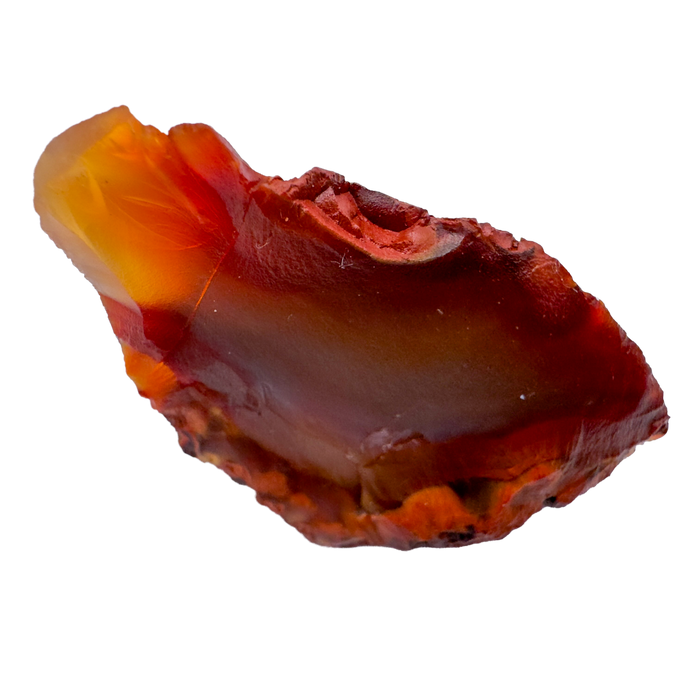
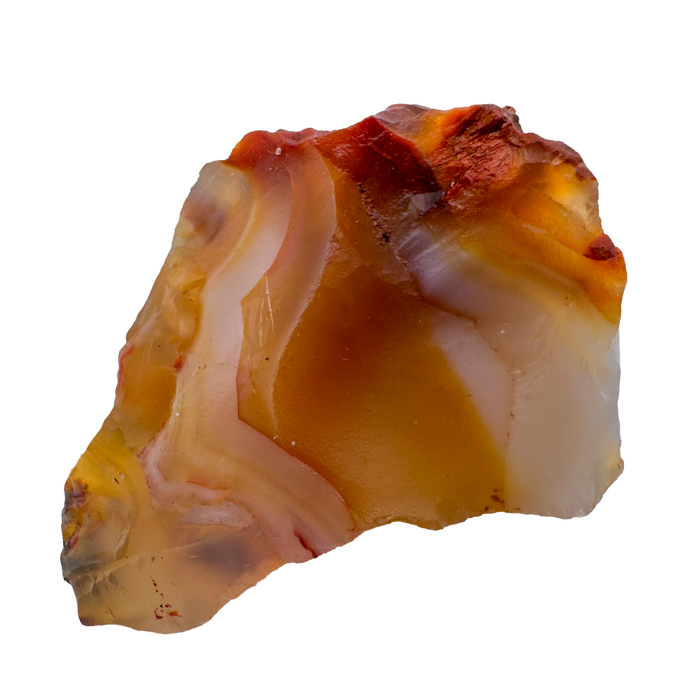
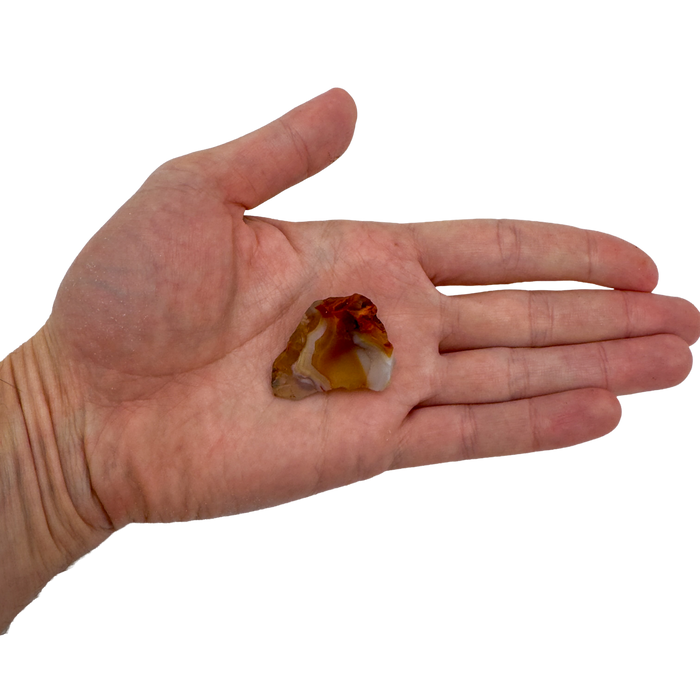
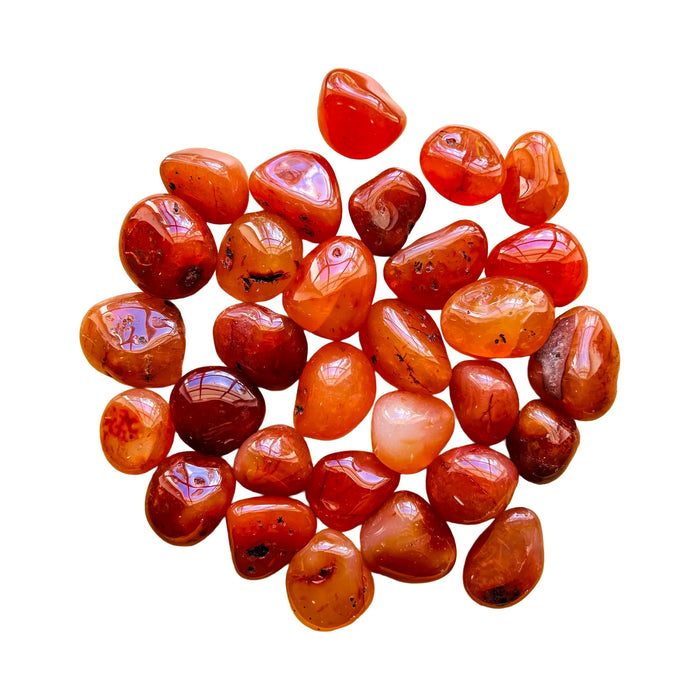
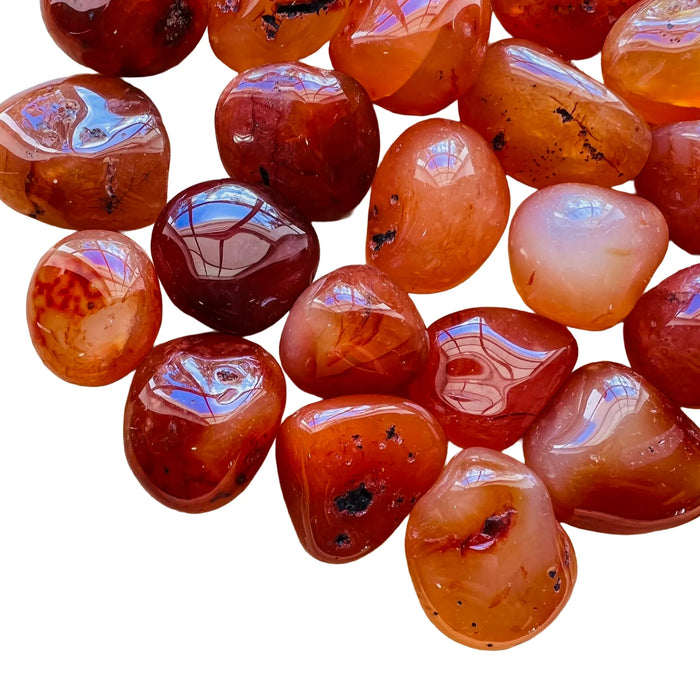
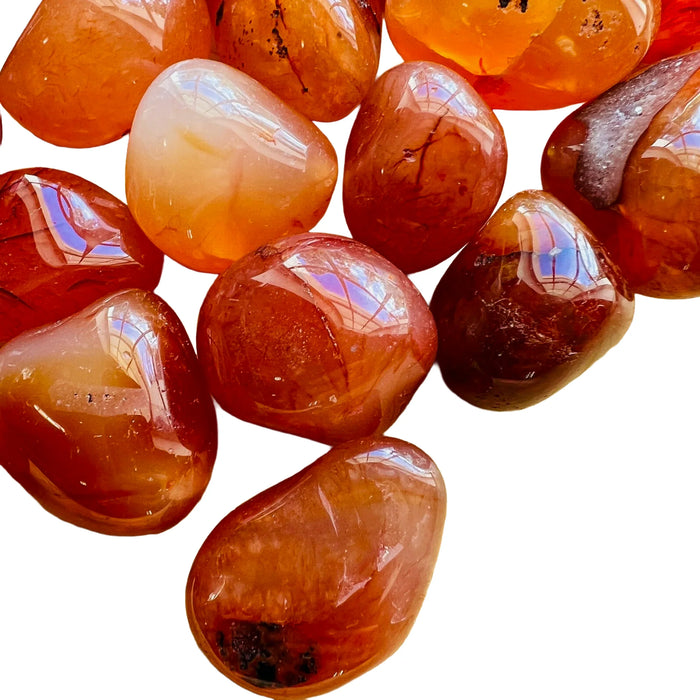
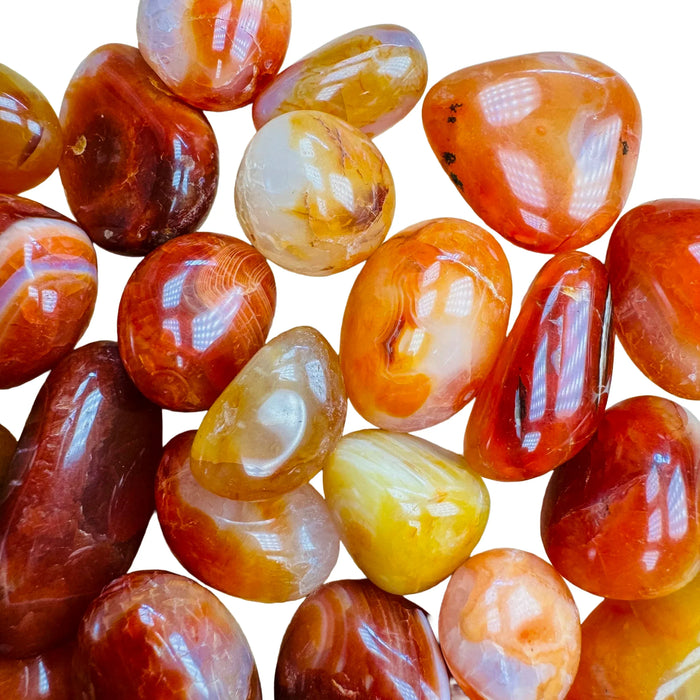
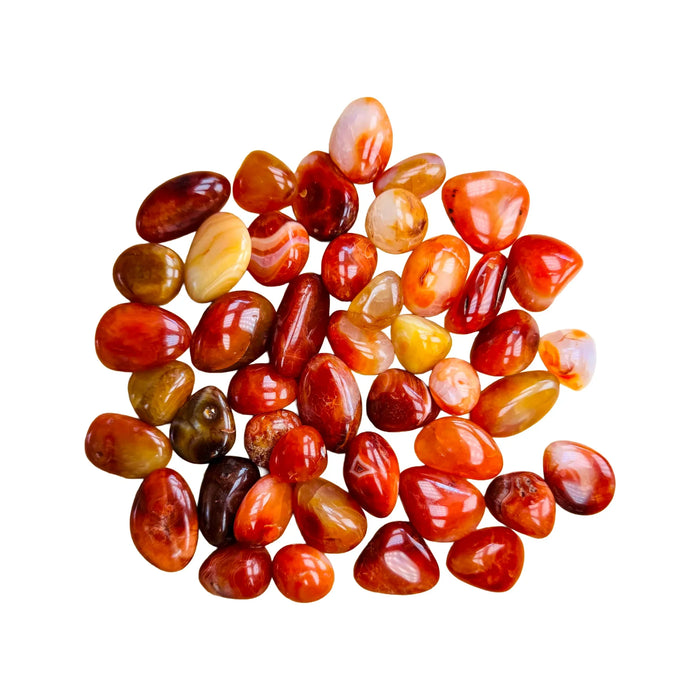
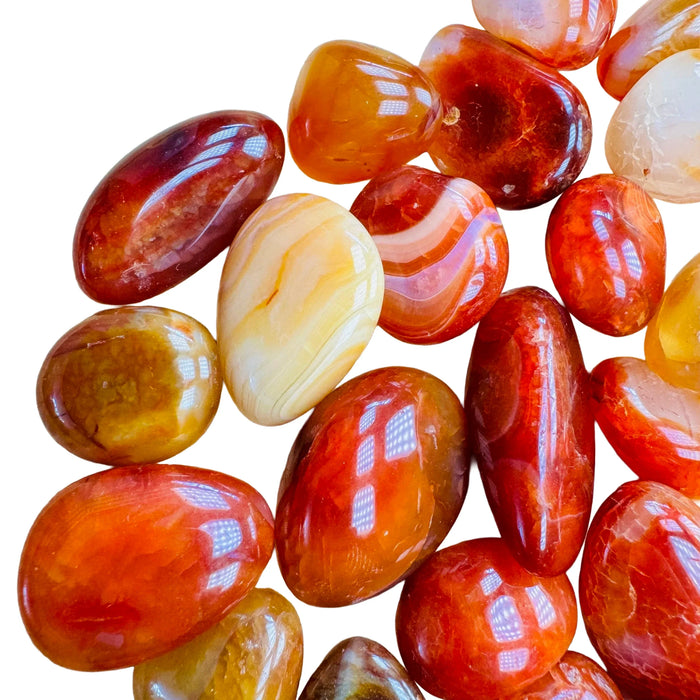
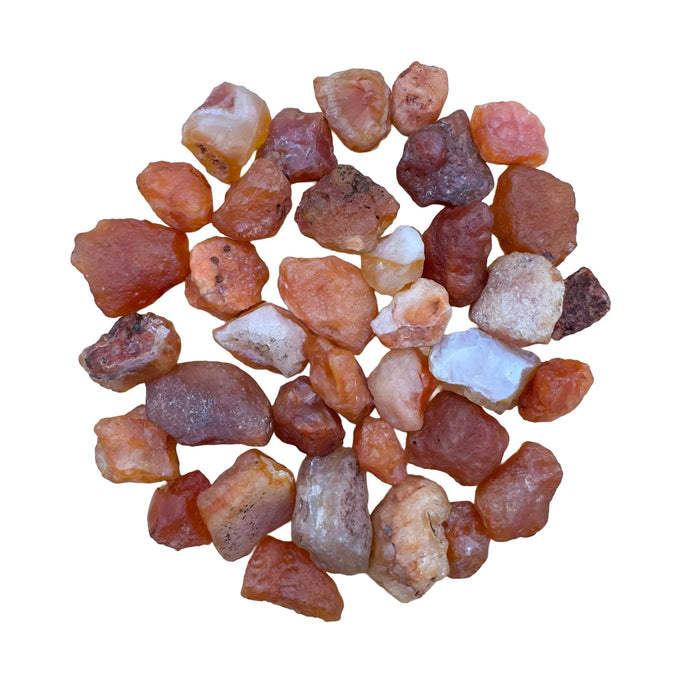
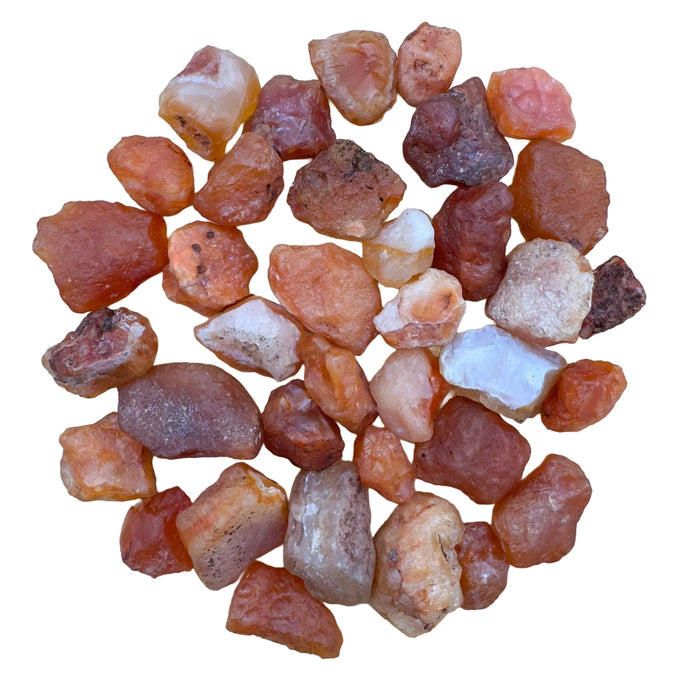
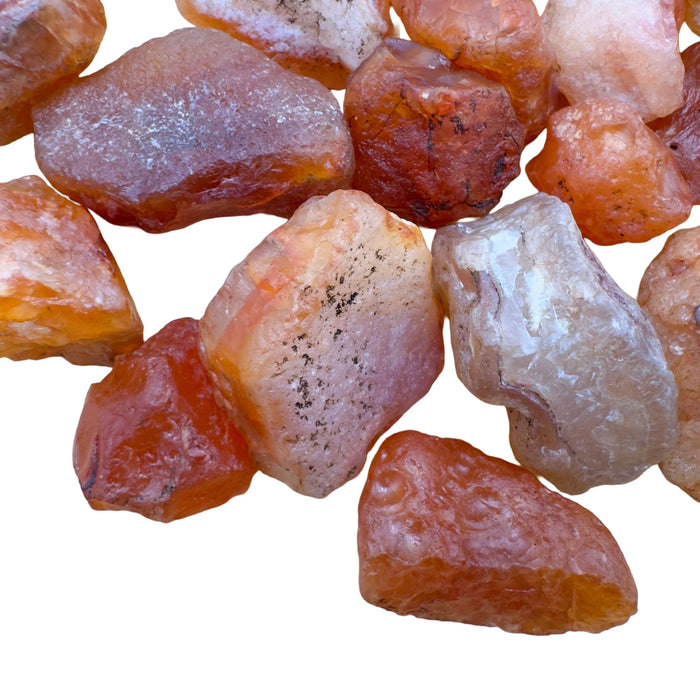
Crocoite is not something we carry. Carnelian is the closest match in our collection, and every piece passes our sourcing standards: origin named, treatments disclosed.
- from 1,000+ reviews
- Ships within 72 hoursMonday to Friday, tracked
- 90 days to return itif you do not love it
- Free US shipping over $99$8.99 flat rate under
The Slow Note
New stones go to the list first.
No forwarding, no selling. Unsubscribe in one click. Privacy