


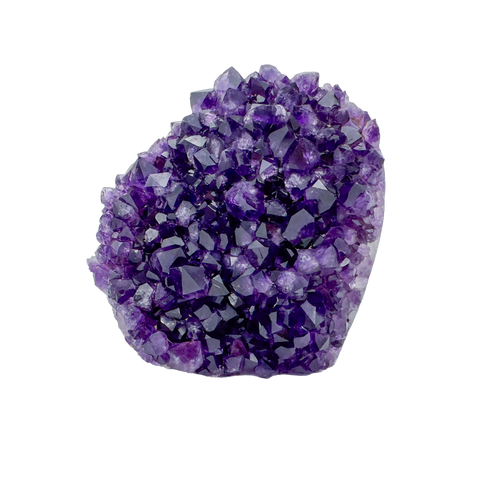
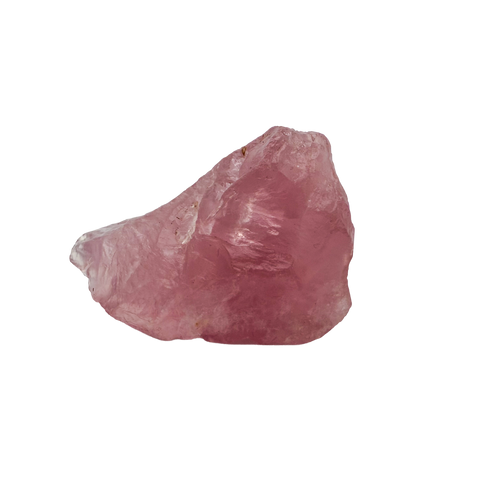
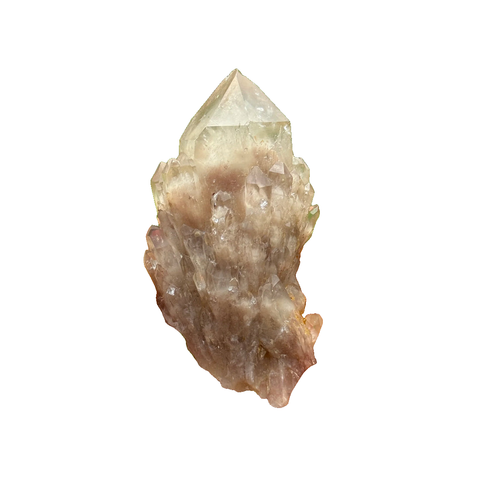
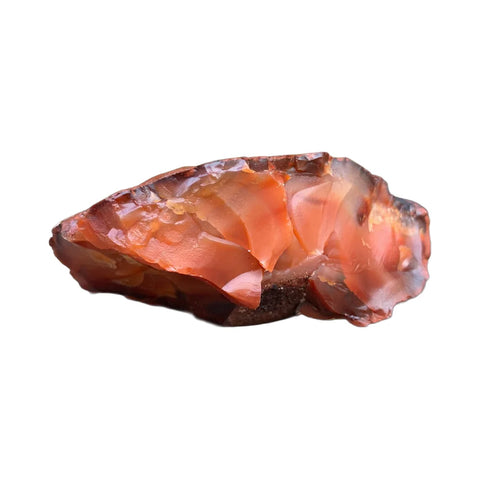
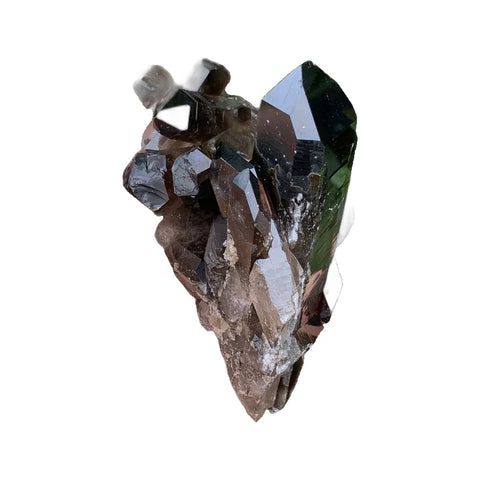
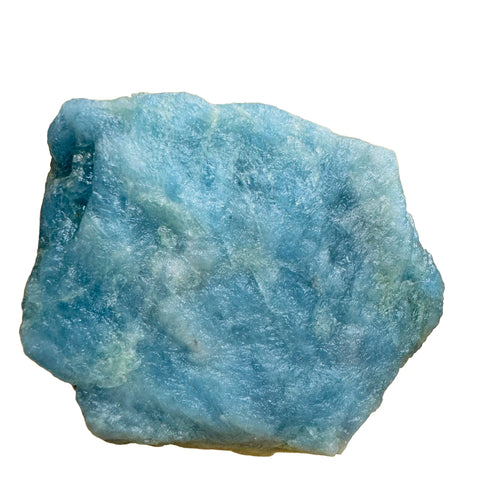
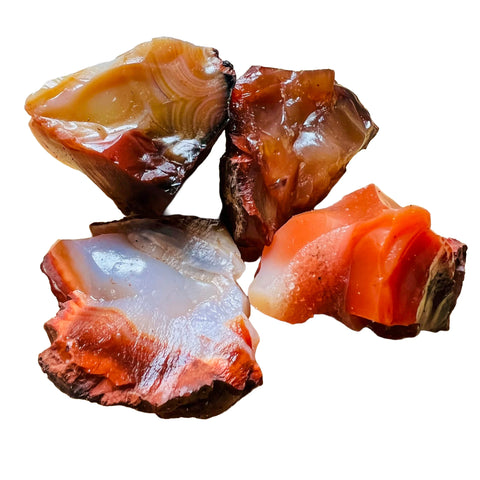


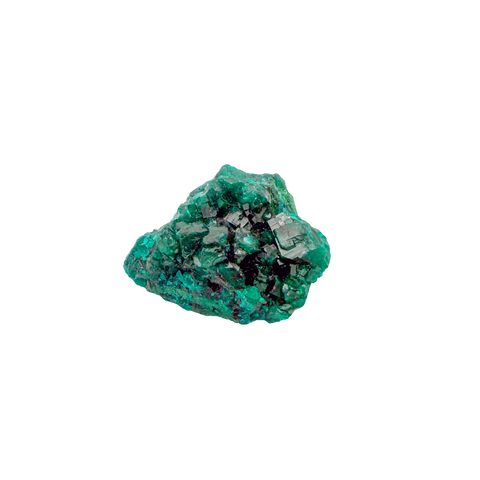
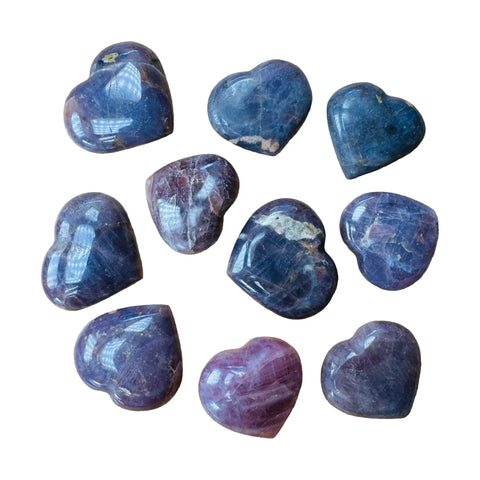
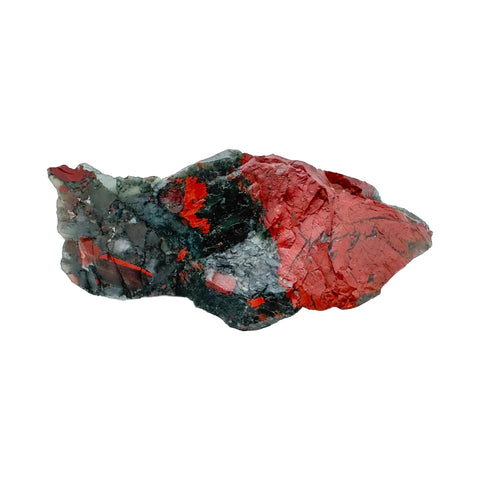
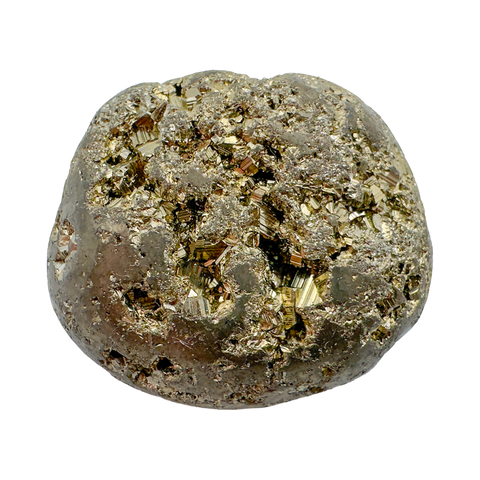
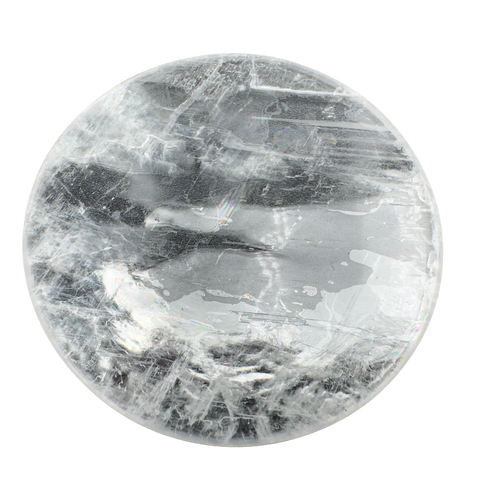
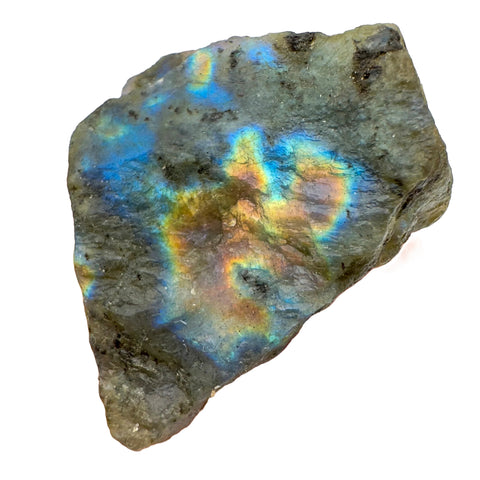
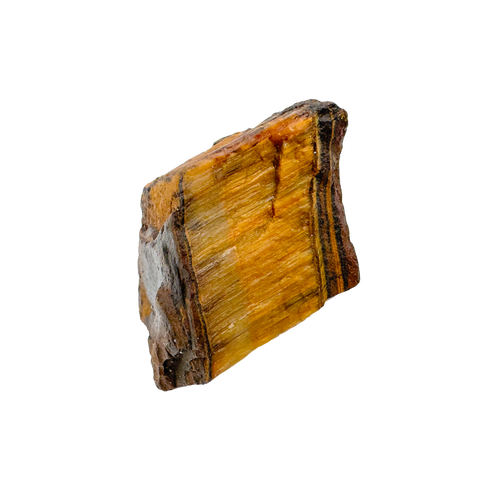
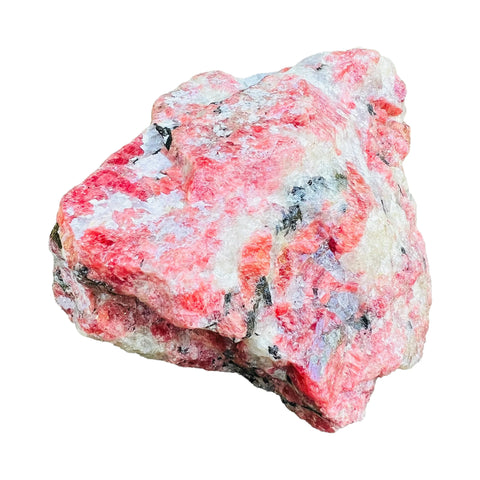
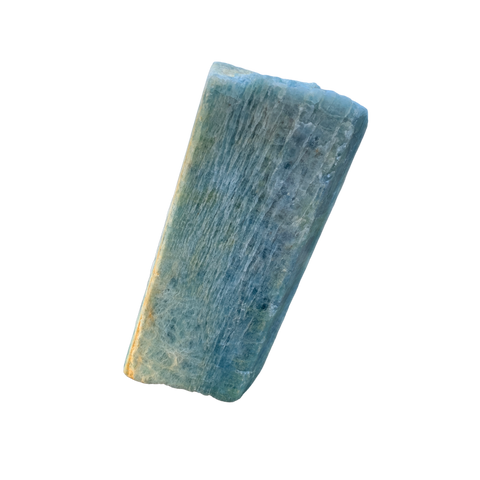
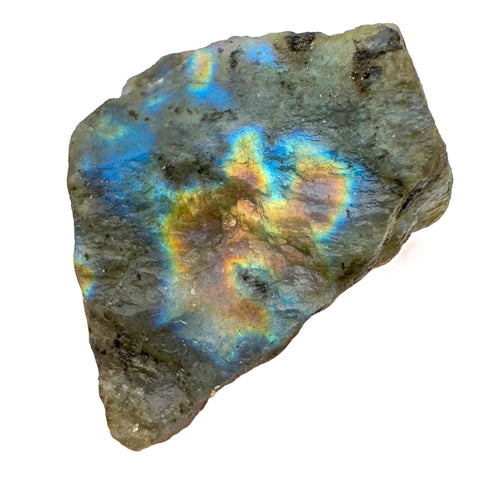


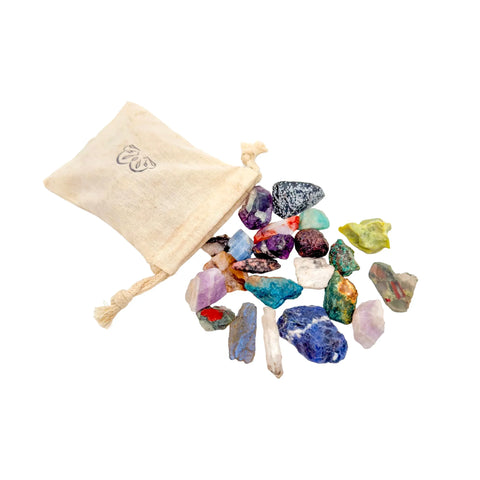
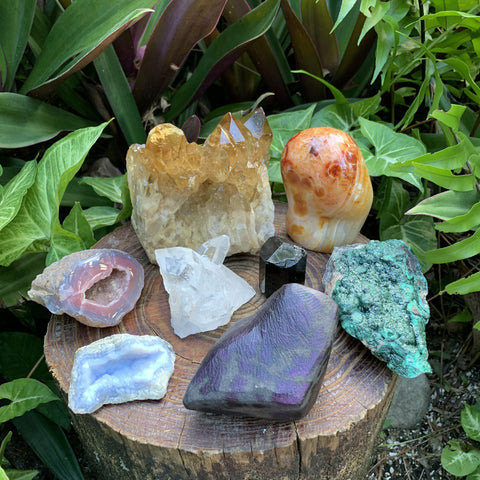
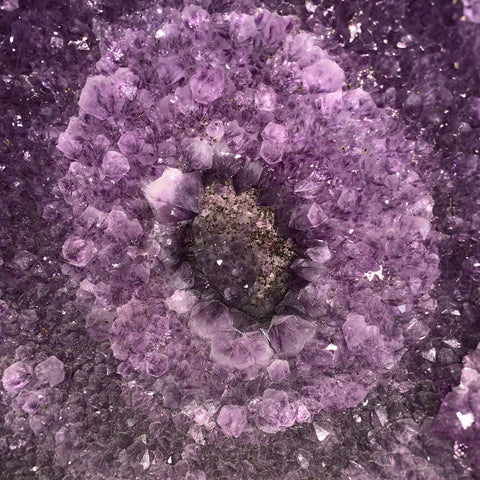
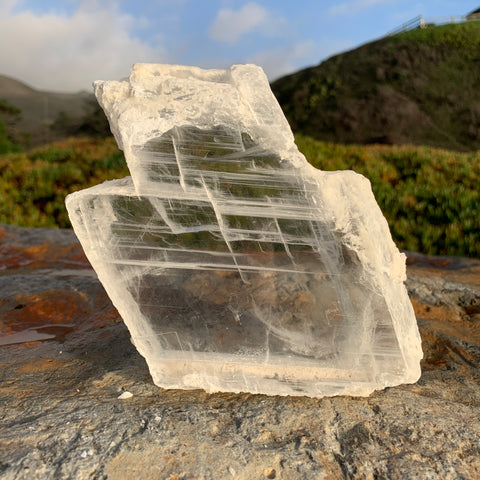
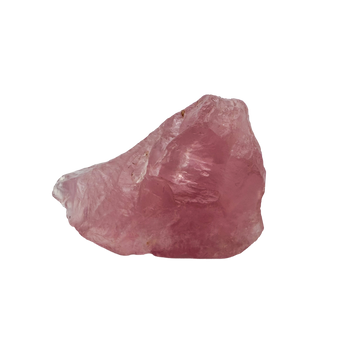
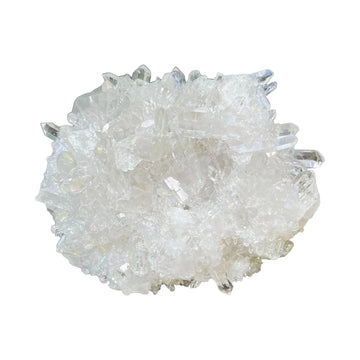
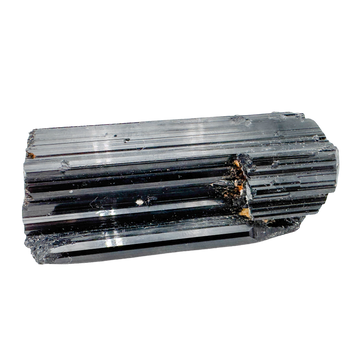
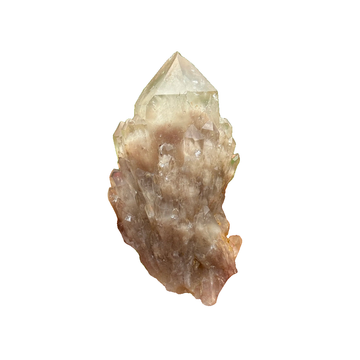
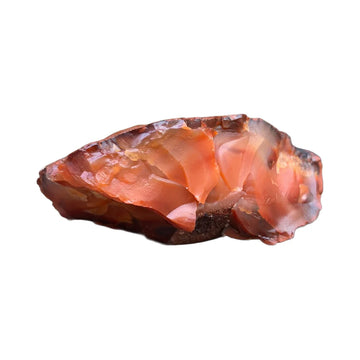
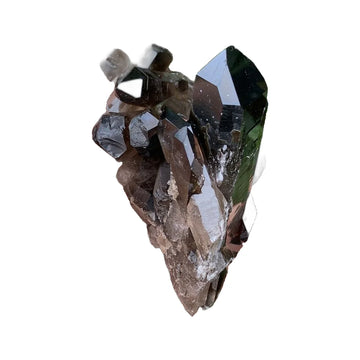
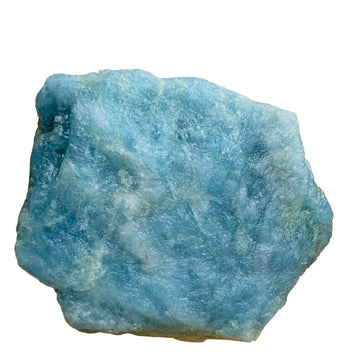
 Raw Stones
179 pieces
Raw Stones
179 pieces
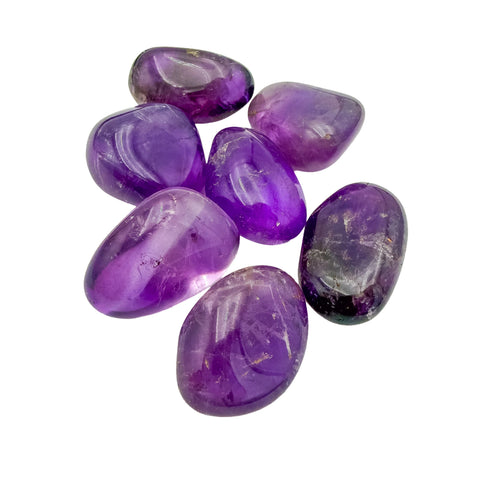
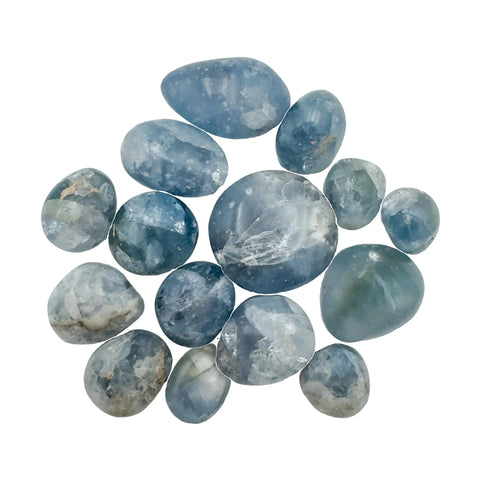
 Tumbled Stones
162 pieces
Tumbled Stones
162 pieces
 Palm Stones
25 pieces
Palm Stones
25 pieces
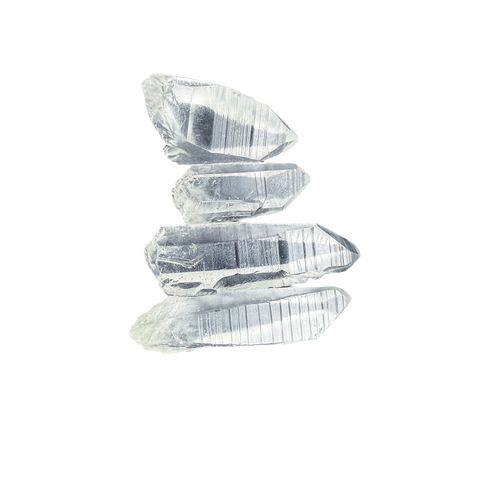
 Crystal Points
23 pieces
Crystal Points
23 pieces
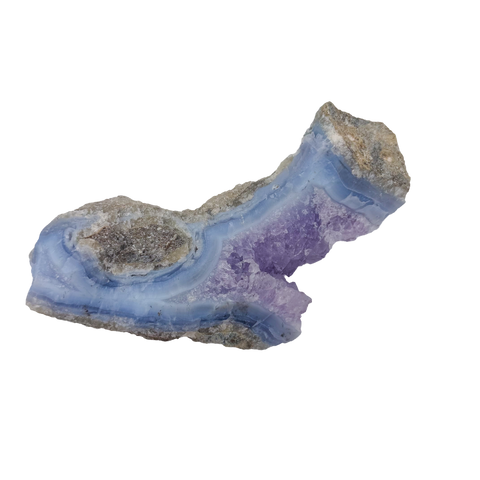
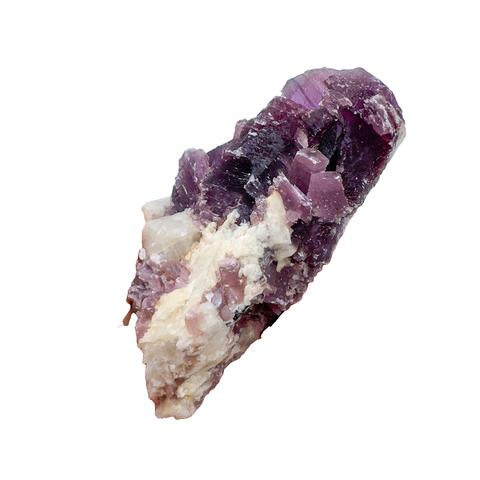
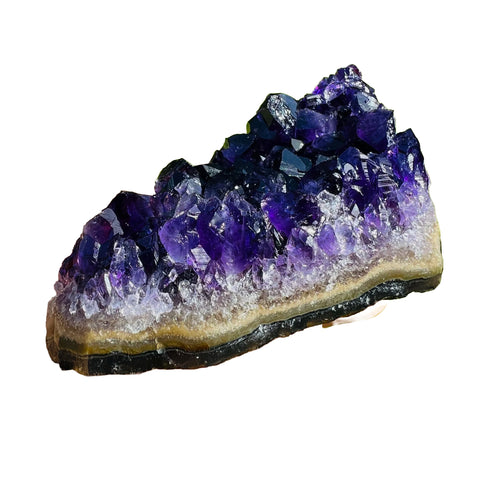
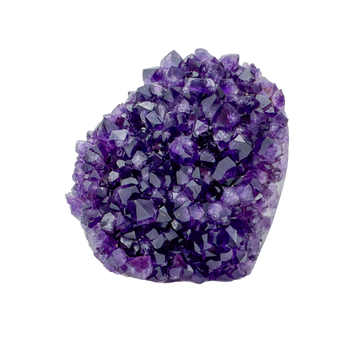
 Clusters & Geodes
104 pieces
Clusters & Geodes
104 pieces
 Polished & Decor
148 pieces
Polished & Decor
148 pieces
 Mineral Specimens
259 collector pieces
Mineral Specimens
259 collector pieces
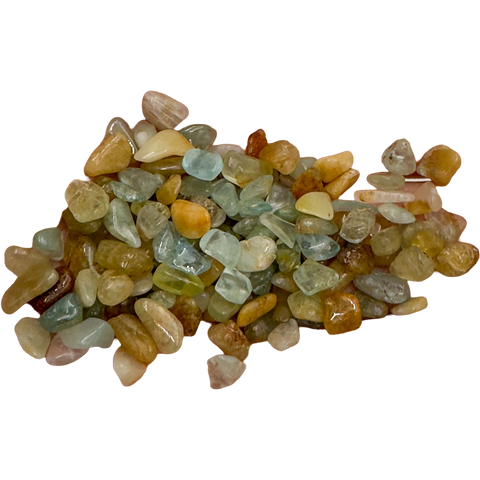
 Crystal Chips
21 pieces
Browse everything
Every collection, one page.
View All Collections →
Crystal Chips
21 pieces
Browse everything
Every collection, one page.
View All Collections →


 Aries
Mar 21 – Apr 19
Carnelian
›
Aries
Mar 21 – Apr 19
Carnelian
›
 Taurus
Apr 20 – May 20
Rose Quartz
›
Taurus
Apr 20 – May 20
Rose Quartz
›
 Gemini
May 21 – Jun 20
Agate
›
Gemini
May 21 – Jun 20
Agate
›
 Cancer
Jun 21 – Jul 22
Moonstone
›
Cancer
Jun 21 – Jul 22
Moonstone
›
 Leo
Jul 23 – Aug 22
Citrine
›
Leo
Jul 23 – Aug 22
Citrine
›
 Virgo
Aug 23 – Sep 22
Amazonite
›
Virgo
Aug 23 – Sep 22
Amazonite
›
 Libra
Sep 23 – Oct 22
Blue Lace Agate
›
Libra
Sep 23 – Oct 22
Blue Lace Agate
›
 Scorpio
Oct 23 – Nov 21
Obsidian
›
Scorpio
Oct 23 – Nov 21
Obsidian
›
 Sagittarius
Nov 22 – Dec 21
Sodalite
›
Sagittarius
Nov 22 – Dec 21
Sodalite
›
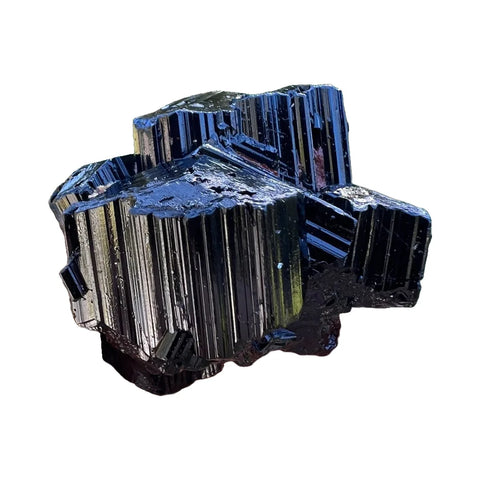
 Capricorn
Dec 22 – Jan 19
Black Tourmaline
›
Capricorn
Dec 22 – Jan 19
Black Tourmaline
›
 Aquarius
Jan 20 – Feb 18
Amethyst
›
Aquarius
Jan 20 – Feb 18
Amethyst
›
 Pisces
Feb 19 – Mar 20
Aquamarine
›
Gifting?
A birthday stone is the safe bet.
Read the zodiac guide →
Pisces
Feb 19 – Mar 20
Aquamarine
›
Gifting?
A birthday stone is the safe bet.
Read the zodiac guide →
Vanadinite
Vanadinite forms brilliant red to orange hexagonal crystals, a lead vanadate that grows in the weathered upper zones of lead deposits. Morocco's Mibladen district produces the world's finest. Because it contains lead, it is a display mineral that asks for simple, sensible handling.
The geology.
Vanadinite is a lead chlorovanadate, formula Pb5(VO4)3Cl, and a member of the apatite group. Its crystals are short hexagonal prisms, sometimes stacked or hollow, in colors from fiery red-orange to brown. The rich red comes from vanadium, while the lead makes the mineral surprisingly heavy for its size.
It is soft, around 3 on the Mohs scale, and brittle, so crystals chip easily. Vanadinite forms as a secondary mineral, meaning it grows when existing lead ores such as galena weather and react with vanadium-bearing solutions near the surface.
The origins.
Morocco is the heart of the vanadinite world. The Mibladen mining district near Midelt, worked for lead and vanadium, produces the bright red crystals on pale iron-stained rock that fill museum cases and collections. It is the reference source for quality.
Historic and ongoing localities also include Arizona and New Mexico in the United States, Namibia, and parts of Mexico. As with most collector minerals, a named locality and undamaged crystals raise a specimen's value well above broken or dull material.
Traditional associations.
Vanadinite is a modern collector's and metaphysical stone rather than an ancient charm. Its fiery color and grounding weight lead many people to associate it with drive, focus, and physical energy, and to connect it with the lower chakras.
It is often linked with the Sacral and Root chakras and the element of fire. Given its lead content, the common sense practice is to enjoy it as a display piece and to wash your hands after handling, rather than carrying it in a pocket or using it in water.
Spotting the real thing.
Genuine vanadinite shows crisp hexagonal crystals, sometimes as thin plates or little barrels, in a saturated red to orange, usually scattered across a pale rocky matrix. The crystals feel heavy for their size because of the lead, and the surfaces have a resinous to near-glassy shine.
Because the Moroccan material is so recognizable, outright fakes are uncommon, but be aware of repaired or glued crystals on damaged specimens and of similar red minerals like crocoite or wulfenite offered under the wrong name. Ask for the locality, and treat any deeply colored crystal with the sensible caution a lead mineral deserves.
Care & handling.
Vanadinite is soft, brittle, and lead-bearing, so handling is about care in two senses. Physically, keep it from knocks and abrasion, since the crystals chip and the color can dull with rough handling. Store it apart from harder stones.
For safety, wash your hands after handling, keep it away from children and pets, and never grind it, breathe its dust, or make elixirs or water infusions with it. A dry display life suits it best. To reset it energetically, many people use sound or moonlight rather than water.
Pairs well with.
A deeper look.
Extended geology, sourcing, authentication, history, and varieties, for when the quick guide isn't quite enough.
Extended geology
Vanadinite belongs to the apatite group and forms in the oxidized zones of lead ore bodies, where descending waters rework primary minerals like galena. Vanadium, often drawn from surrounding rocks, combines with lead, oxygen, and chlorine to build the crystals. Its specific gravity is high, near 6.8, a direct result of the heavy lead atoms in its structure.
Extended sourcing
The Mibladen district in Morocco, along with the nearby Touissit area, produced the great flush of fine red vanadinite that collectors know today. Older American specimens came from Arizona localities such as the Old Yuma Mine, and Namibia and Mexico have contributed as well. Vanadinite has also been mined as a minor ore of both vanadium and lead.
Authentication and warning signs
Look for sharp hexagonal crystals with real weight and a resinous shine, on a natural matrix. The main honest concerns are repaired specimens and mislabeling, since red minerals like crocoite and wulfenite can be confused with it. Because it contains lead, treat cutting, grinding, or elixir-making suggestions as signs of a seller who is not handling the material responsibly.
History and folklore
Vanadinite is tied to the story of vanadium itself, the element first noticed by the Spanish-Mexican scientist Andres Manuel del Rio around 1801 and later confirmed and named for the Norse goddess Freyja, called Vanadis. The mineral has little ancient folklore and is valued today as a specimen and a modern energy stone.
Varieties and trade names
Vanadinite is usually sold simply by locality, with Moroccan Mibladen material the best known. Endlichite is a name for arsenic-bearing vanadinite. Most pieces are natural crystal clusters on matrix rather than cut stones, since the mineral is too soft and too rich in lead for everyday jewelry.
What it costs in the market
Small Moroccan clusters are affordable, while large specimens with bright, undamaged crystals and good coverage reach well into the hundreds of dollars. Value follows crystal size, color saturation, sharpness, and how cleanly the crystals sit on the matrix.
An education-first guide.
We built this guide as pure education. The clearer you are on what vanadinite is, where it forms, and how to handle a lead mineral responsibly, the better every decision you make about it, wherever you buy. Browse the rest of our crystal guides for more.
Explore the Crystal GuideLove Vanadinite? Meet Red Jasper.
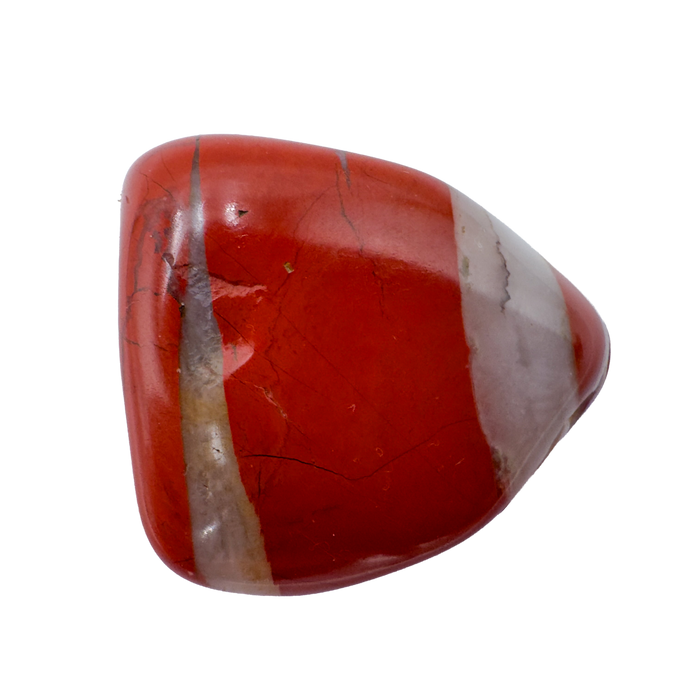
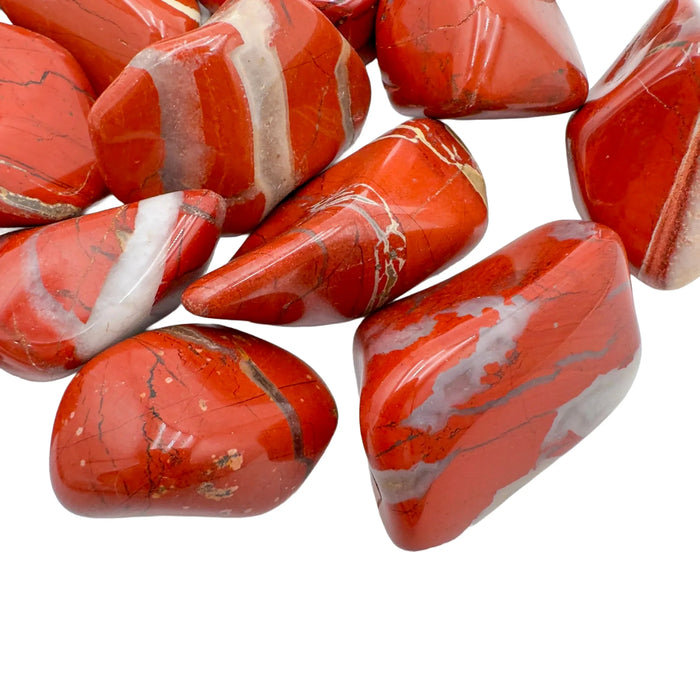
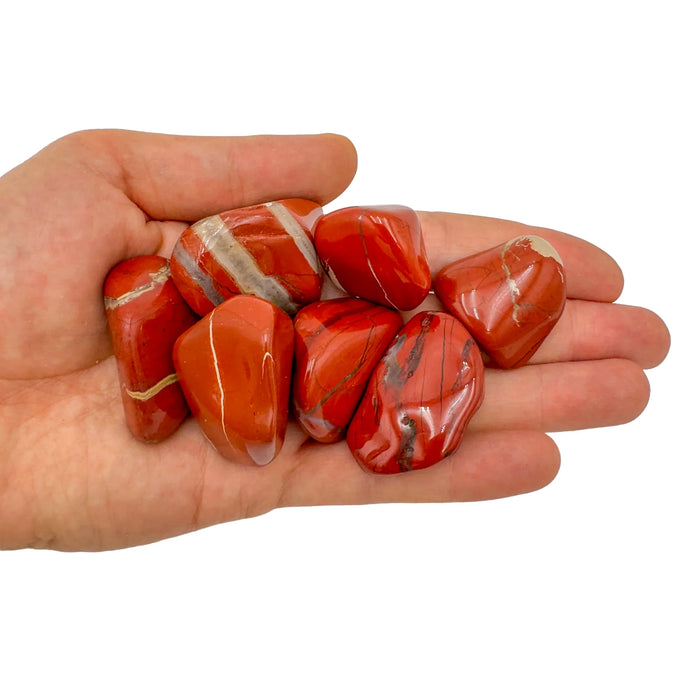
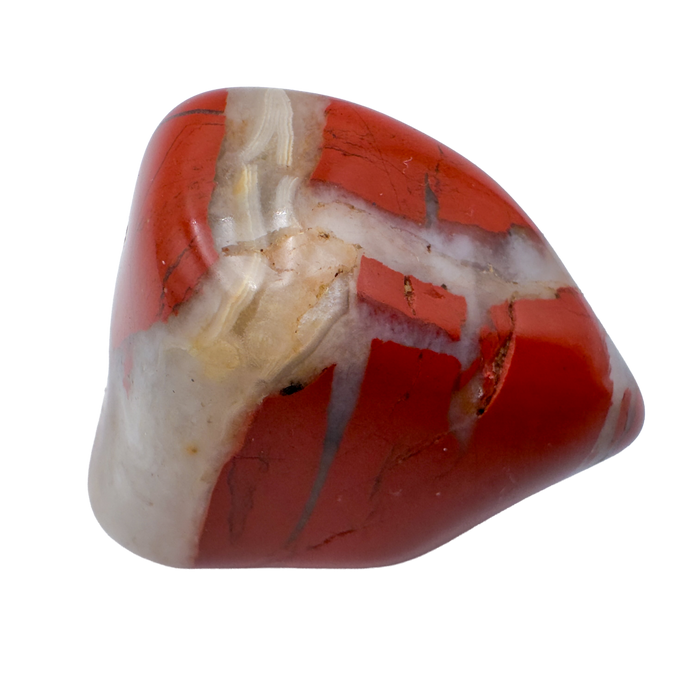
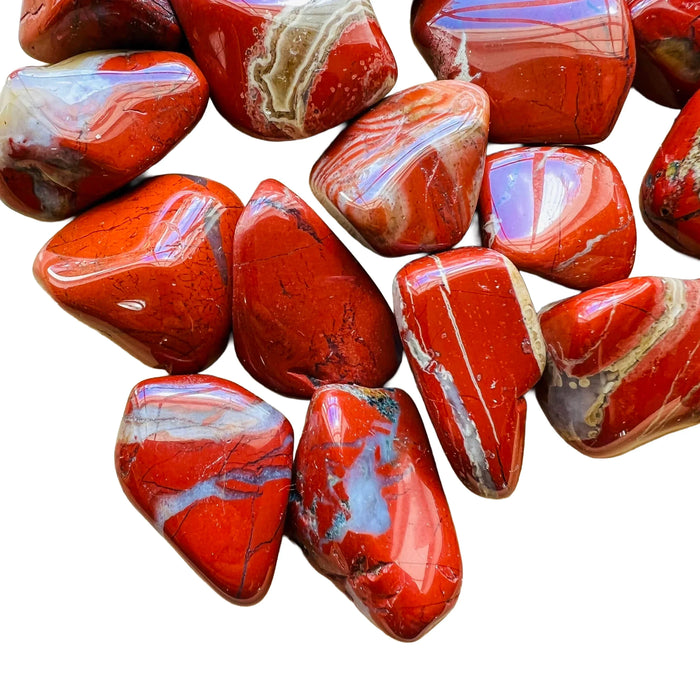
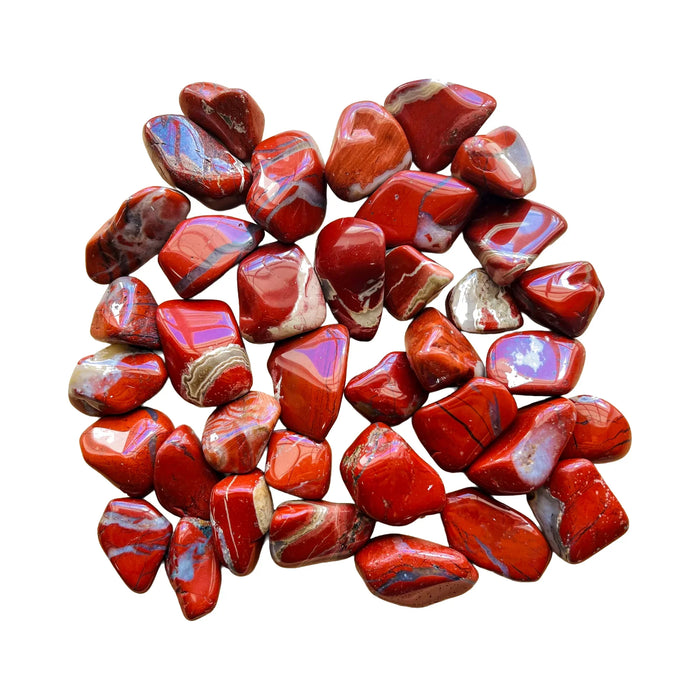
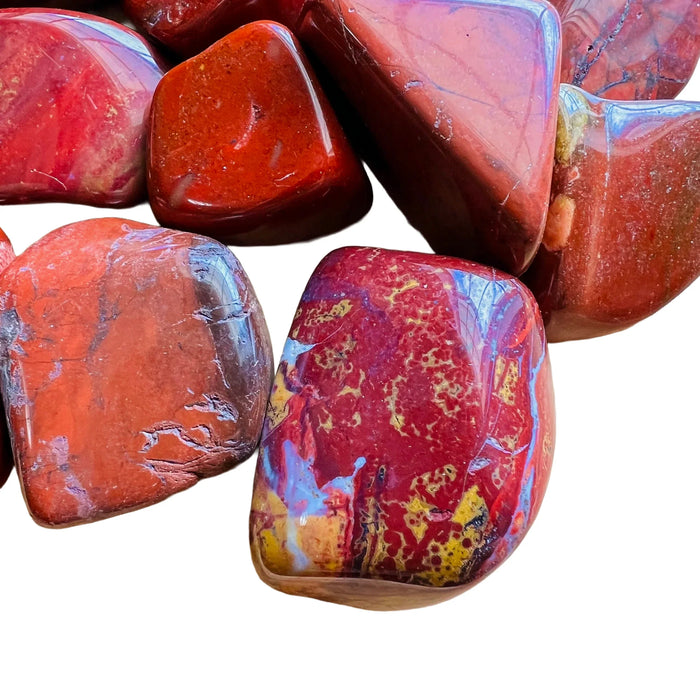
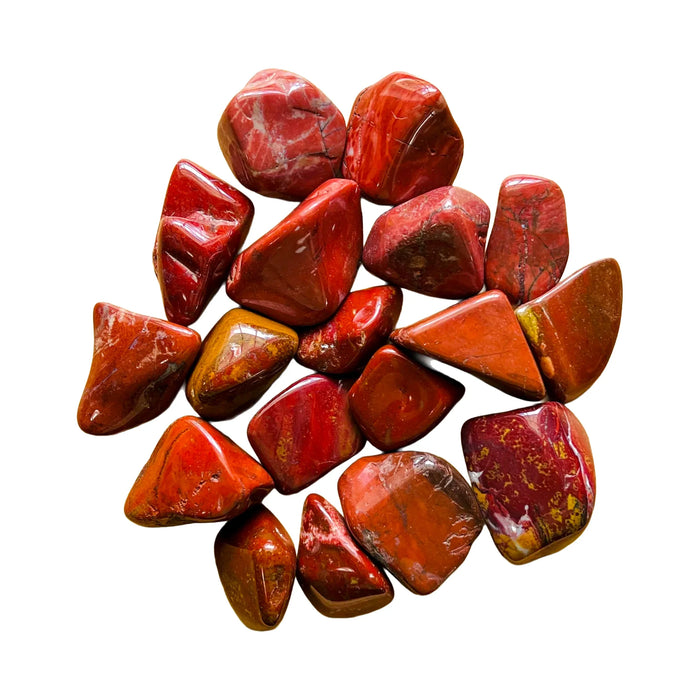
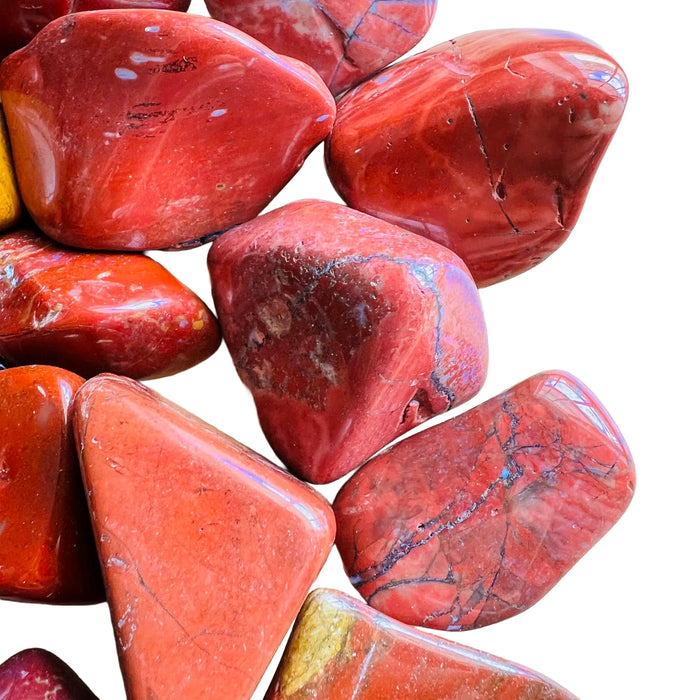
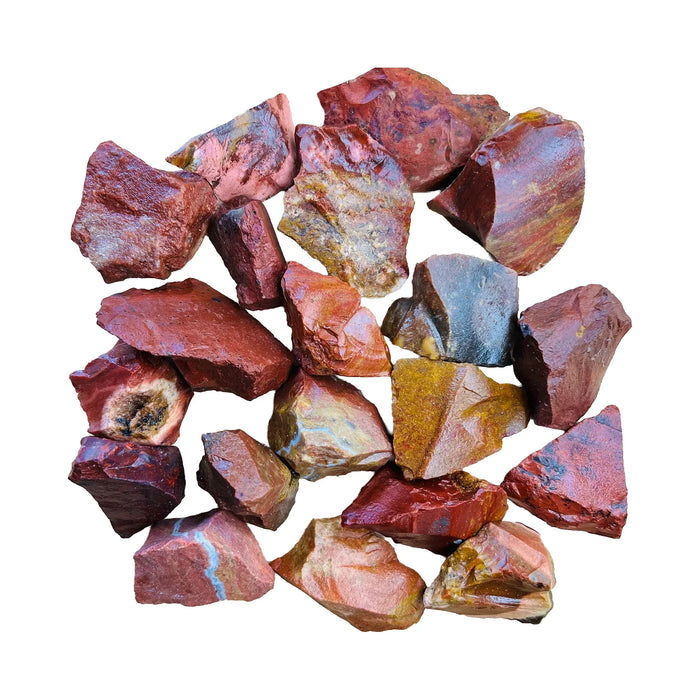
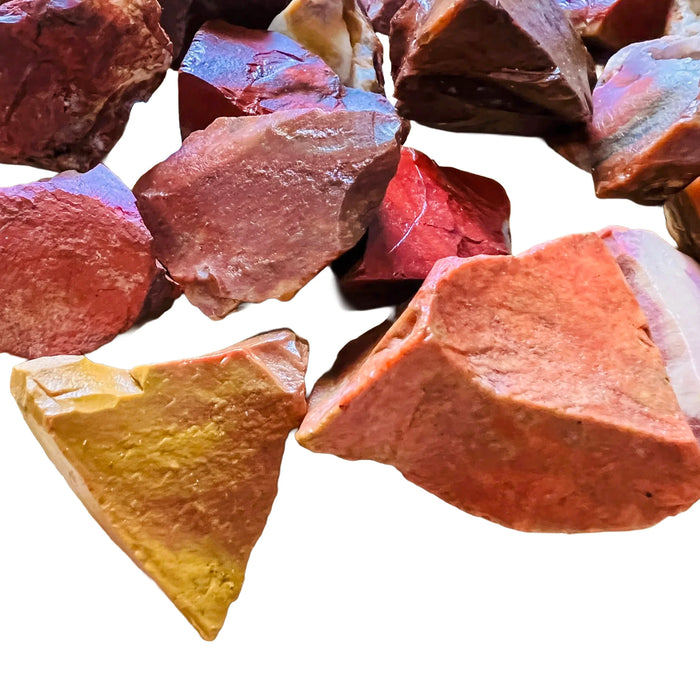
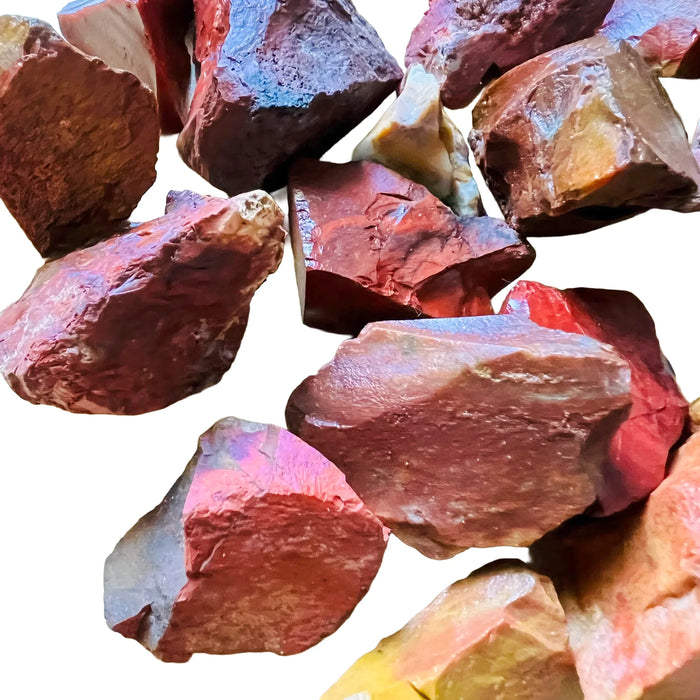
Vanadinite is not something we carry. Red Jasper is the closest match in color, and every piece passes our sourcing standards: origin named, treatments disclosed.
- from 1,000+ reviews
- Ships within 72 hoursMonday to Friday, tracked
- 90 days to return itif you do not love it
- Free US shipping over $99$8.99 flat rate under
The Slow Note
New stones go to the list first.
No forwarding, no selling. Unsubscribe in one click. Privacy