


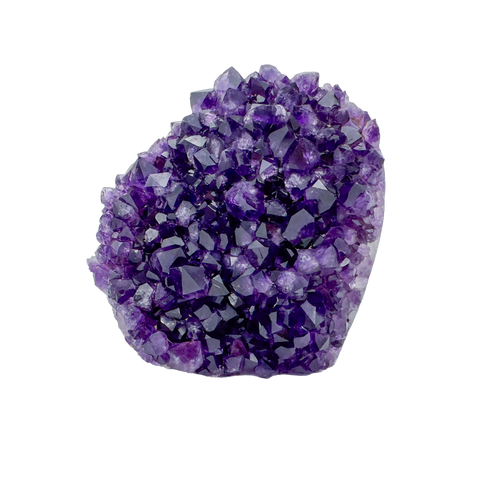
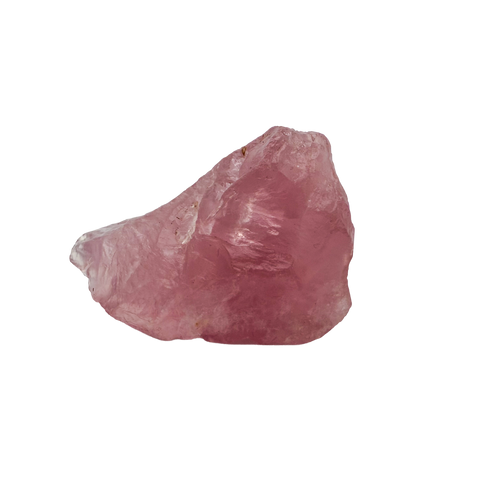
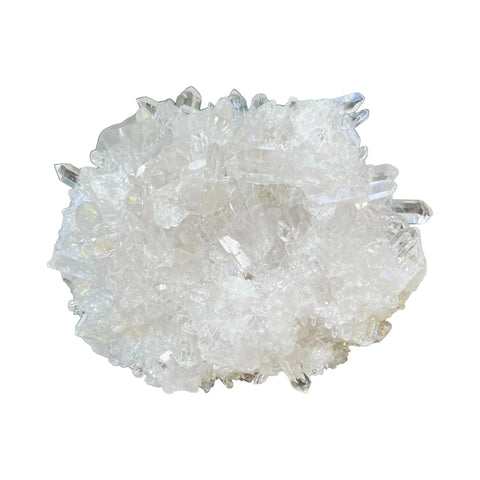
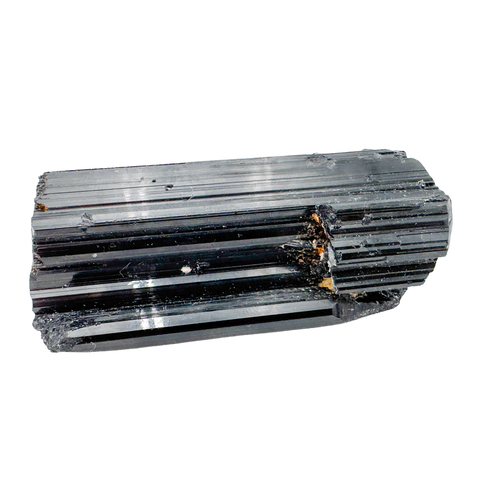
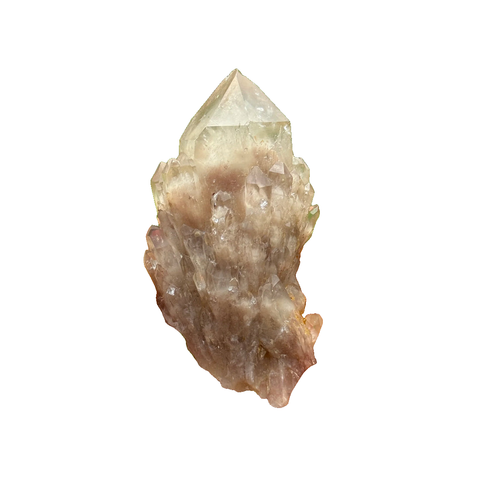
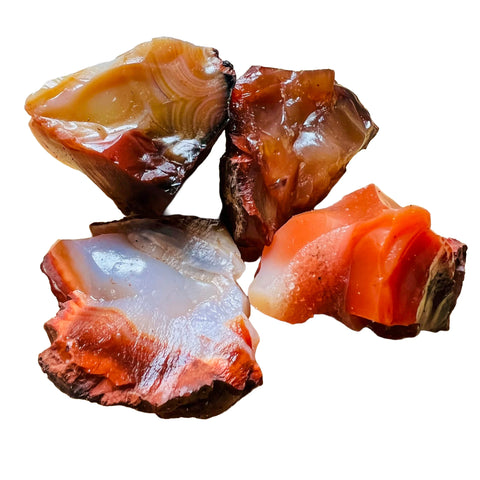


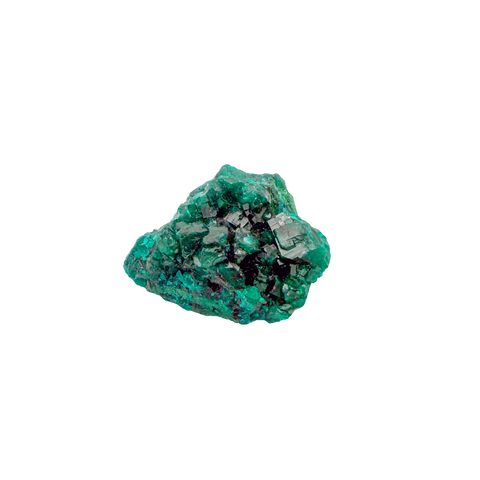
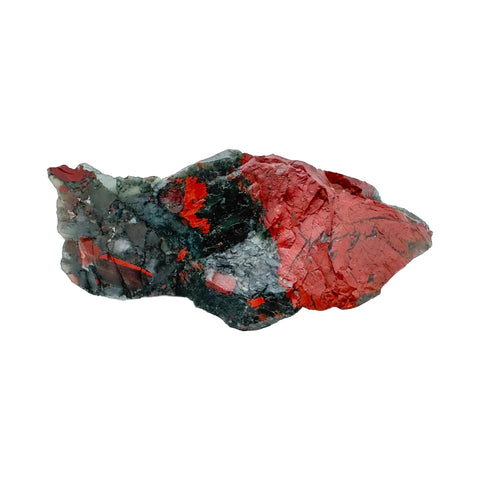
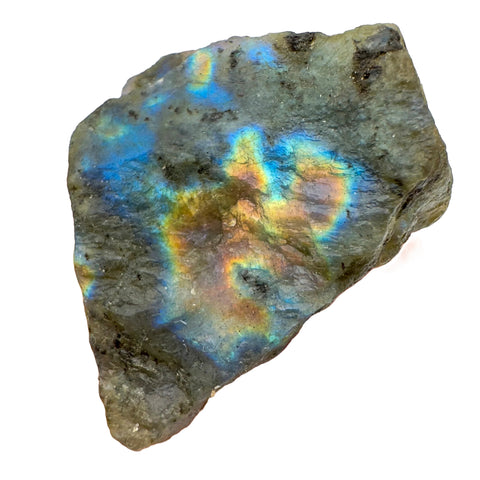
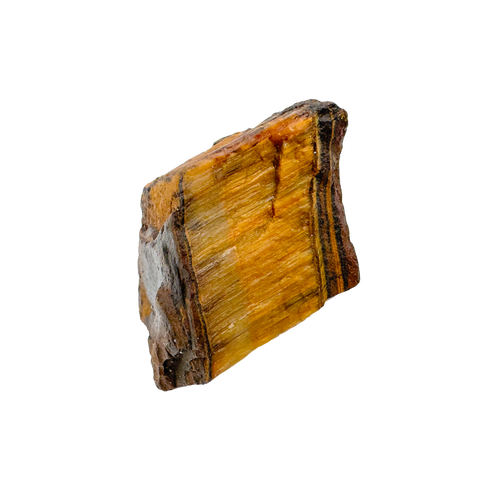
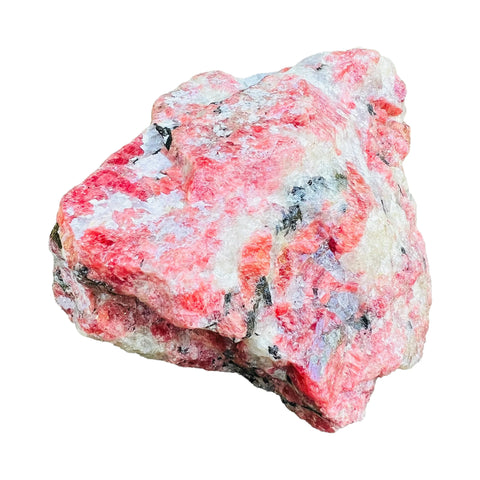
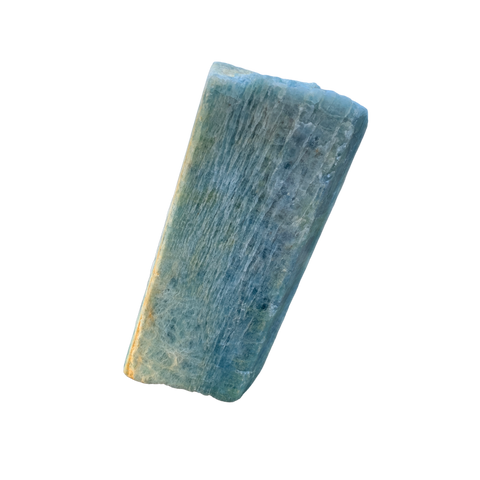
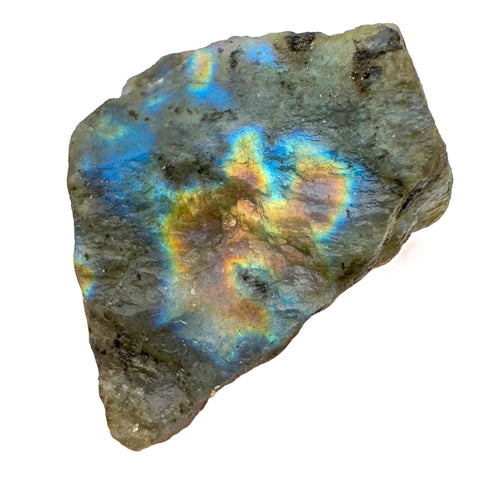
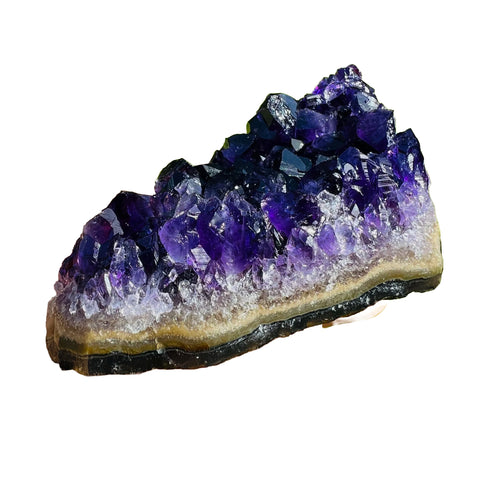



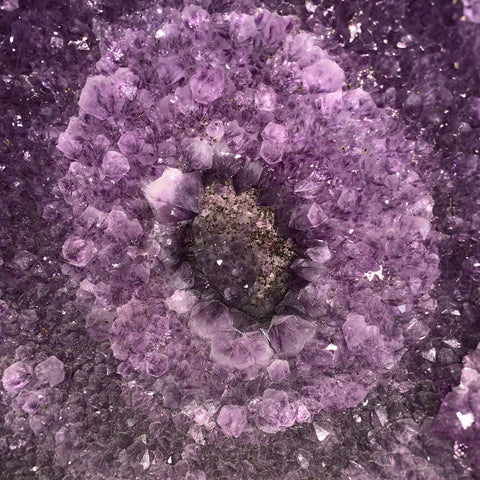
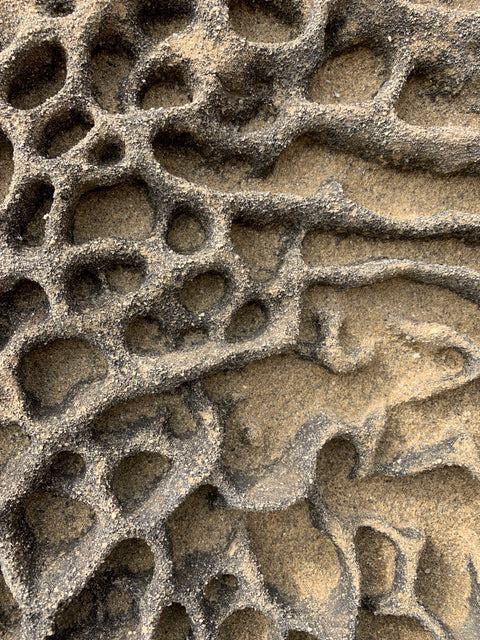
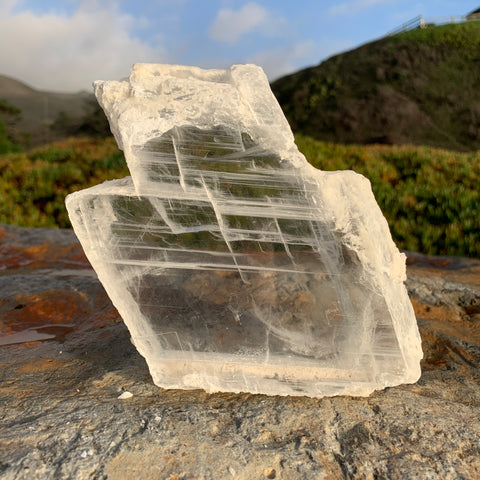
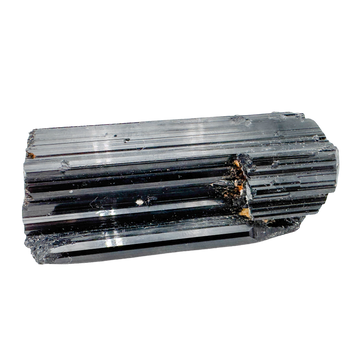
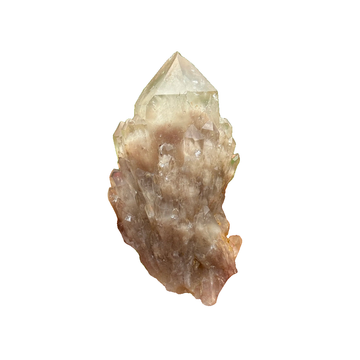
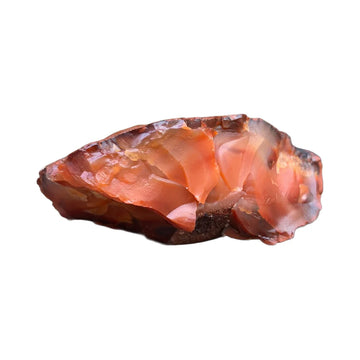
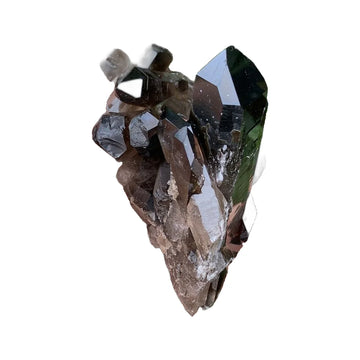
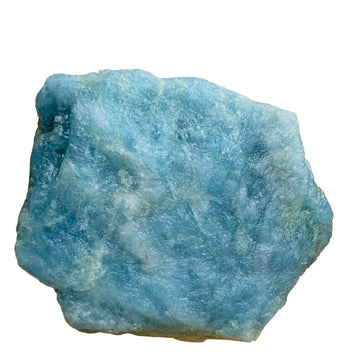
 Raw Stones
179 pieces
Raw Stones
179 pieces
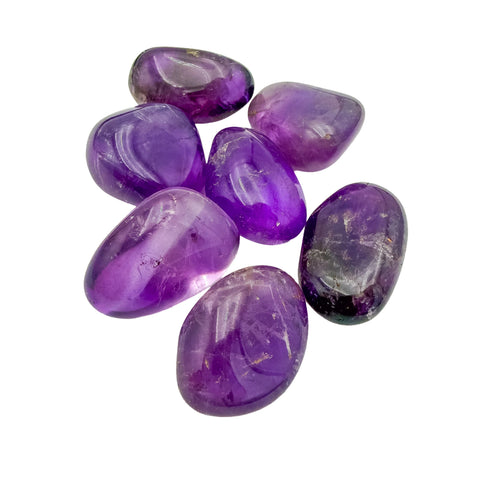
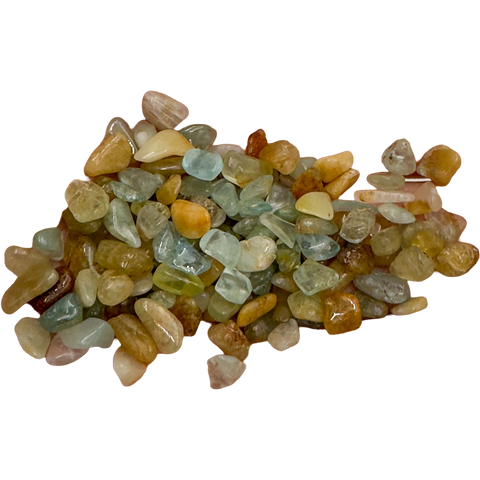
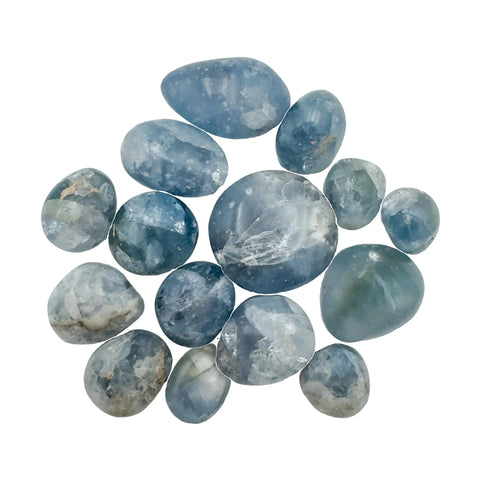
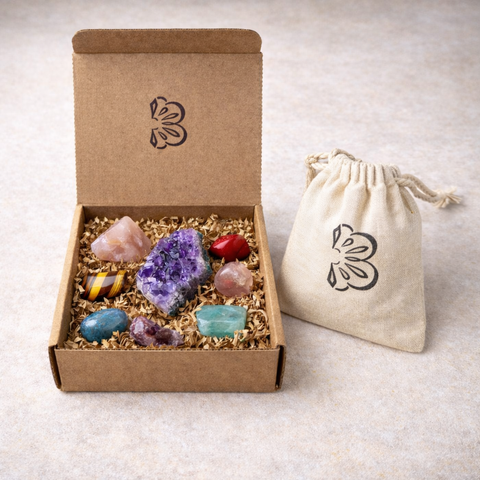
 Tumbled Stones
162 pieces
Tumbled Stones
162 pieces
 Palm Stones
25 pieces
Palm Stones
25 pieces
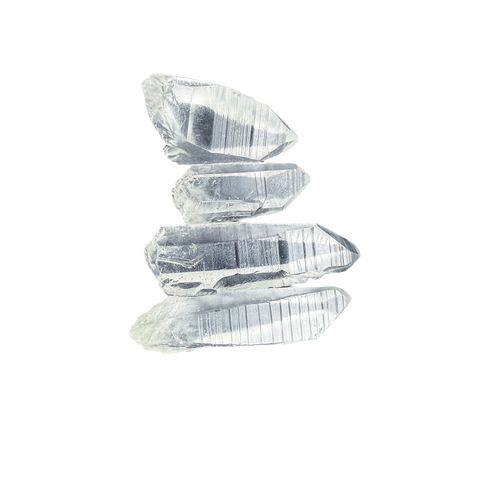
 Crystal Points
23 pieces
Crystal Points
23 pieces
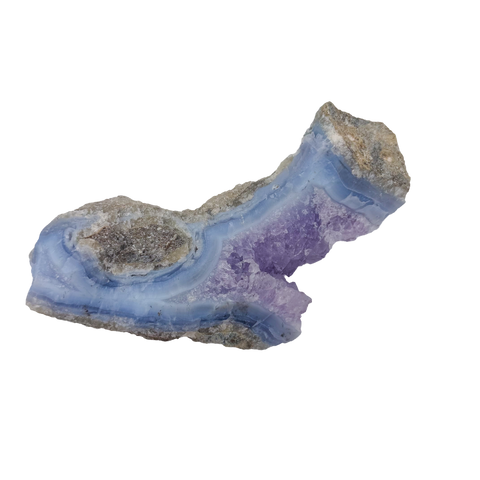
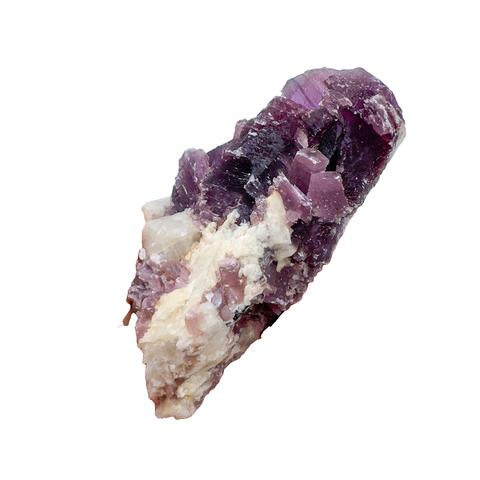
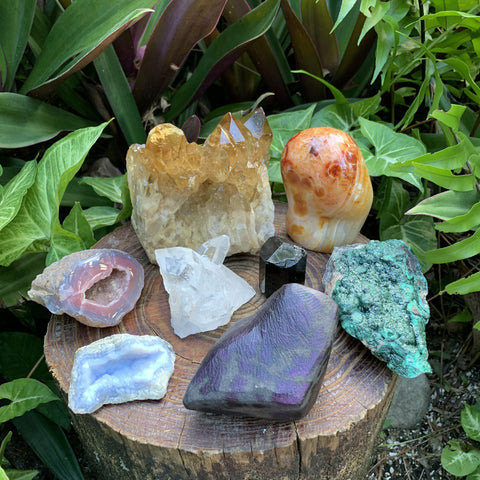
 Clusters & Geodes
104 pieces
Clusters & Geodes
104 pieces
 Polished & Decor
148 pieces
Polished & Decor
148 pieces
 Mineral Specimens
259 collector pieces
Mineral Specimens
259 collector pieces
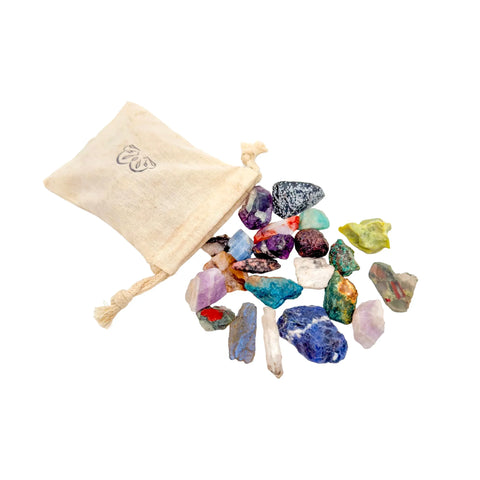
 Crystal Chips
21 pieces
Browse everything
Every collection, one page.
View All Collections →
Crystal Chips
21 pieces
Browse everything
Every collection, one page.
View All Collections →


 Aries
Mar 21 – Apr 19
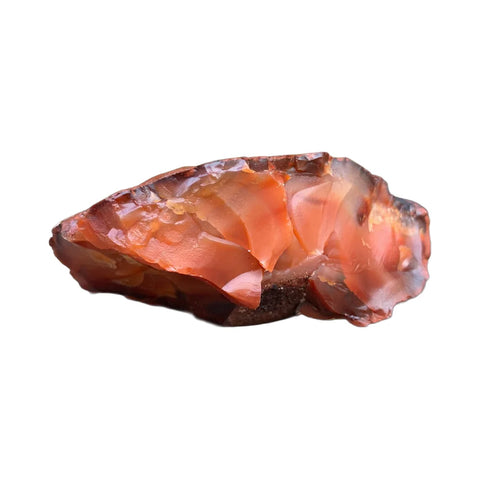
Carnelian
›
Aries
Mar 21 – Apr 19
Carnelian
›
 Taurus
Apr 20 – May 20
Rose Quartz
›
Taurus
Apr 20 – May 20
Rose Quartz
›
 Gemini
May 21 – Jun 20
Agate
›
Gemini
May 21 – Jun 20
Agate
›
 Cancer
Jun 21 – Jul 22
Moonstone
›
Cancer
Jun 21 – Jul 22
Moonstone
›
 Leo
Jul 23 – Aug 22
Citrine
›
Leo
Jul 23 – Aug 22
Citrine
›
 Virgo
Aug 23 – Sep 22
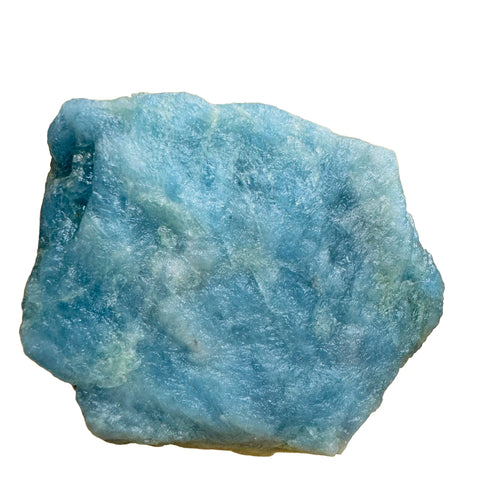
Amazonite
›
Virgo
Aug 23 – Sep 22
Amazonite
›
 Libra
Sep 23 – Oct 22
Blue Lace Agate
›
Libra
Sep 23 – Oct 22
Blue Lace Agate
›
 Scorpio
Oct 23 – Nov 21
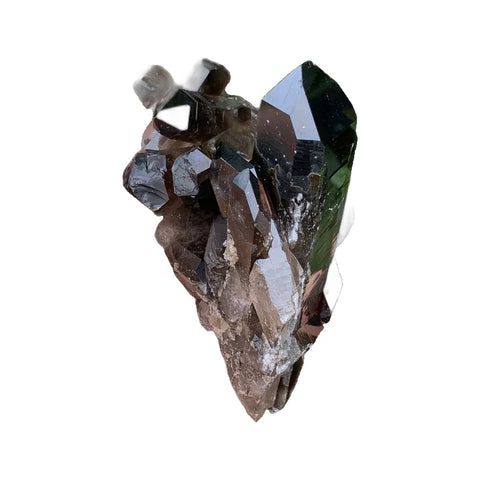
Obsidian
›
Scorpio
Oct 23 – Nov 21
Obsidian
›
 Sagittarius
Nov 22 – Dec 21
Sodalite
›
Sagittarius
Nov 22 – Dec 21
Sodalite
›
 Capricorn
Dec 22 – Jan 19
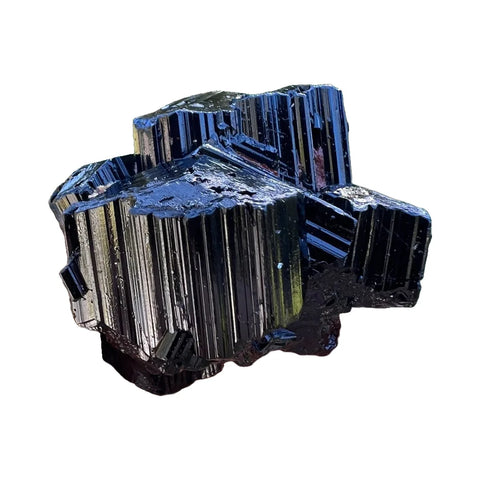
Black Tourmaline
›
Capricorn
Dec 22 – Jan 19
Black Tourmaline
›
 Aquarius
Jan 20 – Feb 18
Amethyst
›
Aquarius
Jan 20 – Feb 18
Amethyst
›
 Pisces
Feb 19 – Mar 20
Aquamarine
›
Gifting?
A birthday stone is the safe bet.
Read the zodiac guide →
Pisces
Feb 19 – Mar 20
Aquamarine
›
Gifting?
A birthday stone is the safe bet.
Read the zodiac guide →


Imperial Jasper
Imperial jasper, and its finest grade Royal Imperial jasper, is an orbicular jasper from the canyons of central Mexico. Where many jaspers shout in red and gold, this one tends toward gentle creams, greens, lavenders, and pinks, often ringed with soft eye-like patterns. It is counted among the world's fine jaspers.
The geology.
Imperial jasper is jasper, an opaque variety of chalcedony and so a form of quartz (SiO2). Its calling card is orbicular patterning, soft circular rings and eyes set in a pastel body, formed as silica crystallized around centers during the stone's growth. Trace minerals give the gentle green, lavender, pink, and cream tones.
At 6.5 to 7 on the Mohs scale it is hard and durable like all quartz jaspers, taking a fine polish. The best nodules show tight, well-defined orbs and a smooth range of pastel color, which is what sets the Royal Imperial grade apart.
The origins.
Imperial jasper comes from Mexico, from the Sierra Madre Occidental near the border of Jalisco and Zacatecas, roughly fifty miles north of Guadalajara. Royal Imperial jasper, the prized grade, is found as small nodules with a chalky white skin, and these nodules are what tend to hold the finest orbicular patterns.
Plain Imperial jasper occurs in larger veins and pieces with the same colors but fewer orbs. The Mexican deposits are the recognized source for this material, and named grades like Royal Imperial signal the small, orb-rich nodules that collectors seek.
Traditional associations.
Soft and calming in appearance, imperial jasper is associated in tradition with tranquility, patience, and steady nurturing energy. Many people work with it for a calm, grounded sense of wellbeing, and for the patience to see slow things through.
It is most often linked with the Heart chakra, the element of Earth, and the sign Taurus. A common practice is to keep a piece close during quiet focus or rest, drawn to its gentle color as much as its associations.
Spotting the real thing.
Genuine imperial jasper is opaque, hard enough to scratch glass, and shows soft pastel color with orbicular rings that sit within the stone. Natural orbs are a little irregular, varying in size and spacing, rather than mechanically perfect. The colors are gentle and slightly mottled, not neon.
Because the name is desirable, ask about origin and grade. True material is Mexican, and the Royal Imperial label points to small orb-rich nodules. Very bright, evenly colored beads sold cheaply as imperial jasper may be dyed stone or another material, so it is reasonable to ask whether the color is natural.
Care & handling.
Imperial jasper is durable and easy. At 6.5 to 7 on the Mohs scale it handles daily wear in rings, bracelets, and pendants, and it is water safe for a quick rinse with warm water and a soft cloth. It is stable in sunlight and will not fade.
Avoid harsh chemicals and long saltwater soaks, which this stable stone does not need, and store it apart from softer stones. To reset it energetically, many people use moonlight, sound, or a rest on a selenite plate.
Pairs well with.
A deeper look.
Extended geology, sourcing, authentication, history, and varieties, for when the quick guide isn't quite enough.
Extended geology
Imperial jasper is an orbicular jasper, opaque silica in which repeated circular structures, the orbs, formed as silica and trace minerals crystallized around nuclei during the rock's development. Its pastel greens, lavenders, and pinks come from small amounts of included minerals rather than the strong iron staining of red jaspers. Hardness is 6.5 to 7, specific gravity about 2.6, fracture conchoidal to uneven, luster waxy to vitreous when polished.
Extended sourcing
The deposits lie in the Sierra Madre Occidental near the Jalisco and Zacatecas border, north of Guadalajara, reached through steep canyon country. Royal Imperial jasper occurs as small nodules with a soft white rind, and these almost always carry the finest orbicular patterns, while plain Imperial jasper comes from larger veins with the same palette but fewer orbs. The trade treats Royal Imperial as the premium grade for this reason.
Authentication and warning signs
Confirming imperial jasper is mostly about hardness, pattern, and origin. It scratches glass, is fully opaque, and shows soft pastel color with irregular natural orbs set inside the stone. Genuine material is Mexican, and Royal Imperial denotes the small orb-rich nodules. The realistic concern is dyed or color-boosted stone sold under the desirable name, so bright, uniform, low-cost pieces deserve a question about whether the color is natural and where the stone is from.
History and folklore
Imperial jasper joined the ranks of celebrated jaspers through the twentieth-century Mexican stone trade, cut and sold by lapidaries who valued its unusual soft palette and clean orbs. It is often listed among the world's fine jaspers alongside a small group of prized scenic and orbicular types. The Royal Imperial name arose to mark the very best orb-rich nodules from the Mexican canyons.
Varieties and trade names
Royal Imperial jasper: small Mexican nodules with a white skin and the finest orbicular patterns.
Imperial jasper: the same colors from larger veins, with fewer orbs.
Named color types such as pink, green, brown, and spiderweb imperial describe the palette or pattern of a given piece. All are the same Mexican orbicular jasper at different grades.
What it costs in the market
Tumbled and small imperial jasper: roughly 3 to 12 dollars per piece. Cabochons and beads: 10 to 60 dollars depending on color and orbs. Fine Royal Imperial nodules, spheres, and cabochons with tight, colorful orbicular patterns: 40 to several hundred dollars. Value rises with the definition of the orbs, the softness of the pastel color, and confirmed Mexican origin.
An education-first guide.
We don't currently carry imperial jasper, so there's nothing to sell you here. This guide exists because the more you understand a stone, the better every decision you make about it becomes, wherever you buy it. Explore the rest of our crystal guides for stones we do source, each with full origin and treatment notes.
Explore the Crystal GuideThe closest match we carry: Jasper.
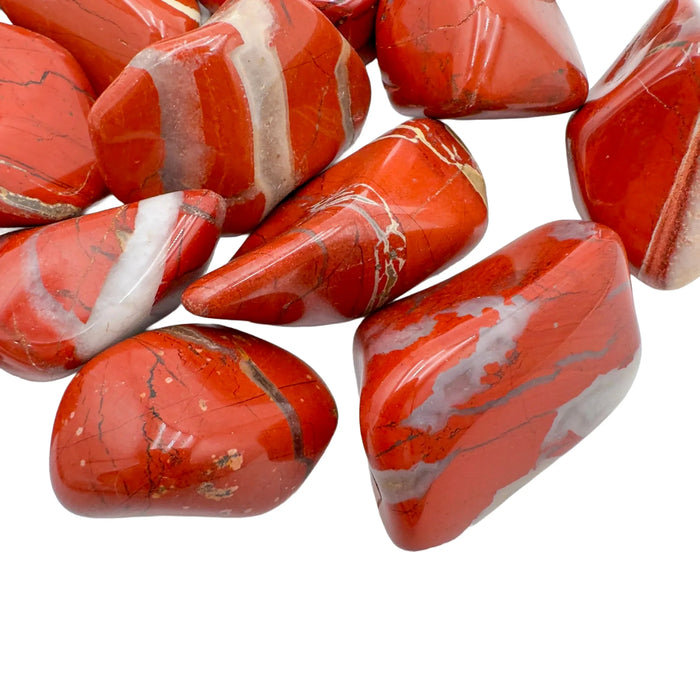
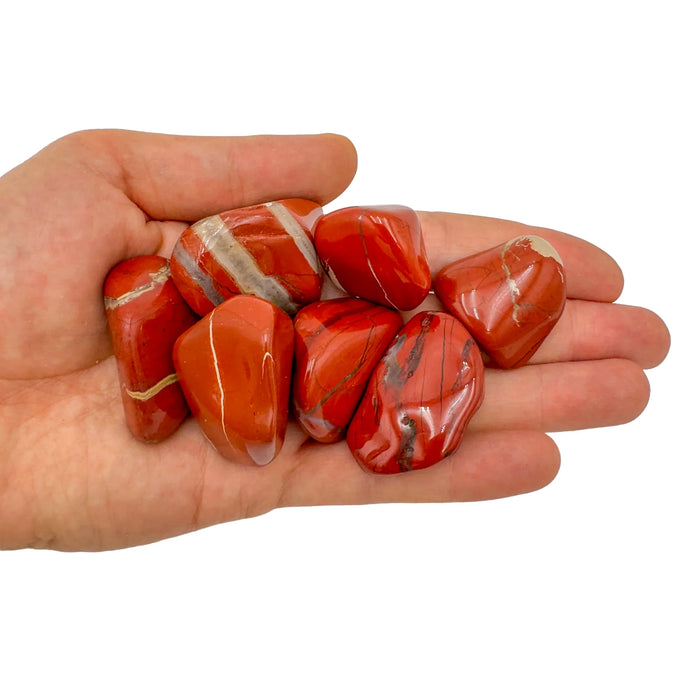
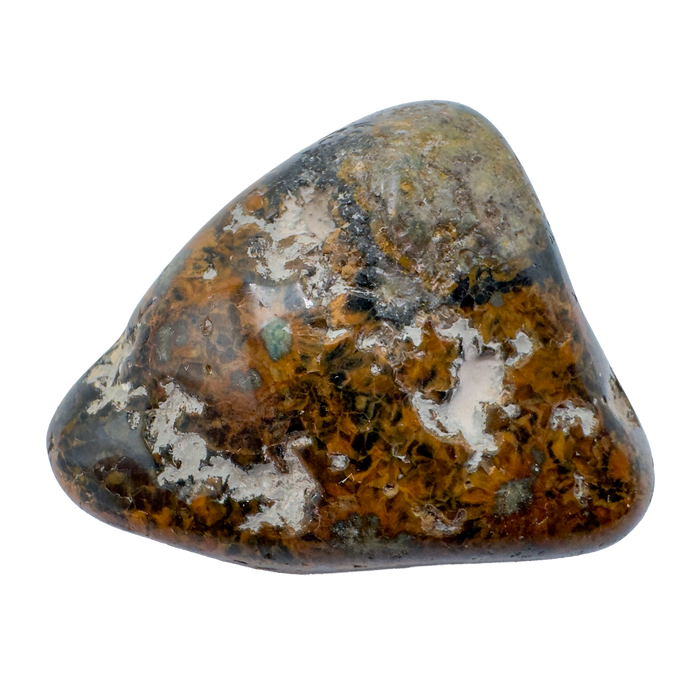
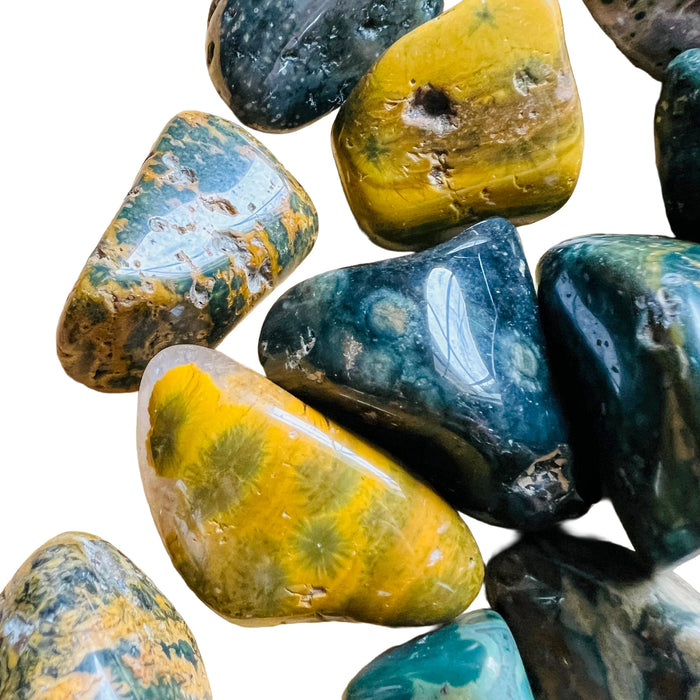
Imperial Jasper is not something we carry. Jasper is the closest match in our collection, and every piece passes our sourcing standards: origin named, treatments disclosed.
- from 1,000+ reviews
- Ships within 72 hoursMonday to Friday, tracked
- 90 days to return itif you do not love it
- Free US shipping over $99$8.99 flat rate under
The Slow Note
New stones go to the list first.
No forwarding, no selling. Unsubscribe in one click. Privacy