


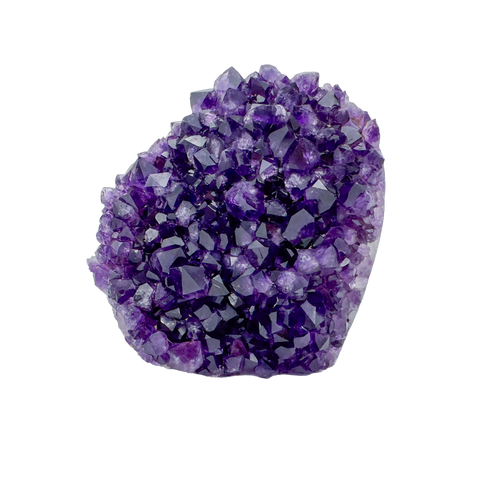
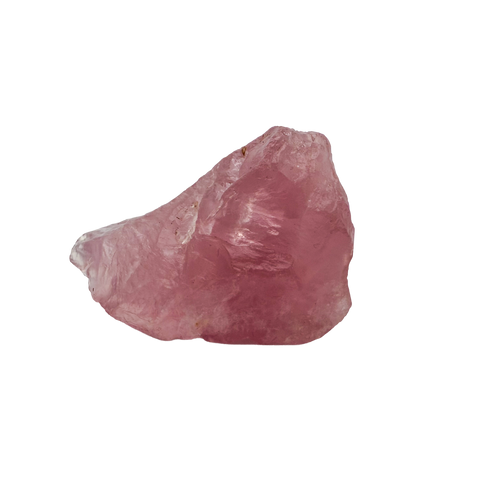
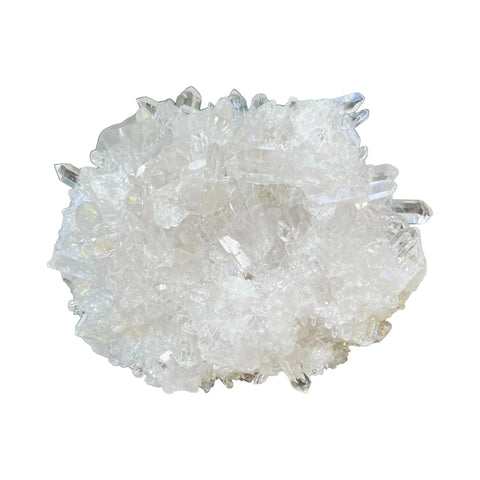
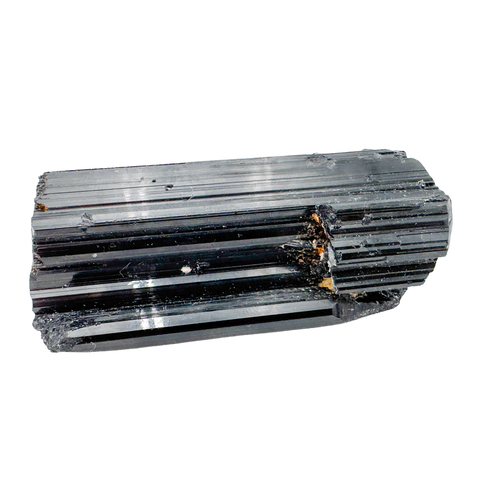
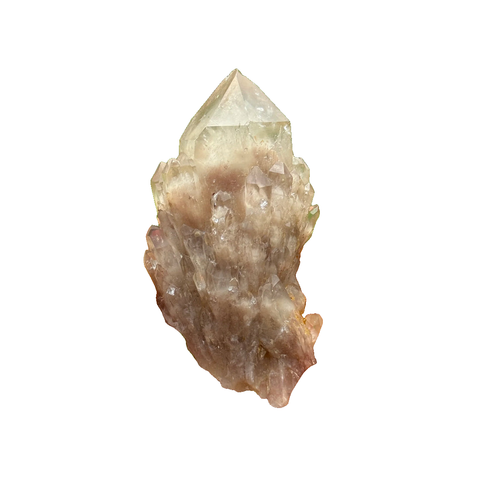
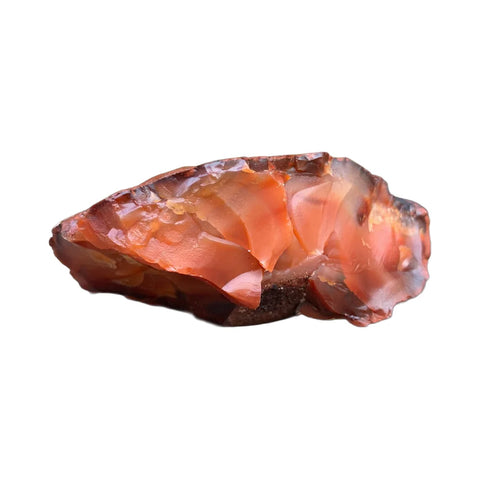
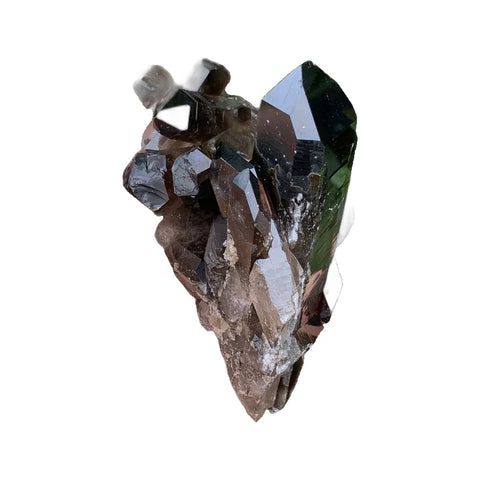
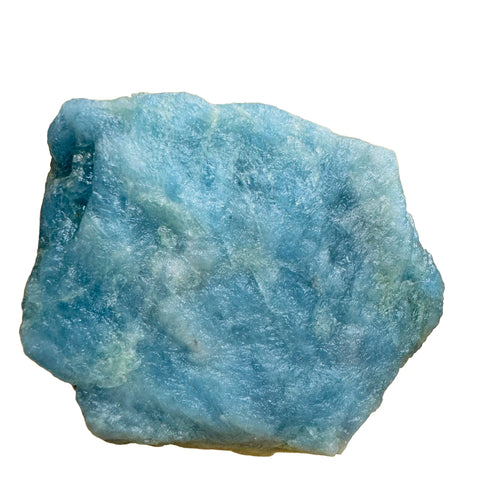
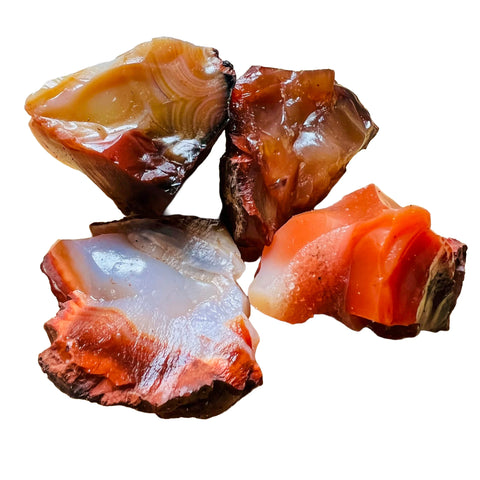


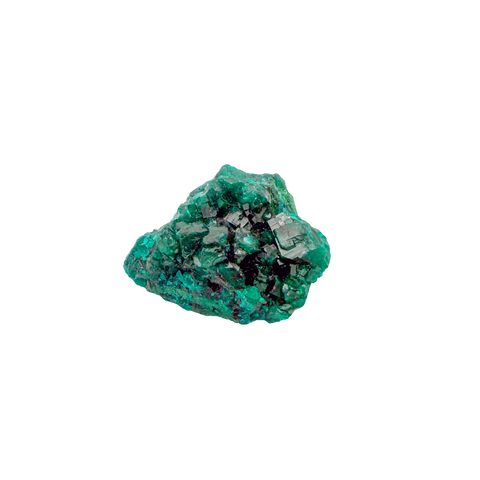
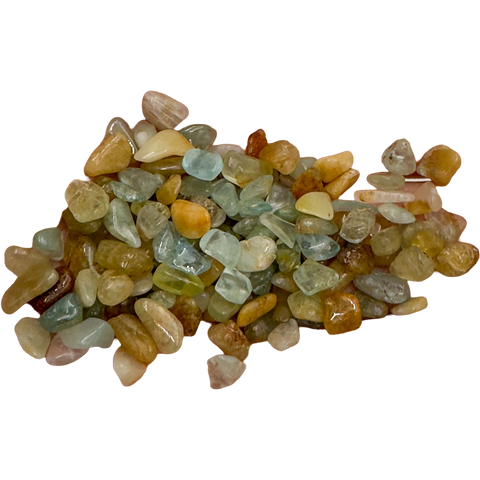
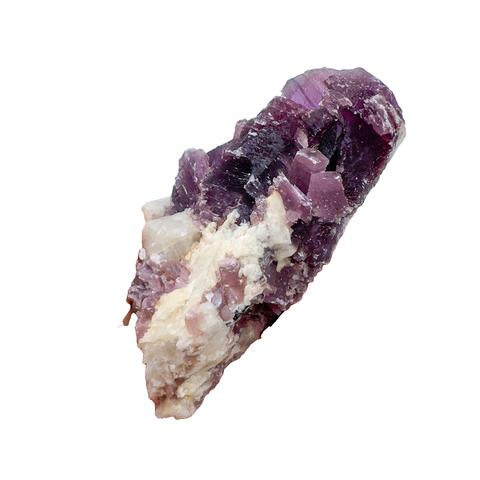
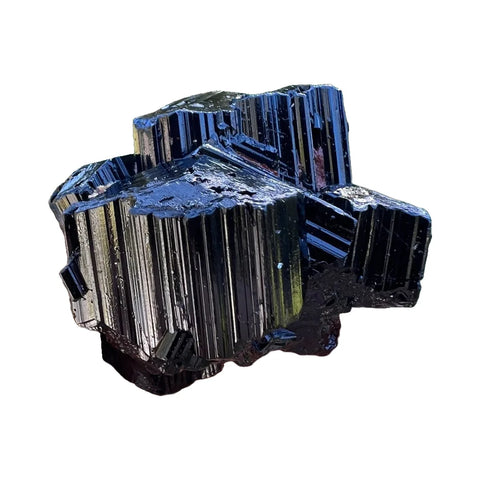
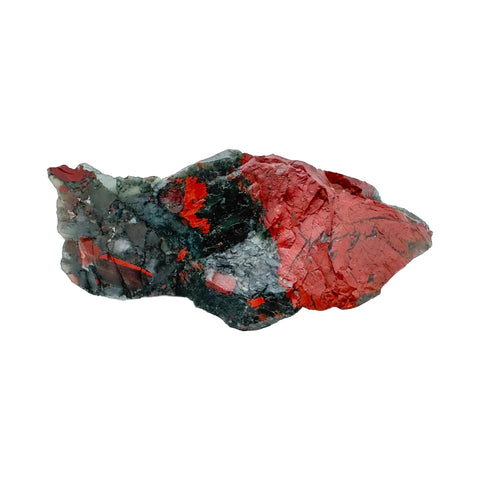
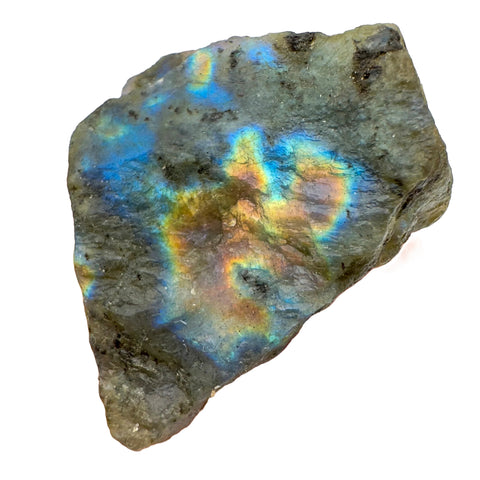
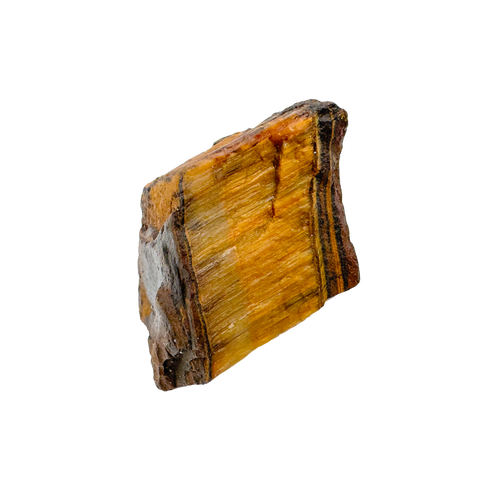
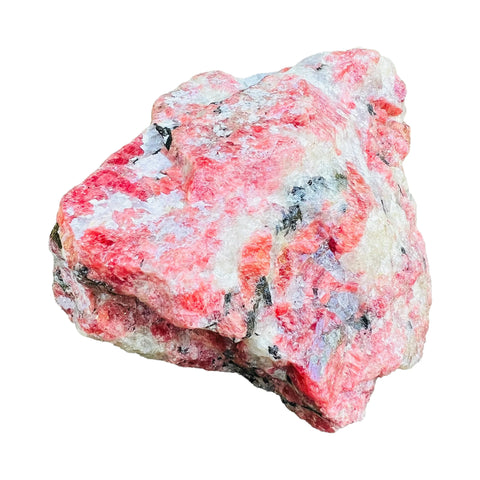
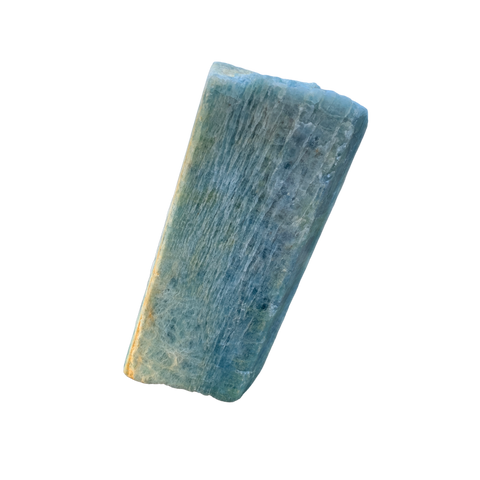
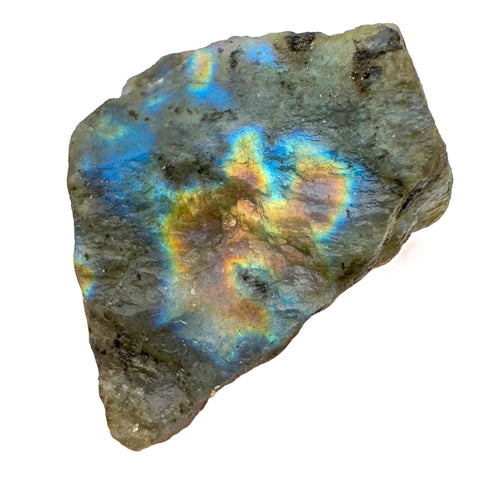
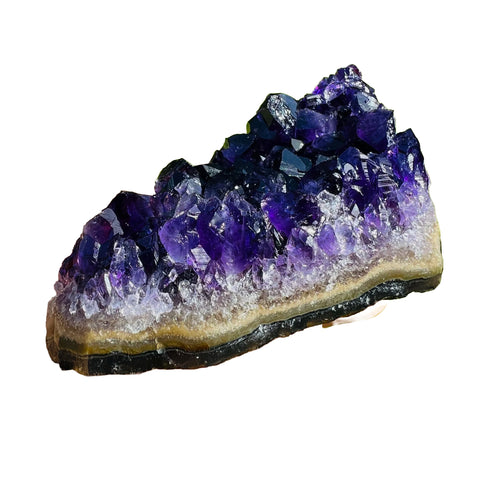



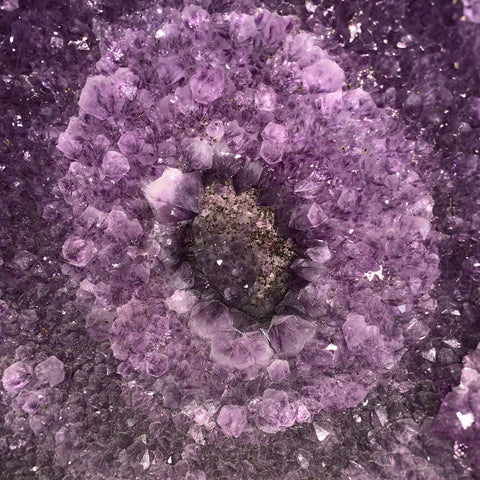
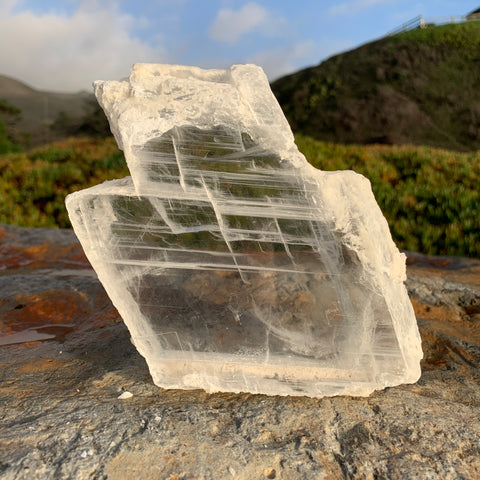
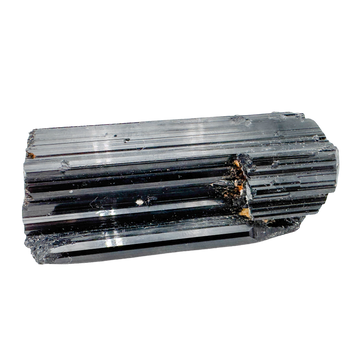
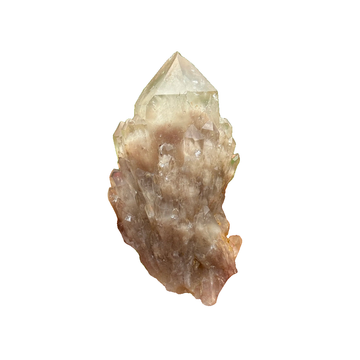
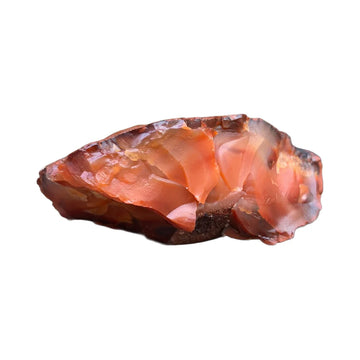
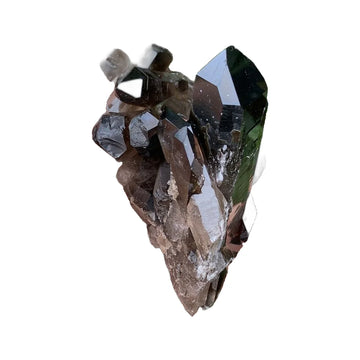
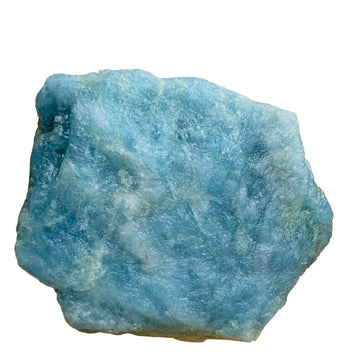
 Raw Stones
179 pieces
Raw Stones
179 pieces
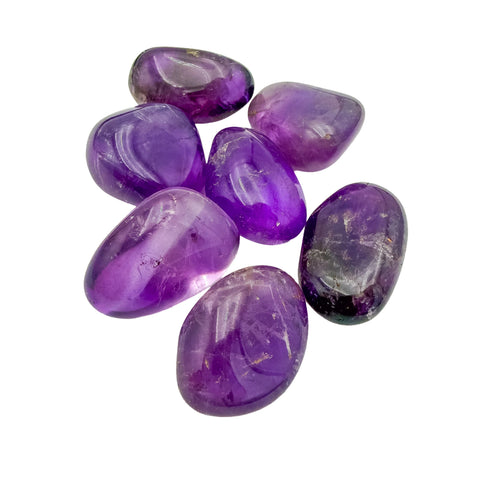
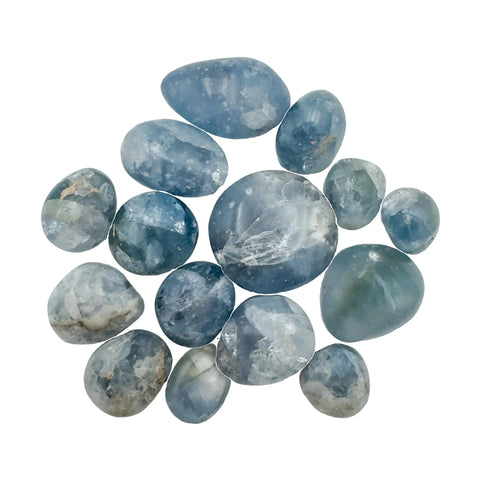
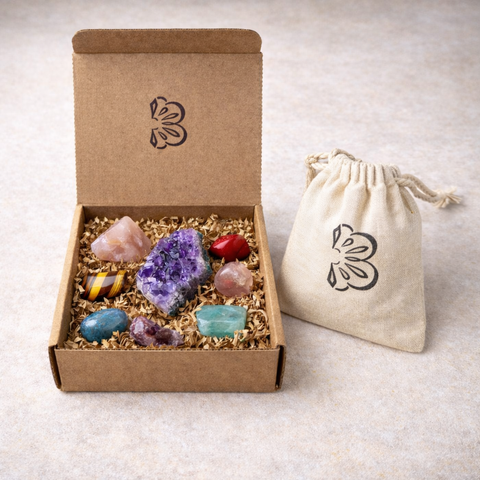
 Tumbled Stones
162 pieces
Tumbled Stones
162 pieces
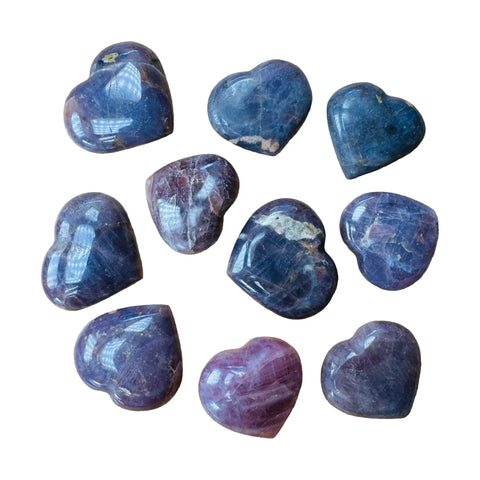
 Palm Stones
25 pieces
Palm Stones
25 pieces
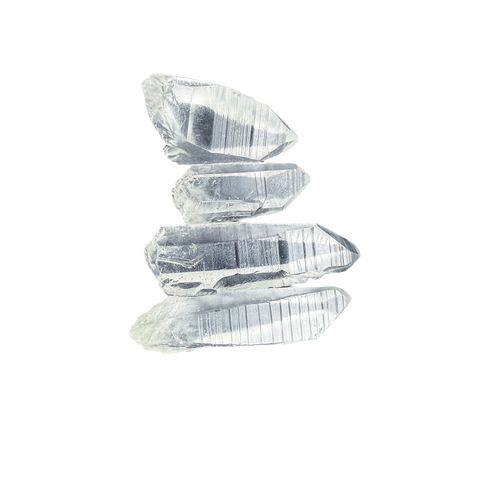
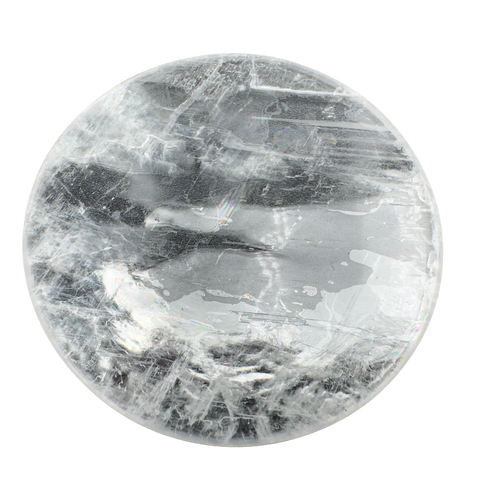
 Crystal Points
23 pieces
Crystal Points
23 pieces
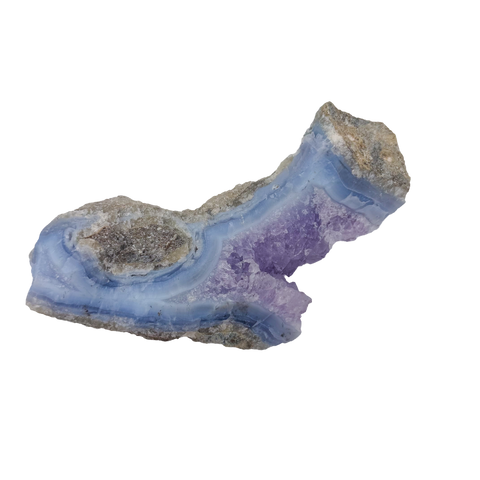
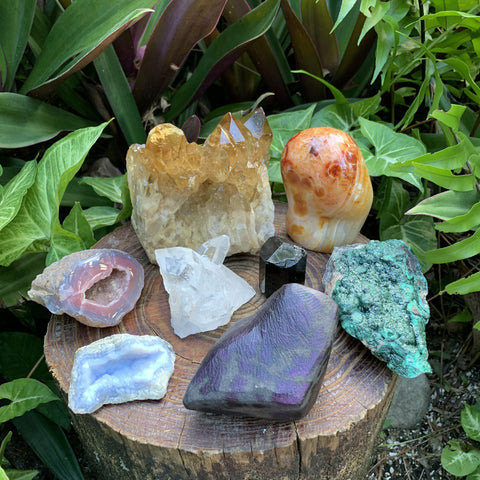
 Clusters & Geodes
104 pieces
Clusters & Geodes
104 pieces
 Polished & Decor
148 pieces
Polished & Decor
148 pieces
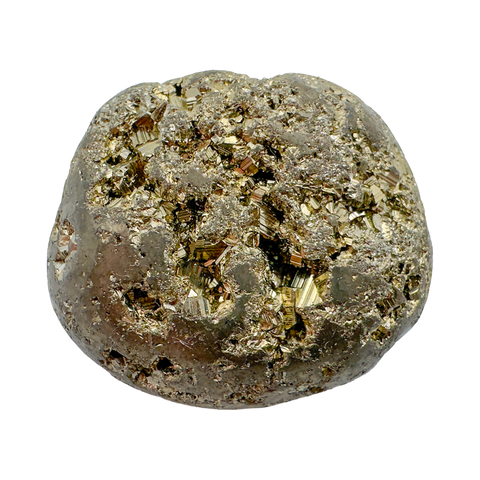
 Mineral Specimens
259 collector pieces
Mineral Specimens
259 collector pieces
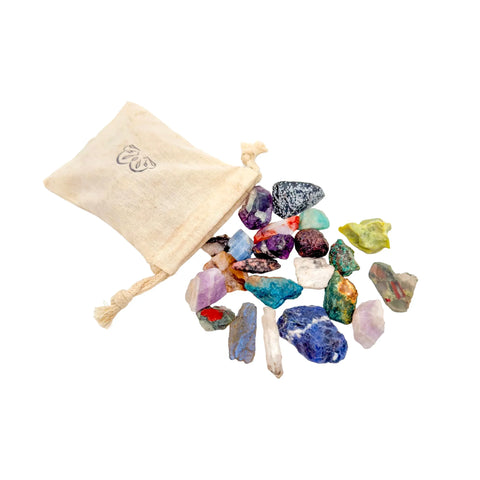
 Crystal Chips
21 pieces
Browse everything
Every collection, one page.
View All Collections →
Crystal Chips
21 pieces
Browse everything
Every collection, one page.
View All Collections →


 Aries
Mar 21 – Apr 19
Carnelian
›
Aries
Mar 21 – Apr 19
Carnelian
›
 Taurus
Apr 20 – May 20
Rose Quartz
›
Taurus
Apr 20 – May 20
Rose Quartz
›
 Gemini
May 21 – Jun 20
Agate
›
Gemini
May 21 – Jun 20
Agate
›
 Cancer
Jun 21 – Jul 22
Moonstone
›
Cancer
Jun 21 – Jul 22
Moonstone
›
 Leo
Jul 23 – Aug 22
Citrine
›
Leo
Jul 23 – Aug 22
Citrine
›
 Virgo
Aug 23 – Sep 22
Amazonite
›
Virgo
Aug 23 – Sep 22
Amazonite
›
 Libra
Sep 23 – Oct 22
Blue Lace Agate
›
Libra
Sep 23 – Oct 22
Blue Lace Agate
›
 Scorpio
Oct 23 – Nov 21
Obsidian
›
Scorpio
Oct 23 – Nov 21
Obsidian
›
 Sagittarius
Nov 22 – Dec 21
Sodalite
›
Sagittarius
Nov 22 – Dec 21
Sodalite
›
 Capricorn
Dec 22 – Jan 19
Black Tourmaline
›
Capricorn
Dec 22 – Jan 19
Black Tourmaline
›
 Aquarius
Jan 20 – Feb 18
Amethyst
›
Aquarius
Jan 20 – Feb 18
Amethyst
›
 Pisces
Feb 19 – Mar 20
Aquamarine
›
Gifting?
A birthday stone is the safe bet.
Read the zodiac guide →
Pisces
Feb 19 – Mar 20
Aquamarine
›
Gifting?
A birthday stone is the safe bet.
Read the zodiac guide →

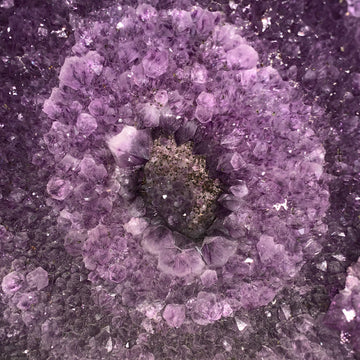
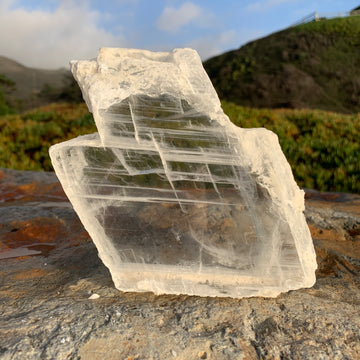
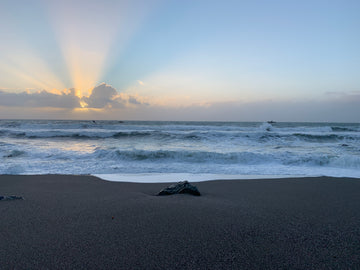
Realgar
Realgar is an arsenic sulfide famous for a glowing ruby-red to orange color. It comes with two catches that define how it is kept: it slowly crumbles to an orange-yellow powder when left in light, and it is toxic. Collectors prize sharp red crystals and store them carefully in the dark.
The geology.
Realgar is arsenic sulfide, with the formula As4S4, a soft monoclinic mineral known for a vivid red to red-orange color and a resinous to greasy luster. Its historic nickname, ruby of arsenic, captures the color of the best transparent crystals. Hardness is only 1.5 to 2, and the streak is orange to red.
It forms at low temperatures in hydrothermal veins, hot-spring deposits, and volcanic settings, often side by side with its yellow companion orpiment, another arsenic sulfide. One of realgar's defining traits is instability in light. Over months and years of exposure, it breaks down into pararealgar, a yellow-orange powder, without changing its overall chemistry.
The origins.
China produces many of the finest transparent red crystals, especially from the Jiepaiyu mine and other deposits in Hunan Province, with Guizhou and Inner Mongolia also noted. Romania's Baia Sprie and Cavnic in Maramures County are classic European sources of gemmy crystals.
The United States yields realgar from hot-spring and gold-district settings in Nevada, and Peru's mines, along with localities in Switzerland, Germany, and central Asia, contribute as well. The most valued specimens are transparent, deeply colored red crystals that have been protected from light.
Traditional associations.
Many people associate realgar with transformation and change, a fitting theme for a mineral that visibly transforms in the light. In modern practice it is sometimes linked with passion, motivation, and breaking through stagnation, drawing on its intense red-orange color.
Given its arsenic content and fragility, realgar is worked with strictly as a specimen kept in a case, never carried, worn, or placed in water. These associations are traditional and personal, not medical claims. It is most often linked with the Sacral chakra and the element of Fire.
Spotting the real thing.
Genuine realgar is soft, richly red to orange, and often translucent, with a resinous luster and an orange-red streak. It is frequently found with yellow orpiment, and older specimens may show a dusting of yellow-orange pararealgar where light has begun to alter the surface.
True fakes are uncommon, since the mineral's toxicity and softness limit its use in jewelry. The main confusion is with other red and orange minerals such as cinnabar, which is far heavier, or with orpiment and crocoite. A specimen that is powdery and yellowing is simply light-altered realgar rather than a different or fraudulent stone.
Care & handling.
Two rules govern realgar: keep it dark and keep it contained. Store it away from light, ideally in a closed drawer or box, to slow its natural breakdown into pararealgar powder. Because it contains arsenic, wash your hands after handling, never grind or breathe its dust, and never make elixirs or place it in water.
Handle it gently, since at 1.5 to 2 on the Mohs scale it is very soft and fragile, and keep it away from heat and humidity. Store it apart from other specimens so any powder stays isolated, and keep it out of reach of children and pets. For most collectors, an enclosed, dark storage box is the right home.
Pairs well with.
A deeper look.
Extended geology, sourcing, authentication, history, and varieties, for when the quick guide isn't quite enough.
Extended geology
Realgar is built from cage-like As4S4 molecules stacked into a monoclinic structure, and the relative weakness of the arsenic-to-arsenic bonds within those cages is exactly what makes it light-sensitive. Visible light with wavelengths longer than about 500 nanometers breaks those bonds, and the structure reorganizes into pararealgar, crumbling the crystal to powder while keeping the same overall chemistry.
The mineral crystallizes at low temperatures in hydrothermal veins, around hot springs and fumaroles, and in some carbonate rocks, commonly with orpiment, other arsenic minerals, stibnite, calcite, and gold-bearing ores. Well-formed crystals are prismatic and often gemmy, but much realgar occurs as granular masses and crusts. Specific gravity is about 3.5.
Extended sourcing
The Jiepaiyu mine in Hunan, China, is celebrated for transparent, richly colored red crystals, some of the finest ever found, and other Chinese provinces add to supply. Romanian localities at Baia Sprie and Cavnic produced the classic European gemmy crystals treasured in older collections.
Nevada's Getchell and related gold districts yield realgar in the United States, and Peru, Switzerland's Binn Valley, Germany, and localities in central Asia contribute additional material. Because fine crystals fade if displayed in light, the best-preserved specimens are those that have been stored carefully since collection.
Authentication and warning signs
Identify realgar by its red to orange color, very low hardness, resinous luster, orange-red streak, and frequent association with yellow orpiment. Transparency in good crystals and the tendency to develop a yellow powdery surface over time are strong confirmations. Its softness distinguishes it from harder red minerals.
Separate it from cinnabar, which is much heavier and a mercury mineral, and from crocoite and orpiment by color, weight, and associations. Deliberate imitation is rare because realgar is toxic and unstable. The practical honesty here is disclosure that any specimen will slowly alter in light and must be handled as an arsenic mineral.
History and folklore
Realgar has been used since antiquity as a red-orange pigment and, historically and dangerously, in medicine, cosmetics, and as a poison, its name reaching Europe through the Arabic rahj al-ghar, meaning powder of the mine. Painters used it alongside yellow orpiment despite its toxicity and its tendency to fade, which is why many old artworks now show yellowed or degraded passages where realgar once glowed. It was also an early source of arsenic for metallurgy and pest control.
Varieties and forms
Transparent red crystals: sharp, gemmy prisms, the most prized collectible form, especially from China.
Massive and granular realgar: red to orange crusts and fillings, the common ore form.
Pararealgar: the yellow-orange powder that realgar becomes after prolonged light exposure, chemically the same but structurally changed.
Orpiment associations: red realgar intergrown with golden-yellow orpiment, a classic pairing.
What it costs in the market
Massive and altered pieces are inexpensive, while transparent, deeply colored, undamaged red crystals from famous localities such as Hunan can command hundreds of dollars or more, especially when well preserved against light. Crystal transparency, color, size, condition, and locality drive value, and buyers pay a premium for specimens that have been protected from fading.
An education-first guide.
We don't currently carry realgar, so there's nothing to sell you here. This guide exists because the more you understand a stone, the better every decision you make about it becomes, wherever you buy it. Explore the rest of our crystal guides for stones we do source, each with full origin and treatment notes.
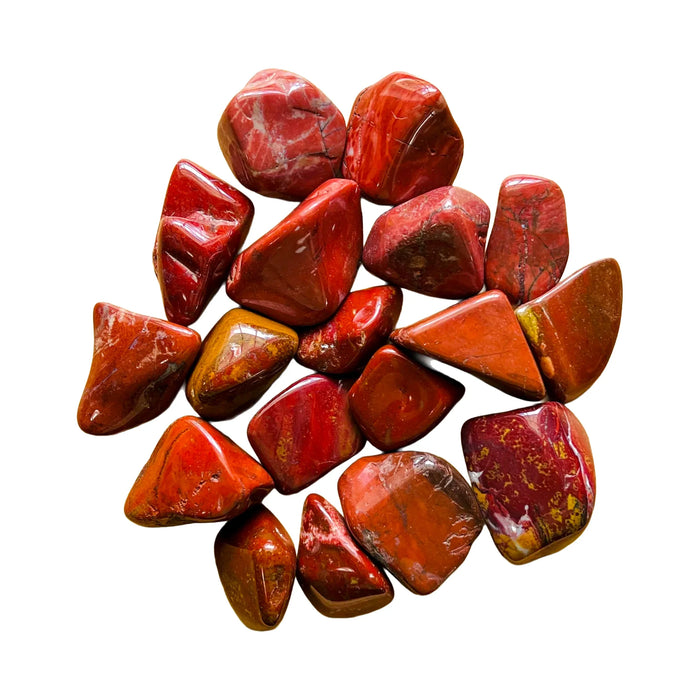
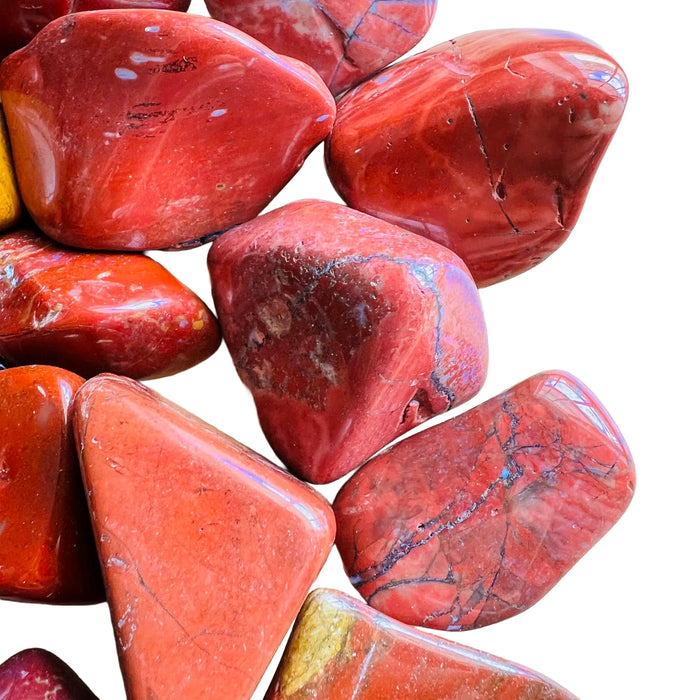
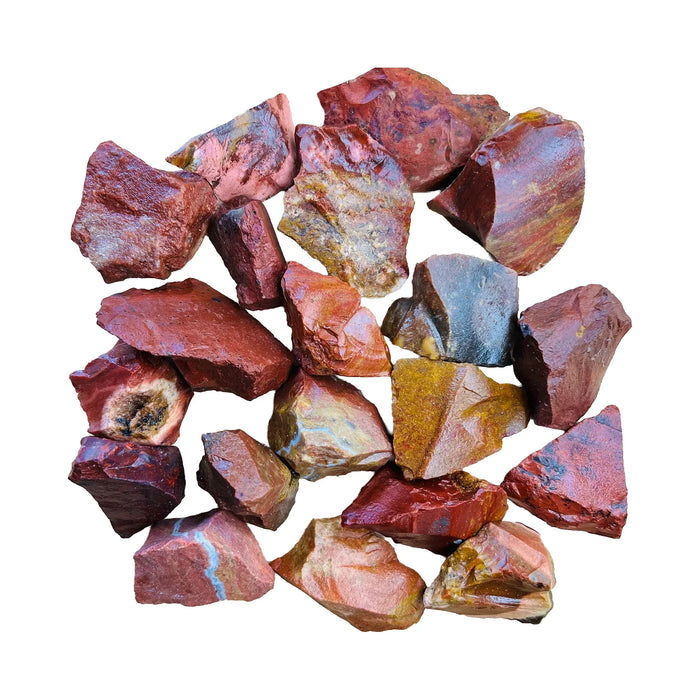
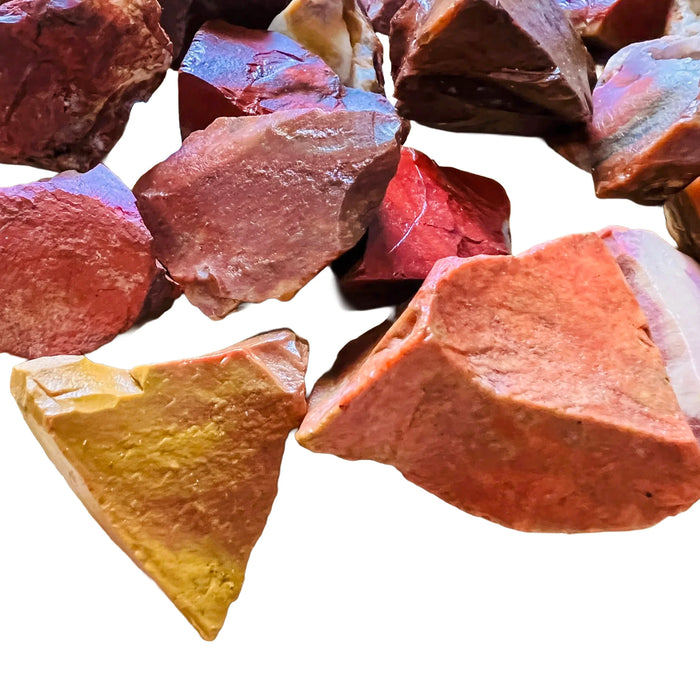
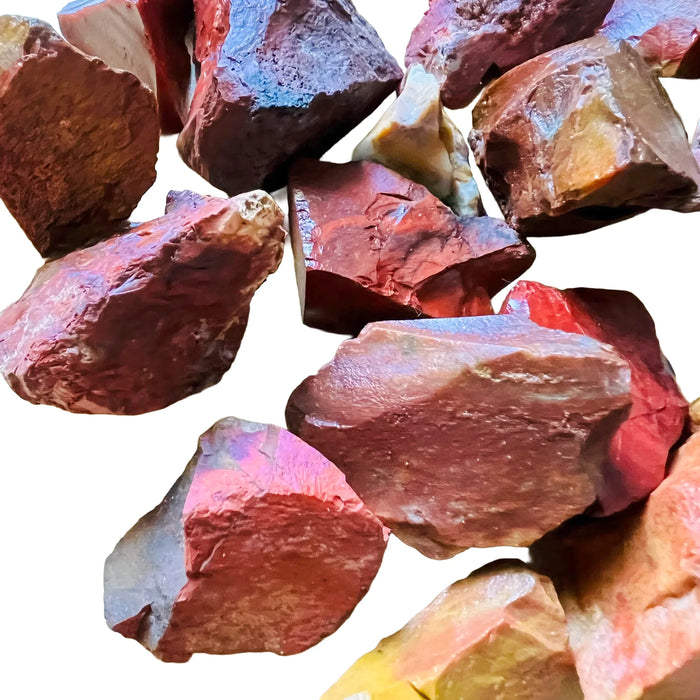
Explore the Crystal GuideLove Realgar? Meet Red Jasper.
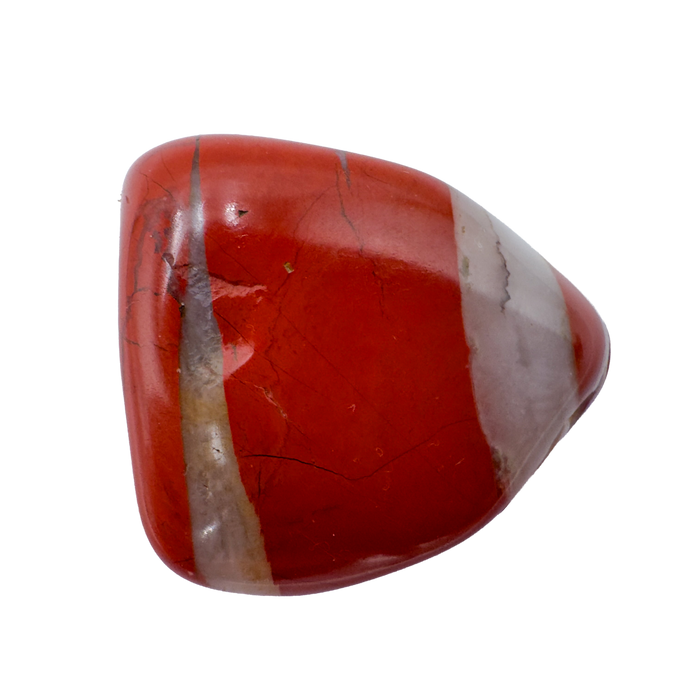
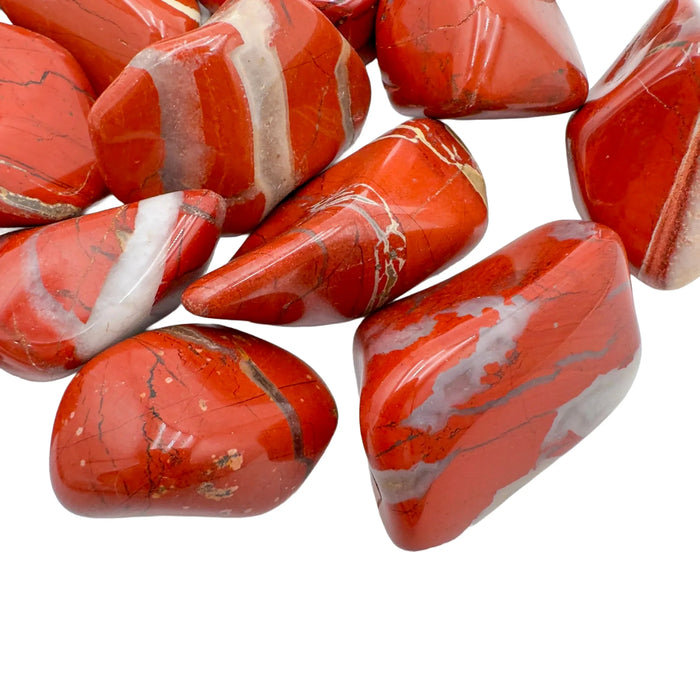
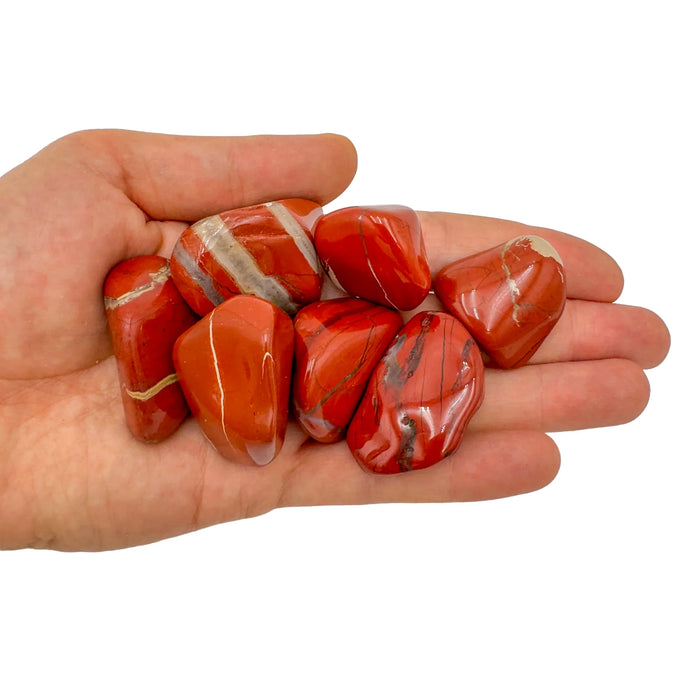
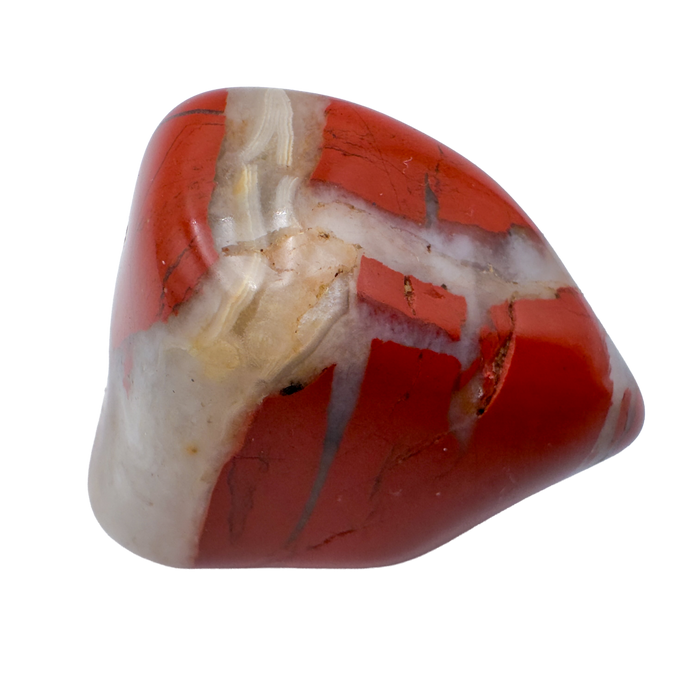
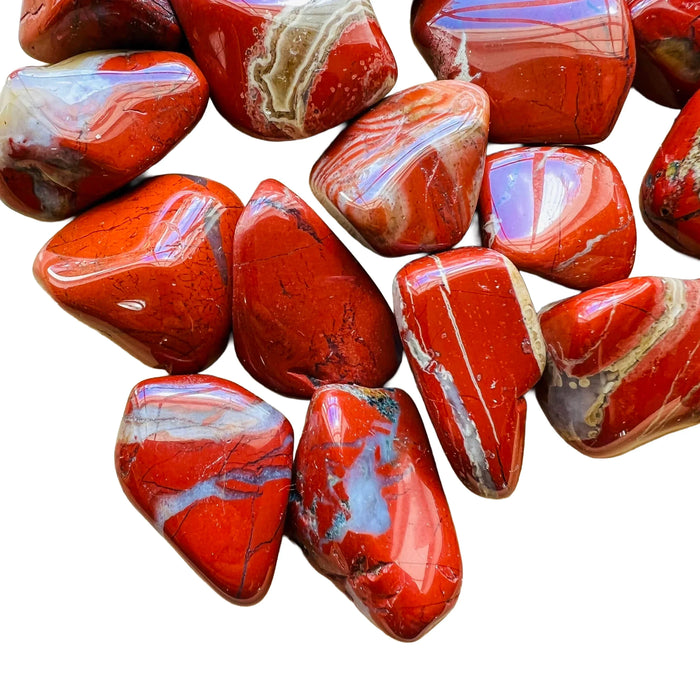
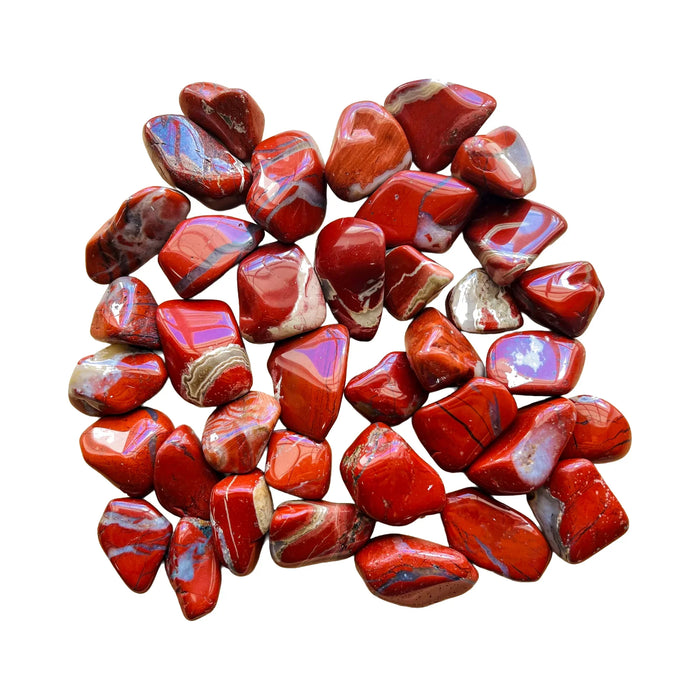
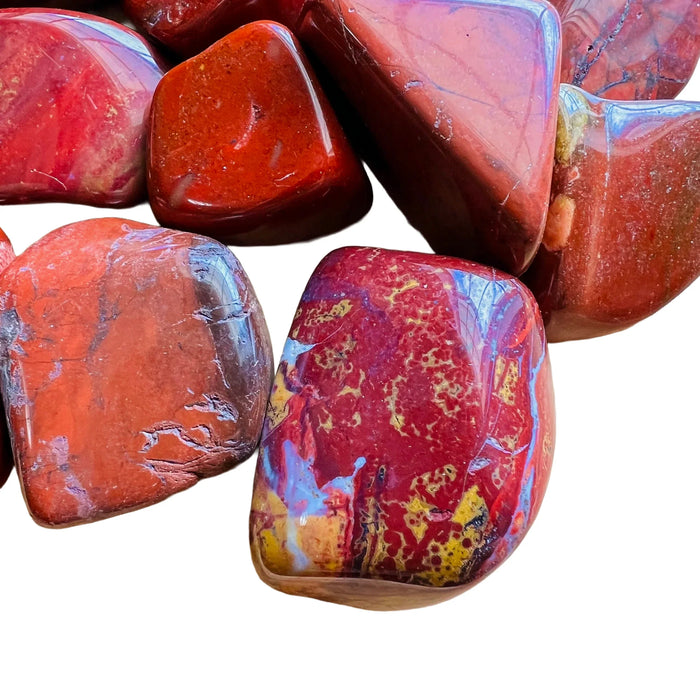
Realgar is not something we carry. Red Jasper is the closest match in color, and every piece passes our sourcing standards: origin named, treatments disclosed.
- from 1,000+ reviews
- Ships within 72 hoursMonday to Friday, tracked
- 90 days to return itif you do not love it
- Free US shipping over $99$8.99 flat rate under
The Slow Note
New stones go to the list first.
No forwarding, no selling. Unsubscribe in one click. Privacy