


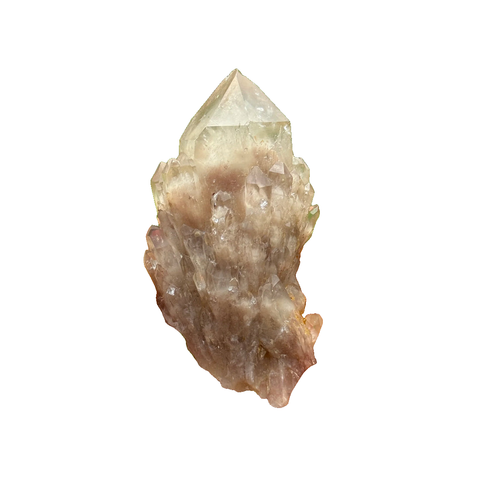
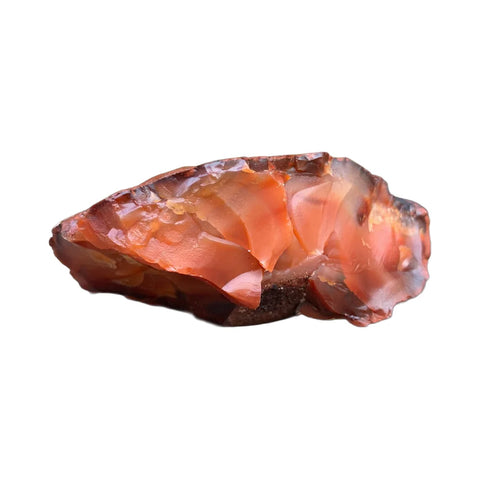
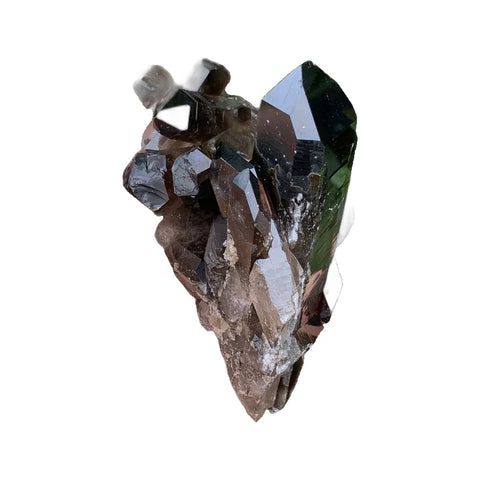
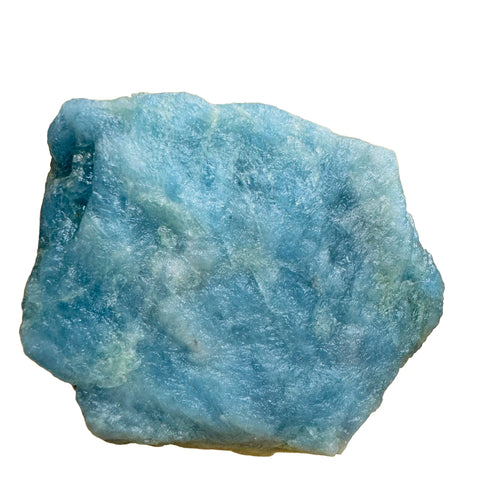
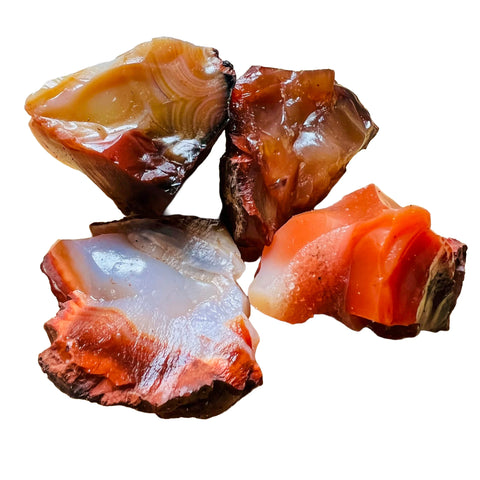


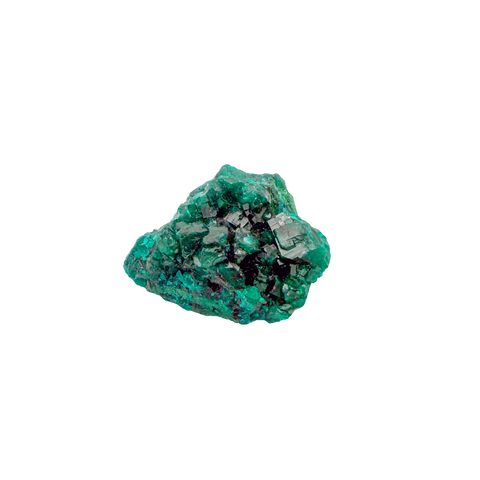
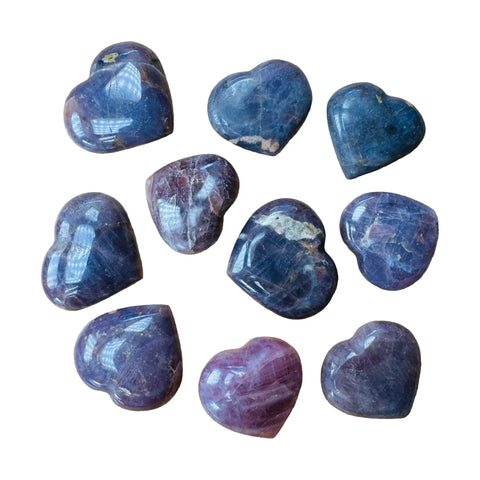
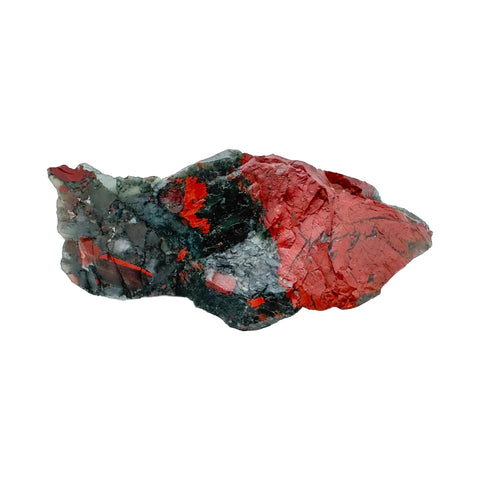
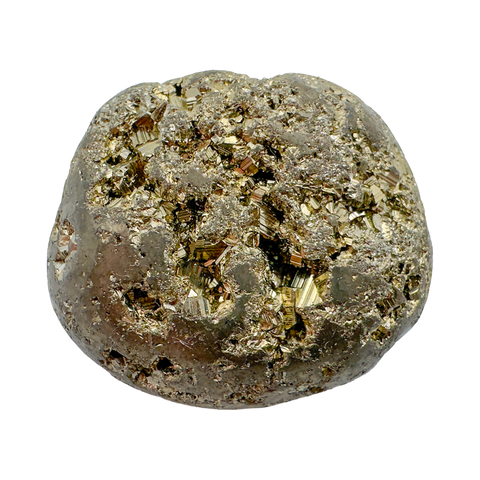
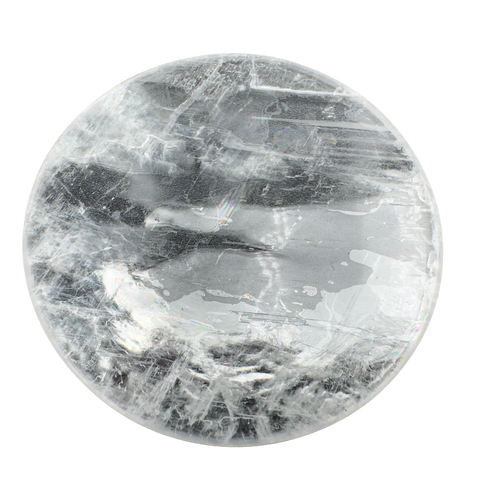
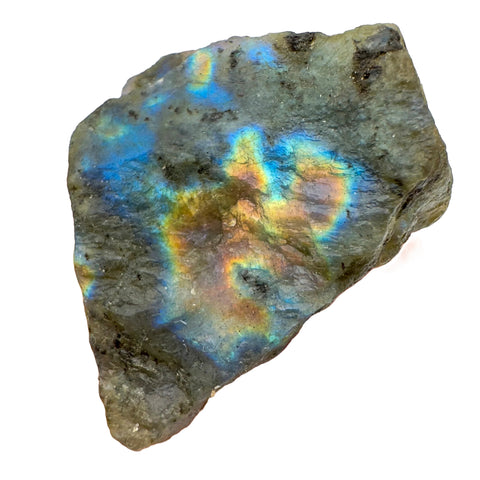
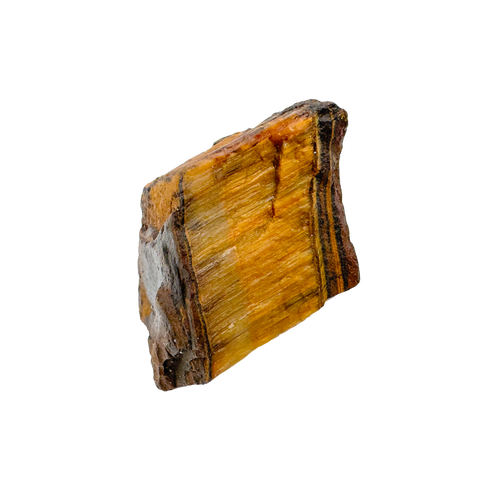
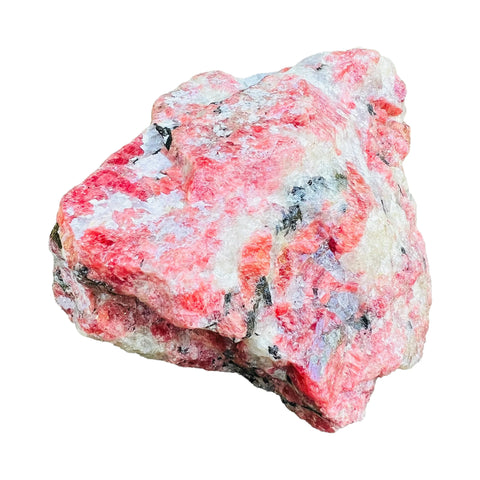
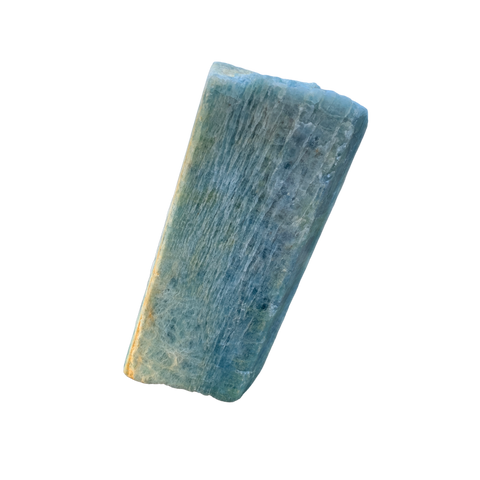
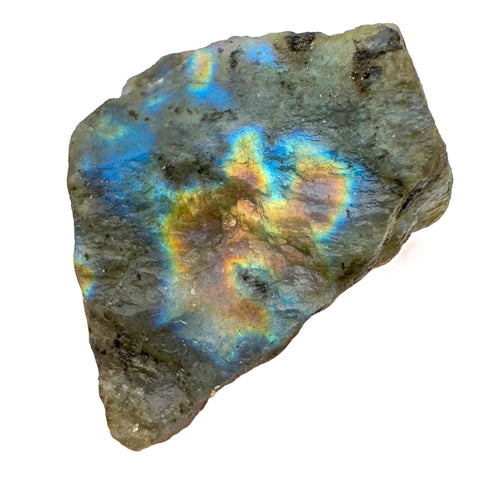
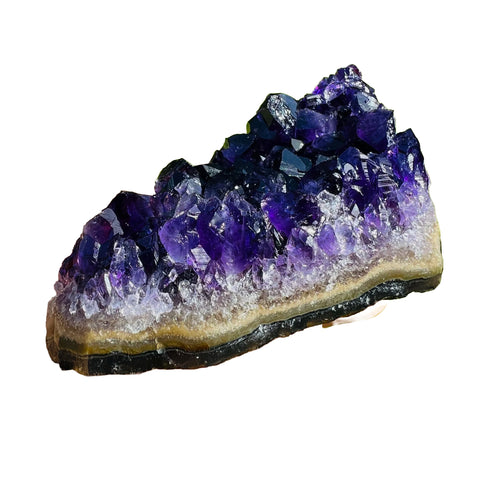



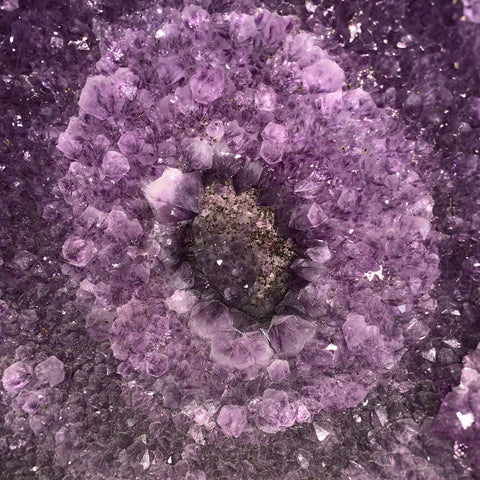

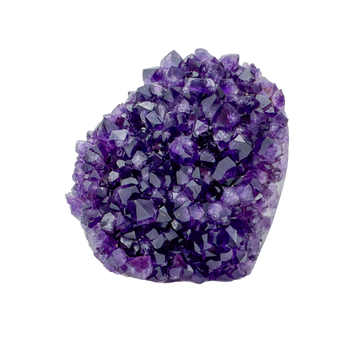
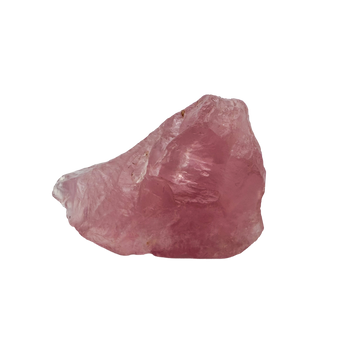
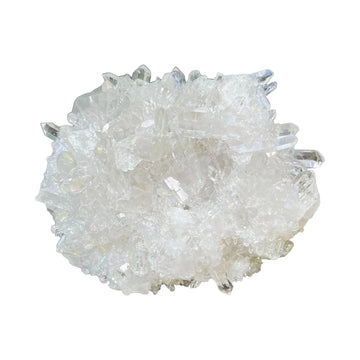
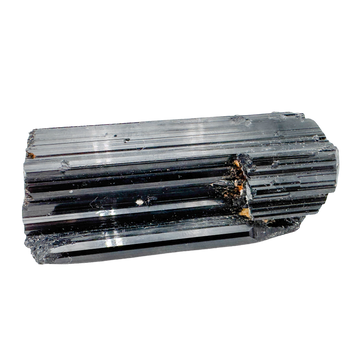
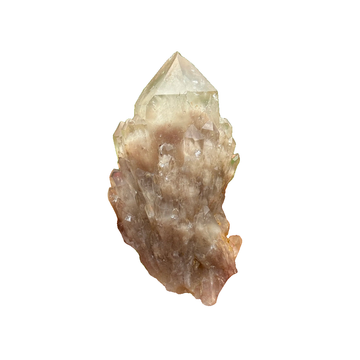
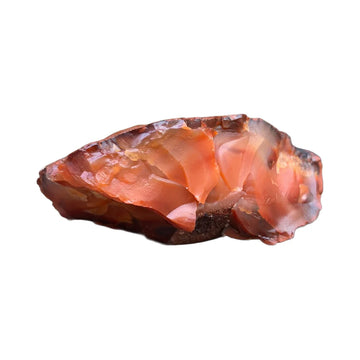
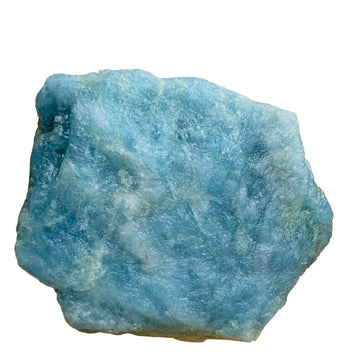
 Raw Stones
179 pieces
Raw Stones
179 pieces
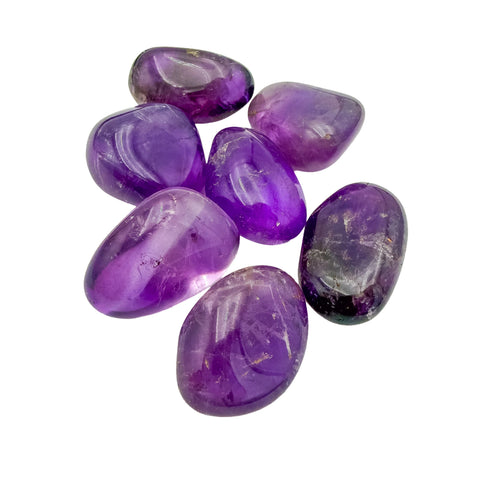
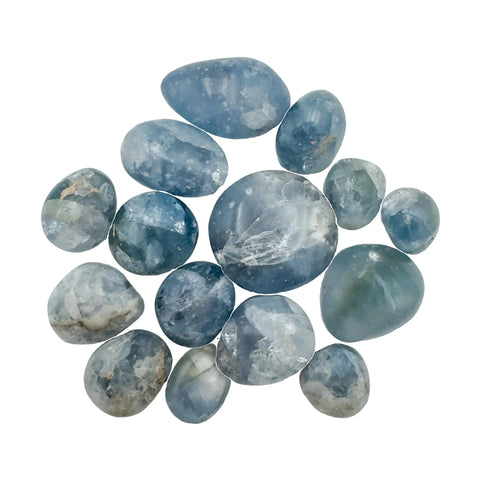
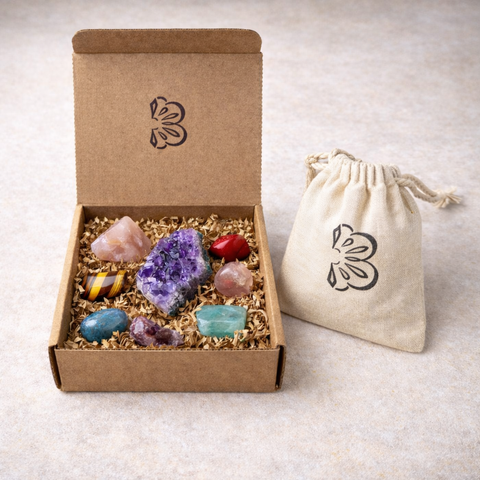
 Tumbled Stones
162 pieces
Tumbled Stones
162 pieces
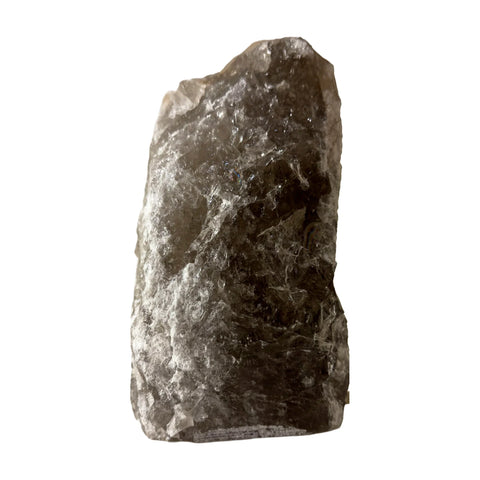
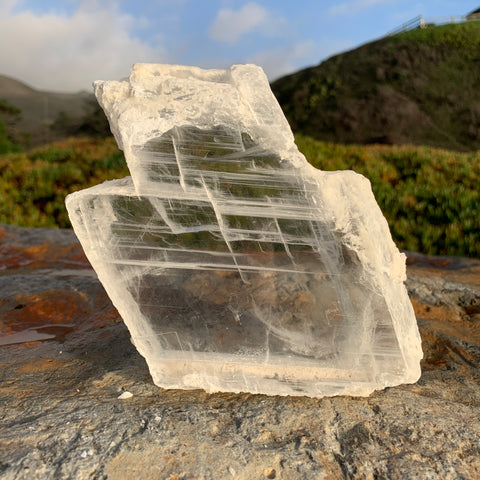
 Palm Stones
25 pieces
Palm Stones
25 pieces
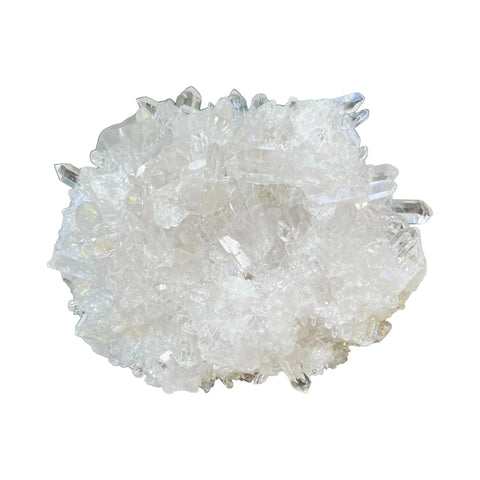
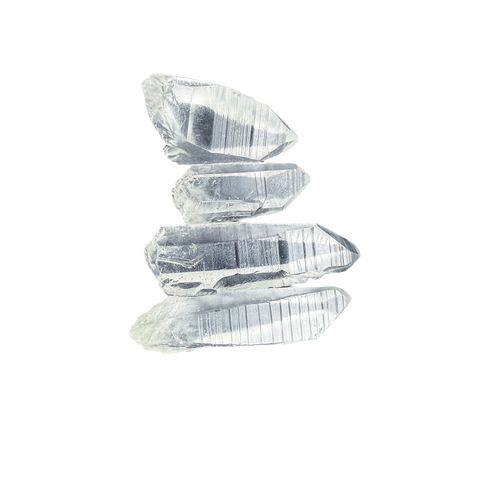
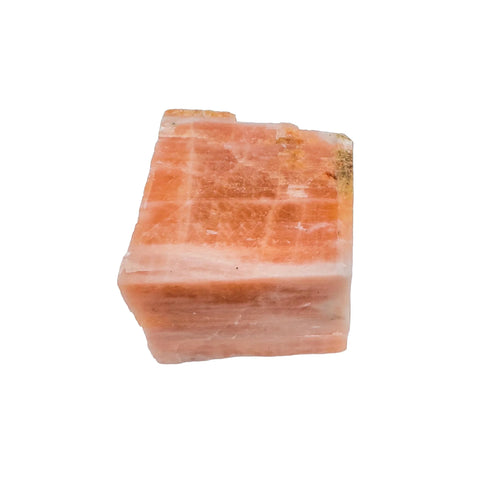
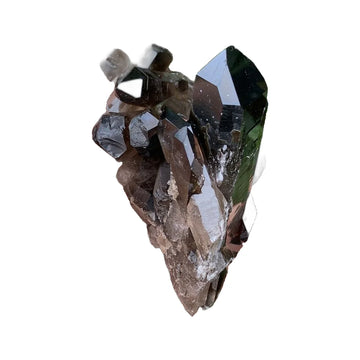
 Crystal Points
23 pieces
Crystal Points
23 pieces
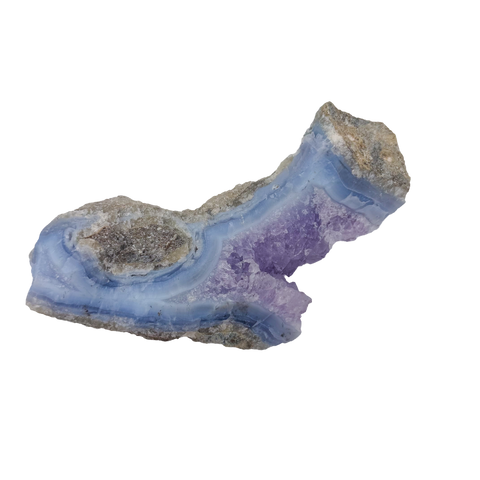
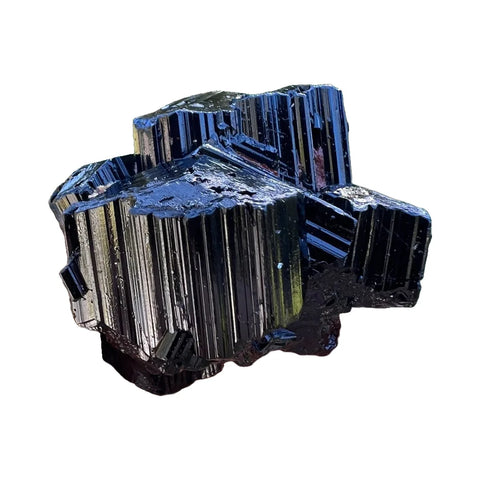
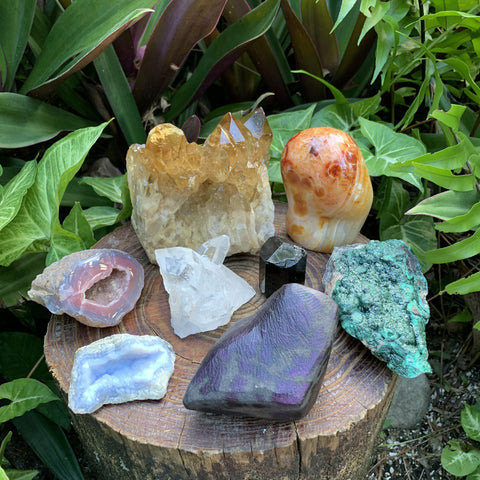
 Clusters & Geodes
104 pieces
Clusters & Geodes
104 pieces
 Polished & Decor
148 pieces
Polished & Decor
148 pieces
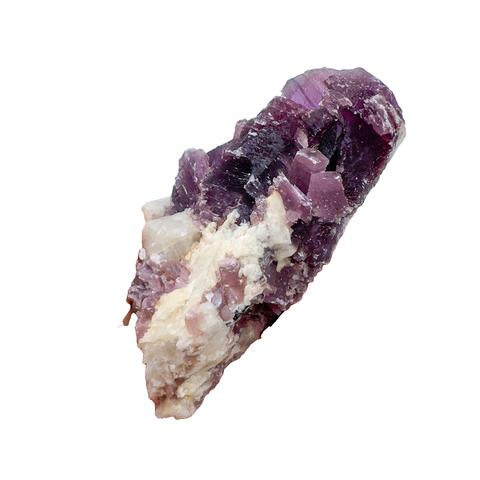
 Mineral Specimens
259 collector pieces
Mineral Specimens
259 collector pieces
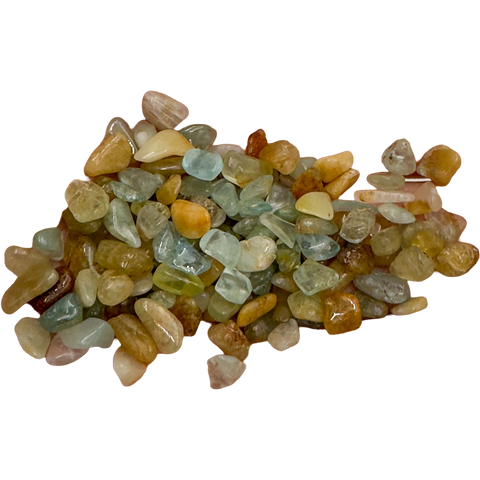
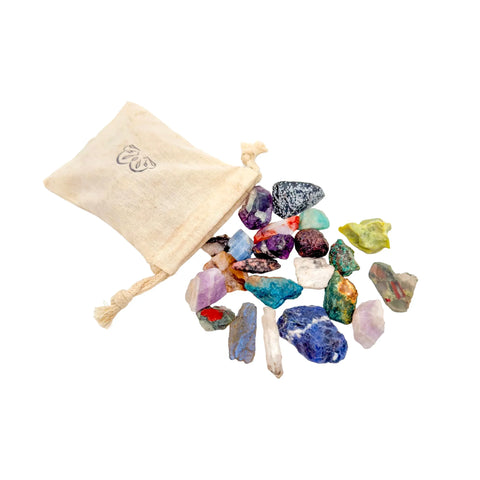
 Crystal Chips
21 pieces
Browse everything
Every collection, one page.
View All Collections →
Crystal Chips
21 pieces
Browse everything
Every collection, one page.
View All Collections →


 Aries
Mar 21 – Apr 19
Carnelian
›
Aries
Mar 21 – Apr 19
Carnelian
›
 Taurus
Apr 20 – May 20
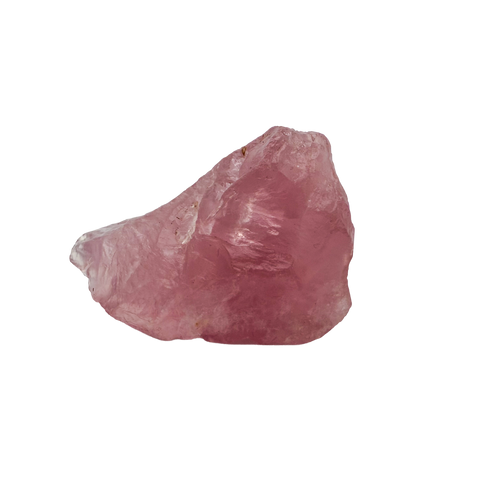
Rose Quartz
›
Taurus
Apr 20 – May 20
Rose Quartz
›
 Gemini
May 21 – Jun 20
Agate
›
Gemini
May 21 – Jun 20
Agate
›
 Cancer
Jun 21 – Jul 22
Moonstone
›
Cancer
Jun 21 – Jul 22
Moonstone
›
 Leo
Jul 23 – Aug 22
Citrine
›
Leo
Jul 23 – Aug 22
Citrine
›
 Virgo
Aug 23 – Sep 22
Amazonite
›
Virgo
Aug 23 – Sep 22
Amazonite
›
 Libra
Sep 23 – Oct 22
Blue Lace Agate
›
Libra
Sep 23 – Oct 22
Blue Lace Agate
›
 Scorpio
Oct 23 – Nov 21
Obsidian
›
Scorpio
Oct 23 – Nov 21
Obsidian
›
 Sagittarius
Nov 22 – Dec 21
Sodalite
›
Sagittarius
Nov 22 – Dec 21
Sodalite
›
 Capricorn
Dec 22 – Jan 19
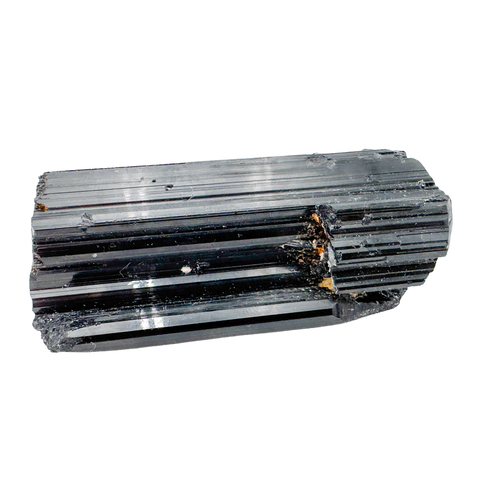
Black Tourmaline
›
Capricorn
Dec 22 – Jan 19
Black Tourmaline
›
 Aquarius
Jan 20 – Feb 18
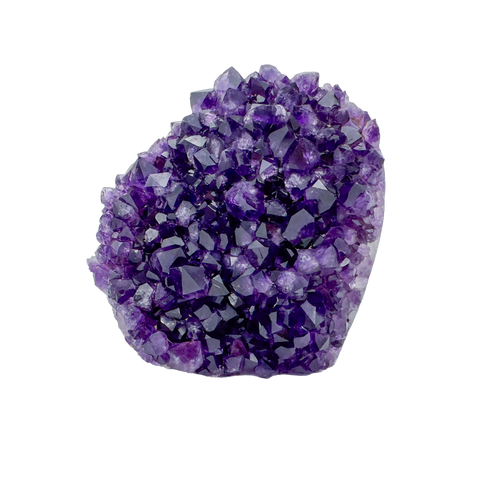
Amethyst
›
Aquarius
Jan 20 – Feb 18
Amethyst
›
 Pisces
Feb 19 – Mar 20
Aquamarine
›
Gifting?
A birthday stone is the safe bet.
Read the zodiac guide →
Pisces
Feb 19 – Mar 20
Aquamarine
›
Gifting?
A birthday stone is the safe bet.
Read the zodiac guide →


Wulfenite
Wulfenite forms thin, square, brightly colored tablets in shades of orange, yellow, and red that seem to catch fire in the light. Arizona's Red Cloud Mine made it a collector legend. As a soft lead molybdate, it is admired as a specimen rather than worn or carried.
The geology.
Wulfenite is lead molybdate, PbMoO4, a tetragonal mineral best known for thin, square to octagonal tabular crystals with a bright resinous to adamantine luster. Colors run from honey-yellow through orange to a coveted deep red, driven by traces of chromium and other elements. Hardness is about 2.5 to 3, and the crystals are often nearly flat, like colored wafers.
It has a high specific gravity, near 6.5 to 7, from its lead content, and a pale streak. Wulfenite is a secondary mineral, forming in the oxidized zones of lead and molybdenum deposits, commonly with minerals like vanadinite, mimetite, cerussite, and calcite. Its thin, glowing tablets make it one of the most recognizable collector minerals.
The origins.
Arizona is the classic home of great wulfenite, above all the Red Cloud Mine, whose deep blood-red tabular crystals are among the most prized mineral specimens in the world, with the Glove and other Arizona mines also noted. Mexico's Los Lamentos produced thick, richly colored orange crystals.
Morocco's Mibladen and Touissit districts supply bright, thin tabular crystals in quantity, and the historic Bleiberg, now Mezica, in Slovenia is a classic European source. Additional localities occur in Namibia, Iran, Australia, and elsewhere, but top red Arizona material remains the benchmark.
Traditional associations.
Many people associate wulfenite with creativity and vitality, drawing on its warm orange and red tones. In modern practice it is sometimes described as a stone for inspiration, for bringing ideas into form, and for a sense of energetic connection, linked with its fiery color.
As a soft lead mineral, wulfenite is worked with as a specimen kept in a case rather than carried, worn, or placed in water. These associations are traditional and personal, not medical claims. It is most often linked with the Sacral chakra and the element of Fire.
Spotting the real thing.
Genuine wulfenite appears as thin, square or octagonal tablets, or blocky crystals, with a bright resinous to adamantine luster, real weight from its lead, and a softness that scratches easily. Colors span yellow, orange, and red, and the crystals frequently perch on matrix with other oxidized lead minerals.
Deliberate fakes are uncommon, so the practical concerns are condition, color, and locality. The thin plates chip and break readily, so inspect for damage and repair, and be aware that the deep-red Arizona material commands a large premium, which makes accurate locality labeling important when paying top prices.
Care & handling.
Handle wulfenite gently and sparingly. The thin tabular crystals are soft, at about 2.5 to 3 on the Mohs scale, and crack or cleave under light pressure, so support specimens by the matrix and keep them in a stable display case. Avoid dusting the crystals directly, since even a soft brush can snap a thin plate.
Because wulfenite is a lead mineral, wash your hands after handling, avoid creating or breathing dust, and do not make elixirs or place it in water. Keep it out of harsh light and away from children and pets. Enjoy it as a specimen to display rather than a stone to carry.
Pairs well with.
A deeper look.
Extended geology, sourcing, authentication, history, and varieties, for when the quick guide isn't quite enough.
Extended geology
Wulfenite crystallizes in the tetragonal system, and its structure tends to produce thin square tablets, though pyramidal and blocky habits also occur. The molybdenum can be partly replaced by chromium and other elements, which shifts the color toward the sought-after reds and oranges. Its high specific gravity of roughly 6.5 to 7 comes from the lead in the structure.
It is a secondary mineral of the oxidation zone, forming where primary lead ores like galena weather in the presence of molybdenum-bearing solutions. Typical companions include vanadinite, mimetite, pyromorphite, cerussite, descloizite, and calcite. Because it depends on this particular oxidized setting, wulfenite is a collector's mineral and only a minor ore of molybdenum and lead.
Extended sourcing
The Red Cloud Mine in Arizona is legendary for thick, deep-red tabular crystals widely regarded as the finest wulfenite in the world, and other Arizona mines such as the Glove and Old Yuma have added fine material. Los Lamentos in Chihuahua, Mexico, produced richly colored, chunky orange crystals treasured by collectors.
Morocco's Mibladen and Touissit are prolific modern sources of bright, thin tabular crystals, and the old Bleiberg district, now Mezica in Slovenia, is a classic European locality. Namibia, Iran, the Democratic Republic of the Congo, and Australia contribute additional specimens, though none displace top Arizona red wulfenite at the summit of desirability.
Authentication and warning signs
Identify wulfenite by its thin square tablets, bright orange to red or yellow color, resinous to adamantine luster, softness, high density, and association with other oxidized lead minerals. The wafer-thin habit combined with lead heft is distinctive, and the color and crystal form together usually make identification straightforward.
Since imitation is rare, the real diligence is around condition and provenance. Examine thin crystals for chips, cleavage cracks, and repairs, since intact plates are far more valuable, and treat locality claims, especially Red Cloud red, with appropriate care given the price differences. As a lead mineral, it should be kept and handled as a display specimen.
History and folklore
Wulfenite was recognized as a distinct mineral in the mid-nineteenth century and named in 1845 in honor of Franz Xaver von Wulfen, an Austrian mineralogist and Jesuit known for his study of the lead ores of Bleiberg. It has served as a minor ore of molybdenum, a metal valued for strengthening steel, and of lead, but its lasting fame rests on its beauty as a specimen. The deep-red crystals of Arizona in particular helped build the modern American mineral-collecting tradition.
Varieties and forms
Thin tabular crystals: the classic square orange to yellow wafers, often in clusters on matrix.
Red wulfenite: chromium-influenced deep-red tabular crystals, most famously from Arizona's Red Cloud Mine, the most prized form.
Blocky and pyramidal crystals: thicker orange crystals, such as the chunky Los Lamentos material from Mexico.
Massive wulfenite: granular yellow to orange material, the uncommon compact form.
What it costs in the market
Common thin yellow and orange crystals on matrix are affordable and widely available, while fine specimens, and especially deep-red Arizona Red Cloud wulfenite, rank among the more valuable collector minerals and can reach thousands of dollars for large, undamaged, richly colored pieces. Color, crystal size and integrity, aesthetics, and locality set the price.
An education-first guide.
We don't currently carry wulfenite, so there's nothing to sell you here. This guide exists because the more you understand a stone, the better every decision you make about it becomes, wherever you buy it. Explore the rest of our crystal guides for stones we do source, each with full origin and treatment notes.
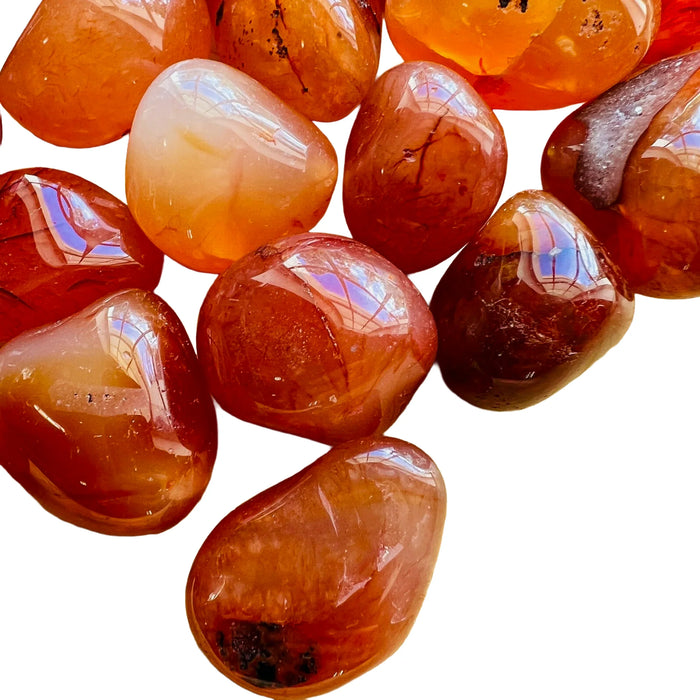
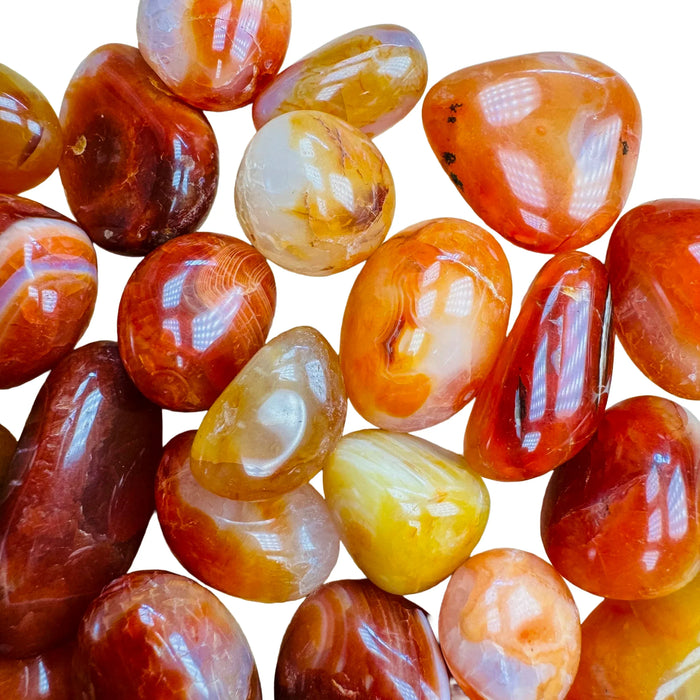
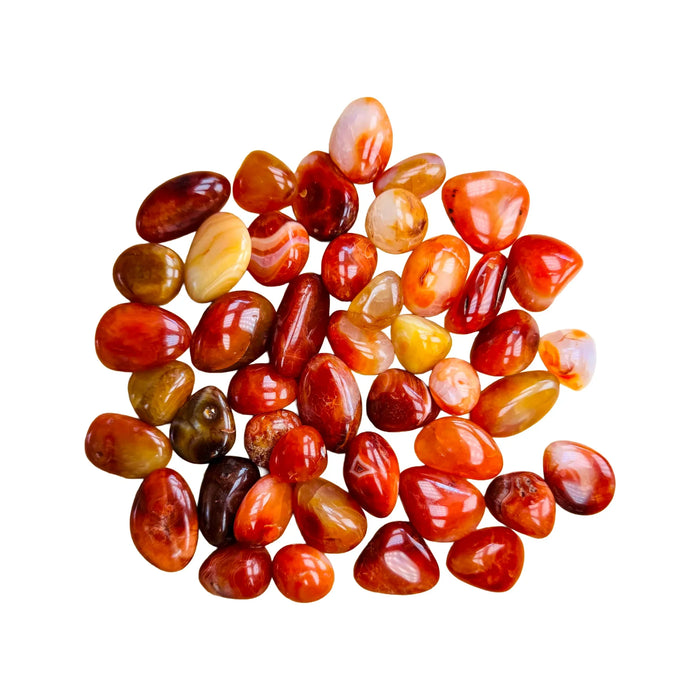
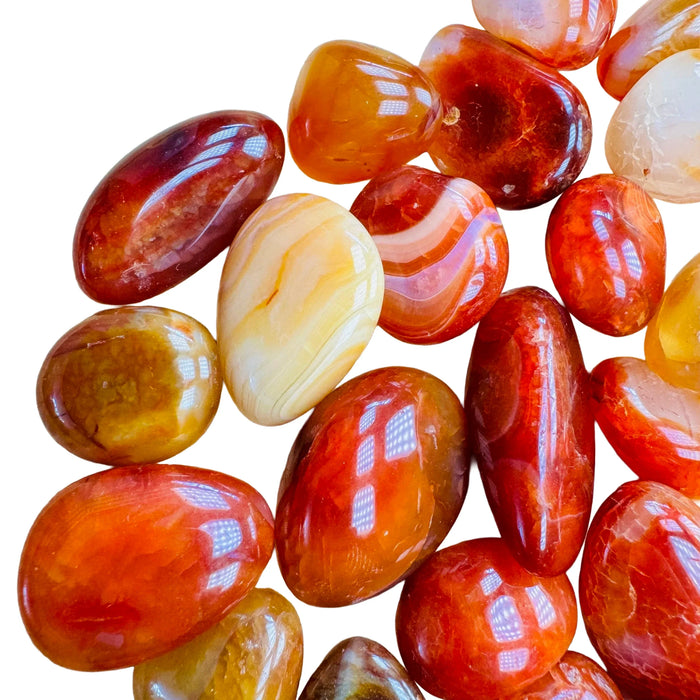
Explore the Crystal GuideLove Wulfenite? Meet Carnelian.
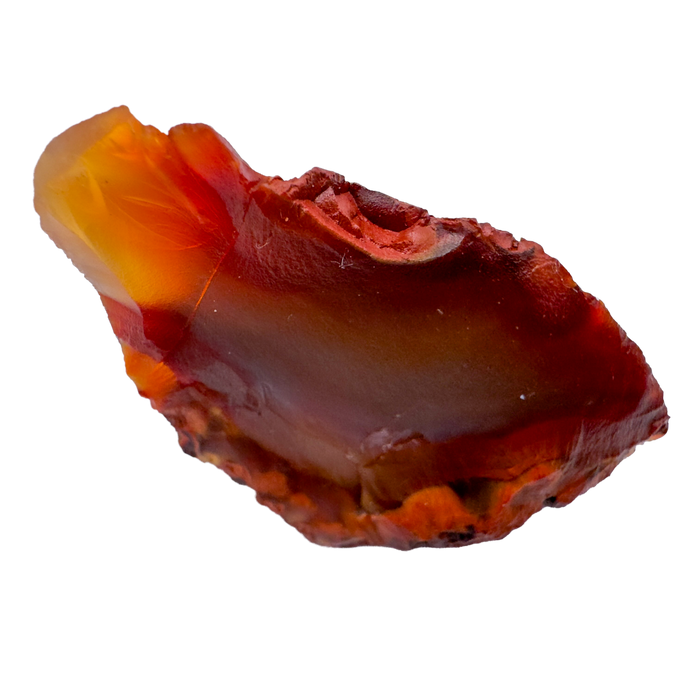
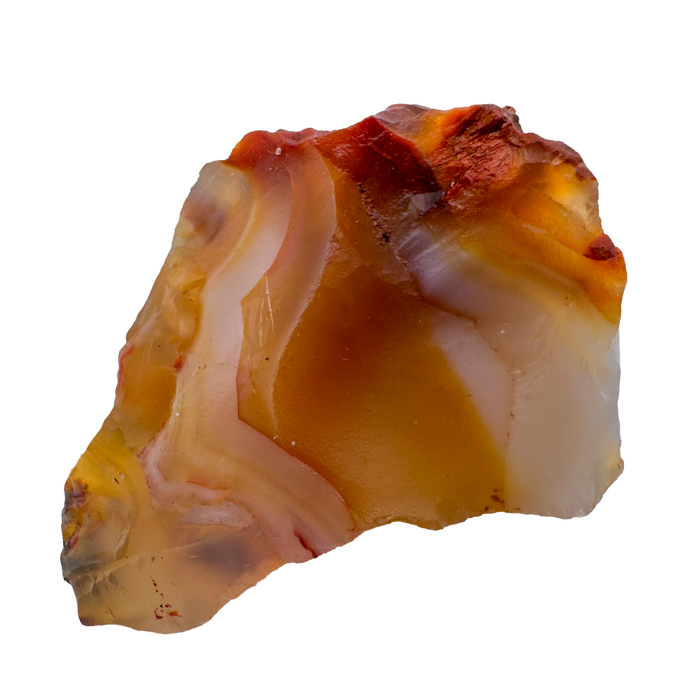
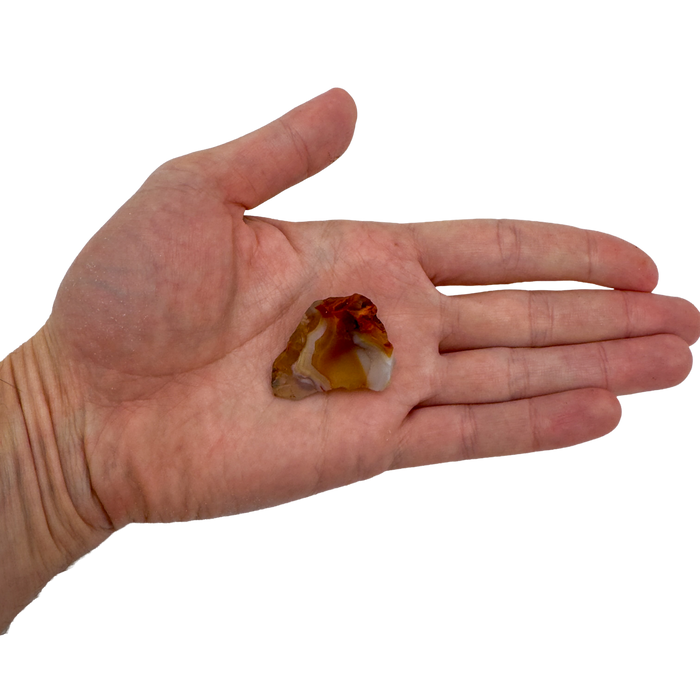
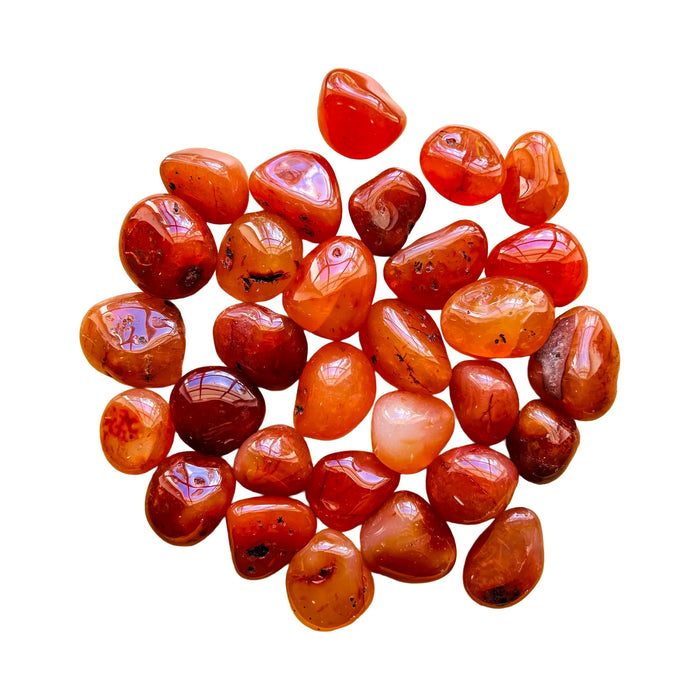
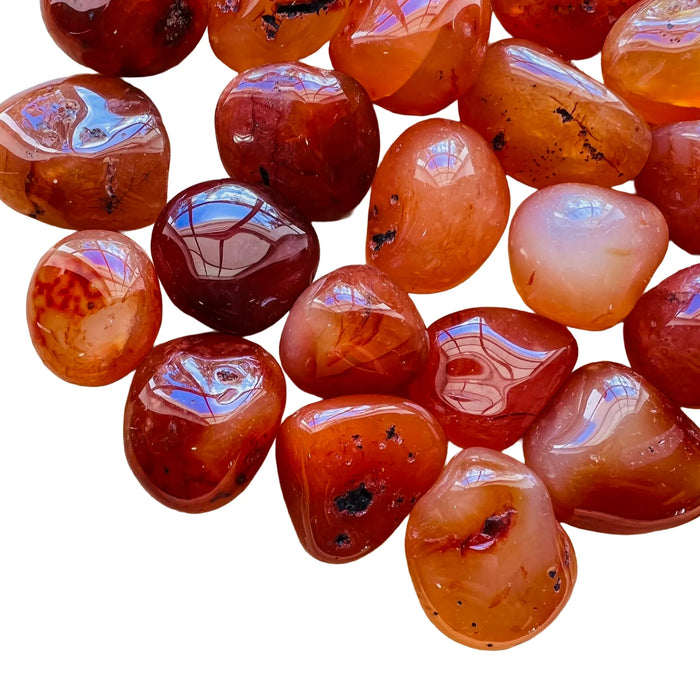
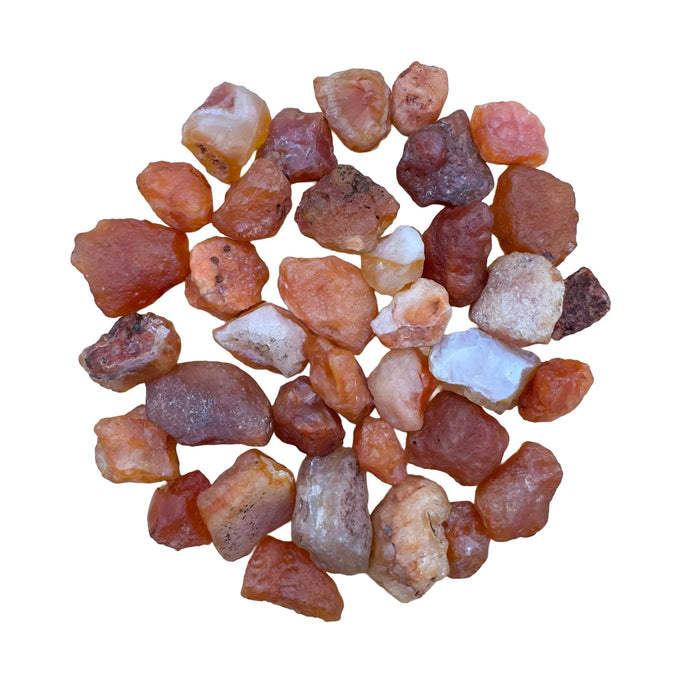
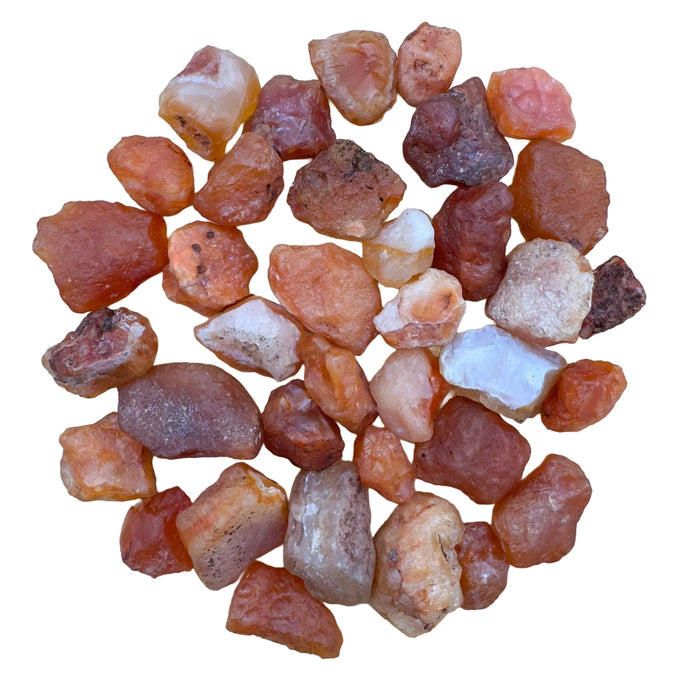
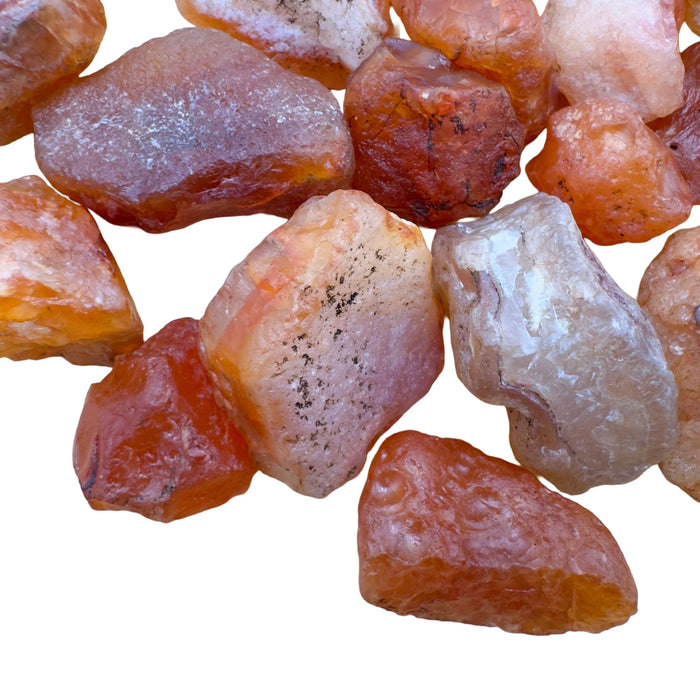
Wulfenite is not something we carry. Carnelian is the closest match in color, and every piece passes our sourcing standards: origin named, treatments disclosed.
- from 1,000+ reviews
- Ships within 72 hoursMonday to Friday, tracked
- 90 days to return itif you do not love it
- Free US shipping over $99$8.99 flat rate under
The Slow Note
New stones go to the list first.
No forwarding, no selling. Unsubscribe in one click. Privacy