


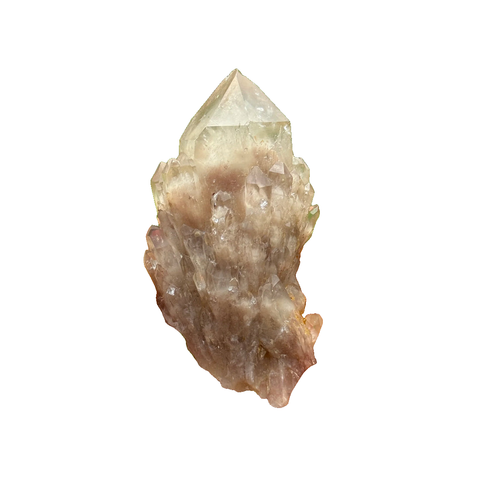
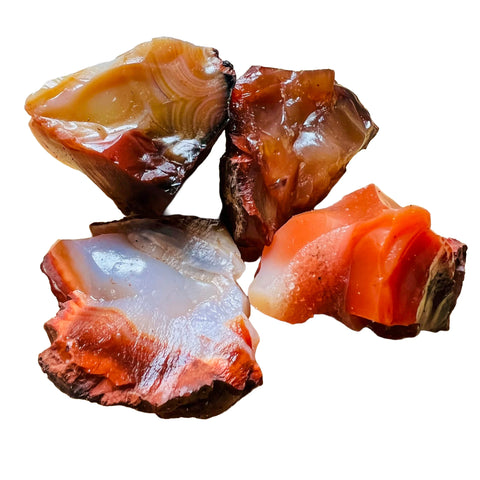


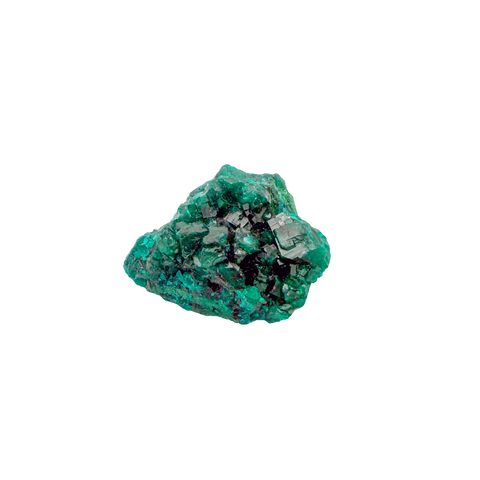
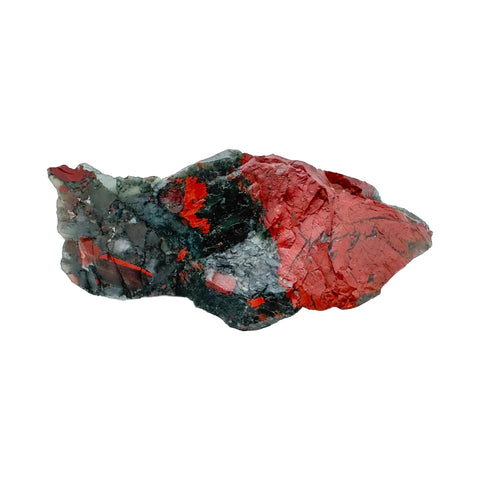
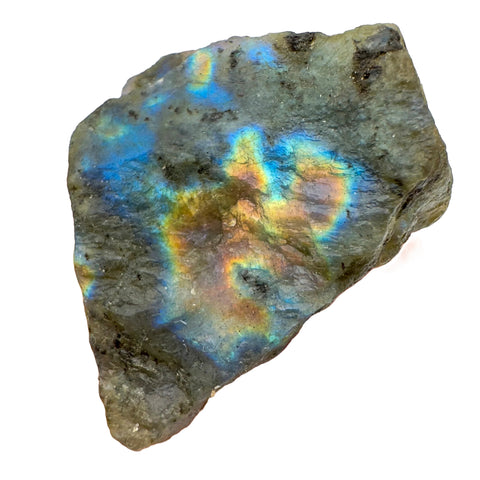
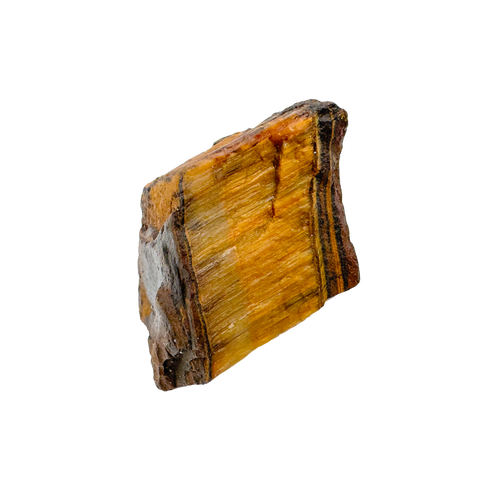
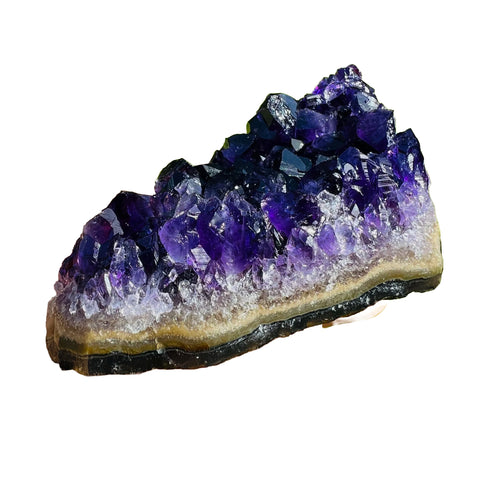



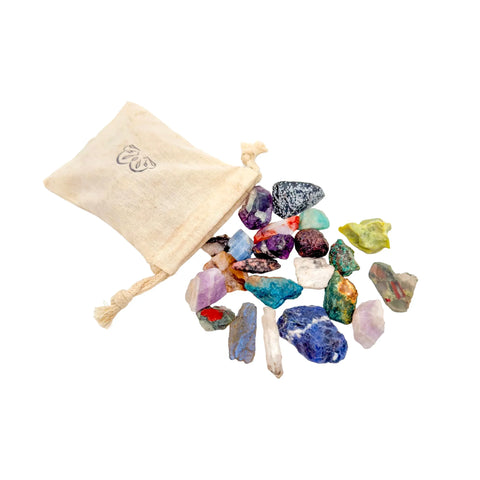
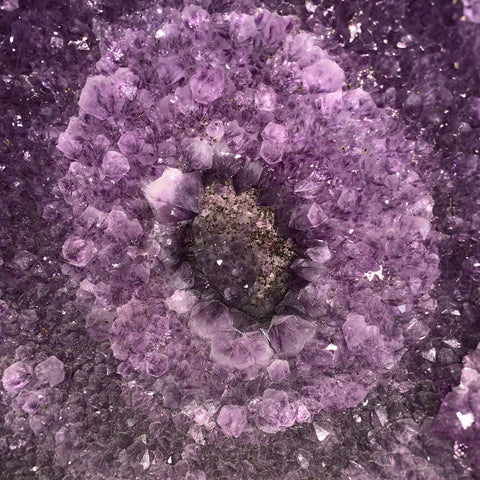
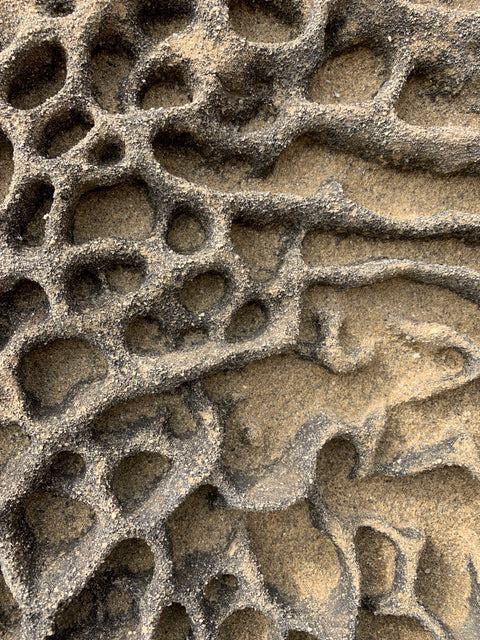
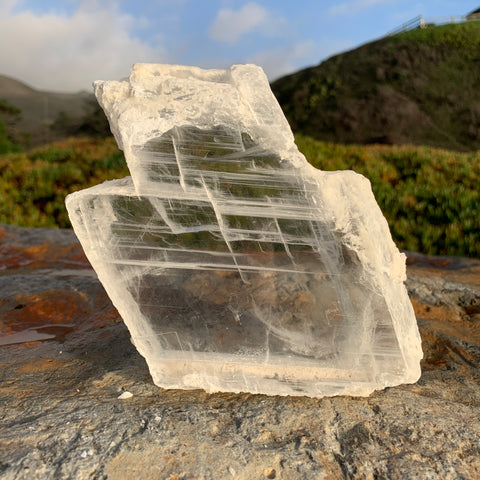
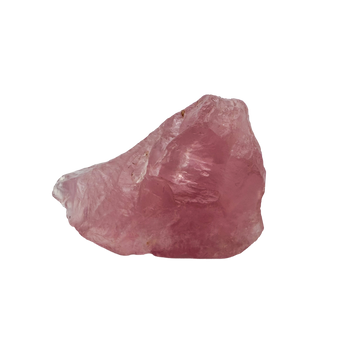
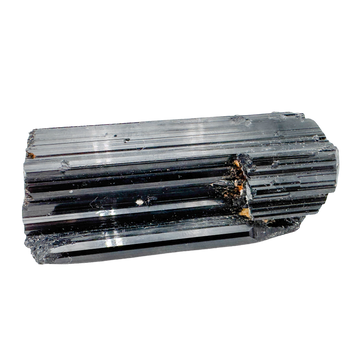
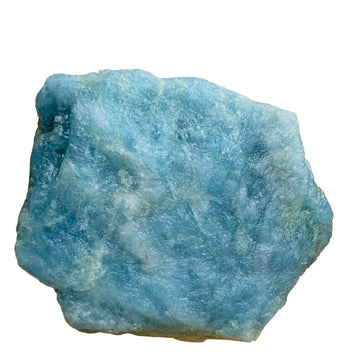
 Raw Stones
179 pieces
Raw Stones
179 pieces
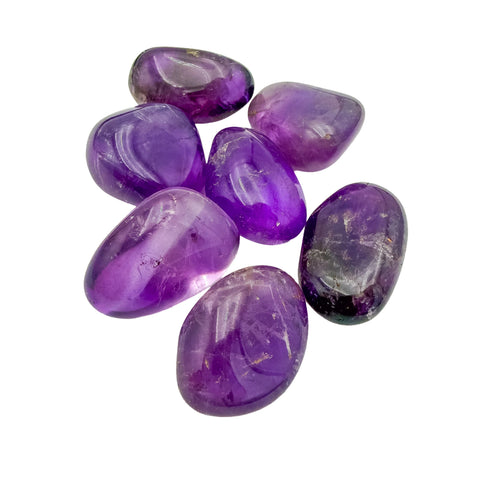
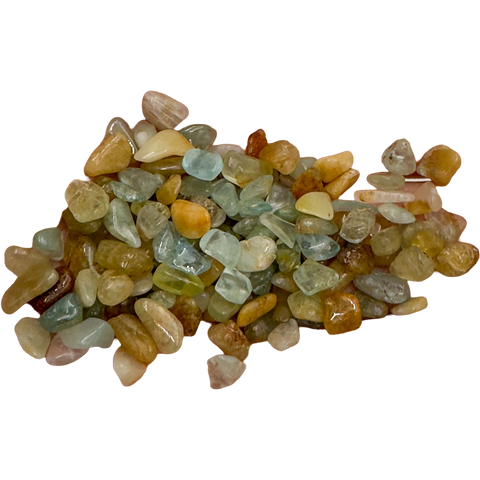
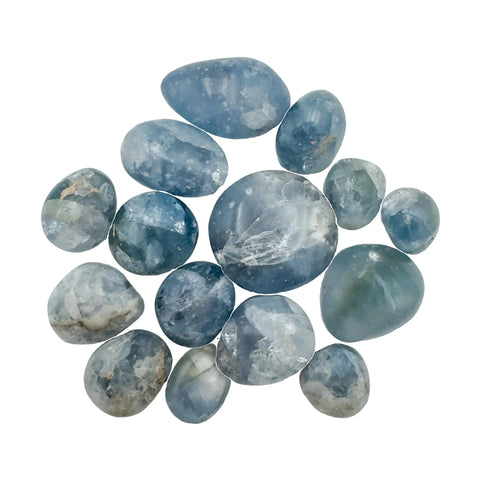
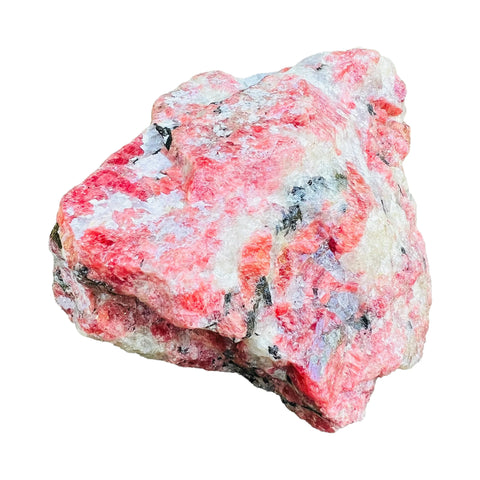
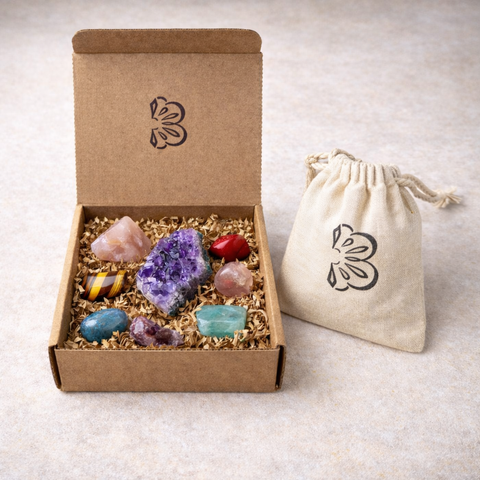
 Tumbled Stones
162 pieces
Tumbled Stones
162 pieces
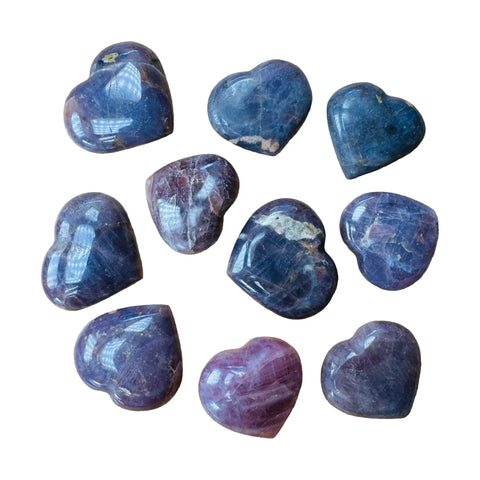
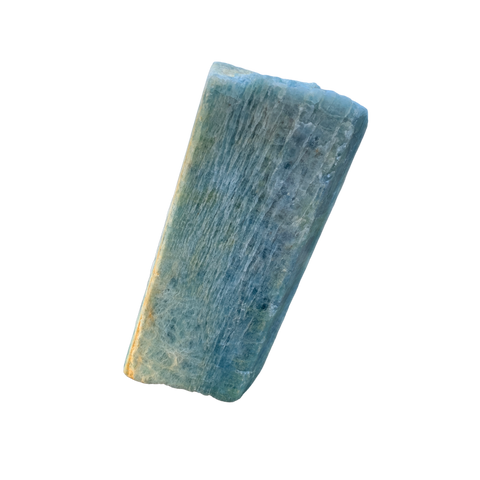
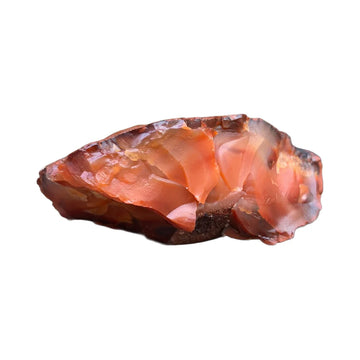
 Palm Stones
25 pieces
Palm Stones
25 pieces
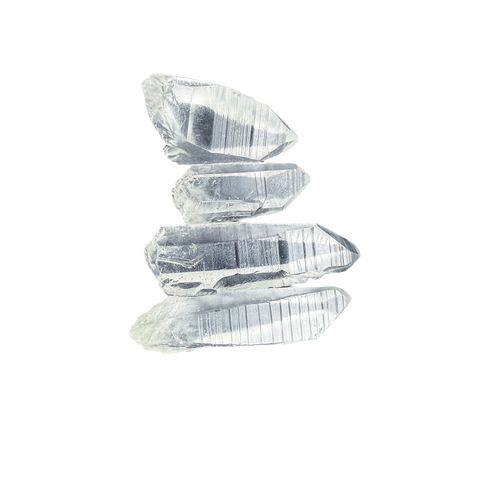
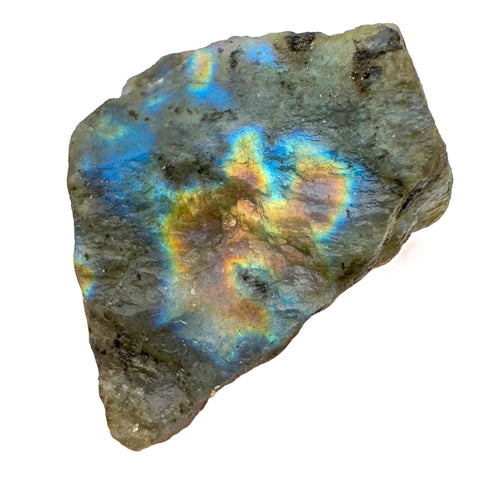
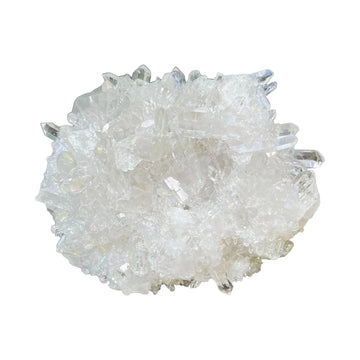
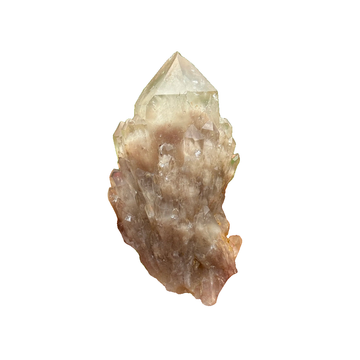
 Crystal Points
23 pieces
Crystal Points
23 pieces
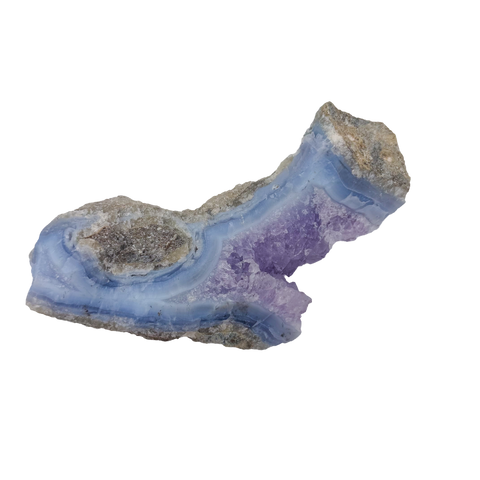
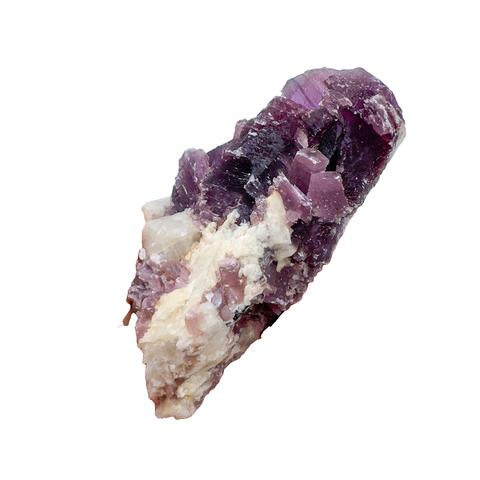
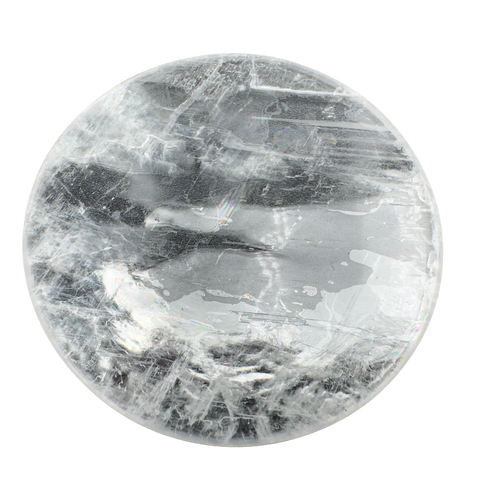
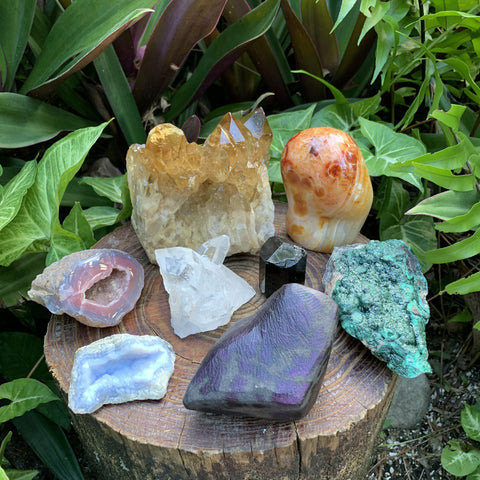
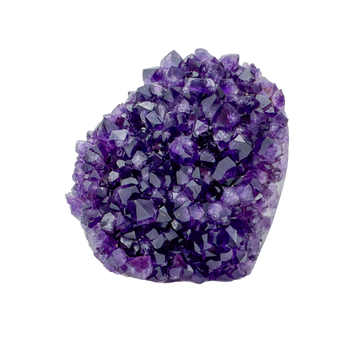
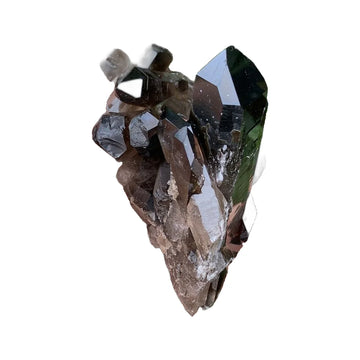
 Clusters & Geodes
104 pieces
Clusters & Geodes
104 pieces
 Polished & Decor
148 pieces
Polished & Decor
148 pieces
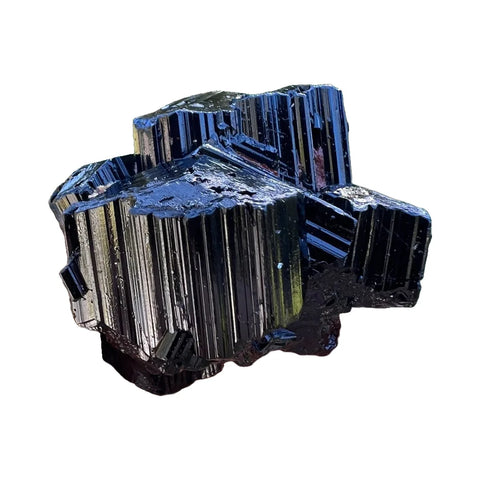
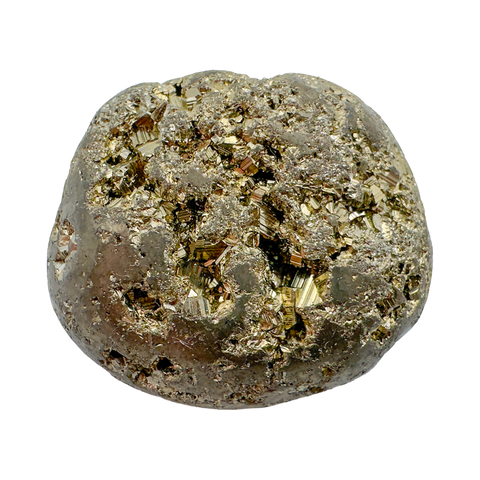
 Mineral Specimens
259 collector pieces
Mineral Specimens
259 collector pieces
 Crystal Chips
21 pieces
Browse everything
Every collection, one page.
View All Collections →
Crystal Chips
21 pieces
Browse everything
Every collection, one page.
View All Collections →


 Aries
Mar 21 – Apr 19
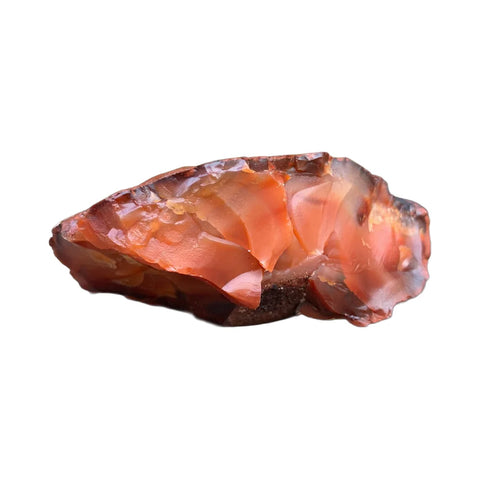
Carnelian
›
Aries
Mar 21 – Apr 19
Carnelian
›
 Taurus
Apr 20 – May 20
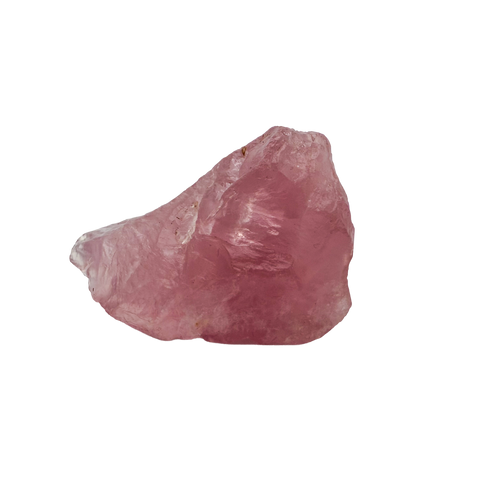
Rose Quartz
›
Taurus
Apr 20 – May 20
Rose Quartz
›
 Gemini
May 21 – Jun 20
Agate
›
Gemini
May 21 – Jun 20
Agate
›
 Cancer
Jun 21 – Jul 22
Moonstone
›
Cancer
Jun 21 – Jul 22
Moonstone
›
 Leo
Jul 23 – Aug 22
Citrine
›
Leo
Jul 23 – Aug 22
Citrine
›
 Virgo
Aug 23 – Sep 22
Amazonite
›
Virgo
Aug 23 – Sep 22
Amazonite
›
 Libra
Sep 23 – Oct 22
Blue Lace Agate
›
Libra
Sep 23 – Oct 22
Blue Lace Agate
›
 Scorpio
Oct 23 – Nov 21
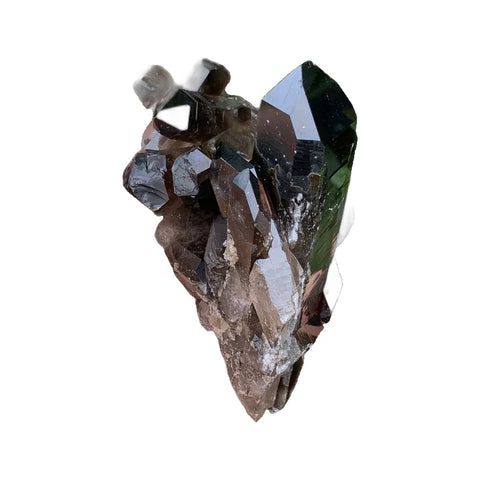
Obsidian
›
Scorpio
Oct 23 – Nov 21
Obsidian
›
 Sagittarius
Nov 22 – Dec 21
Sodalite
›
Sagittarius
Nov 22 – Dec 21
Sodalite
›
 Capricorn
Dec 22 – Jan 19
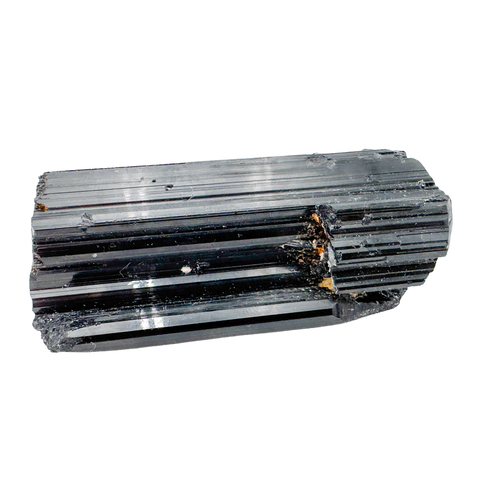
Black Tourmaline
›
Capricorn
Dec 22 – Jan 19
Black Tourmaline
›
 Aquarius
Jan 20 – Feb 18
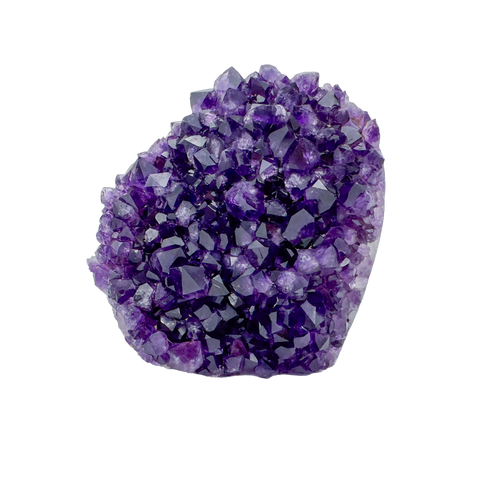
Amethyst
›
Aquarius
Jan 20 – Feb 18
Amethyst
›
 Pisces
Feb 19 – Mar 20
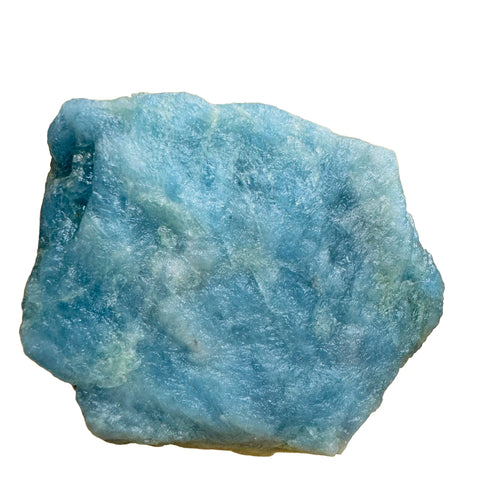
Aquamarine
›
Gifting?
A birthday stone is the safe bet.
Read the zodiac guide →
Pisces
Feb 19 – Mar 20
Aquamarine
›
Gifting?
A birthday stone is the safe bet.
Read the zodiac guide →

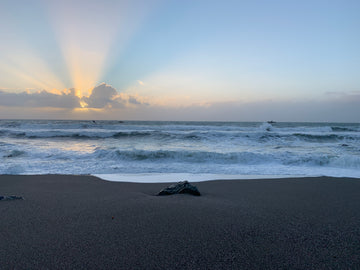
Trolleite
Trolleite is a rare aluminum phosphate with soft blue to blue-green tones, usually massive and often veined with lazulite, scorzalite, and quartz. First described in Sweden in 1868, it is a collector and lapidary favorite that most people meet as polished towers and freeforms.
The geology.
Trolleite is a basic aluminum phosphate, formula Al4(PO4)3(OH)3, that almost always occurs in massive form rather than as clean crystals. Its color runs from pale sky blue through blue-green to gray, and most pieces are a natural mixture, trolleite intergrown with related minerals like lazulite, scorzalite, and quartz.
One point deserves a straight answer, because the trade often gets it wrong. Trolleite is frequently sold as being 8.5 on the Mohs scale. Standard mineral references, including mindat, put it closer to 5.5 to 6. It is a fairly hard, tough material, but it is not near the top of the scale, so treat it with normal care.
The origins.
Trolleite was first described in 1868 in Sweden, at the Vastana iron mine in the Skane region, which remains its type locality. Swedish material established the mineral for science, though it has never been common.
Today, much of the trolleite in the lapidary trade comes from Brazil, cut into towers, spheres, and freeforms. Additional occurrences are recorded in Rwanda, the United States, and Australia. It stays a niche collector and carving stone rather than a mainstream gem.
Traditional associations.
Trolleite is a modern metaphysical stone, and its calm blue tones shape its reputation. Many people work with it around focus, resilience, and a steady, decisive frame of mind, and connect it with the upper chakras.
It is often linked with the Third Eye and Crown and described as an all-purpose companion. Because it takes a good polish and is reasonably hard, people keep it as towers and palm stones as well as pendants worn with a little care.
Spotting the real thing.
Genuine trolleite usually looks like a solid blue to blue-green stone with subtle variation, frequently carrying deeper blue patches of lazulite or scorzalite and pale veins of quartz. The color is natural and a little muted, and the material feels like dense stone, taking a smooth polish.
The most common mistake around trolleite is not a fake but a fact: its hardness is widely overstated as 8.5, when authoritative sources put it near 5.5 to 6. Be wary of any seller who leans on the 8.5 figure to justify a premium, and note that trolleite is easily confused with its bluer companion lazulite, which is a related but distinct mineral.
Care & handling.
Trolleite is moderately hard at about 5.5 to 6, tougher than many blue stones but not scratch-proof, so it stands up to careful handling and light jewelry use. Keep it away from harder stones like quartz and topaz that could scratch it, and from sharp knocks.
A brief rinse with warm water and a soft cloth is fine. Skip ultrasonic cleaners, long soaks, and harsh chemicals. Because it is often a mineral mixture, the safest approach is gentle. To reset it energetically, many people use sound, moonlight, or a rest on selenite.
Pairs well with.
A deeper look.
Extended geology, sourcing, authentication, history, and varieties, for when the quick guide isn't quite enough.
Extended geology
Trolleite is a basic aluminum phosphate that forms in aluminum-rich, phosphate-bearing metamorphic and pegmatitic settings. It is closely associated with a small family of phosphate minerals, including lazulite, scorzalite, augelite, and montebrasite, and most trolleite on the market is a natural intergrowth of several of these with quartz. It crystallizes in the monoclinic system but is almost always seen as massive material.
Extended sourcing
The type locality is the Vastana iron mine in Skane, Sweden, where trolleite was first identified in 1868. The bulk of today's decorative material is Brazilian, and further occurrences are documented in Rwanda, the United States, and Australia. It has never been abundant, which keeps it in the collector and specialty-lapidary niche.
Authentication and warning signs
Expect a dense, natural blue to blue-green stone, often mottled with lazulite blue and quartz veining, taking a smooth polish. The clearest honest issue is the hardness myth: many listings claim 8.5, while mineralogical references give roughly 5.5 to 6. Treat the inflated number as a warning about a seller's accuracy, and remember that lazulite and dyed blue stand-ins can be confused with it.
History and folklore
Trolleite was named in 1868 for the Swedish chemist Hans Gabriel Trolle-Wachtmeister. As a rare mineral described in the scientific era, it carries no ancient folklore, and its meaning in modern crystal practice is a recent development built around its calm blue color.
Varieties and trade names
Trolleite is usually sold simply as trolleite, sometimes noted as containing lazulite, scorzalite, or quartz, which reflects its natural mixed makeup. It is most often offered as polished towers, spheres, palm stones, and freeforms rather than faceted gems.
What it costs in the market
Trolleite sits in the mid-range for polished carvings, with price rising for strong even blue color, good polish, and larger, cleaner pieces. Because it is uncommon, well-colored towers and spheres can carry a premium, though the material does not justify the top-hardness claims sometimes used to sell it.
An education-first guide.
This guide is here to teach, not to sell, including the parts the trade gets wrong. Knowing trolleite's real hardness, its true sources, and its natural mixed makeup helps you shop with clear eyes wherever you go. Explore the rest of our crystal guides for more.
Explore the Crystal GuideLove Trolleite? Meet Celestite.
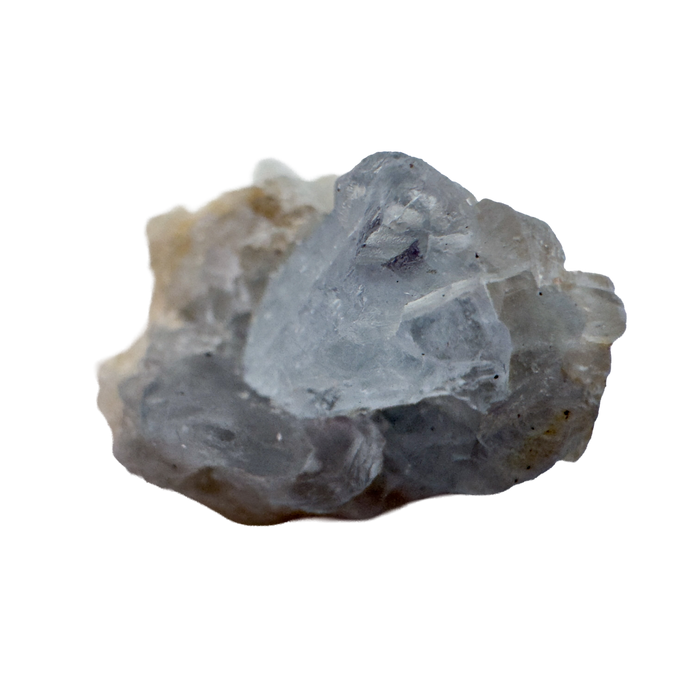
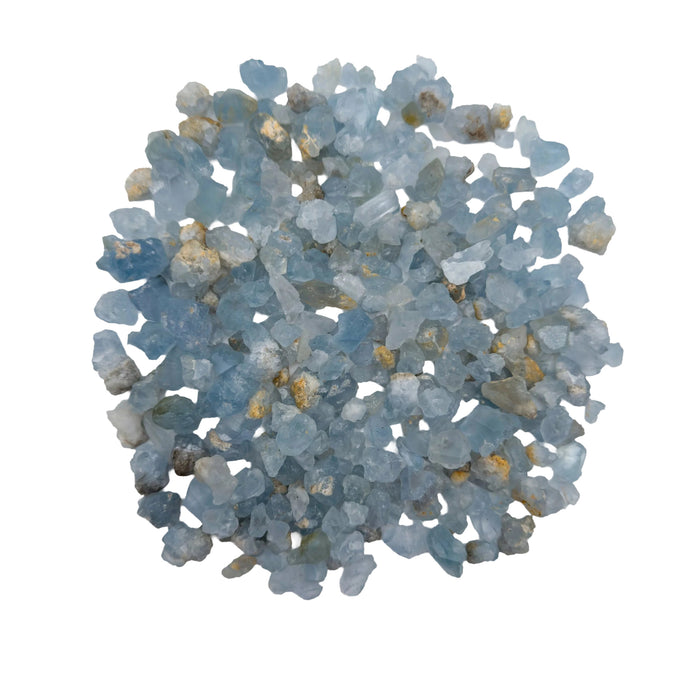
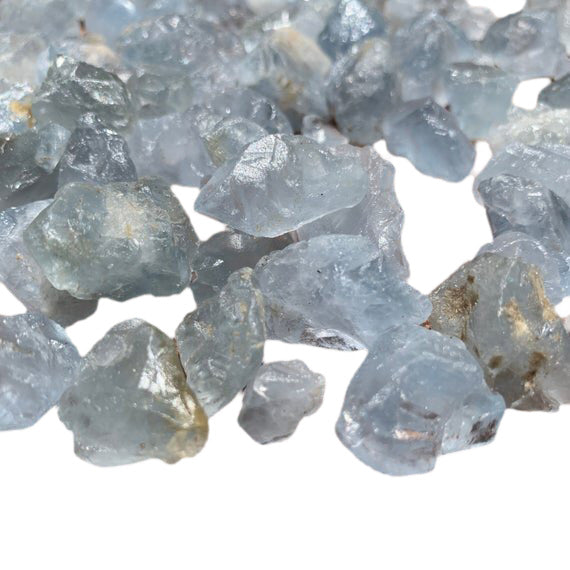
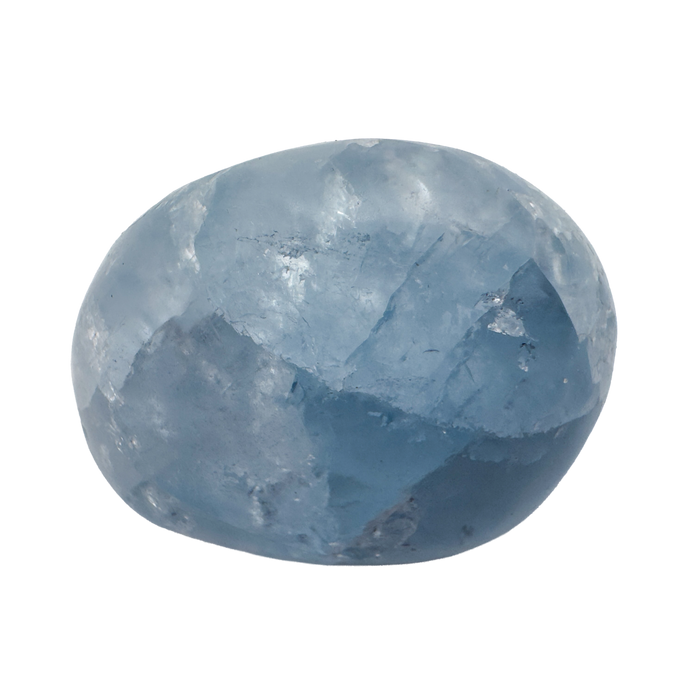
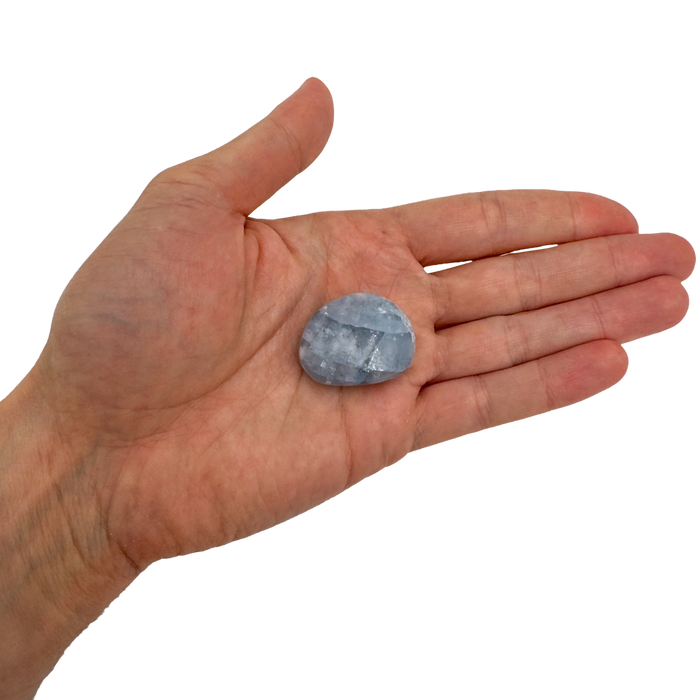
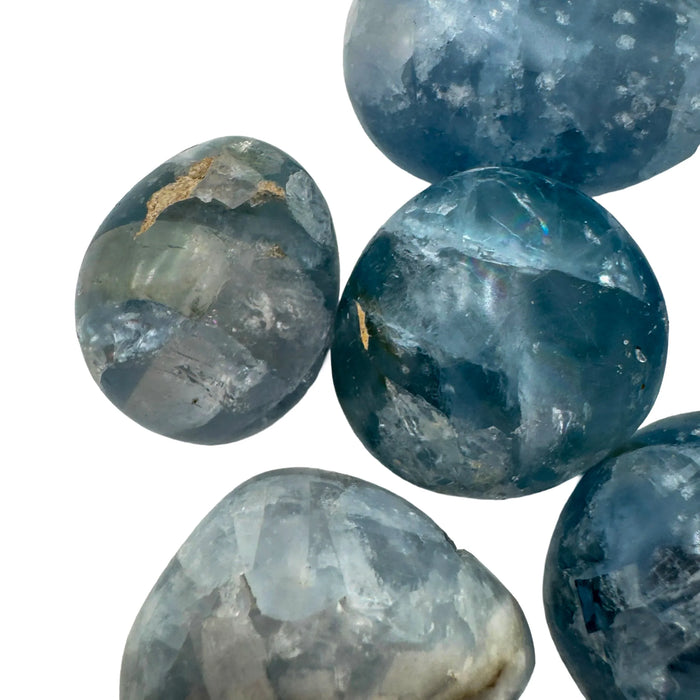
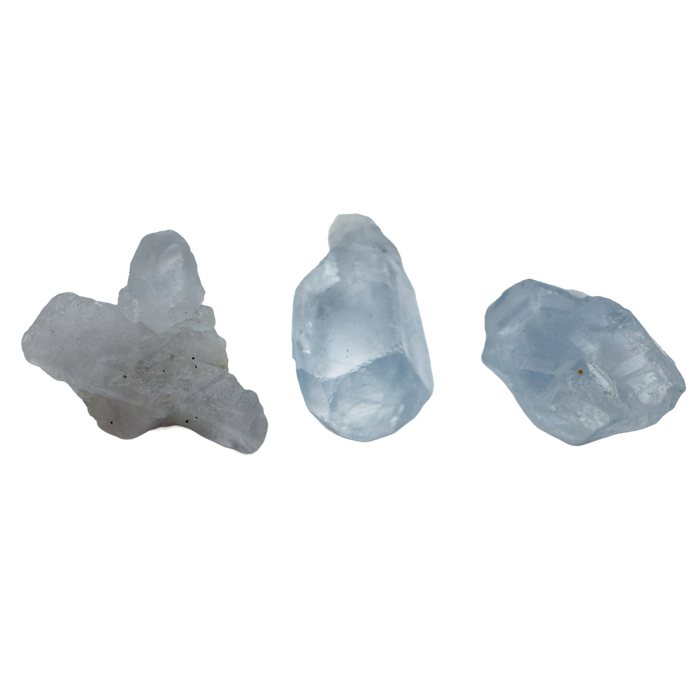
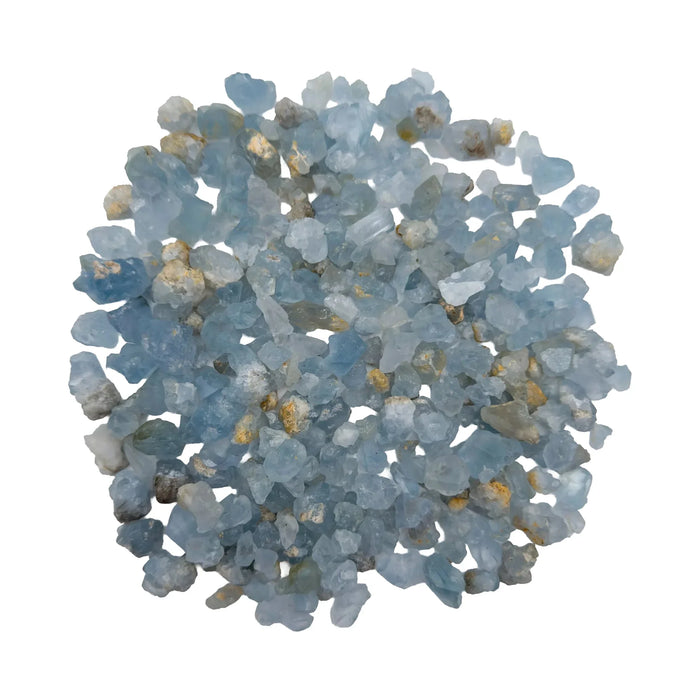
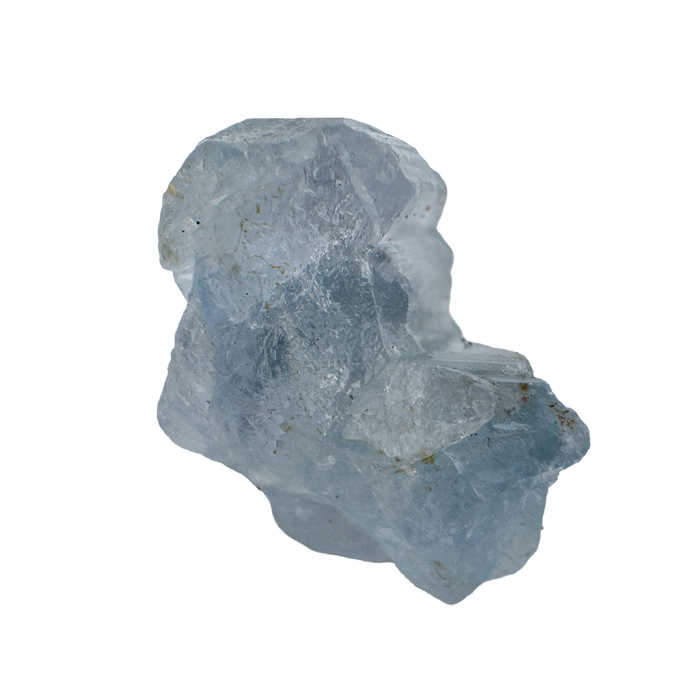
Trolleite is not something we carry. Celestite is the closest match in color, and every piece passes our sourcing standards: origin named, treatments disclosed.
- from 1,000+ reviews
- Ships within 72 hoursMonday to Friday, tracked
- 90 days to return itif you do not love it
- Free US shipping over $99$8.99 flat rate under
The Slow Note
New stones go to the list first.
No forwarding, no selling. Unsubscribe in one click. Privacy