


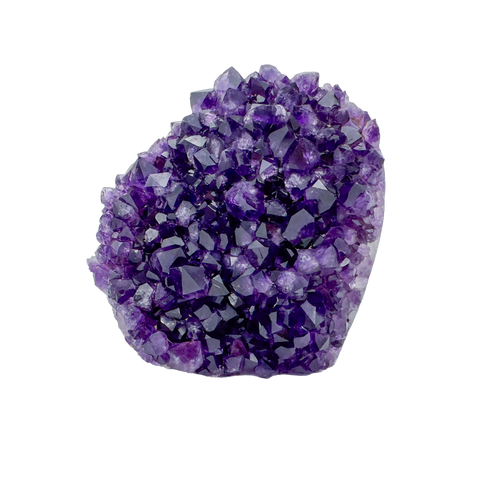
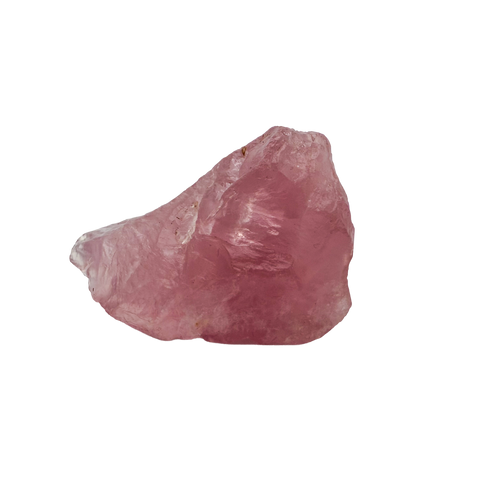
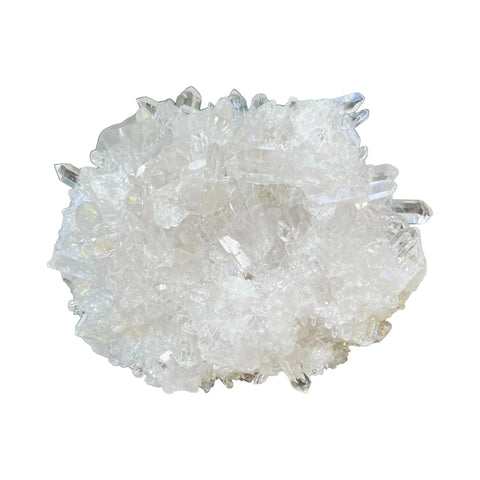
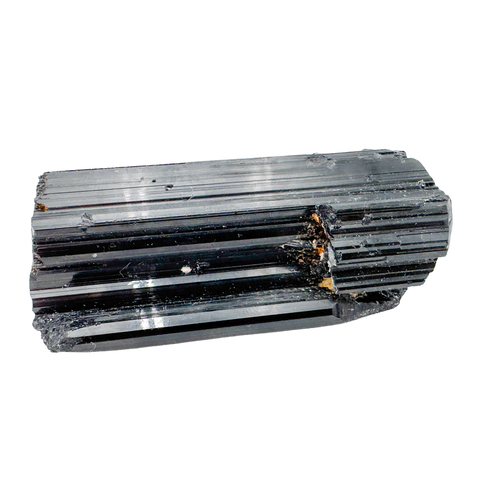
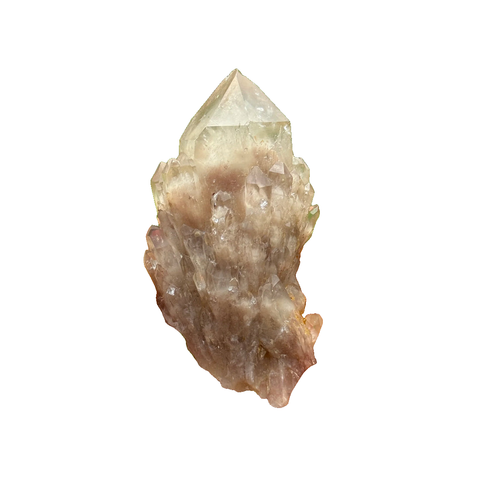
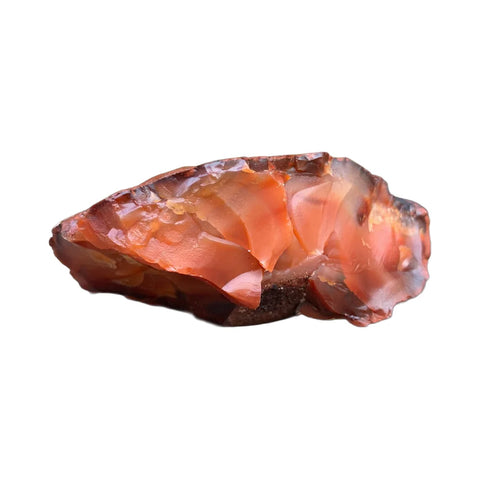
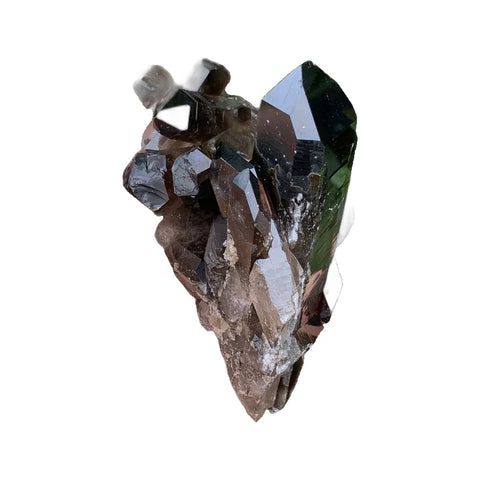
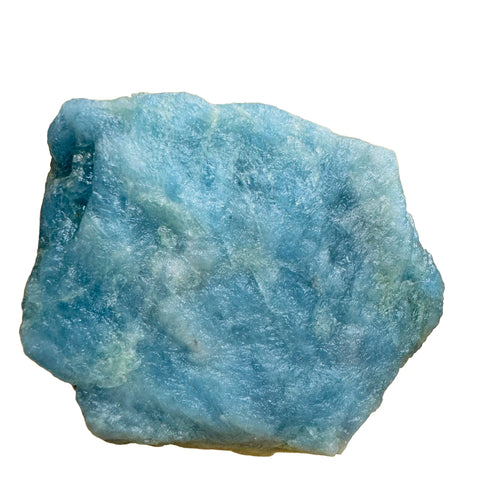
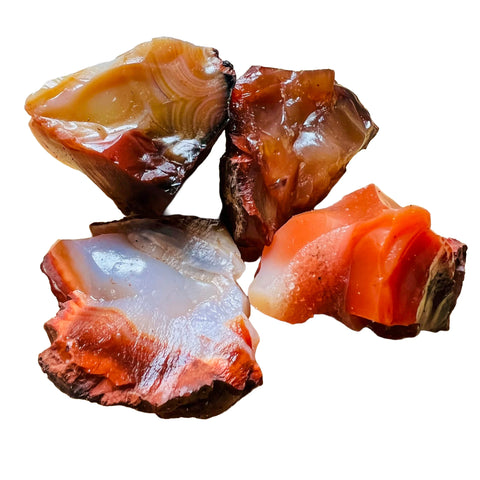


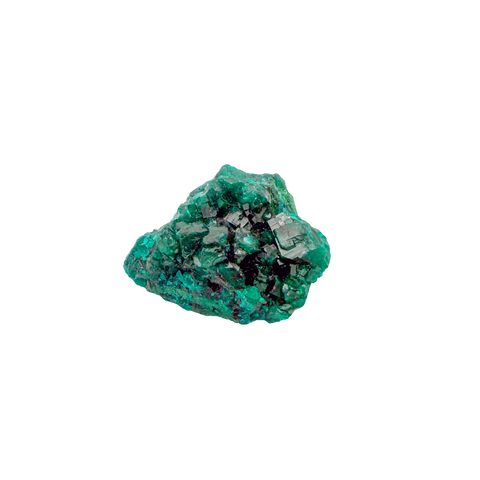
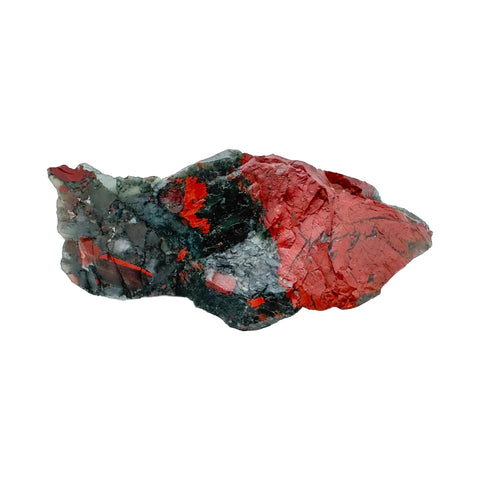
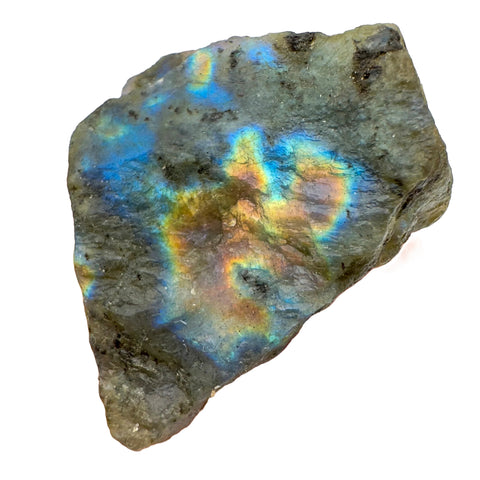
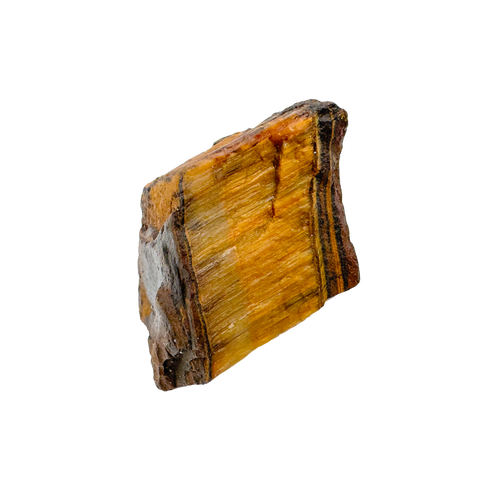
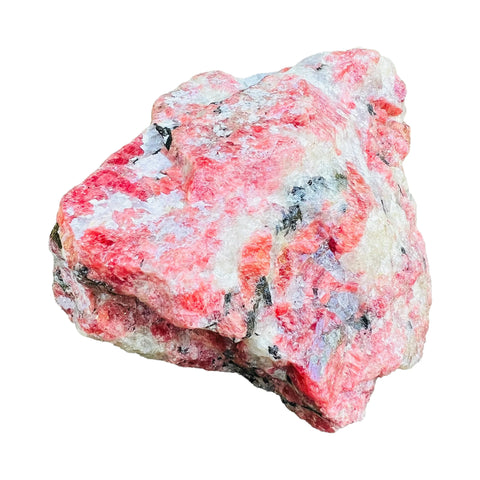
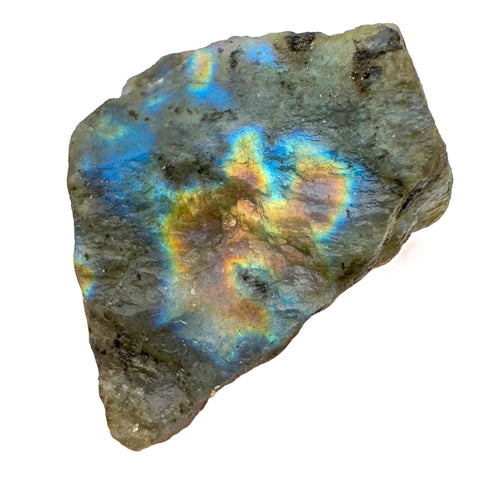
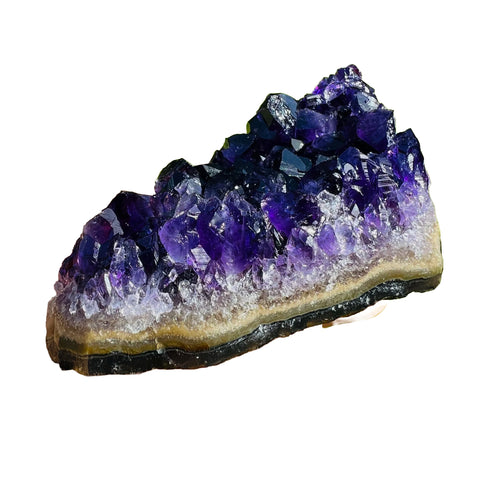



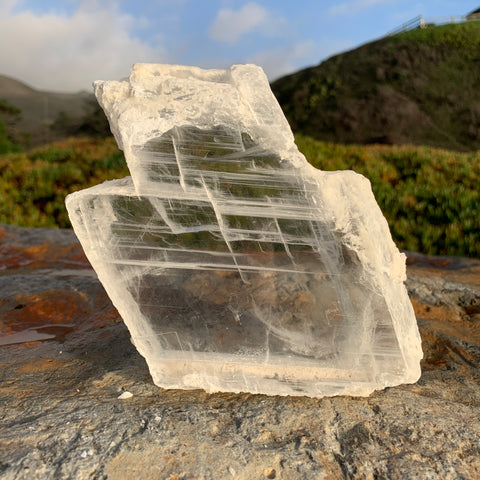
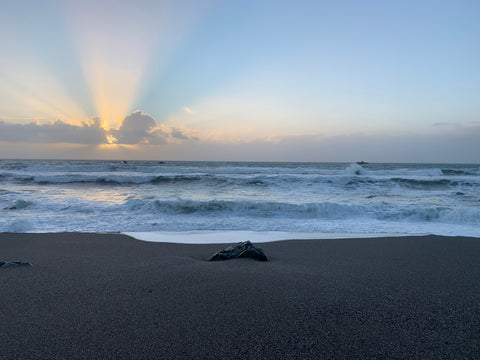
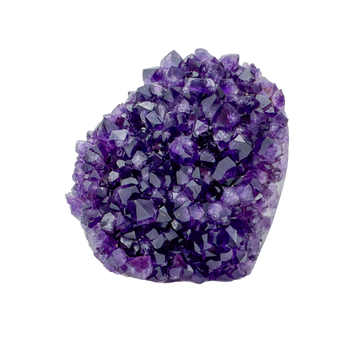
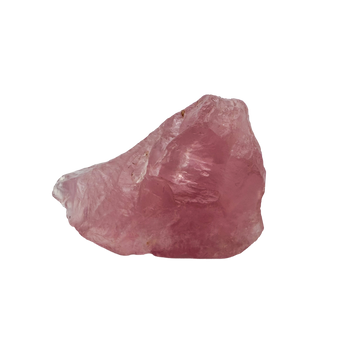
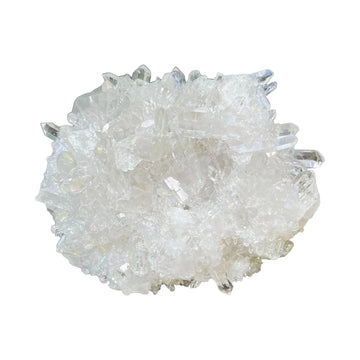
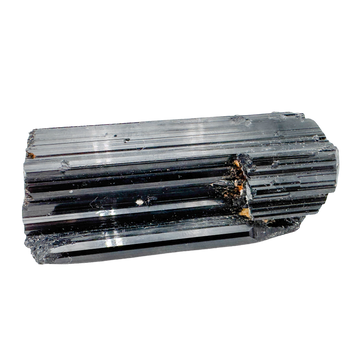
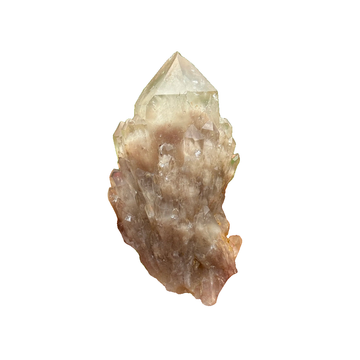
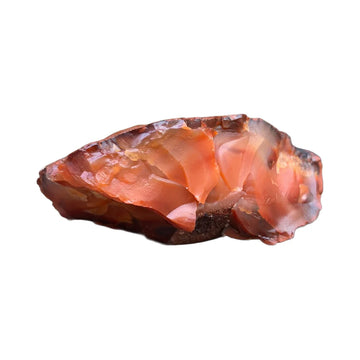
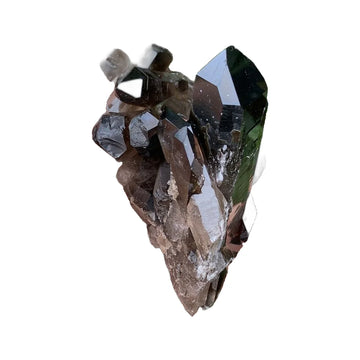
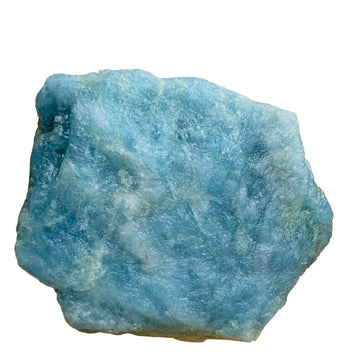
 Raw Stones
179 pieces
Raw Stones
179 pieces
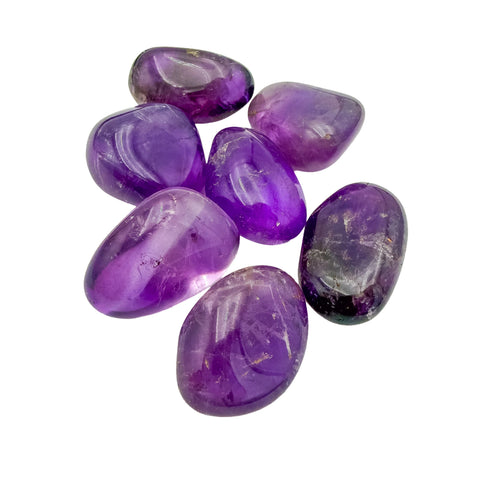
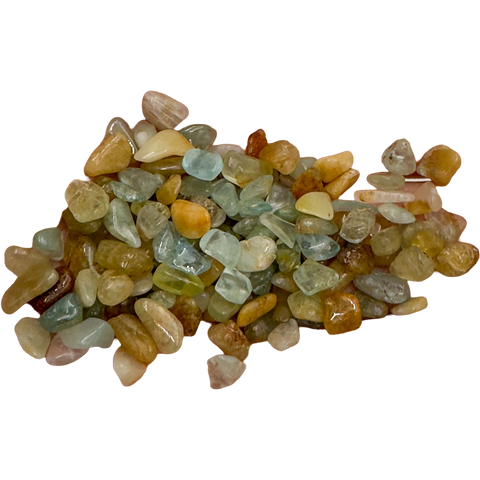
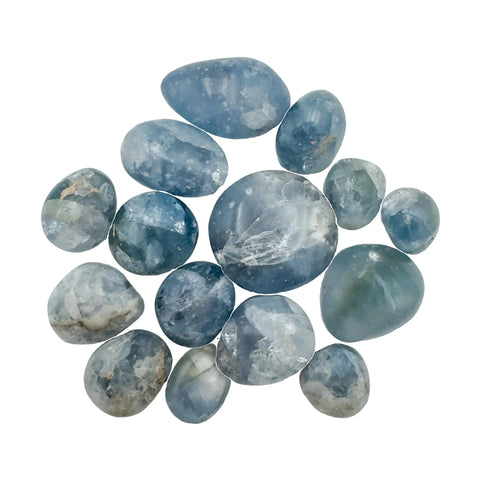
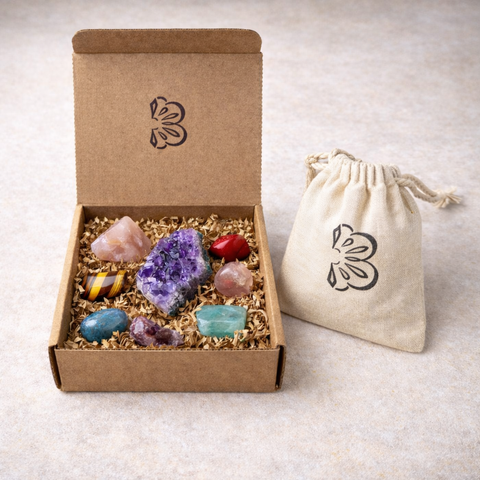
 Tumbled Stones
162 pieces
Tumbled Stones
162 pieces
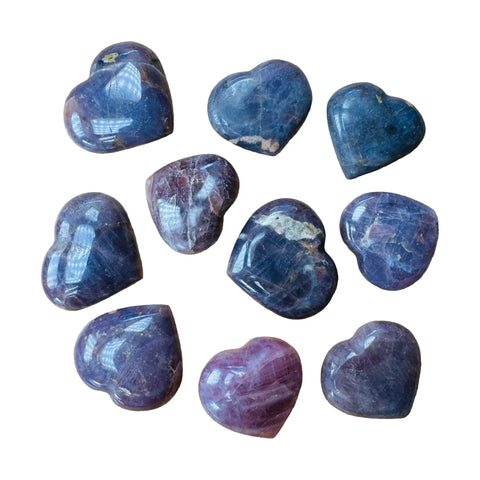
 Palm Stones
25 pieces
Palm Stones
25 pieces
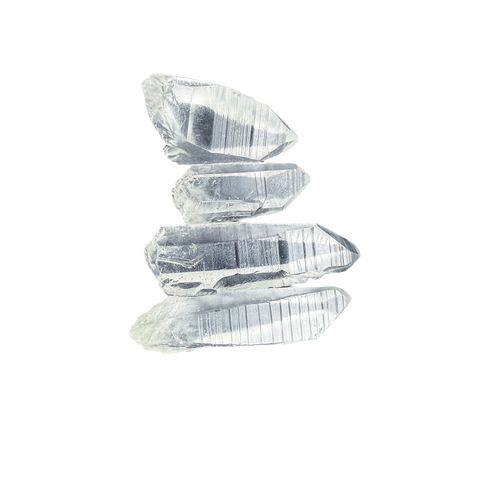
 Crystal Points
23 pieces
Crystal Points
23 pieces
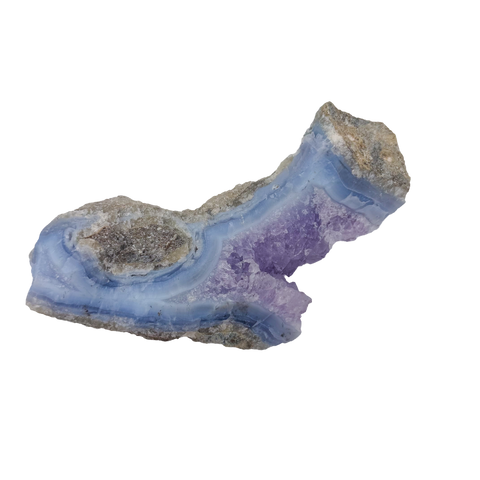
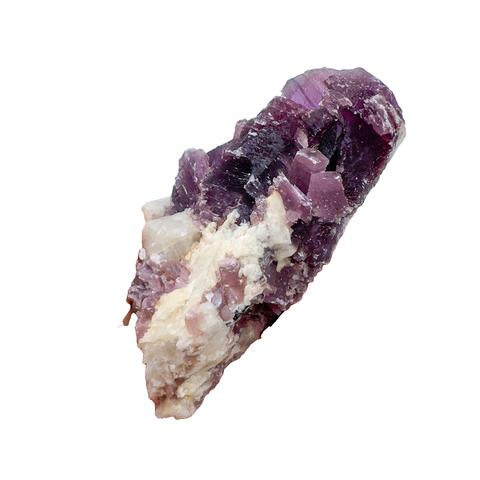
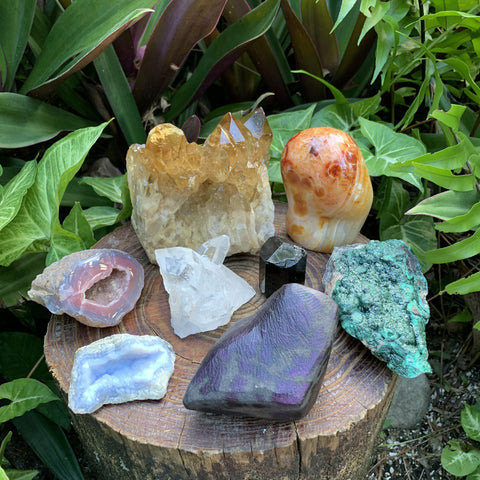
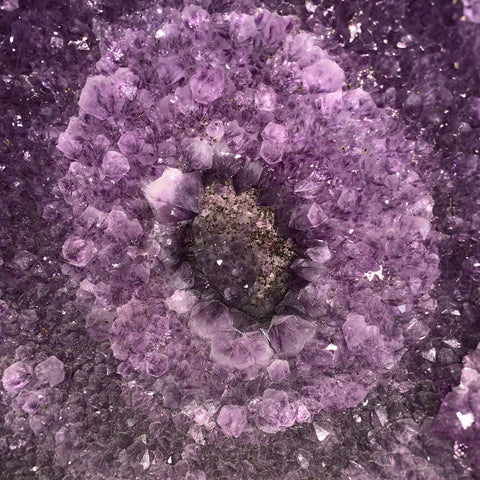
 Clusters & Geodes
104 pieces
Clusters & Geodes
104 pieces
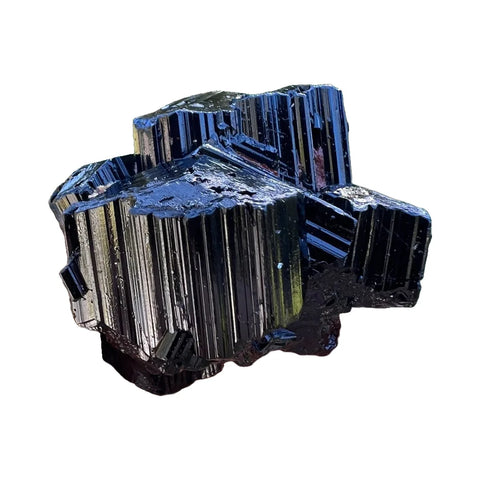
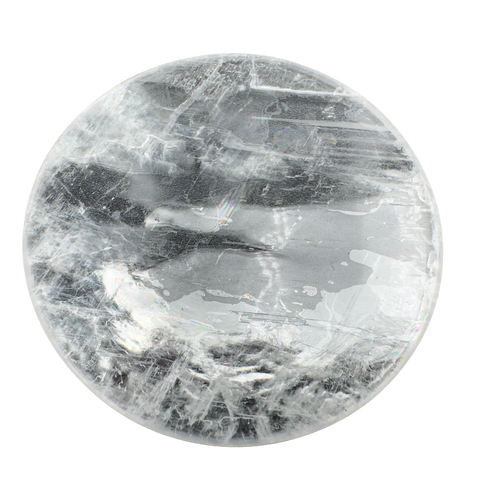
 Polished & Decor
148 pieces
Polished & Decor
148 pieces
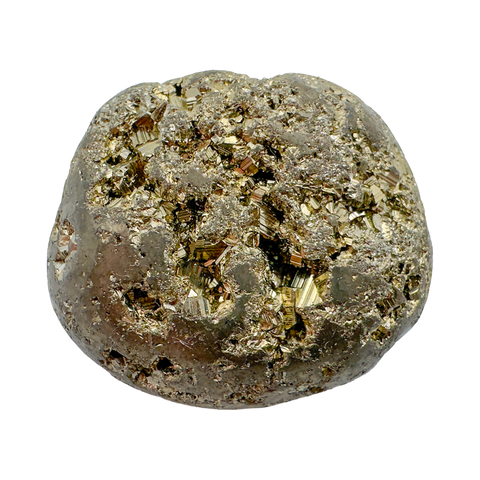
 Mineral Specimens
259 collector pieces
Mineral Specimens
259 collector pieces
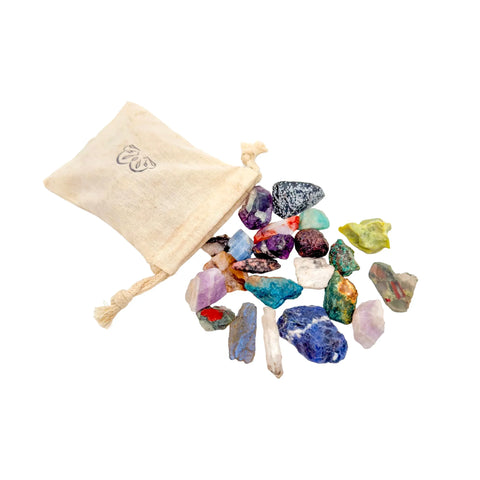
 Crystal Chips
21 pieces
Browse everything
Every collection, one page.
View All Collections →
Crystal Chips
21 pieces
Browse everything
Every collection, one page.
View All Collections →


 Aries
Mar 21 – Apr 19
Carnelian
›
Aries
Mar 21 – Apr 19
Carnelian
›
 Taurus
Apr 20 – May 20
Rose Quartz
›
Taurus
Apr 20 – May 20
Rose Quartz
›
 Gemini
May 21 – Jun 20
Agate
›
Gemini
May 21 – Jun 20
Agate
›
 Cancer
Jun 21 – Jul 22
Moonstone
›
Cancer
Jun 21 – Jul 22
Moonstone
›
 Leo
Jul 23 – Aug 22
Citrine
›
Leo
Jul 23 – Aug 22
Citrine
›
 Virgo
Aug 23 – Sep 22
Amazonite
›
Virgo
Aug 23 – Sep 22
Amazonite
›
 Libra
Sep 23 – Oct 22
Blue Lace Agate
›
Libra
Sep 23 – Oct 22
Blue Lace Agate
›
 Scorpio
Oct 23 – Nov 21
Obsidian
›
Scorpio
Oct 23 – Nov 21
Obsidian
›
 Sagittarius
Nov 22 – Dec 21
Sodalite
›
Sagittarius
Nov 22 – Dec 21
Sodalite
›
 Capricorn
Dec 22 – Jan 19
Black Tourmaline
›
Capricorn
Dec 22 – Jan 19
Black Tourmaline
›
 Aquarius
Jan 20 – Feb 18
Amethyst
›
Aquarius
Jan 20 – Feb 18
Amethyst
›
 Pisces
Feb 19 – Mar 20
Aquamarine
›
Gifting?
A birthday stone is the safe bet.
Read the zodiac guide →
Pisces
Feb 19 – Mar 20
Aquamarine
›
Gifting?
A birthday stone is the safe bet.
Read the zodiac guide →

Mimetite
Mimetite is a lead arsenate that forms rounded, sometimes barrel-shaped crystals in yellow, orange, and brown, and it belongs to the same mineral series as vanadinite and pyromorphite. Its name means the imitator, a nod to how easily it is mistaken for its cousins. Because it contains both lead and arsenic, it is a collector's specimen handled with simple care.
The geology.
Mimetite is a lead chloroarsenate, formula Pb5(AsO4)3Cl, and part of the apatite group. It is a secondary mineral, forming in the oxidized zones of lead deposits where the original lead ore, usually galena, weathers and reacts with arsenic-bearing solutions near the surface. That secondary origin is why it turns up alongside other colorful oxidation minerals.
It sits in a chemical series with pyromorphite, its phosphate counterpart, and vanadinite, the vanadate, all sharing the same apatite structure and often looking alike. Crystals are hexagonal, ranging from tiny needles to stubby prisms and the famous rounded, barrel-shaped forms. Hardness is 3.5 to 4 on the Mohs scale, and the mineral is notably heavy, with a specific gravity above 7 from all that lead. Colors run yellow, orange, brown, and sometimes green or white.
The origins.
Tsumeb in Namibia is the most celebrated source, famous for brilliant yellow mimetite and for the oxidized-zone minerals that made the mine legendary. Mexico is the other great locality, especially the Mapimí district in Durango, source of much bright orange and yellow material.
Historic and modern occurrences add England, where the barrel-shaped brown-orange variety called campylite comes from Cumbria, along with Germany, China, Australia, and the United States, particularly Arizona. Mimetite is uncommon everywhere, a mineral of specific oxidized lead deposits rather than a widely mined stone.
Traditional associations.
Mimetite has no ancient lore. It was described and named in the early nineteenth century as a scientific curiosity, and it has stayed a collector's mineral ever since, valued for color, crystal form, and rarity rather than tradition. Its metaphysical associations are modern and modest, since few people handle it directly.
Where it is worked with, it tends to be linked to the Sacral and Root chakras and the element of Earth, drawing on its warm colors and grounding weight. In practice it lives on a shelf as a display piece, appreciated at a distance rather than carried, in keeping with its lead and arsenic content.
Spotting the real thing.
Real mimetite shows rounded, glassy crystals, often the signature barrel or rounded-prism shapes, in warm yellows, oranges, and browns, and it feels surprisingly heavy for its size because of the lead. Under close light the crystals are translucent with a bright, resinous to adamantine shine.
The honest difficulty is telling mimetite from its series relatives. Pyromorphite and vanadinite look very similar and often grow in the same deposits, and only laboratory testing separates them with certainty, so labels rely on locality and appearance. That is fine, as long as a seller is clear about it. The barrel-shaped campylite from Cumbria is a well-known named form worth recognizing.
Care & handling.
Mimetite contains both lead and arsenic, so it is a specimen to enjoy with calm, simple care. The sensible rules are the same as for any heavy-metal mineral: wash your hands after handling it, do not lick, taste, or ingest it, avoid creating or breathing dust, and keep it out of reach of children and pets. Left on a shelf, a specimen poses no everyday hazard.
For cleaning, keep it dry and gentle. At 3.5 to 4 on the Mohs scale it scratches easily, and as a lead and arsenic mineral it should never be soaked or cleaned in water you intend to reuse, so skip water and saltwater entirely. Dust it lightly with a soft, dry brush, and wash up afterward. Store it apart from harder stones, out of strong sun. To reset it energetically, many people use sound or moonlight rather than water.
Pairs well with.
A deeper look.
Extended geology, sourcing, authentication, history, and varieties, for when the quick guide isn't quite enough.
Extended geology
Mimetite is a lead chloroarsenate, Pb5(AsO4)3Cl, a member of the apatite group and the arsenate end of a series that runs through pyromorphite, the phosphate, and vanadinite, the vanadate. Chemistry substitutes freely along that series, so intermediate compositions are common and the three minerals grade into one another. Mimetite forms as a secondary mineral in the oxidized zones of lead ore bodies, where galena and other primary minerals weather and rearsenate solutions redeposit lead near the surface.
Crystals are hexagonal, appearing as slender needles, hexagonal prisms, and the rounded, barrel-shaped habit that gives the campylite variety its curved profile. Hardness is 3.5 to 4, and specific gravity is high, above 7, so specimens feel dense in the hand. Luster is resinous to adamantine, and the mineral is transparent to translucent in yellows, oranges, browns, and occasional greens.
Extended sourcing
Tsumeb in Namibia is the benchmark, a mine renowned for its oxidized-zone minerals and for brilliant yellow mimetite among the finest ever found. The Mapimí district of Durango, Mexico, is the other major producer, source of much bright orange and yellow material on matrix.
England contributes the historic campylite from Dry Gill and other Cumbrian localities, curved orange-brown barrels that collectors prize. Germany, China, Australia, and the American Southwest, especially Arizona, round out the sources. Mimetite is scarce everywhere, tied to specific oxidized lead deposits, so fine crystallized specimens are collector items rather than bulk stones.
Authentication and warning signs
The reliable signs are hexagonal or barrel-shaped crystals, warm color, a resinous to adamantine shine, and surprising heaviness from the lead. Genuine mimetite reads as a natural crystallized specimen rather than a polished stone.
The real challenge is separating mimetite from pyromorphite and vanadinite, which share its structure and appearance so closely that certainty often needs laboratory analysis. Honest sellers acknowledge this and lean on locality. Because mimetite is a heavy-metal specimen mineral, it is not legitimately offered as jewelry or as a stone for water use, so treat any such claim with suspicion.
History and folklore
Mimetite was described in 1832, and its name comes from the Greek word mimetes, meaning imitator, because it so closely resembles pyromorphite. From the start it was a mineralogist's and collector's mineral, studied for its chemistry and admired for its color and form.
It carries no traditional folklore or talismanic history, and any metaphysical associations attached to it today are recent additions from the modern crystal community rather than inherited lore. Stating that plainly is more useful than inventing a past the mineral never had.
Varieties and trade names
Yellow mimetite: the bright, classic color, at its finest from Tsumeb.
Orange mimetite: warm orange crystals and crusts, notably from Mapimí, Mexico.
Campylite: the barrel-shaped, orange-brown variety from Cumbria, England, a distinctive named form.
Mimetite is sold under its own name by locality and variety, without the invented marketing names attached to more commercial stones.
What it costs in the market
Small mimetite specimens and thumbnails: roughly 15 to 50 dollars. Attractive cabinet pieces with good crystals or bright color on matrix: 50 to 300 dollars. Fine Tsumeb yellows or classic campylite barrels in top condition: several hundred to well over a thousand dollars. Color, crystal form, size, condition, and named locality drive the value, with Tsumeb material at the premium end.
An education-first guide.
We don't currently carry mimetite, so there's nothing to sell you here. This guide exists because the more you understand a stone, the better every decision you make about it becomes, wherever you buy it. Explore the rest of our crystal guides for stones we do source, each with full origin and treatment notes.
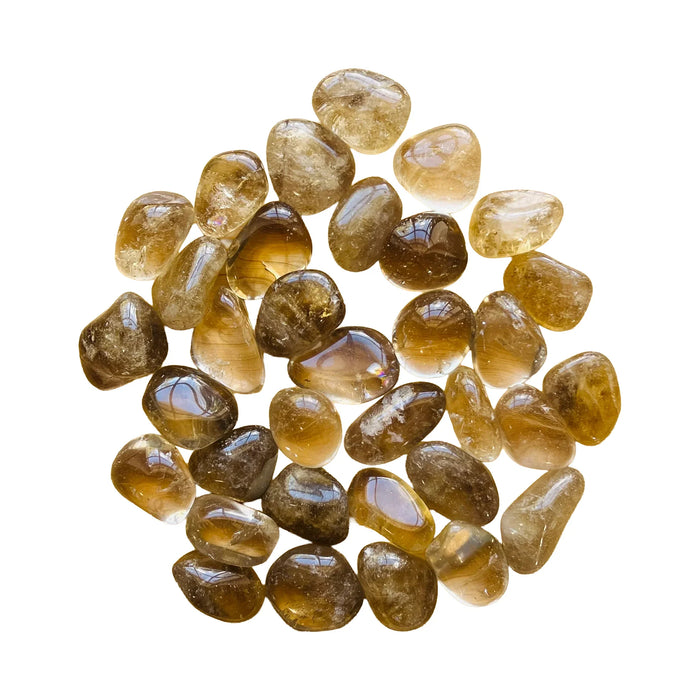
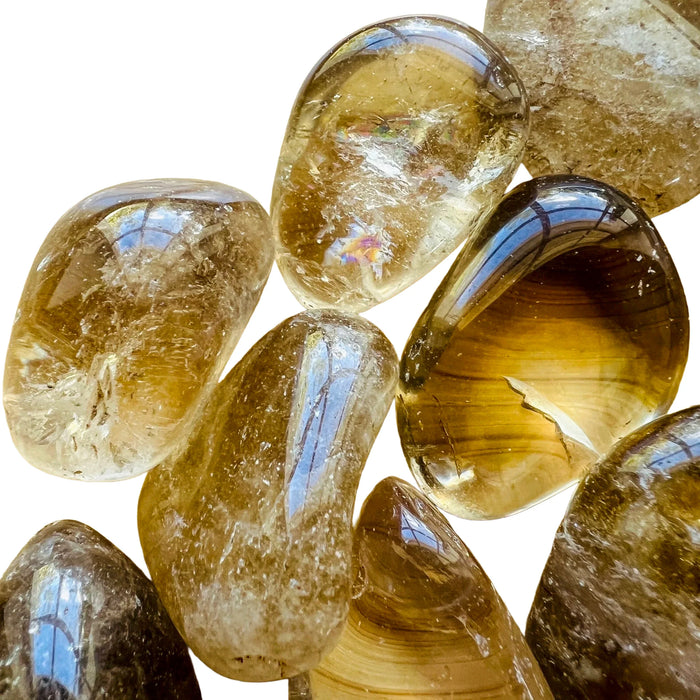
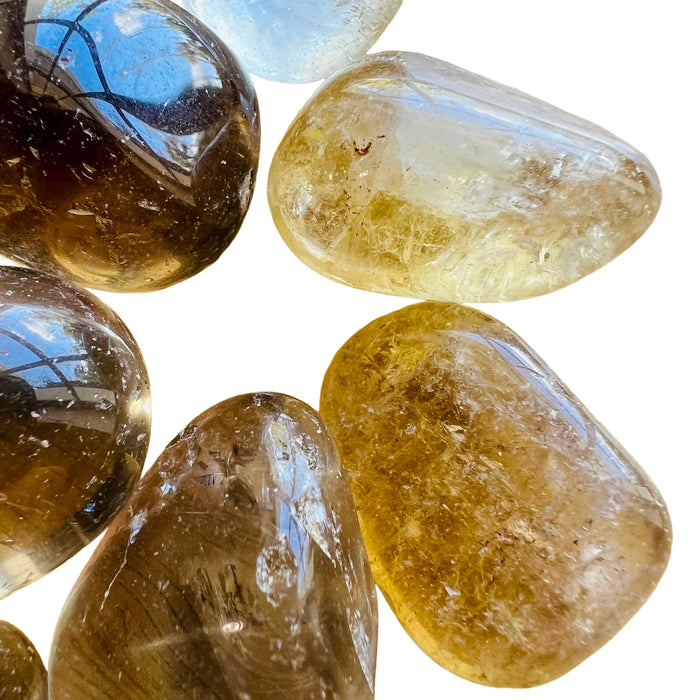
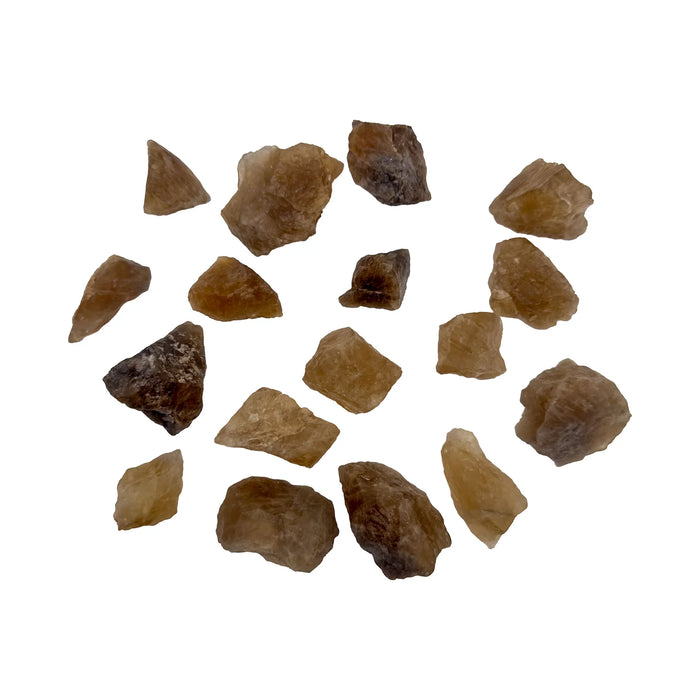
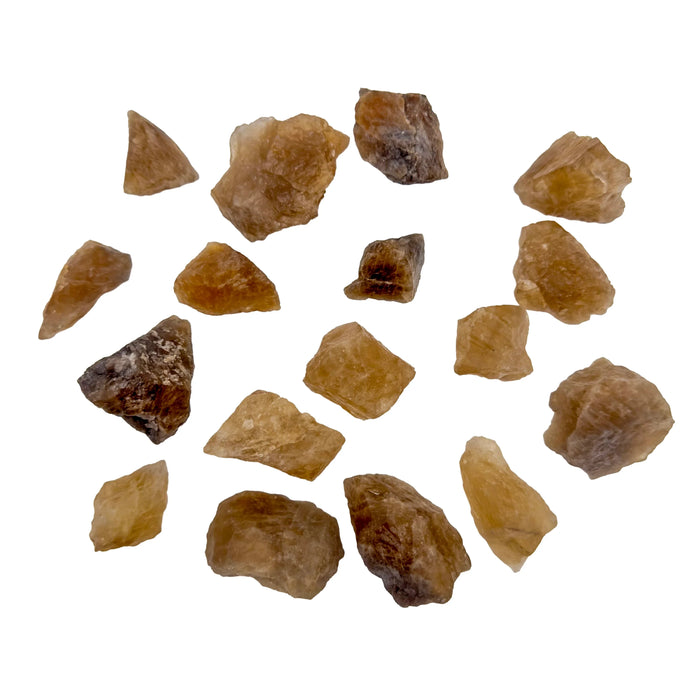
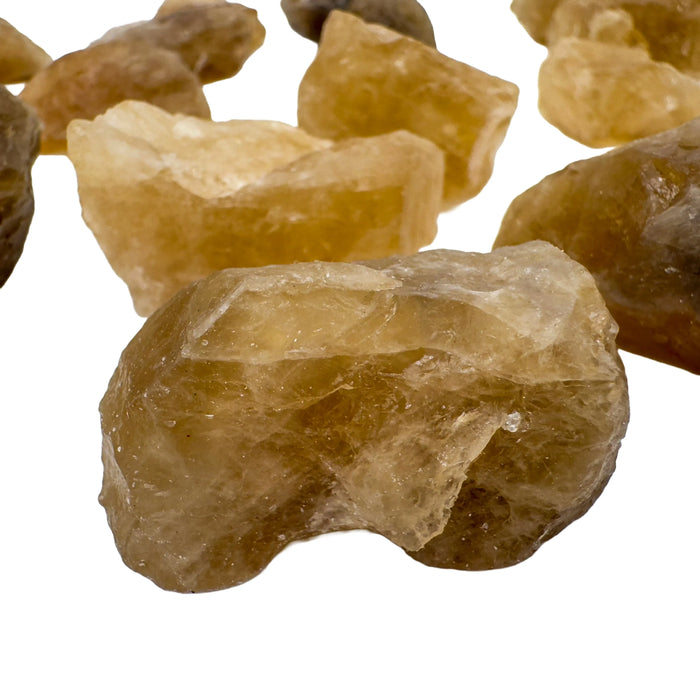
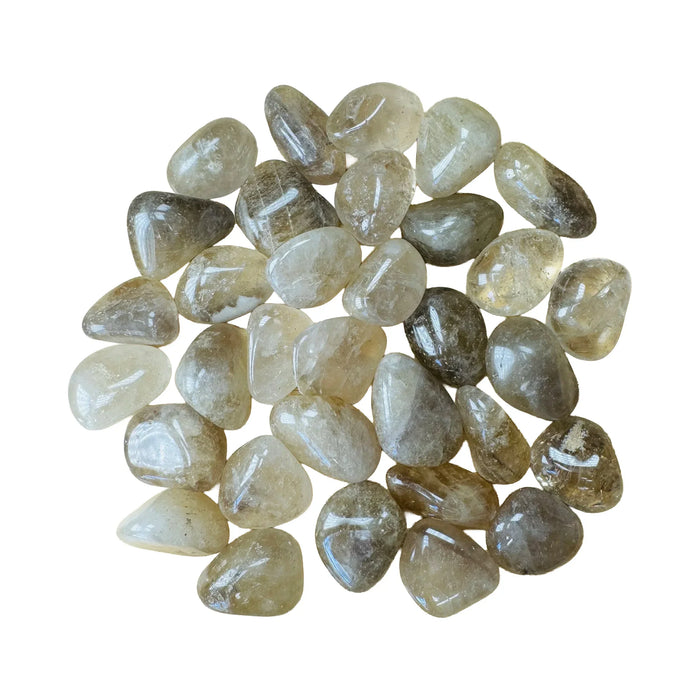
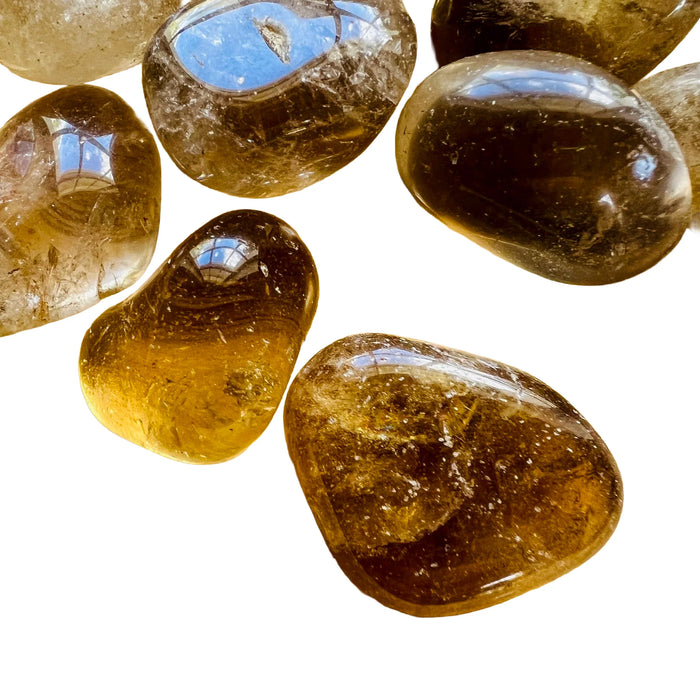
Explore the Crystal GuideThe closest match we carry: Citrine.
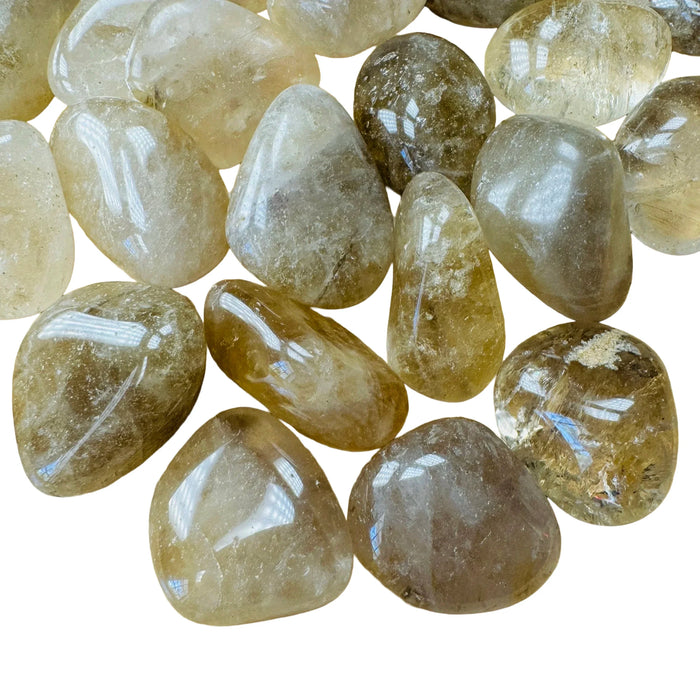
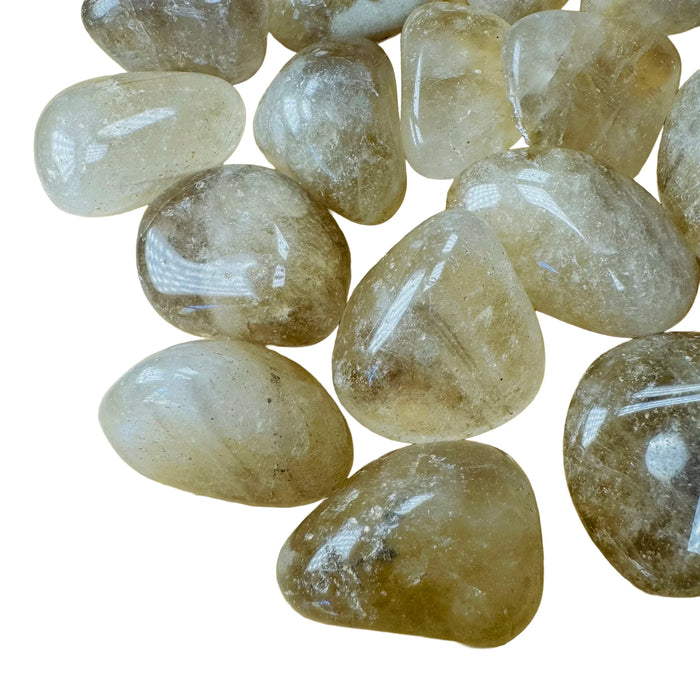
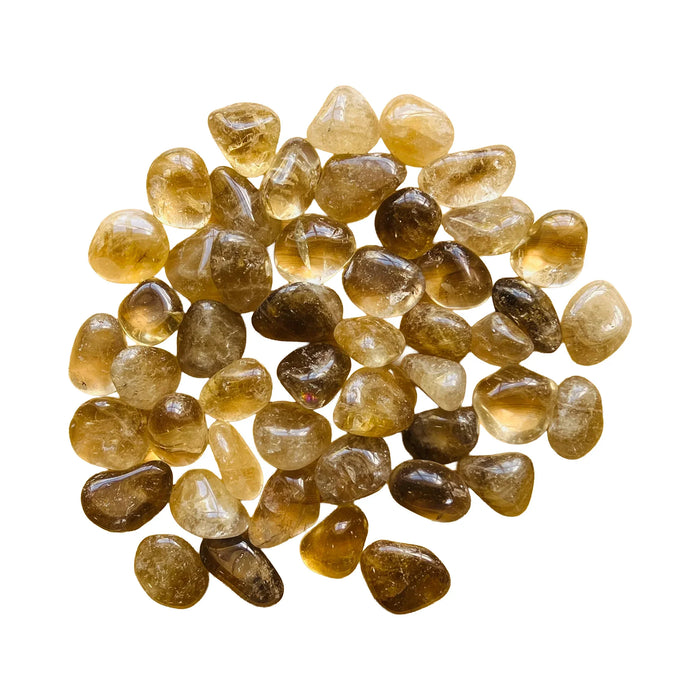
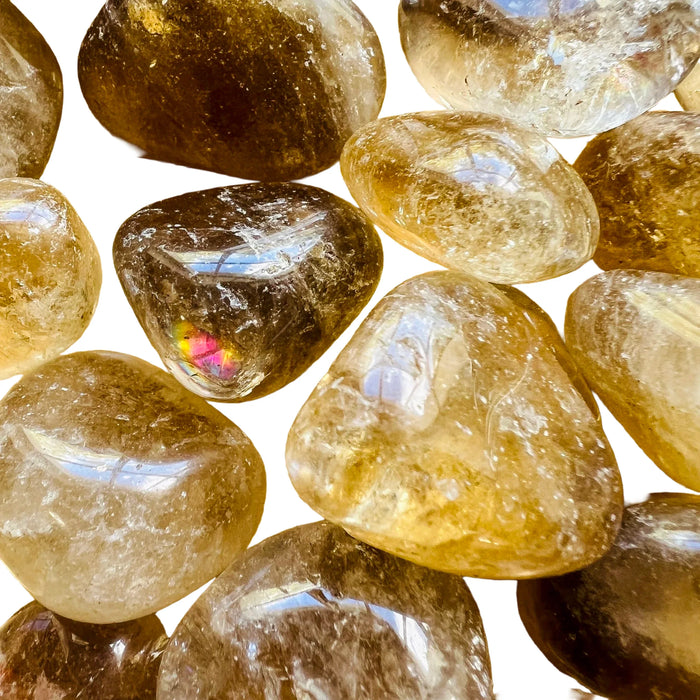
Mimetite is not something we carry. Citrine is the closest match in our collection, and every piece passes our sourcing standards: origin named, treatments disclosed.
- from 1,000+ reviews
- Ships within 72 hoursMonday to Friday, tracked
- 90 days to return itif you do not love it
- Free US shipping over $99$8.99 flat rate under
The Slow Note
New stones go to the list first.
No forwarding, no selling. Unsubscribe in one click. Privacy