


 Agatefor stress relief
 Amazonitefor stress relief
 Aquamarinefor serenity
 Aventurinefor luck
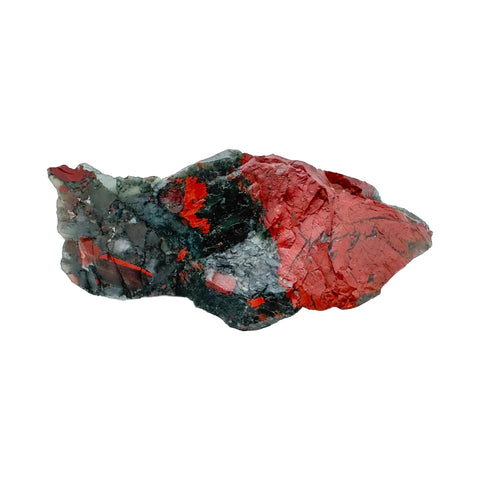
 Bloodstonefor energy
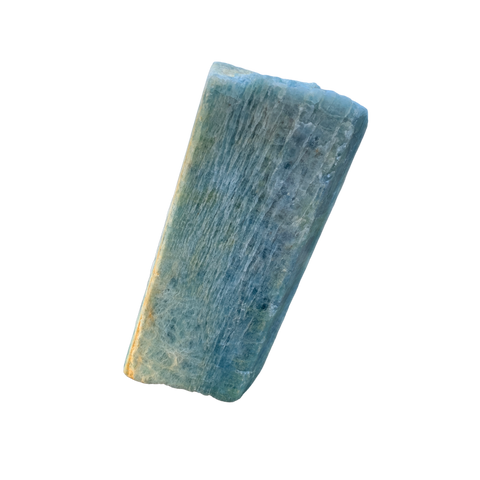
 Blue Kyanitefor confidence
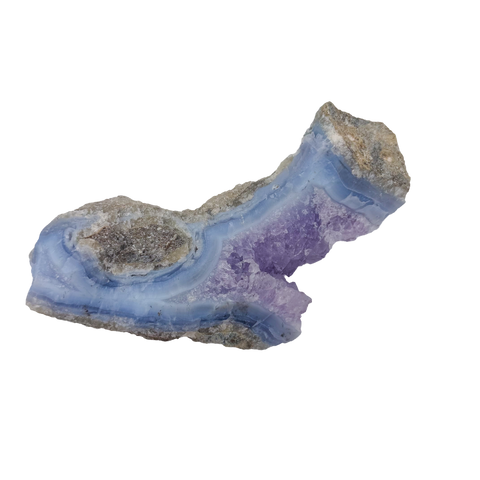
 Blue Lace Agatefor stress relief
 Chrysocollafor emotional healing
 Fluoritefor focus
 Garnetfor energy
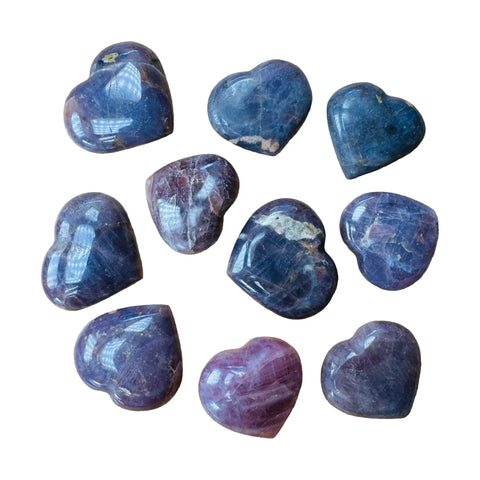
 Lepidolitefor stress relief
 Malachitefor emotional healing
 Moonstonefor grounding
 Obsidianfor protection
 Ocean Jasperfor emotional healing
 Red Jasperfor grounding
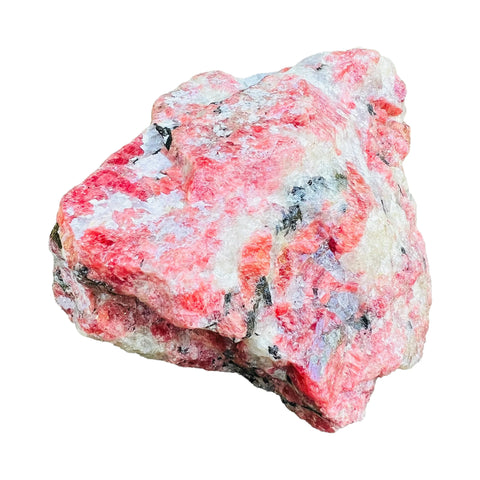
 Rhodonitefor emotional healing
 Selenitefor cleansing
 Sodalitefor focus
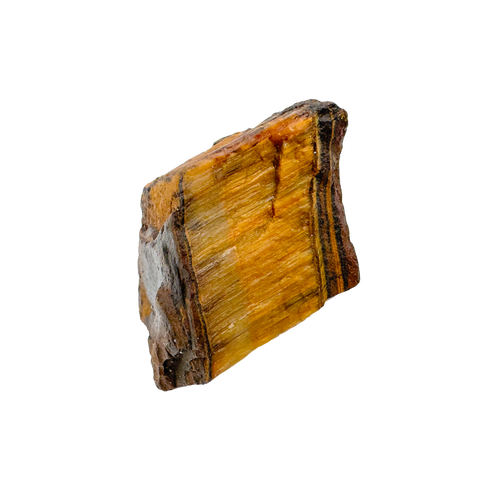
 Tiger Eyefor confidence
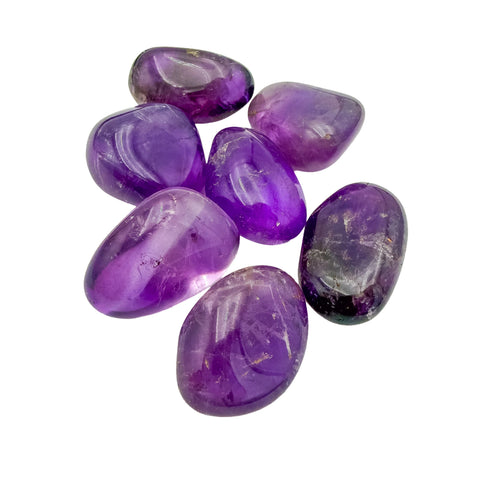




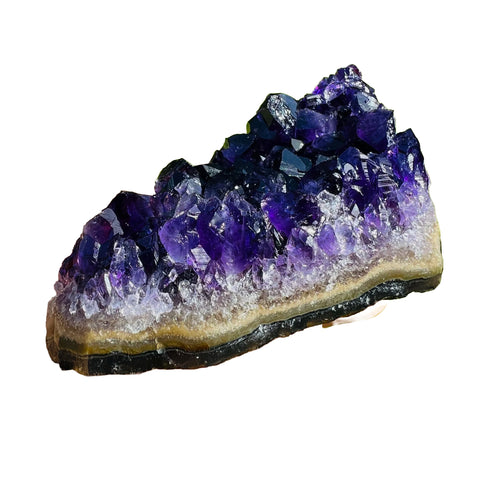





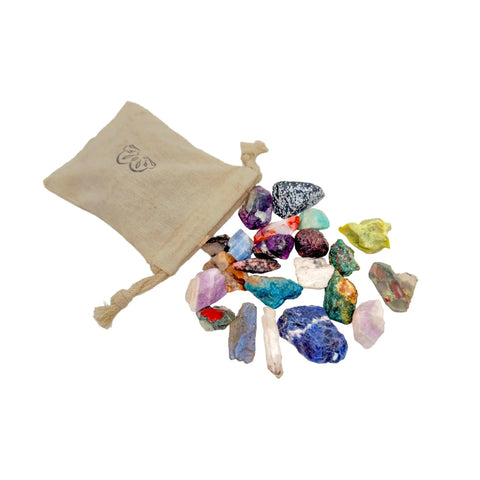
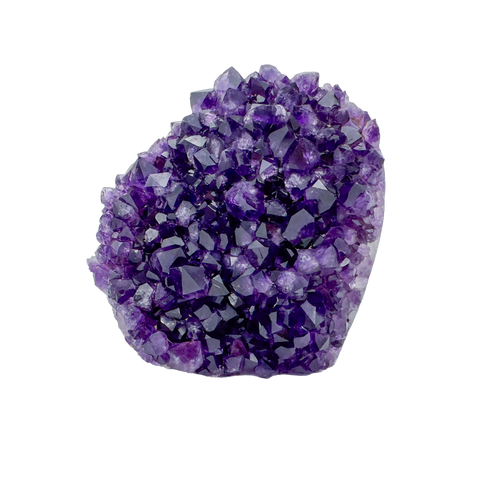
 Amethyst
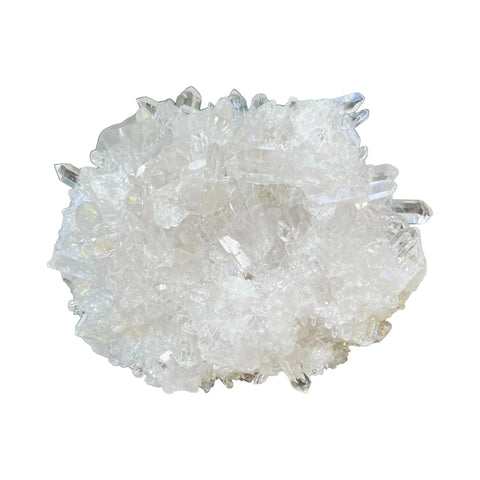
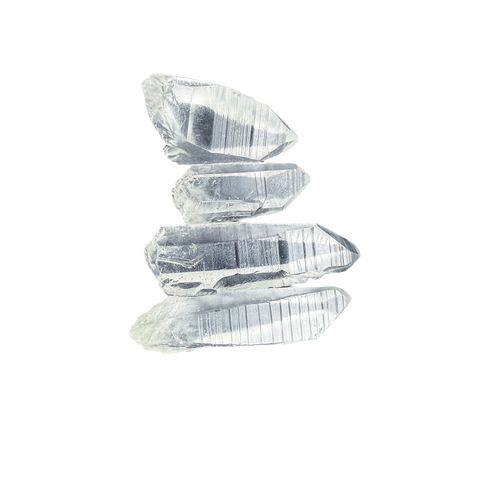
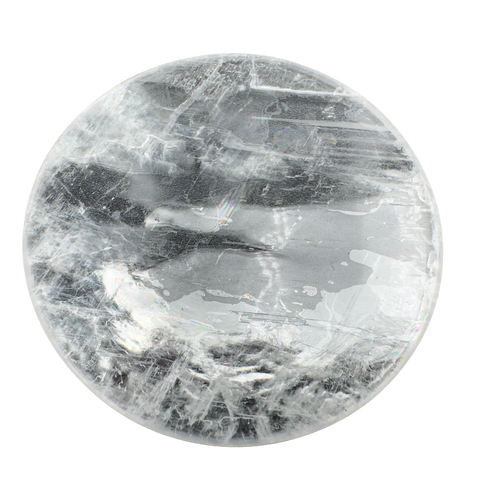
 Clear Quartz
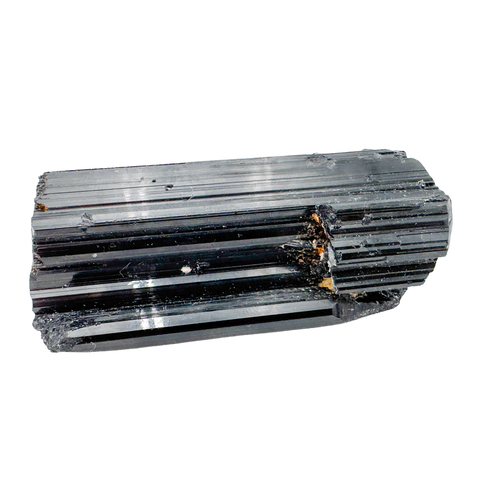
 Black Tourmaline
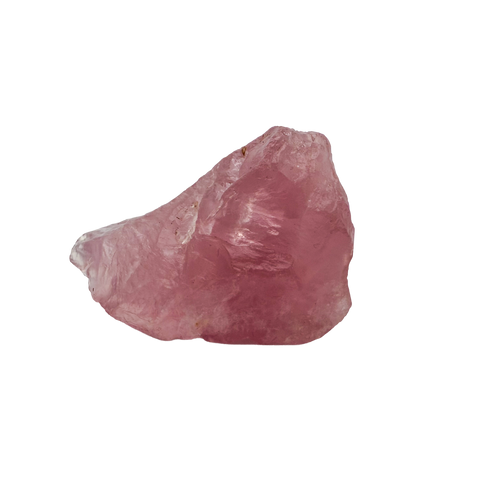
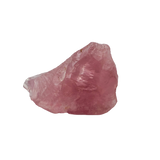 Rose Quartz
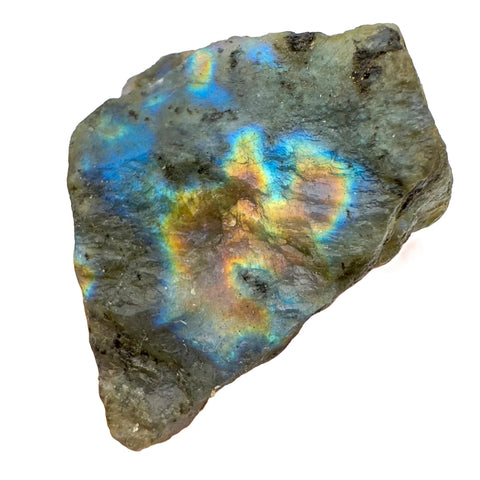
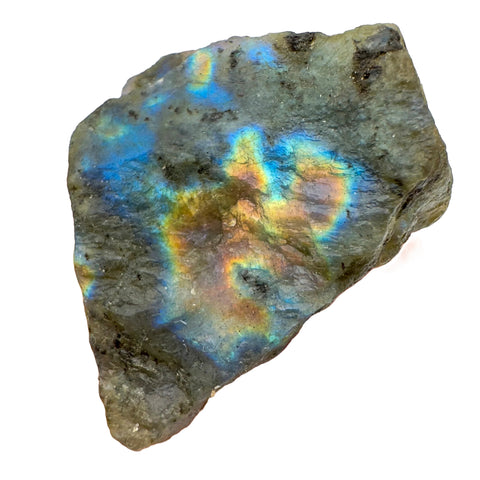
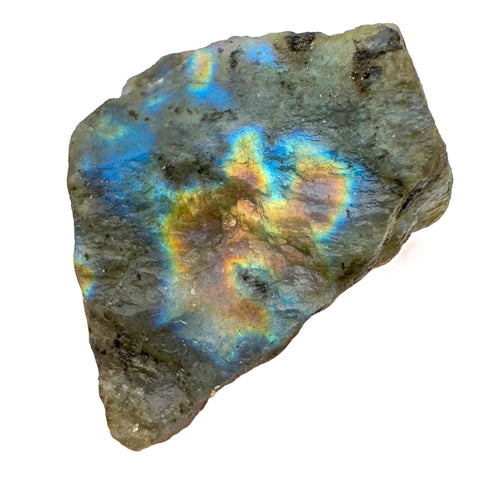
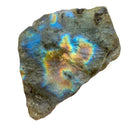 Labradorite
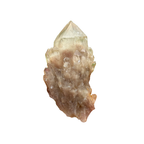 Natural Citrine
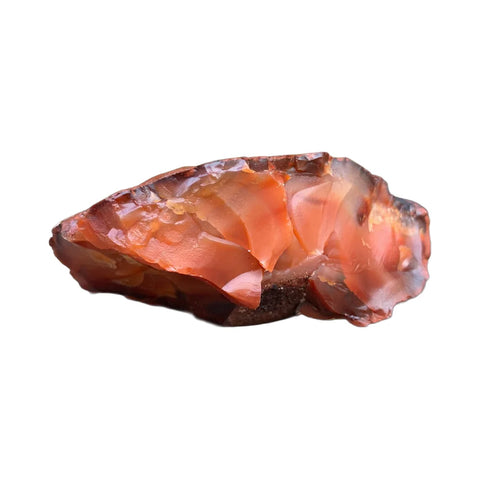
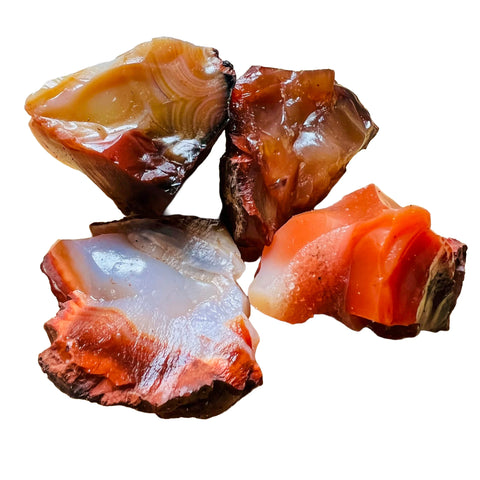
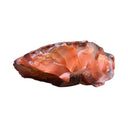 Carnelian
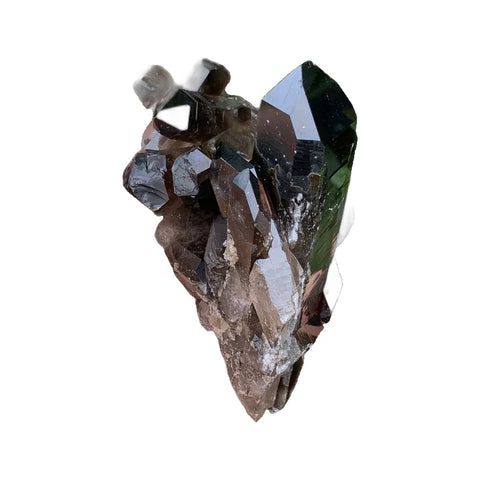
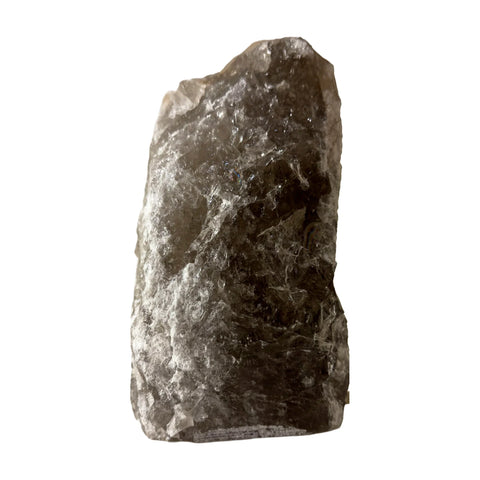
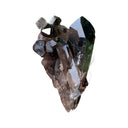 Smoky Quartz
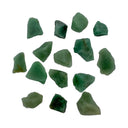 Aventurine
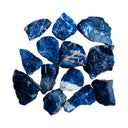 Sodalite
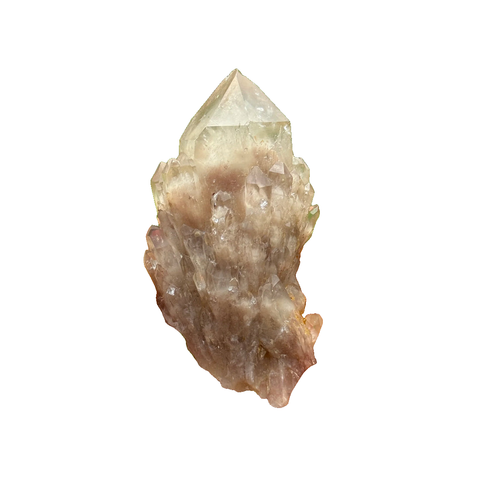
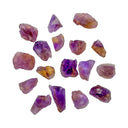 Ametrine
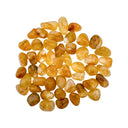 Golden Healer
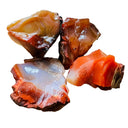 Raw Stones
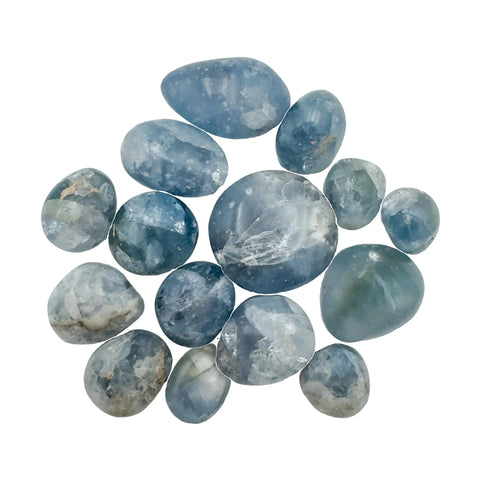
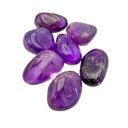 Tumbled Stones
 Palm Stones
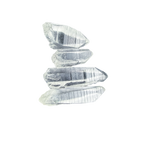 Crystal Points
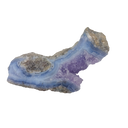 Clusters & Geodes
 Polished & Decor
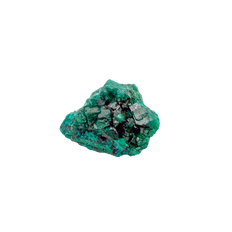 Mineral Specimens
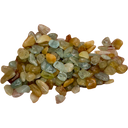 Crystal Chips
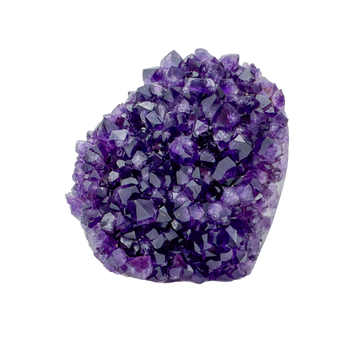
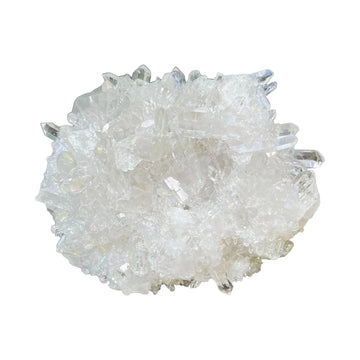
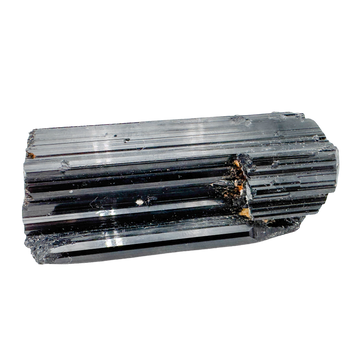
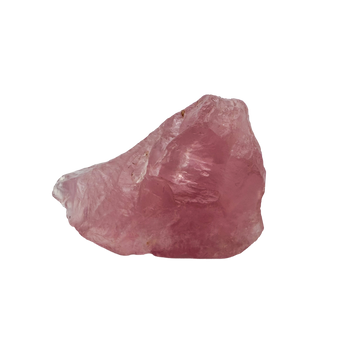
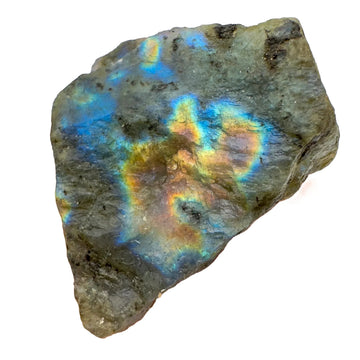
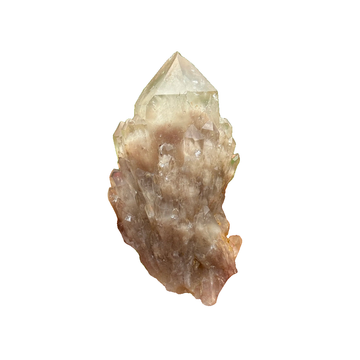
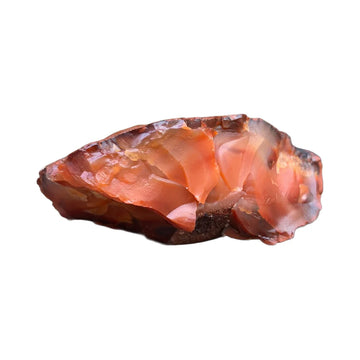
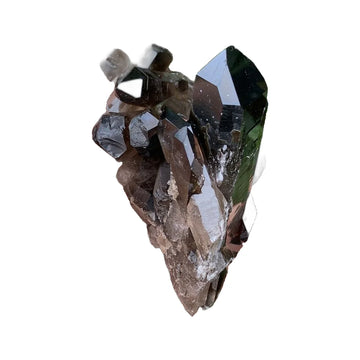
 Raw Stones
179 to choose from
Raw Stones
179 to choose from
 Tumbled Stones
162 to choose from
Tumbled Stones
162 to choose from
 Palm Stones
25 to choose from
Palm Stones
25 to choose from
 Crystal Points
23 to choose from
Crystal Points
23 to choose from
 Clusters & Geodes
101 to choose from
Clusters & Geodes
101 to choose from
 Polished & Decor
148 to choose from
Polished & Decor
148 to choose from
 Mineral Specimens
254 to choose from
Mineral Specimens
254 to choose from
 Crystal Chips
21 to choose from
Crystal Chips
21 to choose from


 AngolaAquamarine
›
AngolaAquamarine
›
 BotswanaCarnelian, Tree Agate
›
BotswanaCarnelian, Tree Agate
›
 DR CongoMalachite, Natural Citrine
›
DR CongoMalachite, Natural Citrine
›
 EswatiniBloodstone
›
EswatiniBloodstone
›
 MadagascarLabradorite, Clear Quartz
›
MadagascarLabradorite, Clear Quartz
›
 MalawiBlue Lace Agate, Garnet
›
MalawiBlue Lace Agate, Garnet
›
 MozambiqueAmazonite
›
MozambiqueAmazonite
›
 NamibiaSodalite, Blue Lace Agate
›
NamibiaSodalite, Blue Lace Agate
›
 Republic of the CongoDioptase
›
Republic of the CongoDioptase
›
 South AfricaTiger Eye, Unakite
›
South AfricaTiger Eye, Unakite
›
 ZambiaChevron Amethyst
›
ZambiaChevron Amethyst
›
 ZimbabweEmerald, Rhodonite
›
ZimbabweEmerald, Rhodonite
›
 ArgentinaBlack Obsidian, Rhodochrosite
›
ArgentinaBlack Obsidian, Rhodochrosite
›
 BoliviaAmetrine
›
BoliviaAmetrine
›
 BrazilAmethyst, Clear Quartz
›
BrazilAmethyst, Clear Quartz
›
 PeruSerpentine, Jade
›
PeruSerpentine, Jade
›
 UruguayAmethyst
›
UruguayAmethyst
›
 Dominican RepublicLarimar
›
Dominican RepublicLarimar
›
 MexicoRainbow Obsidian, Crazy Lace Agate
›
MexicoRainbow Obsidian, Crazy Lace Agate
›
 United StatesSelenite, Peridot
›
United StatesSelenite, Peridot
›
 ChinaFluorite
›
ChinaFluorite
›
 RussiaShungite
›
RussiaShungite
›
 AustraliaMookaite
›
AustraliaMookaite
›
 Where our crystals come from
See where we source →
Where our crystals come from
See where we source →


 Aries
Mar 21 to Apr 19
Carnelian
›
Aries
Mar 21 to Apr 19
Carnelian
›
 Taurus
Apr 20 to May 20
Rose Quartz
›
Taurus
Apr 20 to May 20
Rose Quartz
›
 Gemini
May 21 to Jun 20
Agate
›
Gemini
May 21 to Jun 20
Agate
›
 Cancer
Jun 21 to Jul 22
Moonstone
›
Cancer
Jun 21 to Jul 22
Moonstone
›
 Leo
Jul 23 to Aug 22
Citrine
›
Leo
Jul 23 to Aug 22
Citrine
›
 Virgo
Aug 23 to Sep 22
Amazonite
›
Virgo
Aug 23 to Sep 22
Amazonite
›
 Libra
Sep 23 to Oct 22
Blue Lace Agate
›
Libra
Sep 23 to Oct 22
Blue Lace Agate
›
 Scorpio
Oct 23 to Nov 21
Obsidian
›
Scorpio
Oct 23 to Nov 21
Obsidian
›
 Sagittarius
Nov 22 to Dec 21
Sodalite
›
Sagittarius
Nov 22 to Dec 21
Sodalite
›
 Capricorn
Dec 22 to Jan 19
Black Tourmaline
›
Capricorn
Dec 22 to Jan 19
Black Tourmaline
›
 Aquarius
Jan 20 to Feb 18
Amethyst
›
Aquarius
Jan 20 to Feb 18
Amethyst
›
 Pisces
Feb 19 to Mar 20
Aquamarine
›
Gifting?
A birthday stone is the safe bet.
Read the zodiac guide →
Pisces
Feb 19 to Mar 20
Aquamarine
›
Gifting?
A birthday stone is the safe bet.
Read the zodiac guide →


Dumortierite
Dumortierite is a hard, deep-blue aluminum boro-silicate that often grows as dense fibrous masses, and also appears as blue inclusions inside quartz. Durable and richly colored, it is worked as beads, cabochons, and carvings. Many people reach for it for patience, focus, and a calm, orderly mind.
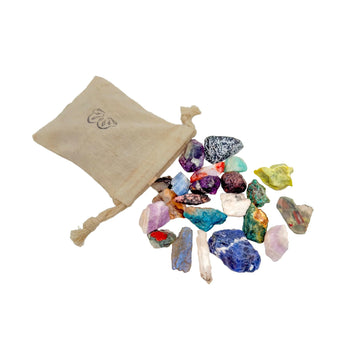
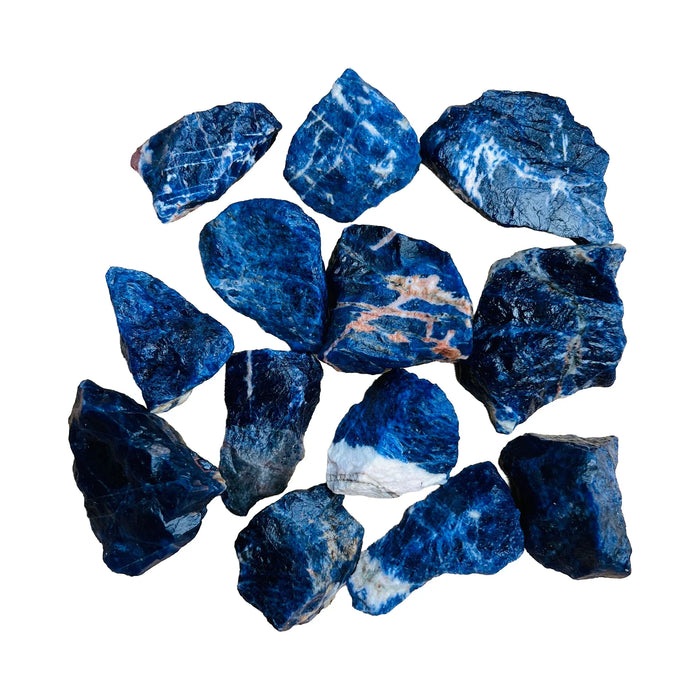
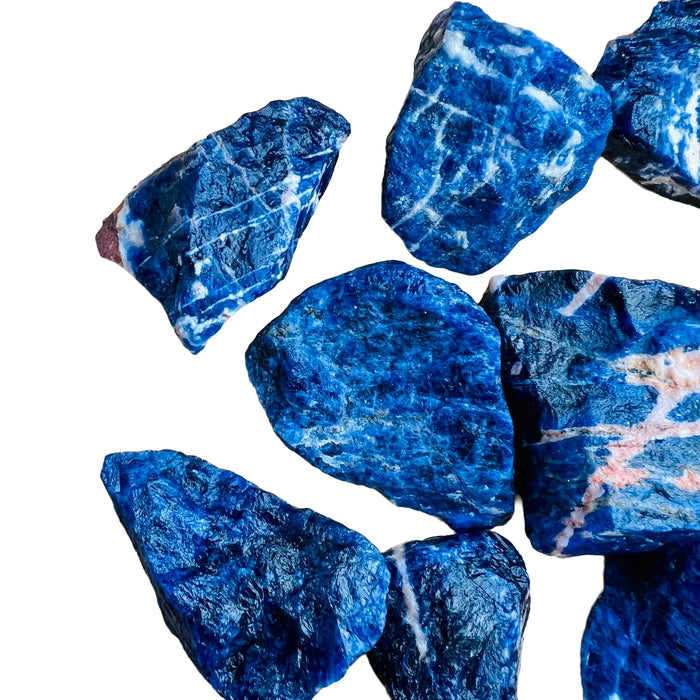
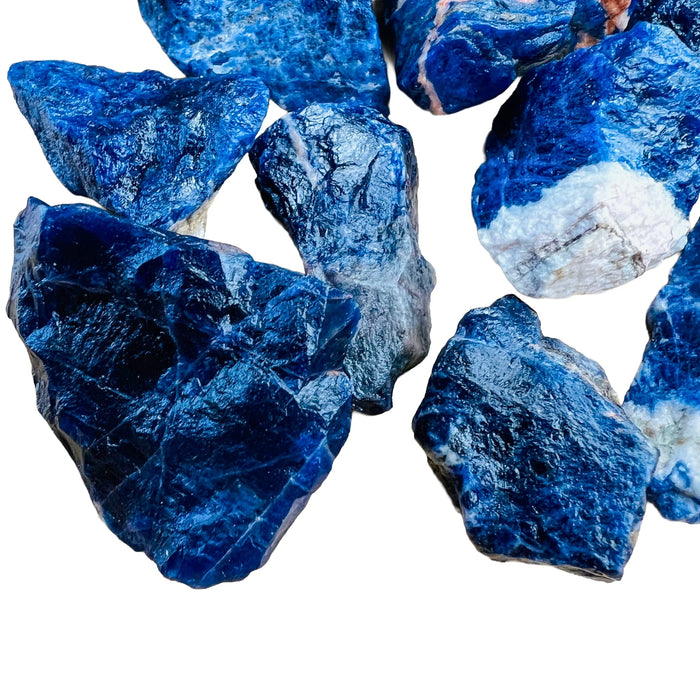
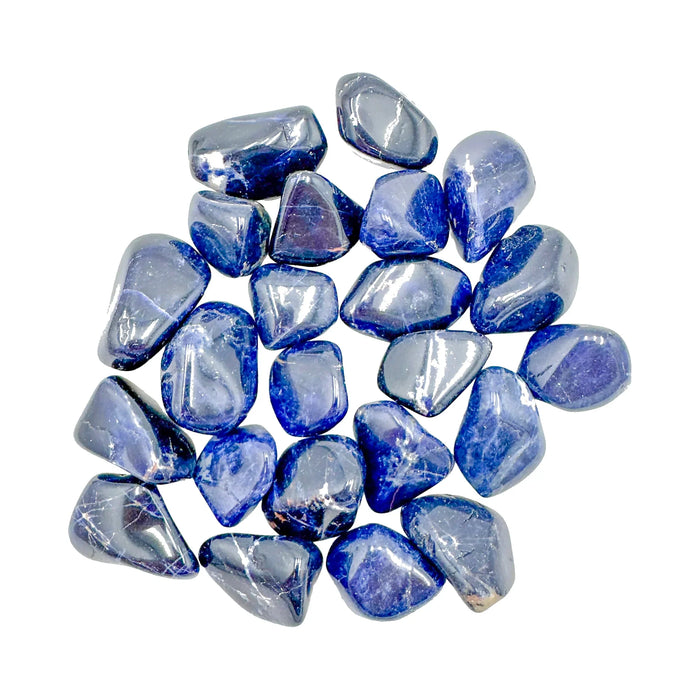
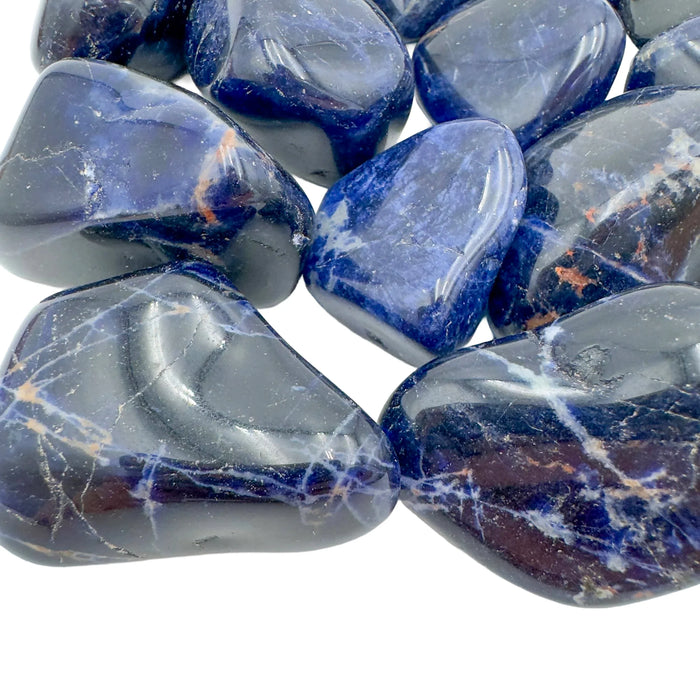
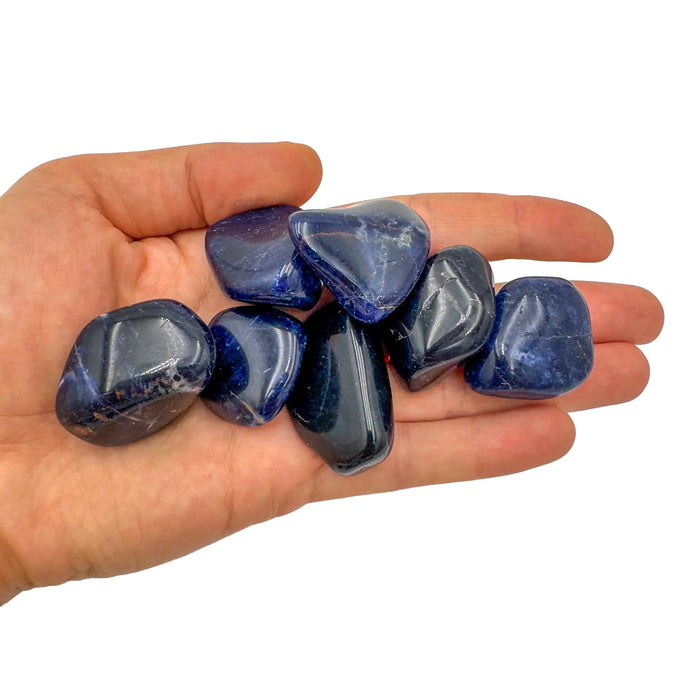
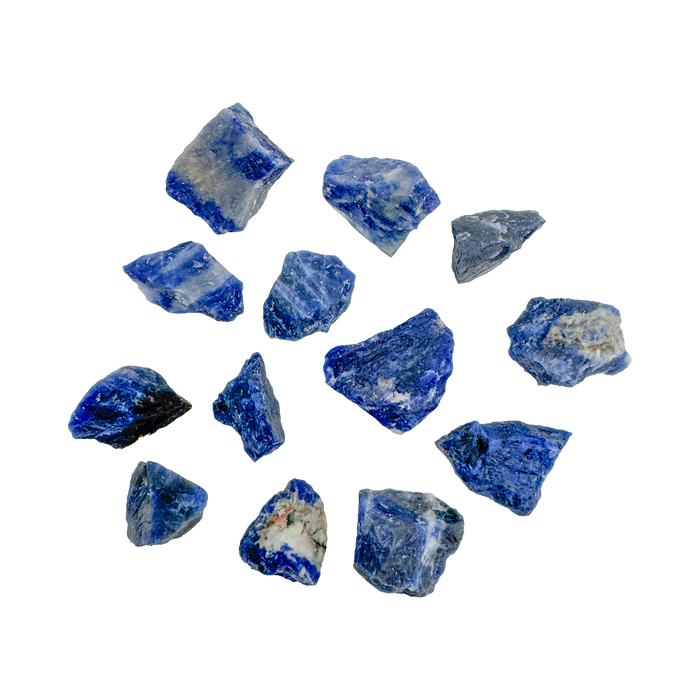
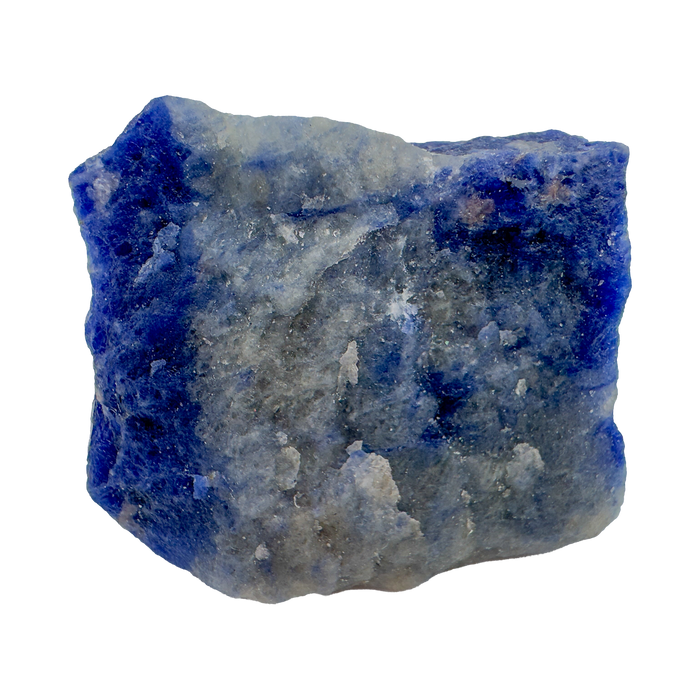
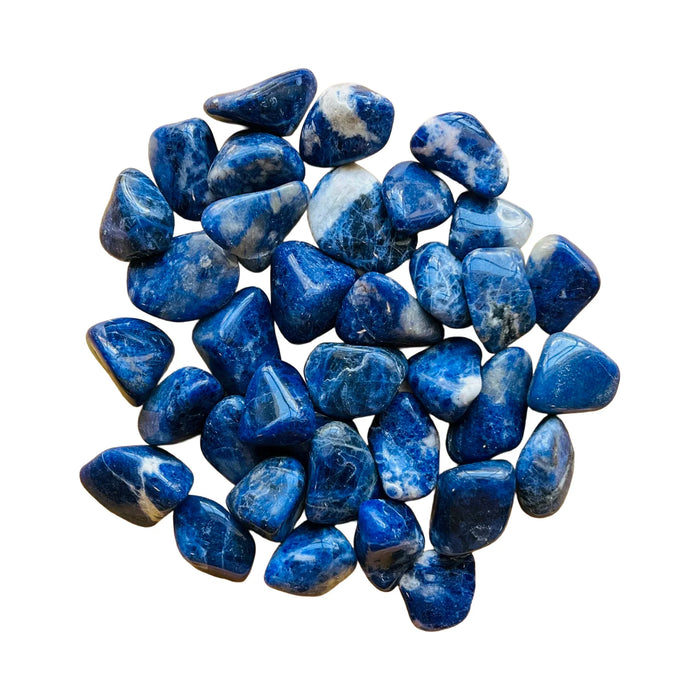
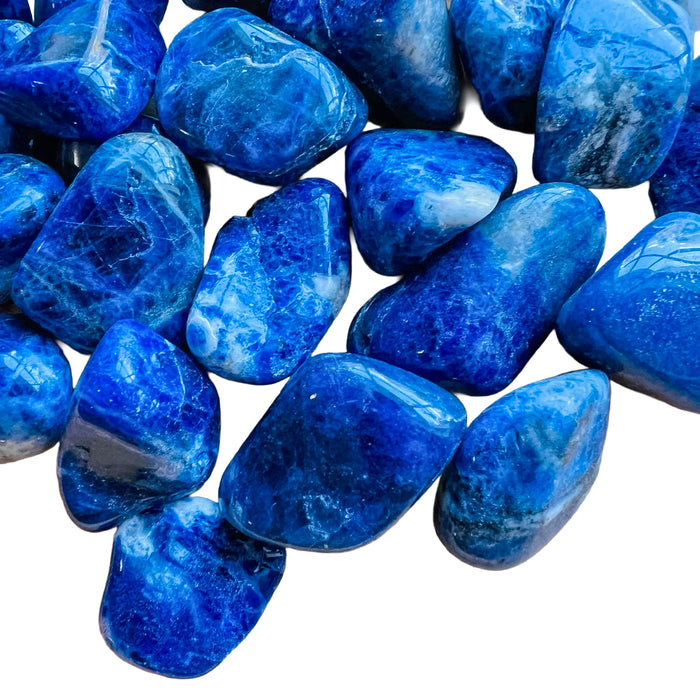
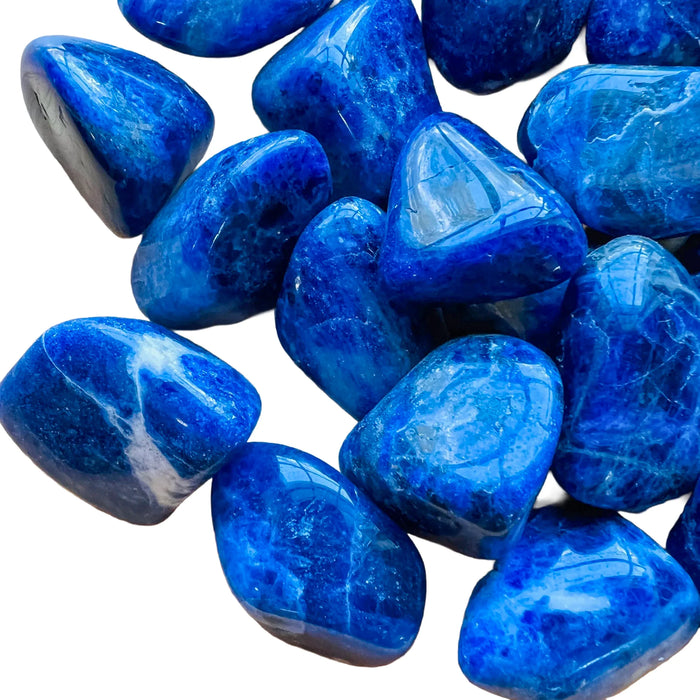
The closest match we carry: Sodalite.
Dumortierite is not something we carry. Sodalite is the closest match in our collection, and every product page names its origin and grade.

- from 1,000+ reviews
- Ships within 72 hoursMonday to Friday, tracked
- 90 days to return itif you do not love it
- Free US shipping over $99$8.99 flat rate under
The geology.
Dumortierite is an aluminum boro-silicate, generally written Al7(BO3)(SiO4)3O3, that crystallizes in the orthorhombic system. It rarely forms large single crystals. Instead it usually appears as dense, fibrous or columnar aggregates, and its fine intergrown fibers are what give polished pieces their smooth, even color.
It is notably hard, rating about 7 to 8.5 on the Mohs scale, which puts it at or above quartz and makes it durable for jewelry. Colors range from deep blue and violet to brown, green, and, more rarely, pink. When dumortierite grows as tiny fibers inside quartz, the result is a blue material sold as dumortierite quartz or blue quartz.
The origins.
Dumortierite is found in many countries. Brazil and Madagascar are major sources, with Madagascar known for intense indigo-blue material and some Brazilian mines yielding a violet cast. France, where the mineral was first described, along with Italy, Austria, Norway, Poland, Russia, and Sri Lanka, all have recognized occurrences.
In the United States, dumortierite comes from localities in Nevada and Arizona among others. It typically forms in boron-rich pegmatites and in high-temperature, aluminum-rich metamorphic rocks, so it tends to appear alongside minerals like sillimanite and andalusite that share those conditions.
Traditional associations.
Dumortierite is often called a stone of patience in modern practice. Its calm, deep-blue color and its association with clear thinking have made it popular with people who want to steady the mind, order their thoughts, and stay composed under pressure.
Many people work with it for focus, learning, patience, and disciplined communication. It is most often linked with the Throat and Third Eye chakras, the element of Air, and the sign Leo. A common practice is to keep a piece at a desk or study space, or to carry a tumbled stone through a busy period.
Spotting the real thing.
Real dumortierite is hard and densely colored. Its blue is typically deep and slightly grayed or violet, and fibrous internal texture is often visible under magnification or in the play of light across a cabochon. Because it rates about 7 to 8.5, it resists scratching from a steel blade, which helps separate it from softer blue stones.
The usual mix-ups are with sodalite and lapis lazuli. Sodalite is softer and often shows white veining, and lapis usually carries golden pyrite specks and calcite, neither of which belongs in dumortierite. Blue quartz colored by dumortierite is genuine but should be described accurately, so ask whether a piece is solid dumortierite or dumortierite in quartz.
Care & handling.
Dumortierite is one of the easier blue stones to care for. Its hardness of about 7 to 8.5 means it stands up well to daily wear and handles a rinse in warm water with a soft cloth. It is stable in normal light and does not fade readily, so it suits rings, beads, and everyday pieces.
Even hard stones benefit from sensible care, so avoid harsh chemicals and sudden temperature extremes, and store it apart from diamond and sapphire, which can still scratch it. To reset it energetically, many people use moonlight, sound, or a night on a selenite plate.
Pairs well with.
A deeper look.
Extended geology, sourcing, authentication, history, and varieties, for when the quick guide isn't quite enough.
Extended geology
Dumortierite is an aluminum boro-silicate with boron built into its structure, commonly given as Al7(BO3)(SiO4)3O3. It is orthorhombic and almost always forms fibrous, columnar, or radiating aggregates rather than large individual crystals. Those fine fibers pack tightly, which is why cut pieces show such even, saturated color.
Hardness runs about 7 to 8.5, specific gravity around 3.3 to 3.4, and luster is vitreous to dull depending on how fibrous the material is. The color, most famously deep blue and violet, is linked to trace elements and to the mineral's structure. Brown, green, and pink varieties exist but are less common in the trade.
Extended sourcing
Brazil and Madagascar are leading commercial sources, with Madagascar prized for intense indigo blue and some Brazilian material showing a violet tone. The mineral was first described from France, and it also occurs in Italy, Austria, Norway, Poland, Russia, Sri Lanka, and Namibia, among others. In the United States, Nevada and Arizona are noted localities.
Dumortierite typically forms in boron-rich pegmatites and in high-temperature, aluminum-rich metamorphic and metasomatic rocks. It has industrial value too, since high-purity dumortierite can be used in making high-grade porcelain and other ceramics.
Authentication and warning signs
The most reliable identifiers are hardness and color. Dumortierite is hard enough to resist a steel blade, and its blue tends to be deep with a grayed or violet cast, often over a fibrous texture. In quartz, it appears as blue fibrous clouds or streaks within a clear to milky host.
Sodalite and lapis lazuli are the common look-alikes. Sodalite is softer and usually shows white streaks, and lapis typically carries pyrite and calcite. Accurate naming matters, so distinguish solid dumortierite from dumortierite quartz, and be cautious of any richly blue stone sold without a clear identification.
History and folklore
Dumortierite was first described in 1881 and named after the French paleontologist Eugene Dumortier. For much of its history it was known mainly to mineralogists and to industry, where its heat resistance made it useful in ceramics, rather than as a popular gemstone.
In contemporary crystal practice it has become well known as a stone of patience and mental discipline. That reputation, tied to its calm blue color, is a modern development rather than an ancient tradition, and it is usually presented in that spirit.
Varieties and trade names
Blue dumortierite is the classic, from denim to deep indigo. Violet and purple material is prized where it occurs. Brown, green, and pink dumortierite are less common. Dumortierite quartz, sometimes called blue quartz, is clear or milky quartz colored by dumortierite fibers, and it is often carved or cut into beads.
What it costs in the market
Dumortierite is affordable relative to its beauty and durability. Tumbled stones and beads usually cost a few dollars to the low tens, cabochons and carvings sit in the tens of dollars depending on size and color, and fine, deeply colored specimen pieces command more. Rich, even indigo color and clean material drive value.
An education-first guide.
We don't currently carry dumortierite, so there's nothing to sell you here. This guide exists because the more you understand a stone, the better every decision you make about it becomes, wherever you buy it. Explore the rest of our crystal guides for stones we do source, each with full origin and treatment notes.
Explore the Crystal GuideGrounded Connections
New stones go to the list first.
No forwarding, no selling. Unsubscribe in one click. Privacy