


 Agatefor stress relief
 Amazonitefor stress relief
 Aquamarinefor serenity
 Aventurinefor luck
 Bloodstonefor energy
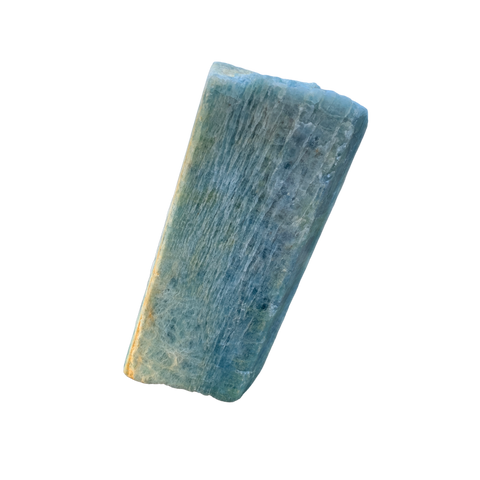
 Blue Kyanitefor confidence
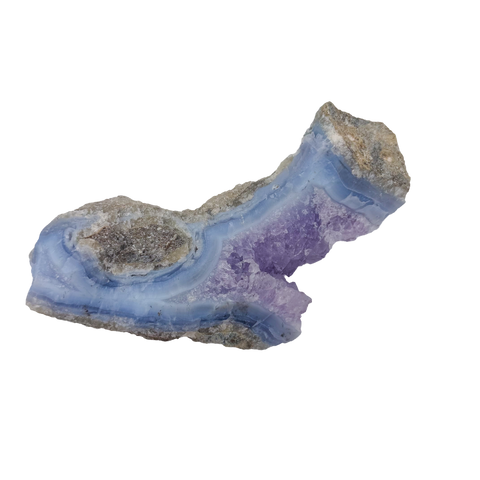
 Blue Lace Agatefor stress relief
 Chrysocollafor emotional healing
 Fluoritefor focus
 Garnetfor energy
 Lepidolitefor stress relief
 Malachitefor emotional healing
 Moonstonefor grounding
 Obsidianfor protection
 Ocean Jasperfor emotional healing
 Red Jasperfor grounding
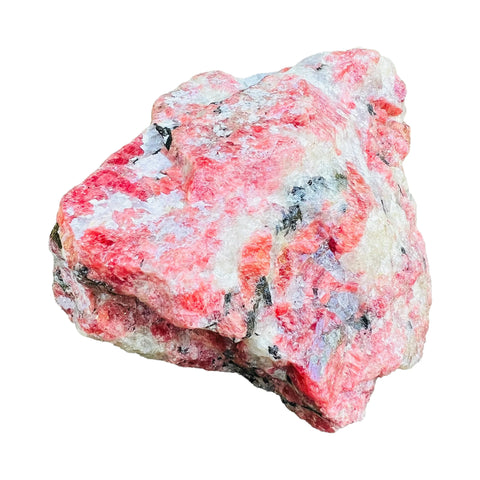
 Rhodonitefor emotional healing
 Selenitefor cleansing
 Sodalitefor focus
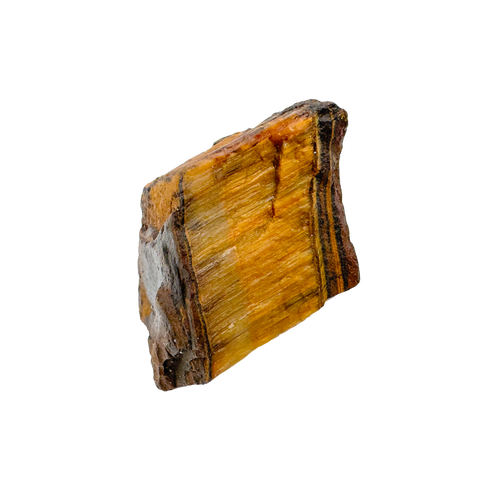
 Tiger Eyefor confidence
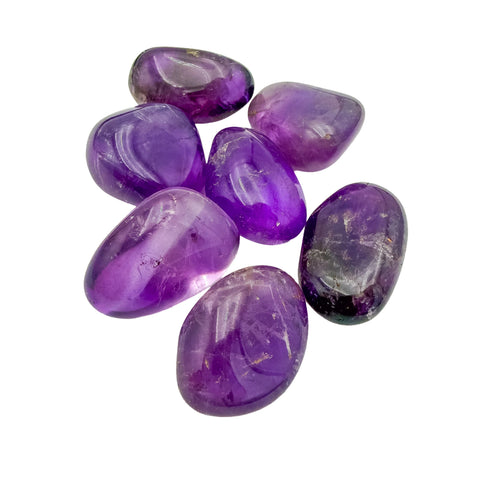


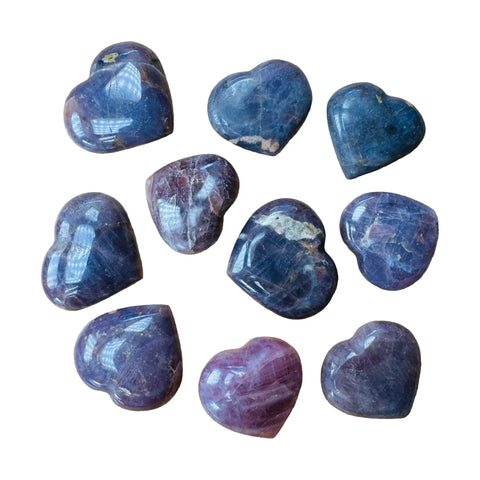
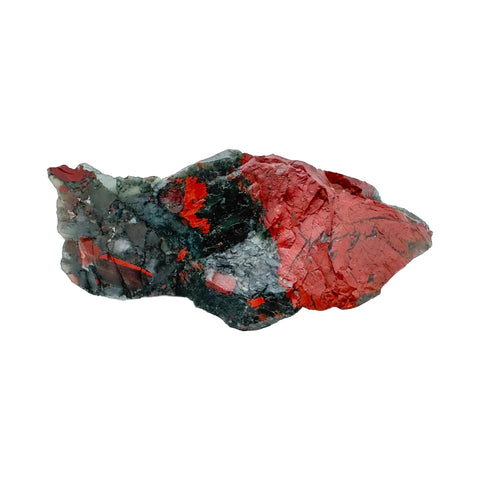
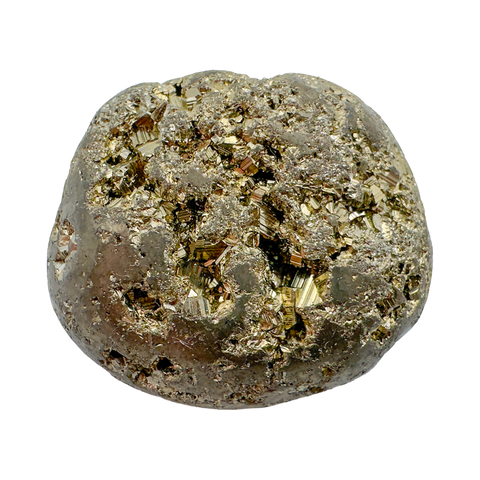
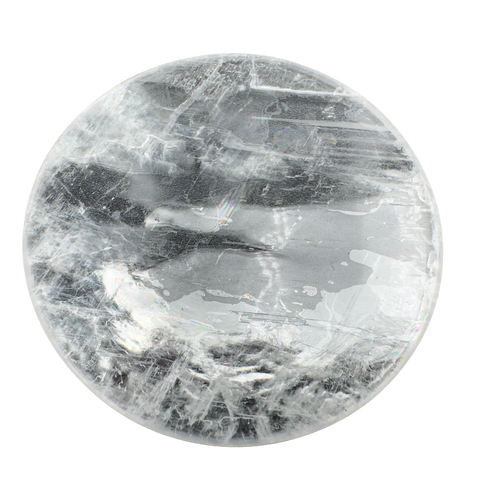


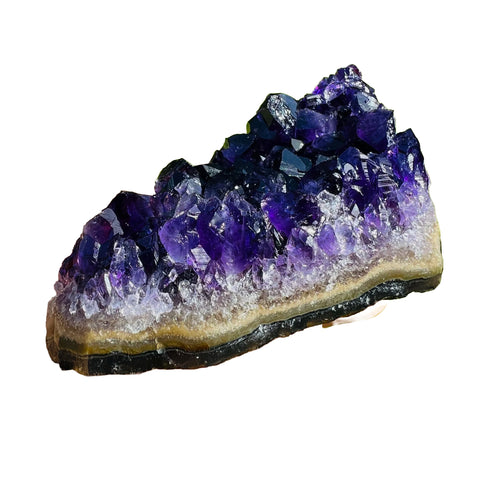





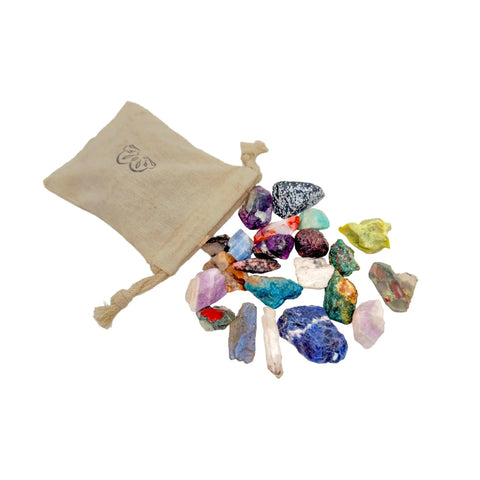

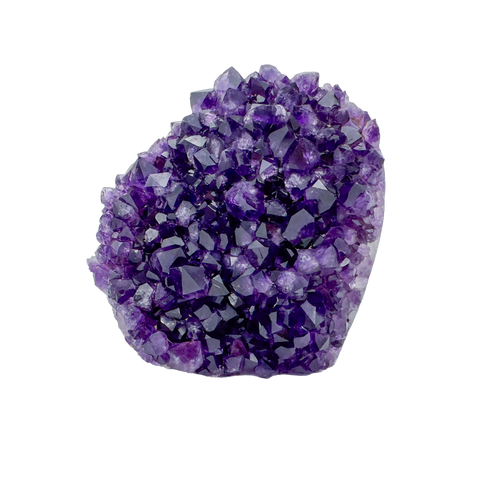
 Amethyst
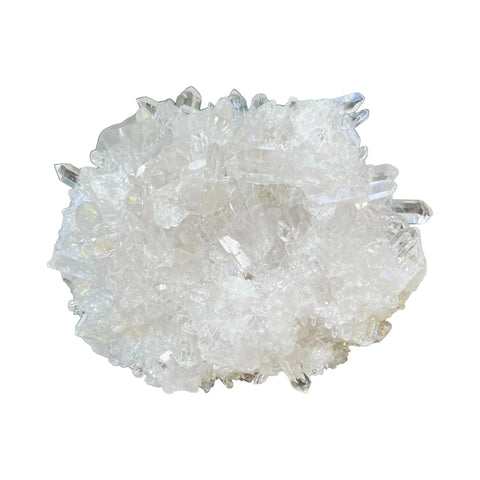
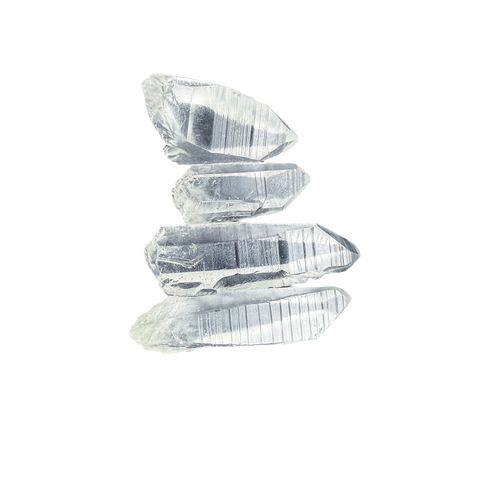
 Clear Quartz
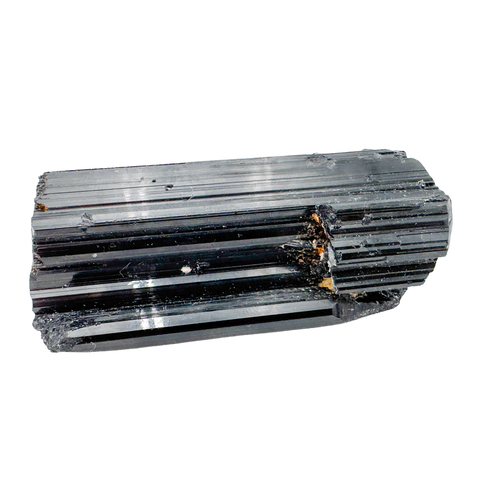
 Black Tourmaline
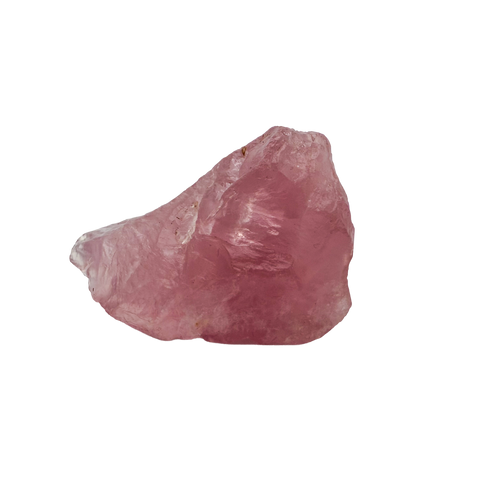
 Rose Quartz
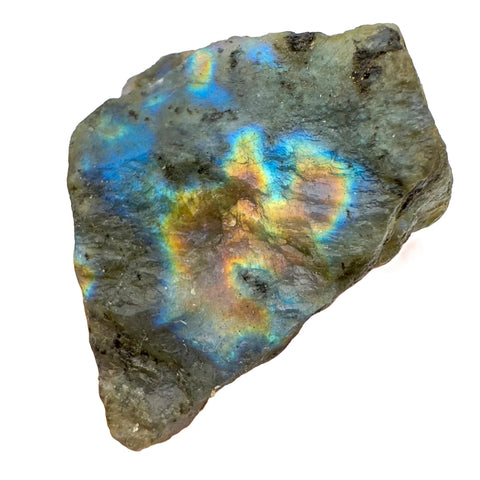
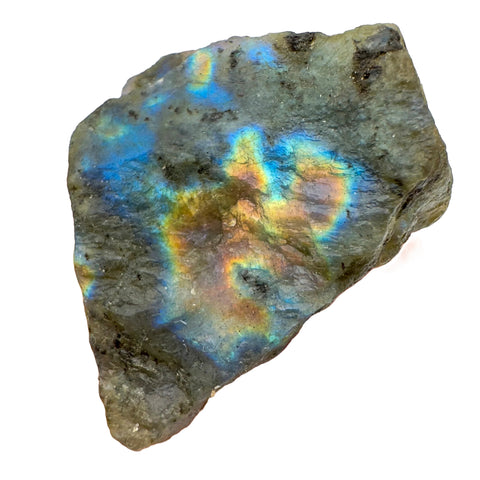
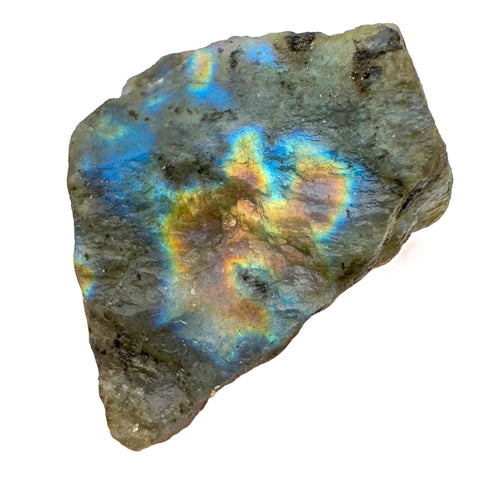
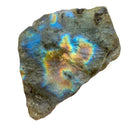 Labradorite
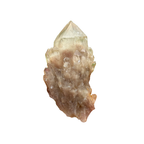 Natural Citrine
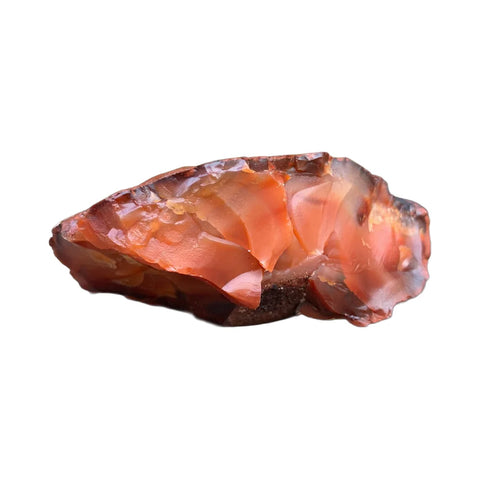
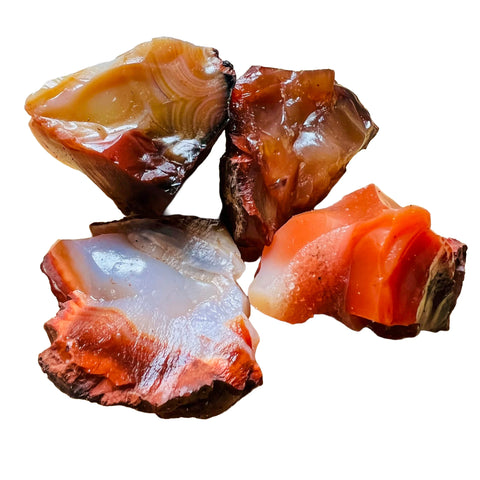
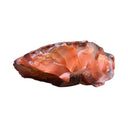 Carnelian
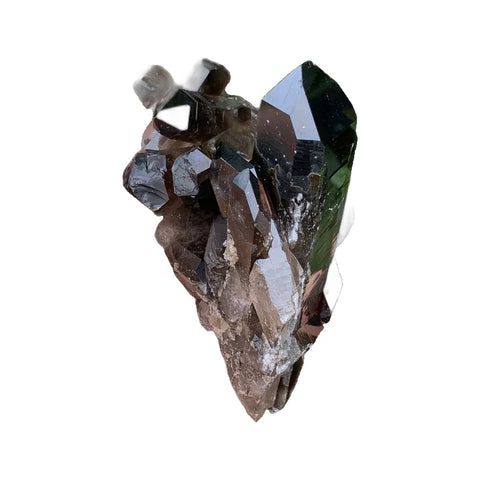
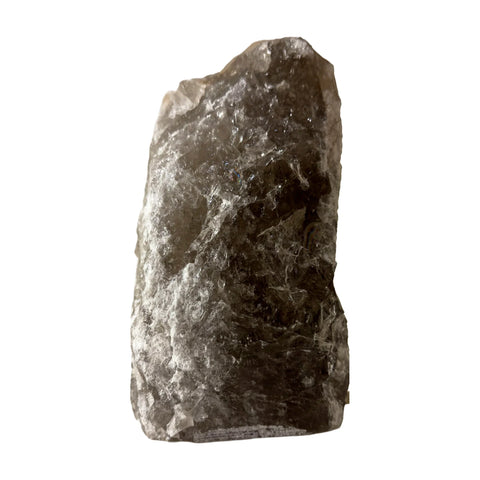
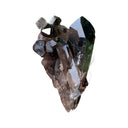 Smoky Quartz
 Aventurine
 Sodalite
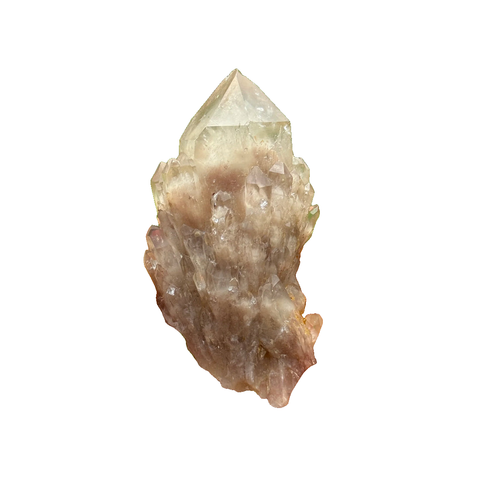
 Ametrine
 Golden Healer
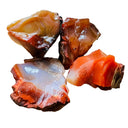 Raw Stones
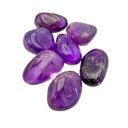 Tumbled Stones
 Palm Stones
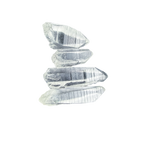 Crystal Points
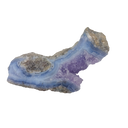 Clusters & Geodes
 Polished & Decor
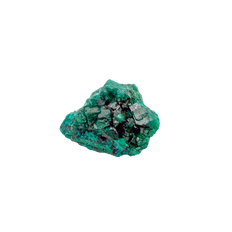 Mineral Specimens
 Crystal Chips
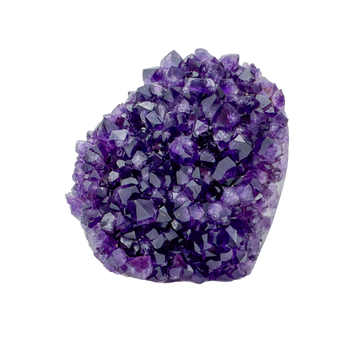
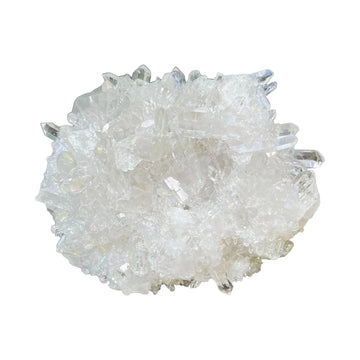
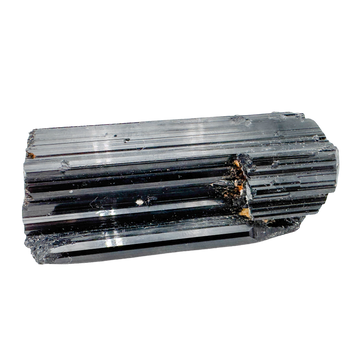
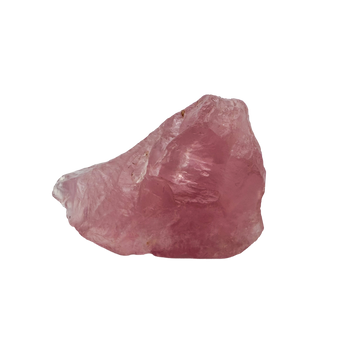
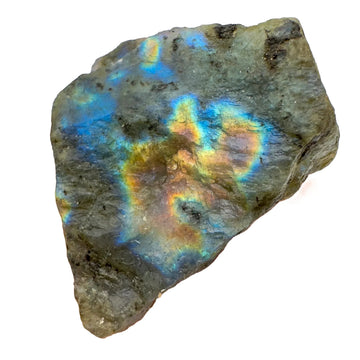
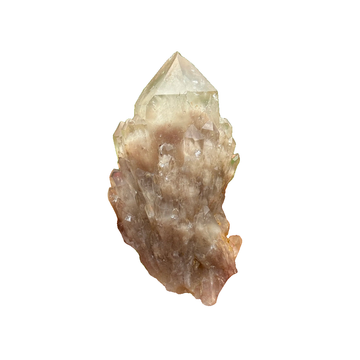
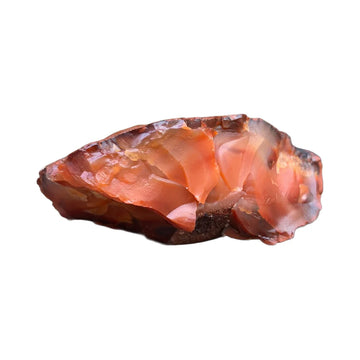
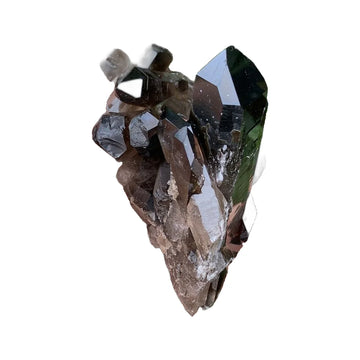
 Raw Stones
179 to choose from
Raw Stones
179 to choose from
 Tumbled Stones
162 to choose from
Tumbled Stones
162 to choose from
 Palm Stones
25 to choose from
Palm Stones
25 to choose from
 Crystal Points
23 to choose from
Crystal Points
23 to choose from
 Clusters & Geodes
99 to choose from
Clusters & Geodes
99 to choose from
 Polished & Decor
147 to choose from
Polished & Decor
147 to choose from
 Mineral Specimens
248 to choose from
Mineral Specimens
248 to choose from
 Crystal Chips
21 to choose from
Crystal Chips
21 to choose from


 AngolaAquamarine
›
AngolaAquamarine
›
 BotswanaCarnelian, Tree Agate
›
BotswanaCarnelian, Tree Agate
›
 DR CongoMalachite, Natural Citrine
›
DR CongoMalachite, Natural Citrine
›
 EswatiniBloodstone
›
EswatiniBloodstone
›
 MadagascarLabradorite, Clear Quartz
›
MadagascarLabradorite, Clear Quartz
›
 MalawiBlue Lace Agate, Garnet
›
MalawiBlue Lace Agate, Garnet
›
 MozambiqueAmazonite
›
MozambiqueAmazonite
›
 NamibiaSodalite, Blue Lace Agate
›
NamibiaSodalite, Blue Lace Agate
›
 Republic of the CongoDioptase
›
Republic of the CongoDioptase
›
 South AfricaTiger Eye, Unakite
›
South AfricaTiger Eye, Unakite
›
 ZambiaChevron Amethyst
›
ZambiaChevron Amethyst
›
 ZimbabweEmerald, Rhodonite
›
ZimbabweEmerald, Rhodonite
›
 ArgentinaBlack Obsidian, Rhodochrosite
›
ArgentinaBlack Obsidian, Rhodochrosite
›
 BoliviaAmetrine
›
BoliviaAmetrine
›
 BrazilAmethyst, Clear Quartz
›
BrazilAmethyst, Clear Quartz
›
 PeruSerpentine, Jade
›
PeruSerpentine, Jade
›
 UruguayAmethyst
›
UruguayAmethyst
›
 Dominican RepublicLarimar
›
Dominican RepublicLarimar
›
 MexicoRainbow Obsidian, Crazy Lace Agate
›
MexicoRainbow Obsidian, Crazy Lace Agate
›
 United StatesSelenite, Peridot
›
United StatesSelenite, Peridot
›
 ChinaFluorite
›
ChinaFluorite
›
 RussiaShungite
›
RussiaShungite
›
 AustraliaMookaite
›
AustraliaMookaite
›
 Where our crystals come from
See where we source →
Where our crystals come from
See where we source →


 Aries
Mar 21 to Apr 19
Carnelian
›
Aries
Mar 21 to Apr 19
Carnelian
›
 Taurus
Apr 20 to May 20
Rose Quartz
›
Taurus
Apr 20 to May 20
Rose Quartz
›
 Gemini
May 21 to Jun 20
Agate
›
Gemini
May 21 to Jun 20
Agate
›
 Cancer
Jun 21 to Jul 22
Moonstone
›
Cancer
Jun 21 to Jul 22
Moonstone
›
 Leo
Jul 23 to Aug 22
Citrine
›
Leo
Jul 23 to Aug 22
Citrine
›
 Virgo
Aug 23 to Sep 22
Amazonite
›
Virgo
Aug 23 to Sep 22
Amazonite
›
 Libra
Sep 23 to Oct 22
Blue Lace Agate
›
Libra
Sep 23 to Oct 22
Blue Lace Agate
›
 Scorpio
Oct 23 to Nov 21
Obsidian
›
Scorpio
Oct 23 to Nov 21
Obsidian
›
 Sagittarius
Nov 22 to Dec 21
Sodalite
›
Sagittarius
Nov 22 to Dec 21
Sodalite
›
 Capricorn
Dec 22 to Jan 19
Black Tourmaline
›
Capricorn
Dec 22 to Jan 19
Black Tourmaline
›
 Aquarius
Jan 20 to Feb 18
Amethyst
›
Aquarius
Jan 20 to Feb 18
Amethyst
›
 Pisces
Feb 19 to Mar 20
Aquamarine
›
Gifting?
A birthday stone is the safe bet.
Read the zodiac guide →
Pisces
Feb 19 to Mar 20
Aquamarine
›
Gifting?
A birthday stone is the safe bet.
Read the zodiac guide →


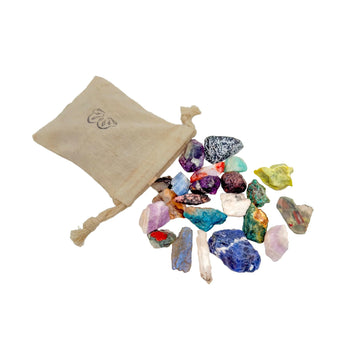
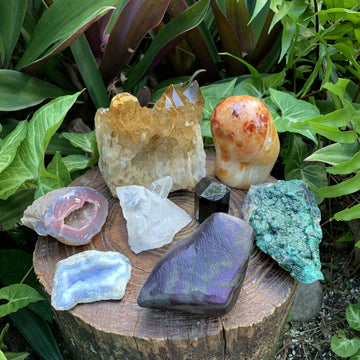


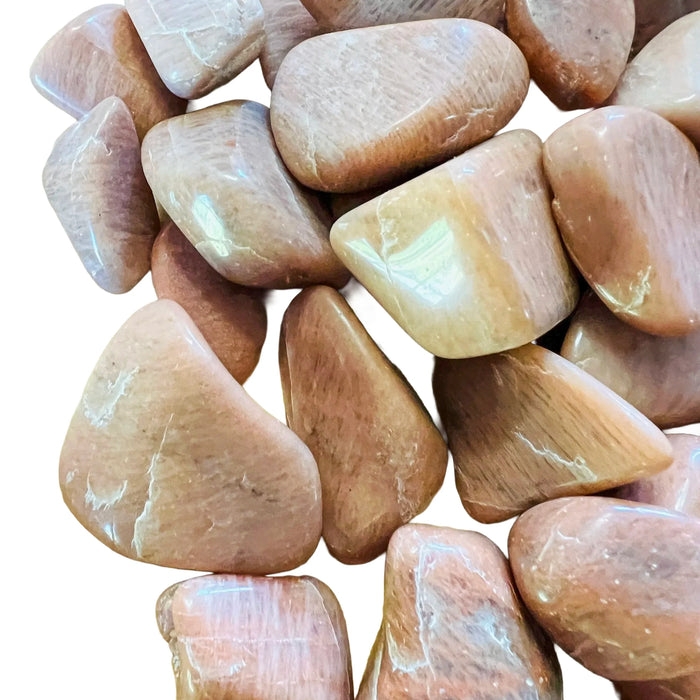
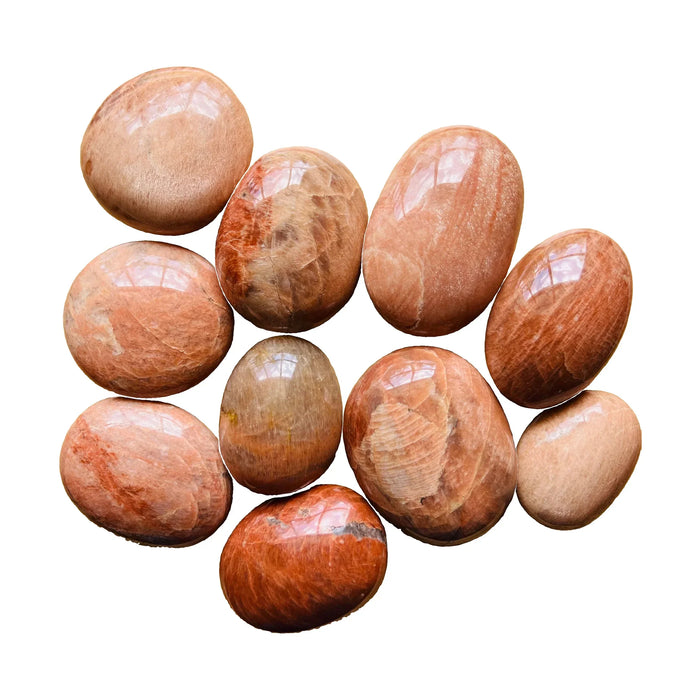
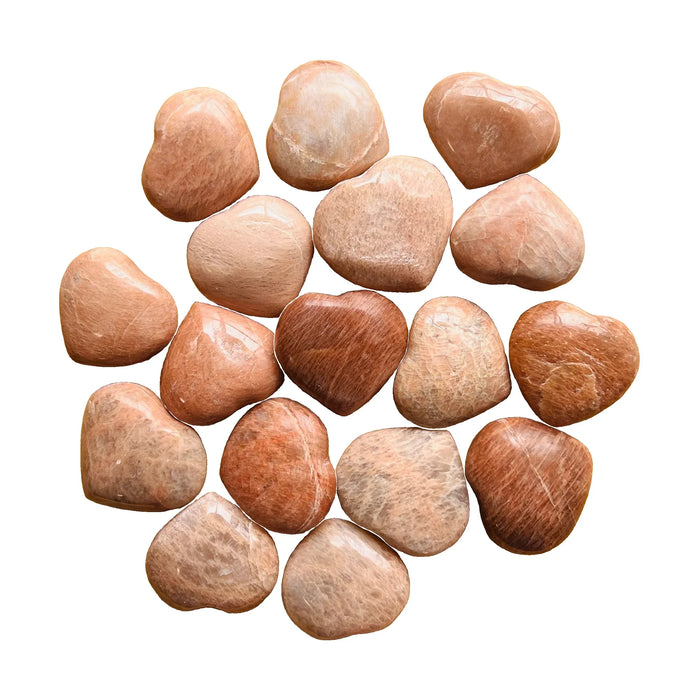
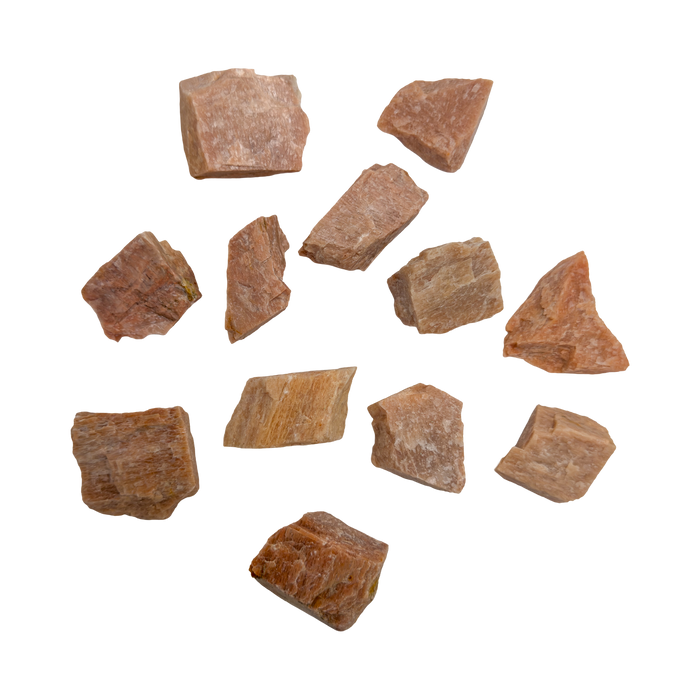
Peach Moonstone
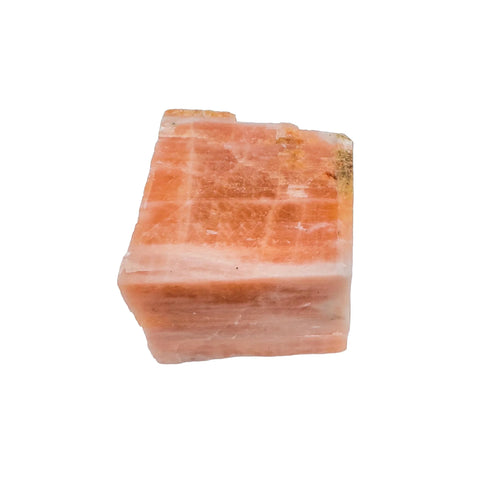
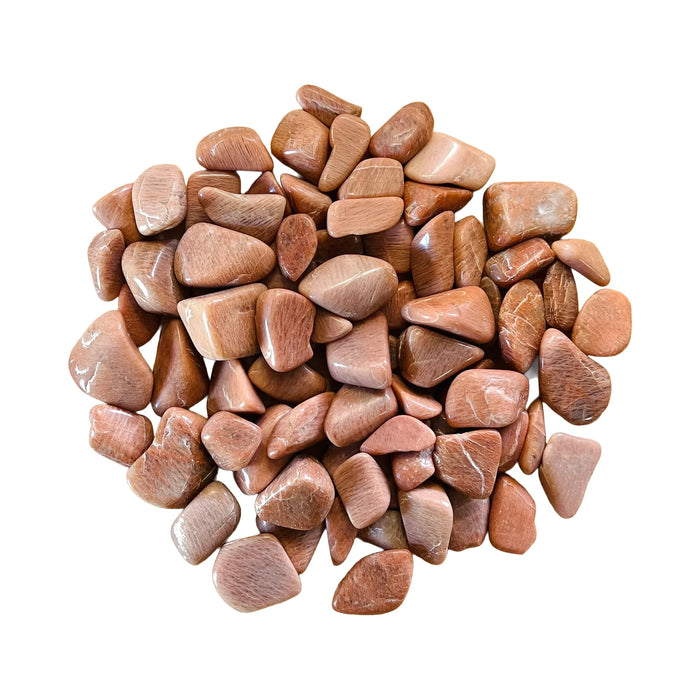
Peach Moonstone is a variety of orthoclase feldspar with a warm peach-to-apricot body color and the characteristic adularescence (billowy internal glow) that defines the moonstone family. The peach tone comes from trace iron or manganese in the feldspar structure. Traditionally associated with maternal energy, emotional warmth, and the sacral-chakra work of creativity and nurture.
Shop peach moonstonePeach Moonstone, in stock now.
Our most-loved Peach Moonstone pieces, ready to ship.






- from 1,000+ reviews
- Ships within 72 hoursMonday to Friday, tracked
- 90 days to return itif you do not love it
- Free US shipping over $99$8.99 flat rate under
The geology.
Peach Moonstone is a variety of orthoclase, a potassium feldspar (KAlSi₃O₈) in the feldspar group. Like other moonstones, Peach Moonstone shows adularescence, the soft billowy glow that appears to move across the stone as you tilt it. This optical effect comes from the alternating layers of orthoclase and albite feldspars within the crystal structure, which scatter and reflect light in a specific way. The peach color comes from trace iron (Fe³⁺) or manganese in the feldspar lattice.
Hardness runs 6 to 6.5 on the Mohs scale, similar to most feldspars. Cleavage is perfect in two directions at nearly ninety degrees, characteristic of all feldspars and affecting how the stone is cut and polished. Specific gravity runs 2.55 to 2.63. The adularescence is most visible on cabochon-cut stones where the curved surface catches light from multiple angles. Raw Peach Moonstone from Madagascar often shows the glow even before polishing.
The origins.
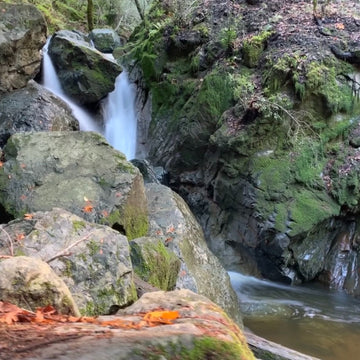
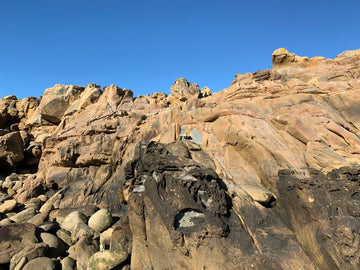
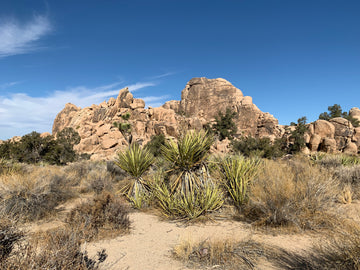
Peach Moonstone is mined in several producer regions. Madagascar's Antsirabe and Ambatofinandrahana areas produce most of the small-shop commercial Peach Moonstone for the global market, with consistent warm color and good adularescence. India's Tamil Nadu and Andhra Pradesh regions are historically significant producers of moonstones including peach varieties. Sri Lanka produces classic collector-grade peach moonstone. Smaller commercial quantities come from Brazil, Myanmar, and the United States.
Each source has subtle differences. Malagasy Peach Moonstone tends toward consistent warm peach-to-apricot with strong adularescence. Indian material can show more variation from pale to deep peach. Sri Lankan stones are traditionally the finest for gem-quality adularescence but represent a small premium slice of the market. Most small-shop Peach Moonstone is Madagascan.
Traditional associations.
Moonstone has one of the oldest and richest gemstone traditions, going back over 2,000 years across Indian, Roman, and Egyptian cultures. Indian Vedic tradition associated moonstone with the moon deity Chandra and with feminine lunar energies. Roman tradition linked it to the goddess Diana and believed moonstone contained captured moonlight. Peach Moonstone specifically carries these associations with an added emphasis on warm, nurturing maternal energy because of its peach color.
Many people work with Peach Moonstone for maternal energy, creative nurture, and the sacral-chakra warmth that supports growth and transition. It's most commonly associated with the Sacral and Heart chakras, the elements of Water and Fire, and the zodiac signs Cancer and Libra. The classic working is as a companion stone for people navigating pregnancy, new parenthood, creative projects, or any life transition that calls for gentle nurture rather than pushing through.
Spotting the real thing.
Real Peach Moonstone shows adularescence: a soft glow that seems to move inside the stone as you tilt it under light. The glow should appear to float across the surface rather than being painted on. Under a loupe, the feldspar cleavage structure is sometimes visible. Color ranges from pale pastel peach to deeper apricot, often with subtle variation across a single piece. Hardness 6 to 6.5 scratches with a harder knife blade but not easily with a fingernail.
Glass imitations with artificial sheen are uncommon but exist at the very bottom of the costume jewelry market; they show uniform flat glow that doesn't shift naturally with angle and may have bubbles visible under magnification. Dyed feldspar or dyed agate sold as Peach Moonstone lacks true adularescence. Ask for Madagascan, Indian, or Sri Lankan origin.
Care & handling.
Water safe for a brief rinse with warm water and a soft cloth. Skip ultrasonic cleaners, which can exploit the feldspar cleavage planes and cause fracturing. Avoid prolonged soaking or exposure to household cleaners. Peach Moonstone is stable under moderate sunlight, though very prolonged intense UV can slightly affect color over years.
Cleanse energetically with moonlight (traditionally recommended for moonstones generally), sound, smoke, or by placing on selenite overnight. At 6 to 6.5 on the Mohs scale with perfect cleavage, Peach Moonstone handles careful daily wear in protected jewelry settings but isn't ideal for rings in rough use. Store separately from harder stones, particularly quartz, topaz, and sapphire.
Pairs well with.
Proof, not promises.
We measure our own sourcing across five dimensions. Supply chain, environmental footprint, artisan support, market integrity, and pricing. The number is honest, not perfect. Where we can do better, we say so.
A deeper look.
Extended geology, sourcing, authentication, history, varieties, and pricing, for when the quick guide isn't quite enough.
Extended geology
Peach Moonstone is a variety of orthoclase, a potassium feldspar with formula KAlSi₃O₈, in the feldspar group. The characteristic adularescence (billowy internal glow) comes from the alternating layers of orthoclase and albite feldspar that form during slow cooling in the crystal structure. Light entering the stone scatters off these layers, producing the soft moving glow that gives the moonstone family its name.
The peach color comes from trace iron (Fe³⁺) substituting into feldspar sites; manganese traces can also contribute. Mohs hardness 6 to 6.5. Specific gravity 2.55 to 2.63. Monoclinic crystal system (sometimes triclinic for very low-temperature feldspars). Perfect cleavage in two directions at approximately ninety degrees. Fracture uneven to conchoidal. Luster vitreous to pearly on cleavage surfaces.
Extended sourcing
Madagascar has become the dominant commercial source of Peach Moonstone in recent decades, with the Antsirabe and Ambatofinandrahana regions producing material with consistent warm color and good adularescence. Most small-shop Peach Moonstone is Madagascan.
India's Tamil Nadu and Andhra Pradesh regions are historically significant moonstone producers; Indian Peach Moonstone has been traded globally for centuries. Sri Lanka's Meetiyagoda mines produce classic collector-grade material with exceptional adularescence. Brazil (Minas Gerais), Myanmar, and the United States (North Carolina and Virginia) contribute smaller commercial quantities.
Authentication and warning signs
Real Peach Moonstone shows adularescence that appears to float within the stone and shifts as viewing angle changes. The glow is internal, not surface-painted. Under magnification, feldspar cleavage structure is sometimes visible. Hardness 6 to 6.5 will scratch with a harder steel knife blade but not easily with a fingernail.
Glass imitations with artificial sheen show uniform flat glow without natural motion, and often have visible bubbles. Dyed feldspar or dyed agate lacks true adularescence. Synthetic moonstone exists but is rare in the commercial market and should be disclosed. Real Peach Moonstone has perfect cleavage visible on broken surfaces at about ninety degrees.
Historical and cultural context
Moonstone has ancient worldwide tradition. Indian Vedic tradition associated moonstone with Chandra (the moon deity) and with feminine lunar energies. Roman tradition called it selenite (confusingly, a name now used for a different mineral) and linked it to the moon goddess Diana, believing the stone contained solidified moonlight. Medieval European traditions used moonstone in devotional jewelry.
Peach Moonstone specifically, as a named variety, is a relatively recent commercial distinction within the broader moonstone tradition. The peach color emphasis in contemporary metaphysical practice builds on general moonstone associations (feminine, lunar, intuitive) with added warmth appropriate for maternal energy, creativity, and sacral-chakra work. Often paired with Rainbow Moonstone, Rose Quartz, or Carnelian for layered practices.
Varieties and trade names
Peach Moonstone: the warm peach-to-apricot variety covered here.
Rainbow Moonstone: a labradorite variety showing blue or multicolor sheen, technically distinct but often grouped with moonstones.
Blue Moonstone: orthoclase with blue adularescence, a premium variety.
White Moonstone: the classic creamy white variety.
Gray Moonstone: darker variety with silver-blue sheen.
Black Moonstone: the dark variety with flashes of moonlight sheen.
Pricing reality
Tumbled Peach Moonstone: 2 to 8 dollars per piece. Small polished cabochons and palm stones: 8 to 30 dollars. Larger polished pieces and spheres: 25 to 120 dollars. Fine Sri Lankan or exceptional Madagascan Peach Moonstone: 50 to 400 dollars. Gem-quality faceted peach moonstone: 60 to 300 dollars per carat depending on adularescence quality.
Value drivers: strength and uniformity of adularescence (the glow), depth of peach color, size, clean cut showing the full sheen effect, and documented origin. Warning signs: flat glow suggesting glass imitation, no origin offered, or 'Peach Moonstone' at prices suggesting it might be dyed feldspar rather than natural adularescent orthoclase.
Good sourcing is a practice, not a claim.
Nothing we sell is glass with artificial sheen or dyed feldspar sold as natural Peach Moonstone. We name our origins where we can. We walk away from material that doesn't meet our standard, even when it costs us sales.
Bring peach-moonstone home.
Every piece we carry is photographed individually and listed with its own origin and treatment notes. What you see is what ships. Browse our Moonstone collection for related varieties.
Shop the peach-moonstone collectionGrounded Connections
New stones go to the list first.
No forwarding, no selling. Unsubscribe in one click. Privacy