


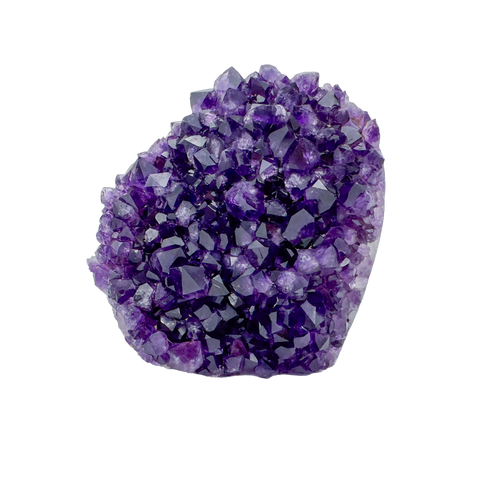
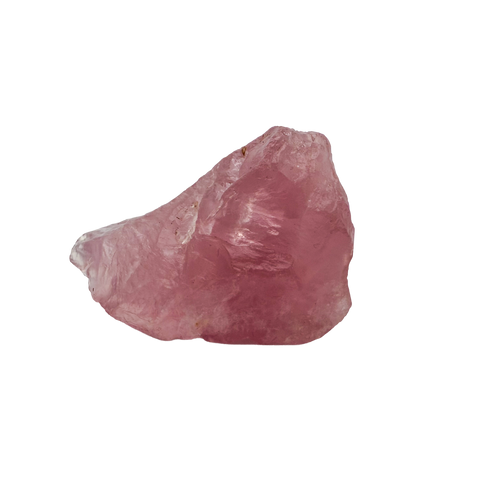
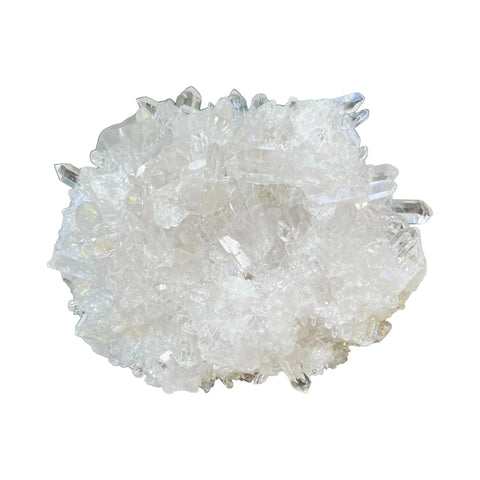
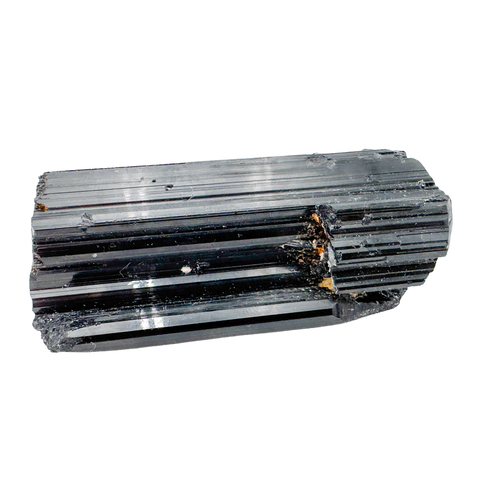
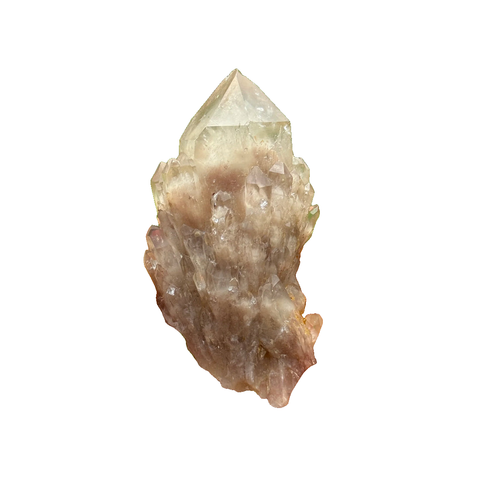
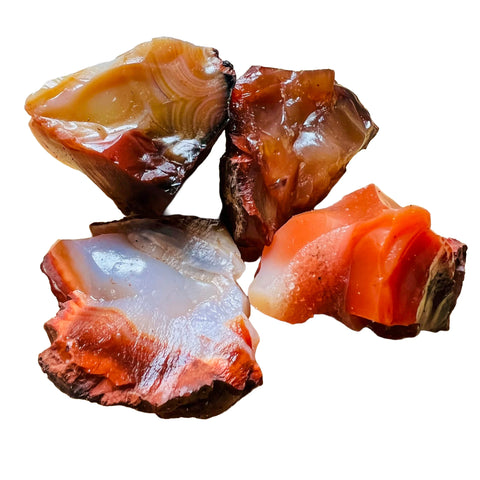


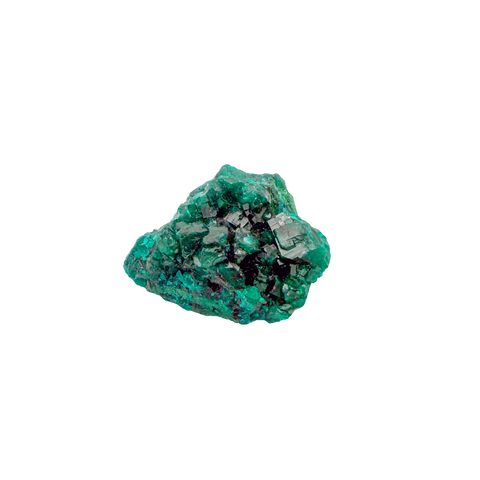
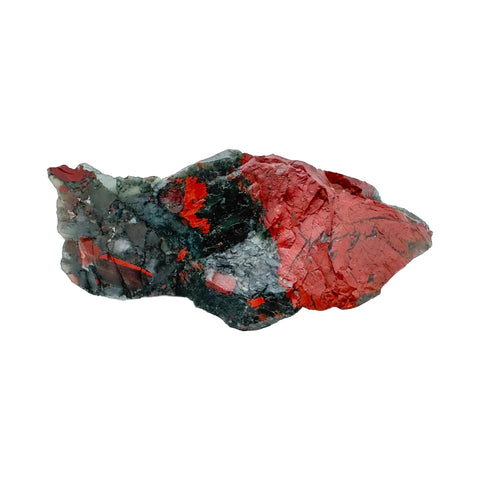
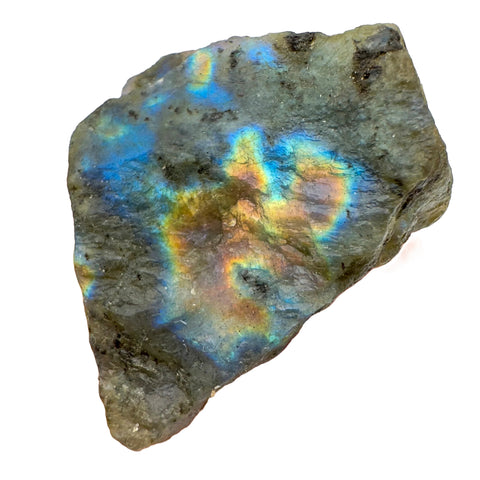
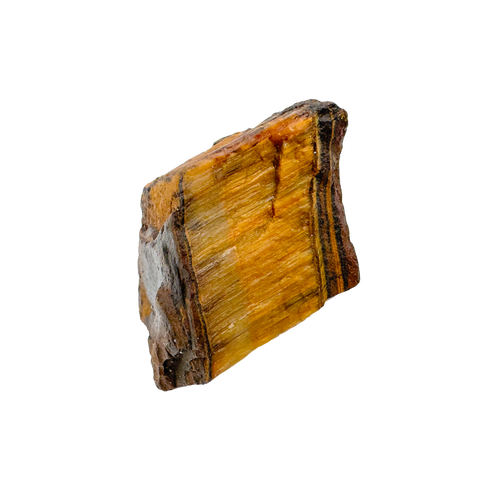
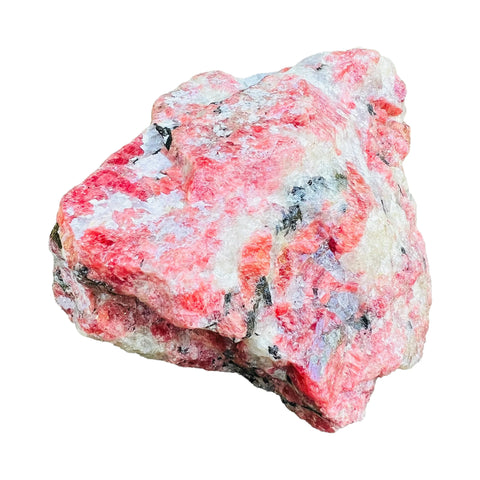
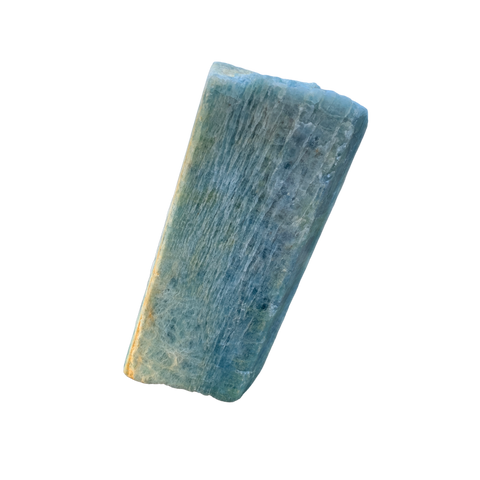
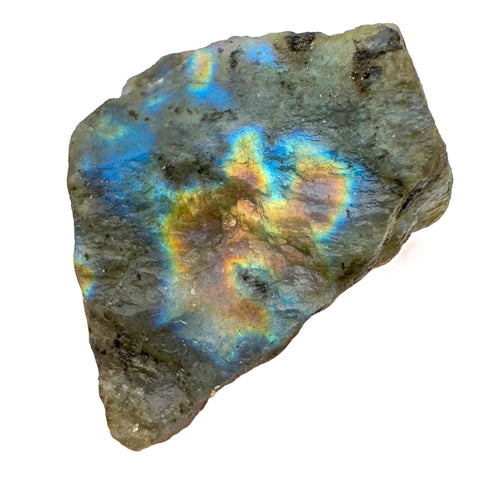
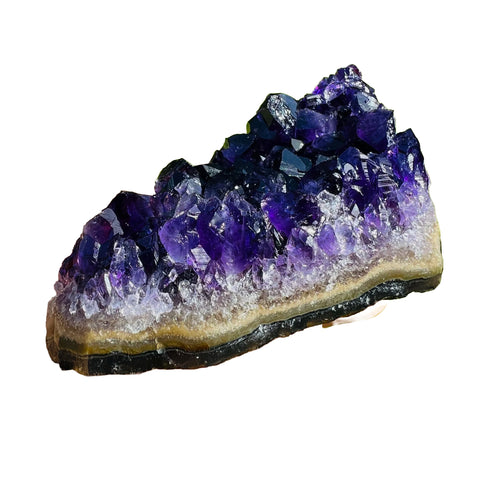



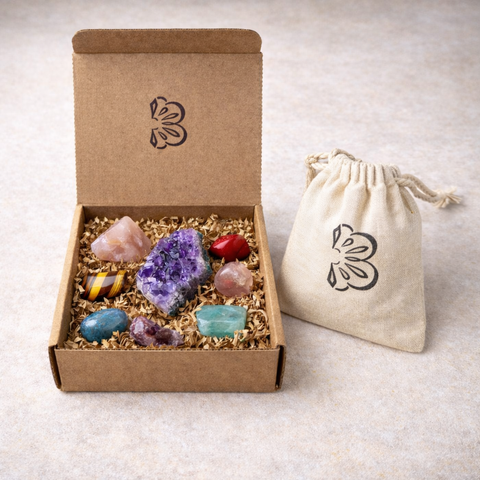
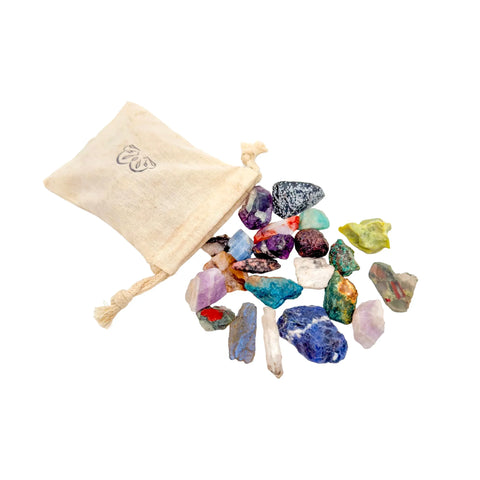
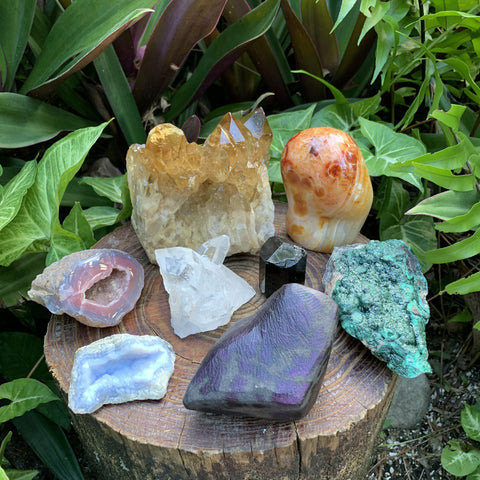
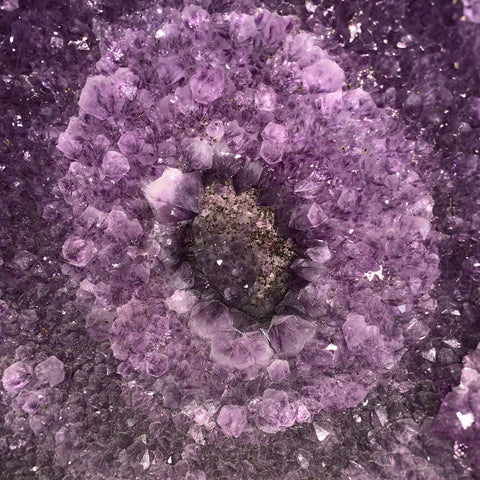
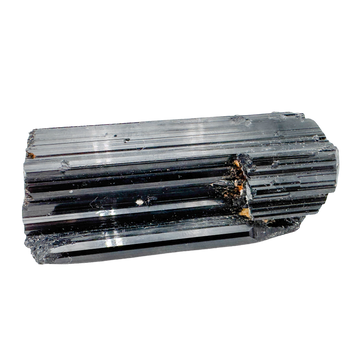
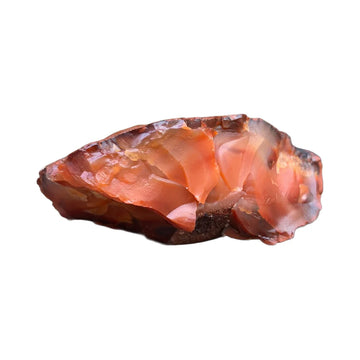
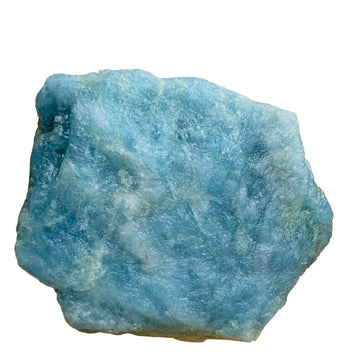
 Raw Stones
179 pieces
Raw Stones
179 pieces
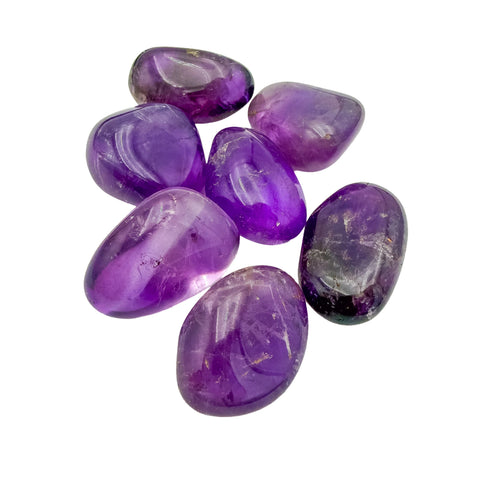
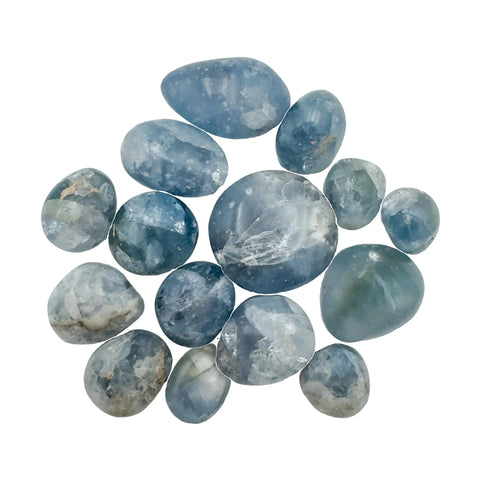
 Tumbled Stones
162 pieces
Tumbled Stones
162 pieces
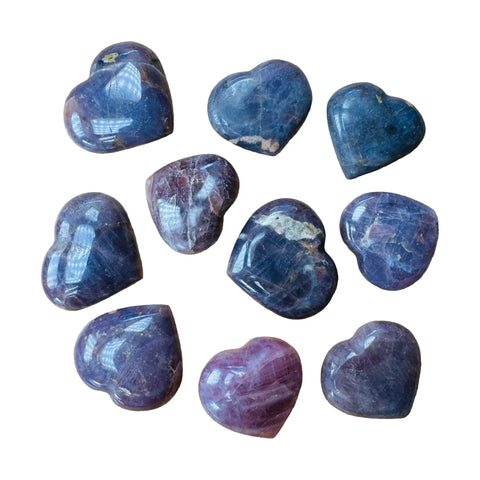
 Palm Stones
25 pieces
Palm Stones
25 pieces
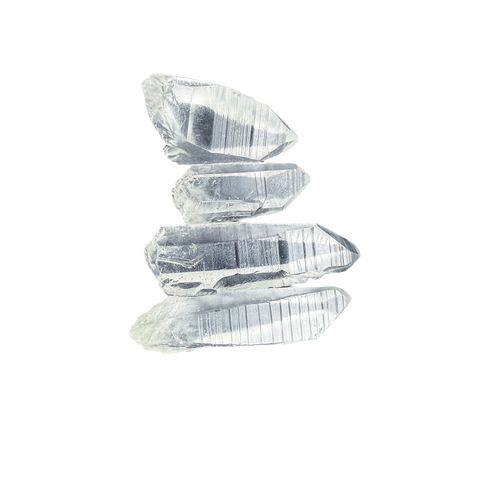
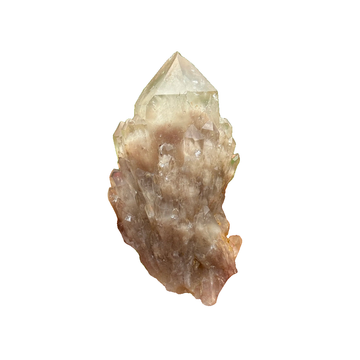
 Crystal Points
23 pieces
Crystal Points
23 pieces
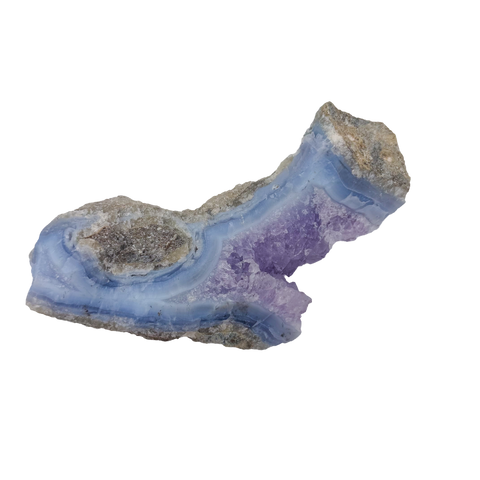
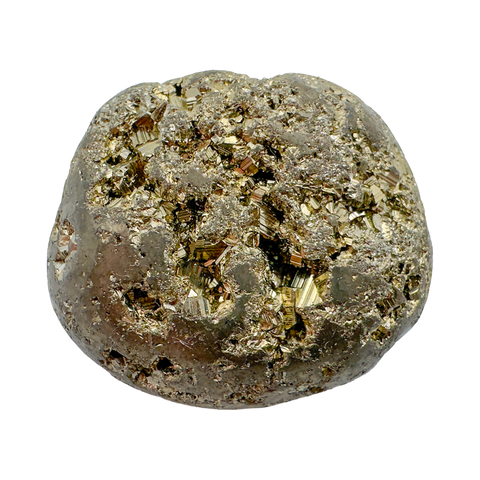
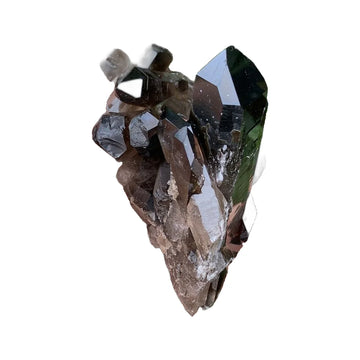
 Clusters & Geodes
104 pieces
Clusters & Geodes
104 pieces
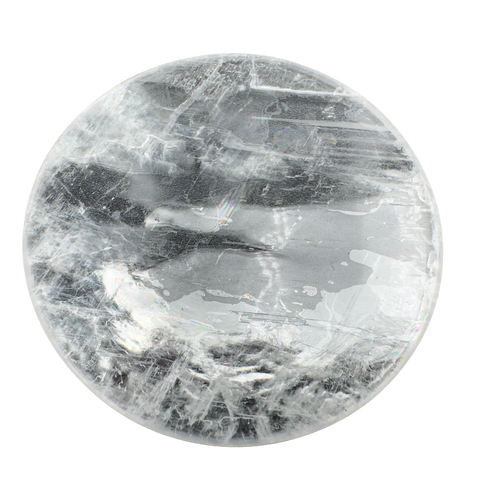
 Polished & Decor
148 pieces
Polished & Decor
148 pieces
 Mineral Specimens
259 collector pieces
Mineral Specimens
259 collector pieces
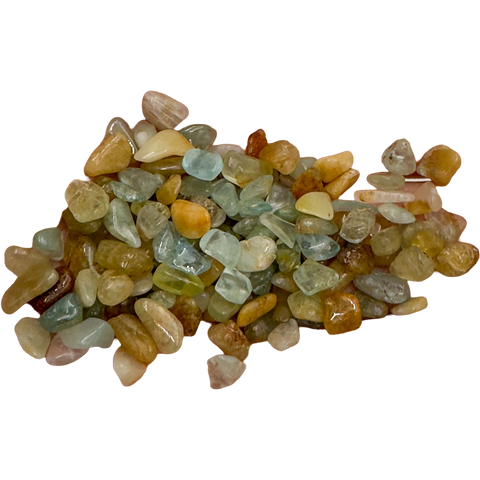
 Crystal Chips
21 pieces
Browse everything
Every collection, one page.
View All Collections →
Crystal Chips
21 pieces
Browse everything
Every collection, one page.
View All Collections →


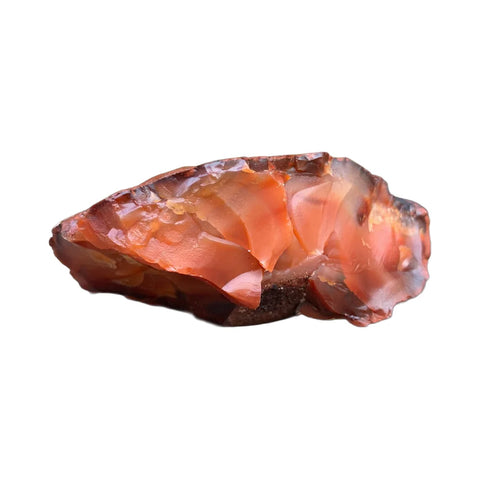
 Aries
Mar 21 – Apr 19
Carnelian
›
Aries
Mar 21 – Apr 19
Carnelian
›
 Taurus
Apr 20 – May 20
Rose Quartz
›
Taurus
Apr 20 – May 20
Rose Quartz
›
 Gemini
May 21 – Jun 20
Agate
›
Gemini
May 21 – Jun 20
Agate
›
 Cancer
Jun 21 – Jul 22
Moonstone
›
Cancer
Jun 21 – Jul 22
Moonstone
›
 Leo
Jul 23 – Aug 22
Citrine
›
Leo
Jul 23 – Aug 22
Citrine
›
 Virgo
Aug 23 – Sep 22
Amazonite
›
Virgo
Aug 23 – Sep 22
Amazonite
›
 Libra
Sep 23 – Oct 22
Blue Lace Agate
›
Libra
Sep 23 – Oct 22
Blue Lace Agate
›
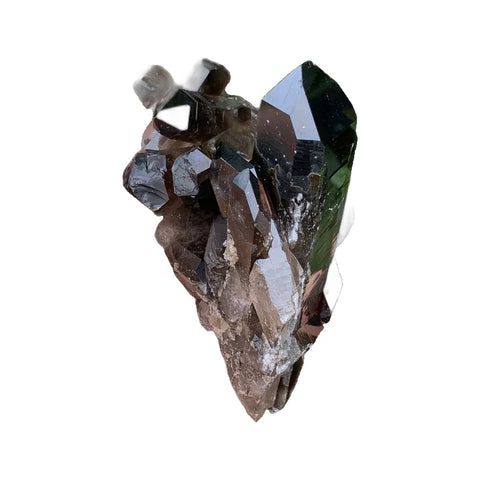
 Scorpio
Oct 23 – Nov 21
Obsidian
›
Scorpio
Oct 23 – Nov 21
Obsidian
›
 Sagittarius
Nov 22 – Dec 21
Sodalite
›
Sagittarius
Nov 22 – Dec 21
Sodalite
›
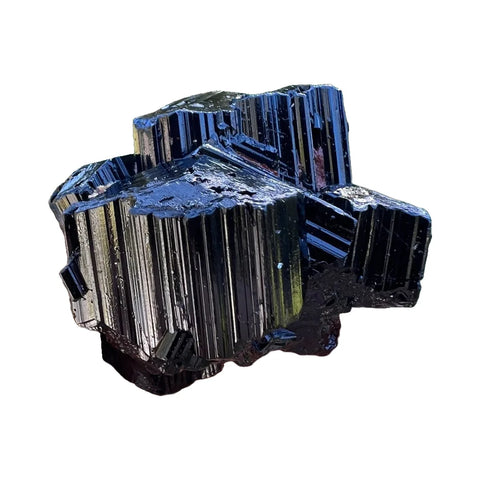
 Capricorn
Dec 22 – Jan 19
Black Tourmaline
›
Capricorn
Dec 22 – Jan 19
Black Tourmaline
›
 Aquarius
Jan 20 – Feb 18
Amethyst
›
Aquarius
Jan 20 – Feb 18
Amethyst
›
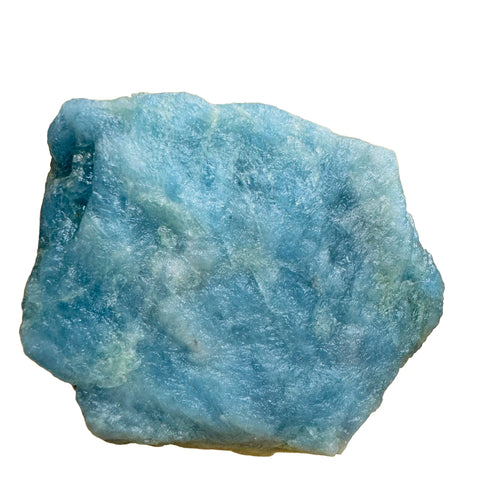
 Pisces
Feb 19 – Mar 20
Aquamarine
›
Gifting?
A birthday stone is the safe bet.
Read the zodiac guide →
Pisces
Feb 19 – Mar 20
Aquamarine
›
Gifting?
A birthday stone is the safe bet.
Read the zodiac guide →

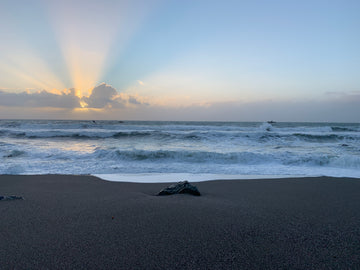
Euclase
Euclase is a beryllium aluminum silicate best known for delicate blue crystals and for a name that warns you about it. Drawn from Greek words for easy breaking, the name points to a perfect cleavage that makes this otherwise hard stone tricky to cut and wear. Collectors prize it for clear blue color and fine, glassy crystals.
The geology.
Euclase is a hydrous beryllium aluminum silicate, BeAlSiO4(OH), closely related in chemistry to beryl, the family that includes emerald and aquamarine. It crystallizes in the monoclinic system as slender prismatic crystals with a bright, glassy luster. Colors range from colorless and white through pale to deep blue and light green, with blue the most sought.
Its hardness is about 7.5, which sounds durable, but euclase also has one direction of perfect cleavage, meaning it splits cleanly and easily along that plane. That combination of hardness and easy cleavage is the heart of the stone's character, and it is exactly what the name records, from the Greek for good or easy breaking.
The origins.
Brazil is the classic and leading source of gem euclase, especially the Ouro Preto district of Minas Gerais, long famous for fine blue crystals. Brazilian material set the standard for the deep and pale blue stones that collectors associate with the mineral.
Other notable sources include Zimbabwe, which has produced richly colored blue euclase, and Colombia, where it occurs alongside emerald in the same kind of deposits. Additional crystals come from places such as Austria, Russia, the United States, and Tanzania. Fine transparent euclase is uncommon everywhere, which keeps good cut stones firmly in collector territory.
Traditional associations.
Euclase is sometimes called a stone of joy in modern practice, and many people associate its clear blue crystals with uplift, honest expression, and mental clarity. It is described as a stone for speaking one's truth and lifting mood.
The blue varieties are often linked to the throat energies because of their color. These associations are traditional and personal rather than medical claims. Euclase is most often linked with the Throat chakra and the element of Water.
Spotting the real thing.
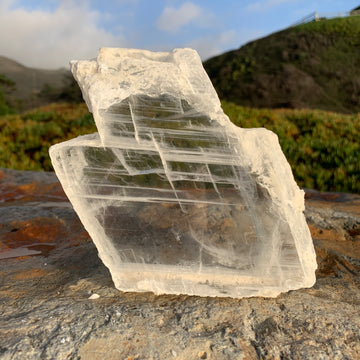
Euclase is recognized by its glassy prismatic crystals, its blue to colorless color, its hardness near 7.5, and, tellingly, its one perfect cleavage, which can show as a bright internal plane or a cleaved surface. On specimens, slender striated crystals with high luster are typical. The cleavage that makes it fragile is also part of how it is identified.
The main confusion is with aquamarine and other pale blue gems, which share its color and are more common. Testing separates them, since euclase has distinct optical properties. Because clean cut stones are scarce and the cleavage complicates cutting, well-made faceted euclase carries a premium, and important stones are worth confirming with a gemological report.
Care & handling.
Despite a hardness of 7.5, euclase needs gentle handling because of its perfect cleavage. A sharp knock in the wrong direction can split a stone that would otherwise resist scratching, so avoid impacts, never use ultrasonic or steam cleaners, and keep it away from sudden temperature changes. Clean it with warm water, mild soap, and a soft brush.
In jewelry, euclase suits protective settings and gentle wear such as pendants and earrings rather than rings exposed to daily knocks. Store crystals and cut stones separately in soft pouches, away from harder gems. Handled with awareness of its cleavage, euclase stays bright and undamaged.
Pairs well with.
A deeper look.
Extended geology, sourcing, authentication, history, and varieties, for when the quick guide isn't quite enough.
Extended geology
Euclase is one of the few beryllium minerals valued as a gem, and it often occurs where beryl has been altered, sharing the beryllium-rich chemistry of that family. Its monoclinic crystals are typically slender prisms, striated lengthwise, with a strong vitreous to almost pearly luster on cleavage surfaces. The perfect cleavage is a direct expression of its atomic structure, along which the bonds are weakest.
It forms in granitic pegmatites and in low-temperature hydrothermal veins, frequently as a secondary mineral produced when earlier beryl breaks down. This is why euclase is often found in the same regions as emerald and aquamarine. Because good crystals are uncommon and clean gem sections scarcer still, most euclase reaches the market as specimens rather than as faceted stones.
Extended sourcing
The Ouro Preto district in Minas Gerais, Brazil, is the historic benchmark for gem euclase, celebrated for pale and deep blue crystals of fine transparency. Brazilian material has supplied collectors for generations and remains the reference point for quality blue euclase.
Zimbabwe has produced some of the most intensely colored blue euclase, and Colombia yields crystals in its emerald-bearing deposits. Austria, the Ural region of Russia, Tanzania, and localities in the United States add further material. Across all of them, transparent facetable euclase is scarce, so availability is limited and fine stones are quickly taken up by specialists.
Authentication and warning signs
Reliable identification uses crystal habit, hardness, optical properties, and above all cleavage. The slender glassy prisms, the hardness near 7.5, and the single perfect cleavage together distinguish euclase, and gemological measurement of its refractive indices confirms it. On a rough or partly cleaved crystal, the flat, lustrous cleavage face is a strong clue.
For cut stones, the resemblance to aquamarine is the practical issue. Both can be pale blue and transparent, but they differ in optical constants and in the way they cleave, and only testing settles it for certain. Because well-cut euclase is scarce, be cautious with cheap stones sold under the name and ask for identification on anything priced as fine gem material.
History and folklore
Euclase was described in the 1790s by the French crystallographer Rene Just Hauy, who coined the name from Greek roots meaning good or easy breaking, in reference to its perfect cleavage. Early gem material is associated with Brazil, and the stone has been a collector's favorite ever since, admired equally for its clear blue color and for the challenge it poses to cutters. That very fragility has kept euclase from ever becoming a mainstream jewelry stone, and it remains a connoisseur's gem, valued by those who understand and respect its cleavage.
Colors and forms
Blue euclase: pale to deep blue crystals, the most prized color, finest from Brazil and Zimbabwe.
Colorless and white euclase: clear crystals, sometimes faceted for collectors.
Green euclase: light green material, less common than the blue.
Specimen crystals: slender glassy prisms on matrix, valued as mineral specimens in their own right.
What it costs in the market
Euclase prices reflect both rarity and the difficulty of cutting it. Specimen crystals are available across a wide range, while clean faceted stones, especially in strong blue, command high prices because good rough is scarce and the cleavage makes cutting risky. Color, clarity, and size drive value, with deep blue Brazilian and Zimbabwean stones among the most sought. As with any collector gem, sound identification supports the price of fine material.
An education-first guide.
We don't currently carry euclase, so there's nothing to sell you here. This guide exists because the more you understand a stone, the better every decision you make about it becomes, wherever you buy it. Explore the rest of our crystal guides for stones we do source, each with full origin and treatment notes.
Explore the Crystal GuideLove Euclase? Meet Clear Quartz.
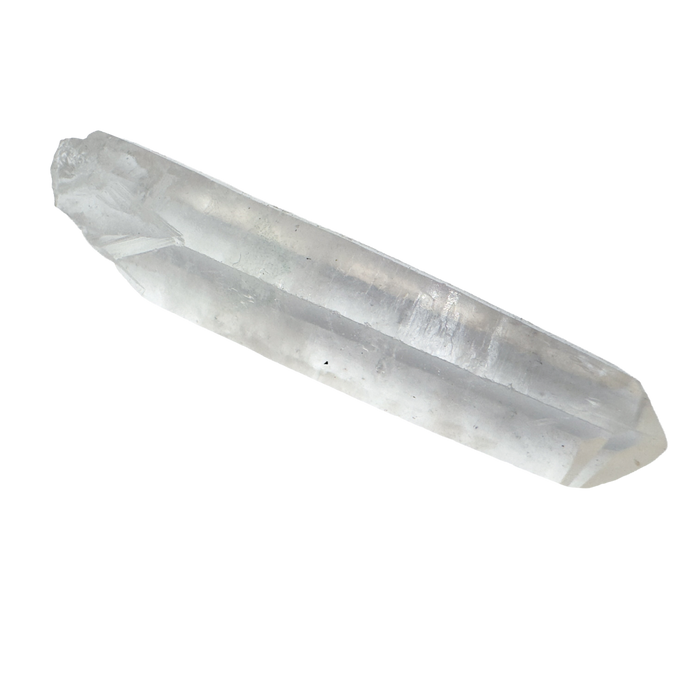
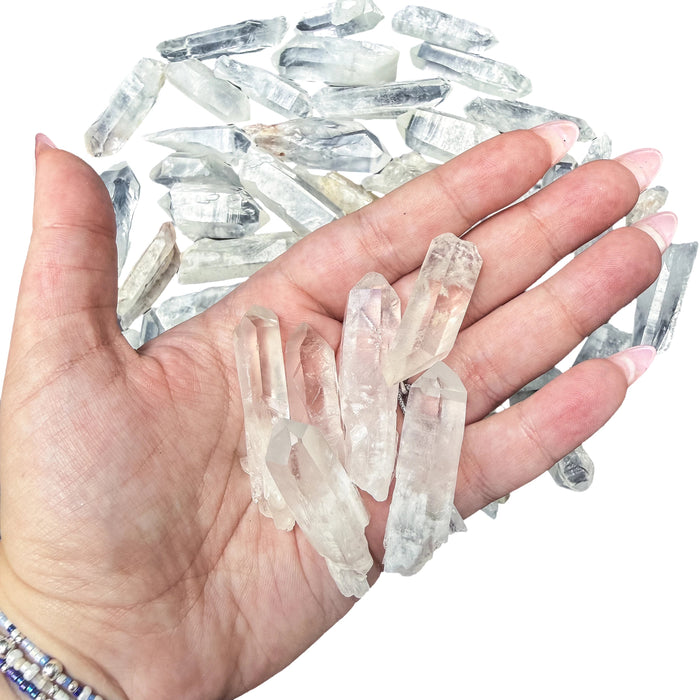
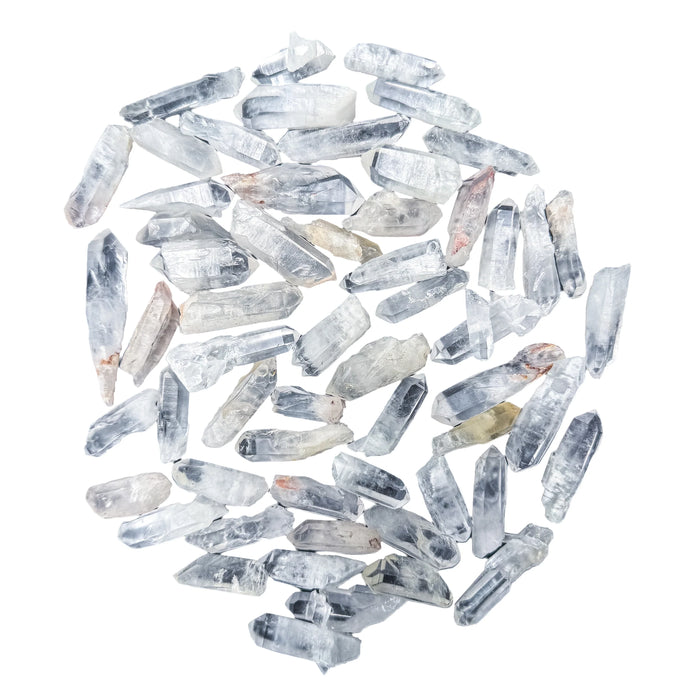
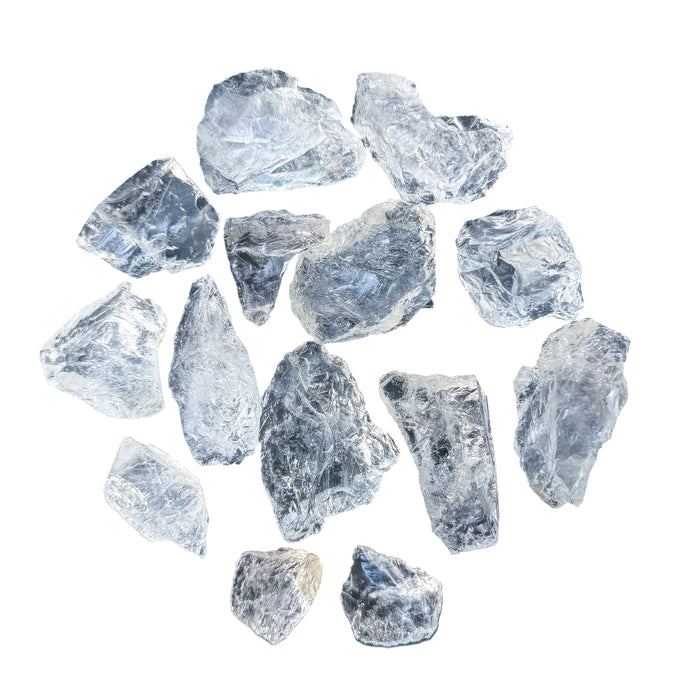
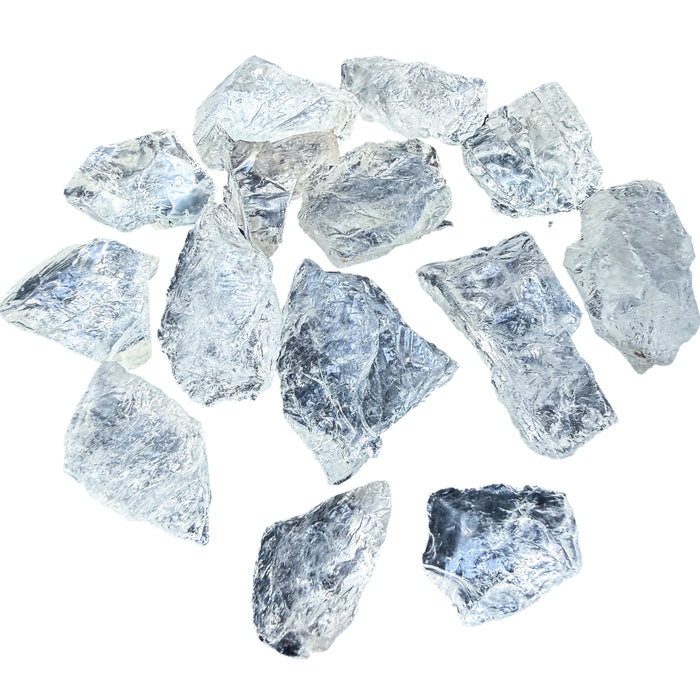
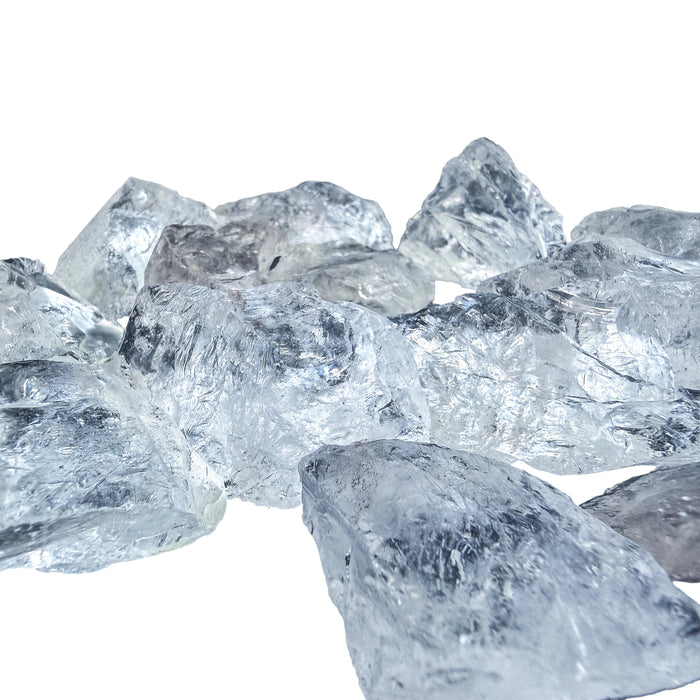
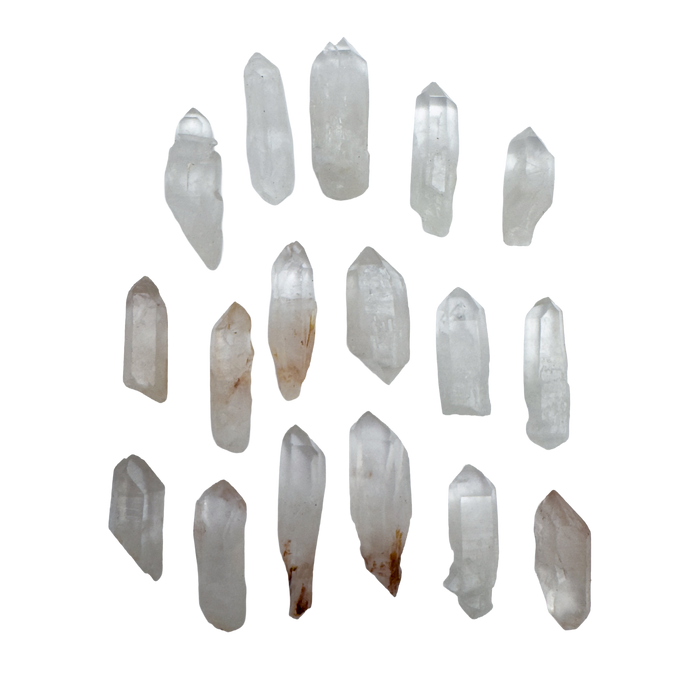
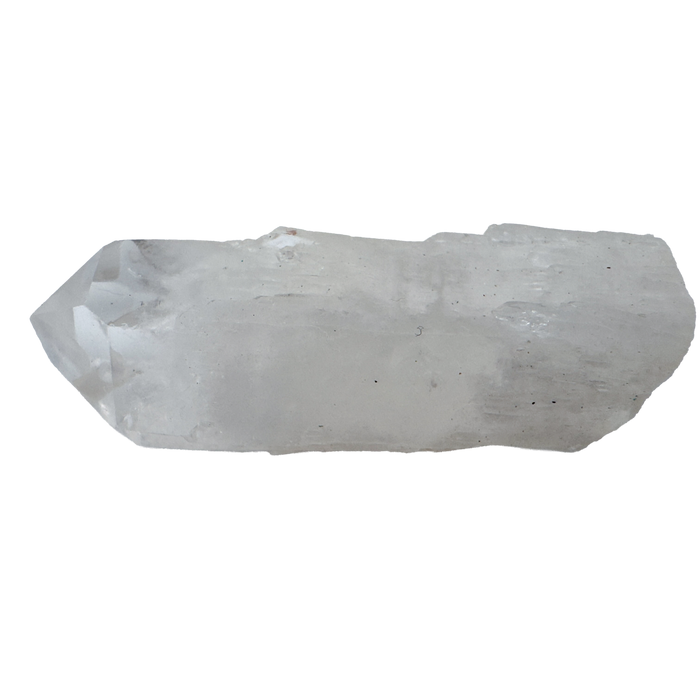
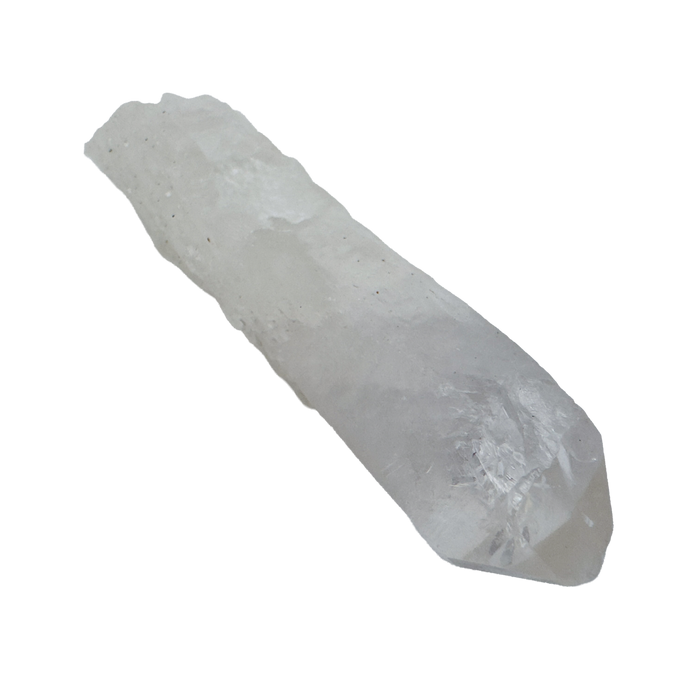
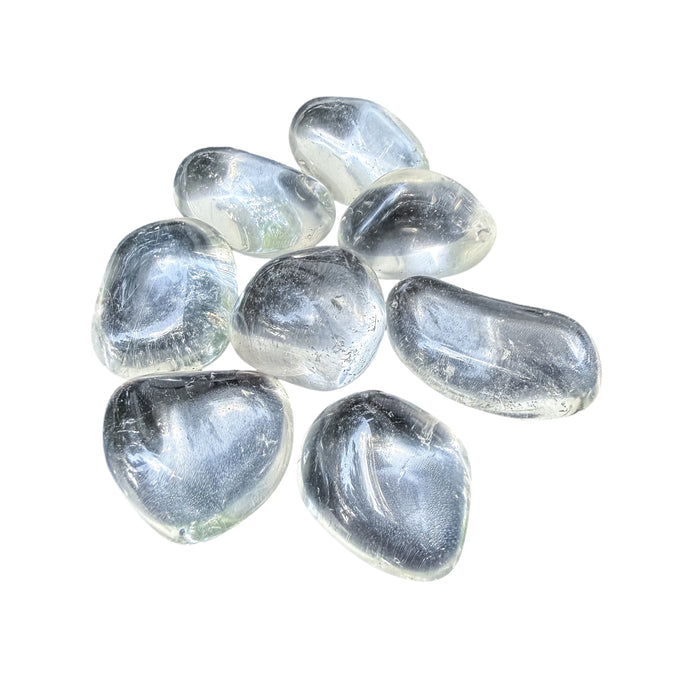
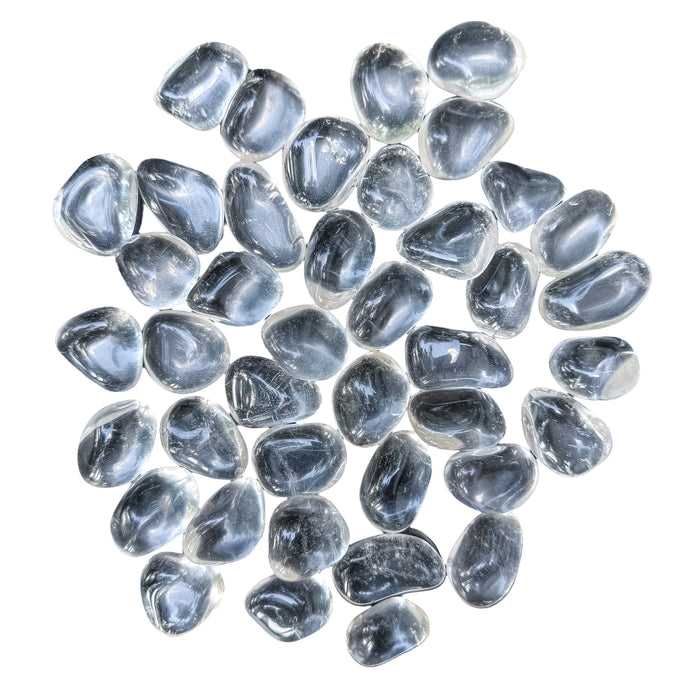
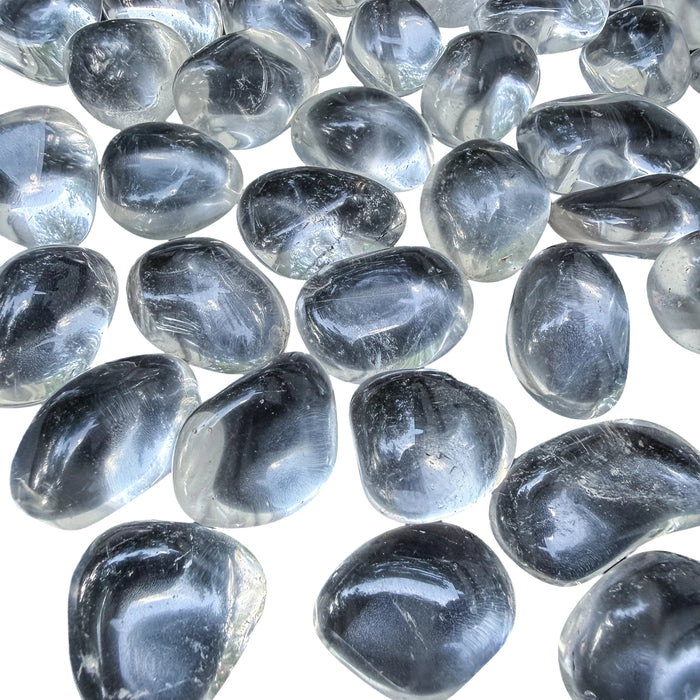
Euclase is not something we carry. Clear Quartz is the closest match in color, and every piece passes our sourcing standards: origin named, treatments disclosed.
- from 1,000+ reviews
- Ships within 72 hoursMonday to Friday, tracked
- 90 days to return itif you do not love it
- Free US shipping over $99$8.99 flat rate under
The Slow Note
New stones go to the list first.
No forwarding, no selling. Unsubscribe in one click. Privacy