


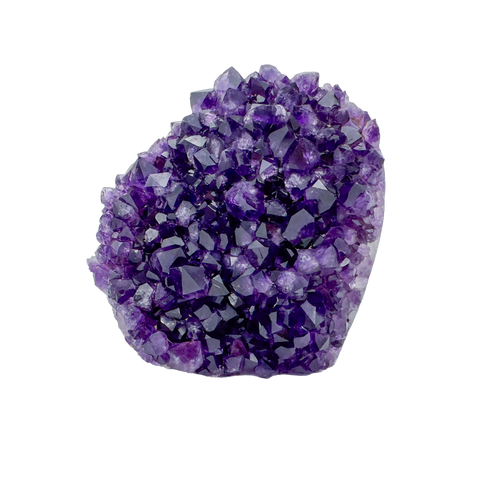
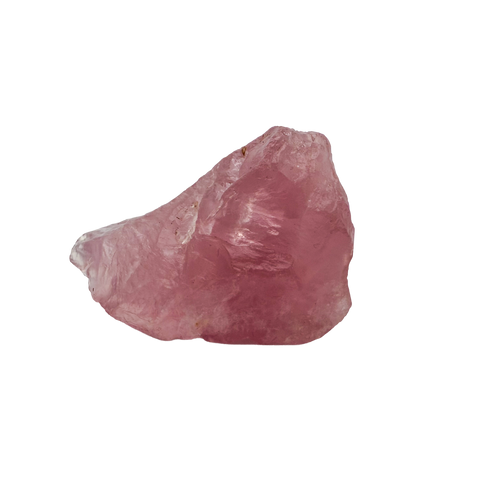
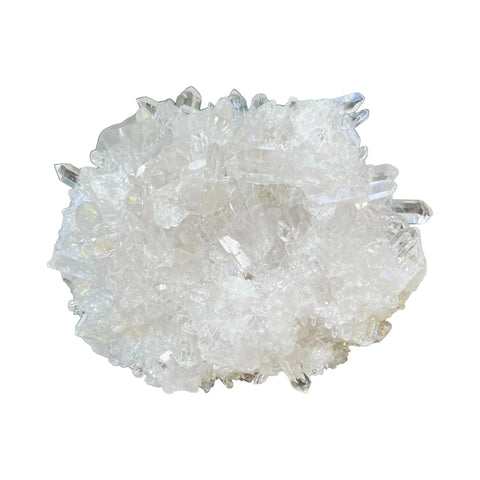
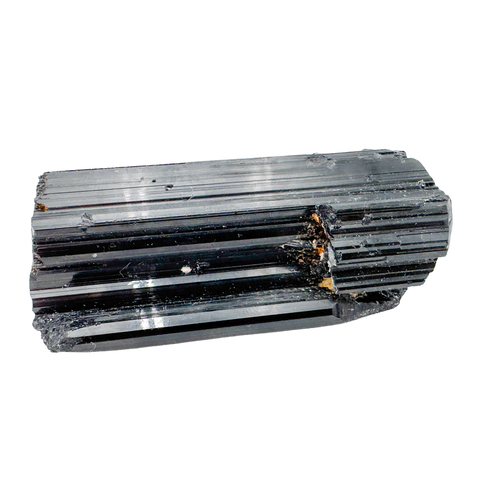
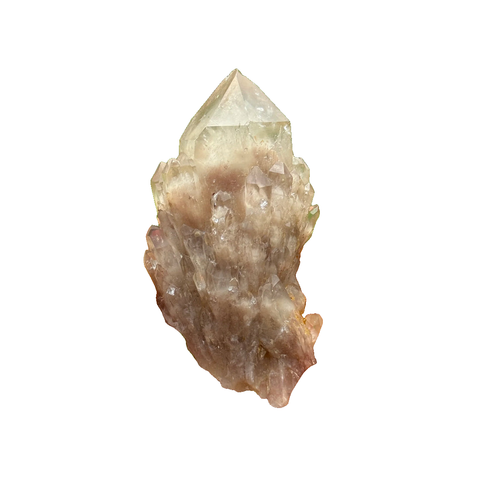
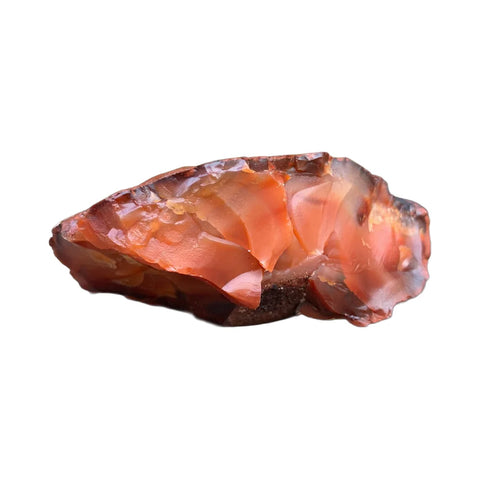
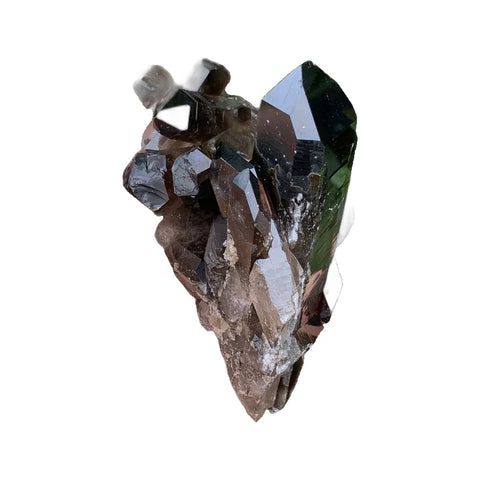
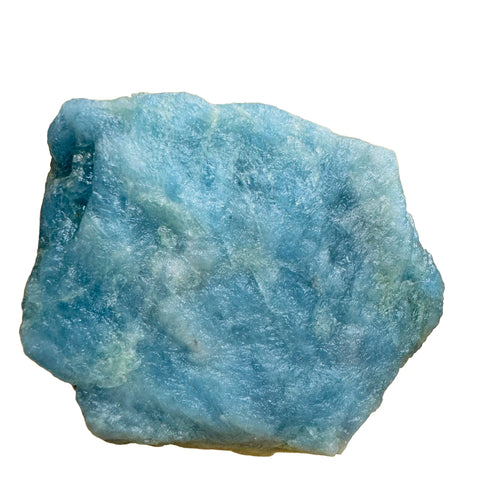
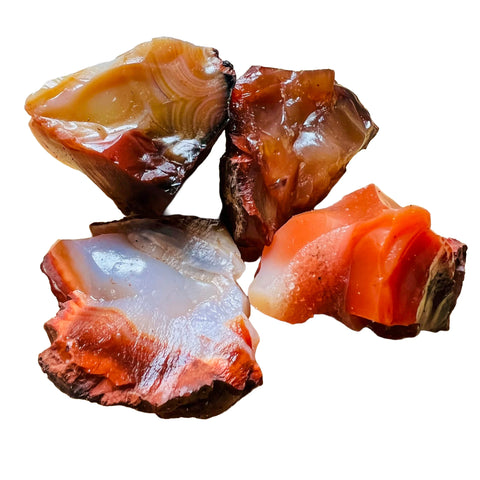


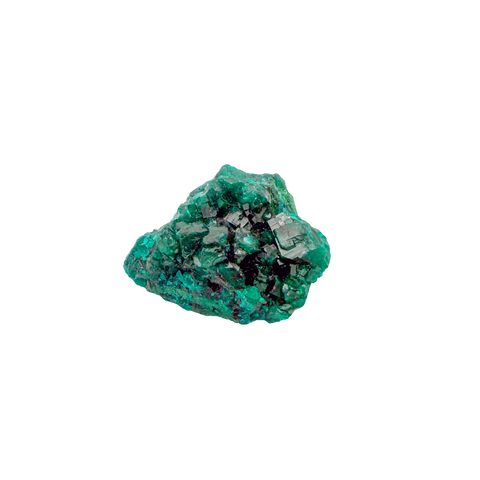
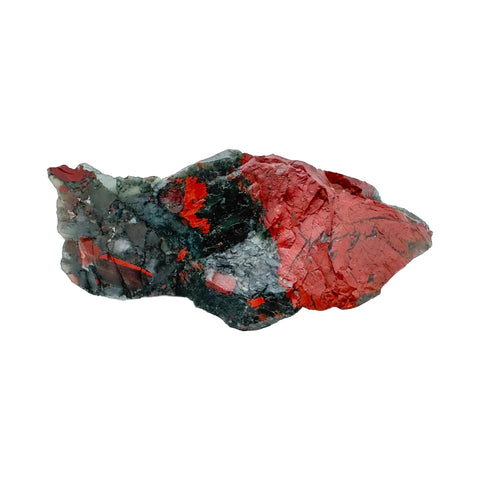
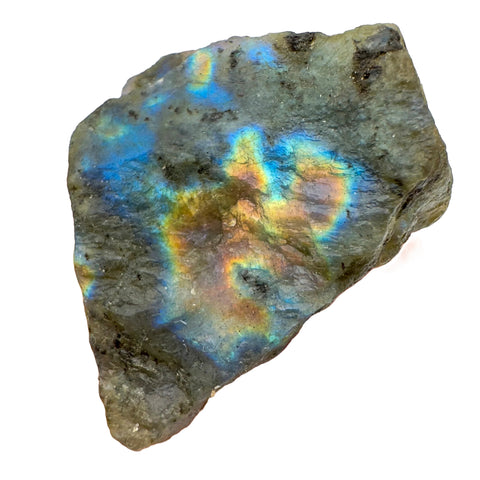
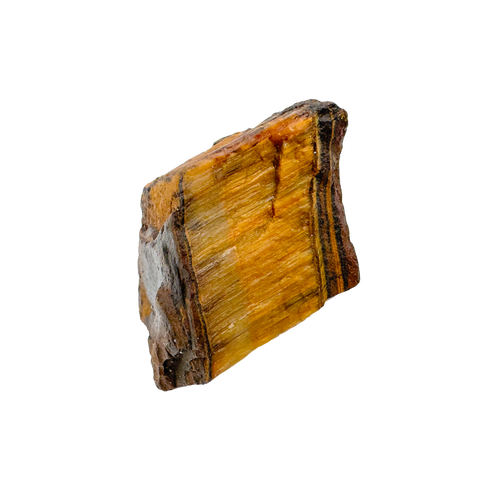
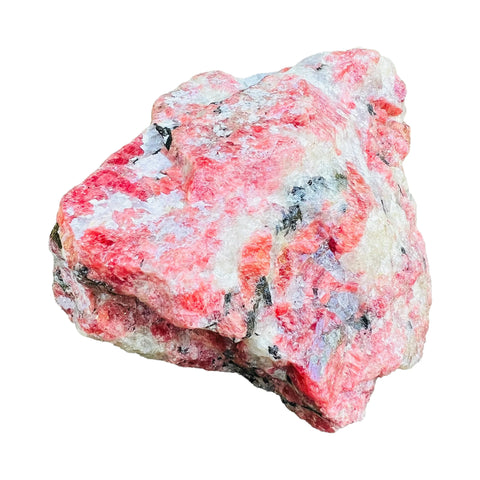
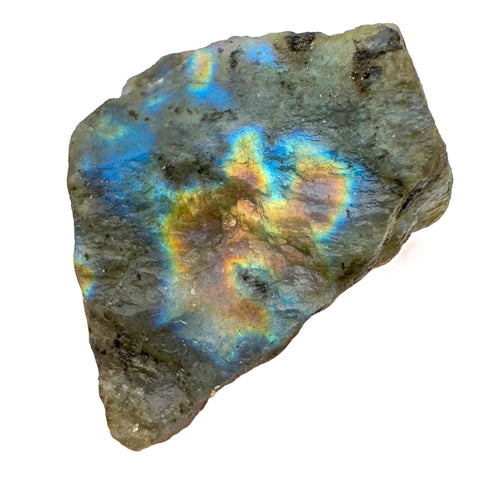


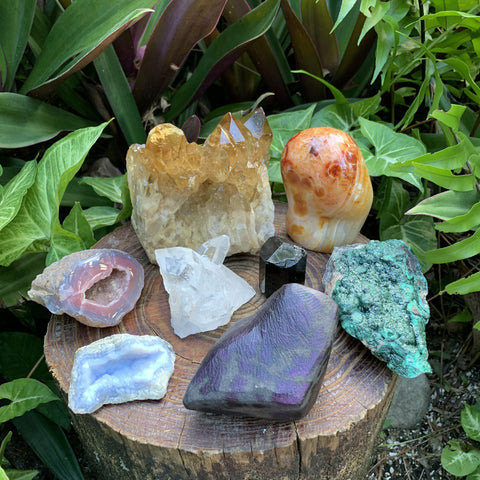
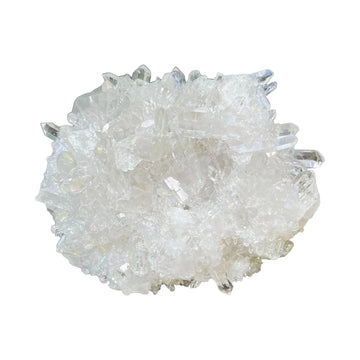
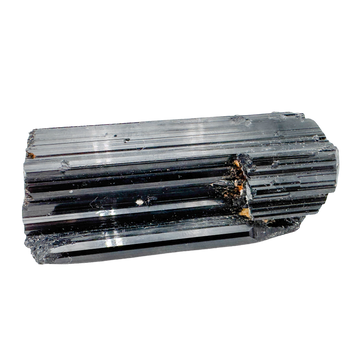
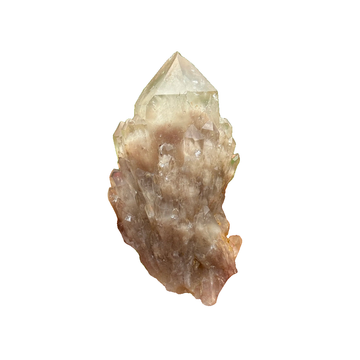
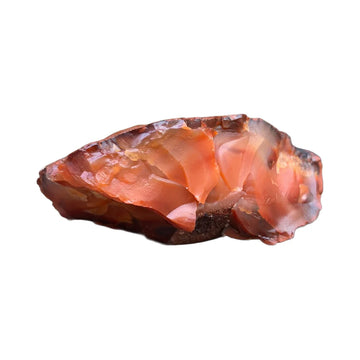
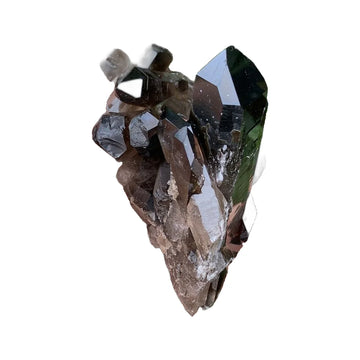
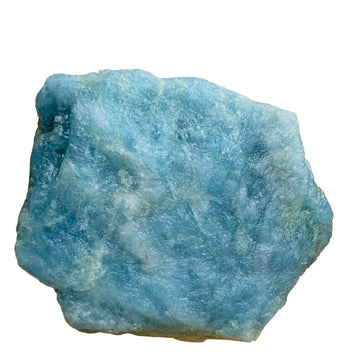
 Raw Stones
179 pieces
Raw Stones
179 pieces
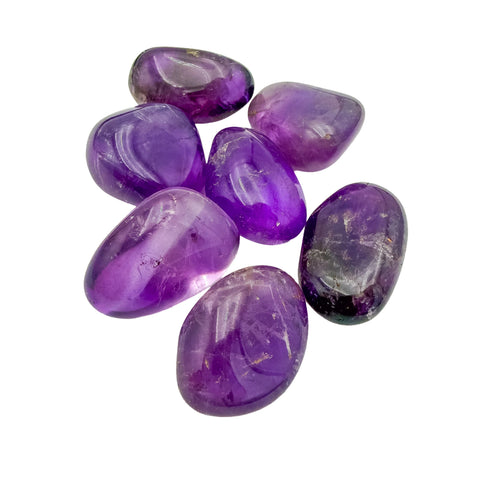
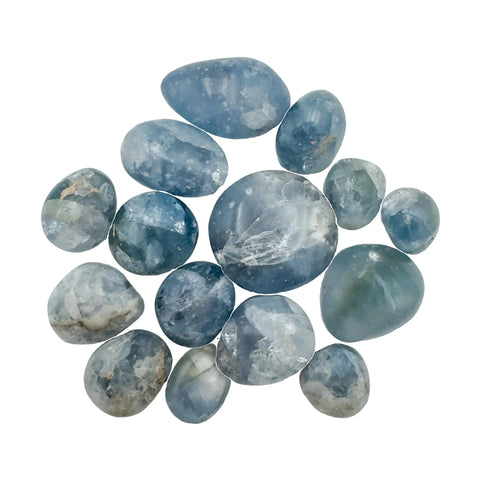
 Tumbled Stones
162 pieces
Tumbled Stones
162 pieces
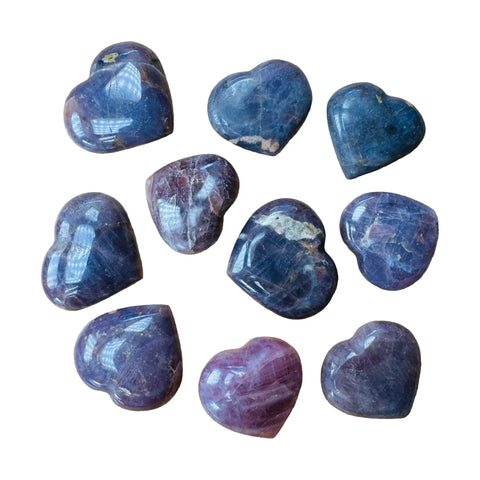
 Palm Stones
25 pieces
Palm Stones
25 pieces
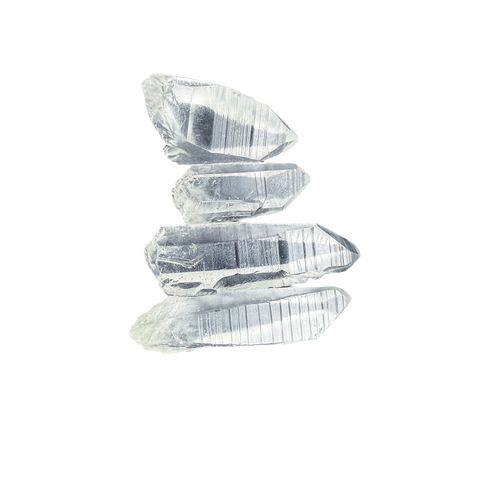
 Crystal Points
23 pieces
Crystal Points
23 pieces
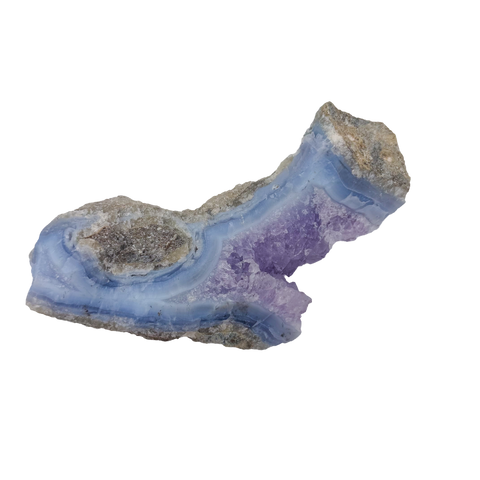
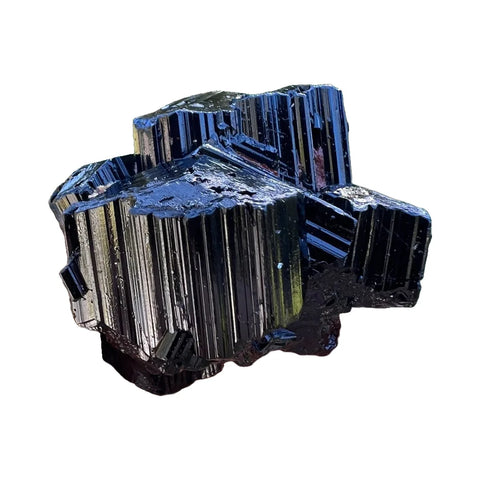
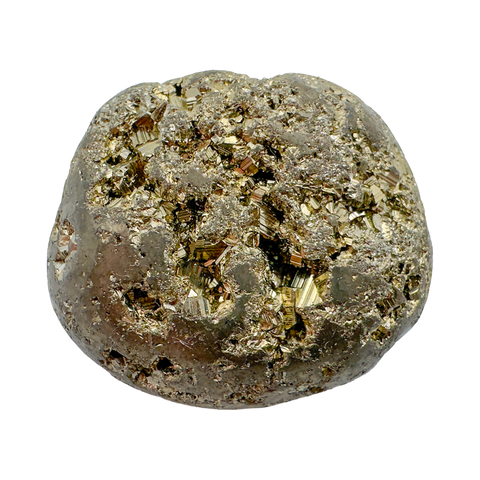
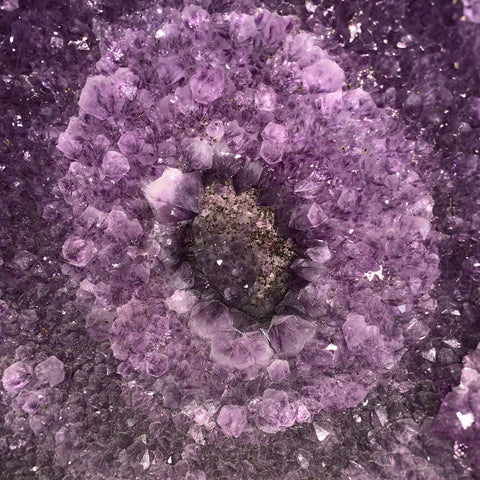
 Clusters & Geodes
104 pieces
Clusters & Geodes
104 pieces
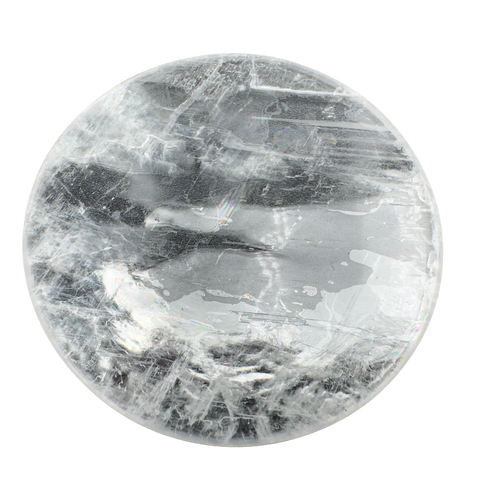
 Polished & Decor
148 pieces
Polished & Decor
148 pieces
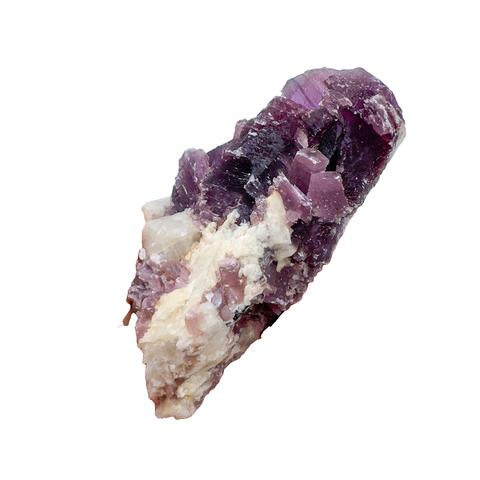
 Mineral Specimens
259 collector pieces
Mineral Specimens
259 collector pieces
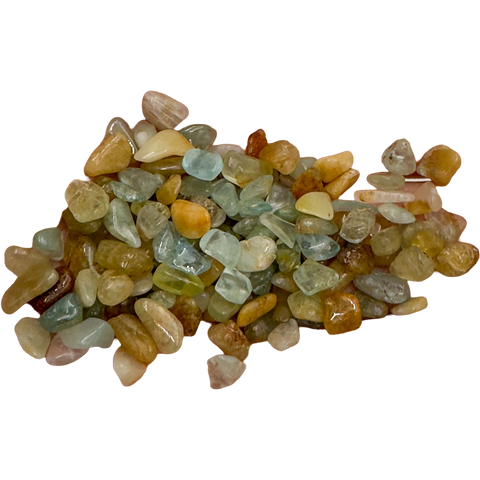
 Crystal Chips
21 pieces
Browse everything
Every collection, one page.
View All Collections →
Crystal Chips
21 pieces
Browse everything
Every collection, one page.
View All Collections →


 Aries
Mar 21 – Apr 19
Carnelian
›
Aries
Mar 21 – Apr 19
Carnelian
›
 Taurus
Apr 20 – May 20
Rose Quartz
›
Taurus
Apr 20 – May 20
Rose Quartz
›
 Gemini
May 21 – Jun 20
Agate
›
Gemini
May 21 – Jun 20
Agate
›
 Cancer
Jun 21 – Jul 22
Moonstone
›
Cancer
Jun 21 – Jul 22
Moonstone
›
 Leo
Jul 23 – Aug 22
Citrine
›
Leo
Jul 23 – Aug 22
Citrine
›
 Virgo
Aug 23 – Sep 22
Amazonite
›
Virgo
Aug 23 – Sep 22
Amazonite
›
 Libra
Sep 23 – Oct 22
Blue Lace Agate
›
Libra
Sep 23 – Oct 22
Blue Lace Agate
›
 Scorpio
Oct 23 – Nov 21
Obsidian
›
Scorpio
Oct 23 – Nov 21
Obsidian
›
 Sagittarius
Nov 22 – Dec 21
Sodalite
›
Sagittarius
Nov 22 – Dec 21
Sodalite
›
 Capricorn
Dec 22 – Jan 19
Black Tourmaline
›
Capricorn
Dec 22 – Jan 19
Black Tourmaline
›
 Aquarius
Jan 20 – Feb 18
Amethyst
›
Aquarius
Jan 20 – Feb 18
Amethyst
›
 Pisces
Feb 19 – Mar 20
Aquamarine
›
Gifting?
A birthday stone is the safe bet.
Read the zodiac guide →
Pisces
Feb 19 – Mar 20
Aquamarine
›
Gifting?
A birthday stone is the safe bet.
Read the zodiac guide →
Fire Agate
Fire agate hides a secret under its brown surface, a shimmering play of red, gold, and green that flashes like fire when light hits the right angle. The glow is not color in the stone but light bouncing off paper-thin layers of iron oxide. It forms in only a few places on earth.
The geology.
Fire agate is a variety of chalcedony carrying thin internal layers of iron oxide minerals, mainly goethite and limonite. Those layers are what create the famous fire. When light enters the translucent silica and reflects off the stacked iron-oxide films at slightly different depths, the waves interfere and throw off iridescent reds, oranges, golds, and greens.
This optical effect is the schiller effect, structural color rather than pigment. The base hardness is 6.5 to 7, like the rest of the quartz family. Cutters carefully grind down to the fire layers rather than flat-polishing, which is why fine fire agate is shaped into rolling, freeform domes instead of even cabochons.
The origins.
Fire agate forms in a surprisingly small part of the world, the volcanic country of northern Mexico and the neighboring southwestern United States. Mexican sources include Aguascalientes, Chihuahua, and San Luis Potosi, while United States material comes from Arizona, California, and New Mexico in the Sonoran Desert region.
It does not occur globally the way common agate does, which is part of what makes it special. The stone is so tied to this region that fire agate is sometimes treated as an emblem of Arizona rockhounding. A named Mexican or southwestern United States origin is the genuine signal.
Traditional associations.
Fire agate has gathered a warm, protective reputation. Many people work with it for grounding, courage, and a spark of vitality, themes that suit its hidden inner flame and its desert origins.
It is usually associated with the Root and Sacral chakras, the element of Fire, and the sign Aries. A common practice is to keep a piece close during a period that calls for steadiness and a little extra drive, or simply to enjoy turning it in the light.
Spotting the real thing.
Real fire agate shows its iridescence from within, beneath a translucent brown chalcedony surface, with the fire shifting as you move the stone. The colors are layered and directional, appearing and disappearing with the angle, which is the signature of true structural schiller rather than a surface coating or a printed look.
Watch for glass imitations, which tend to show even, flat color and trapped round bubbles, and for assembled doublets. Also note that a natural stone cut flat may show little fire, so dramatic pieces reflect skilled cutting. Ask for natural Mexican or southwestern United States fire agate and look for that moving, in-the-depths glow.
Care & handling.
Fire agate is hard and wearable at 6.5 to 7 on the Mohs scale, suitable for rings and pendants, and easy to clean with warm water and a soft cloth. Its fire is built into the structure and will not fade in light, so no special shading is needed.
Avoid harsh chemicals and ultrasonic or steam cleaners, which can stress any internal fractures, and store it away from harder stones to keep the polished domes scratch free. To reset it energetically, many people use sound, moonlight, or a rest on a selenite plate.
Pairs well with.
A deeper look.
Extended geology, sourcing, authentication, history, and varieties, for when the quick guide isn't quite enough.
Extended geology
Fire agate is botryoidal chalcedony interleaved with extremely thin layers of iron-oxide minerals, principally goethite and limonite. The material formed roughly 24 to 36 million years ago during the Tertiary period, when hot silica-and-iron-rich waters filled cavities in volcanic host rock and crystallized into chalcedony layered with iron oxide. The iridescence is thin-film interference, the schiller effect, where light reflecting off successive iron-oxide films at different depths interferes to produce moving reds, golds, and greens. Hardness is 6.5 to 7, with the conchoidal fracture of quartz.
Extended sourcing
Fire agate is restricted to the volcanic region spanning northern Mexico and the southwestern United States. Mexican localities include Aguascalientes, Chihuahua, and San Luis Potosi, and United States material comes from Arizona, California, and New Mexico within the broader Sonoran Desert and Central Basin areas. Because it does not occur worldwide, supply is comparatively limited, and the stone is closely associated with southwestern rockhounding. Quality depends heavily on how the fire layers sit within each nodule.
Authentication and warning signs
The genuine effect is internal, directional iridescence seen through translucent brown chalcedony, shifting as the stone moves. Warning signs include flat, even color and round bubbles, which suggest glass, and seams that suggest an assembled doublet. Because skilled cutting reveals the fire, dramatic specimens reflect both good rough and good lapidary work. A stated natural Mexican or southwestern United States origin supports authenticity.
History and folklore
Fire agate has been valued by lapidaries since it became widely known in the twentieth century, prized as one of the few gem materials whose beauty is hidden until it is carefully cut. It carries modern associations with vitality, courage, and grounding, fitting its inner flame. Its strong link to Arizona and the desert Southwest has made it a celebrated stone among American rockhounds and cutters.
Varieties and trade names
Fire agate is sold mainly by quality of fire rather than by named varieties, from subtle single-color glints to full multicolor displays. Cutters shape it into freeform rolling domes that follow the fire layers, so finished pieces are rarely flat. It should not be confused with fire opal, an unrelated orange opal, or with fire quartz, which is hematite-included quartz, since both share the word fire but neither shares the layered iridescence.
What it costs in the market
Value rises sharply with the strength, coverage, and color range of the fire. Plain or weakly flashing pieces are inexpensive, while stones with full, vivid, multicolor fire and skilled freeform cutting reach high prices among collectors. Because revealing the fire takes careful lapidary work, well-cut natural specimens are valued well above rough or flat-cut material.
An education-first guide.
We built this guide so you can recognize true fire agate by its moving inner glow and its Mexican or southwestern origin. Understanding why the fire appears, and how cutting reveals it, makes every buying decision sharper. Explore our other crystal guides for stones with full origin and treatment notes.
Explore the Crystal GuideThe closest match we carry: Agate.
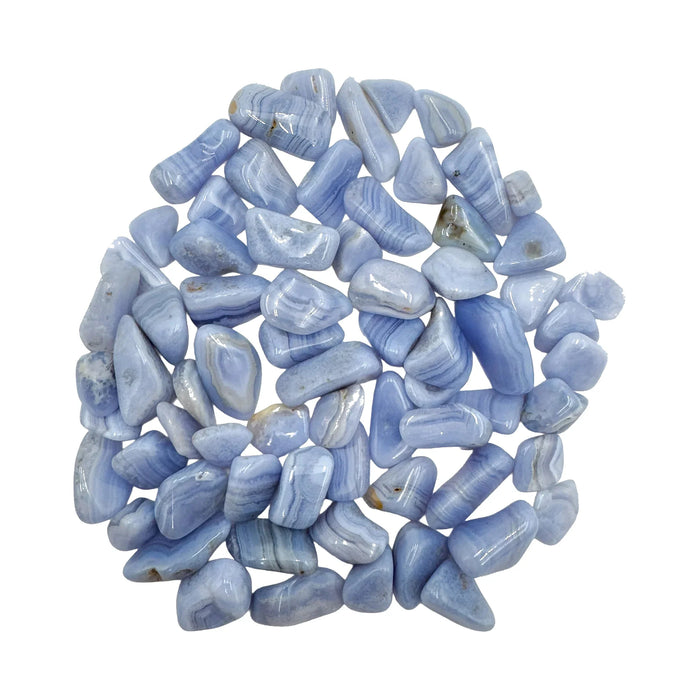
Fire Agate is not something we carry. Agate is the closest match in our collection, and every piece passes our sourcing standards: origin named, treatments disclosed.
- from 1,000+ reviews
- Ships within 72 hoursMonday to Friday, tracked
- 90 days to return itif you do not love it
- Free US shipping over $99$8.99 flat rate under
The Slow Note
New stones go to the list first.
No forwarding, no selling. Unsubscribe in one click. Privacy