


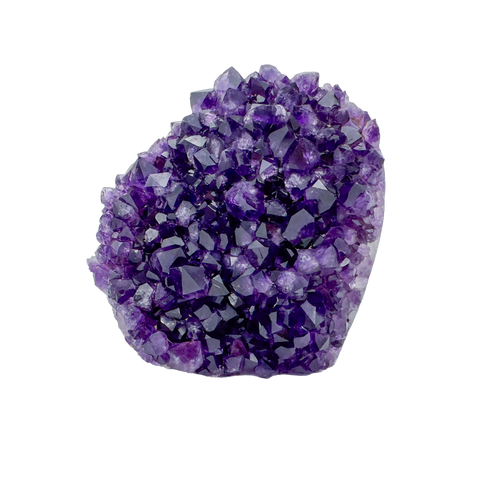
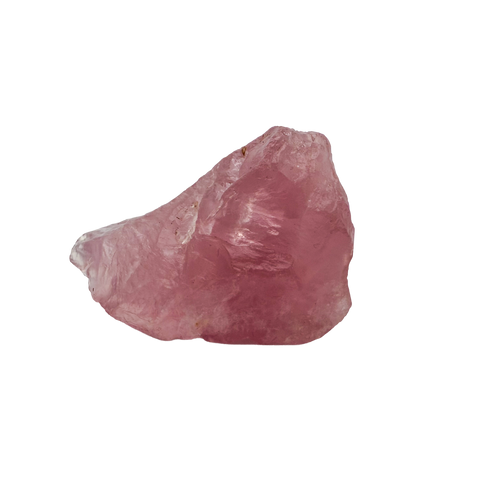
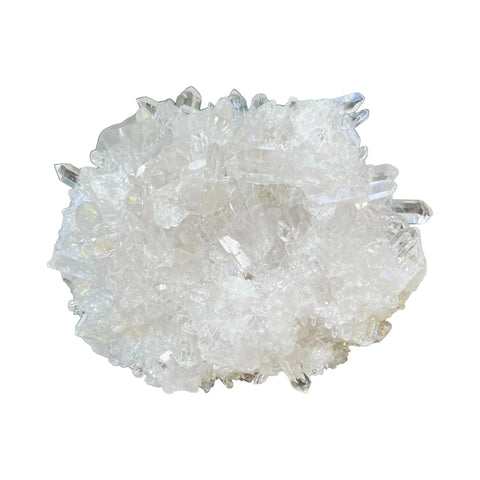
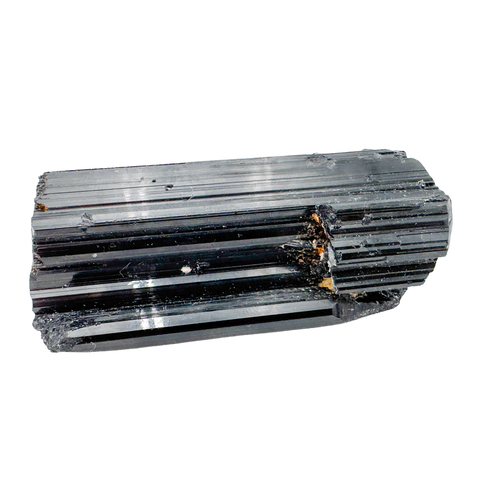
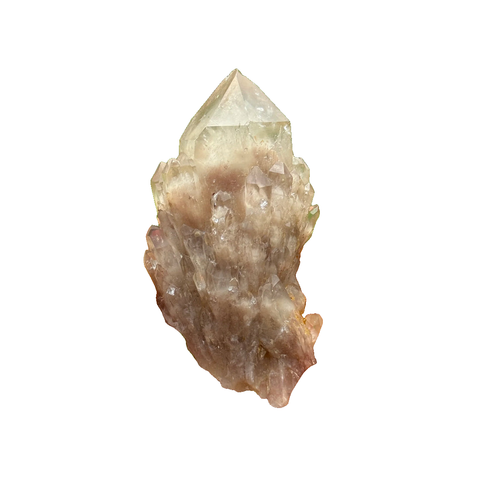
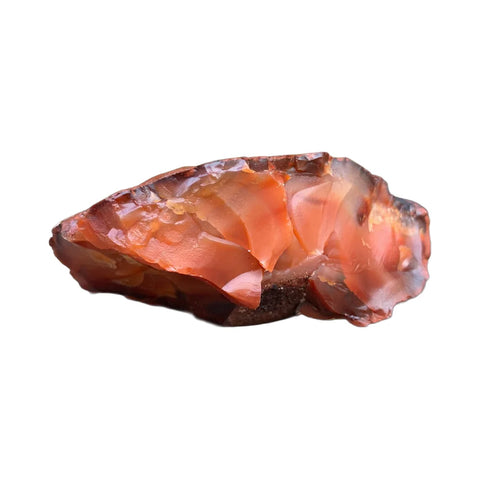
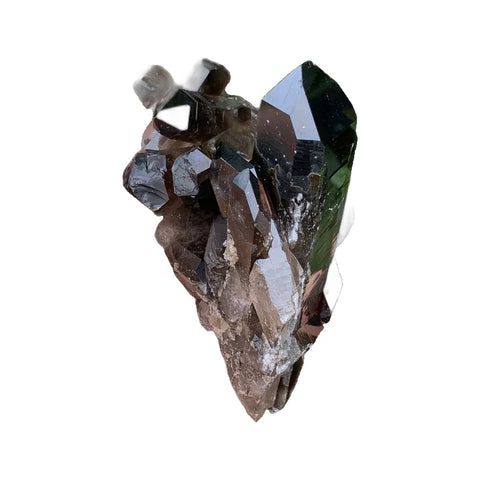
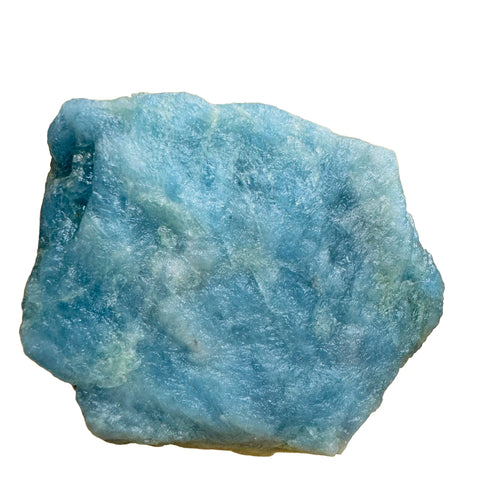
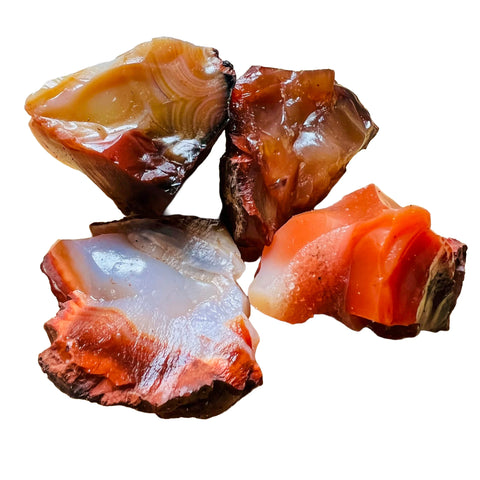


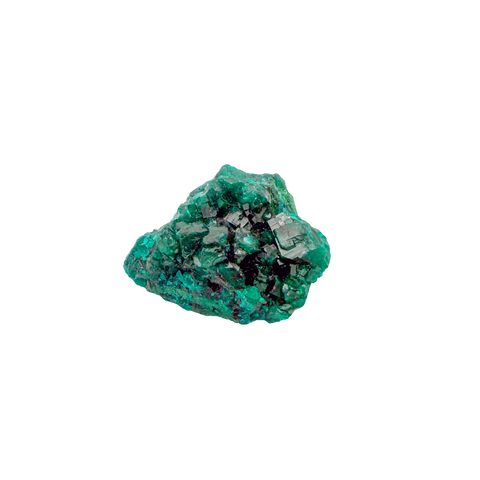
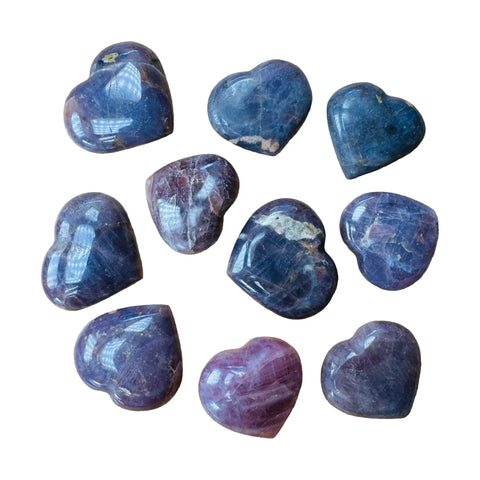
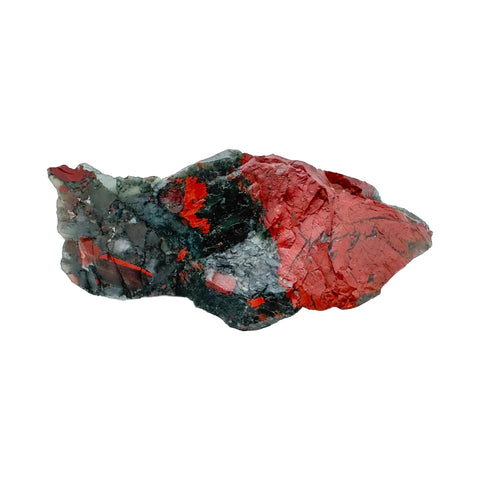
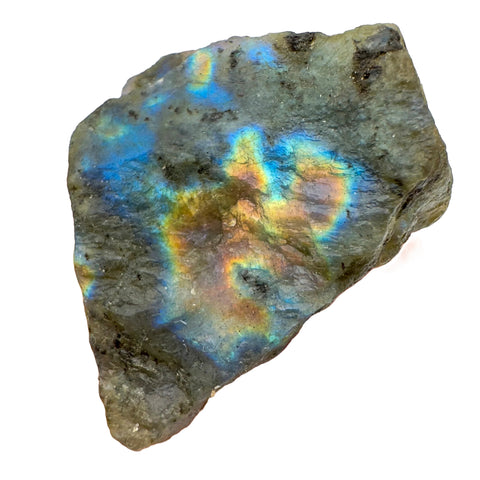
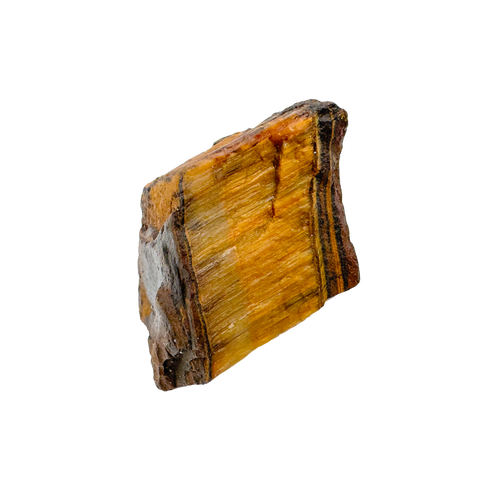
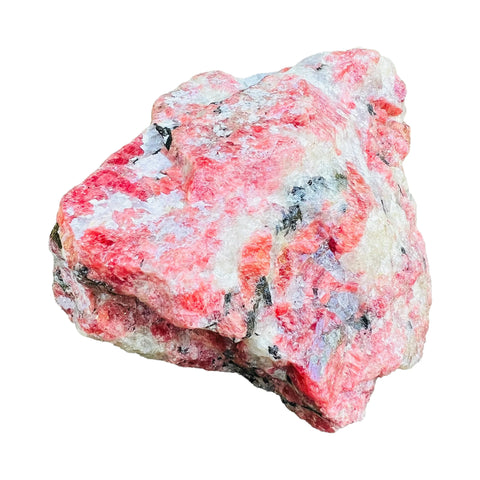
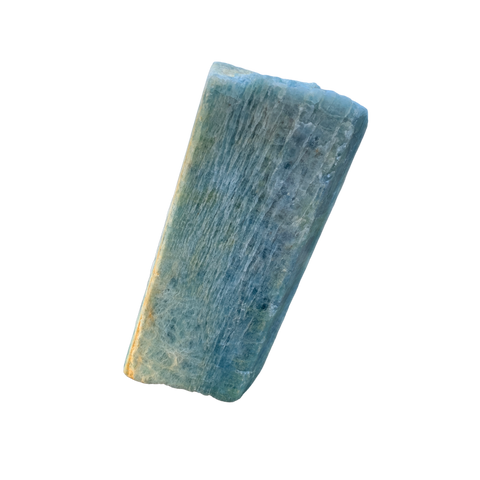
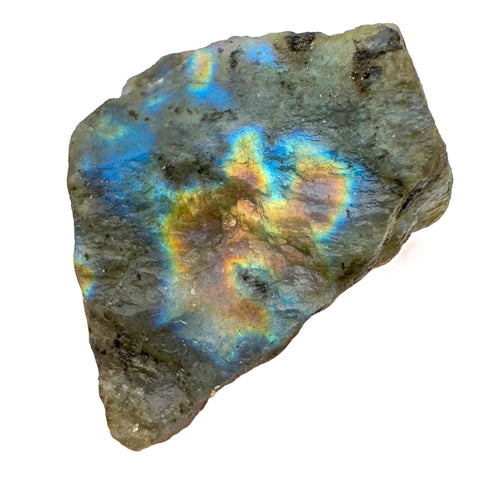
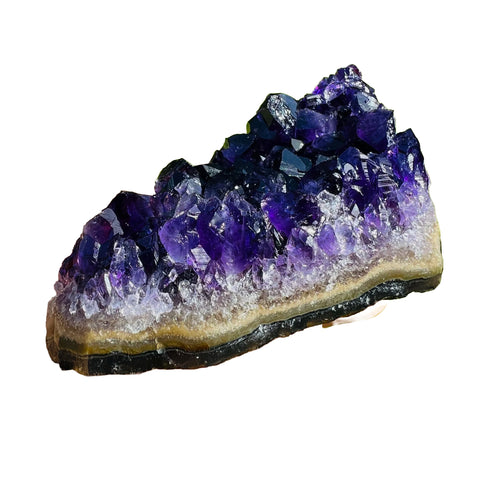



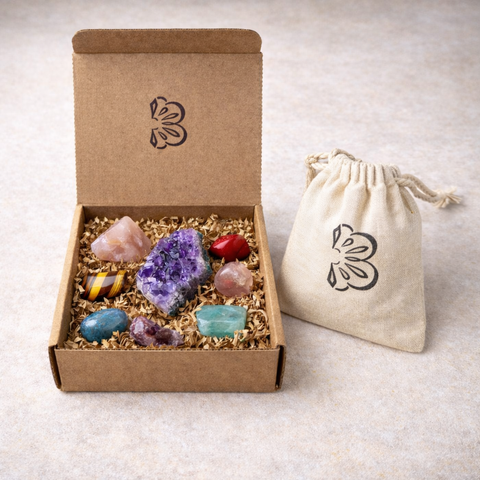
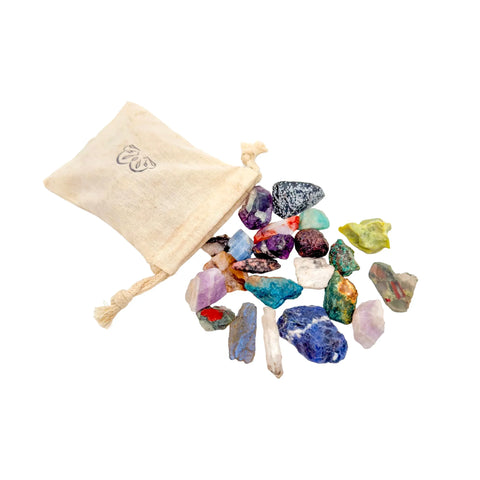
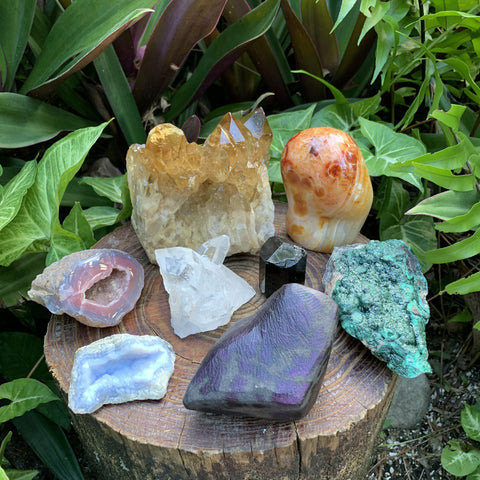
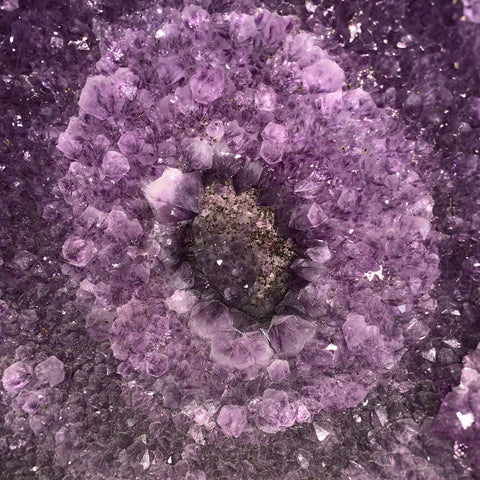
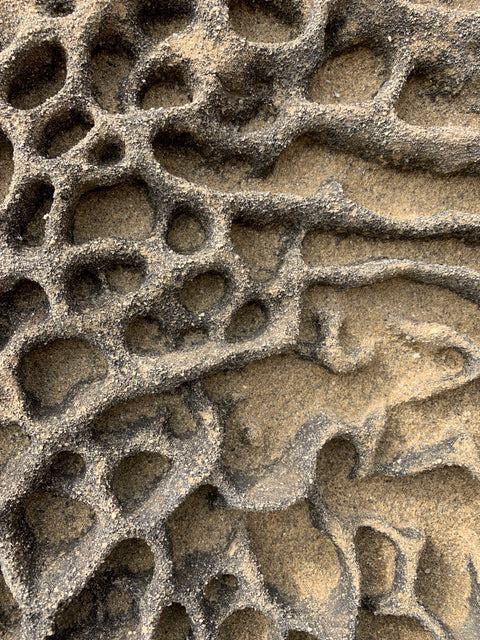
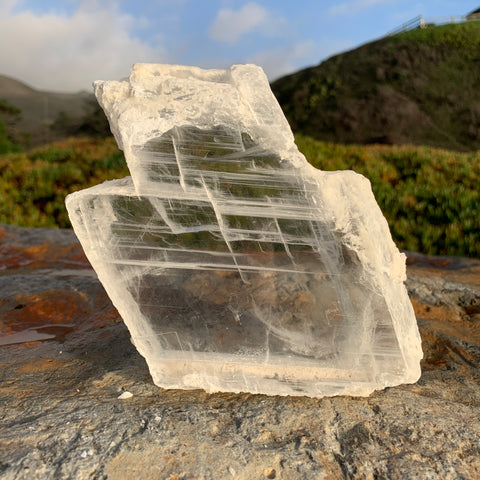
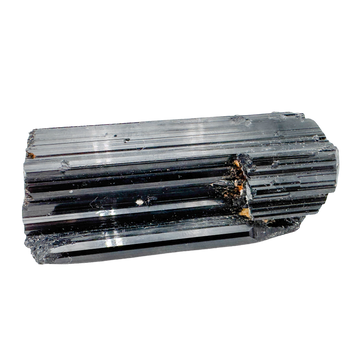
 Raw Stones
179 pieces
Raw Stones
179 pieces
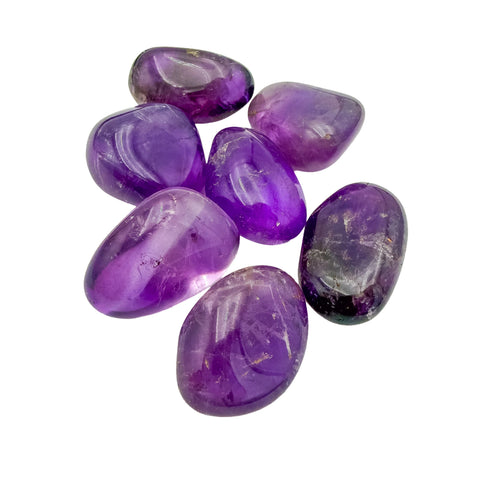
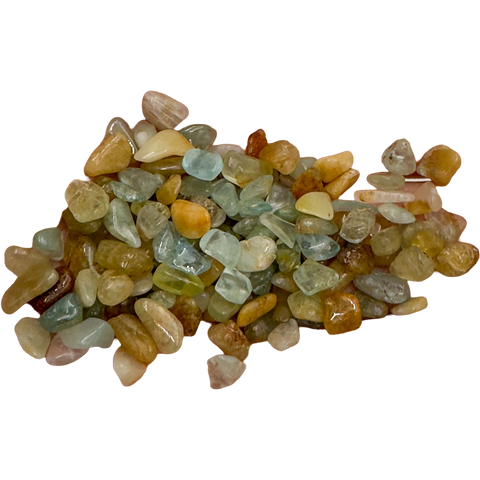
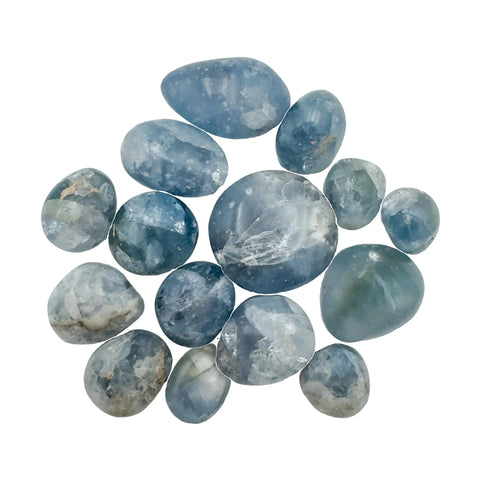
 Tumbled Stones
162 pieces
Tumbled Stones
162 pieces
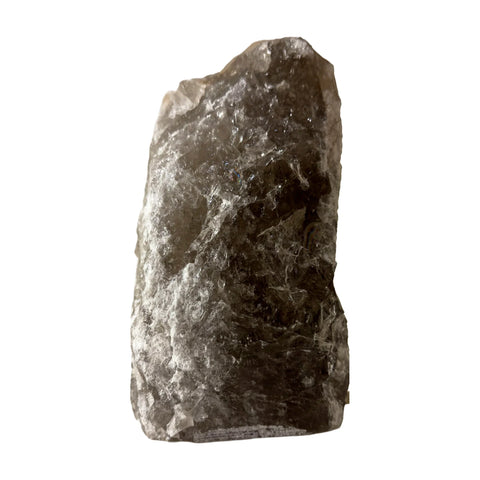
 Palm Stones
25 pieces
Palm Stones
25 pieces
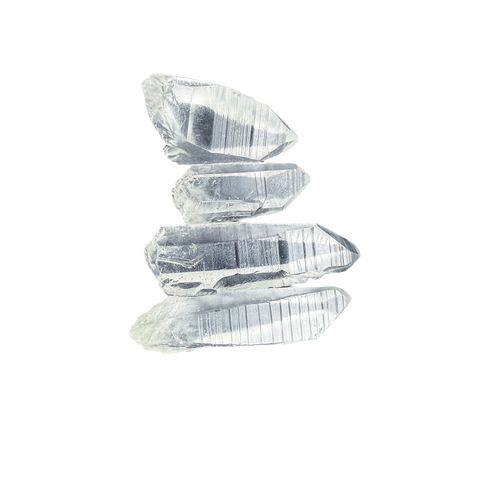
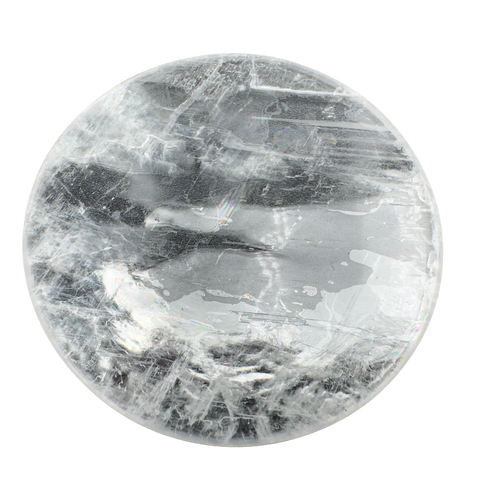
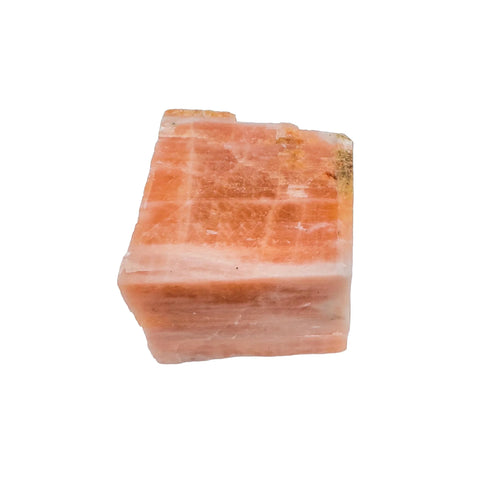
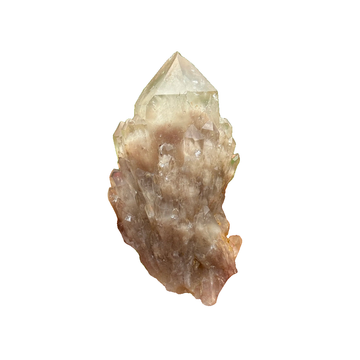
 Crystal Points
23 pieces
Crystal Points
23 pieces
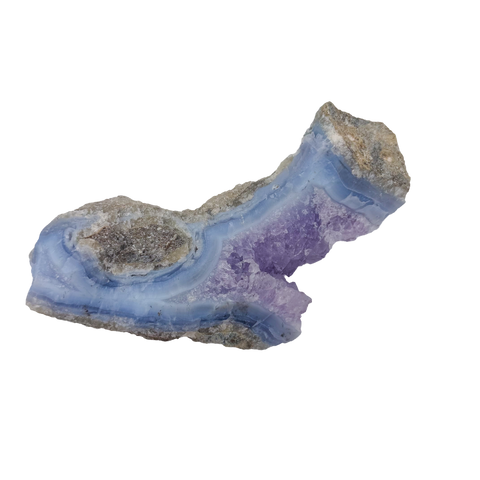
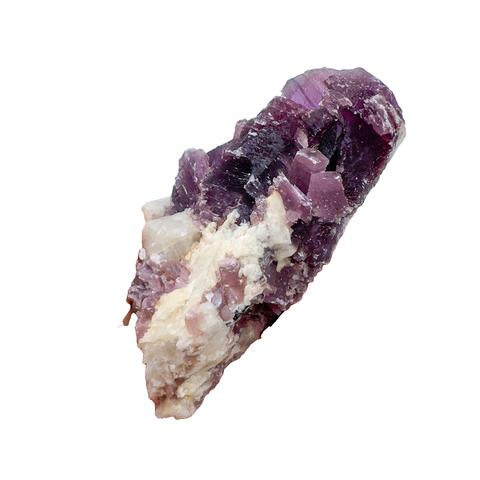
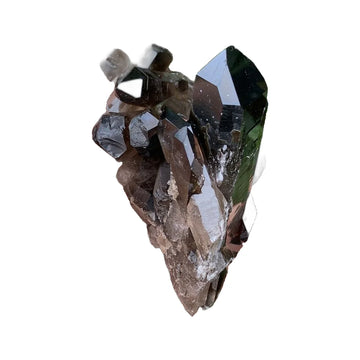
 Clusters & Geodes
104 pieces
Clusters & Geodes
104 pieces
 Polished & Decor
148 pieces
Polished & Decor
148 pieces
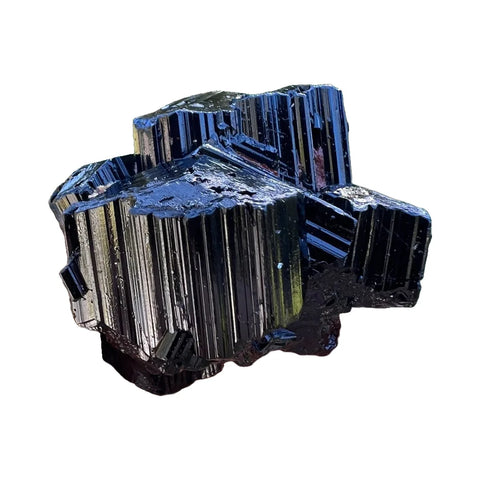
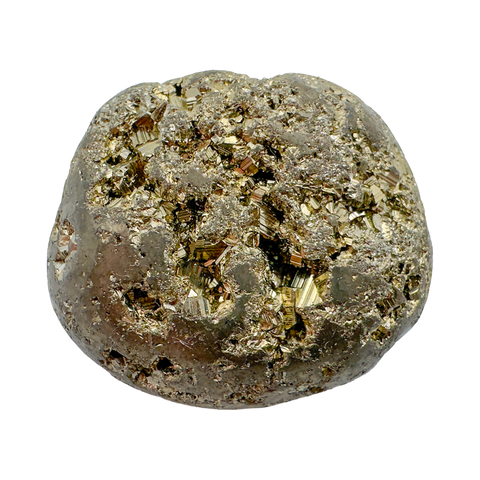
 Mineral Specimens
259 collector pieces
Mineral Specimens
259 collector pieces
 Crystal Chips
21 pieces
Browse everything
Every collection, one page.
View All Collections →
Crystal Chips
21 pieces
Browse everything
Every collection, one page.
View All Collections →


 Aries
Mar 21 – Apr 19
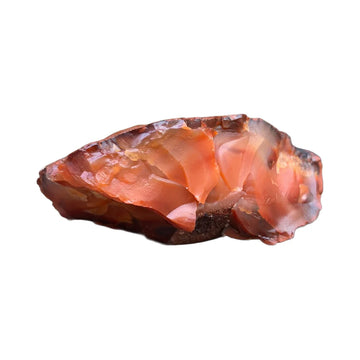
Carnelian
›
Aries
Mar 21 – Apr 19
Carnelian
›
 Taurus
Apr 20 – May 20
Rose Quartz
›
Taurus
Apr 20 – May 20
Rose Quartz
›
 Gemini
May 21 – Jun 20
Agate
›
Gemini
May 21 – Jun 20
Agate
›
 Cancer
Jun 21 – Jul 22
Moonstone
›
Cancer
Jun 21 – Jul 22
Moonstone
›
 Leo
Jul 23 – Aug 22
Citrine
›
Leo
Jul 23 – Aug 22
Citrine
›
 Virgo
Aug 23 – Sep 22
Amazonite
›
Virgo
Aug 23 – Sep 22
Amazonite
›
 Libra
Sep 23 – Oct 22
Blue Lace Agate
›
Libra
Sep 23 – Oct 22
Blue Lace Agate
›
 Scorpio
Oct 23 – Nov 21
Obsidian
›
Scorpio
Oct 23 – Nov 21
Obsidian
›
 Sagittarius
Nov 22 – Dec 21
Sodalite
›
Sagittarius
Nov 22 – Dec 21
Sodalite
›
 Capricorn
Dec 22 – Jan 19
Black Tourmaline
›
Capricorn
Dec 22 – Jan 19
Black Tourmaline
›
 Aquarius
Jan 20 – Feb 18
Amethyst
›
Aquarius
Jan 20 – Feb 18
Amethyst
›
 Pisces
Feb 19 – Mar 20
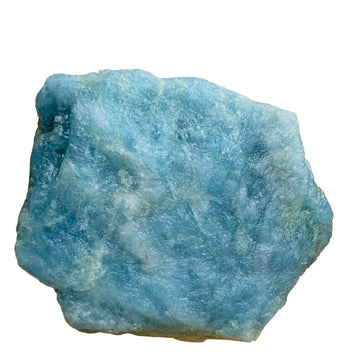
Aquamarine
›
Gifting?
A birthday stone is the safe bet.
Read the zodiac guide →
Pisces
Feb 19 – Mar 20
Aquamarine
›
Gifting?
A birthday stone is the safe bet.
Read the zodiac guide →

Que Sera
Que Sera is a trade name for a speckled volcanic rock built mostly from blue quartz, feldspar, and mica. It is essentially a rhyolite, close kin to the Texas rock called llanite. The blue specks are a natural blue quartz colored by tiny mineral inclusions, not dye.
The geology.
Que Sera is a rock rather than a single crystal, a fine-grained volcanic rhyolite carrying scattered blue quartz crystals in a matrix of potassium feldspar, biotite mica, and iron oxides. The distinctive rounded blue eyes are its signature, set against a gray, pink, or greenish groundmass.
Its hardness is driven by all that quartz and feldspar, so it is durable, roughly 6 to 7 on the Mohs scale. The blue of the quartz is a natural optical effect, caused by very fine included minerals scattering light, the same way distant hills or a clear sky look blue.
The origins.
The material sold as Que Sera generally comes from Brazil, where the speckled blue-quartz rhyolite is quarried and polished into towers, spheres, and tumbles. It reaches the market almost entirely under trade names rather than by a strict geological label.
Its near-twin, llanite, comes specifically from Llano County in Texas, where this kind of blue-quartz rhyolite was first well known. The two are so alike that dealers usually separate them by locality rather than by look, Brazilian Que Sera on one side and Texan llanite on the other.
Traditional associations.
Que Sera is a modern trade stone, often described as an all-purpose, go-with-the-flow companion, which suits its name. Many people work with it around resilience, calm confidence, and taking life as it comes, rather than tying it to one narrow intention.
Because it is a mixed rock, it is associated with several energies at once and is frequently linked to the heart and to a sense of grounded steadiness. It is durable enough to carry, so people often keep a tumbled piece as an everyday stone.
Spotting the real thing.
Genuine Que Sera shows rounded blue quartz crystals scattered through a natural rock matrix, with the blue reading as a soft internal glow rather than a painted-on color. Because it is quartz and feldspar rich, it is hard, takes a good polish, and feels like stone, not glass or resin.
There is little outright faking, since the material is affordable, but the honest issue is naming. The same rock is sold as Que Sera, llanite, vulcanite, and galaxy rhyolite. None of these is a formal mineral species. Note also that the trade name vulcanite is unrelated to the old hardened-rubber material of the same name.
Care & handling.
Que Sera is easy to live with. At about 6 to 7 on the Mohs scale it is durable enough for regular handling, tumbles, and carrying, and it is water safe for a brief rinse with warm water and a soft cloth. It is stable in sunlight and will not fade.
There is not much that troubles it, though it is sensible to avoid harsh chemicals and to store it apart from softer stones so it does not scratch them. To reset it energetically, many people use moonlight, sound, or a rest on selenite.
Pairs well with.
A deeper look.
Extended geology, sourcing, authentication, history, and varieties, for when the quick guide isn't quite enough.
Extended geology
Que Sera is a porphyritic rhyolite, meaning larger crystals sit in a fine volcanic groundmass. The standout crystals are blue quartz, whose color comes from tiny included minerals, often titanium and iron phases such as ilmenite, that scatter light toward blue. Around them sit potassium feldspar, biotite, and minor minerals like magnetite and iron oxides. The rock formed from ancient volcanic activity, on the order of a billion years ago.
Extended sourcing
Commercial Que Sera material is largely Brazilian, cut into towers, spheres, and tumbles. The closely related llanite is tied to Llano County, Texas, where blue-quartz rhyolite was documented and named. Because both are rocks rather than single minerals, the trade sorts them by source and appearance rather than by a precise species name.
Authentication and warning signs
Look for natural rounded blue quartz eyes in a stony matrix, with the blue glowing from within rather than sitting on the surface. The main honest issue is the tangle of trade names, Que Sera, llanite, vulcanite, and galaxy rhyolite, all pointing at similar rock. Treat any claim that it is a single quartz crystal, or that the blue is added, as a reason to ask more questions.
History and folklore
As a trade stone, Que Sera has only recent lore, built around its easygoing name and its reputation as a general-purpose companion. The underlying rhyolite, however, is ancient, and its Texan cousin llanite has a long place in North American mineral collecting.
Varieties and trade names
The same or very similar material appears as Que Sera, llanite, llanoite, vulcanite, and galaxy rhyolite. Llanite refers to Texan stock, while Que Sera usually means Brazilian material. All describe a blue-quartz-bearing rhyolite rather than a formal mineral.
What it costs in the market
Que Sera is generally affordable, sold as tumbles, spheres, and towers at modest prices, with larger, well-polished pieces showing strong blue quartz costing more. Value tracks the number and clarity of the blue eyes, the polish, and the size.
An education-first guide.
We made this guide to explain, not to sell. Understanding that Que Sera is a trade name for a blue-quartz rhyolite, and how it relates to llanite, helps you read a label clearly wherever you shop. Explore the rest of our crystal guides for more.
Explore the Crystal GuideLove Que Sera? Meet Blue Lace Agate.
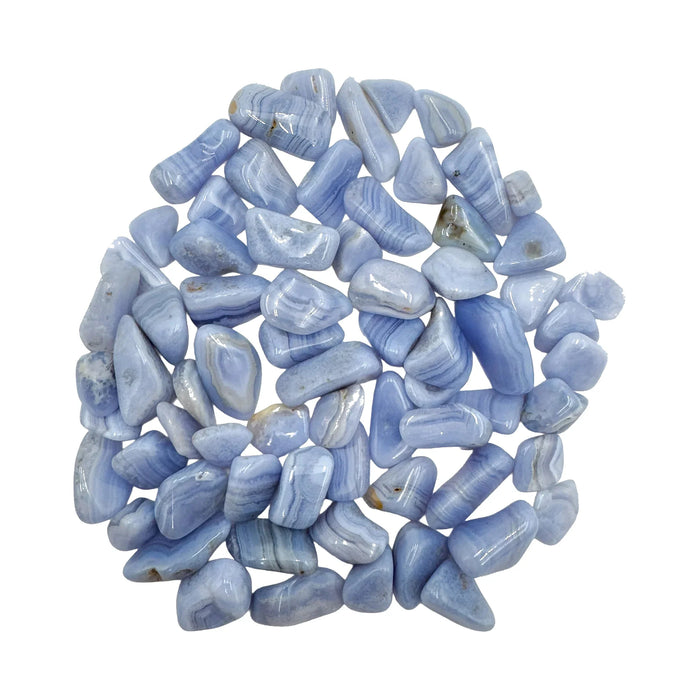
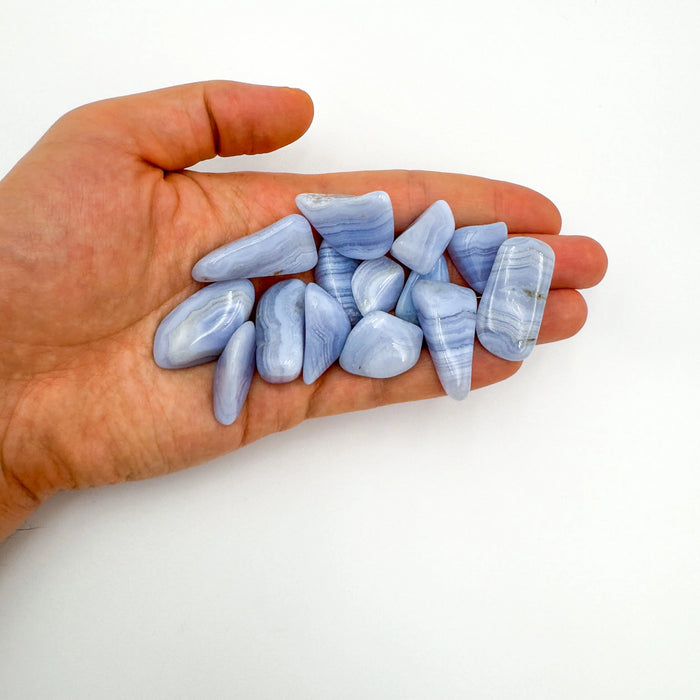
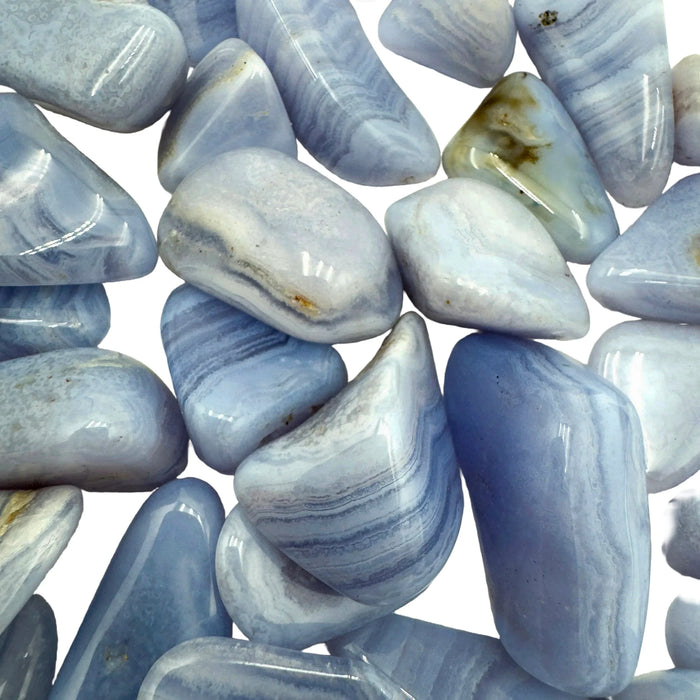
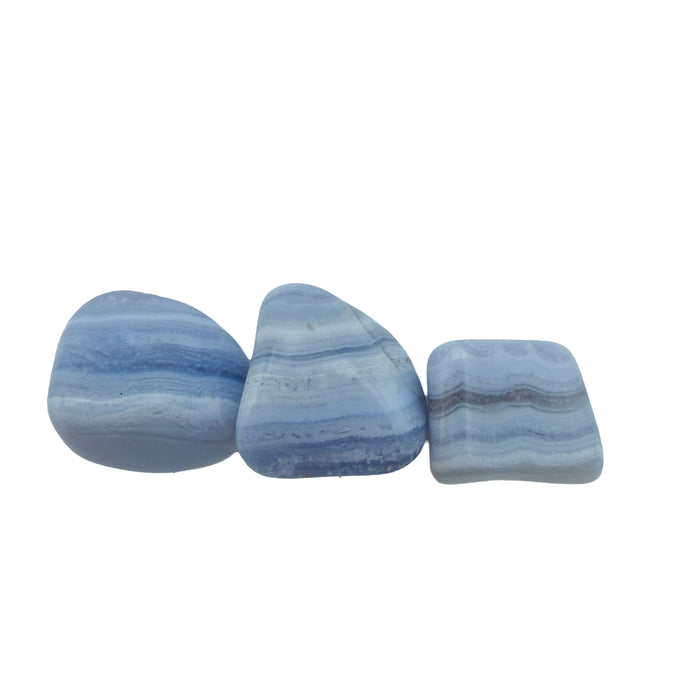
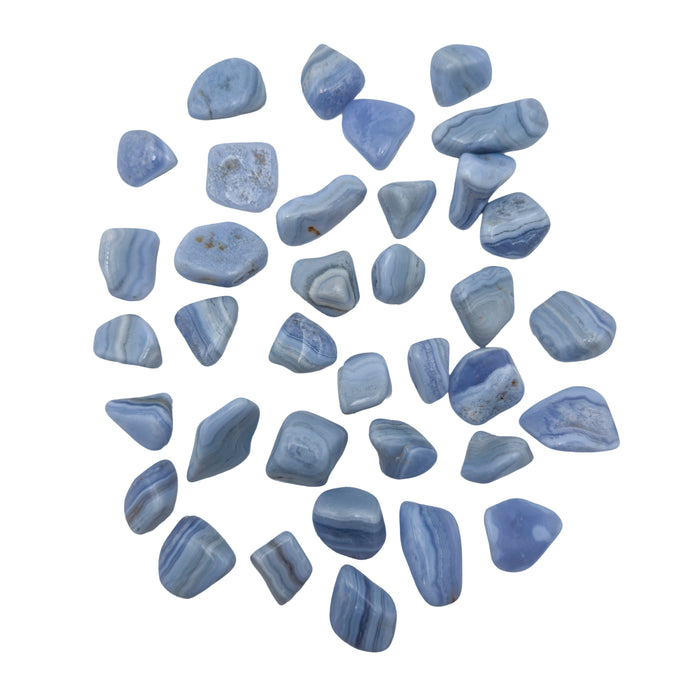
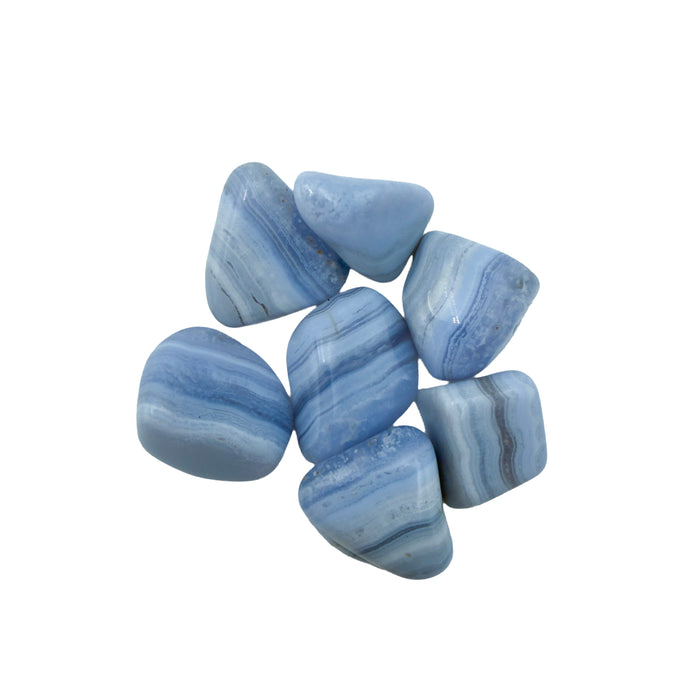
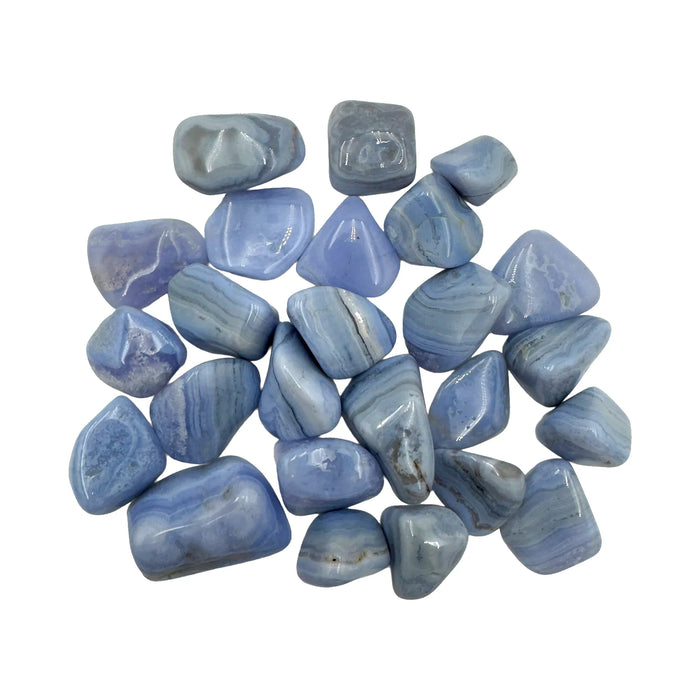
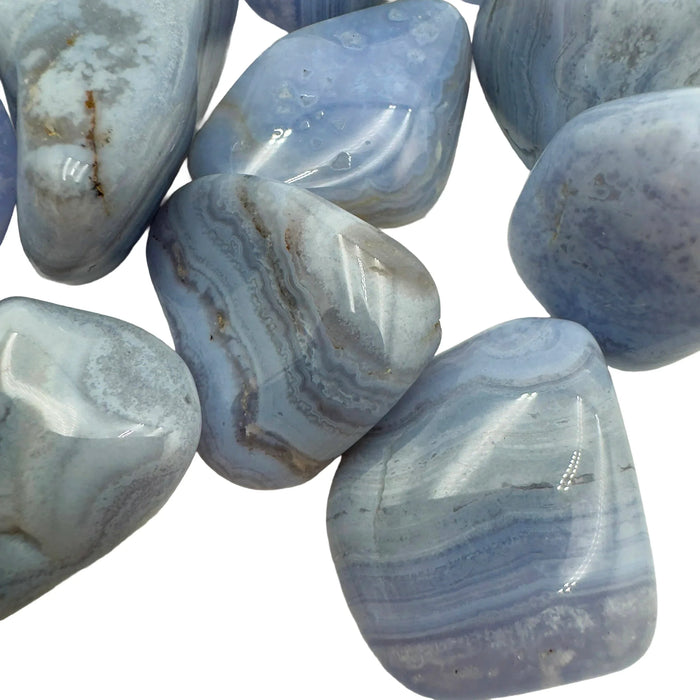
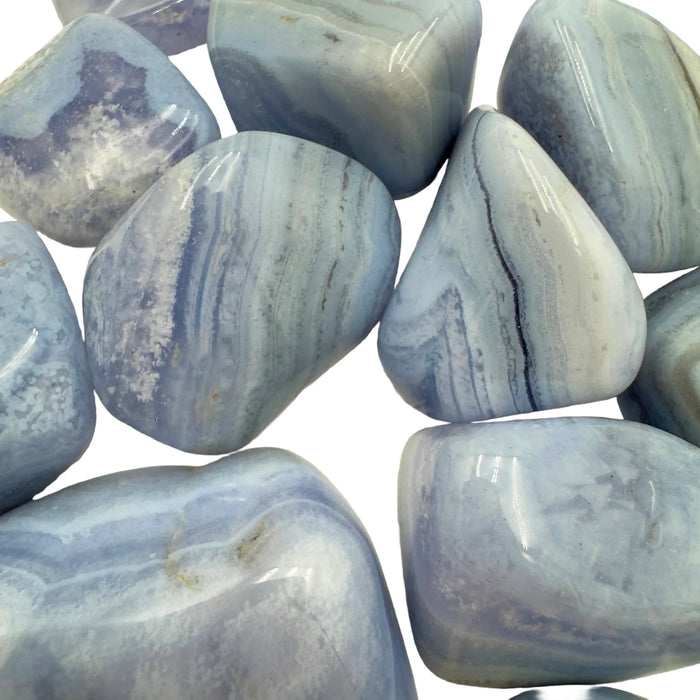
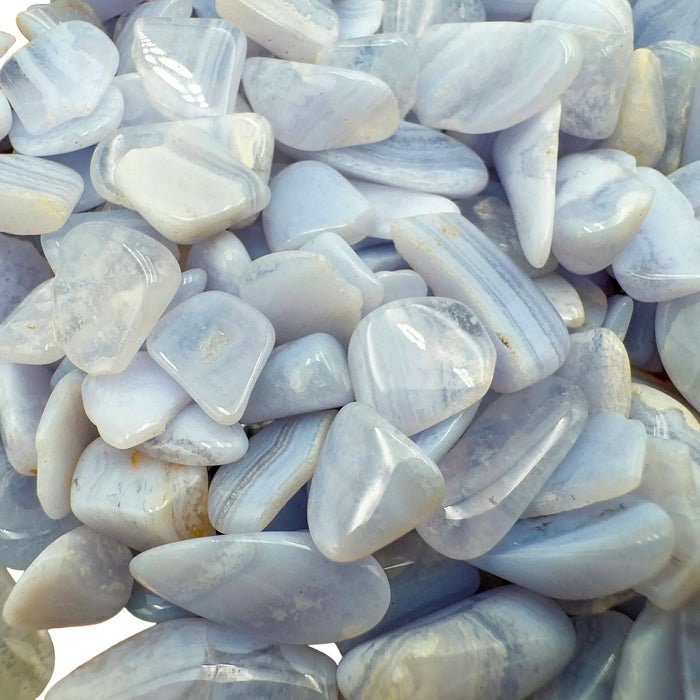
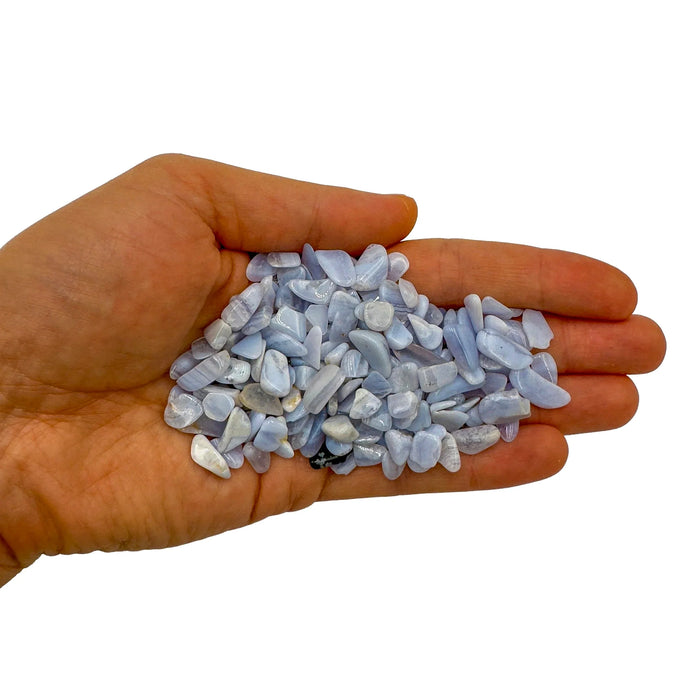
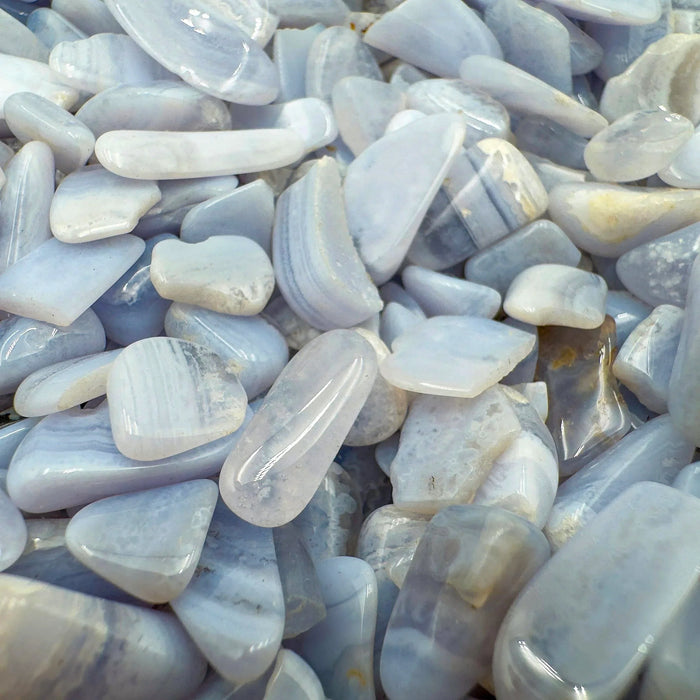
Que Sera is not something we carry. Blue Lace Agate is the closest match in color, and every piece passes our sourcing standards: origin named, treatments disclosed.
- from 1,000+ reviews
- Ships within 72 hoursMonday to Friday, tracked
- 90 days to return itif you do not love it
- Free US shipping over $99$8.99 flat rate under
The Slow Note
New stones go to the list first.
No forwarding, no selling. Unsubscribe in one click. Privacy