


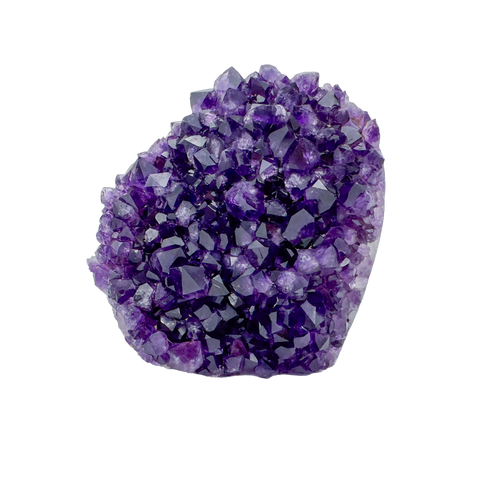
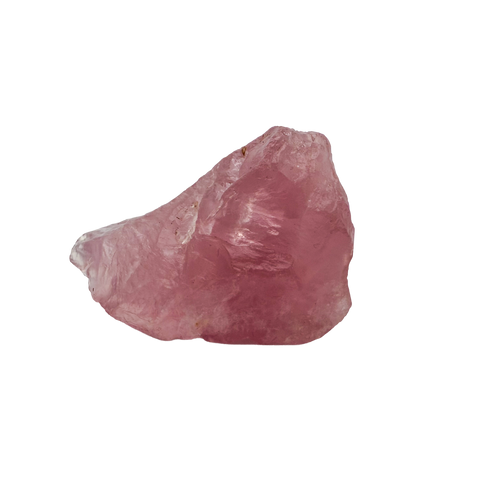
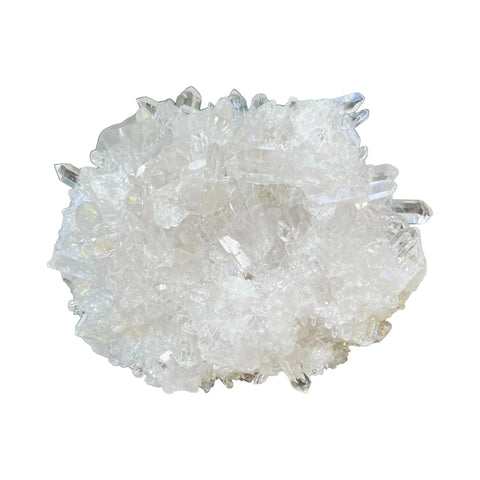
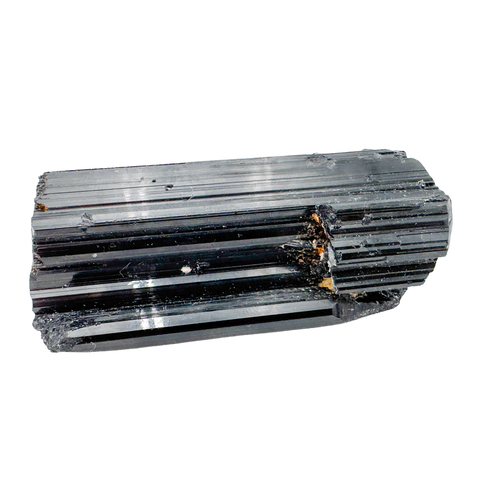
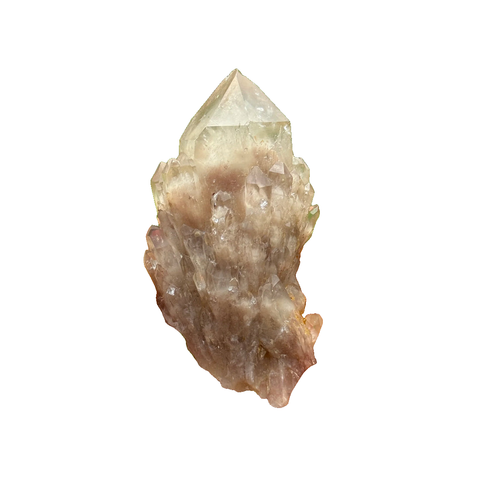
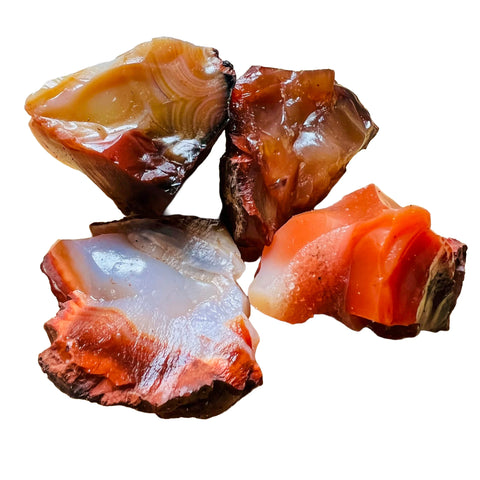


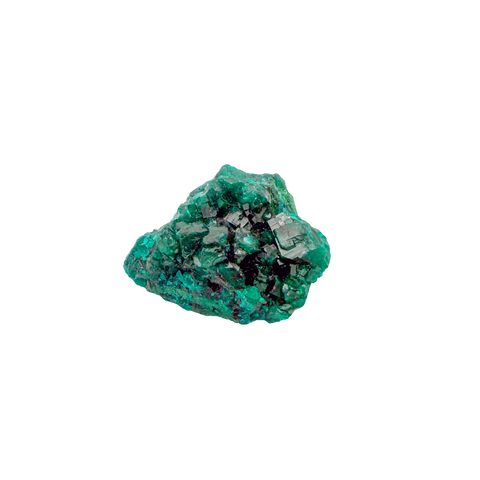
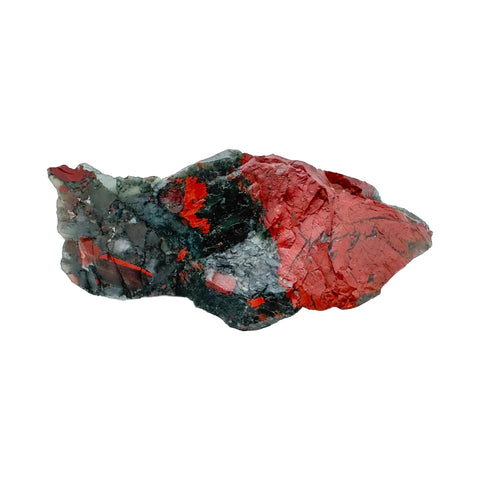
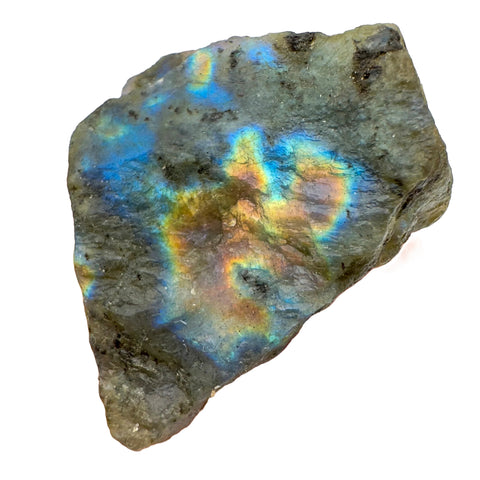
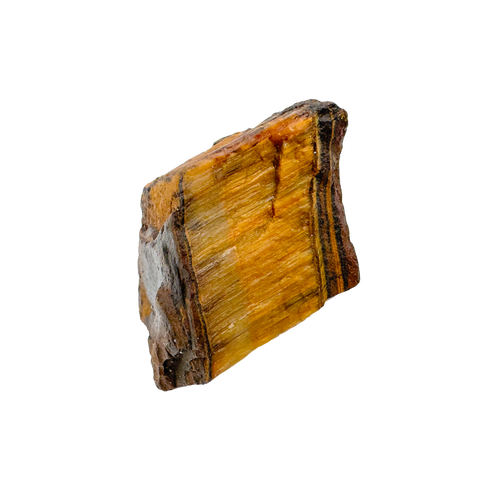
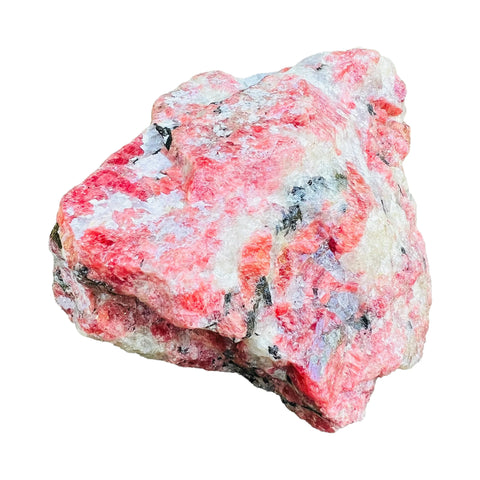
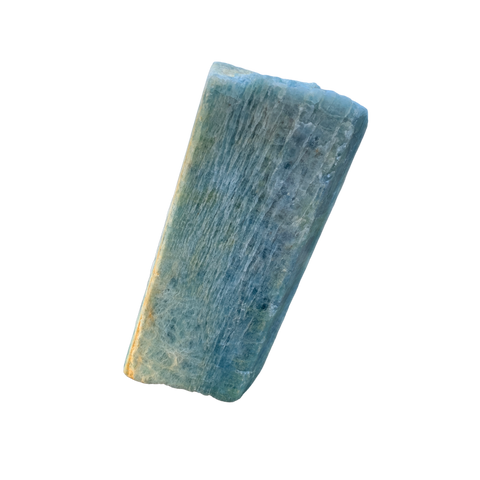
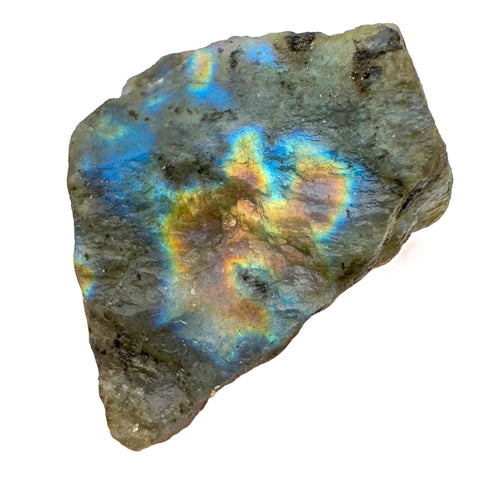


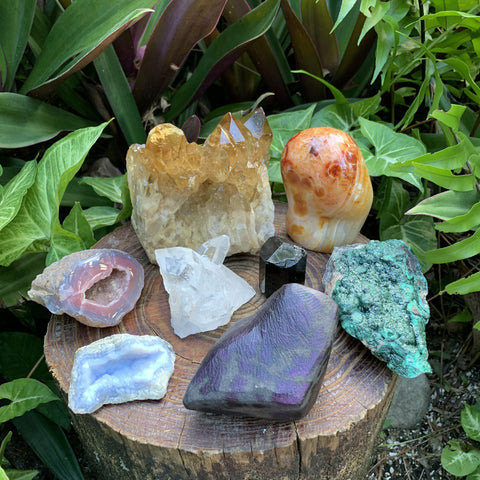
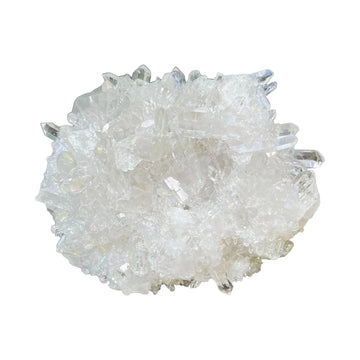
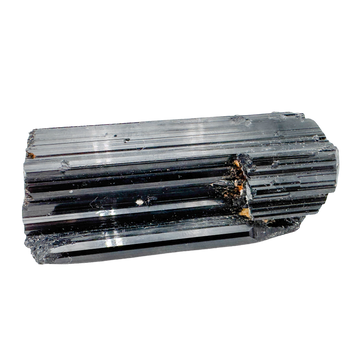
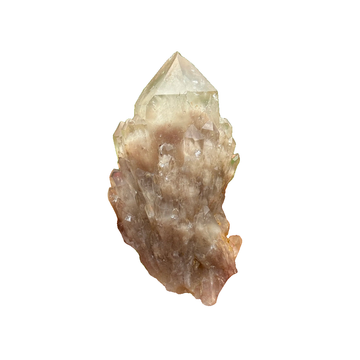
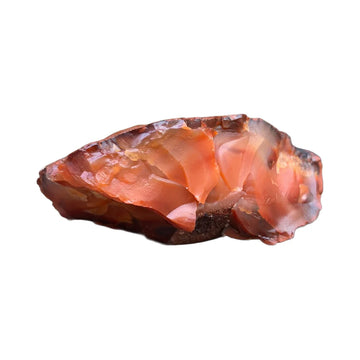
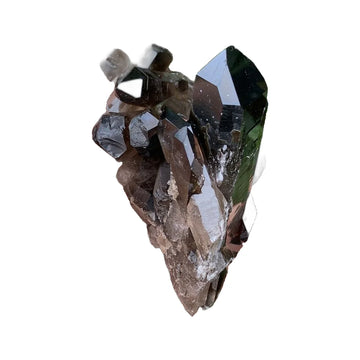
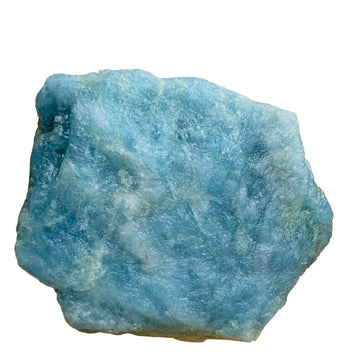
 Raw Stones
179 pieces
Raw Stones
179 pieces
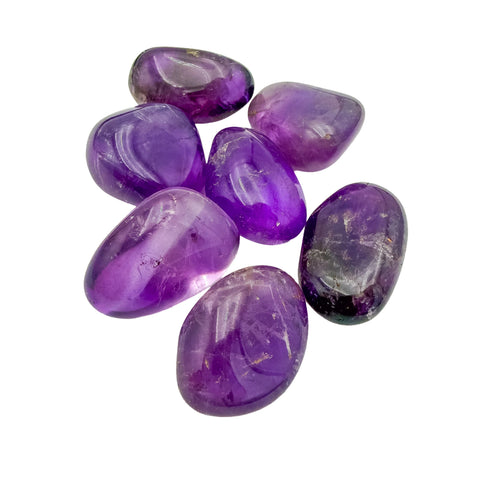
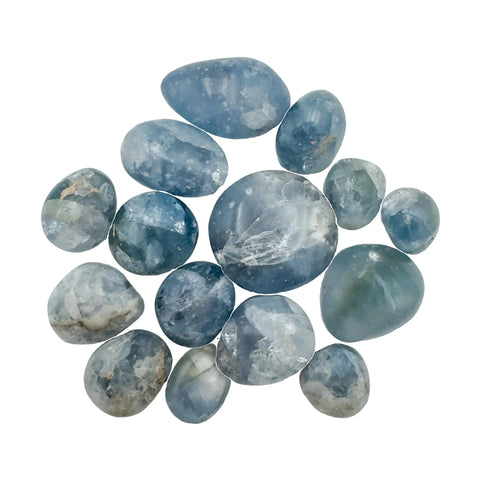
 Tumbled Stones
162 pieces
Tumbled Stones
162 pieces
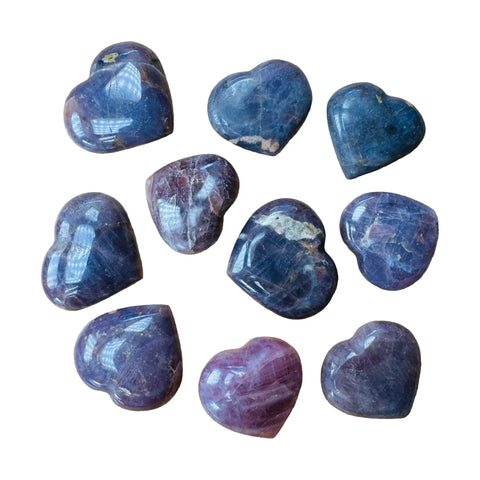
 Palm Stones
25 pieces
Palm Stones
25 pieces
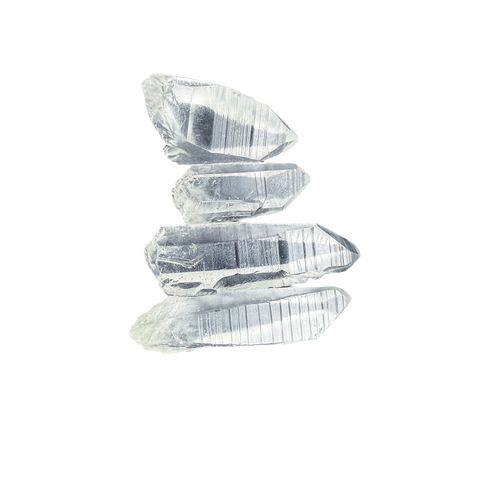
 Crystal Points
23 pieces
Crystal Points
23 pieces
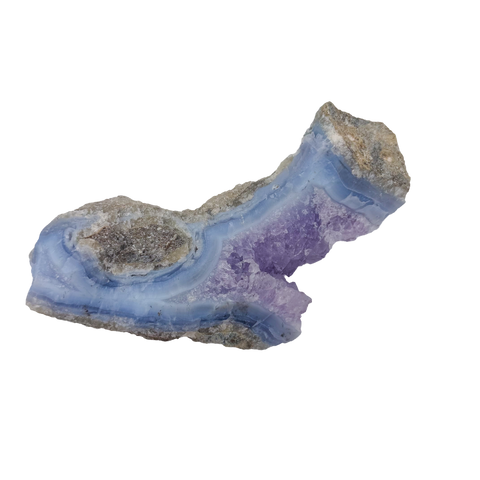
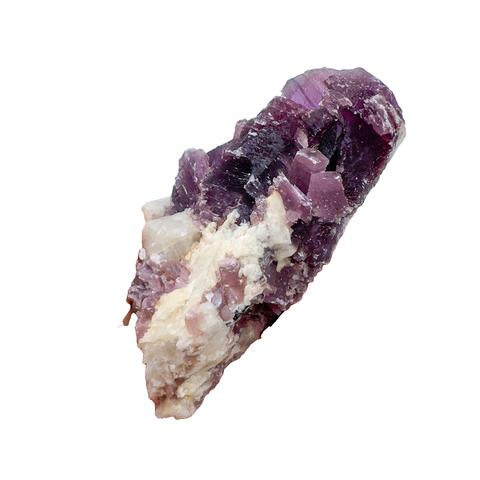
 Clusters & Geodes
104 pieces
Clusters & Geodes
104 pieces
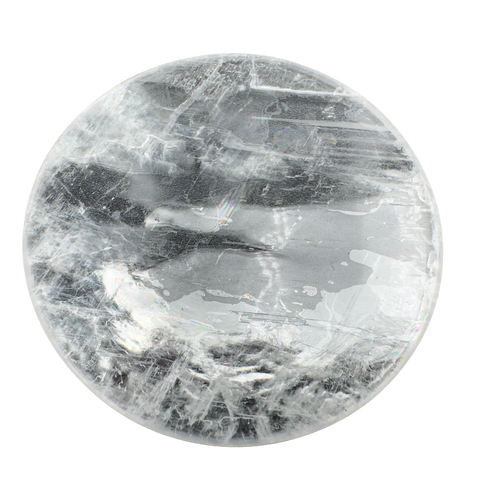
 Polished & Decor
148 pieces
Polished & Decor
148 pieces
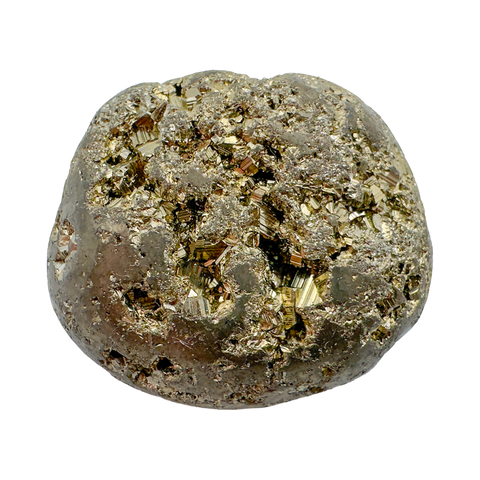
 Mineral Specimens
259 collector pieces
Mineral Specimens
259 collector pieces
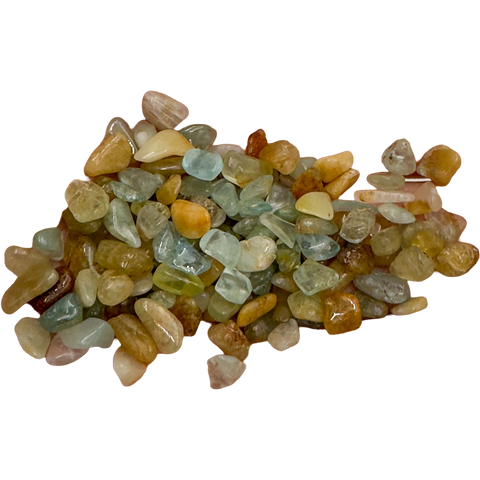
 Crystal Chips
21 pieces
Browse everything
Every collection, one page.
View All Collections →
Crystal Chips
21 pieces
Browse everything
Every collection, one page.
View All Collections →


 Aries
Mar 21 – Apr 19
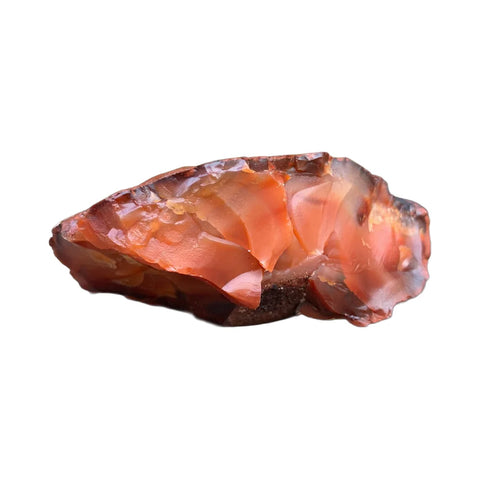
Carnelian
›
Aries
Mar 21 – Apr 19
Carnelian
›
 Taurus
Apr 20 – May 20
Rose Quartz
›
Taurus
Apr 20 – May 20
Rose Quartz
›
 Gemini
May 21 – Jun 20
Agate
›
Gemini
May 21 – Jun 20
Agate
›
 Cancer
Jun 21 – Jul 22
Moonstone
›
Cancer
Jun 21 – Jul 22
Moonstone
›
 Leo
Jul 23 – Aug 22
Citrine
›
Leo
Jul 23 – Aug 22
Citrine
›
 Virgo
Aug 23 – Sep 22
Amazonite
›
Virgo
Aug 23 – Sep 22
Amazonite
›
 Libra
Sep 23 – Oct 22
Blue Lace Agate
›
Libra
Sep 23 – Oct 22
Blue Lace Agate
›
 Scorpio
Oct 23 – Nov 21
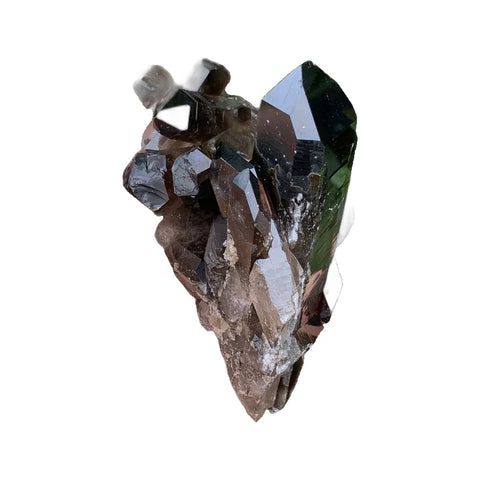
Obsidian
›
Scorpio
Oct 23 – Nov 21
Obsidian
›
 Sagittarius
Nov 22 – Dec 21
Sodalite
›
Sagittarius
Nov 22 – Dec 21
Sodalite
›
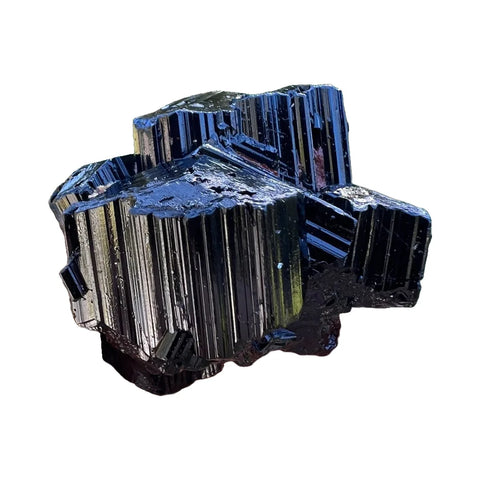
 Capricorn
Dec 22 – Jan 19
Black Tourmaline
›
Capricorn
Dec 22 – Jan 19
Black Tourmaline
›
 Aquarius
Jan 20 – Feb 18
Amethyst
›
Aquarius
Jan 20 – Feb 18
Amethyst
›
 Pisces
Feb 19 – Mar 20
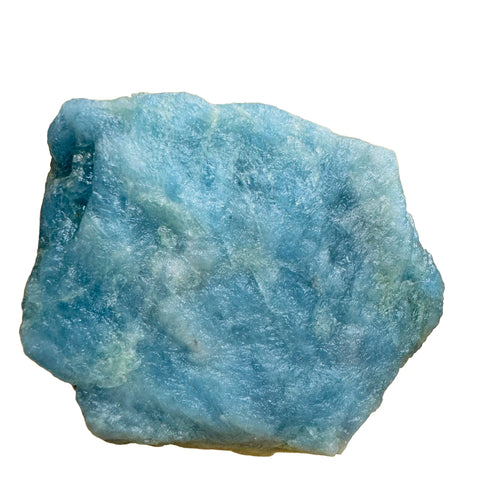
Aquamarine
›
Gifting?
A birthday stone is the safe bet.
Read the zodiac guide →
Pisces
Feb 19 – Mar 20
Aquamarine
›
Gifting?
A birthday stone is the safe bet.
Read the zodiac guide →
Creedite
Creedite grows as bristling clusters of needle-sharp crystals, most famously in soft violet, formed where sulfuric fluids attacked fluorite deep in the desert. It is a rare, fragile calcium aluminum sulfate that mineral collectors prize for its spiky, almost frozen-firework shape. People drawn to it tend to work with it for meditation and mental clarity.
The geology.
Creedite is a calcium aluminum sulfate that also carries fluorine and hydroxyl in its structure, with the formula Ca3Al2(SO4)(F,OH)10 and two water molecules. It forms in the oxidized zones of ore deposits, specifically where fluorite is attacked by sulfuric acid released as sulfide minerals break down. That chemistry is why creedite so often turns up near fluorite and metal ores.
The mineral is monoclinic and most recognizable as radiating sprays of slender, sharply pointed crystals that gather into ball-like rosettes. Hardness is 3.5 to 4 on the Mohs scale, low, with a vitreous luster and a brittle habit. Colorless and white are the base colors, while the celebrated violet to purple clusters, along with orange examples, owe their color to trace elements and the specific conditions of formation.
The origins.
Mexico is the source everyone pictures. The mines around Durango, especially in the Navidad and Abasolo areas, produce the vivid violet spheres of needle crystals that made creedite famous with collectors. These desert deposits, where fluorite met oxidizing sulfides, remain the benchmark for quality.
The mineral takes its name from Creede, Colorado, its type locality, where it was first described in 1916. Other sources include Nevada in the United States, along with occurrences in Kazakhstan, China, Bolivia, and Iran. Colorado and Nevada material tends toward colorless, white, and orange, while the deep purple sprays are a Mexican signature.
Traditional associations.
Creedite is a purely modern metaphysical stone. It was only described a century ago and reached collectors more recently still, so it carries no ancient folklore. In today's crystal practice it has become associated with expanded awareness, and many people work with it during meditation for a sense of mental clarity and focus.
It is most often linked to the Crown and Third Eye chakras, the element of Wind, and the sign Sagittarius. Because the crystals are sharp and fragile, it is almost always kept as a display piece rather than carried, set where its spiky form catches the light.
Spotting the real thing.
Real creedite shows radiating clusters of fine, needle-like crystals with a glassy shine and translucency, the whole spray reading as natural and slightly irregular. Violet Mexican pieces have a soft, cool purple that varies across the cluster rather than a flat, painted tone. Under close light the individual needles taper to genuine points.
The main cautions are physical rather than fake material. Because the sprays are so brittle, look for repaired or reassembled clusters where broken sections have been glued, and for isolated needles remounted onto matrix. Creedite is not commonly imitated by other species, but it is sometimes sold under vague labels, so ask for the mineral name and the locality, ideally Durango for the classic purple.
Care & handling.
Creedite is fragile and needs a gentle hand. At 3.5 to 4 on the Mohs scale it scratches easily, and the thin, radiating needles snap under the slightest pressure, so handle a specimen by its matrix base and never by the crystals. This is a shelf stone that does not belong in a pocket, a pouch, or jewelry.
Keep it dry. As a sulfate with fluorine and water in its structure, creedite can be sensitive to prolonged moisture, so skip water and saltwater cleaning and simply dust it with a soft, dry brush or gentle air. Keep it out of harsh direct sun to protect the color, and store it in its own padded spot away from harder stones. To reset it energetically, many people use sound or a night beside selenite.
Pairs well with.
A deeper look.
Extended geology, sourcing, authentication, history, and varieties, for when the quick guide isn't quite enough.
Extended geology
Creedite sits among the more chemically unusual minerals, a calcium aluminum sulfate that also carries fluorine and hydroxyl, with the formula Ca3Al2(SO4)(F,OH)10 and two water molecules. It forms through intense oxidation, when sulfide minerals in an ore body weather and release sulfuric acid, which then reacts with nearby fluorite and aluminum-bearing minerals. The result is a secondary mineral that records a very specific desert chemistry.
Crystals are monoclinic and typically bladed to needle-like, radiating outward into hemispherical rosettes and spheres that can look like frozen bursts. Hardness is 3.5 to 4, specific gravity around 2.7, luster vitreous, and the mineral is transparent to translucent. Its fragility comes from that fine, acicular habit rather than from any single weak plane.
Extended sourcing
The most celebrated creedite comes from Durango, Mexico, where mines in the Navidad and Abasolo areas have produced the vivid violet spheres that define the species for collectors. These arid, fluorite-rich deposits create ideal conditions for creedite, and Mexican purple material set the standard the rest of the market is measured against.
The type locality is Creede, in Mineral County, Colorado, where the mineral was first described in 1916, and Nevada is another United States source. Beyond North America, creedite has been found in Kazakhstan, China, Bolivia, and Iran, generally as colorless, white, or orange clusters. Value is driven by color, the intactness of the delicate needles, and named locality.
Authentication and warning signs
The dependable signs are radiating, needle-sharp crystals in a rosette, a glassy luster, and translucency, with violet examples showing a soft, uneven purple. Genuine creedite reads as fragile and natural, the needles tapering to fine points.
Because whole clusters are so easily broken, the real caution is condition rather than counterfeiting. Look closely for glued repairs, reassembled sprays, and single crystals remounted on matrix, all of which reduce value. Creedite is rarely faked with other minerals, but it is sometimes sold under a vague or wrong name, so confirming the species and the locality protects you. Durango is the benchmark for the classic purple.
History and folklore
Creedite is a young mineral in human terms. It was first described in 1916 and named for its type locality, the mining district around Creede, Colorado, a silver boomtown of the American West. For decades it remained mostly a specialist's mineral known to serious collectors and mineralogists.
Its metaphysical following is even more recent, arriving with the modern crystal movement once striking Mexican clusters became widely available. As a result it carries none of the old talismanic lore of stones like agate, amber, or jade, and its associations are entirely contemporary.
Varieties and trade names
Purple, or violet, creedite: the famous Durango material, radiating rosettes of soft purple needles, the most valued form.
White and colorless creedite: the base color of the species, found at several localities including the Colorado type area.
Orange creedite: a warmer variety reported from various deposits, colored by trace elements.
Creedite is usually sold simply as creedite, by locality, without the elaborate trade names attached to more commercial stones.
What it costs in the market
Small creedite clusters and thumbnails: roughly 10 to 40 dollars. Attractive violet rosettes in the few-centimeter range: 40 to 150 dollars. Large, richly colored, undamaged Durango spheres: several hundred dollars and higher. Because the fine needles break so easily, condition drives price as much as color and size, and an intact, full sphere of deep purple needles is genuinely scarce.
An education-first guide.
We don't currently carry creedite, so there's nothing to sell you here. This guide exists because the more you understand a stone, the better every decision you make about it becomes, wherever you buy it. Explore the rest of our crystal guides for stones we do source, each with full origin and treatment notes.
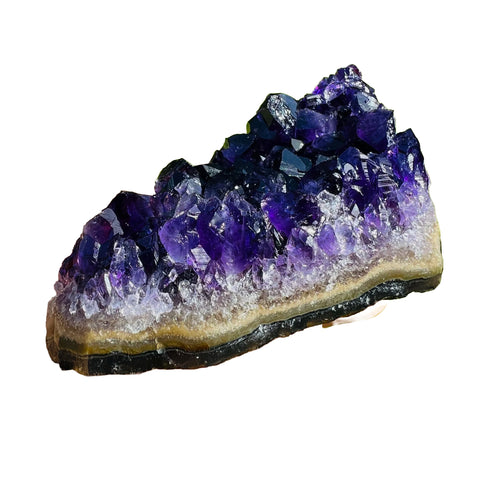
Explore the Crystal GuideLove Creedite? Meet Amethyst.
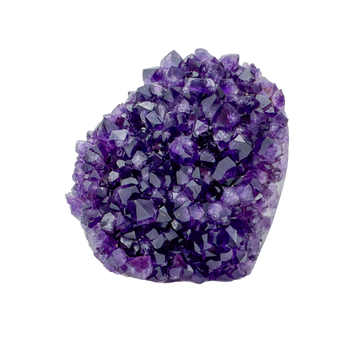
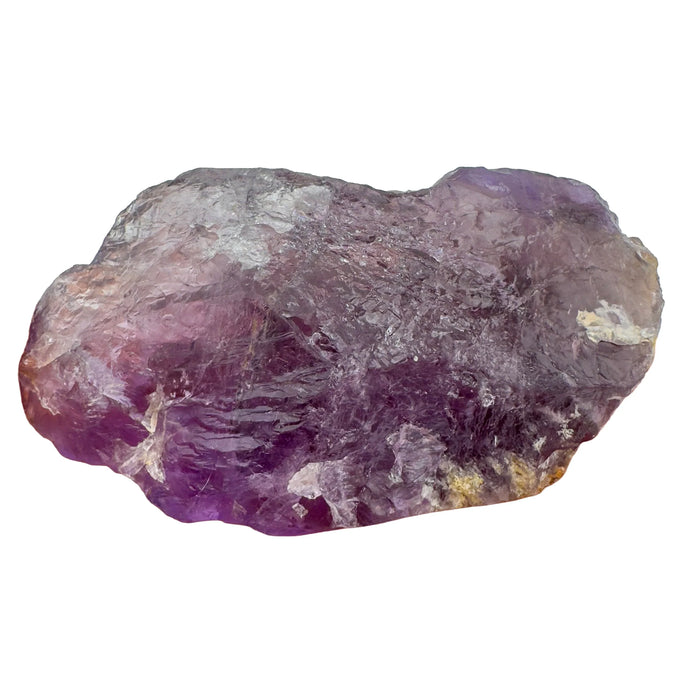
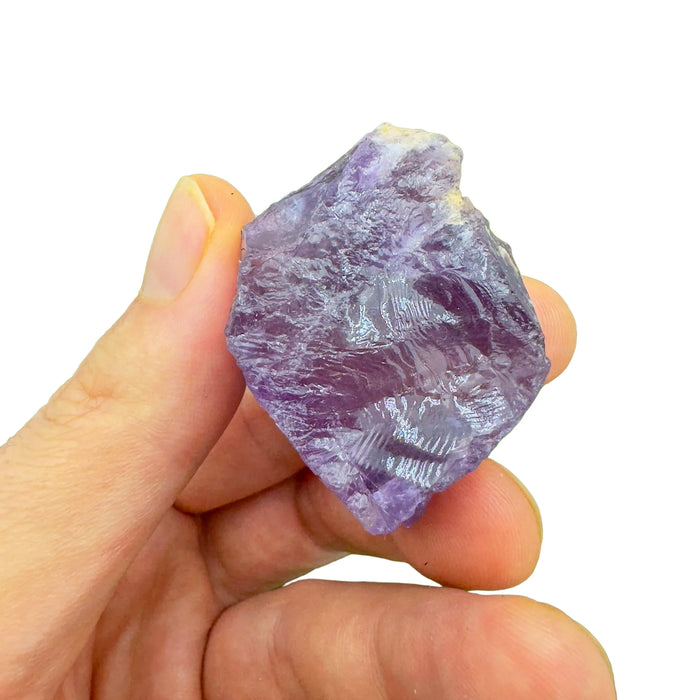
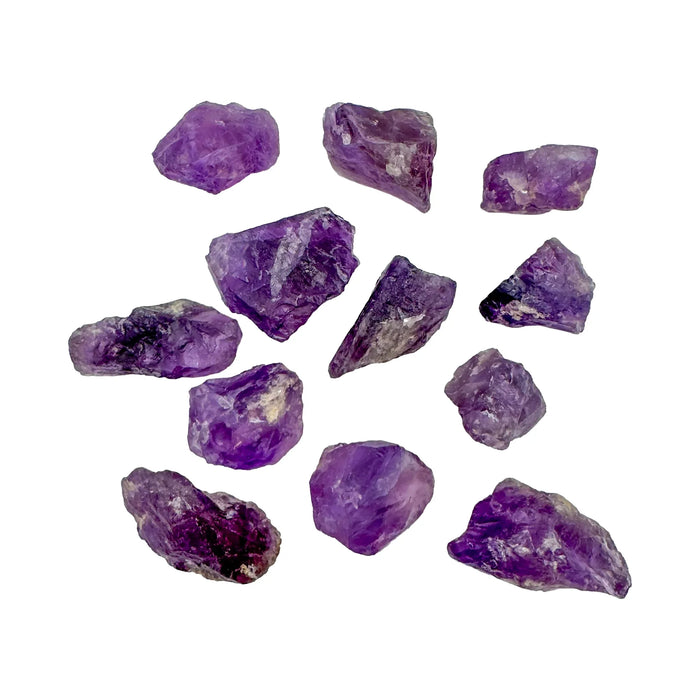
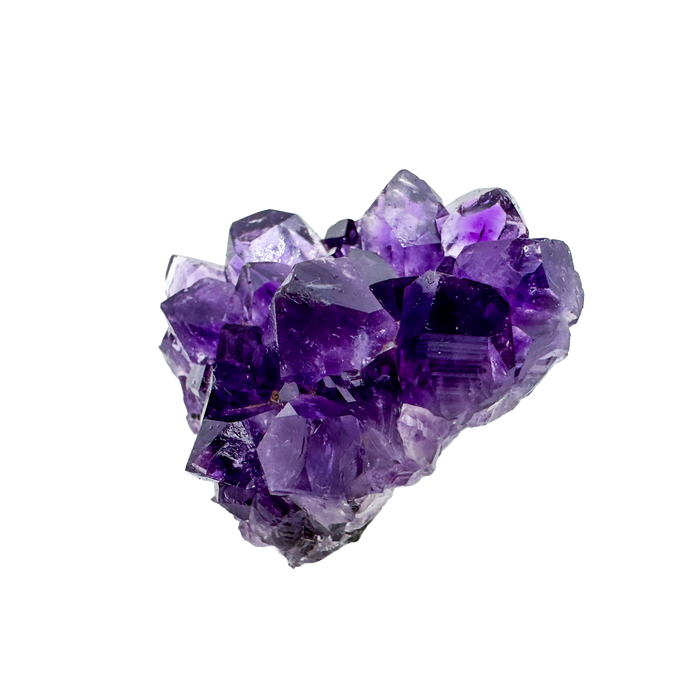
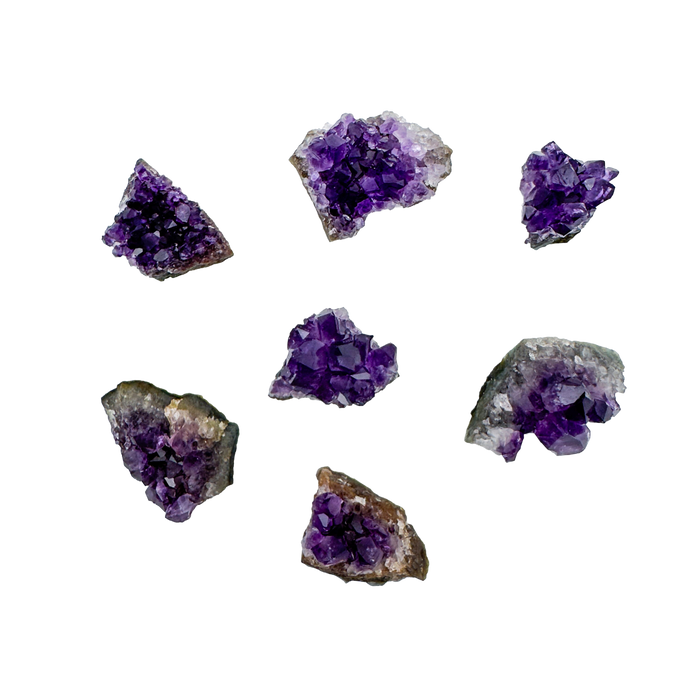
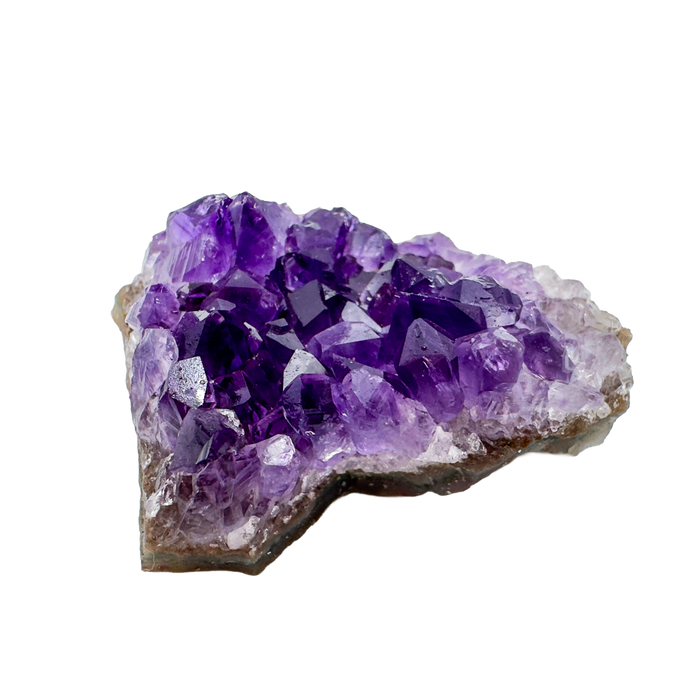
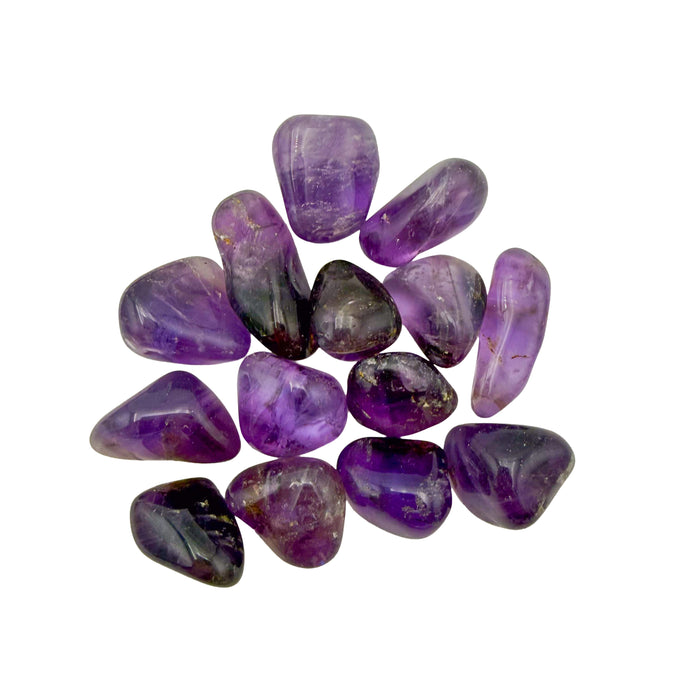
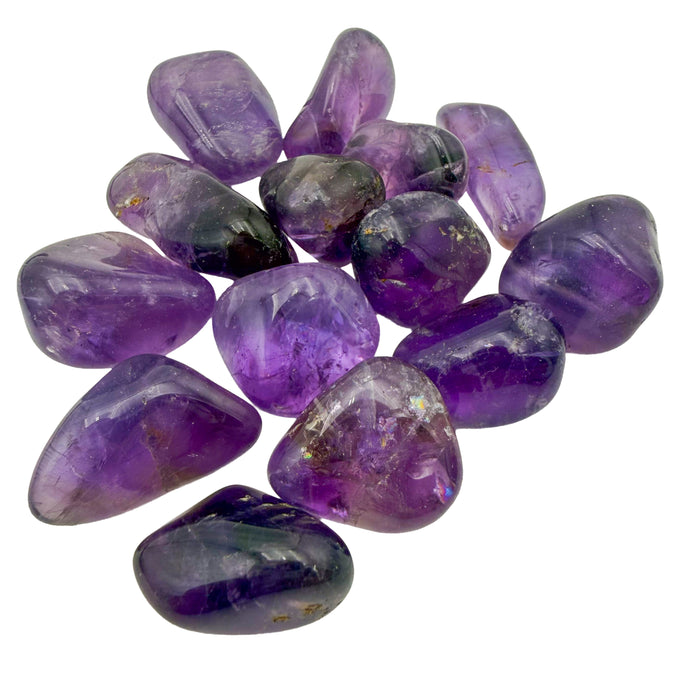
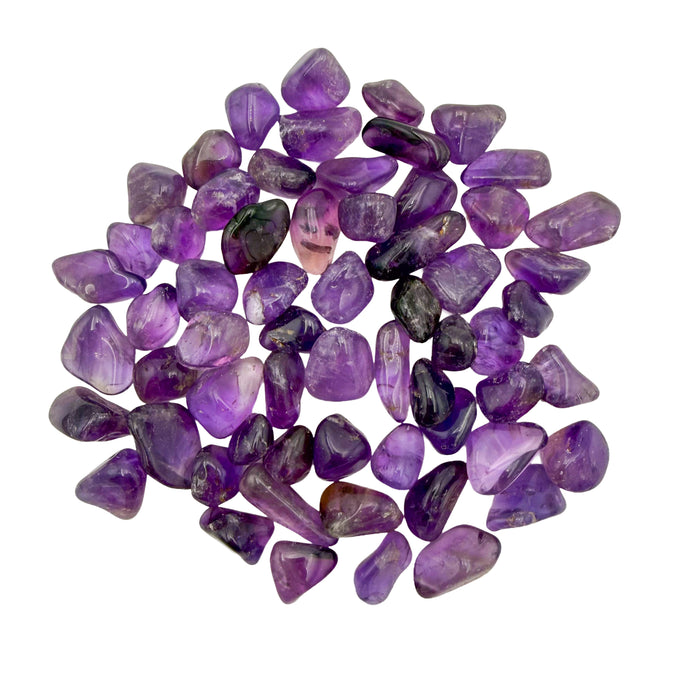
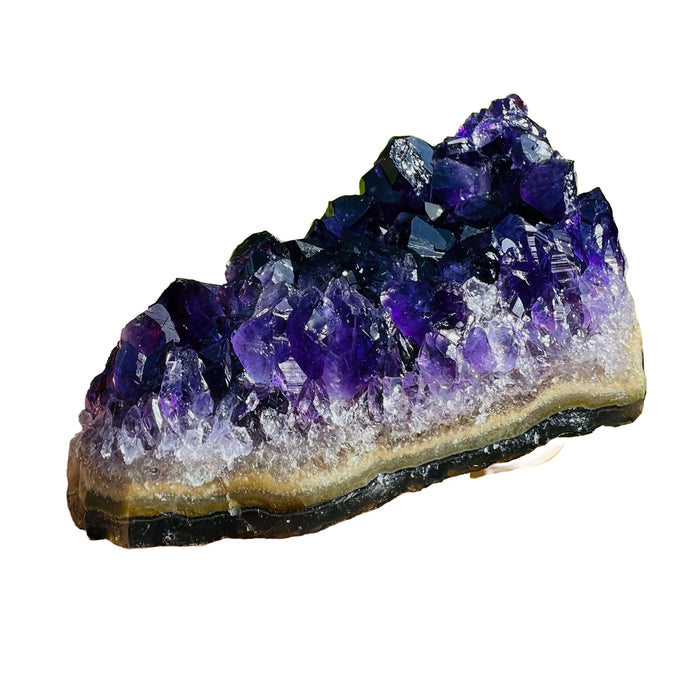
Creedite is not something we carry. Amethyst is the closest match in color, and every piece passes our sourcing standards: origin named, treatments disclosed.


- from 1,000+ reviews
- Ships within 72 hoursMonday to Friday, tracked
- 90 days to return itif you do not love it
- Free US shipping over $99$8.99 flat rate under
The Slow Note
New stones go to the list first.
No forwarding, no selling. Unsubscribe in one click. Privacy