









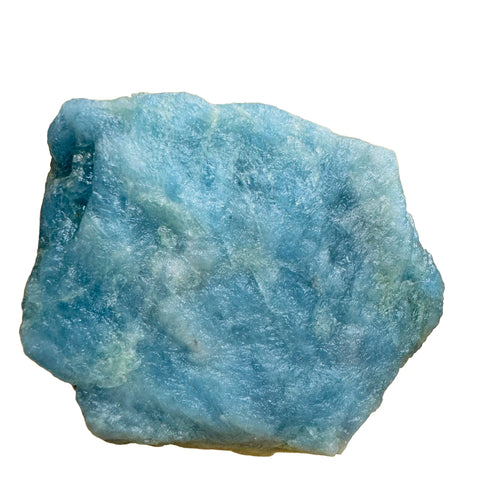











































 Raw Stones
179 pieces
Raw Stones
179 pieces
 Tumbled Stones
162 pieces
Tumbled Stones
162 pieces
 Palm Stones
25 pieces
Palm Stones
25 pieces
 Crystal Points
23 pieces
Crystal Points
23 pieces
 Clusters & Geodes
104 pieces
Clusters & Geodes
104 pieces
 Polished & Decor
148 pieces
Polished & Decor
148 pieces
 Mineral Specimens
259 collector pieces
Mineral Specimens
259 collector pieces
 Crystal Chips
21 pieces
Browse everything
Every collection, one page.
View All Collections →
Crystal Chips
21 pieces
Browse everything
Every collection, one page.
View All Collections →


 Aries
Mar 21 – Apr 19
Carnelian
›
Aries
Mar 21 – Apr 19
Carnelian
›
 Taurus
Apr 20 – May 20
Rose Quartz
›
Taurus
Apr 20 – May 20
Rose Quartz
›
 Gemini
May 21 – Jun 20
Agate
›
Gemini
May 21 – Jun 20
Agate
›
 Cancer
Jun 21 – Jul 22
Moonstone
›
Cancer
Jun 21 – Jul 22
Moonstone
›
 Leo
Jul 23 – Aug 22
Citrine
›
Leo
Jul 23 – Aug 22
Citrine
›
 Virgo
Aug 23 – Sep 22
Amazonite
›
Virgo
Aug 23 – Sep 22
Amazonite
›
 Libra
Sep 23 – Oct 22
Blue Lace Agate
›
Libra
Sep 23 – Oct 22
Blue Lace Agate
›
 Scorpio
Oct 23 – Nov 21
Obsidian
›
Scorpio
Oct 23 – Nov 21
Obsidian
›
 Sagittarius
Nov 22 – Dec 21
Sodalite
›
Sagittarius
Nov 22 – Dec 21
Sodalite
›
 Capricorn
Dec 22 – Jan 19
Black Tourmaline
›
Capricorn
Dec 22 – Jan 19
Black Tourmaline
›
 Aquarius
Jan 20 – Feb 18
Amethyst
›
Aquarius
Jan 20 – Feb 18
Amethyst
›
 Pisces
Feb 19 – Mar 20
Aquamarine
›
Gifting?
A birthday stone is the safe bet.
Read the zodiac guide →
Pisces
Feb 19 – Mar 20
Aquamarine
›
Gifting?
A birthday stone is the safe bet.
Read the zodiac guide →

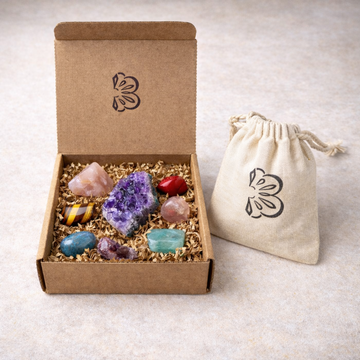
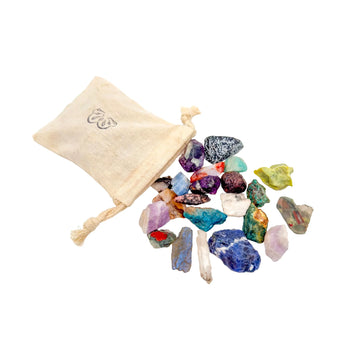










K2 Stone
K2 stone, also called K2 granite or K2 azurite, is a natural rock: a pale granite scattered with round orbs of blue azurite, mined high in the Karakoram near K2 itself. The blue spots are genuine azurite, not paint. People are drawn to it for a blend of grounded structure and clear, higher-minded focus.
The geology.
K2 stone, also sold as K2 granite or K2 jasper, is not a single mineral but a rock: a pale gray-and-white granite peppered with rounded spots of blue azurite, sometimes with a little green malachite. The granite is the familiar mix of quartz, feldspar, and mica, and the blue orbs are copper-rich azurite that formed within it.
The name jasper is a misnomer, since there is no jasper involved. Hardness is mixed: the granite matrix sits around 6 to 7 where quartz and feldspar dominate, while the azurite orbs are much softer at about 3.5 to 4. Because it is a rock rather than a crystal, K2 has no single crystal system, and every piece shows a different scatter of blue dots.
The origins.
K2 stone comes from the Karakoram mountain range in the Gilgit-Baltistan region of northern Pakistan, near K2, the world's second-highest peak, from which it takes its name. It is a young trade material, and its remote, high-altitude source is a large part of the appeal.
Because it is tied to one rugged region, supply is limited and quality varies with how many well-defined blue orbs a slab shows. When K2 first appeared, some assumed the neat blue circles were painted or added. Testing has confirmed the azurite is natural and formed in place, though the vividness varies from piece to piece.
Traditional associations.
K2 is a modern stone with a modern following, and its associations borrow largely from azurite, the blue mineral that gives it character. Azurite has long been linked to insight and inner vision, and K2 carries that thread while adding the grounded, structural feel of granite.
Many people work with K2 around intuition, focus, and a balance between higher awareness and staying grounded. Through its azurite it is most often associated with the Third Eye and Crown chakras and the element of Air, and it is sometimes paired with Sagittarius. A common practice is to keep a tumble or tower on a desk during focused work.
Spotting the real thing.
Real K2 stone is a granite, so it should feel and look like one: a grainy, speckled pale matrix of quartz, feldspar, and mica, with blue azurite orbs sitting within it. Under a loupe the blue should have the crystalline, slightly uneven quality of a mineral, not the flat, even wash of paint or dye.
Warning signs include perfectly round dots that sit only on the polished surface, colors that look too uniform, or blue that rubs or chips off as a coating. Some sellers dye pale granite or other rocks to imitate K2. Ask whether the azurite is natural and in place, and favor pieces where the orbs vary in size and depth.
Care & handling.
K2 is reasonably sturdy thanks to its granite body, but the azurite orbs are soft and can be scratched or dulled, so treat it as a moderate-care stone. It is fine for tumbles, towers, and pendants handled with a little care, and less ideal for rings that take hard knocks.
Clean K2 with a soft cloth and a quick rinse in cool water, then dry it. Avoid long water soaks, salt, acids, and ultrasonic cleaners, since azurite is a copper mineral that does not love prolonged moisture or chemicals. Store it away from harder stones. To reset it energetically, many people use sound, moonlight, or a night on a selenite plate.
Pairs well with.
A deeper look.
Extended geology, sourcing, authentication, history, and varieties, for when the quick guide isn't quite enough.
Extended geology
K2 stone is an orbicular granite. The matrix is a normal granite of interlocking quartz, feldspar, and mica, pale gray to near white, and scattered through it are rounded aggregates of azurite, a copper carbonate hydroxide mineral with the formula Cu3(CO3)2(OH)2. The blue orbs formed as copper-bearing fluids moved through the rock and precipitated azurite in roughly spherical patches.
Because it is a composite of several minerals, K2 has no single hardness or crystal system. The quartz and feldspar of the granite are hard, around 6 to 7, while the azurite is soft at 3.5 to 4, and the practical durability of a polished piece falls somewhere in between. Occasional green flecks are malachite, azurite's common companion.
Extended sourcing
The material is quarried in the Karakoram range of Gilgit-Baltistan in northern Pakistan, in the shadow of K2. It is a recent entrant to the crystal market, appearing in volume only in the last decade or so, which is why it has a trade name rather than a long mineralogical history under that label.
The single, remote source keeps supply modest. Grading is largely about the blue orbs: how many there are, how crisp and round they read, and how they contrast against the pale granite. Slabs cut to show a good scatter of well-defined dots are the most prized.
Authentication and warning signs
The most common concern with K2 is whether the blue is natural. In genuine material the azurite is a real mineral set into the rock, so under magnification it shows crystalline texture and sits in three dimensions, and it does not rub off. Painted or dyed imitations show flat, surface-only color and uniform, too-perfect circles.
Since K2 is a rock, it will always look granular and speckled rather than glassy. A seller who confirms natural azurite and Pakistani origin, and whose pieces show natural variation in the size and depth of the orbs, is a good sign. Be cautious of cheap, vividly spotted stones that look printed.
History and folklore
K2 stone has essentially no ancient folklore. It is a twenty-first-century discovery named for the mountain near its source, and its reputation was built entirely within the modern crystal market. Early skepticism that the blue orbs were painted gave way once the natural azurite was confirmed, and the stone settled into a niche as a novel, photogenic material.
Its metaphysical meaning is largely inherited from azurite and, to a lesser degree, granite, rather than from any long tradition of its own. This makes it a good example of a contemporary trade stone with a real natural basis.
Varieties and trade names
K2 granite: the most accurate common name, describing the rock as it is.
K2 azurite: emphasizes the blue mineral responsible for the look.
K2 jasper: a widespread but inaccurate name, since the rock contains no jasper.
K2 blue and simply K2: shorthand used across the trade.
What it costs in the market
K2 stone is affordable at the tumble and small-cabochon level, with prices climbing for towers, spheres, and slabs that show many crisp blue orbs. Value tracks the density, definition, and contrast of the azurite spots and the overall polish. Because it is single-source and relatively new, fine display pieces can command a premium over ordinary material.
An education-first guide.
We don't currently carry K2 stone, so there's nothing to sell you here. This guide exists because the more you understand a stone, the better every decision you make about it becomes, wherever you buy it. Explore the rest of our crystal guides for stones we do source, each with full origin and treatment notes.
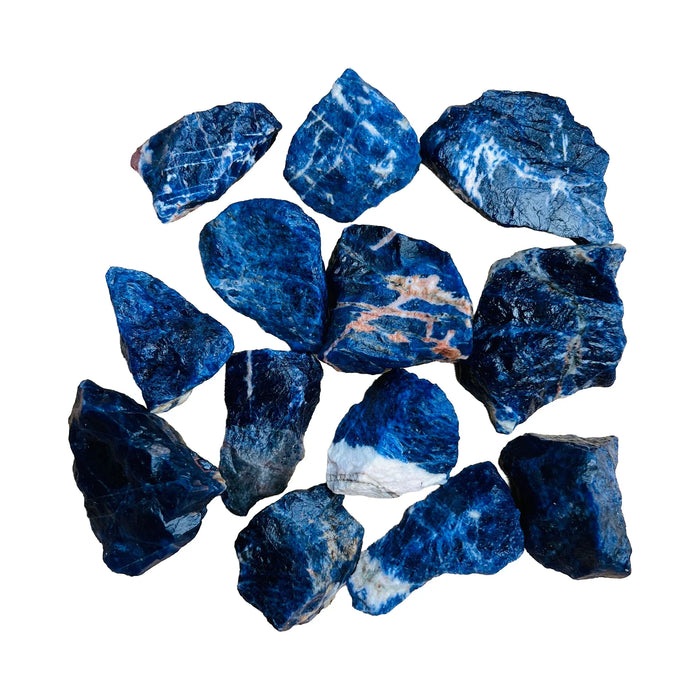
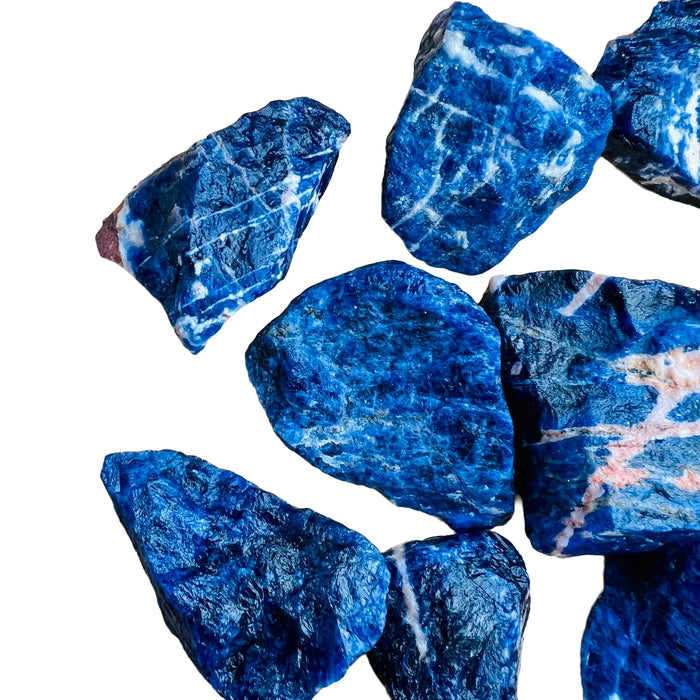
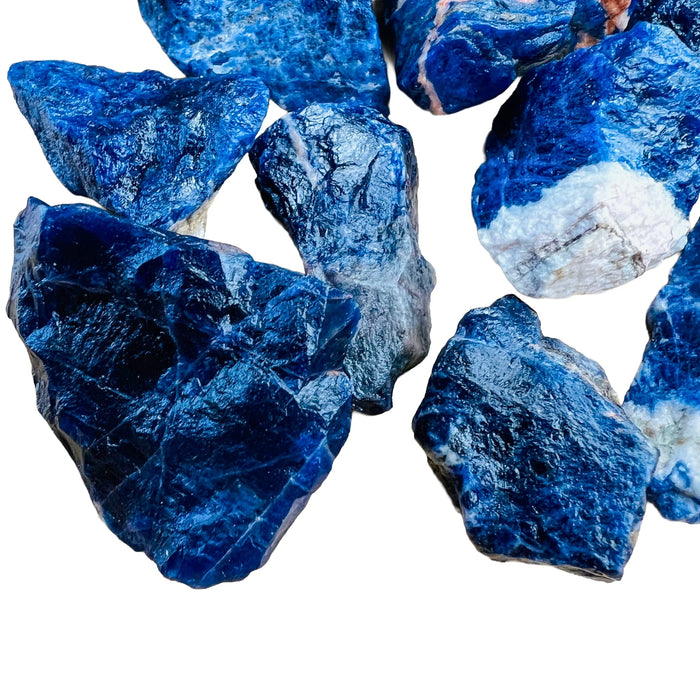
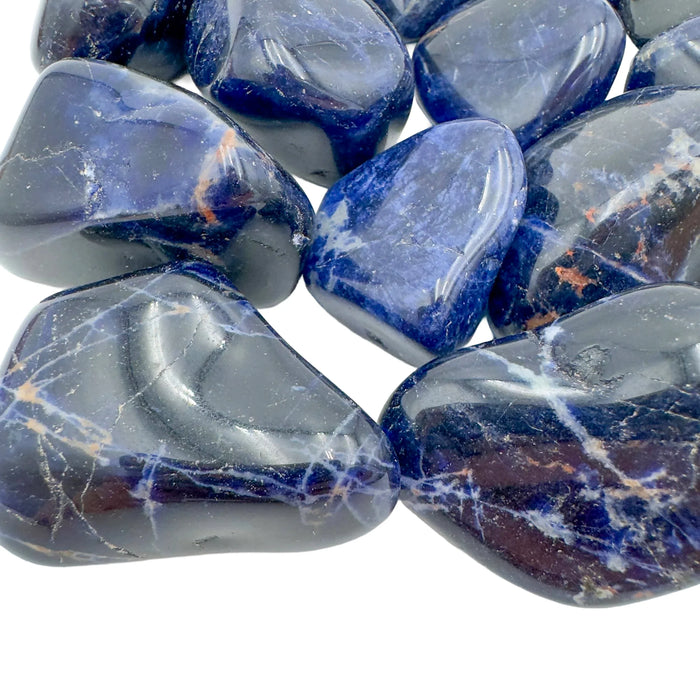
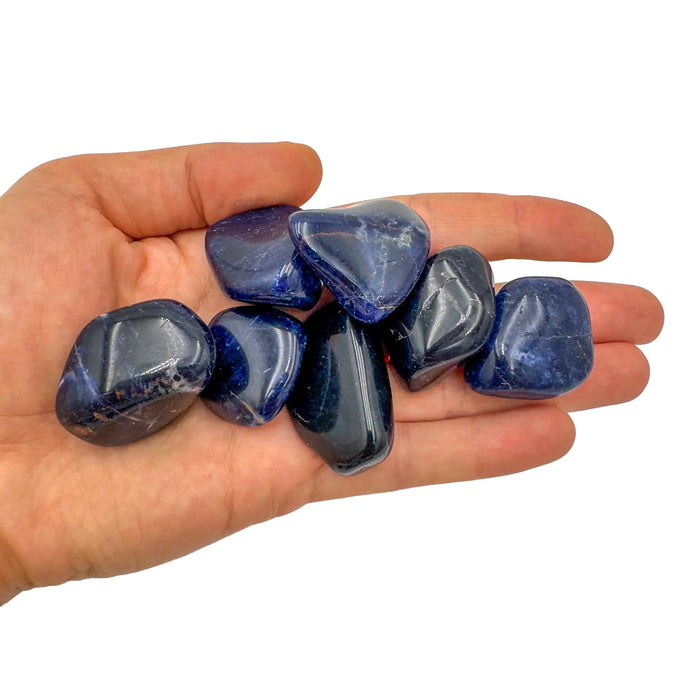
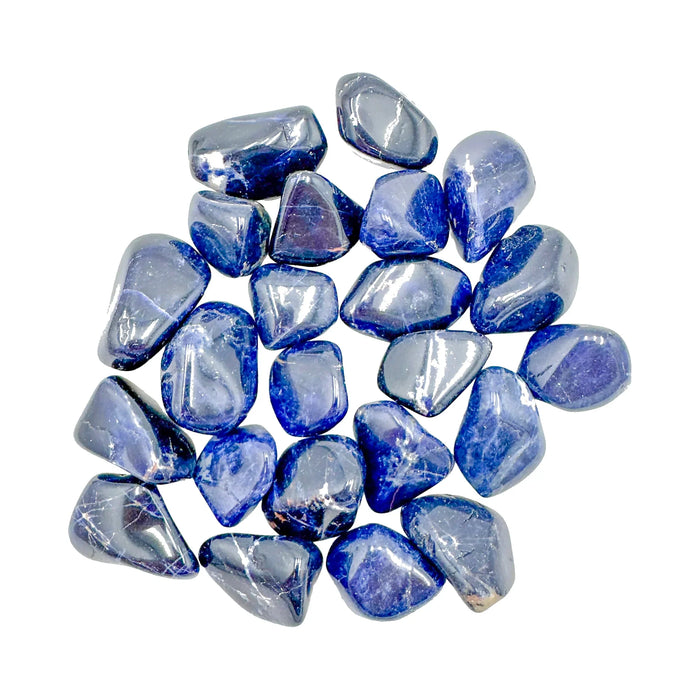
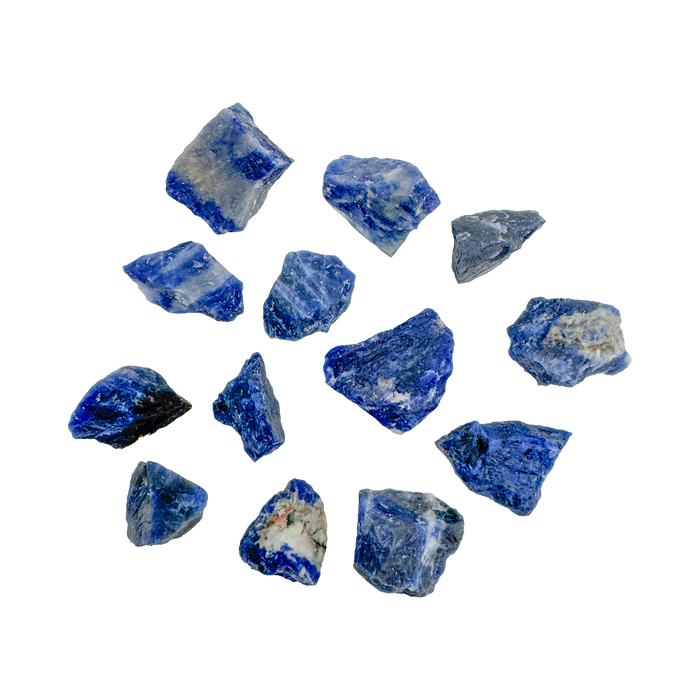
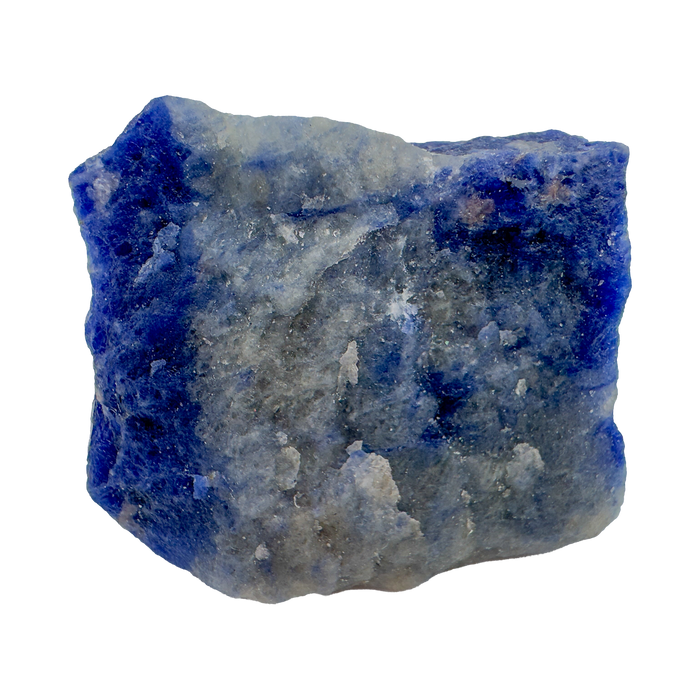
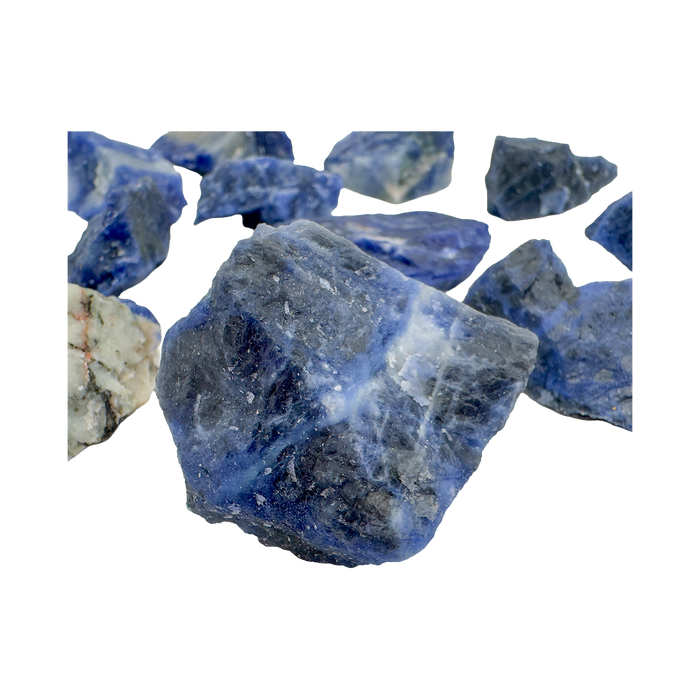
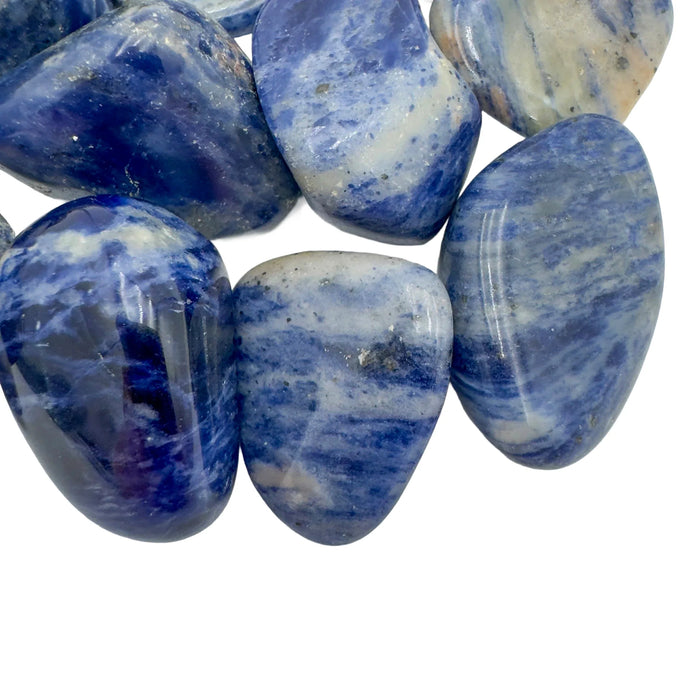
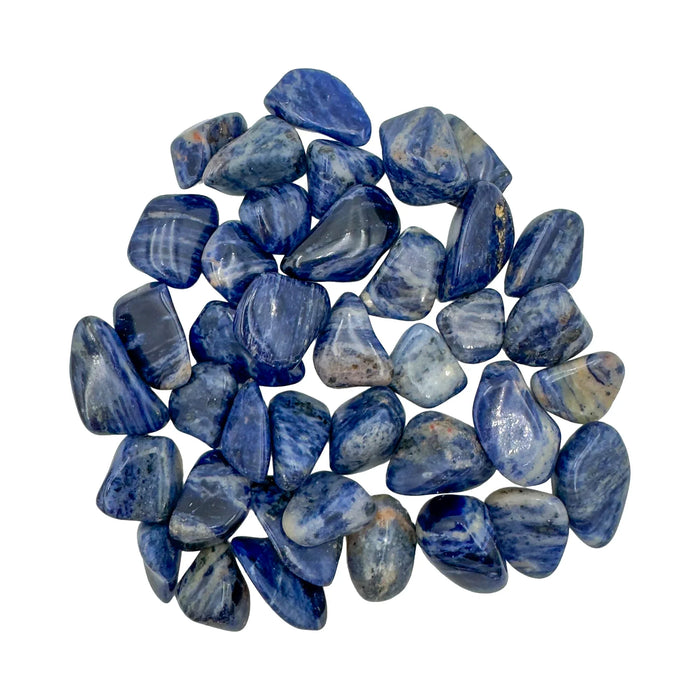
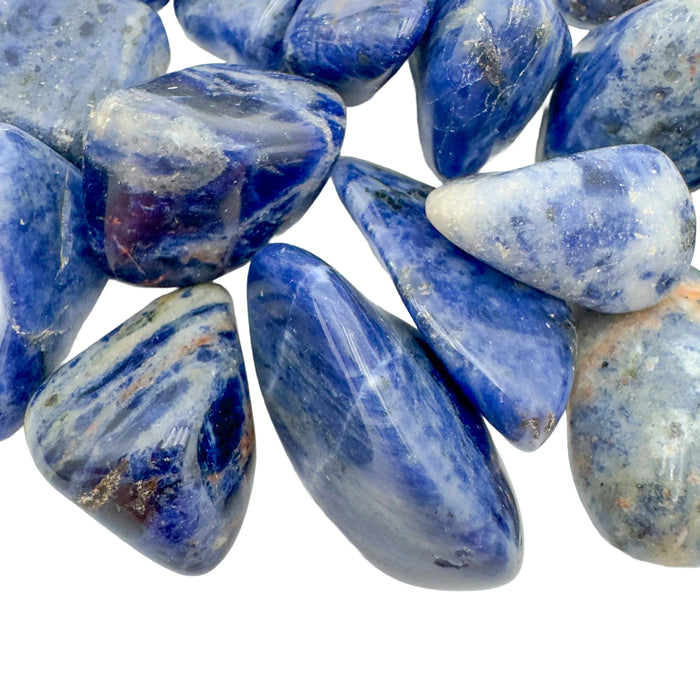
Explore the Crystal GuideThe closest match we carry: Sodalite.
K2 Stone is not something we carry. Sodalite is the closest match in our collection, and every piece passes our sourcing standards: origin named, treatments disclosed.
- from 1,000+ reviews
- Ships within 72 hoursMonday to Friday, tracked
- 90 days to return itif you do not love it
- Free US shipping over $99$8.99 flat rate under
The Slow Note
New stones go to the list first.
No forwarding, no selling. Unsubscribe in one click. Privacy