


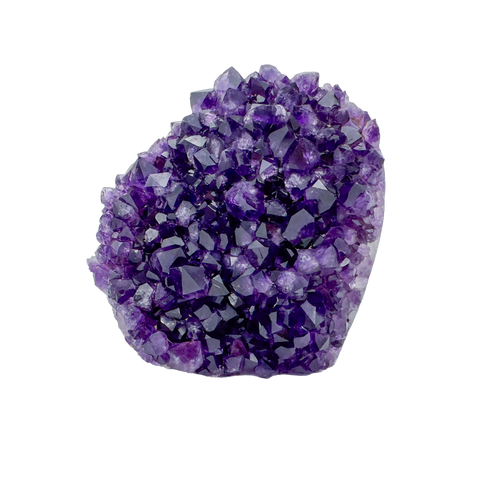
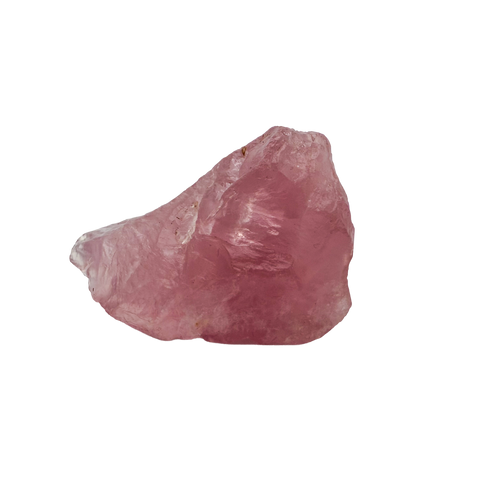
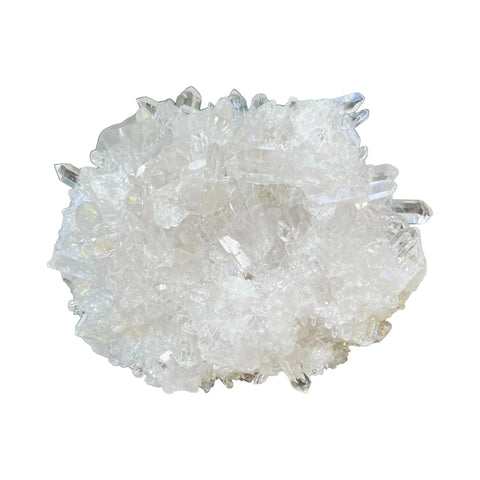
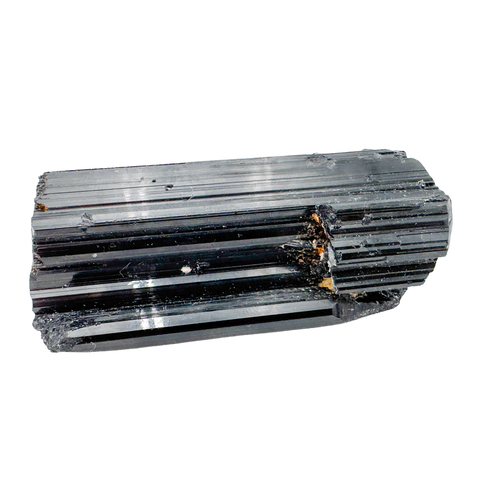
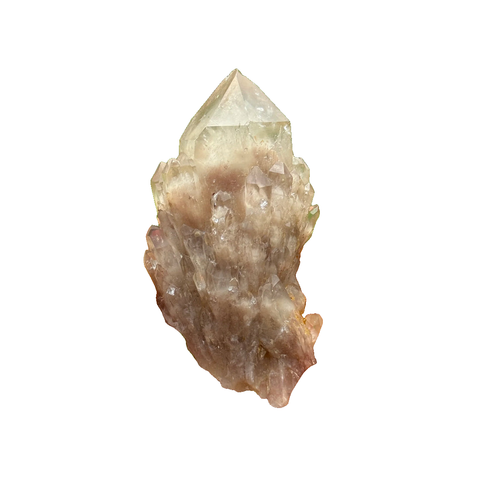
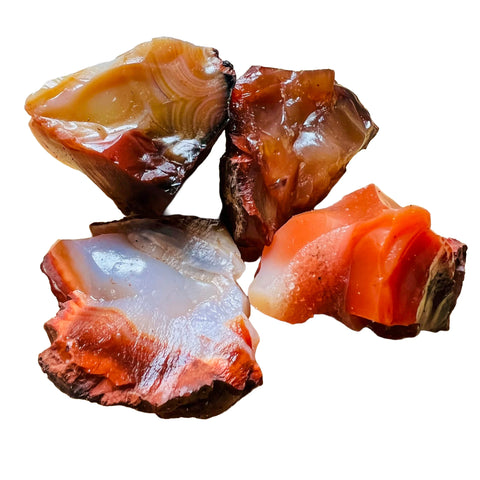


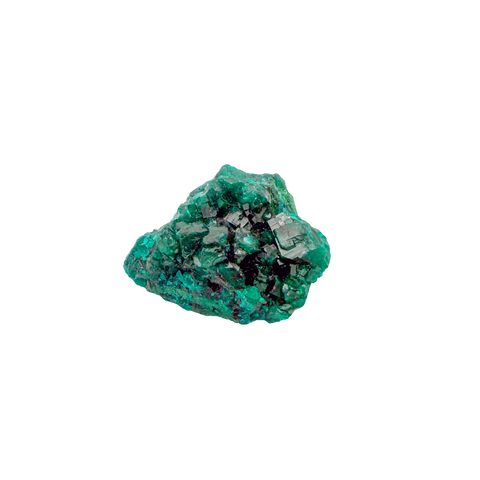
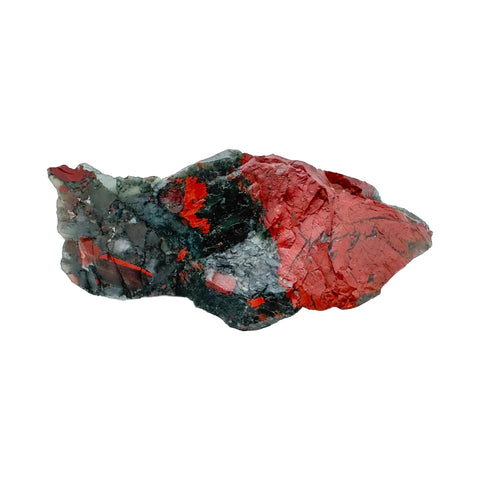
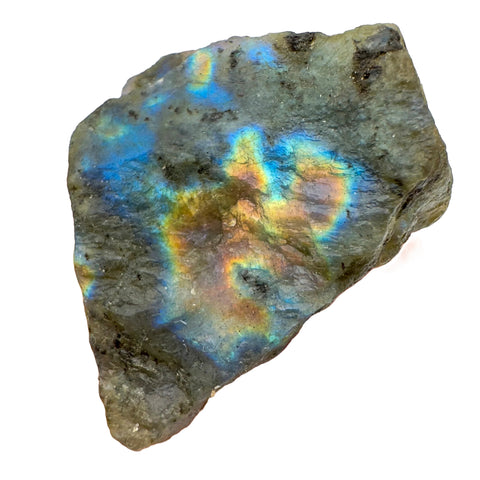
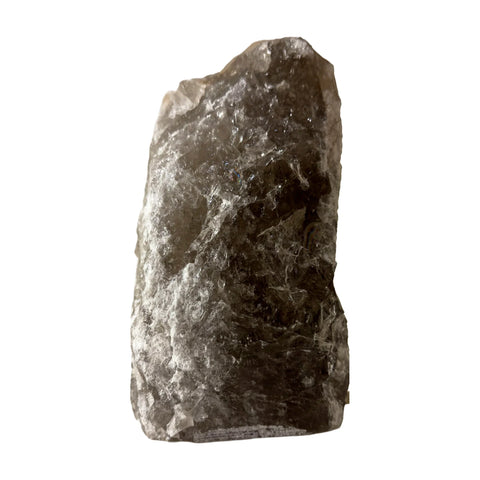
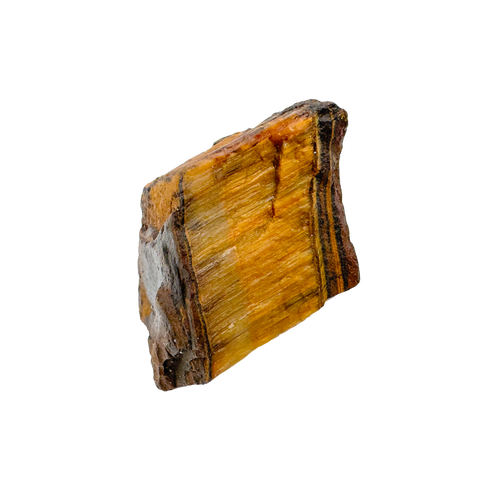
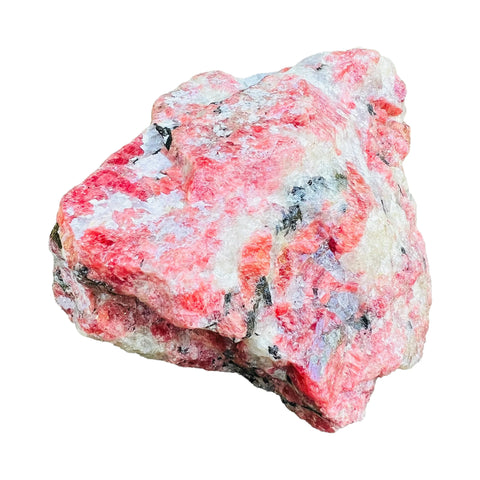
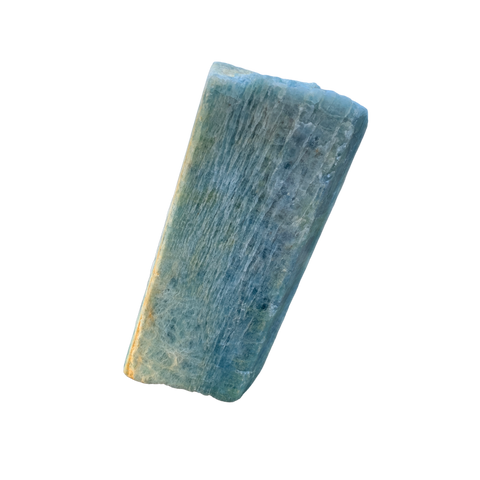
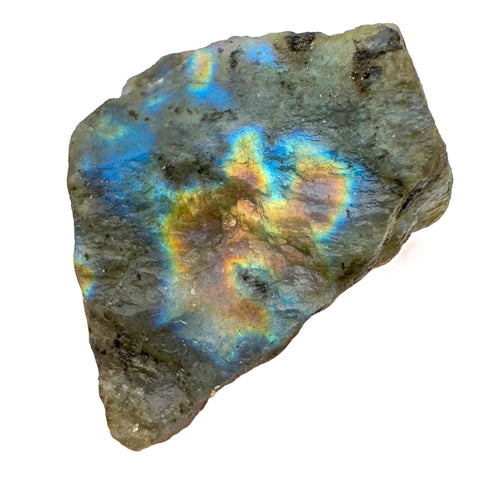
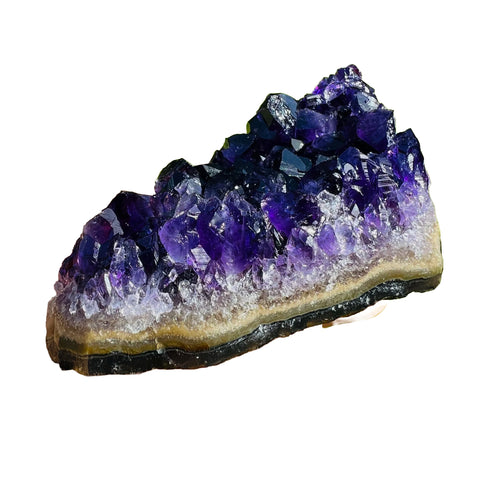



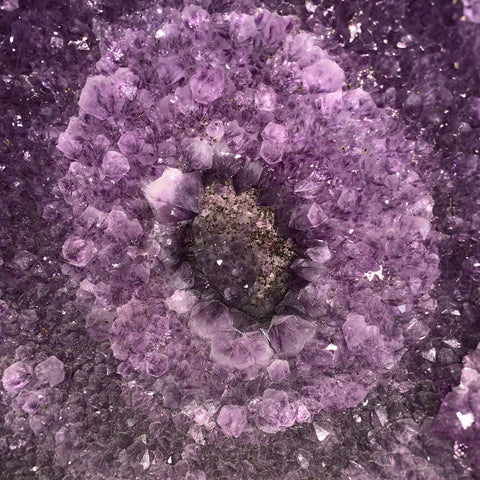
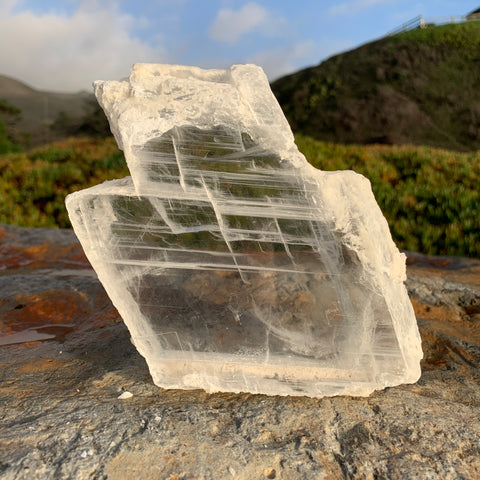
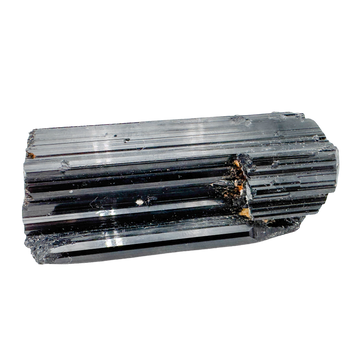
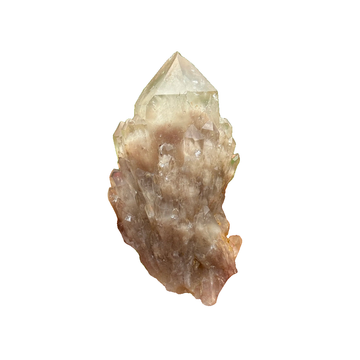
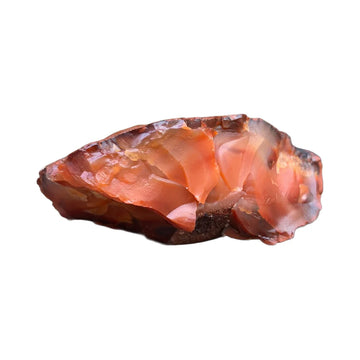
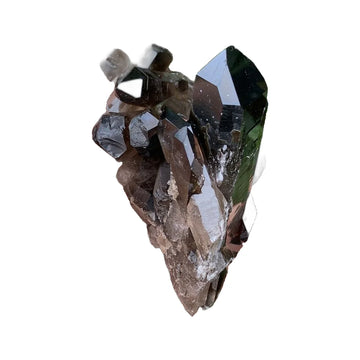
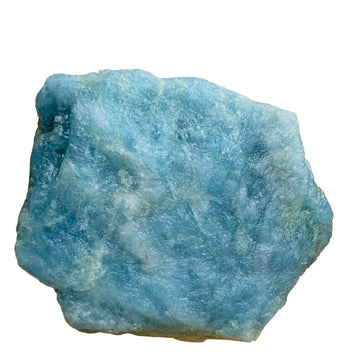
 Raw Stones
179 pieces
Raw Stones
179 pieces
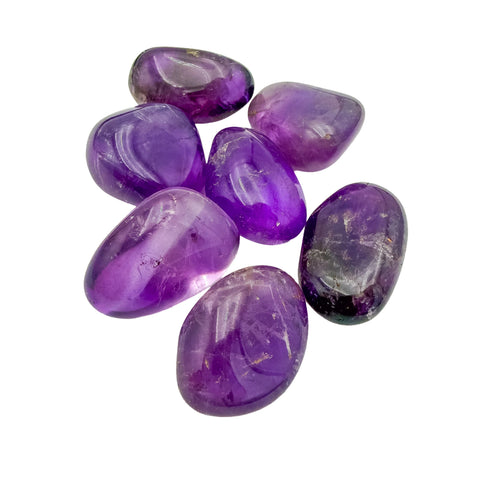
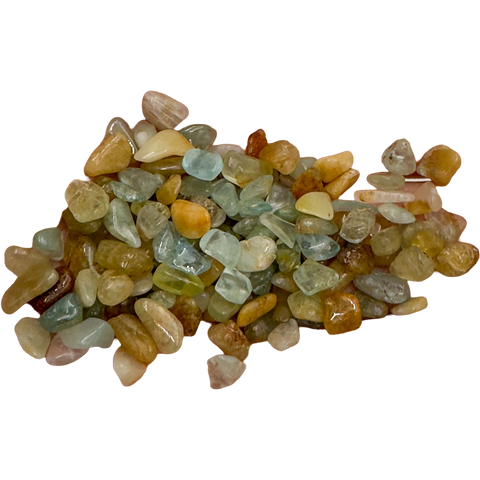
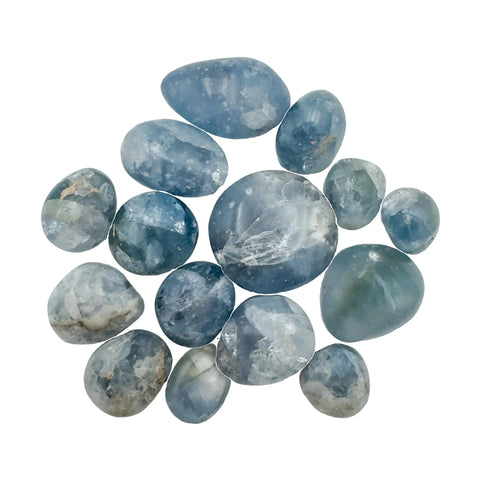
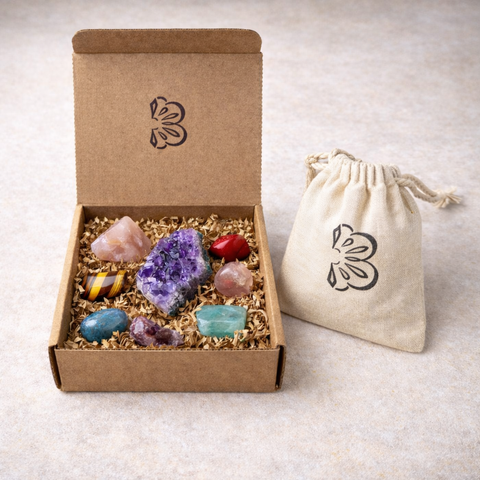
 Tumbled Stones
162 pieces
Tumbled Stones
162 pieces
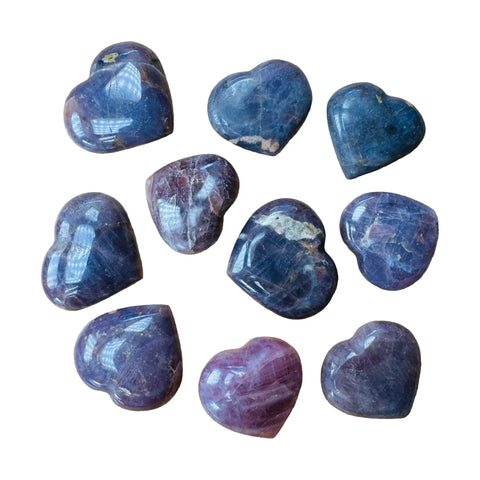
 Palm Stones
25 pieces
Palm Stones
25 pieces
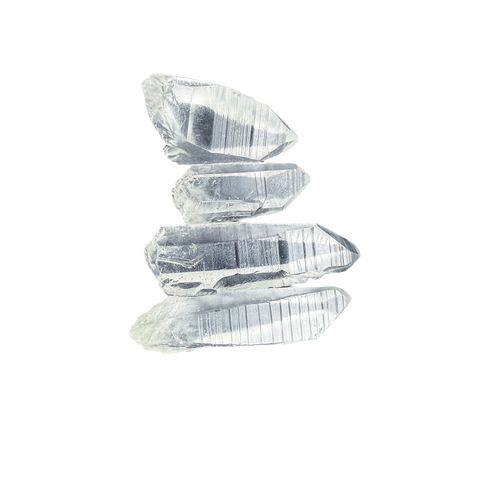
 Crystal Points
23 pieces
Crystal Points
23 pieces
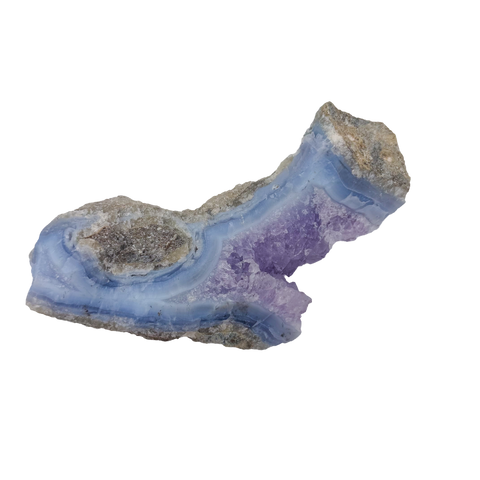
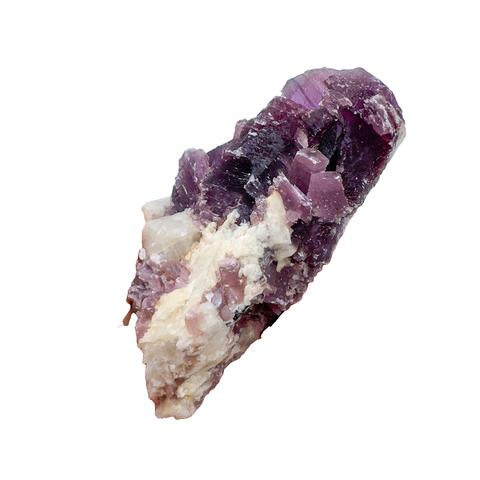
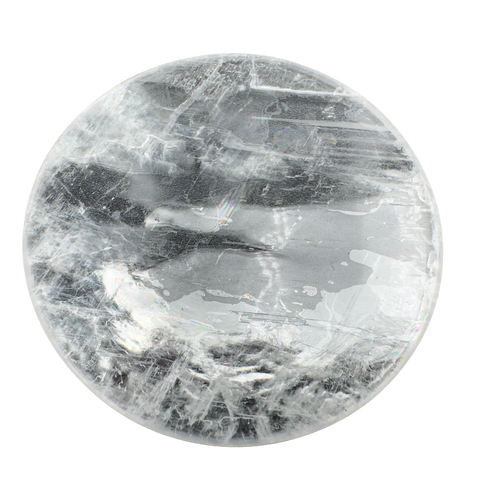
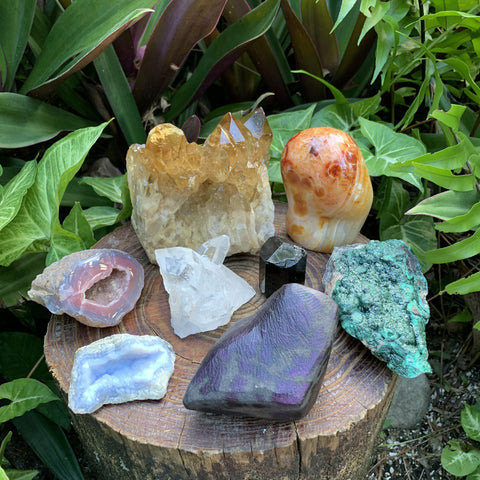
 Clusters & Geodes
104 pieces
Clusters & Geodes
104 pieces
 Polished & Decor
148 pieces
Polished & Decor
148 pieces
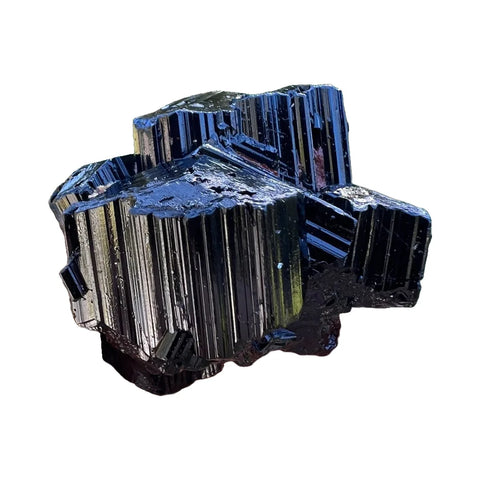
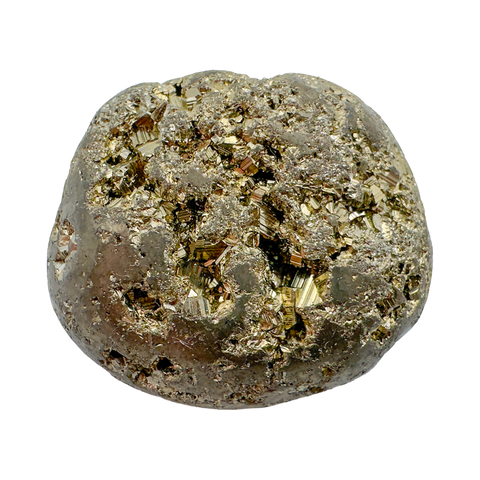
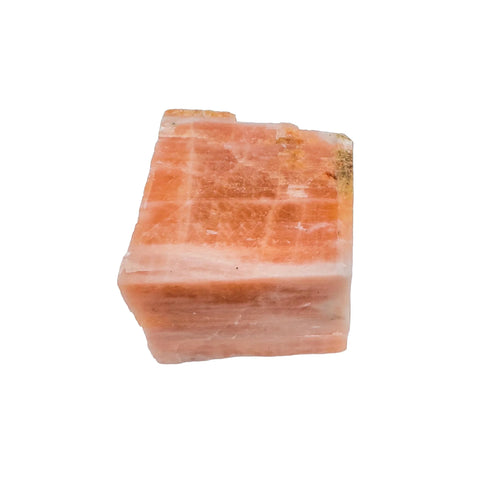
 Mineral Specimens
259 collector pieces
Mineral Specimens
259 collector pieces
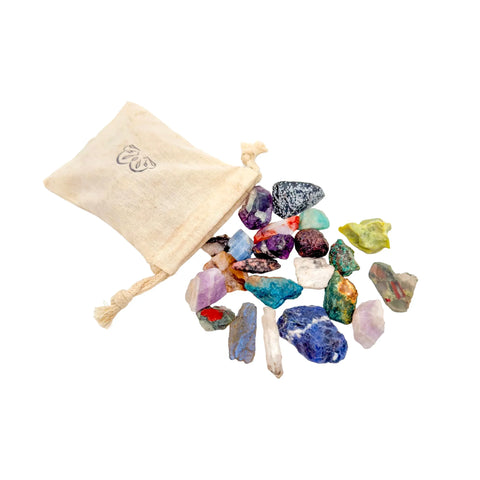
 Crystal Chips
21 pieces
Browse everything
Every collection, one page.
View All Collections →
Crystal Chips
21 pieces
Browse everything
Every collection, one page.
View All Collections →


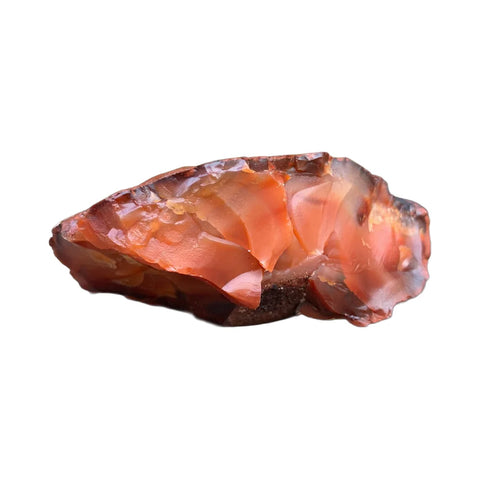
 Aries
Mar 21 – Apr 19
Carnelian
›
Aries
Mar 21 – Apr 19
Carnelian
›
 Taurus
Apr 20 – May 20
Rose Quartz
›
Taurus
Apr 20 – May 20
Rose Quartz
›
 Gemini
May 21 – Jun 20
Agate
›
Gemini
May 21 – Jun 20
Agate
›
 Cancer
Jun 21 – Jul 22
Moonstone
›
Cancer
Jun 21 – Jul 22
Moonstone
›
 Leo
Jul 23 – Aug 22
Citrine
›
Leo
Jul 23 – Aug 22
Citrine
›
 Virgo
Aug 23 – Sep 22
Amazonite
›
Virgo
Aug 23 – Sep 22
Amazonite
›
 Libra
Sep 23 – Oct 22
Blue Lace Agate
›
Libra
Sep 23 – Oct 22
Blue Lace Agate
›
 Scorpio
Oct 23 – Nov 21
Obsidian
›
Scorpio
Oct 23 – Nov 21
Obsidian
›
 Sagittarius
Nov 22 – Dec 21
Sodalite
›
Sagittarius
Nov 22 – Dec 21
Sodalite
›
 Capricorn
Dec 22 – Jan 19
Black Tourmaline
›
Capricorn
Dec 22 – Jan 19
Black Tourmaline
›
 Aquarius
Jan 20 – Feb 18
Amethyst
›
Aquarius
Jan 20 – Feb 18
Amethyst
›
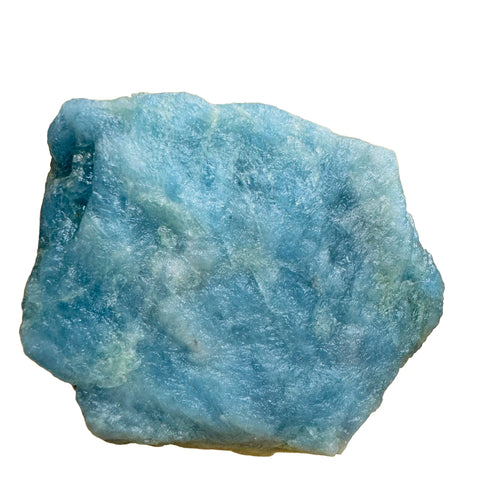
 Pisces
Feb 19 – Mar 20
Aquamarine
›
Gifting?
A birthday stone is the safe bet.
Read the zodiac guide →
Pisces
Feb 19 – Mar 20
Aquamarine
›
Gifting?
A birthday stone is the safe bet.
Read the zodiac guide →

Ruby in Zoisite
Ruby in zoisite, known in the trade as anyolite, is a rock rather than a single crystal. Opaque red to pink ruby sits inside a field of green zoisite, usually with streaks of black amphibole. It comes almost entirely from one corner of Tanzania, and people reach for it around the heart, vitality, and a steadier kind of courage.
The geology.
Ruby in zoisite is an aggregate, a rock built from more than one mineral rather than a single gem species. The green comes from zoisite, a calcium aluminum silicate with the formula Ca2Al3(SiO4)3(OH). The red and pink patches are ruby, the chromium-colored red variety of corundum, Al2O3. The black flecks and streaks are usually amphibole, often a hornblende such as tschermakite.
Because three minerals of different hardness share one stone, hardness reads as a range rather than a single number. Zoisite sits around 6 to 6.5 on the Mohs scale, ruby is a 9, and the amphibole is softer still, so a finished piece is usually described as 6 to 7 overall. The rubies here are opaque and heavily included, valued for their color and contrast rather than the clarity a faceted gem would need.
The origins.
Anyolite has a strikingly narrow origin story. It was first described near Longido in northern Tanzania in the middle of the twentieth century, and Tanzania remains the dominant and effectively defining source. The trade name anyolite comes from a Maasai word for green.
A few other corundum-in-zoisite occurrences are reported around the world, but the classic green-and-red anyolite that fills the market is Tanzanian. When a seller can point to Longido or the Tanzanian corundum belt, you are usually looking at the real material rather than a lookalike built from a different green mineral.
Traditional associations.
Ruby in zoisite is a relatively modern discovery, so its associations come largely from contemporary practice rather than deep antiquity. The pairing of green and red draws people to it as a heart stone with an added spark of vitality and drive.
Many people work with it for the sense of two things held together, calm and energy, or growth and courage. It is most often linked to the Heart chakra, with the red ruby lending a Root note, the element of Earth, and the sign Aries. A common practice is simply to keep a polished piece where its color can be seen through the day.
Spotting the real thing.
Real anyolite shows three things at once: opaque red to pink ruby, a green zoisite body, and usually some black amphibole. The rubies should look solid and included, not glassy or transparent, and they often show a rough hexagonal outline where a corundum crystal sits in the matrix. The colors tend to stay in their own zones rather than bleeding together.
The most common mix-up is ruby in fuchsite. Fuchsite is a chromium mica, so it is much softer, can flake, and often carries a faint sparkle, while zoisite is harder and more compact. Dyed or glass-and-resin imitations exist but are uncommon, so watch for a uniform green with painted-looking red rather than distinct mineral zones. Ask for the species names and the country of origin.
Care & handling.
Ruby in zoisite is reasonably durable, but it is a mixed-hardness rock, so treat it to the softest mineral present. It takes a good polish and handles gentle wear, though the zoisite and amphibole scratch and chip more easily than the ruby. A quick rinse in warm water with a soft cloth is all it usually needs.
Zoisite can be sensitive to sudden temperature change, so skip boiling water, steamers, and ultrasonic cleaners, and avoid harsh chemicals. Store it away from harder stones like quartz, topaz, and sapphire so they do not scratch the softer green. To reset it, many people use moonlight, sound, or a rest on a selenite plate.
Pairs well with.
A deeper look.
Extended geology, sourcing, authentication, history, and varieties, for when the quick guide isn't quite enough.
Extended geology
Anyolite is a metamorphic rock. It forms where aluminum-rich rocks are reworked under heat and pressure that grow zoisite alongside corundum, with amphibole developing from the surrounding chemistry. The rubies are corundum crystals that took their red from traces of chromium, the same element that colors emerald green. Because the rock grew as an interlocking mass, the minerals are physically intergrown rather than layered.
Zoisite is orthorhombic, with the formula Ca2Al3(SiO4)3(OH). The green of anyolite zoisite is generally attributed to chromium and vanadium, the same coloring agents that, in gem-quality blue zoisite, give tanzanite its color after heating. Specific gravity of the rock runs a little above 3, reflecting the dense corundum and amphibole it carries, and the surface polishes to a soft, waxy-to-vitreous shine.
Extended sourcing
The defining locality is the Longido area of northern Tanzania, near the Kenyan border, where anyolite has been mined since roughly the 1950s. Tanzania is the source most collectors mean when they say ruby in zoisite. The material is cut into cabochons, spheres, towers, and carvings, and the best pieces show bright green, saturated ruby, and clean crystal outlines.
Because it is effectively a single-source stone, provenance is less of a maze than it is for globally mined species. The main sourcing question is grade rather than country: the intensity of the green, the size and definition of the ruby zones, and how cleanly the piece has been cut to show them off.
Authentication and warning signs
The clearest test is hardness and texture. Zoisite is compact and holds a smooth polish, while fuchsite, the mineral behind the ruby in fuchsite lookalike, is a soft, sometimes flaky mica with a mild glitter. Under close light, anyolite ruby often shows a hexagonal crystal boundary and a silky sheen, and the black amphibole reads as distinct streaks.
A stone that is uniformly green with vague pink smears, or that feels waxy and unusually light, deserves questions. So does any piece sold as transparent, facetable ruby in zoisite, since the ruby in this material is opaque by nature. Reputable sellers will name the species plainly and separate anyolite from ruby in fuchsite.
History and folklore
Anyolite is a young stone in gem history, described only in the twentieth century after mining began around Longido. Its name records the Maasai word anyoli, for green. Without centuries of lore behind it, its reputation has been built in the modern crystal community, where the green-and-red combination is read as a union of heart and vitality, calm paired with drive.
Varieties and trade names
Anyolite: the standard trade name for green zoisite with ruby and black amphibole.
Ruby in zoisite: the plain descriptive name for the same material.
Ruby in fuchsite: a separate, softer lookalike built on chromium mica rather than zoisite, sometimes with blue kyanite alongside it.
Tanzanite: gem-quality blue zoisite from the same country, a very different, transparent, faceted material.
What it costs in the market
Tumbled ruby in zoisite: roughly 2 to 8 dollars per piece. Spheres, towers, and cabochons: around 15 to 80 dollars depending on size and the quality of the ruby and green. Larger carvings and fine display pieces with vivid color and clean crystal outlines: 80 dollars into the low hundreds. Value tracks the brightness of the green, the saturation and definition of the ruby, and the skill of the cut.
An education-first guide.
We don't currently carry ruby in zoisite, so there's nothing to sell you here. This guide exists because the more you understand a stone, the better every decision you make about it becomes, wherever you buy it. Explore the rest of our crystal guides for stones we do source, each with full origin and treatment notes.
Explore the Crystal GuideLove Ruby in Zoisite? Meet Rhodonite.
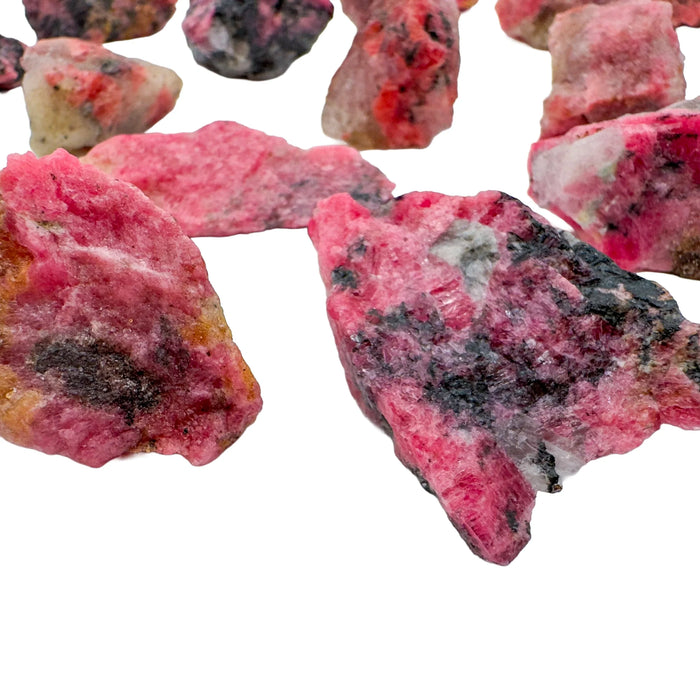
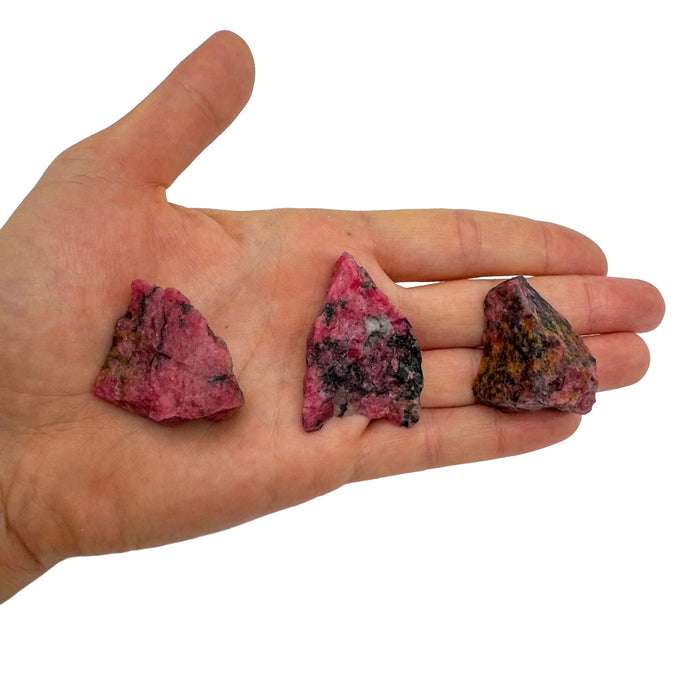
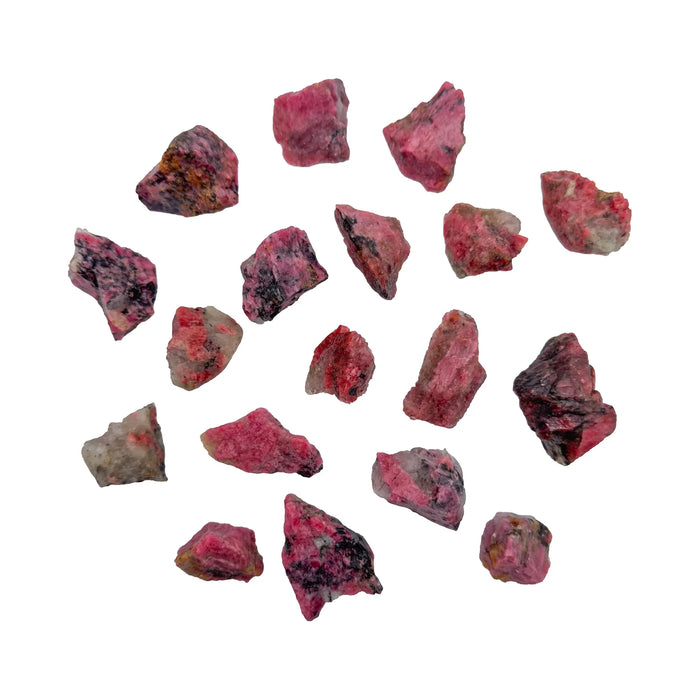
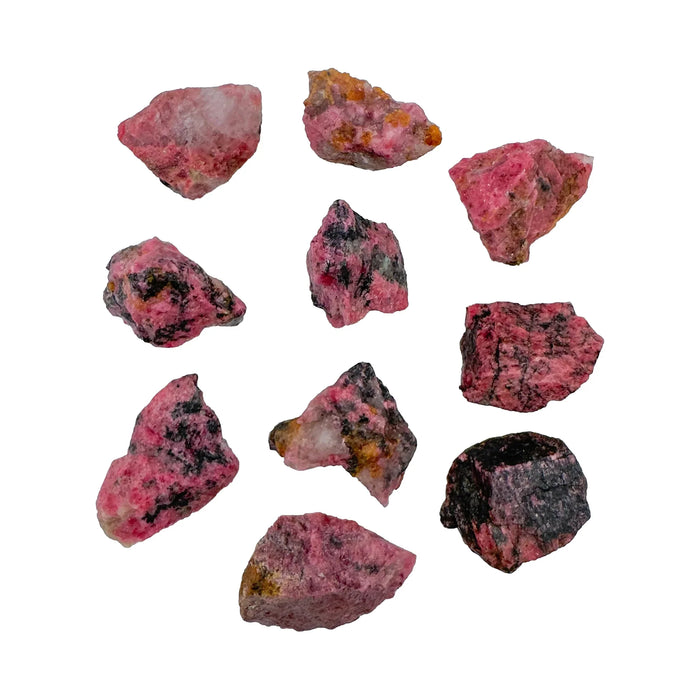
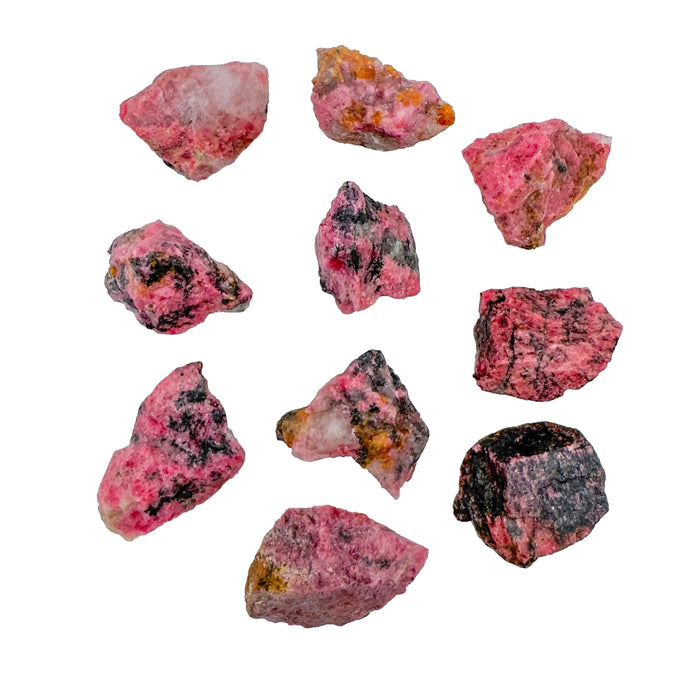
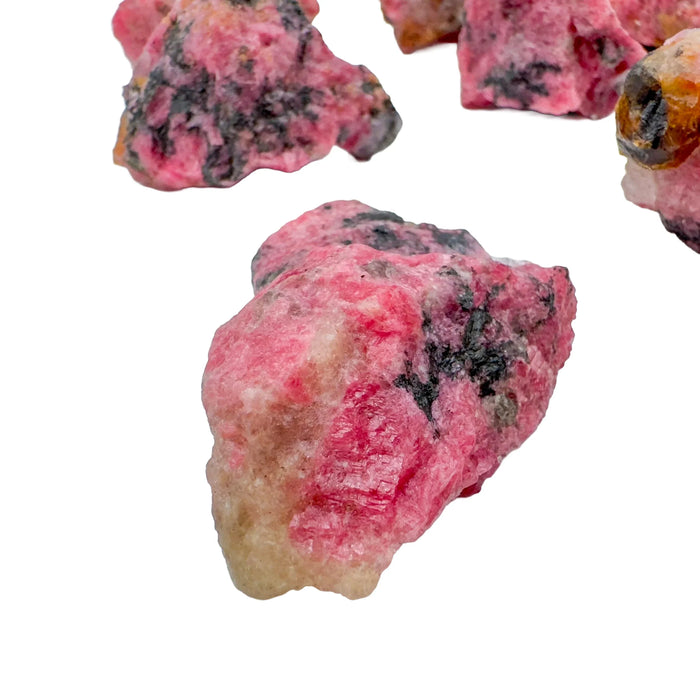
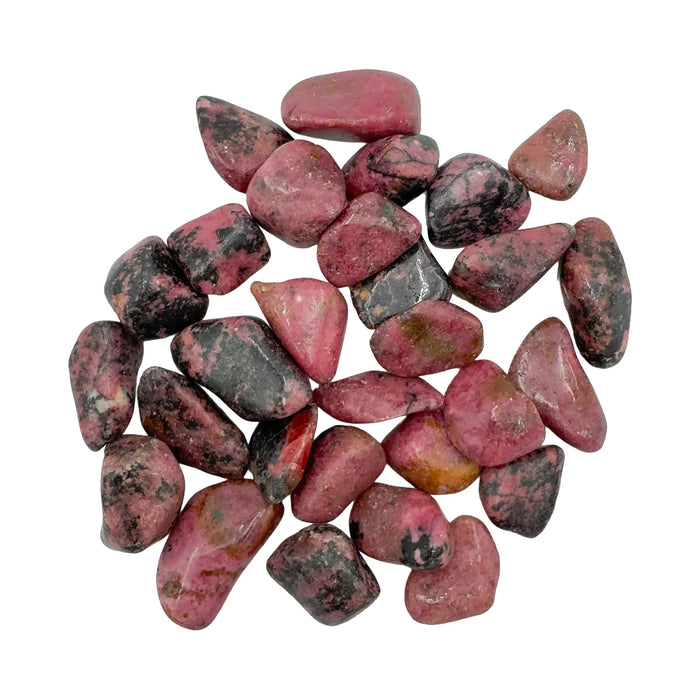
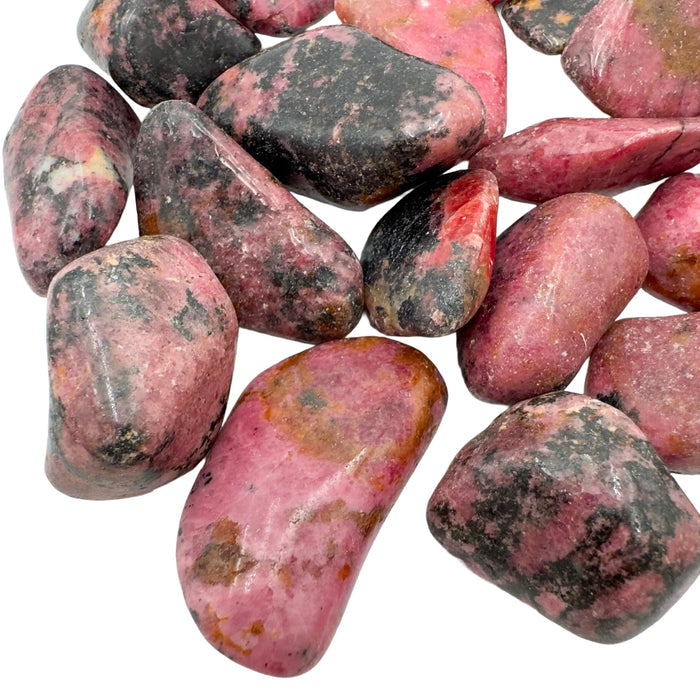
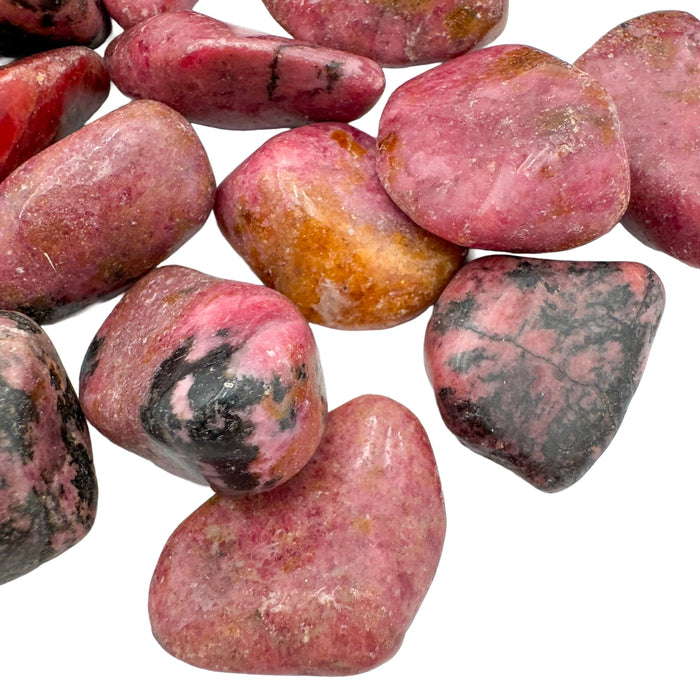
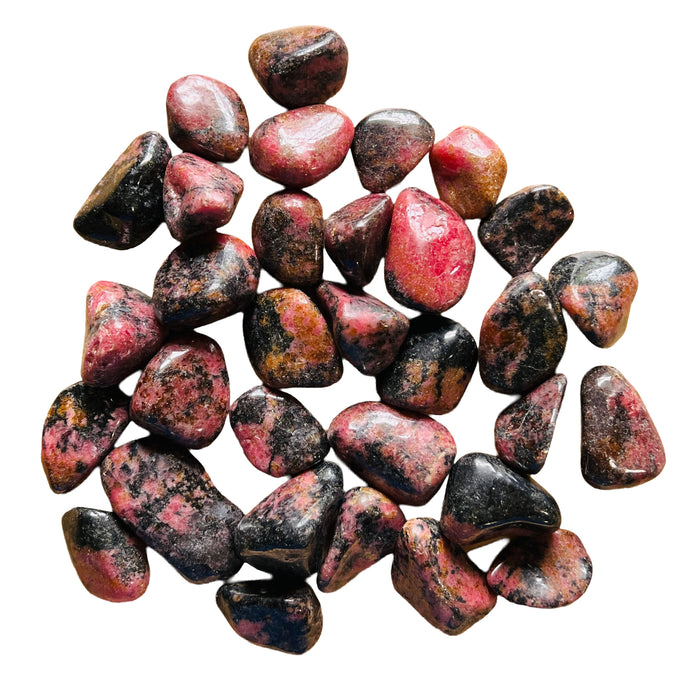
Ruby in Zoisite is not something we carry. Rhodonite is the closest match in color, and every piece passes our sourcing standards: origin named, treatments disclosed.
- from 1,000+ reviews
- Ships within 72 hoursMonday to Friday, tracked
- 90 days to return itif you do not love it
- Free US shipping over $99$8.99 flat rate under
The Slow Note
New stones go to the list first.
No forwarding, no selling. Unsubscribe in one click. Privacy