


 Agatefor stress relief
 Amazonitefor stress relief
 Aquamarinefor serenity
 Aventurinefor luck
 Bloodstonefor energy
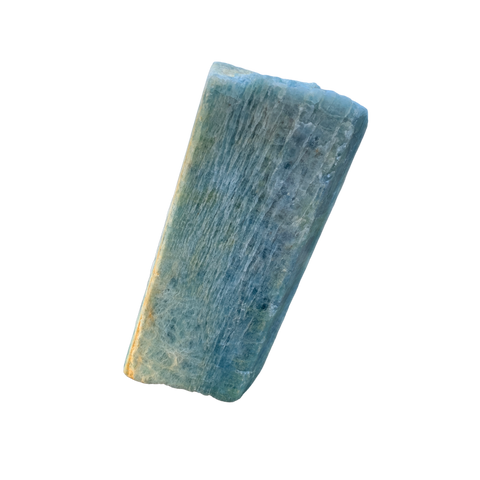
 Blue Kyanitefor confidence
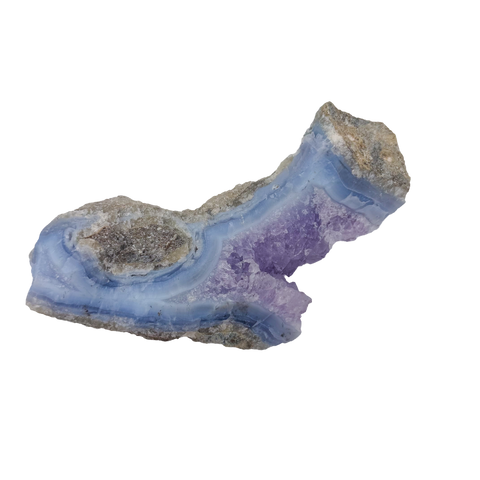
 Blue Lace Agatefor stress relief
 Chrysocollafor emotional healing
 Fluoritefor focus
 Garnetfor energy
 Lepidolitefor stress relief
 Malachitefor emotional healing
 Moonstonefor grounding
 Obsidianfor protection
 Ocean Jasperfor emotional healing
 Red Jasperfor grounding
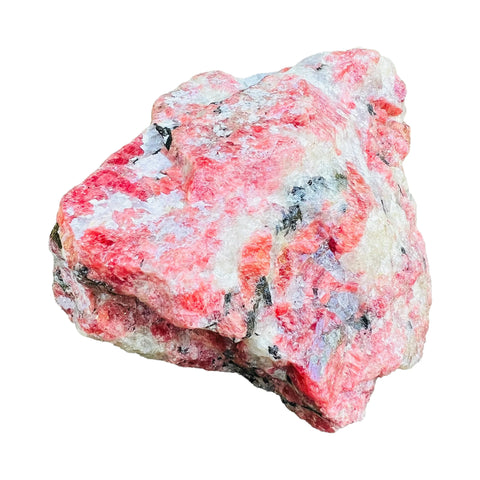
 Rhodonitefor emotional healing
 Selenitefor cleansing
 Sodalitefor focus
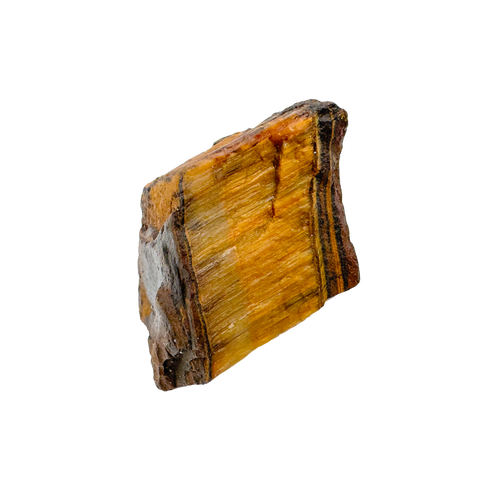
 Tiger Eyefor confidence
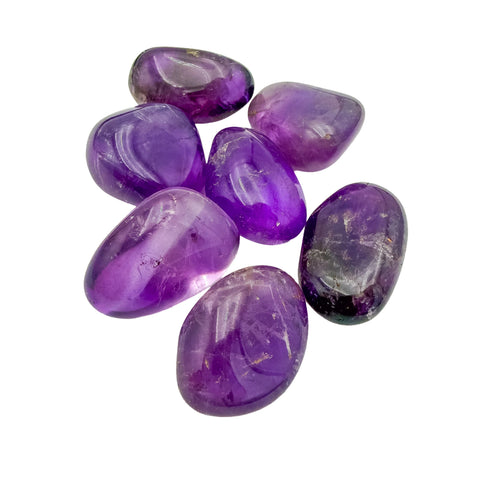


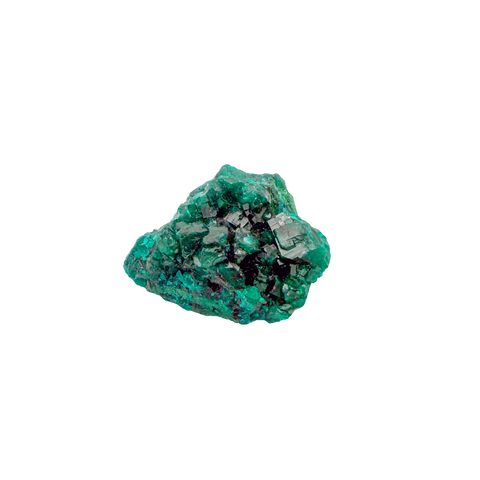
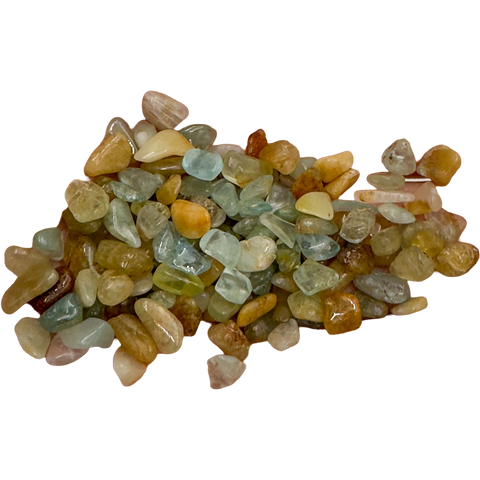
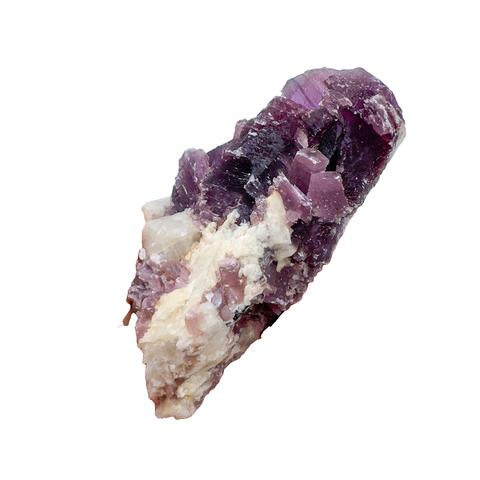
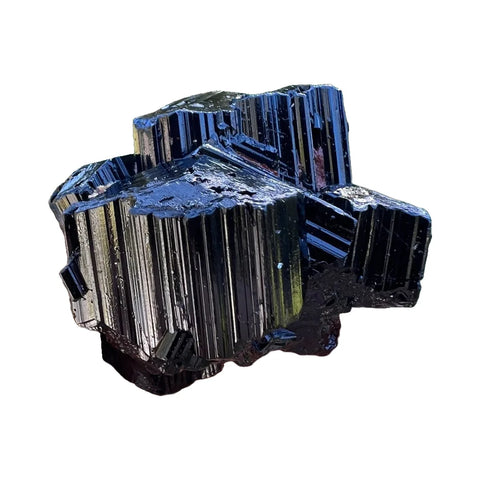
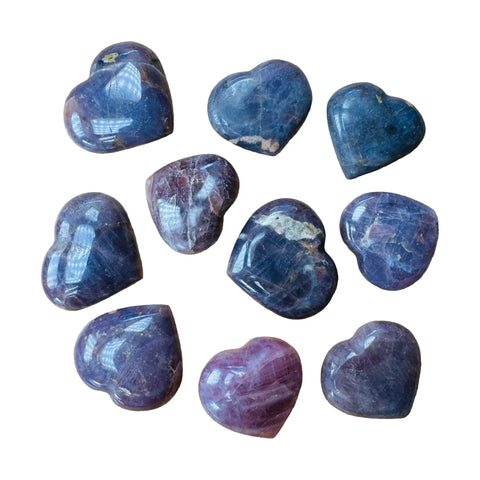
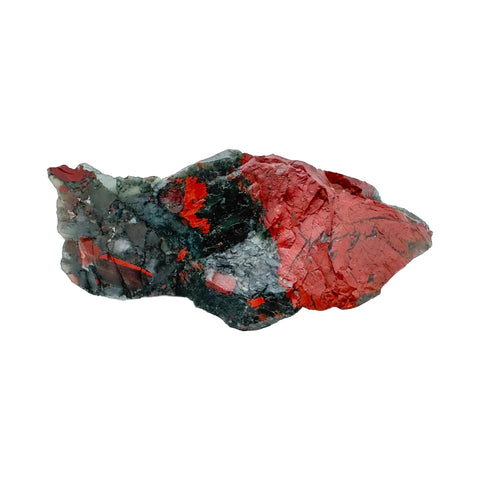
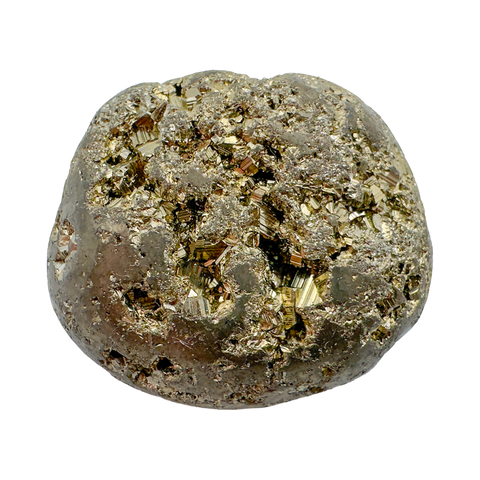
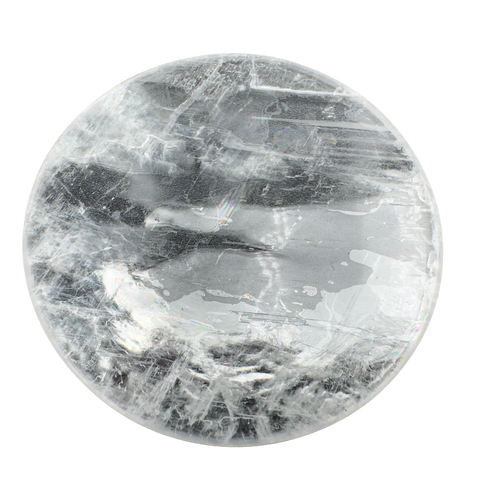
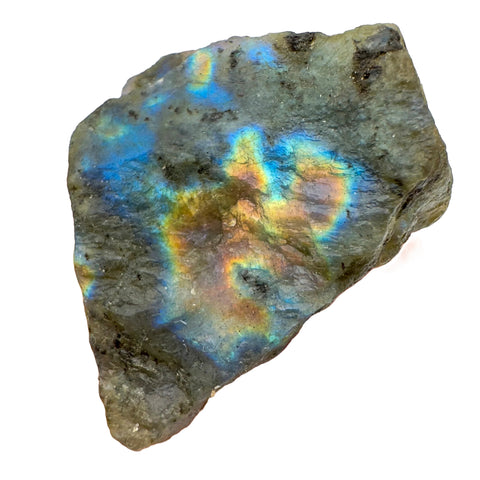


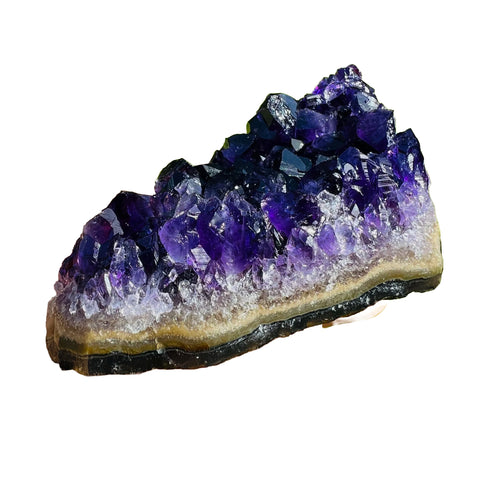





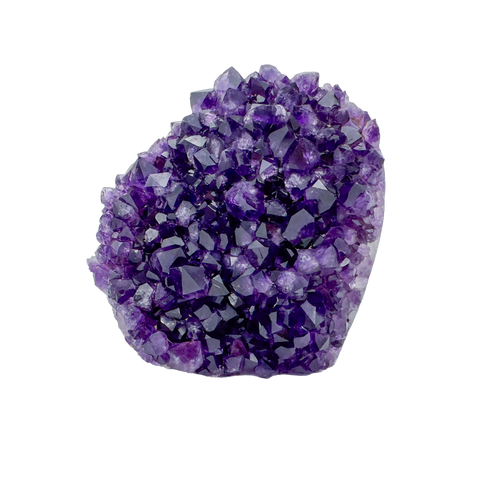
 Amethyst
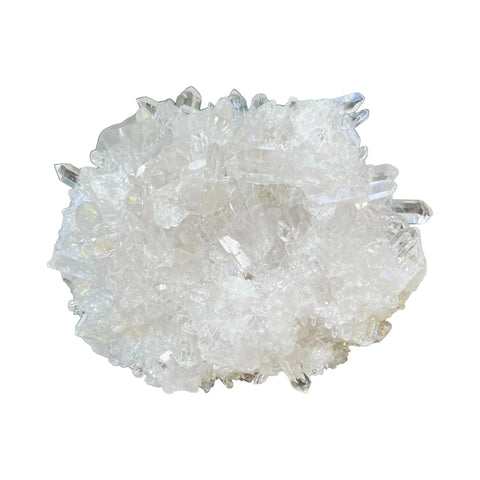
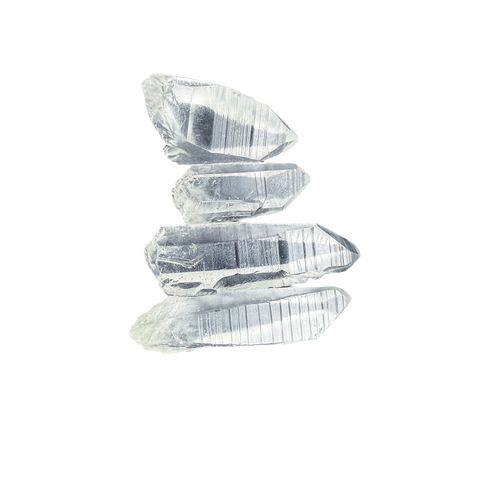
 Clear Quartz
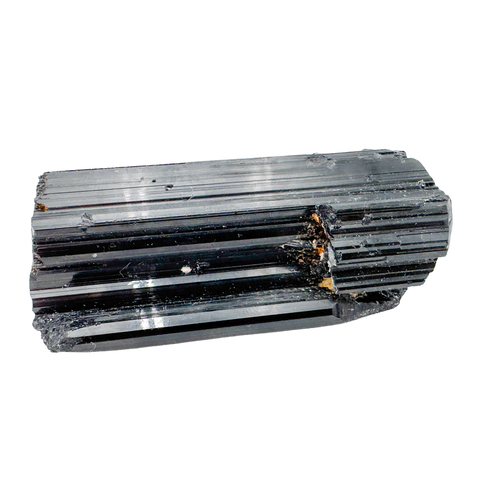
 Black Tourmaline
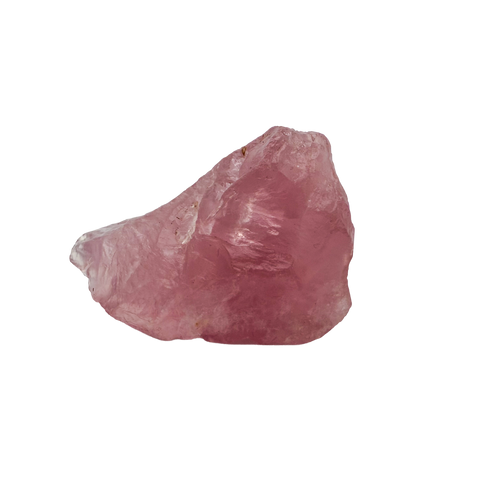
 Rose Quartz
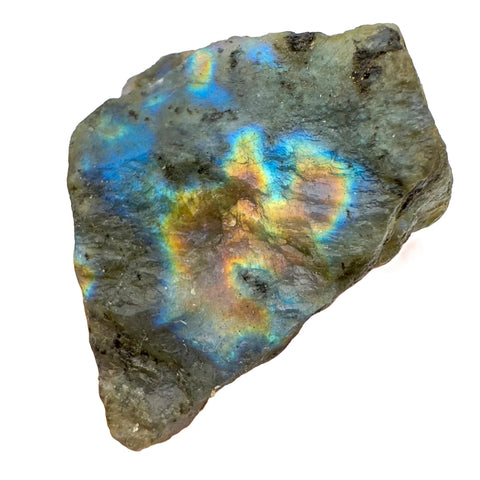
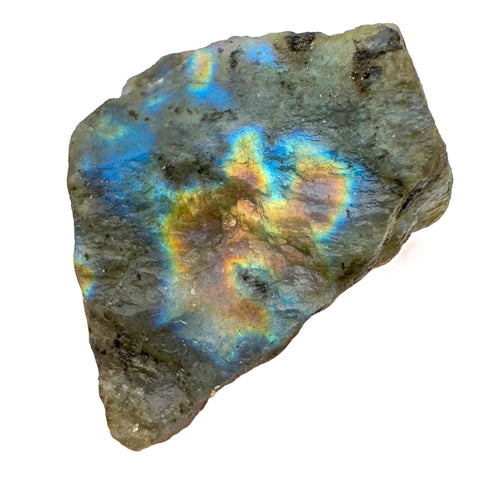
 Labradorite
 Natural Citrine
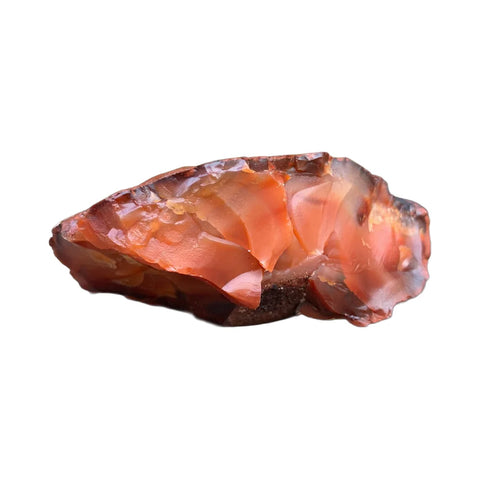
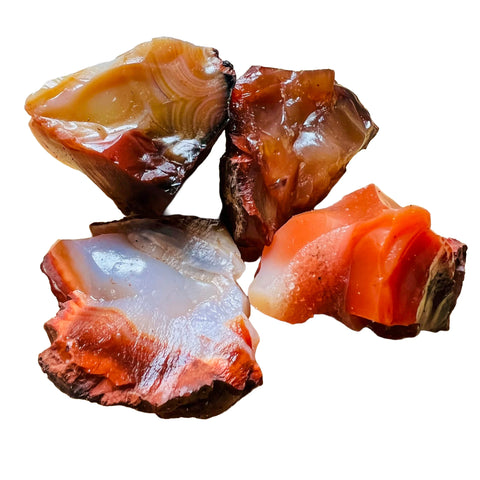
 Carnelian
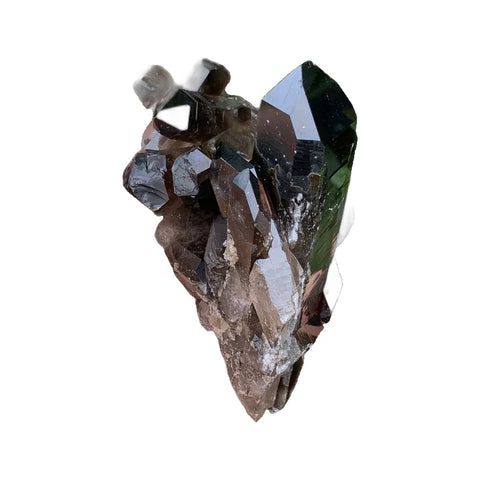
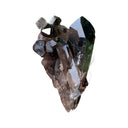 Smoky Quartz
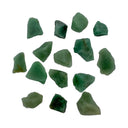 Aventurine
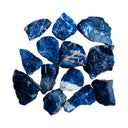 Sodalite
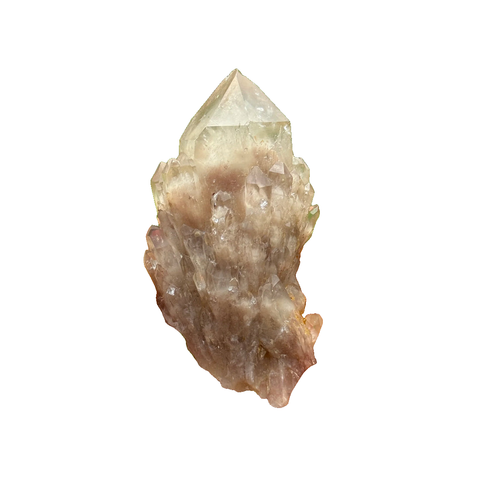
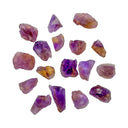 Ametrine
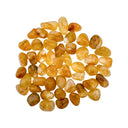 Golden Healer
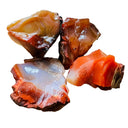 Raw Stones
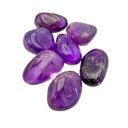 Tumbled Stones
 Palm Stones
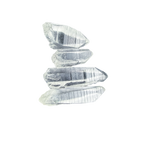 Crystal Points
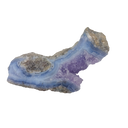 Clusters & Geodes
 Polished & Decor
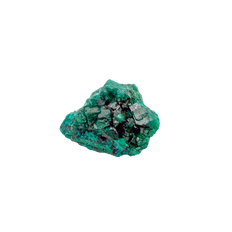 Mineral Specimens
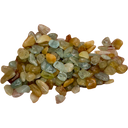 Crystal Chips
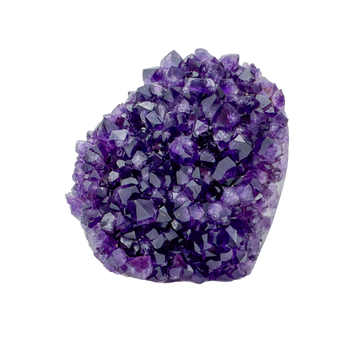
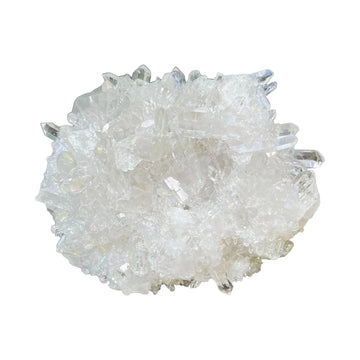
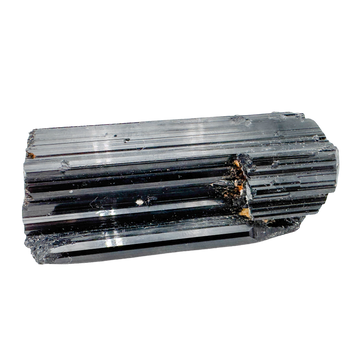
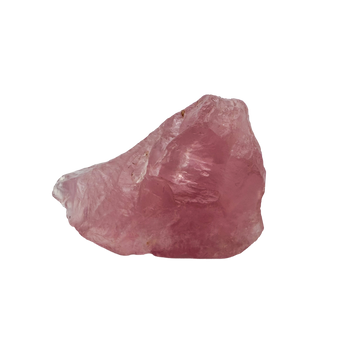
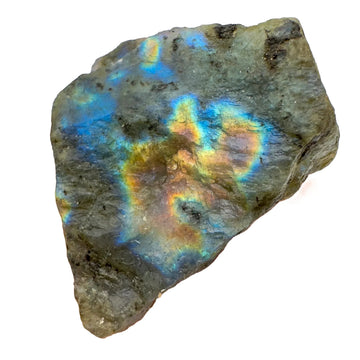
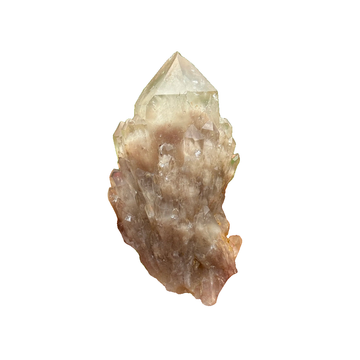
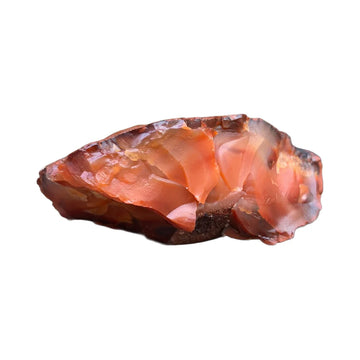
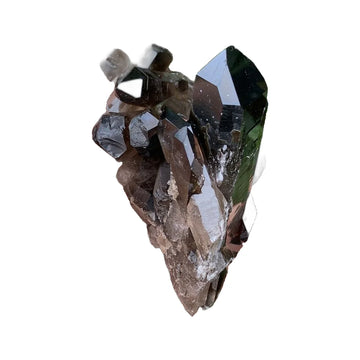
 Raw Stones
179 to choose from
Raw Stones
179 to choose from
 Tumbled Stones
162 to choose from
Tumbled Stones
162 to choose from
 Palm Stones
25 to choose from
Palm Stones
25 to choose from
 Crystal Points
23 to choose from
Crystal Points
23 to choose from
 Clusters & Geodes
101 to choose from
Clusters & Geodes
101 to choose from
 Polished & Decor
148 to choose from
Polished & Decor
148 to choose from
 Mineral Specimens
254 to choose from
Mineral Specimens
254 to choose from
 Crystal Chips
21 to choose from
Crystal Chips
21 to choose from


 AngolaAquamarine
›
AngolaAquamarine
›
 BotswanaCarnelian, Tree Agate
›
BotswanaCarnelian, Tree Agate
›
 DR CongoMalachite, Natural Citrine
›
DR CongoMalachite, Natural Citrine
›
 EswatiniBloodstone
›
EswatiniBloodstone
›
 MadagascarLabradorite, Clear Quartz
›
MadagascarLabradorite, Clear Quartz
›
 MalawiBlue Lace Agate, Garnet
›
MalawiBlue Lace Agate, Garnet
›
 MozambiqueAmazonite
›
MozambiqueAmazonite
›
 NamibiaSodalite, Blue Lace Agate
›
NamibiaSodalite, Blue Lace Agate
›
 Republic of the CongoDioptase
›
Republic of the CongoDioptase
›
 South AfricaTiger Eye, Unakite
›
South AfricaTiger Eye, Unakite
›
 ZambiaChevron Amethyst
›
ZambiaChevron Amethyst
›
 ZimbabweEmerald, Rhodonite
›
ZimbabweEmerald, Rhodonite
›
 ArgentinaBlack Obsidian, Rhodochrosite
›
ArgentinaBlack Obsidian, Rhodochrosite
›
 BoliviaAmetrine
›
BoliviaAmetrine
›
 BrazilAmethyst, Clear Quartz
›
BrazilAmethyst, Clear Quartz
›
 PeruSerpentine, Jade
›
PeruSerpentine, Jade
›
 UruguayAmethyst
›
UruguayAmethyst
›
 Dominican RepublicLarimar
›
Dominican RepublicLarimar
›
 MexicoRainbow Obsidian, Crazy Lace Agate
›
MexicoRainbow Obsidian, Crazy Lace Agate
›
 United StatesSelenite, Peridot
›
United StatesSelenite, Peridot
›
 ChinaFluorite
›
ChinaFluorite
›
 RussiaShungite
›
RussiaShungite
›
 AustraliaMookaite
›
AustraliaMookaite
›
 Where our crystals come from
See where we source →
Where our crystals come from
See where we source →


 Aries
Mar 21 to Apr 19
Carnelian
›
Aries
Mar 21 to Apr 19
Carnelian
›
 Taurus
Apr 20 to May 20
Rose Quartz
›
Taurus
Apr 20 to May 20
Rose Quartz
›
 Gemini
May 21 to Jun 20
Agate
›
Gemini
May 21 to Jun 20
Agate
›
 Cancer
Jun 21 to Jul 22
Moonstone
›
Cancer
Jun 21 to Jul 22
Moonstone
›
 Leo
Jul 23 to Aug 22
Citrine
›
Leo
Jul 23 to Aug 22
Citrine
›
 Virgo
Aug 23 to Sep 22
Amazonite
›
Virgo
Aug 23 to Sep 22
Amazonite
›
 Libra
Sep 23 to Oct 22
Blue Lace Agate
›
Libra
Sep 23 to Oct 22
Blue Lace Agate
›
 Scorpio
Oct 23 to Nov 21
Obsidian
›
Scorpio
Oct 23 to Nov 21
Obsidian
›
 Sagittarius
Nov 22 to Dec 21
Sodalite
›
Sagittarius
Nov 22 to Dec 21
Sodalite
›
 Capricorn
Dec 22 to Jan 19
Black Tourmaline
›
Capricorn
Dec 22 to Jan 19
Black Tourmaline
›
 Aquarius
Jan 20 to Feb 18
Amethyst
›
Aquarius
Jan 20 to Feb 18
Amethyst
›
 Pisces
Feb 19 to Mar 20
Aquamarine
›
Gifting?
A birthday stone is the safe bet.
Read the zodiac guide →
Pisces
Feb 19 to Mar 20
Aquamarine
›
Gifting?
A birthday stone is the safe bet.
Read the zodiac guide →


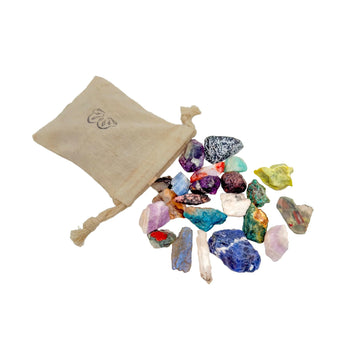
Vesuvianite
Vesuvianite, also called idocrase, is a green to yellow-green silicate first found on the slopes of Mount Vesuvius. It grows as stubby tetragonal crystals and as a compact, jade-like stone. It stays close to untreated in the market, and people often work with it for a steady, heart-centered sense of purpose.
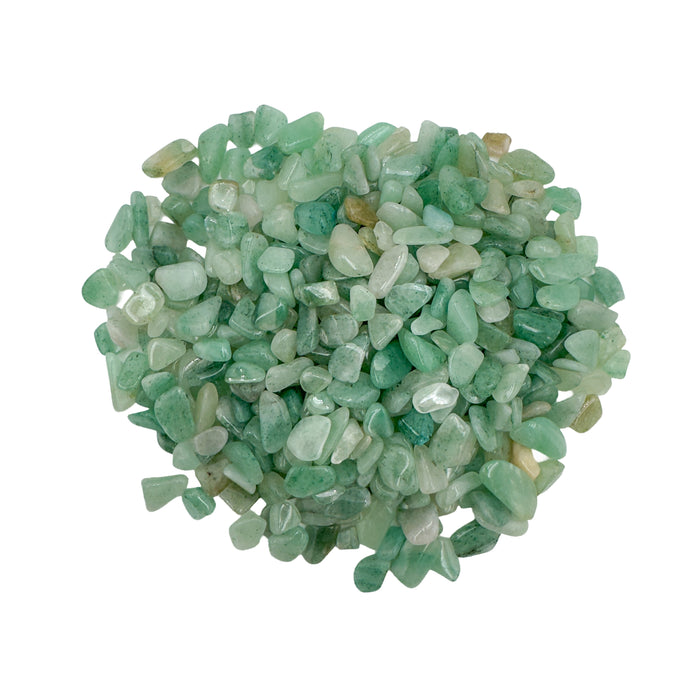
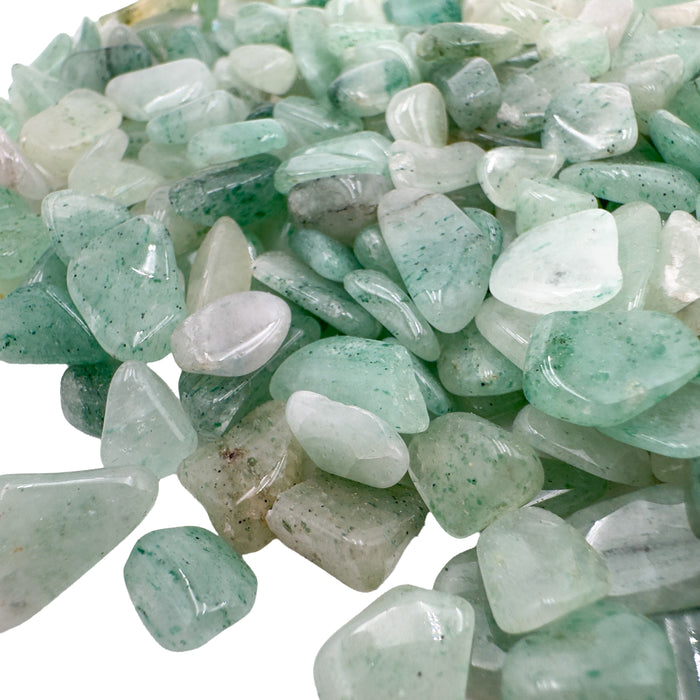
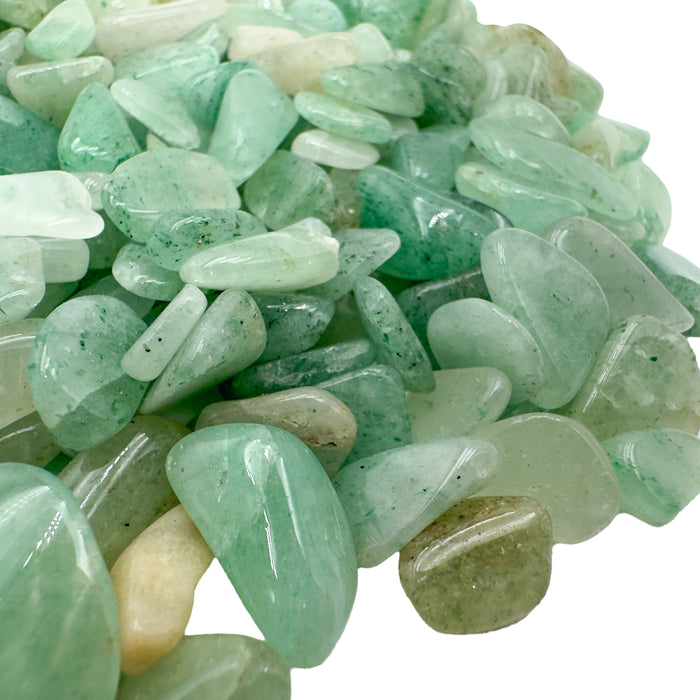
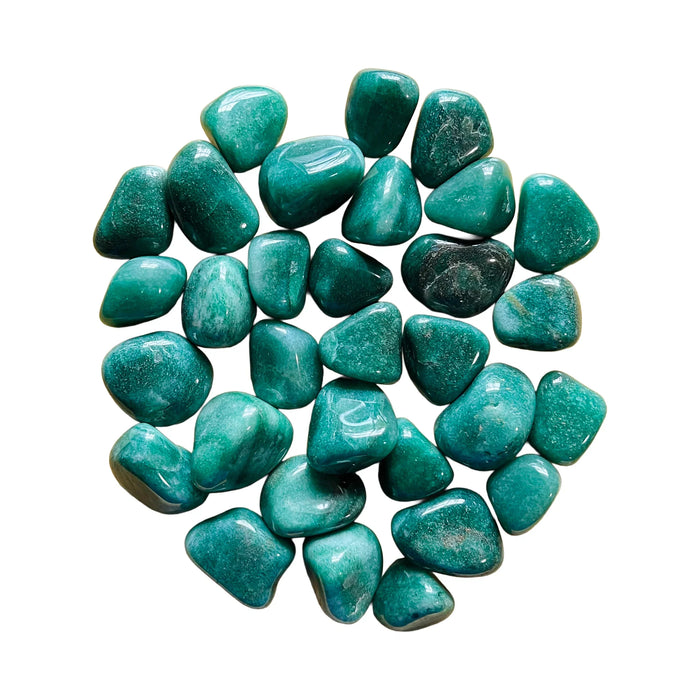
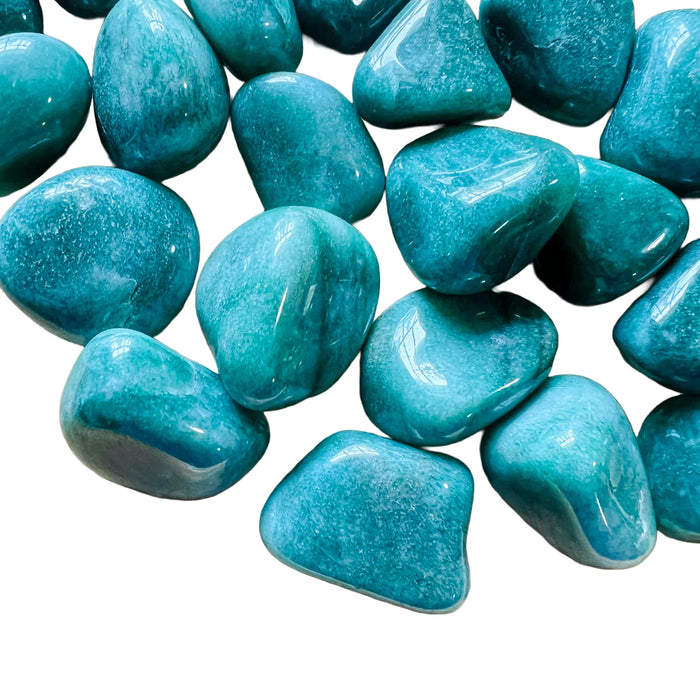
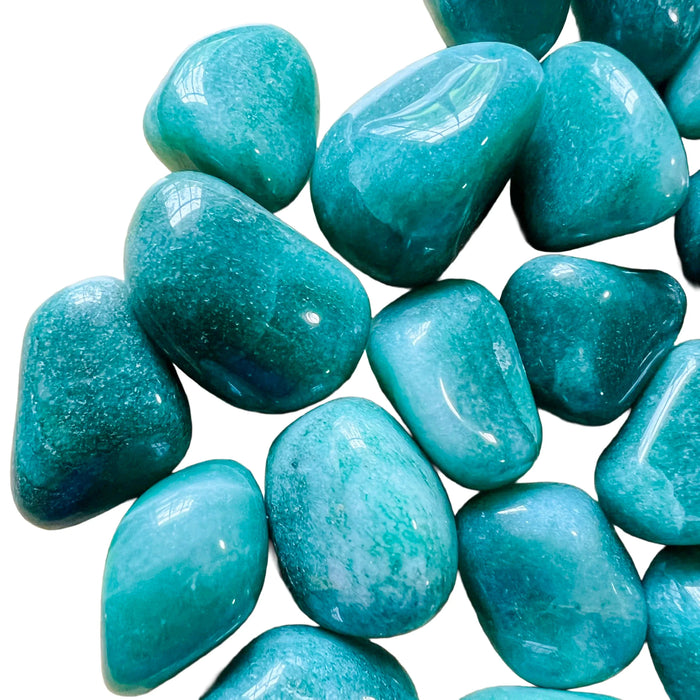
Love Vesuvianite? Meet Aventurine.
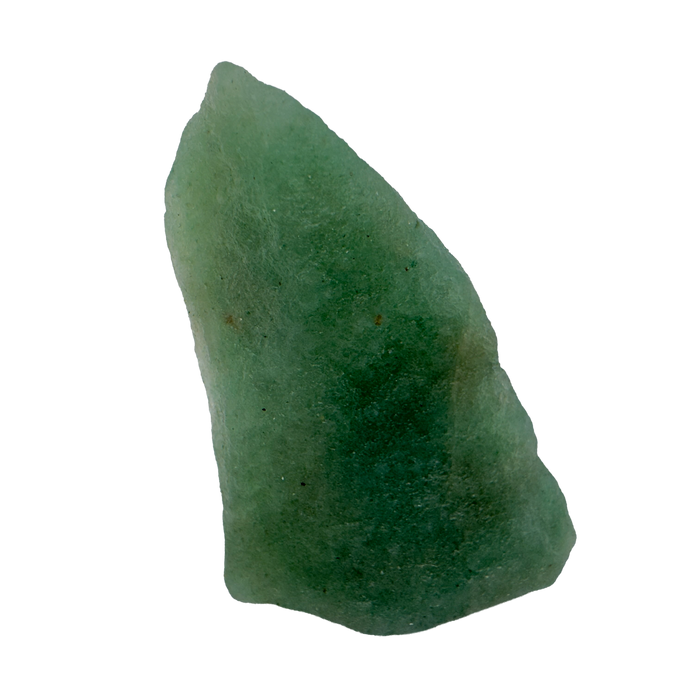
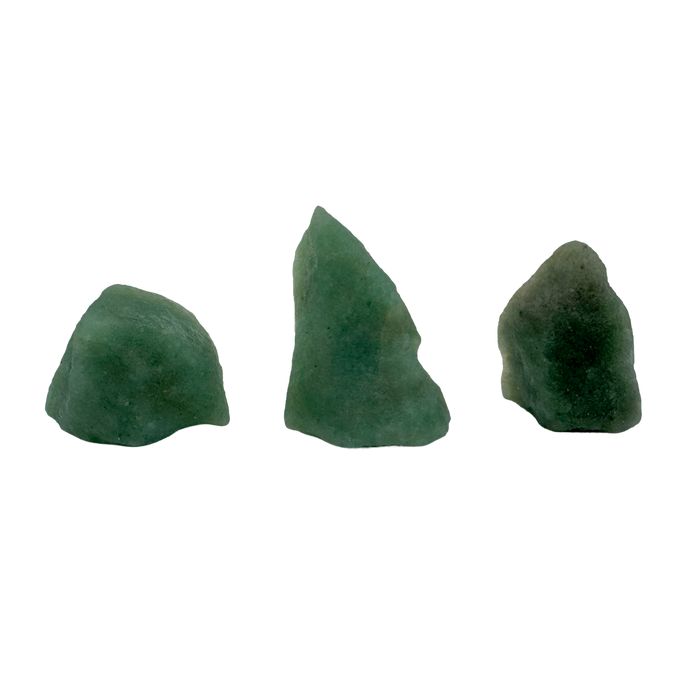
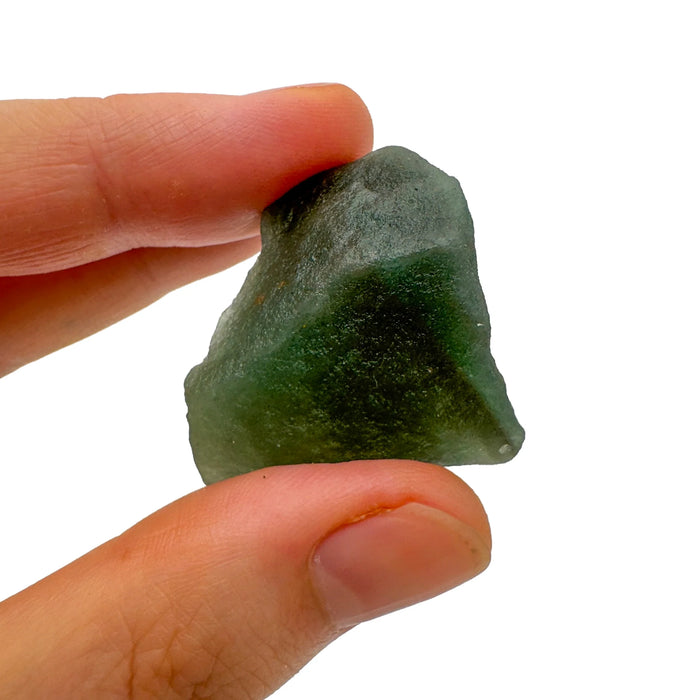
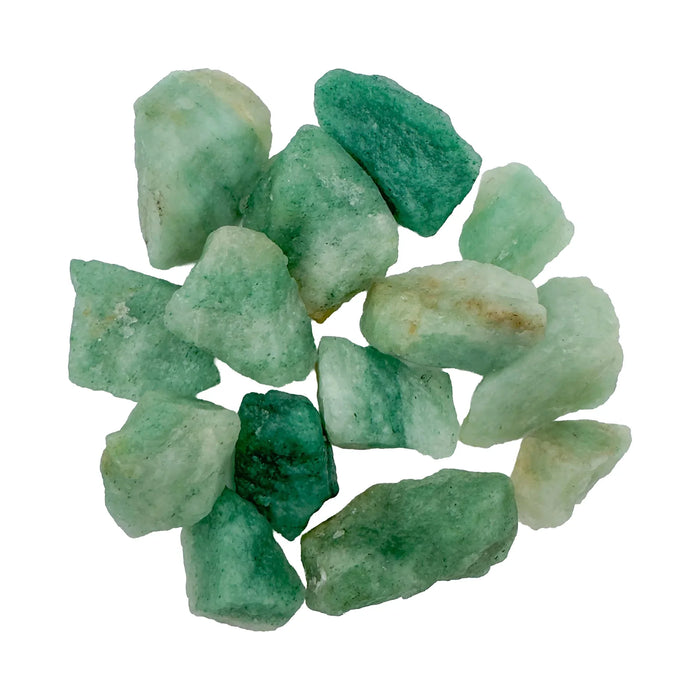
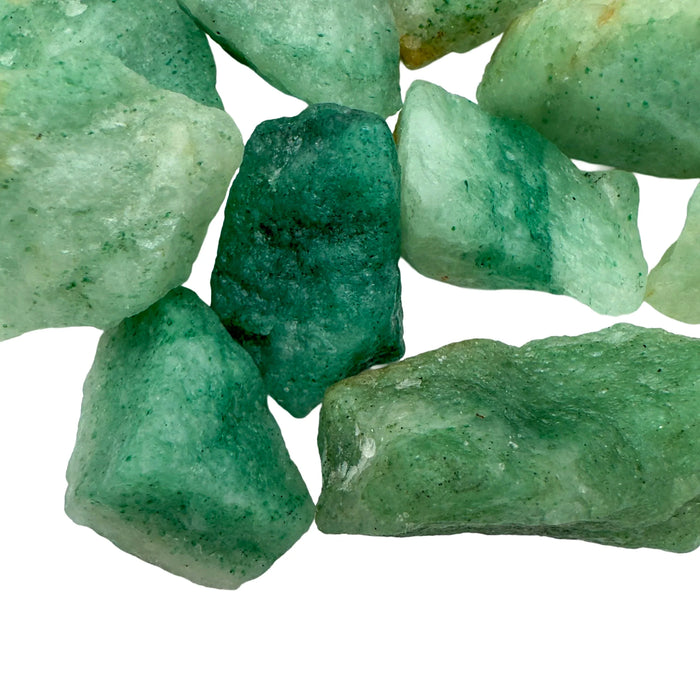
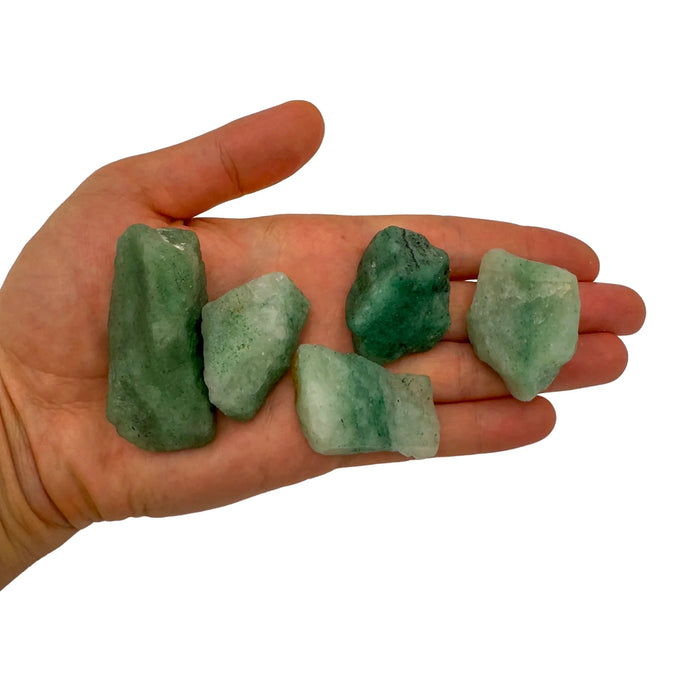
Vesuvianite is not something we carry. Aventurine is the closest match in color, and every product page names its origin and grade.
- from 1,000+ reviews
- Ships within 72 hoursMonday to Friday, tracked
- 90 days to return itif you do not love it
- Free US shipping over $99$8.99 flat rate under
The geology.
Vesuvianite is a complex calcium aluminum silicate, with a formula usually written as Ca10(Mg,Fe)2Al4(SiO4)5(Si2O7)2(OH,F)4. It belongs to the sorosilicate group and forms stubby prismatic crystals in the tetragonal system, often square in cross-section, as well as compact massive material. Its color is most often green or yellow-green, though brown, yellow, and a rare blue called cyprine also occur.
Hardness sits at about 6.5 on the Mohs scale, with a vitreous to resinous luster and a specific gravity around 3.3 to 3.4. The name idocrase, from Greek roots meaning mixed form, points to crystal faces that seem to blend the forms of other minerals, part of why the stone has long intrigued collectors.
The origins.
Vesuvianite earns its name from Mount Vesuvius in Italy, where it was first identified in blocks thrown out by the volcano in the eighteenth century. Fine crystals still come from Italy, and the Asbestos area of Quebec, Canada is known for rich green and rare blue cyprine. Other notable sources include California, where a massive green jade-like form is called californite, along with Russia, Norway, Pakistan, Kenya, and Switzerland.
Because it forms in contact-metamorphosed limestone and in skarns, vesuvianite often shares its rock with grossular garnet, diopside, and wollastonite. A named locality usually tells you what to expect, from sharp Italian crystals to Canadian green masses.
Traditional associations.
Vesuvianite carries a reputation as a stone of purpose and steadiness. People often describe it as helping to clear away discouragement and connect the heart with a sense of direction, pairing feeling with follow-through.
Many work with it for loyalty, cooperation, and releasing old patterns, with its green color linking it most often to the Heart chakra. It is associated with the element of Earth and the signs Capricorn and Sagittarius. A common practice is to keep a piece nearby during a long project or a season of change that asks for patience.
Spotting the real thing.
Genuine vesuvianite shows a vitreous to slightly resinous luster and, when crystallized, stubby square prisms in the tetragonal system. Massive green material has an even, jade-like body. Hardness around 6.5 helps separate it from softer green stones, and its distinct crystal habit sets it apart from cubic garnet and from the more fibrous look of some jades.
The most common issue is name confusion rather than fakery. Californite has been marketed as California jade, and vesuvianite can pass at a glance for jadeite, nephrite, peridot, epidote, or green grossular. If a green stone is sold under a poetic trade name, ask for the mineral species. Reputable sellers will say vesuvianite or idocrase plainly.
Care & handling.
Vesuvianite is reasonably durable at about 6.5 on the Mohs scale, suitable for pendants, earrings, and careful ring wear, though it is best protected from hard knocks. A quick rinse in warm water with a soft cloth keeps it clean, and it is stable in normal light.
Skip ultrasonic and steam cleaners, strong heat, and harsh chemicals, which can stress the stone or dull its surface. Store it away from harder gems like quartz, topaz, and sapphire so they do not scratch it. To reset it, many people use moonlight, sound, or a rest on a selenite plate.
Pairs well with.
A deeper look.
Extended geology, sourcing, authentication, history, and varieties, for when the quick guide isn't quite enough.
Extended geology
Vesuvianite is a sorosilicate, a silicate built partly on paired SiO4 tetrahedra, the Si2O7 groups, alongside isolated ones. Its full formula is complex and variable, Ca10(Mg,Fe)2Al4(SiO4)5(Si2O7)2(OH,F)4, and trace elements shift its color: chromium and iron toward green, titanium and iron toward brown, copper toward the rare blue cyprine. It crystallizes in the tetragonal system as stubby prisms, often capped by low pyramids, and also grows massive.
It forms mainly where limestone is altered by nearby igneous heat, in contact metamorphic zones and skarns. That setting explains its frequent companions, grossular garnet, diopside, and wollastonite, and its presence in the ejected blocks of Vesuvius that gave it a name. Specific gravity runs about 3.3 to 3.4, luster vitreous to resinous.
Extended sourcing
Italy, and Mount Vesuvius in particular, is the historic type locality. The mining district near Asbestos in Quebec, Canada produced celebrated green crystals and rare blue cyprine. California supplies massive green vesuvianite, the californite marketed at times as California jade. Additional sources include the Ural Mountains of Russia, Norway, Pakistan, Kenya, Switzerland, and parts of the United States such as Maine and New York.
Quality depends on form. Collectors prize sharp, lustrous crystals from classic localities, while carvers and cabbers value clean, evenly colored massive material. Blue cyprine and gemmy transparent crystals are the rarest and most sought after.
Authentication and warning signs
The tetragonal, stubby-prism habit and a resinous-to-vitreous luster are strong clues. Hardness near 6.5 separates vesuvianite from softer lookalikes, and its crystal shape distinguishes it from cubic garnet. Massive green material can be told from jade by testing and by luster, though a lab is sometimes needed for certainty.
The real caution is nomenclature. Watch for California jade, a marketing name for californite, and for green stones sold under vague trade names. Idocrase and vesuvianite are two names for the same mineral, so both are legitimate. Ask for the species when a green stone seems too good, or too cheap, to be jade.
History and folklore
Vesuvianite was described in 1795 by the German geologist Abraham Gottlob Werner, who named it for Mount Vesuvius. The alternative name idocrase, from Greek words for mixed form, was introduced by the French mineralogist Rene Just Hauy for the way its crystal faces seem to combine forms of other minerals. As a stone recognized only in the modern scientific era, its metaphysical associations are contemporary rather than ancient.
Varieties and trade names
Idocrase: an equally correct name for vesuvianite, common in gem and lapidary circles.
Californite: massive green vesuvianite from California, sometimes marketed as California jade.
Cyprine: a rare blue, copper-bearing vesuvianite.
Xanthite and other older varietal names appear occasionally in mineral collections.
What it costs in the market
Tumbled vesuvianite and small cabochons: roughly 4 to 25 dollars. Massive californite cabochons and carvings: around 20 to 120 dollars depending on color and clarity. Fine transparent crystals and gem-quality faceted stones, especially green or blue, can run from tens into the hundreds of dollars per carat or specimen. Value tracks color, transparency, crystal quality, and locality.
An education-first guide.
We don't currently carry vesuvianite, so there's nothing to sell you here. This guide exists because the more you understand a stone, the better every decision you make about it becomes, wherever you buy it. Explore the rest of our crystal guides for stones we do source, each with full origin and treatment notes.
Explore the Crystal GuideGrounded Connections
New stones go to the list first.
No forwarding, no selling. Unsubscribe in one click. Privacy