


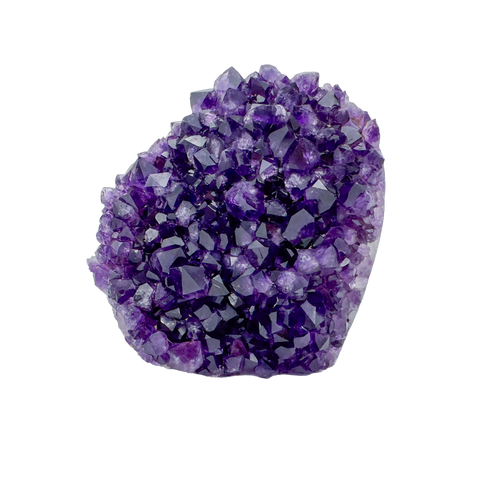
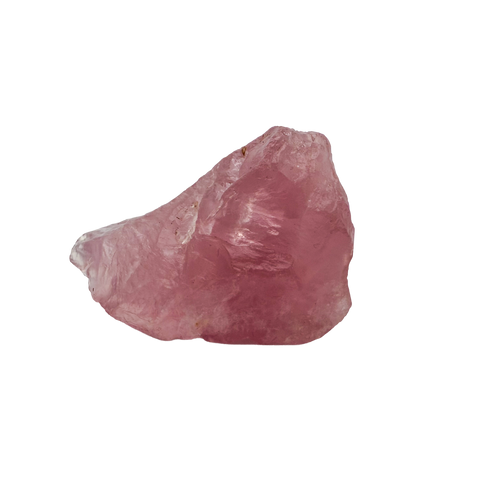
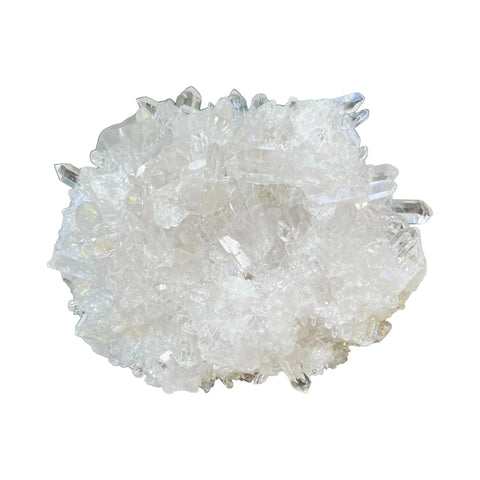
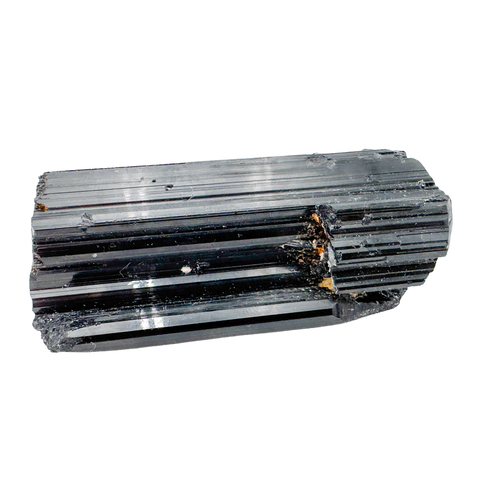
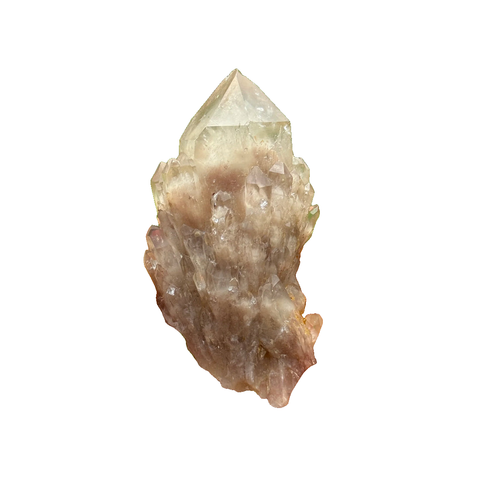
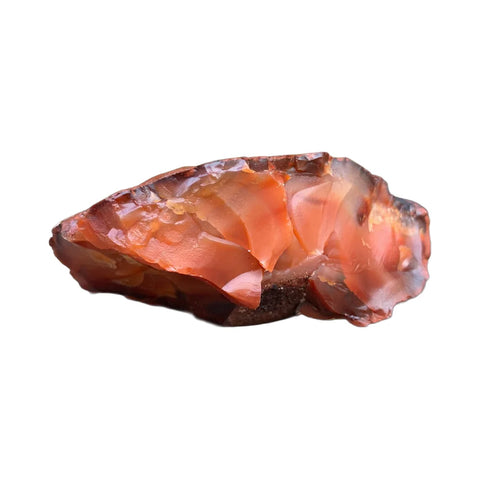
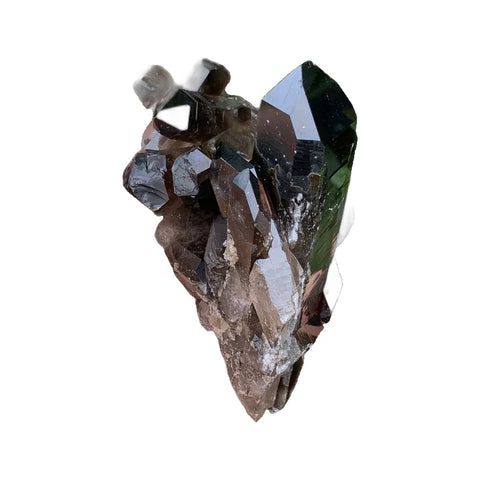
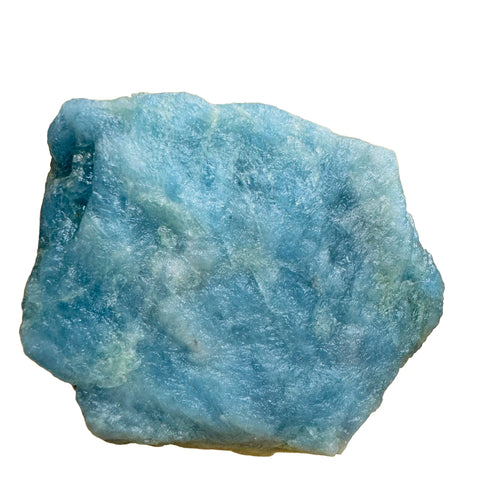
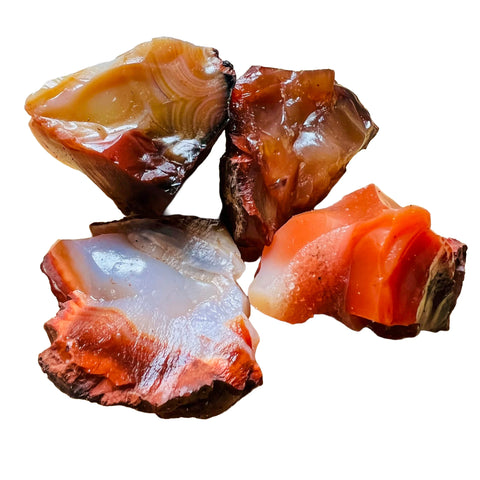


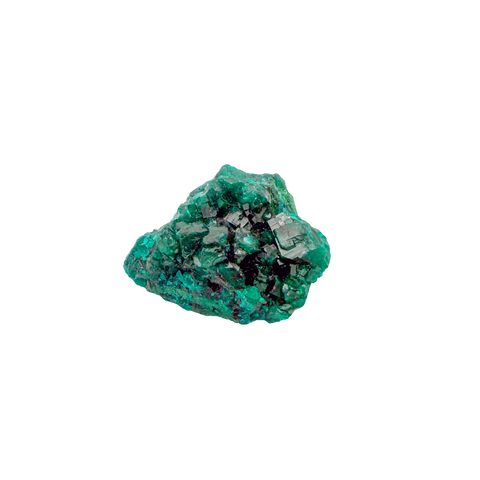
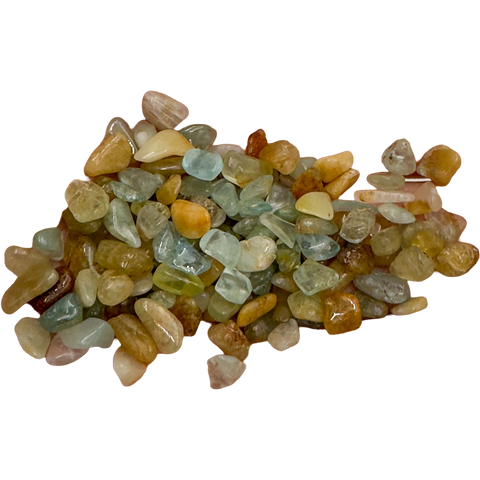
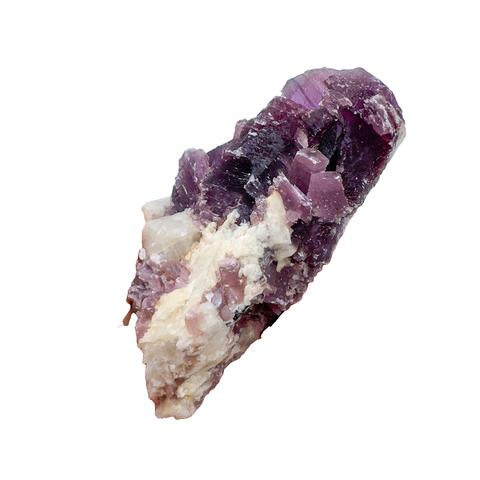
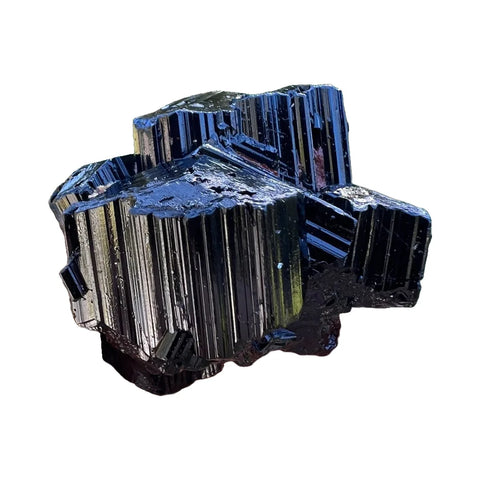
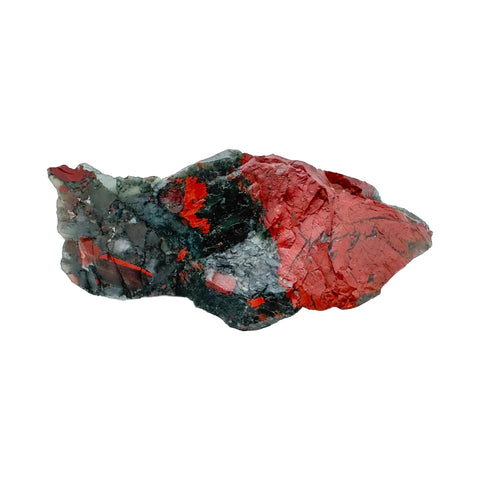
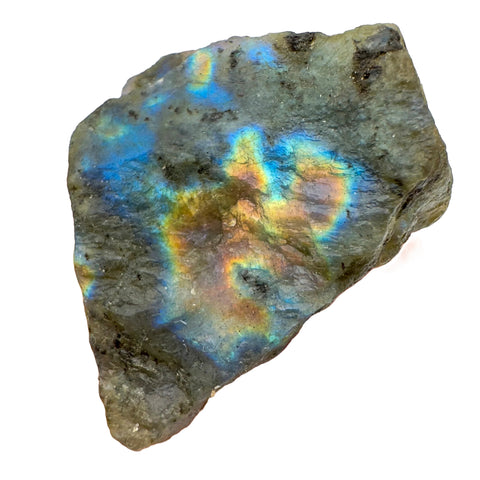
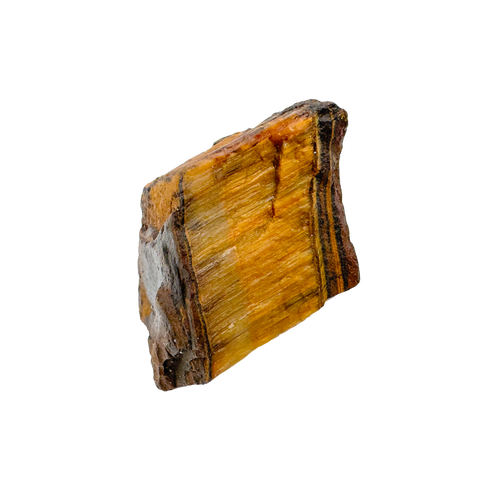
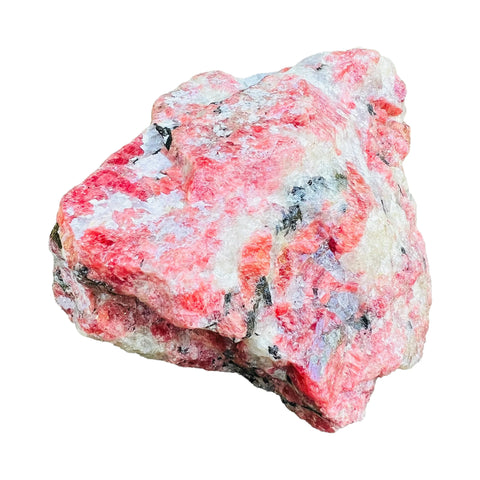
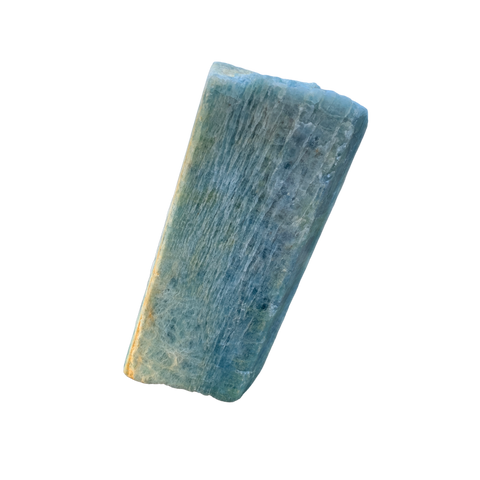
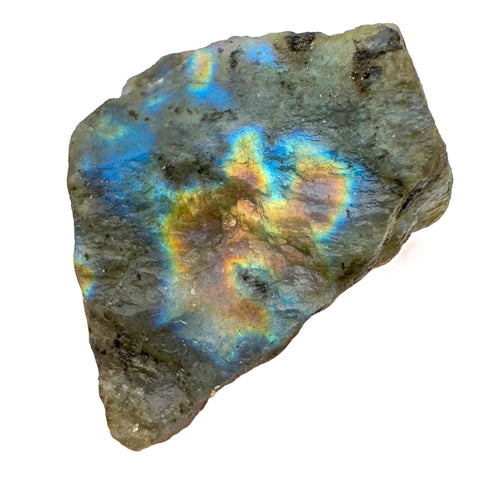
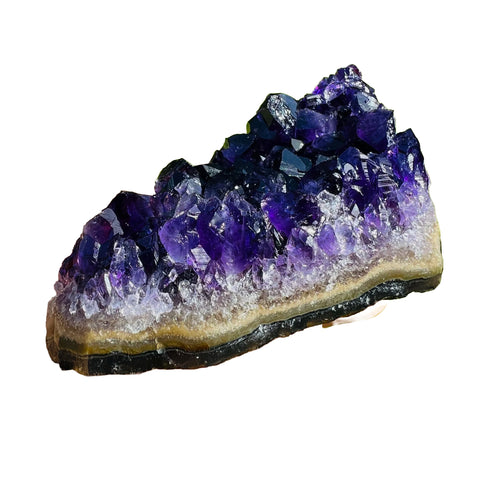


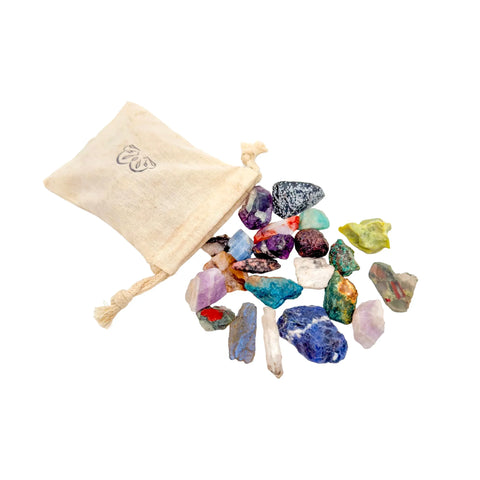
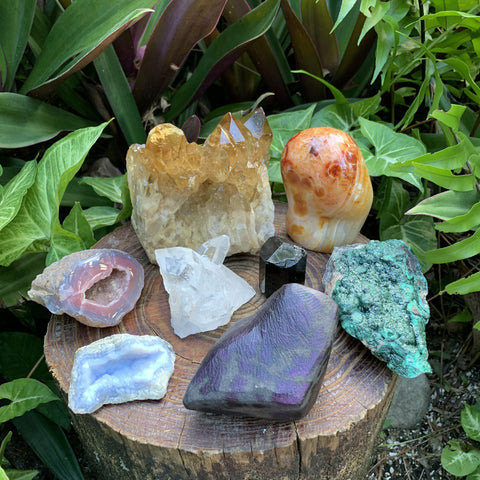
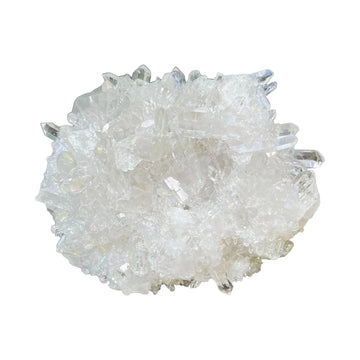
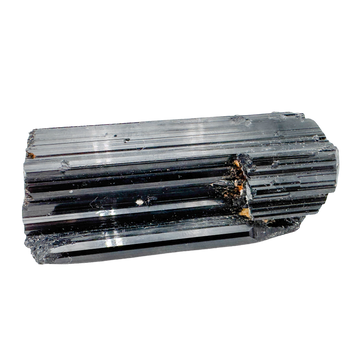
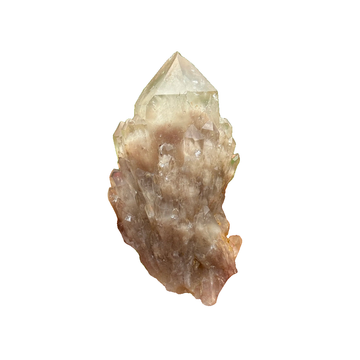
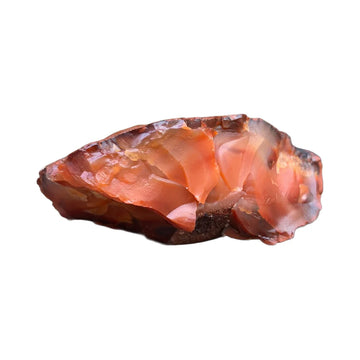
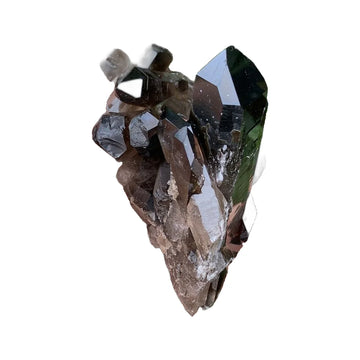
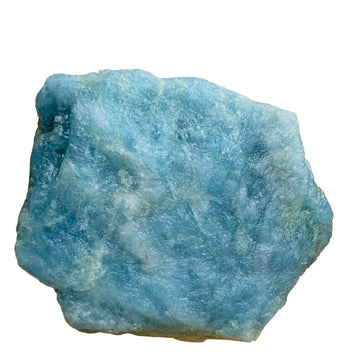
 Raw Stones
179 pieces
Raw Stones
179 pieces
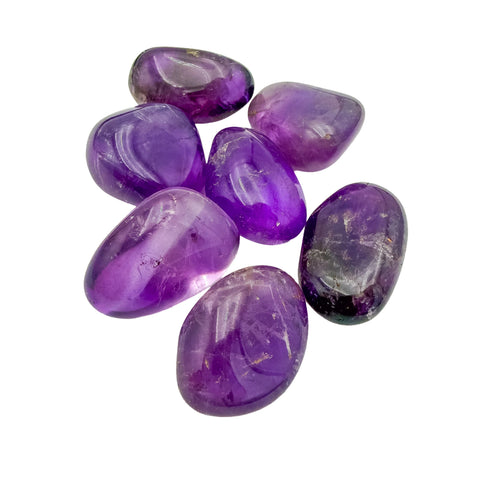
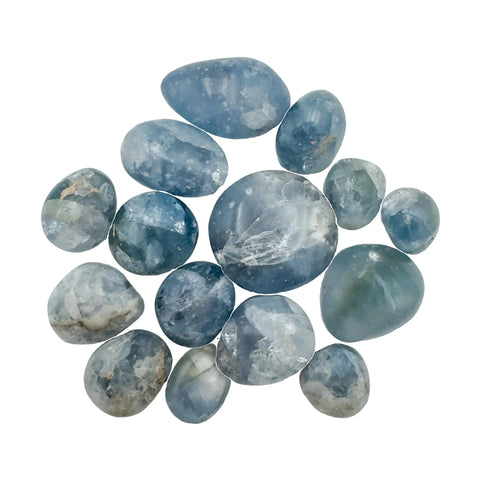
 Tumbled Stones
162 pieces
Tumbled Stones
162 pieces
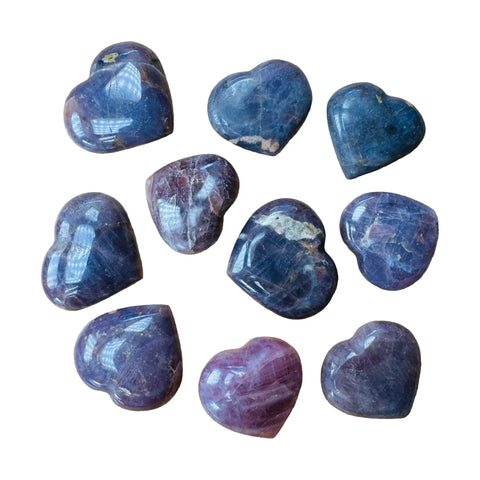
 Palm Stones
25 pieces
Palm Stones
25 pieces
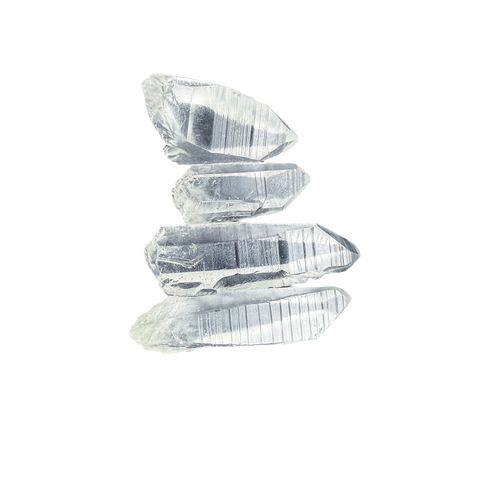
 Crystal Points
23 pieces
Crystal Points
23 pieces
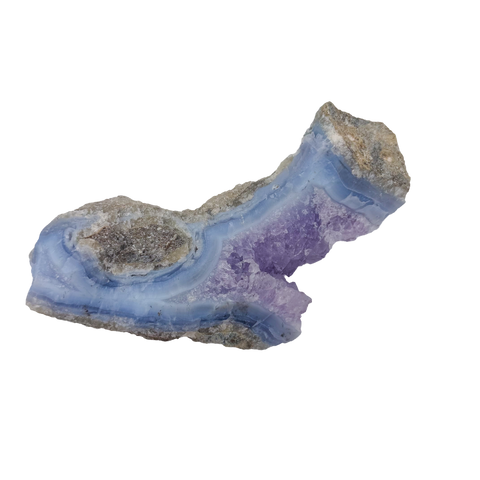
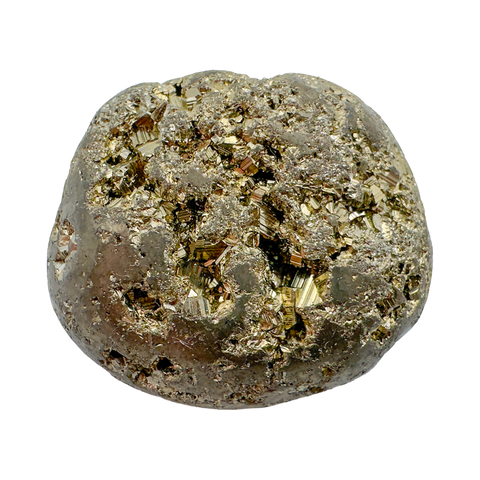
 Clusters & Geodes
104 pieces
Clusters & Geodes
104 pieces
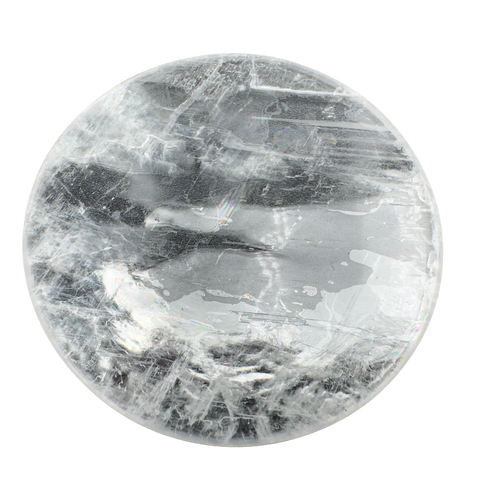
 Polished & Decor
148 pieces
Polished & Decor
148 pieces
 Mineral Specimens
259 collector pieces
Mineral Specimens
259 collector pieces
 Crystal Chips
21 pieces
Browse everything
Every collection, one page.
View All Collections →
Crystal Chips
21 pieces
Browse everything
Every collection, one page.
View All Collections →


 Aries
Mar 21 – Apr 19
Carnelian
›
Aries
Mar 21 – Apr 19
Carnelian
›
 Taurus
Apr 20 – May 20
Rose Quartz
›
Taurus
Apr 20 – May 20
Rose Quartz
›
 Gemini
May 21 – Jun 20
Agate
›
Gemini
May 21 – Jun 20
Agate
›
 Cancer
Jun 21 – Jul 22
Moonstone
›
Cancer
Jun 21 – Jul 22
Moonstone
›
 Leo
Jul 23 – Aug 22
Citrine
›
Leo
Jul 23 – Aug 22
Citrine
›
 Virgo
Aug 23 – Sep 22
Amazonite
›
Virgo
Aug 23 – Sep 22
Amazonite
›
 Libra
Sep 23 – Oct 22
Blue Lace Agate
›
Libra
Sep 23 – Oct 22
Blue Lace Agate
›
 Scorpio
Oct 23 – Nov 21
Obsidian
›
Scorpio
Oct 23 – Nov 21
Obsidian
›
 Sagittarius
Nov 22 – Dec 21
Sodalite
›
Sagittarius
Nov 22 – Dec 21
Sodalite
›
 Capricorn
Dec 22 – Jan 19
Black Tourmaline
›
Capricorn
Dec 22 – Jan 19
Black Tourmaline
›
 Aquarius
Jan 20 – Feb 18
Amethyst
›
Aquarius
Jan 20 – Feb 18
Amethyst
›
 Pisces
Feb 19 – Mar 20
Aquamarine
›
Gifting?
A birthday stone is the safe bet.
Read the zodiac guide →
Pisces
Feb 19 – Mar 20
Aquamarine
›
Gifting?
A birthday stone is the safe bet.
Read the zodiac guide →
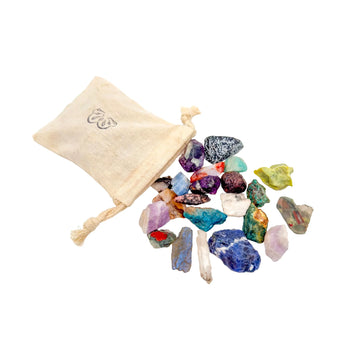
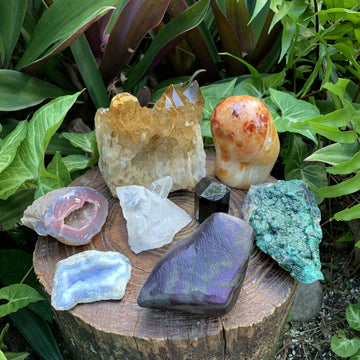
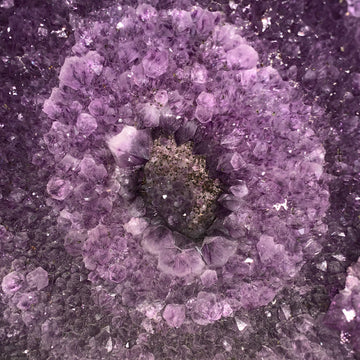
Variscite
Variscite is a green hydrated aluminum phosphate, sometimes mistaken for turquoise but colored by chromium instead of copper. It ranges from apple green to deep bluish green, often with matrix veining. Many people work with it for encouragement, calm, and quiet renewal.
The geology.
Variscite is a hydrated aluminum phosphate, AlPO4 with two waters, that crystallizes in the orthorhombic system. Distinct crystals are very rare. It almost always occurs as fine-grained, compact masses, nodules, and veins, which is the form cut into cabochons and beads. Its green color comes from small amounts of trivalent chromium.
It is a relatively soft and porous stone, rated about 3.5 to 5 on the Mohs scale, which is why it is easily abraded and why so much cut material is treated for durability. Variscite is often confused with turquoise, but the two are different phosphates. Turquoise is a copper aluminum phosphate that tends toward blue, while variscite is an aluminum phosphate that tends toward green.
The origins.
The United States has produced classic variscite. Utah localities such as Lucin, Snowville, and Fairfield were once so associated with it that the stone was called utahlite, and Nevada material, from areas including Lander and Esmeralda counties, often shows a dark spiderweb matrix much like some turquoise. Australia is another significant modern source.
Historically important deposits include Germany, whose Variscia region gave the mineral its name, and the ancient mines at Gava near Barcelona in Spain, where Neolithic people quarried green variscite for beads thousands of years ago. Brazil, Bolivia, and other countries contribute as well.
Traditional associations.
Variscite is often called a stone of encouragement in modern practice. Its calm, mossy green color and its long human history give it a gentle, grounded reputation, and people tend to describe it as reassuring rather than energizing.
Many people work with it for encouragement, calm, emotional renewal, and steady hope during change. It is most often linked with the Heart chakra, the element of Earth, and the signs Gemini and Scorpio. A common practice is to keep a smooth piece in hand during reflection, or nearby through a season of recovery or transition.
Spotting the real thing.
Real variscite is a green phosphate, typically apple green to bluish green, often with pale or dark matrix veining. Its color comes from chromium, so the greenest, most even material is prized. Because it is soft, it can be scratched with a knife, and it lacks the copper-blue tone of most turquoise.
The honest points are turquoise confusion and treatment. Green stones are sometimes cross-sold as turquoise or variscite, and blends have even been marketed as variquoise, so ask for the exact species. Since much variscite is resin stabilized, also ask whether a piece is natural or treated, and be cautious of dyed green stones or reconstituted material presented as solid variscite.
Care & handling.
Variscite needs protective care. At about 3.5 to 5 on the Mohs scale it is soft and porous, so it abrades and can absorb liquids and oils. It suits pendants, earrings, and pocket pieces better than rings and bracelets that take daily wear, and stabilized material stands up better than untreated pieces.
Keep it away from water soaks, heat, perfumes, and household chemicals, which can stain porous natural stone or dull the surface, and clean it only with a soft, barely damp cloth. Store it apart from harder stones. To reset it energetically, many people use dry methods such as smoke, sound, or a night on a selenite plate.
Pairs well with.
A deeper look.
Extended geology, sourcing, authentication, history, and varieties, for when the quick guide isn't quite enough.
Extended geology
Variscite is a hydrated aluminum phosphate, AlPO4 with two water molecules, and it forms in the orthorhombic system. Rather than clean crystals, it typically appears as cryptocrystalline masses, nodules, crusts, and vein fillings. Its green color is attributed to trivalent chromium substituting into the structure.
It belongs to a small family of related phosphates and forms a series with the iron phosphate strengite. Hardness runs about 3.5 to 5 and specific gravity around 2.4 to 2.6. Variscite forms as a secondary mineral where phosphate-rich water reacts with aluminum-bearing rocks near the surface, so it often carries a matrix of the host stone.
Extended sourcing
In the United States, Utah is the historic heartland, with Lucin, Snowville, and Fairfield so linked to the stone that it was once called utahlite. Nevada produces variscite with dark spiderweb matrix from areas such as Lander and Esmeralda counties. Australia is a major modern source of fine green material.
Germany gave the mineral its name through the old region of Variscia, and the Neolithic mines at Gava near Barcelona in Spain show that people prized green variscite for ornament thousands of years ago. Brazil, Bolivia, and other countries add to supply. Named-locality material, especially clean untreated pieces, is the most collectible.
Authentication and warning signs
Variscite is identified by its green color, phosphate chemistry, softness, and frequent matrix veining. Compared with turquoise it leans green rather than blue, and it is chemically distinct despite the visual overlap. A knife will scratch it, and quality is judged by even color and attractive matrix.
Two honest issues dominate. First, turquoise confusion, since green stones are cross-sold under both names and even blended as variquoise, so ask for the exact species. Second, treatment, since much variscite is resin stabilized and some lesser material is dyed or reconstituted, so ask whether a piece is natural, stabilized, or reconstituted.
History and folklore
Variscite has one of the longest human histories of any green stone. At Gava in Catalonia, Neolithic miners dug galleries specifically to reach green variscite, which they shaped into beads and ornaments more than five thousand years ago, making it one of the earliest gem materials worked in Europe.
The modern name dates to the nineteenth century, from the Latin name for the Variscia region of Germany. In present-day crystal practice, variscite is best known as a stone of encouragement and calm, a reputation shaped by its soothing green color rather than by ancient written lore.
Varieties and trade names
Utahlite is an old name for Utah variscite. Nevada variscite often shows dark spiderweb matrix and is easily mistaken for green turquoise. Variquoise is a trade term for material that blends or blurs the line with turquoise. Amatrice and similar names have been used for variscite mixed with its host rock. Related phosphates such as strengite sit nearby in the same family.
What it costs in the market
Variscite ranges from modest to high depending on quality and treatment. Stabilized cabochons and beads are usually affordable, attractive natural material with good color and matrix runs higher, and fine untreated pieces from prized localities can be quite valuable. Even green color, appealing matrix, natural (untreated) status, and named origin drive value.
An education-first guide.
We don't currently carry variscite, so there's nothing to sell you here. This guide exists because the more you understand a stone, the better every decision you make about it becomes, wherever you buy it. Explore the rest of our crystal guides for stones we do source, each with full origin and treatment notes.
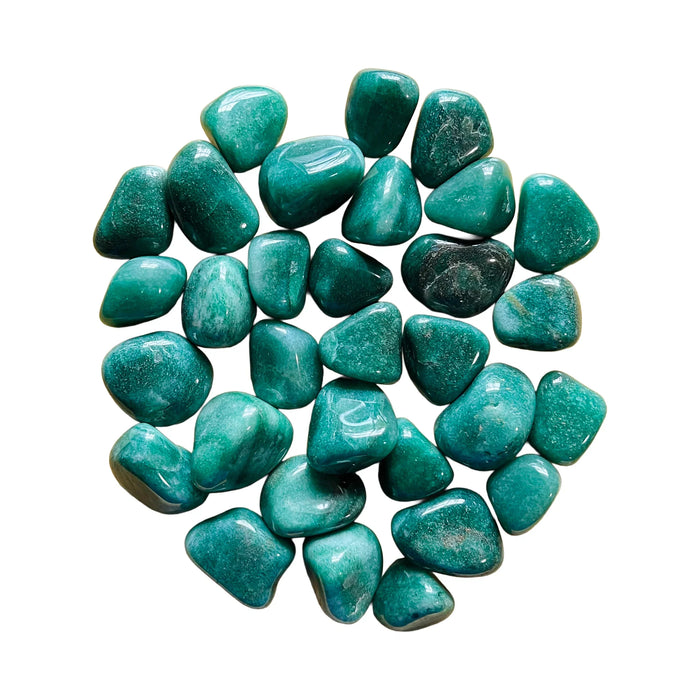
Explore the Crystal GuideLove Variscite? Meet Aventurine.
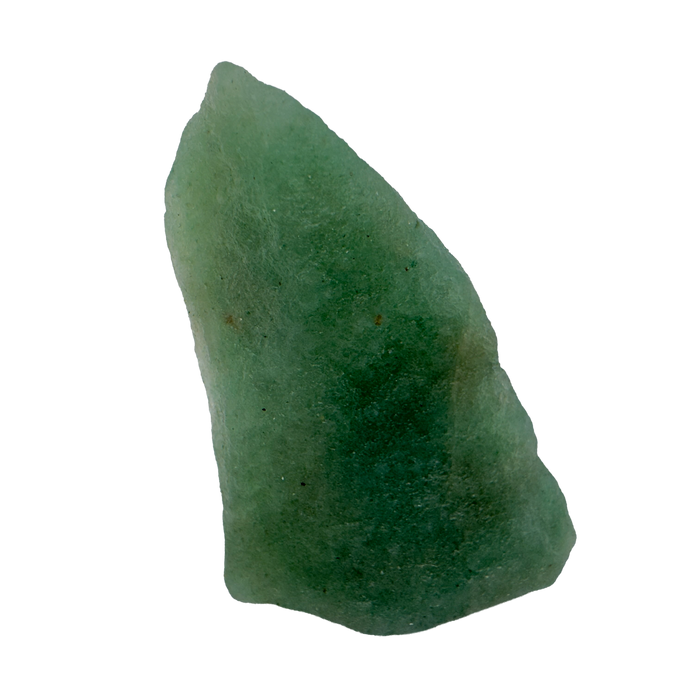
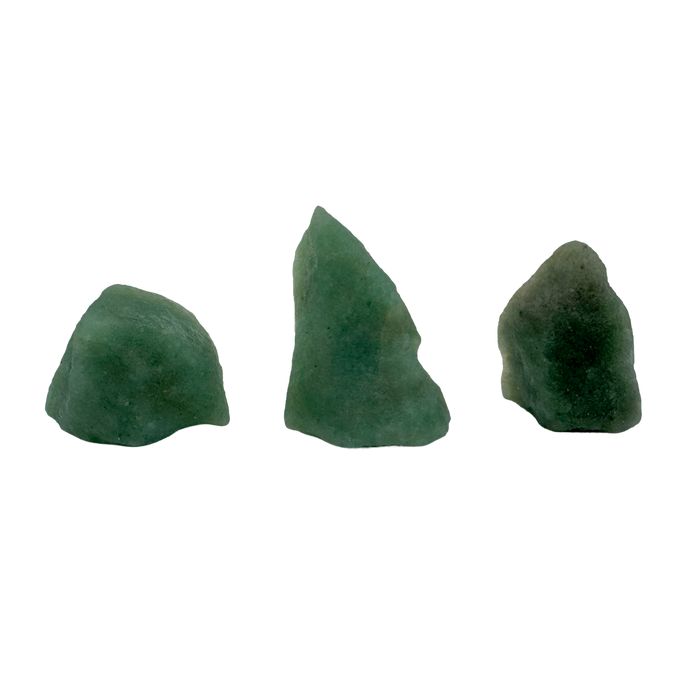
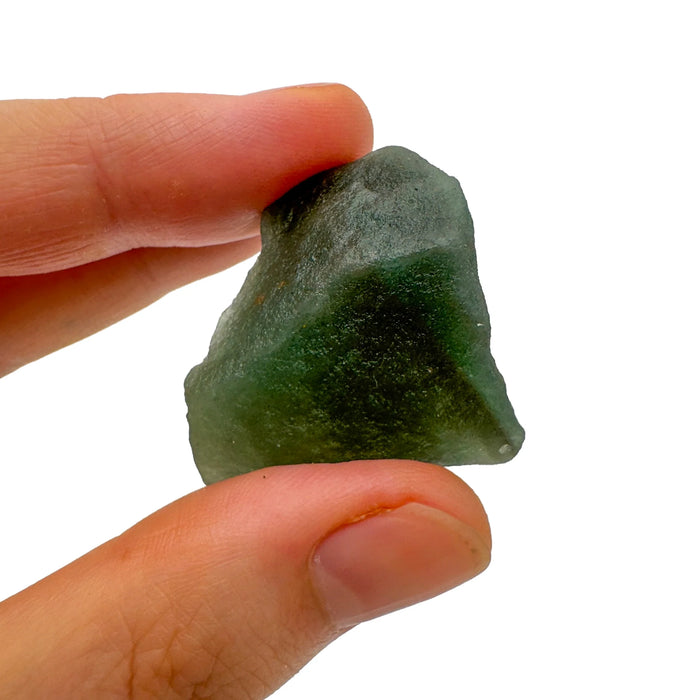
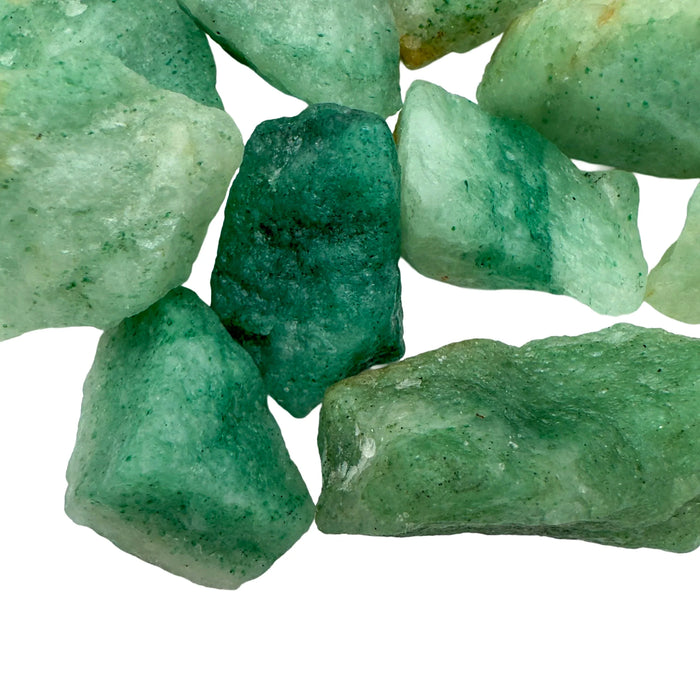
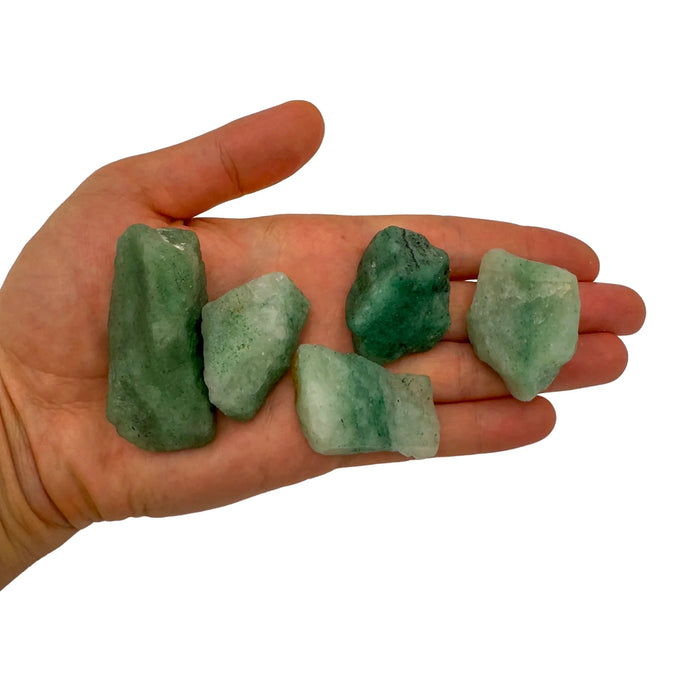
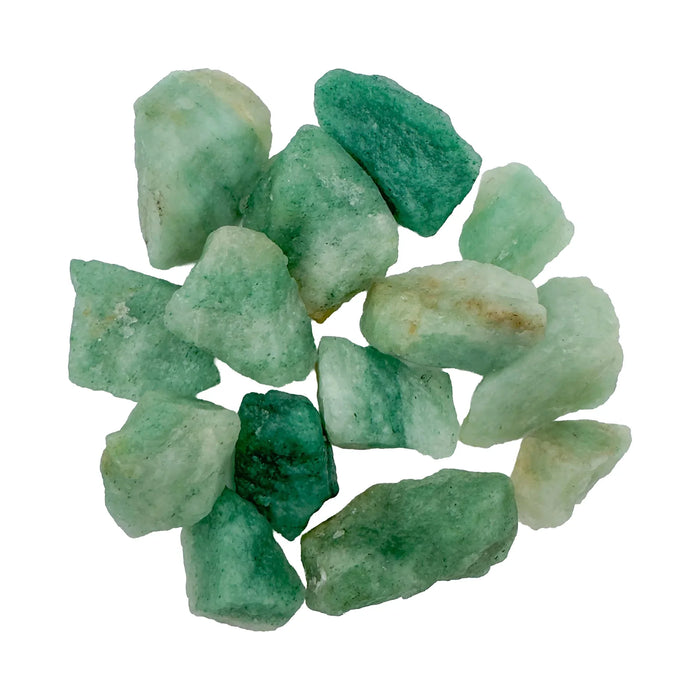
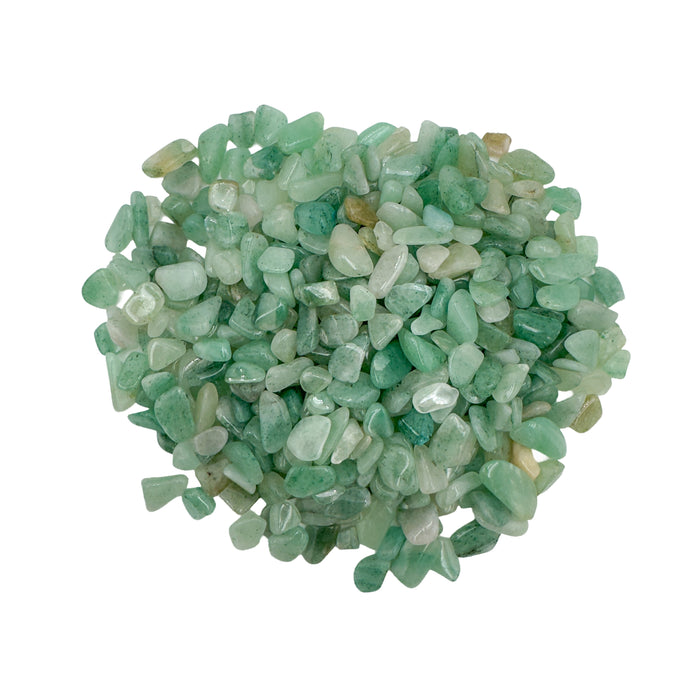
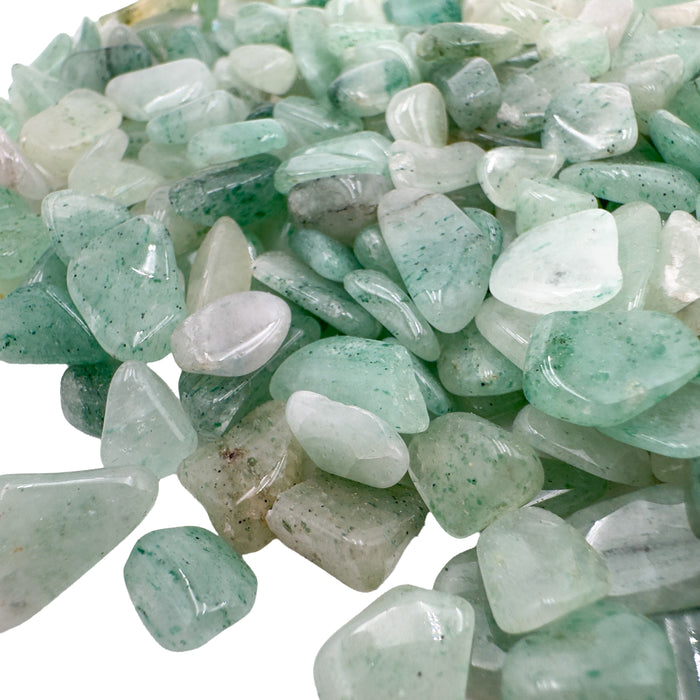
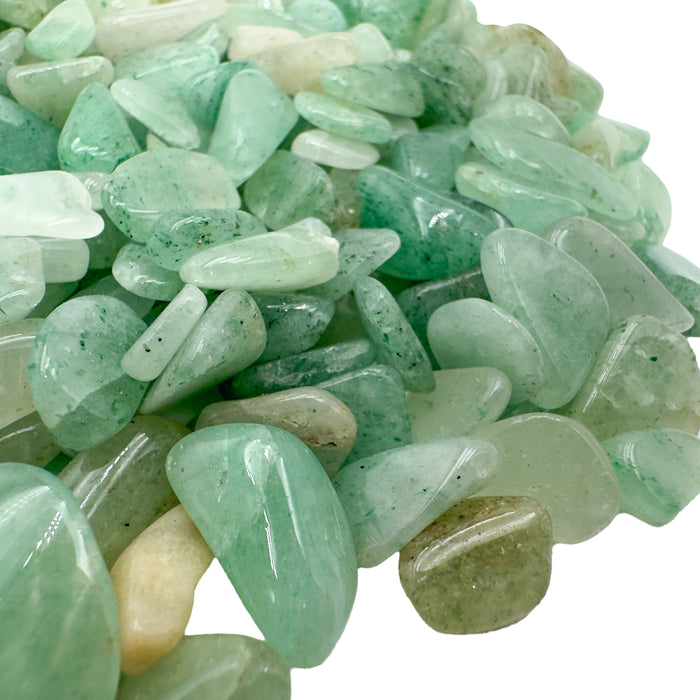
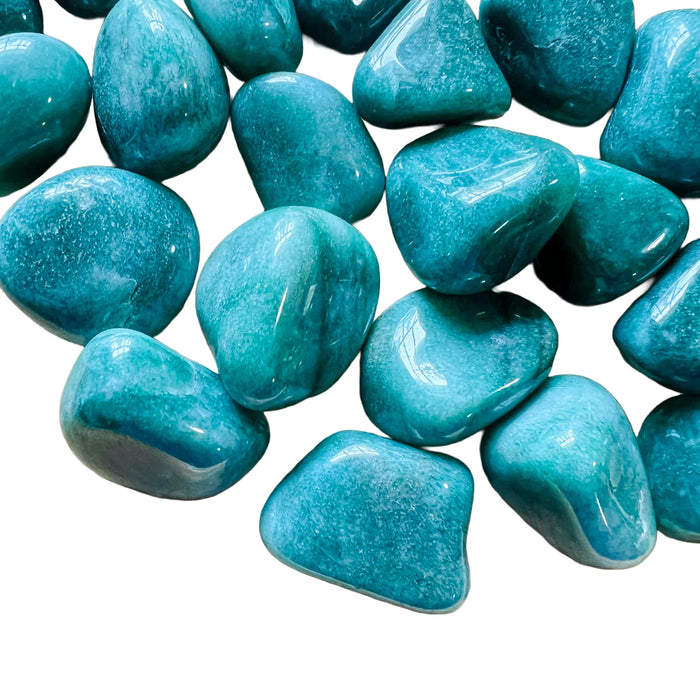
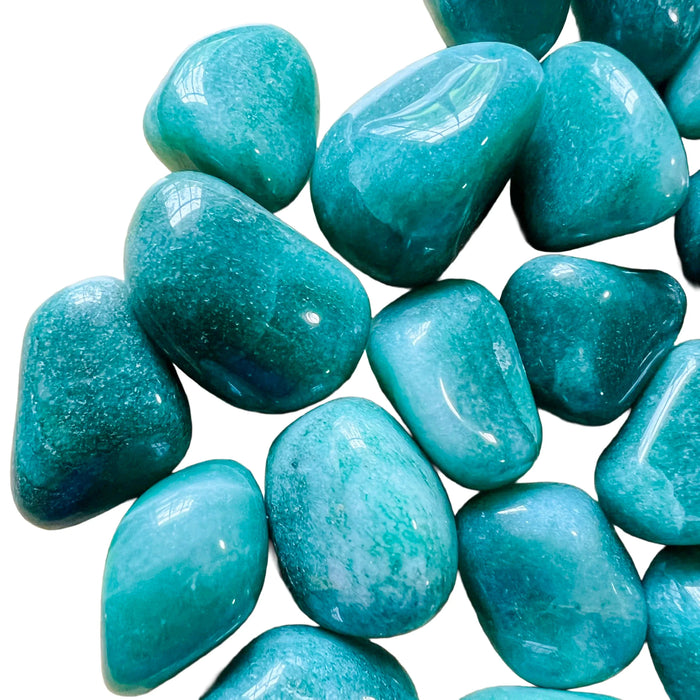
Variscite is not something we carry. Aventurine is the closest match in color, and every piece passes our sourcing standards: origin named, treatments disclosed.
- from 1,000+ reviews
- Ships within 72 hoursMonday to Friday, tracked
- 90 days to return itif you do not love it
- Free US shipping over $99$8.99 flat rate under
The Slow Note
New stones go to the list first.
No forwarding, no selling. Unsubscribe in one click. Privacy