


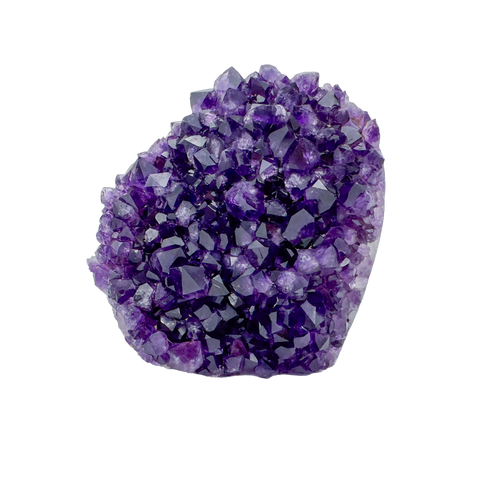
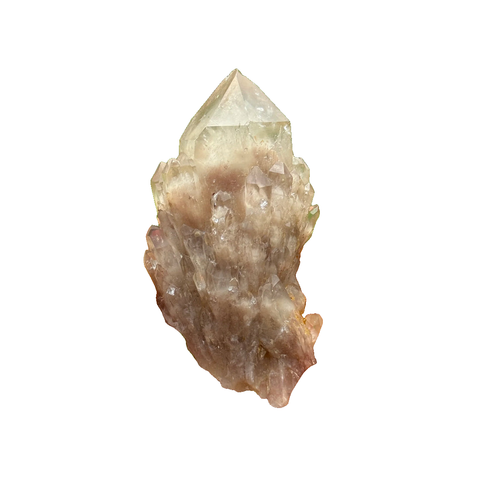
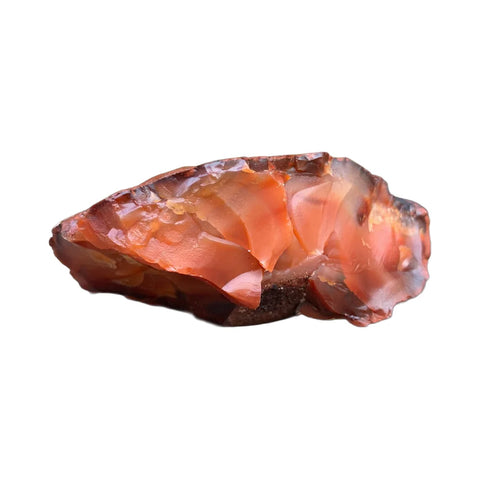
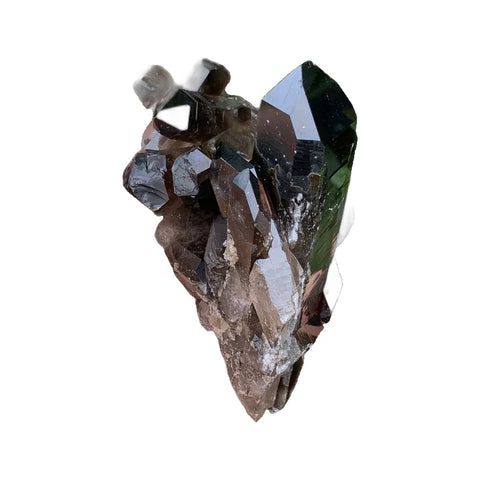
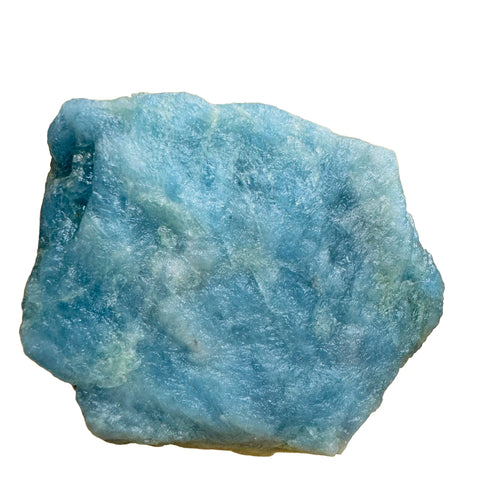
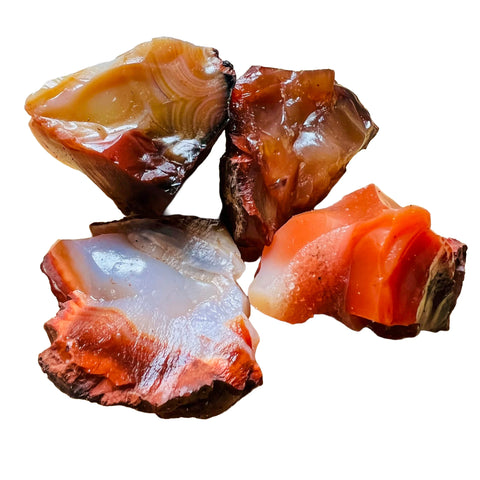


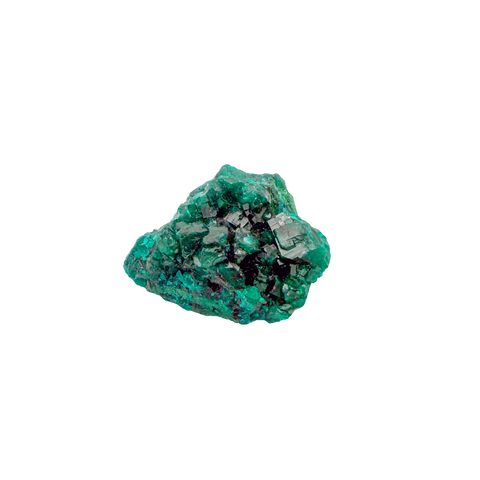
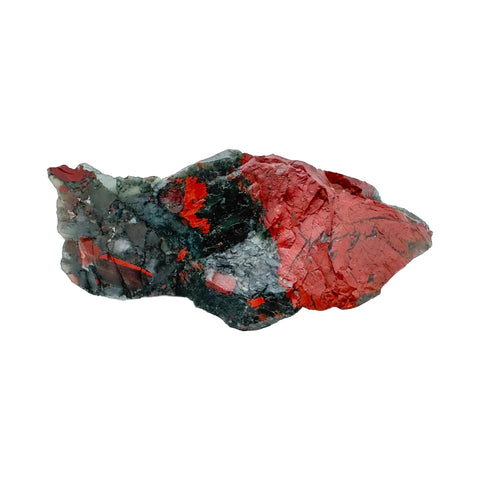
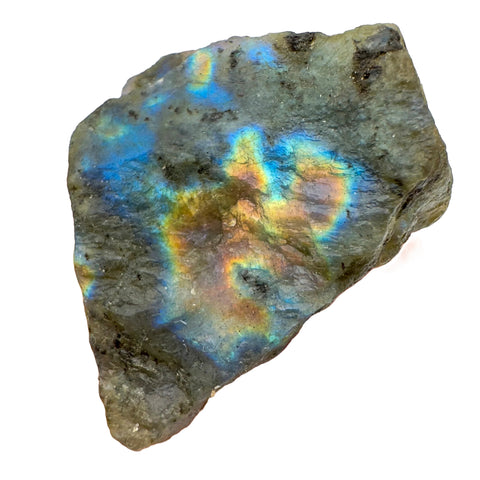
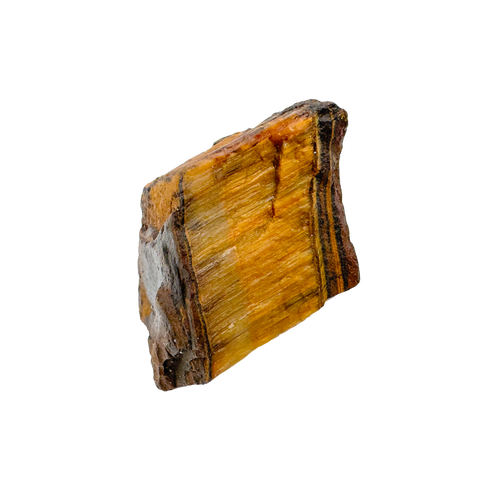
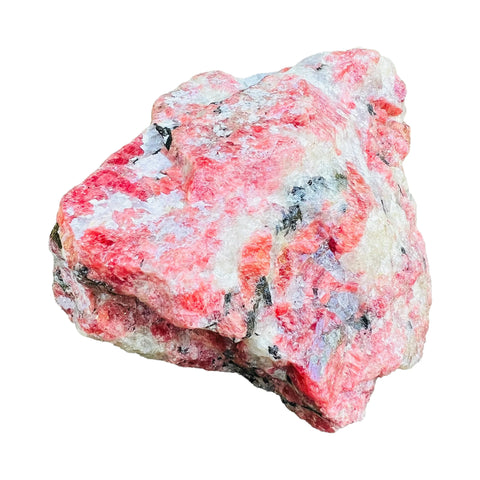
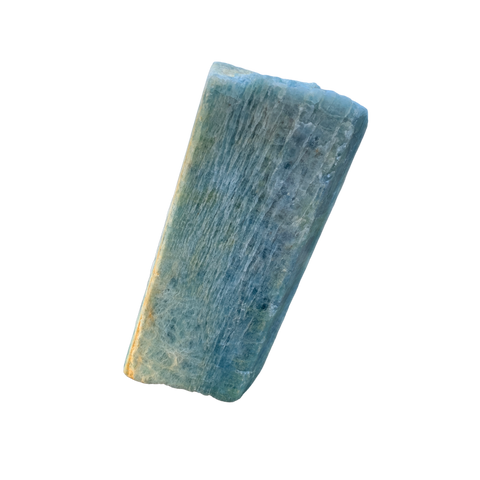
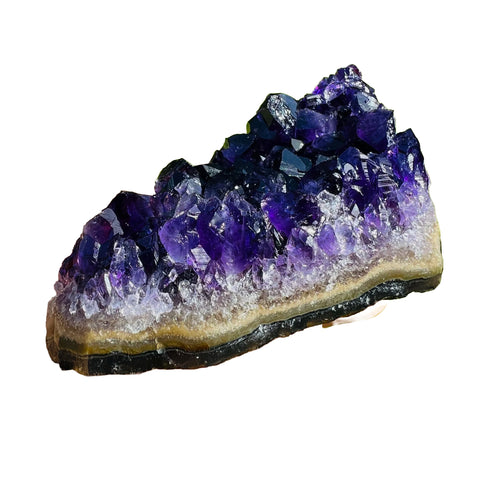



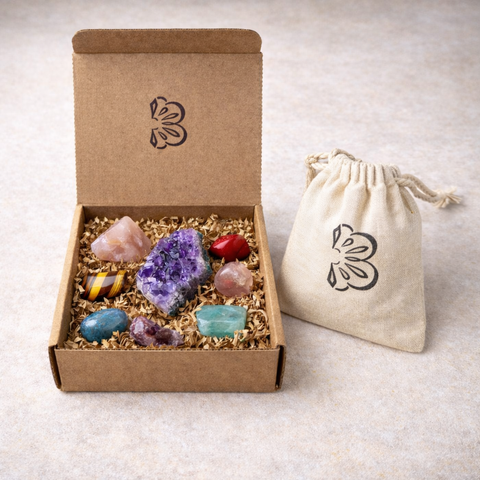
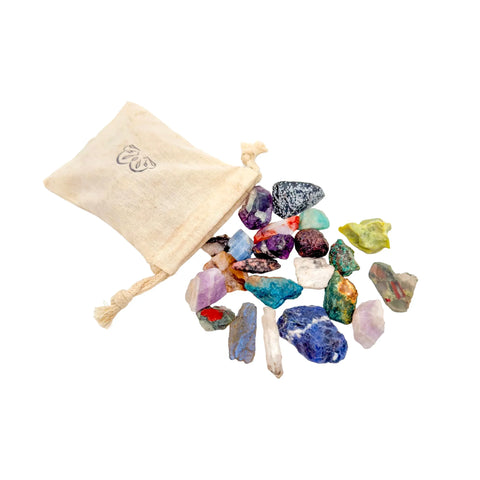
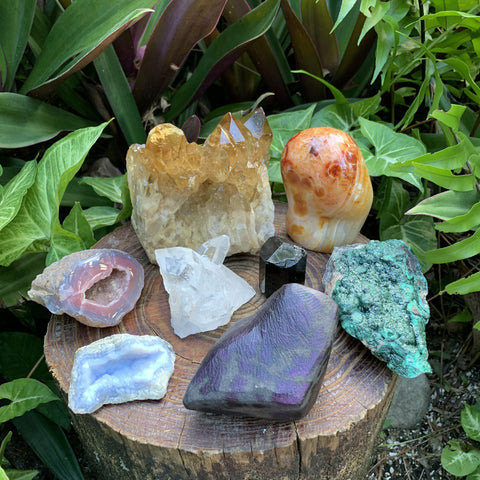
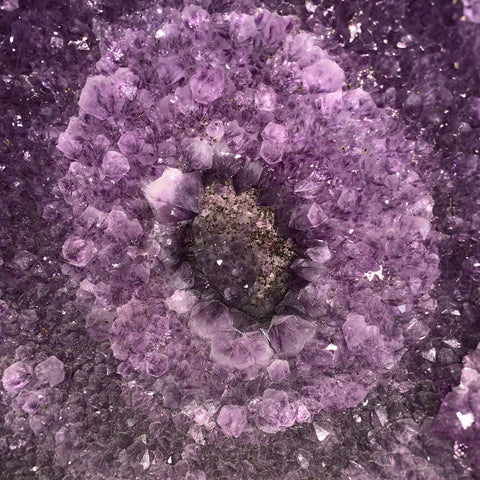
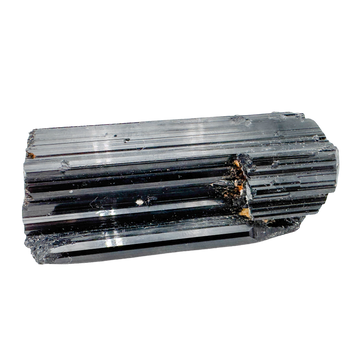
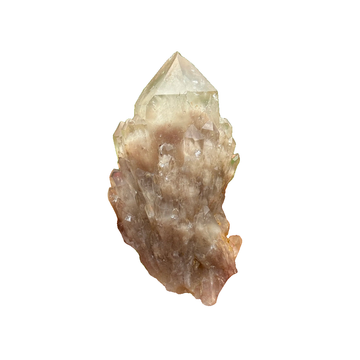
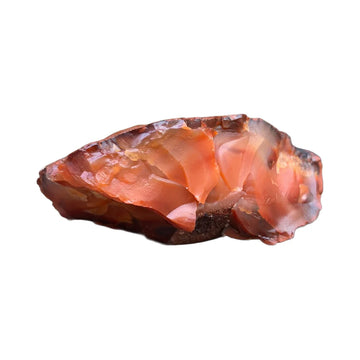
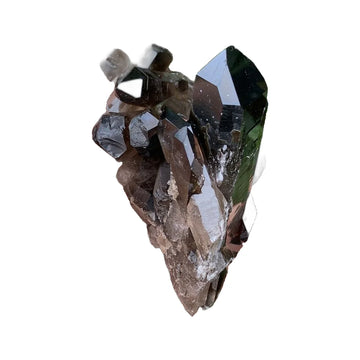
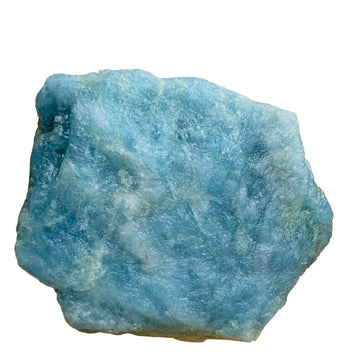
 Raw Stones
180 pieces
Raw Stones
180 pieces
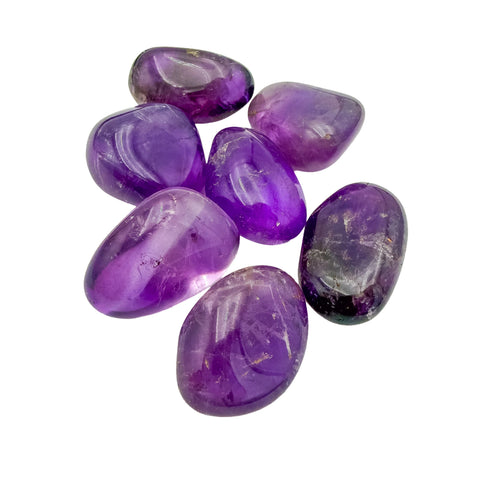
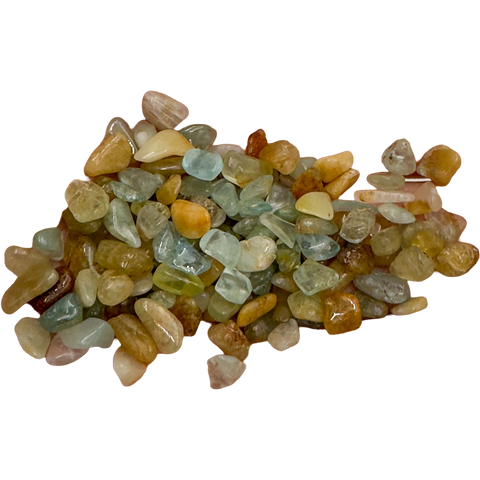
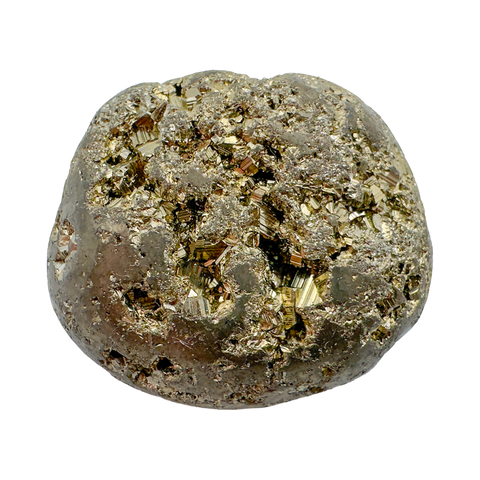
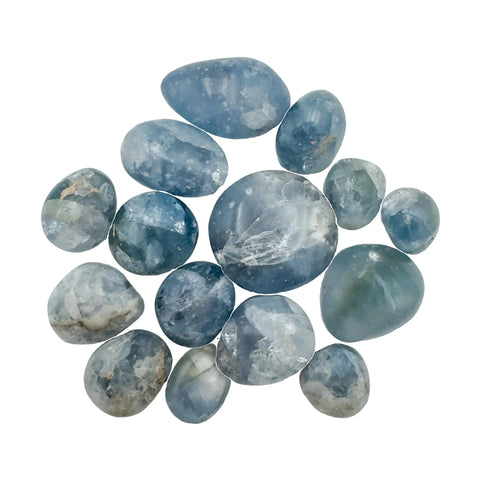
 Tumbled Stones
162 pieces
Tumbled Stones
162 pieces
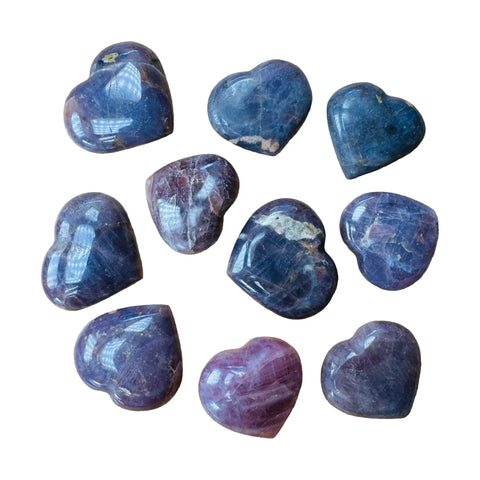
 Palm Stones
26 pieces
Palm Stones
26 pieces
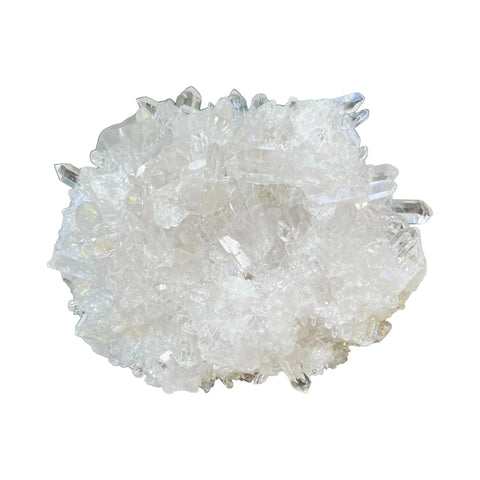
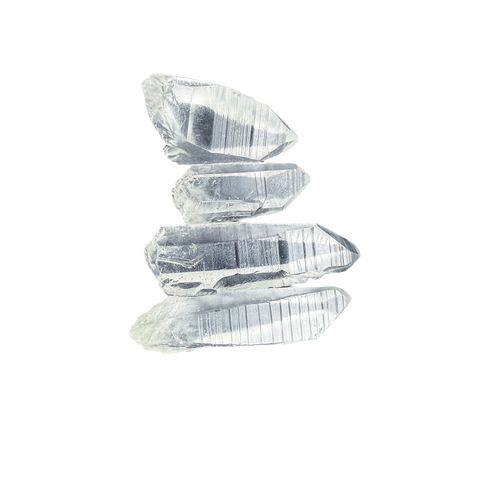
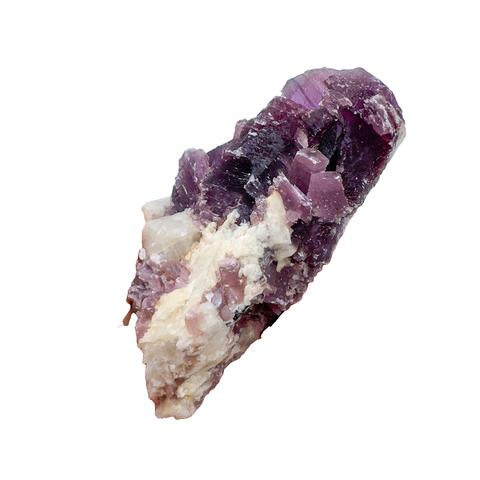
 Crystal Points
23 pieces
Crystal Points
23 pieces
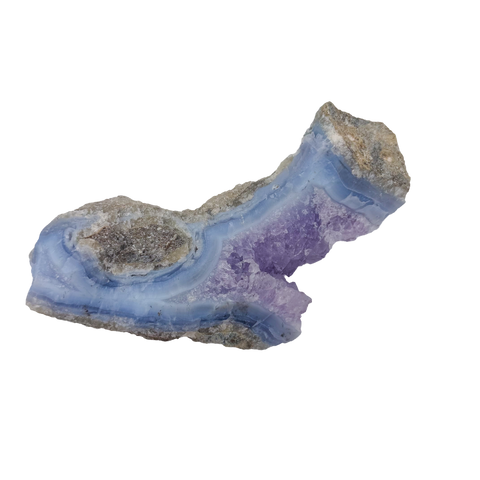
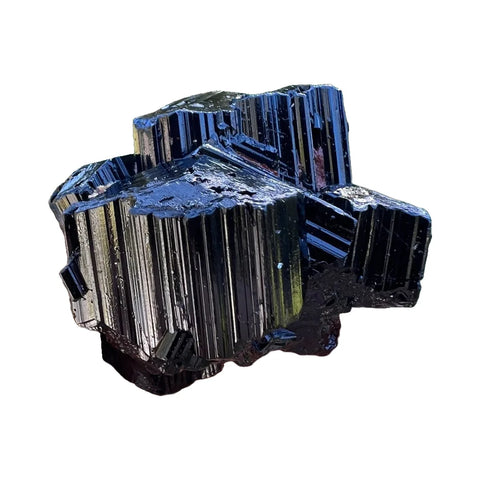
 Clusters & Geodes
112 pieces
Clusters & Geodes
112 pieces
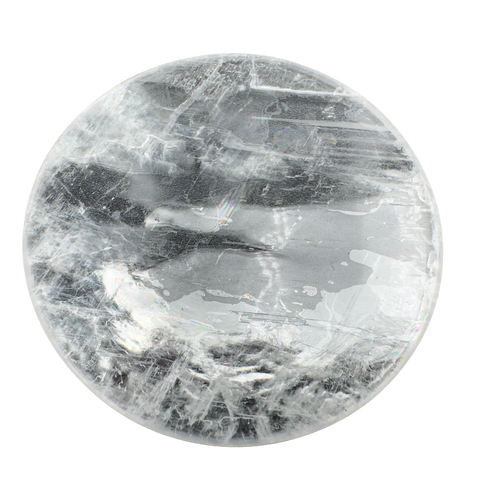
 Polished & Decor
155 pieces
Polished & Decor
155 pieces
 Mineral Specimens
269 collector pieces
Mineral Specimens
269 collector pieces
 Crystal Chips
21 pieces
Browse everything
Every collection, one page.
View All Collections →
Crystal Chips
21 pieces
Browse everything
Every collection, one page.
View All Collections →


 Aries
Mar 21 – Apr 19
Carnelian
›
Aries
Mar 21 – Apr 19
Carnelian
›
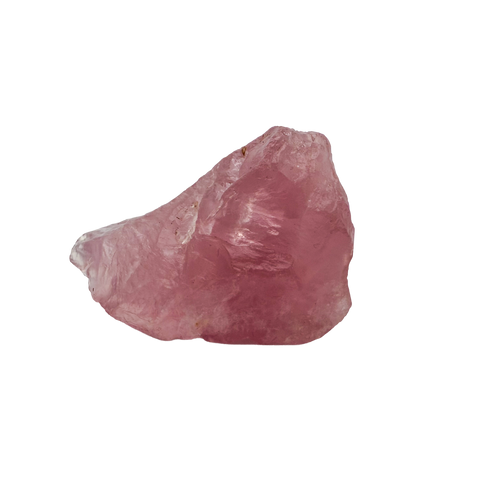
 Taurus
Apr 20 – May 20
Rose Quartz
›
Taurus
Apr 20 – May 20
Rose Quartz
›
 Gemini
May 21 – Jun 20
Agate
›
Gemini
May 21 – Jun 20
Agate
›
 Cancer
Jun 21 – Jul 22
Moonstone
›
Cancer
Jun 21 – Jul 22
Moonstone
›
 Leo
Jul 23 – Aug 22
Citrine
›
Leo
Jul 23 – Aug 22
Citrine
›
 Virgo
Aug 23 – Sep 22
Amazonite
›
Virgo
Aug 23 – Sep 22
Amazonite
›
 Libra
Sep 23 – Oct 22
Blue Lace Agate
›
Libra
Sep 23 – Oct 22
Blue Lace Agate
›
 Scorpio
Oct 23 – Nov 21
Obsidian
›
Scorpio
Oct 23 – Nov 21
Obsidian
›
 Sagittarius
Nov 22 – Dec 21
Sodalite
›
Sagittarius
Nov 22 – Dec 21
Sodalite
›
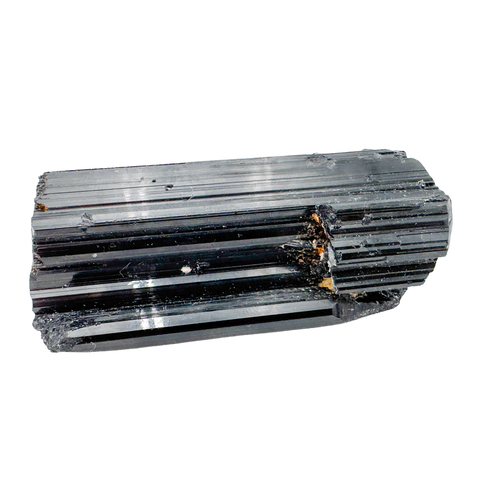
 Capricorn
Dec 22 – Jan 19
Black Tourmaline
›
Capricorn
Dec 22 – Jan 19
Black Tourmaline
›
 Aquarius
Jan 20 – Feb 18
Amethyst
›
Aquarius
Jan 20 – Feb 18
Amethyst
›
 Pisces
Feb 19 – Mar 20
Aquamarine
›
Gifting?
A birthday stone is the safe bet.
Read the zodiac guide →
Pisces
Feb 19 – Mar 20
Aquamarine
›
Gifting?
A birthday stone is the safe bet.
Read the zodiac guide →

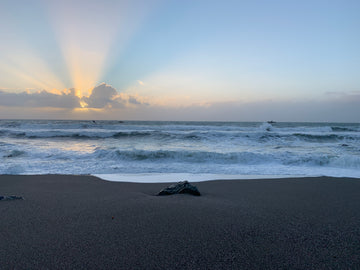
Covellite
Covellite is a copper sulfide with a deep indigo body and a natural iridescent film of purple, pink, and brassy gold. It is soft and metallic, forming where copper ores weather near the surface. Fine crystals come from Butte, Montana, and richly iridescent material from Sardinia.
The geology.
Covellite is copper sulfide, formula CuS, an indigo-blue mineral famous for the iridescent sheen of red, purple, and gold that plays across its surface. That flash is a natural thin-film effect, the same physics that colors an oil slick, not a coating or a dye.
It is one of the softer minerals you will meet, only 1.5 to 2 on the Mohs scale, with a metallic to submetallic luster. Covellite forms mostly as a secondary mineral, growing where earlier copper minerals like chalcopyrite and bornite break down and re-concentrate near the surface.
The origins.
Covellite was first described from Vesuvius, in Italy, and named for the mineralogist Nicola Covelli. Sardinia became known for beautifully iridescent massive covellite, while Butte, Montana in the United States is the classic source of well-formed platy crystals.
Other notable localities include Bor in Serbia, Chuquicamata in Chile, and Summitville in Colorado. Fine crystallized covellite is genuinely scarce, so the platy Butte specimens and the flashy Italian material are the pieces collectors chase.
Traditional associations.
Covellite is a modern metaphysical mineral, valued for its deep blue and shifting iridescence. Many people work with it around intuition, insight, and a sense of transformation, drawing on the way its color seems to move as it turns in the light.
It is most often connected with the Third Eye chakra and the element of water. Because it is so soft, it is kept as a specimen rather than worn, and people usually place it somewhere it can catch light and show its sheen.
Spotting the real thing.
Real covellite is a dark indigo metal with a soft, oily-looking iridescence of purple, magenta, and gold. It is very soft, so surfaces mark easily, and crystals appear as thin flexible plates. In massive form it looks like deep blue metal shot through with color.
The honest point of confusion is peacock ore. Most bright, evenly rainbow specimens sold as peacock ore are acid-treated chalcopyrite or bornite, not covellite. Genuine covellite reads indigo first, with the flash sitting over a blue body, and it is much softer. Ask for the mineral name and locality.
Care & handling.
Covellite is one of the most delicate minerals on the shelf. At 1.5 to 2 on the Mohs scale, softer than a fingernail in places, it scratches and smudges with almost any contact, so it belongs in a protected spot as a display piece.
Keep it dry and away from water, salt, heat, and chemicals, which can tarnish or damage the surface. Do not use ultrasonic cleaners. Handle it as little as possible, store it on its own, and dust it only with a soft, dry brush. For energetic care, sound or moonlight is gentler than any water method.
Pairs well with.
A deeper look.
Extended geology, sourcing, authentication, history, and varieties, for when the quick guide isn't quite enough.
Extended geology
Covellite is a copper sulfide that usually forms during supergene enrichment, the process in which surface waters dissolve copper from primary ores and redeposit it lower down as new minerals. It commonly replaces chalcopyrite, bornite, and chalcocite. Its iridescence comes from thin surface layers that split light into colors, and its blue is intrinsic to the mineral.
Extended sourcing
The type locality is Vesuvius in Italy, where covellite forms around volcanic fumaroles. Sardinia produced the iridescent massive material that many collectors know, and Butte, Montana yielded the finest platy crystals. Serbia, Chile, and Colorado round out the significant sources. Well-crystallized covellite is rare, which keeps good specimens in demand.
Authentication and warning signs
Look for an indigo body with a natural rainbow film and genuine softness, in thin plates or massive form. The main honest issue is peacock ore, usually acid-treated chalcopyrite, sold as if it were covellite. A very hard, evenly bright rainbow surface on a brassy base is more likely treated sulfide than true covellite. Ask for the species.
History and folklore
Covellite was described in the early nineteenth century and named for Nicola Covelli, who studied minerals from Vesuvius. Like most sulfides, it has little ancient folklore and is appreciated today as a collector specimen and a modern stone of insight.
Varieties and trade names
Covellite is sold as crystallized specimens, prized for thin platy crystals, and as massive iridescent pieces cut into cabochons or small polished stones. It should not be confused with treated peacock ore, which is a different material sold under a trade name.
What it costs in the market
Small massive pieces are inexpensive, while sharp crystallized Butte plates and vivid iridescent Italian specimens command much higher prices. Value tracks crystal quality, the strength and coverage of the iridescence, and the locality.
An education-first guide.
This page exists to explain, not to sell. Understanding what covellite actually is, and how it differs from treated peacock ore, helps you shop with clear eyes wherever you go. Explore the rest of our crystal guides for more stones, each with full sourcing notes.
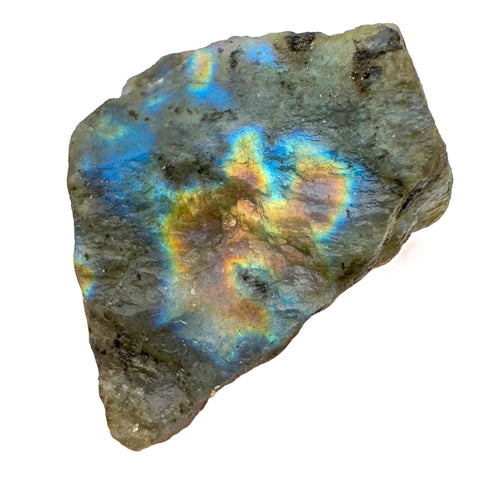
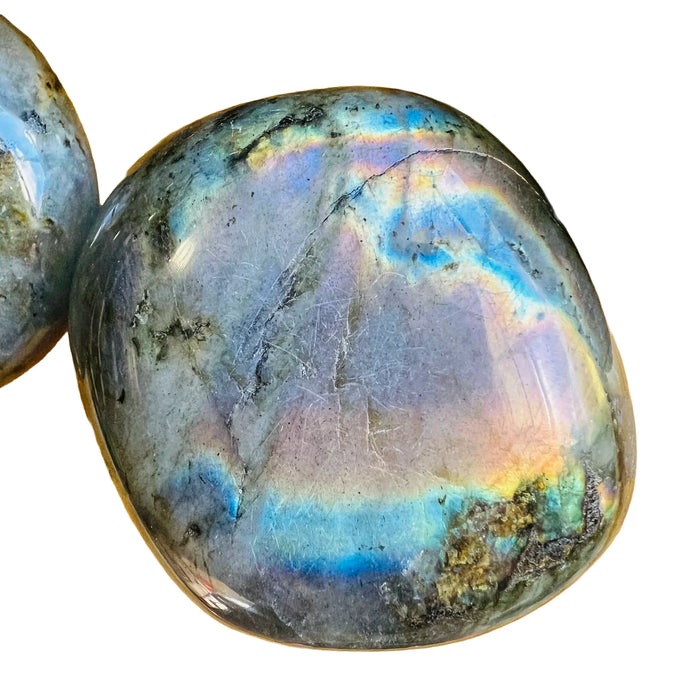
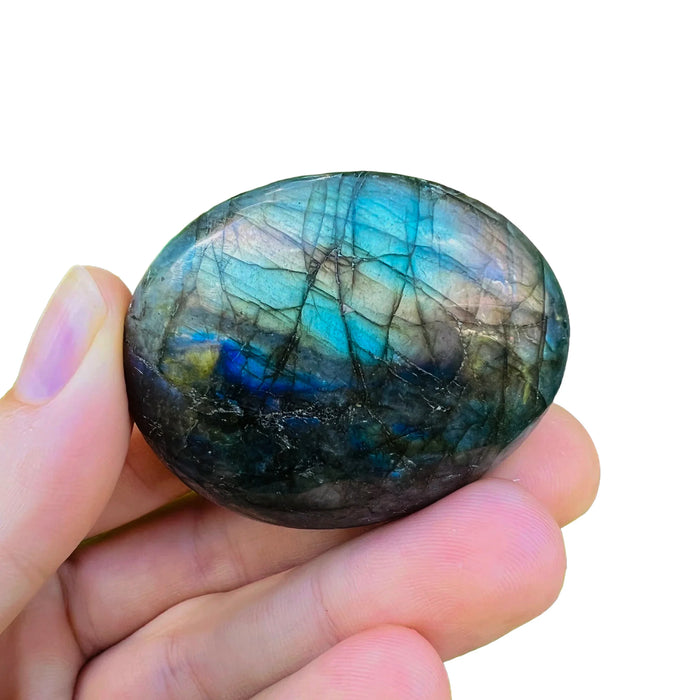
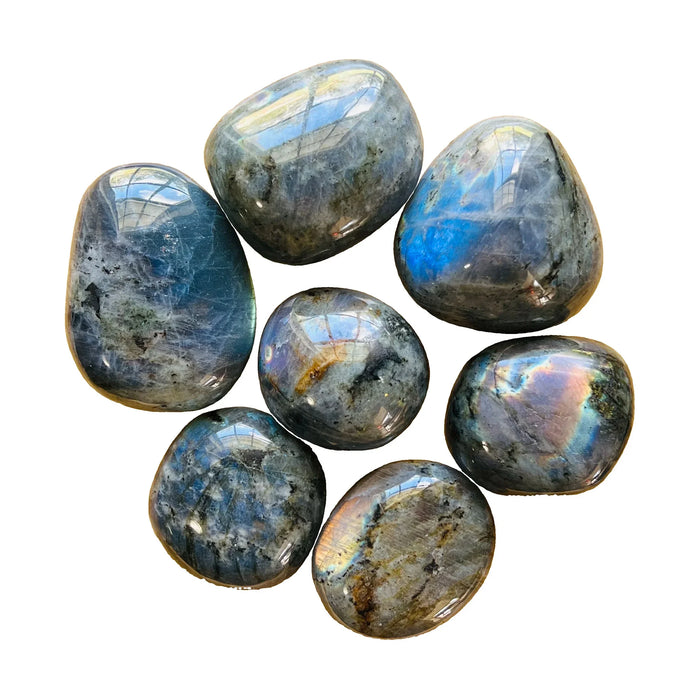
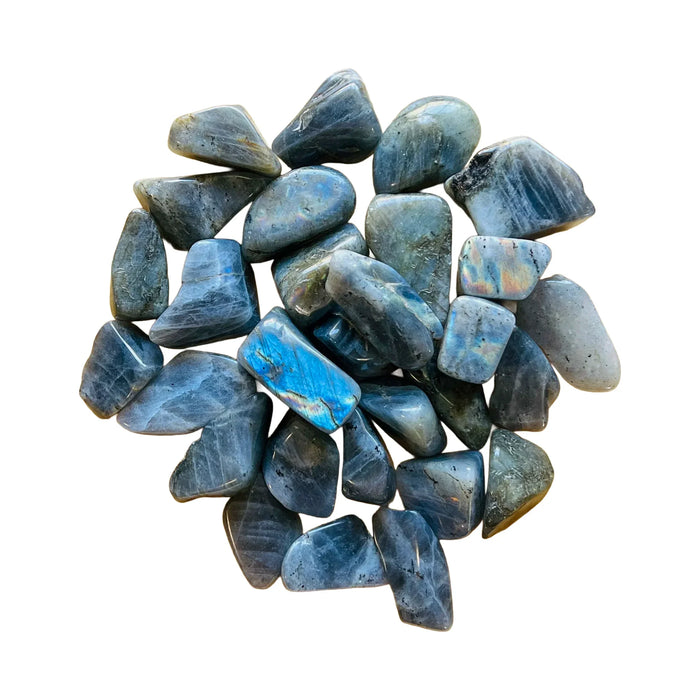
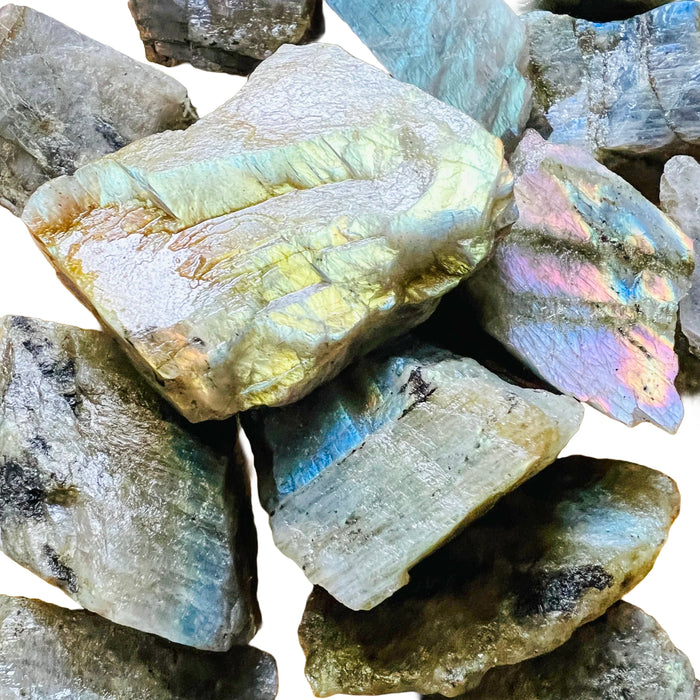
Explore the Crystal GuideLove Covellite? Meet Labradorite.
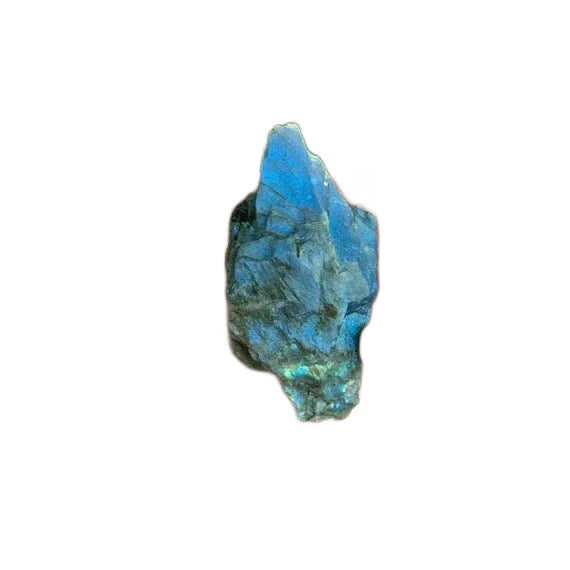
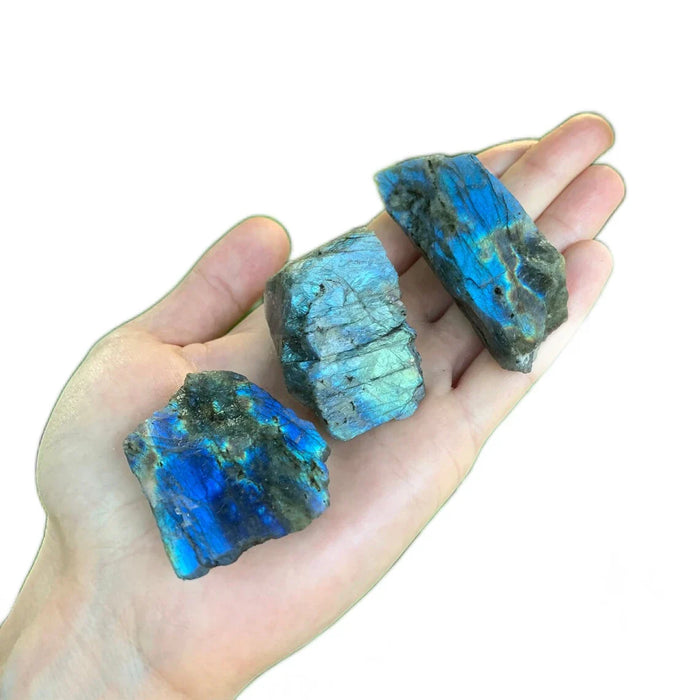
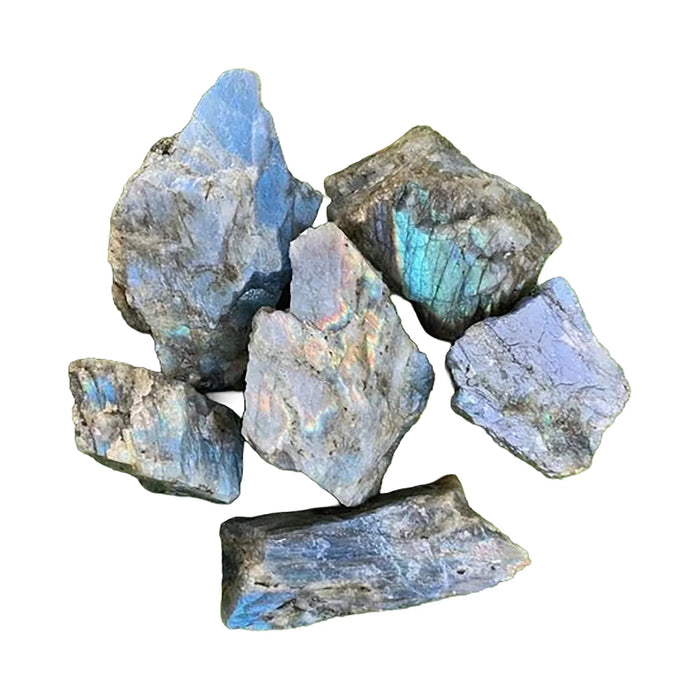
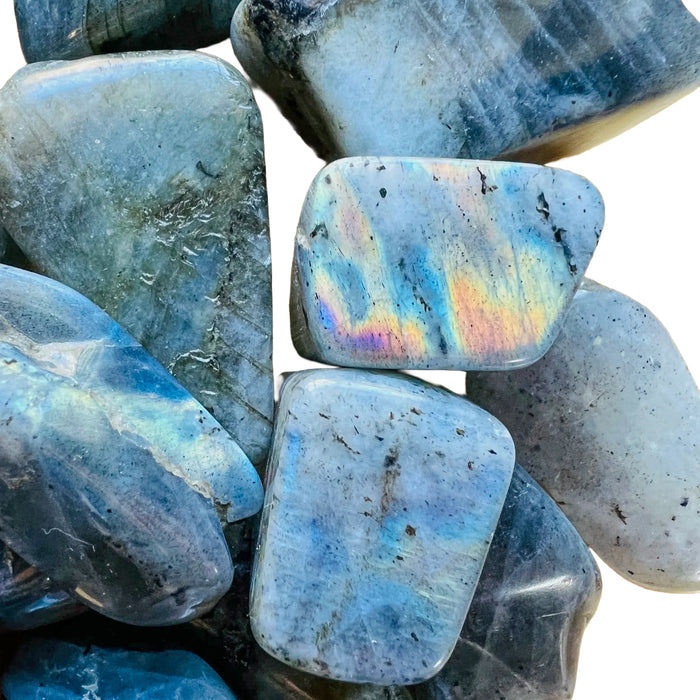
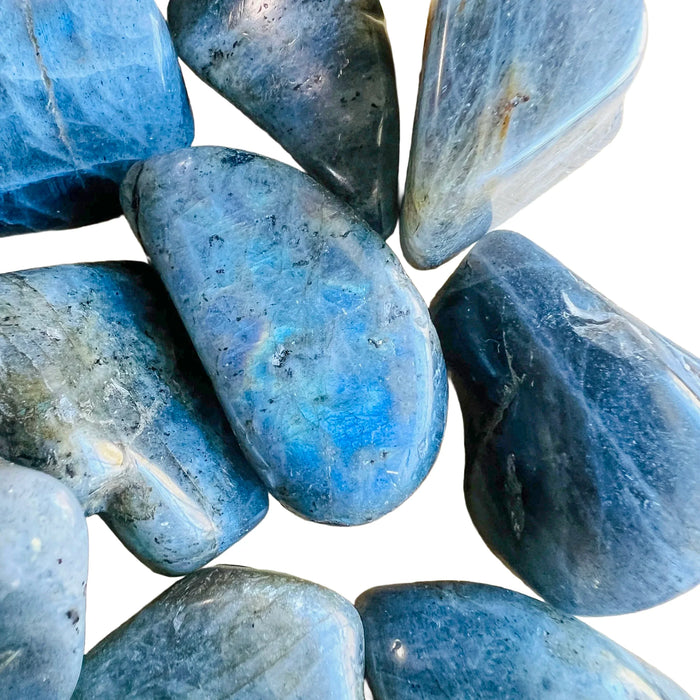
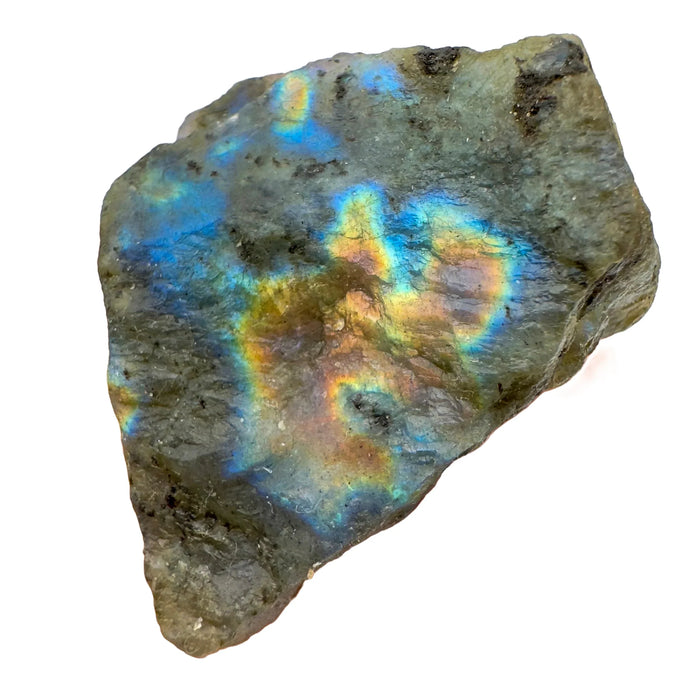
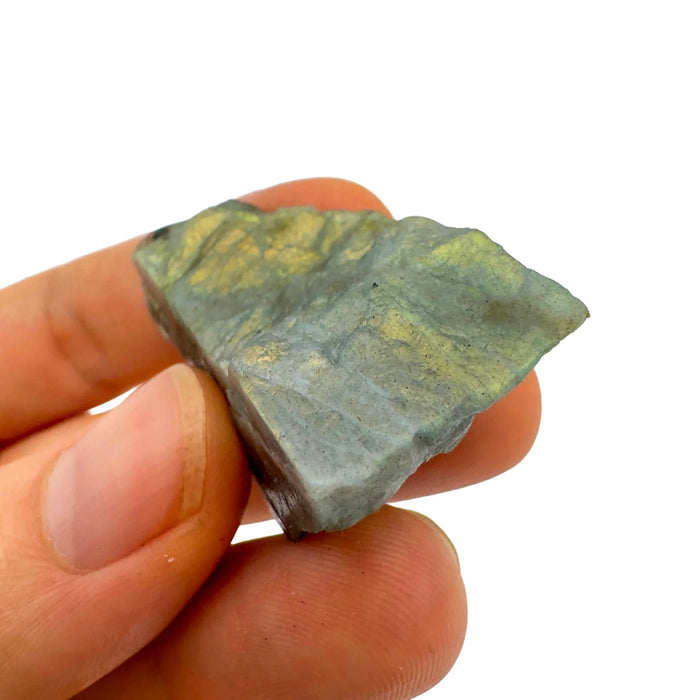
Covellite is not something we carry. Labradorite is the closest match in color, and every piece passes our sourcing standards: origin named, treatments disclosed.
- 4.9 out of 5from 1,000+ reviews
- Ships within 72 hoursMonday to Friday, tracked
- 90 days to return itif you do not love it
- Free US shipping over $99$8.99 flat rate under