


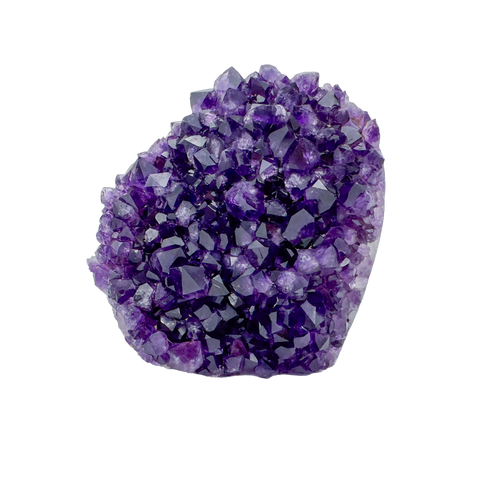
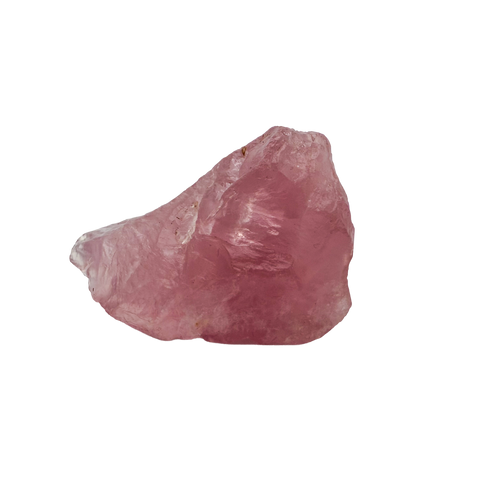
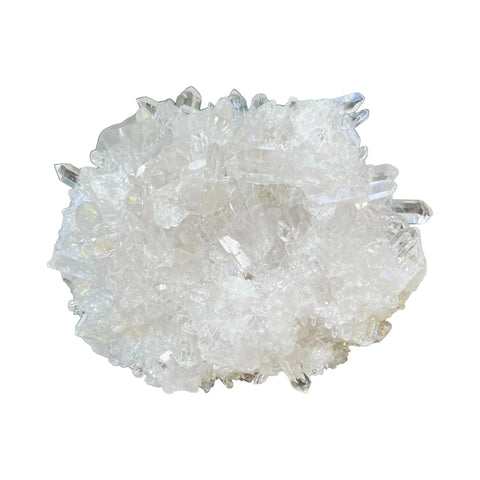
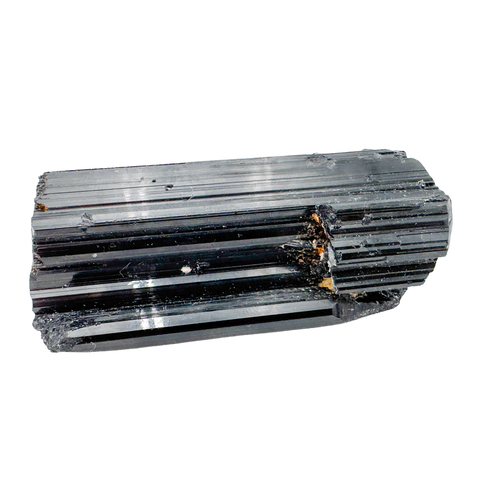
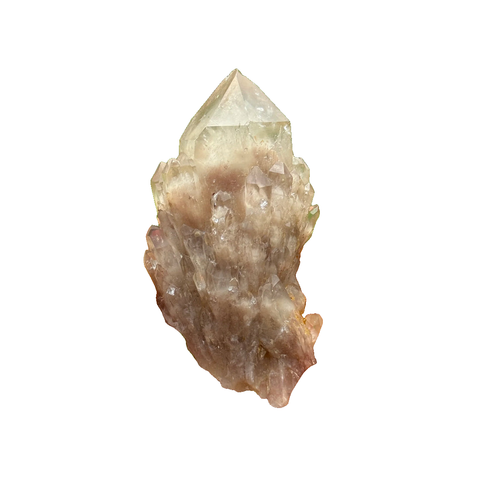
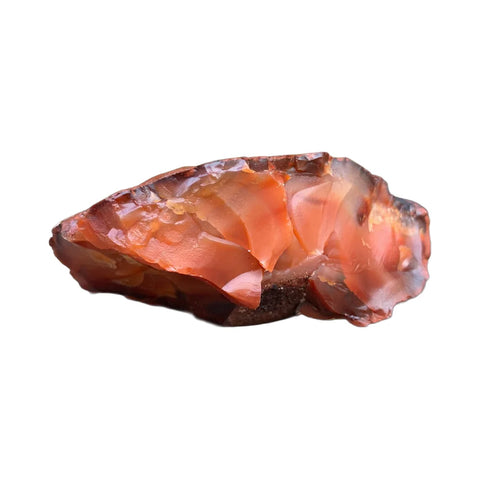
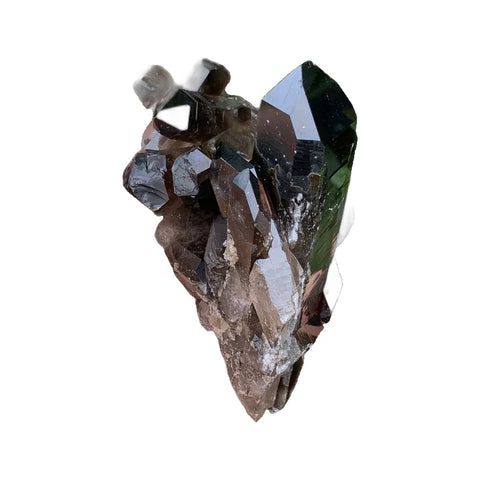
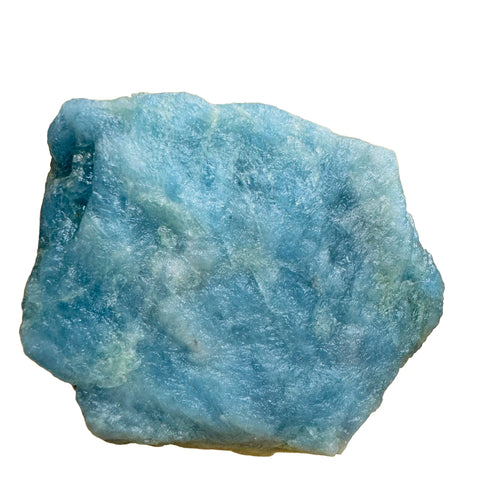
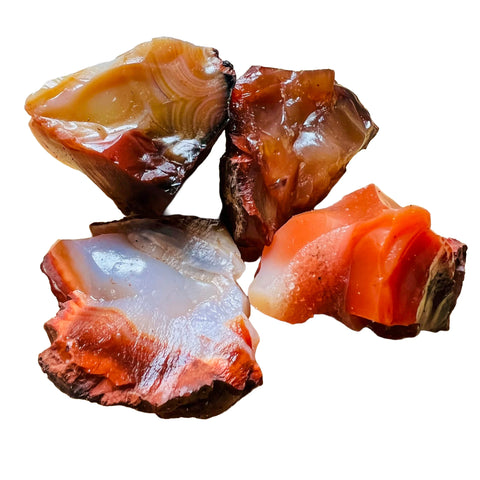


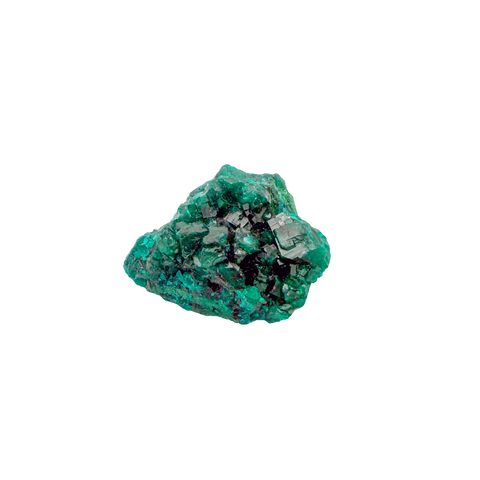
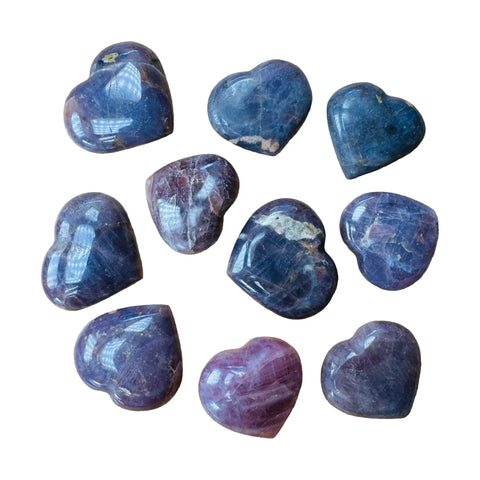
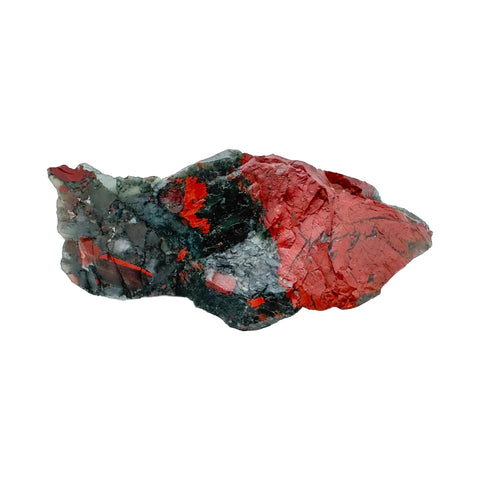
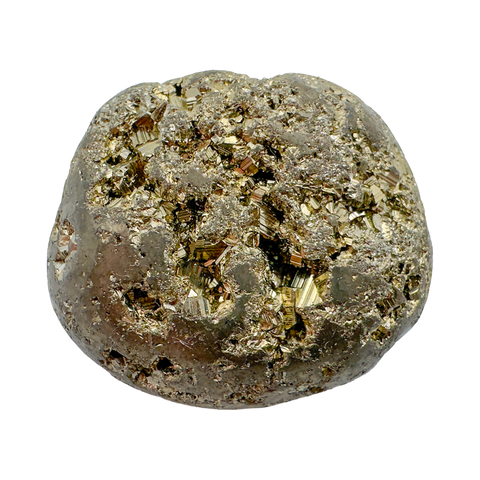
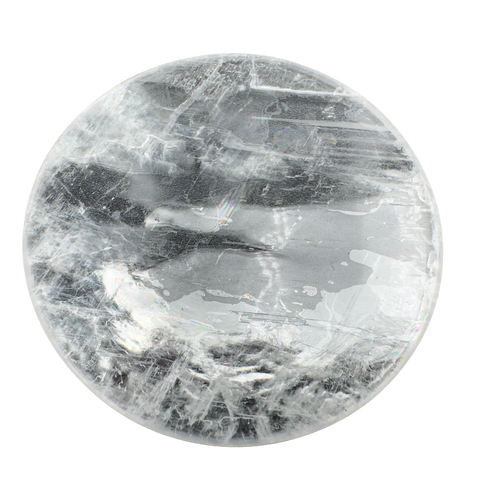
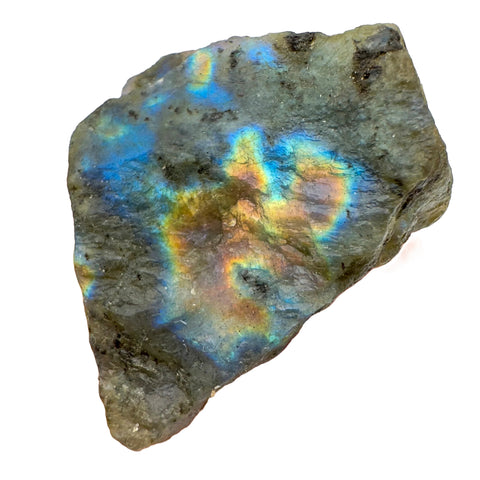
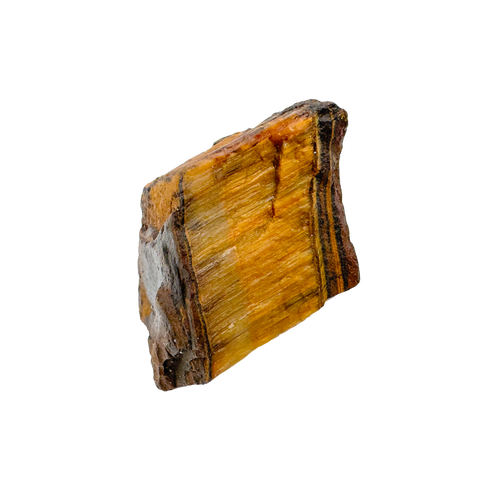
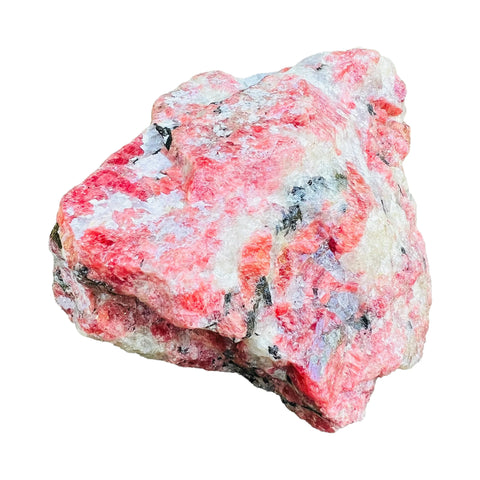
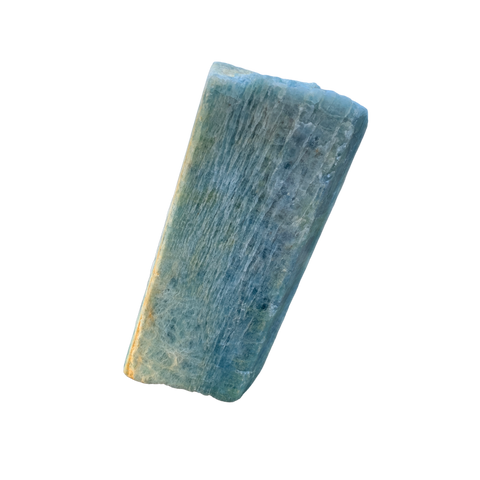
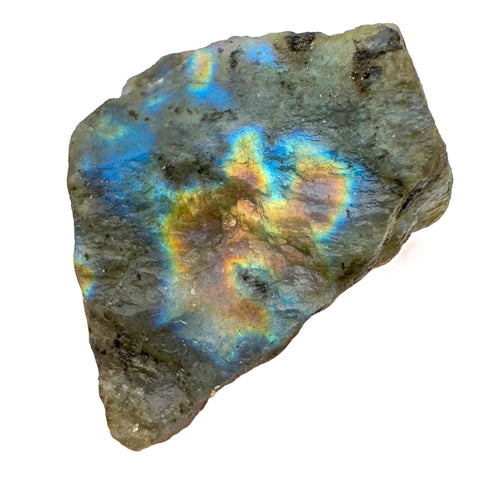
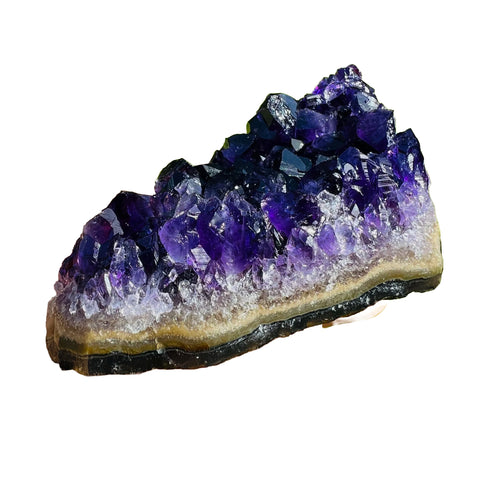



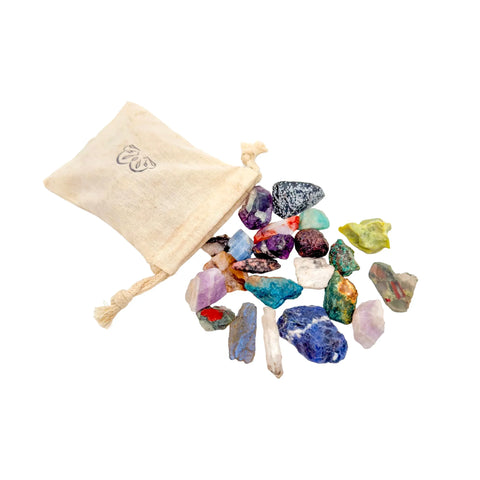
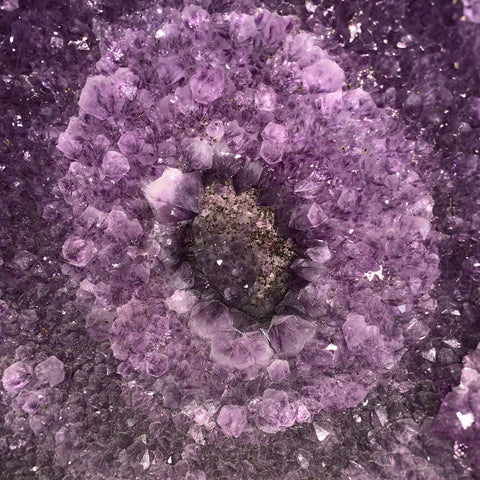
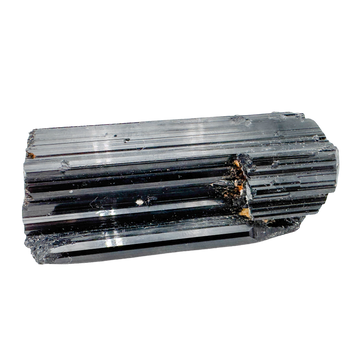
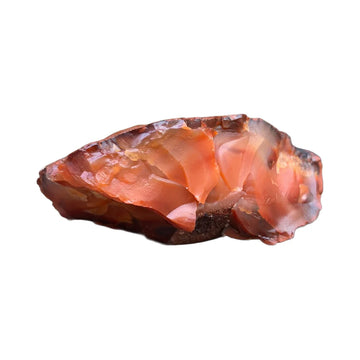
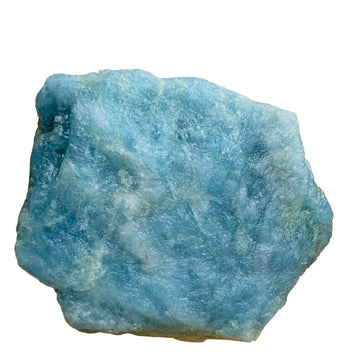
 Raw Stones
179 pieces
Raw Stones
179 pieces
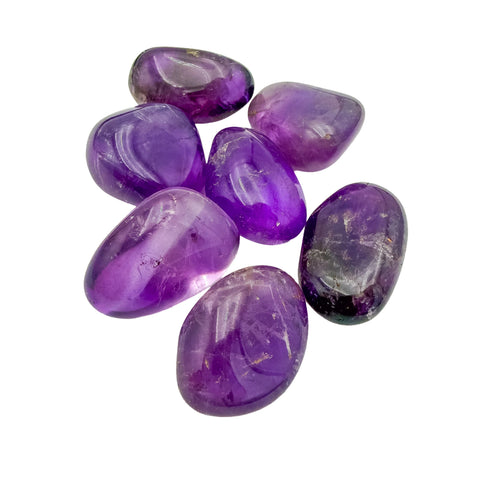
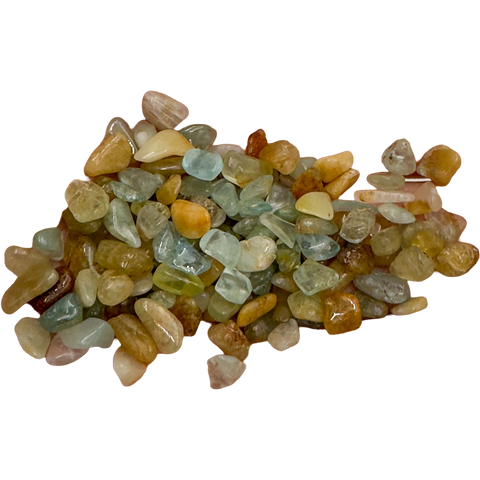
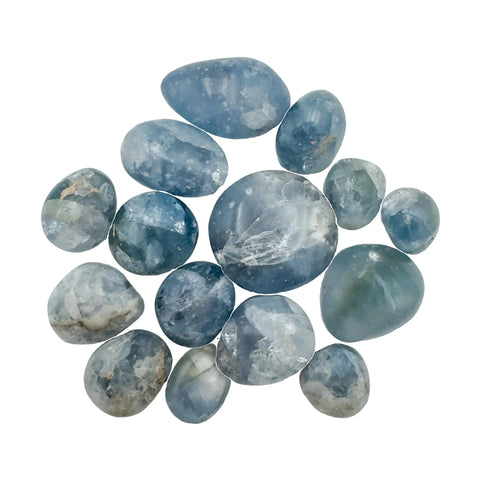
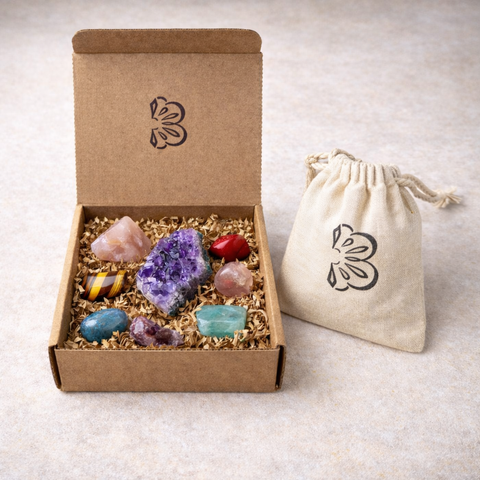
 Tumbled Stones
162 pieces
Tumbled Stones
162 pieces
 Palm Stones
25 pieces
Palm Stones
25 pieces
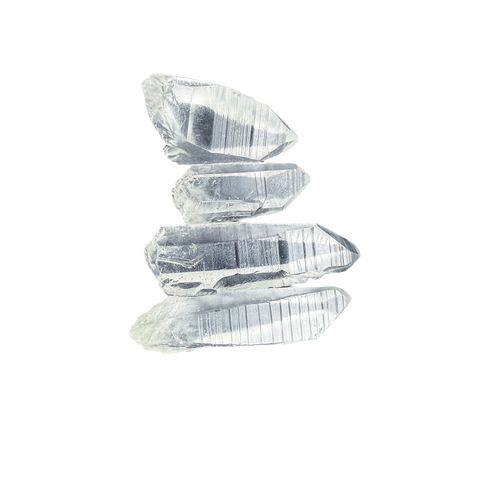
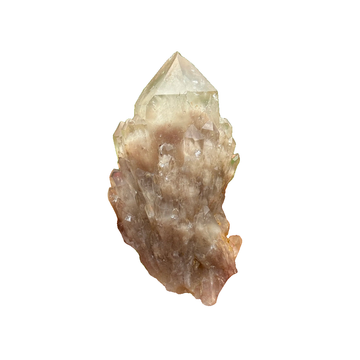
 Crystal Points
23 pieces
Crystal Points
23 pieces
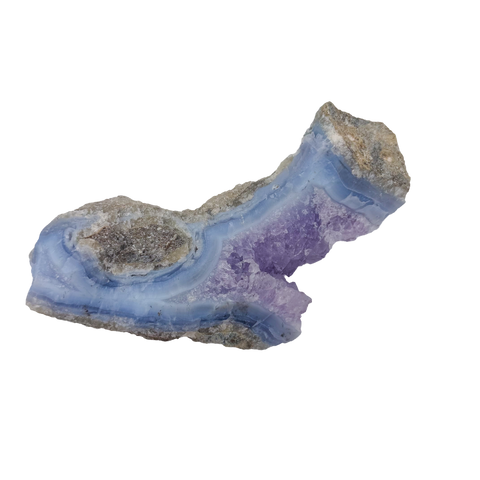
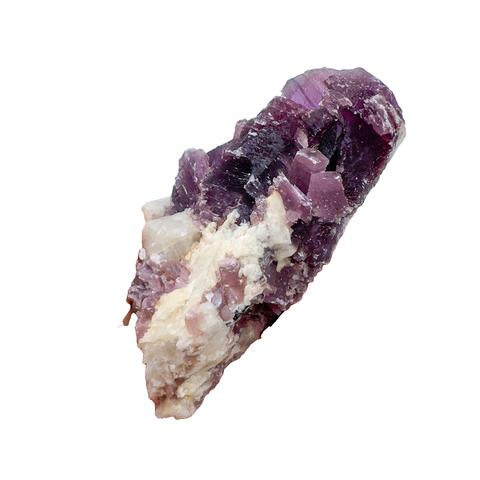
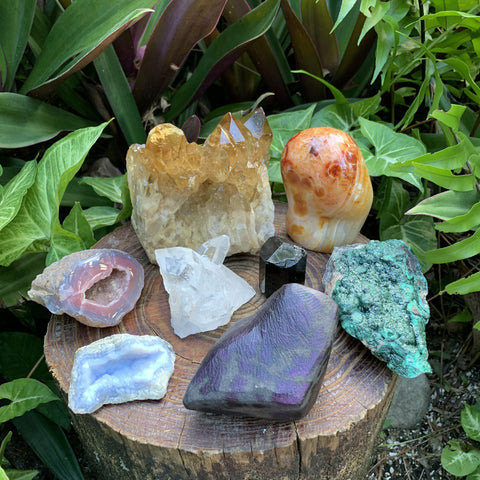
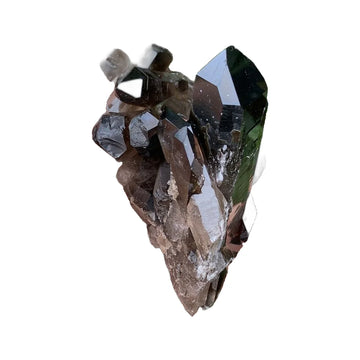
 Clusters & Geodes
104 pieces
Clusters & Geodes
104 pieces
 Polished & Decor
148 pieces
Polished & Decor
148 pieces
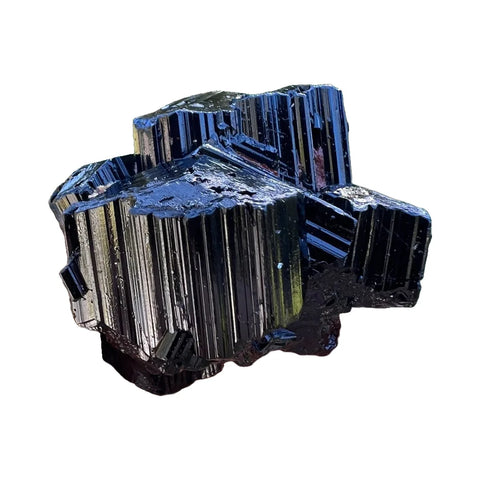
 Mineral Specimens
259 collector pieces
Mineral Specimens
259 collector pieces
 Crystal Chips
21 pieces
Browse everything
Every collection, one page.
View All Collections →
Crystal Chips
21 pieces
Browse everything
Every collection, one page.
View All Collections →


 Aries
Mar 21 – Apr 19
Carnelian
›
Aries
Mar 21 – Apr 19
Carnelian
›
 Taurus
Apr 20 – May 20
Rose Quartz
›
Taurus
Apr 20 – May 20
Rose Quartz
›
 Gemini
May 21 – Jun 20
Agate
›
Gemini
May 21 – Jun 20
Agate
›
 Cancer
Jun 21 – Jul 22
Moonstone
›
Cancer
Jun 21 – Jul 22
Moonstone
›
 Leo
Jul 23 – Aug 22
Citrine
›
Leo
Jul 23 – Aug 22
Citrine
›
 Virgo
Aug 23 – Sep 22
Amazonite
›
Virgo
Aug 23 – Sep 22
Amazonite
›
 Libra
Sep 23 – Oct 22
Blue Lace Agate
›
Libra
Sep 23 – Oct 22
Blue Lace Agate
›
 Scorpio
Oct 23 – Nov 21
Obsidian
›
Scorpio
Oct 23 – Nov 21
Obsidian
›
 Sagittarius
Nov 22 – Dec 21
Sodalite
›
Sagittarius
Nov 22 – Dec 21
Sodalite
›
 Capricorn
Dec 22 – Jan 19
Black Tourmaline
›
Capricorn
Dec 22 – Jan 19
Black Tourmaline
›
 Aquarius
Jan 20 – Feb 18
Amethyst
›
Aquarius
Jan 20 – Feb 18
Amethyst
›
 Pisces
Feb 19 – Mar 20
Aquamarine
›
Gifting?
A birthday stone is the safe bet.
Read the zodiac guide →
Pisces
Feb 19 – Mar 20
Aquamarine
›
Gifting?
A birthday stone is the safe bet.
Read the zodiac guide →

Legrandite
Legrandite is one of the rarest arsenate minerals, a zinc arsenate that grows as radiating sprays of slender, honey-yellow crystals. Almost every fine piece comes from a single Mexican mine, and its most famous specimen, the Aztec Sun, is legendary among collectors. Because it contains arsenic, it is a museum-grade rarity handled with simple care.
The geology.
Legrandite is a hydrated zinc arsenate, formula Zn2(AsO4)(OH) with water, and a secondary mineral of the oxidized zone. Like adamite, its close relative, it forms where zinc ore weathers in the presence of arsenic, but legrandite is far rarer, needing an unusual combination of conditions to crystallize at all.
Crystals are monoclinic and typically grow as elongated, blade-like prisms that fan out into radiating, spray-like clusters, most often in a warm canary to honey yellow. Hardness is 4 to 4.5 on the Mohs scale, a little firmer than adamite but still soft, with a glassy shine and a translucent to transparent body. The finest crystals perch in cavities of brown limonite, the same iron oxide that hosts so many oxidized-zone minerals.
The origins.
The Ojuela Mine at Mapimí in Durango, Mexico, is legrandite's world. The overwhelming majority of fine specimens, including every famous one, have come from this single locality, where honey-yellow crystals grow in cavities of brown limonite. No other source rivals it for quality or quantity.
Legrandite was first described from Nuevo León in northern Mexico in the 1930s, and a scattering of minor occurrences has since been noted elsewhere in the world, but none approaches Ojuela. For practical purposes, when you see fine legrandite, you are almost certainly looking at Mexican material.
Traditional associations.
Legrandite has no traditional folklore at all. It was unknown to science until the twentieth century and has always been an extreme rarity, a mineral known to advanced collectors and museums rather than to the wider world. Any metaphysical associations are recent and thin, since almost no one handles it as a working stone.
Where associations are drawn, its radiant golden color links it to the Solar Plexus chakra and themes of vitality, warmth, and joy. In practice, though, legrandite is admired behind glass as a collector's treasure, appreciated for its beauty and scarcity rather than carried or placed in a grid.
Spotting the real thing.
Genuine legrandite is unmistakable in the right context: radiating sprays of slender, blade-like crystals in a warm canary to honey yellow, glassy and translucent, usually nestled in cavities of brown limonite. Its rarity means most collectors encounter it through reputable specimen dealers rather than casual sellers.
The honest issues are provenance and price rather than imitation. Because fine legrandite is scarce and valuable, confirm the locality, almost always the Ojuela Mine, and buy from dealers who stand behind their labels. Do not confuse it with the more common adamite, which shares its mines and color but forms blockier, wedge-shaped crystals rather than long radiating blades.
Care & handling.
Legrandite contains arsenic, so it is enjoyed as a display specimen with calm, simple care. The rules are the same as for any arsenic-bearing mineral: wash your hands after handling it, do not lick, taste, or ingest it, avoid making or breathing dust, and keep it away from children and pets. As a treasured rarity it is usually kept behind glass anyway, where it poses no everyday hazard.
For cleaning, keep it dry. At 4 to 4.5 on the Mohs scale it is a little firmer than adamite but still soft, and its slender crystals are fragile, so handle it by the matrix and avoid knocks. Skip water and saltwater, and dust gently with a soft, dry brush only if needed. Store it padded, apart from harder stones, out of strong sun. To reset it energetically, many people use sound or moonlight rather than water.
Pairs well with.
A deeper look.
Extended geology, sourcing, authentication, history, and varieties, for when the quick guide isn't quite enough.
Extended geology
Legrandite is a hydrated zinc arsenate hydroxide, Zn2(AsO4)(OH) with water in the structure, closely related to adamite in chemistry but far rarer in nature. It is a secondary mineral of the oxidized zone, crystallizing where zinc and arsenic are both present as primary ore weathers, under a narrow set of conditions that rarely come together. That is a large part of why fine legrandite is so scarce.
Crystals are monoclinic, growing as elongated, striated, blade-like prisms that splay into radiating sprays and fans. Hardness is 4 to 4.5, luster vitreous, and the mineral is transparent to translucent in canary and honey yellows, occasionally paler or slightly greenish. It is most often found lining cavities in limonite alongside other oxidized-zone species.
Extended sourcing
The Ojuela Mine at Mapimí, Durango, is the source of essentially all important legrandite, an old silver-lead mine whose oxidized zone has produced a remarkable run of arsenate minerals. Its honey-yellow legrandite sprays in limonite pockets are the specimens that built the mineral's fame.
The most celebrated piece, known as the Aztec Sun, was recovered from Ojuela in 1977 and is widely regarded as the finest legrandite ever found, a large specimen of two opposing crystal sprays. Beyond Mapimí and the original Nuevo León occurrence, minor finds have been noted elsewhere, but they are trivial next to the Mexican material. In practice, legrandite means Ojuela.
Authentication and warning signs
Genuine legrandite reads as radiating sprays of slender, glassy yellow blades, typically on brown limonite, and it is almost always sold through knowledgeable specimen dealers because of its rarity and value. Provenance to Ojuela is expected.
The realistic cautions are price, provenance, and confusion with adamite rather than outright fakery. Adamite shares the same mines and yellow-green colors but grows in blockier, wedge-shaped crystals, not long radiating blades. Because legrandite is a soft, arsenic-bearing rarity, it is never legitimately offered as jewelry or as a stone for water use, so treat any such claim with suspicion, and buy from dealers who guarantee their labels.
History and folklore
Legrandite was first described in the 1930s from a locality in Nuevo León, Mexico, and named after Louis Legrand, a Belgian mining figure connected to the discovery. From the beginning it was a rarity, and it has remained a prize for advanced collectors and institutions rather than a mineral of everyday commerce.
It carries no ancient lore or talismanic tradition, and its handful of metaphysical associations are recent inventions of the crystal community, attached to its golden color. Given its scarcity and arsenic content, an honest guide is clearer than an imagined history.
Varieties and trade names
Radiating sprays: the classic and most desirable form, fans of slender yellow blades in limonite cavities.
Single crystals: individual blades and simple groups, still scarce and collectible.
The Aztec Sun: the famous Ojuela specimen, a benchmark rather than a variety, often cited when the mineral is discussed.
Legrandite is sold under its own name by locality, without invented trade names.
What it costs in the market
Because it is genuinely rare, legrandite sits well above most collector minerals. Small single crystals and modest specimens can run from the low hundreds of dollars, while fine radiating sprays reach into the thousands, and exceptional cabinet pieces command far more. Quality of the crystal sprays, color, size, condition, and Ojuela provenance drive the value, and top examples are museum-level acquisitions.
An education-first guide.
We don't currently carry legrandite, so there's nothing to sell you here. This guide exists because the more you understand a stone, the better every decision you make about it becomes, wherever you buy it. Explore the rest of our crystal guides for stones we do source, each with full origin and treatment notes.
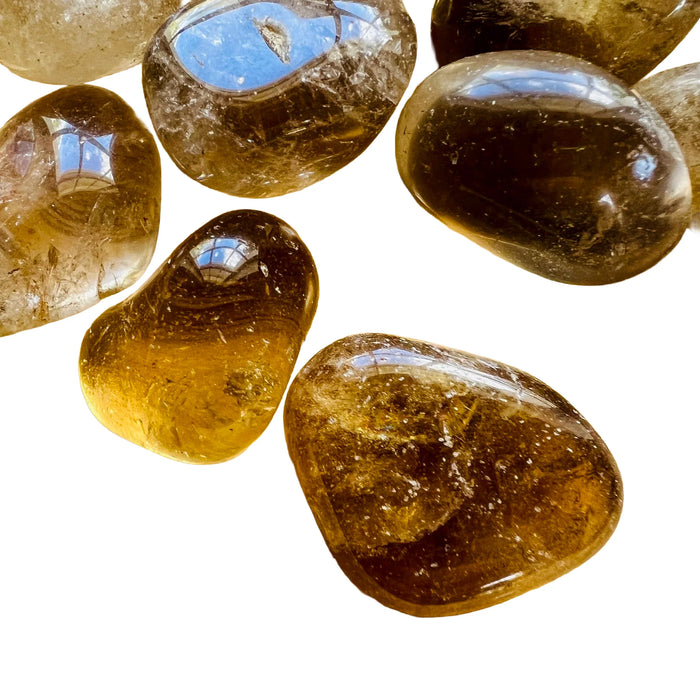
Explore the Crystal GuideThe closest match we carry: Citrine.
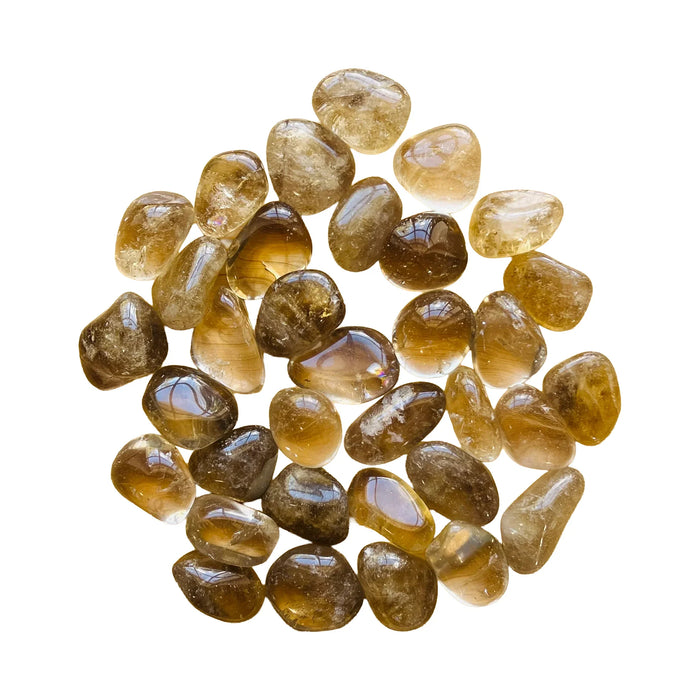
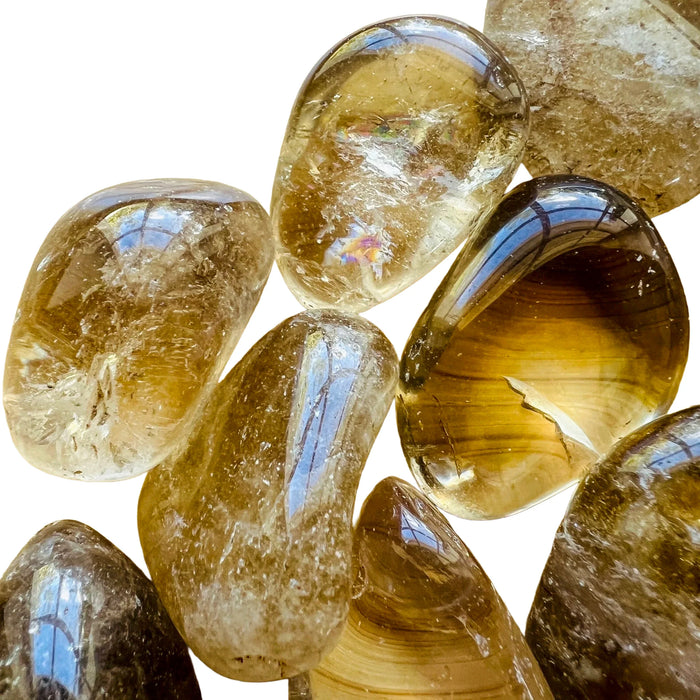
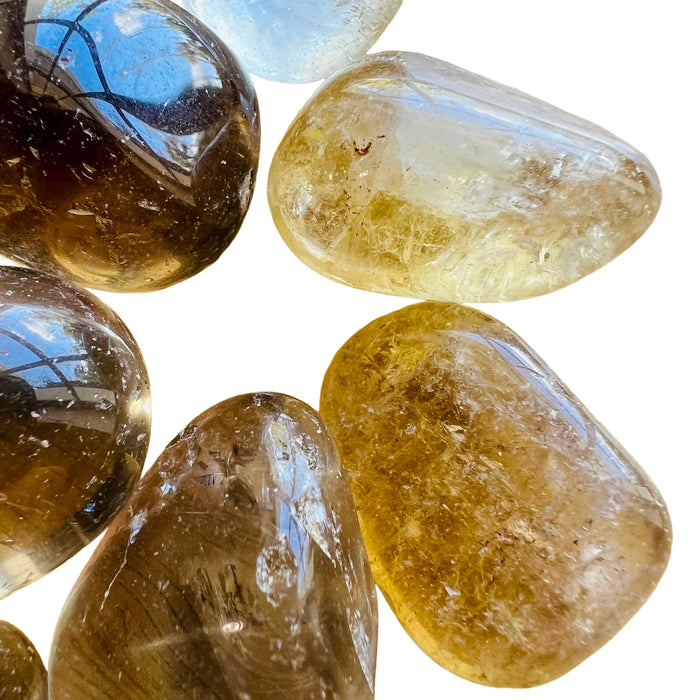
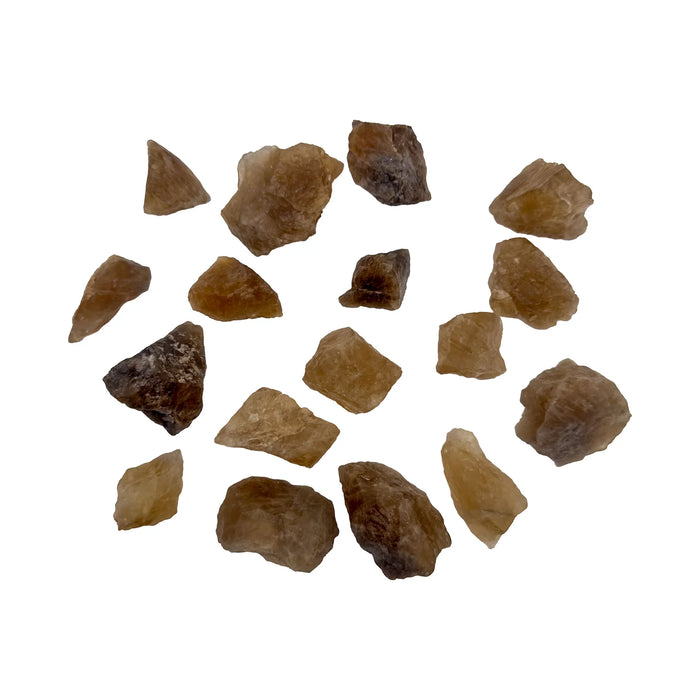
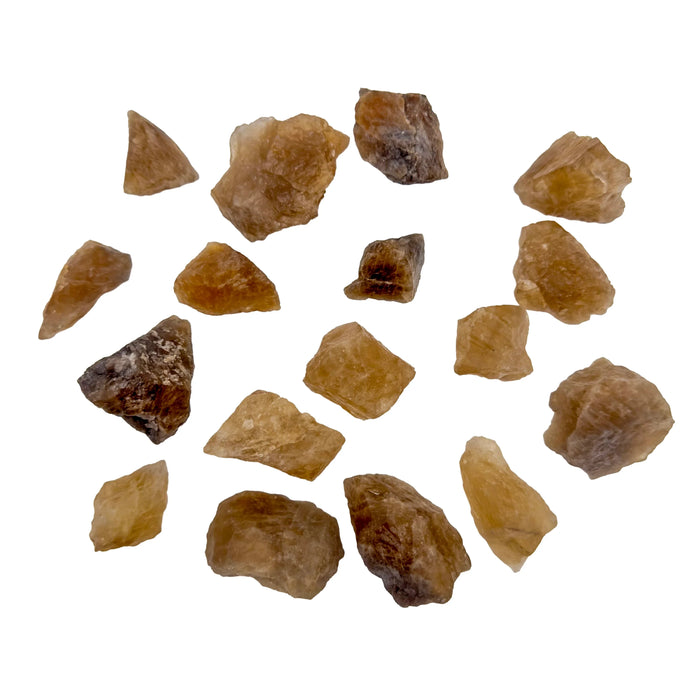
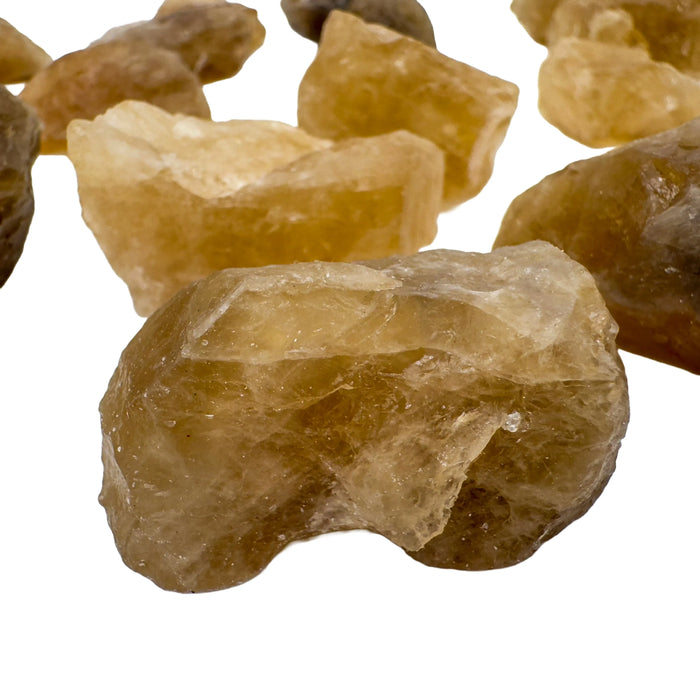
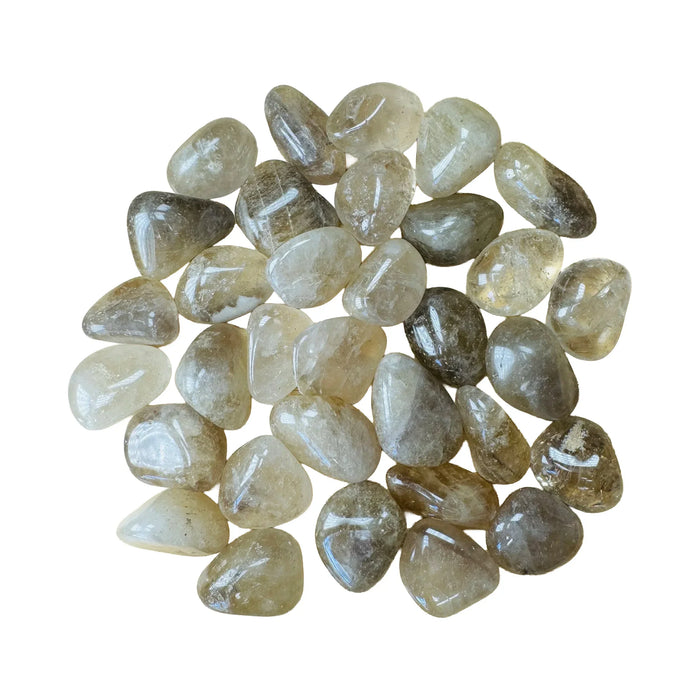
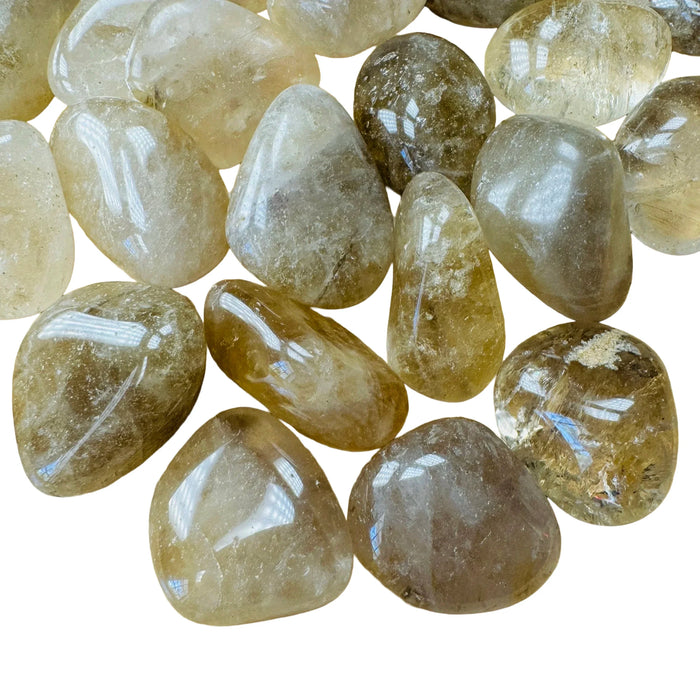
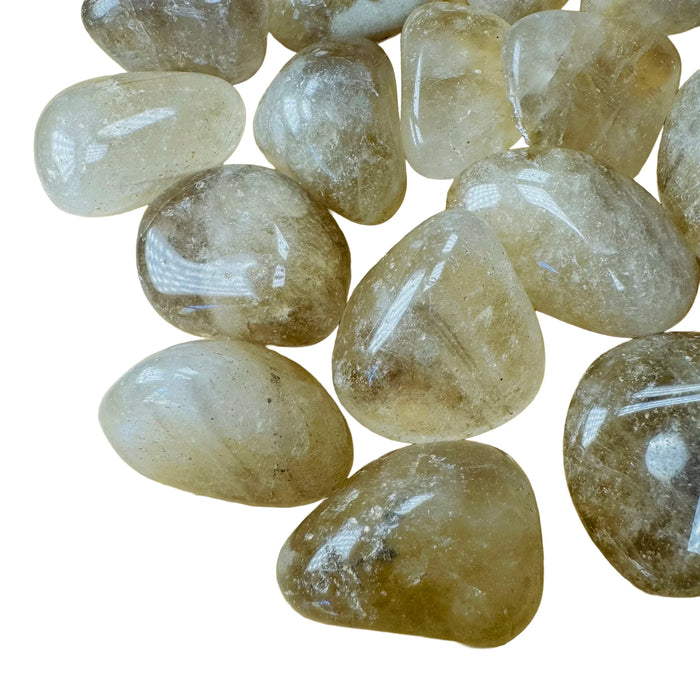
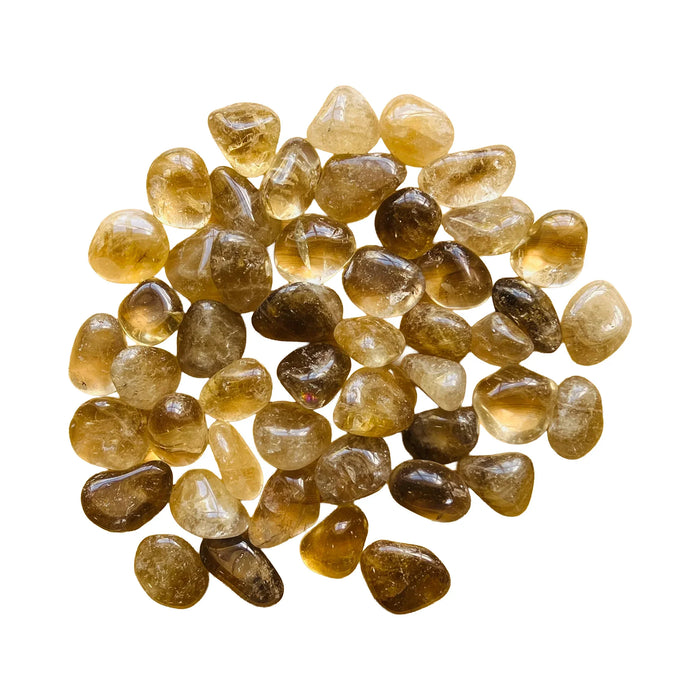
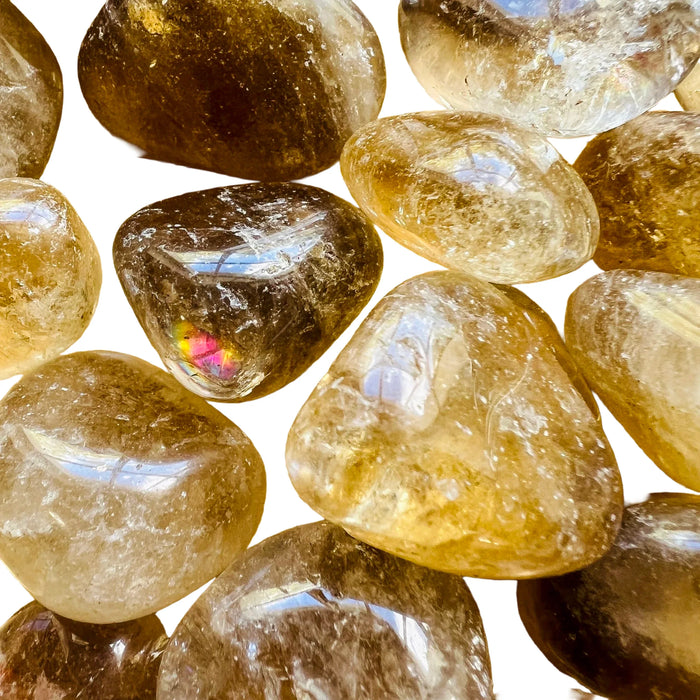
Legrandite is not something we carry. Citrine is the closest match in our collection, and every piece passes our sourcing standards: origin named, treatments disclosed.
- from 1,000+ reviews
- Ships within 72 hoursMonday to Friday, tracked
- 90 days to return itif you do not love it
- Free US shipping over $99$8.99 flat rate under
The Slow Note
New stones go to the list first.
No forwarding, no selling. Unsubscribe in one click. Privacy