


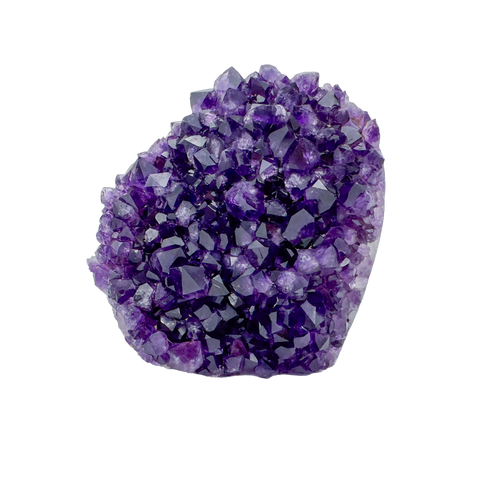
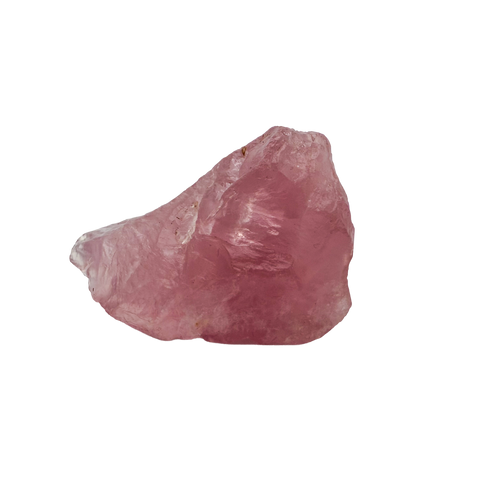
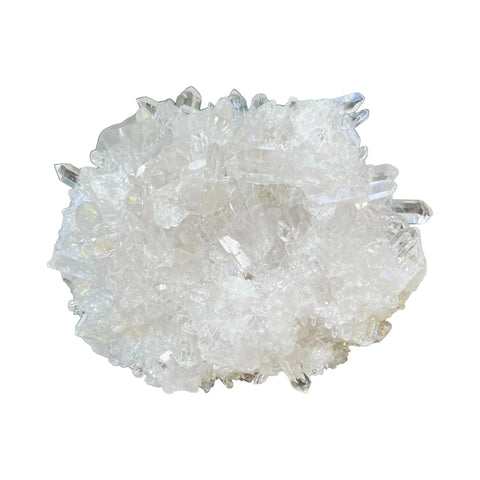
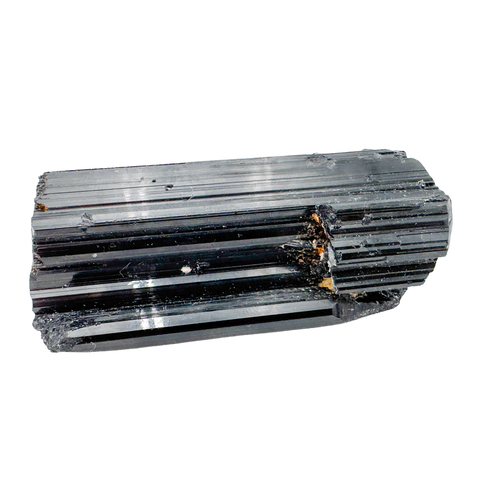
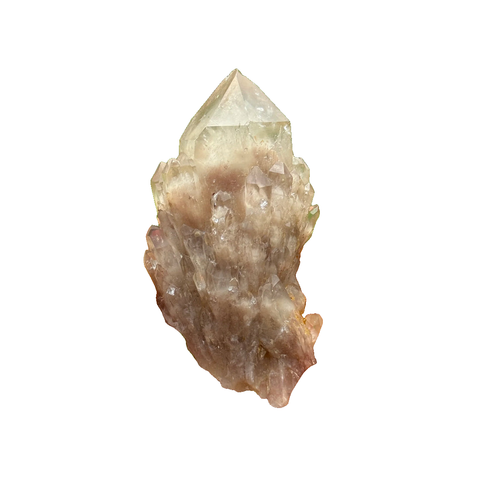
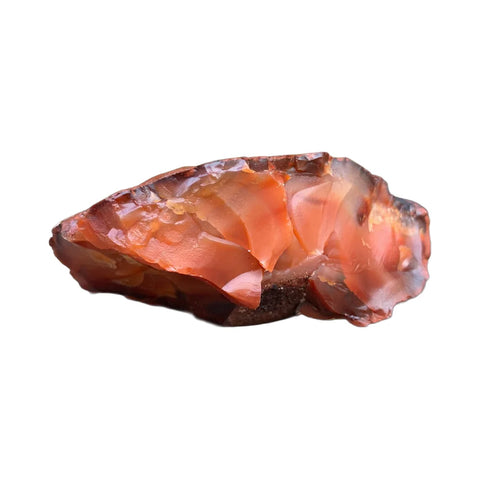
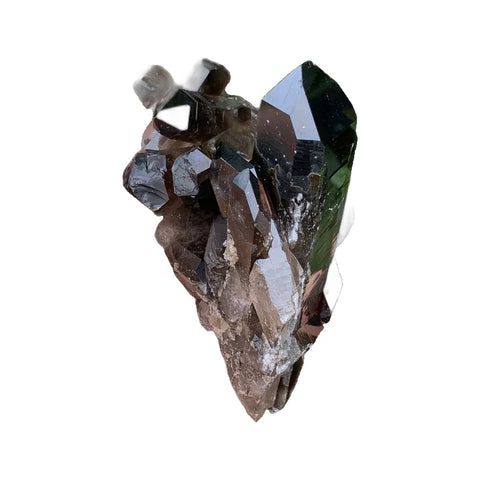
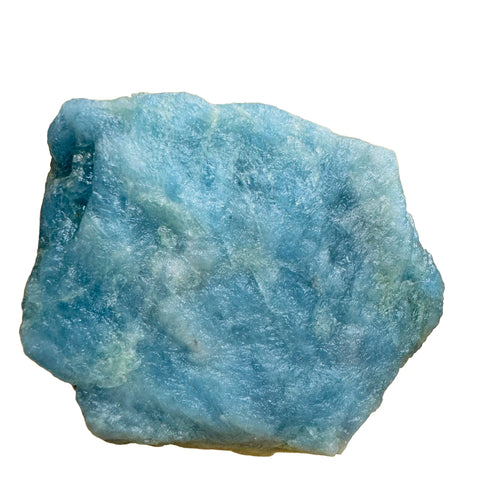
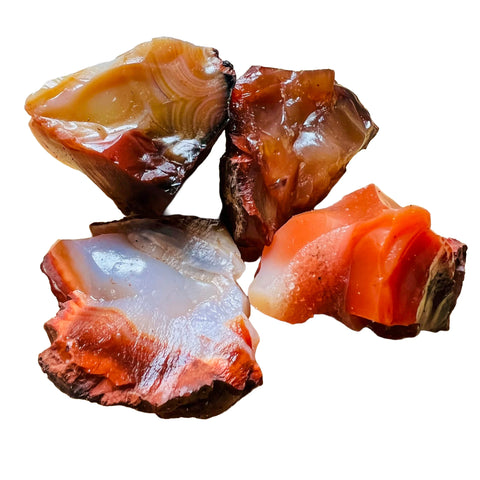


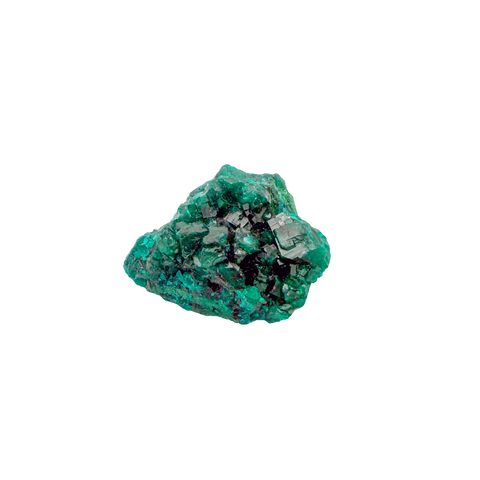
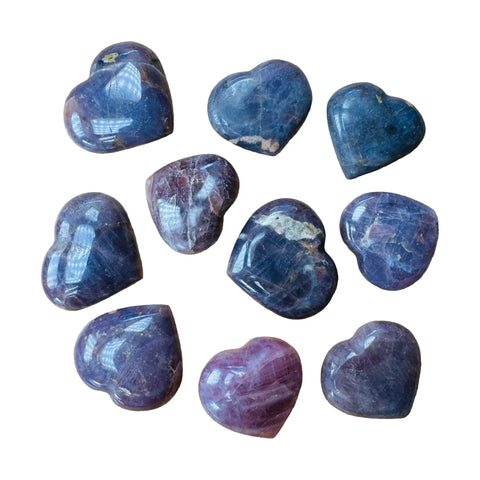
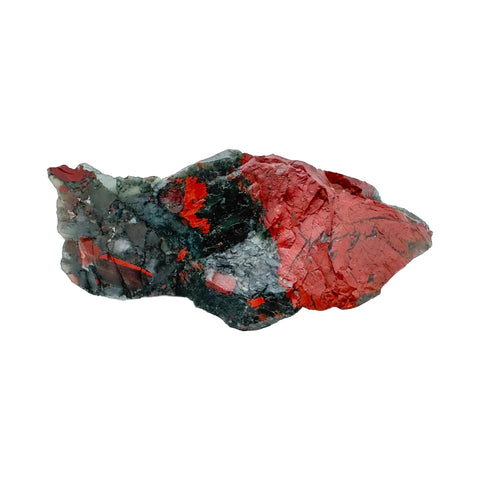
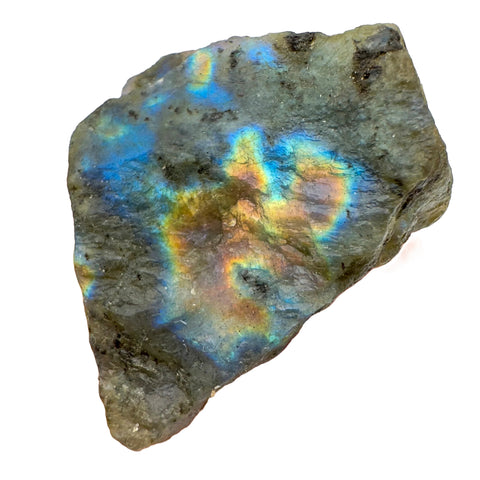
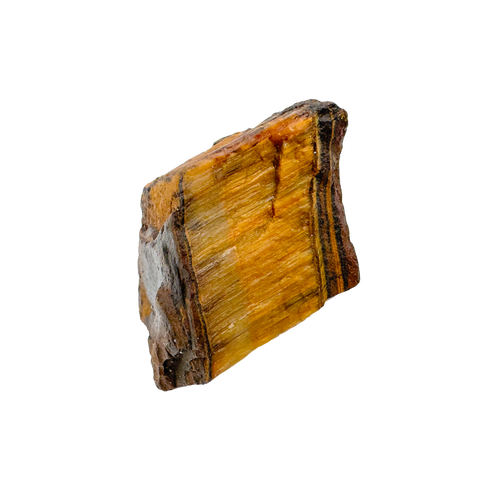
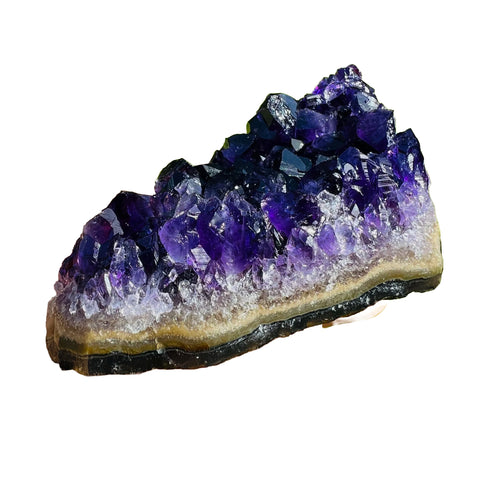



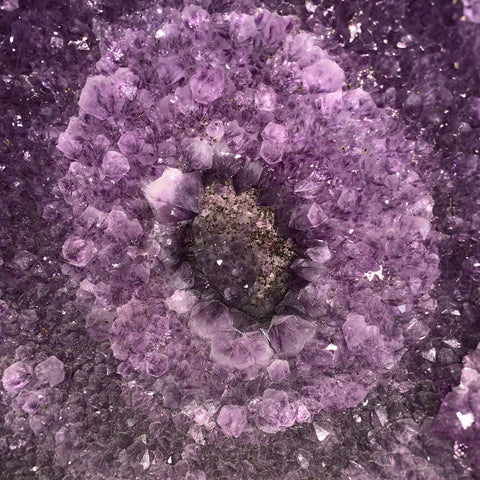
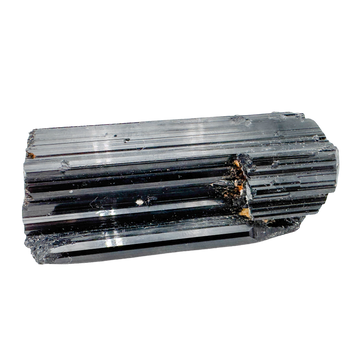
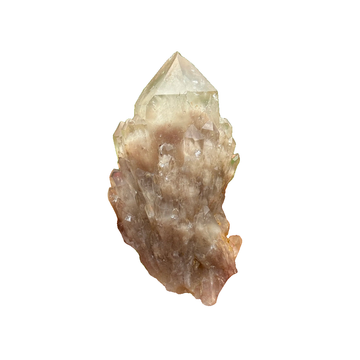
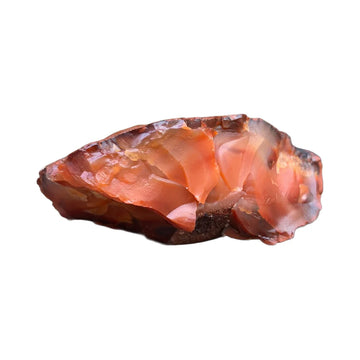
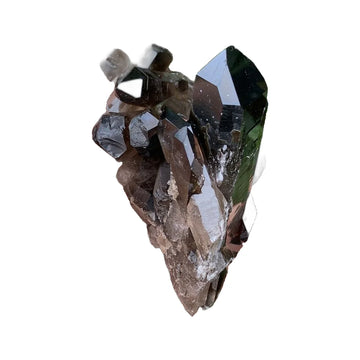
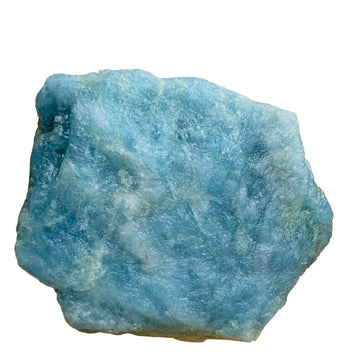
 Raw Stones
179 pieces
Raw Stones
179 pieces
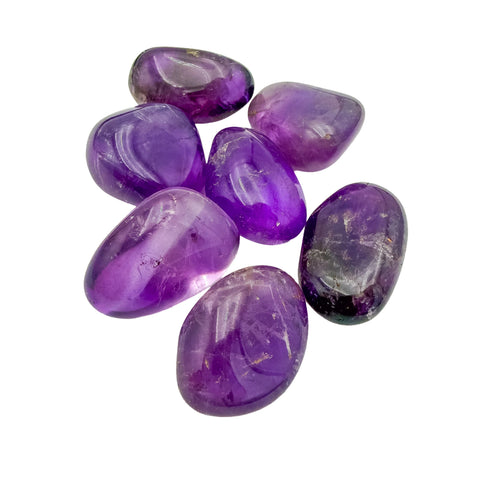
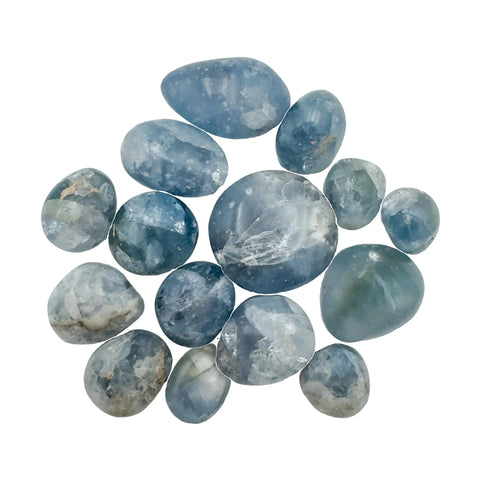
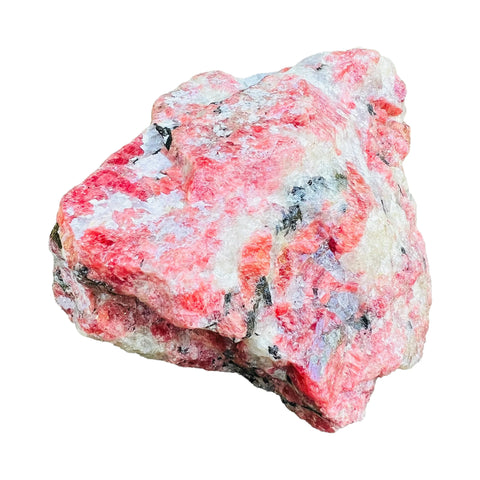
 Tumbled Stones
162 pieces
Tumbled Stones
162 pieces
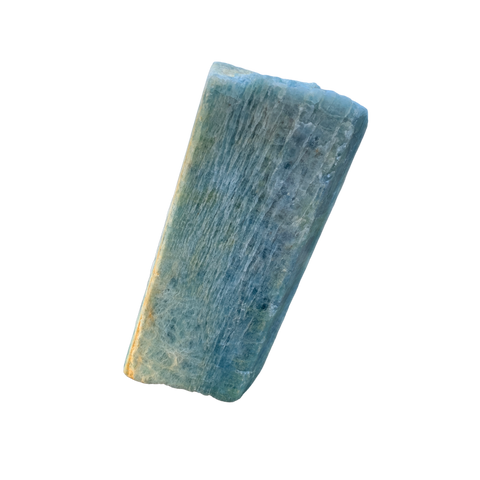
 Palm Stones
25 pieces
Palm Stones
25 pieces
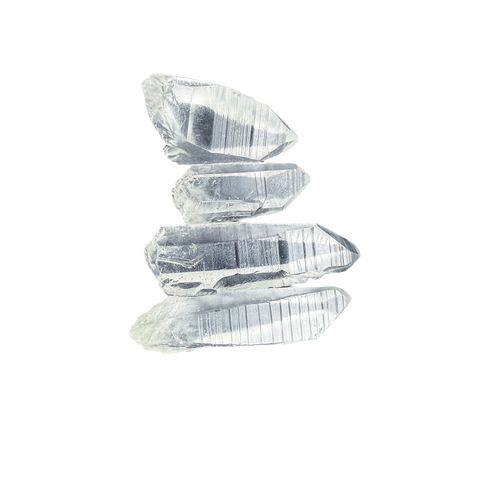
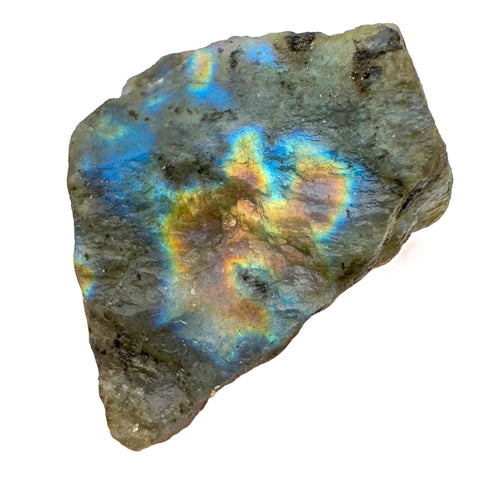
 Crystal Points
23 pieces
Crystal Points
23 pieces
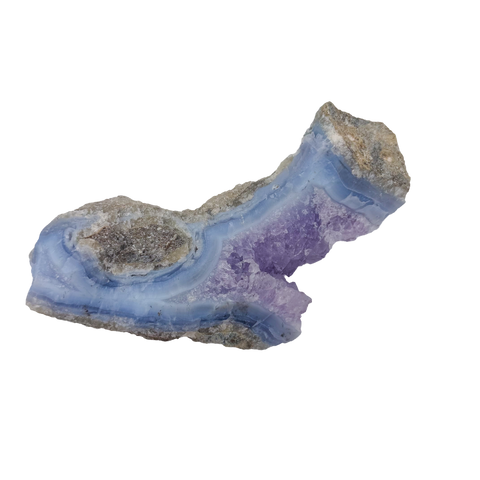
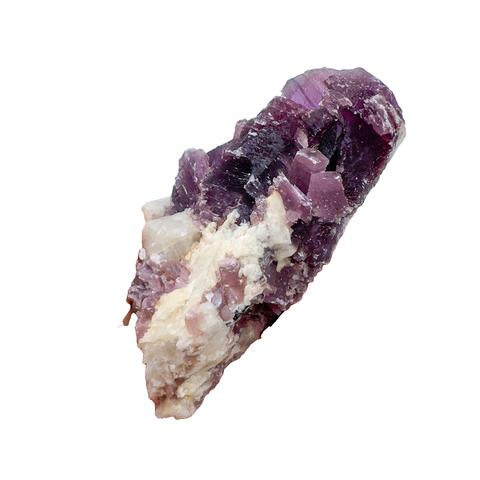
 Clusters & Geodes
104 pieces
Clusters & Geodes
104 pieces
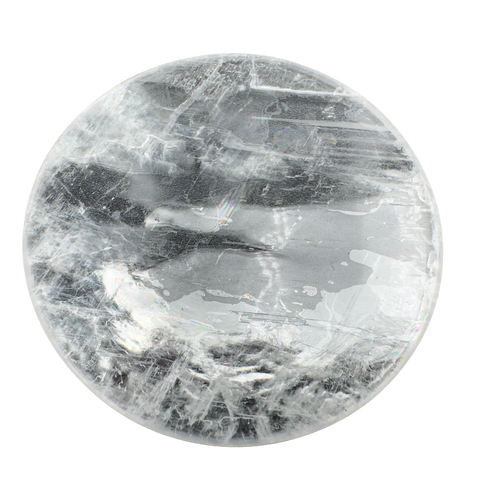
 Polished & Decor
148 pieces
Polished & Decor
148 pieces
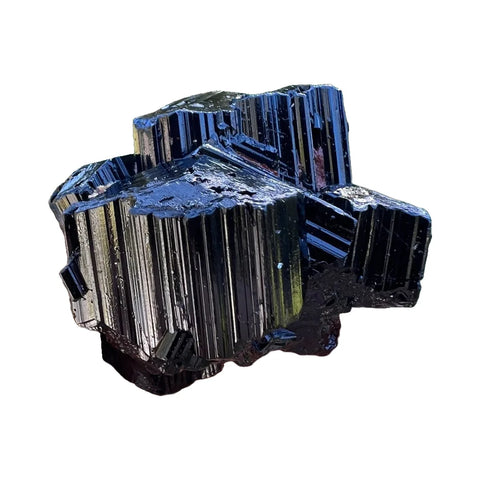
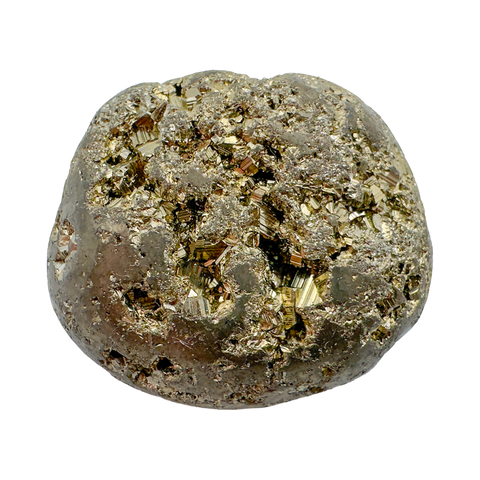
 Mineral Specimens
259 collector pieces
Mineral Specimens
259 collector pieces
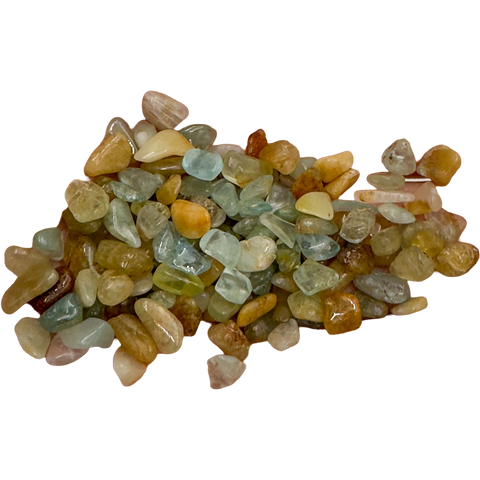
 Crystal Chips
21 pieces
Browse everything
Every collection, one page.
View All Collections →
Crystal Chips
21 pieces
Browse everything
Every collection, one page.
View All Collections →


 Aries
Mar 21 – Apr 19
Carnelian
›
Aries
Mar 21 – Apr 19
Carnelian
›
 Taurus
Apr 20 – May 20
Rose Quartz
›
Taurus
Apr 20 – May 20
Rose Quartz
›
 Gemini
May 21 – Jun 20
Agate
›
Gemini
May 21 – Jun 20
Agate
›
 Cancer
Jun 21 – Jul 22
Moonstone
›
Cancer
Jun 21 – Jul 22
Moonstone
›
 Leo
Jul 23 – Aug 22
Citrine
›
Leo
Jul 23 – Aug 22
Citrine
›
 Virgo
Aug 23 – Sep 22
Amazonite
›
Virgo
Aug 23 – Sep 22
Amazonite
›
 Libra
Sep 23 – Oct 22
Blue Lace Agate
›
Libra
Sep 23 – Oct 22
Blue Lace Agate
›
 Scorpio
Oct 23 – Nov 21
Obsidian
›
Scorpio
Oct 23 – Nov 21
Obsidian
›
 Sagittarius
Nov 22 – Dec 21
Sodalite
›
Sagittarius
Nov 22 – Dec 21
Sodalite
›
 Capricorn
Dec 22 – Jan 19
Black Tourmaline
›
Capricorn
Dec 22 – Jan 19
Black Tourmaline
›
 Aquarius
Jan 20 – Feb 18
Amethyst
›
Aquarius
Jan 20 – Feb 18
Amethyst
›
 Pisces
Feb 19 – Mar 20
Aquamarine
›
Gifting?
A birthday stone is the safe bet.
Read the zodiac guide →
Pisces
Feb 19 – Mar 20
Aquamarine
›
Gifting?
A birthday stone is the safe bet.
Read the zodiac guide →

Prasiolite
Prasiolite is the proper name for green quartz, the stone often sold as green amethyst. The honest headline is simple: nearly all of it is amethyst that has been heated until it turns a soft leek-green, and truly natural prasiolite is very rare. It is a quartz like any other, valued for a gentle spring-green color that is hard to find elsewhere.
The geology.
Prasiolite is a green variety of quartz (silicon dioxide, SiO2). Its color comes from iron in the crystal structure, the same element that gives amethyst its purple, shifted by heat toward a yellow-green to leek-green. The name comes from the Greek for leek-green, and mineralogically it sits beside amethyst, citrine, and smoky quartz as one of quartz's color varieties.
The term green amethyst is a marketing name rather than a correct one, since amethyst is by definition purple. Whatever the label, prasiolite is hardness 7 on the Mohs scale, trigonal, glassy, and usually clean and transparent. Its color is typically pale, a gentle mint to olive green rather than a vivid emerald tone.
The origins.
The honest starting point is treatment. Most prasiolite on the market is made by heating natural amethyst to around 500 degrees Celsius, which turns certain amethysts a stable green. The material that responds this way comes mainly from the Montezuma deposit in Minas Gerais, Brazil, where the effect was first put to commercial use in the 1950s. Some pale green quartz is instead produced by irradiating yellowish quartz.
Natural, untreated prasiolite exists but is exceedingly rare. It was first found in the early nineteenth century in Lower Silesia, Poland, and a small number of other deposits are known, including material from the Thunder Bay area of Canada. Because natural and heated stones look alike, almost everything labeled green amethyst should be assumed heat-treated unless a seller specifically documents a natural origin.
Traditional associations.
Prasiolite is often described as a heart stone with a calm, balancing feel, bridging the green of the heart and the violet associations of its amethyst parent. Many people work with it for emotional balance, gratitude, and a steady connection between the heart and the mind.
It is usually linked to the Heart chakra, the element of Earth, and the sign Aquarius. A common practice is to keep a tumbled piece or faceted stone close during meditation or journaling. Because its color is gentle, people often choose it for everyday jewelry as well.
Spotting the real thing.
Most authentication here is really disclosure. Since natural and heat-treated prasiolite look nearly identical, the practical question is not real or fake but treated or natural. Assume heat-treated unless told otherwise, and expect a pale, even green, since deeply saturated green quartz is often glass or dyed material.
Real prasiolite is hardness 7, cool to the touch, and free of the round bubbles that give away glass. Watch for green-dyed quartz or glass sold at suspiciously low prices with unnaturally vivid color. A trustworthy seller will call the stone prasiolite, note that it is heat-treated amethyst, and reserve the word natural for documented, and pricier, material.
Care & handling.
Prasiolite is an easy, durable quartz. At 7 on the Mohs scale it suits everyday jewelry and is safe for a brief rinse in warm water with a soft cloth. Its color is stable for normal wear, though like many heat-colored quartzes it is wise to avoid prolonged, intense sunlight and sudden temperature changes as a precaution.
Avoid harsh chemicals and ultrasonic cleaners, and store it apart from harder stones to protect the polish. To reset it energetically, many people use moonlight, sound, or a night on a selenite plate rather than heat or salt water.
Pairs well with.
A deeper look.
Extended geology, sourcing, authentication, history, and varieties, for when the quick guide isn't quite enough.
Extended geology
Prasiolite is quartz colored green by iron held within its crystal lattice. In most cases that color is produced when amethyst, which owes its purple to iron and natural irradiation, is heated to roughly 400 to 500 degrees Celsius. At that temperature the iron centers in certain amethysts reorganize and the stone shifts to green rather than the more familiar yellow of citrine. Only some amethyst responds this way, which is why specific deposits matter.
Hardness is 7, trigonal, with conchoidal fracture and a glassy luster. The green is usually light, and stones are often clean and transparent, which makes prasiolite popular for faceting.
How it is made, and why the name matters
The common trade name green amethyst is technically incorrect, because amethyst by definition is purple quartz. The mineralogically correct name is prasiolite. Most material is heat-treated amethyst, while a smaller amount is made by irradiating pale yellow quartz. Both are stable. Calling the stone prasiolite and disclosing the heat treatment is the honest approach.
Extended sourcing
The Montezuma deposit in Minas Gerais, Brazil, is the classic source of amethyst that turns green on heating, and commercial production began there in the mid 1950s. Natural, untreated prasiolite is far rarer, first described from Lower Silesia in Poland in the early nineteenth century, with a few other localities including the Thunder Bay region of Canada.
Authentication and warning signs
Because treated and natural prasiolite look the same, the real task is disclosure rather than detection. Expect a soft green and assume heat treatment unless a seller documents otherwise. Vivid, deeply saturated green quartz is a warning sign for dye or glass. Round internal bubbles mean glass. Genuine prasiolite is a cool, hardness-7 quartz with natural, uneven clarity.
What it costs in the market
Heat-treated prasiolite is affordable and widely available as faceted stones, tumbles, and jewelry, typically a modest price per carat. Documented natural prasiolite is uncommon and commands a premium. As always, a clear statement of treatment is worth more to a careful buyer than a vague natural claim.
An education-first guide.
We built this guide so the next time you see prasiolite, often sold as green amethyst, you will know it is almost always heat-treated quartz rather than a naturally green stone, and can choose with open eyes. Naming the treatment plainly is how we think about every stone, the ones we carry and the ones we do not. Explore the rest of our crystal guides for natural stones with full origin and treatment notes.
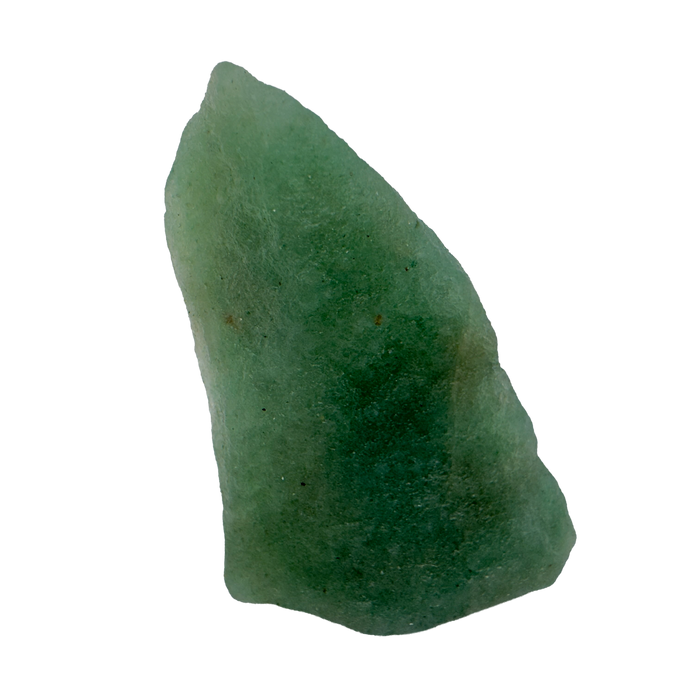
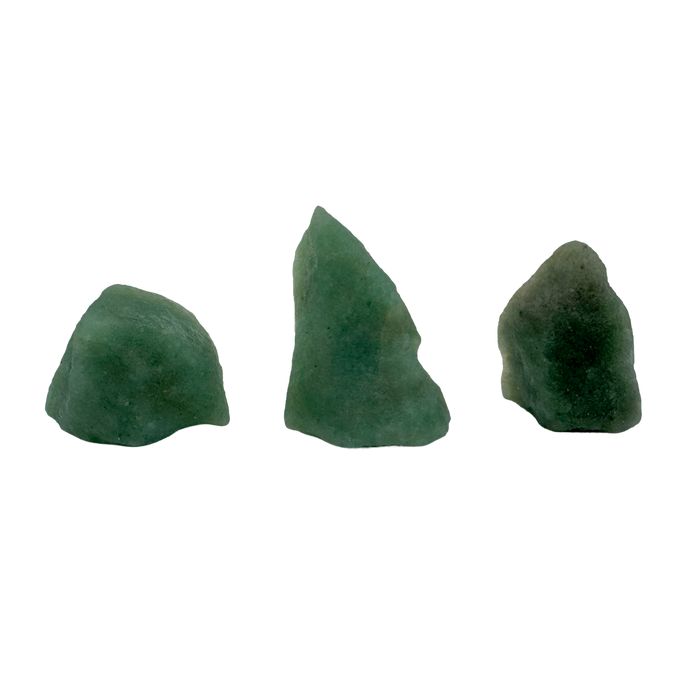
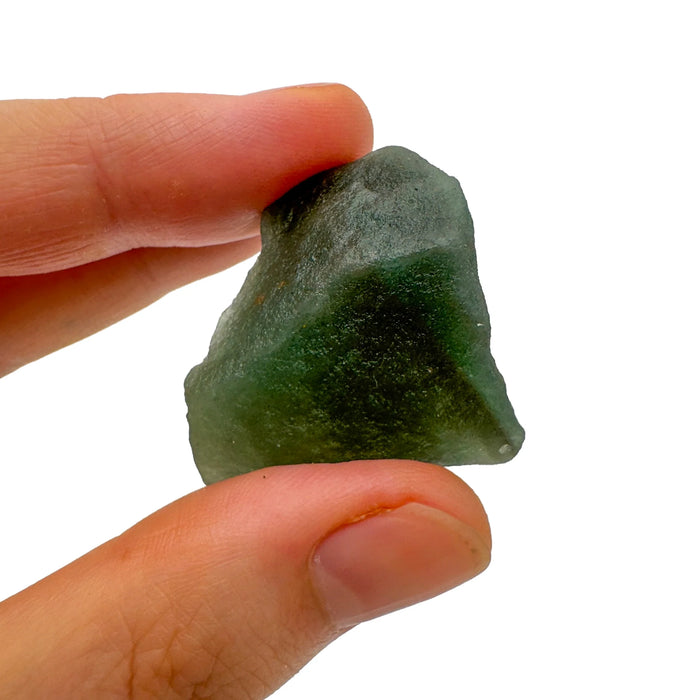
Explore the Crystal GuideLove Prasiolite? Meet Aventurine.
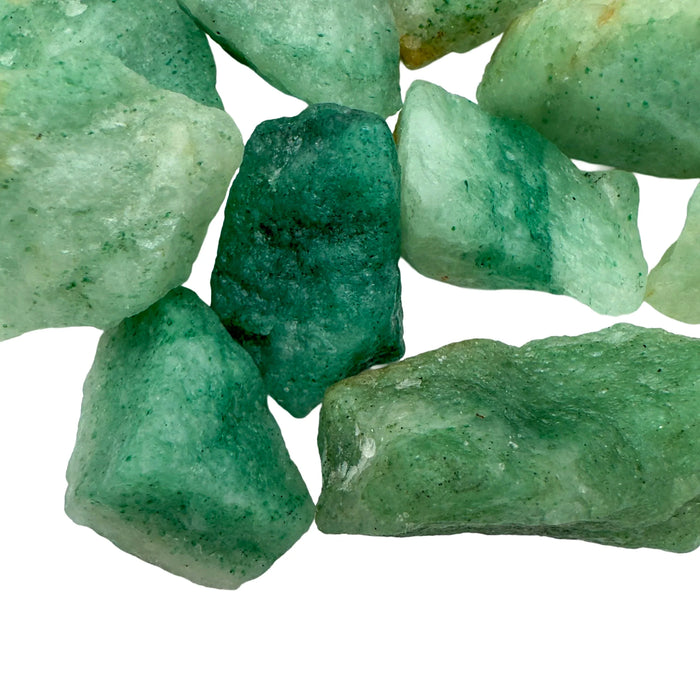
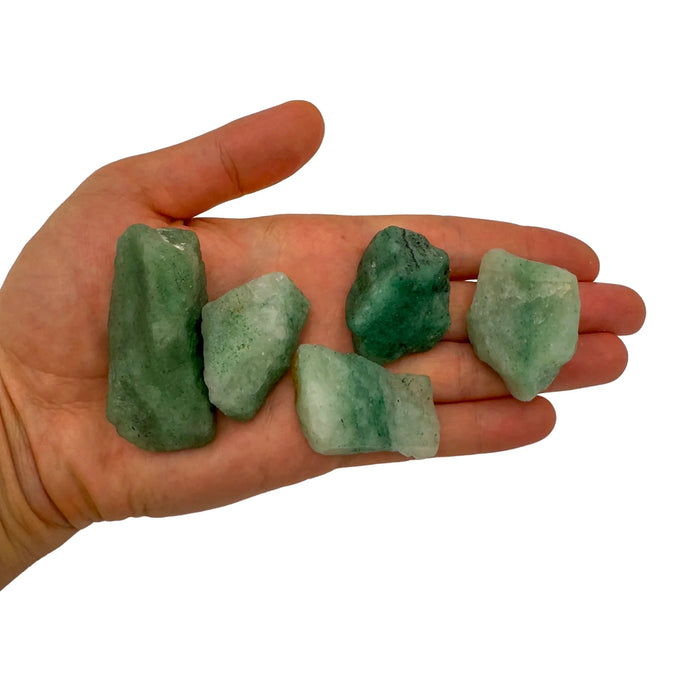
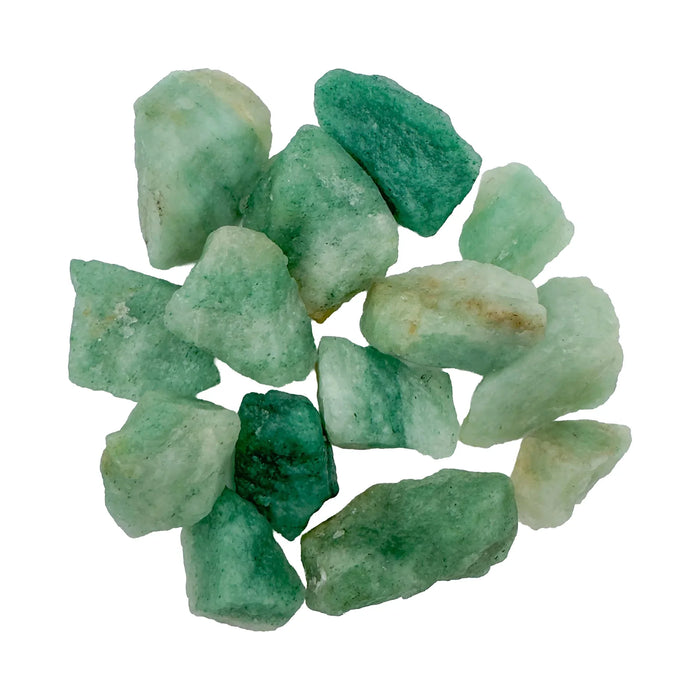
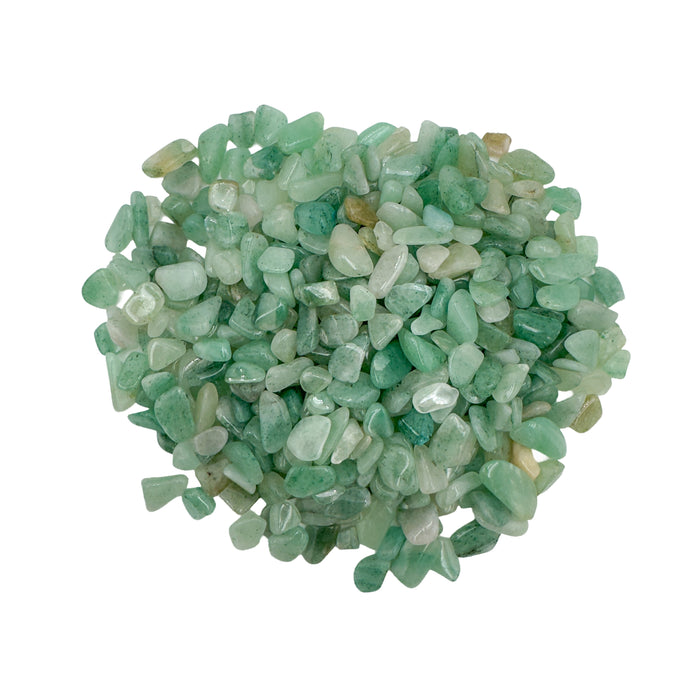
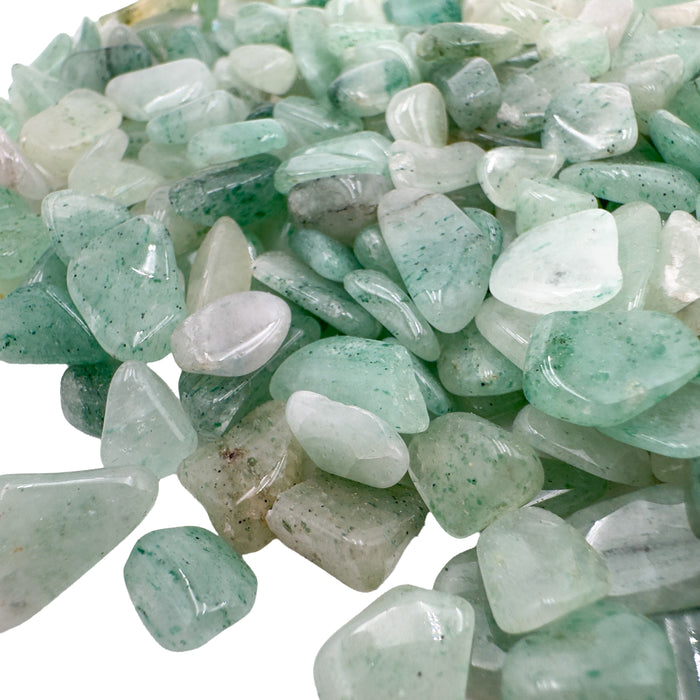
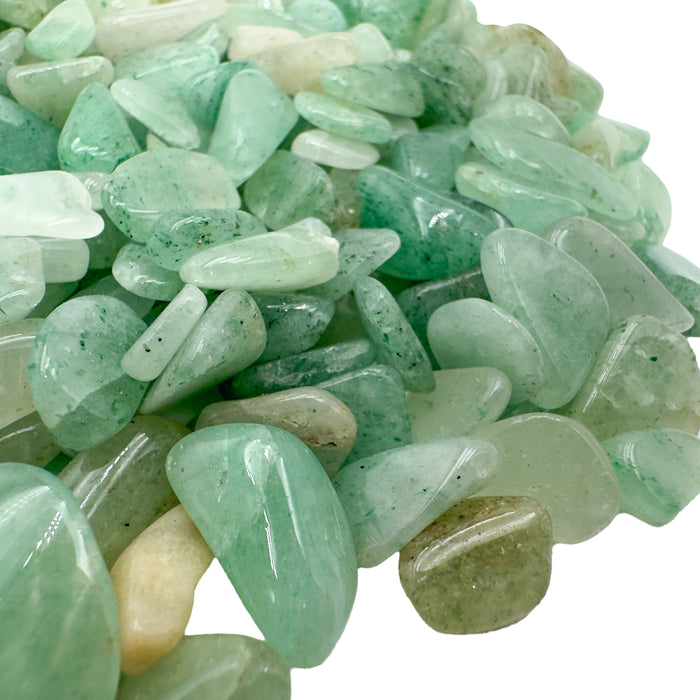
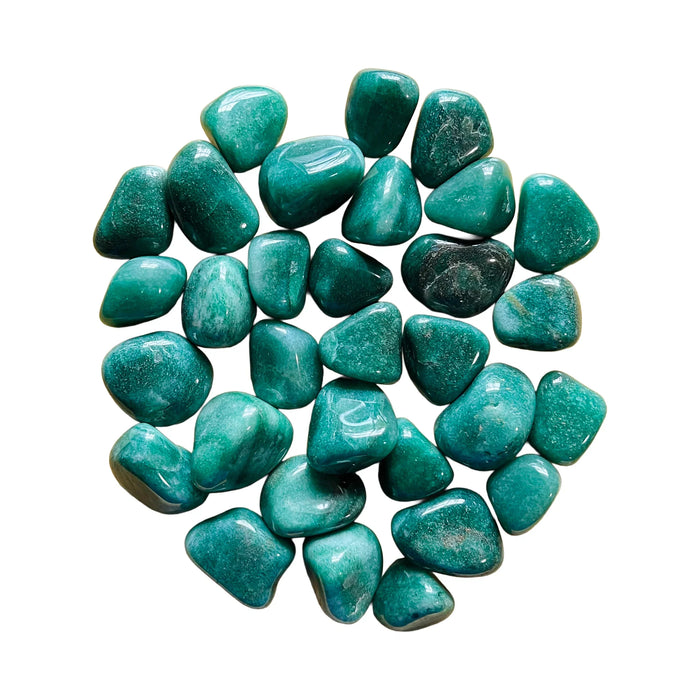
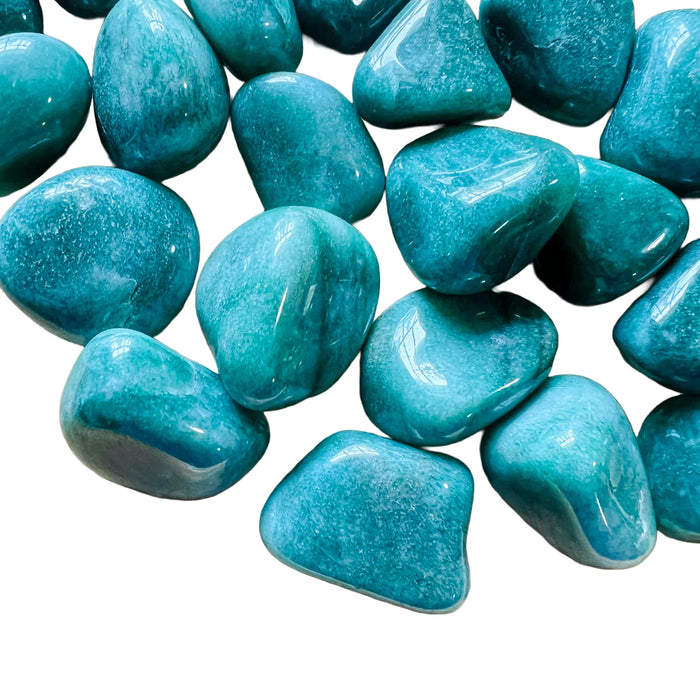
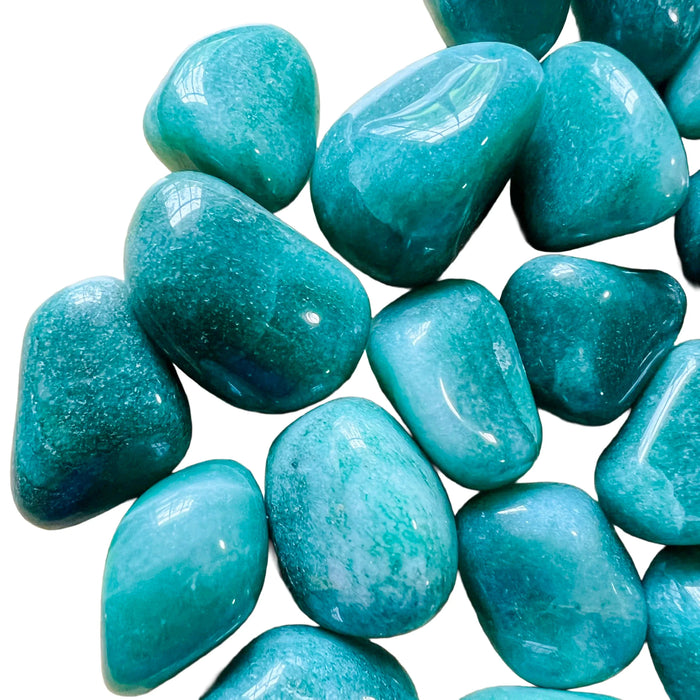
Prasiolite is not something we carry. Aventurine is the closest match in color, and every piece passes our sourcing standards: origin named, treatments disclosed.
- from 1,000+ reviews
- Ships within 72 hoursMonday to Friday, tracked
- 90 days to return itif you do not love it
- Free US shipping over $99$8.99 flat rate under
The Slow Note
New stones go to the list first.
No forwarding, no selling. Unsubscribe in one click. Privacy