


 Agatefor stress relief
 Amazonitefor stress relief
 Aquamarinefor serenity
 Aventurinefor luck
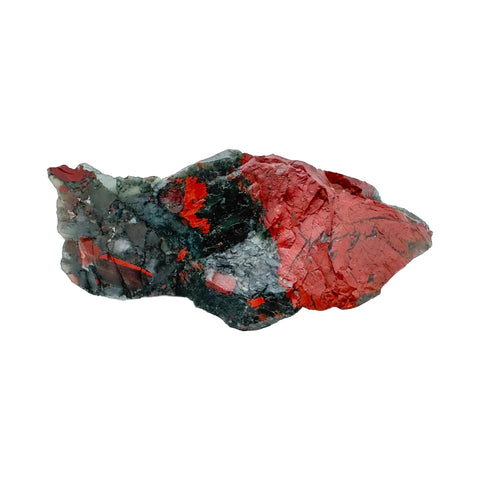
 Bloodstonefor energy
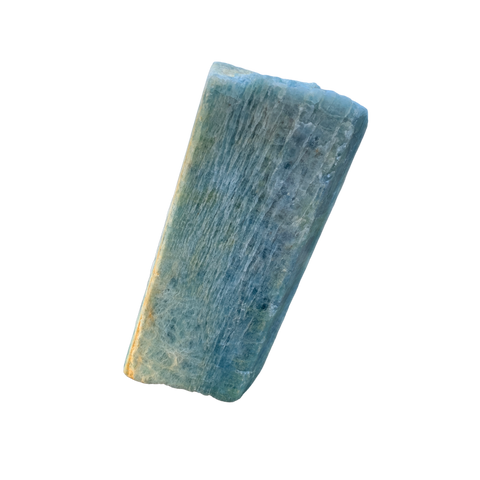
 Blue Kyanitefor confidence
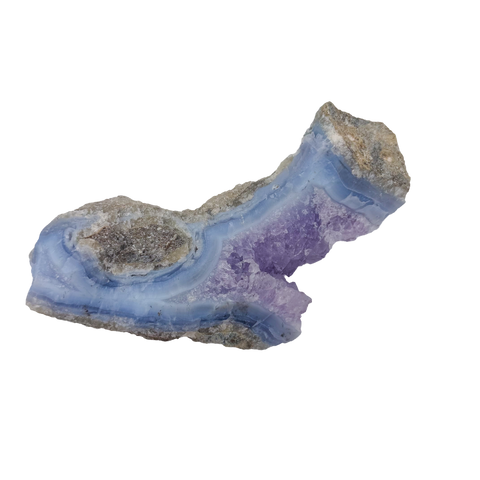
 Blue Lace Agatefor stress relief
 Chrysocollafor emotional healing
 Fluoritefor focus
 Garnetfor energy
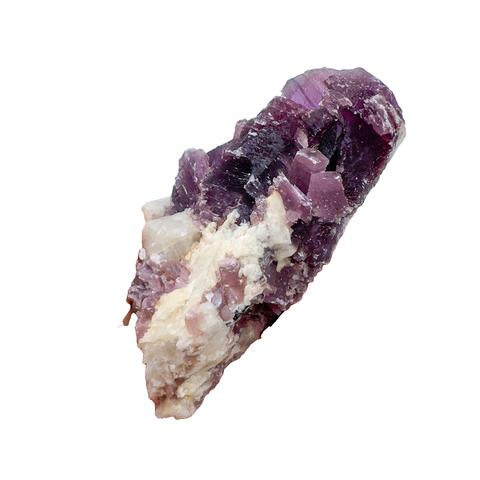
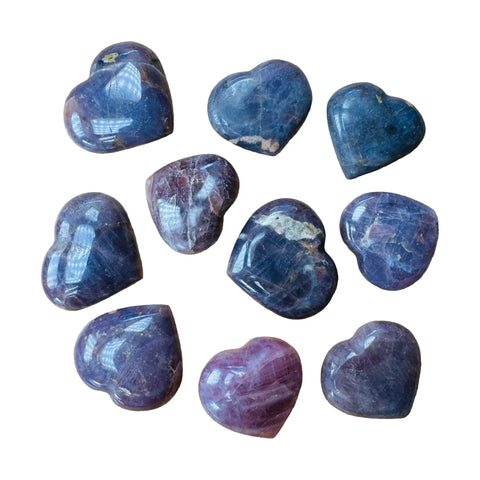
 Lepidolitefor stress relief
 Malachitefor emotional healing
 Moonstonefor grounding
 Obsidianfor protection
 Ocean Jasperfor emotional healing
 Red Jasperfor grounding
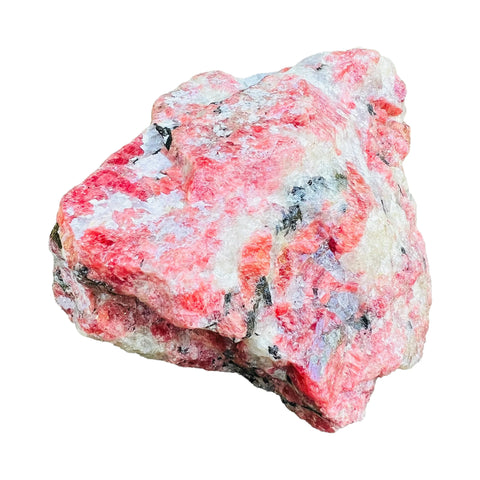
 Rhodonitefor emotional healing
 Selenitefor cleansing
 Sodalitefor focus
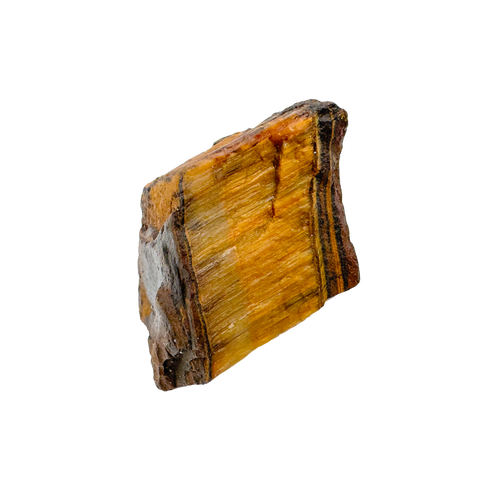
 Tiger Eyefor confidence
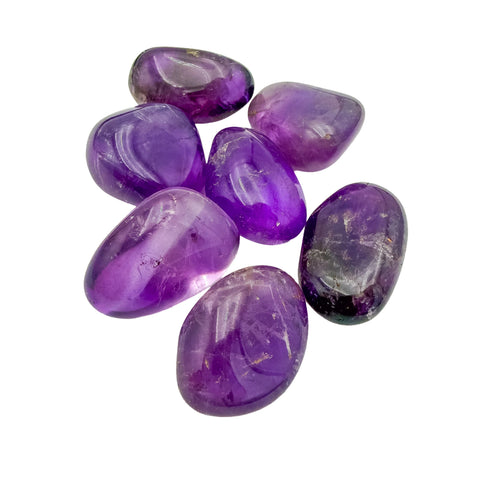




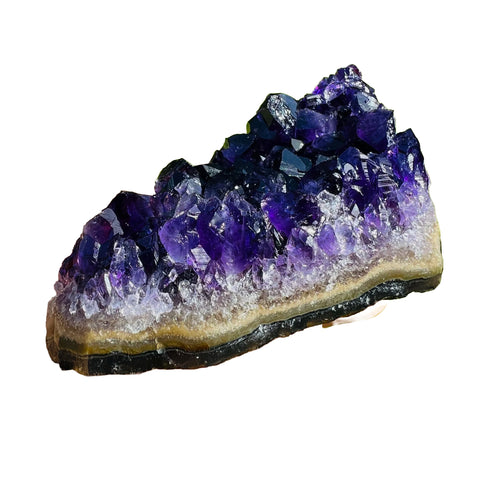





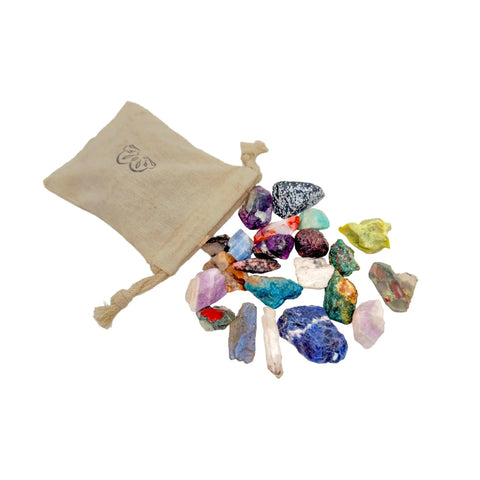
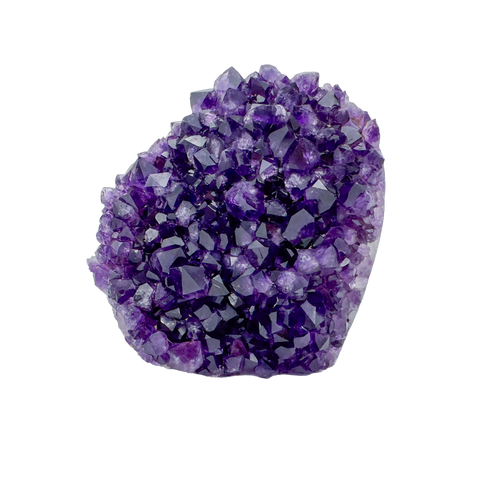
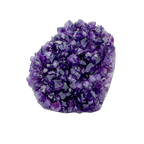 Amethyst
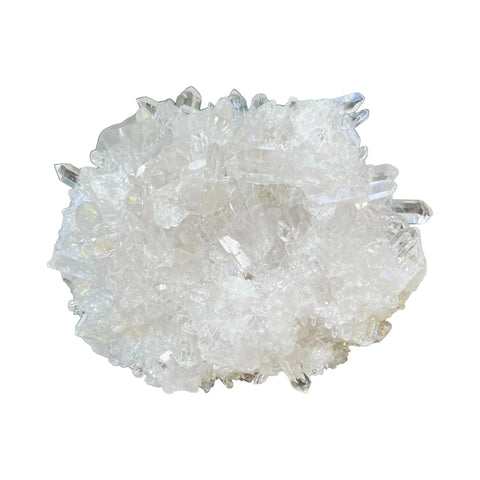
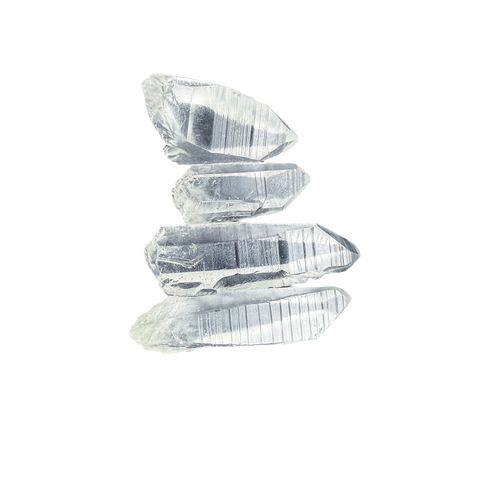
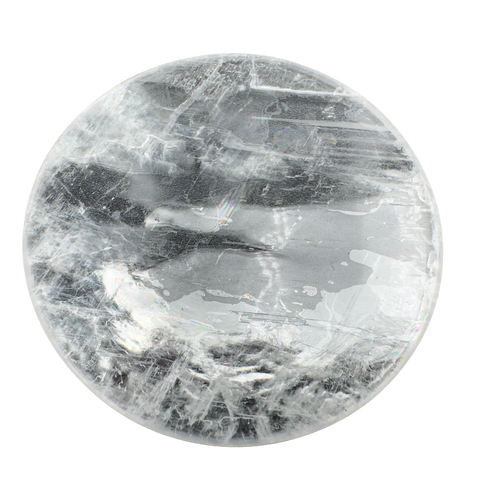
 Clear Quartz
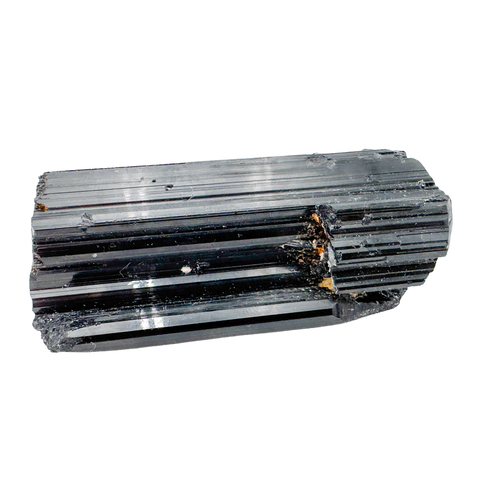
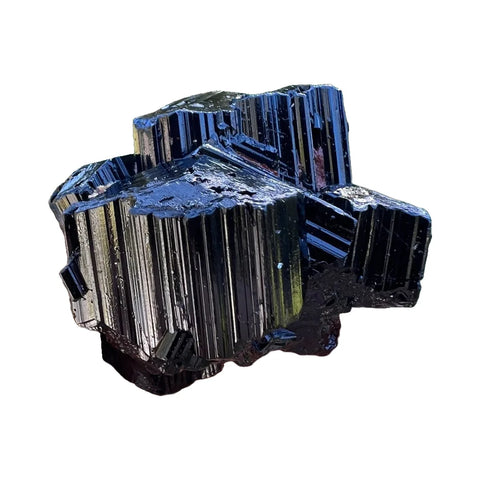
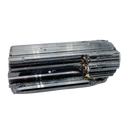 Black Tourmaline
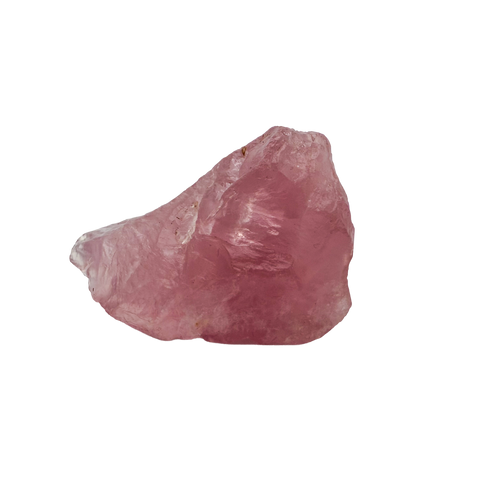
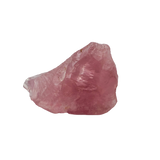 Rose Quartz
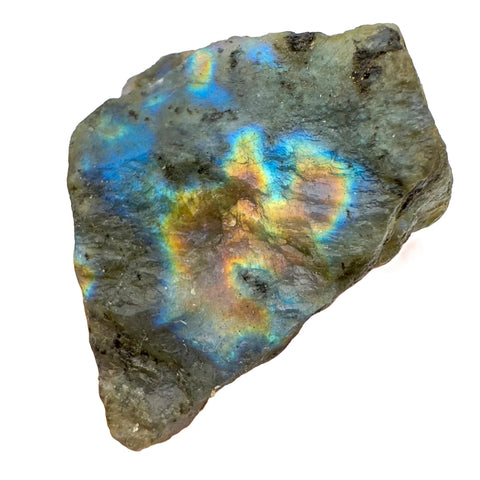
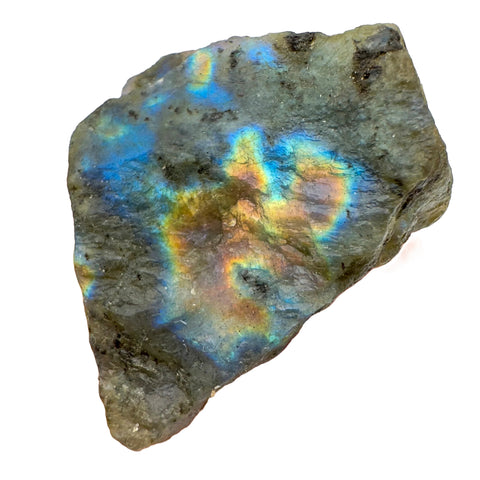
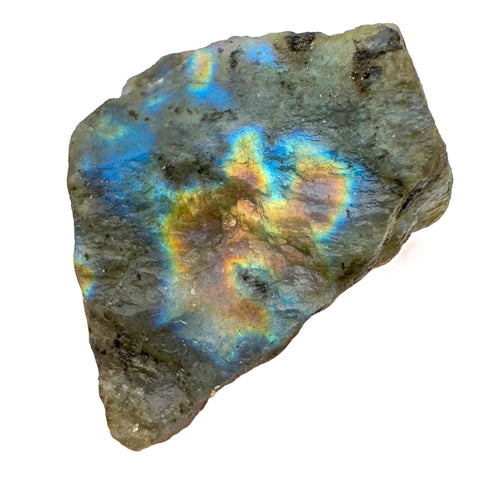
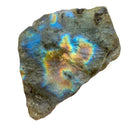 Labradorite
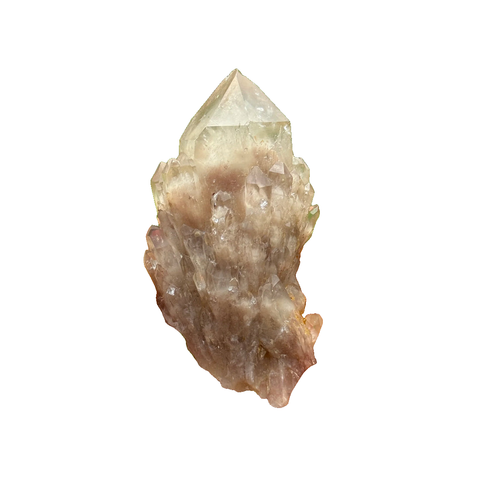
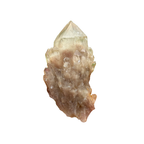 Natural Citrine
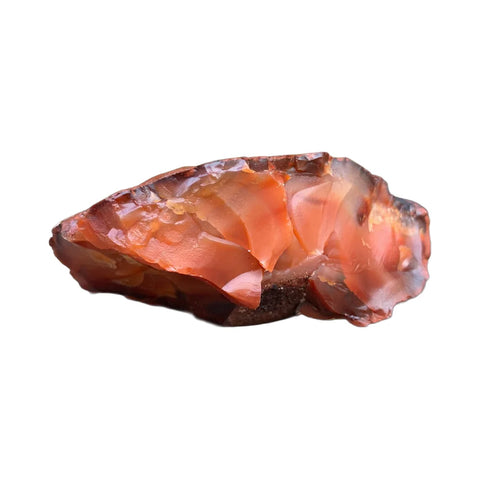
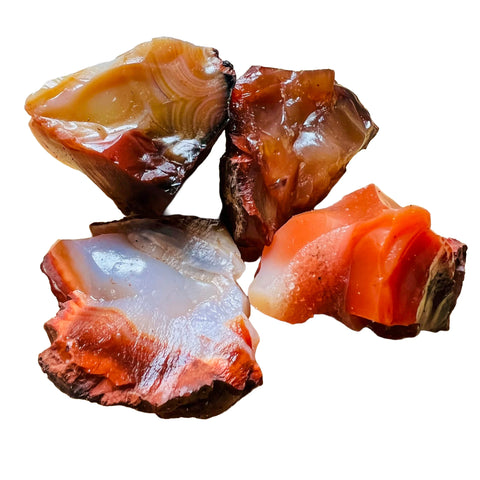
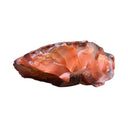 Carnelian
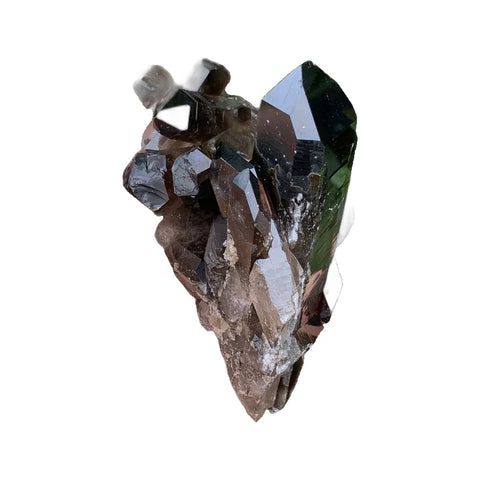
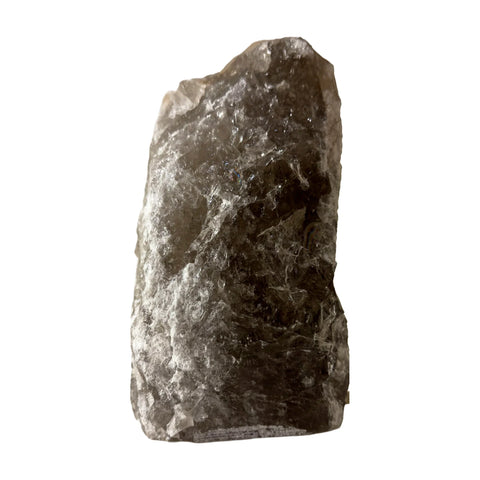
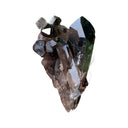 Smoky Quartz
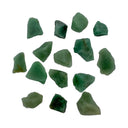 Aventurine
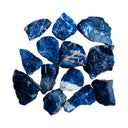 Sodalite
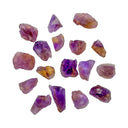 Ametrine
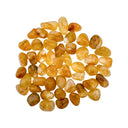 Golden Healer
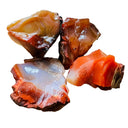 Raw Stones
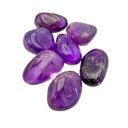 Tumbled Stones
 Palm Stones
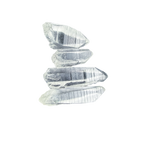 Crystal Points
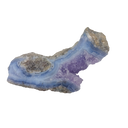 Clusters & Geodes
 Polished & Decor
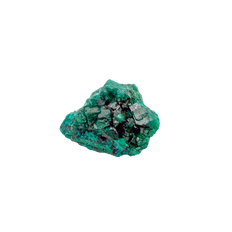 Mineral Specimens
 Crystal Chips
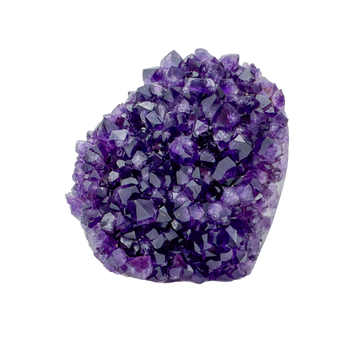
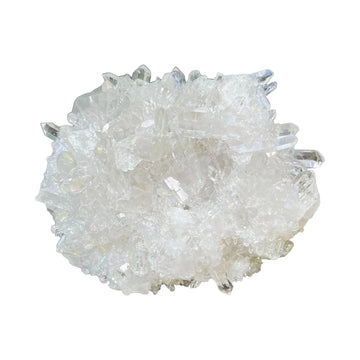
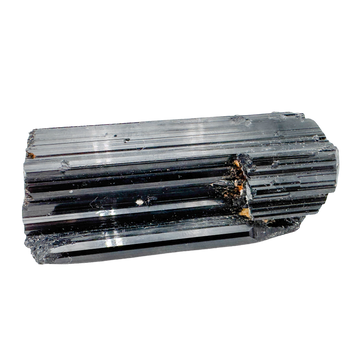
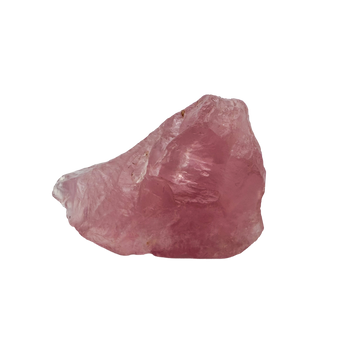
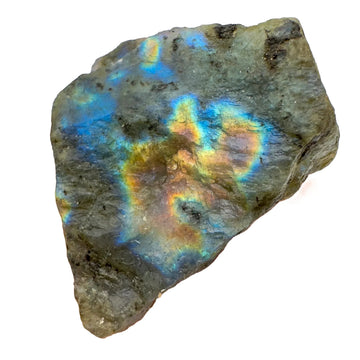
 Raw Stones
179 to choose from
Raw Stones
179 to choose from
 Tumbled Stones
162 to choose from
Tumbled Stones
162 to choose from
 Palm Stones
25 to choose from
Palm Stones
25 to choose from
 Crystal Points
23 to choose from
Crystal Points
23 to choose from
 Clusters & Geodes
101 to choose from
Clusters & Geodes
101 to choose from
 Polished & Decor
148 to choose from
Polished & Decor
148 to choose from
 Mineral Specimens
254 to choose from
Mineral Specimens
254 to choose from
 Crystal Chips
21 to choose from
Crystal Chips
21 to choose from


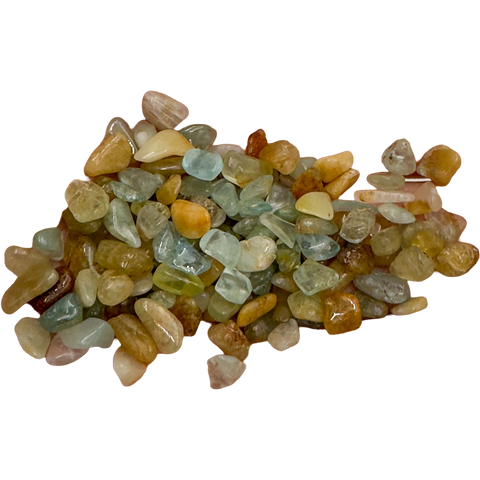
 AngolaAquamarine
›
AngolaAquamarine
›
 BotswanaCarnelian, Tree Agate
›
BotswanaCarnelian, Tree Agate
›
 DR CongoMalachite, Natural Citrine
›
DR CongoMalachite, Natural Citrine
›
 EswatiniBloodstone
›
EswatiniBloodstone
›
 MadagascarLabradorite, Clear Quartz
›
MadagascarLabradorite, Clear Quartz
›
 MalawiBlue Lace Agate, Garnet
›
MalawiBlue Lace Agate, Garnet
›
 MozambiqueAmazonite
›
MozambiqueAmazonite
›
 NamibiaSodalite, Blue Lace Agate
›
NamibiaSodalite, Blue Lace Agate
›
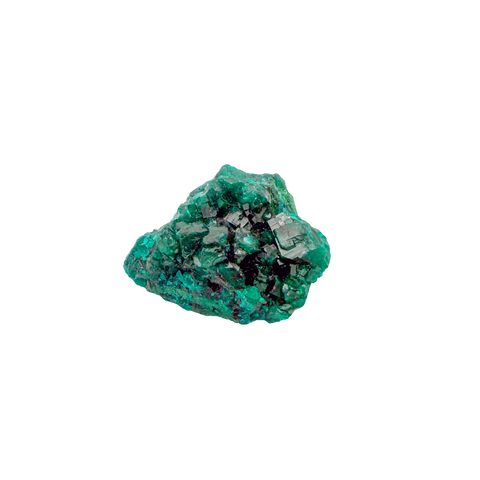
 Republic of the CongoDioptase
›
Republic of the CongoDioptase
›
 South AfricaTiger Eye, Unakite
›
South AfricaTiger Eye, Unakite
›
 ZambiaChevron Amethyst
›
ZambiaChevron Amethyst
›
 ZimbabweEmerald, Rhodonite
›
ZimbabweEmerald, Rhodonite
›
 ArgentinaBlack Obsidian, Rhodochrosite
›
ArgentinaBlack Obsidian, Rhodochrosite
›
 BoliviaAmetrine
›
BoliviaAmetrine
›
 BrazilAmethyst, Clear Quartz
›
BrazilAmethyst, Clear Quartz
›
 PeruSerpentine, Jade
›
PeruSerpentine, Jade
›
 UruguayAmethyst
›
UruguayAmethyst
›
 Dominican RepublicLarimar
›
Dominican RepublicLarimar
›
 MexicoRainbow Obsidian, Crazy Lace Agate
›
MexicoRainbow Obsidian, Crazy Lace Agate
›
 United StatesSelenite, Peridot
›
United StatesSelenite, Peridot
›
 ChinaFluorite
›
ChinaFluorite
›
 RussiaShungite
›
RussiaShungite
›
 AustraliaMookaite
›
AustraliaMookaite
›
 Where our crystals come from
See where we source →
Where our crystals come from
See where we source →


 Aries
Mar 21 to Apr 19
Carnelian
›
Aries
Mar 21 to Apr 19
Carnelian
›
 Taurus
Apr 20 to May 20
Rose Quartz
›
Taurus
Apr 20 to May 20
Rose Quartz
›
 Gemini
May 21 to Jun 20
Agate
›
Gemini
May 21 to Jun 20
Agate
›
 Cancer
Jun 21 to Jul 22
Moonstone
›
Cancer
Jun 21 to Jul 22
Moonstone
›
 Leo
Jul 23 to Aug 22
Citrine
›
Leo
Jul 23 to Aug 22
Citrine
›
 Virgo
Aug 23 to Sep 22
Amazonite
›
Virgo
Aug 23 to Sep 22
Amazonite
›
 Libra
Sep 23 to Oct 22
Blue Lace Agate
›
Libra
Sep 23 to Oct 22
Blue Lace Agate
›
 Scorpio
Oct 23 to Nov 21
Obsidian
›
Scorpio
Oct 23 to Nov 21
Obsidian
›
 Sagittarius
Nov 22 to Dec 21
Sodalite
›
Sagittarius
Nov 22 to Dec 21
Sodalite
›
 Capricorn
Dec 22 to Jan 19
Black Tourmaline
›
Capricorn
Dec 22 to Jan 19
Black Tourmaline
›
 Aquarius
Jan 20 to Feb 18
Amethyst
›
Aquarius
Jan 20 to Feb 18
Amethyst
›
 Pisces
Feb 19 to Mar 20
Aquamarine
›
Gifting?
A birthday stone is the safe bet.
Read the zodiac guide →
Pisces
Feb 19 to Mar 20
Aquamarine
›
Gifting?
A birthday stone is the safe bet.
Read the zodiac guide →


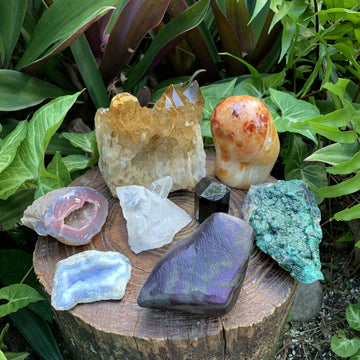
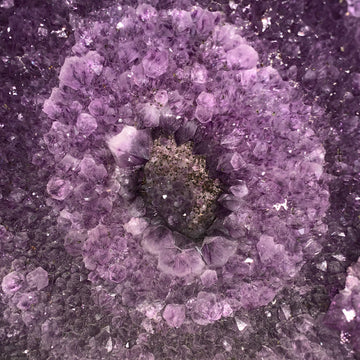
Ametrine
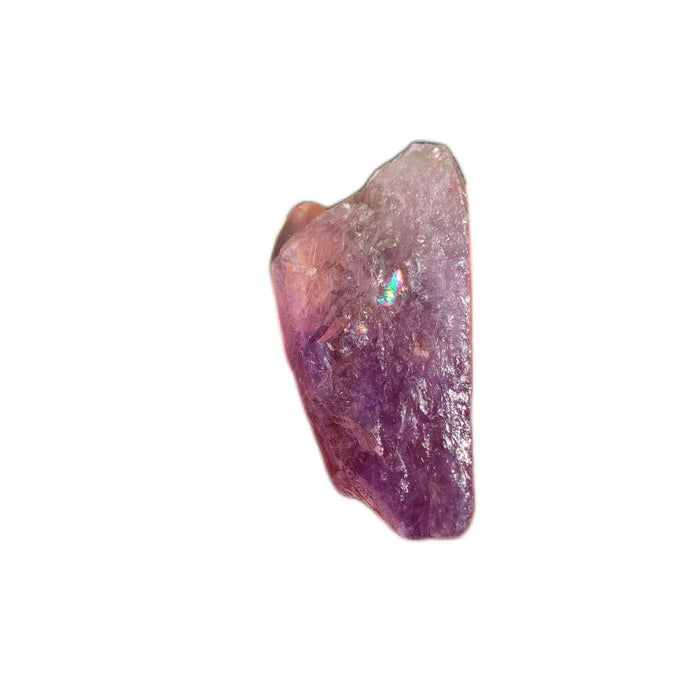
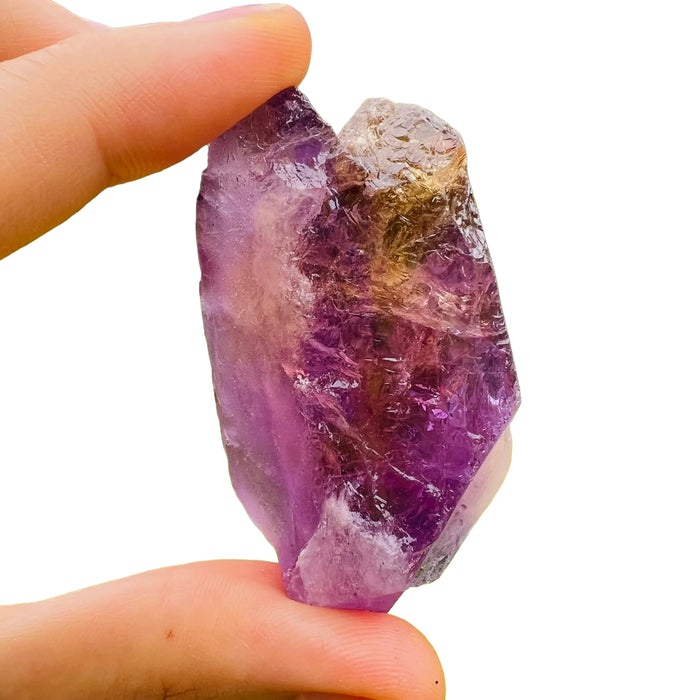
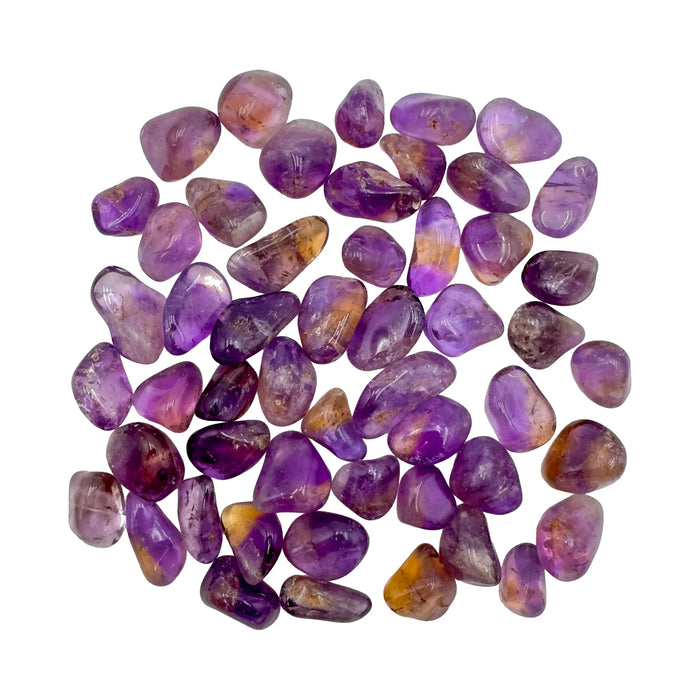
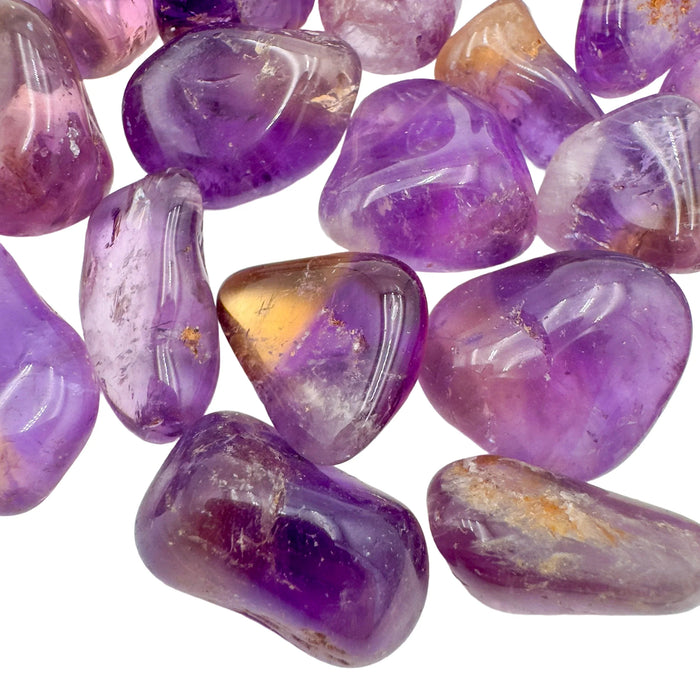
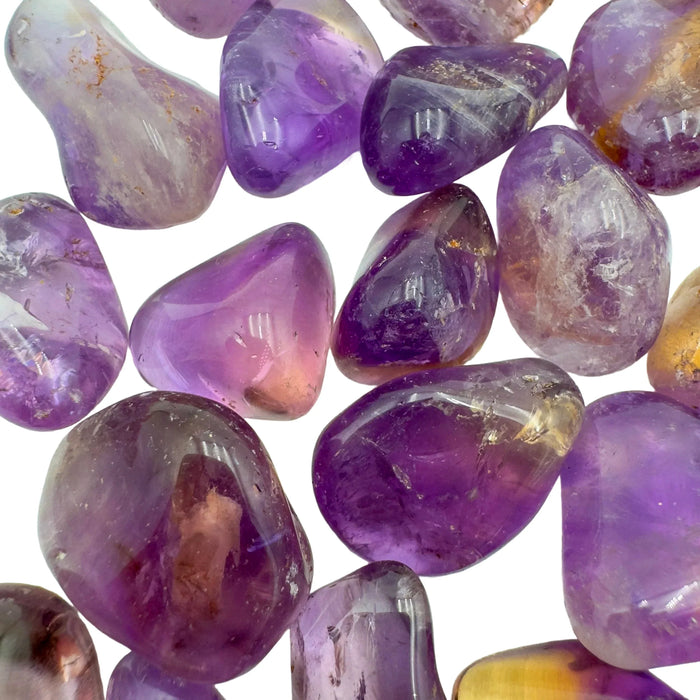
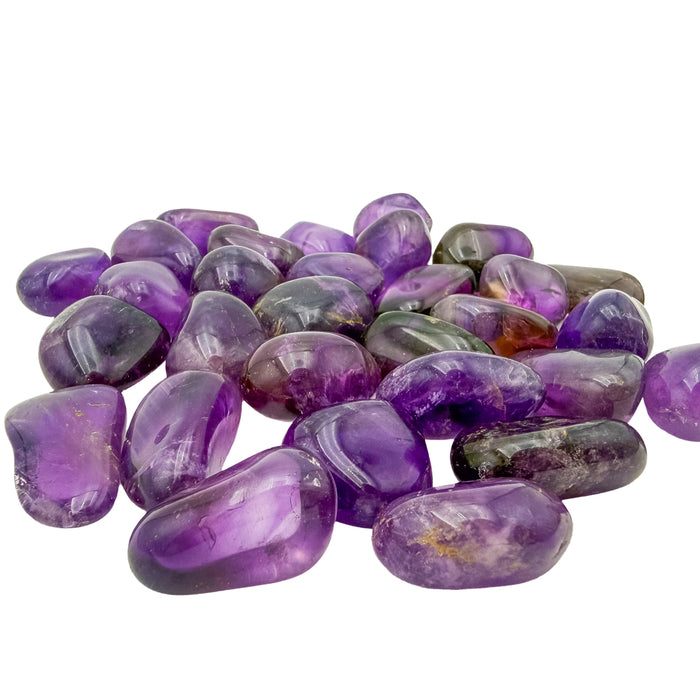
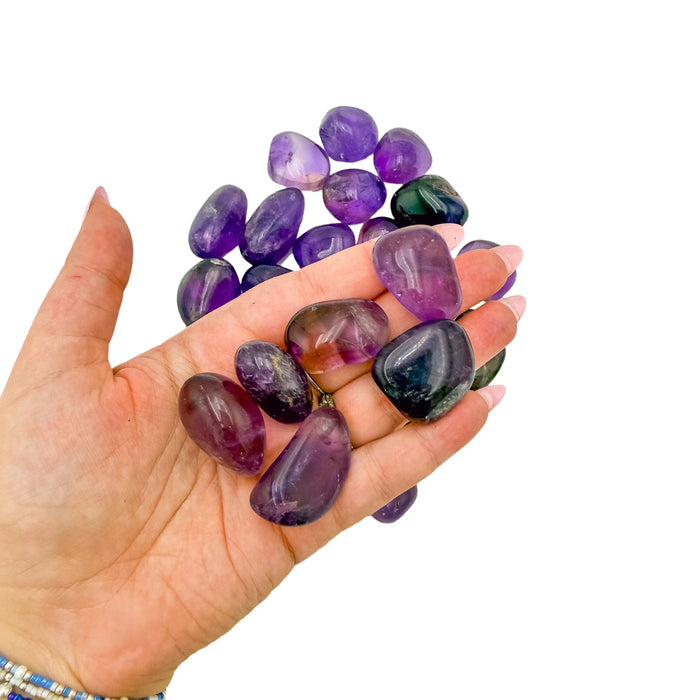
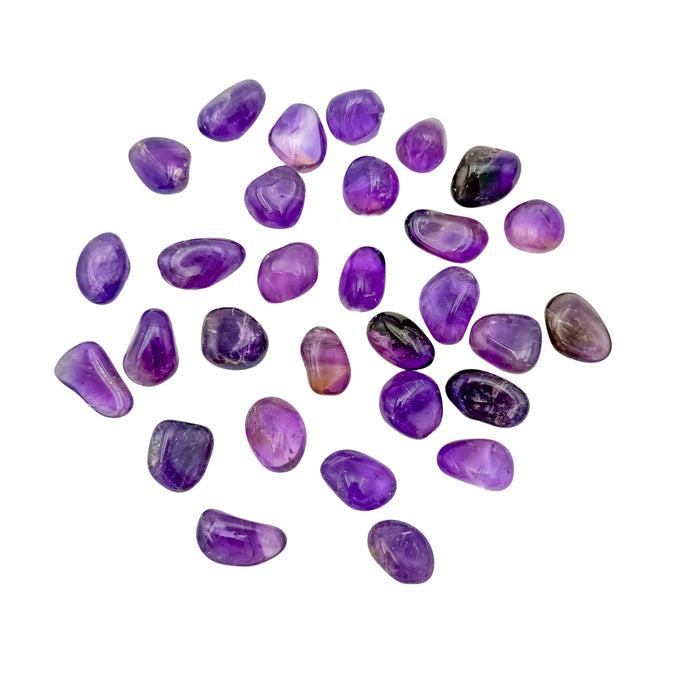
Ametrine is a rare bicolor quartz that naturally grows half purple amethyst, half golden citrine in a single crystal. Almost all genuine natural Ametrine comes from one mine in Bolivia. It is traditionally worked with for clear decision-making, creative focus, and balancing opposing energies.
Shop ametrineAmetrine, in stock now.
Our most-loved Ametrine pieces, ready to ship.
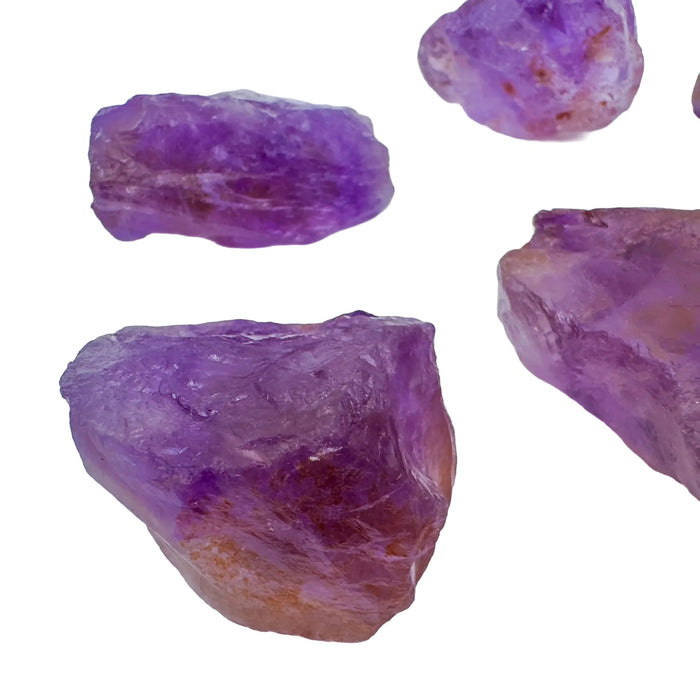
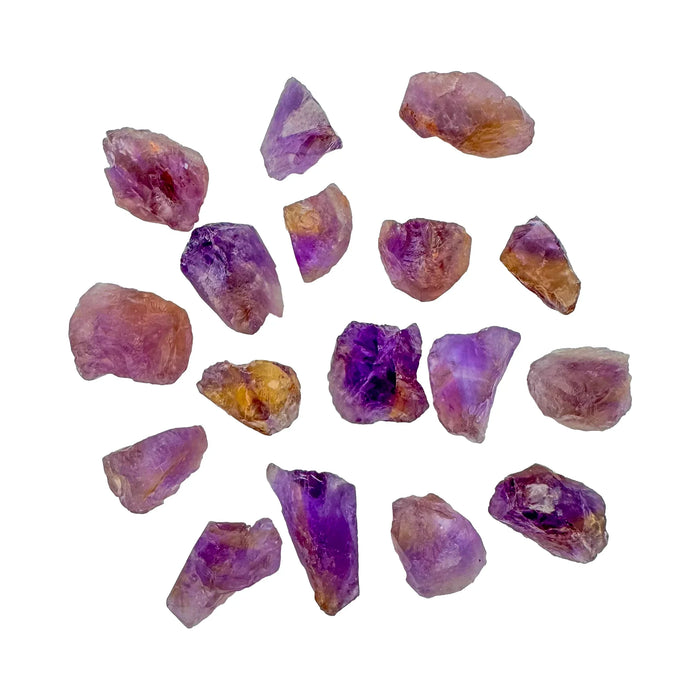
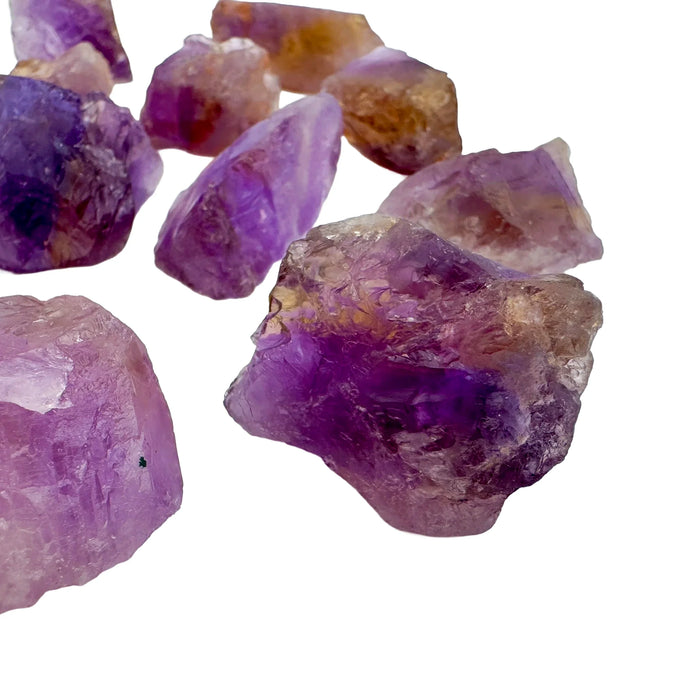
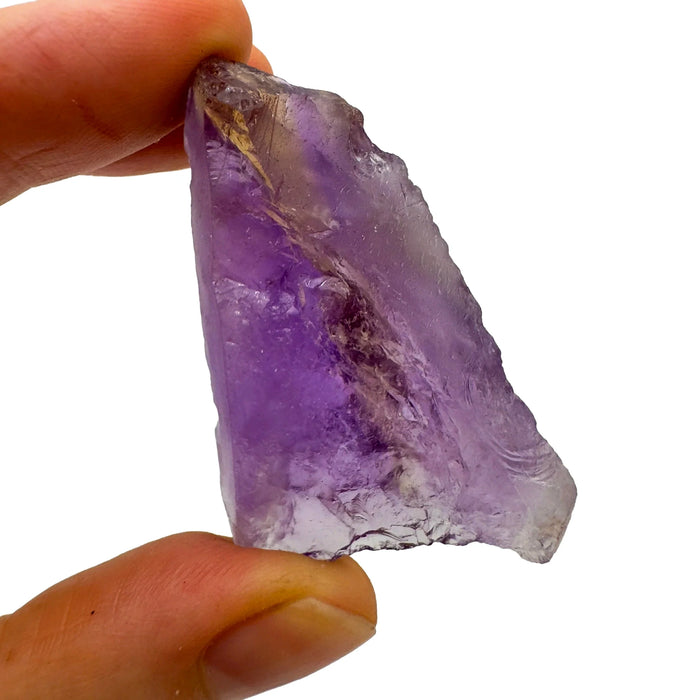
- from 1,000+ reviews
- Ships within 72 hoursMonday to Friday, tracked
- 90 days to return itif you do not love it
- Free US shipping over $99$8.99 flat rate under
The geology.
Ametrine is quartz (SiO₂) in which both amethyst and citrine coloration occur together in a single crystal. The purple zones carry trace iron in the Fe⁴⁺ oxidation state, responsible for amethyst color. The golden zones carry iron in the Fe³⁺ state, responsible for citrine color. Natural temperature differences across the growing crystal caused the iron to stabilize in different states in different parts of the stone at once.
This kind of natural growth is genuinely rare. In most deposits worldwide, amethyst and citrine occur as separate crystals, not intergrown. The Anahí Mine in Bolivia is the primary commercial source of natural Ametrine on the planet, and the geological conditions there, specifically the temperature gradient during hydrothermal growth, are responsible for most true natural bicolor material in the market.
The origins.
Ametrine comes almost exclusively from the Anahí Mine in Ángel Sandoval Province, Bolivia. The mine sits in remote tropical lowlands near the Brazilian border and has been in semi-continuous operation since its rediscovery in the 1970s after centuries of local oral tradition. The natural temperature conditions at Anahí are the reason bicolor quartz forms there at commercial scale.
Small amounts of natural bicolor material have been reported from Brazil and Uruguay, but neither source produces enough to affect the global market. If you're buying natural Ametrine anywhere in the world, the piece is almost certainly Bolivian. The most common alternative is lab-grown synthetic Ametrine, which is widespread and often sold without disclosure.
The stones we carry are Bolivian. Country, region, and mine of origin are confirmed on request.
Traditional associations.
Ametrine's European trade history begins in the sixteenth century, when a Spanish conquistador received an Anahí mine as a dowry from his Ayoreo wife, Princess Anahí. The mine was soon lost to Spain and rediscovered only in the 1970s. Older Inca and pre-Inca cultures of the region likely used the material ceremonially, though detailed records are scarce.
Many people work with Ametrine for clear decision-making, creative focus, and the balance of opposing energies. Its bicolor nature is often understood as the meeting of the calm of amethyst with the joy of citrine, inviting both reflection and action at once. It is most commonly associated with the Solar Plexus, Crown, and Third Eye chakras, the elements of Air and Fire, and the zodiac signs Libra, Gemini, and Virgo.
Spotting the real thing.
Natural Ametrine shows a clear, sharp boundary between its purple and golden zones, often aligned with growth planes in the crystal. Color is typically softer and more subtle than lab-grown material, and natural inclusions like veils, feathers, or small cracks are common. Under magnification, natural material often shows angular zoning rather than perfect symmetry.
Synthetic Ametrine, grown in hydrothermal labs since the early 1990s, tends to show overly saturated, uniform color and sharp, perfectly straight boundaries between zones. Heat-treated amethyst sold as Ametrine is another common substitute. Real Bolivian Ametrine is rarely cheap. Suspiciously low prices, especially for large flawless pieces, are the clearest tell. Ask for Bolivian Anahí Mine origin in writing.
Care & handling.
Water-safe for brief cleaning with warm water and a soft cloth. Hardness of 7 makes Ametrine durable for daily wear in most jewelry. Avoid prolonged direct sunlight, which can fade the amethyst zones over time. Avoid heat exposure and sudden temperature changes, which can alter the color balance of the citrine zones.
Cleanse energetically with moonlight, sound, smoke, or by placing on selenite overnight. Store separately from stones harder than quartz, such as topaz, garnet, or sapphire, to avoid scratching. Ultrasonic cleaning is generally safe but not recommended for pieces with visible inclusions or fractures.
Pairs well with.
Proof, not promises.
We measure our own sourcing across five dimensions. Supply chain, environmental footprint, artisan support, market integrity, and pricing. The number is honest, not perfect. Where we can do better, we say so.
A deeper look.
Extended geology, sourcing, authentication, history, varieties, and pricing, for when the quick guide isn't quite enough.
Extended geology
Ametrine is a macrocrystalline variety of quartz (SiO₂) in the trigonal system, distinguished by the simultaneous presence of amethyst (violet) and citrine (golden) color zones in a single crystal. The color duality arises from iron impurities stabilizing in different oxidation states in different parts of the crystal during growth. The violet amethyst zones contain iron in the Fe⁴⁺ state, produced when natural radiation alters preexisting Fe³⁺ in specific chemical environments. The golden citrine zones contain iron in the Fe³⁺ state and lack the radiation signature, usually because those growth bands crystallized at slightly higher temperatures or under different chemical conditions.
Mohs hardness is 7. Specific gravity averages 2.65. Refractive indices are 1.544 to 1.553. Luster is vitreous. Cleavage is absent. Growth zones often align along the crystal's c-axis, and the color boundary is visible in cross-section as a sharp plane rather than a gradient. Mineralogical literature sometimes refers to the gem as Trystine or Golden Amethyst.
Extended sourcing
The Anahí Mine, near San Matías in Ángel Sandoval Province, Santa Cruz Department, Bolivia, is the world's only commercially significant source of natural Ametrine. Oral tradition dates its discovery to the Ayoreo peoples of the region, long before European contact. Legend holds that in the mid-sixteenth century a Spanish conquistador named Felipe received the mine as a dowry from Princess Anahí of the Ayoreo, only to lose access after her death. The mine was rediscovered commercially in the 1960s and has been in active production since.
Today the Anahí operation employs several hundred workers and supplies the world market. Rough Ametrine from Anahí is cut and faceted primarily in La Paz, Bolivia and in Brazilian and Thai cutting centers. Small quantities of natural bicolor quartz have been reported from other localities, including Brazil and Uruguay, but never in sufficient volume to meaningfully affect the market.
Authentication and warning signs
Synthetic Ametrine has been produced in hydrothermal growth labs since 1994, primarily in Russia. Lab-grown material tends to show uniform, highly saturated color and unusually sharp, perfectly planar boundaries between zones. Under magnification, synthetic growth features like breadcrumb inclusions may be visible. Natural Anahí material typically shows softer coloration, more varied boundaries, and often natural veils, feathers, or small cracks. Treated Ametrine, usually heat-altered amethyst with partial color conversion, shows mottled rather than zoned color, is cheaper than natural, and is often undisclosed.
Signs of authenticity include: softer, more varied coloration, an angular or irregular boundary between zones, natural inclusions, and a documented Bolivian Anahí origin. Ask for origin in writing. Silence on origin is the most reliable warning sign. A suspiciously low price for a large, flawless, clean-zoned piece is almost always synthetic or heat-treated.
Historical and cultural context
Ametrine's recorded history in Europe traces to sixteenth-century Spain, when material from the Anahí mine began appearing in Spanish nobility's collections. The well-known dowry legend, whether strictly historical or folkloric, anchored the stone in European imagination. After the original mine workings were lost for centuries, rediscovery in the 1960s reintroduced Ametrine to the international gem market, where it has since become a recognized natural rarity.
Pre-Columbian use by the Ayoreo and earlier peoples of eastern Bolivia is suggested by oral tradition and archaeological finds of quartz ornaments, though Ametrine itself is less well documented in surviving artifacts than other quartz varieties. The stone carries cultural weight as one of the few gemstones whose story is genuinely tied to a single place and people.
Varieties and trade names
Natural Anahí Ametrine: the standard, from Bolivia. Most reliable origin on the market.
Trystine and Bolivianite: marketing names occasionally used for natural Ametrine.
Golden Amethyst: sometimes used for Ametrine, though also applied to other iron-bearing amethyst varieties.
Synthetic Ametrine: lab-grown, widely available, generally disclosed in jewelry but not always in crystals.
Heat-treated Ametrine: partially converted amethyst sold as Ametrine in low-end markets, often undisclosed.
Pricing reality
Tumbled natural Ametrine: 8 to 25 dollars per piece. Small faceted natural Ametrine gemstones: 30 to 150 dollars. Larger faceted natural pieces (over 5 carats): 200 to 1,000 dollars or more depending on clarity and color zoning. Natural specimen crystal with clear bicolor growth: 100 to 500 dollars. Synthetic faceted Ametrine typically retails at 5 to 40 dollars per carat, a fraction of natural prices.
Value drivers: sharp natural color zoning, clean clarity, documented Anahí origin, and carat weight. Warning signs: perfectly symmetric color bands, suspiciously uniform saturation, no origin offered, or prices far below natural-market norms.
Good sourcing is a practice, not a claim.
Nothing we sell is heat-treated, dyed, stabilized, or color-enhanced without full disclosure. We name our origins where we can. We say so when we cannot. We walk away from material that does not meet our standard, even when it costs us sales.
Bring ametrine home.
Collector pieces are photographed individually, and you receive the exact piece shown. Batch stones are sold by the piece or by the pound from the lot pictured, with the same origin and treatment notes on every listing.
Shop the ametrine collectionGrounded Connections
New stones go to the list first.
No forwarding, no selling. Unsubscribe in one click. Privacy