


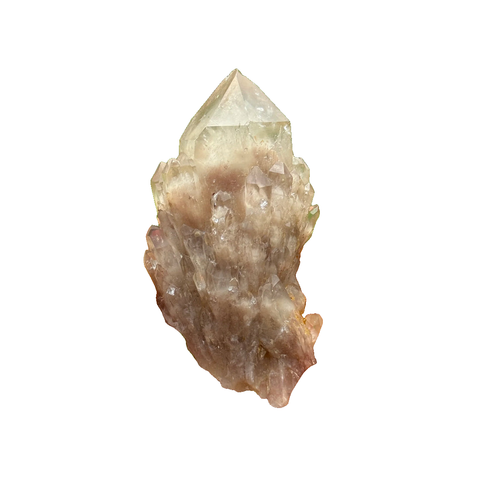
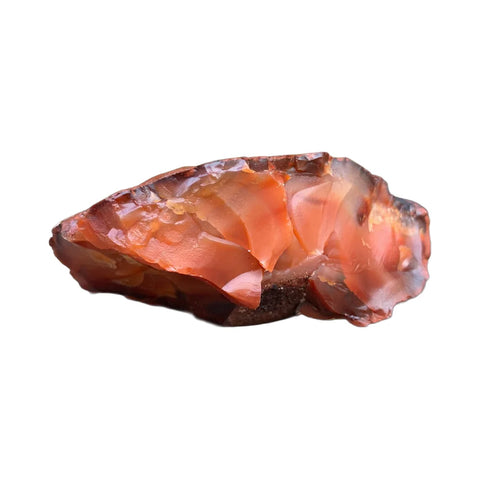
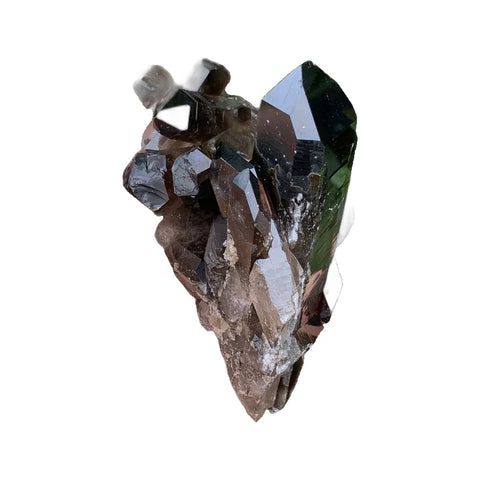
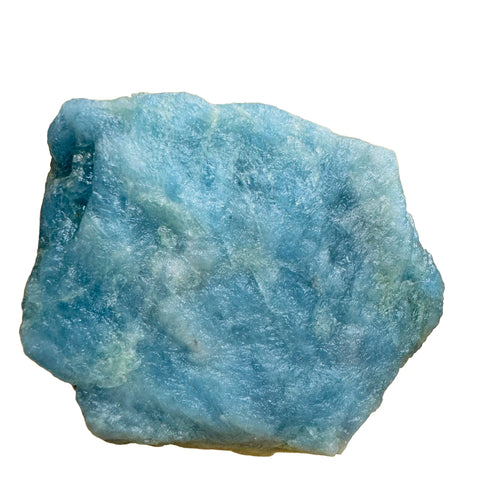
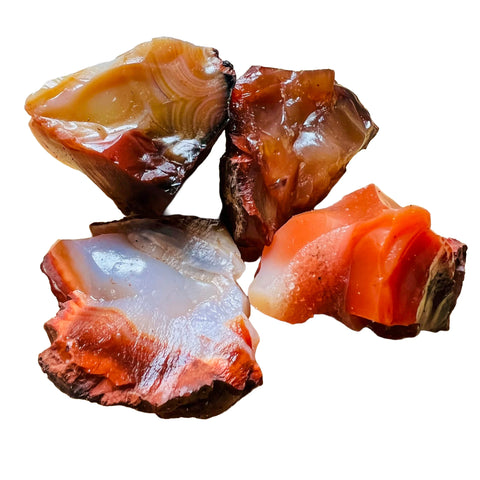


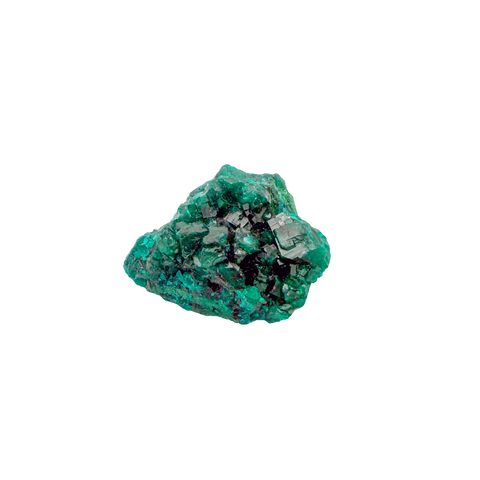
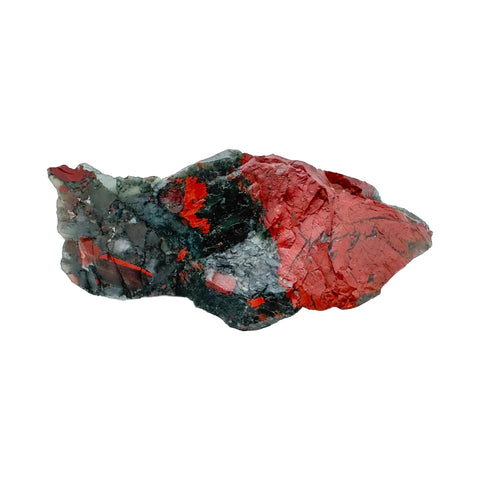
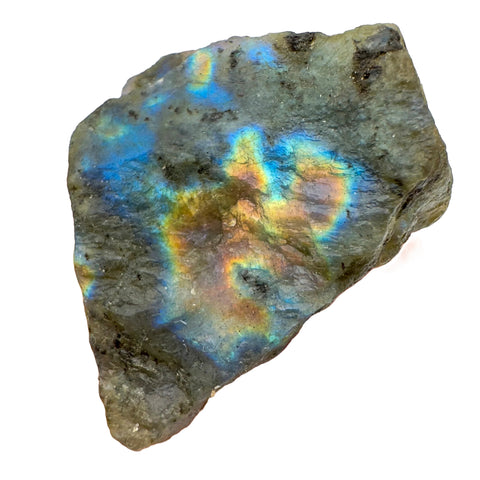
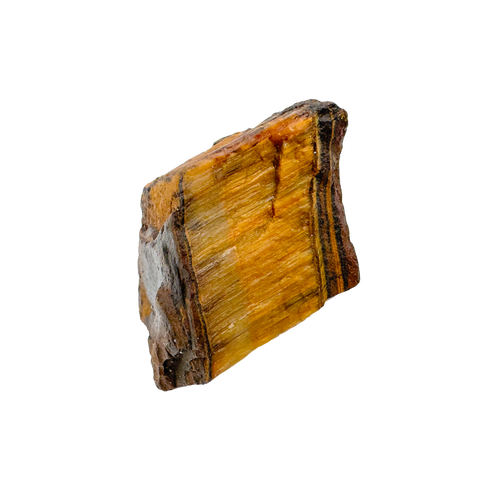
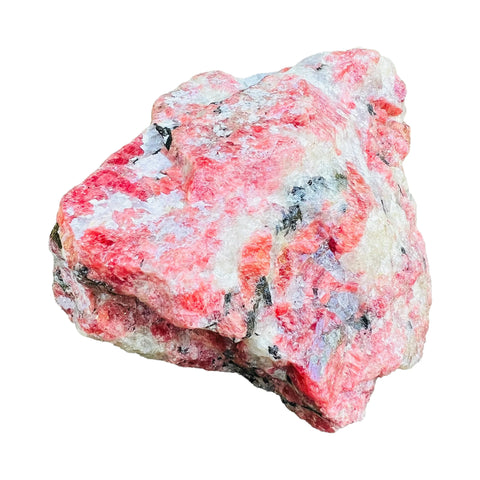
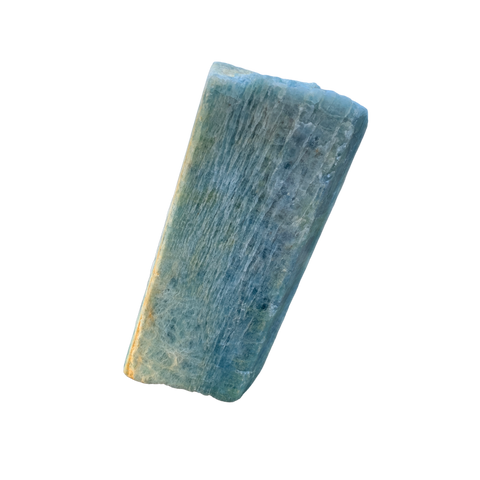
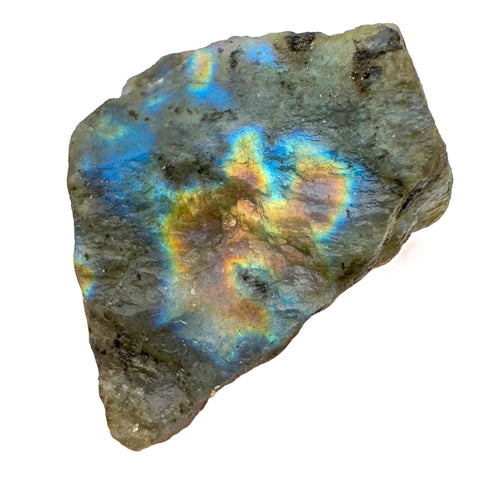
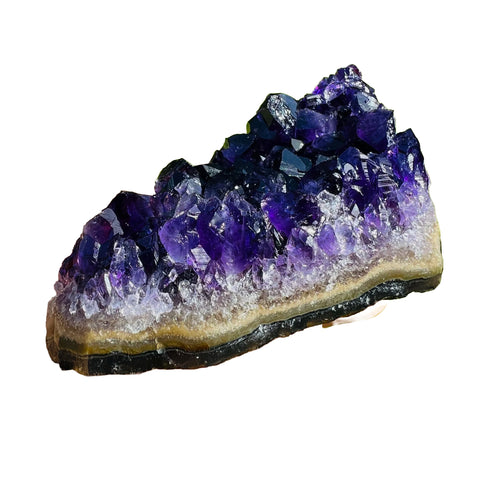



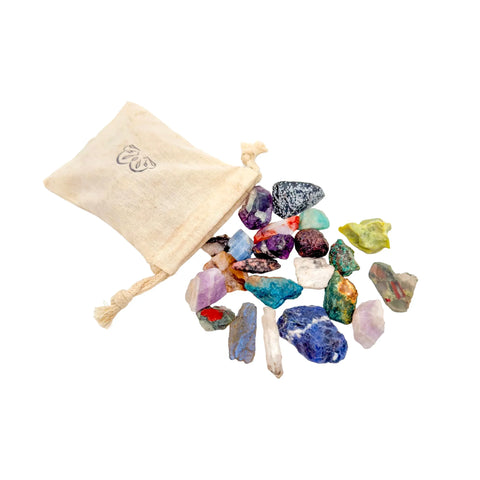
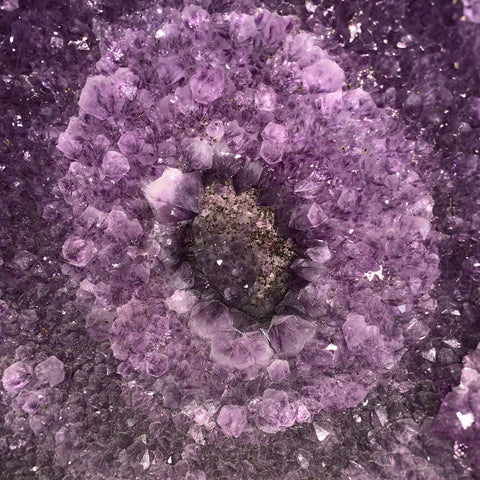
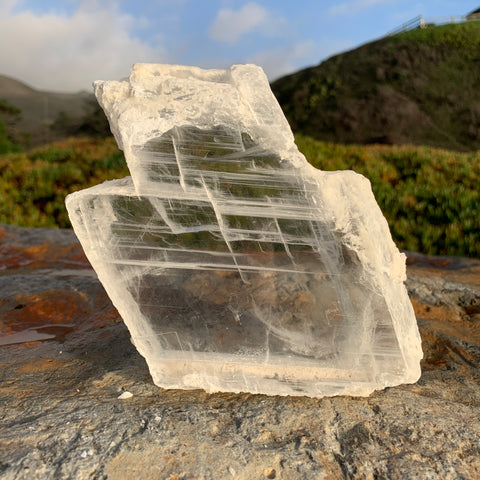
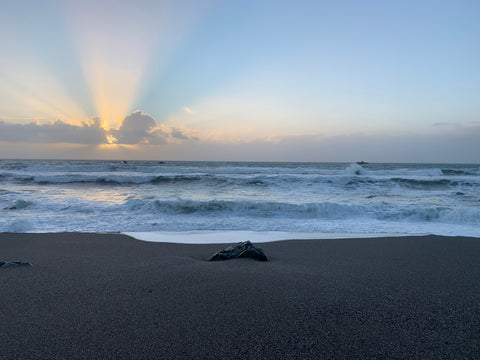
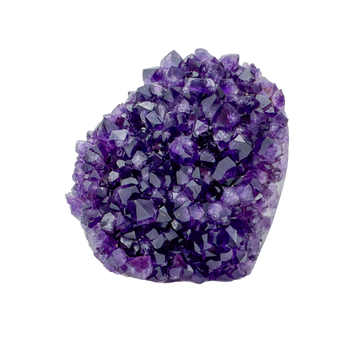
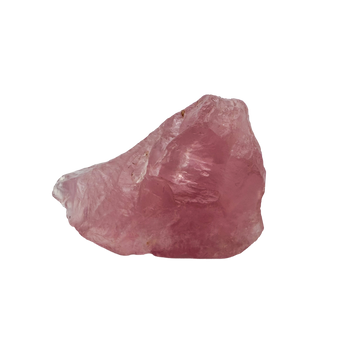
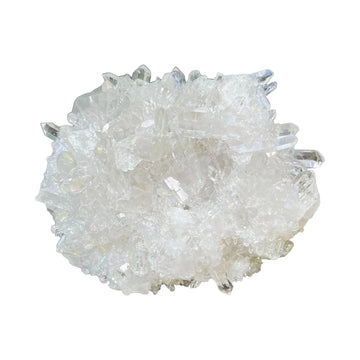
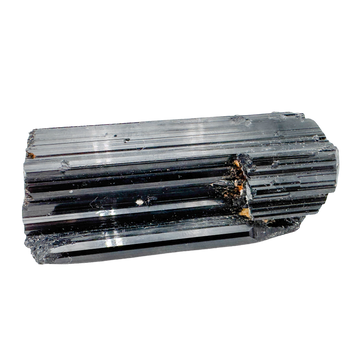
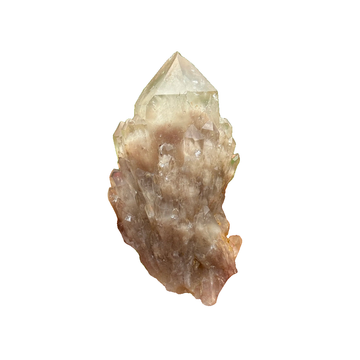
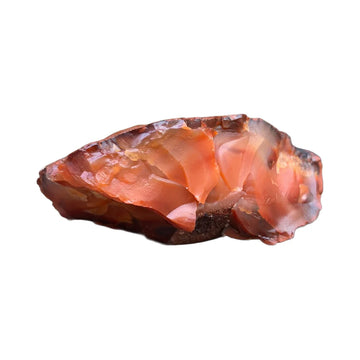
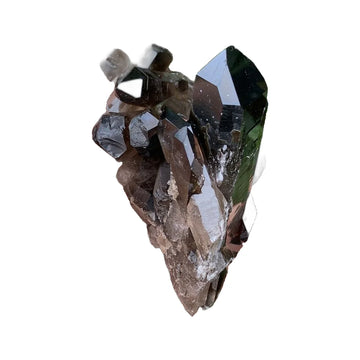
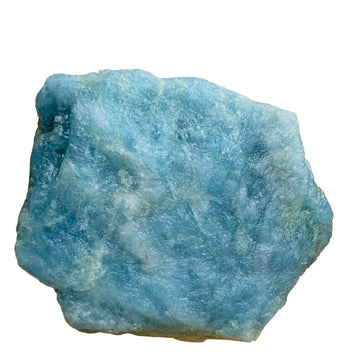
 Raw Stones
179 pieces
Raw Stones
179 pieces
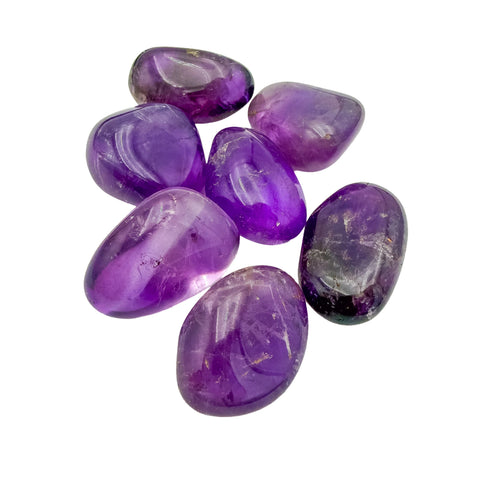
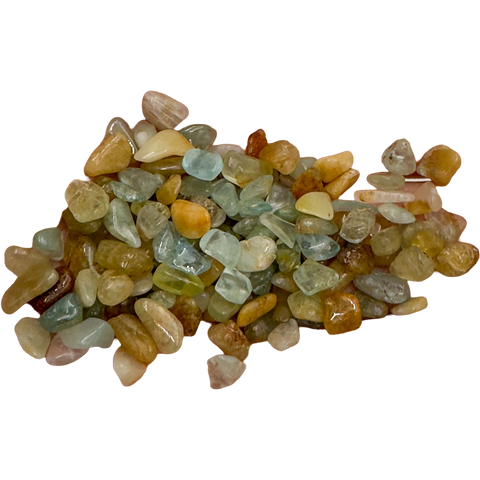
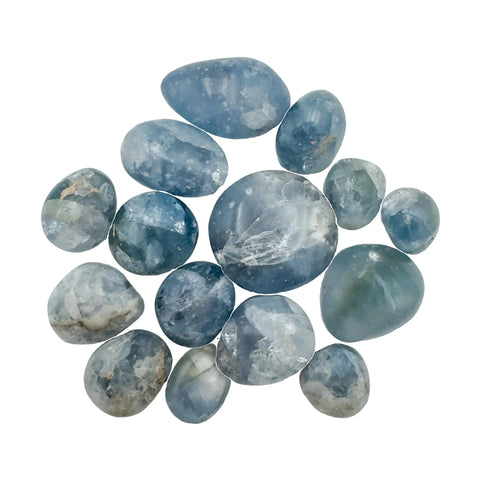
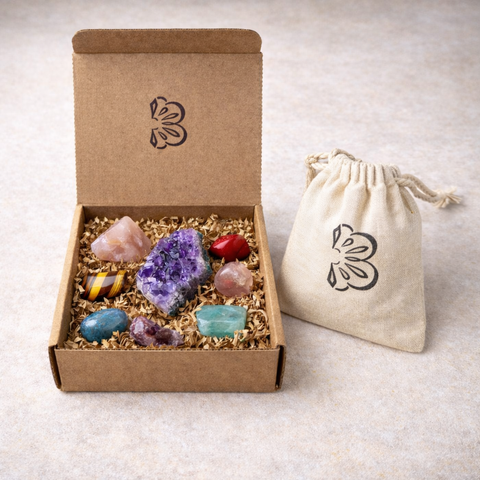
 Tumbled Stones
162 pieces
Tumbled Stones
162 pieces
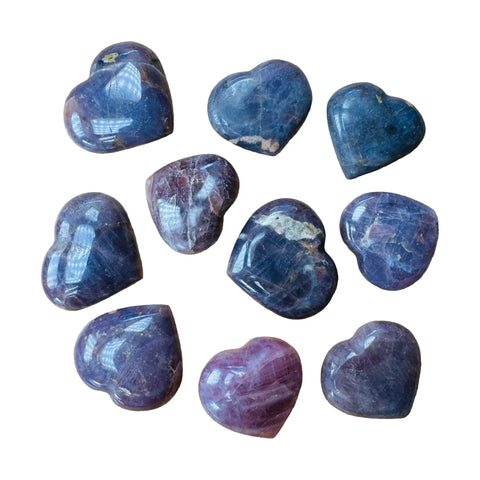
 Palm Stones
25 pieces
Palm Stones
25 pieces
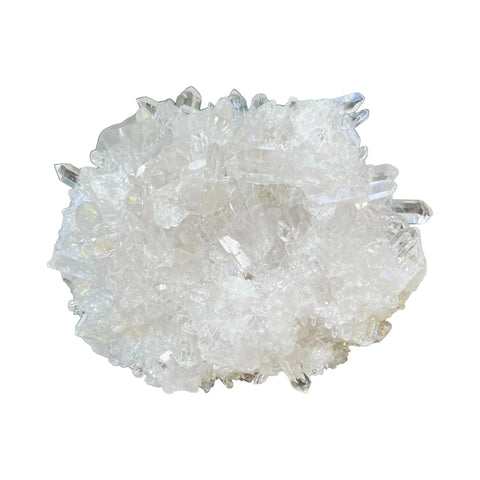
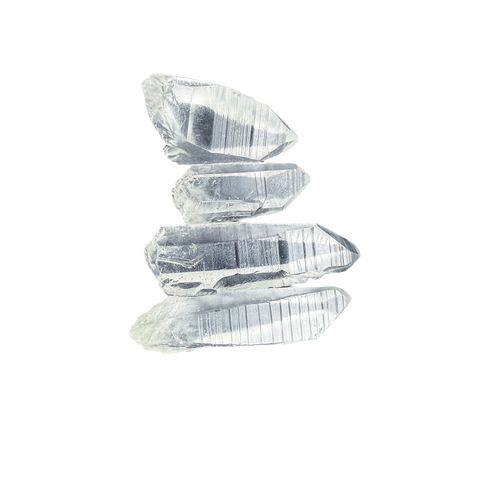
 Crystal Points
23 pieces
Crystal Points
23 pieces
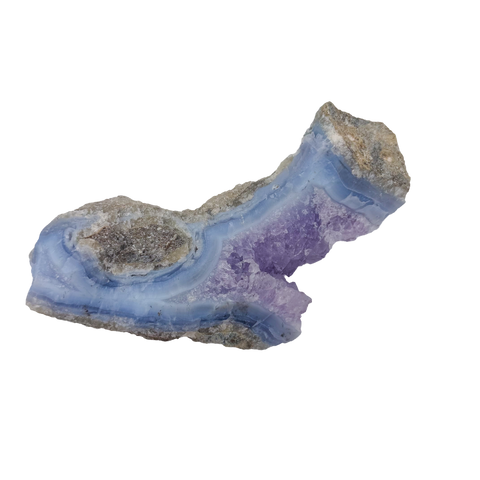
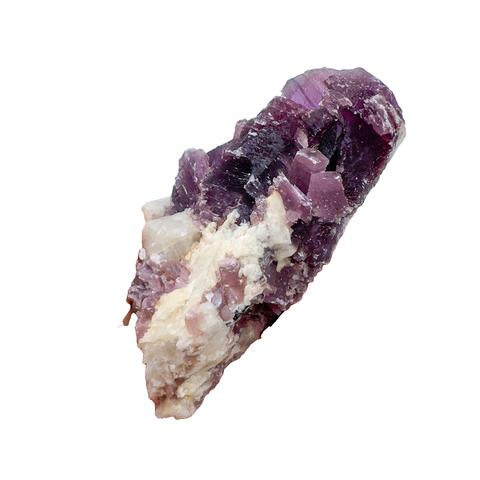
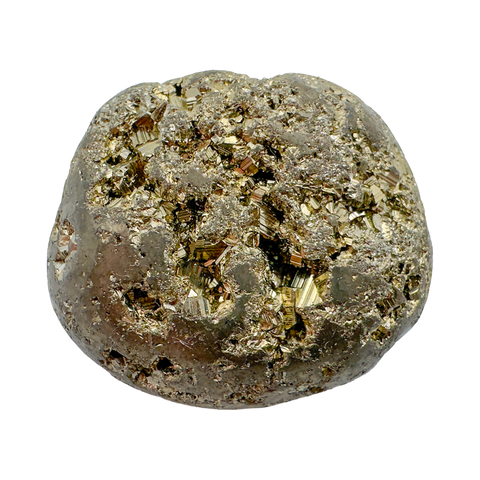
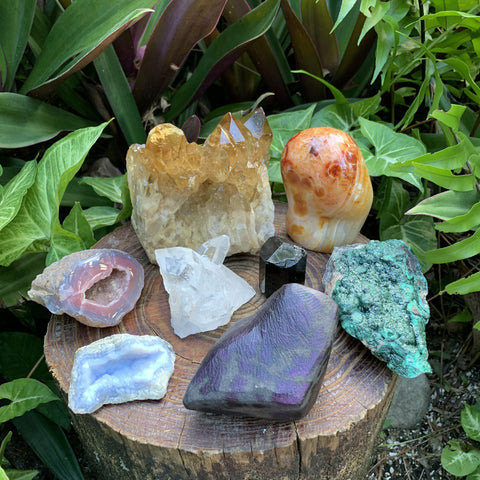
 Clusters & Geodes
104 pieces
Clusters & Geodes
104 pieces
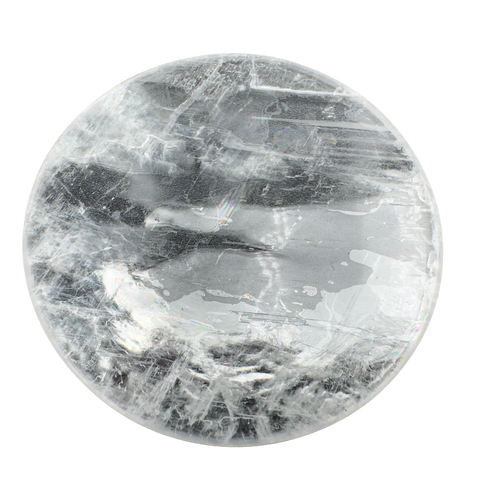
 Polished & Decor
148 pieces
Polished & Decor
148 pieces
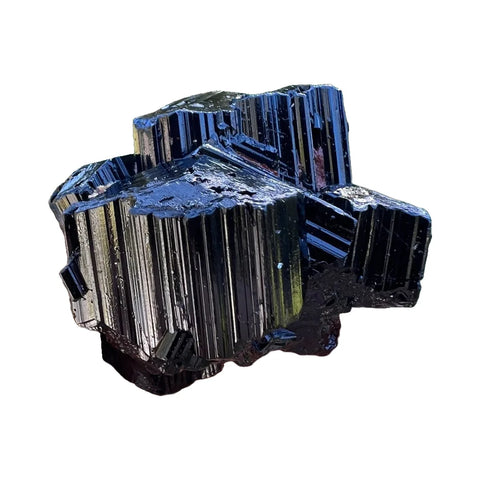
 Mineral Specimens
259 collector pieces
Mineral Specimens
259 collector pieces
 Crystal Chips
21 pieces
Browse everything
Every collection, one page.
View All Collections →
Crystal Chips
21 pieces
Browse everything
Every collection, one page.
View All Collections →


 Aries
Mar 21 – Apr 19
Carnelian
›
Aries
Mar 21 – Apr 19
Carnelian
›
 Taurus
Apr 20 – May 20
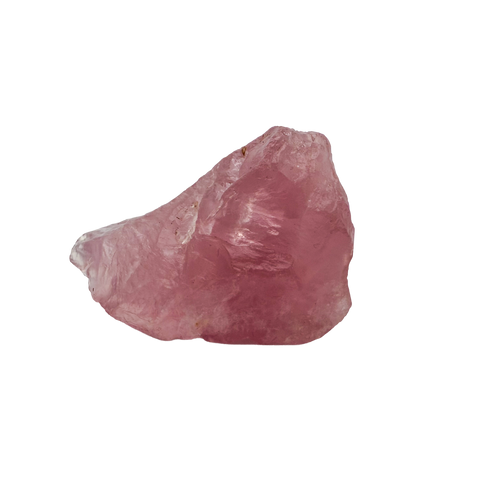
Rose Quartz
›
Taurus
Apr 20 – May 20
Rose Quartz
›
 Gemini
May 21 – Jun 20
Agate
›
Gemini
May 21 – Jun 20
Agate
›
 Cancer
Jun 21 – Jul 22
Moonstone
›
Cancer
Jun 21 – Jul 22
Moonstone
›
 Leo
Jul 23 – Aug 22
Citrine
›
Leo
Jul 23 – Aug 22
Citrine
›
 Virgo
Aug 23 – Sep 22
Amazonite
›
Virgo
Aug 23 – Sep 22
Amazonite
›
 Libra
Sep 23 – Oct 22
Blue Lace Agate
›
Libra
Sep 23 – Oct 22
Blue Lace Agate
›
 Scorpio
Oct 23 – Nov 21
Obsidian
›
Scorpio
Oct 23 – Nov 21
Obsidian
›
 Sagittarius
Nov 22 – Dec 21
Sodalite
›
Sagittarius
Nov 22 – Dec 21
Sodalite
›
 Capricorn
Dec 22 – Jan 19
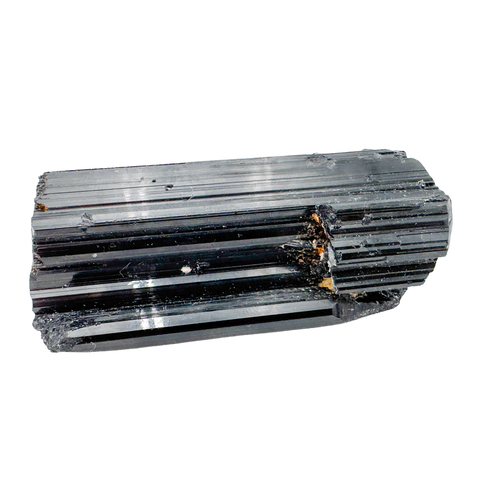
Black Tourmaline
›
Capricorn
Dec 22 – Jan 19
Black Tourmaline
›
 Aquarius
Jan 20 – Feb 18
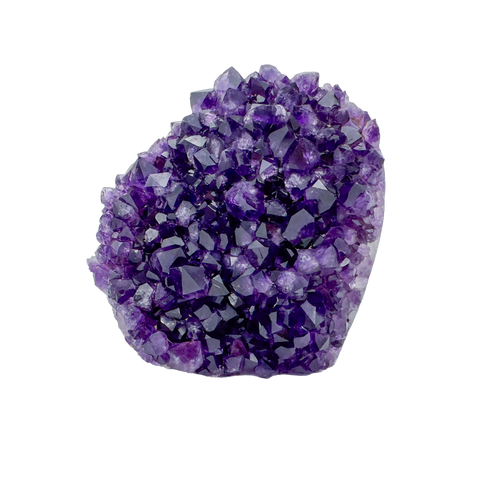
Amethyst
›
Aquarius
Jan 20 – Feb 18
Amethyst
›
 Pisces
Feb 19 – Mar 20
Aquamarine
›
Gifting?
A birthday stone is the safe bet.
Read the zodiac guide →
Pisces
Feb 19 – Mar 20
Aquamarine
›
Gifting?
A birthday stone is the safe bet.
Read the zodiac guide →

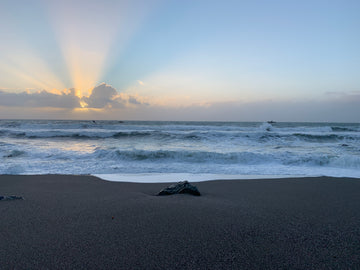
Caribbean Calcite
Caribbean calcite is a soft, dreamy blend of sky-blue calcite and creamy white-to-brown aragonite, named for the look of a tropical shoreline rather than where it is dug. The real story starts in Pakistan, and the soothing color is all natural.
The geology.
Caribbean calcite is a natural combination of two minerals that are both calcium carbonate. The blue portion is calcite, the stable form, and the creamy white or tan portion is aragonite, a metastable form of the same chemistry. Together they give the stone its signature seafoam-and-sand look.
The gentle blue is thought to come from trace elements picked up as mineral-rich water moved through the deposit. Calcite is soft, around 3 on the Mohs scale, and aragonite a touch harder near 3.5 to 4, so the whole stone is delicate. Pieces are usually cut into spheres and towers that show the blue and white swirling together.
The origins.
Despite the tropical name, Caribbean calcite comes from Pakistan. It was first found around 2019 in a carbonate deposit in the Balochistan region, near the border with Afghanistan, and it reached the global crystal market quickly after that.
Supply is handled by a small number of families in Pakistan who cut and polish the rough into the spheres and towers most buyers recognize. The name was chosen for the resemblance to Caribbean water and beaches, so it describes the mood of the stone, not its homeland.
Traditional associations.
Caribbean calcite has a short history because it is a recent find, but it has been embraced quickly for a calm, easygoing feel. Many people reach for it around rest, gentle communication, and a clear, unhurried mind, the same mood its beachy look suggests.
In the trade it is usually associated with the Throat and Third Eye, the element of Water, and the sign Pisces. A common practice is to keep a sphere on a desk or nightstand as a quiet visual anchor during busy or restless stretches.
Spotting the real thing.
Real Caribbean calcite is soft and will show it. A genuine piece is easily scratched by a steel blade because both calcite and aragonite are well under the hardness of quartz. The color should be a gentle, slightly uneven sky blue, not a vivid uniform tone, blending into natural cream and tan, often with a brown aragonite layer.
Be mindful of two things. First, dyed blue stones occasionally appear with too-perfect, saturated color pooling in cracks. Second, the labels Caribbean calcite and blue aragonite get used loosely, so ask the seller which minerals are present and where it was mined. Pakistan is the honest answer for origin.
Care & handling.
This is a delicate stone, so treat it kindly. At 3 to 4 on the Mohs scale it scratches easily and is sensitive to acids, so keep it away from vinegar, citrus, and household cleaners. Dust it with a dry or barely damp soft cloth rather than soaking it.
Avoid long water baths and salt, which can dull or etch the surface over time, and keep it out of harsh sunlight to protect the soft blue. Store it apart from harder stones so they do not scratch it. For an energetic reset, many people use sound or a short rest on selenite.
Pairs well with.
A deeper look.
Extended geology, sourcing, authentication, history, and varieties, for when the quick guide isn't quite enough.
Extended geology
Caribbean calcite is a coexisting growth of calcite and aragonite, two polymorphs of calcium carbonate that share a formula but differ in crystal structure. Calcite is trigonal and stable at surface conditions, while aragonite is orthorhombic and metastable, slowly converting to calcite over geologic time. The blue calcite carries its color from trace impurities in the carbonate, while the white-to-brown aragonite reflects a different trace chemistry. Hardness sits around 3 for the calcite and 3.5 to 4 for the aragonite, with the characteristic carbonate sensitivity to acids.
Extended sourcing
The material comes from a carbonate deposit in Balochistan, Pakistan, found around 2019 and brought to market shortly after. A limited number of cutting families process the rough, mostly into spheres and towers that display the blue-and-cream banding to best effect. Because the supply is narrow and the trade is young, naming and grading are still settling, and you will see the same look sold as both Caribbean calcite and blue aragonite depending on the seller.
Authentication and warning signs
The honest checks are softness, natural uneven color, and the calcite-aragonite pairing. A genuine piece scratches easily and shows a gentle, slightly mottled blue against cream and tan. Watch for dyed material with unnaturally even or intense blue that concentrates along fractures, and for the loose use of trade names. Asking for the mineral makeup and the country of origin, which should be Pakistan, clears up most uncertainty.
History and folklore
Caribbean calcite is a modern stone with no ancient lore, since it only appeared in the late 2010s. Its reputation has been built entirely within the contemporary crystal community, where its beachy palette earned associations with calm, rest, and easy communication. Any claim of deep historical tradition for this specific material would be inaccurate, because the find itself is recent.
Varieties and trade names
The main naming overlap is with blue aragonite, used for similar blue carbonate material, and occasionally with generic blue calcite. True Caribbean calcite is specifically the blue-calcite-plus-white-aragonite combination from Pakistan. Some pieces show more brown aragonite, others more blue, and a few include lighter banding, but all share the soft carbonate hardness and the seafoam look.
What it costs in the market
Pricing tracks size, the intensity and evenness of the blue, and the polish. Small tumbled pieces are inexpensive, while larger spheres and towers with vivid blue and clean cream cost more. Because the stone is soft and somewhat scarce, well-finished large pieces command a premium, though it remains an approachable stone for most buyers.
An education-first guide.
We put this guide together so the tropical name does not mislead you. Caribbean calcite is a soft, natural Pakistani stone, and knowing that helps you judge color, price, and care wherever you shop. Browse our other crystal guides for stones with full origin and treatment notes.
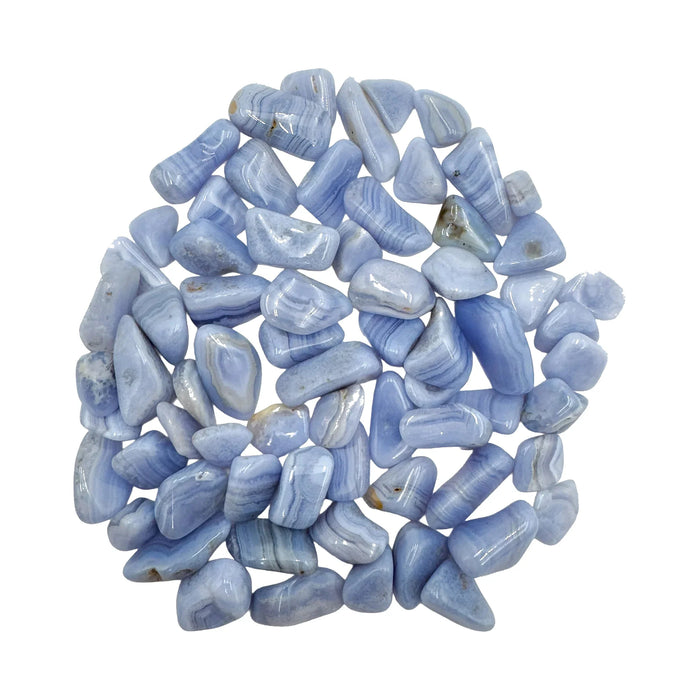
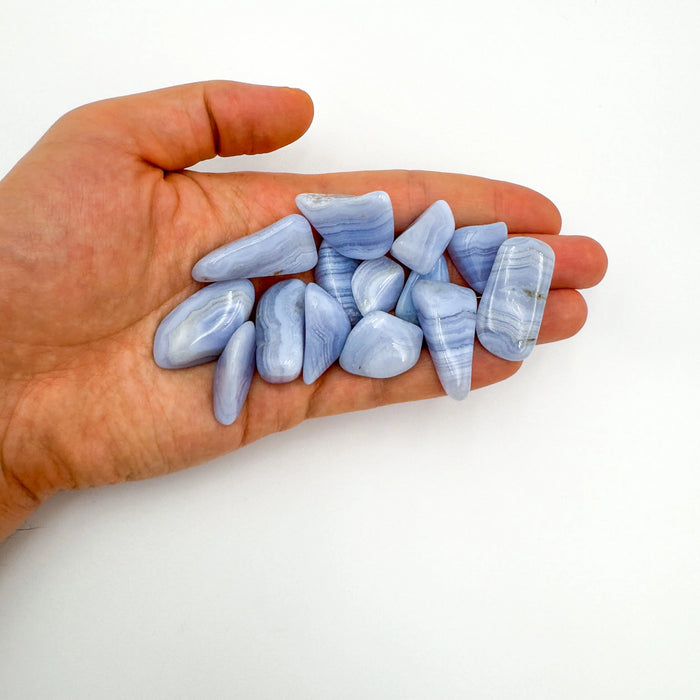
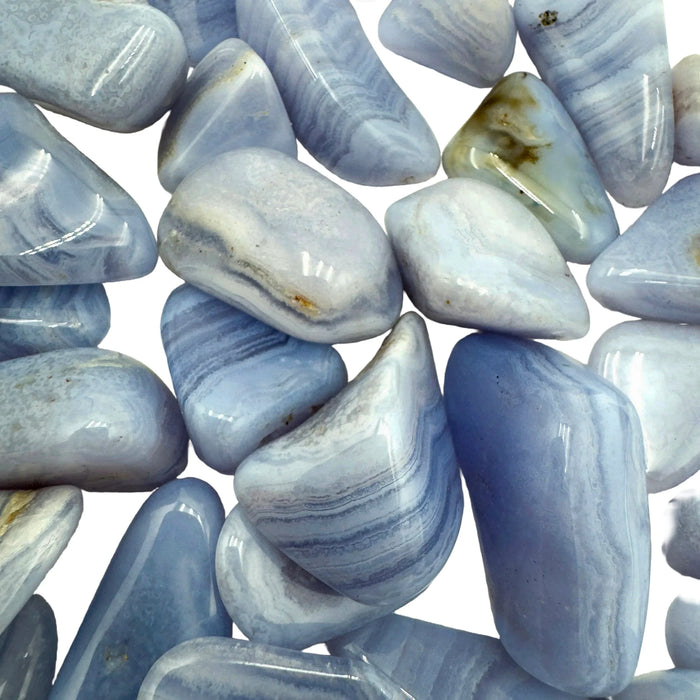
Explore the Crystal GuideLove Caribbean Calcite? Meet Blue Lace Agate.
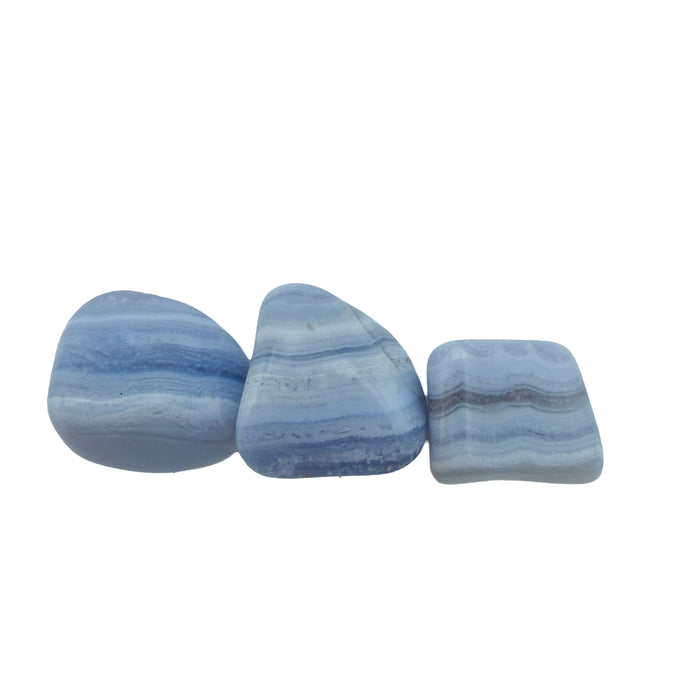
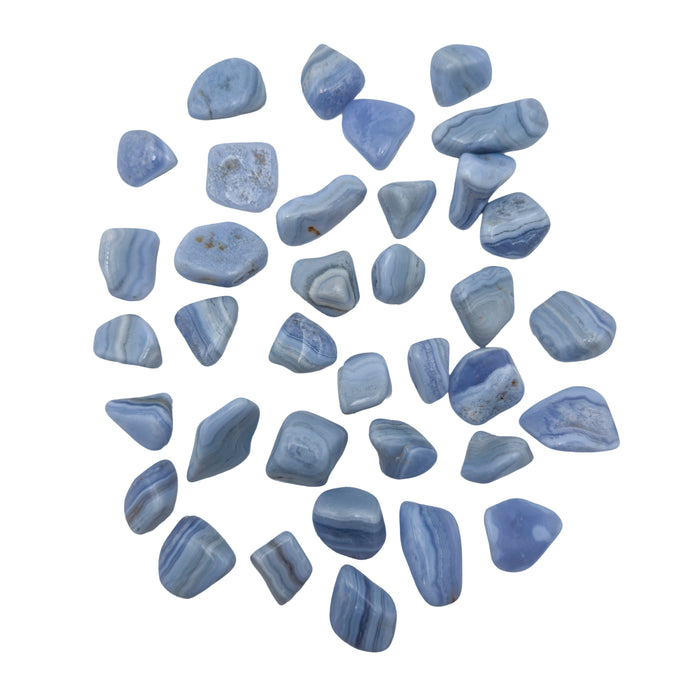
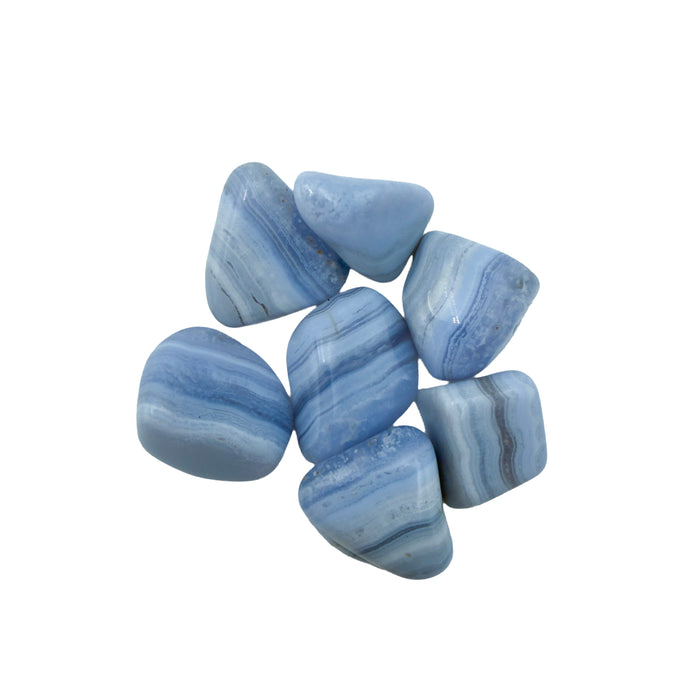
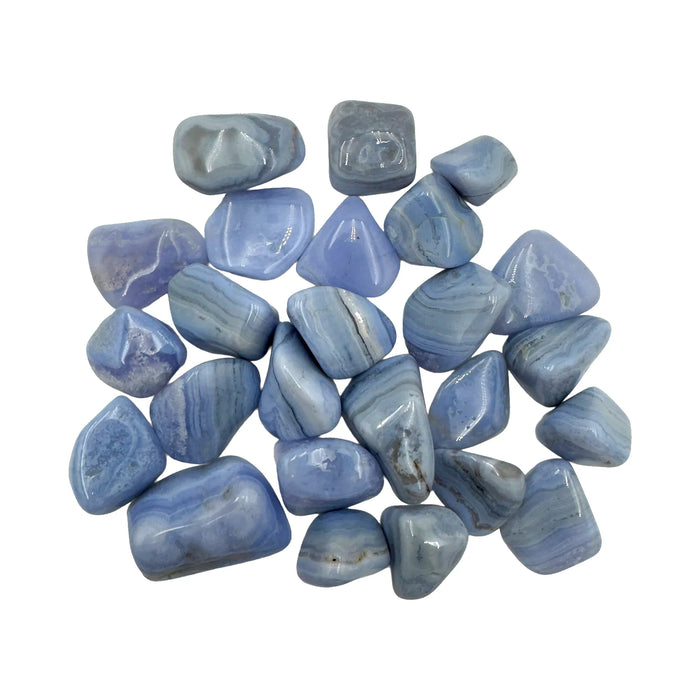
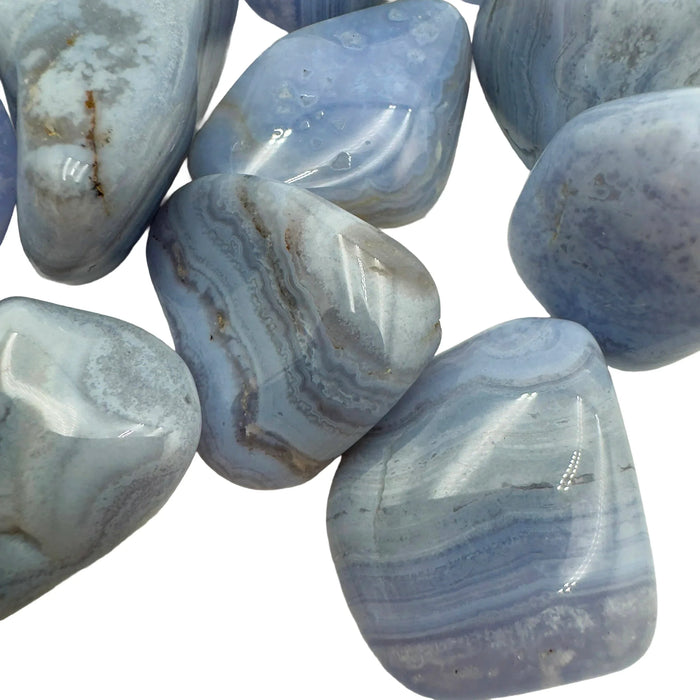
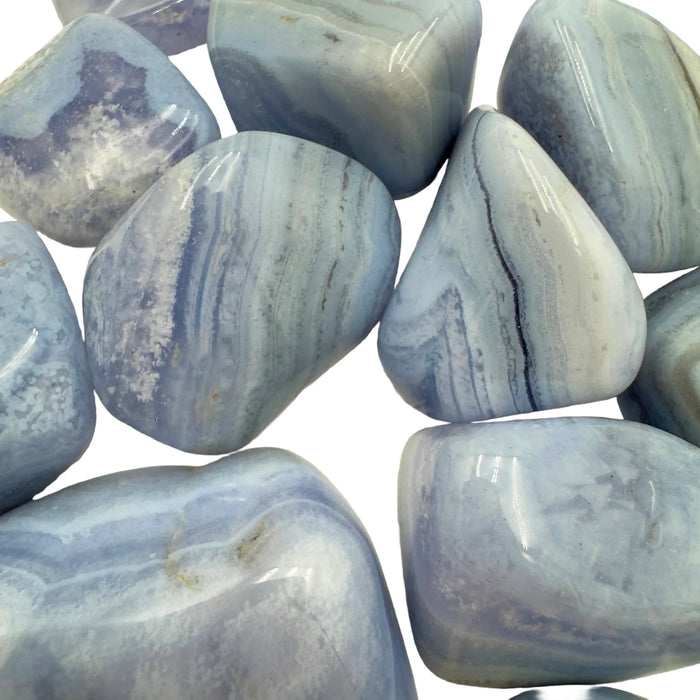
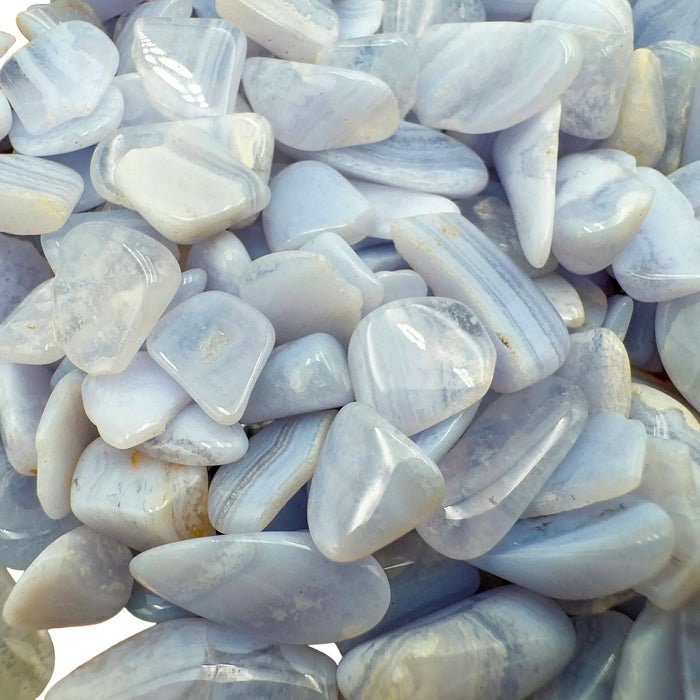
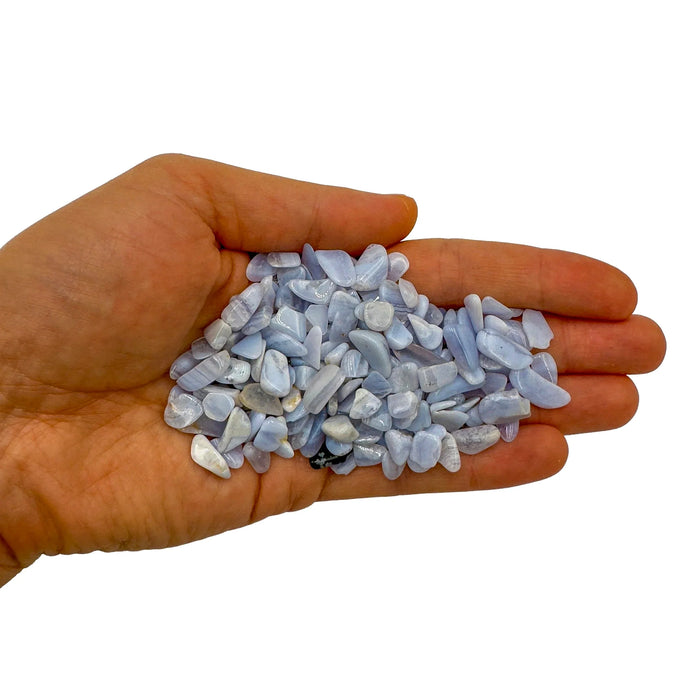
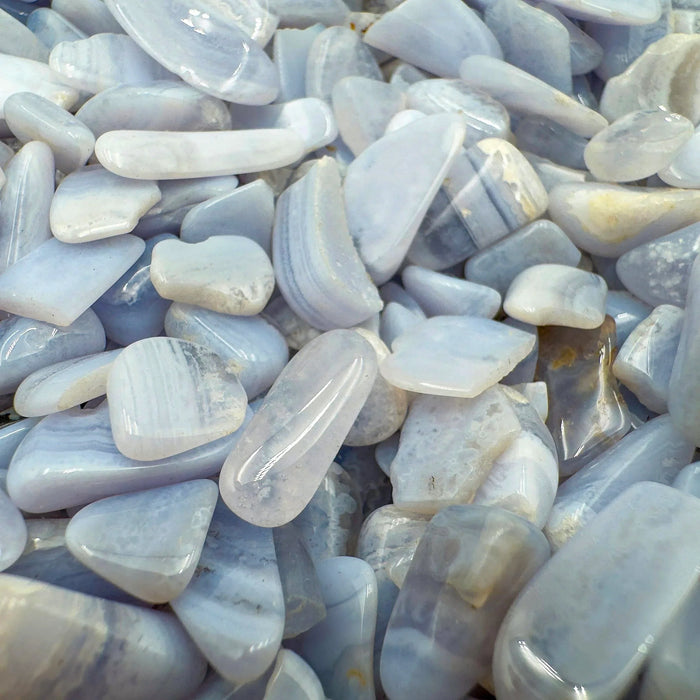
Caribbean Calcite is not something we carry. Blue Lace Agate is the closest match in color, and every piece passes our sourcing standards: origin named, treatments disclosed.
- from 1,000+ reviews
- Ships within 72 hoursMonday to Friday, tracked
- 90 days to return itif you do not love it
- Free US shipping over $99$8.99 flat rate under
The Slow Note
New stones go to the list first.
No forwarding, no selling. Unsubscribe in one click. Privacy