


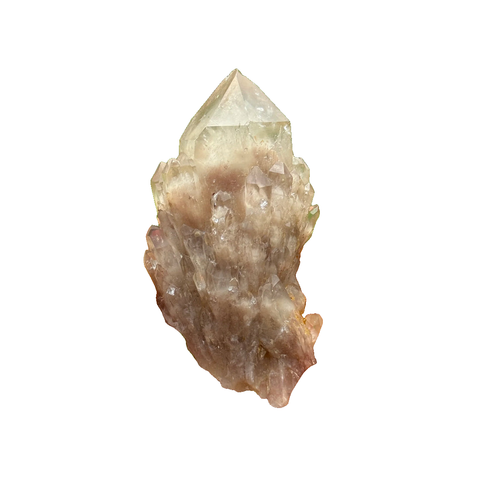
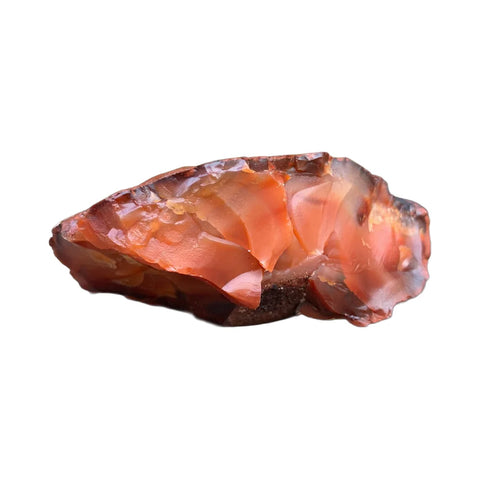
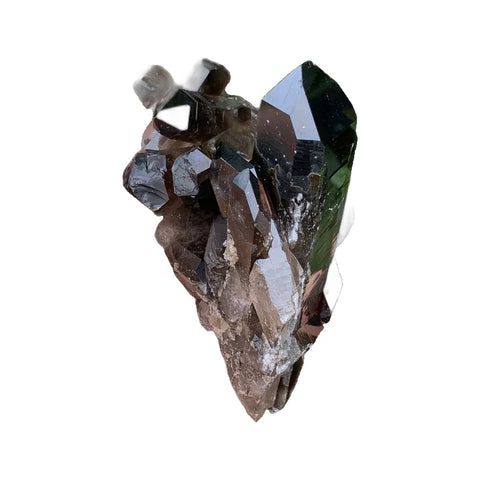
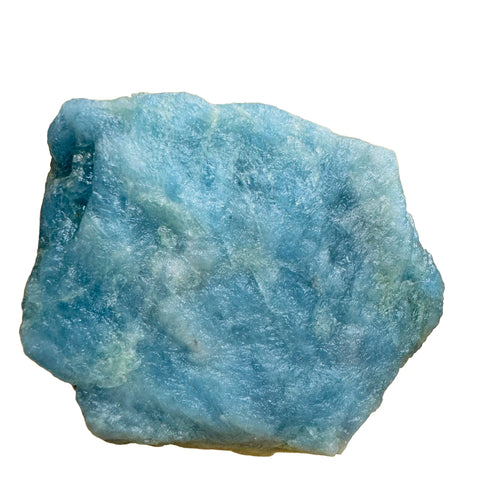
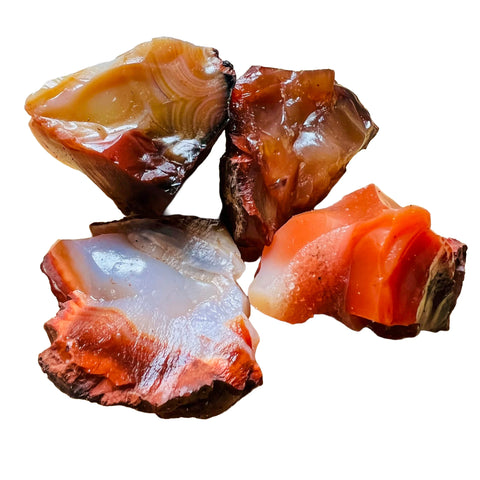


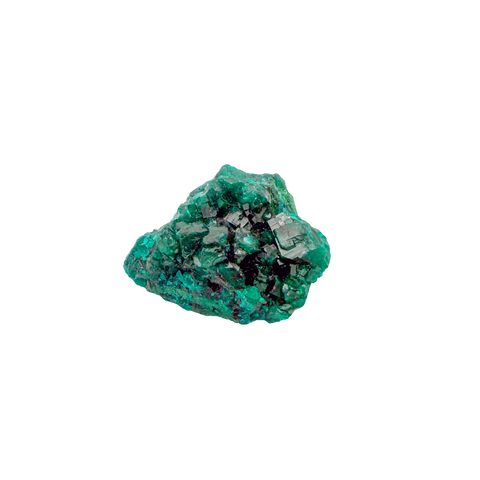
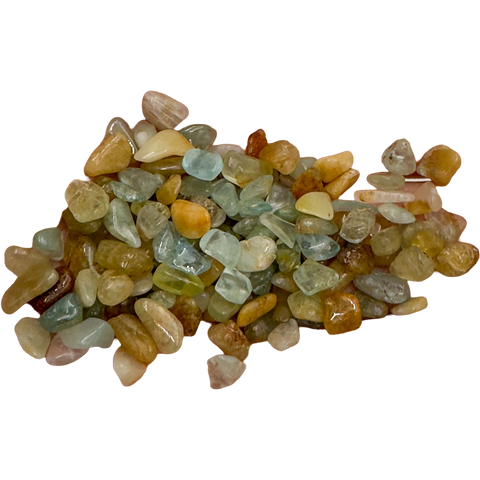
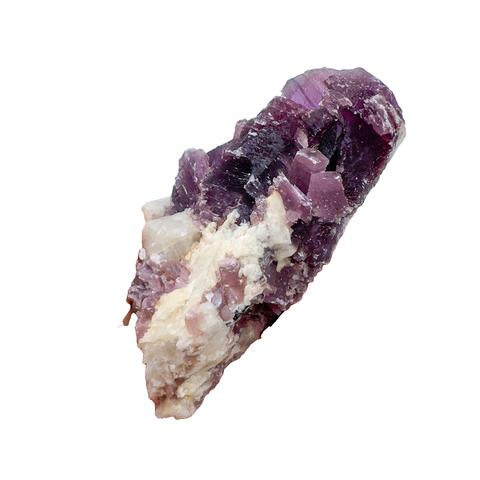
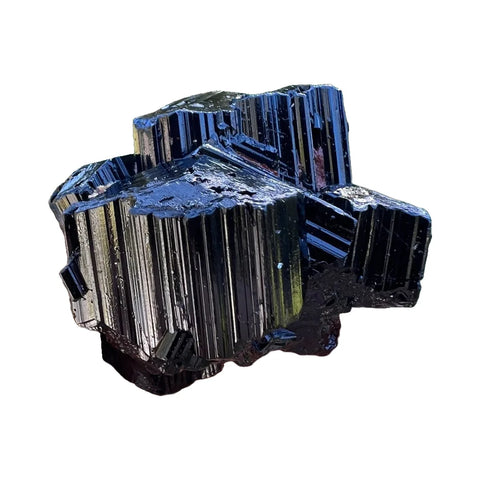
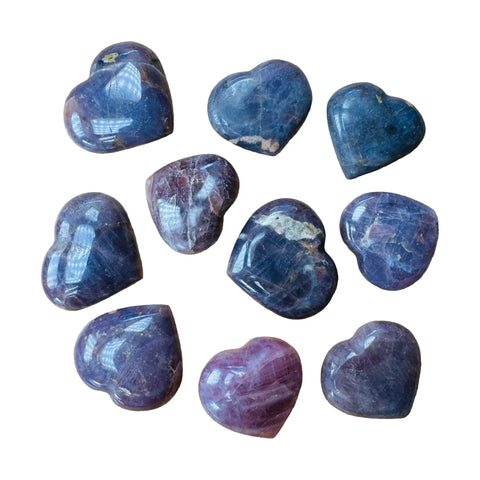
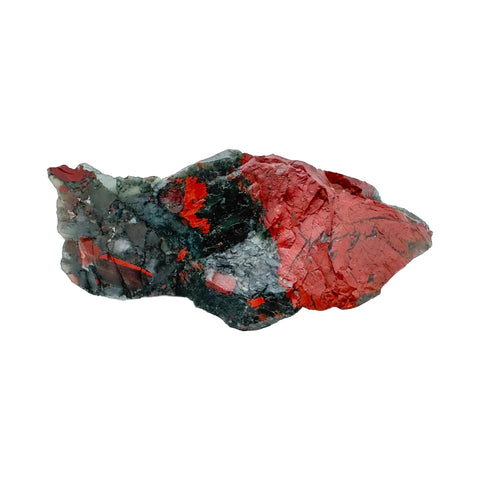
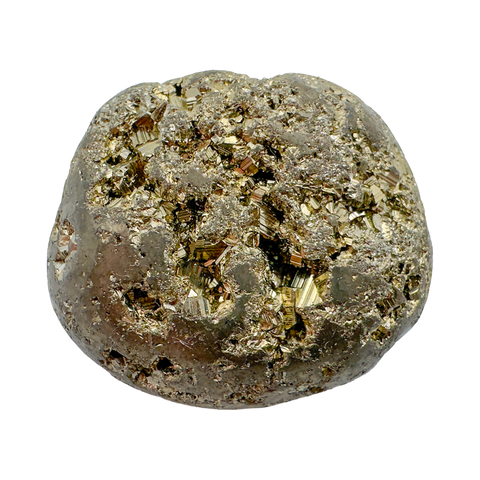
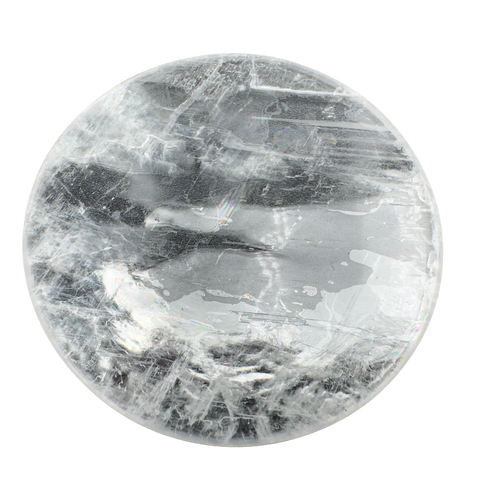
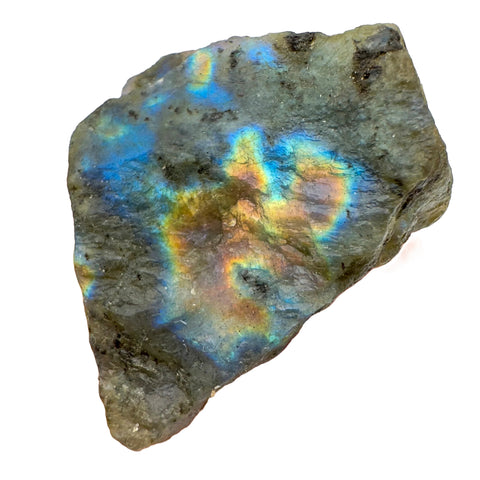
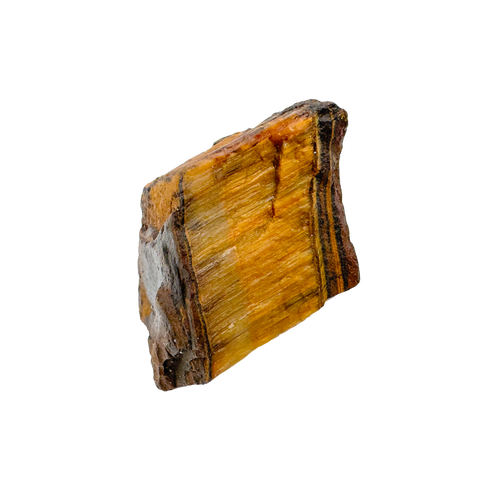
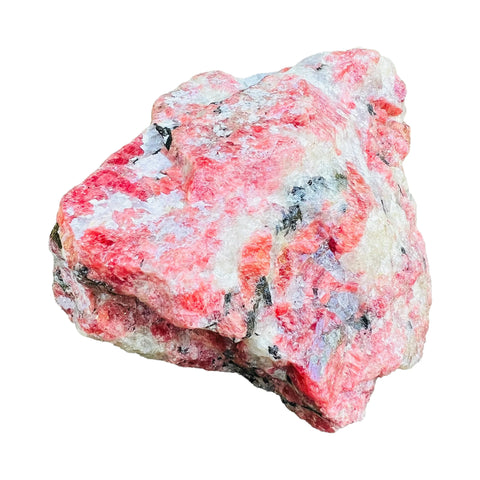
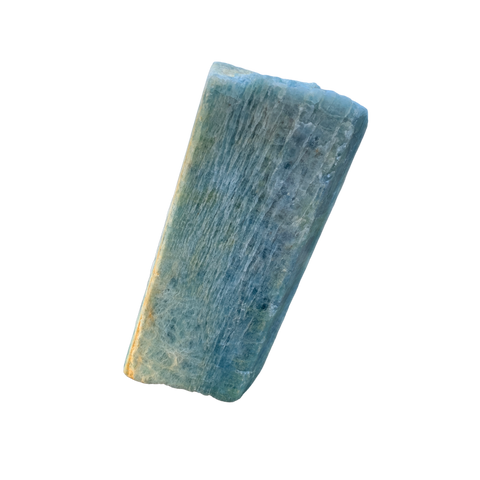
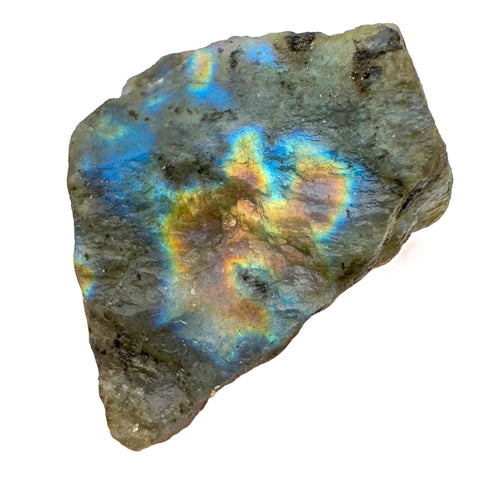



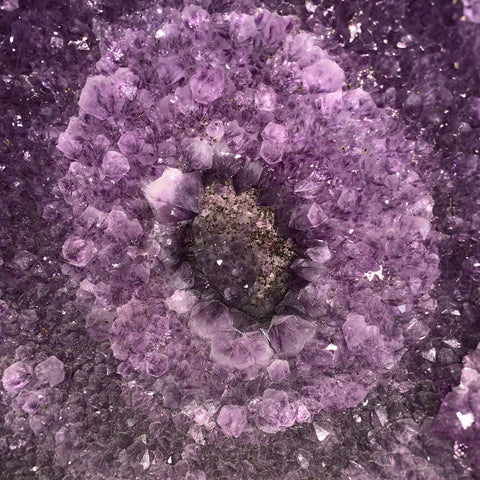
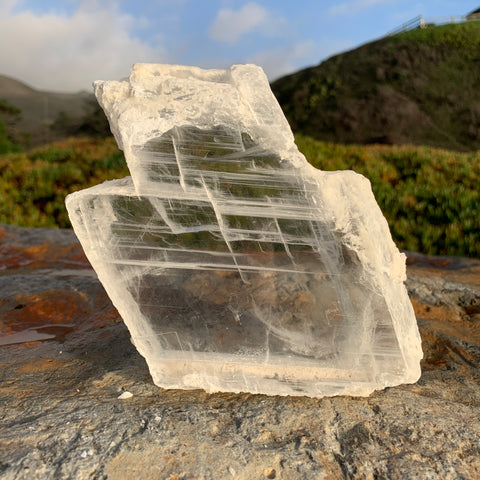
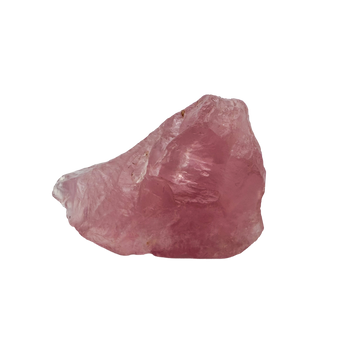
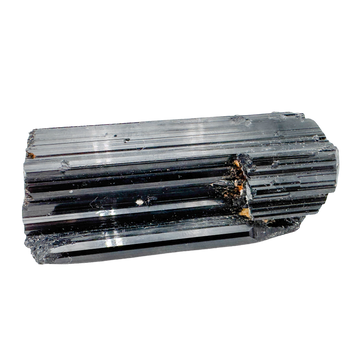
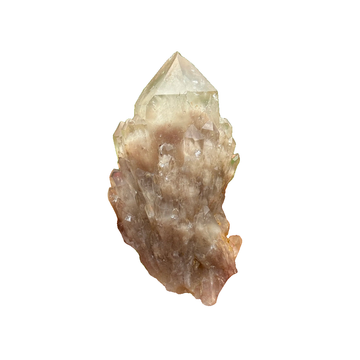
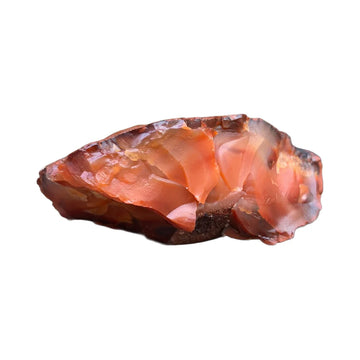
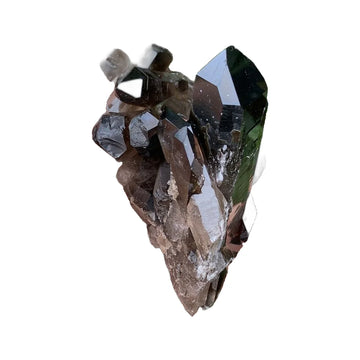
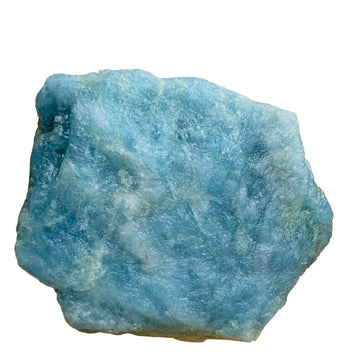
 Raw Stones
179 pieces
Raw Stones
179 pieces
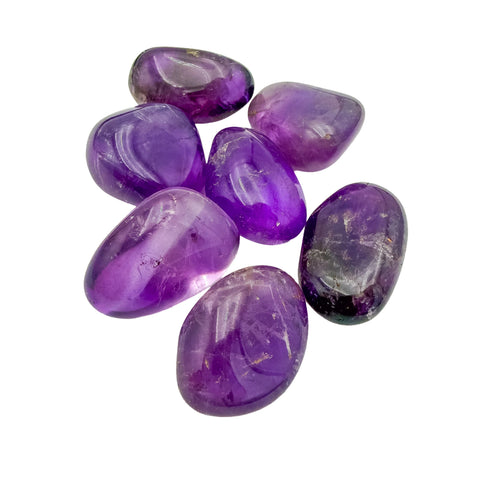
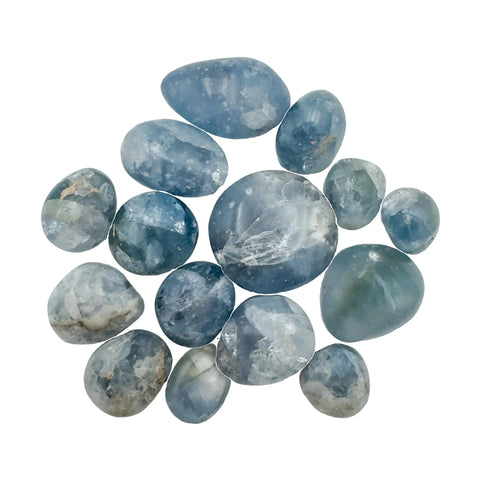
 Tumbled Stones
162 pieces
Tumbled Stones
162 pieces
 Palm Stones
25 pieces
Palm Stones
25 pieces
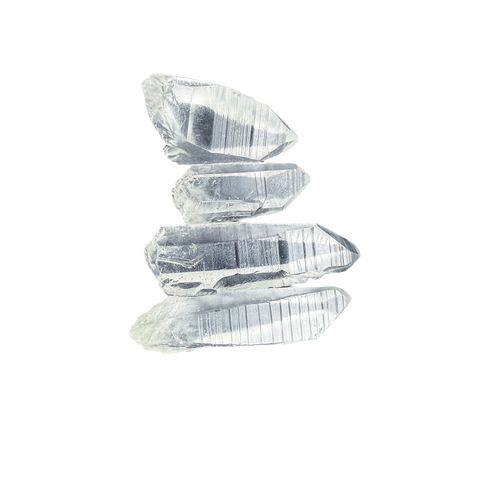
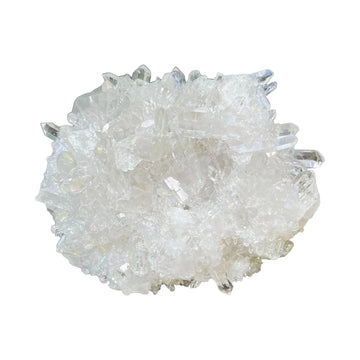
 Crystal Points
23 pieces
Crystal Points
23 pieces
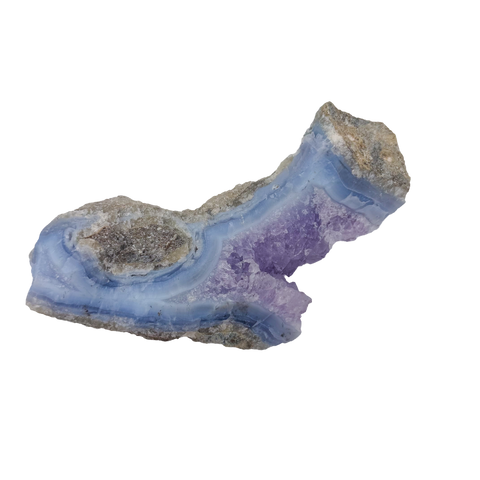
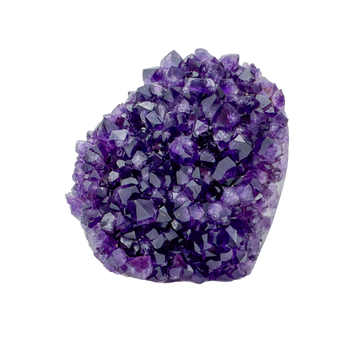
 Clusters & Geodes
104 pieces
Clusters & Geodes
104 pieces
 Polished & Decor
148 pieces
Polished & Decor
148 pieces
 Mineral Specimens
259 collector pieces
Mineral Specimens
259 collector pieces
 Crystal Chips
21 pieces
Browse everything
Every collection, one page.
View All Collections →
Crystal Chips
21 pieces
Browse everything
Every collection, one page.
View All Collections →


 Aries
Mar 21 – Apr 19
Carnelian
›
Aries
Mar 21 – Apr 19
Carnelian
›
 Taurus
Apr 20 – May 20
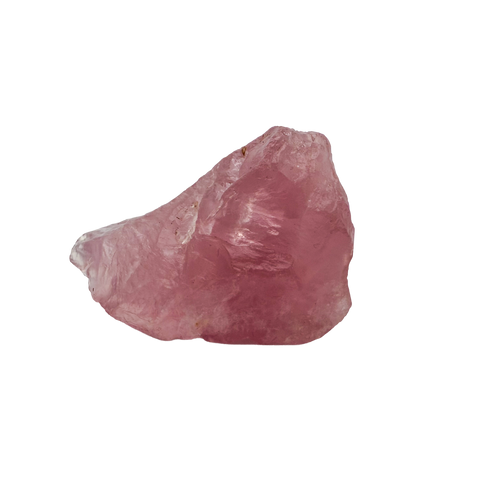
Rose Quartz
›
Taurus
Apr 20 – May 20
Rose Quartz
›
 Gemini
May 21 – Jun 20
Agate
›
Gemini
May 21 – Jun 20
Agate
›
 Cancer
Jun 21 – Jul 22
Moonstone
›
Cancer
Jun 21 – Jul 22
Moonstone
›
 Leo
Jul 23 – Aug 22
Citrine
›
Leo
Jul 23 – Aug 22
Citrine
›
 Virgo
Aug 23 – Sep 22
Amazonite
›
Virgo
Aug 23 – Sep 22
Amazonite
›
 Libra
Sep 23 – Oct 22
Blue Lace Agate
›
Libra
Sep 23 – Oct 22
Blue Lace Agate
›
 Scorpio
Oct 23 – Nov 21
Obsidian
›
Scorpio
Oct 23 – Nov 21
Obsidian
›
 Sagittarius
Nov 22 – Dec 21
Sodalite
›
Sagittarius
Nov 22 – Dec 21
Sodalite
›
 Capricorn
Dec 22 – Jan 19
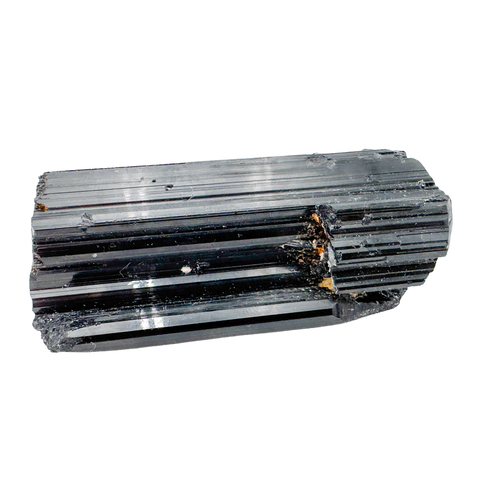
Black Tourmaline
›
Capricorn
Dec 22 – Jan 19
Black Tourmaline
›
 Aquarius
Jan 20 – Feb 18
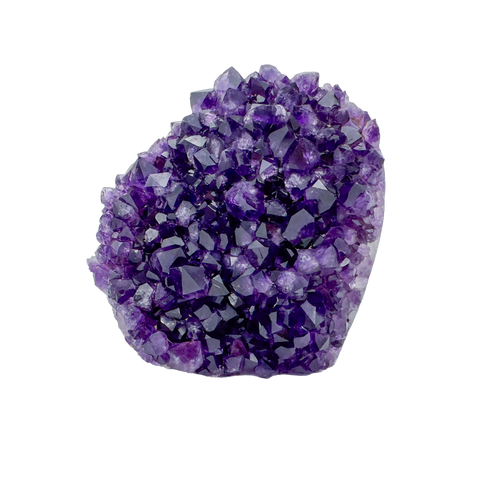
Amethyst
›
Aquarius
Jan 20 – Feb 18
Amethyst
›
 Pisces
Feb 19 – Mar 20
Aquamarine
›
Gifting?
A birthday stone is the safe bet.
Read the zodiac guide →
Pisces
Feb 19 – Mar 20
Aquamarine
›
Gifting?
A birthday stone is the safe bet.
Read the zodiac guide →

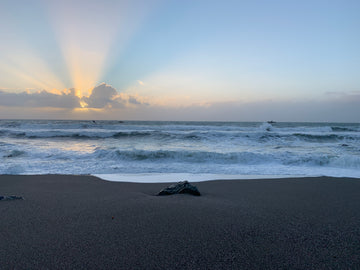
Grandidierite
Grandidierite is a bluish-green borosilicate counted among the rarest gemstones on earth. Most of it is translucent, and clean transparent stones are so scarce they are treasured by serious collectors. First described from Madagascar, it is admired for a soft teal-to-green color and a strong pleochroism that shifts as the stone turns in the light.
The geology.
Grandidierite is a magnesium aluminum borosilicate, meaning boron sits in its structure alongside silicon, magnesium, aluminum, and some iron. Its color ranges through bluish green, teal, and green, growing bluer as iron content rises. It is hard, at 7.5 on the Mohs scale, and crystallizes in the orthorhombic system, usually as fibrous or columnar masses rather than clean crystals.
Its signature optical trait is strong trichroic pleochroism, so a single stone can show three different colors, typically dark blue-green, near colorless or pale yellow, and dark green, depending on the viewing direction. This effect, together with its color, is part of what makes cut grandidierite so distinctive. Transparent material is extremely rare, and most grandidierite is translucent to opaque.
The origins.
Grandidierite was first described in 1902 from southern Madagascar, and the island remains its most important source. For over a century it was known mainly as a rare collector's mineral in translucent form, until a discovery of more transparent bluish-green material in the region raised its profile as a faceted gem.
Madagascar still supplies most grandidierite on the market. Small amounts have been reported from other countries, and a related occurrence in Sri Lanka is sometimes noted, but nothing rivals Madagascar for either quantity or quality. Even there, gem-clear material is a tiny fraction of what is found, which keeps fine stones exceptionally scarce.
Traditional associations.
As a modern gem, grandidierite carries recent rather than ancient associations. Many people link its calm blue-green color with communication, composure, and emotional balance, and describe it as a stone for speaking clearly and staying centered.
Some connect it to the heart and throat energies because of its teal tone. These associations are traditional and personal rather than medical claims. Grandidierite is most often linked with the Throat chakra and the element of Water.
Spotting the real thing.
Grandidierite is identified by its particular bluish-green color, its strong three-way pleochroism, and its hardness of 7.5. Turning a stone to see it shift between blue-green, pale, and green is one of the more reliable visual signs. Because most material is translucent, a milky or fibrous look is normal rather than a fault.
The main honesty question is grade and identity. Transparent grandidierite is genuinely rare and expensive, so unusually clean, cheap stones deserve scrutiny. It can be confused with other blue-green stones such as some apatite, blue-green tourmaline, or lower grades of other rare gems, and only gemological testing separates them with confidence. Buy transparent stones from dealers who document the source and, for high value, provide a report.
Care & handling.
At 7.5 on the Mohs scale grandidierite is fairly hard and suitable for jewelry, though like any gem it can chip on a sharp knock. Store it away from harder stones such as sapphire and topaz, and avoid harsh chemicals. Warm water, mild soap, and a soft brush are the safe way to clean it.
Translucent cabochons and beads are more forgiving in daily wear than rare faceted stones, which most owners treat as collector pieces. Protective settings suit rings, and a soft pouch keeps loose stones from scratching. With ordinary care grandidierite keeps its soft color and polish for the long term.
Pairs well with.
A deeper look.
Extended geology, sourcing, authentication, history, and varieties, for when the quick guide isn't quite enough.
Extended geology
Grandidierite belongs to a small group of boron-bearing silicates and is chemically close to the mineral ominelite, its iron-dominant counterpart. As iron substitutes for magnesium in the structure, the color deepens toward blue, which is why the most sought bluish stones tend to be more iron-rich. It typically grows in aluminum-rich rocks such as boron-bearing pegmatites and metamorphosed sediments.
The mineral usually forms as fibrous, columnar, or granular aggregates rather than as large clean crystals, which is one reason transparent gem material is so scarce. Its strong pleochroism arises from the way its orthorhombic structure absorbs light differently along each crystal axis. Well-oriented cutting is needed to show the best face-up color in a finished stone.
Extended sourcing
Southern Madagascar is the classic and dominant source, where grandidierite was first found in 1902 and where the finest transparent bluish-green material has since been recovered. The gem-quality output is small and irregular, so availability comes in waves rather than a steady supply, and fine stones are quickly absorbed by collectors.
Beyond Madagascar, grandidierite has been reported in minor amounts from a scattering of localities, and Sri Lanka is sometimes cited among them, but these are not significant gem sources. For practical purposes, a fine grandidierite is a Madagascan stone, and that concentration in one region is part of why it ranks among the rarest gems traded.
Authentication and warning signs
A secure identification rests on color, pleochroism, refractive properties, and hardness taken together. The shift between blue-green, colorless or pale yellow, and green as the stone is rotated is characteristic, and the hardness of 7.5 rules out several softer look-alikes. For translucent material, the fibrous internal texture is normal and expected.
Because transparent grandidierite is so valuable, misidentification and overgrading are the real concerns. Other teal to green stones can resemble it, and clarity is sometimes overstated. Treat exceptionally clean, low-priced stones with caution, ask for the Madagascan source, and rely on a gemological laboratory for confirmation whenever the price reflects true gem grade.
History and folklore
Grandidierite was described in 1902 by the French mineralogist Alfred Lacroix from material found on the southern coast of Madagascar, and it was named in honor of Alfred Grandidier, the French naturalist and explorer who studied the island in depth. For most of the twentieth century it stayed a mineralogical curiosity known in translucent form. Renewed finds of more transparent bluish-green material brought it to wider attention as one of the rarest faceted gems, and it has kept that reputation, standing near the top of most lists of gemstones that are difficult to obtain.
Forms and grades
Transparent grandidierite: rare clean bluish-green stones, the most valuable grade, usually small and collector-driven.
Translucent cabochons: the more common form, cut to show the teal-green color and glow.
Fibrous and massive material: columnar or granular aggregates used for specimens and lower grades.
Ominelite: the iron-dominant relative of grandidierite, a distinct but closely related mineral.
What it costs in the market
Grandidierite spans a wide range. Translucent cabochons and beads are relatively affordable, while genuinely transparent gem-grade stones command very high per-carat prices because so few exist, rising steeply with size and clarity. Color also matters, with strong, even bluish-green tones the most prized. As with any single-region rarity, verified Madagascan origin and gemological grading support the value of important stones.
An education-first guide.
We don't currently carry grandidierite, so there's nothing to sell you here. This guide exists because the more you understand a stone, the better every decision you make about it becomes, wherever you buy it. Explore the rest of our crystal guides for stones we do source, each with full origin and treatment notes.
Explore the Crystal GuideLove Grandidierite? Meet Aventurine.
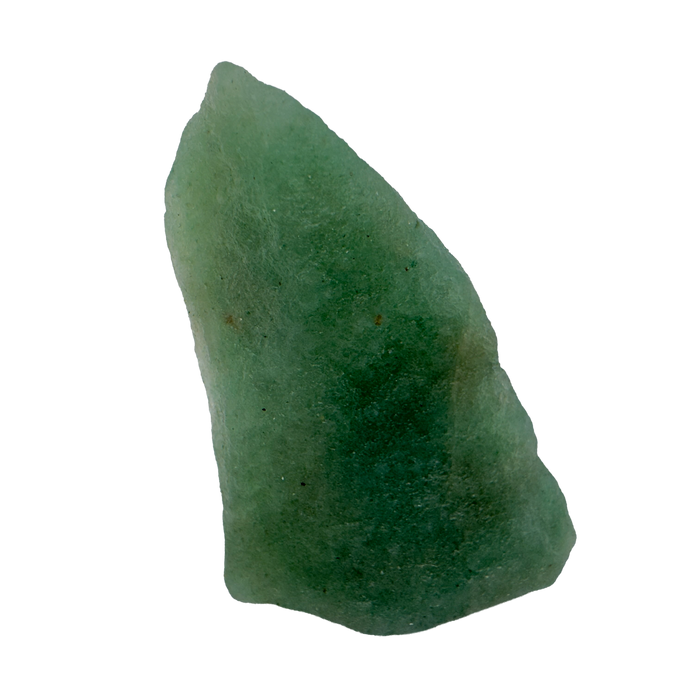
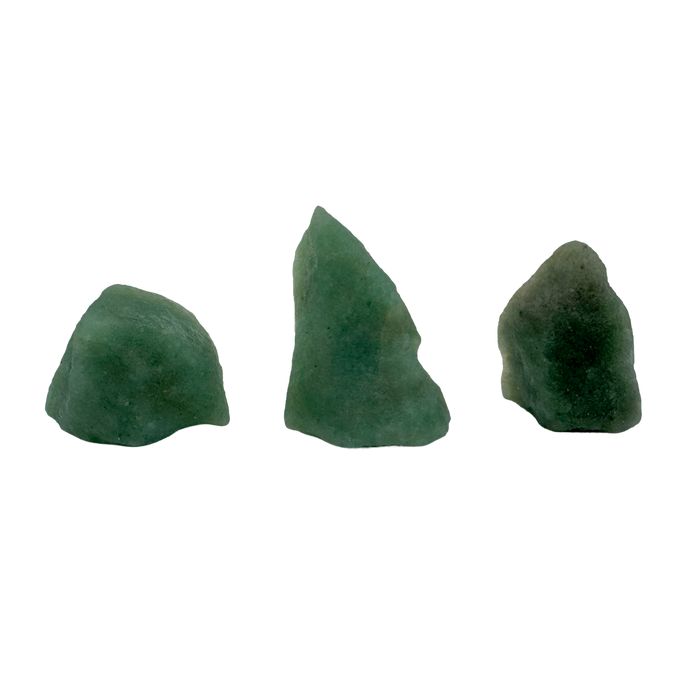
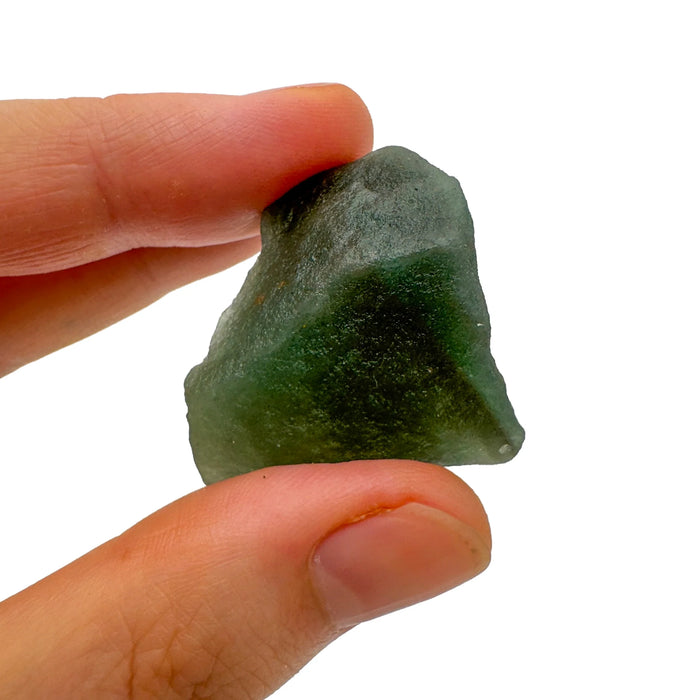
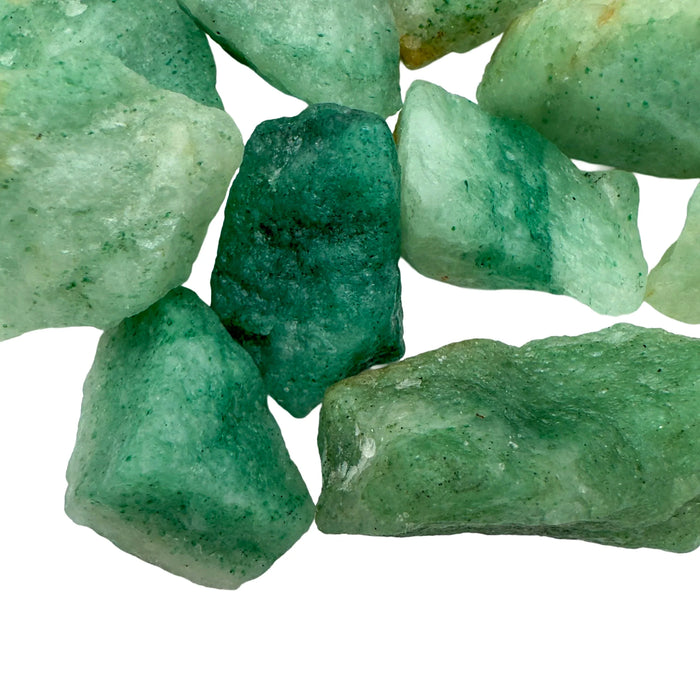
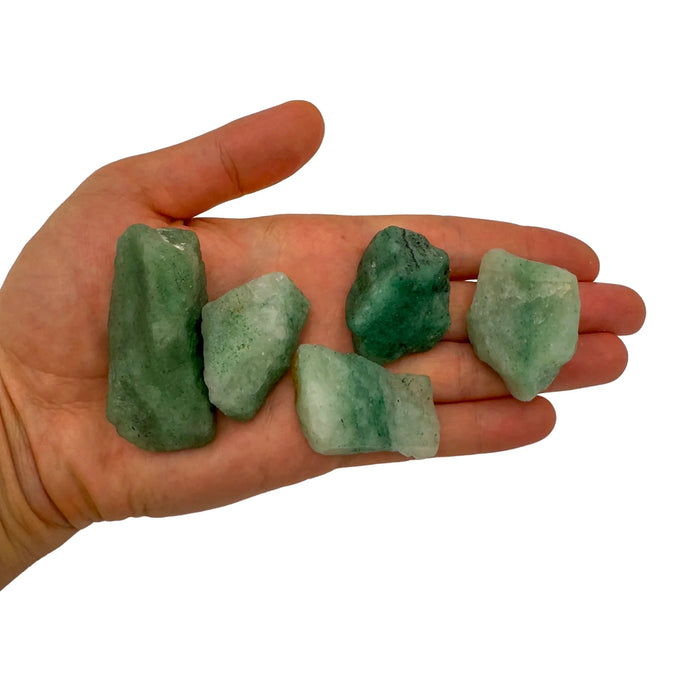
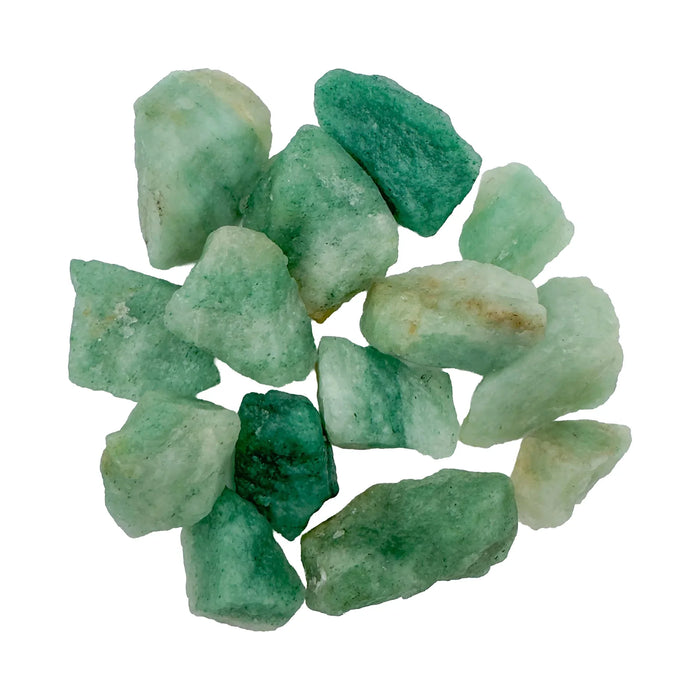
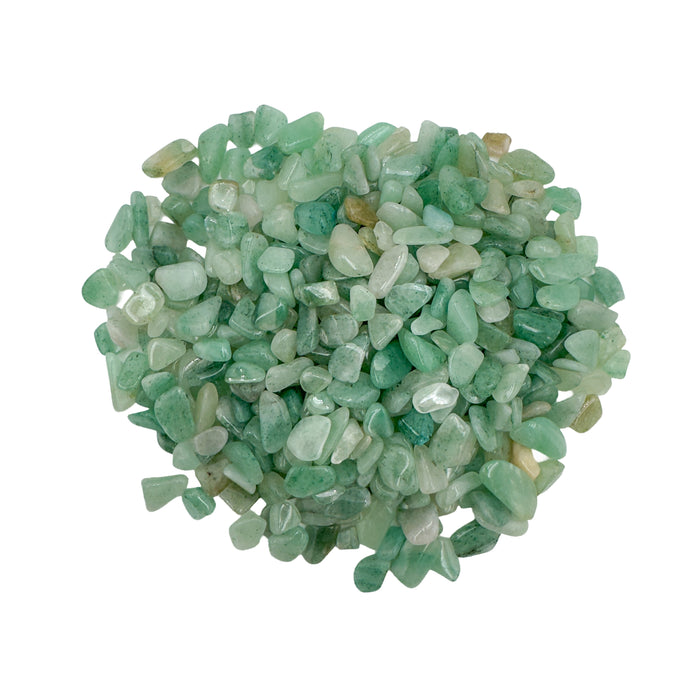
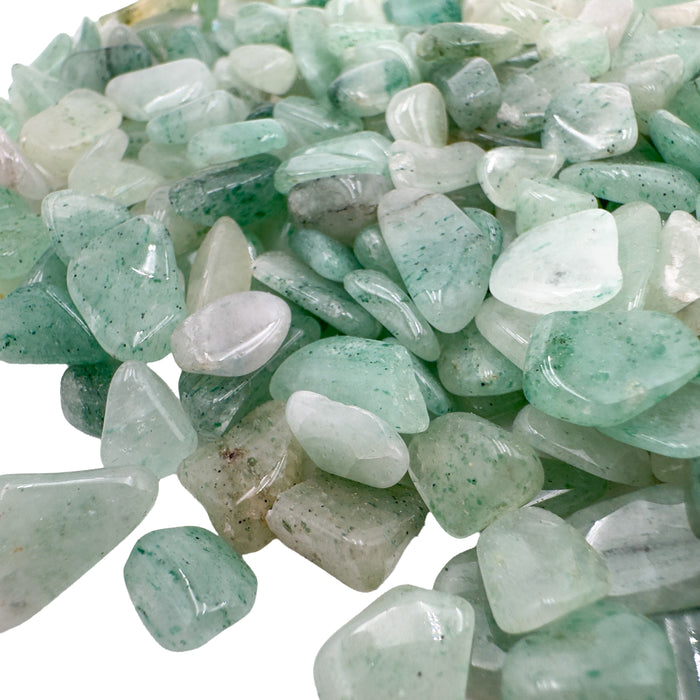
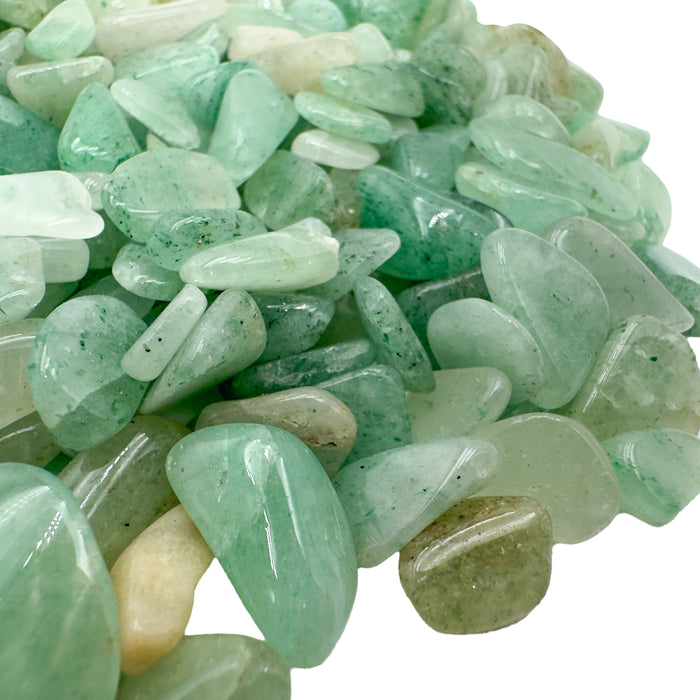
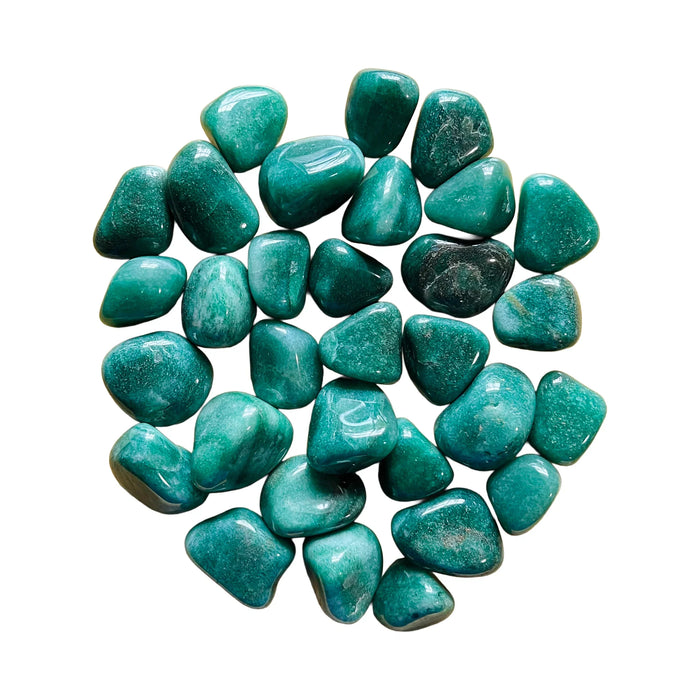
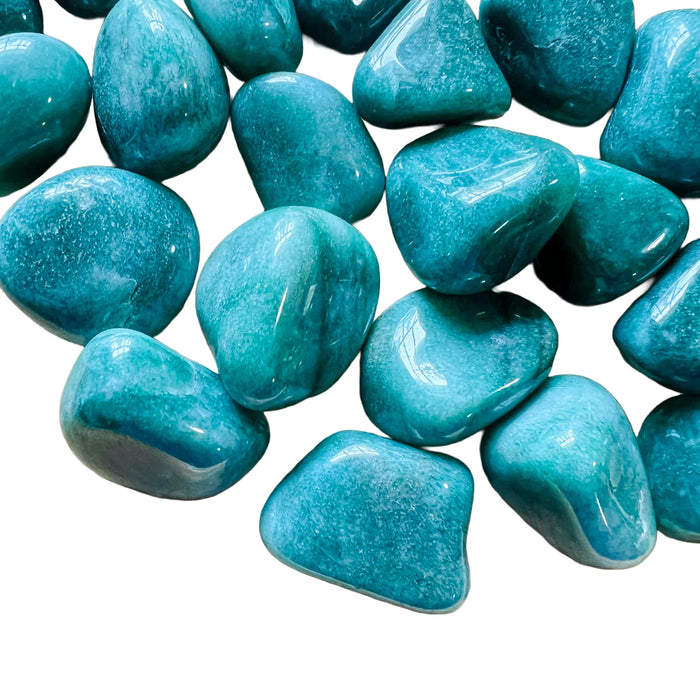
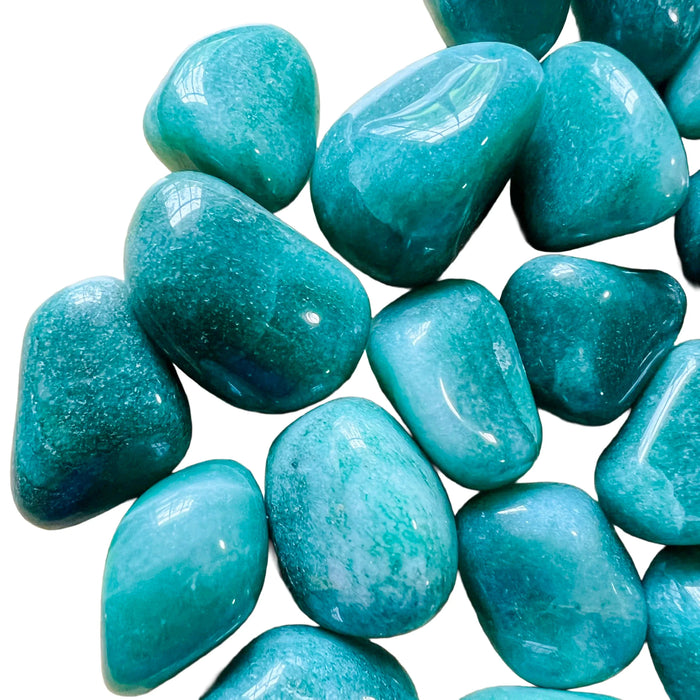
Grandidierite is not something we carry. Aventurine is the closest match in color, and every piece passes our sourcing standards: origin named, treatments disclosed.
- from 1,000+ reviews
- Ships within 72 hoursMonday to Friday, tracked
- 90 days to return itif you do not love it
- Free US shipping over $99$8.99 flat rate under
The Slow Note
New stones go to the list first.
No forwarding, no selling. Unsubscribe in one click. Privacy