


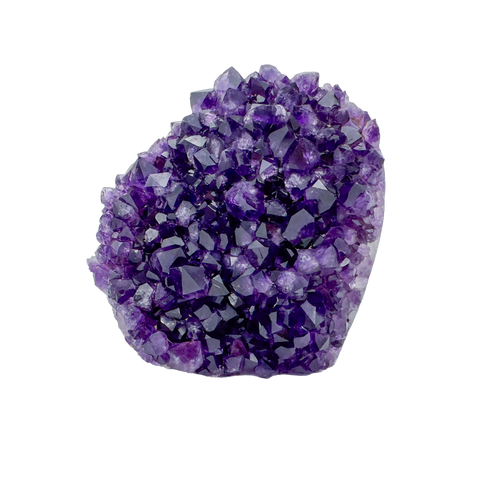
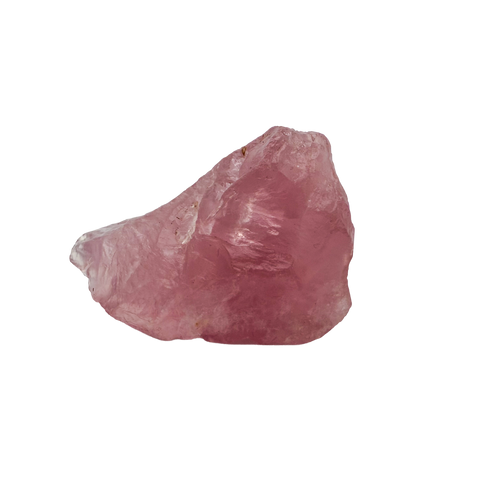
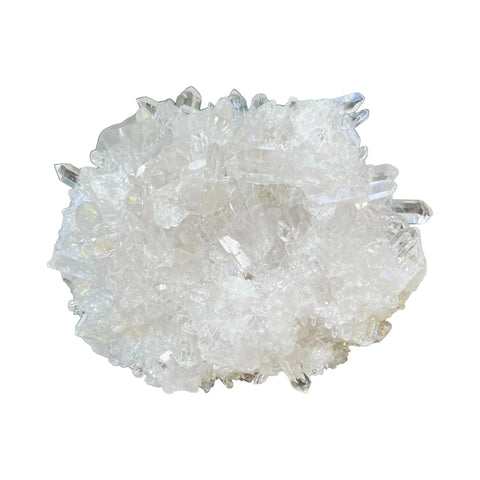
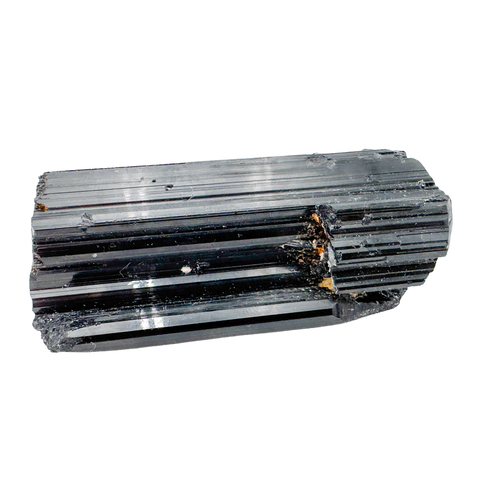
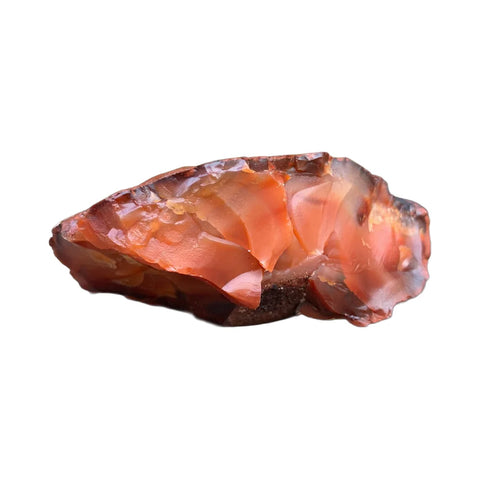
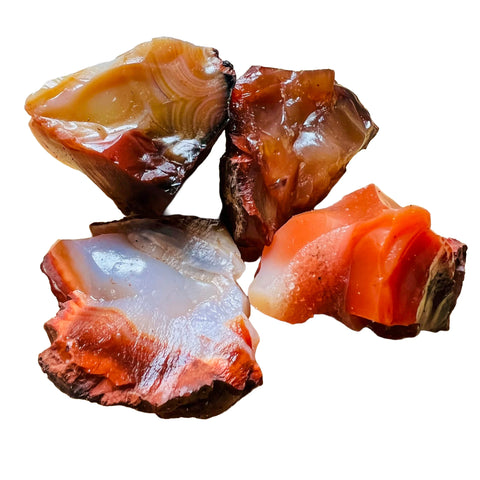


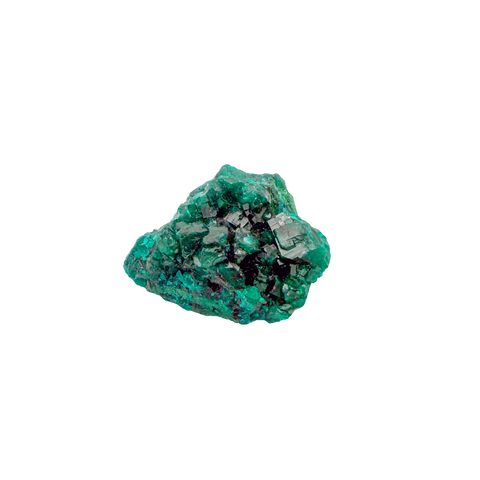
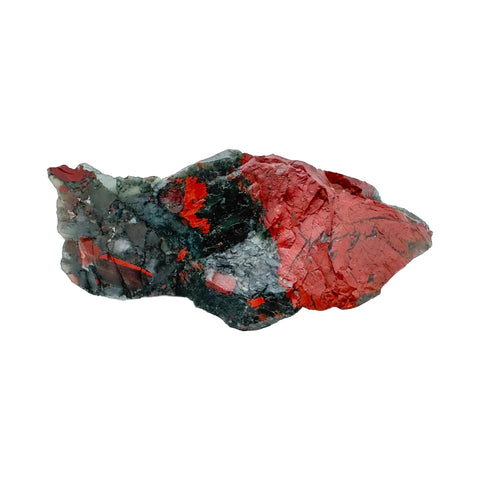
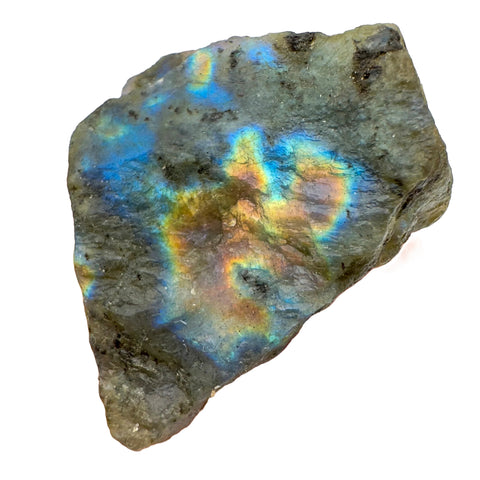
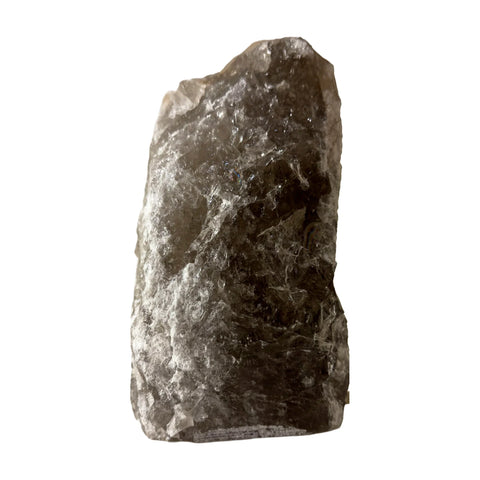
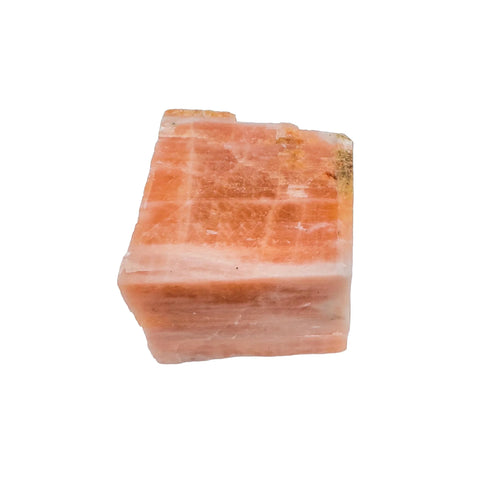
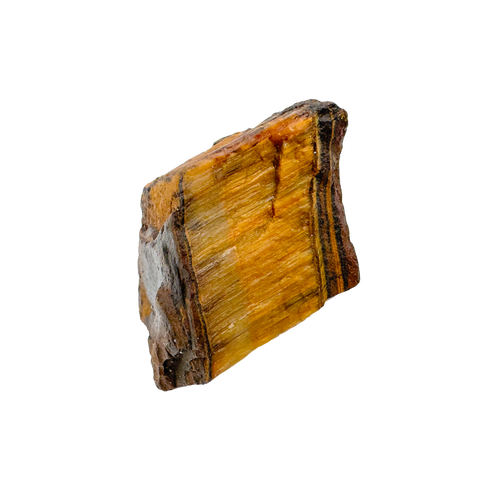
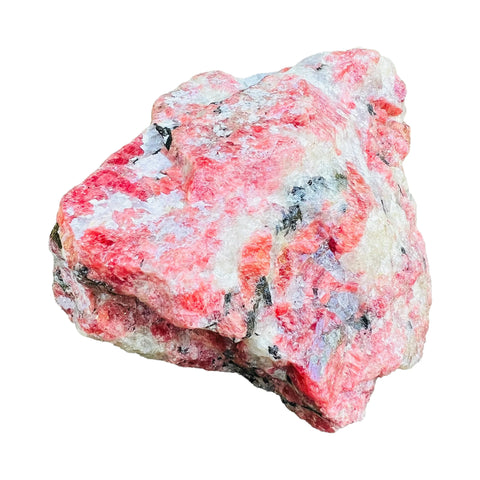
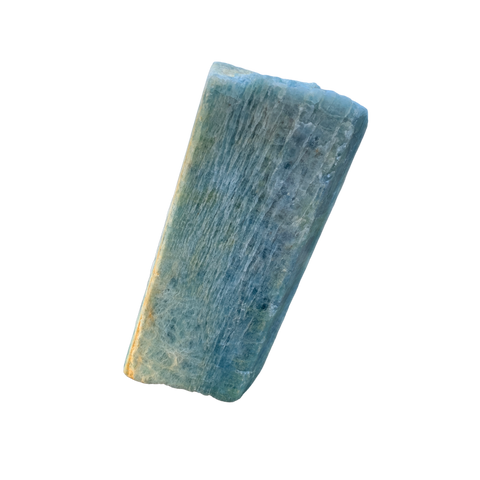
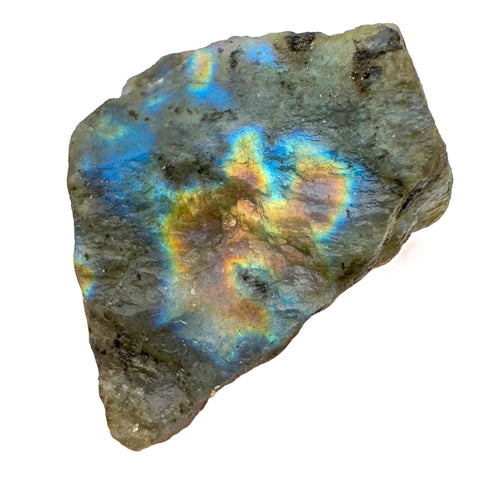
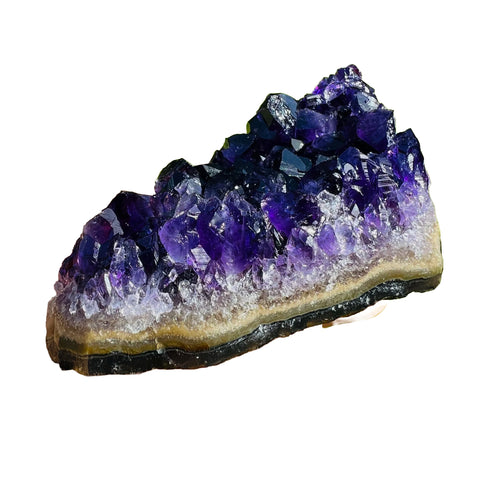



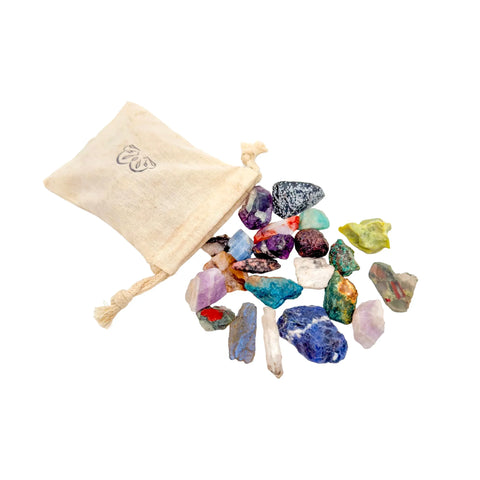
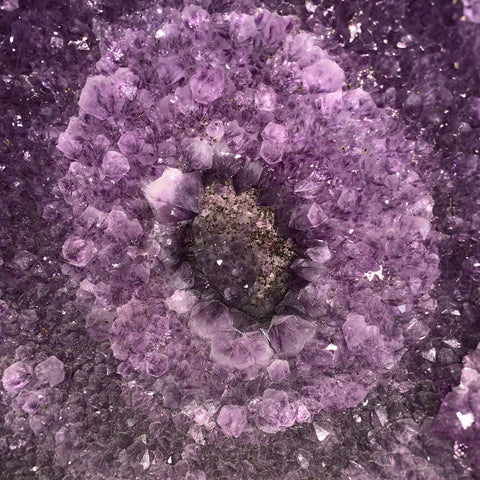
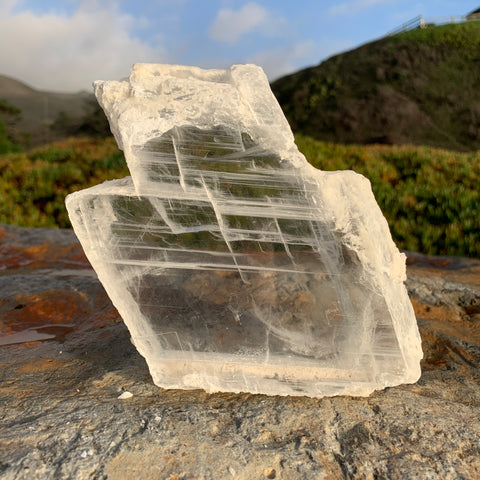
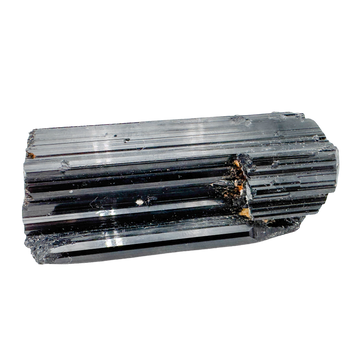
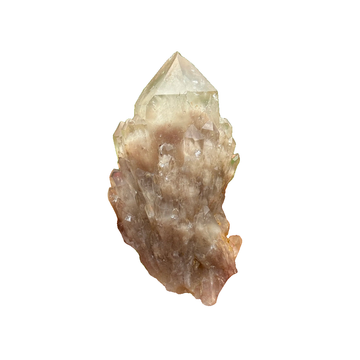
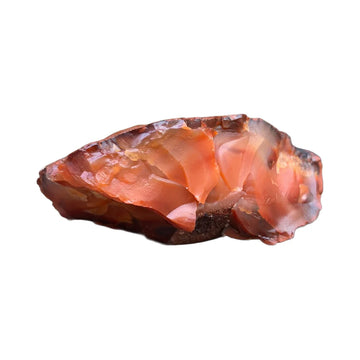
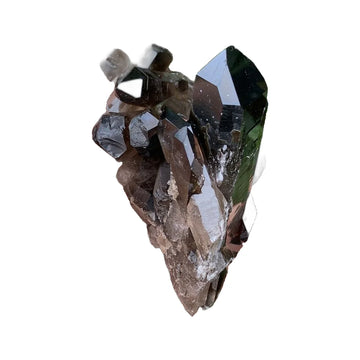
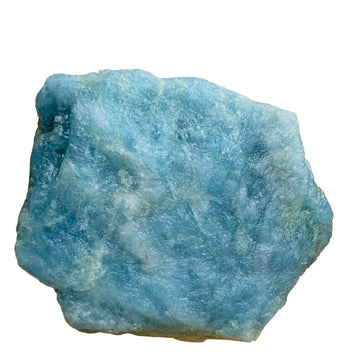
 Raw Stones
179 pieces
Raw Stones
179 pieces
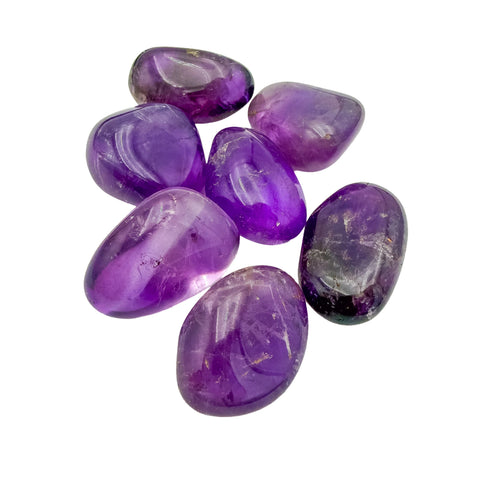
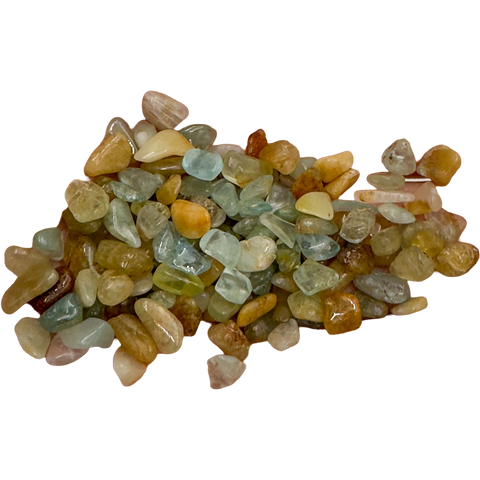
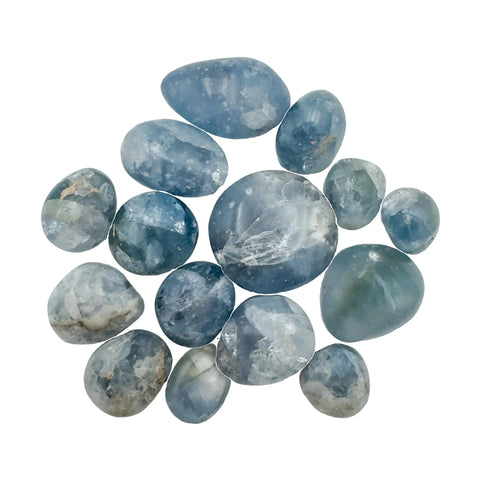
 Tumbled Stones
162 pieces
Tumbled Stones
162 pieces
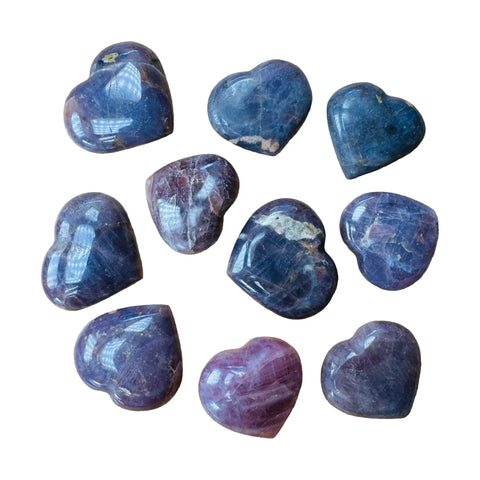
 Palm Stones
25 pieces
Palm Stones
25 pieces
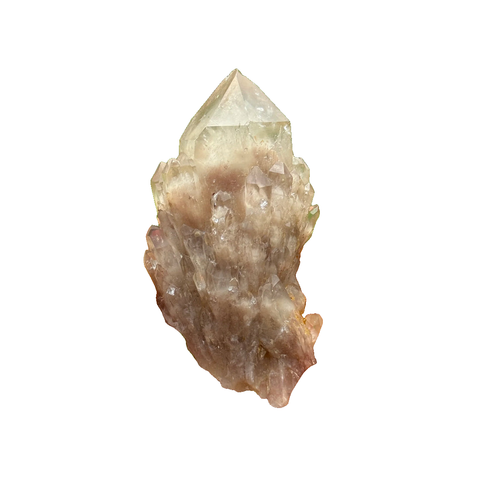
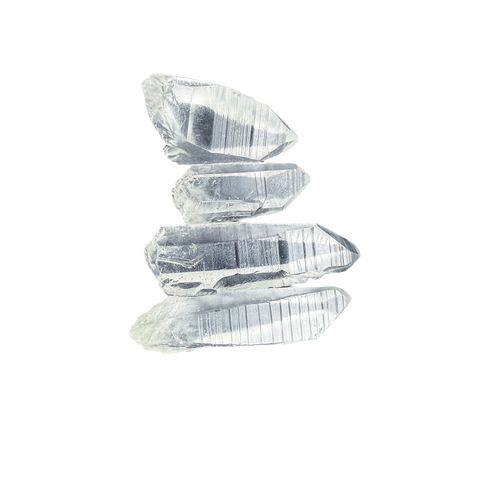
 Crystal Points
23 pieces
Crystal Points
23 pieces
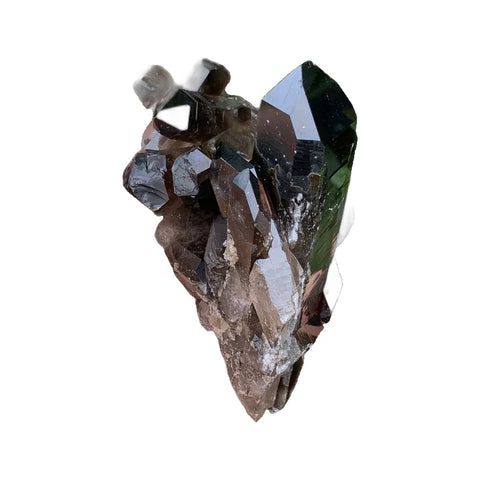
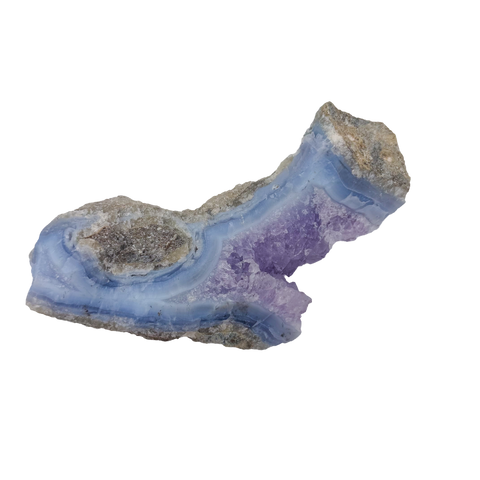
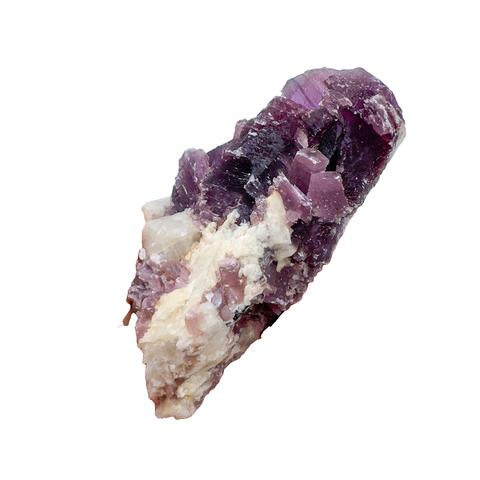
 Clusters & Geodes
104 pieces
Clusters & Geodes
104 pieces
 Polished & Decor
148 pieces
Polished & Decor
148 pieces
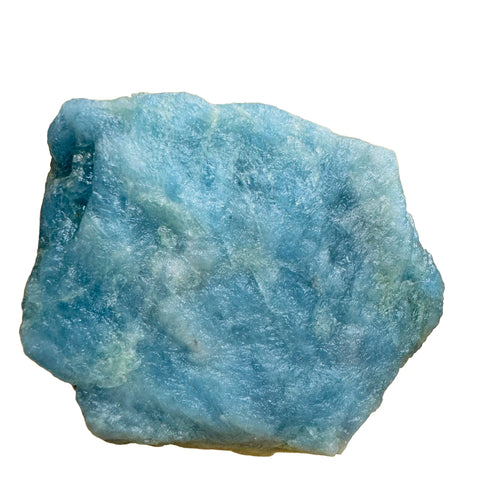
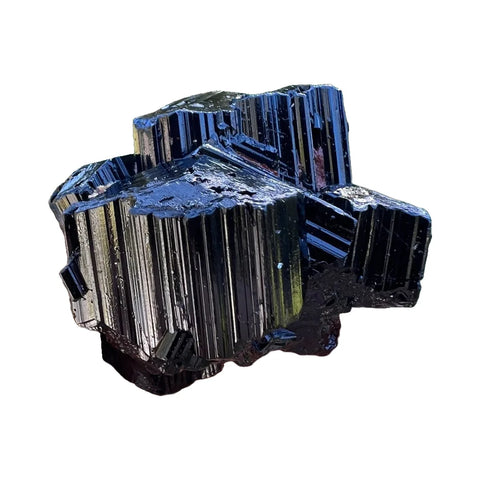
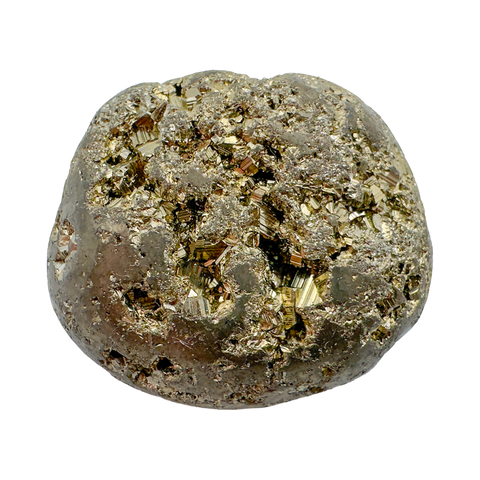
 Mineral Specimens
259 collector pieces
Mineral Specimens
259 collector pieces
 Crystal Chips
21 pieces
Browse everything
Every collection, one page.
View All Collections →
Crystal Chips
21 pieces
Browse everything
Every collection, one page.
View All Collections →


 Aries
Mar 21 – Apr 19
Carnelian
›
Aries
Mar 21 – Apr 19
Carnelian
›
 Taurus
Apr 20 – May 20
Rose Quartz
›
Taurus
Apr 20 – May 20
Rose Quartz
›
 Gemini
May 21 – Jun 20
Agate
›
Gemini
May 21 – Jun 20
Agate
›
 Cancer
Jun 21 – Jul 22
Moonstone
›
Cancer
Jun 21 – Jul 22
Moonstone
›
 Leo
Jul 23 – Aug 22
Citrine
›
Leo
Jul 23 – Aug 22
Citrine
›
 Virgo
Aug 23 – Sep 22
Amazonite
›
Virgo
Aug 23 – Sep 22
Amazonite
›
 Libra
Sep 23 – Oct 22
Blue Lace Agate
›
Libra
Sep 23 – Oct 22
Blue Lace Agate
›
 Scorpio
Oct 23 – Nov 21
Obsidian
›
Scorpio
Oct 23 – Nov 21
Obsidian
›
 Sagittarius
Nov 22 – Dec 21
Sodalite
›
Sagittarius
Nov 22 – Dec 21
Sodalite
›
 Capricorn
Dec 22 – Jan 19
Black Tourmaline
›
Capricorn
Dec 22 – Jan 19
Black Tourmaline
›
 Aquarius
Jan 20 – Feb 18
Amethyst
›
Aquarius
Jan 20 – Feb 18
Amethyst
›
 Pisces
Feb 19 – Mar 20
Aquamarine
›
Gifting?
A birthday stone is the safe bet.
Read the zodiac guide →
Pisces
Feb 19 – Mar 20
Aquamarine
›
Gifting?
A birthday stone is the safe bet.
Read the zodiac guide →


Moissanite
Moissanite is synthetic carbide (natural moissanite is vanishingly rare), SiC. In the hand, it rates 9.25 to 9.5 on the Mohs scale, and it runs colorless and near-colorless with green-gray tint. The diamond stand-in that out-fires diamond, double the rainbow flash, and facet edges that look DOUBLED through a loupe.
The geology.
Moissanite carries the formula SiC. It belongs to the hexagonal system. It is classified as synthetic carbide (natural moissanite is vanishingly rare).
It sits at 9.25 to 9.5 on the Mohs scale. The surface reads adamantine, fiery. Light behavior is transparent (gem); opaque (industrial). Specific gravity runs 3.21 to 3.22. The streak is greenish gray (industrial). It breaks with indistinct cleavage; conchoidal fracture.
The diamond stand-in that out-fires diamond, double the rainbow flash, and facet edges that look DOUBLED through a loupe.
You will most often meet it as faceted 'diamond' stones, raw carborundum crusts (lab) or melee in jewelry.
The origins.
Lab-grown commercially since the late 1990s; natural moissanite exists only as micro-grains in meteorites.
On value, the database notes: a fraction of diamond's price; honest and popular when labeled.
Traditional associations.
In energy work traditions, moissanite carries no classical lore, a lab gem marketed on brilliance, occasionally given 'star-born' spin from its meteorite namesake.
People buy on this language, so it belongs on the page. It belongs under the facts, though, not over them.
Spotting the real thing.
The diamond stand-in that out-fires diamond, double the rainbow flash, and facet edges that look DOUBLED through a loupe.
Sold as diamond by the unscrupulous because it defeats basic testers, the loupe doubling check is your defense.
| Looks like | How to tell them apart |
|---|---|
| Diamond | Look through the table at back facets: moissanite shows doubled edges (birefringence); diamond stays single, and moissanite fools thermal testers, so use the doubling test |
| Cubic zirconia | CZ is far heavier and softer with even more rainbow but no doubling |
| White sapphire | Sapphire has notably less fire |
At-home tests.
You can run every one of these at a kitchen table. Good light matters more than gear when you are looking at moissanite.
| Test | What you should see |
|---|---|
| Under a loupe | Facet-edge doubling under 10× loupe |
| By touch | Passes thermal diamond testers (the classic trap) |
| By eye | Excess spectral fire versus diamond |
| By weight | Lighter than CZ, near diamond's heft |
Stop short of anything that leaves a mark. A gemologist can answer the rest without damaging the stone.
Care & handling.
At 9.25 to 9.5 on the Mohs scale it stands up to everyday wear. It will still chip on a hard knock, so treat edges and points with respect.
It breaks with indistinct cleavage; conchoidal fracture, which is worth knowing before you set it or drop it.
Skip the ultrasonic. Lukewarm water, mild soap and a soft cloth handle routine cleaning without risk.
A deeper look.
Extended detail on composition, sourcing, authentication and market value.
The physical record
The formula on record is SiC. Crystal system: Hexagonal. Specific gravity: 3.21 to 3.22. Streak: Greenish gray (industrial). Cleavage and fracture: Indistinct cleavage; conchoidal fracture.
How it reaches the market
Lab-grown commercially since the late 1990s; natural moissanite exists only as micro-grains in meteorites.
What it gets confused with
Diamond: Look through the table at back facets: moissanite shows doubled edges (birefringence); diamond stays single, and moissanite fools thermal testers, so use the doubling test. Cubic zirconia: CZ is far heavier and softer with even more rainbow but no doubling. White sapphire: Sapphire has notably less fire.
What it is worth
A fraction of diamond's price; honest and popular when labeled.
Where buyers get caught
Sold as diamond by the unscrupulous because it defeats basic testers, the loupe doubling check is your defense.
One more thing
Henri Moissan found the natural mineral in a meteor crater in 1893, nearly every stone wearing his name since was born in a furnace.
An education-first guide.
We do not carry moissanite. This page exists because the question comes up and the honest answer is worth writing down, whether or not there is anything here to sell you.
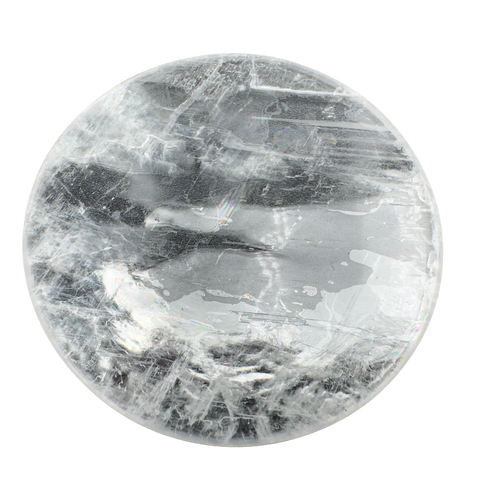
Explore the Crystal GuideLove Moissanite? Meet Clear Quartz.
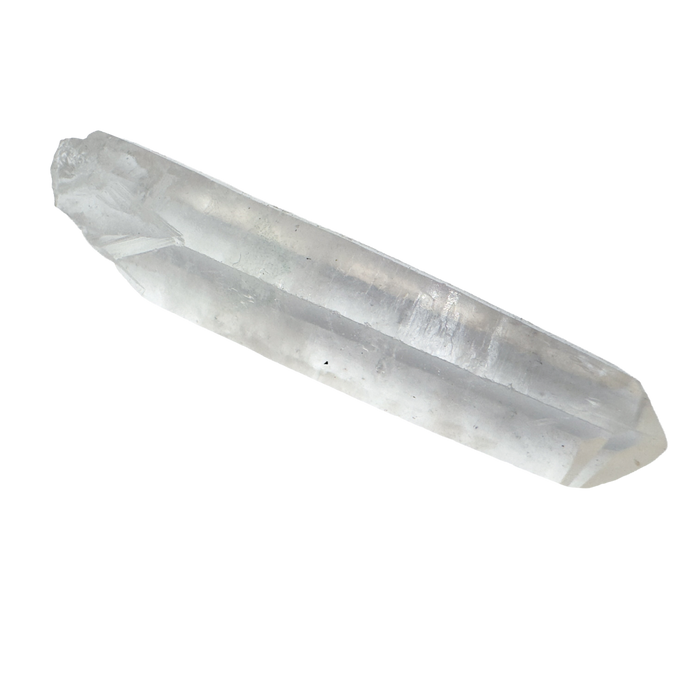
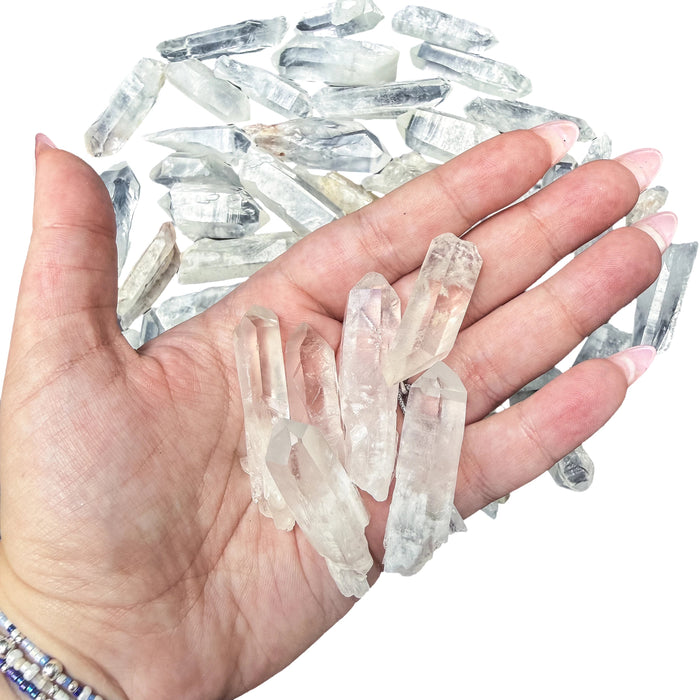
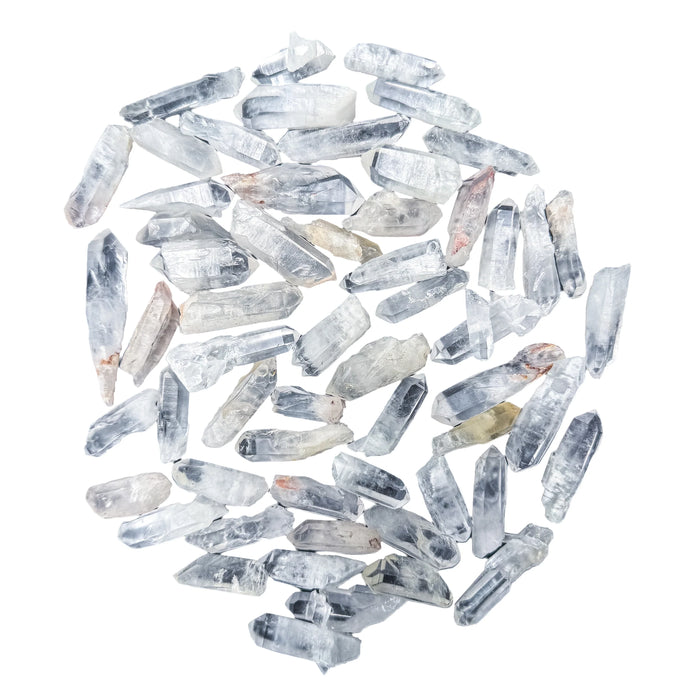
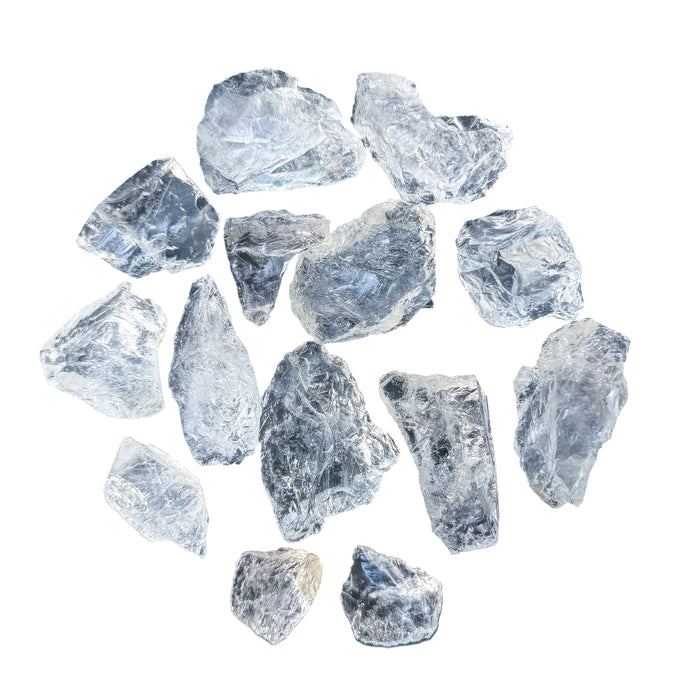
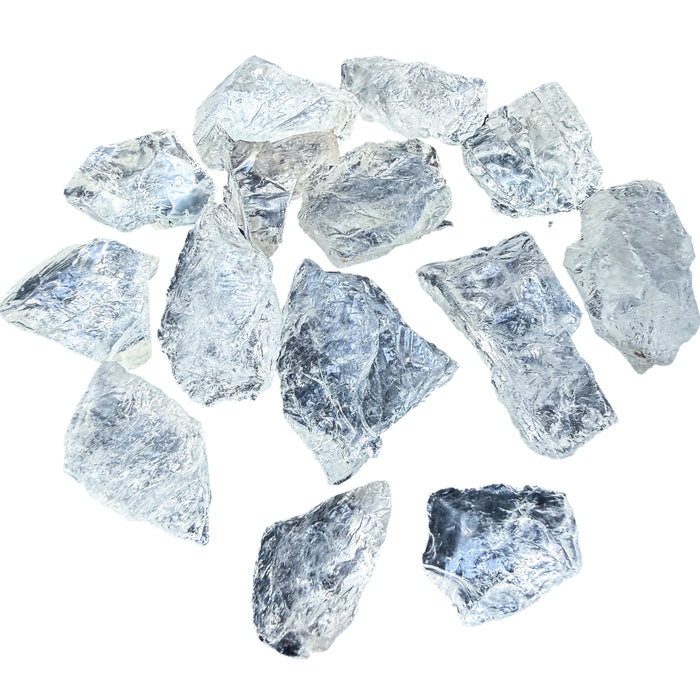
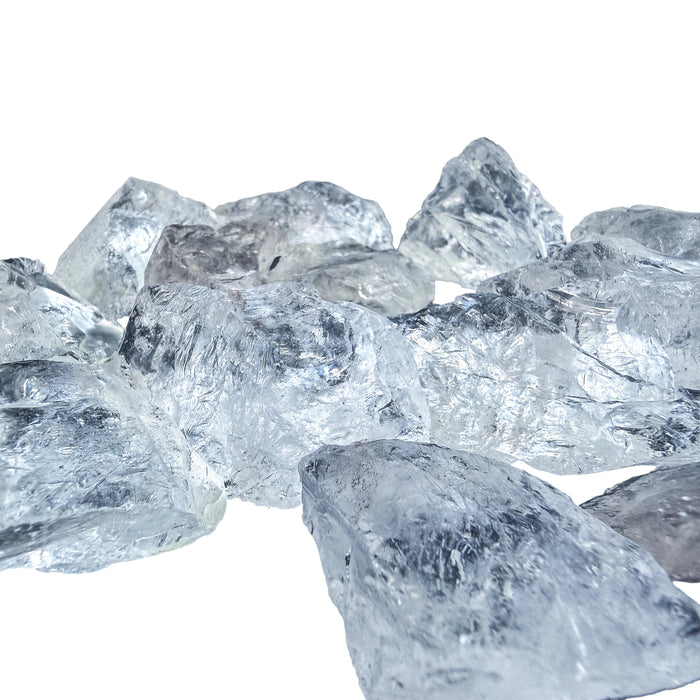
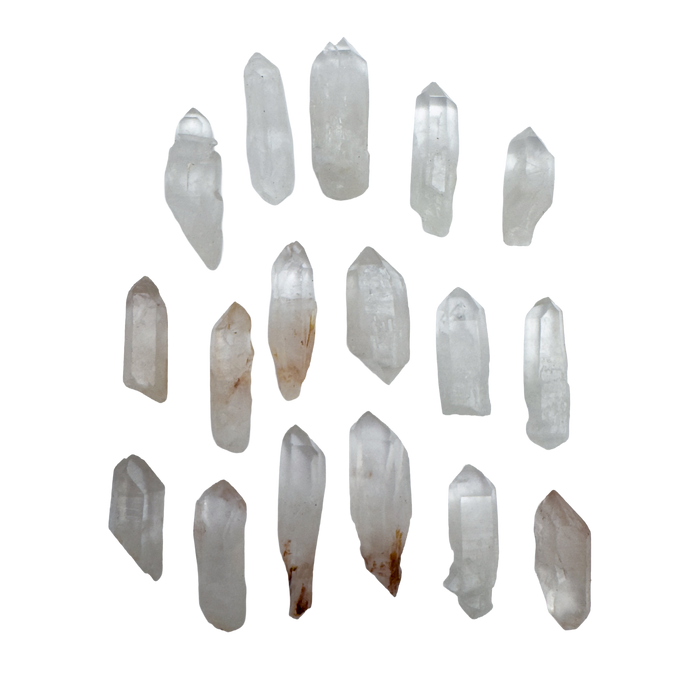
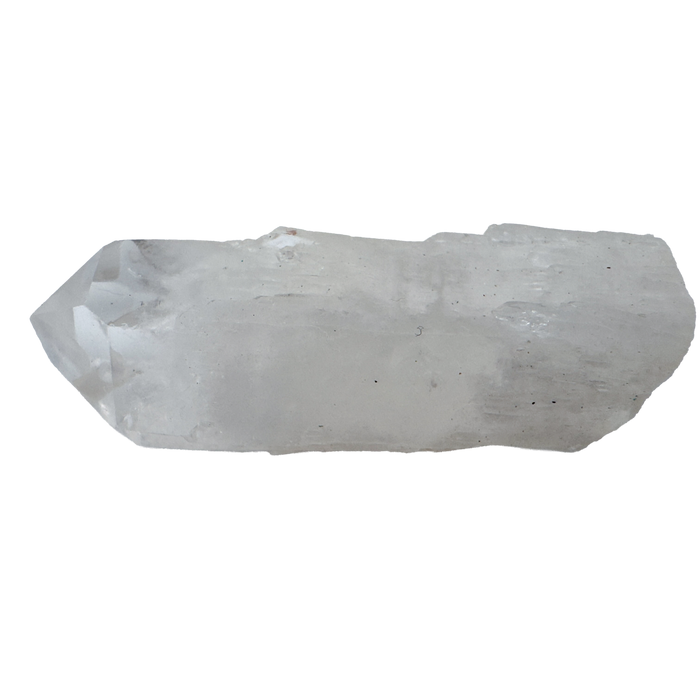
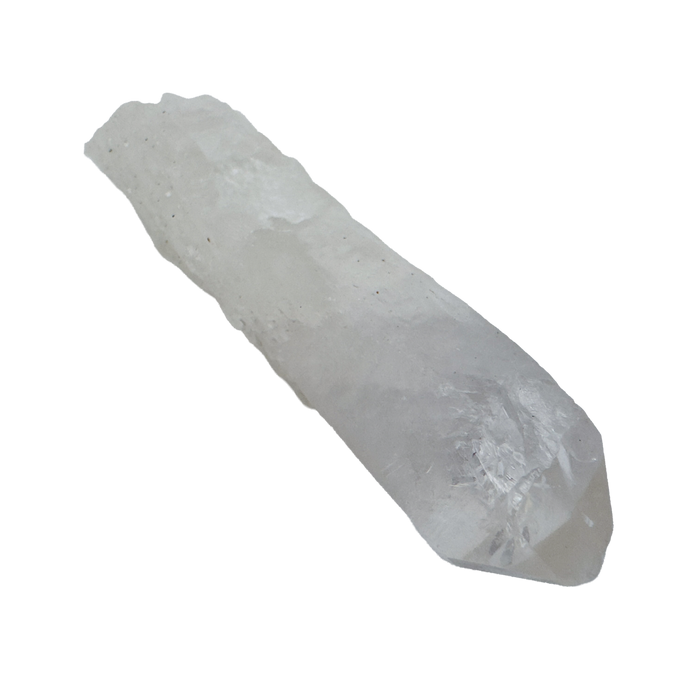
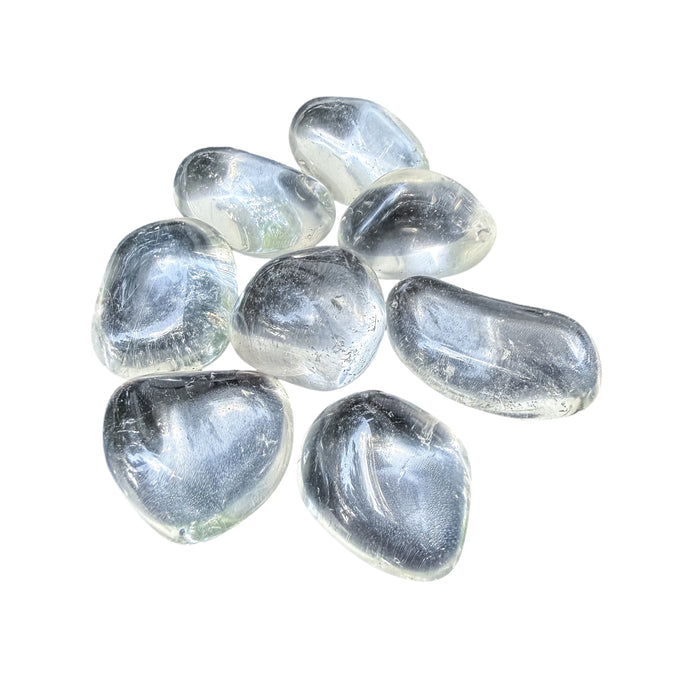
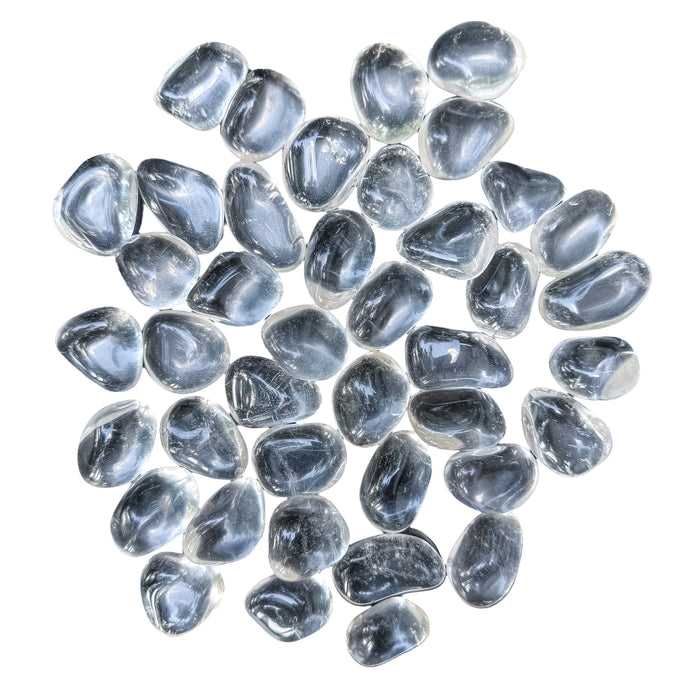
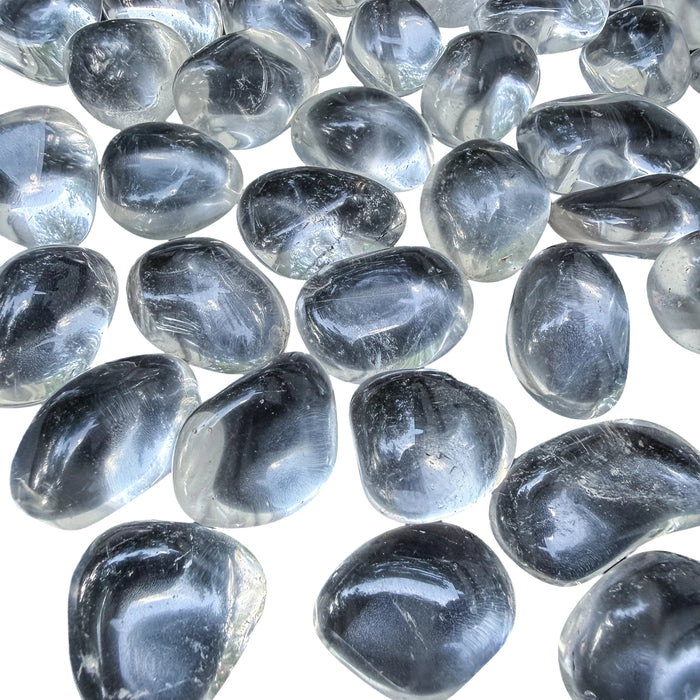
Moissanite is not something we carry. Clear Quartz is the closest match in color, and every piece passes our sourcing standards: origin named, treatments disclosed.
- from 1,000+ reviews
- Ships within 72 hoursMonday to Friday, tracked
- 90 days to return itif you do not love it
- Free US shipping over $99$8.99 flat rate under
The Slow Note
New stones go to the list first.
No forwarding, no selling. Unsubscribe in one click. Privacy