


 Agatefor stress relief
 Amazonitefor stress relief
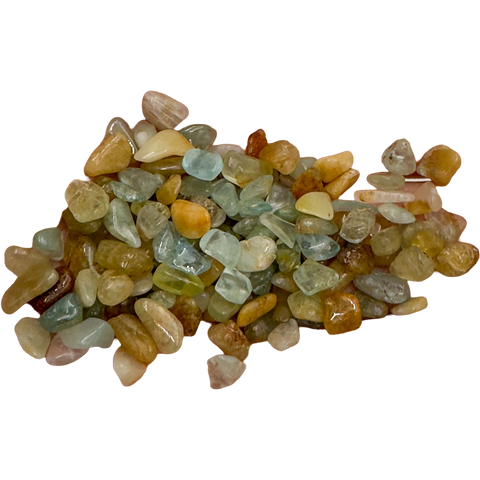
 Aquamarinefor serenity
 Aventurinefor luck
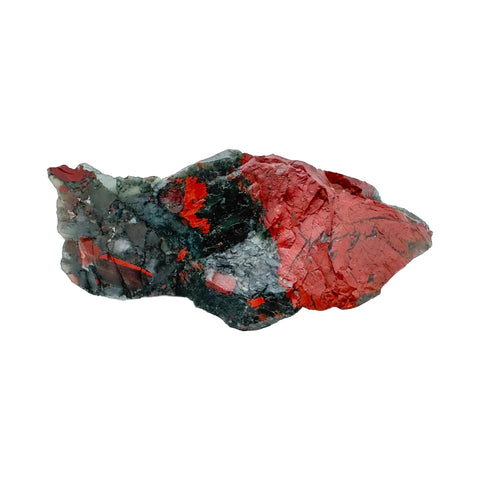
 Bloodstonefor energy
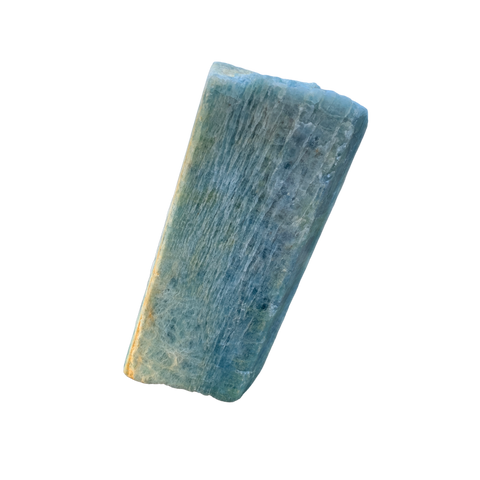
 Blue Kyanitefor confidence
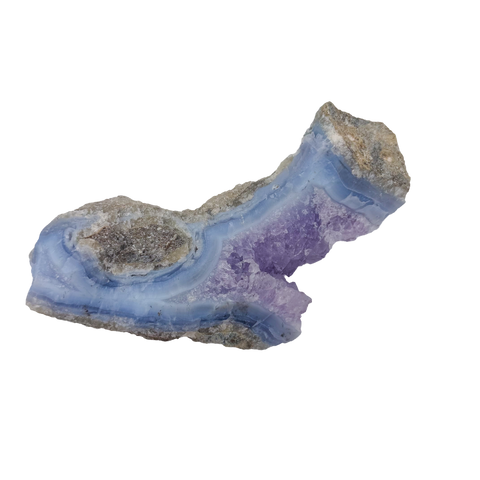
 Blue Lace Agatefor stress relief
 Chrysocollafor emotional healing
 Fluoritefor focus
 Garnetfor energy
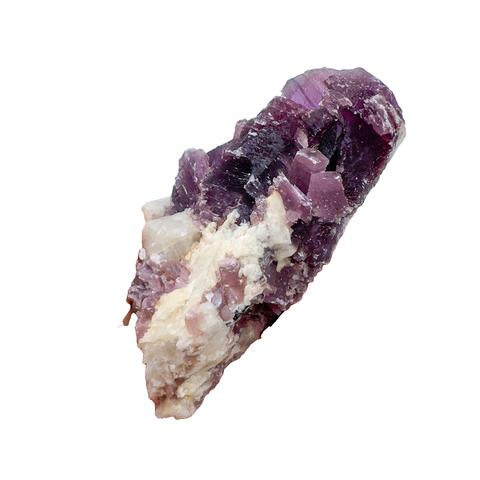
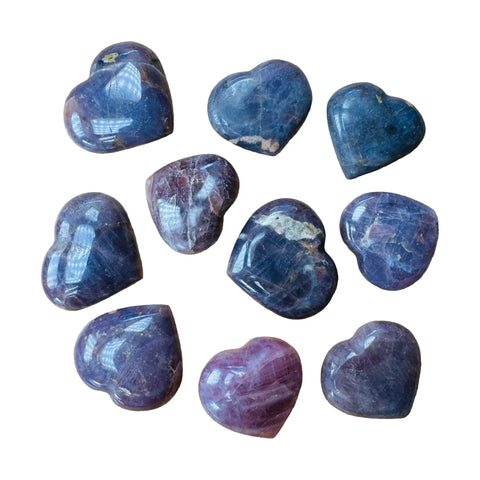
 Lepidolitefor stress relief
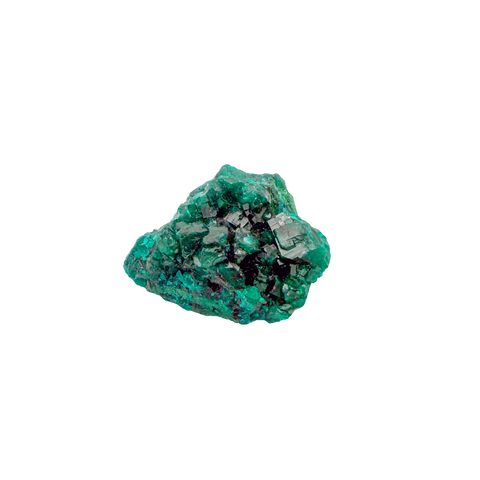
 Malachitefor emotional healing
 Moonstonefor grounding
 Obsidianfor protection
 Ocean Jasperfor emotional healing
 Red Jasperfor grounding
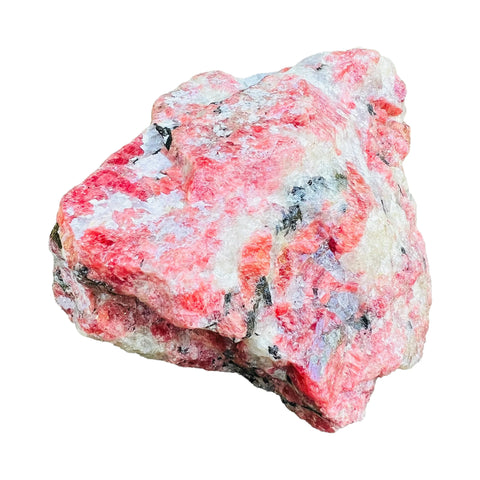
 Rhodonitefor emotional healing
 Selenitefor cleansing
 Sodalitefor focus
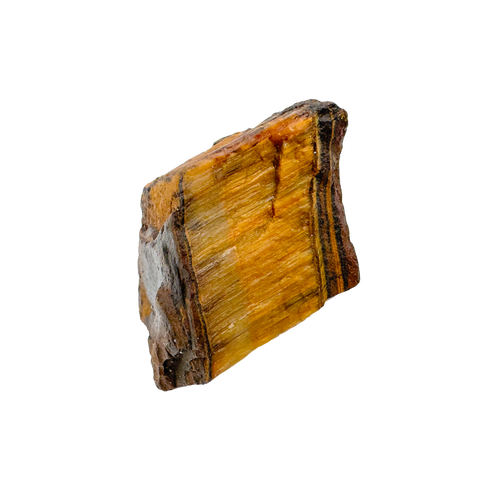
 Tiger Eyefor confidence
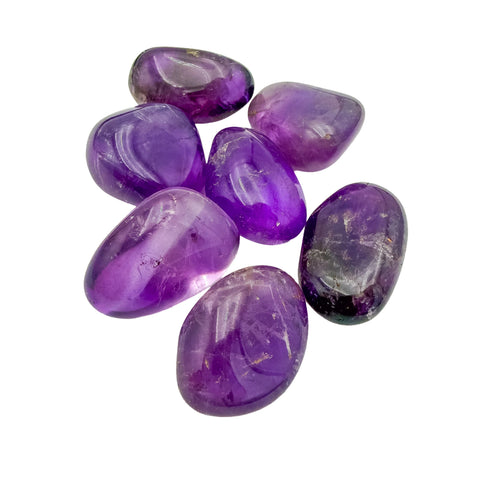




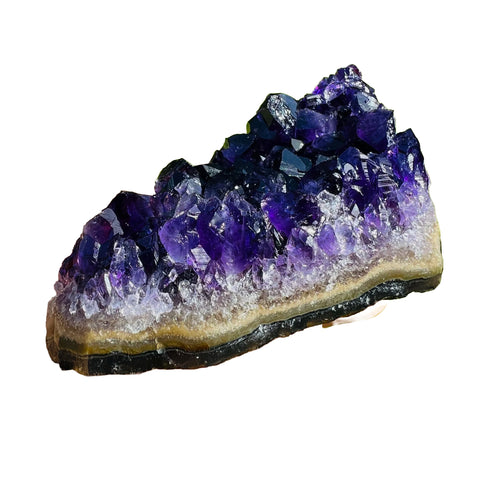





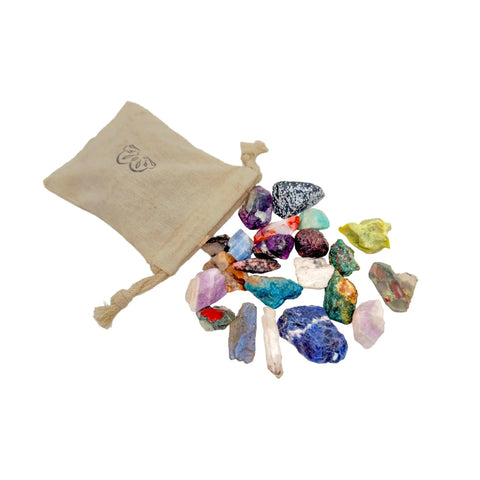
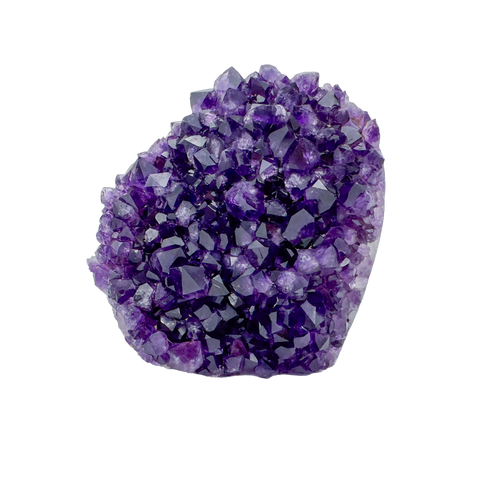
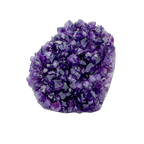 Amethyst
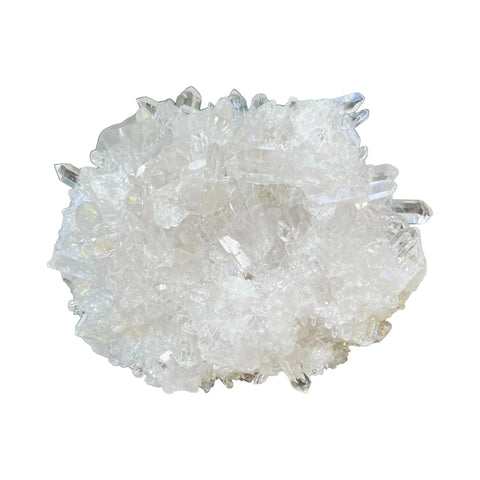
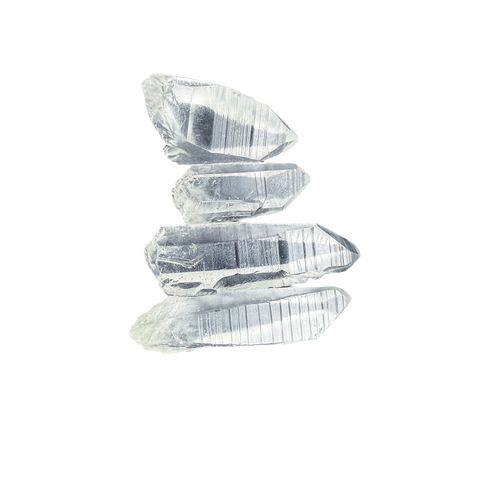
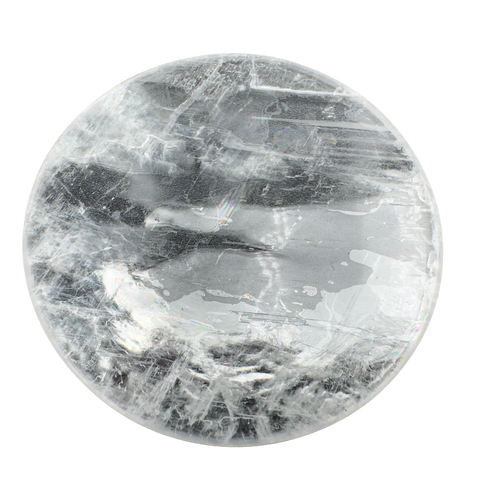
 Clear Quartz
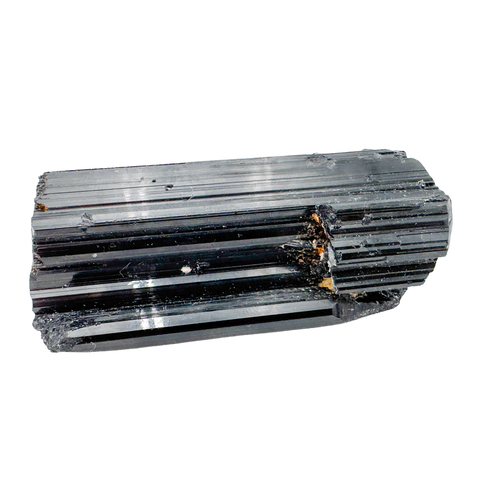
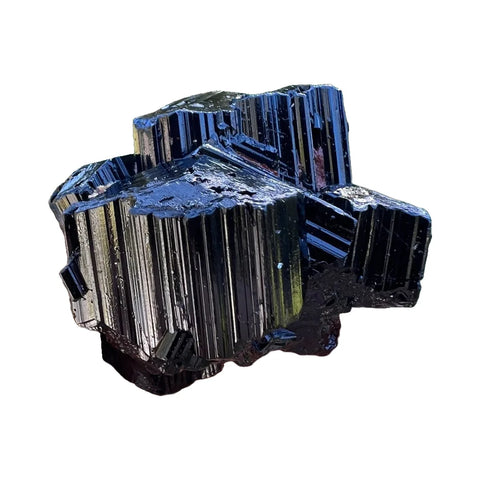
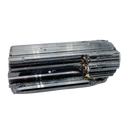 Black Tourmaline
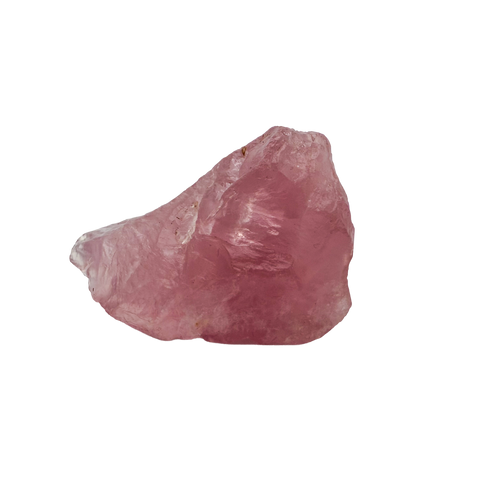
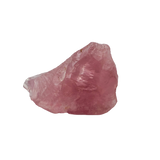 Rose Quartz
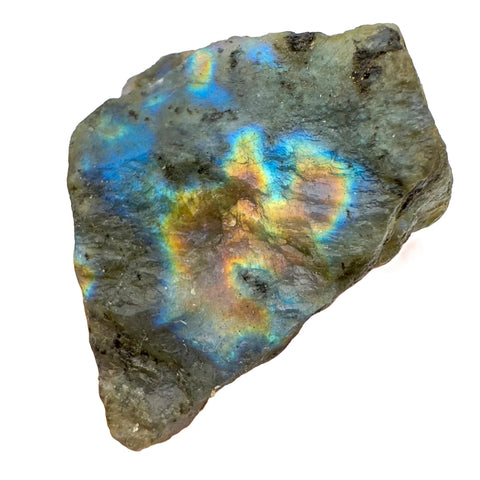
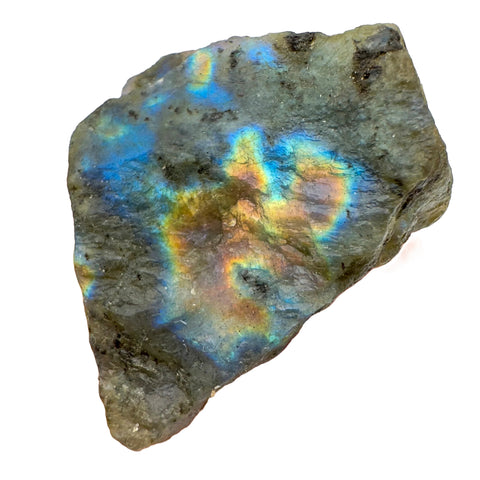
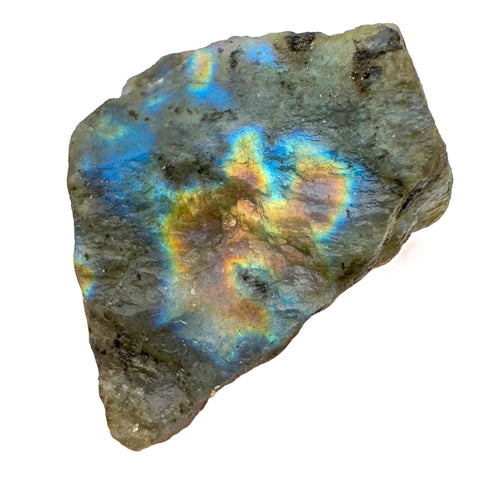
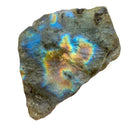 Labradorite
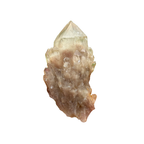 Natural Citrine
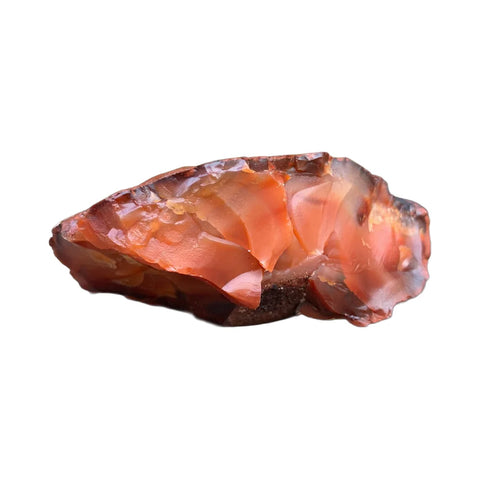
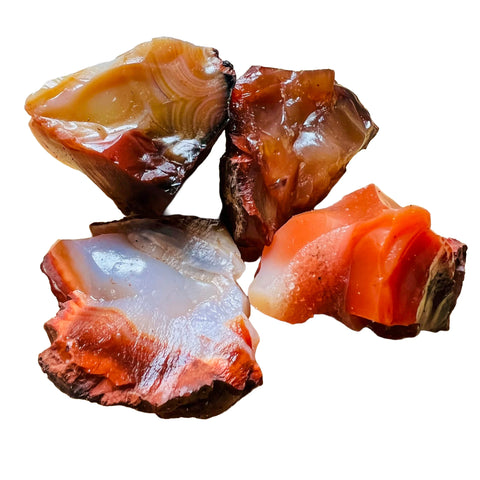
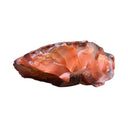 Carnelian
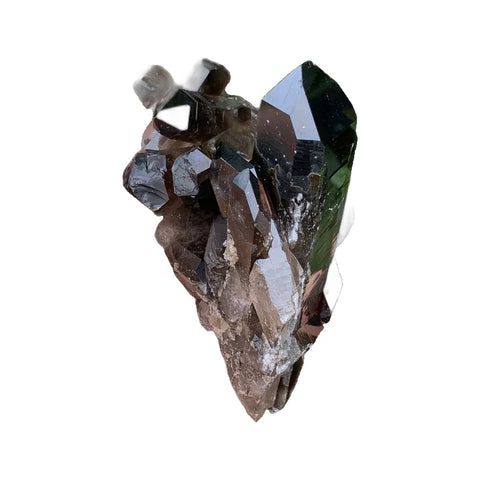
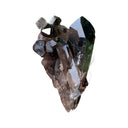 Smoky Quartz
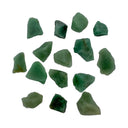 Aventurine
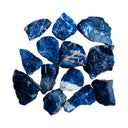 Sodalite
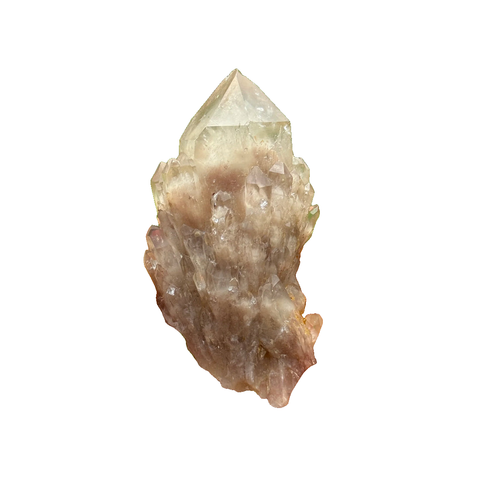
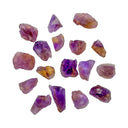 Ametrine
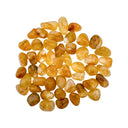 Golden Healer
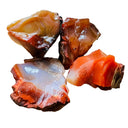 Raw Stones
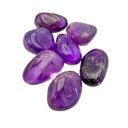 Tumbled Stones
 Palm Stones
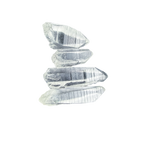 Crystal Points
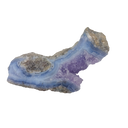 Clusters & Geodes
 Polished & Decor
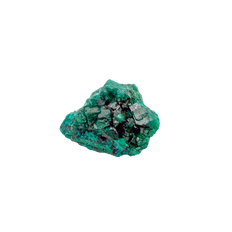 Mineral Specimens
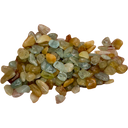 Crystal Chips
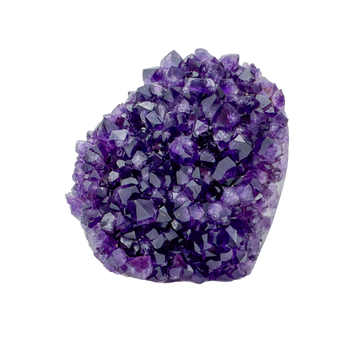
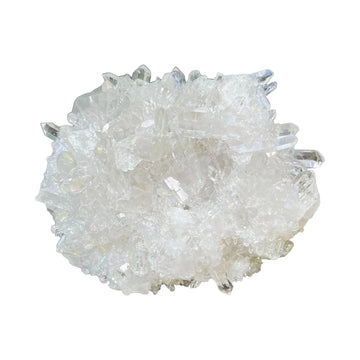
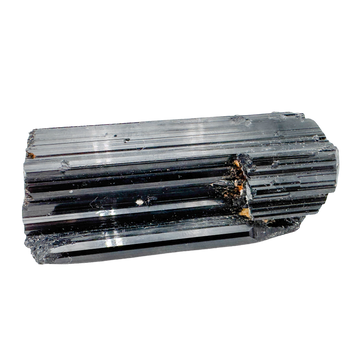
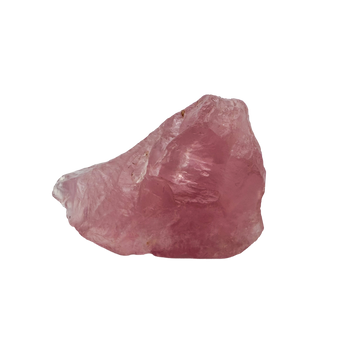
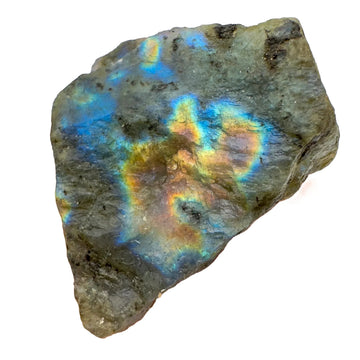
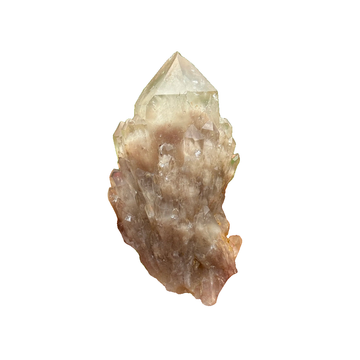
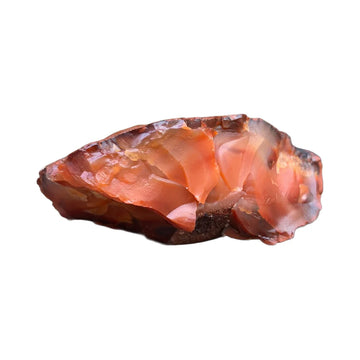
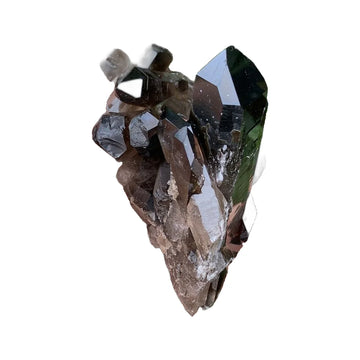
 Raw Stones
179 to choose from
Raw Stones
179 to choose from
 Tumbled Stones
162 to choose from
Tumbled Stones
162 to choose from
 Palm Stones
25 to choose from
Palm Stones
25 to choose from
 Crystal Points
23 to choose from
Crystal Points
23 to choose from
 Clusters & Geodes
98 to choose from
Clusters & Geodes
98 to choose from
 Polished & Decor
147 to choose from
Polished & Decor
147 to choose from
 Mineral Specimens
248 to choose from
Mineral Specimens
248 to choose from
 Crystal Chips
21 to choose from
Crystal Chips
21 to choose from


 AngolaAquamarine
›
AngolaAquamarine
›
 BotswanaCarnelian, Tree Agate
›
BotswanaCarnelian, Tree Agate
›
 DR CongoMalachite, Natural Citrine
›
DR CongoMalachite, Natural Citrine
›
 EswatiniBloodstone
›
EswatiniBloodstone
›
 MadagascarLabradorite, Clear Quartz
›
MadagascarLabradorite, Clear Quartz
›
 MalawiBlue Lace Agate, Garnet
›
MalawiBlue Lace Agate, Garnet
›
 MozambiqueAmazonite
›
MozambiqueAmazonite
›
 NamibiaSodalite, Blue Lace Agate
›
NamibiaSodalite, Blue Lace Agate
›
 Republic of the CongoDioptase
›
Republic of the CongoDioptase
›
 South AfricaTiger Eye, Unakite
›
South AfricaTiger Eye, Unakite
›
 ZambiaChevron Amethyst
›
ZambiaChevron Amethyst
›
 ZimbabweEmerald, Rhodonite
›
ZimbabweEmerald, Rhodonite
›
 ArgentinaBlack Obsidian, Rhodochrosite
›
ArgentinaBlack Obsidian, Rhodochrosite
›
 BoliviaAmetrine
›
BoliviaAmetrine
›
 BrazilAmethyst, Clear Quartz
›
BrazilAmethyst, Clear Quartz
›
 PeruSerpentine, Jade
›
PeruSerpentine, Jade
›
 UruguayAmethyst
›
UruguayAmethyst
›
 Dominican RepublicLarimar
›
Dominican RepublicLarimar
›
 MexicoRainbow Obsidian, Crazy Lace Agate
›
MexicoRainbow Obsidian, Crazy Lace Agate
›
 United StatesSelenite, Peridot
›
United StatesSelenite, Peridot
›
 ChinaFluorite
›
ChinaFluorite
›
 RussiaShungite
›
RussiaShungite
›
 AustraliaMookaite
›
AustraliaMookaite
›
 Where our crystals come from
See where we source →
Where our crystals come from
See where we source →


 Aries
Mar 21 to Apr 19
Carnelian
›
Aries
Mar 21 to Apr 19
Carnelian
›
 Taurus
Apr 20 to May 20
Rose Quartz
›
Taurus
Apr 20 to May 20
Rose Quartz
›
 Gemini
May 21 to Jun 20
Agate
›
Gemini
May 21 to Jun 20
Agate
›
 Cancer
Jun 21 to Jul 22
Moonstone
›
Cancer
Jun 21 to Jul 22
Moonstone
›
 Leo
Jul 23 to Aug 22
Citrine
›
Leo
Jul 23 to Aug 22
Citrine
›
 Virgo
Aug 23 to Sep 22
Amazonite
›
Virgo
Aug 23 to Sep 22
Amazonite
›
 Libra
Sep 23 to Oct 22
Blue Lace Agate
›
Libra
Sep 23 to Oct 22
Blue Lace Agate
›
 Scorpio
Oct 23 to Nov 21
Obsidian
›
Scorpio
Oct 23 to Nov 21
Obsidian
›
 Sagittarius
Nov 22 to Dec 21
Sodalite
›
Sagittarius
Nov 22 to Dec 21
Sodalite
›
 Capricorn
Dec 22 to Jan 19
Black Tourmaline
›
Capricorn
Dec 22 to Jan 19
Black Tourmaline
›
 Aquarius
Jan 20 to Feb 18
Amethyst
›
Aquarius
Jan 20 to Feb 18
Amethyst
›
 Pisces
Feb 19 to Mar 20
Aquamarine
›
Gifting?
A birthday stone is the safe bet.
Read the zodiac guide →
Pisces
Feb 19 to Mar 20
Aquamarine
›
Gifting?
A birthday stone is the safe bet.
Read the zodiac guide →


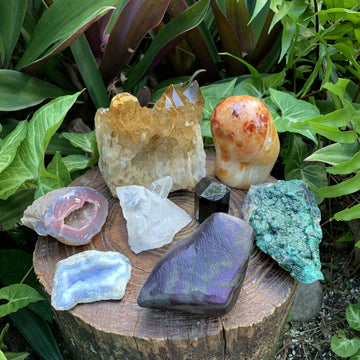
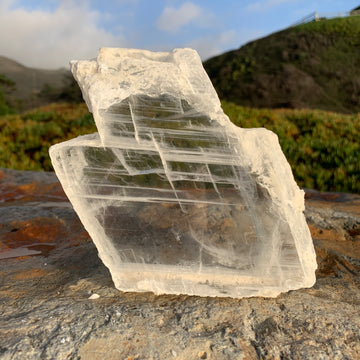
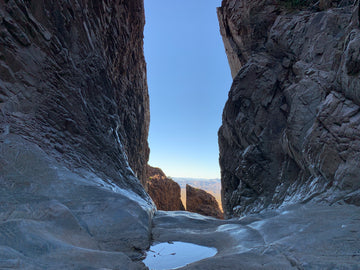
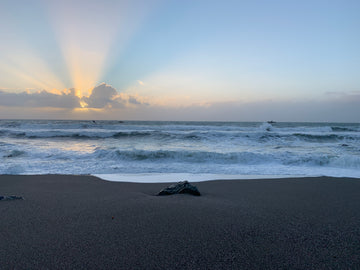
Moldavite
Moldavite is a natural glass formed about fifteen million years ago, when a meteorite slammed into what is now southern Germany and splashed molten rock that cooled in mid-air. It falls only across one small region of central Europe. The stone is real and untreated, yet the market is flooded with manufactured glass sold under its name.
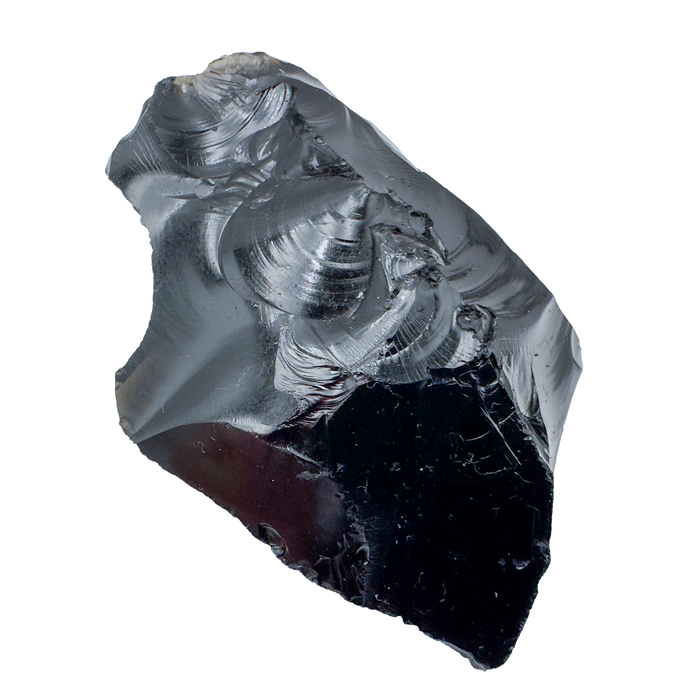
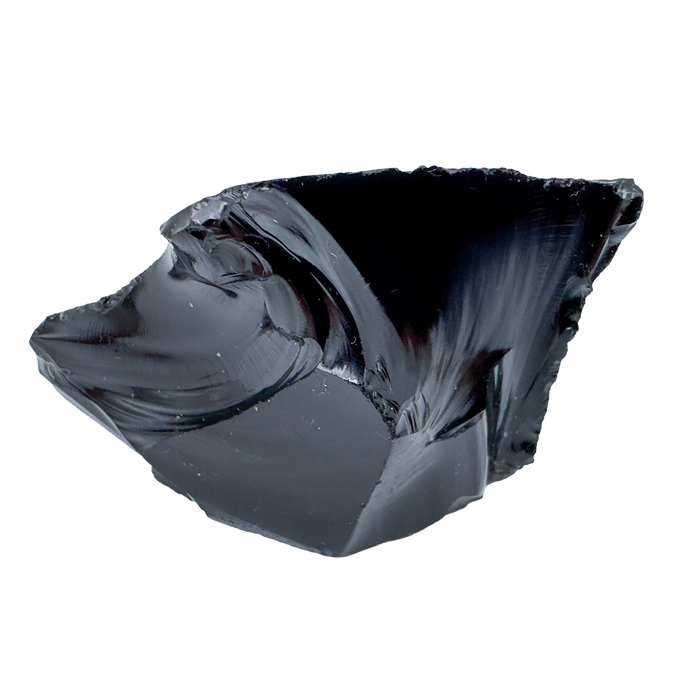
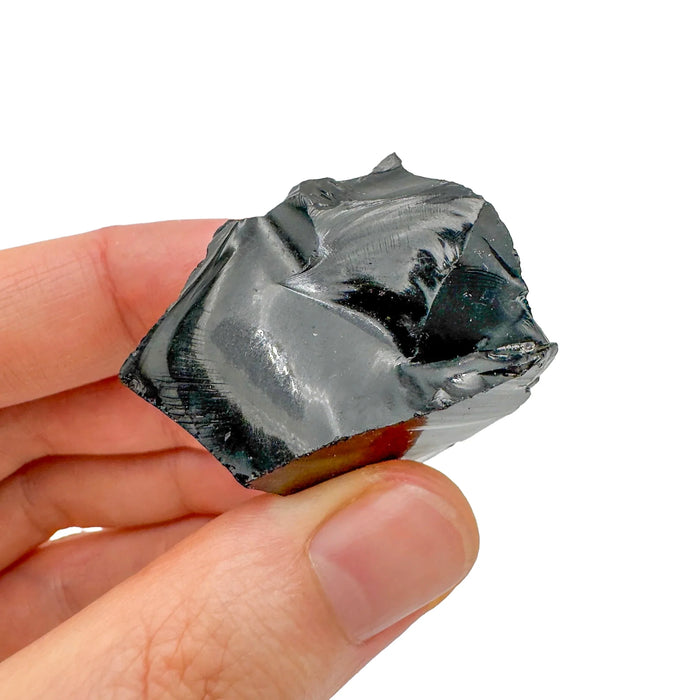
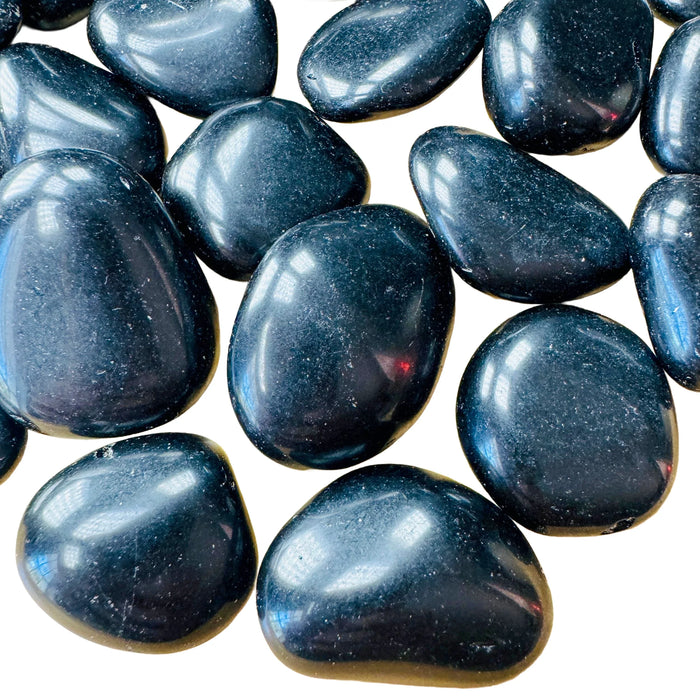
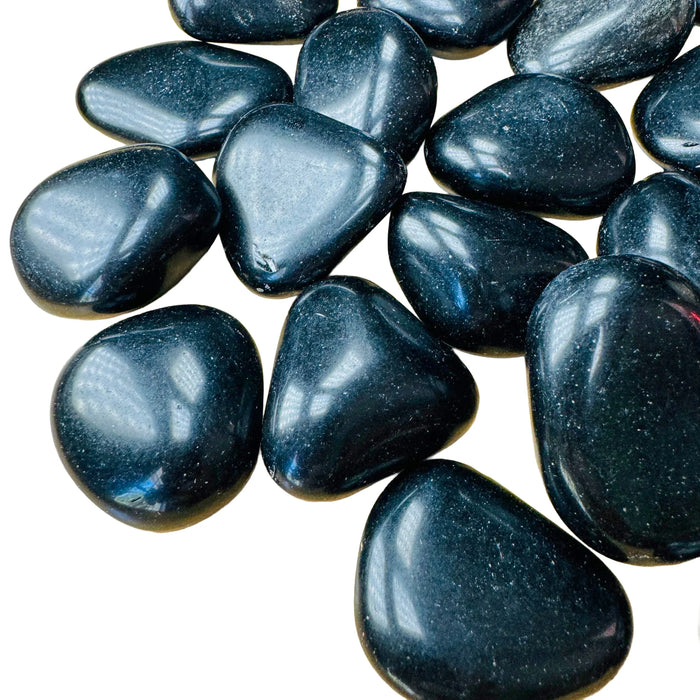
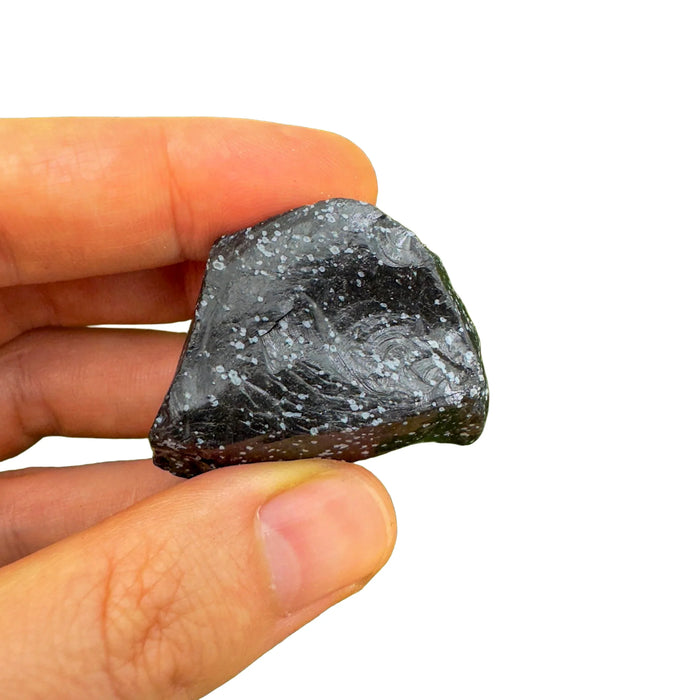
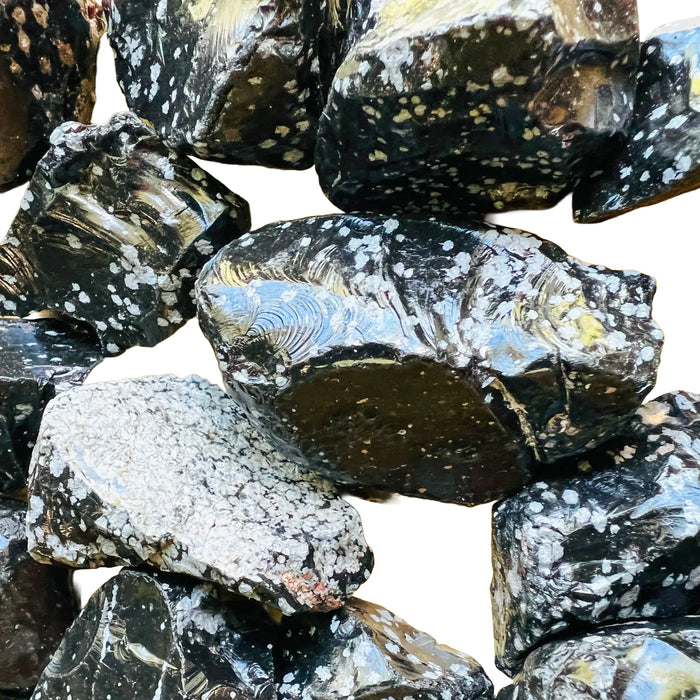
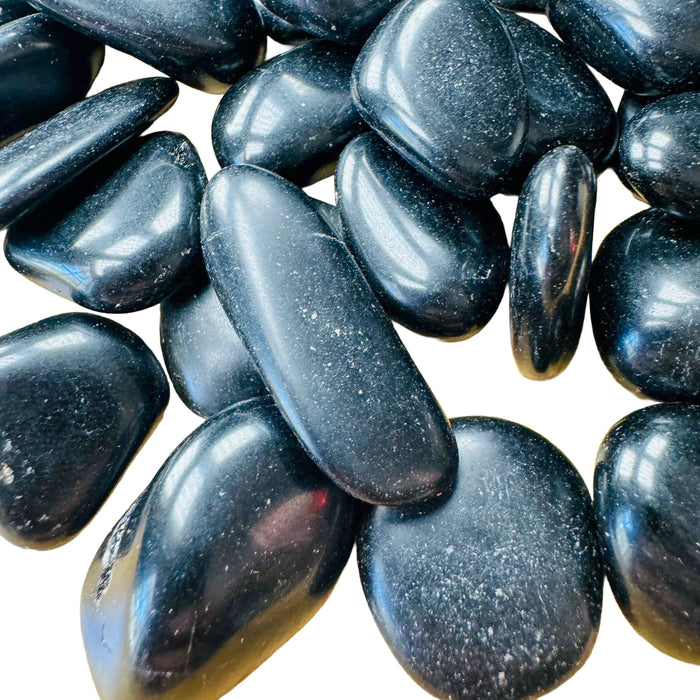
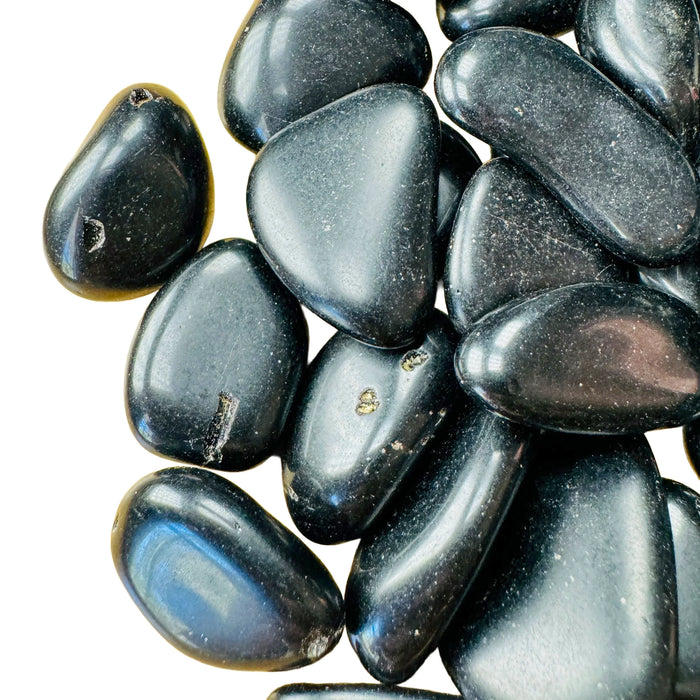
The closest match we carry: Obsidian.
Moldavite is not something we carry. Obsidian is the closest match in our collection, and every product page names its origin and grade.


- from 1,000+ reviews
- Ships within 72 hoursMonday to Friday, tracked
- 90 days to return itif you do not love it
- Free US shipping over $99$8.99 flat rate under
The geology.
Moldavite is a tektite, a natural glass created by a meteorite impact rather than by slow crystal growth. Roughly fifteen million years ago an impact formed the Nordlinger Ries crater in Bavaria, Germany, melting and flinging terrestrial sediment hundreds of kilometers. That material cooled in flight into the green glass we now call moldavite, which is why it has no crystal structure and breaks with a smooth, curved conchoidal fracture.
Chemically it is mostly silica with alumina and traces of other oxides, an amorphous solid rather than a true mineral. Hardness sits around 5 to 6 on the Mohs scale, and density is low for a green stone. The deeply wrinkled, sculpted surface so many people prize was etched over millions of years while the glass sat buried in sediment.
The origins.
Here is the fact that frames everything else: genuine moldavite comes from exactly one place, the central European strewn field, and most of it from southern Bohemia in the Czech Republic. Because it was made by a single ancient event, the supply is finite and shrinking, which is precisely why imitations have multiplied.
Within that field, the famous deeply sculpted pieces come from localities such as Besednice and Chlum in South Bohemia, with a separate, often more rounded material from Moravia. Small amounts of related glass occur in Austria and eastern Germany. If a piece cannot be tied to this region, there is no honest way to call it moldavite.
Traditional associations.
Moldavite is geologically ancient but a relative newcomer to the metaphysical world, where it built its reputation only in recent decades. It is often called a stone of transformation, tied less to comfort than to momentum and change.
Many people work with moldavite around personal change, spiritual awakening, and a feeling of intensity, and associate it with the Heart and higher chakras. Because that intensity is the whole draw, it tends to be worn or held deliberately rather than as everyday jewelry. A common practice is to keep one verified piece rather than a drawer of them.
Spotting the real thing.
Real moldavite has a sculpted, wrinkled, naturally etched surface with flowing lines, and a true olive to bottle green that is slightly translucent when held to light. Inside, you often see irregular bubbles and thread-like inclusions of pure silica glass. It looks like something nature shaped over ages, because it is.
Fakes give themselves away by looking manufactured. Watch for mold seams, surfaces that are too smooth or too uniformly textured, a green that is too bright or glassy, perfectly round bubbles in abundance, and identical pieces sold in bulk. Real moldavite is sold with a named Czech locality and, for finer pieces, provenance or certification. A price that seems too low almost always is.
Care & handling.
Moldavite is essentially natural glass at about 5 to 6 on the Mohs scale, so it is more brittle than crystalline stones and chips or fractures if knocked. Store it padded and apart from harder pieces, and be gentle with set jewelry. A quick rinse in cool water and a soft cloth is fine for cleaning.
Avoid ultrasonic cleaners, sudden temperature changes, and abrasives. The natural etched surface is a large part of a specimen's value, so it should never be repolished or buffed smooth. Treat a genuine piece as the finite natural object it is.
Pairs well with.
A deeper look.
Extended geology, sourcing, authentication, history, and varieties, for when the quick guide isn't quite enough.
Extended geology
Tektites are glasses formed from terrestrial material melted by hypervelocity impact and quenched as it fell back to earth. Moldavite belongs to the central European tektite group, linked to the Ries impact dated to roughly 14.5 to 15 million years ago in the mid-Miocene. The molten material traveled on the order of hundreds of kilometers before solidifying.
Composition is dominated by silica, near 75 to 80 percent, with around ten percent alumina and minor potassium, calcium, iron, and magnesium oxides. Density runs about 2.32 to 2.38, and the glass commonly contains lechatelierite, a pure silica glass, along with bubbles. The intricate surface sculpture is a result of long chemical etching in the sediments where the pieces came to rest.
Extended sourcing
The strewn field divides into subfields. South Bohemia is the largest and yields the most prized, deeply sculpted material, including the so-called hedgehog pieces from around Besednice. Moravia produces a distinct, often smoother stone. Minor occurrences are recorded in Austria and the Lusatian area of eastern Germany.
Because moldavite was created by one finite event, there is a hard ceiling on how much will ever exist, and accessible digging sites have dwindled under regulation and depletion. That scarcity has pushed genuine prices steadily upward and, in turn, fueled an enormous trade in counterfeits that imitate the look without the origin.
Authentication and warning signs
Four practical checks help: surface texture (genuine pieces show natural etching and flow lines, not mold marks), color (a believable olive to forest green with slight translucency, not a vivid uniform glass green), inclusions (irregular bubbles and silica threads rather than dense perfect spheres), and provenance (a named Czech locality and, ideally, certification for valuable specimens).
Common fakes include green container glass, deliberately cast and tumbled glass from overseas, and resin copies. The single most protective habit is buying from sellers who specialize in moldavite, disclose the locality, and stand behind authenticity, rather than from bulk listings offering many identical green stones cheaply.
History and folklore
The name moldavite was coined in 1836, taken from the Vltava river, known in German as the Moldau, in Bohemia where the first described pieces were found. Local people had noticed the green glass long before, and it was occasionally used in jewelry, including a famous gift set associated with the nineteenth century.
The connection between moldavite and the Ries impact was firmly established by twentieth century science. Its modern fame as a metaphysical stone grew rapidly with online crystal communities, which raised demand far beyond what a finite natural deposit could supply and drove the wave of imitations now on the market.
Varieties and trade names
Collectors loosely sort moldavite by quality. Museum grade pieces are deeply sculpted, translucent, and often from Besednice or Chlum. Jewelry grade material is cleaner and cut or set, sometimes faceted to a gem. Lower or regular grade pieces are more weathered, opaque, or fragmentary, and are the most affordable genuine option.
Moldavite is sometimes confused with other natural glasses such as Libyan desert glass or the tektites of southeast Asia. They are real impact and natural glasses too, but they are not moldavite, and only the central European material from the Ries event earns that specific name.
What it costs in the market
Genuine moldavite is sold by weight, usually per gram, and prices have risen with scarcity. Deeply sculpted museum specimens command the most, faceted gems and fine jewelry pieces follow, and small weathered fragments remain the accessible entry point for those who want a verified piece.
The cheap, abundant green stones marketed as moldavite across general marketplaces are overwhelmingly fake. Because appearance alone can be imitated, the variables that actually set genuine value are verifiable origin and provenance, surface sculpture, translucency, color, and size. Authenticity, not polish, is what you are paying for.
An education-first guide.
We don't currently carry moldavite, so there's nothing to sell you here. This guide exists because the more you understand a stone, the better every decision you make about it becomes, wherever you buy it. Explore the rest of our crystal guides for stones we do source, each with full origin and treatment notes.
Explore the Crystal GuideGrounded Connections
New stones go to the list first.
No forwarding, no selling. Unsubscribe in one click. Privacy