


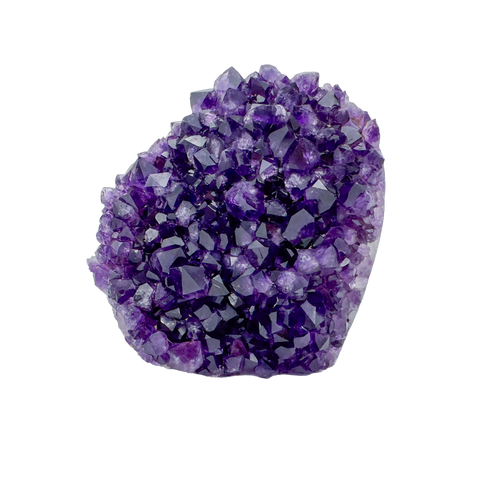
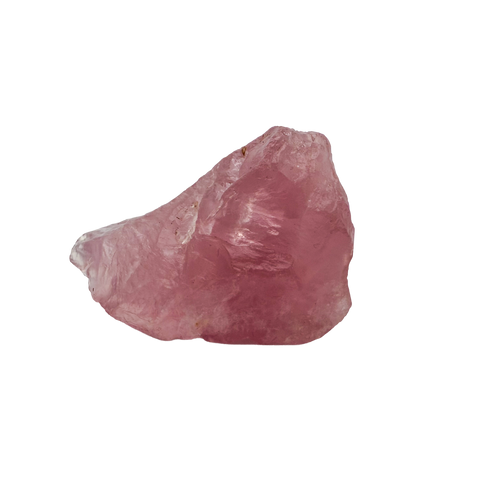
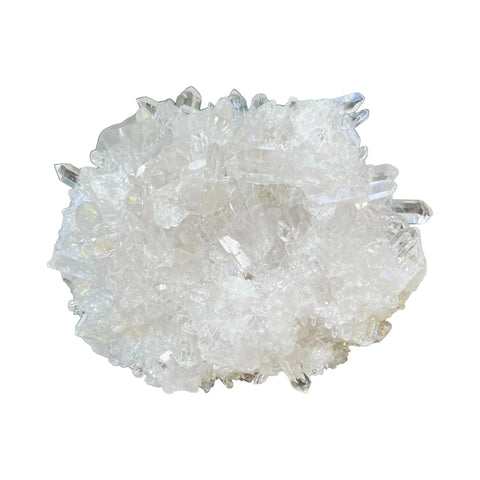
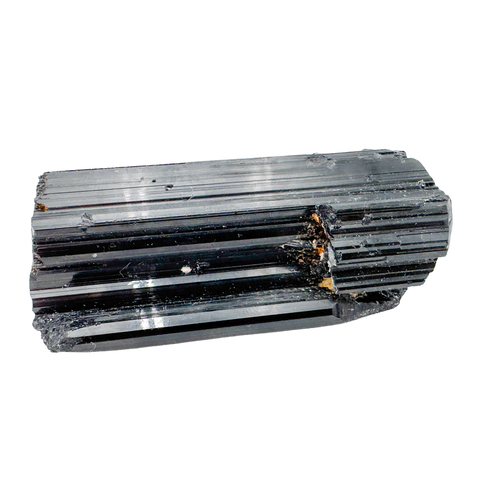
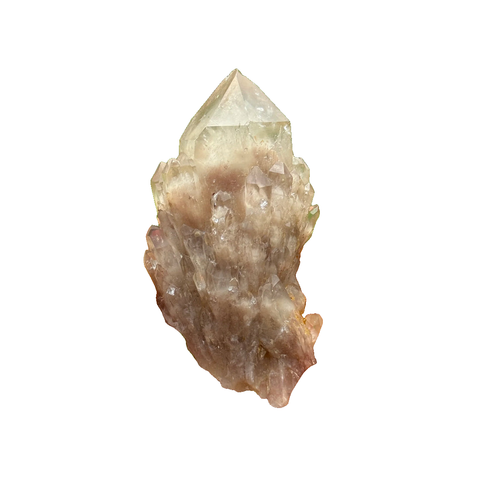
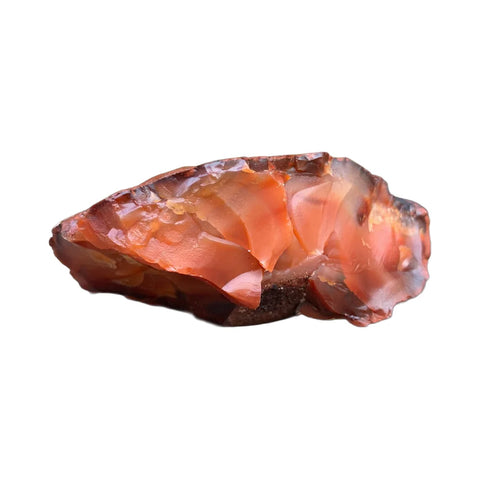
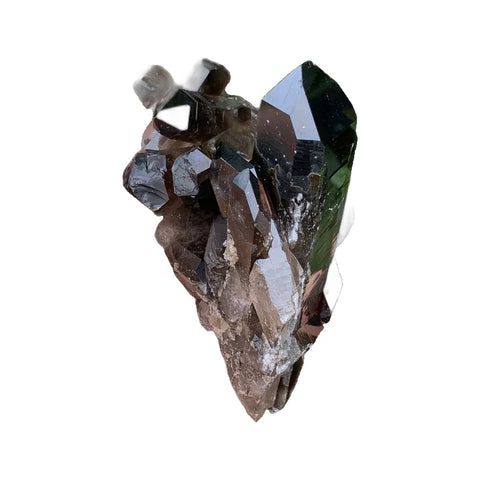
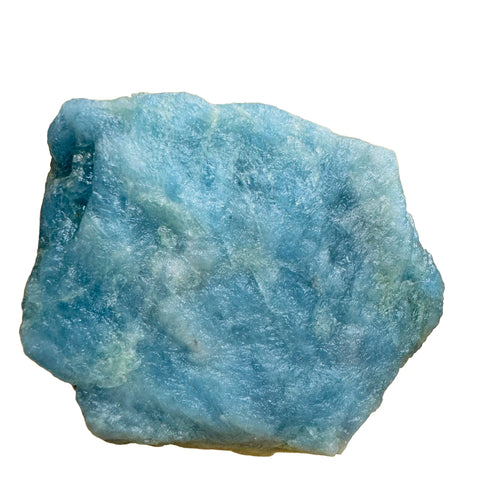
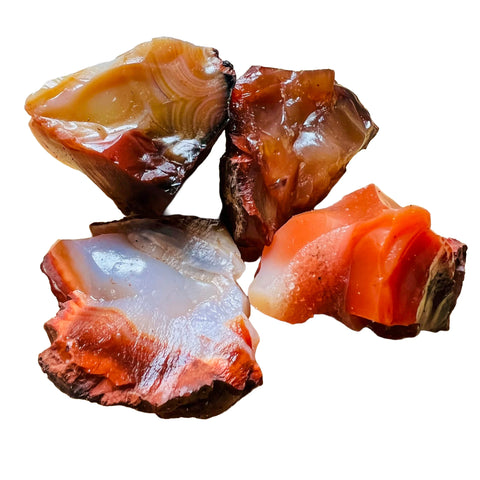


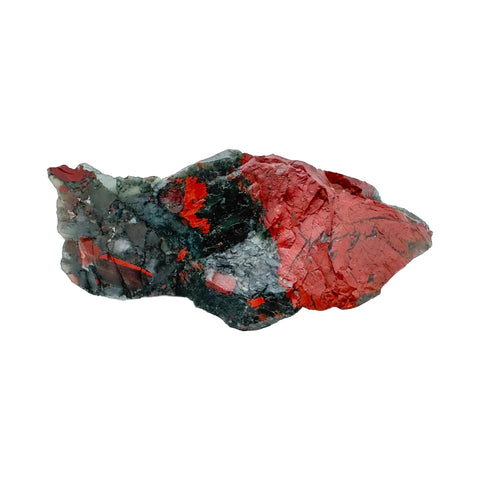
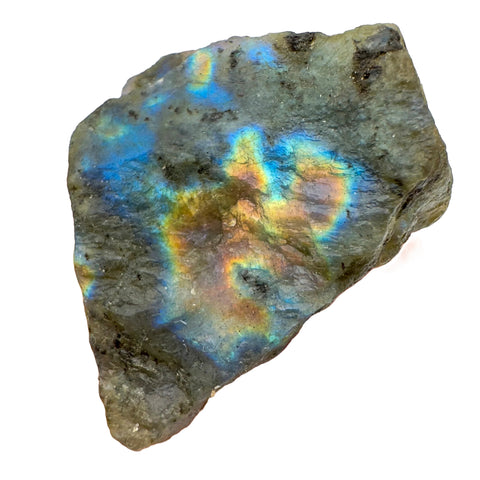
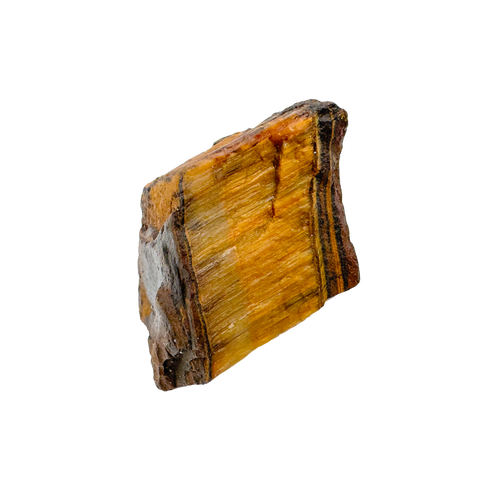
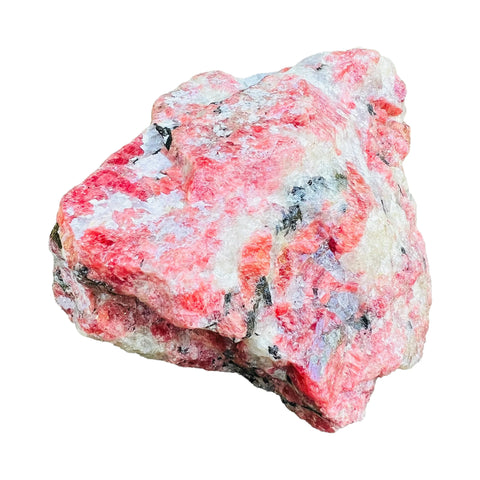
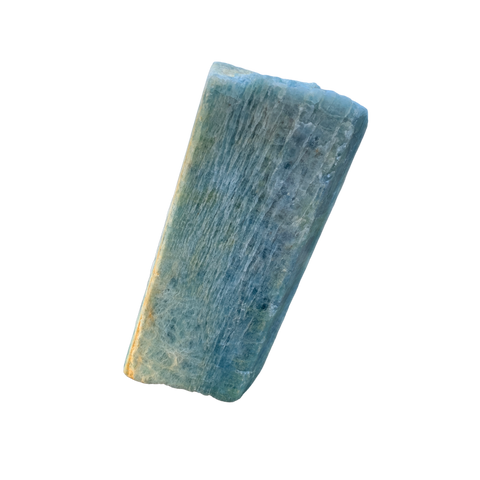
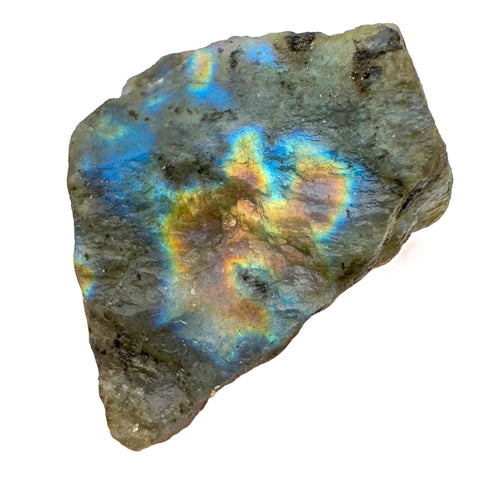
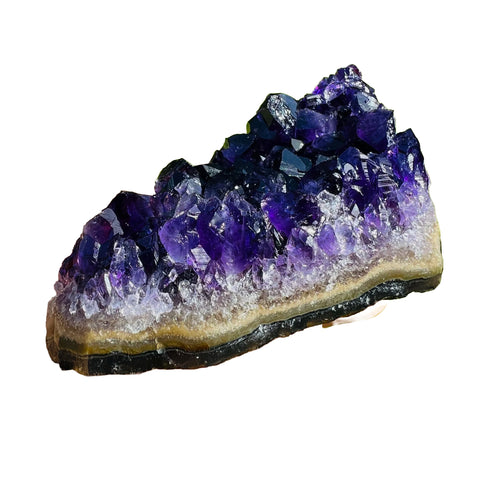



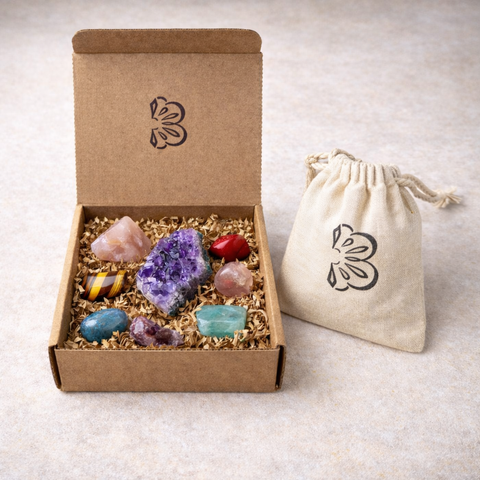
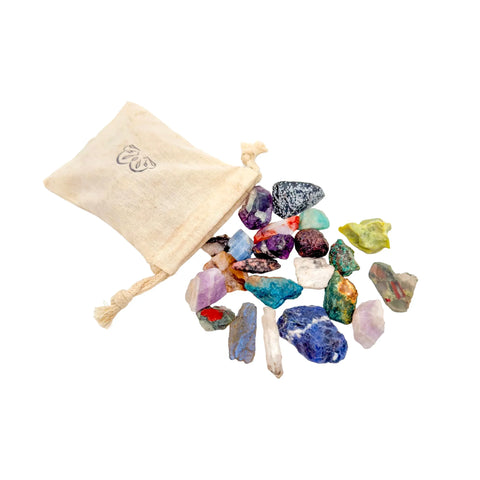
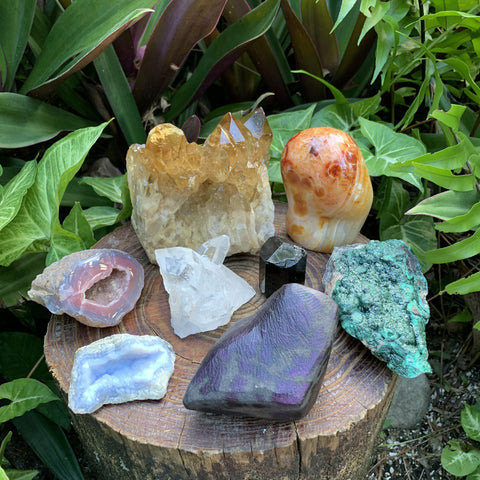
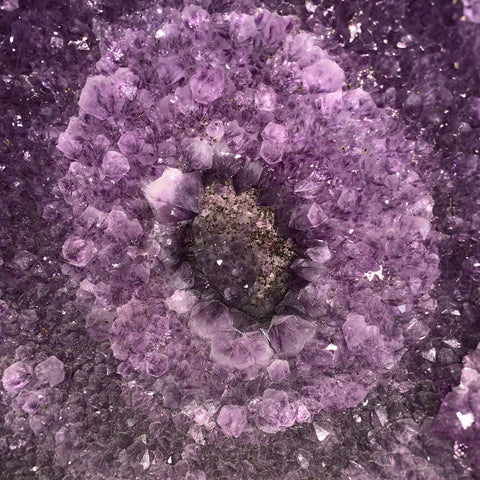
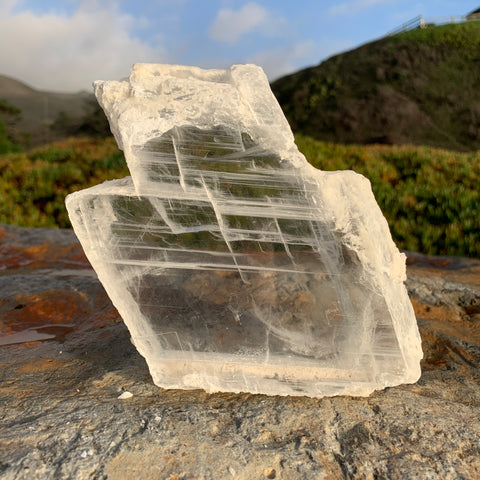
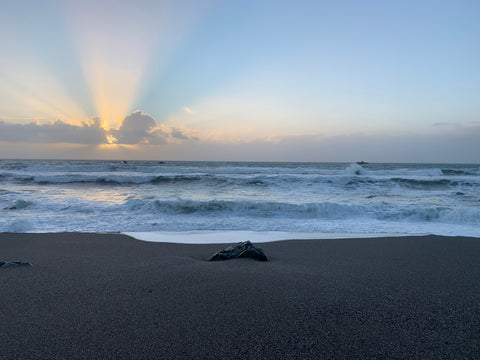
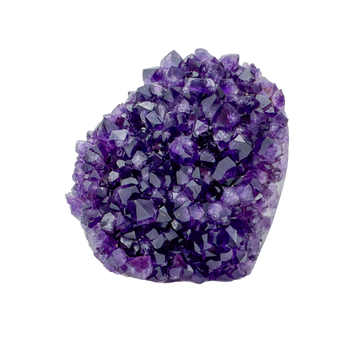
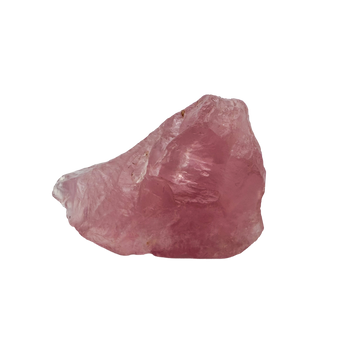
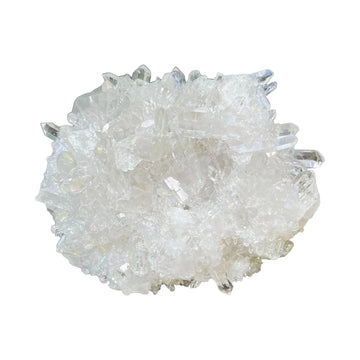
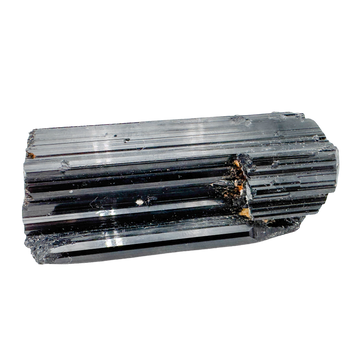
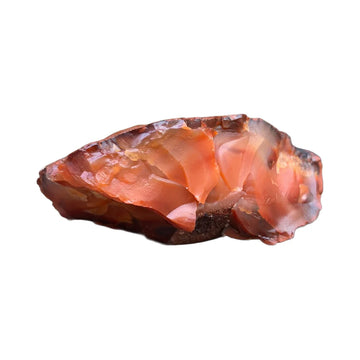
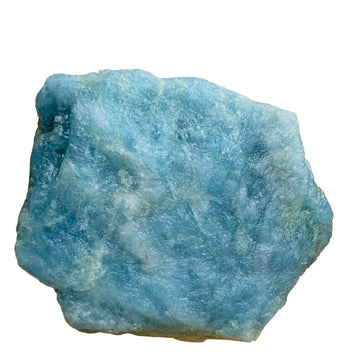
 Raw Stones
179 pieces
Raw Stones
179 pieces
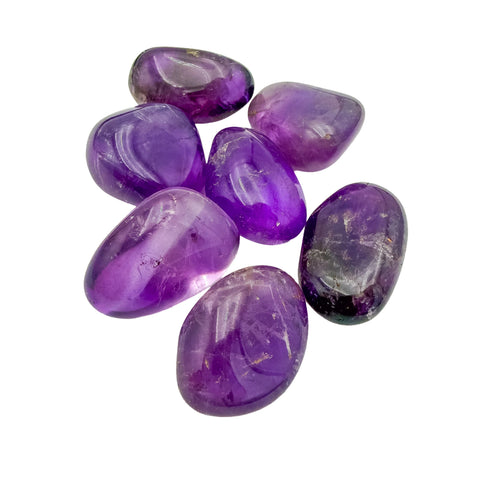
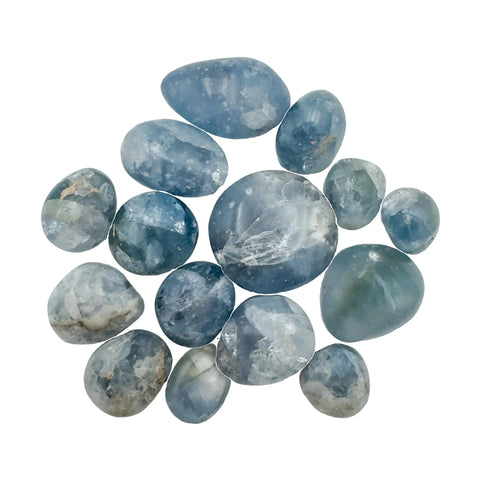
 Tumbled Stones
162 pieces
Tumbled Stones
162 pieces
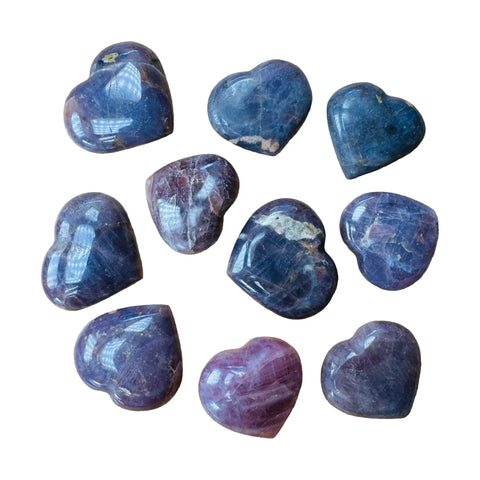
 Palm Stones
25 pieces
Palm Stones
25 pieces
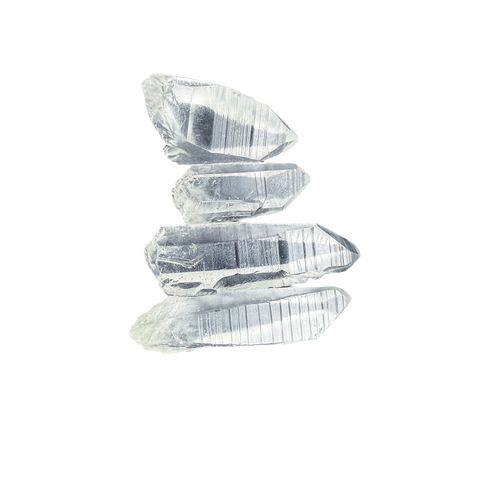
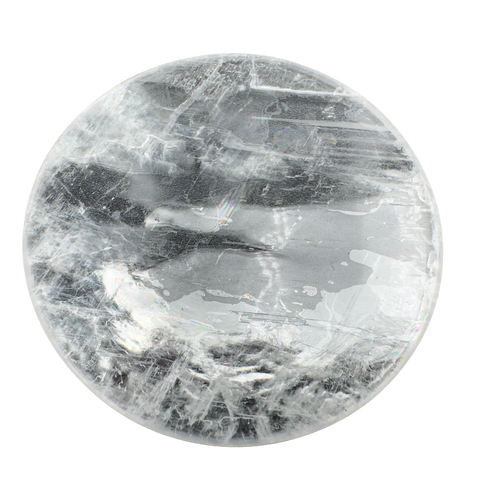
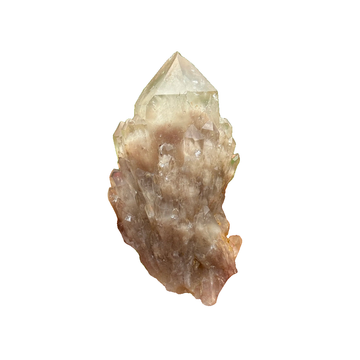
 Crystal Points
23 pieces
Crystal Points
23 pieces
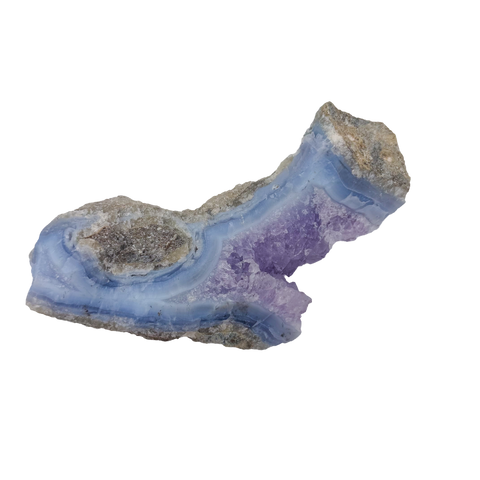
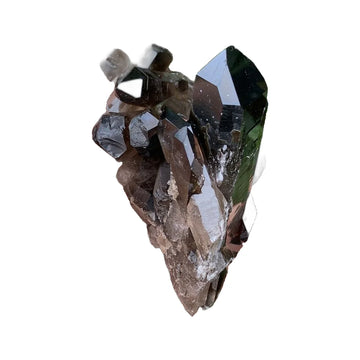
 Clusters & Geodes
104 pieces
Clusters & Geodes
104 pieces
 Polished & Decor
148 pieces
Polished & Decor
148 pieces
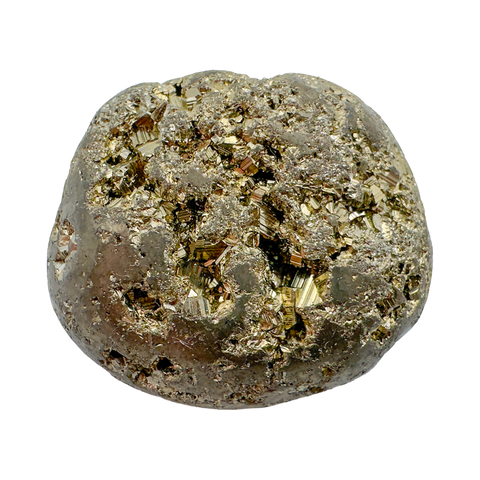
 Mineral Specimens
259 collector pieces
Mineral Specimens
259 collector pieces
 Crystal Chips
21 pieces
Browse everything
Every collection, one page.
View All Collections →
Crystal Chips
21 pieces
Browse everything
Every collection, one page.
View All Collections →


 Aries
Mar 21 – Apr 19
Carnelian
›
Aries
Mar 21 – Apr 19
Carnelian
›
 Taurus
Apr 20 – May 20
Rose Quartz
›
Taurus
Apr 20 – May 20
Rose Quartz
›
 Gemini
May 21 – Jun 20
Agate
›
Gemini
May 21 – Jun 20
Agate
›
 Cancer
Jun 21 – Jul 22
Moonstone
›
Cancer
Jun 21 – Jul 22
Moonstone
›
 Leo
Jul 23 – Aug 22
Citrine
›
Leo
Jul 23 – Aug 22
Citrine
›
 Virgo
Aug 23 – Sep 22
Amazonite
›
Virgo
Aug 23 – Sep 22
Amazonite
›
 Libra
Sep 23 – Oct 22
Blue Lace Agate
›
Libra
Sep 23 – Oct 22
Blue Lace Agate
›
 Scorpio
Oct 23 – Nov 21
Obsidian
›
Scorpio
Oct 23 – Nov 21
Obsidian
›
 Sagittarius
Nov 22 – Dec 21
Sodalite
›
Sagittarius
Nov 22 – Dec 21
Sodalite
›
 Capricorn
Dec 22 – Jan 19
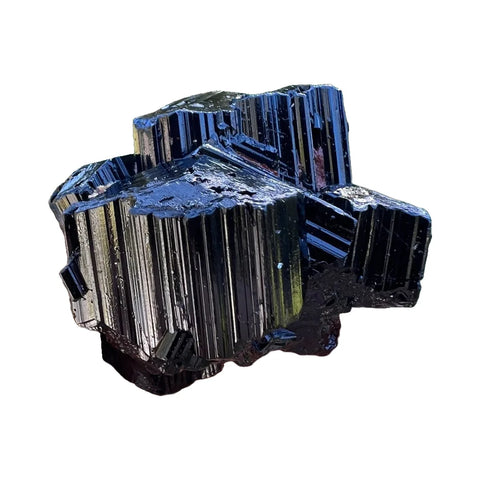
Black Tourmaline
›
Capricorn
Dec 22 – Jan 19
Black Tourmaline
›
 Aquarius
Jan 20 – Feb 18
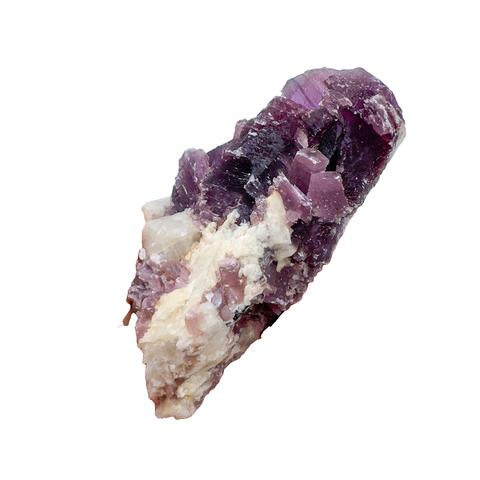
Amethyst
›
Aquarius
Jan 20 – Feb 18
Amethyst
›
 Pisces
Feb 19 – Mar 20
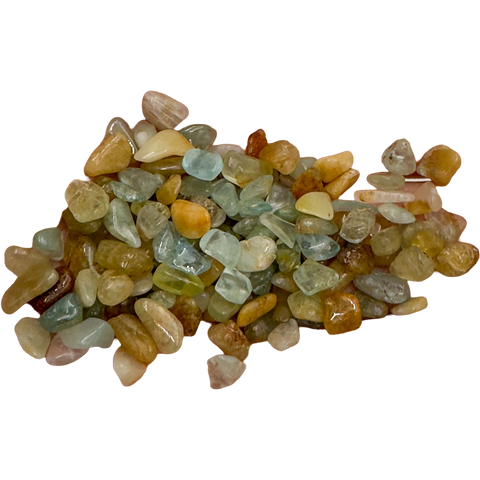
Aquamarine
›
Gifting?
A birthday stone is the safe bet.
Read the zodiac guide →
Pisces
Feb 19 – Mar 20
Aquamarine
›
Gifting?
A birthday stone is the safe bet.
Read the zodiac guide →

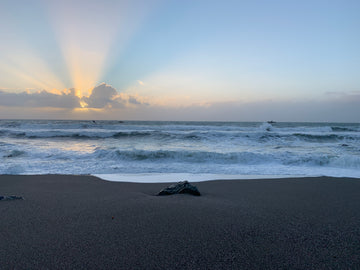
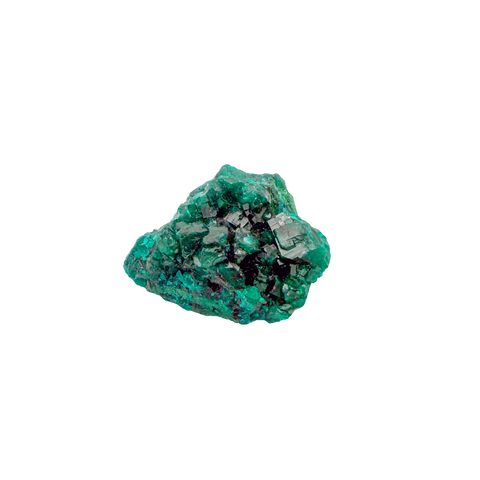
Chrome Diopside
Chrome diopside is a richly saturated green gem, colored by chromium, the same element that gives emerald its fire. Most of it comes from the frozen ground of Siberia, mined only in the brief summer. It is beautiful and affordable, with one catch, it is soft, so it asks for careful wear.
The geology.
Chrome diopside is the vivid green, chromium-rich variety of diopside, a calcium magnesium silicate in the pyroxene group with the formula CaMgSi2O6. A small amount of chromium replaces other elements in the structure and produces the deep forest-to-emerald green that defines the gem.
It crystallizes in the monoclinic system and is relatively soft for a gemstone, around 5.5 to 6.5 on the Mohs scale, with two directions of cleavage. That softness is its main limitation. The color can be so saturated in larger stones that they look almost black, so smaller, brighter gems are often the most prized.
The origins.
The world's main commercial source of gem chrome diopside is Siberia, specifically the Republic of Sakha, also called Yakutia, in eastern Russia. The deposit sits in a harsh climate where mining is only possible during the short summer, which naturally limits how much reaches the market each year.
Smaller quantities of diopside come from places like Pakistan, India, Italy, and Canada, but the saturated green chrome variety is overwhelmingly Siberian. A stated Siberian or Russian origin is the usual mark of classic chrome diopside.
Traditional associations.
Chrome diopside is a modern gemstone, popular since Siberian supply grew in the 1990s, so its associations are contemporary. Its lush green has drawn the heart-centered themes people bring to other green stones, growth, renewal, and emotional warmth.
It is generally linked with the Heart chakra, the element of Earth, and the signs Capricorn and Cancer. Many people enjoy it simply as an affordable natural alternative to emerald, keeping it in jewelry that will not take hard knocks.
Spotting the real thing.
Natural chrome diopside shows a deep, slightly warm green, often with visible inclusions, since clean larger stones are genuinely uncommon. It is strongly colored, so big gems can appear very dark. Its relative softness is a clue too, as it scratches more easily than harder green gems like emerald or tsavorite garnet.
Because it is inexpensive, chrome diopside is rarely faked, but it is sometimes confused with other green gems or with ordinary diopside that lacks gem color. Ask whether it is the chromium-colored gem variety and where it was mined. A Siberian origin and a vivid natural green are reassuring signs.
Care & handling.
Softness is the headline for care. At 5.5 to 6.5 on the Mohs scale, chrome diopside scratches and can chip more easily than most jewelry gems, so it is best in earrings and pendants rather than everyday rings. Clean it gently with warm soapy water and a soft cloth.
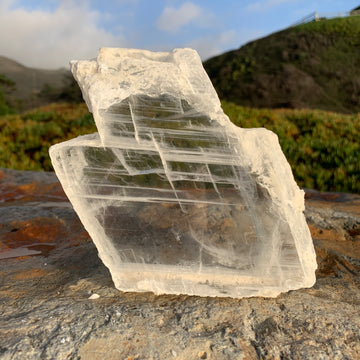
Avoid ultrasonic and steam cleaners, harsh chemicals, and hard knocks, and store it separately so harder stones do not scratch it. It is stable in normal light. To reset it energetically, many people use sound, moonlight, or a rest on a selenite plate rather than water soaks.
Pairs well with.
A deeper look.
Extended geology, sourcing, authentication, history, and varieties, for when the quick guide isn't quite enough.
Extended geology
Chrome diopside is a chromium-bearing variety of diopside, a member of the pyroxene group with the composition CaMgSi2O6. Trace chromium substituting into the crystal lattice produces the intense green, chemically echoing the coloring of emerald and tsavorite. It crystallizes in the monoclinic system, has a hardness of about 5.5 to 6.5, and shows two cleavage directions that demand careful cutting and setting. Its strong color saturation means stones above a couple of carats often look very dark, so the brightest gems tend to be small. The mineral is also significant to geologists as an indicator associated with diamond-bearing rocks.
Extended sourcing
Gem-quality chrome diopside comes overwhelmingly from the Republic of Sakha, or Yakutia, in Siberian Russia, where the Inagli area is a key source. The extreme climate restricts mining to the short summer season, which limits annual supply and helps explain why the gem stayed scarce until Russian production expanded in the 1990s. Lesser amounts of diopside occur in Pakistan, India, Italy, Finland, Canada, and elsewhere, but the saturated chrome-green gem material is essentially a Siberian specialty.
Authentication and warning signs
Genuine chrome diopside is vividly green, often included, and noticeably soft, scratching more readily than emerald or green garnet. Because it is affordable, outright fakes are uncommon, but it can be confused with other green gems or with non-gem diopside. The reassuring signs are a natural, slightly warm green, a stated Siberian origin, and a price consistent with an abundant, untreated gem rather than a rare one.
History and folklore
Chrome diopside is a newcomer to the gem world, reaching wide popularity only after Siberian supply grew in the 1990s, so it carries no ancient lore. Its reputation is that of an affordable, natural, untreated green gem, frequently described as a budget-friendly alternative to emerald. Modern metaphysical associations with the heart and with growth are borrowed from green stones generally rather than from any long tradition specific to this gem.
Varieties and trade names
The gem is usually sold simply as chrome diopside, sometimes as Siberian emerald in marketing, a name better avoided since it is not emerald. Plain diopside also occurs in other colors, including white, pale green, and the star and cat's-eye varieties that show chatoyance, as well as the rare blue violane. The chrome variety is specifically the chromium-colored, saturated green pyroxene.
What it costs in the market
Chrome diopside is valued for offering a rich natural green at a fraction of emerald's price. Small, bright, eye-clean stones are the most desirable, while larger ones often look too dark to command top value. Prices stay moderate overall because the gem is untreated and reasonably available, making it one of the better-value natural green gemstones, with cut quality and brightness driving the differences.
An education-first guide.
We put this guide together so you know chrome diopside is a soft, naturally green Siberian gem that rewards gentle wear. Understanding its hardness and its untreated color helps you set it well and judge a fair price. Explore our other crystal guides for stones with full origin and treatment notes.
Explore the Crystal GuideLove Chrome Diopside? Meet Aventurine.
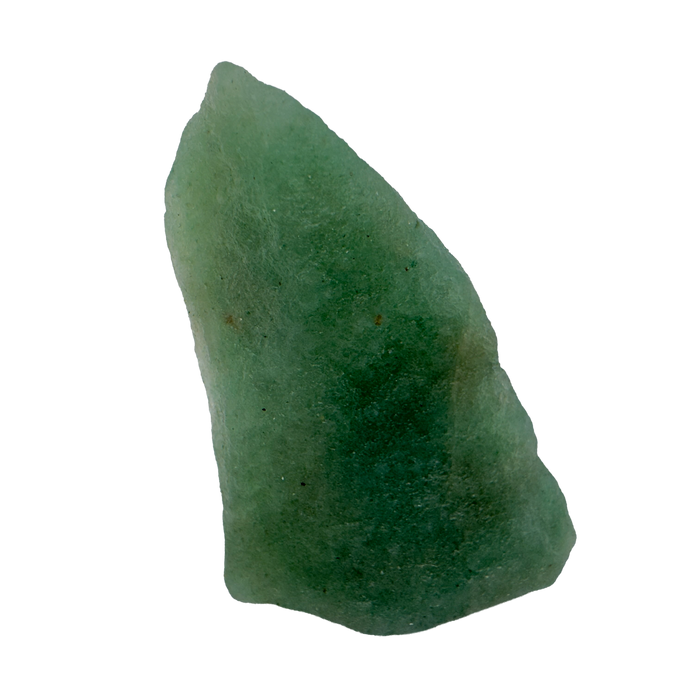
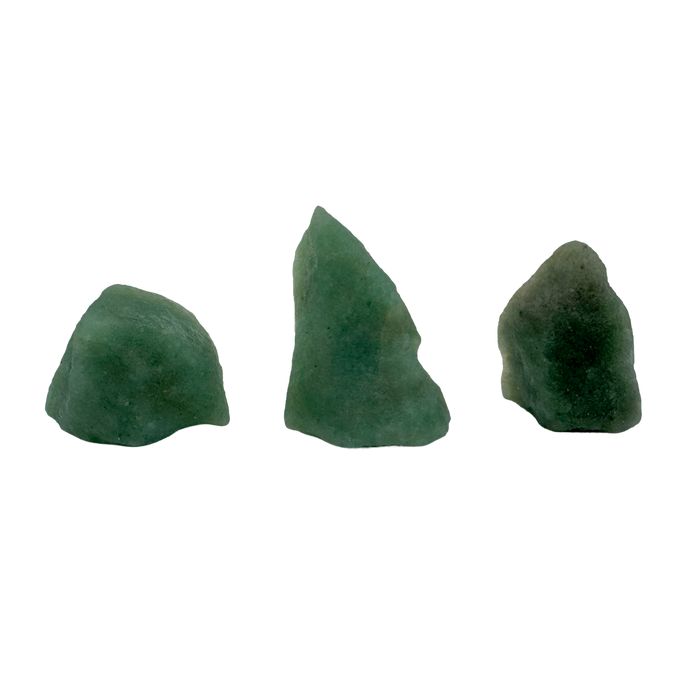
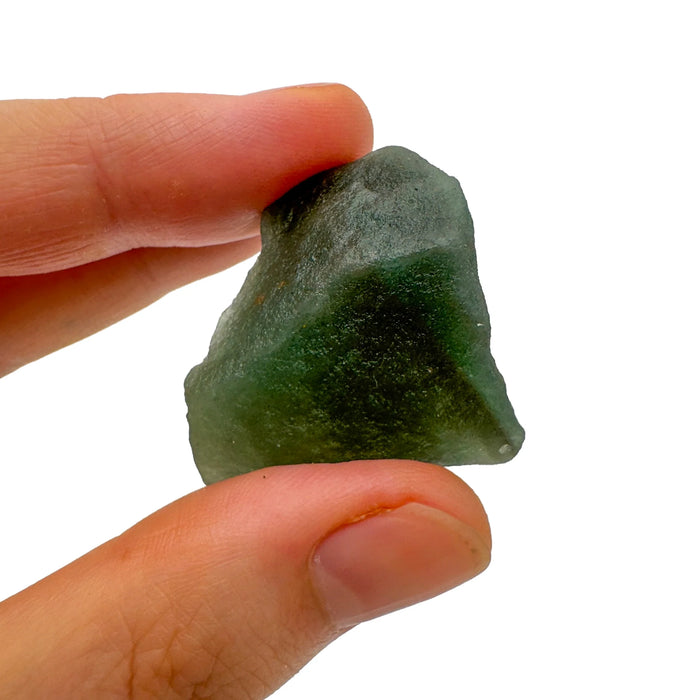
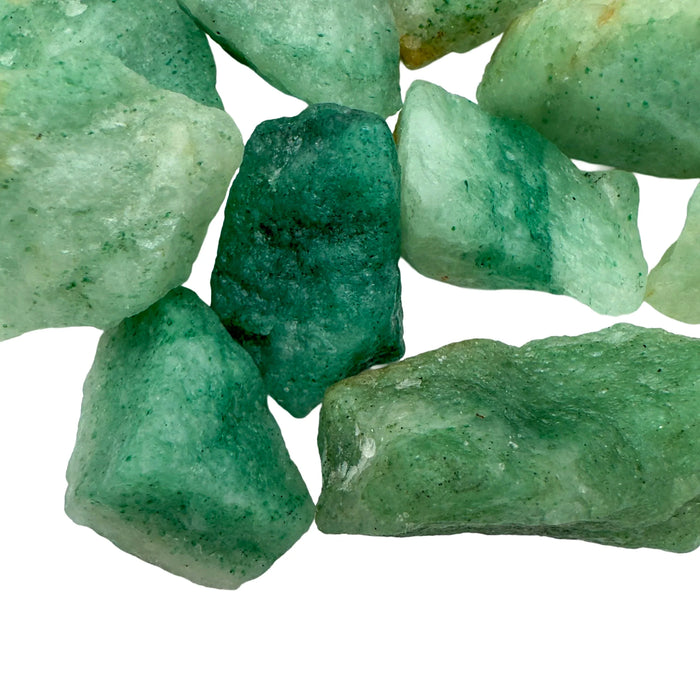
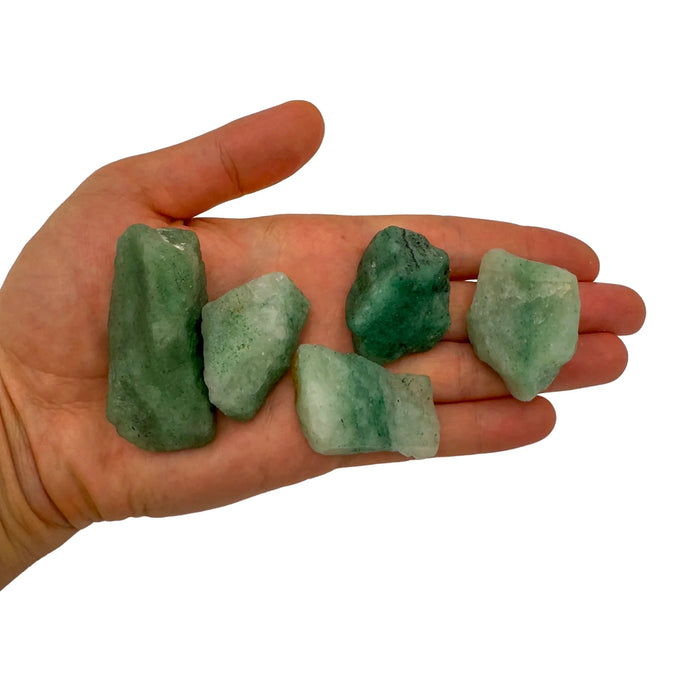
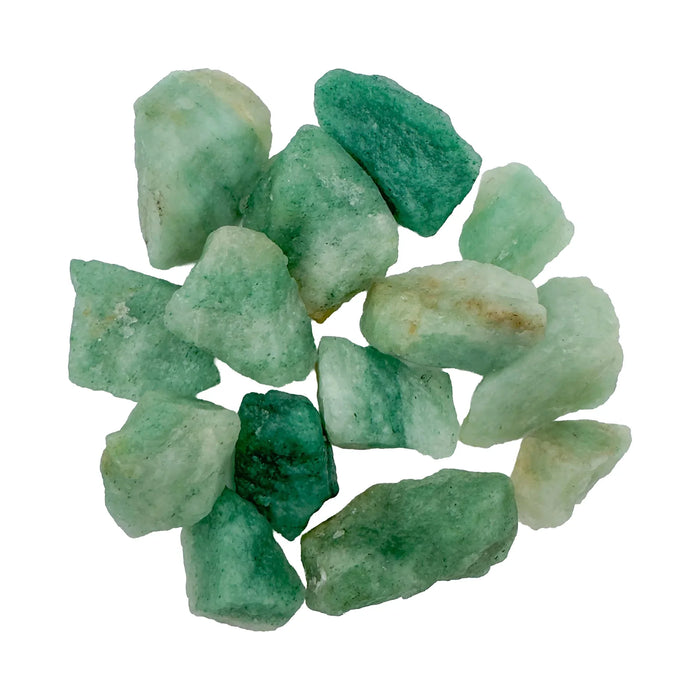
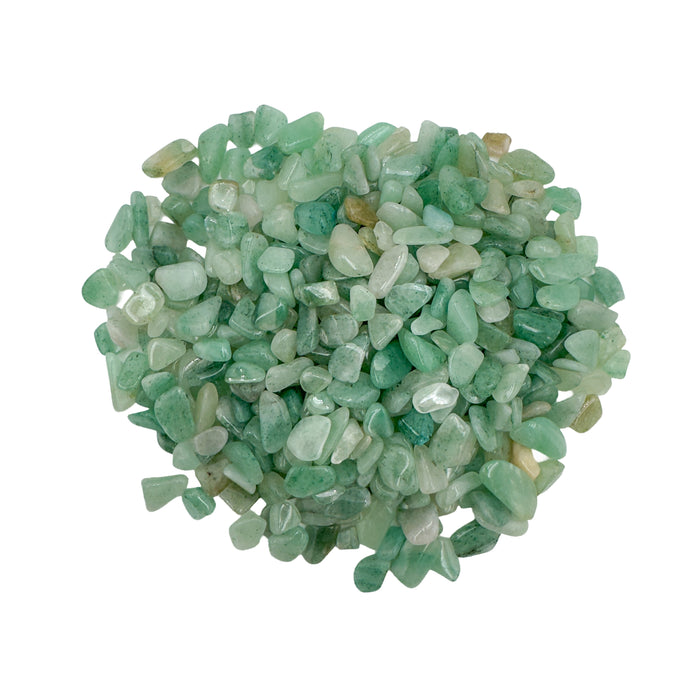
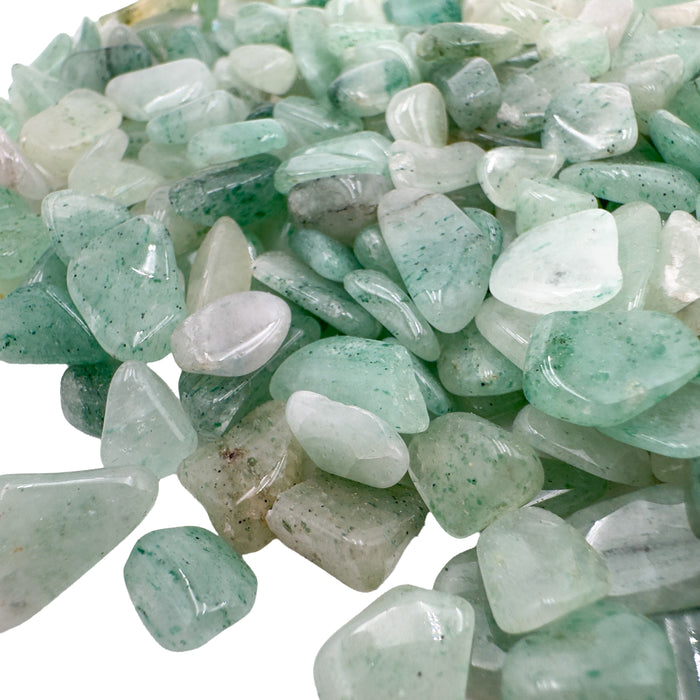
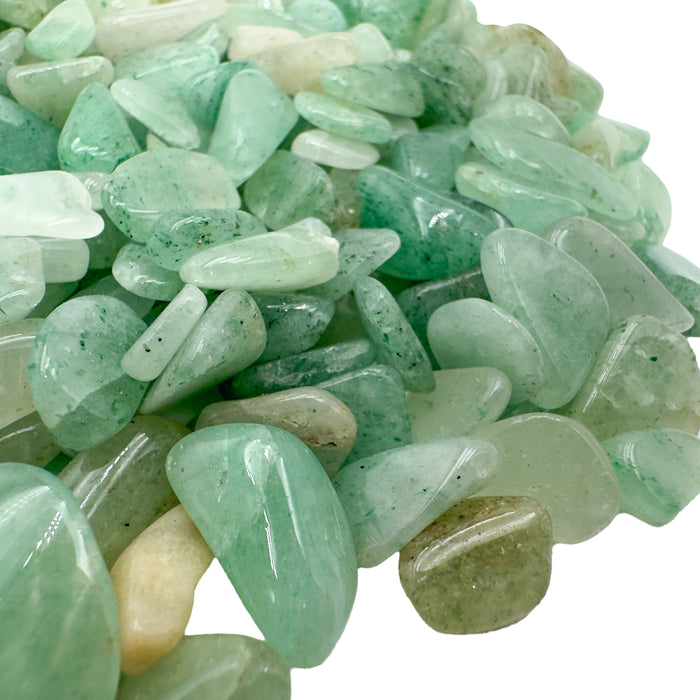
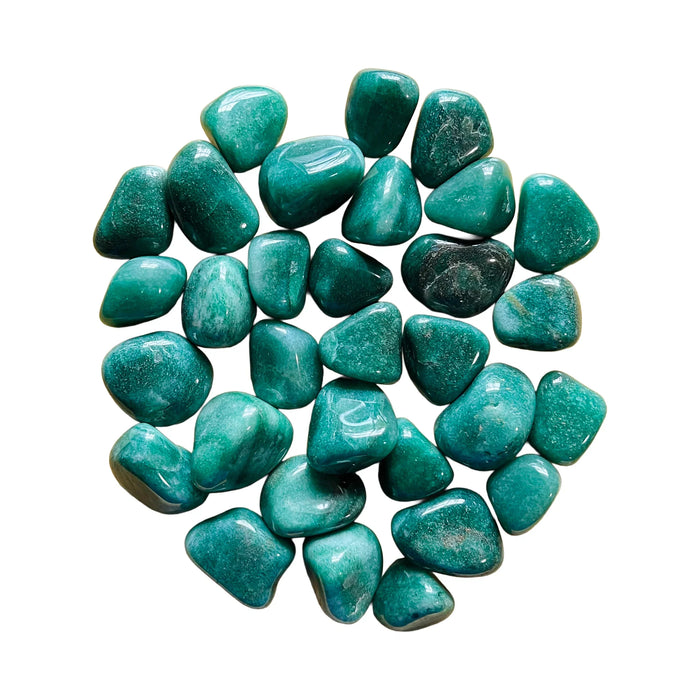
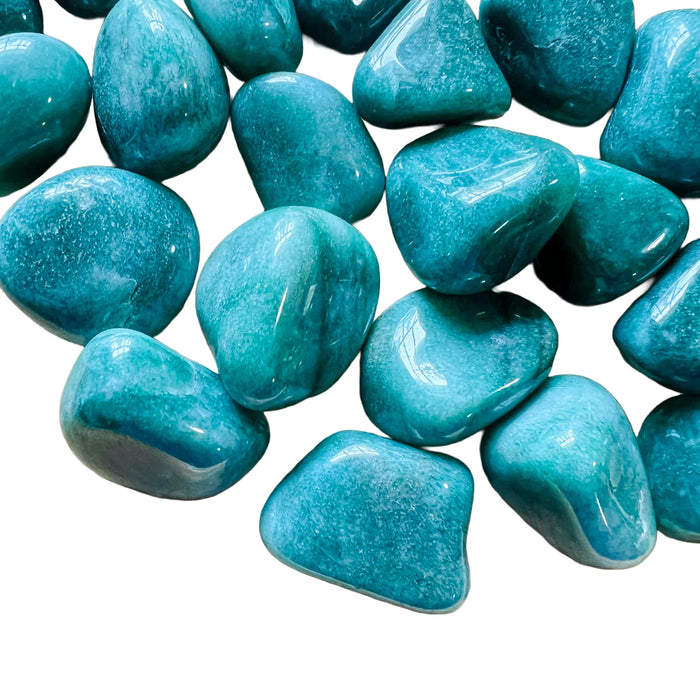
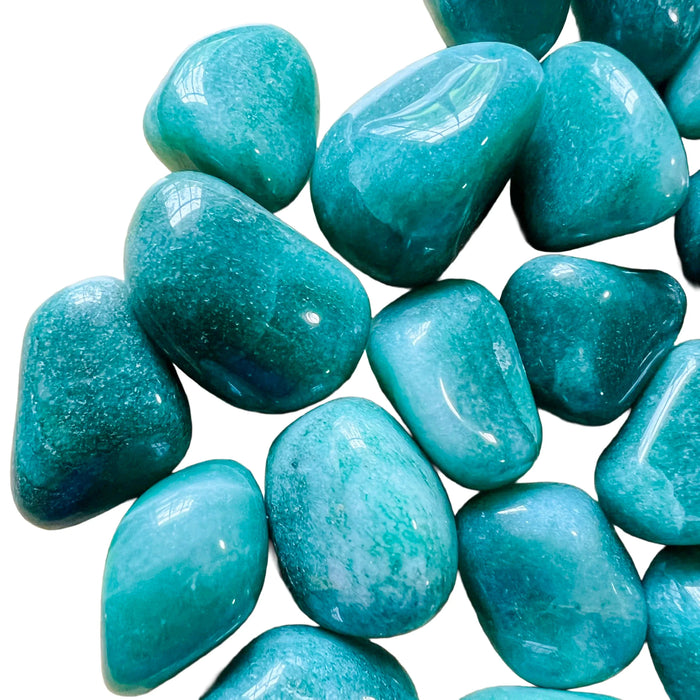
Chrome Diopside is not something we carry. Aventurine is the closest match in color, and every piece passes our sourcing standards: origin named, treatments disclosed.
- from 1,000+ reviews
- Ships within 72 hoursMonday to Friday, tracked
- 90 days to return itif you do not love it
- Free US shipping over $99$8.99 flat rate under
The Slow Note
New stones go to the list first.
No forwarding, no selling. Unsubscribe in one click. Privacy