


 Agatefor stress relief
 Amazonitefor stress relief
 Aquamarinefor serenity
 Aventurinefor luck
 Bloodstonefor energy
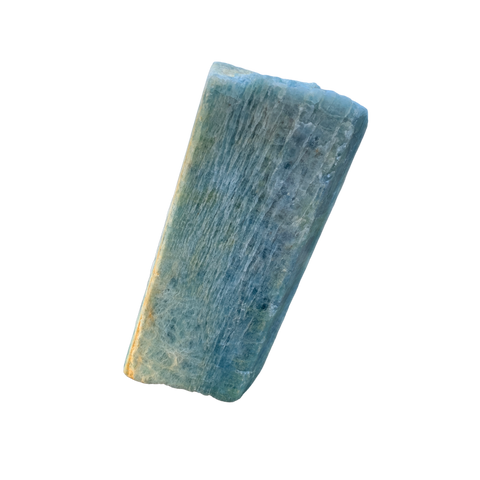
 Blue Kyanitefor confidence
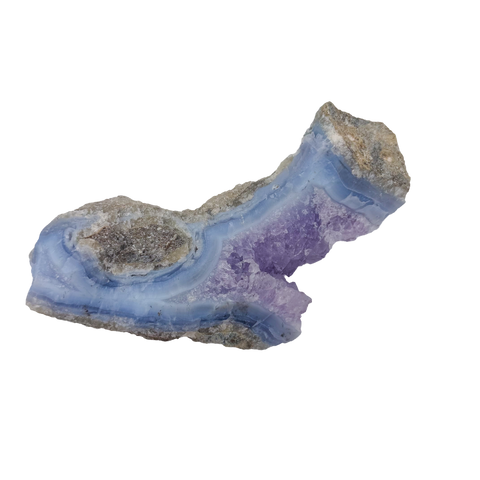
 Blue Lace Agatefor stress relief
 Chrysocollafor emotional healing
 Fluoritefor focus
 Garnetfor energy
 Lepidolitefor stress relief
 Malachitefor emotional healing
 Moonstonefor grounding
 Obsidianfor protection
 Ocean Jasperfor emotional healing
 Red Jasperfor grounding
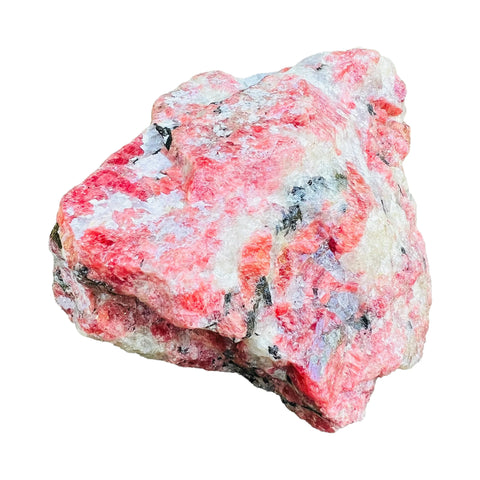
 Rhodonitefor emotional healing
 Selenitefor cleansing
 Sodalitefor focus
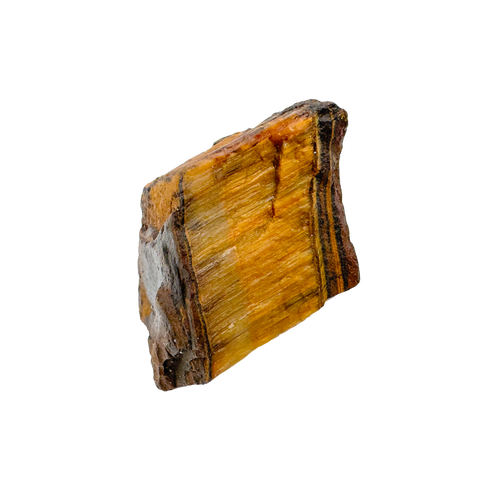
 Tiger Eyefor confidence
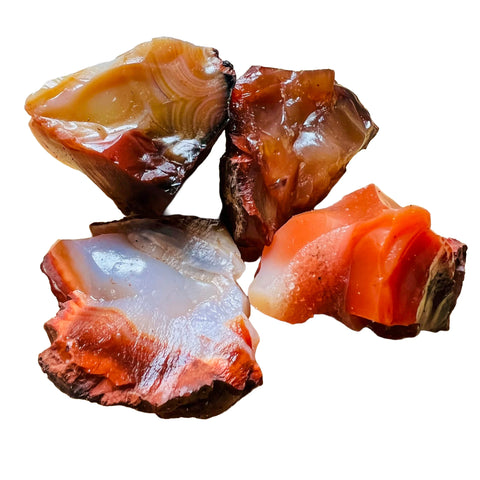
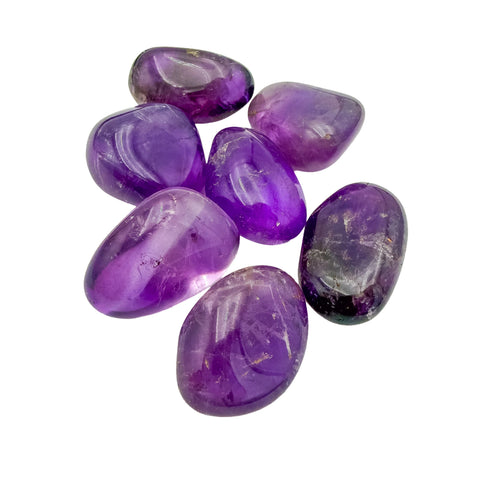


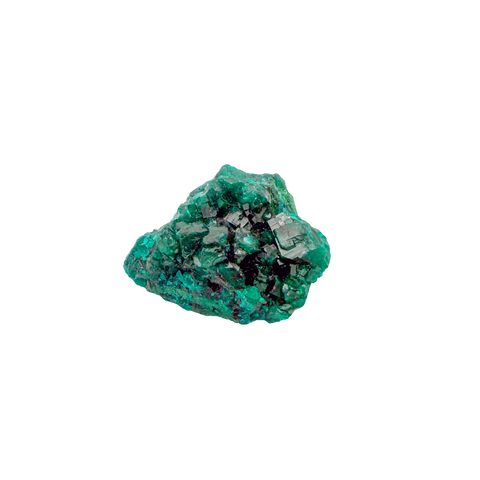
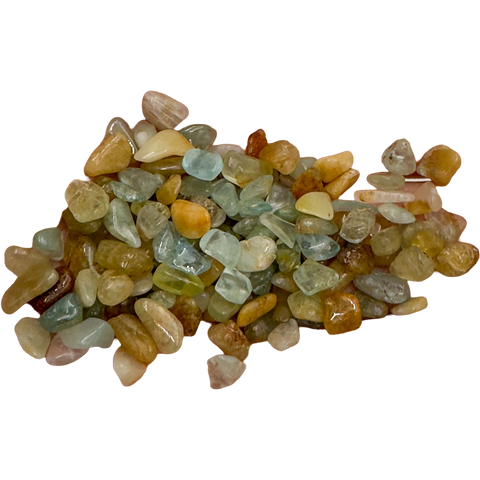
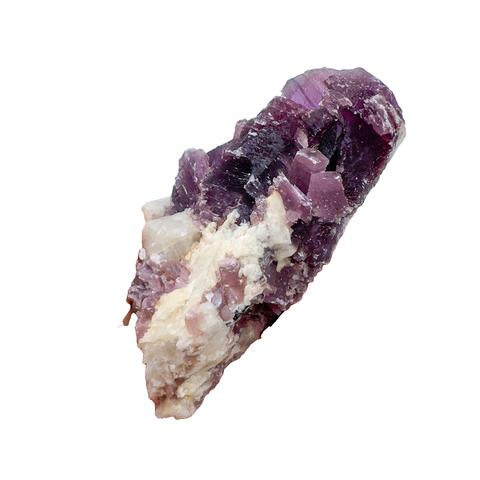
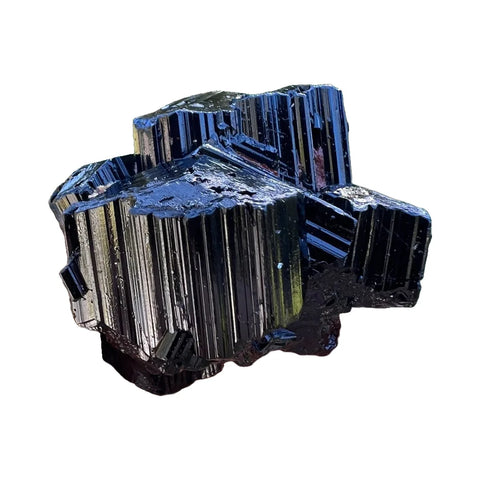
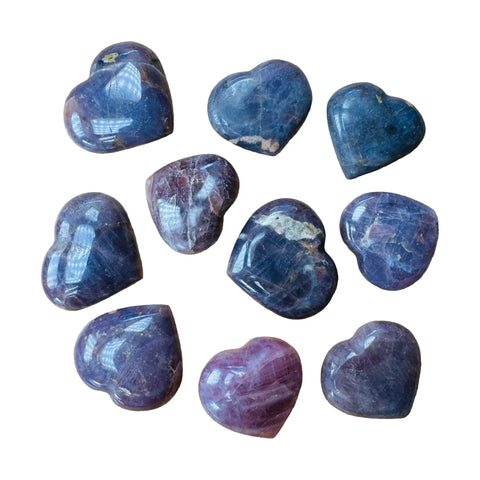
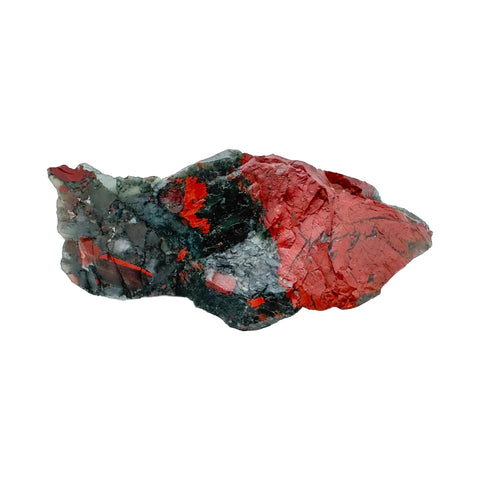
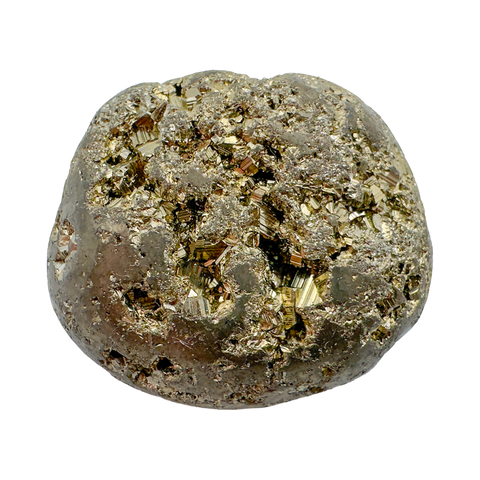


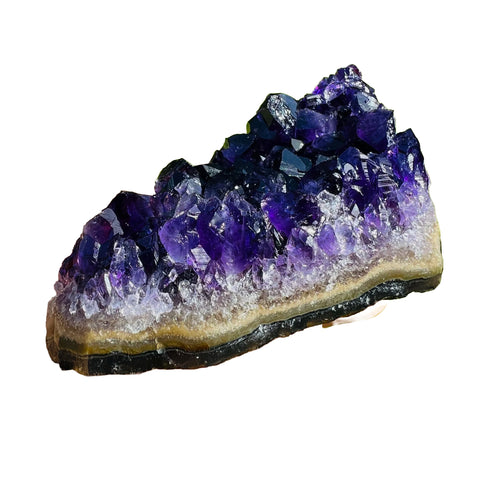





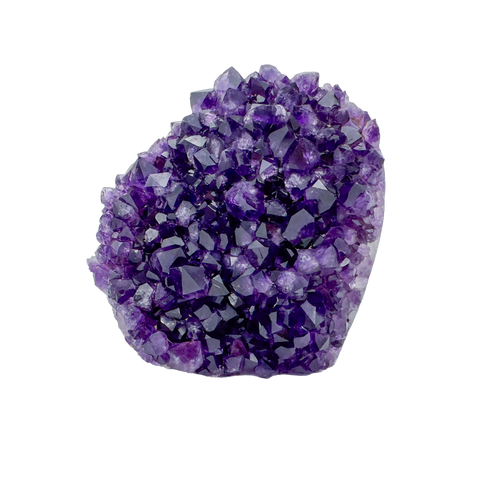
 Amethyst
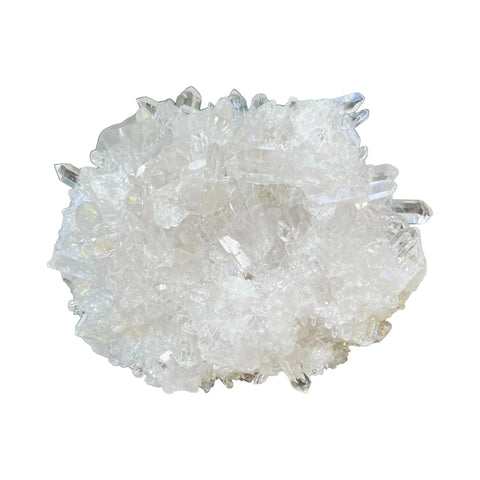
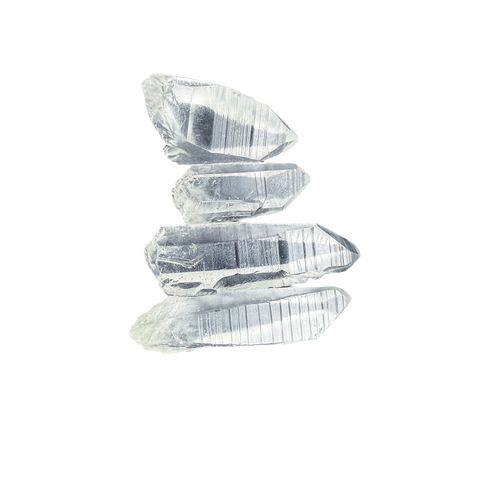
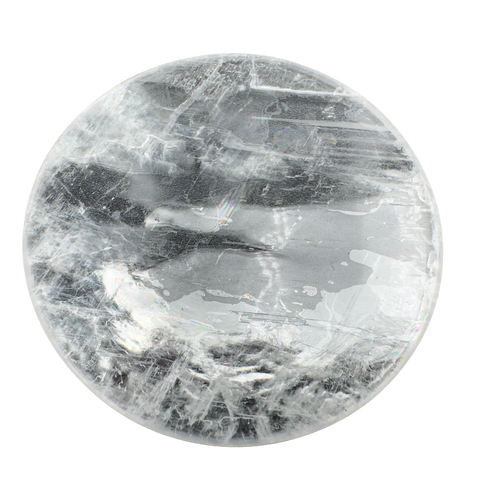
 Clear Quartz
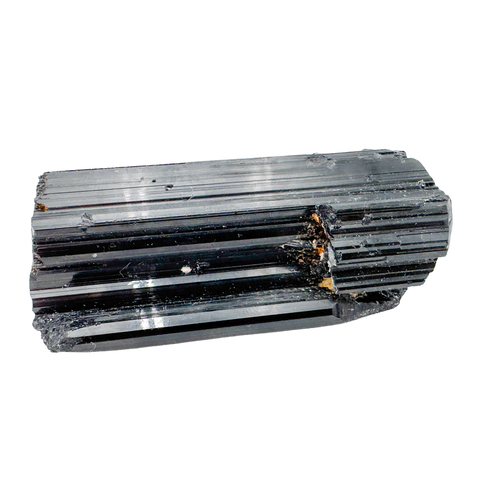
 Black Tourmaline
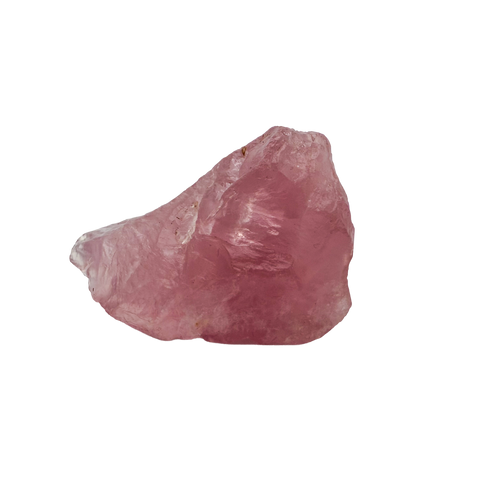
 Rose Quartz
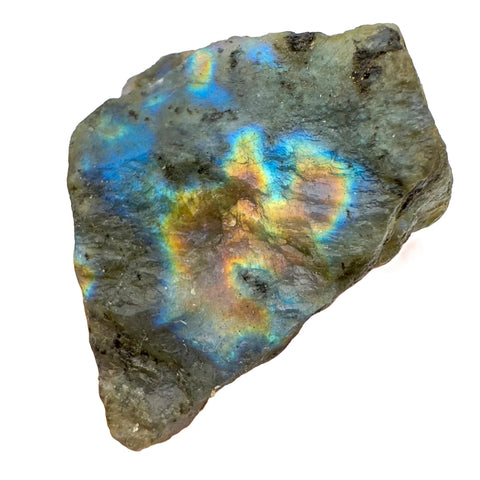
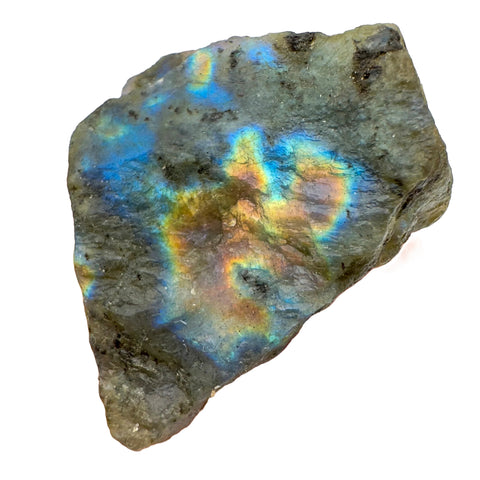
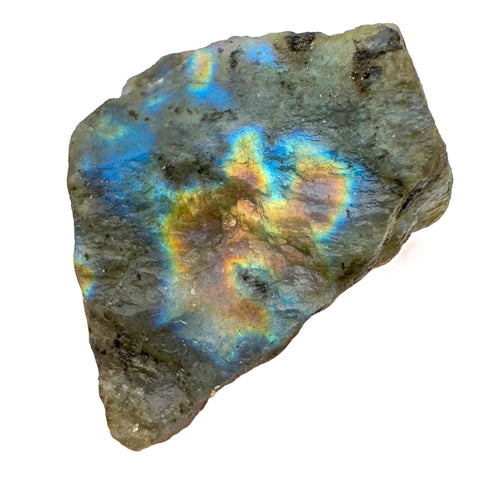
 Labradorite
 Natural Citrine
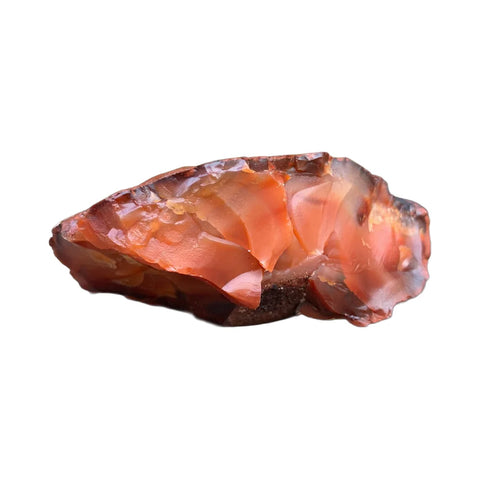
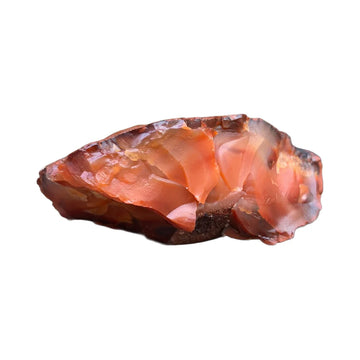
 Carnelian
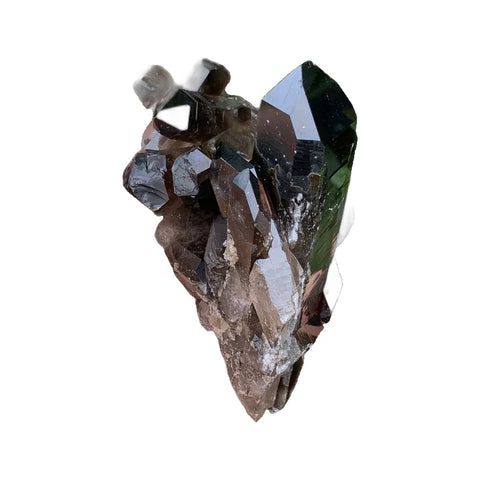
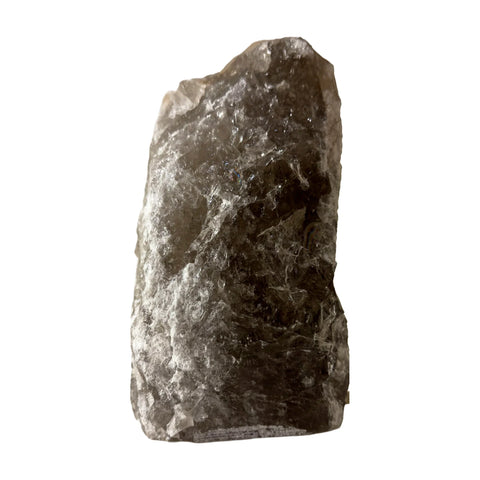
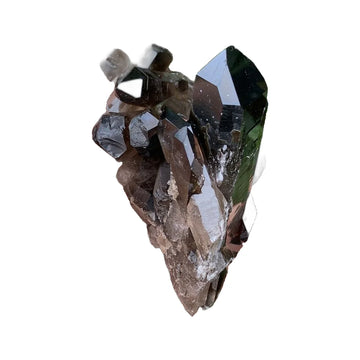
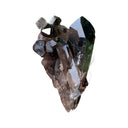 Smoky Quartz
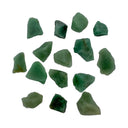 Aventurine
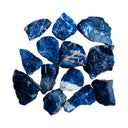 Sodalite
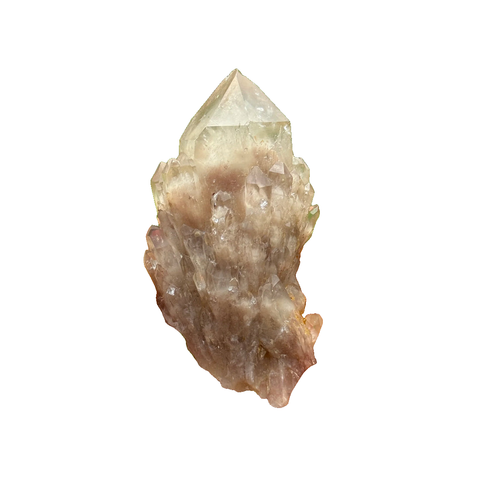
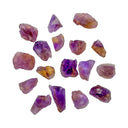 Ametrine
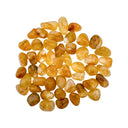 Golden Healer
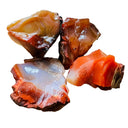 Raw Stones
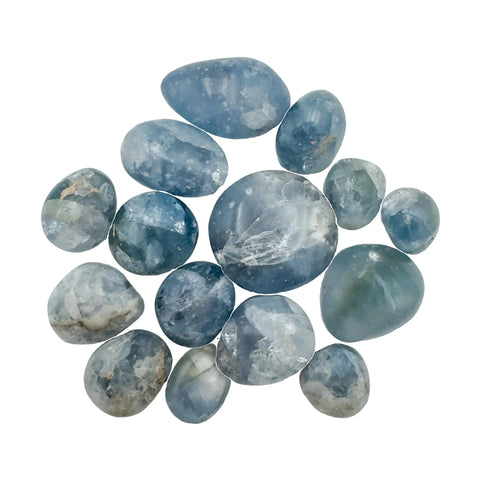
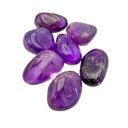 Tumbled Stones
 Palm Stones
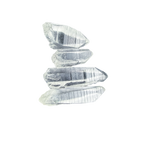 Crystal Points
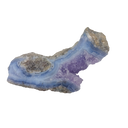 Clusters & Geodes
 Polished & Decor
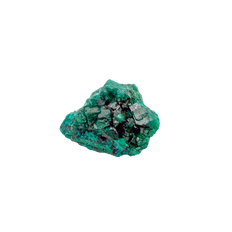 Mineral Specimens
 Crystal Chips
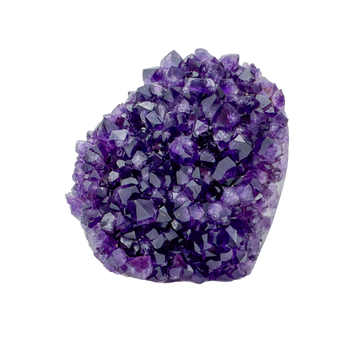
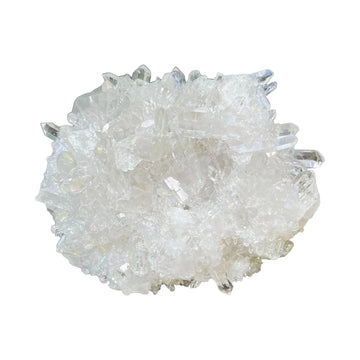
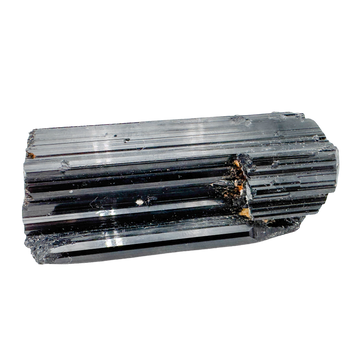
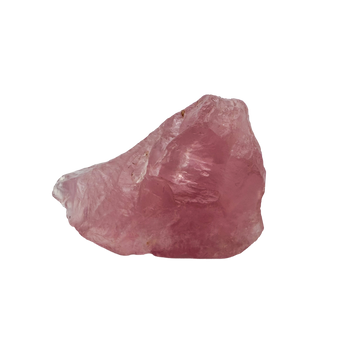
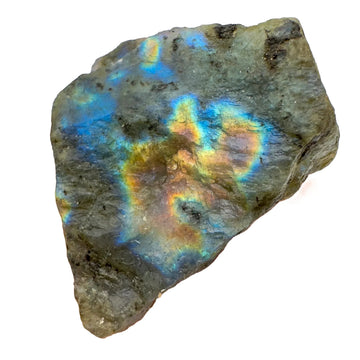
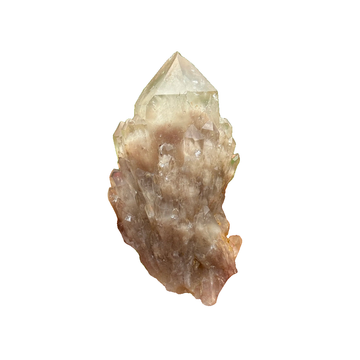
 Raw Stones
179 to choose from
Raw Stones
179 to choose from
 Tumbled Stones
162 to choose from
Tumbled Stones
162 to choose from
 Palm Stones
25 to choose from
Palm Stones
25 to choose from
 Crystal Points
23 to choose from
Crystal Points
23 to choose from
 Clusters & Geodes
101 to choose from
Clusters & Geodes
101 to choose from
 Polished & Decor
148 to choose from
Polished & Decor
148 to choose from
 Mineral Specimens
254 to choose from
Mineral Specimens
254 to choose from
 Crystal Chips
21 to choose from
Crystal Chips
21 to choose from


 AngolaAquamarine
›
AngolaAquamarine
›
 BotswanaCarnelian, Tree Agate
›
BotswanaCarnelian, Tree Agate
›
 DR CongoMalachite, Natural Citrine
›
DR CongoMalachite, Natural Citrine
›
 EswatiniBloodstone
›
EswatiniBloodstone
›
 MadagascarLabradorite, Clear Quartz
›
MadagascarLabradorite, Clear Quartz
›
 MalawiBlue Lace Agate, Garnet
›
MalawiBlue Lace Agate, Garnet
›
 MozambiqueAmazonite
›
MozambiqueAmazonite
›
 NamibiaSodalite, Blue Lace Agate
›
NamibiaSodalite, Blue Lace Agate
›
 Republic of the CongoDioptase
›
Republic of the CongoDioptase
›
 South AfricaTiger Eye, Unakite
›
South AfricaTiger Eye, Unakite
›
 ZambiaChevron Amethyst
›
ZambiaChevron Amethyst
›
 ZimbabweEmerald, Rhodonite
›
ZimbabweEmerald, Rhodonite
›
 ArgentinaBlack Obsidian, Rhodochrosite
›
ArgentinaBlack Obsidian, Rhodochrosite
›
 BoliviaAmetrine
›
BoliviaAmetrine
›
 BrazilAmethyst, Clear Quartz
›
BrazilAmethyst, Clear Quartz
›
 PeruSerpentine, Jade
›
PeruSerpentine, Jade
›
 UruguayAmethyst
›
UruguayAmethyst
›
 Dominican RepublicLarimar
›
Dominican RepublicLarimar
›
 MexicoRainbow Obsidian, Crazy Lace Agate
›
MexicoRainbow Obsidian, Crazy Lace Agate
›
 United StatesSelenite, Peridot
›
United StatesSelenite, Peridot
›
 ChinaFluorite
›
ChinaFluorite
›
 RussiaShungite
›
RussiaShungite
›
 AustraliaMookaite
›
AustraliaMookaite
›
 Where our crystals come from
See where we source →
Where our crystals come from
See where we source →


 Aries
Mar 21 to Apr 19
Carnelian
›
Aries
Mar 21 to Apr 19
Carnelian
›
 Taurus
Apr 20 to May 20
Rose Quartz
›
Taurus
Apr 20 to May 20
Rose Quartz
›
 Gemini
May 21 to Jun 20
Agate
›
Gemini
May 21 to Jun 20
Agate
›
 Cancer
Jun 21 to Jul 22
Moonstone
›
Cancer
Jun 21 to Jul 22
Moonstone
›
 Leo
Jul 23 to Aug 22
Citrine
›
Leo
Jul 23 to Aug 22
Citrine
›
 Virgo
Aug 23 to Sep 22
Amazonite
›
Virgo
Aug 23 to Sep 22
Amazonite
›
 Libra
Sep 23 to Oct 22
Blue Lace Agate
›
Libra
Sep 23 to Oct 22
Blue Lace Agate
›
 Scorpio
Oct 23 to Nov 21
Obsidian
›
Scorpio
Oct 23 to Nov 21
Obsidian
›
 Sagittarius
Nov 22 to Dec 21
Sodalite
›
Sagittarius
Nov 22 to Dec 21
Sodalite
›
 Capricorn
Dec 22 to Jan 19
Black Tourmaline
›
Capricorn
Dec 22 to Jan 19
Black Tourmaline
›
 Aquarius
Jan 20 to Feb 18
Amethyst
›
Aquarius
Jan 20 to Feb 18
Amethyst
›
 Pisces
Feb 19 to Mar 20
Aquamarine
›
Gifting?
A birthday stone is the safe bet.
Read the zodiac guide →
Pisces
Feb 19 to Mar 20
Aquamarine
›
Gifting?
A birthday stone is the safe bet.
Read the zodiac guide →


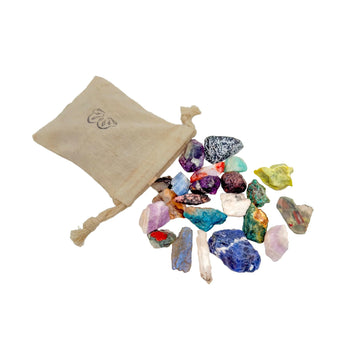
Blue Onyx
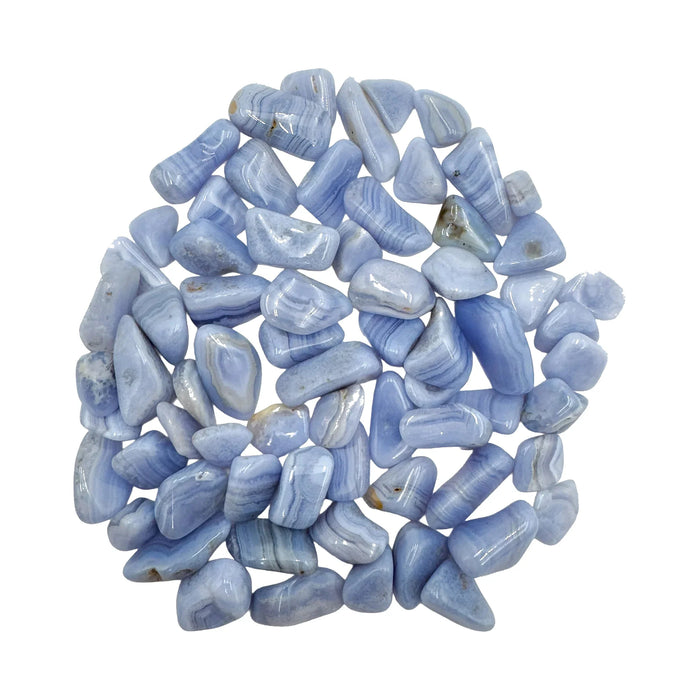
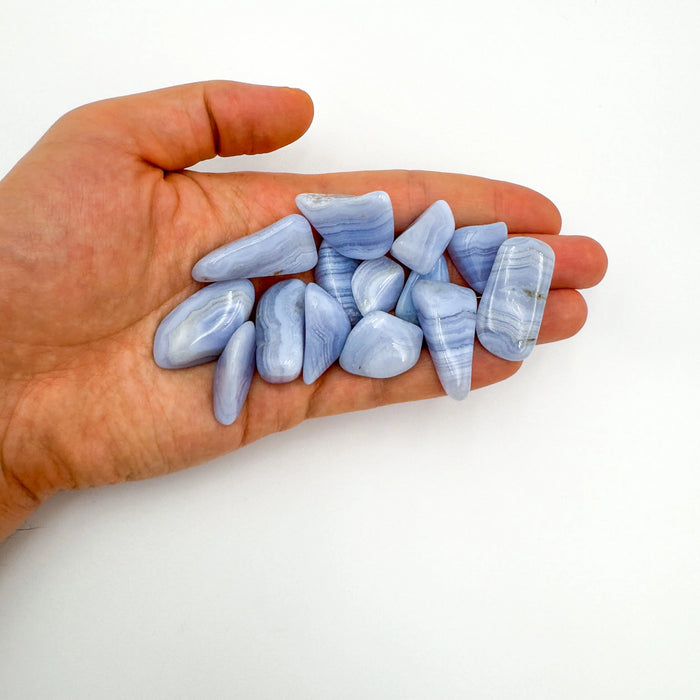
Blue onyx is a banded blue chalcedony, the soft-spoken cousin of the more familiar black onyx. Its pale blue and white bands come from trace minerals laid down over time, not from dye. People reach for it for calm communication, focus, and a steadier kind of clear thinking.
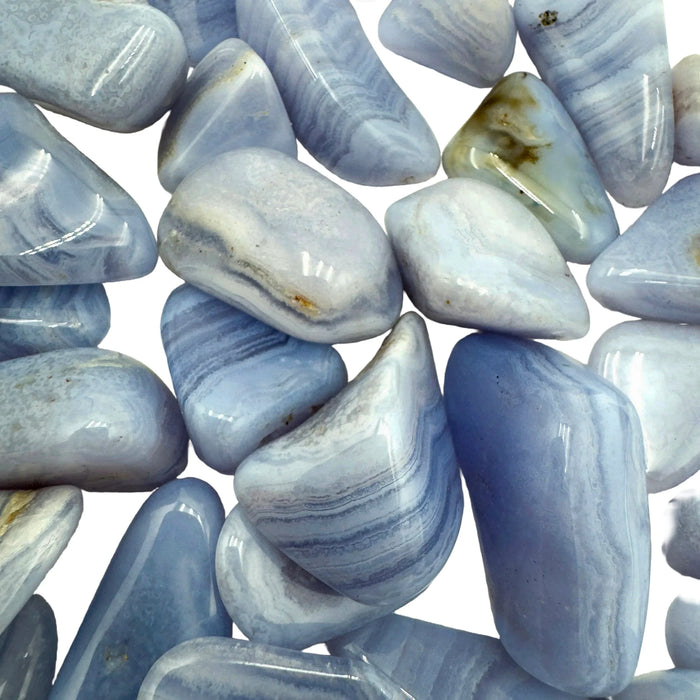
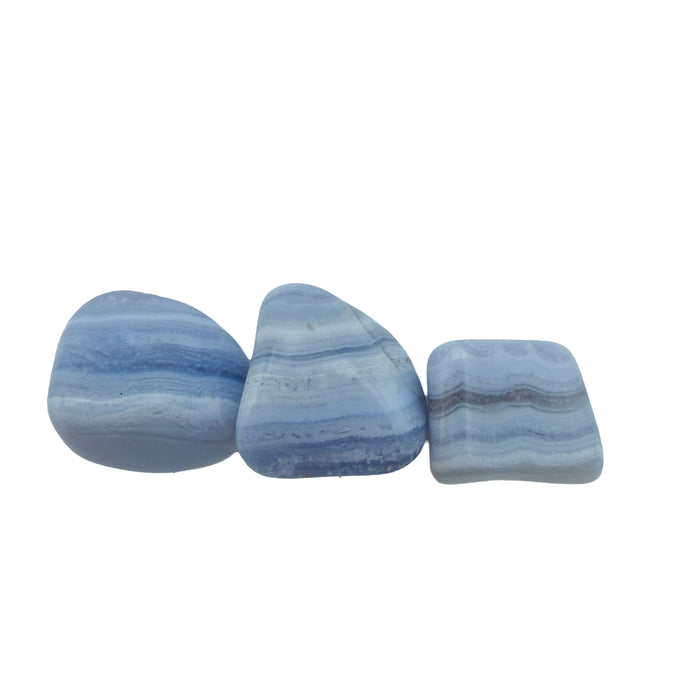
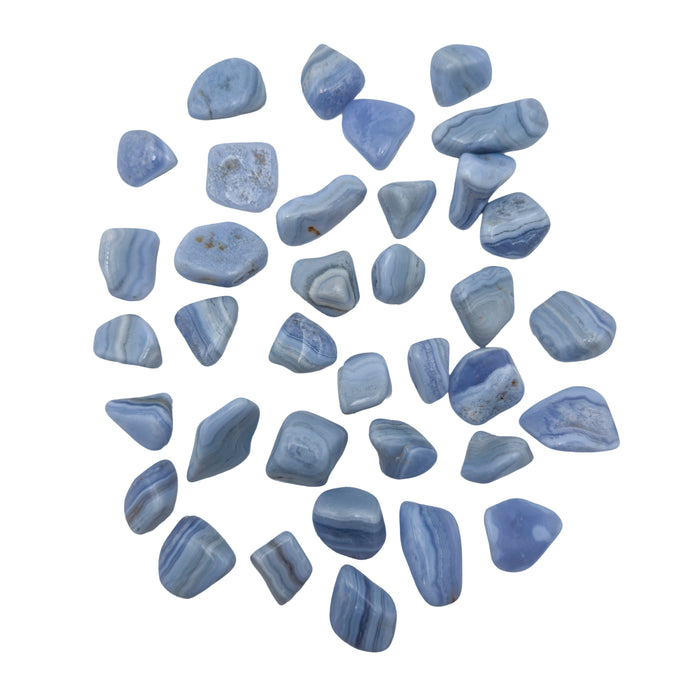
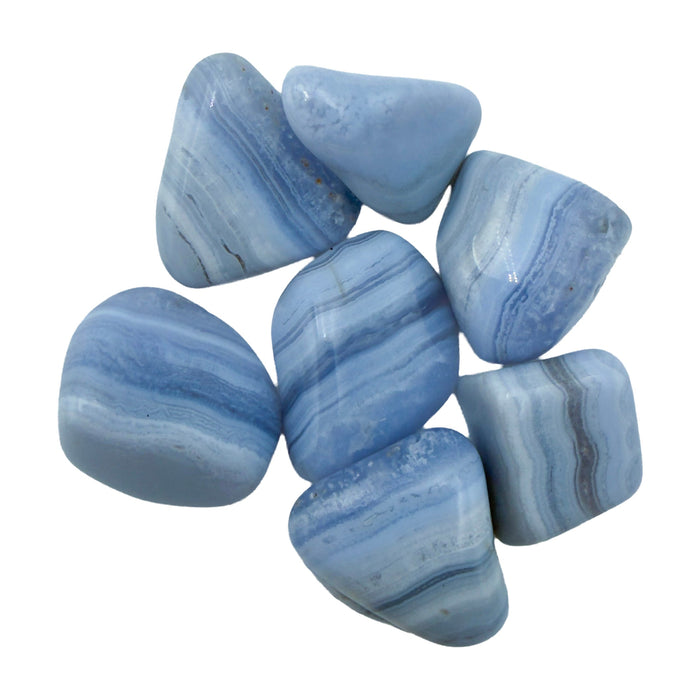
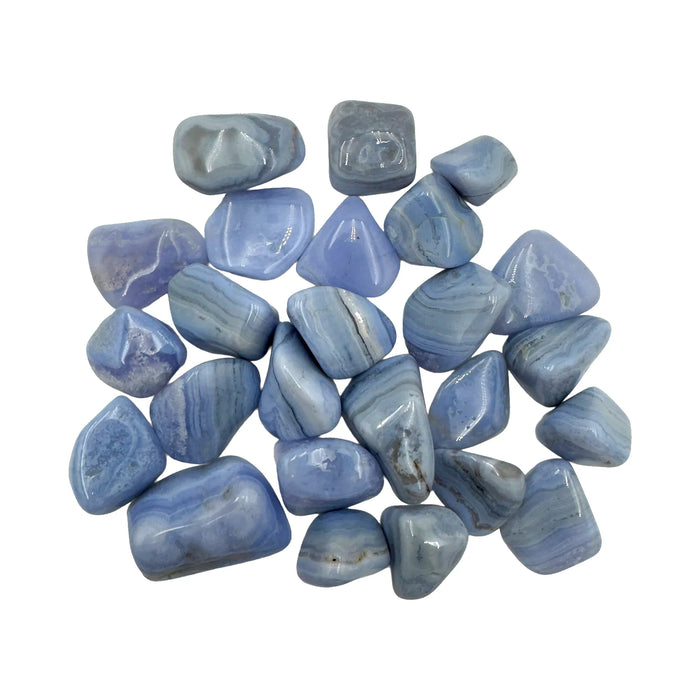
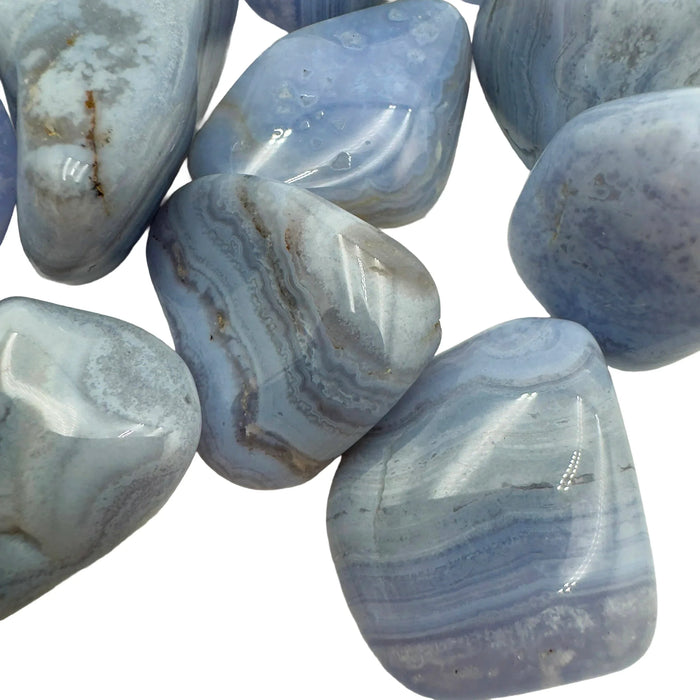
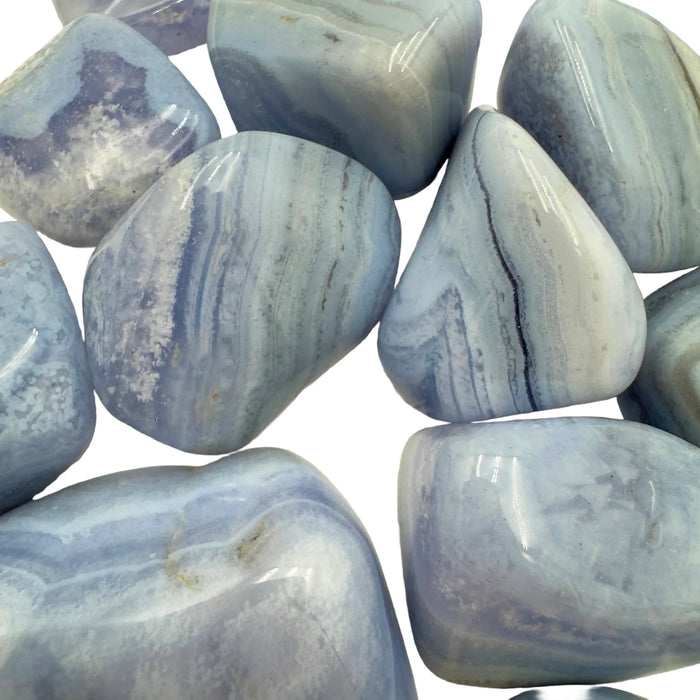
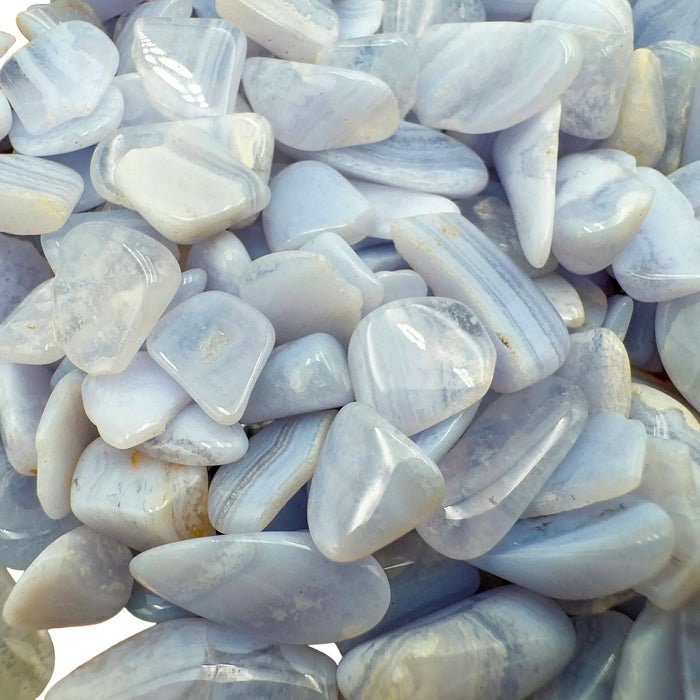
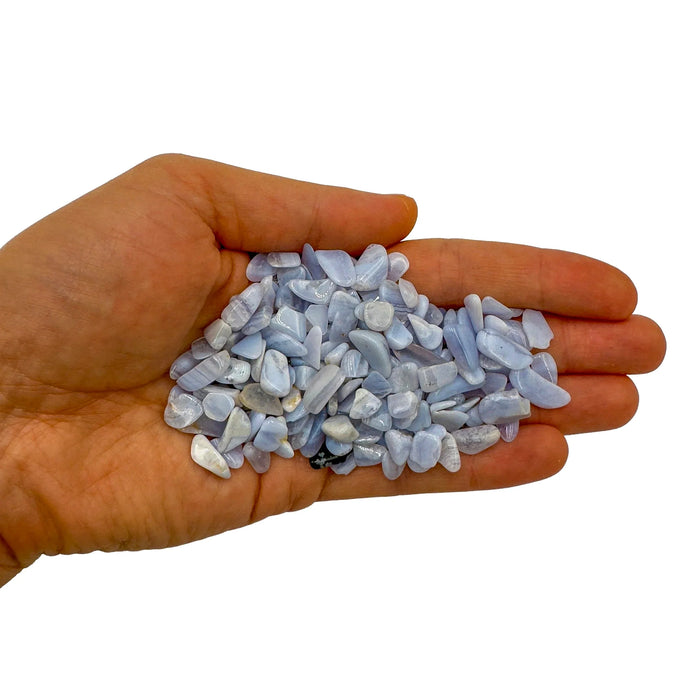
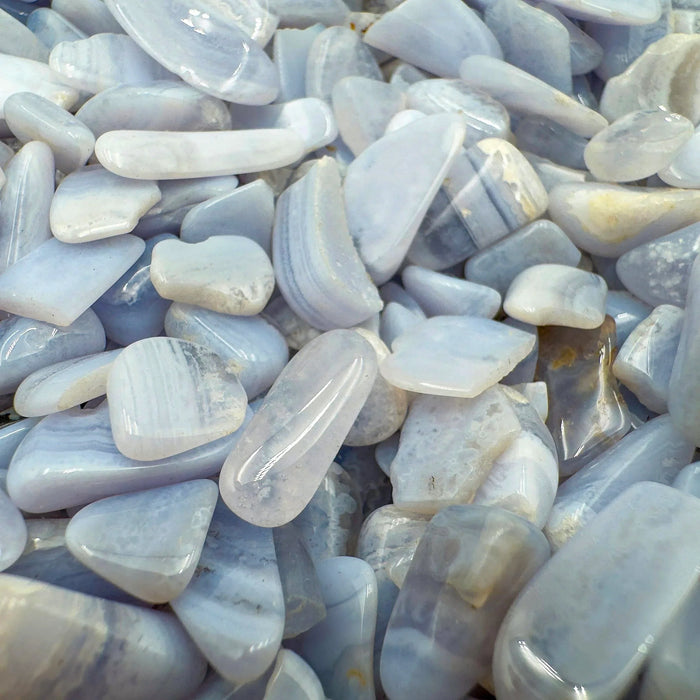
Shop blue onyxLove Blue Onyx? Meet Blue Lace Agate.
Blue Onyx is not something we carry. Blue Lace Agate is the closest match in color, and every product page names its origin and grade.
- from 1,000+ reviews
- Ships within 72 hoursMonday to Friday, tracked
- 90 days to return itif you do not love it
- Free US shipping over $99$8.99 flat rate under
The geology.
Blue onyx is a banded variety of chalcedony, the microcrystalline form of quartz, with the chemical formula SiO2. The word onyx historically refers to any banded chalcedony, with the color named in front of it, which is why we have black onyx, sardonyx, and blue onyx. The soft blue and white bands come from trace minerals deposited as the stone formed, not from dye.
It forms in cavities and veins inside volcanic rock, where silica-rich fluids deposit microcrystalline layers slowly over time. The banding records small shifts in temperature, pressure, and mineral content during that process. Hardness sits at 6.5 to 7 on the Mohs scale, the same as the rest of the quartz family, with a conchoidal fracture and a smooth, waxy luster.
The origins.
The blue onyx we carry comes from Minas Gerais, Brazil, one of the most transparent crystal regions in the world and a major source of banded chalcedony and agate. We work with small-scale co-ops and family-run operations wherever we can. Banded blue chalcedony is also found in other parts of the world, but Brazil is where our material is hand-selected.
The honest part matters here. In the broader trade, the name blue onyx is used loosely. A good amount of what sells under that name is dyed banded agate, and some of it is banded blue calcite, a softer and entirely different mineral. The pieces we carry are natural banded chalcedony with soft blue color from trace minerals, not dye.
Traditional associations.
Onyx has been carved and worn since antiquity, prized for its even bands and smooth polish. Blue onyx sits in the calmer, cooler end of that family. Where black onyx is associated with grounding and protection, the blue banded form is more often linked to clear communication and a settled mind.
Many people reach for blue onyx for clear-headed thinking during difficult conversations, for settling racing thoughts, and for finding their voice without overheating. It is most often associated with the Throat and Third Eye chakras, the elements of Water and Air, and the zodiac signs Gemini and Libra. A common practice is to keep a piece on a desk during focused work or to carry one before a conversation that matters.
Spotting the real thing.
Natural blue onyx shows soft, slightly uneven blue and white banding with a waxy to vitreous luster. The color sits inside the stone rather than on the surface, and the bands have the gentle irregularity of something that formed slowly. At 6.5 to 7 on the Mohs scale it will not scratch with a steel knife.
Two things to watch for. Dyed banded agate sold as blue onyx tends to show a more uniform, saturated blue, often with color pooling in cracks. Banded blue calcite, sold under the same name, is much softer at about 3 on the Mohs scale, so a careful scratch test or a hardness pick will separate it from true chalcedony. Ask the seller for the species and the country of origin, and ask plainly whether the color is natural or added.
Care & handling.
Blue onyx is durable and low maintenance. At 6.5 to 7 on the Mohs scale it handles gentle daily carry and display easily. Wipe it with a soft dry cloth, and keep water contact to a quick rinse rather than a long soak. Skip chemical cleaners and abrasive contact, and store it protected from harder stones to keep the polish clean.
It is stable in sunlight and does not fade. To reset it energetically, many people use smoke, sound, a brief rinse, or simple breath and intention, and charge it under moonlight or brief morning sun. Stable room temperature is best, since sudden temperature swings are hard on any banded stone.
Pairs well with.
A deeper look.
Extended geology, sourcing, authentication, history, and the naming confusion, for when the quick guide isn't quite enough.
Extended geology
Blue onyx is a banded form of chalcedony, the cryptocrystalline variety of quartz, with the formula SiO2. Chalcedony is built from microscopic intergrowths of quartz and moganite, which is why it has no visible crystals and breaks with a smooth conchoidal fracture. Specific gravity runs about 2.58 to 2.64, hardness 6.5 to 7, luster waxy to vitreous.
The bands form as silica-rich groundwater fills cavities and fractures in volcanic host rock and deposits layer after layer of chalcedony. Slight changes in temperature, pressure, and dissolved minerals produce the alternating tones. In blue onyx the cooler color comes from trace mineral content carried in those fluids, which is what separates naturally blue material from the dyed agate that often imitates it.
The naming confusion
Onyx is one of the most loosely used names in the stone trade. Strictly, onyx is banded chalcedony with parallel, even bands, and the color prefix tells you the shade. Sardonyx is the red-brown and white banded form. Black onyx, the most familiar, is very often dyed, since evenly black natural onyx is uncommon. Blue onyx follows the same pattern, with a lot of dyed agate and even banded blue calcite sold under the name.
Banded blue calcite is the most important thing to rule out, because it is a completely different mineral. Calcite is a carbonate, not a silicate, and it is soft at about 3 on the Mohs scale, where chalcedony is 6.5 to 7. A hardness test settles it quickly. Reputable sellers name the species, name the origin, and say plainly whether color is natural or added.
Extended sourcing
Brazil, and Minas Gerais in particular, is a leading source of agate and banded chalcedony, much of it a byproduct of the enormous Brazilian agate and amethyst trade. The region is unusually traceable, which is part of why we source there. Banded blue chalcedony also appears in Peru, India, and a handful of other localities, though much of the global blue onyx supply passes through cutting centers that dye lower-grade agate to a uniform blue.
History and use
Onyx has been carved since at least ancient Egypt and was a favorite of Greek and Roman gem cutters for cameos and intaglios, precisely because its even bands let an artist cut a pale figure against a darker ground. The smooth, cool feel of banded chalcedony made it a longtime favorite for worry stones, beads, and signet rings. Blue onyx is a more modern commercial name for the soft blue banded material, carried today mostly for calm focus and clear communication.
Pricing reality
Blue onyx is an approachable stone. Raw and tumbled pieces typically run a few dollars each, with small carvings and palm stones in the ten to forty dollar range, and larger polished pieces higher. Price should track size, grade, and band quality, not metaphysical markup. The biggest value question is honesty: naturally colored banded chalcedony is worth more than dyed agate wearing the same name, so origin and treatment disclosure are the real drivers.
Good sourcing is a practice, not a claim.
The blue onyx we carry is natural, untreated banded chalcedony from Minas Gerais, Brazil. Nothing dyed, nothing relabeled from blue calcite. We name our origin, we work with small co-ops and family operations, and we say so plainly when there is something a buyer should know. The crystal trade so often does the opposite.
Bring blue onyx home.
Hand-selected Grade A raw blue onyx from Minas Gerais, Brazil. Natural blue and white banding, each piece photographed and listed with its own origin and treatment notes. What you see is what ships.
Shop blue onyxGrounded Connections
New stones go to the list first.
No forwarding, no selling. Unsubscribe in one click. Privacy