


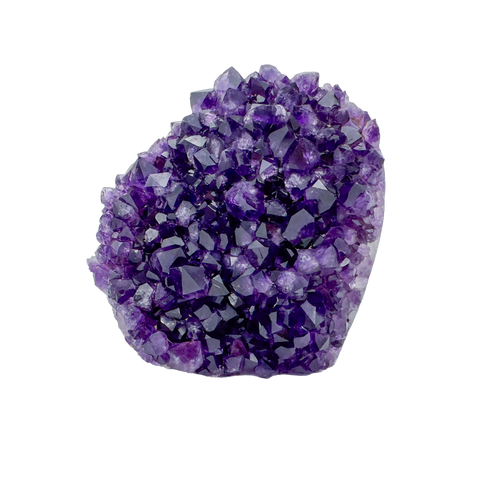
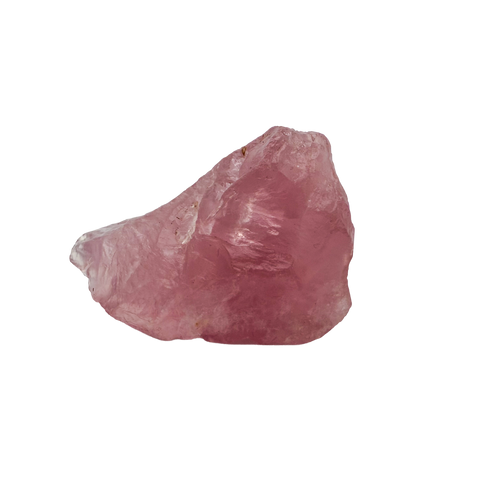
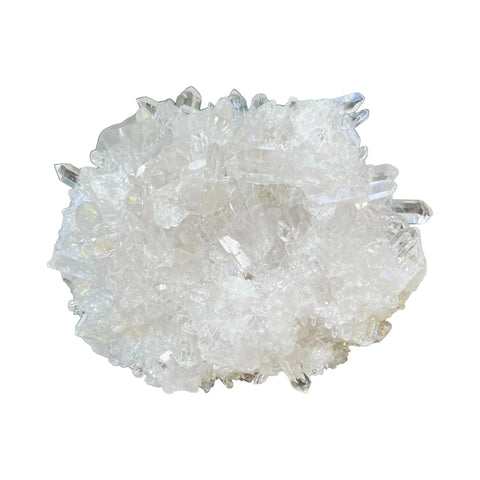
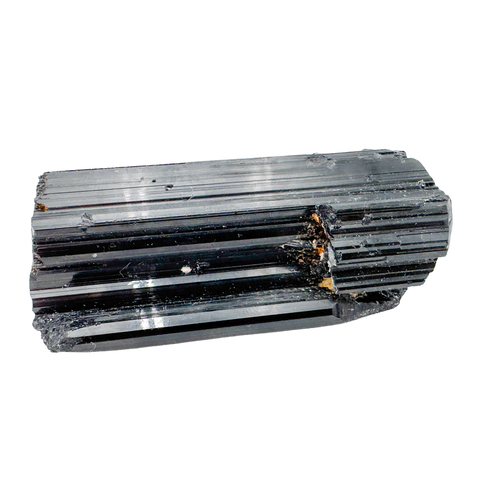
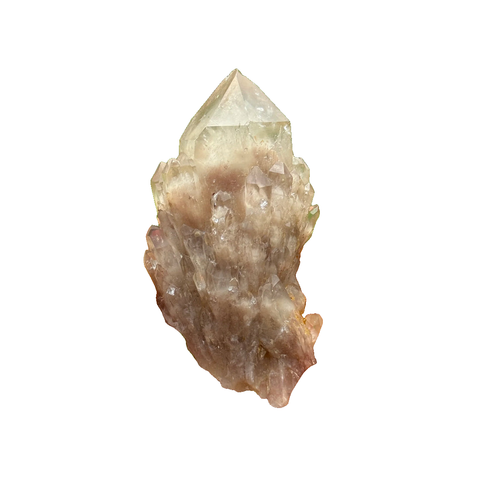
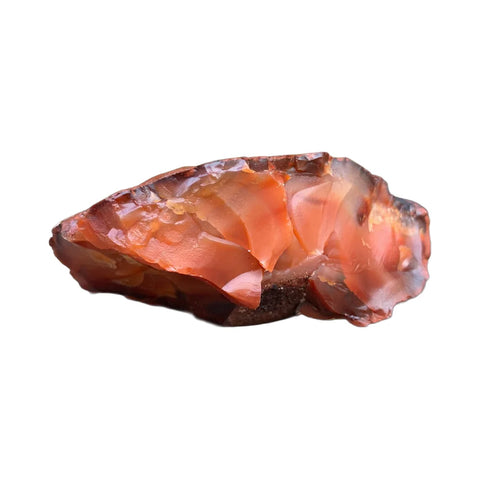
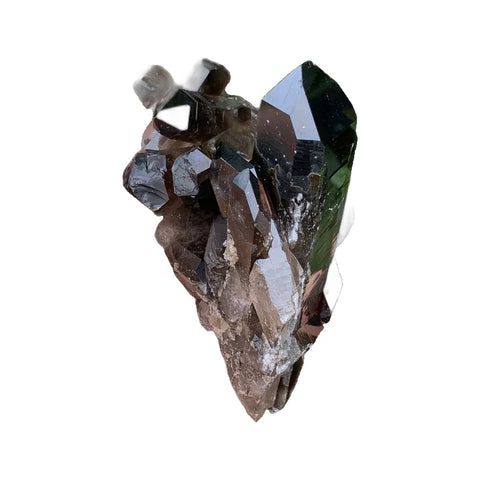
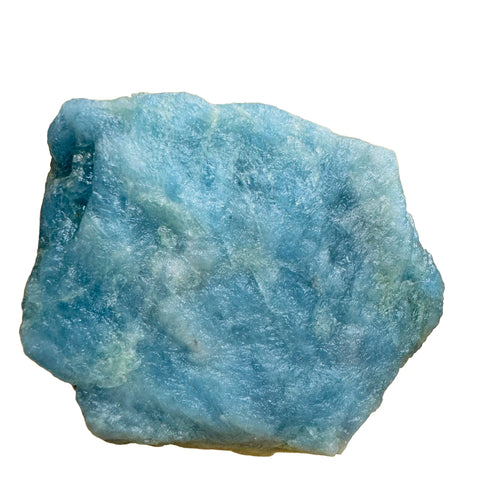
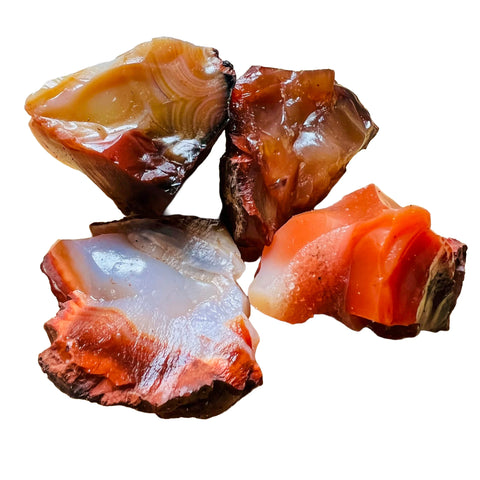


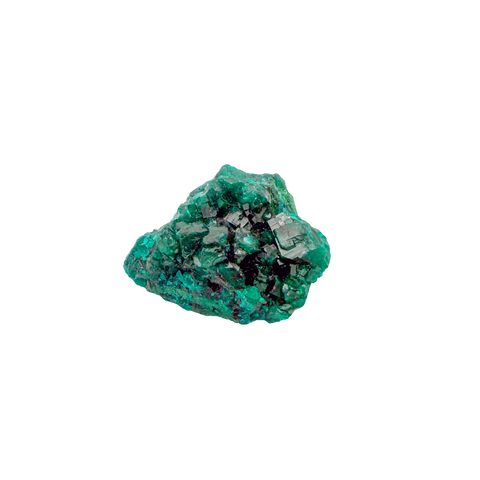
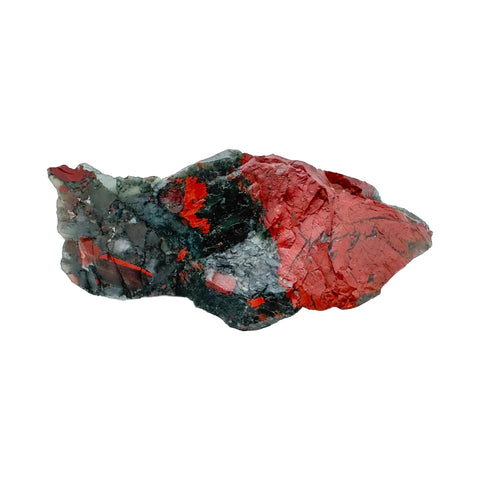
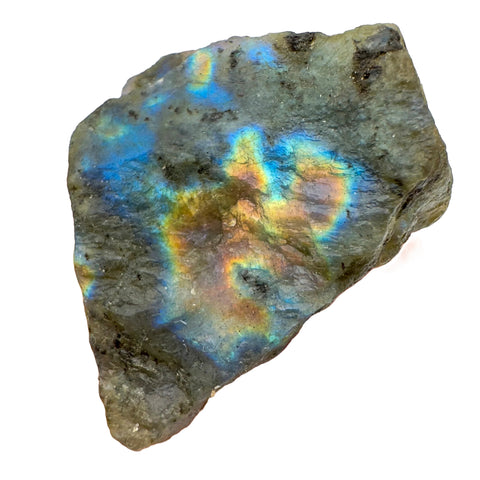
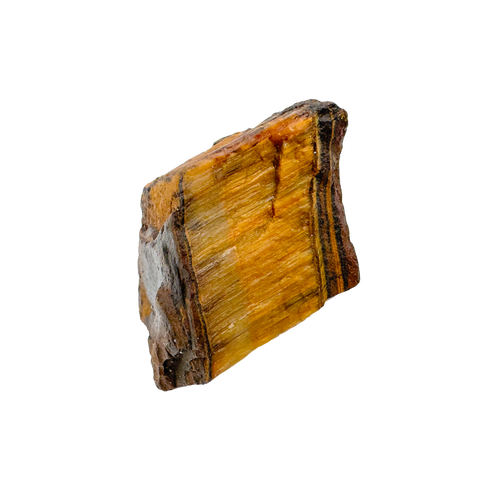
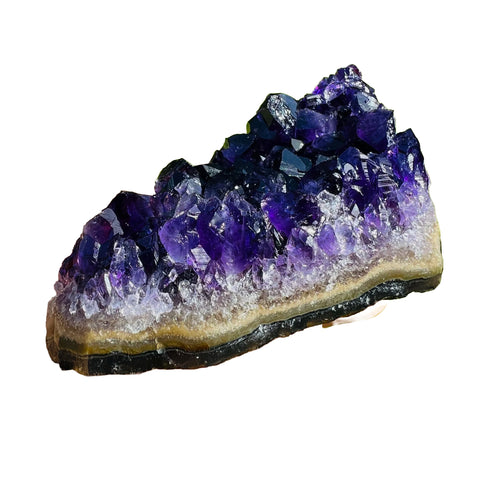



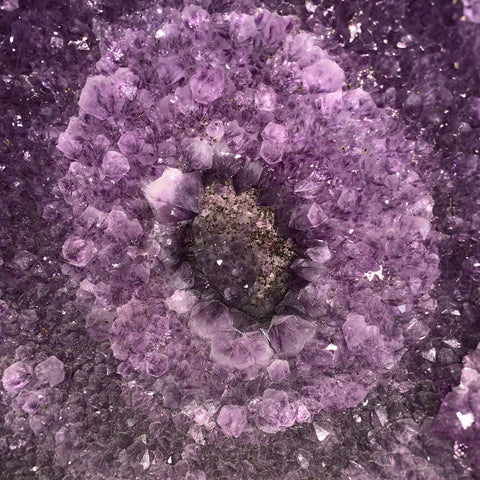
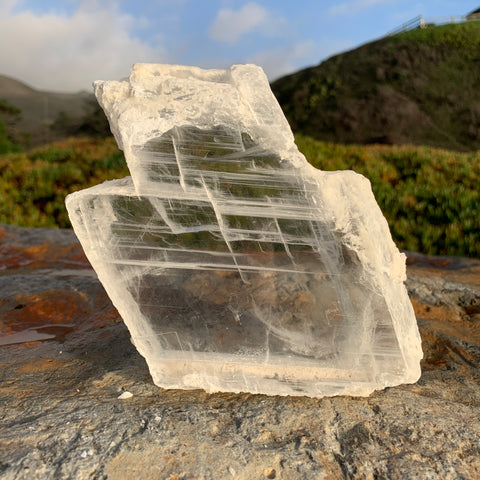
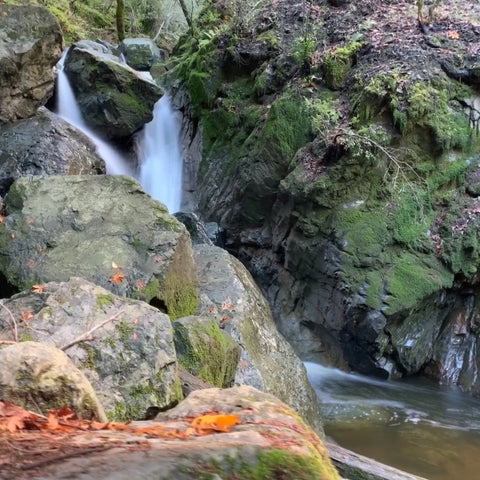
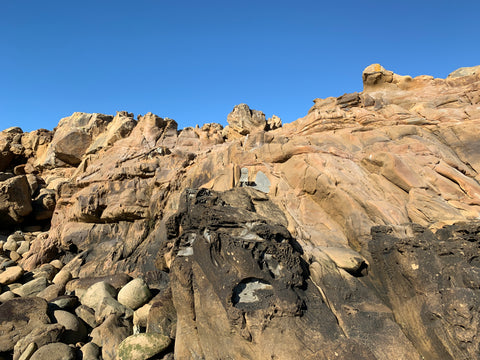
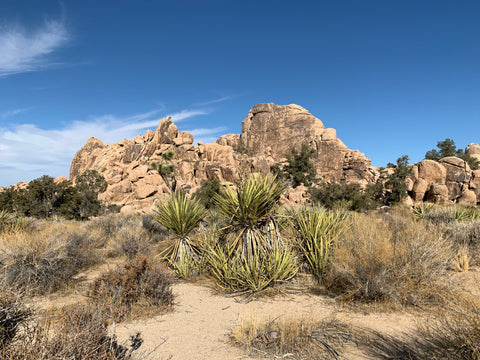
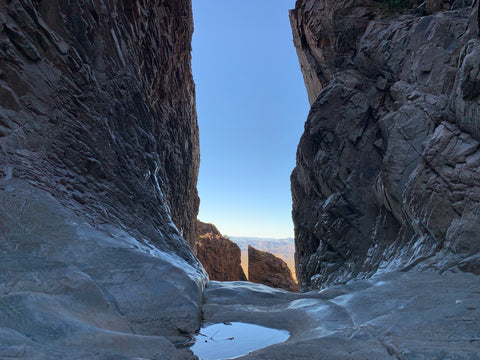
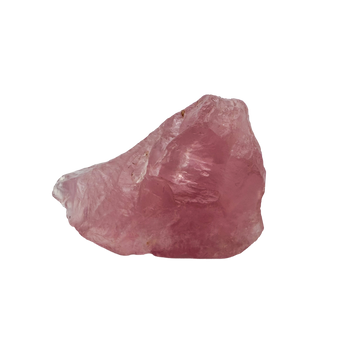
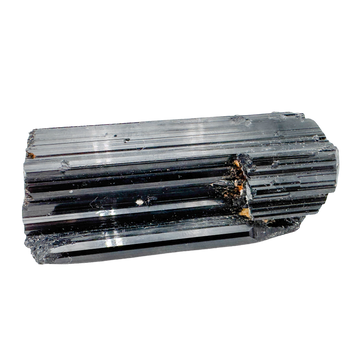
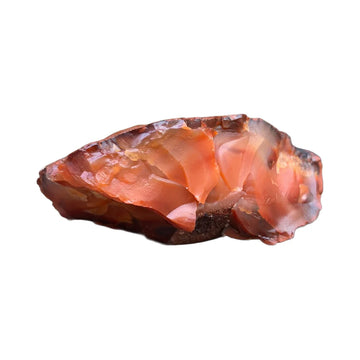
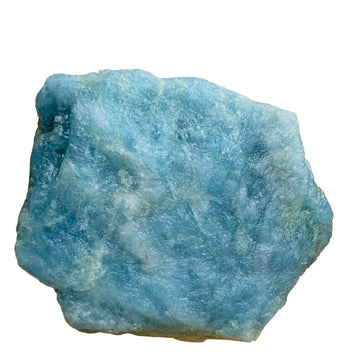
 Raw Stones
179 pieces
Raw Stones
179 pieces
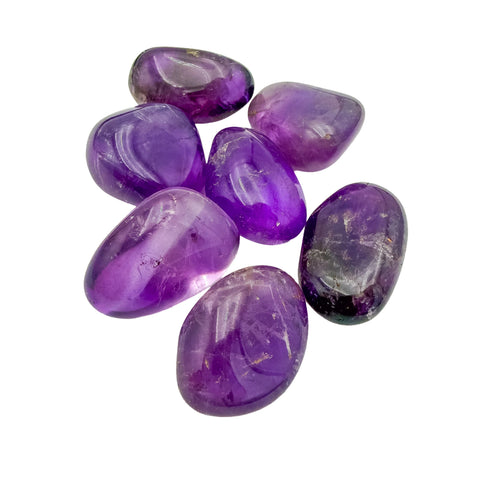
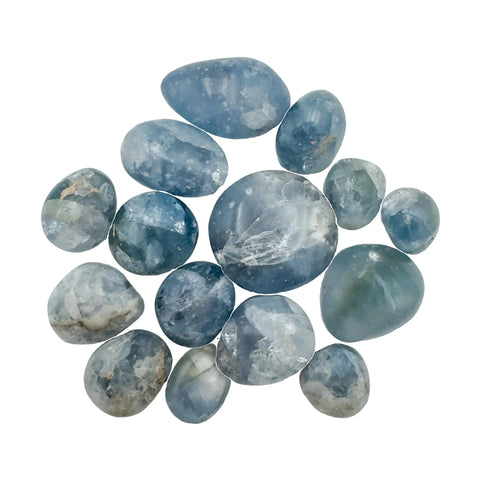
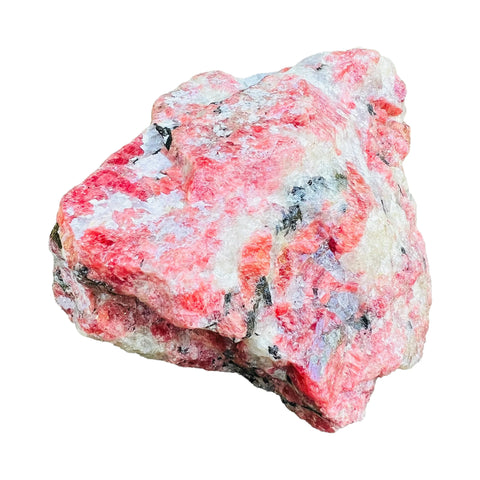
 Tumbled Stones
162 pieces
Tumbled Stones
162 pieces
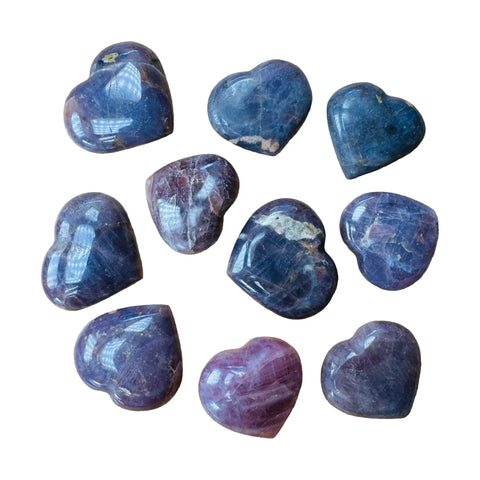
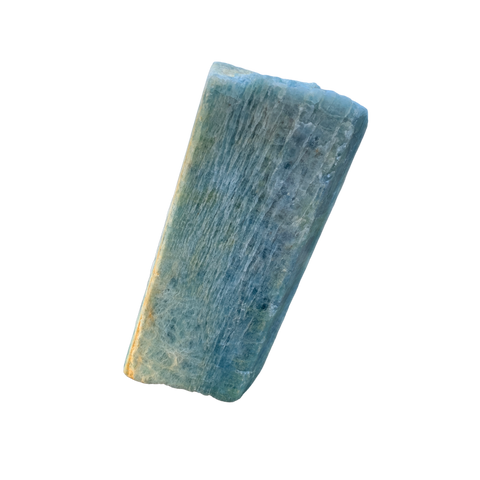
 Palm Stones
25 pieces
Palm Stones
25 pieces
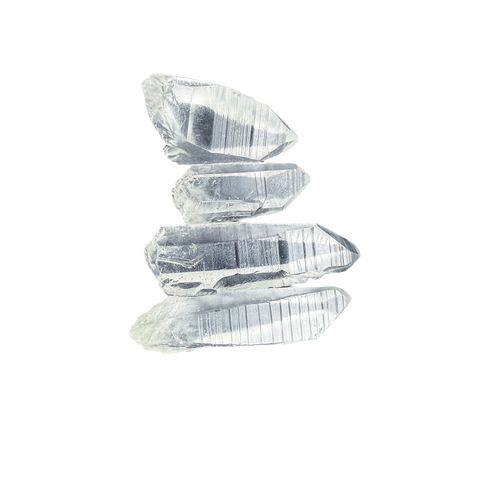
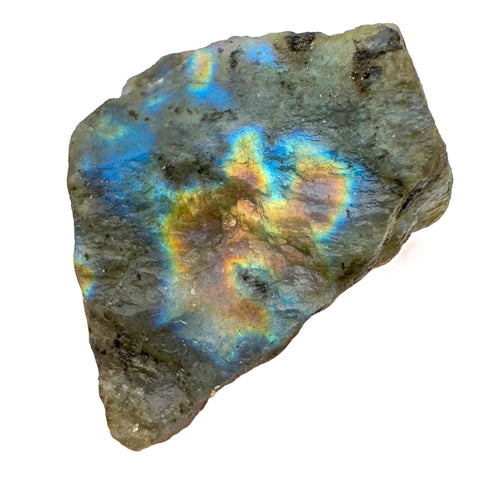
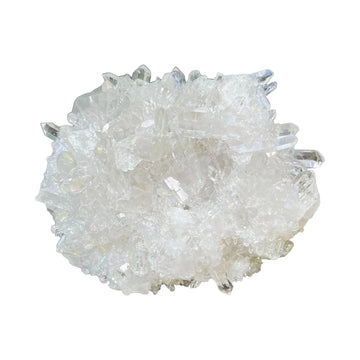
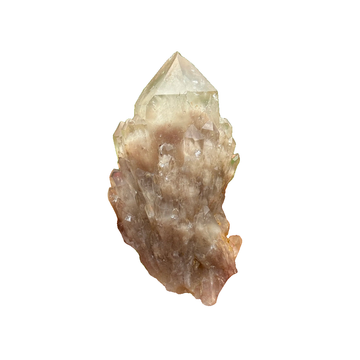
 Crystal Points
23 pieces
Crystal Points
23 pieces
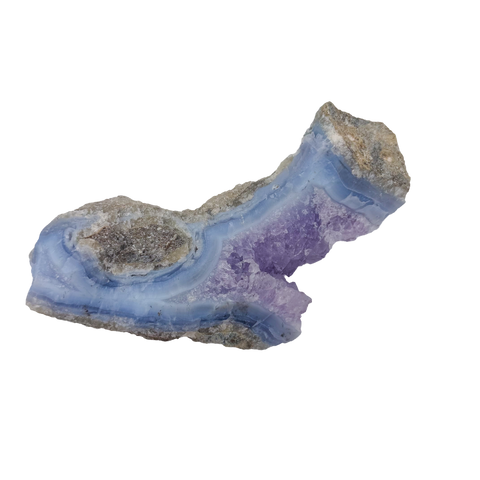
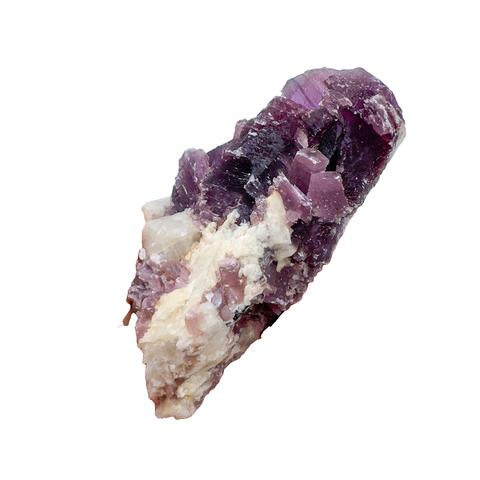
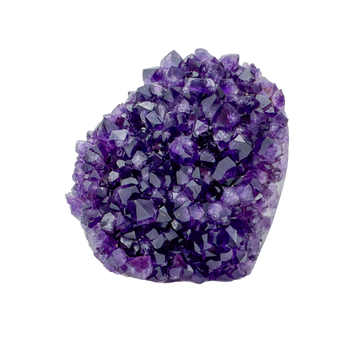
 Clusters & Geodes
104 pieces
Clusters & Geodes
104 pieces
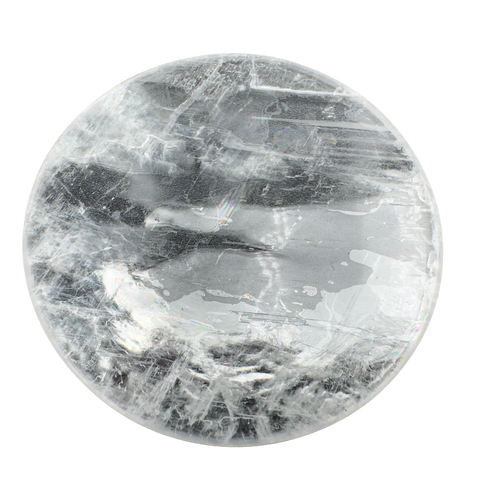
 Polished & Decor
148 pieces
Polished & Decor
148 pieces
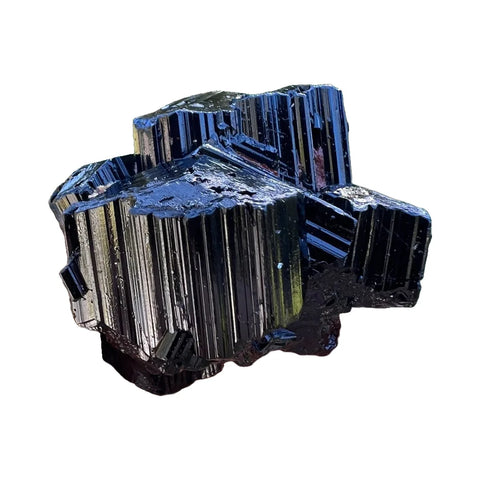
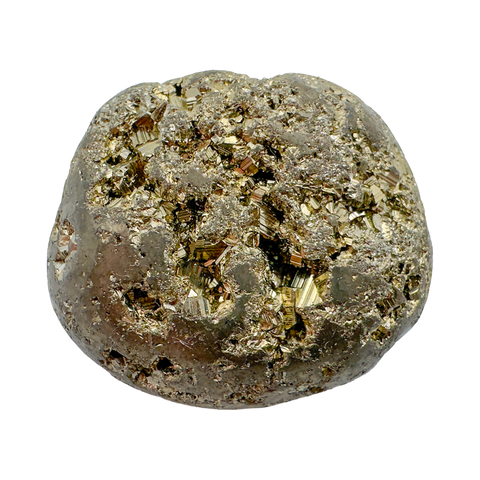
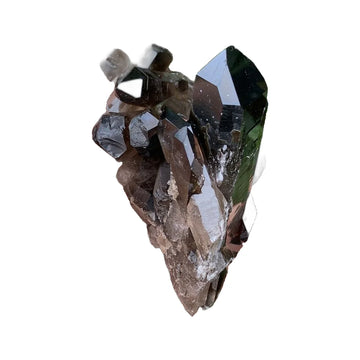
 Mineral Specimens
259 collector pieces
Mineral Specimens
259 collector pieces
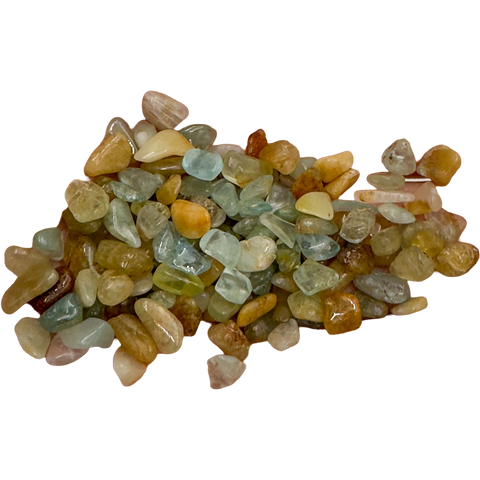
 Crystal Chips
21 pieces
Browse everything
Every collection, one page.
View All Collections →
Crystal Chips
21 pieces
Browse everything
Every collection, one page.
View All Collections →


 Aries
Mar 21 – Apr 19
Carnelian
›
Aries
Mar 21 – Apr 19
Carnelian
›
 Taurus
Apr 20 – May 20
Rose Quartz
›
Taurus
Apr 20 – May 20
Rose Quartz
›
 Gemini
May 21 – Jun 20
Agate
›
Gemini
May 21 – Jun 20
Agate
›
 Cancer
Jun 21 – Jul 22
Moonstone
›
Cancer
Jun 21 – Jul 22
Moonstone
›
 Leo
Jul 23 – Aug 22
Citrine
›
Leo
Jul 23 – Aug 22
Citrine
›
 Virgo
Aug 23 – Sep 22
Amazonite
›
Virgo
Aug 23 – Sep 22
Amazonite
›
 Libra
Sep 23 – Oct 22
Blue Lace Agate
›
Libra
Sep 23 – Oct 22
Blue Lace Agate
›
 Scorpio
Oct 23 – Nov 21
Obsidian
›
Scorpio
Oct 23 – Nov 21
Obsidian
›
 Sagittarius
Nov 22 – Dec 21
Sodalite
›
Sagittarius
Nov 22 – Dec 21
Sodalite
›
 Capricorn
Dec 22 – Jan 19
Black Tourmaline
›
Capricorn
Dec 22 – Jan 19
Black Tourmaline
›
 Aquarius
Jan 20 – Feb 18
Amethyst
›
Aquarius
Jan 20 – Feb 18
Amethyst
›
 Pisces
Feb 19 – Mar 20
Aquamarine
›
Gifting?
A birthday stone is the safe bet.
Read the zodiac guide →
Pisces
Feb 19 – Mar 20
Aquamarine
›
Gifting?
A birthday stone is the safe bet.
Read the zodiac guide →

Jeremejevite
Jeremejevite is a rare aluminum borate that grows as slender, striated crystals in shades of colorless, pale yellow, and a prized cornflower blue. For years it was known from only a handful of localities, and even now most jeremejevite is bought as mineral specimens, with faceted stones counted among the rarest gems a collector can own.
The geology.
Jeremejevite is an aluminum borate with fluoride and hydroxide, written approximately as Al6B5O15(F,OH)3. It crystallizes in the hexagonal system as slender, prismatic crystals that are often striated lengthwise and can be colorless, pale yellow, blue, or greenish. Its hardness runs from about 6.5 to 7.5, roughly comparable to quartz, with a vitreous luster and transparent to translucent clarity.
The most valued color is a soft cornflower to sky blue, which can vary within a single crystal. Jeremejevite forms in boron-rich settings, historically in granite pegmatite veins and later in the volcanic pegmatites of Namibia. It is scarce in every occurrence, so most crystals are small, and clean facetable sections are scarcer still.
The origins.
Jeremejevite was first described in 1883 from a locality in the Adun-Chelon Mountains of Transbaikalia in Siberia, and it was named for the Russian mineralogist Pavel Jeremejev, who studied the early crystals. For nearly a century that Siberian material, and later a find in Namibia, kept it among the least available minerals in the world.
The turning point came from Namibia. Colorless to pale material was found at Cape Cross in the 1970s, and in 2001 a deposit of fine blue crystals was discovered in the Erongo Mountains, which supplies most of the gem-quality jeremejevite seen today. Additional crystals have come from the Pamir Mountains of Tajikistan and from Madagascar, but Namibia remains the defining source.
Traditional associations.
With such a short history in the trade, jeremejevite carries modern associations. Many people connect its clear blue crystals with calm, insight, and honest communication, and describe it as a stone for clearing mental clutter and focusing thought.
Some link it to the higher chakras because of its cool color. These associations are traditional and personal rather than medical claims. Jeremejevite is most often linked with the Third Eye chakra and the element of Wind.
Spotting the real thing.
Jeremejevite is identified by its slender, striated hexagonal crystals, its glassy luster, its hardness of roughly 6.5 to 7.5, and its color, which often varies along the length of a crystal. On a mineral specimen, the habit and the Erongo matrix are helpful pointers. Its color zoning is a characteristic feature rather than a defect.
For cut stones the concern is confusion with more common blue gems. Aquamarine and blue topaz sit in the same color range and are far cheaper, so a stone offered as jeremejevite at a low price deserves real doubt. Given its cost, faceted jeremejevite is best bought with laboratory identification and a clear account of its Namibian source.
Care & handling.
Jeremejevite is hard enough for careful jewelry at 6.5 to 7.5, but its rarity means most stones are handled as collector pieces rather than daily wear. Protect crystals and cut stones from knocks, store them apart from harder minerals, and avoid ultrasonic cleaners and harsh chemicals. Warm water, mild soap, and a soft brush are sufficient.
Delicate specimen crystals should be kept where they will not be bumped, ideally in a padded case or cabinet. Loose gems belong in individual pouches to prevent scratching. Treated as the rarity it is, jeremejevite keeps its clarity and color indefinitely.
Pairs well with.
A deeper look.
Extended geology, sourcing, authentication, history, and varieties, for when the quick guide isn't quite enough.
Extended geology
Jeremejevite's structure is built around borate and aluminum units, with fluoride and hydroxide completing the formula, and it belongs to the small and uncommon family of borate minerals valued as gems. Its crystals grow as long hexagonal prisms, frequently striated along their length and sometimes tapering, with color that can shift from blue at one point to near colorless at another. This natural color zoning is one of its charms.
It forms in boron-rich environments. The original Siberian crystals came from granite pegmatite, while the important Namibian material grew in cavities within volcanic pegmatites, the same setting that yields fine aquamarine and tourmaline in the Erongo Mountains. Because the mineral is rare wherever it occurs, crystals tend to be modest in size, and transparent, evenly colored sections suitable for faceting are unusual.
Extended sourcing
The type locality lies in the Adun-Chelon Mountains of Transbaikalia, Siberia, where jeremejevite was first recognized in 1883. That historic material is scarce and rarely seen. Namibia transformed the picture, first with colorless to pale crystals at Cape Cross in the 1970s and then, decisively, with the 2001 discovery of gem-blue crystals in the Erongo Mountains.
The Erongo find remains the source of most blue jeremejevite in collections today, valued for saturated color and sharp crystal form. Smaller amounts have come from the Pamir Mountains of Tajikistan, often as colorless to pale blue crystals, and from Madagascar. None of these approach Namibia for gem material, so a fine blue jeremejevite is almost always a Namibian stone.
Authentication and warning signs
Identification rests on crystal habit, hardness, optical properties, and color behavior. The slender striated hexagonal prisms, the vitreous luster, the hardness near 7, and the tendency toward color zoning together point to jeremejevite, particularly on recognizable Erongo matrix. Laboratory measurement of its optical constants gives a definitive answer for important stones.
The market risk is substitution. Because jeremejevite's blue overlaps with aquamarine and blue topaz, and because it commands high prices, buyers should be wary of bargains and of stones sold without provenance. For any significant purchase, insist on gemological testing and a documented Namibian or other credible source, since the name alone carries a large premium.
History and folklore
Jeremejevite was described in 1883 and named for Pavel Vladimirovich Jeremejev, a Russian mineralogist who examined the first crystals from Siberia. For most of the following century it was one of those minerals known chiefly from museum cases and advanced collections, too rare to reach the wider gem trade. The Namibian discoveries, above all the blue crystals from the Erongo Mountains in 2001, gave it a modern life as a coveted collector's gem. It remains a benchmark rarity, the kind of stone that mineral and gem enthusiasts seek precisely because so few examples exist.
Colors and forms
Blue jeremejevite: cornflower to sky-blue crystals, mainly from the Erongo Mountains, the most prized material.
Colorless to pale yellow: clear crystals from Cape Cross and other localities, sometimes faceted.
Color-zoned crystals: single crystals that grade between blue and near colorless along their length.
Faceted jeremejevite: rare cut stones, usually small, among the scarcest gems collectors pursue.
What it costs in the market
Jeremejevite is priced firmly as a rarity. Even small specimen crystals carry meaningful prices, and clean faceted blue stones from the Erongo Mountains reach very high per-carat figures, climbing steeply with size, color saturation, and clarity. Colorless and pale material is more attainable than fine blue. As with any high-premium name, provenance and gemological confirmation protect the value of important stones.
An education-first guide.
We don't currently carry jeremejevite, so there's nothing to sell you here. This guide exists because the more you understand a stone, the better every decision you make about it becomes, wherever you buy it. Explore the rest of our crystal guides for stones we do source, each with full origin and treatment notes.
Explore the Crystal GuideLove Jeremejevite? Meet Citrine.
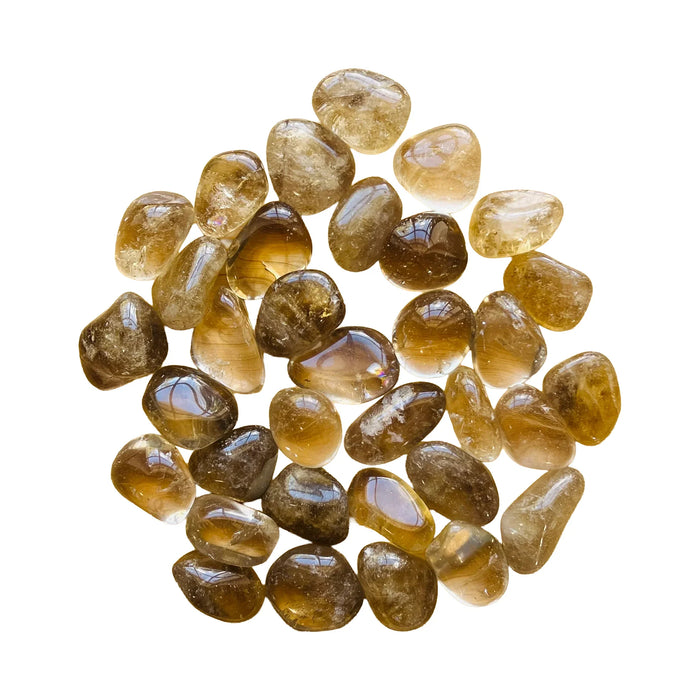
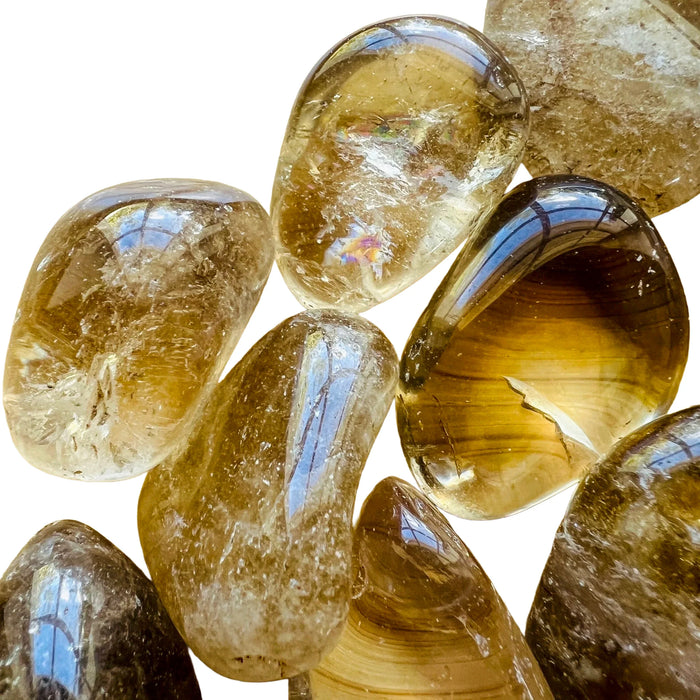
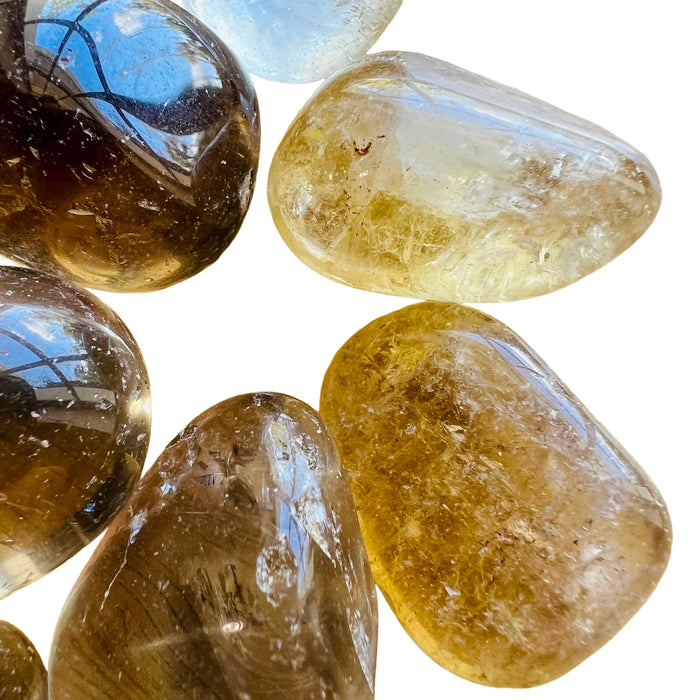
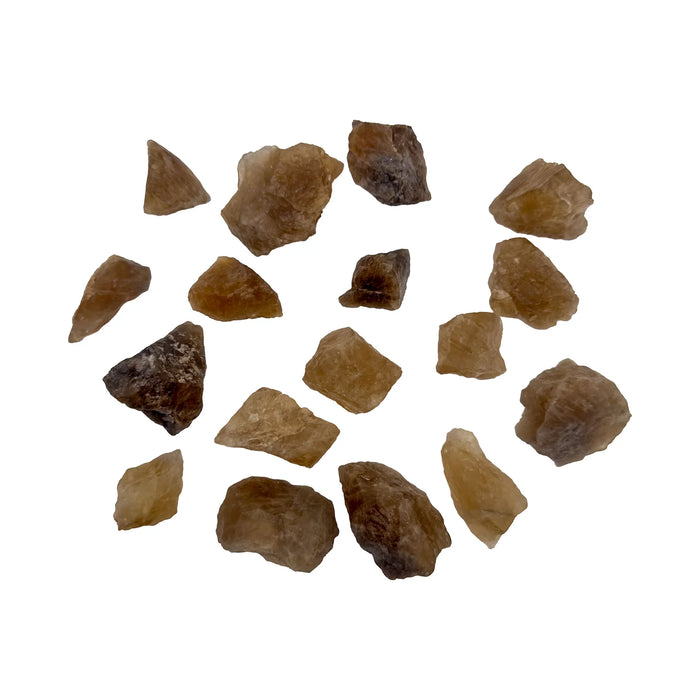
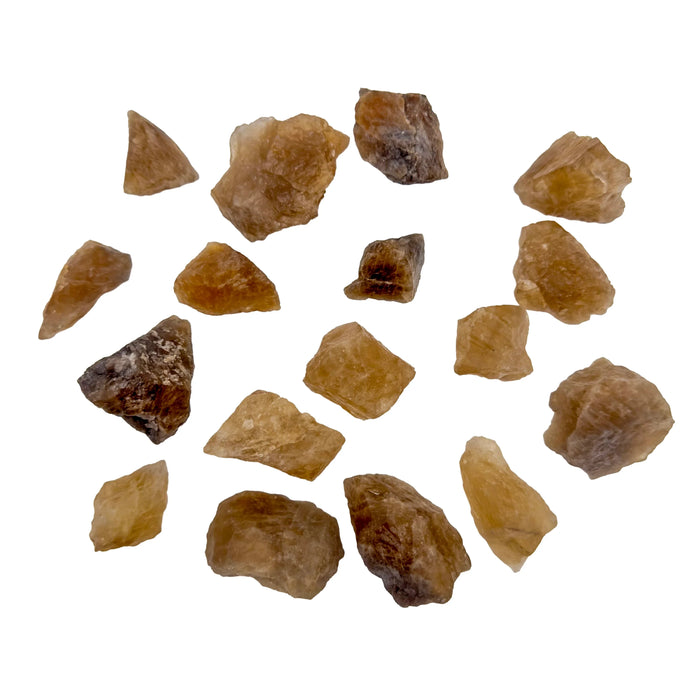
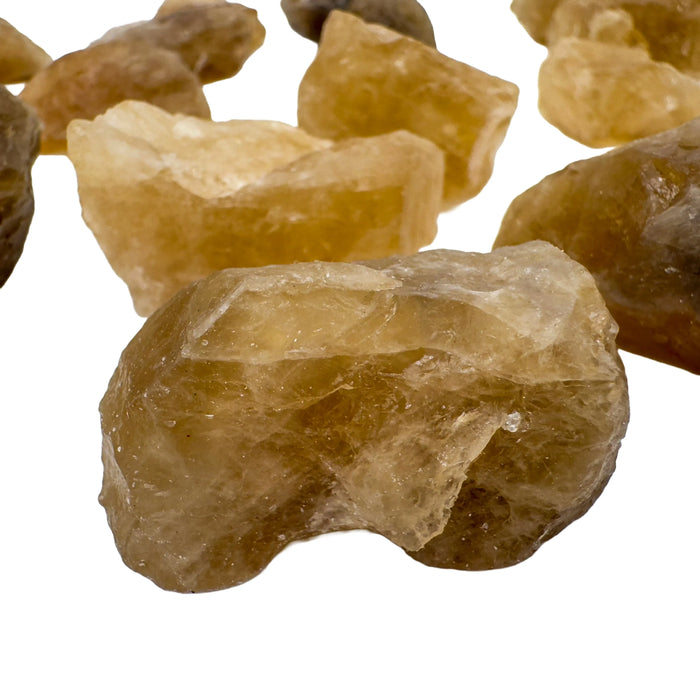
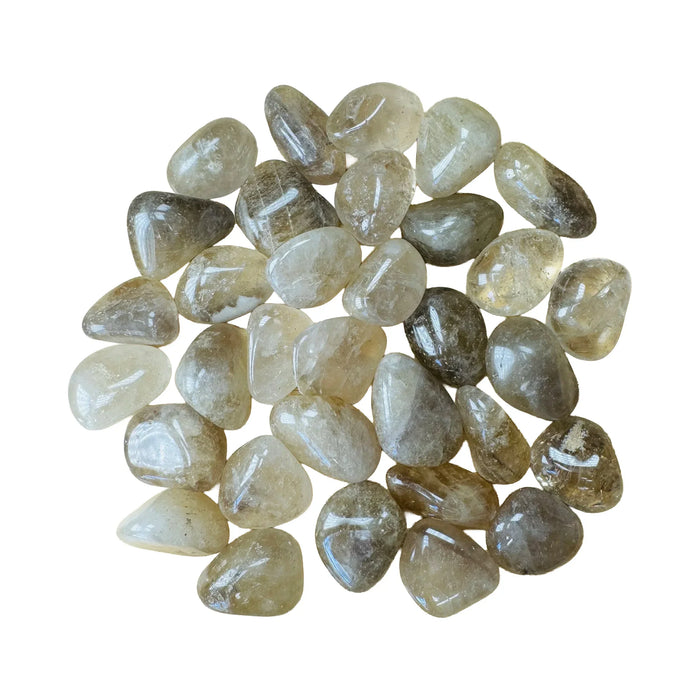
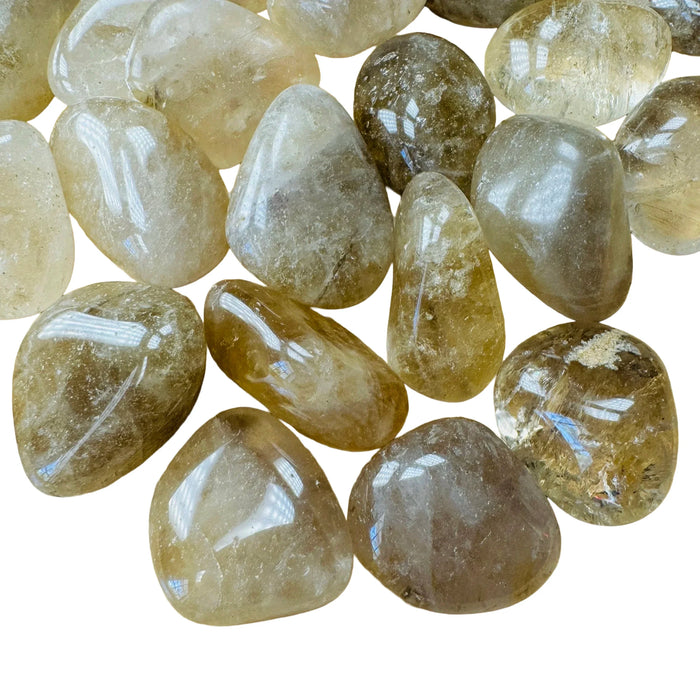
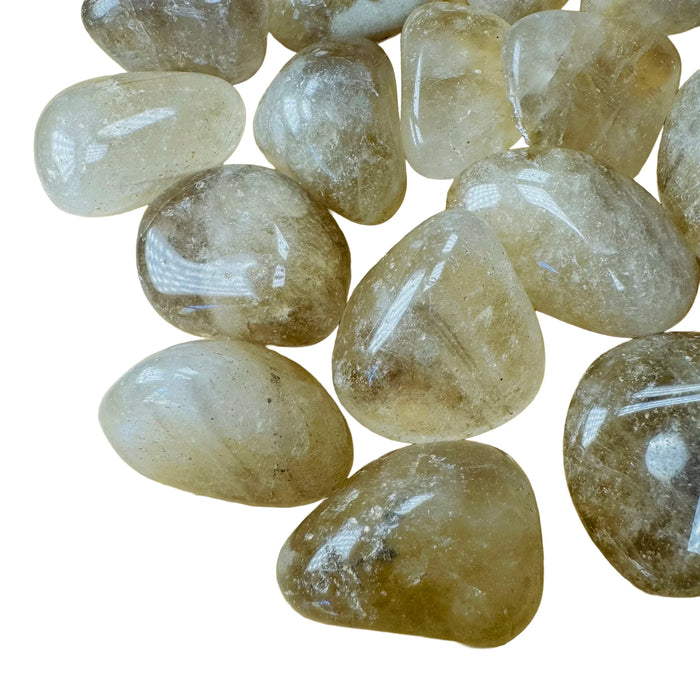
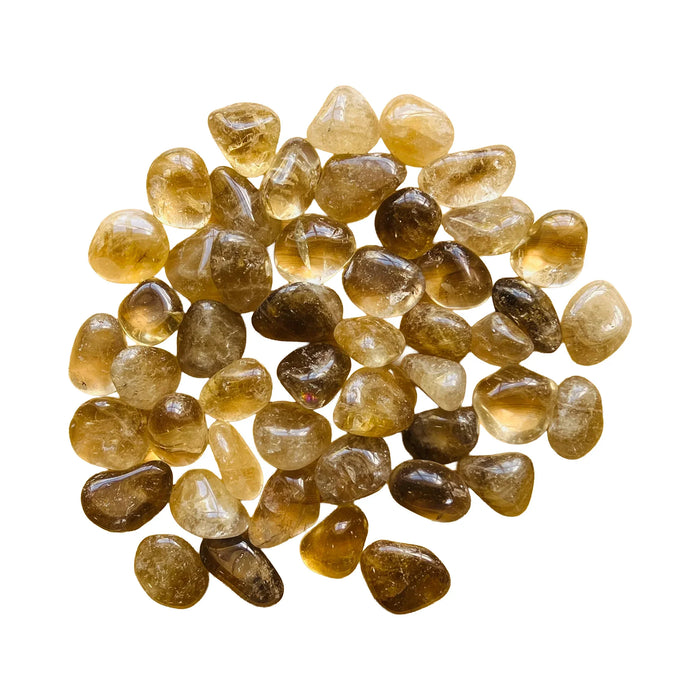
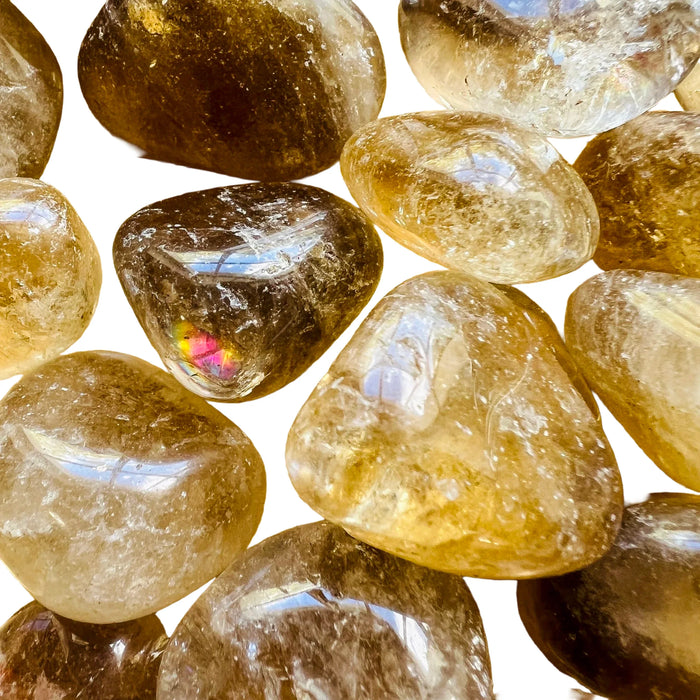
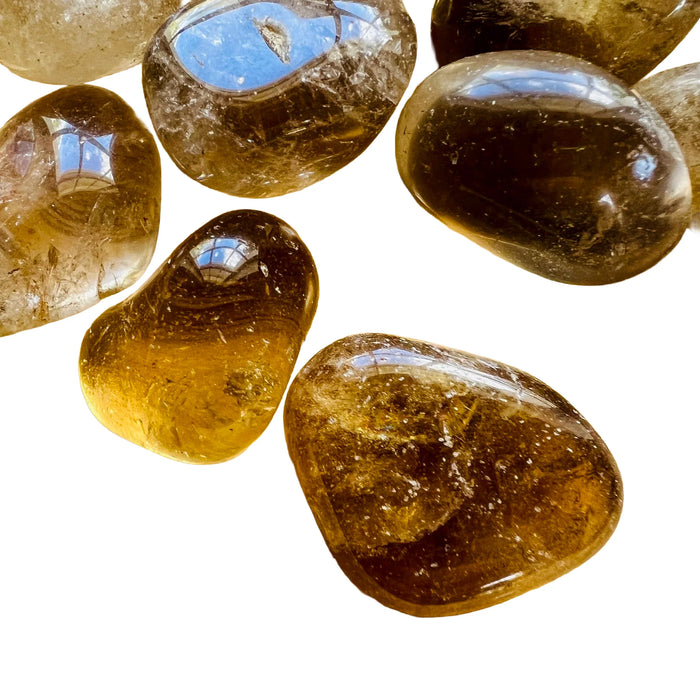
Jeremejevite is not something we carry. Citrine is the closest match in color, and every piece passes our sourcing standards: origin named, treatments disclosed.
- from 1,000+ reviews
- Ships within 72 hoursMonday to Friday, tracked
- 90 days to return itif you do not love it
- Free US shipping over $99$8.99 flat rate under
The Slow Note
New stones go to the list first.
No forwarding, no selling. Unsubscribe in one click. Privacy