


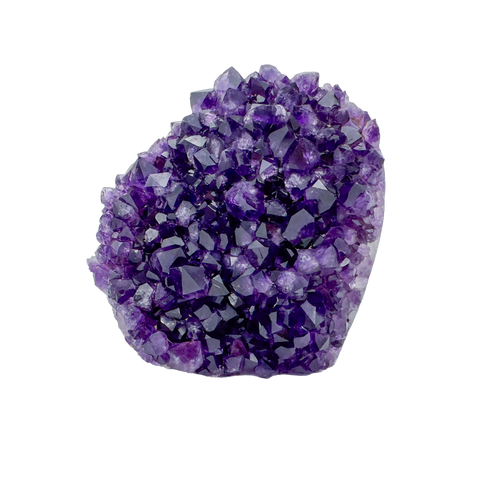
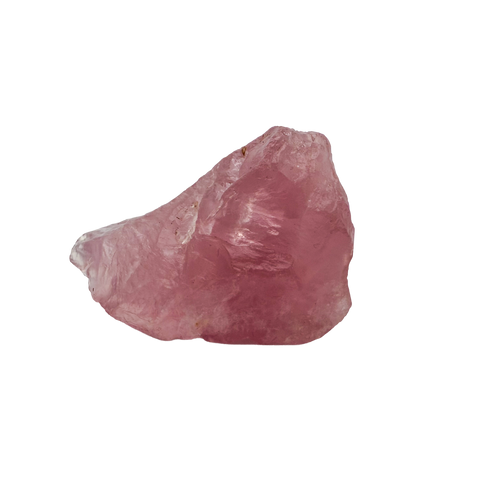
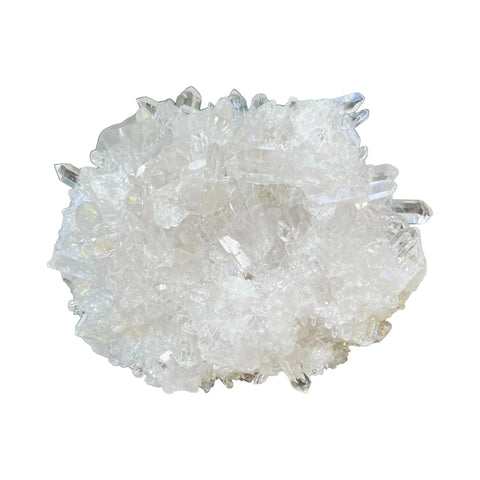
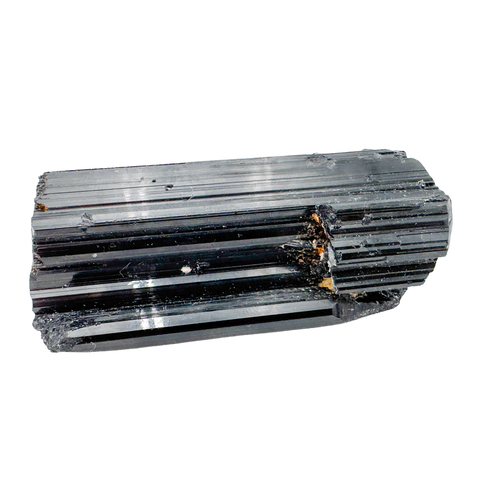
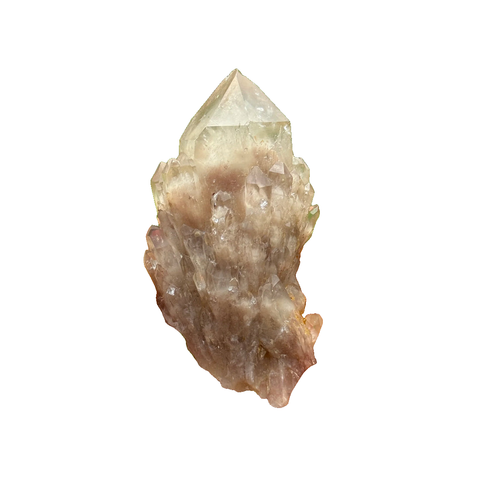
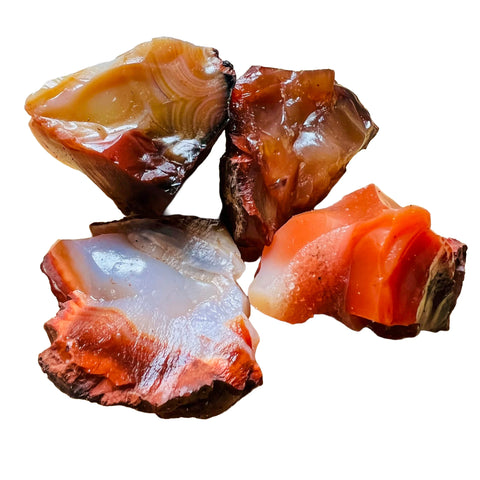


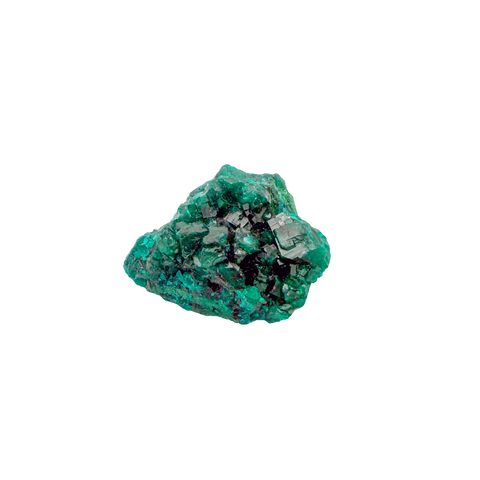
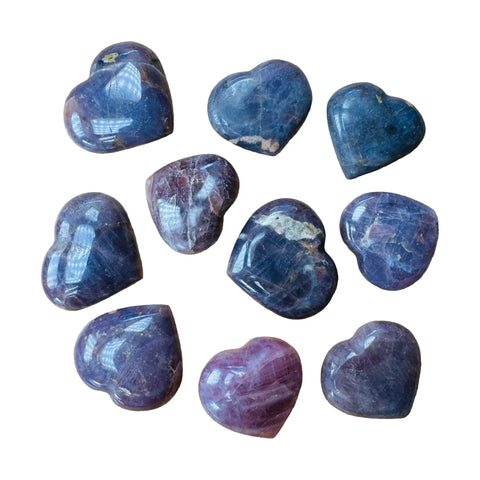
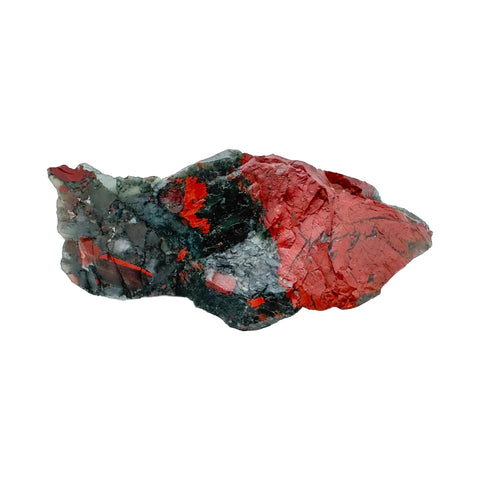
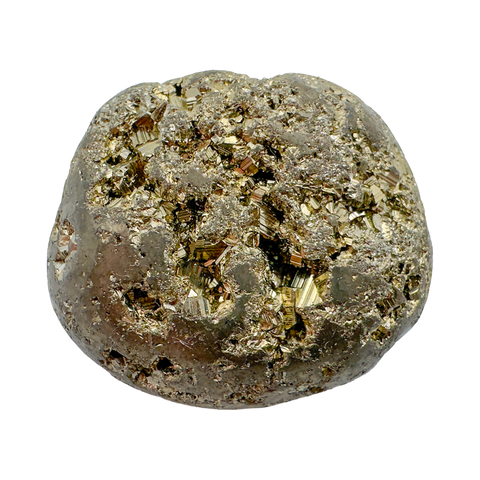
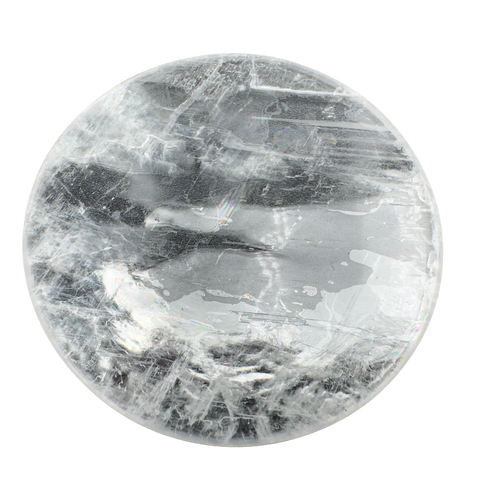
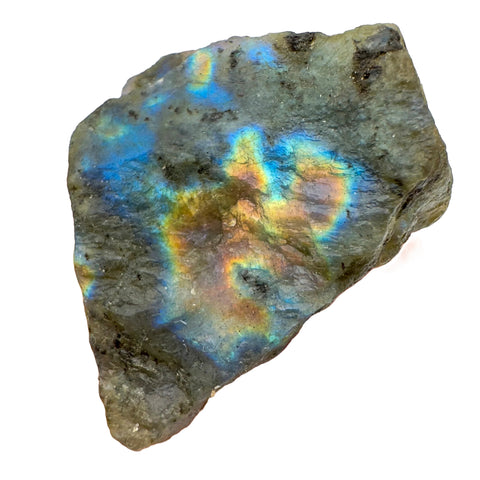
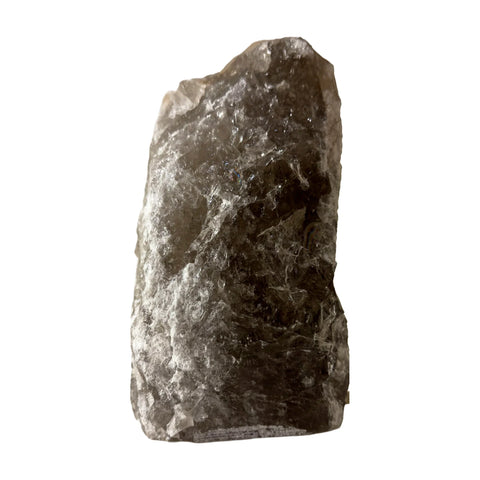
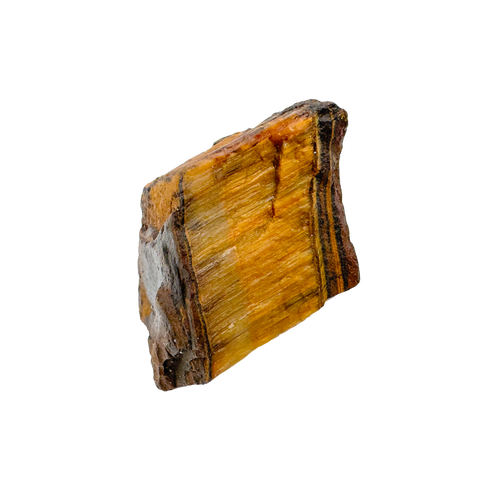
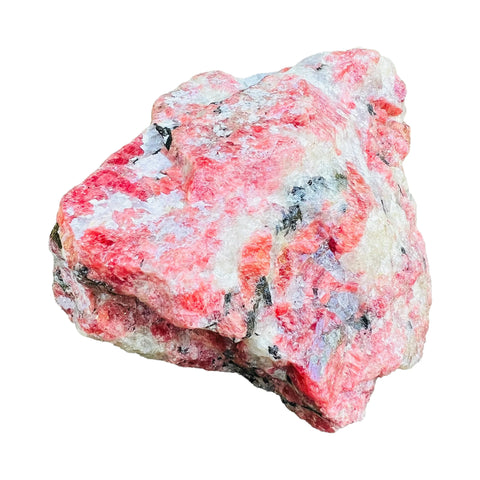
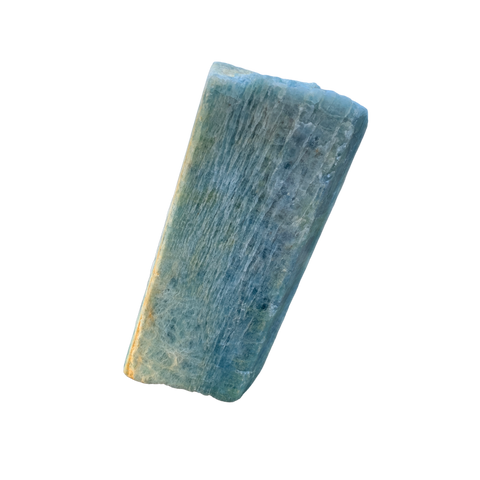
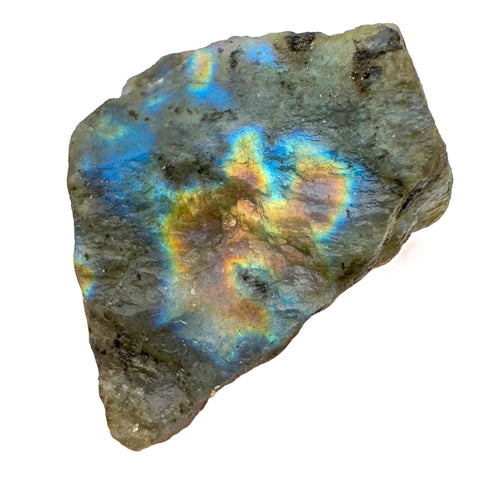
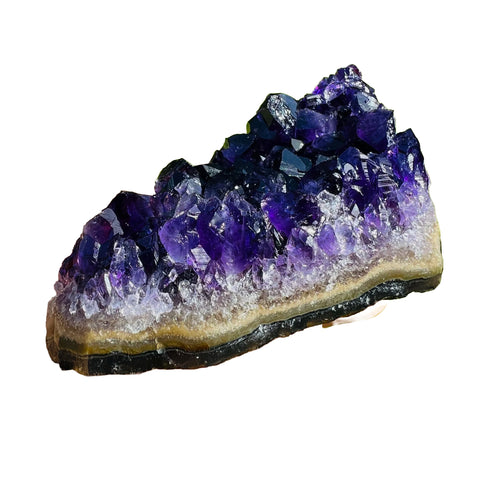



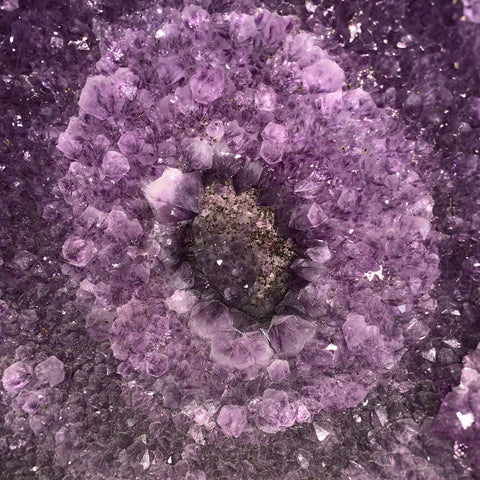
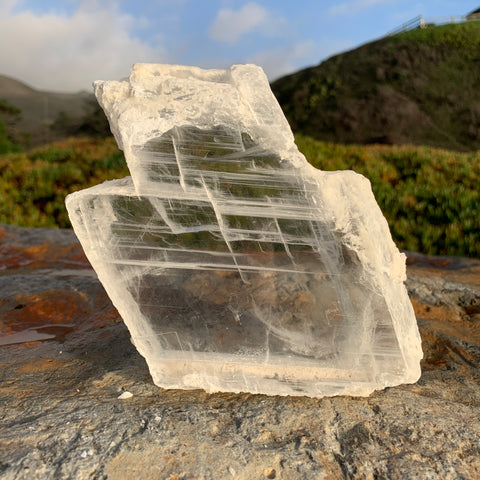


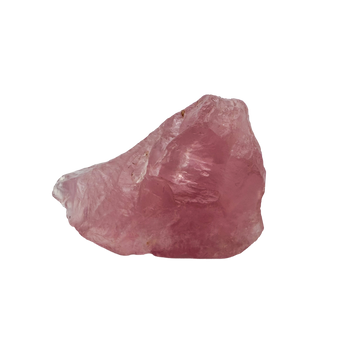
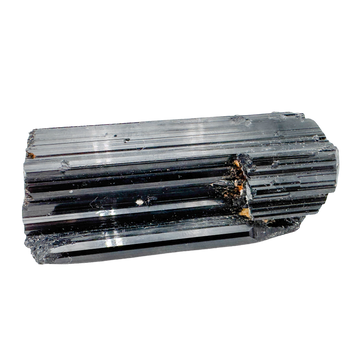
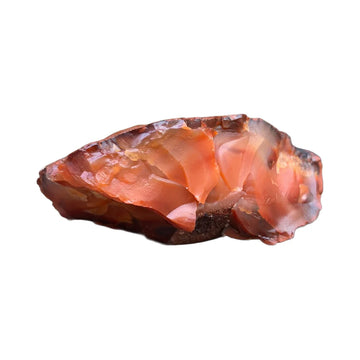
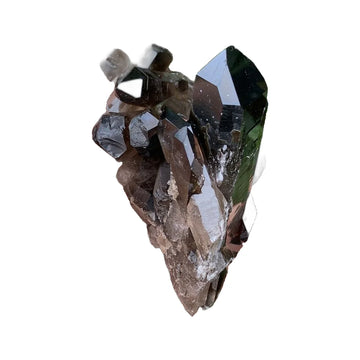
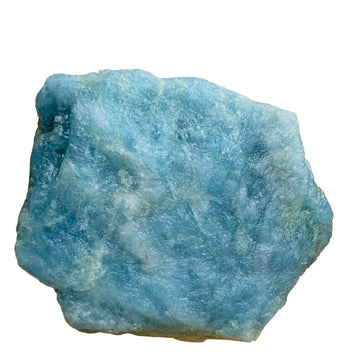
 Raw Stones
179 pieces
Raw Stones
179 pieces
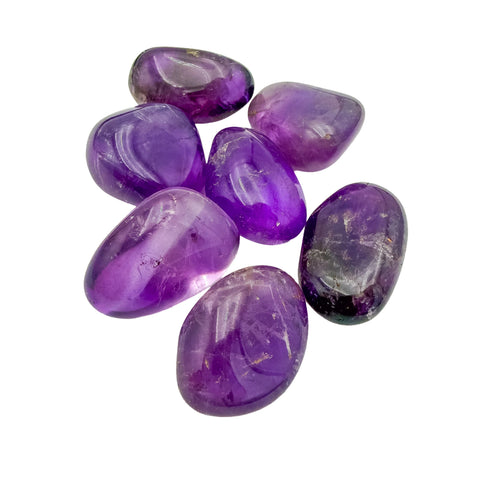
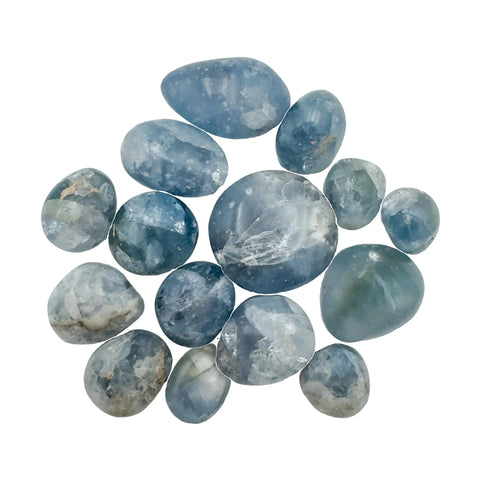
 Tumbled Stones
162 pieces
Tumbled Stones
162 pieces
 Palm Stones
25 pieces
Palm Stones
25 pieces
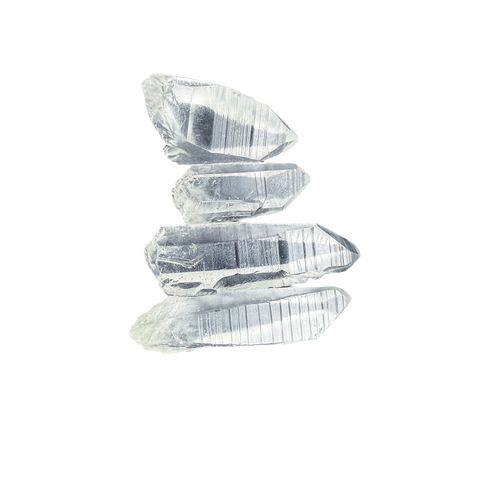
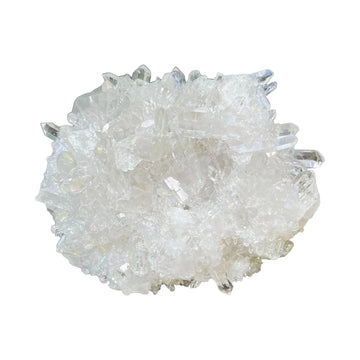
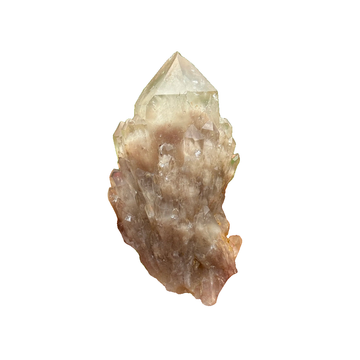
 Crystal Points
23 pieces
Crystal Points
23 pieces
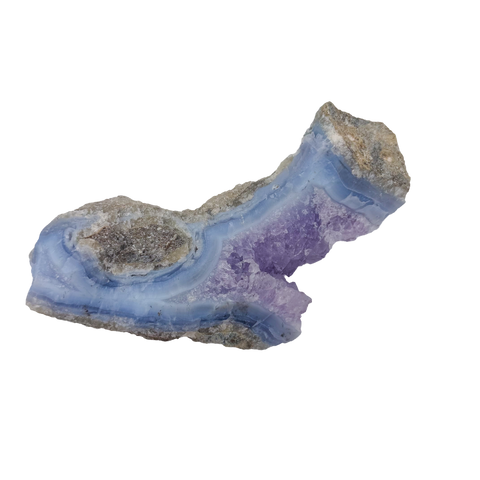
 Clusters & Geodes
104 pieces
Clusters & Geodes
104 pieces
 Polished & Decor
148 pieces
Polished & Decor
148 pieces
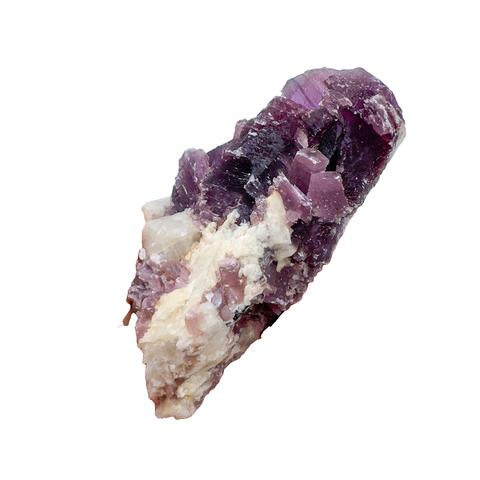
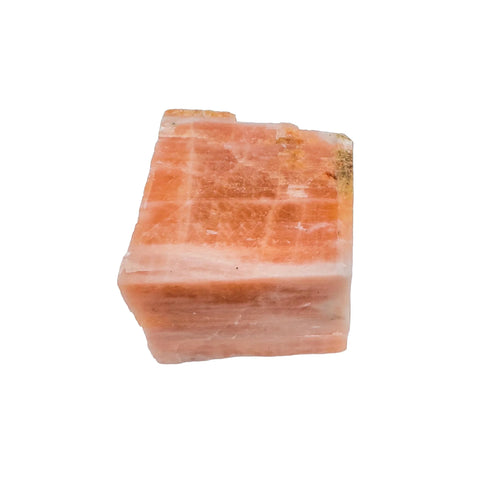
 Mineral Specimens
259 collector pieces
Mineral Specimens
259 collector pieces
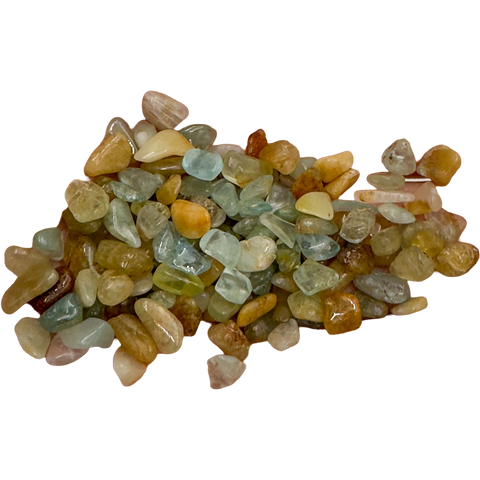
 Crystal Chips
21 pieces
Browse everything
Every collection, one page.
View All Collections →
Crystal Chips
21 pieces
Browse everything
Every collection, one page.
View All Collections →


 Aries
Mar 21 – Apr 19
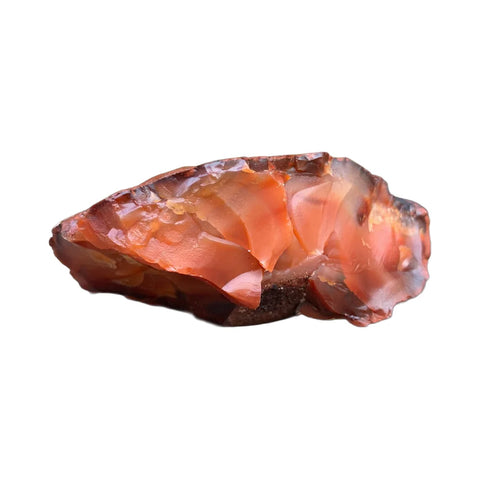
Carnelian
›
Aries
Mar 21 – Apr 19
Carnelian
›
 Taurus
Apr 20 – May 20
Rose Quartz
›
Taurus
Apr 20 – May 20
Rose Quartz
›
 Gemini
May 21 – Jun 20
Agate
›
Gemini
May 21 – Jun 20
Agate
›
 Cancer
Jun 21 – Jul 22
Moonstone
›
Cancer
Jun 21 – Jul 22
Moonstone
›
 Leo
Jul 23 – Aug 22
Citrine
›
Leo
Jul 23 – Aug 22
Citrine
›
 Virgo
Aug 23 – Sep 22
Amazonite
›
Virgo
Aug 23 – Sep 22
Amazonite
›
 Libra
Sep 23 – Oct 22
Blue Lace Agate
›
Libra
Sep 23 – Oct 22
Blue Lace Agate
›
 Scorpio
Oct 23 – Nov 21
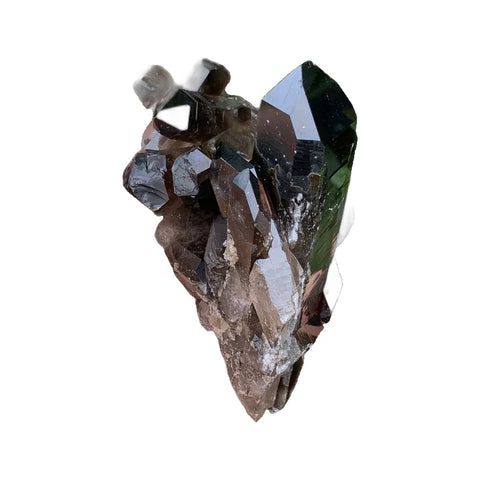
Obsidian
›
Scorpio
Oct 23 – Nov 21
Obsidian
›
 Sagittarius
Nov 22 – Dec 21
Sodalite
›
Sagittarius
Nov 22 – Dec 21
Sodalite
›
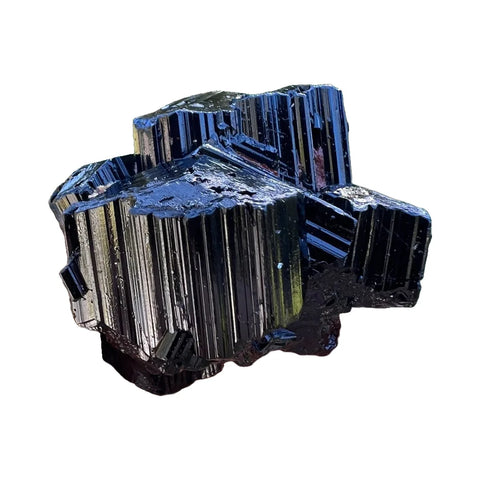
 Capricorn
Dec 22 – Jan 19
Black Tourmaline
›
Capricorn
Dec 22 – Jan 19
Black Tourmaline
›
 Aquarius
Jan 20 – Feb 18
Amethyst
›
Aquarius
Jan 20 – Feb 18
Amethyst
›
 Pisces
Feb 19 – Mar 20
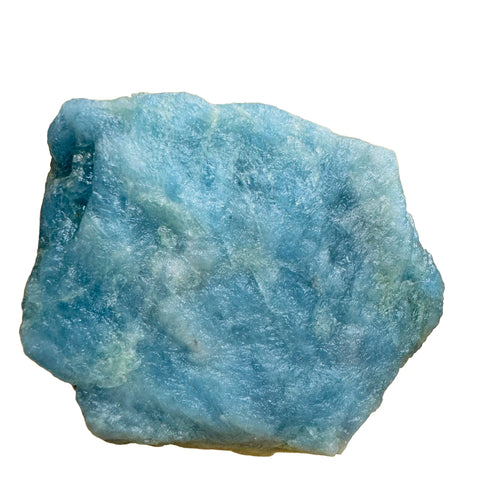
Aquamarine
›
Gifting?
A birthday stone is the safe bet.
Read the zodiac guide →
Pisces
Feb 19 – Mar 20
Aquamarine
›
Gifting?
A birthday stone is the safe bet.
Read the zodiac guide →

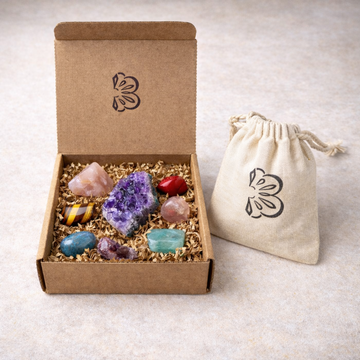


Cherry Quartz
Here is the honest headline. Cherry quartz sold in shops is almost always manufactured glass, not a natural crystal. It is made by melting silica with coloring agents to create a cheerful pink-to-red material streaked with white. It can be lovely, and it is fine to enjoy, as long as you know what you are actually holding.
The geology.
There is no natural mineral called cherry quartz. The bright pink material sold under that name is man-made glass, built mostly from silicon dioxide, the same base ingredient as natural quartz, but melted and colored rather than grown in the earth. Coloring agents are added to the molten glass to produce the cherry tone, and white swirls are worked in for contrast.
Because it is glass, cherry quartz has no crystal structure. It is amorphous, with a hardness around 5 to 5.5, a little softer than real quartz at 7. Under close inspection it often shows the tells of glass, including small round bubbles, a very even color, and a glassy, sometimes almost too perfect clarity. None of that makes it bad. It simply makes it glass.
The origins.
Cherry quartz does not come from a mine or a named locality, because it is manufactured, much of it in factories that also produce other colored glass and beads. Historically some versions were tinted using cinnabar, and today most is colored with metal oxides and other pigments in bulk production.
This is the whole point of an honest guide. When a seller lists a country of origin or a mine for cherry quartz, that is a warning sign. The material is made, not dug. Its natural cousin, strawberry quartz, is a genuine mineral with real inclusions, and the two are easy to mix up by name.
Traditional associations.
Because cherry quartz is a modern manufactured material, it carries no ancient folklore of its own. The meanings attached to it are recent, borrowed largely from pink stones in general and from its cherry-blossom color. Many people associate it with love, warmth, and emotional comfort.
In popular use it is linked to the Heart chakra and to gentle, uplifting intentions. If those associations bring you comfort, that is a fine reason to keep a piece. We simply hold to the honest frame that this is a made material with modern meanings, not a stone with a long tradition.
Spotting the real thing.
Telling cherry quartz for what it is comes down to spotting glass. Look for small, perfectly round bubbles trapped inside, a color that is very uniform, and a clarity that looks more like a boiled sweet than a mineral. Natural quartz almost never shows round bubbles or such even coloring.
The bigger mix-up is with strawberry quartz, a real quartz colored by tiny mineral inclusions such as iron oxides, which look like fine flecks rather than swirls of dye. If a pink stone is inexpensive, glassy, and bubble-flecked, it is cherry quartz glass. If you want a natural stone, ask specifically for strawberry quartz or rose quartz and confirm the seller knows the difference.
Care & handling.
As glass, cherry quartz is easy to care for but can chip or scratch. At about 5 to 5.5 on the Mohs scale it is softer than natural quartz, so keep it away from harder stones and rough handling. Clean it with warm water and a soft cloth, and dry it well.
Avoid harsh chemicals, ultrasonic cleaners, and sudden temperature changes, which can stress glass. Store it separately so it does not get scuffed. Since it has no natural origin, energetic cleansing is entirely a matter of personal practice, and gentle methods like sound or moonlight are popular choices.
Pairs well with.
A deeper look.
Extended geology, sourcing, authentication, history, and varieties, for when the quick guide isn't quite enough.
Extended geology
Glass is an amorphous solid, meaning its atoms are frozen in a disordered arrangement rather than the ordered lattice of a crystal.
Extended sourcing
Because it is produced industrially, cherry quartz has no geological source, deposit, or country of origin in the mineral sense. It is manufactured in bulk, largely for the bead, tumble, and carving trades.
Authentication and warning signs
The warning signs are the reassuring signs that you are looking at glass: round internal bubbles, swirl patterns like stirred syrup, extreme color uniformity, and low prices for large clear pieces.
History and folklore
Cherry quartz is a recent product of the glassmaking and bead industries, not a stone with ancient use. For a time it circulated in the trade as though it were natural, and many well-meaning makers passed that idea along.
Varieties and trade names
Cherry quartz glass: the standard pink-to-red glass with white swirls.
Blue, green, and other cherry-style glasses: the same manufactured material in different colors, sometimes sold under fruit or flower names.
Strawberry quartz: a genuine natural quartz with real mineral inclusions, not to be confused with cherry quartz glass.
What it costs in the market
Cherry quartz is inexpensive, priced like decorative glass rather than like a gemstone. Tumbled pieces and beads are typically very cheap, and larger points or spheres remain modestly priced. That low, consistent price is itself a clue to its nature.
An education-first guide.
We built this guide so the next time you see cherry quartz, you will know it is manufactured glass rather than a natural stone, and can buy it as glass at a glass price with open eyes. Clear labeling is the heart of how we think about every stone, the ones we carry and the ones we do not. Explore the rest of our crystal guides for natural stones with full origin and treatment notes.
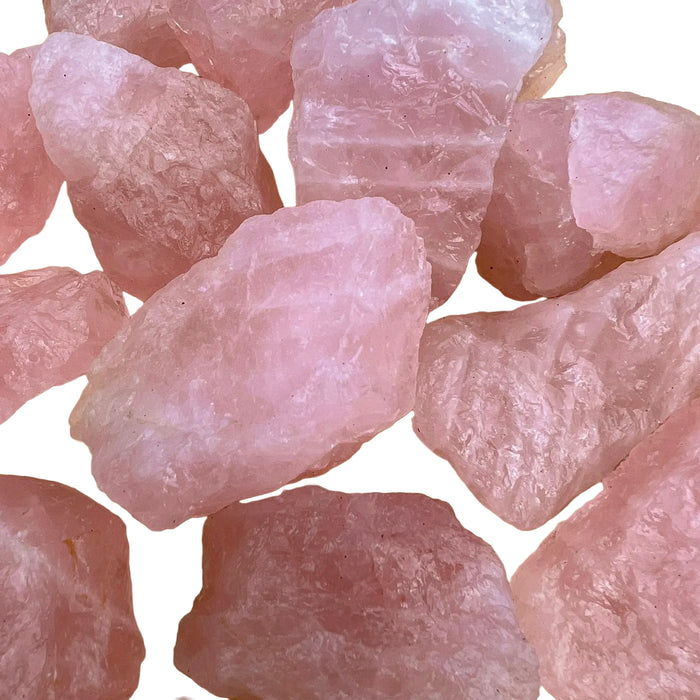
Explore the Crystal GuideThe closest match we carry: Rose Quartz.
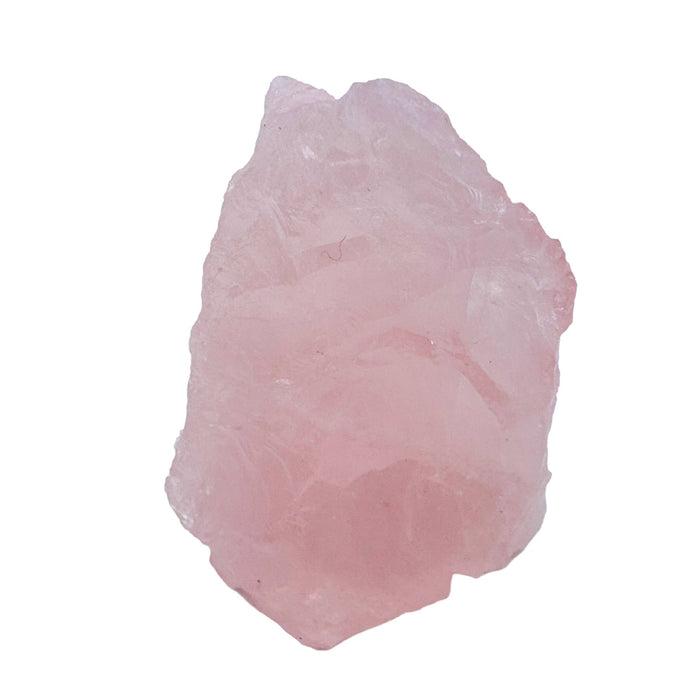
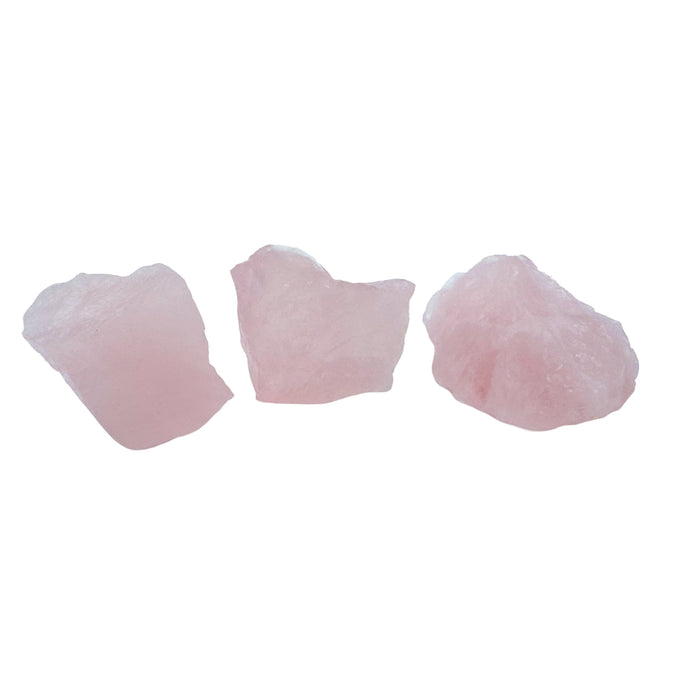
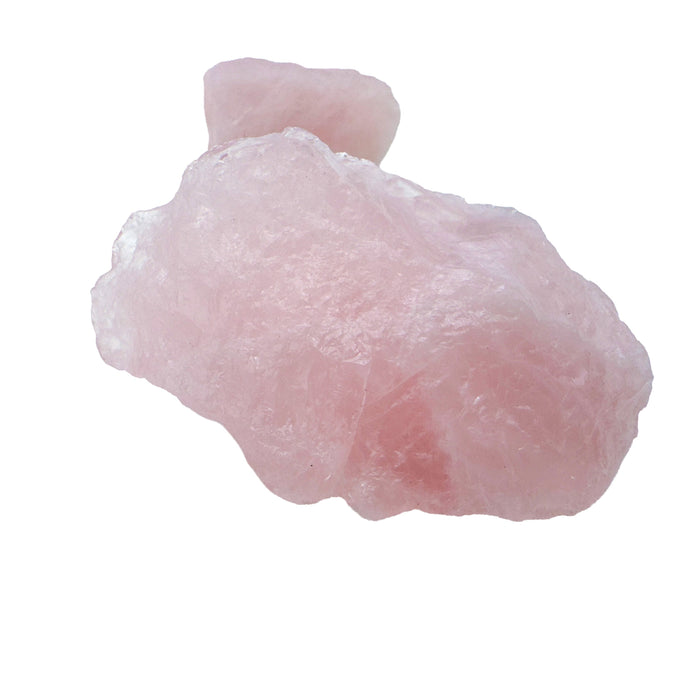
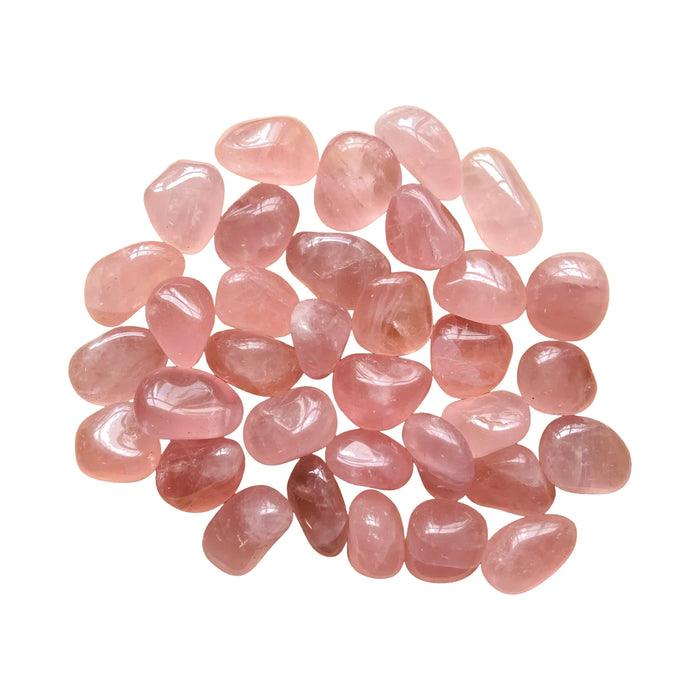
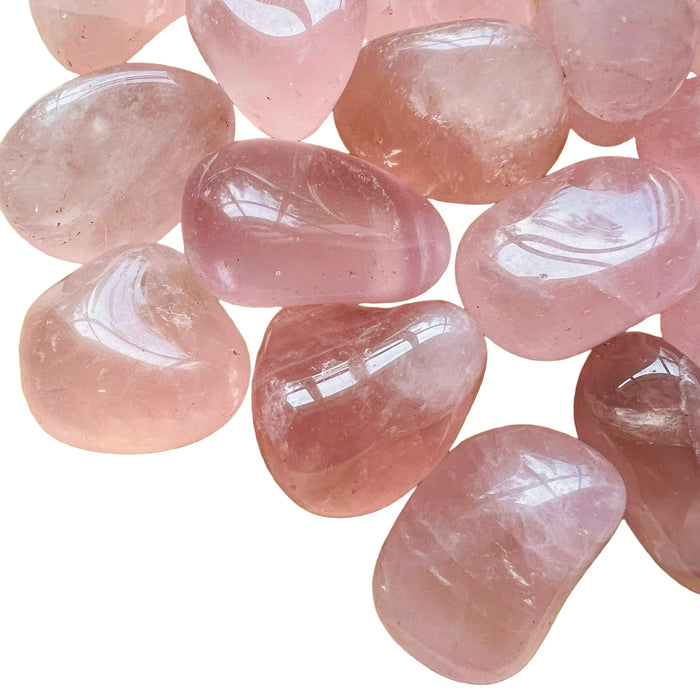
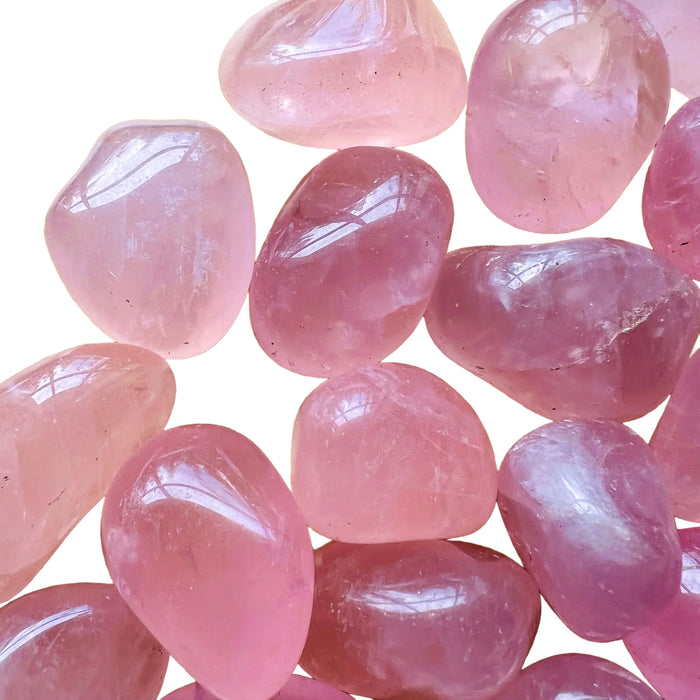
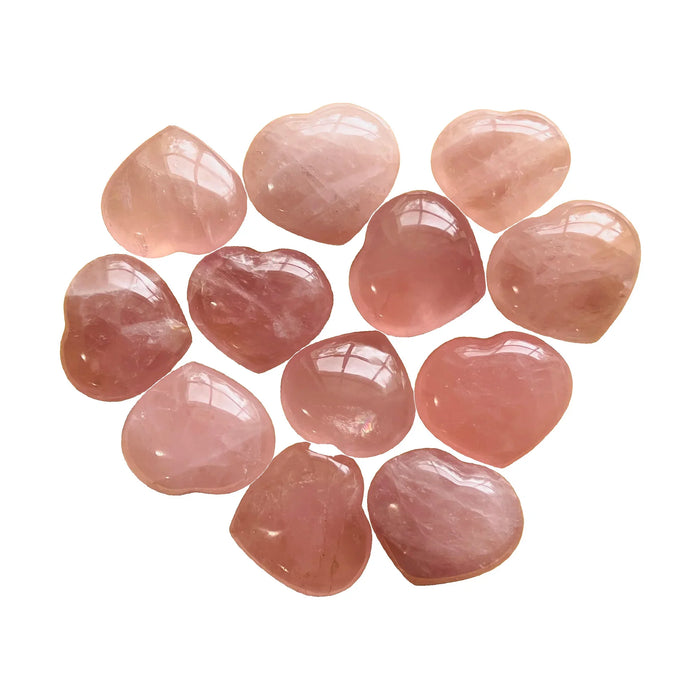
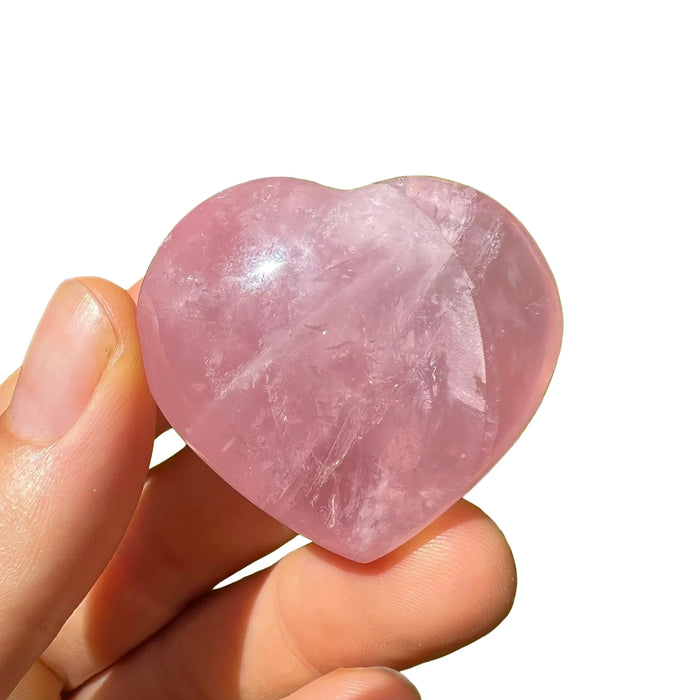
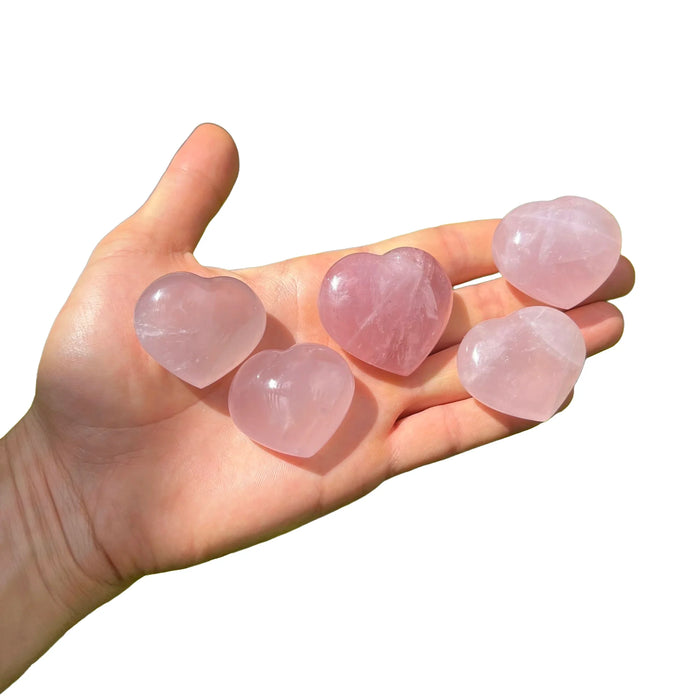
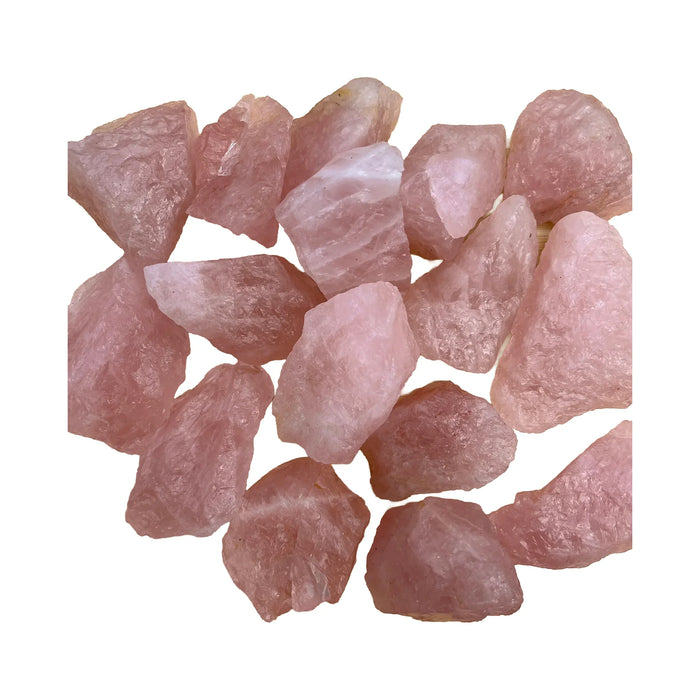
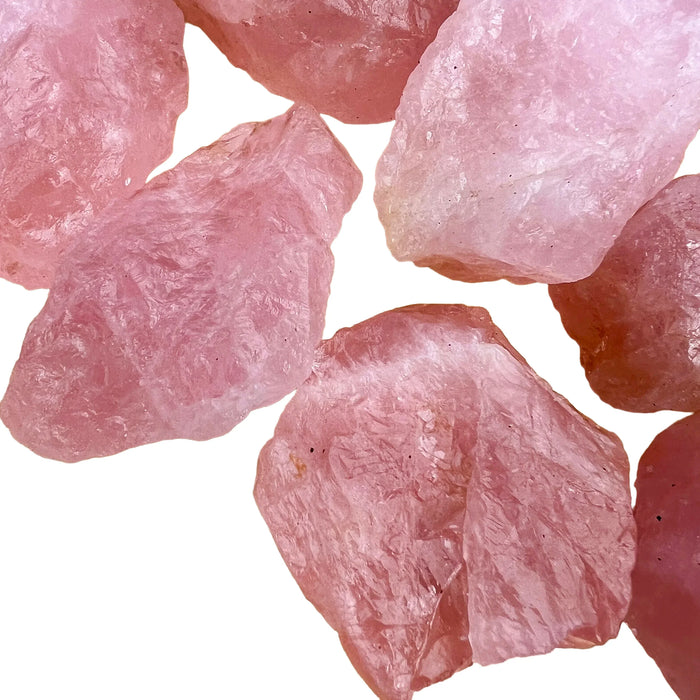
Cherry Quartz is not something we carry. Rose Quartz is the closest match in our collection, and every piece passes our sourcing standards: origin named, treatments disclosed.
- from 1,000+ reviews
- Ships within 72 hoursMonday to Friday, tracked
- 90 days to return itif you do not love it
- Free US shipping over $99$8.99 flat rate under
The Slow Note
New stones go to the list first.
No forwarding, no selling. Unsubscribe in one click. Privacy