


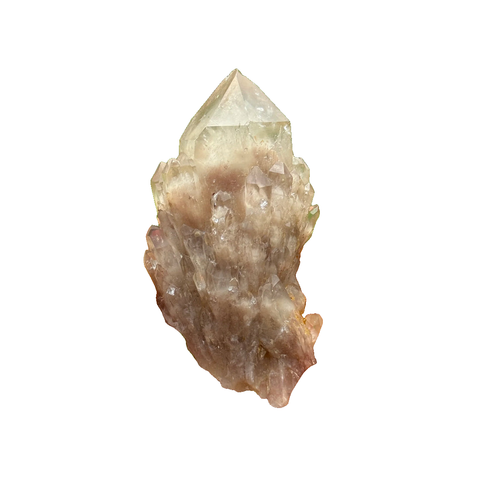
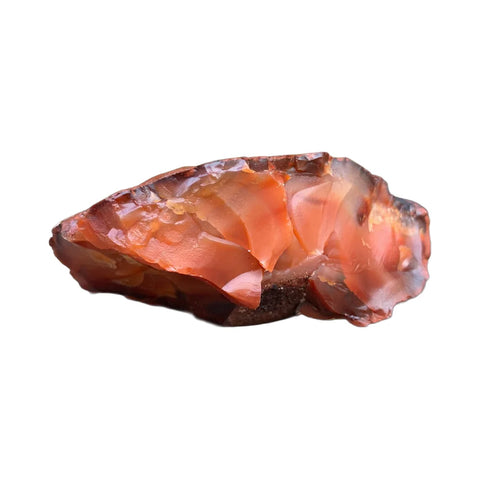
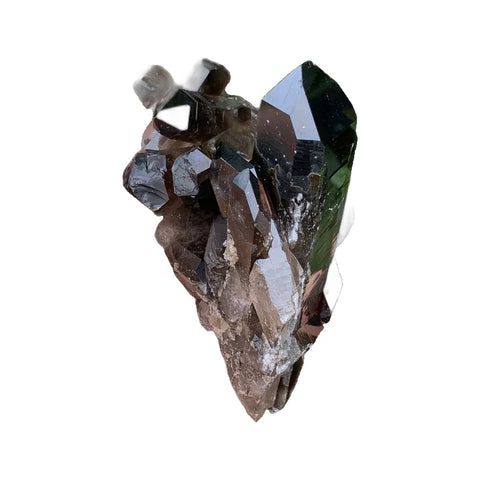
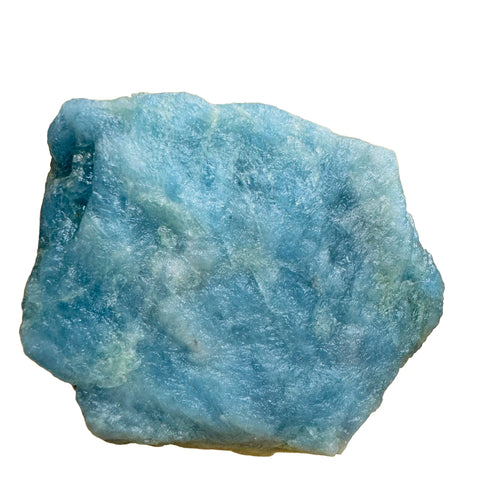
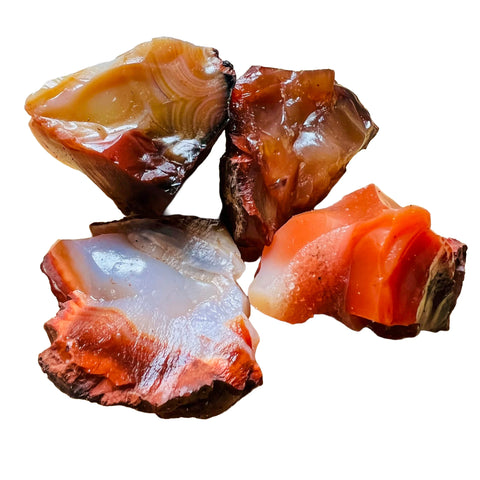


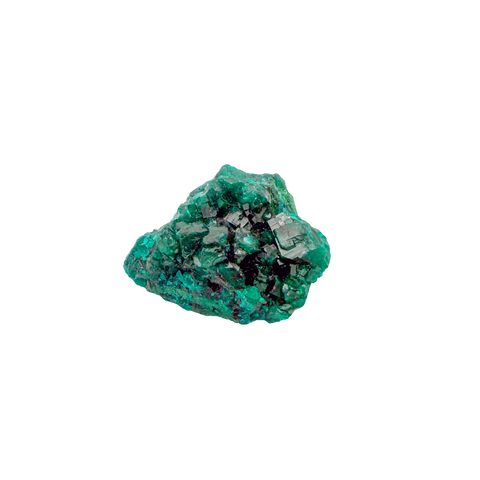
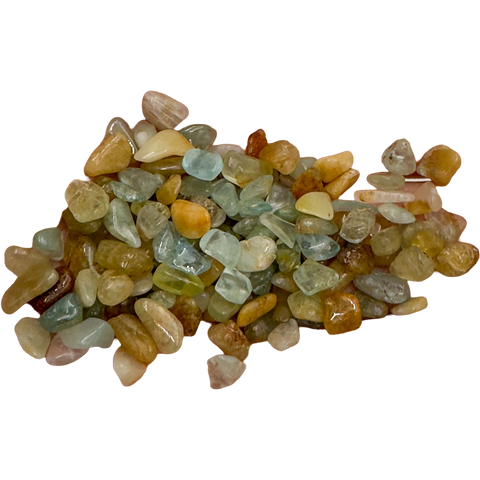
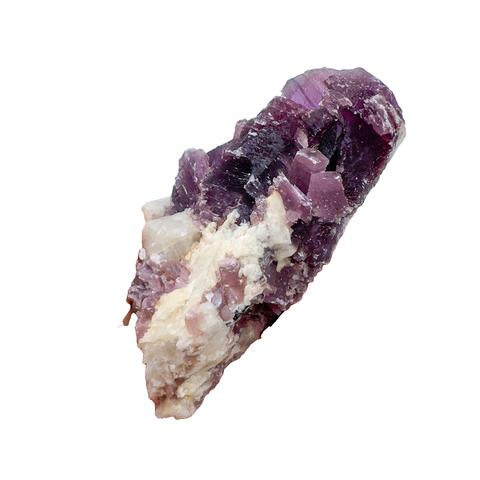
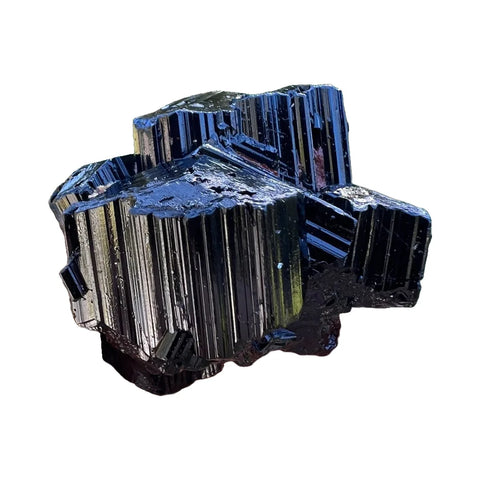
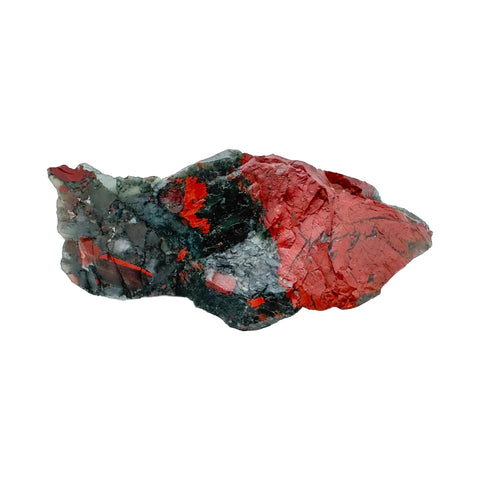
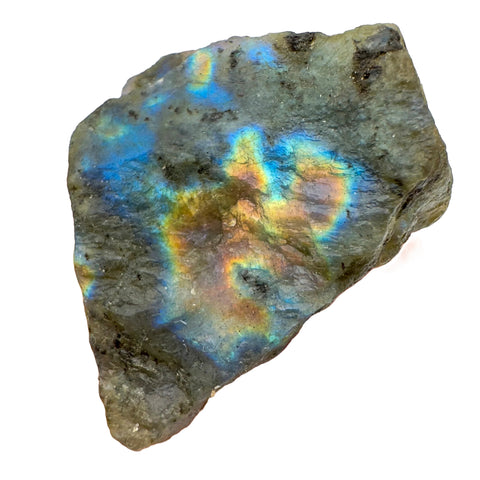
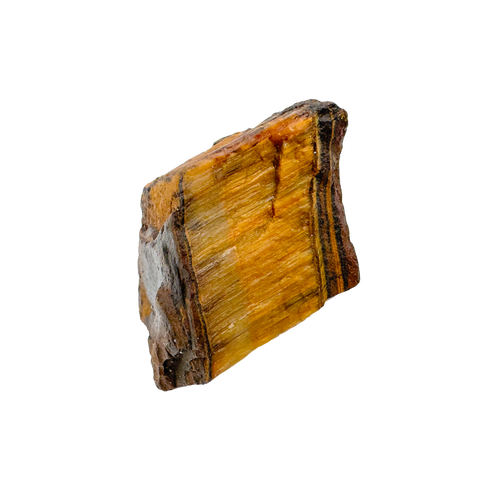
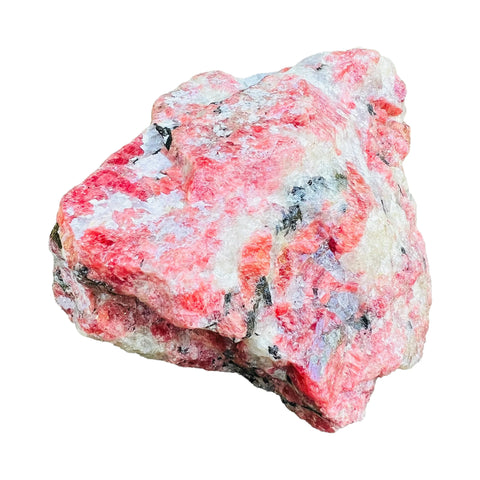
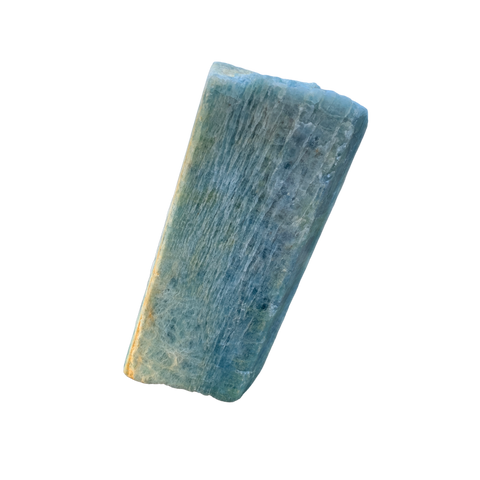
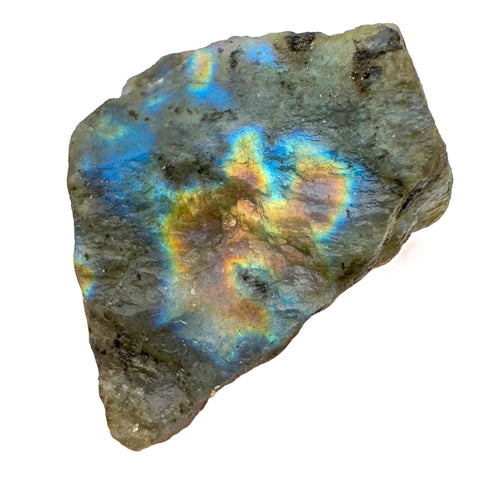
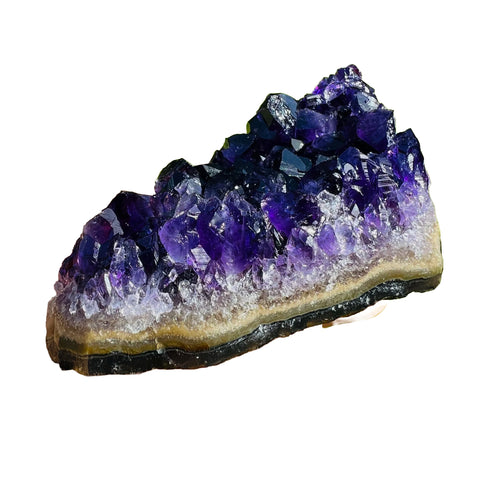



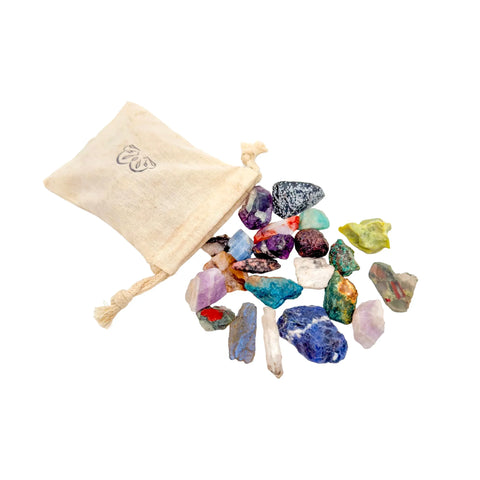
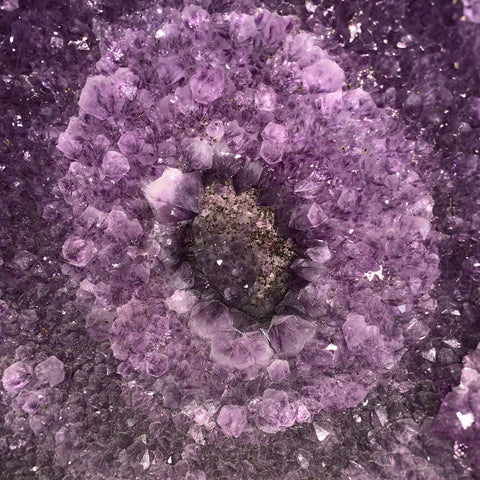
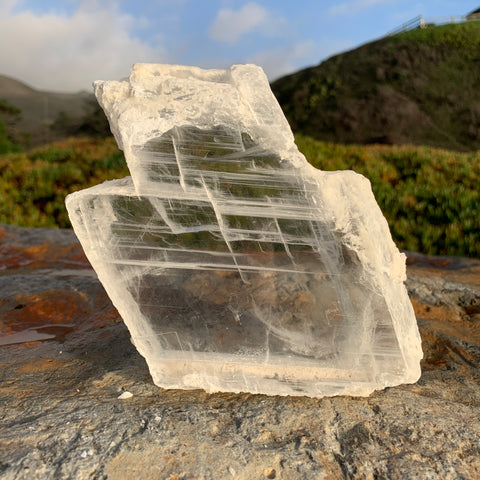
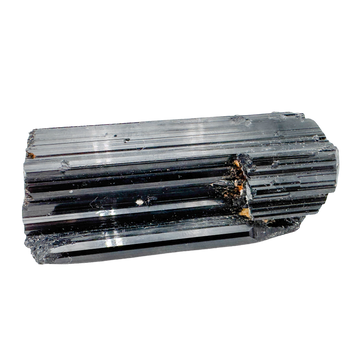
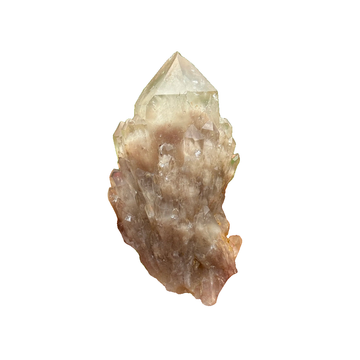
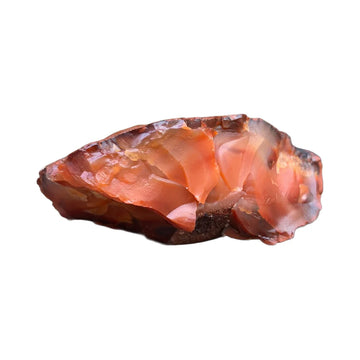
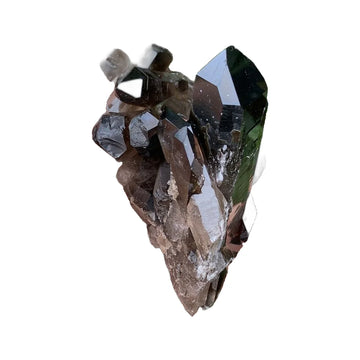
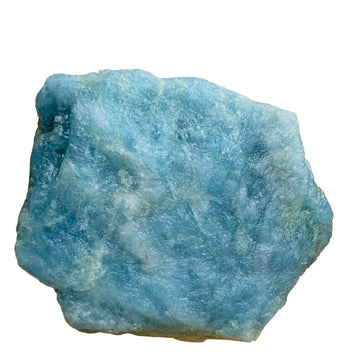
 Raw Stones
179 pieces
Raw Stones
179 pieces
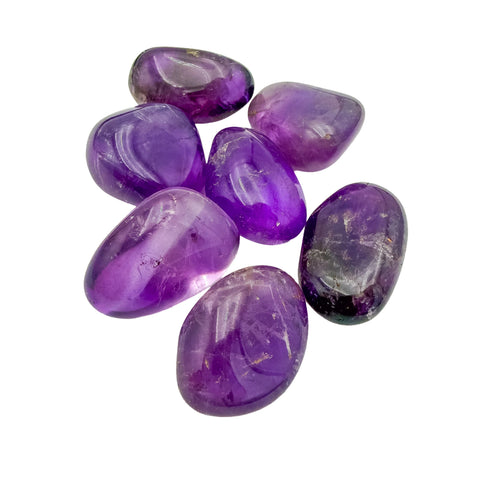
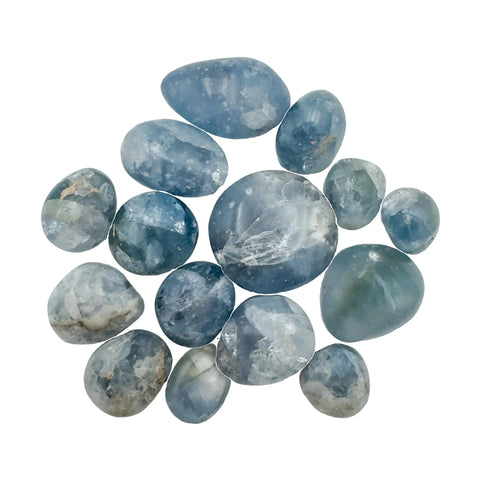
 Tumbled Stones
162 pieces
Tumbled Stones
162 pieces
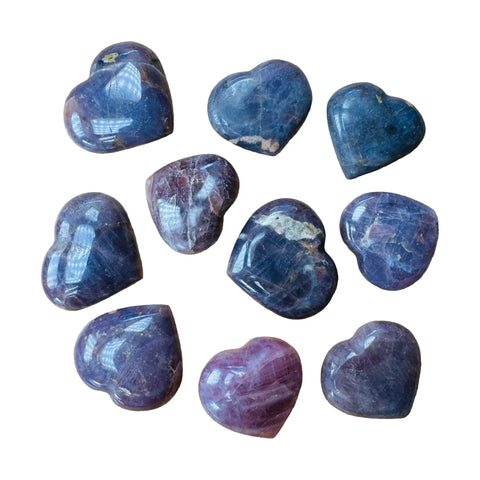
 Palm Stones
25 pieces
Palm Stones
25 pieces
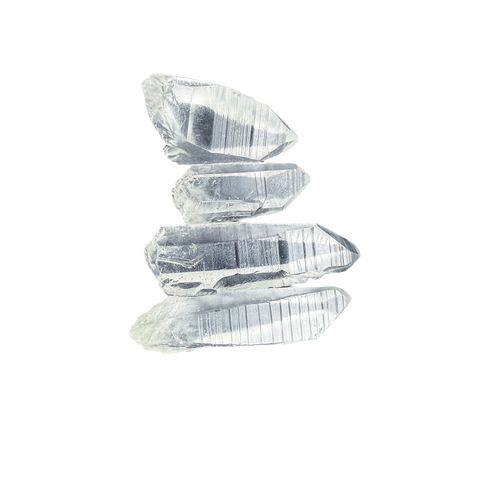
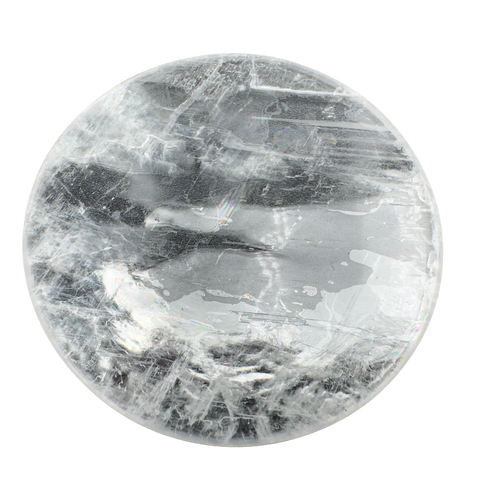
 Crystal Points
23 pieces
Crystal Points
23 pieces
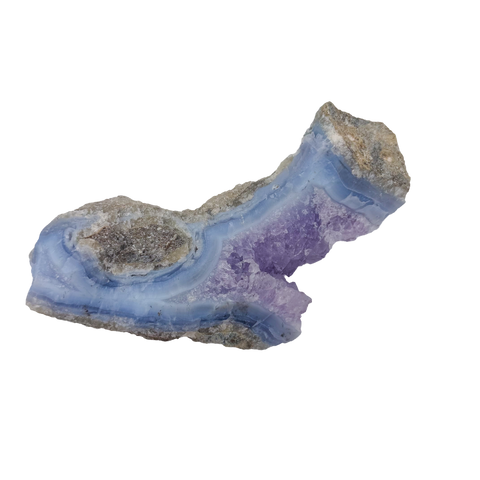
 Clusters & Geodes
104 pieces
Clusters & Geodes
104 pieces
 Polished & Decor
148 pieces
Polished & Decor
148 pieces
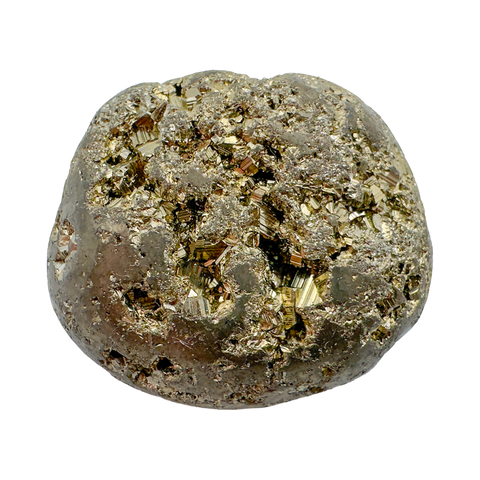
 Mineral Specimens
259 collector pieces
Mineral Specimens
259 collector pieces
 Crystal Chips
21 pieces
Browse everything
Every collection, one page.
View All Collections →
Crystal Chips
21 pieces
Browse everything
Every collection, one page.
View All Collections →


 Aries
Mar 21 – Apr 19
Carnelian
›
Aries
Mar 21 – Apr 19
Carnelian
›
 Taurus
Apr 20 – May 20
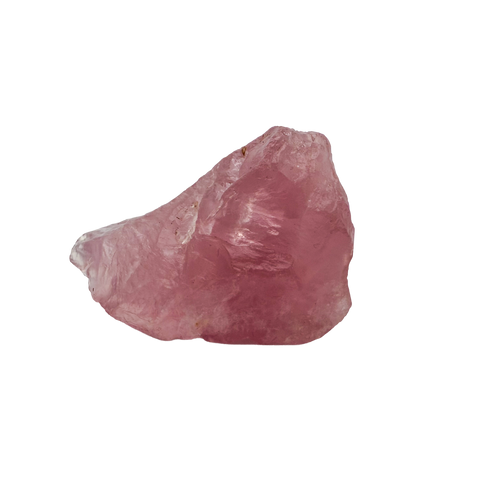
Rose Quartz
›
Taurus
Apr 20 – May 20
Rose Quartz
›
 Gemini
May 21 – Jun 20
Agate
›
Gemini
May 21 – Jun 20
Agate
›
 Cancer
Jun 21 – Jul 22
Moonstone
›
Cancer
Jun 21 – Jul 22
Moonstone
›
 Leo
Jul 23 – Aug 22
Citrine
›
Leo
Jul 23 – Aug 22
Citrine
›
 Virgo
Aug 23 – Sep 22
Amazonite
›
Virgo
Aug 23 – Sep 22
Amazonite
›
 Libra
Sep 23 – Oct 22
Blue Lace Agate
›
Libra
Sep 23 – Oct 22
Blue Lace Agate
›
 Scorpio
Oct 23 – Nov 21
Obsidian
›
Scorpio
Oct 23 – Nov 21
Obsidian
›
 Sagittarius
Nov 22 – Dec 21
Sodalite
›
Sagittarius
Nov 22 – Dec 21
Sodalite
›
 Capricorn
Dec 22 – Jan 19
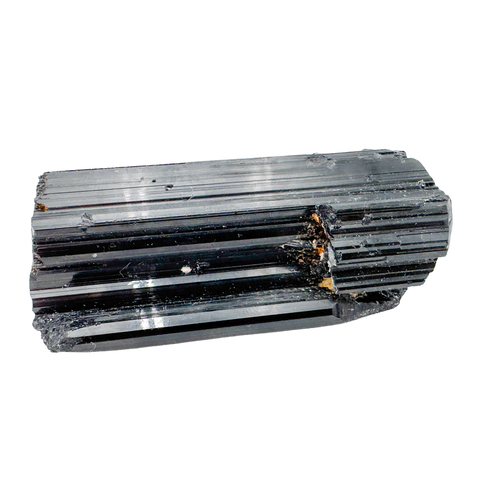
Black Tourmaline
›
Capricorn
Dec 22 – Jan 19
Black Tourmaline
›
 Aquarius
Jan 20 – Feb 18
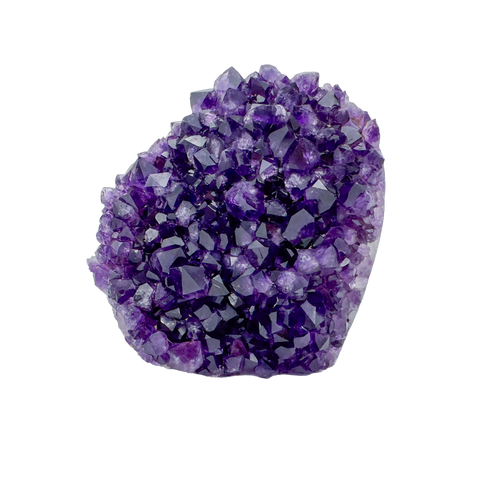
Amethyst
›
Aquarius
Jan 20 – Feb 18
Amethyst
›
 Pisces
Feb 19 – Mar 20
Aquamarine
›
Gifting?
A birthday stone is the safe bet.
Read the zodiac guide →
Pisces
Feb 19 – Mar 20
Aquamarine
›
Gifting?
A birthday stone is the safe bet.
Read the zodiac guide →


Cinnabar
Cinnabar is the natural ore of mercury, a soft mineral prized for a red so intense it gave the world the pigment vermilion. Most of the carved red cinnabar jewelry and boxes on the market are lacquer or resin, not this mineral, which is too soft and too toxic to wear. Collectors keep genuine crystals as display specimens.
The geology.
Cinnabar is mercury sulfide, HgS, a soft sulfide mineral that crystallizes in the trigonal system. Its color ranges from bright scarlet to a deep brick red, and it carries one of the highest specific gravities of the common red minerals, around 8, which makes even small pieces feel surprisingly heavy in the hand.
Hardness is only 2 to 2.5 on the Mohs scale, soft enough to mark easily, with an adamantine to dull luster and a scarlet streak. Cinnabar forms near recent volcanic activity and hot springs, where mercury-rich fluids deposit it in veins and as crusts. It is the principal ore of mercury and the natural source of the historic pigment vermilion.
The origins.
Spain holds the most storied source. The Almaden district produced cinnabar for more than two thousand years and was one of the largest mercury operations in history. Slovenia's Idrija was another great European mercury center.
China is a major modern source, with fine crystals from Hunan and Guizhou provinces, and the United States produced mercury from cinnabar at New Almaden and other California and Nevada deposits. Peru and Mexico have contributed as well. Sharp, well-formed red crystals from China are especially sought by collectors.
Traditional associations.
Cinnabar has a long association with transformation, drawn from its old role in alchemy, where the red ore of mercury sat at the center of experiments in change and refinement. Many people associate it with vitality, manifestation, and a bold, driving energy.
In modern practice it is usually kept as a specimen rather than carried, both for its softness and its mercury content. These associations are traditional and personal, not medical claims. It is most often linked with the Root chakra and the element of Fire.
Spotting the real thing.
Real cinnabar is heavy, soft, and vivid. The weight is the first tell, since at a specific gravity near 8 it feels denser than almost any similar-sized red stone. A fresh red streak and a hardness low enough to scratch easily also point to the genuine mineral.
Be clear about what you are buying. Carved red cinnabar jewelry is nearly always lacquer or resin, sometimes over a wood or metal core, and dyed howlite or reconstituted powder is sold too. None of these are the natural crystal. Ask the seller directly whether a piece is the mineral or a carved lacquer, and treat any wearable cinnabar as the latter unless proven otherwise.
Care & handling.
Cinnabar is a mercury mineral, so handle it as a display specimen. Wash your hands after handling, keep it away from children and pets, and never grind, cut, sand, or heat it, since mercury vapor and dust are the real hazards. Do not make elixirs or put it in water you intend to use.
Keep specimens dry and stable on a shelf or in a case, away from heavy handling. Its softness at 2 to 2.5 means it scratches and chips easily, so store it apart from harder stones. For most people, admiring cinnabar behind glass is the sensible way to enjoy it.
Pairs well with.
A deeper look.
Extended geology, sourcing, authentication, history, and varieties, for when the quick guide isn't quite enough.
Extended geology
Cinnabar crystallizes in the trigonal system, sometimes as rhombohedral or thick tabular crystals, though it more commonly occurs as granular crusts, coatings, and massive fillings. Its structure is the same as that of the synthetic red pigment, and twinning is common. The specific gravity of roughly 8.1 reflects the heavy mercury atom at the core of the structure.
It forms at low temperatures near the surface, deposited by mercury-bearing hydrothermal fluids around volcanic vents, hot springs, and fault zones, frequently alongside native mercury, pyrite, marcasite, stibnite, and opal. Because it forms in these near-surface settings, fine crystals are relatively scarce and most cinnabar is found as impregnations in host rock.
Extended sourcing
The Almaden mines in Spain are the classic locality, worked since antiquity and responsible for a large share of the mercury used throughout history. Idrija in Slovenia was the second great European source. Both are now closed to mining but remain touchstones for the mineral's story.
China now supplies many of the best crystallized specimens, particularly from Hunan and Guizhou, prized for sharp red crystals on white dolomite or quartz. Historic mercury districts in California, such as New Almaden, along with localities in Peru, Mexico, and Kyrgyzstan, round out the picture.
Authentication and warning signs
The surest checks are weight, hardness, and streak. Cinnabar is unusually heavy for its size, soft enough to scratch with a copper coin, and leaves a scarlet streak on unglazed porcelain. Natural specimens show crystal faces or granular texture rather than the smooth, uniform surface of a molded carving.
The main thing to understand is the carved-lacquer tradition. For centuries, layered red lacquer objects have been carved and sold as cinnabar, named for the pigment once used to color them. These are beautiful in their own right but are not the mineral, and today the red is usually a synthetic dye or resin. If a piece is worn as jewelry, assume it is lacquer or resin unless a reputable seller documents otherwise.
History and folklore
Cinnabar's red has been valued since prehistory. Ground into vermilion, it colored wall paintings, manuscripts, and lacquerware across the ancient Mediterranean, the Americas, and East Asia. It was also the primary ore from which mercury was extracted by roasting, a process that shaped early chemistry and alchemy and, tragically, exposed generations of miners to mercury poisoning. Synthetic vermilion and later cadmium reds eventually replaced the natural pigment.
Varieties and related material
Crystallized cinnabar: sharp red rhombohedral or tabular crystals, the most collectible form, especially from Chinese localities.
Massive and granular cinnabar: red crusts and impregnations in host rock, the common ore form.
Carved lacquer cinnabar: layered and carved red lacquerware named after the pigment, not the mineral, and the material behind most cinnabar jewelry.
Metacinnabar: a rarer black mercury sulfide, the same chemistry in a different structure.
What it costs in the market
Small massive pieces and lower-grade specimens are inexpensive, often a few dollars, while sharp, well-crystallized red cinnabar from noted Chinese localities on attractive matrix can reach hundreds of dollars or more. Value is driven by crystal quality, color intensity, matrix, and locality. Carved lacquer cinnabar is priced as decorative craftwork, unrelated to the mineral's specimen value.
An education-first guide.
We don't currently carry cinnabar, so there's nothing to sell you here. This guide exists because the more you understand a stone, the better every decision you make about it becomes, wherever you buy it. Explore the rest of our crystal guides for stones we do source, each with full origin and treatment notes.
Explore the Crystal GuideLove Cinnabar? Meet Garnet.
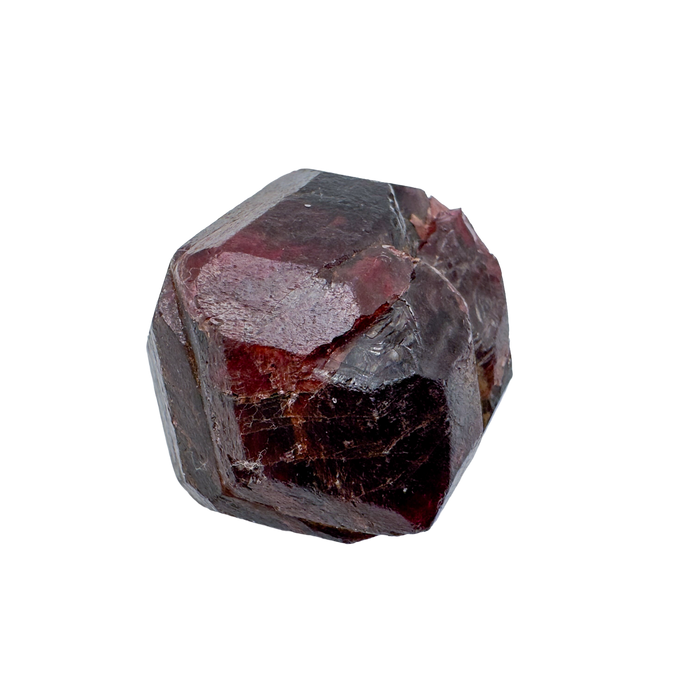
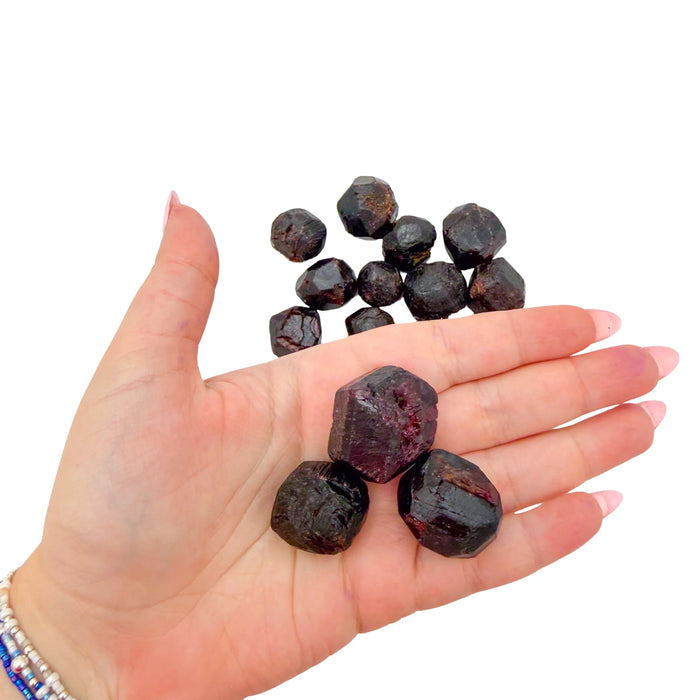
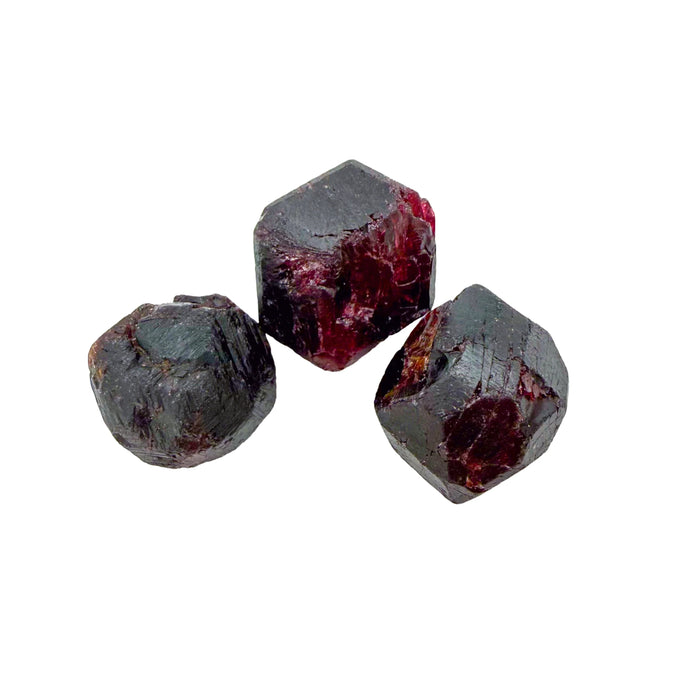
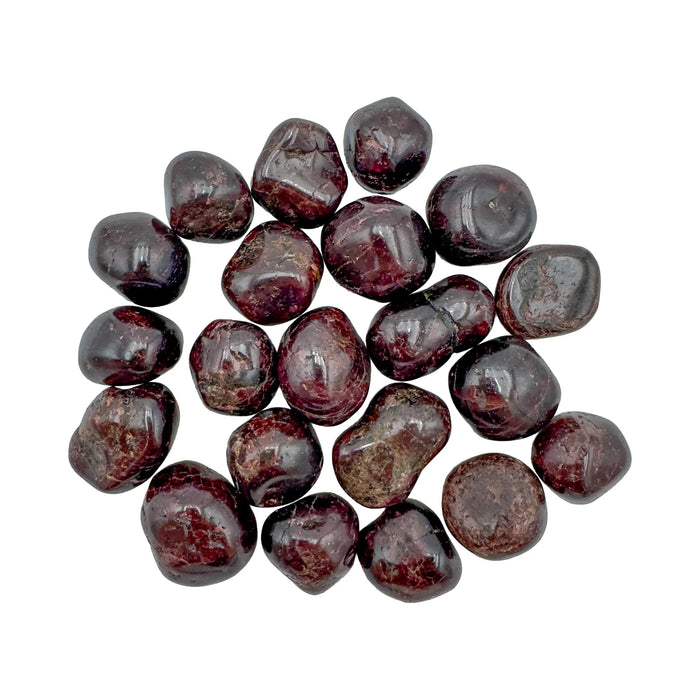
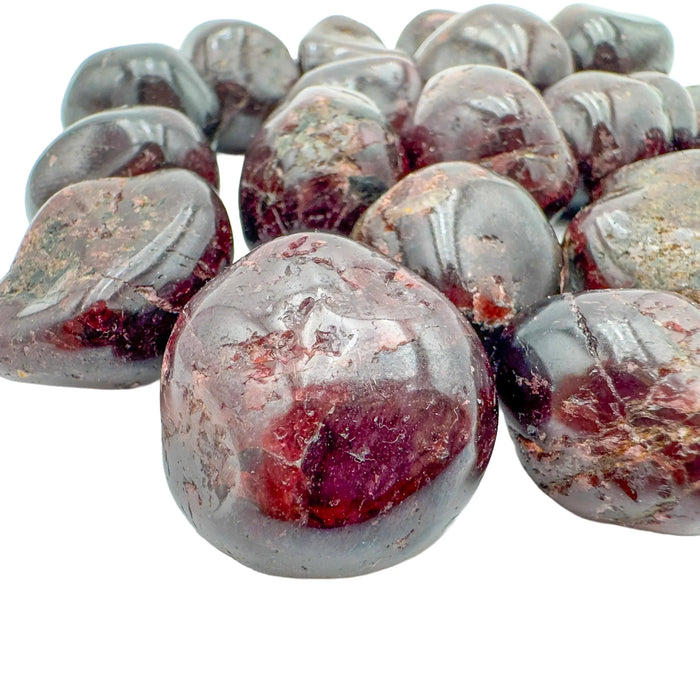
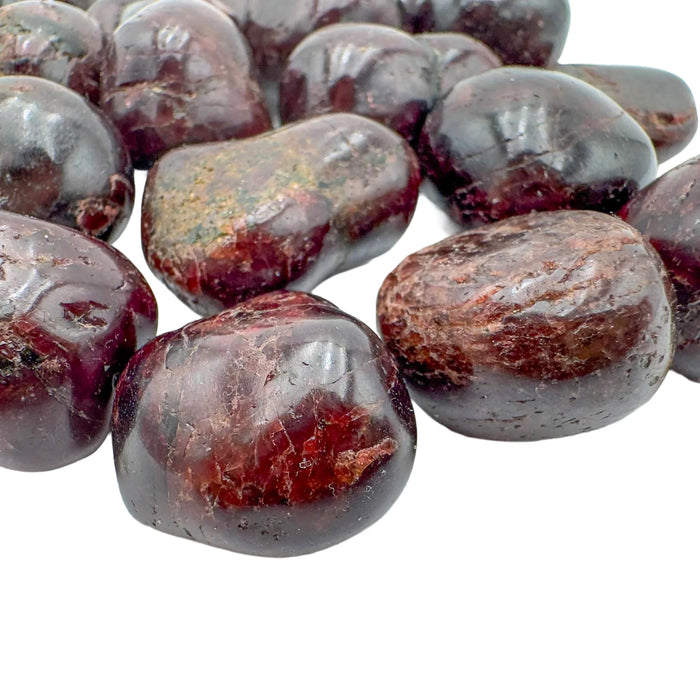
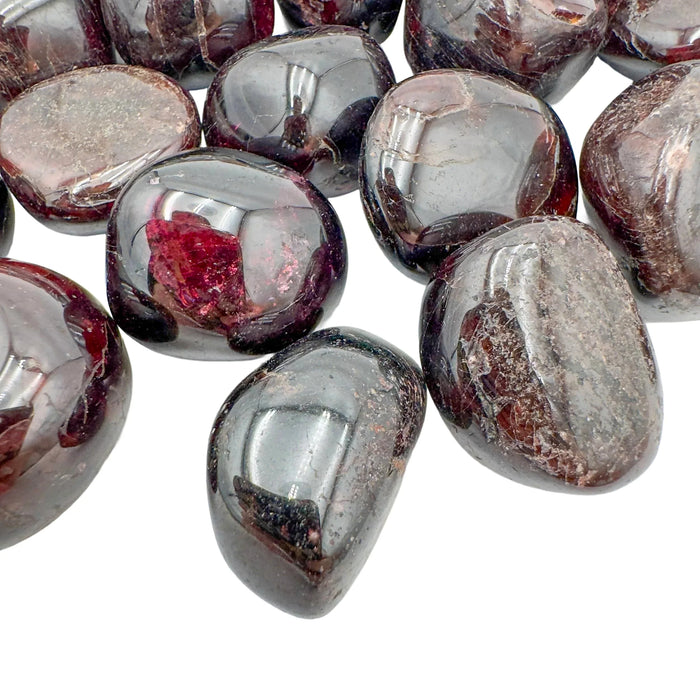
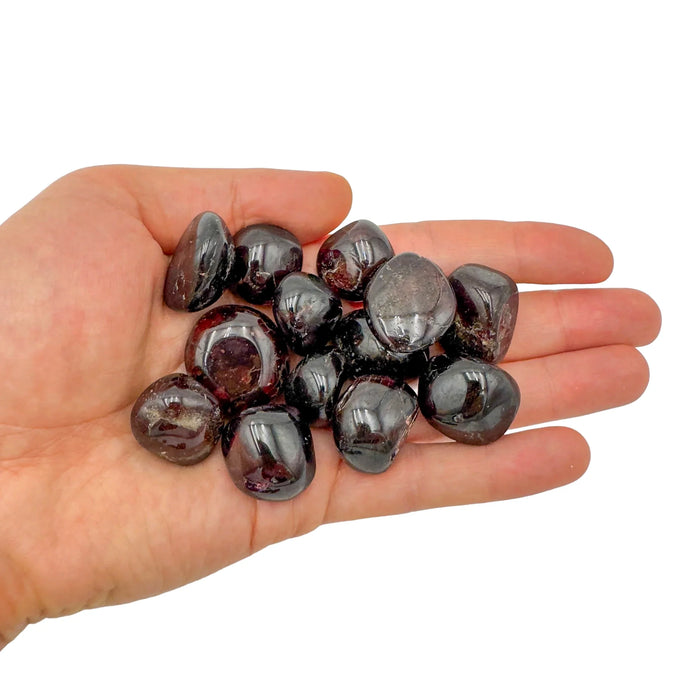
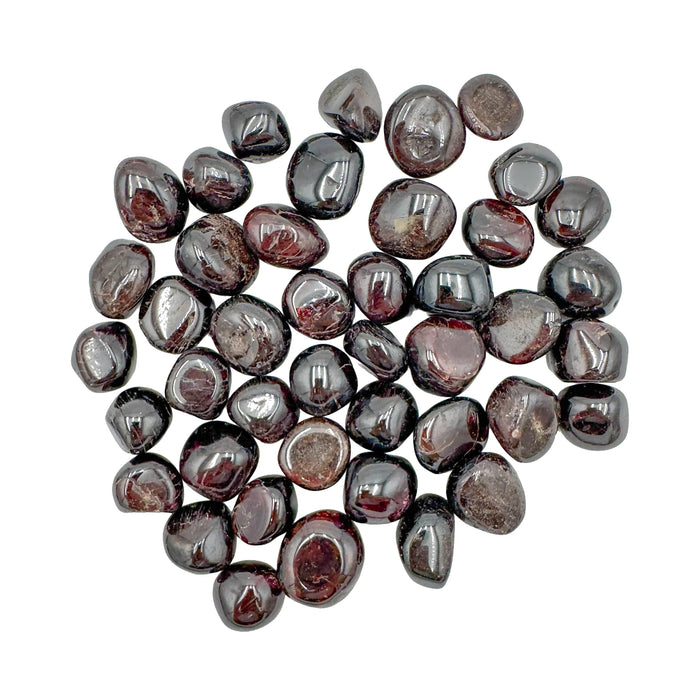
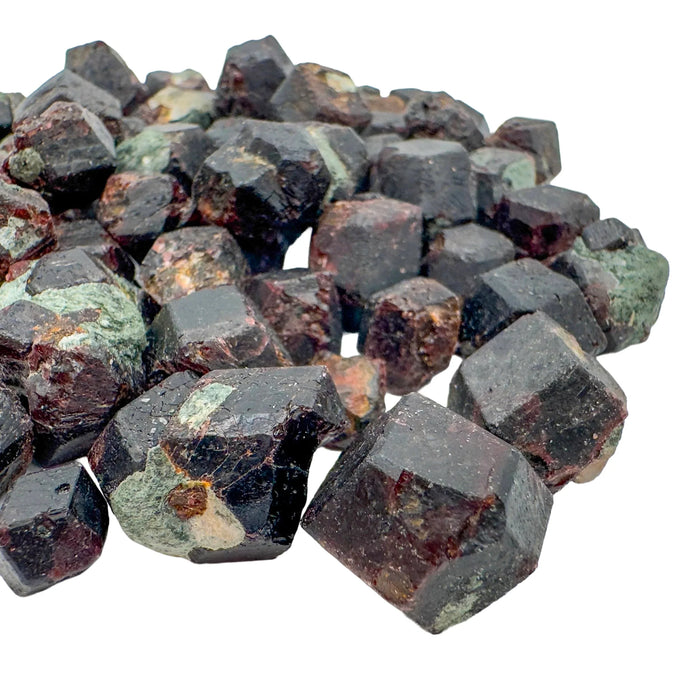
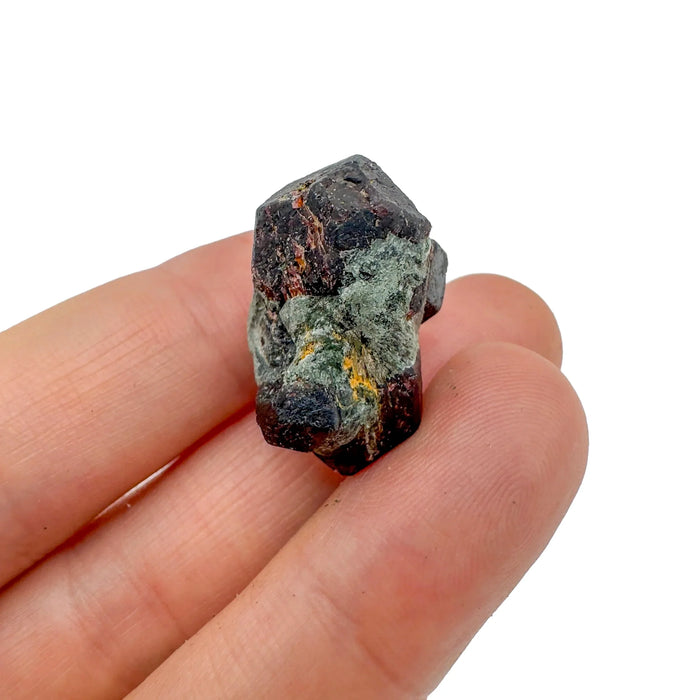
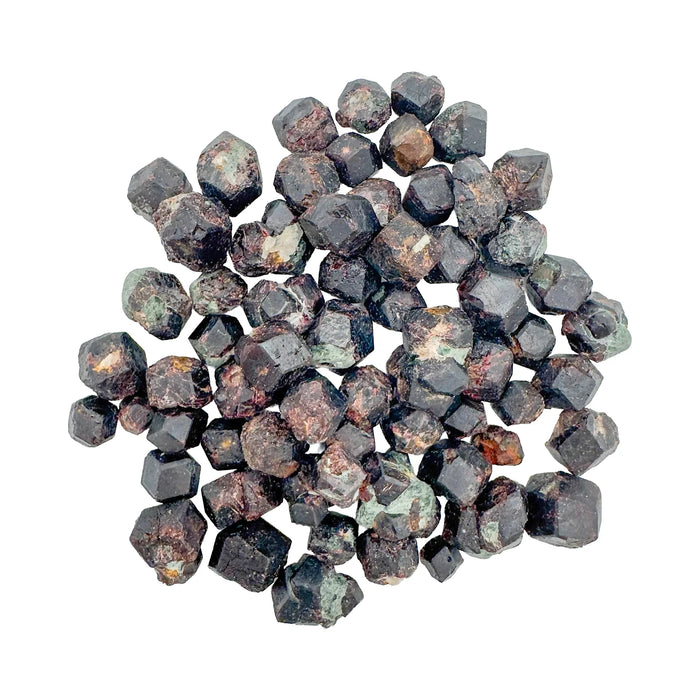
Cinnabar is not something we carry. Garnet is the closest match in color, and every piece passes our sourcing standards: origin named, treatments disclosed.
- from 1,000+ reviews
- Ships within 72 hoursMonday to Friday, tracked
- 90 days to return itif you do not love it
- Free US shipping over $99$8.99 flat rate under
The Slow Note
New stones go to the list first.
No forwarding, no selling. Unsubscribe in one click. Privacy