


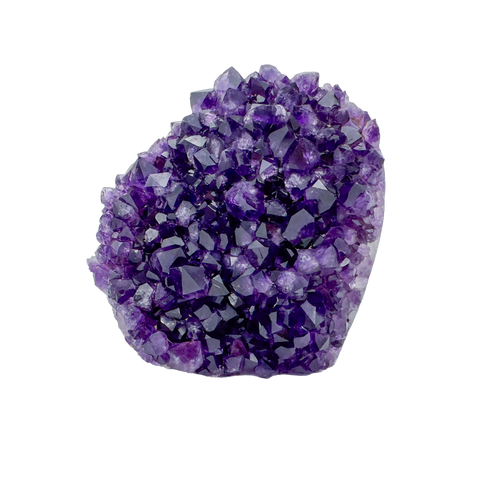
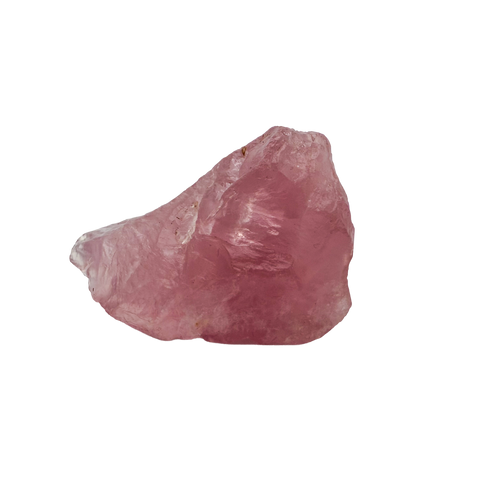
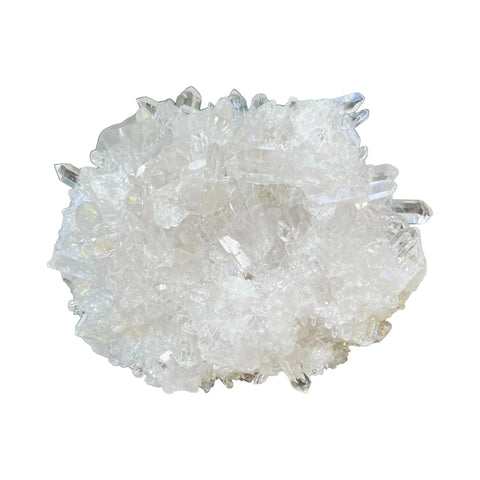
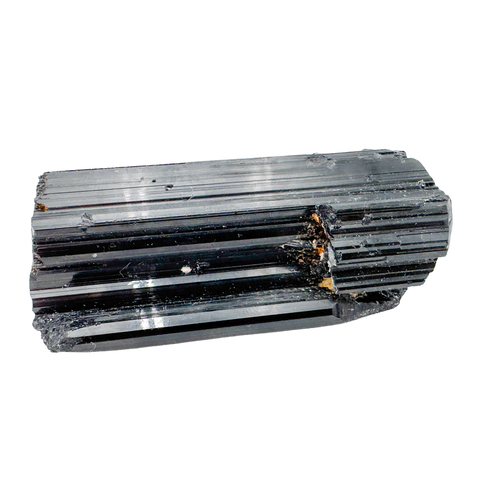
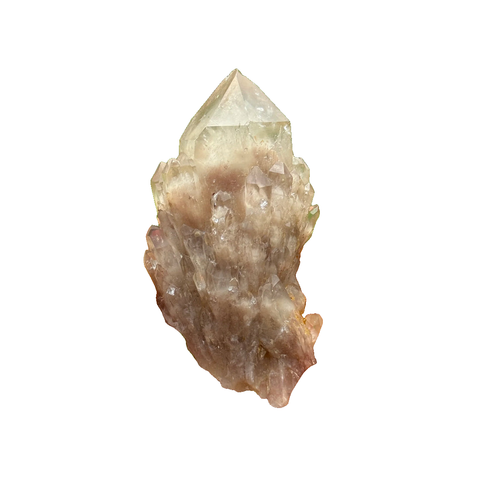
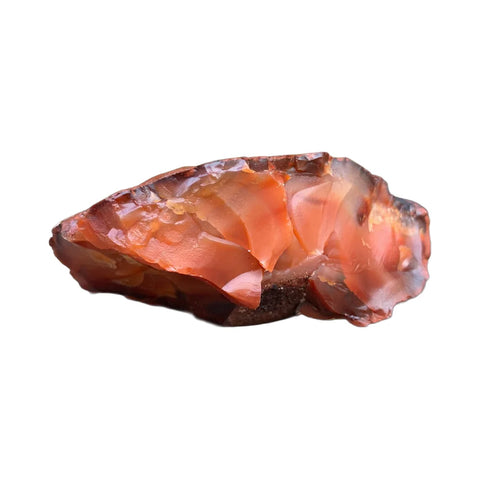
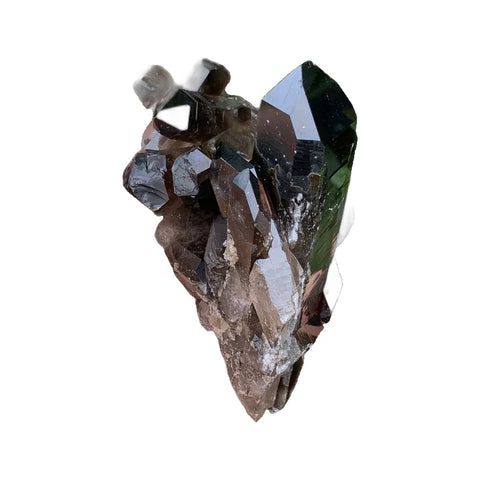
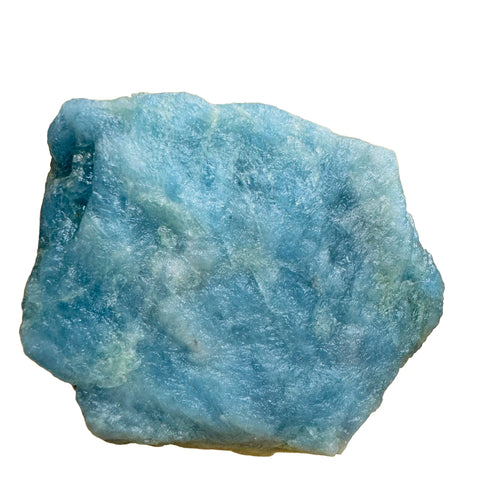
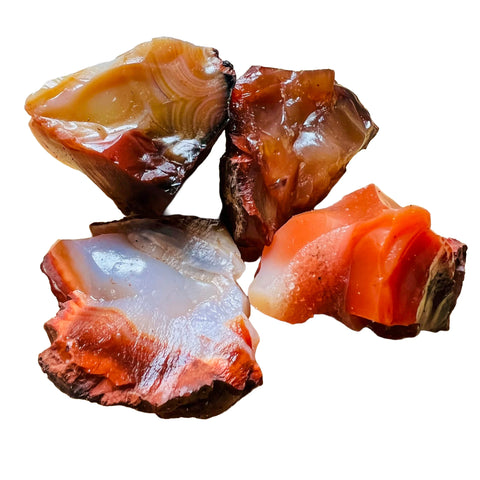


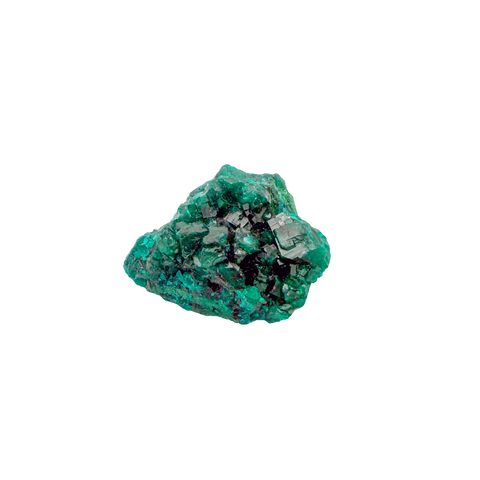
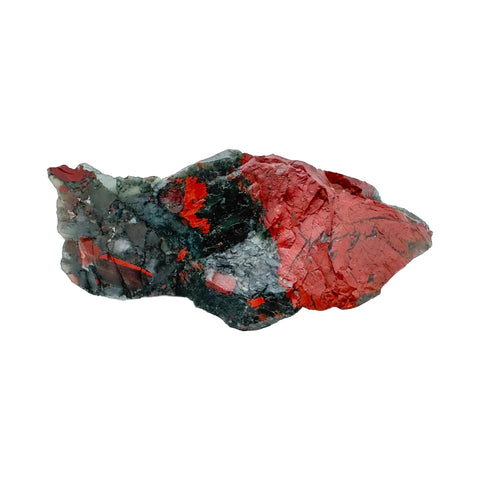
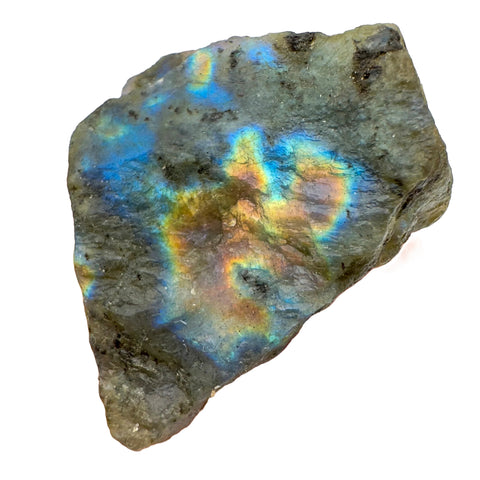
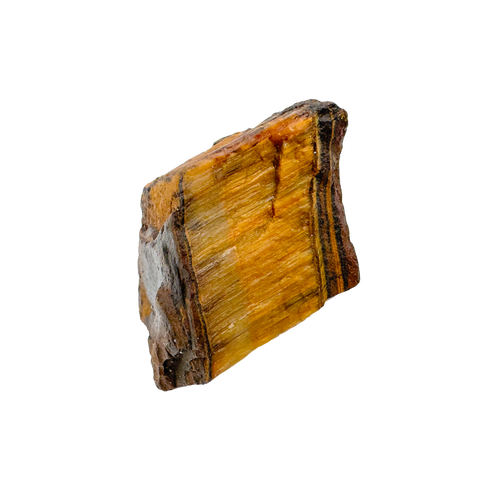


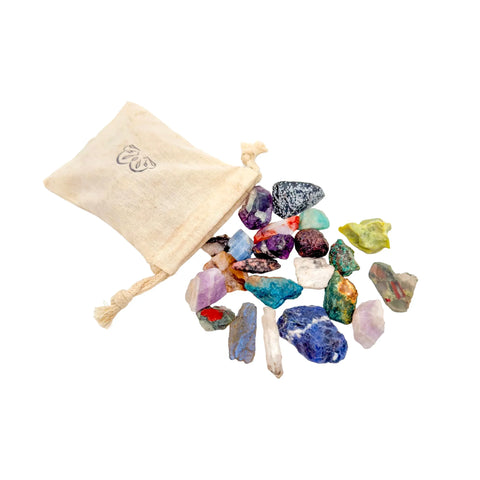
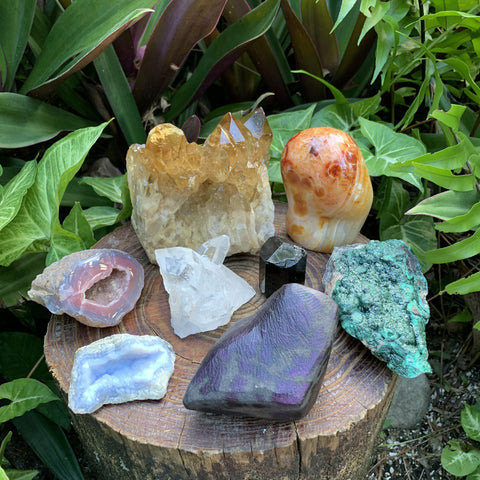
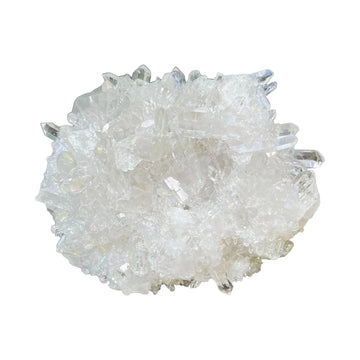
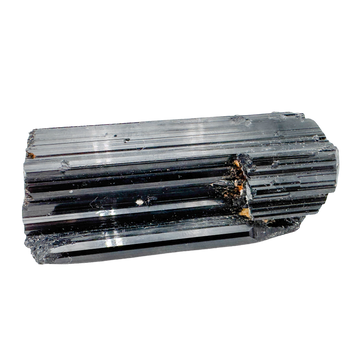
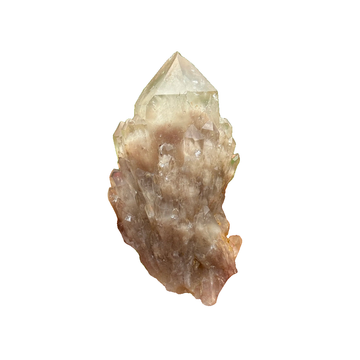
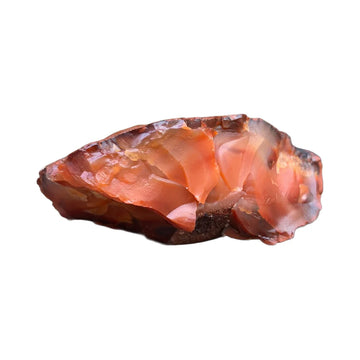
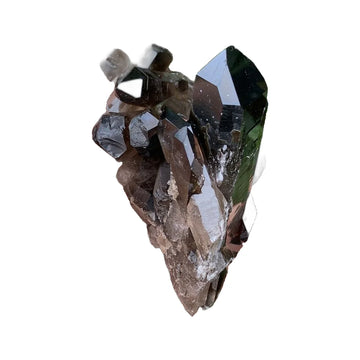
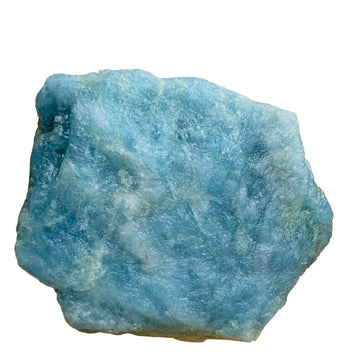
 Raw Stones
179 pieces
Raw Stones
179 pieces
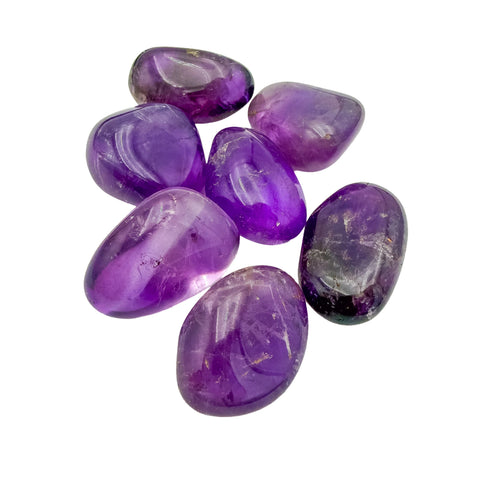
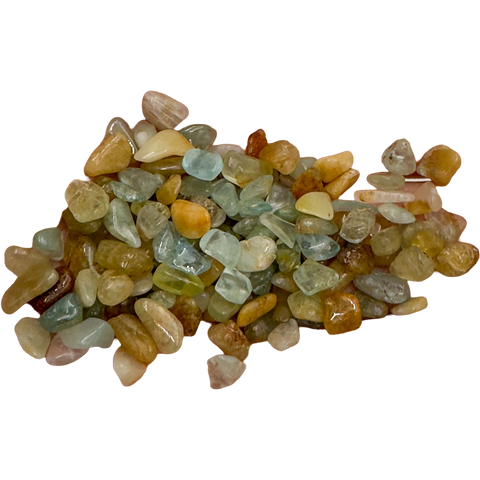
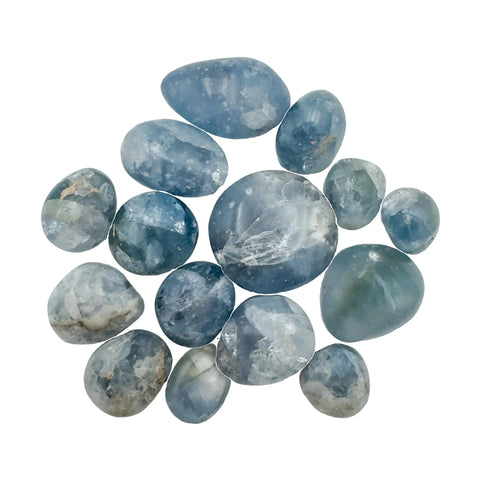
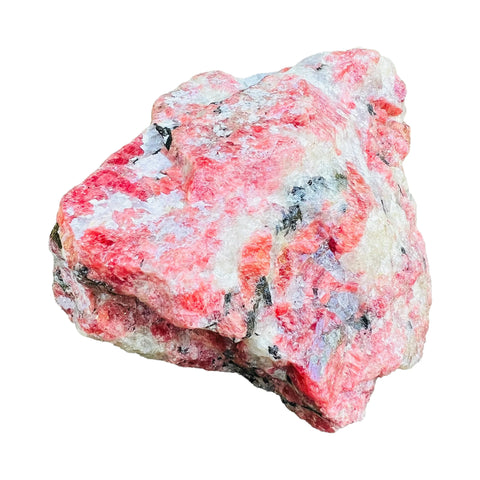
 Tumbled Stones
162 pieces
Tumbled Stones
162 pieces
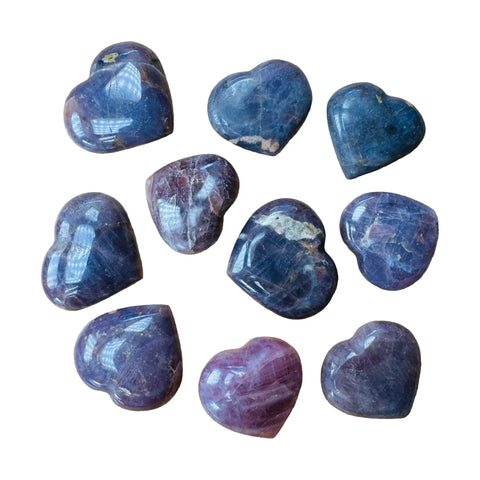
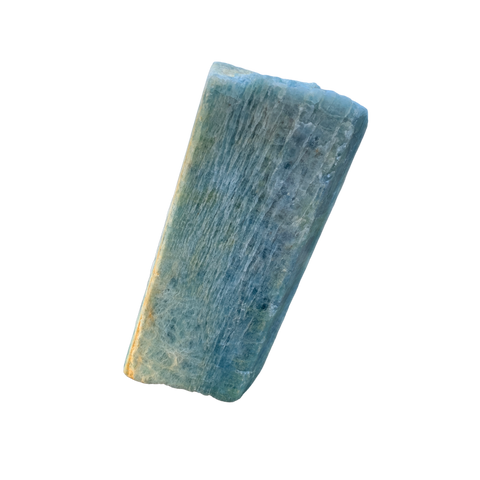
 Palm Stones
25 pieces
Palm Stones
25 pieces
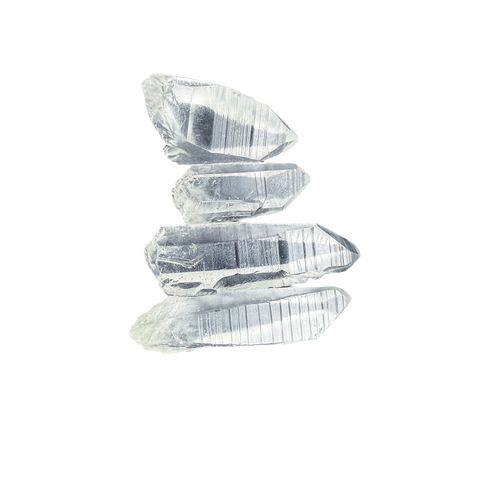
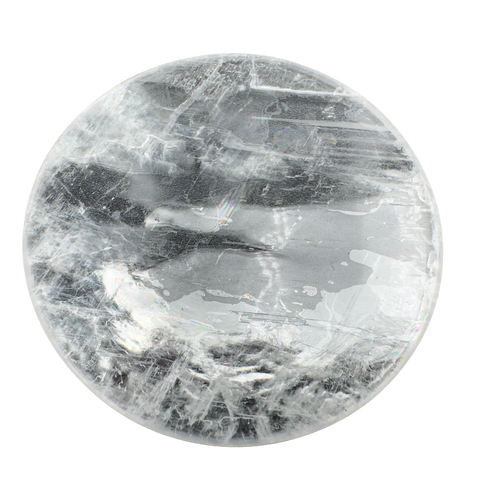
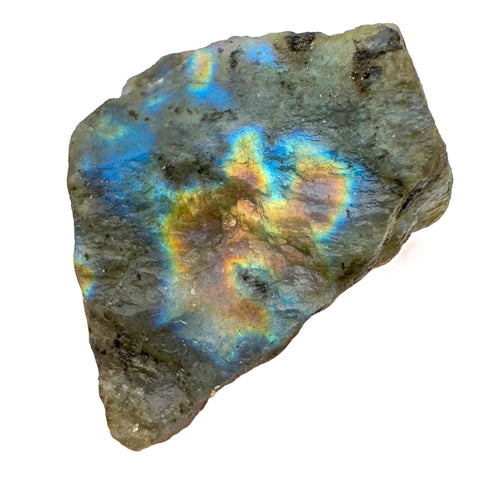
 Crystal Points
23 pieces
Crystal Points
23 pieces
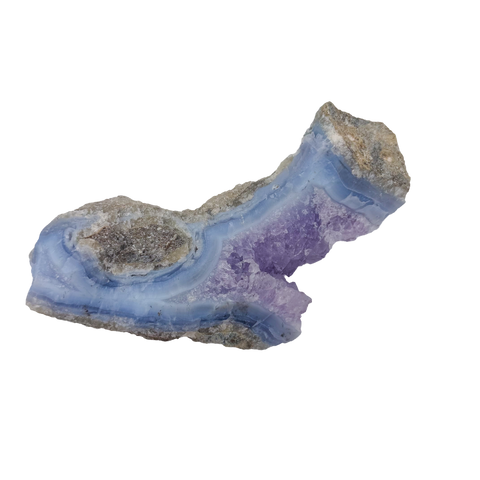
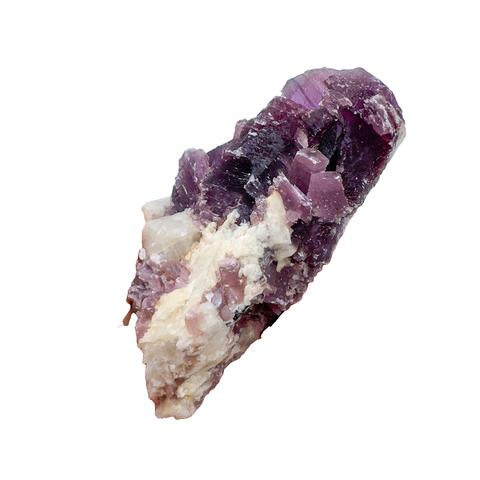
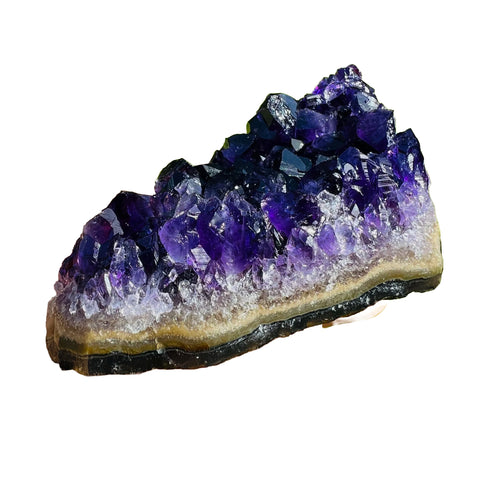
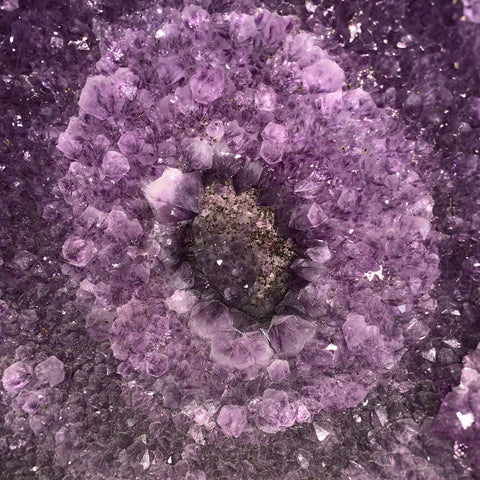
 Clusters & Geodes
104 pieces
Clusters & Geodes
104 pieces
 Polished & Decor
148 pieces
Polished & Decor
148 pieces
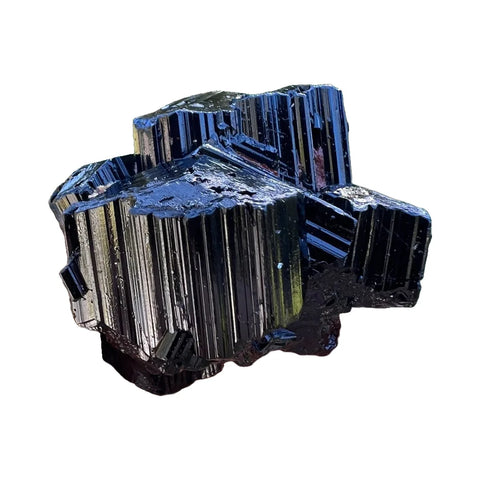
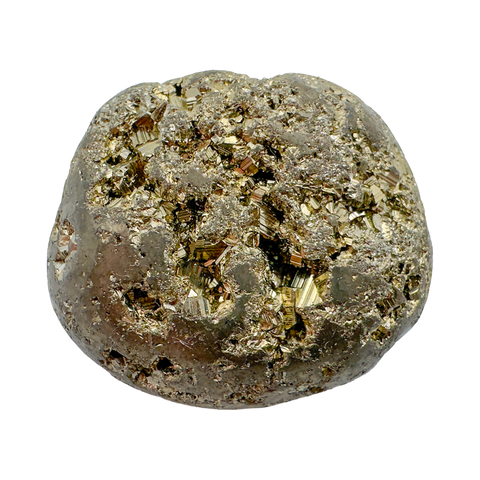
 Mineral Specimens
259 collector pieces
Mineral Specimens
259 collector pieces
 Crystal Chips
21 pieces
Browse everything
Every collection, one page.
View All Collections →
Crystal Chips
21 pieces
Browse everything
Every collection, one page.
View All Collections →


 Aries
Mar 21 – Apr 19
Carnelian
›
Aries
Mar 21 – Apr 19
Carnelian
›
 Taurus
Apr 20 – May 20
Rose Quartz
›
Taurus
Apr 20 – May 20
Rose Quartz
›
 Gemini
May 21 – Jun 20
Agate
›
Gemini
May 21 – Jun 20
Agate
›
 Cancer
Jun 21 – Jul 22
Moonstone
›
Cancer
Jun 21 – Jul 22
Moonstone
›
 Leo
Jul 23 – Aug 22
Citrine
›
Leo
Jul 23 – Aug 22
Citrine
›
 Virgo
Aug 23 – Sep 22
Amazonite
›
Virgo
Aug 23 – Sep 22
Amazonite
›
 Libra
Sep 23 – Oct 22
Blue Lace Agate
›
Libra
Sep 23 – Oct 22
Blue Lace Agate
›
 Scorpio
Oct 23 – Nov 21
Obsidian
›
Scorpio
Oct 23 – Nov 21
Obsidian
›
 Sagittarius
Nov 22 – Dec 21
Sodalite
›
Sagittarius
Nov 22 – Dec 21
Sodalite
›
 Capricorn
Dec 22 – Jan 19
Black Tourmaline
›
Capricorn
Dec 22 – Jan 19
Black Tourmaline
›
 Aquarius
Jan 20 – Feb 18
Amethyst
›
Aquarius
Jan 20 – Feb 18
Amethyst
›
 Pisces
Feb 19 – Mar 20
Aquamarine
›
Gifting?
A birthday stone is the safe bet.
Read the zodiac guide →
Pisces
Feb 19 – Mar 20
Aquamarine
›
Gifting?
A birthday stone is the safe bet.
Read the zodiac guide →
Botswana Agate
Botswana agate is a finely banded chalcedony known for tight, even layers of gray, pink, apricot, and white. Mined in Botswana, it has a soft, smoky elegance that sets it apart from louder, more colorful agates. People often reach for it around comfort and steady change.
The geology.
Botswana agate is a banded variety of chalcedony, the cryptocrystalline form of quartz. It formed inside gas pockets in ancient volcanic rock, where silica-rich fluids deposited layer upon layer to build its fine concentric bands. The classic palette is smoky gray paired with soft pink, apricot, and creamy white.
What distinguishes it is the fineness and regularity of the banding, often tighter and more delicate than other agates. Hardness is 6.5 to 7, with a waxy to vitreous luster and a conchoidal fracture. Cut and polished, the bands can look like layered ripples or a cross-section of fine sediment.
The origins.
Botswana agate is named for its homeland, Botswana in southern Africa, where it is found in the Bobonong region in the country's east. This single named origin is part of its identity, and the best material is closely tied to those African deposits.
Botswana has long been associated with this fine banded agate, and the stone is sometimes nicknamed the sunset stone for its warm pink and gray layers. A seller who names Botswana as the source is pointing to the genuine, classic material.
Traditional associations.
Botswana agate carries a gentle, comforting reputation. It has long been a stone people associate with reassurance through change and letting go of what no longer serves, which is why it often appears in conversations about transition and quitting old habits.
It is generally linked with the Root chakra, the element of Earth, and the signs Gemini and Scorpio. A common practice is to carry a tumbled piece through a stressful season or keep one nearby as a steadying, grounding presence.
Spotting the real thing.
Genuine Botswana agate shows fine, even banding in natural smoky grays, soft pinks, apricots, and whites, often with a slightly translucent quality where light catches the edges. The bands are typically tighter and more regular than in common agate, and the colors feel muted and harmonious rather than loud.
The main thing to watch is dye. Bright, candy-colored banded agates labeled Botswana are usually dyed common agate, not the natural article. Real Botswana agate keeps to its earthy sunset range. Ask whether the color is natural and whether the stone is actually from Botswana.
Care & handling.
Botswana agate is durable and low maintenance. At 6.5 to 7 on the Mohs scale it handles daily wear and a brief rinse in warm water with a soft cloth. It is stable in sunlight and will not fade, so it is a fine choice for jewelry or a carry stone.
Skip long salt soaks and harsh chemicals, which are unnecessary for a stone this stable, and store it apart from harder stones like topaz and sapphire to protect the polish. To reset it energetically, many people use moonlight, sound, or a night on a selenite plate.
Pairs well with.
A deeper look.
Extended geology, sourcing, authentication, history, and varieties, for when the quick guide isn't quite enough.
Extended geology
Botswana agate is a microcrystalline banded chalcedony that crystallized within cavities in ancient rhyolitic volcanic rock. Successive pulses of silica-bearing solution deposited the fine concentric layers, with subtle changes in trace iron and other elements producing the alternating gray, pink, apricot, and white bands. The banding is notably fine and regular, a feature collectors prize. Specific gravity sits near 2.6, hardness 6.5 to 7, fracture conchoidal, luster waxy to vitreous, consistent with the rest of the chalcedony family.
Extended sourcing
The defining source is Botswana, particularly the Bobonong area in the east of the country. The stone takes its name directly from this origin, and the classic fine-banded gray-and-pink material is tied to these deposits. Rough is cut into cabochons, beads, tumbles, and slabs that show off the delicate layering. Because the name is also an origin, honest Botswana agate should genuinely trace to Botswana rather than being a generic banded agate relabeled.
Authentication and warning signs
Look for fine, even, natural banding in muted sunset tones with a soft translucency at the edges. The clearest warning sign is bright artificial dye, since pale agates are often colored vivid blue, green, or pink and sold under popular names. Genuine Botswana agate stays within its earthy palette. Asking whether the color is natural and confirming the Botswana origin are the two simplest checks.
History and folklore
Botswana agate has a long history of use as both an ornamental and a carried stone, and it picked up the nickname sunset stone for its warm banded colors. In the modern crystal world it became especially associated with comfort during change and with releasing old habits, a reputation that endures today. As with all agates, it shares in the ancient lineage of agate use that stretches back to antiquity.
Varieties and trade names
Most Botswana agate is gray with pink, apricot, and white banding, though some pieces lean more pink or more gray, and occasional examples show a lavender cast. The sunset stone nickname captures the warm-toned material. Be aware that brightly dyed banded agate is sometimes sold under the Botswana name, which is a different, treated product rather than a natural variety.
What it costs in the market
Botswana agate is an affordable, widely available stone. Tumbled pieces and beads are inexpensive, while well-cut cabochons and slabs with especially fine, attractive banding cost more. Value is driven by the delicacy and contrast of the bands and the natural color, with dyed material generally worth less to buyers who want the genuine natural look.
An education-first guide.
We made this guide so you can tell natural Botswana agate from brightly dyed lookalikes. The real stone keeps to a soft sunset palette and traces to Botswana, and knowing that protects your eye and your budget. Explore our other crystal guides for stones with full origin and treatment notes.
Explore the Crystal GuideThe closest match we carry: Agate.
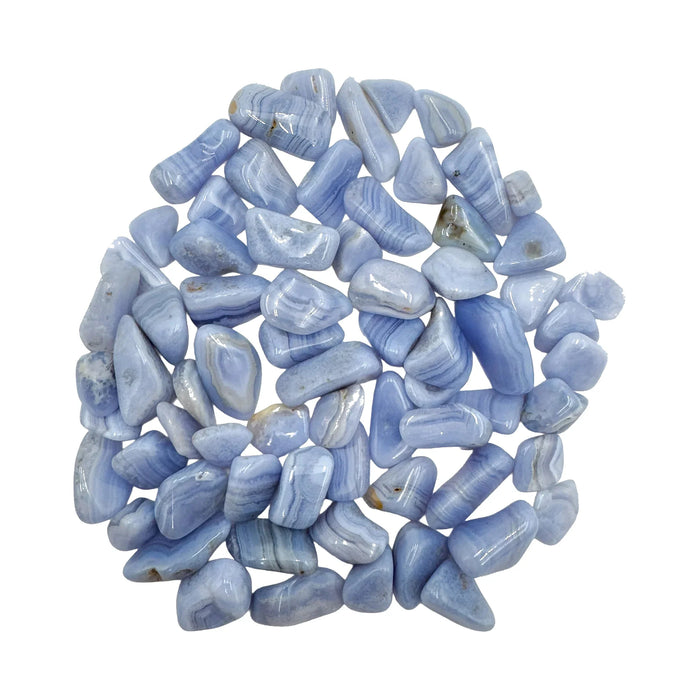
Botswana Agate is not something we carry. Agate is the closest match in our collection, and every piece passes our sourcing standards: origin named, treatments disclosed.
- from 1,000+ reviews
- Ships within 72 hoursMonday to Friday, tracked
- 90 days to return itif you do not love it
- Free US shipping over $99$8.99 flat rate under
The Slow Note
New stones go to the list first.
No forwarding, no selling. Unsubscribe in one click. Privacy