


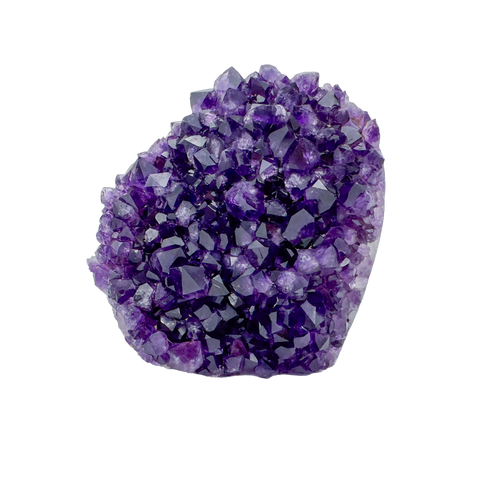
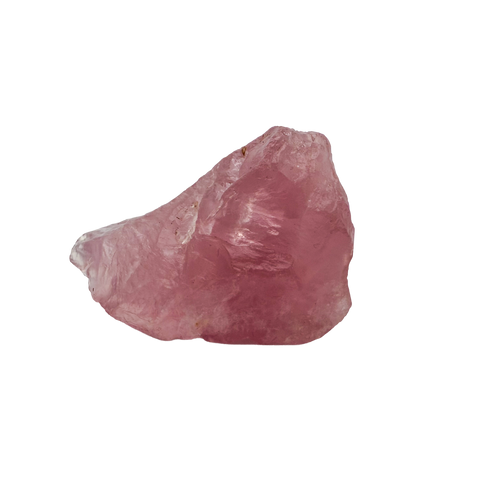
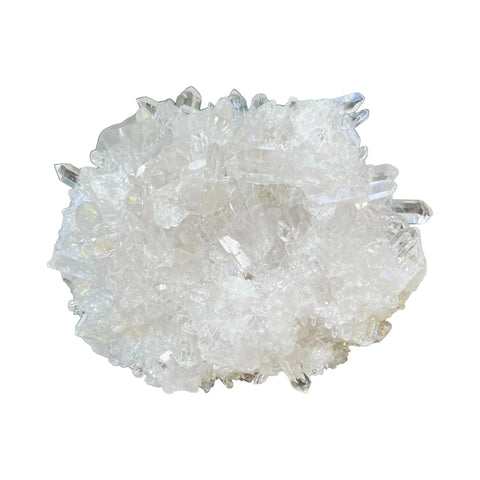
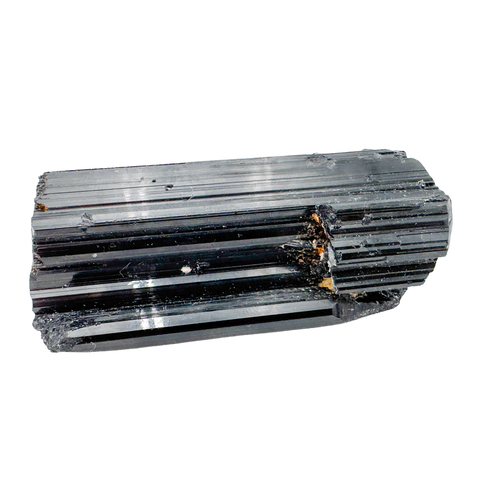
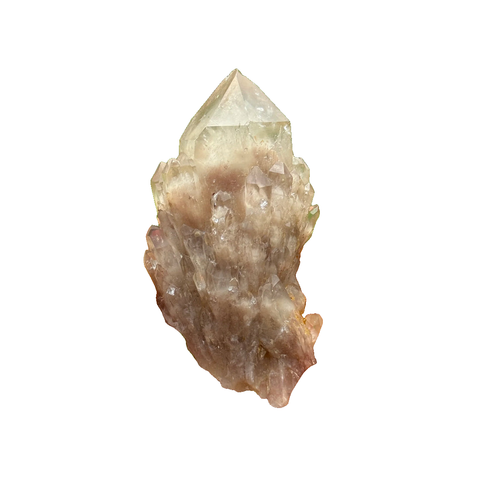
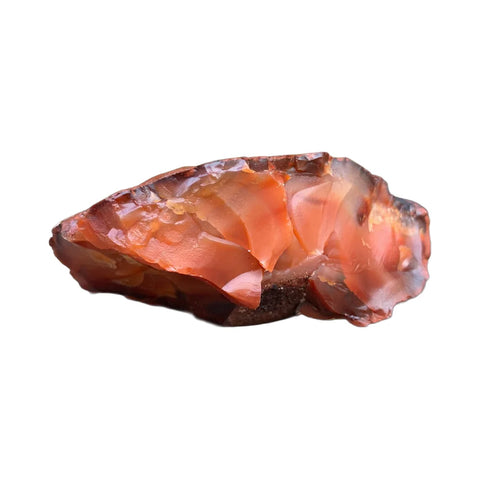
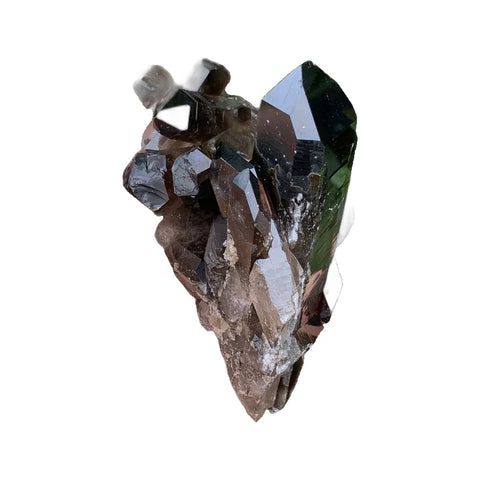
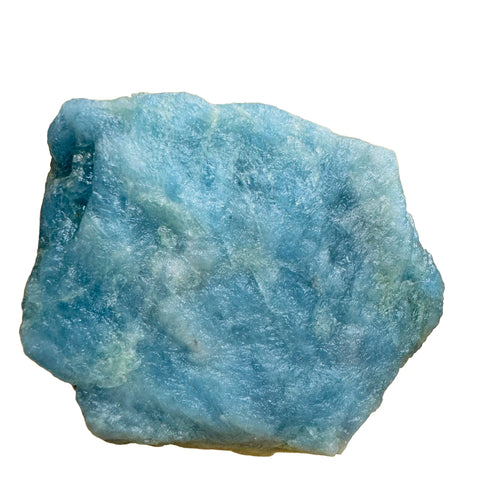
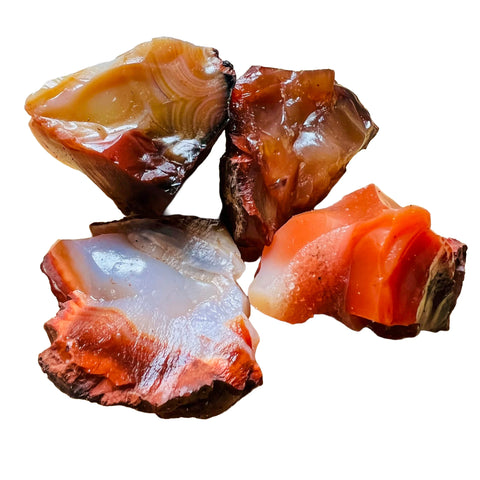


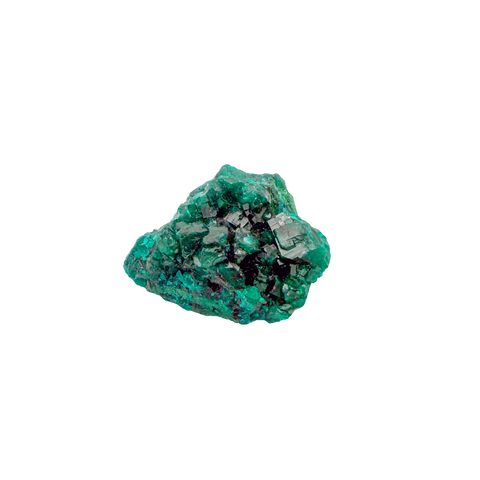
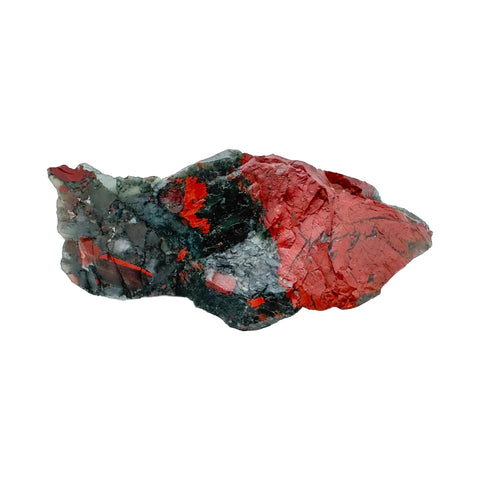
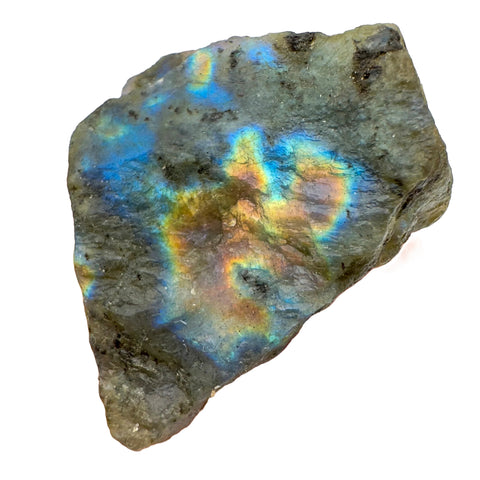
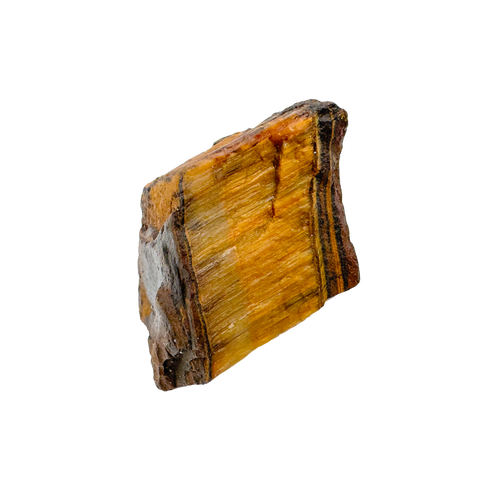
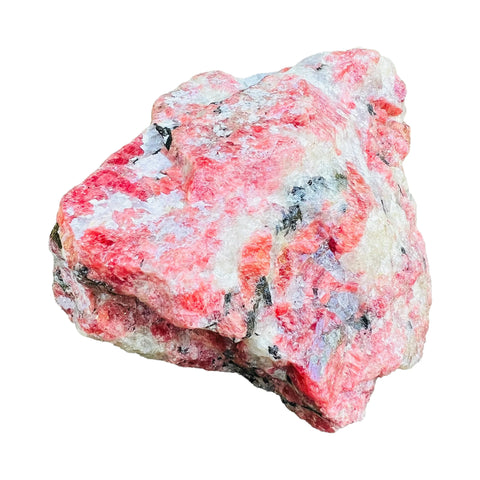
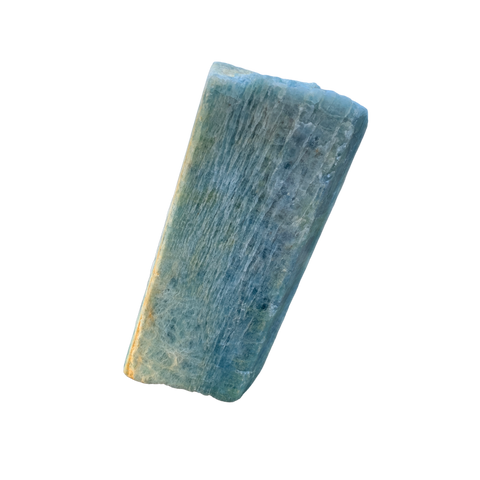
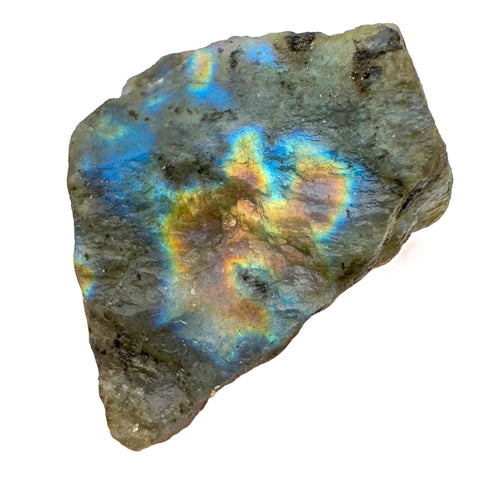
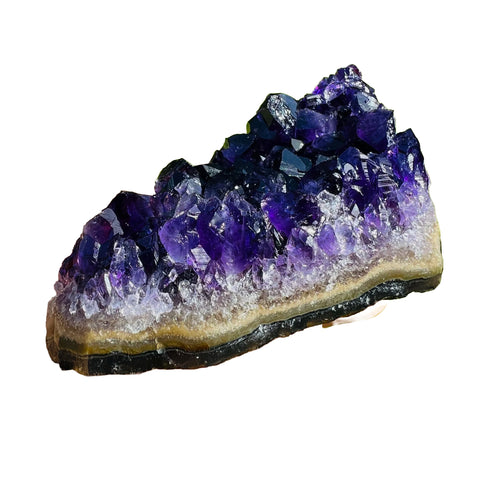



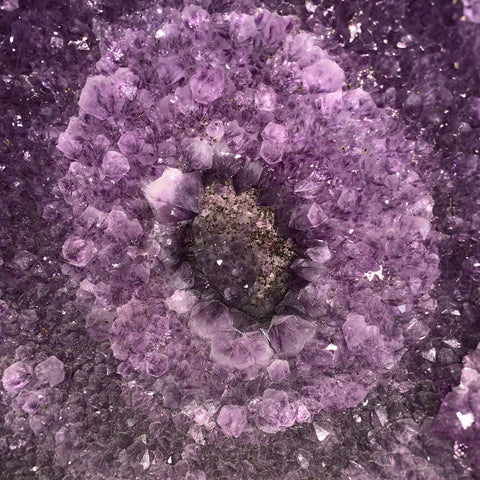

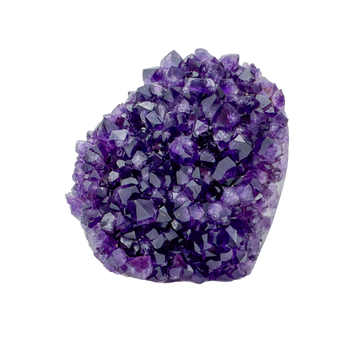
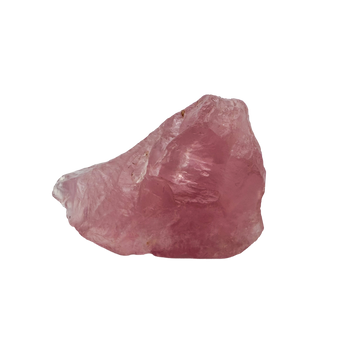
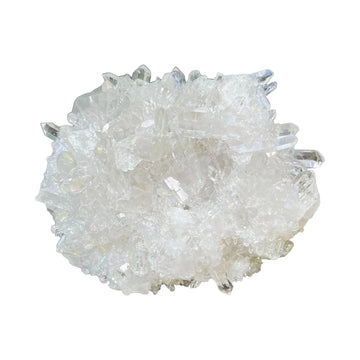
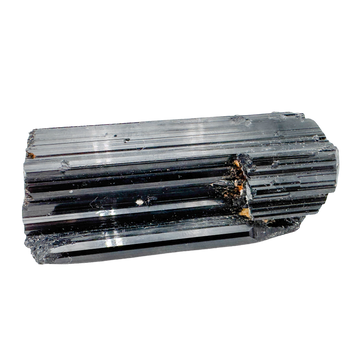
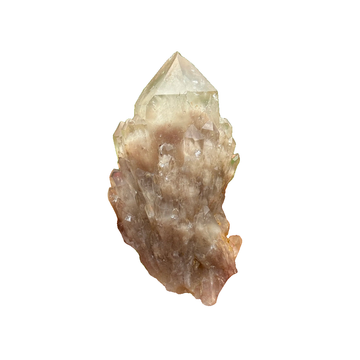
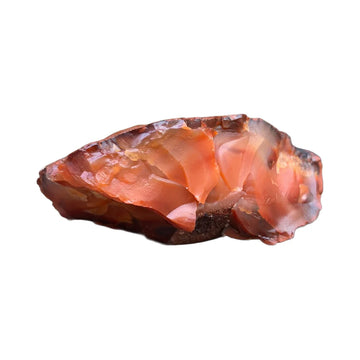
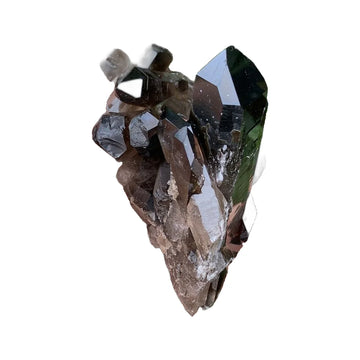
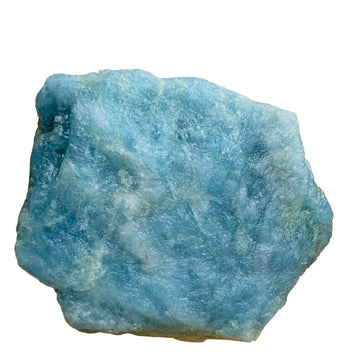
 Raw Stones
179 pieces
Raw Stones
179 pieces
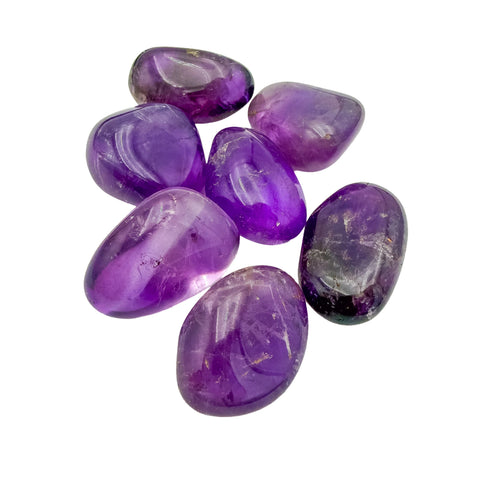
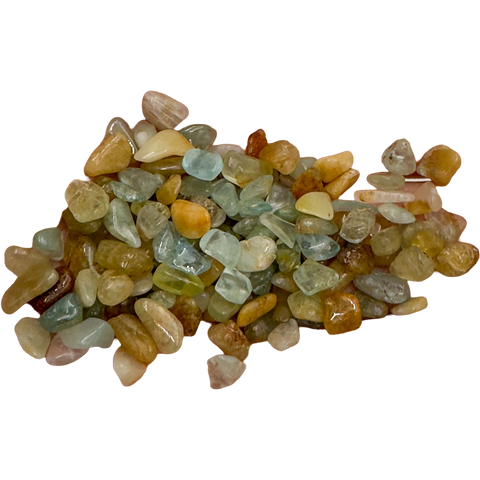
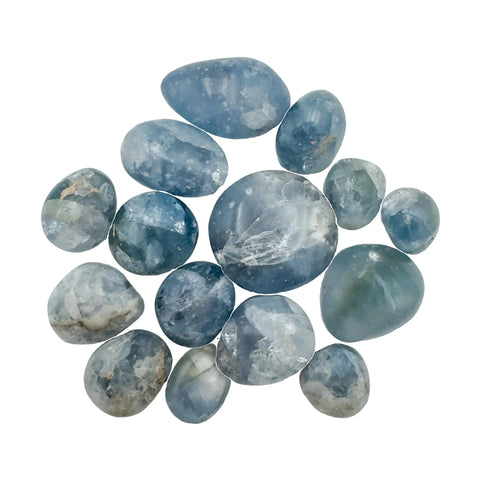
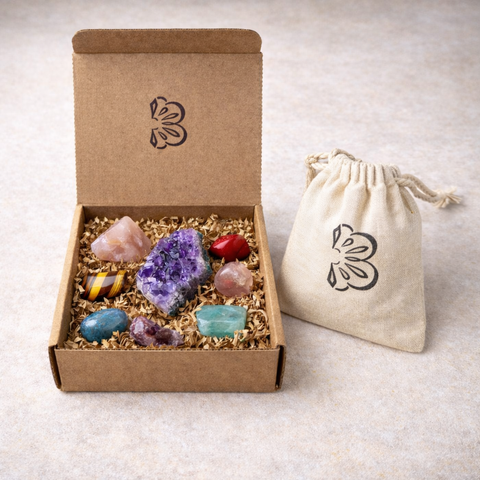
 Tumbled Stones
162 pieces
Tumbled Stones
162 pieces
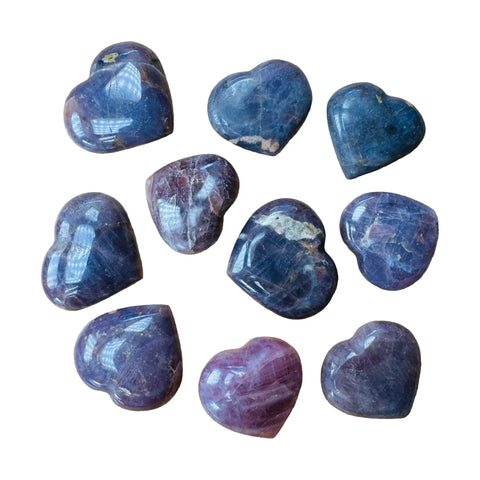
 Palm Stones
25 pieces
Palm Stones
25 pieces
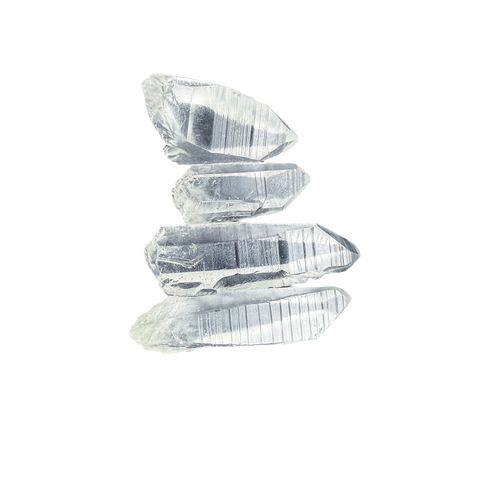
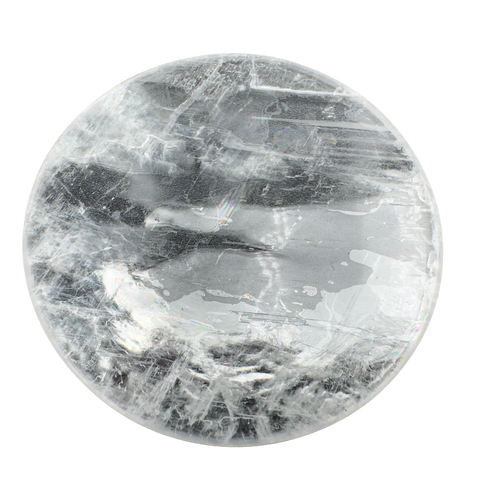
 Crystal Points
23 pieces
Crystal Points
23 pieces
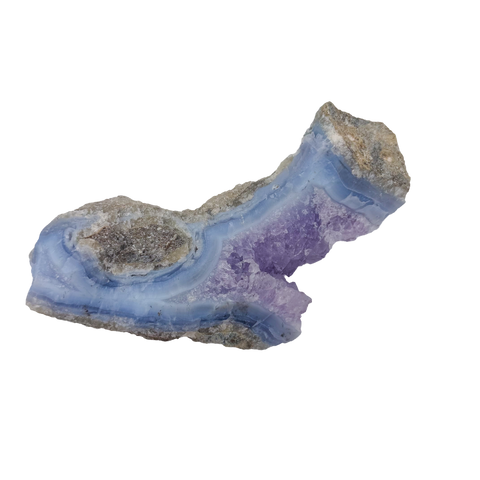
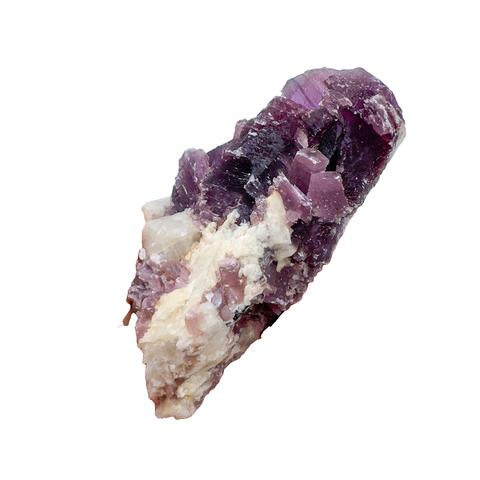
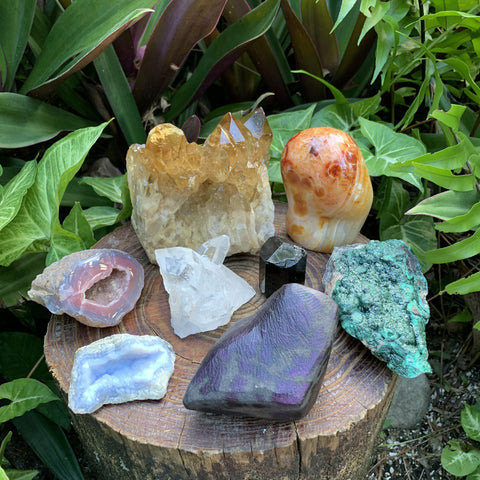
 Clusters & Geodes
104 pieces
Clusters & Geodes
104 pieces
 Polished & Decor
148 pieces
Polished & Decor
148 pieces
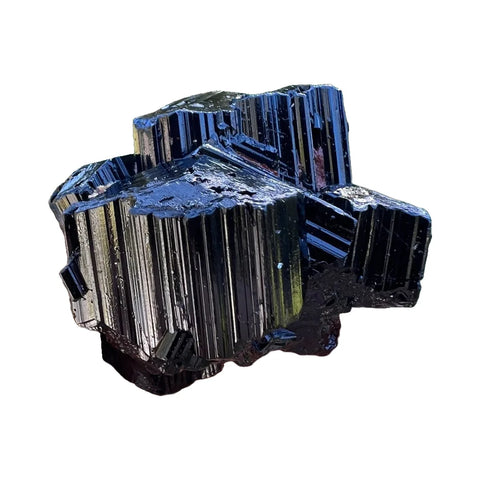
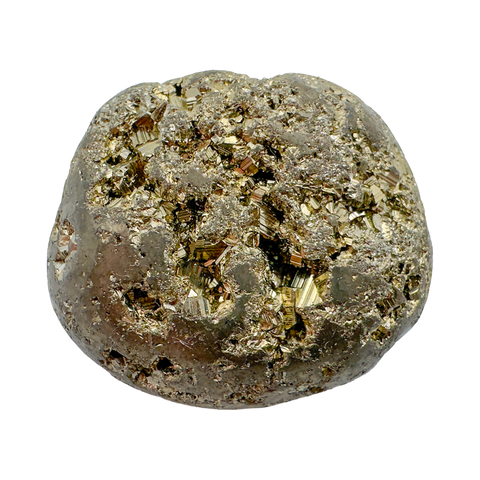
 Mineral Specimens
259 collector pieces
Mineral Specimens
259 collector pieces
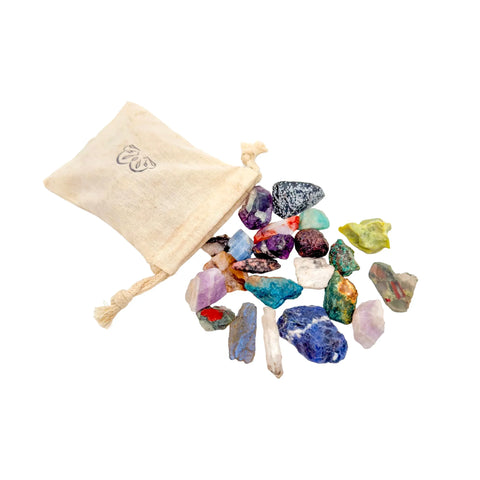
 Crystal Chips
21 pieces
Browse everything
Every collection, one page.
View All Collections →
Crystal Chips
21 pieces
Browse everything
Every collection, one page.
View All Collections →


 Aries
Mar 21 – Apr 19
Carnelian
›
Aries
Mar 21 – Apr 19
Carnelian
›
 Taurus
Apr 20 – May 20
Rose Quartz
›
Taurus
Apr 20 – May 20
Rose Quartz
›
 Gemini
May 21 – Jun 20
Agate
›
Gemini
May 21 – Jun 20
Agate
›
 Cancer
Jun 21 – Jul 22
Moonstone
›
Cancer
Jun 21 – Jul 22
Moonstone
›
 Leo
Jul 23 – Aug 22
Citrine
›
Leo
Jul 23 – Aug 22
Citrine
›
 Virgo
Aug 23 – Sep 22
Amazonite
›
Virgo
Aug 23 – Sep 22
Amazonite
›
 Libra
Sep 23 – Oct 22
Blue Lace Agate
›
Libra
Sep 23 – Oct 22
Blue Lace Agate
›
 Scorpio
Oct 23 – Nov 21
Obsidian
›
Scorpio
Oct 23 – Nov 21
Obsidian
›
 Sagittarius
Nov 22 – Dec 21
Sodalite
›
Sagittarius
Nov 22 – Dec 21
Sodalite
›
 Capricorn
Dec 22 – Jan 19
Black Tourmaline
›
Capricorn
Dec 22 – Jan 19
Black Tourmaline
›
 Aquarius
Jan 20 – Feb 18
Amethyst
›
Aquarius
Jan 20 – Feb 18
Amethyst
›
 Pisces
Feb 19 – Mar 20
Aquamarine
›
Gifting?
A birthday stone is the safe bet.
Read the zodiac guide →
Pisces
Feb 19 – Mar 20
Aquamarine
›
Gifting?
A birthday stone is the safe bet.
Read the zodiac guide →


Black Tourmaline in Quartz
Black tourmaline in quartz is clear or milky quartz matrix naturally embedded with sharp black tourmaline (schorl) needles. The combination embodies two powerful traditions in one piece. Quartz amplifies intention, while tourmaline grounds it. Many people work with tourmalinated quartz for clarity paired with protection, for elevating grounding presence, and for the sense of rooted stability that supports clear sight.
Shop tourmalinated quartzThe geology.
Black tourmaline in quartz is a naturally occurring composite where clear or white quartz matrix hosts inclusions of black tourmaline (schorl). The schorl crystallizes first as needle-like formations, then quartz surrounds and encases the tourmaline during later crystallization phases. The result is a striking piece where sharp black striations penetrate through the quartz body, creating patterns that range from sparse lines to dense networks of tourmaline threads.
The quartz component has a hardness of 7 on the Mohs scale, while the tourmaline inclusions sit at 7 to 7.5, making the composite durable for wear and daily handling. The quartz exhibits vitreous luster and transparency varies from clear to milky depending on the inclusion density and quartz matrix composition. Specific gravity ranges from 2.65 to 2.75 depending on the proportion of tourmaline present. This is a stone of layered meaning: the quartz amplifies and clarifies, while the tourmaline grounds and protects.
The origins.
Black tourmaline in quartz forms in granitic pegmatites where boron-rich fluids cool slowly, allowing both minerals to crystallize in close association. Our material comes from Minas Gerais in southeastern Brazil, a region renowned for its pegmatite formations and mineral diversity. The tourmalinated quartz we source comes from hand-extraction operations in small-scale pegmatite mines where workers carefully retrieve material to preserve both the quartz clarity and the tourmaline needle integrity. The Brazilian material is then tumbled to a smooth finish, revealing the interior beauty of the natural composite.
Black tourmaline in quartz occurs in many regions globally, including Madagascar, Pakistan, China, and Russia. Yet we source specifically from Brazil because we maintain direct relationships with local mining partners, verify the sourcing method at extraction, and can confirm that our material is natural, untreated, and hand-selected for AAA grade quality. Our stones show sharp, well-defined tourmaline needles and clear quartz matrix without artificial enhancement.
Traditional associations.
Black tourmaline in quartz merges two long-established mineral traditions. Quartz has been valued since ancient times as a stone of clarity, amplification, and spiritual sight. Black tourmaline has similarly ancient roots as a grounding, protective presence. The combination creates a unique pairing in contemporary practice, offering the clarity of quartz without losing the protective grounding that tourmaline provides. Many people are drawn to this stone specifically for that balance.
In modern work, tourmalinated quartz is often used for Root and Crown chakra activation simultaneously, as it addresses both stability and insight. People work with it for clarity paired with protection, for maintaining boundaries while staying open, and for the kind of grounded vision that doesn't waver. Some choose it when facing overwhelming information or emotional input, seeking the sense of filtered clarity that the tourmaline needles suggest. The visual structure itself carries meaning for those drawn to it, the black lines acting as gentle channels through the clear matrix, directing and focusing energy rather than blocking it.
Spotting the real thing.
Genuine black tourmaline in quartz will show distinct, sharp needles of black tourmaline running through a clear or milky quartz matrix. The tourmaline inclusions should have crisp edges and clear definition when viewed under magnification. The quartz component should exhibit natural luster and transparency, not an artificial gloss or plastic appearance. The tourmaline needles should appear three-dimensional, embedded within the stone, not painted or surface-applied.
Common imitations include stones with dyed or glued tourmaline, painted glass, or composites made from synthetic quartz and tourmaline. Real tourmalinated quartz will show natural growth patterns where the two minerals meet. If the tourmaline needles appear too perfect, too evenly distributed, or if the overall piece looks too clean and uniform, approach with caution. Strong clues of authenticity include uneven tourmaline distribution, slight cloudiness in the quartz, and natural variations in needle thickness and angle. Irradiated tourmalinated quartz is sometimes sold in broader markets without disclosure, which is why sourcing relationships and transparent suppliers matter.
Care & handling.
Black tourmaline in quartz is durable and well-suited for daily wear. It is safe for brief water exposure and can be rinsed gently under running water or cleaned with mild soap and warm water. Avoid extreme temperature changes, which can stress the crystal lattice where two minerals meet. The stone tolerates sunlight well and will not fade. Store it with other minerals without worry that it will scratch easily, as its Mohs 7 hardness places it above most common minerals.
The tumbled form makes this stone one of the easiest to live with long-term. Polished pieces are robust and suitable for active wear, pocket carry, or meditation work. For energetic cleansing, tourmalinated quartz responds well to soil, sunlight, moonlight, or smoke. No special precautions are needed beyond good sense. This is a stone built for companionship, durable enough to travel with you and protective enough to stay with you.
Pairs well with.
Proof, not promises.
We measure our own sourcing across five dimensions. Supply chain, environmental footprint, artisan support, market integrity, and pricing. The number is honest, not perfect. Where we can do better, we say so.
A deeper look.
Pegmatite formation and late-stage crystallization, tourmaline inclusion mechanisms, Minas Gerais geology and mining practice, quartz matrix composition and its effect on transparency, AAA grade selection criteria, treatment detection, dual-mineral interactions, and the challenges of sourcing a composite stone where two minerals must be verified separately.
Pegmatite formation and mineral composition
Black tourmaline in quartz forms in granitic pegmatites, which are igneous rocks with unusually large crystals that form from slowly cooling magma in deep crustal environments. The pegmatites of Minas Gerais crystallize from boron-rich granitic melts under conditions of 600 to 900 degrees Celsius. Tourmaline crystallizes relatively early in the cooling sequence when boron and iron concentrations are highest. As cooling continues and boron becomes depleted, quartz crystallizes as the dominant phase, often surrounding and engulfing earlier-formed tourmaline crystals or needle-like formations.
The schorl tourmaline in these pegmatites typically forms slender hexagonal prisms or needle-like structures due to the high iron content and specific growth conditions. When surrounded by quartz, these needles remain intact, creating the striking visual pattern that defines the composite. The quartz matrix can be clear (low inclusion count) or milky white (higher silica impurities and fluid inclusions), affecting both transparency and the visual prominence of the tourmaline inclusions.
Minas Gerais pegmatite geology and mining
The state of Minas Gerais sits within the Brazilian Shield, a region of ancient, stable crust with extensive pegmatite provinces. Pegmatites in this region occur as part of the Araçuaí Orogen, formed during Neoproterozoic rifting and collision. The pegmatites host not only tourmaline and quartz but also beryl, topaz, and many other mineral species that make the region a major source of gemstone material globally.
Mining in the region is conducted largely by small-scale operators who extract material from pegmatites using hand tools and minimal machinery. The hand extraction preserves crystal integrity and minimizes waste, making it economically efficient for small operations while maintaining low environmental footprint. Material is then transported to regional processing centers where it is sorted, cleaned, and finished into forms suitable for market sale. Tumbling services are available locally, which is where our material receives its final AAA-grade polish.
Tourmaline and quartz mineral interaction
The two-mineral structure of tourmalinated quartz creates interesting optical and metaphorical properties. Quartz is piezoelectric, as is tourmaline, but they function somewhat independently within the composite. The quartz matrix transmits light, allowing visibility through the stone, while the tourmaline needles interrupt and redirect that light, creating contrast and definition. This dual nature is part of why the stone resonates so strongly in contemporary practice, as it embodies both qualities simultaneously without compromise.
AAA grade selection and quality criteria
AAA grade tourmalinated quartz from our sourcing meets specific criteria. The quartz matrix should show good transparency or pleasant milky appearance without excessive murkiness. The tourmaline needles should be sharp, well-defined, and distributed throughout the stone without clustering in a single area. The overall piece should show no visible cracks, chips, or internal fractures. Tumbling should be smooth and uniform, with no sharp spots or rough patches. The size should be substantial enough to justify the quality investment, typically 0.5 to 2 inches in tumbled form.
Treatment detection and market practices
Natural tourmalinated quartz does not require treatment to be beautiful, yet irradiation and heat treatment are sometimes applied in broader markets to deepen color or create enhanced contrast between the quartz and tourmaline. These treatments should be disclosed but often are not. Irradiation darkens tourmaline and can artificially brighten quartz, making the needle-to-matrix contrast more dramatic than occurs naturally. Detection of irradiation requires laboratory analysis and is not practical for the consumer.
Synthetic tourmalinated quartz is occasionally produced for the industrial market but is rare in the gemstone trade. More common is the practice of combining natural but low-quality tourmaline with natural but low-quality quartz, creating a composite that is natural but not authentic to the best expression of either stone. We verify authenticity by maintaining relationships with suppliers who can trace material to specific pegmatites and confirm that we are receiving hand-selected AAA pieces, not mixed-lot material.
Sourcing verification for composite stones
Sourcing a composite stone requires verification at two levels. The tourmaline source must be established, and the quartz matrix source must be confirmed. In some cases, tourmaline from one region may be artificially combined with quartz from another. Our approach is to source tourmalinated quartz that forms naturally together in the same pegmatite, rather than combining components from different origins. This maintains integrity and ensures that the stone carries a single, honest sourcing story.
Good sourcing is a practice, not a claim.
Nothing we sell is irradiated, treated, or color-enhanced without full disclosure. We name our origins plainly. We walk away from material that does not meet our standard, even when it costs us sales. Our tourmalinated quartz carries the genuine clarity and protection of its two minerals, untouched.
Bring tourmalinated quartz home.
Tumbled stones from Minas Gerais, Brazil. AAA grade, natural and untreated, hand-selected for quartz clarity, tourmaline needle definition, and balanced density. Each piece carries black tourmaline striations flowing through clear or milky quartz, chosen for its grounding clarity and geological integrity. A stone for daily carry, meditation, or quiet presence at your desk.
Shop tourmalinated quartzThe Slow Note
New stones go to the list first.
No forwarding, no selling. Unsubscribe in one click. Privacy