


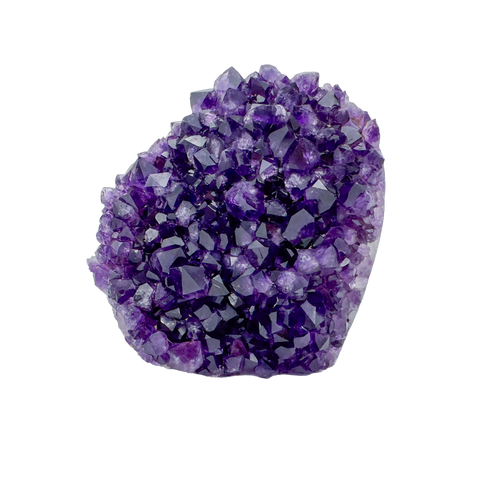
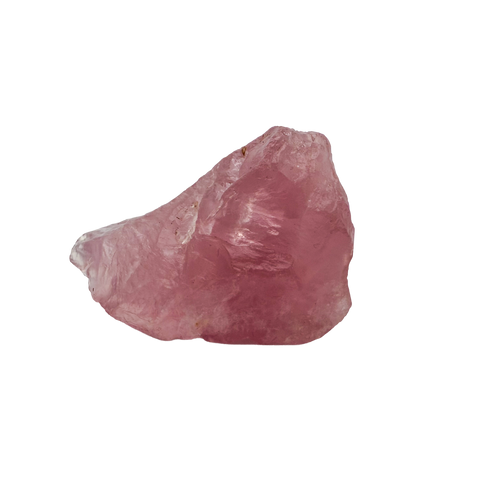
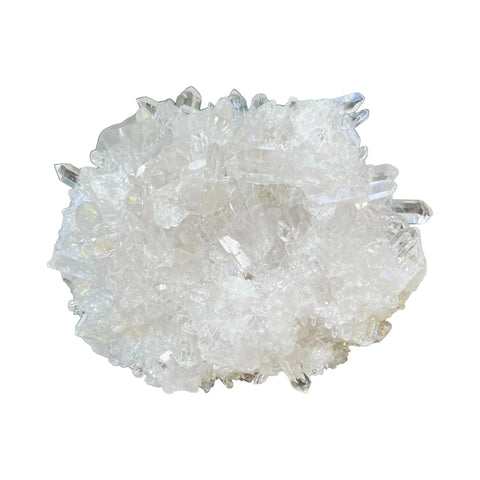
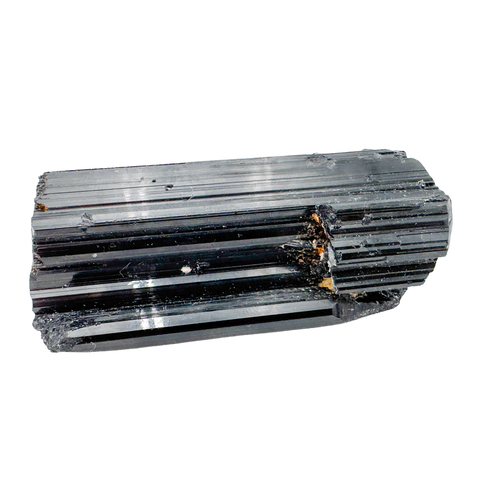
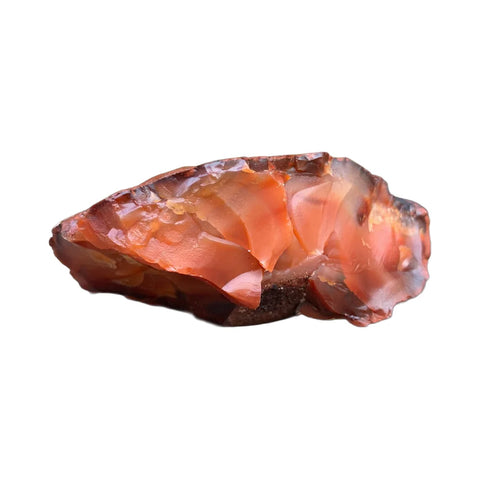
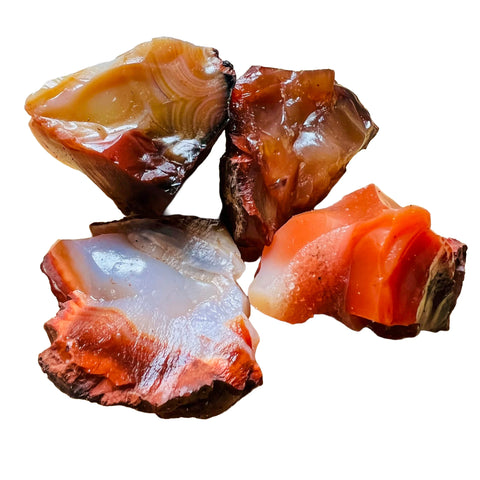


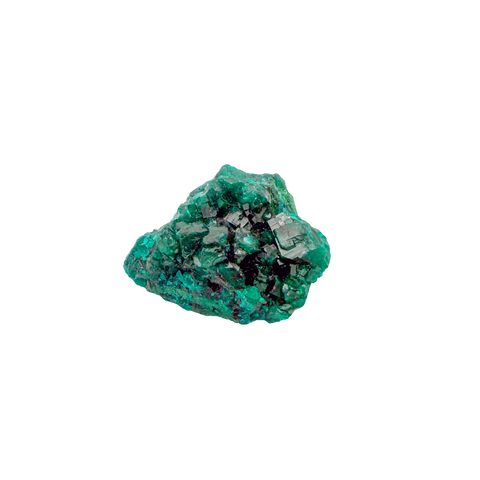
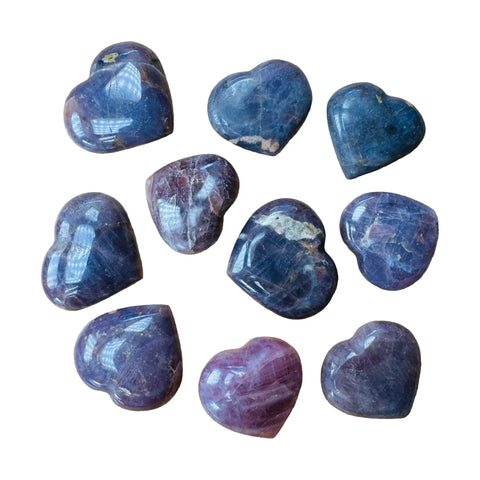
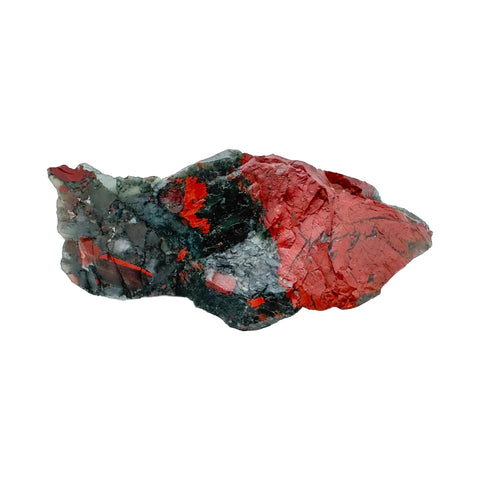
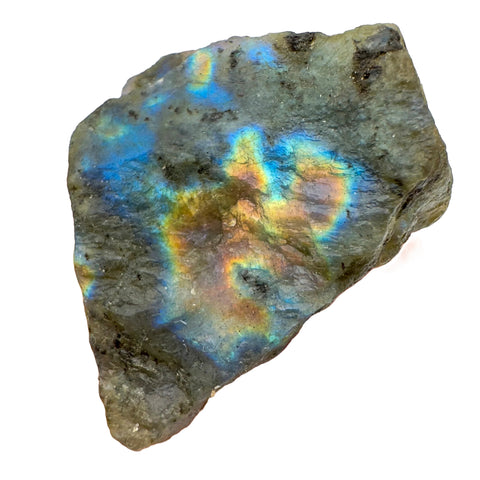
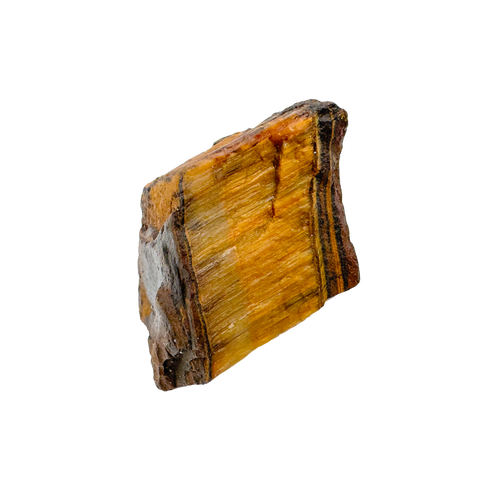
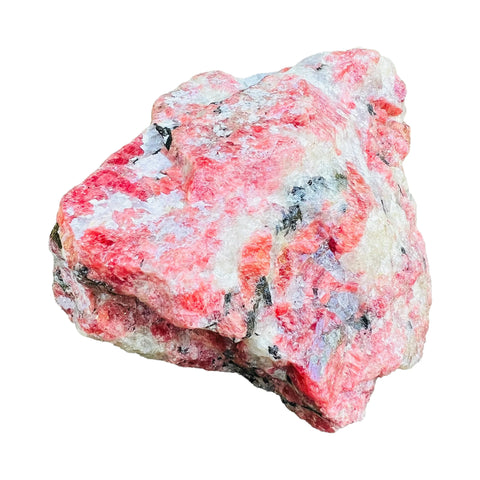
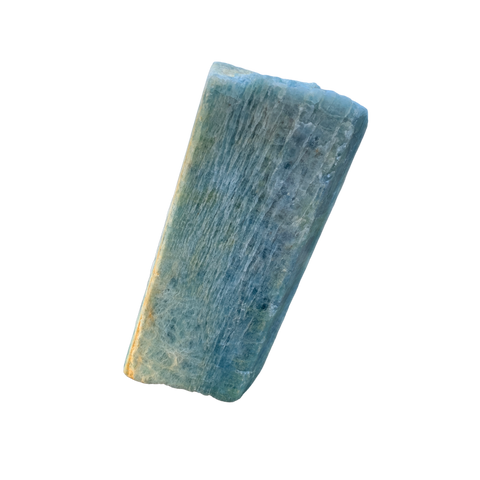
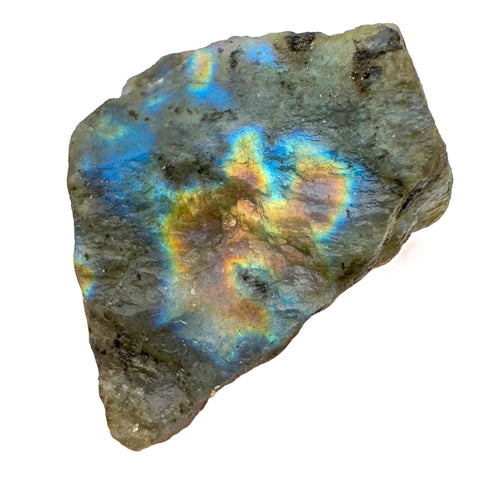
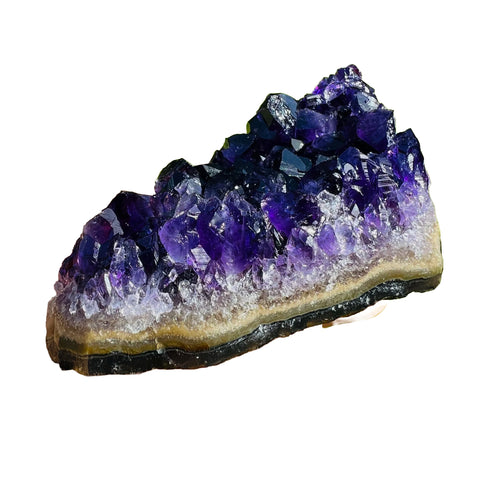



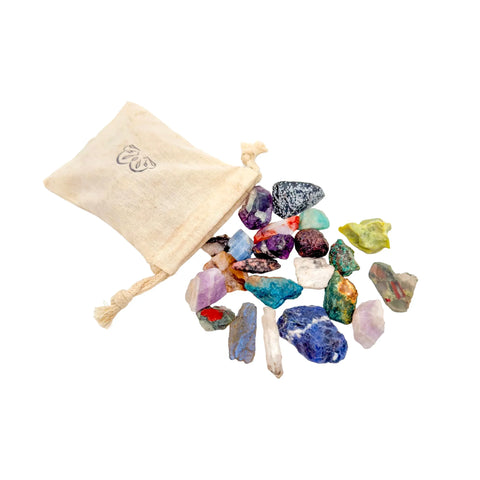
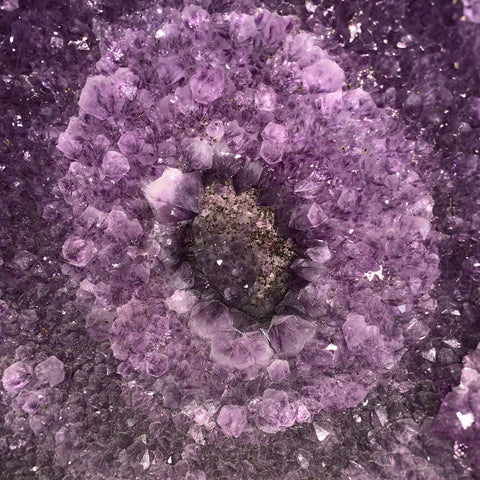
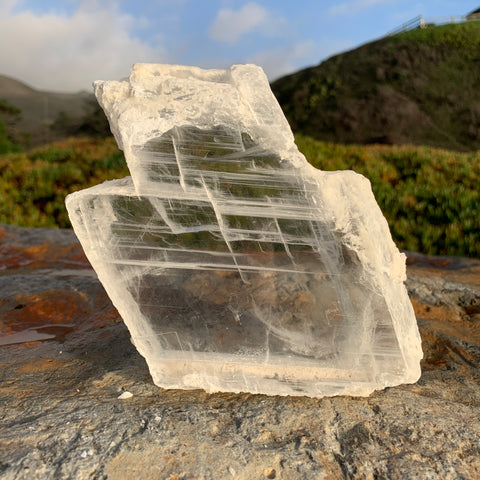
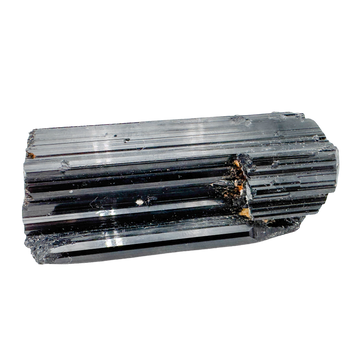
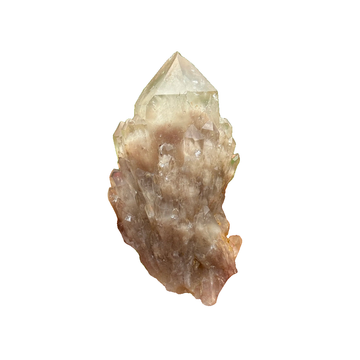
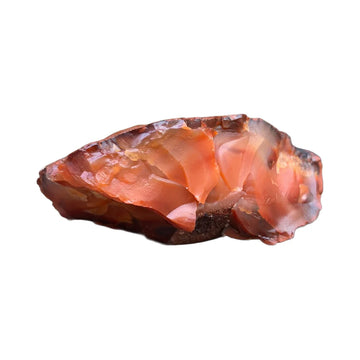
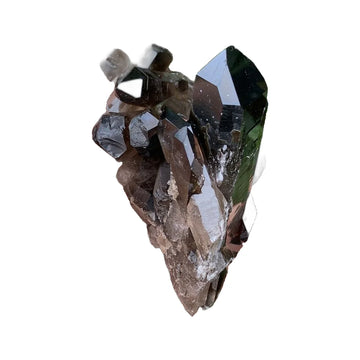
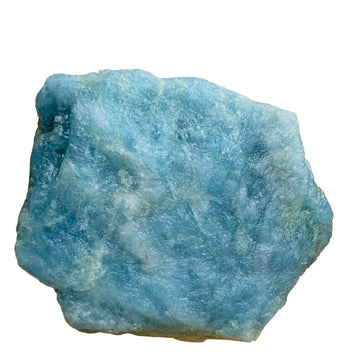
 Raw Stones
179 pieces
Raw Stones
179 pieces
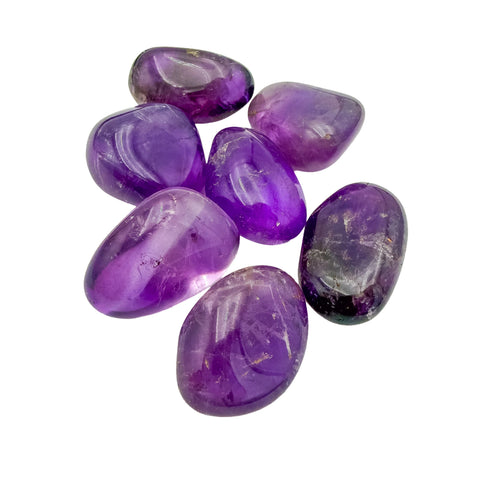
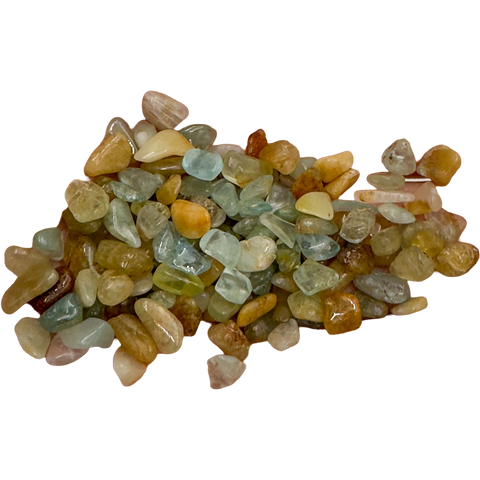
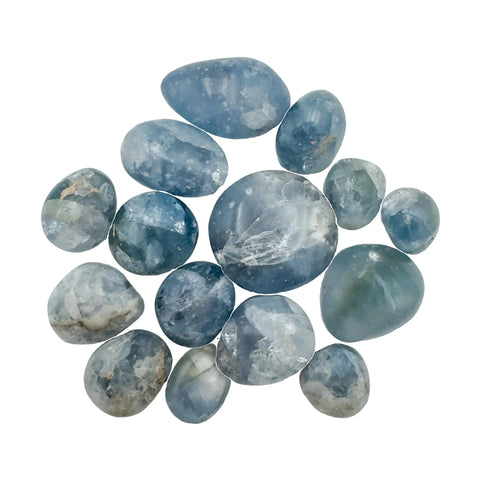
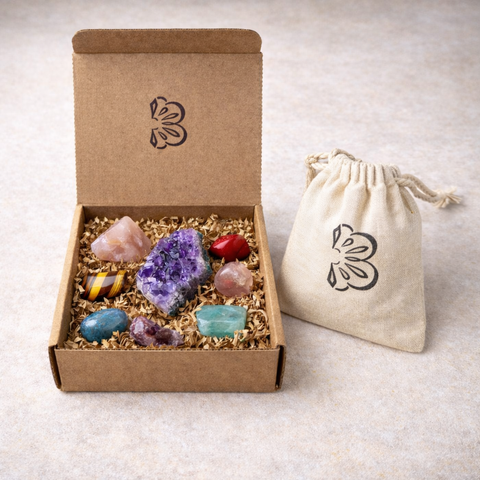
 Tumbled Stones
162 pieces
Tumbled Stones
162 pieces
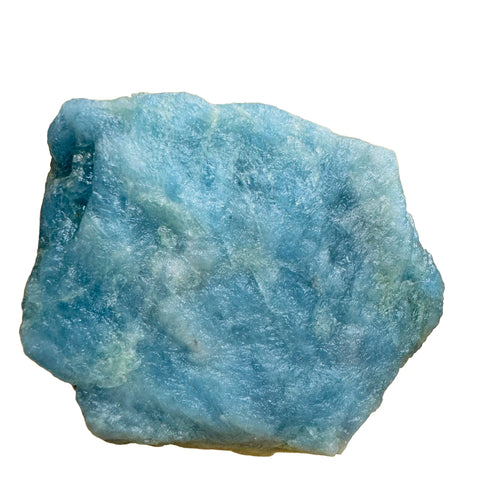
 Palm Stones
25 pieces
Palm Stones
25 pieces
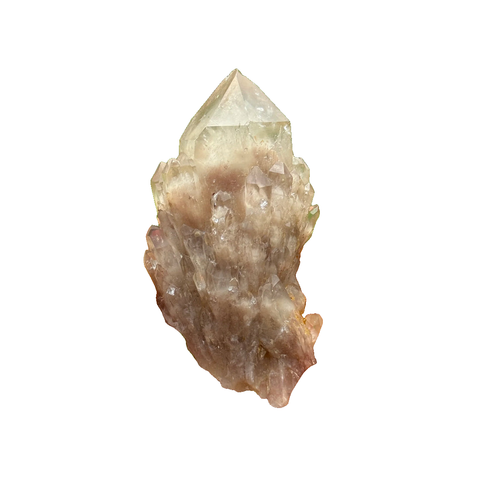
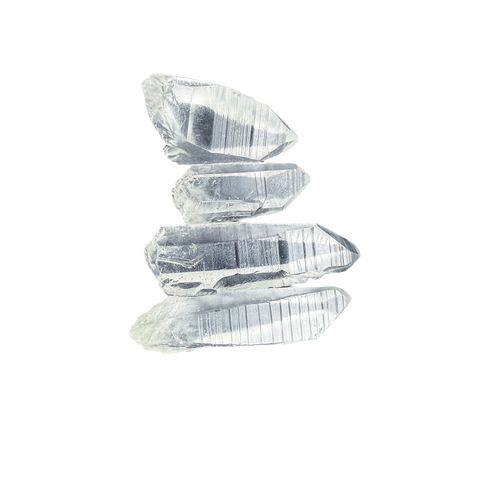
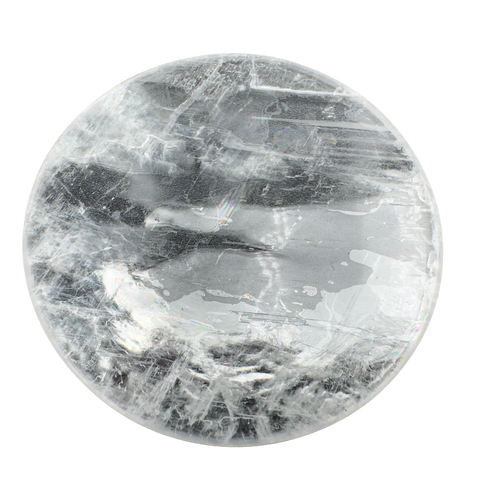
 Crystal Points
23 pieces
Crystal Points
23 pieces
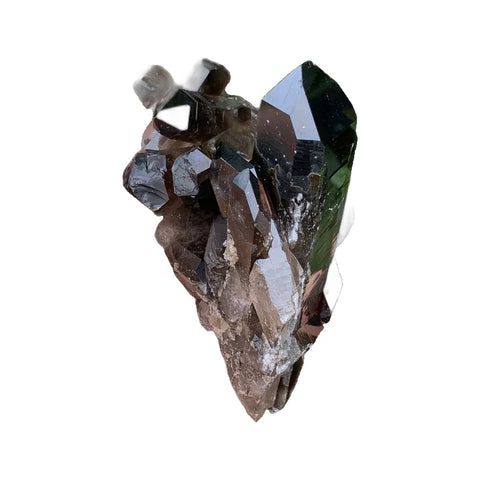
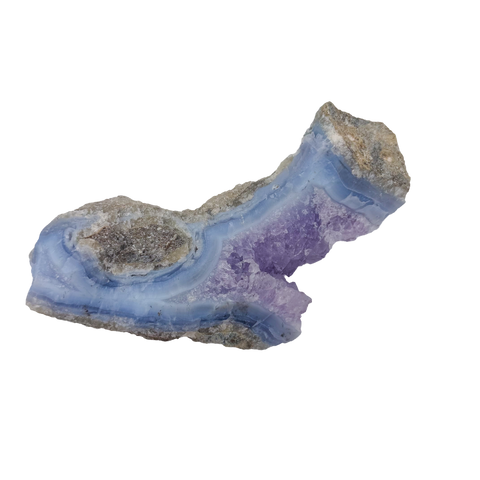
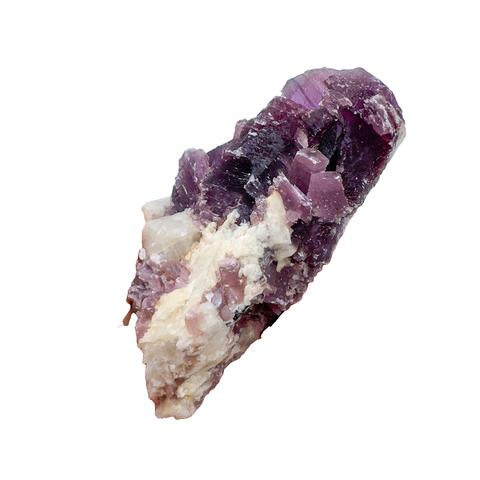
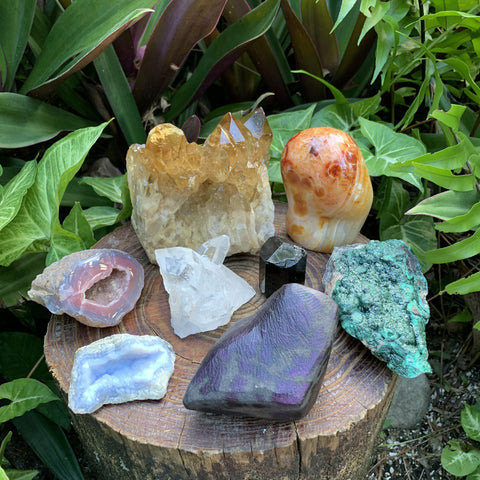
 Clusters & Geodes
104 pieces
Clusters & Geodes
104 pieces
 Polished & Decor
148 pieces
Polished & Decor
148 pieces
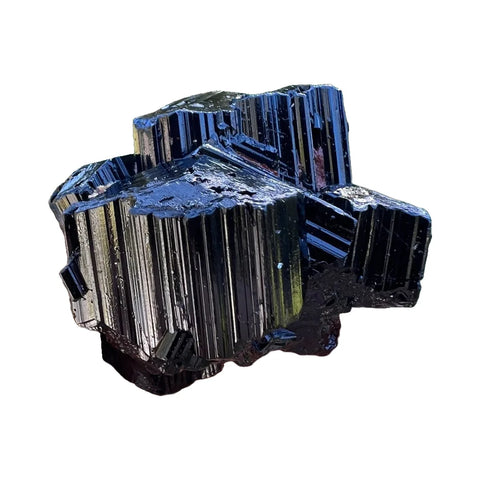
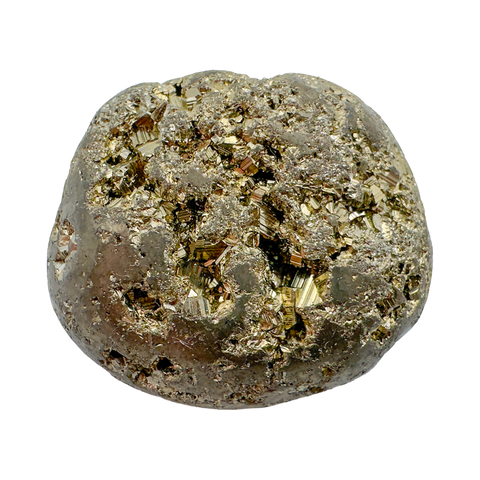
 Mineral Specimens
259 collector pieces
Mineral Specimens
259 collector pieces
 Crystal Chips
21 pieces
Browse everything
Every collection, one page.
View All Collections →
Crystal Chips
21 pieces
Browse everything
Every collection, one page.
View All Collections →


 Aries
Mar 21 – Apr 19
Carnelian
›
Aries
Mar 21 – Apr 19
Carnelian
›
 Taurus
Apr 20 – May 20
Rose Quartz
›
Taurus
Apr 20 – May 20
Rose Quartz
›
 Gemini
May 21 – Jun 20
Agate
›
Gemini
May 21 – Jun 20
Agate
›
 Cancer
Jun 21 – Jul 22
Moonstone
›
Cancer
Jun 21 – Jul 22
Moonstone
›
 Leo
Jul 23 – Aug 22
Citrine
›
Leo
Jul 23 – Aug 22
Citrine
›
 Virgo
Aug 23 – Sep 22
Amazonite
›
Virgo
Aug 23 – Sep 22
Amazonite
›
 Libra
Sep 23 – Oct 22
Blue Lace Agate
›
Libra
Sep 23 – Oct 22
Blue Lace Agate
›
 Scorpio
Oct 23 – Nov 21
Obsidian
›
Scorpio
Oct 23 – Nov 21
Obsidian
›
 Sagittarius
Nov 22 – Dec 21
Sodalite
›
Sagittarius
Nov 22 – Dec 21
Sodalite
›
 Capricorn
Dec 22 – Jan 19
Black Tourmaline
›
Capricorn
Dec 22 – Jan 19
Black Tourmaline
›
 Aquarius
Jan 20 – Feb 18
Amethyst
›
Aquarius
Jan 20 – Feb 18
Amethyst
›
 Pisces
Feb 19 – Mar 20
Aquamarine
›
Gifting?
A birthday stone is the safe bet.
Read the zodiac guide →
Pisces
Feb 19 – Mar 20
Aquamarine
›
Gifting?
A birthday stone is the safe bet.
Read the zodiac guide →

Cerussite
Cerussite is lead carbonate, a soft, remarkably heavy mineral famous for two things: crystal twins that lock into stars and snowflakes, and a dispersion, the flash of rainbow fire, that outshines diamond. It forms as galena weathers underground. Because it is a lead mineral, it is treasured as a display specimen and handled with simple care.
The geology.
Cerussite is lead carbonate, formula PbCO3, part of the aragonite group of carbonates. It is a secondary mineral, forming where galena, the primary lead sulfide ore, weathers in the oxidized zone of a deposit and the lead recombines with carbonate from circulating water. Its name comes from the Latin cerussa, meaning white lead.
Two properties set it apart. First, its specific gravity is very high, around 6.5, so a piece feels startlingly heavy for its size. Second, its dispersion, the way it splits light into spectral colors, is exceptionally strong, higher than diamond, which gives clear cerussite a vivid inner fire. Hardness is low, 3 to 3.5 on the Mohs scale, with an adamantine to resinous luster and colors from colorless and white to gray.
The origins.
Tsumeb in Namibia is the world's most famous cerussite locality, source of huge, glassy single crystals and dramatic interlocking twins that fill museum cases. Morocco is the other great modern source, with the Mibladen and Touissit districts producing sharp, brilliant crystals.
Cerussite also comes from Broken Hill in Australia, from Scotland and other historic European mines, and from several localities in the American West. Wherever lead ore has weathered near the surface for a long time, cerussite tends to appear, though gem-clear, well-twinned specimens are always scarce.
Traditional associations.
Cerussite has little ancient folklore of its own, since it was recognized as a species by early mineralogists and has always been more a collector's and scientist's mineral than a talisman. Its lead content also means it has never been an everyday carried stone, so any metaphysical associations attached to it are modern.
Where it is worked with, cerussite is usually linked to the Root chakra and the element of Earth, drawing on its weight and grounding heaviness, and some connect its transformation from galena to themes of change and adaptability. In practice it is admired on a shelf for its fire and its twins rather than handled closely.
Spotting the real thing.
Real cerussite announces itself two ways. It is heavy, far heavier than a same-size piece of quartz or calcite, and clear crystals throw off strong rainbow fire when they catch the light. Add the signature twinning, crystals crossing at angles into stars, hearts, sixlings, and delicate reticulated snowflake networks, and identification is usually straightforward.
Because cerussite is a specimen mineral, the market issues are condition and labeling, not glass fakes. The crystals are soft and brittle, so look for chips, cleaved faces, and glued repairs on fine twins. Confirm the locality, since Tsumeb and Moroccan material command a premium, and remember that a genuinely durable everyday gemstone this soft and heavy would be a contradiction.
Care & handling.
Cerussite is a lead mineral, so enjoy it as a display piece with calm, simple care. The sensible rules are familiar: wash your hands after handling it, do not lick, taste, or ingest it, avoid making or breathing any dust, and keep it away from children and pets. On a shelf, left alone, a specimen is not a hazard.
It is also genuinely fragile. At 3 to 3.5 on the Mohs scale it scratches with ease, and it is brittle with good cleavage, so the fine twins snap and chip easily. Handle it as little as possible and by the matrix. Keep it dry, skip water and saltwater cleaning entirely, and dust gently with a soft, dry brush. Store it padded and apart from harder stones, out of direct sun. To reset it energetically, many people use sound or moonlight rather than water.
Pairs well with.
A deeper look.
Extended geology, sourcing, authentication, history, and varieties, for when the quick guide isn't quite enough.
Extended geology
Cerussite is lead carbonate, PbCO3, and a member of the aragonite group, which shares an orthorhombic carbonate structure. It is a classic secondary mineral of the oxidized zone: as galena, lead sulfide, weathers near the surface, the released lead combines with carbonate from groundwater and reprecipitates as cerussite. Specimens frequently form directly on or around remnant galena, recording that transformation in a single piece.
The mineral's standout physical traits are its high specific gravity, around 6.5, and its very strong dispersion, which exceeds that of diamond and gives clear crystals a bright inner fire. Hardness is 3 to 3.5, cleavage is distinct, and the mineral is brittle. Crystals are famous for repeated twinning, producing star-shaped sixlings, V-twins, heart forms, and lattice-like reticulated networks.
Extended sourcing
Tsumeb in Namibia stands at the top, a mine legendary for the size, clarity, and drama of its cerussite, including giant single crystals and bold interpenetrant twins. Morocco follows closely, with Mibladen and Touissit yielding sharp, lustrous crystals that have flooded the modern market with fine, affordable specimens.
Historic and modern sources include Broken Hill in New South Wales, Australia, the lead districts of Scotland and central Europe, and localities across the American West such as Arizona and New Mexico. Because the crystals are soft and easily damaged, undamaged, well-twinned, or gem-clear specimens are always the scarce and valuable ones.
Authentication and warning signs
Heft and fire are the quickest checks: cerussite is unusually heavy and, when clear, flashes strong spectral color. The distinctive twinning into stars, sixlings, and reticulated networks is a further confirmation, since few minerals twin so elaborately. Luster is bright, adamantine to resinous.
Because it is a soft, brittle specimen mineral, the honest cautions are condition and labeling rather than imitation. Inspect fine twins for chips, cleavage breaks, and repairs, and confirm the stated locality, since Tsumeb and Moroccan pieces carry premiums. Any offer of cerussite as a durable everyday ring stone should be treated with suspicion, given its softness, fragility, and lead content.
History and folklore
Cerussite has been known since antiquity, not as a crystal to admire but as an ore of lead and as the source of cerussa, or white lead, a brilliant white pigment used in paint and cosmetics for centuries before its toxicity was understood. The mineral's name preserves that history, from the Latin word for white lead.
As a display crystal, cerussite is a collector's mineral with little talismanic folklore, and its metaphysical associations are modern additions. Given the long, cautionary story of white lead, an education-first approach that states the chemistry plainly serves a reader better than invented lore.
Varieties and trade names
Twinned cerussite: the celebrated forms, including star-shaped sixlings, V-twins, and reticulated, snowflake-like networks of thin crystals.
Gem cerussite: rare transparent crystals occasionally faceted for collectors, prized for their fire but far too soft for everyday jewelry.
Cerussite on galena: specimens that capture the mineral growing from its parent lead ore, a visual record of the oxidation story.
Cerussite is sold under its own name by locality, without invented trade names.
What it costs in the market
Small cerussite specimens and Moroccan thumbnails: roughly 15 to 60 dollars. Attractive twinned clusters and bright cabinet pieces: 60 to 300 dollars. Fine Tsumeb crystals, large sharp twins, and faceted gem cerussite: several hundred to many thousands of dollars. Clarity, twinning, size, condition, and locality drive value, with Tsumeb material at the very top.
An education-first guide.
We don't currently carry cerussite, so there's nothing to sell you here. This guide exists because the more you understand a stone, the better every decision you make about it becomes, wherever you buy it. Explore the rest of our crystal guides for stones we do source, each with full origin and treatment notes.
Explore the Crystal GuideLove Cerussite? Meet Labradorite.
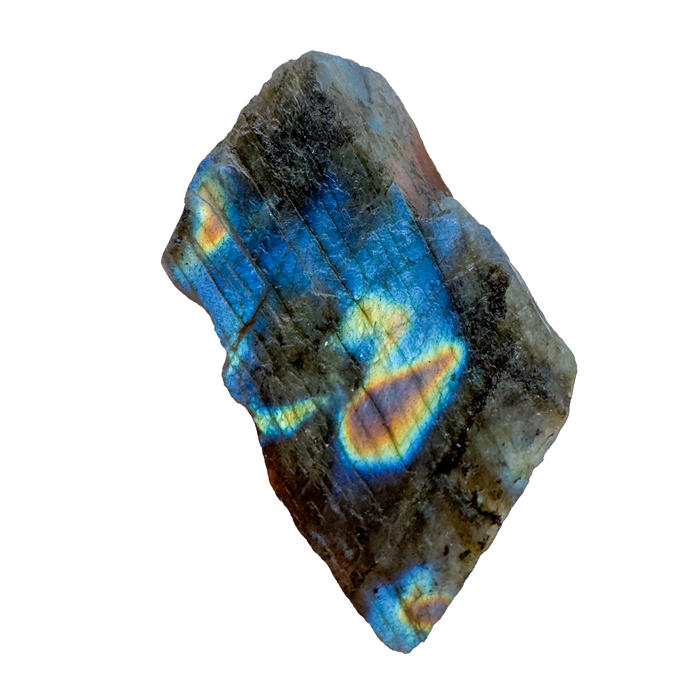
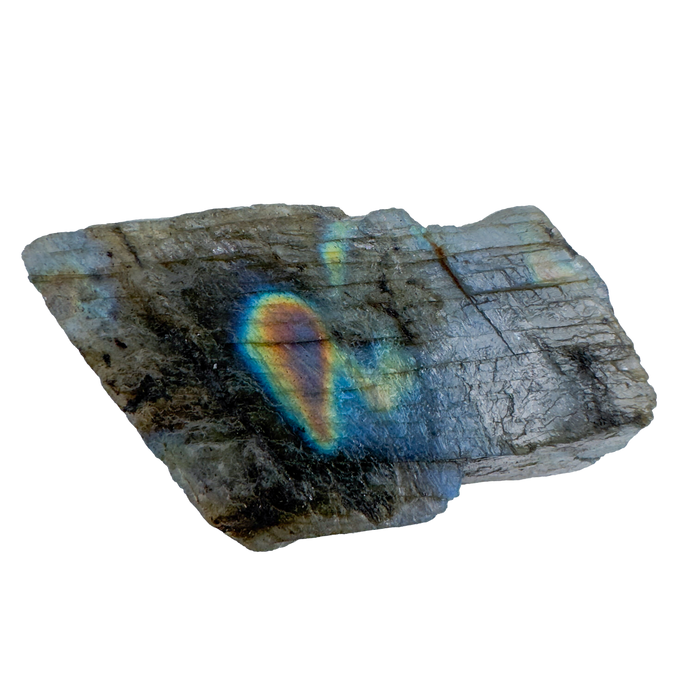
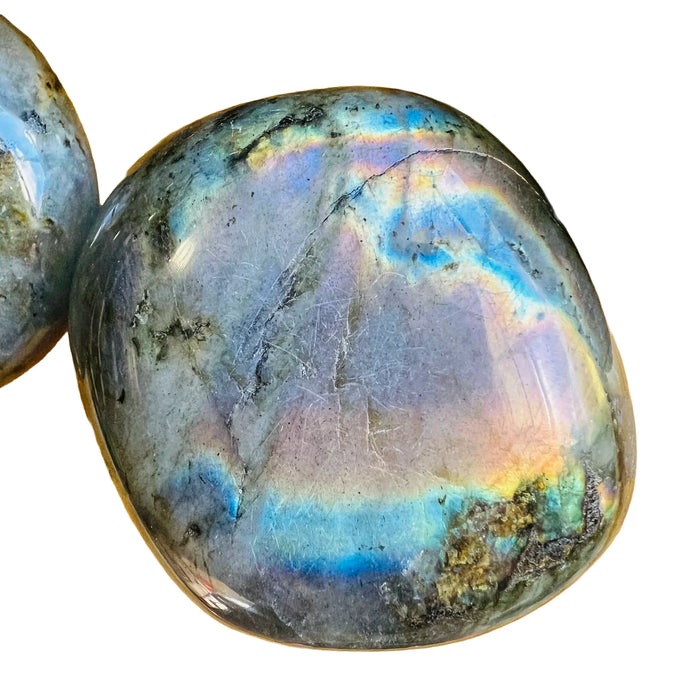
Cerussite is not something we carry. Labradorite is the closest match in color, and every piece passes our sourcing standards: origin named, treatments disclosed.
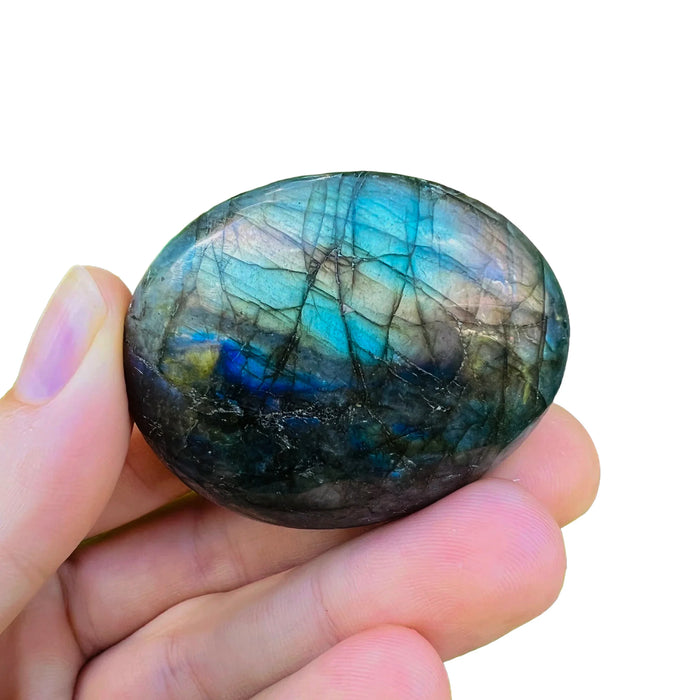
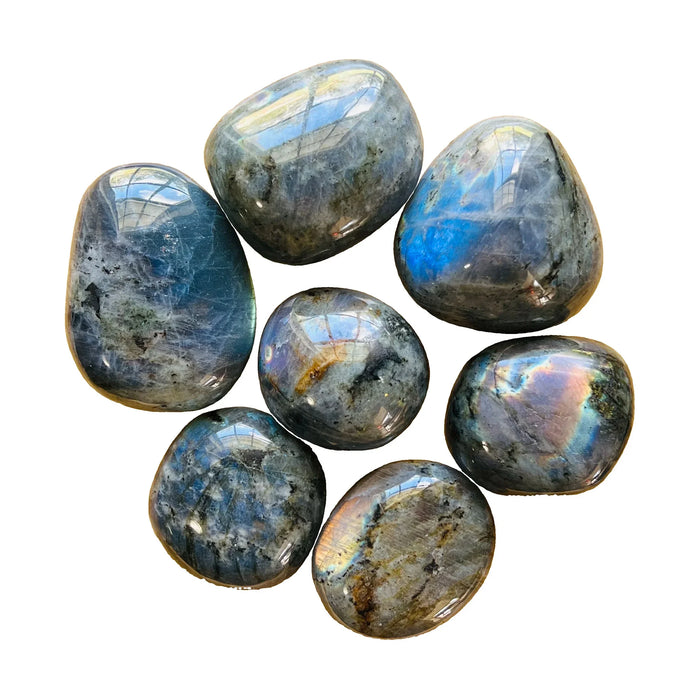
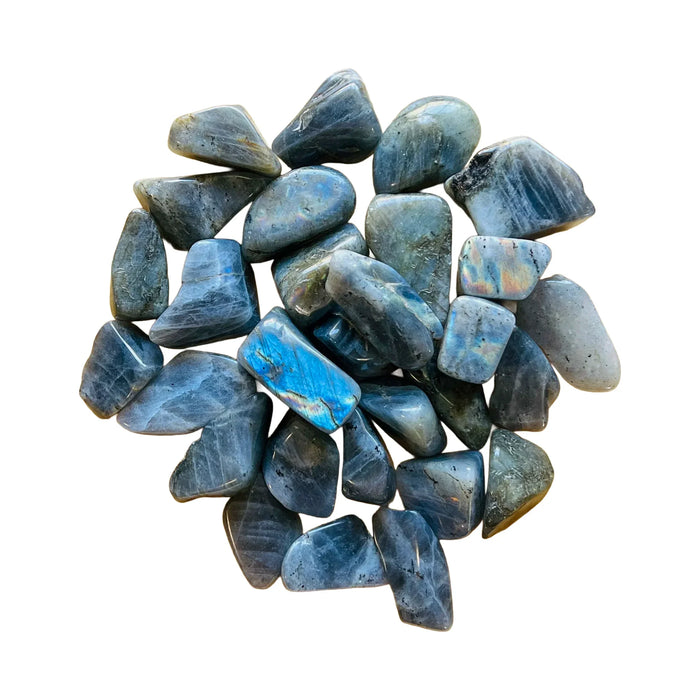
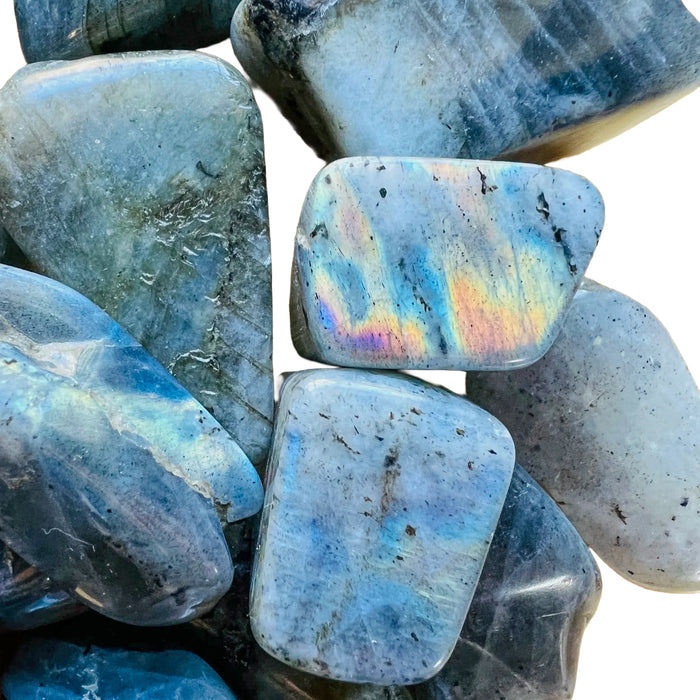
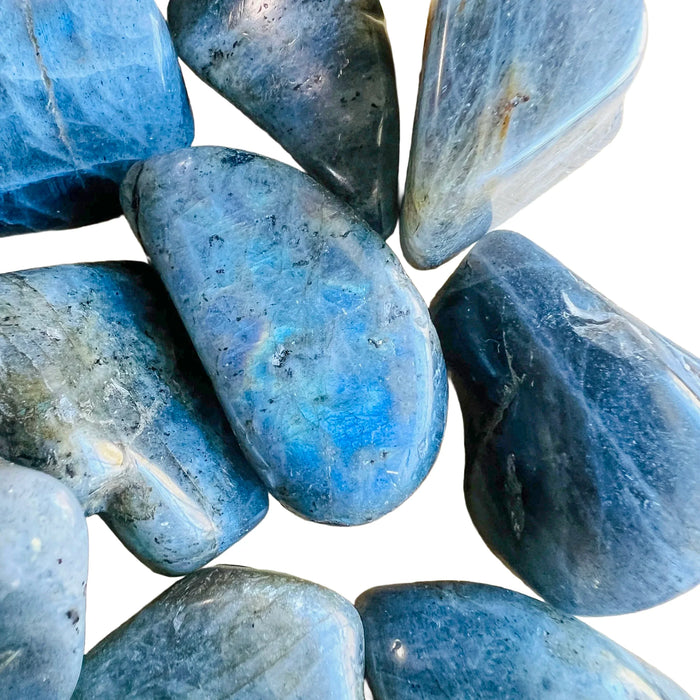
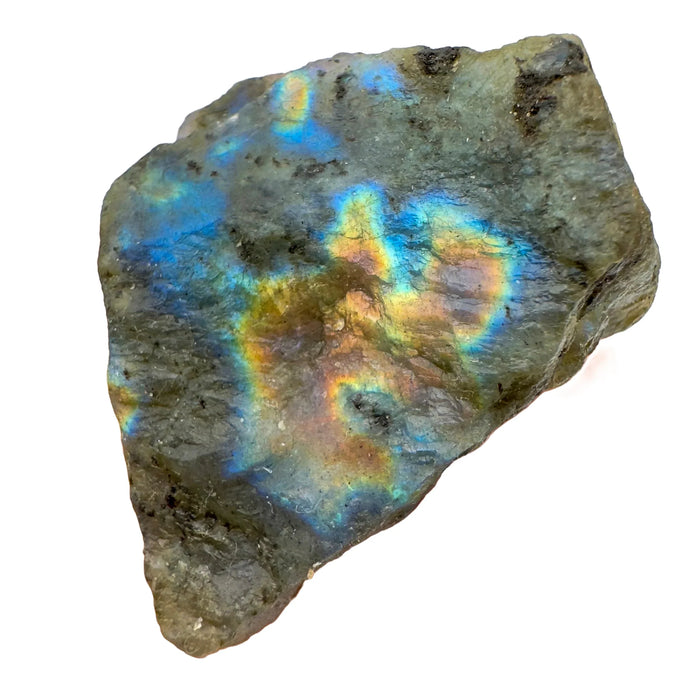
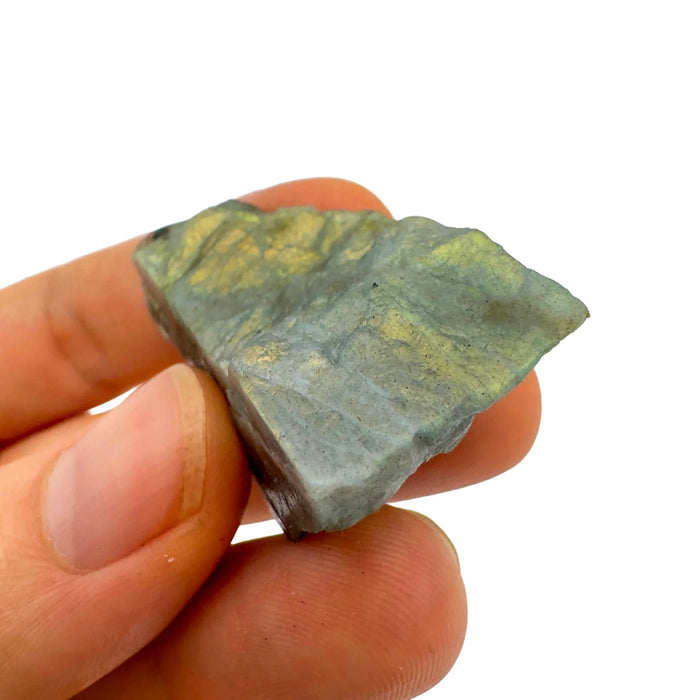
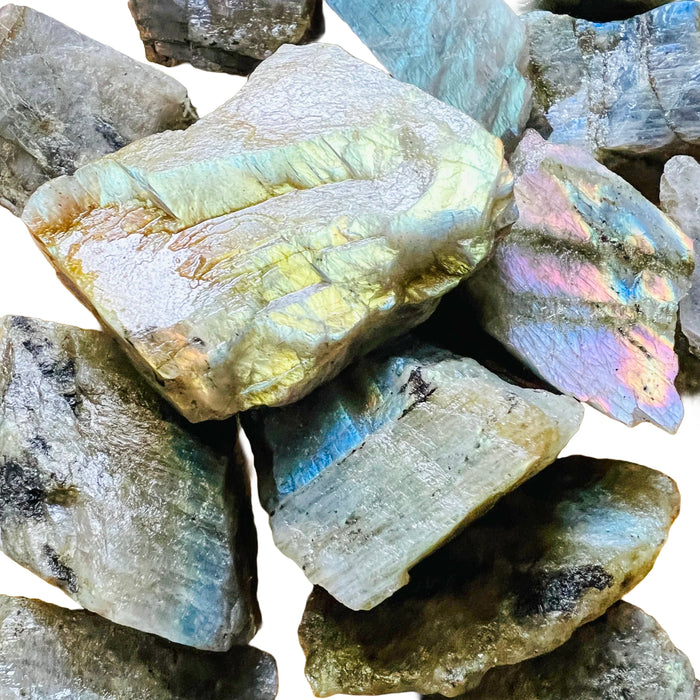
- from 1,000+ reviews
- Ships within 72 hoursMonday to Friday, tracked
- 90 days to return itif you do not love it
- Free US shipping over $99$8.99 flat rate under
The Slow Note
New stones go to the list first.
No forwarding, no selling. Unsubscribe in one click. Privacy