
























































Labradorite Crystal Guide: meaning, origin & properties
For the in-between.
Learn what Labradorite is, where ours comes from, traditional associations across cultures, and how to identify a real specimen, in our complete Labradorite Crystal Guide.
Choose Your Amount
Retail prices shown. Your wholesale discount is applied in your bag, based on your bag total.
Sold out
The blue Labradorite is a phenomenal stone in its versatility as well as its pure beauty ~ a charming one indeed ✨
Jennifer B. · Verified buyer · January 2026
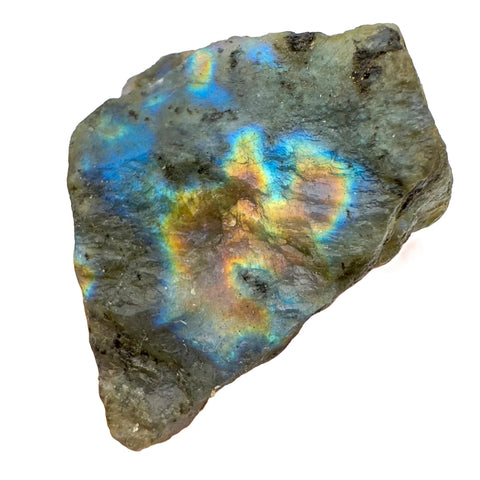
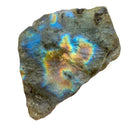
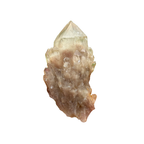
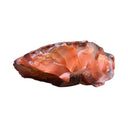
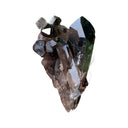
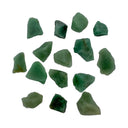
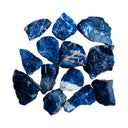
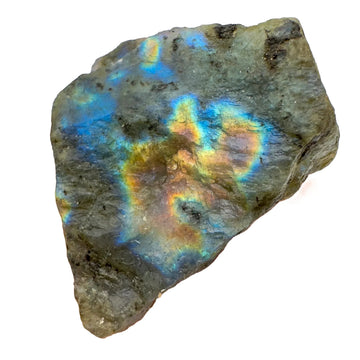
These are AAA-grade Labradorite blue predominant raw stones from Atsimo-Andrefana, Madagascar, sold by the piece or by the pound. The blue-dominant flash is labradorescence, light interfering between thin twinned layers inside this feldspar. Each piece runs 1-2 inches at Mohs 6-6.5, fully natural and untreated. A favorite intuition stone for collectors.
Labradorite looks like a plain gray stone until you turn it. Then the flash hits, blue, green, gold, sometimes a whole sheet of color that lights up and disappears again. The effect has its own name: labradorescence.
Sourced directly from Atsimo-Andrefana, Madagascar.
Labradorite was first described in Labrador, Canada in 1770, where Moravian missionaries found the flashing stones along the coast.
In crystal traditions, labradorite is often associated with listening to the quieter signals, a sense of groundedness when things feel uncertain, and clarifying what you actually want. It's traditionally linked to the third eye and crown chakras. If that resonates, set it in front of you during meditation or quiet reflection. Work with it the way that fits your own practice.
These are traditional associations drawn from historical practice. This stone is not a substitute for medical or mental health care.
Offered as a starting point for your own practice.
Labradorite sits at 6-6.5 on the Mohs scale, about as hard as glass, so it handles daily use but will scratch against harder stones. Keep chemical cleaners away from it; they can etch the surface.
Natural labradorite from Atsimo-Andrefana, Madagascar. Untreated. Labradorescence is structural, not coated or enhanced.
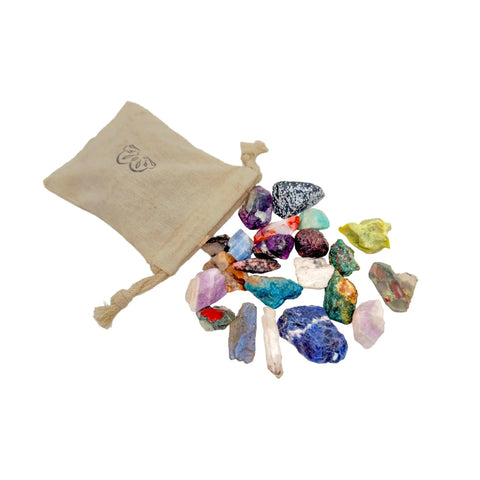
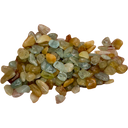
You'll receive pieces from the same batch photographed, weighed to the amount you choose. Every piece passes our quality control and meets or exceeds what you see in the photos. Single specimens are listed separately and say so.
Each piece measures 1 to 2 inches on its longest side and weighs 15 to 30 grams. About 16 to 32 pieces per pound at this size, and each option shows its piece count.
Grade AAA blue-predominant. Strong, full-face blue flash on most pieces, with some pieces showing gold or green secondary flash. Grades reflect visual quality within a batch. A is standard, with typical inclusions. AA shows stronger color, cleaner surfaces and tighter sizing. AAA is the top 10 to 15 percent of a batch. Every lot is inspected and graded by our team in Rockville, Maryland, not taken on the supplier’s word.
Atsimo-Andrefana Region, southwestern Madagascar. The other major source is Labrador, Canada. It came to us through a community partnership, one of the sourcing models we publish and stand behind.
Every lot is inspected and graded by our expert team before it is listed, not taken on the supplier's word. AAA on this listing means stronger color, cleaner surfaces and tighter sizing than the batch average. Pieces that miss the mark never reach the shop.
How We GradeSourced through a regional cooperative or community-based workshop. Processing and economic benefit stay local, which means more of the value reaches the people doing the work. We say what we know and where our tracing stops.
Our Sourcing StandardsEverything we sell is natural in origin: never synthetic, never dyed, never coated. Where a stone has been heated, irradiated or stabilized, which is common in the trade for some species, we say so on the listing. If a piece is not as described, return it within 90 days of delivery.
Returns and Guarantee