


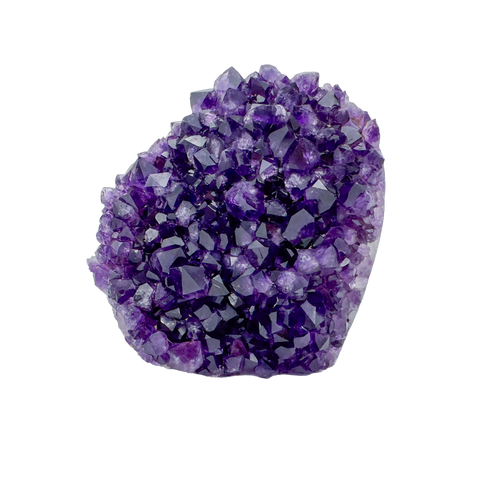
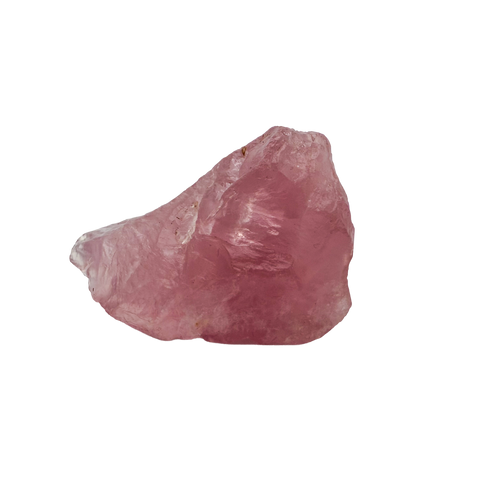
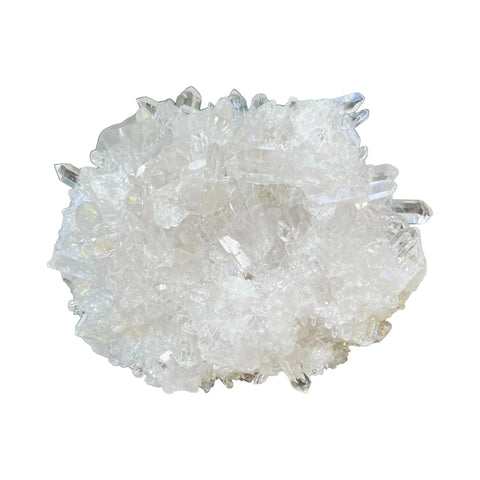
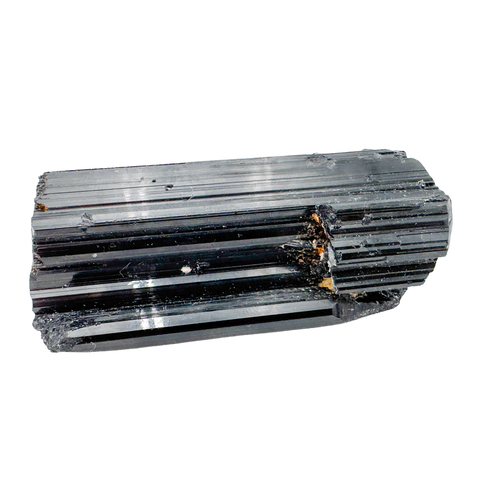
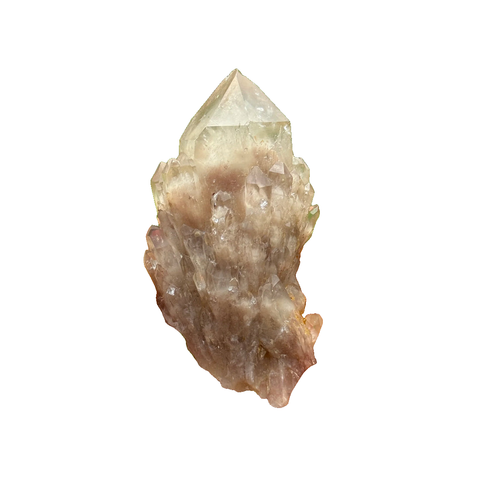
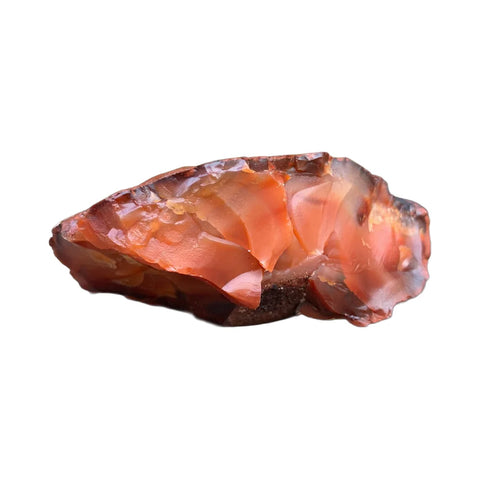
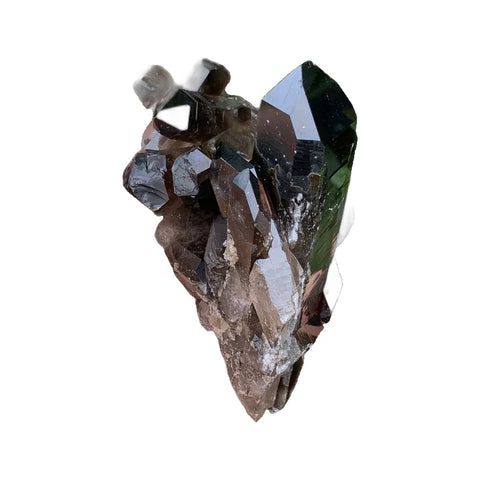
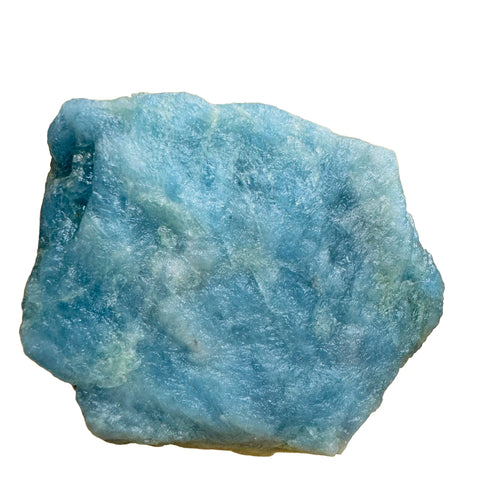
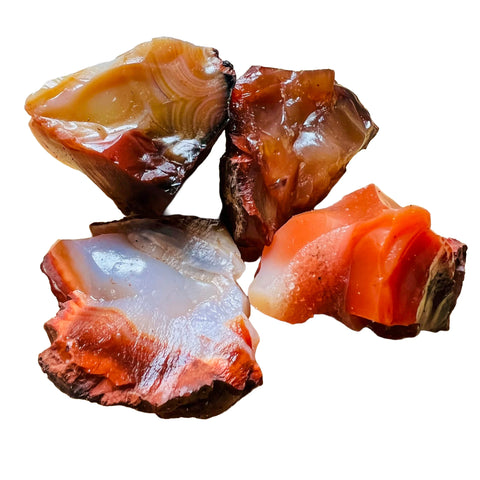


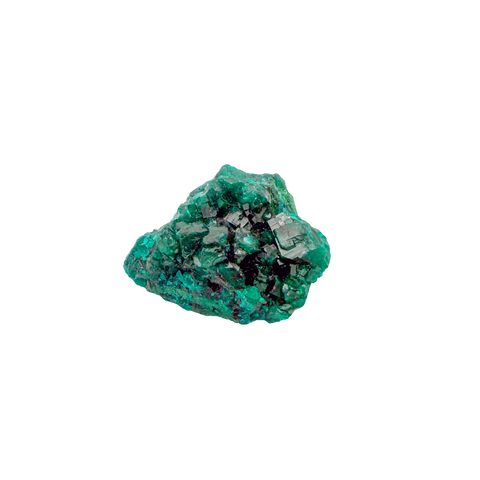
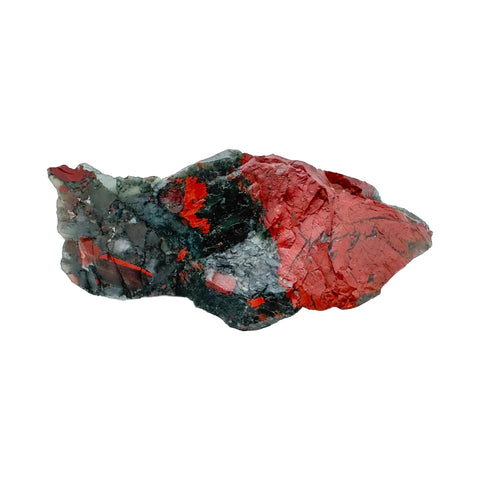
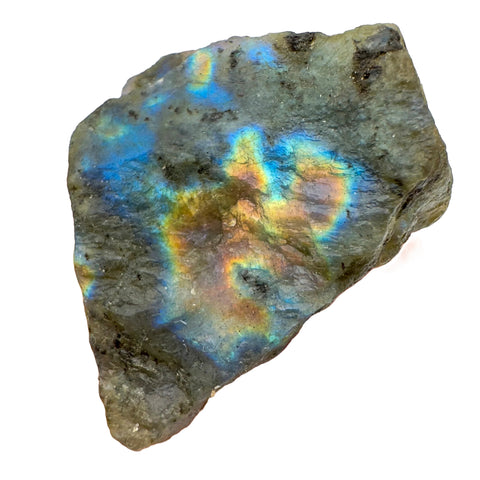
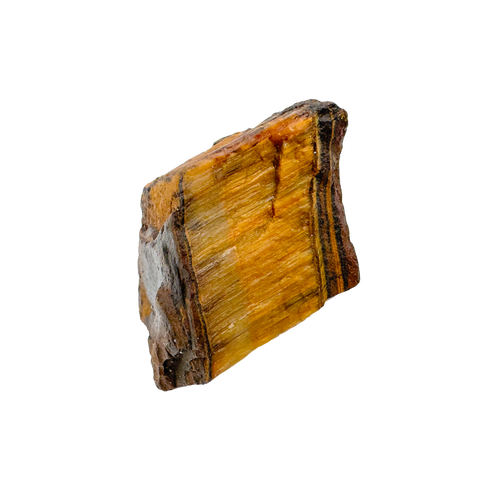
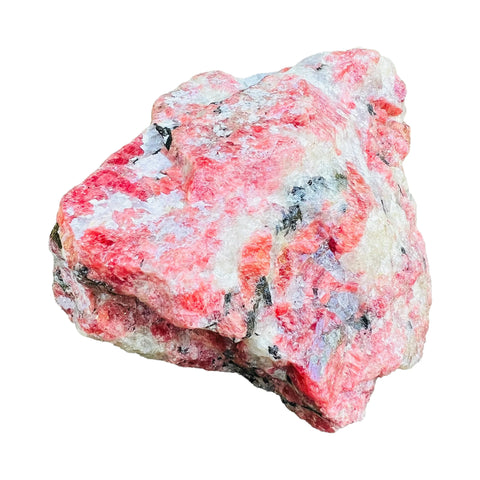
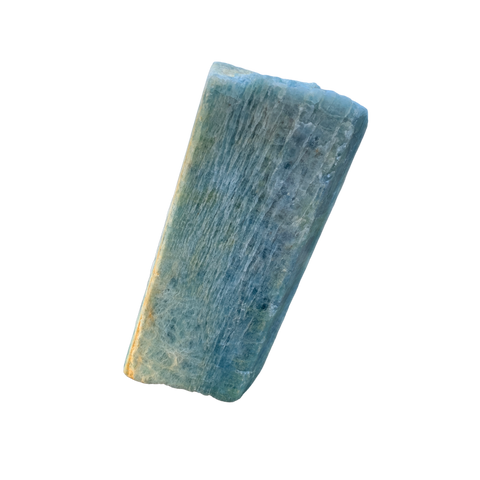
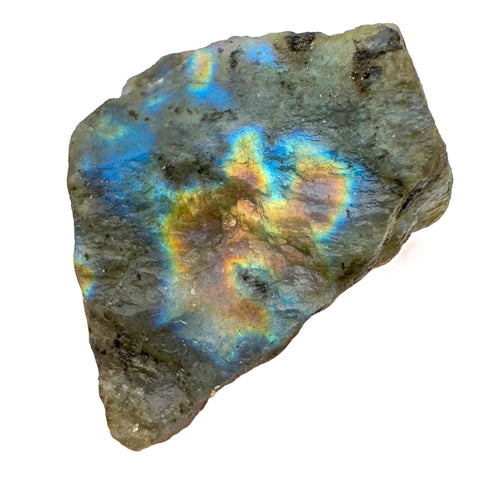
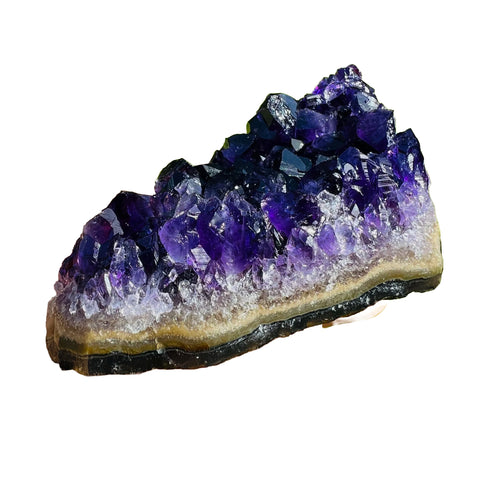



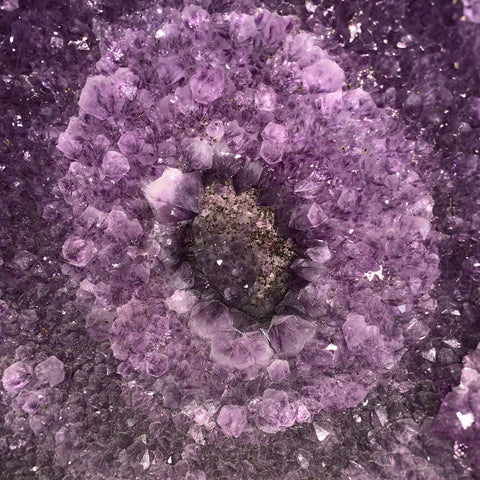
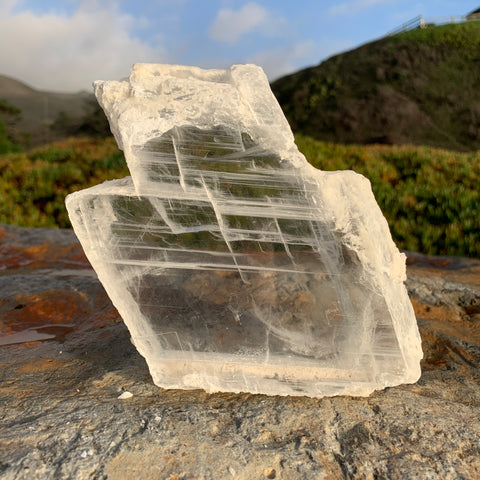
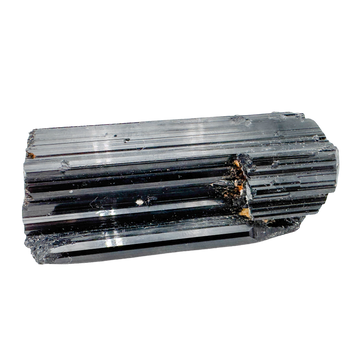
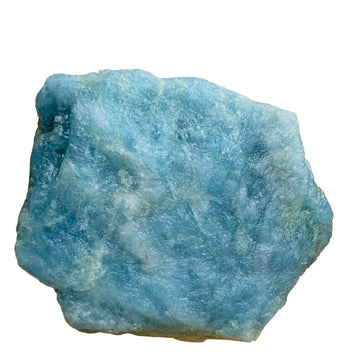
 Raw Stones
179 pieces
Raw Stones
179 pieces
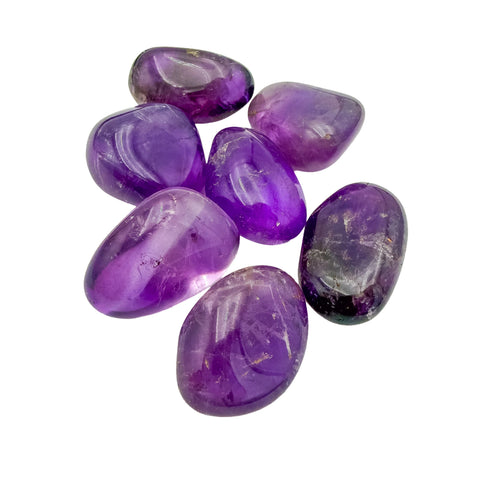
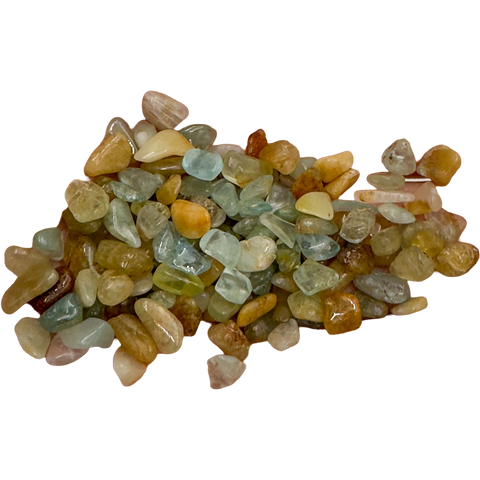
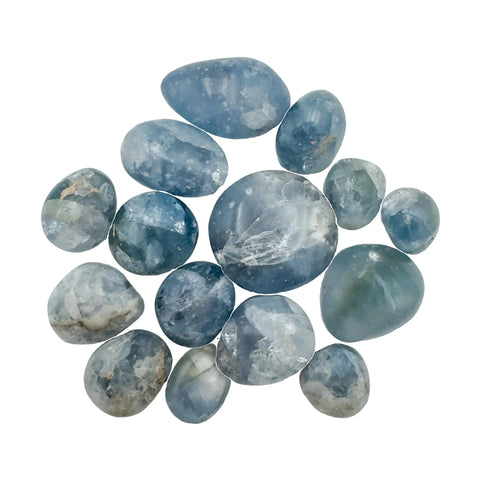
 Tumbled Stones
162 pieces
Tumbled Stones
162 pieces
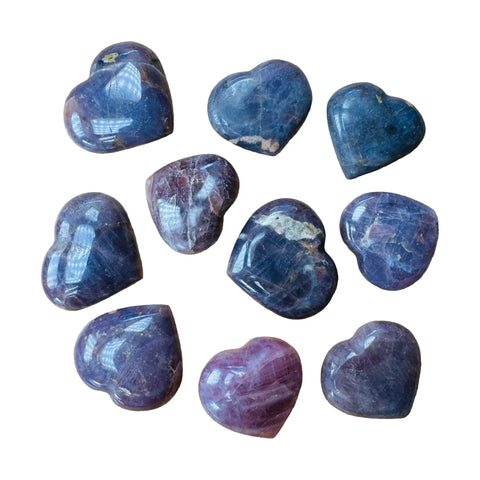
 Palm Stones
25 pieces
Palm Stones
25 pieces
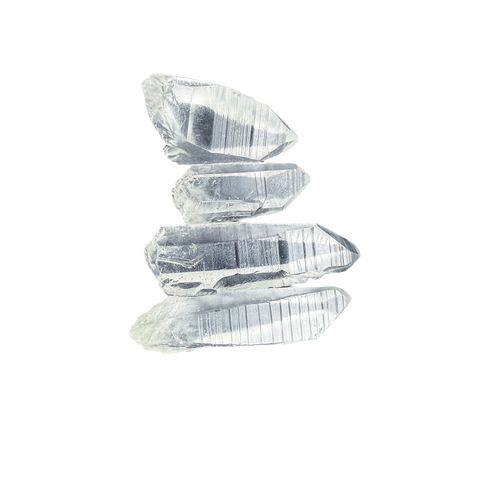
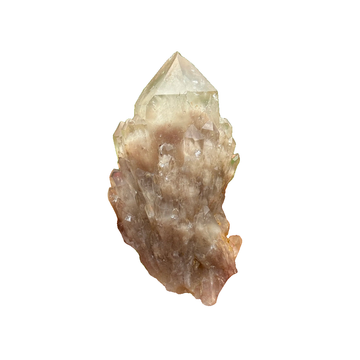
 Crystal Points
23 pieces
Crystal Points
23 pieces
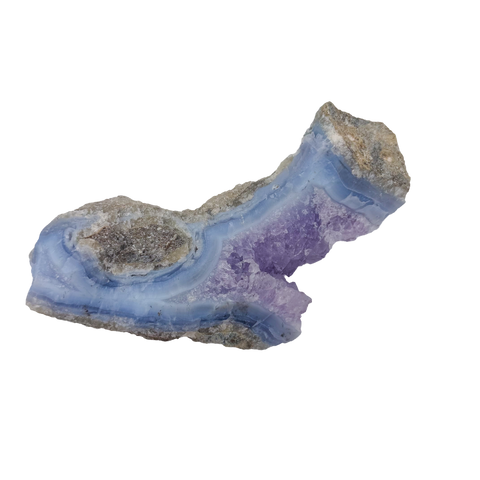
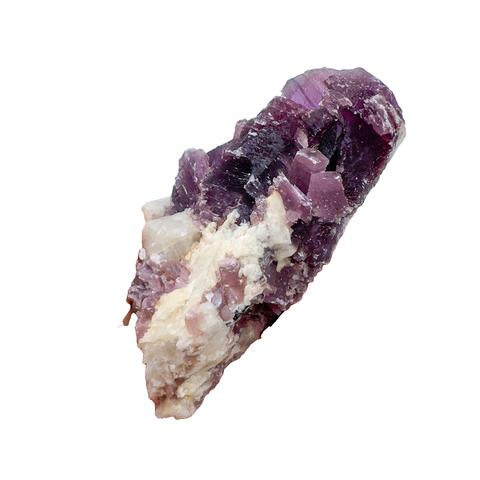
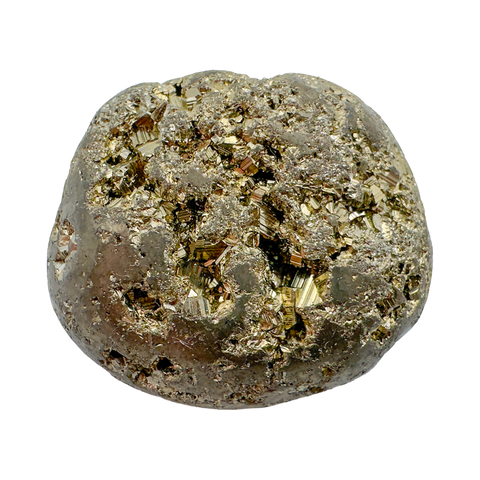
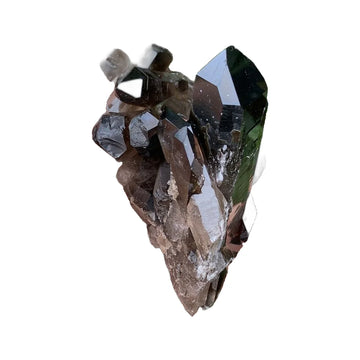
 Clusters & Geodes
104 pieces
Clusters & Geodes
104 pieces
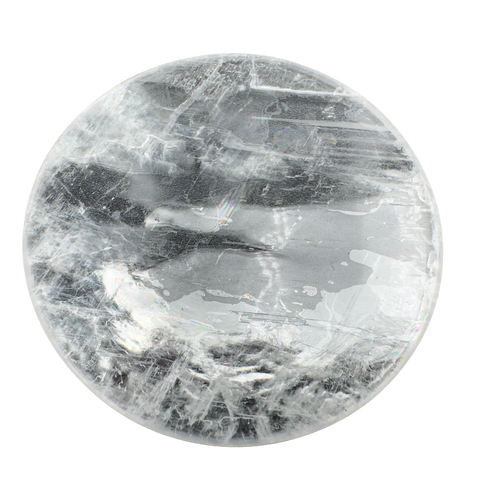
 Polished & Decor
148 pieces
Polished & Decor
148 pieces
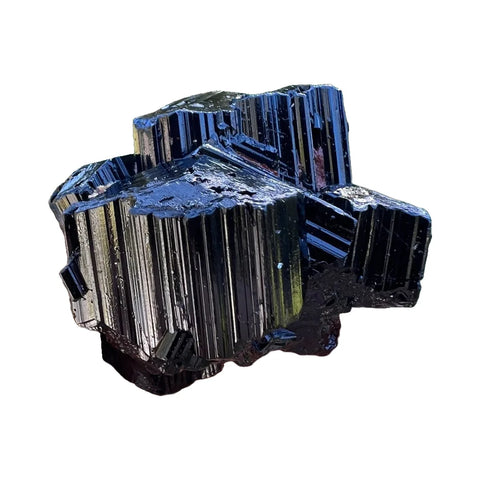
 Mineral Specimens
259 collector pieces
Mineral Specimens
259 collector pieces
 Crystal Chips
21 pieces
Browse everything
Every collection, one page.
View All Collections →
Crystal Chips
21 pieces
Browse everything
Every collection, one page.
View All Collections →


 Aries
Mar 21 – Apr 19
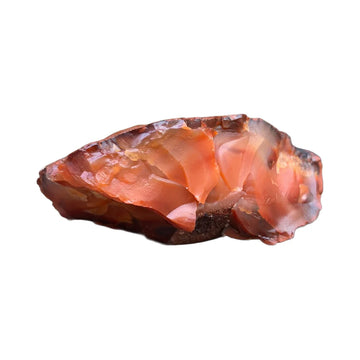
Carnelian
›
Aries
Mar 21 – Apr 19
Carnelian
›
 Taurus
Apr 20 – May 20
Rose Quartz
›
Taurus
Apr 20 – May 20
Rose Quartz
›
 Gemini
May 21 – Jun 20
Agate
›
Gemini
May 21 – Jun 20
Agate
›
 Cancer
Jun 21 – Jul 22
Moonstone
›
Cancer
Jun 21 – Jul 22
Moonstone
›
 Leo
Jul 23 – Aug 22
Citrine
›
Leo
Jul 23 – Aug 22
Citrine
›
 Virgo
Aug 23 – Sep 22
Amazonite
›
Virgo
Aug 23 – Sep 22
Amazonite
›
 Libra
Sep 23 – Oct 22
Blue Lace Agate
›
Libra
Sep 23 – Oct 22
Blue Lace Agate
›
 Scorpio
Oct 23 – Nov 21
Obsidian
›
Scorpio
Oct 23 – Nov 21
Obsidian
›
 Sagittarius
Nov 22 – Dec 21
Sodalite
›
Sagittarius
Nov 22 – Dec 21
Sodalite
›
 Capricorn
Dec 22 – Jan 19
Black Tourmaline
›
Capricorn
Dec 22 – Jan 19
Black Tourmaline
›
 Aquarius
Jan 20 – Feb 18
Amethyst
›
Aquarius
Jan 20 – Feb 18
Amethyst
›
 Pisces
Feb 19 – Mar 20
Aquamarine
›
Gifting?
A birthday stone is the safe bet.
Read the zodiac guide →
Pisces
Feb 19 – Mar 20
Aquamarine
›
Gifting?
A birthday stone is the safe bet.
Read the zodiac guide →


Herkimer Diamond
A Herkimer diamond is a short, water-clear quartz crystal that grew with natural points at both ends. The diamond in the name is a nickname earned by its glassy clarity and crisp natural faces, not a claim about the mineral. These crystals come from a specific geology in upstate New York, where they formed inside ancient rock about five hundred million years ago.
The geology.
Herkimer diamonds are double-terminated quartz, ordinary silicon dioxide that happens to have grown in an extraordinary way. Instead of sprouting from a wall as a single point, these crystals nucleated and grew while nearly suspended in fluid-filled cavities, so they developed sharp, faceted terminations at both ends and unusually high clarity. They are named for Herkimer County, New York, where the classic material is found.
The host is a hard Cambrian dolostone roughly five hundred million years old. Silica-rich water filled small pockets, or vugs, in that rock and slowly crystallized into clear quartz with little to anchor it, which is the secret to the doubly pointed habit. Hardness is the standard quartz 7 on the Mohs scale. Many crystals carry inclusions, from black specks of natural hydrocarbon to tiny bubbles of water and gas, that give individual pieces real character.
The origins.
The true source is narrow and specific: Herkimer County and the surrounding Mohawk River Valley of upstate New York. The name belongs, in any honest sense, to double-terminated quartz from that particular dolostone geology, which is why provenance matters more here than with most quartz.
Crystals with a similar look, doubly terminated and clear, are found in other parts of the world, and some are marketed loosely as Herkimer-style quartz. They are genuine quartz, but they are not true Herkimer diamonds. A careful seller names the actual locality rather than borrowing the New York name for material from elsewhere.
Traditional associations.
As a clear quartz, the Herkimer diamond carries quartz's long reputation as an amplifier and a stone of clarity, with the added symbolism of its two natural points, often read as energy that can both send and receive.
Many people work with Herkimer diamonds for mental clarity, meditation, vivid dreams, and to pair with and strengthen other stones. They are commonly associated with the Crown and Third Eye, the element of Air, and the sign Sagittarius. A frequent practice is to keep a small clear crystal on a desk or by the bed.
Spotting the real thing.
A genuine Herkimer diamond is a relatively short, stubby quartz crystal with natural facets and a clean point at each end, often with extraordinary clarity. Natural inclusions are a feature rather than a flaw: black flecks of anthraxolite, a solid hydrocarbon, or small bubbles of trapped water and gas are classic signs of the real geology. Internal rainbows from healed fractures are common too.
Distinguish true New York Herkimers from out-of-area double-terminated quartz by asking for the locality, since the two can look alike. Avoid confusing them with coated aura quartz, which carries an obvious metallic sheen, or with cut glass, which lacks natural crystal faces and inclusions. Clarity in a Herkimer is grown, not manufactured, so a flawless crystal is plausible, but its faces and terminations should still look naturally formed.
Care & handling.
Herkimer diamonds are easy to live with. At a hardness of 7 they resist scratching, tolerate a rinse in warm water with a soft cloth, and are stable in normal light without fading. The one weak point is the terminations, which are sharp and can chip if knocked, so store crystals where their points are protected and apart from each other.
If a crystal contains a visible water bubble, an enhydro, avoid sudden temperature extremes that could stress the inclusion. Otherwise no special care is needed. Ultrasonic cleaning is generally safe for solid clear pieces, but a simple hand wash is all most specimens ever require.
Pairs well with.
A deeper look.
Extended geology, sourcing, authentication, history, and varieties, for when the quick guide isn't quite enough.
Extended geology
Structurally a Herkimer is simply alpha quartz, trigonal silicon dioxide, with the same hardness, conchoidal fracture, and vitreous luster as any quartz. What sets it apart is the growth environment. The crystals formed inside vugs in the Little Falls dolostone, lined with clay or fluid, where they could grow with minimal attachment and develop terminations at both ends, sometimes as floaters detached entirely from the wall.
Inclusions tell the story of that pocket. Anthraxolite, a black solid hydrocarbon, settled into many cavities and shows up as dark specks or skins. Liquid and gas were sealed into others, producing two-phase and enhydro inclusions. Some crystals are skeletal or window forms, and the combination of high clarity with these natural extras is much of what collectors prize.
Extended sourcing
The crystals are mined across the Mohawk Valley belt at well-known sites near Herkimer, Middleville, and Fonda, including several pay-to-dig operations open to the public. The matrix is hard, so collectors crack the dolostone or recover loose crystals weathered from it. Quality ranges from cloudy and included to flawless, doubly pointed gems.
Double-terminated quartz that resembles Herkimers is found in places such as China, Pakistan and Afghanistan, Mexico, and Spain. These are sometimes sold as Herkimer-style or, less honestly, simply as Herkimers. They are real quartz with their own merits, but the specific New York provenance is what defines the genuine article, and reputable sellers keep that distinction clear.
Authentication and warning signs
Authenticity here is really about provenance plus natural form. A true Herkimer is double-terminated quartz from the New York geology, typically short and clear, frequently carrying anthraxolite, water bubbles, or internal rainbows. Out-of-area double-terminated quartz should be described by its real origin rather than borrowing the Herkimer name.
Two manufactured products sometimes cause confusion. Aura quartz is natural quartz given a metallic coating for an iridescent finish, which is a treatment that should be disclosed. Cut glass imitations lack genuine crystal faces and the characteristic inclusions. A short, naturally faceted, doubly pointed crystal with believable internal features and an honest locality is what you are looking for.
History and folklore
Settlers in the Mohawk Valley noticed the brilliant little crystals in the 1700s, and they were eventually named for Herkimer County, which itself honors General Nicholas Herkimer of the Revolutionary War era. The crystals have been collected for well over two centuries and remain one of the most recognizable American mineral specimens.
Because the name is tied to a place, the trade has long treated Herkimer diamond as a geographic term rather than a generic one for any clear double-terminated quartz. That convention is what keeps the label meaningful, and it is why honest listings pair the Herkimer name with genuine New York provenance.
Varieties and trade names
Collectors sort Herkimers by clarity and by what is inside them. Beyond the classic water-clear singles, you find smoky Herkimers darkened by natural radiation, golden-tinted crystals, and specimens defined by their inclusions, such as anthraxolite-included or enhydro crystals with a moving water bubble. Skeletal and window crystals show stepped internal faces.
Habit varies too, from single floaters to clusters, scepters, and tabular forms. The most sought specimens combine sharp double terminations, high clarity, and an interesting natural inclusion, which is a rarer mix than a plain clear point and is priced accordingly.
What it costs in the market
Small, clear, doubly terminated Herkimers are inexpensive and make excellent beginner crystals, which is part of their popularity. Prices climb with size, with flawless clarity, and especially with desirable inclusions such as enhydros or striking anthraxolite, as well as for well-formed clusters and scepters.
Because the crystals are natural and untreated, the honest variables that set value are clarity, size, the completeness and sharpness of both terminations, the presence of interesting inclusions, and verifiable New York provenance. A genuine, well-formed Herkimer with character will always outrank a generic clear point of similar size.
An education-first guide.
We don't currently carry Herkimer diamonds, so there's nothing to sell you here. This guide exists because the more you understand a stone, the better every decision you make about it becomes, wherever you buy it. Explore the rest of our crystal guides for stones we do source, each with full origin and treatment notes.
Explore the Crystal GuideThe closest match we carry: Clear Quartz.
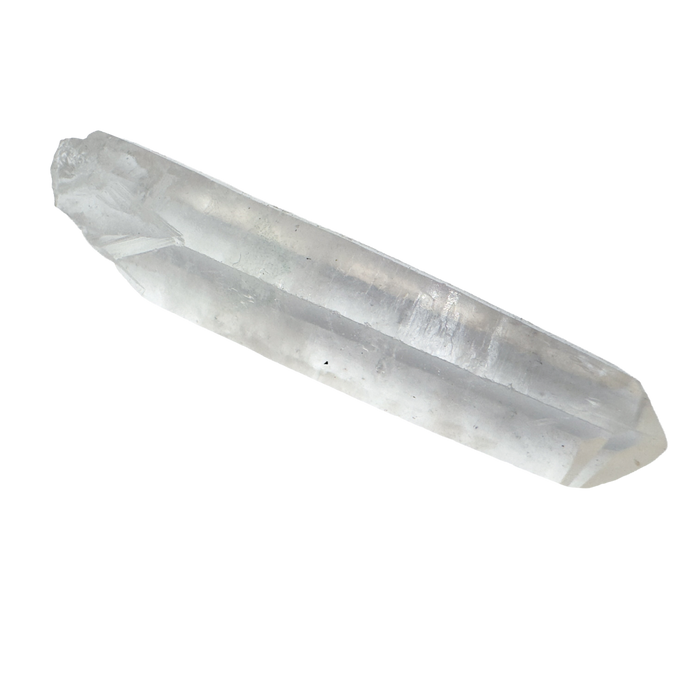
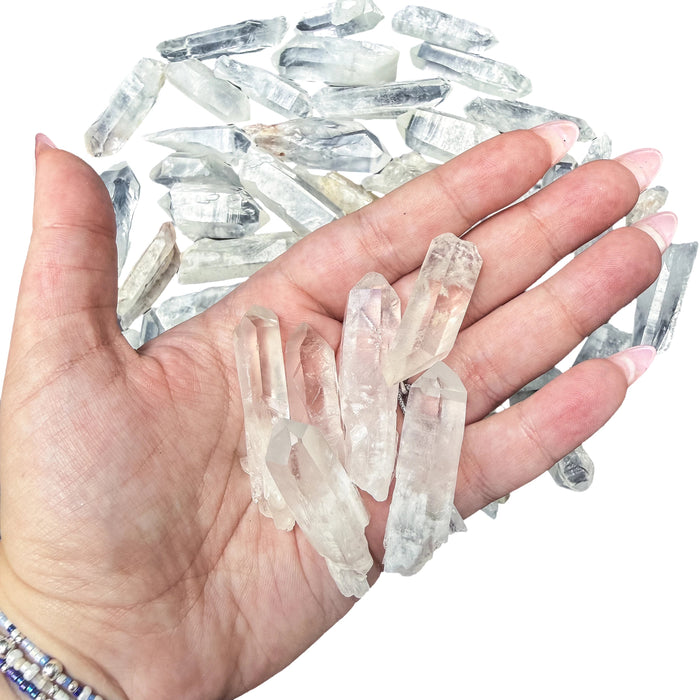
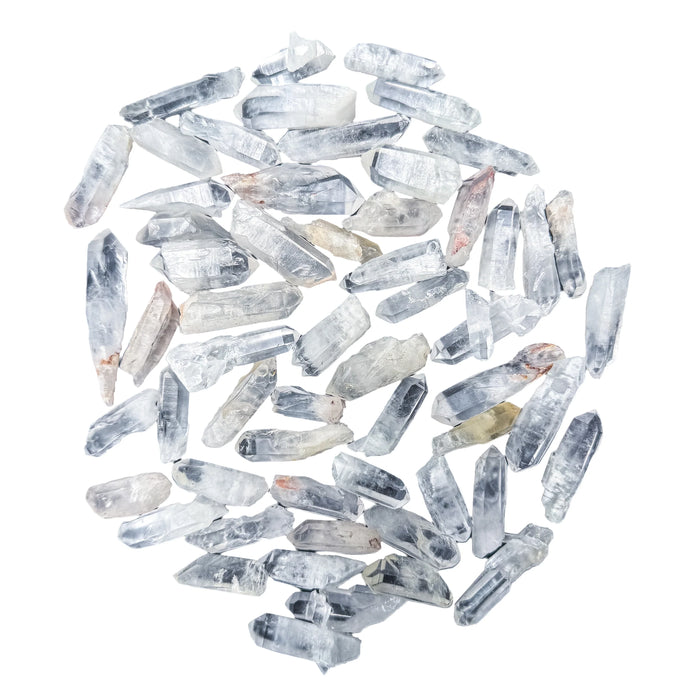
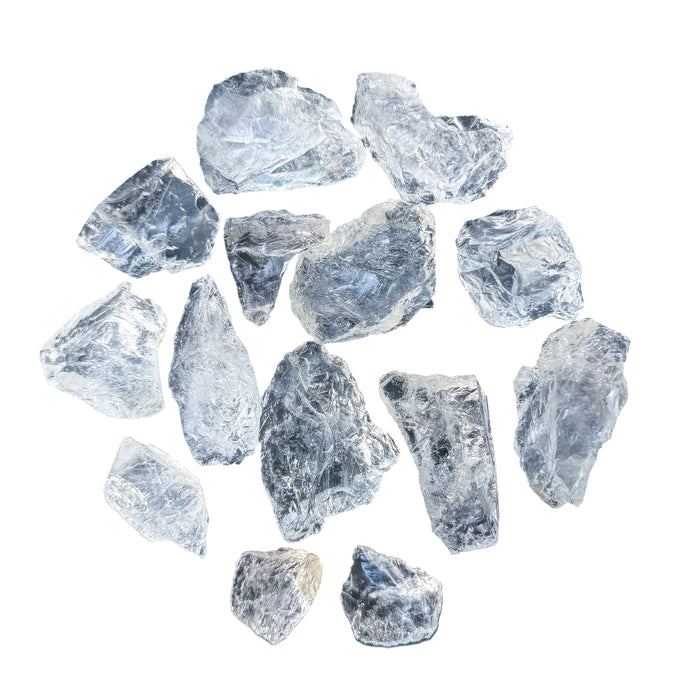
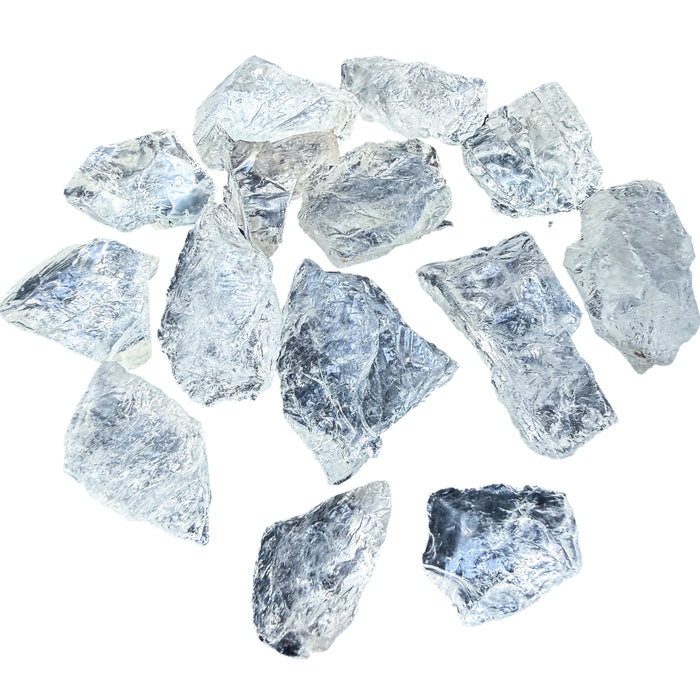
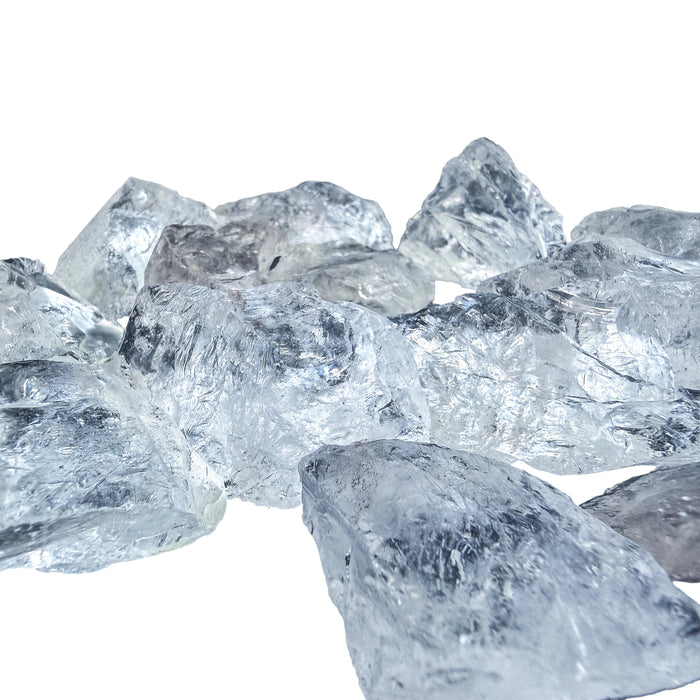
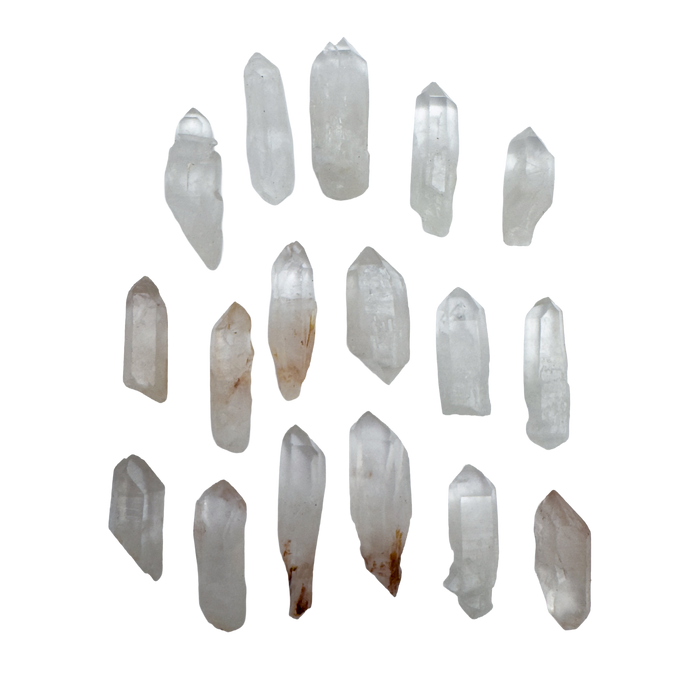
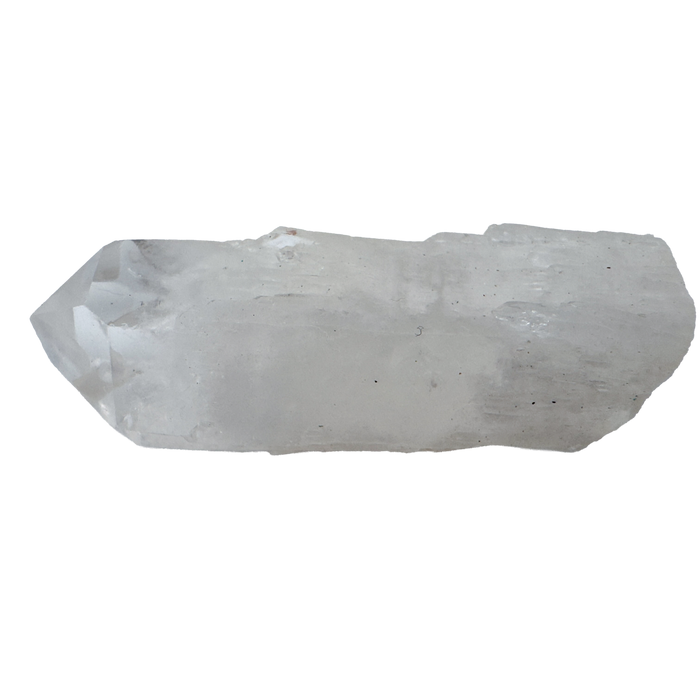
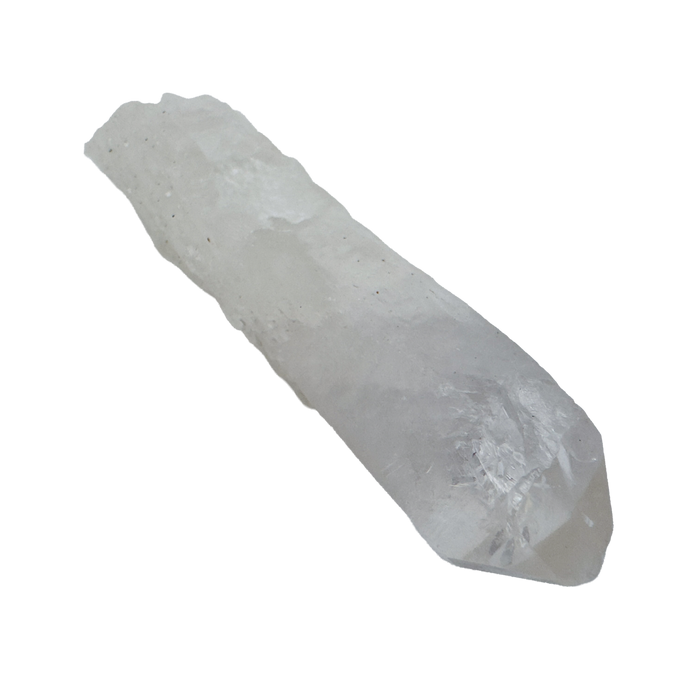
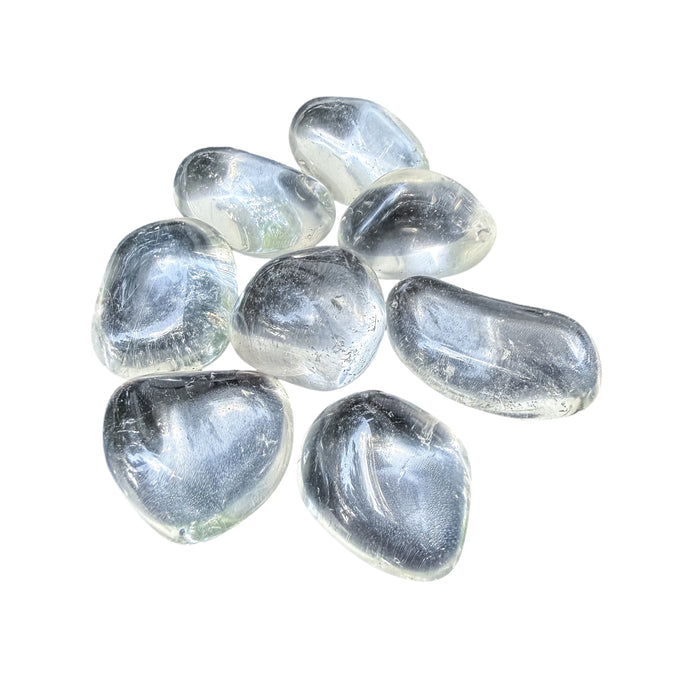
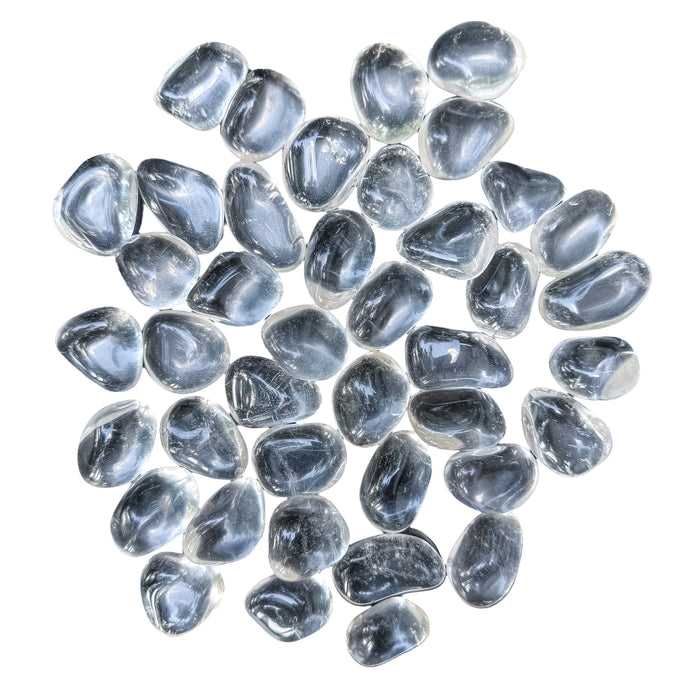
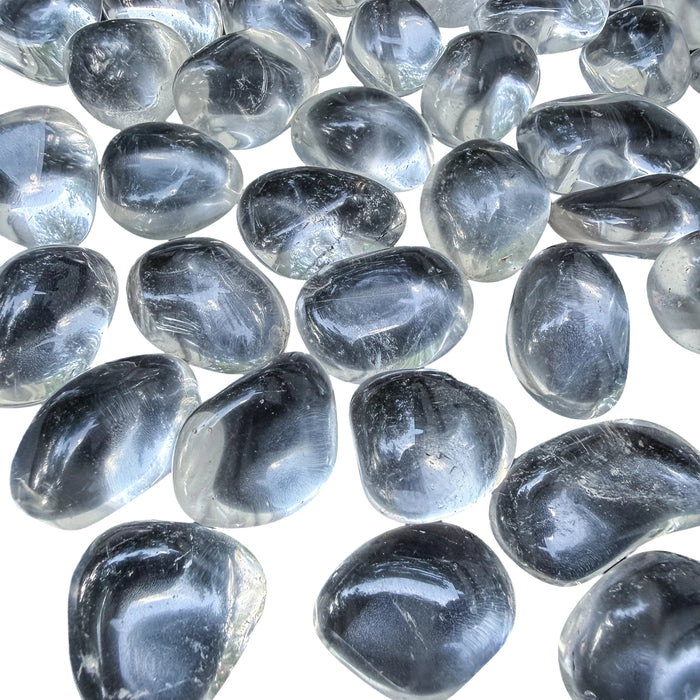
Herkimer Diamond is not something we carry. Clear Quartz is the closest match in our collection, and every piece passes our sourcing standards: origin named, treatments disclosed.
- from 1,000+ reviews
- Ships within 72 hoursMonday to Friday, tracked
- 90 days to return itif you do not love it
- Free US shipping over $99$8.99 flat rate under
The Slow Note
New stones go to the list first.
No forwarding, no selling. Unsubscribe in one click. Privacy