


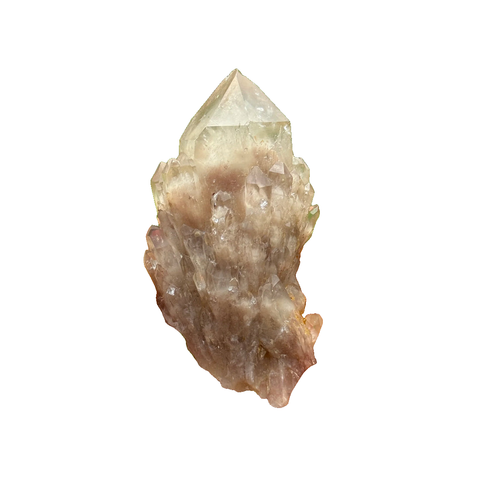
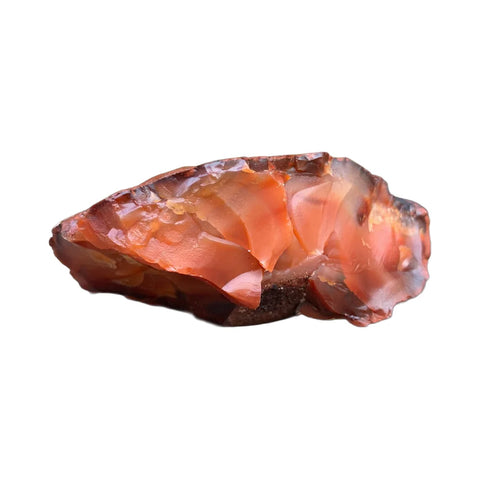
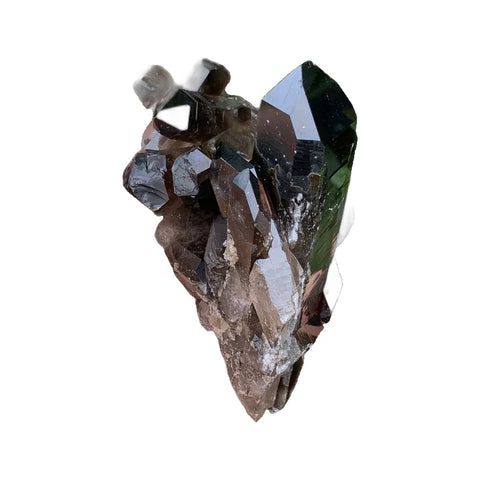
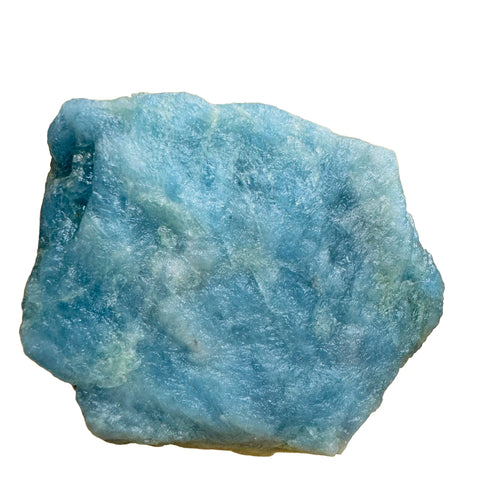
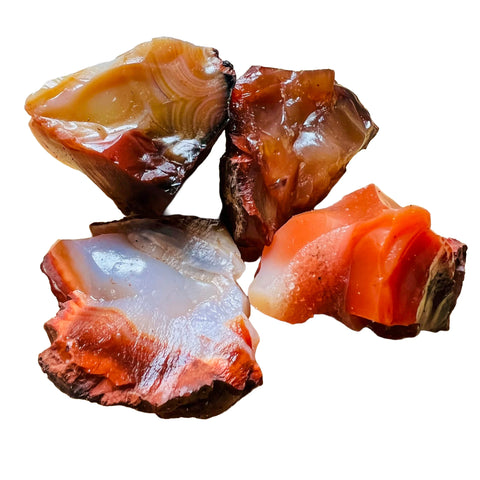
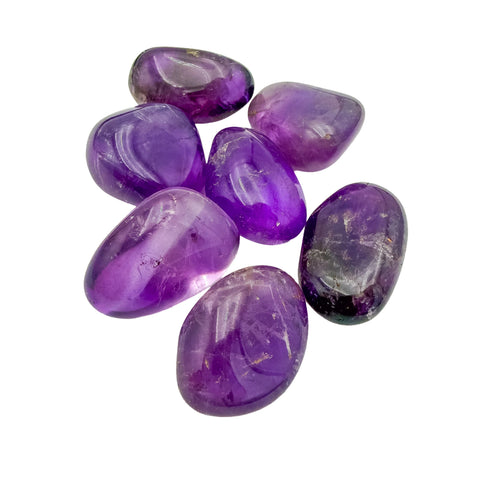

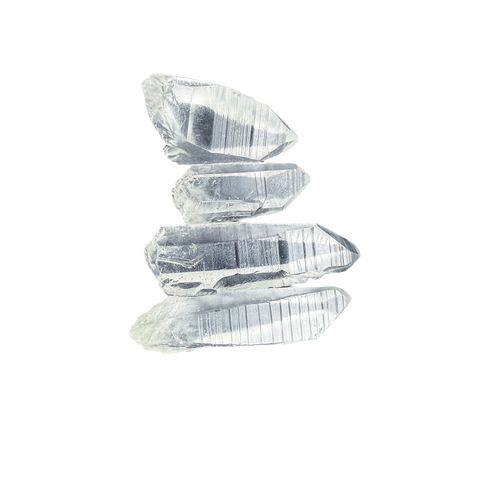
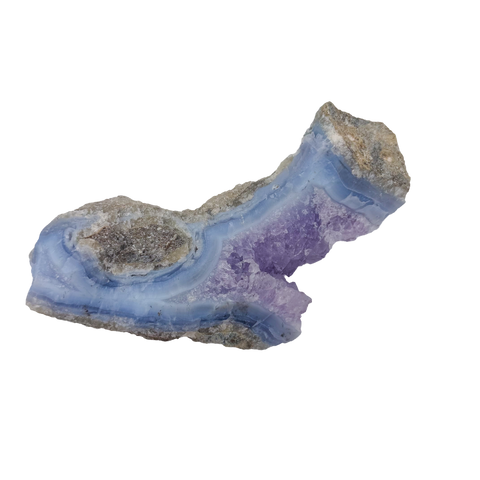

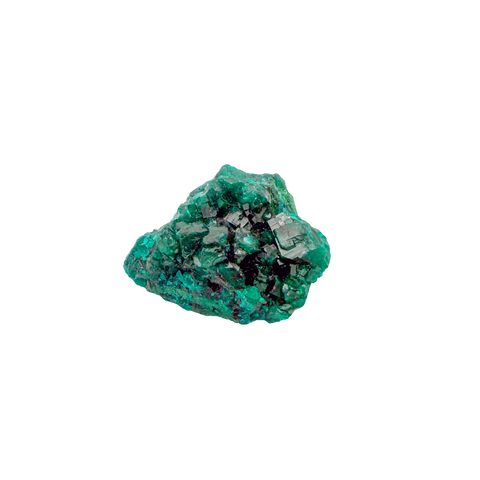
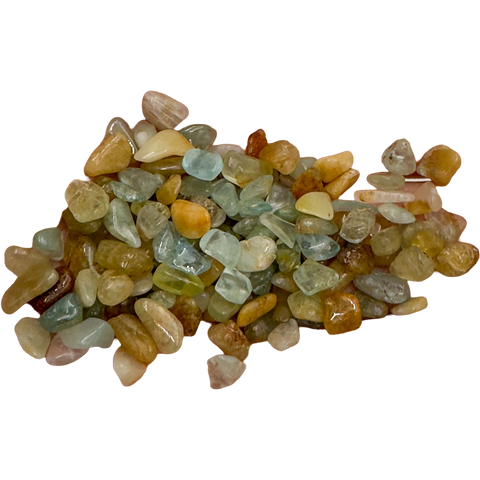
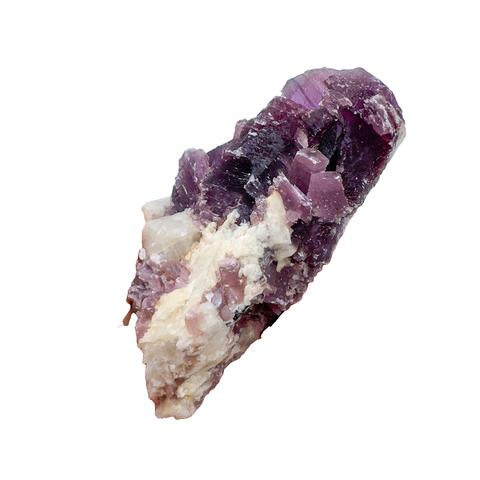
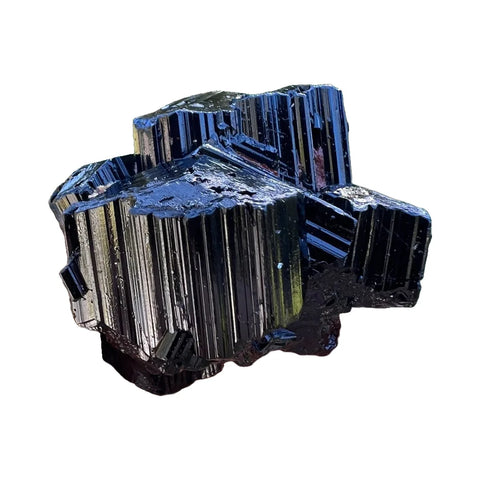
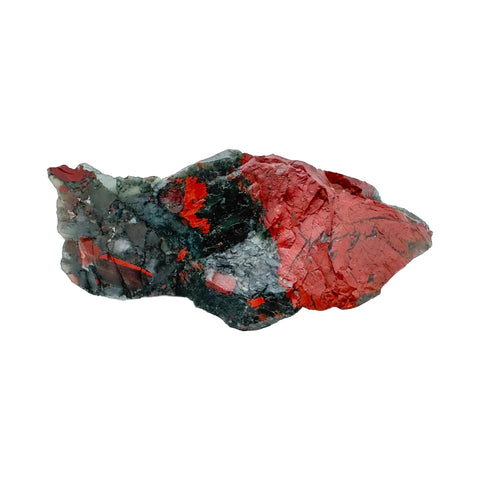
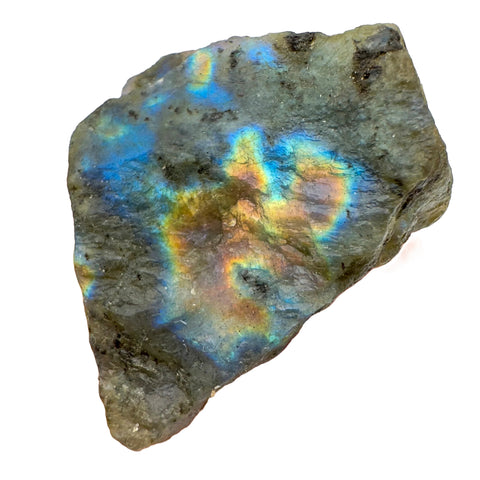
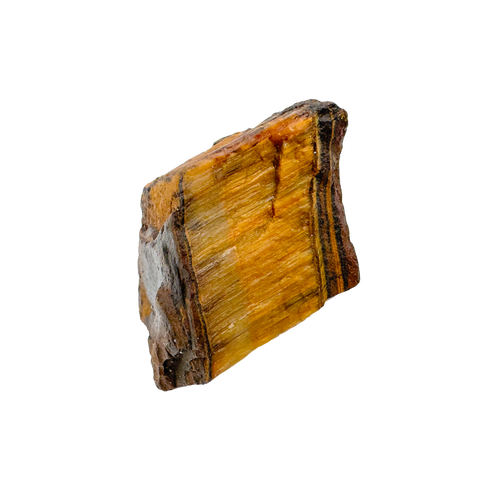
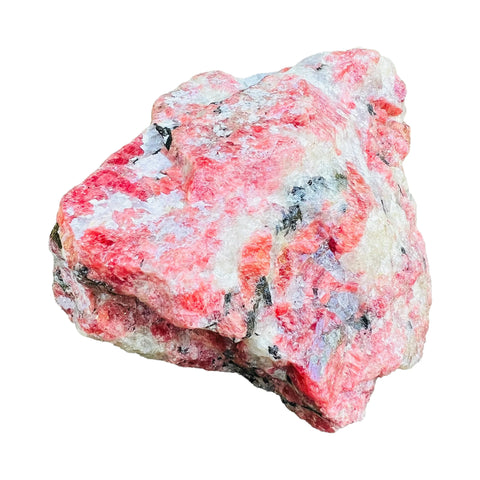
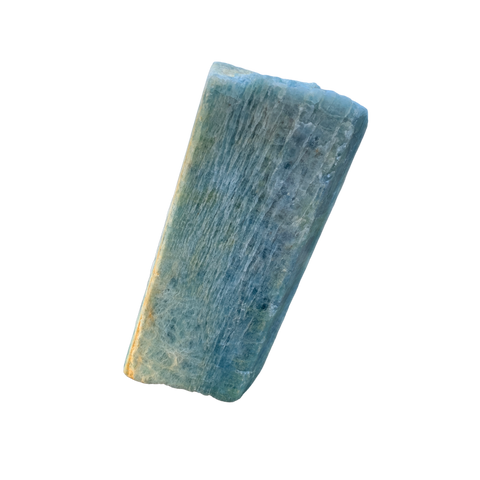
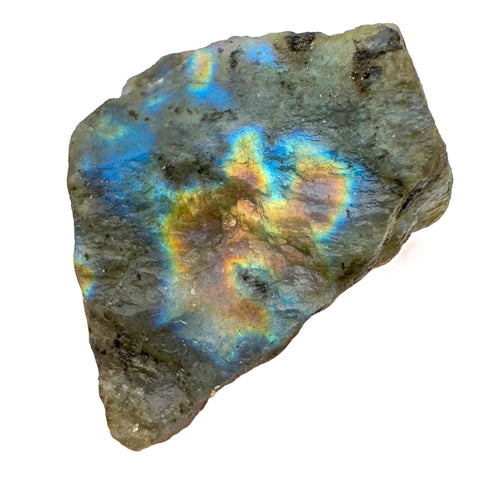
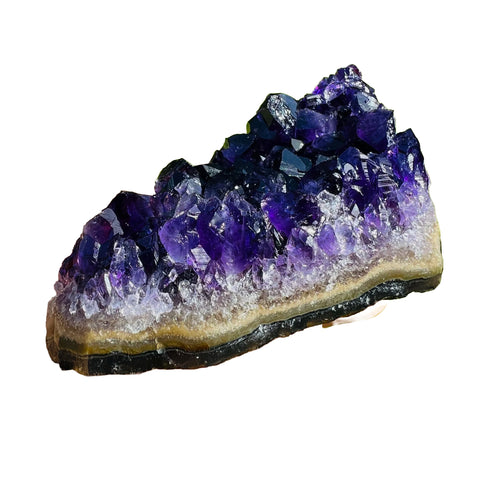



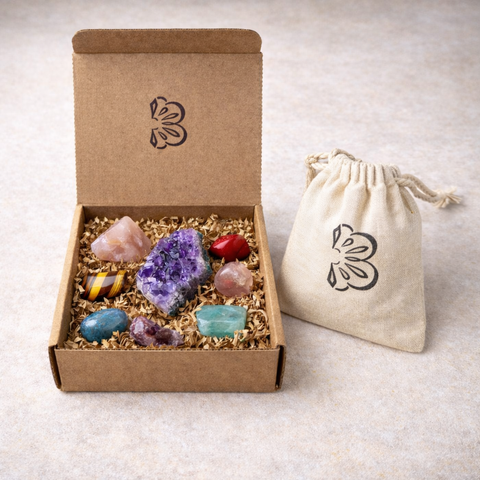
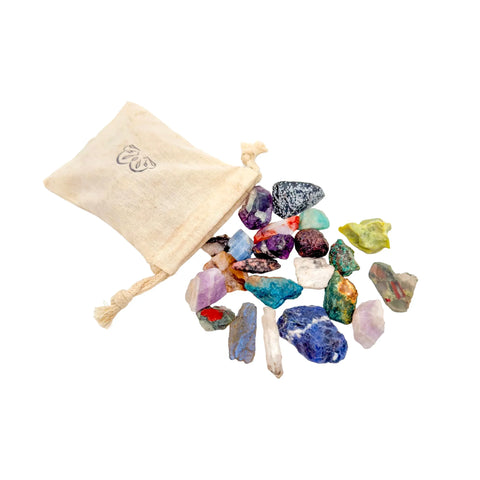
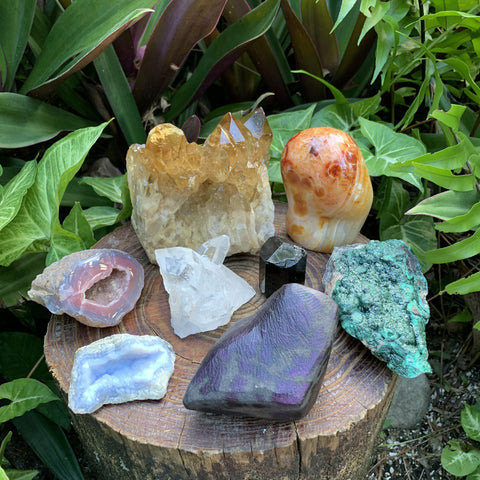
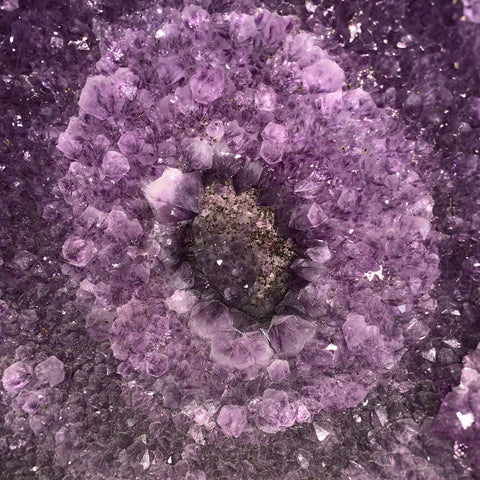
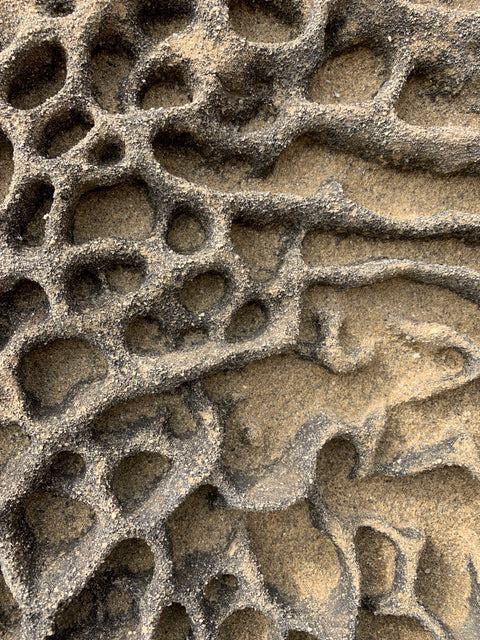
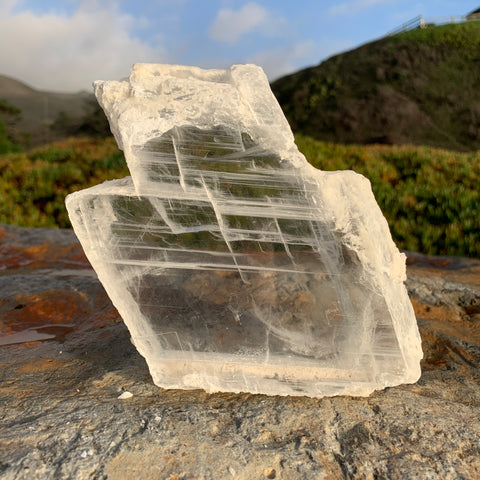
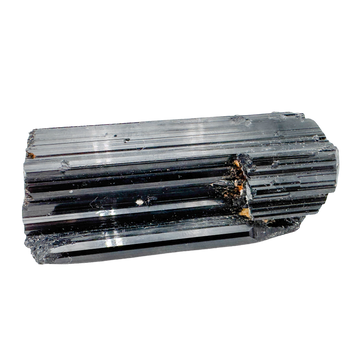
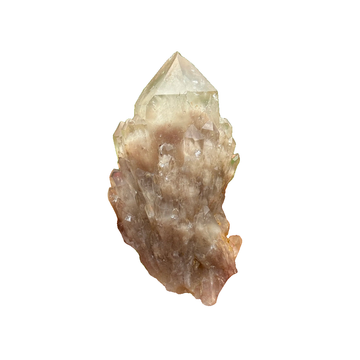
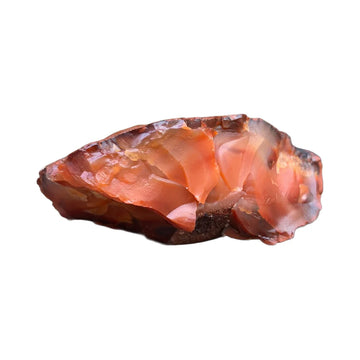
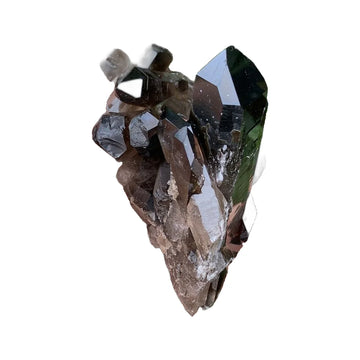
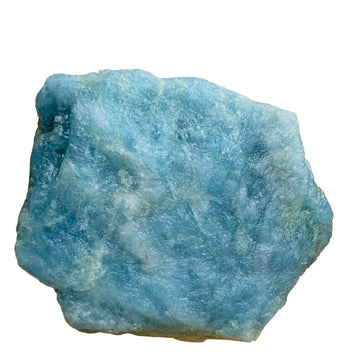
 Raw Stones
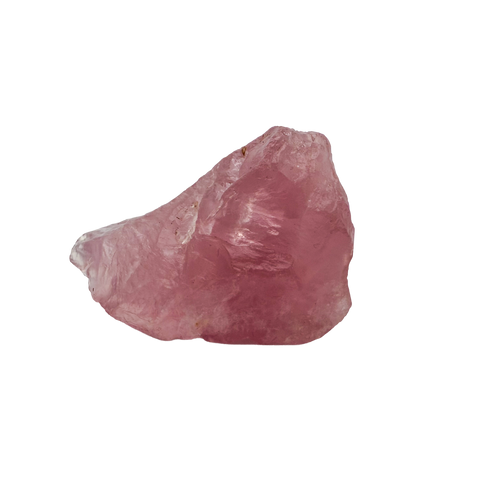
179 pieces
Raw Stones
179 pieces
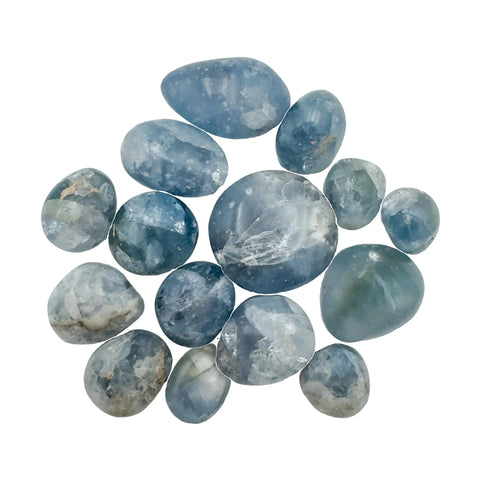
 Tumbled Stones
162 pieces
Tumbled Stones
162 pieces
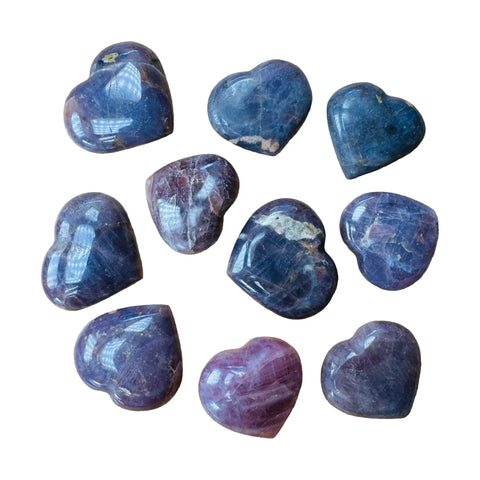
 Palm Stones
25 pieces
Palm Stones
25 pieces
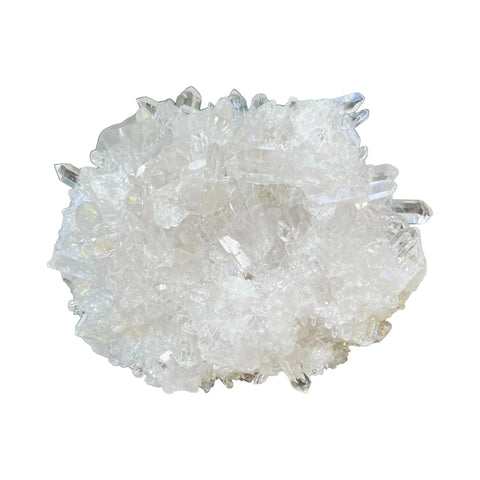
 Crystal Points
23 pieces
Crystal Points
23 pieces
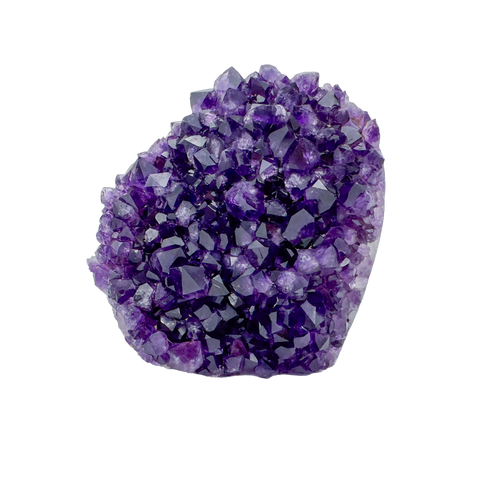
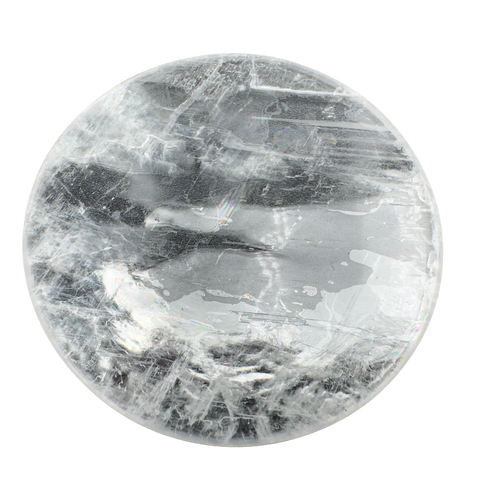
 Clusters & Geodes
104 pieces
Clusters & Geodes
104 pieces
 Polished & Decor
148 pieces
Polished & Decor
148 pieces
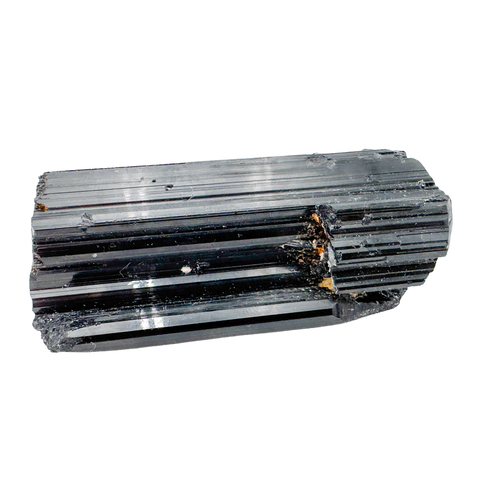
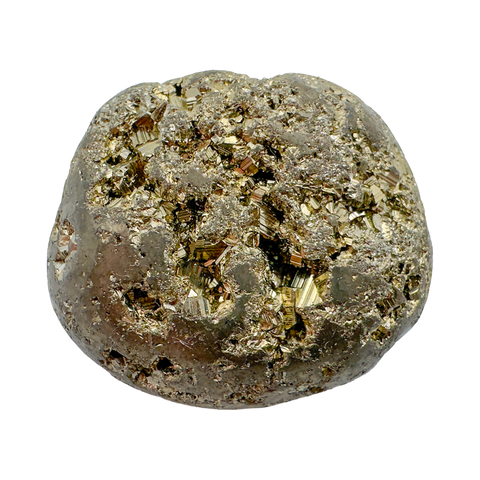
 Mineral Specimens
259 collector pieces
Mineral Specimens
259 collector pieces
 Crystal Chips
21 pieces
Browse everything
Every collection, one page.
View All Collections →
Crystal Chips
21 pieces
Browse everything
Every collection, one page.
View All Collections →


 Aries
Mar 21 – Apr 19
Carnelian
›
Aries
Mar 21 – Apr 19
Carnelian
›
 Taurus
Apr 20 – May 20
Rose Quartz
›
Taurus
Apr 20 – May 20
Rose Quartz
›
 Gemini
May 21 – Jun 20
Agate
›
Gemini
May 21 – Jun 20
Agate
›
 Cancer
Jun 21 – Jul 22
Moonstone
›
Cancer
Jun 21 – Jul 22
Moonstone
›
 Leo
Jul 23 – Aug 22
Citrine
›
Leo
Jul 23 – Aug 22
Citrine
›
 Virgo
Aug 23 – Sep 22
Amazonite
›
Virgo
Aug 23 – Sep 22
Amazonite
›
 Libra
Sep 23 – Oct 22
Blue Lace Agate
›
Libra
Sep 23 – Oct 22
Blue Lace Agate
›
 Scorpio
Oct 23 – Nov 21
Obsidian
›
Scorpio
Oct 23 – Nov 21
Obsidian
›
 Sagittarius
Nov 22 – Dec 21
Sodalite
›
Sagittarius
Nov 22 – Dec 21
Sodalite
›
 Capricorn
Dec 22 – Jan 19
Black Tourmaline
›
Capricorn
Dec 22 – Jan 19
Black Tourmaline
›
 Aquarius
Jan 20 – Feb 18
Amethyst
›
Aquarius
Jan 20 – Feb 18
Amethyst
›
 Pisces
Feb 19 – Mar 20
Aquamarine
›
Gifting?
A birthday stone is the safe bet.
Read the zodiac guide →
Pisces
Feb 19 – Mar 20
Aquamarine
›
Gifting?
A birthday stone is the safe bet.
Read the zodiac guide →

Polychrome Jasper
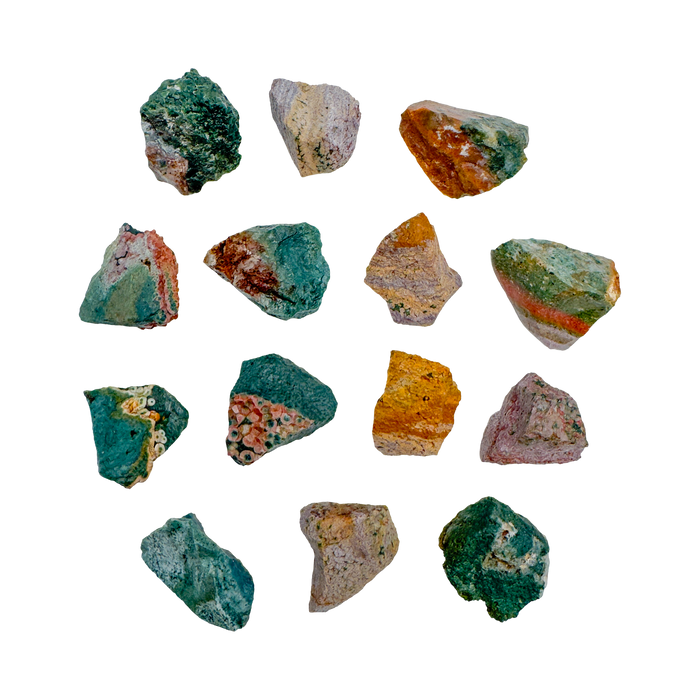
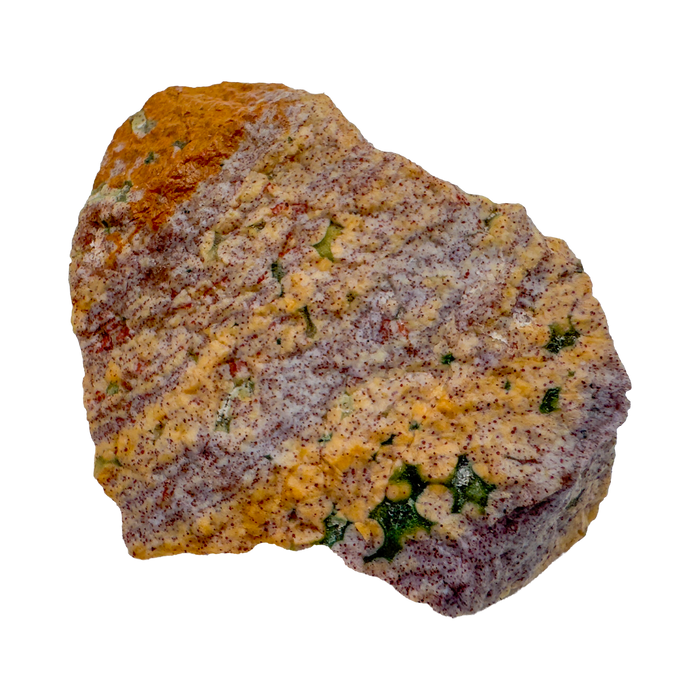
Polychrome jasper, also sold as desert jasper, is a warm swirl of red, orange, ochre, and cream from Madagascar. Its name means many colors, and its flowing, dune-like patterns have made it a fast favorite since it was first mined in the mid 2000s. Every cut face is different.
The geology.
Polychrome jasper is jasper, an opaque variety of chalcedony, the microcrystalline form of quartz (SiO2). Its many colors, warm reds, oranges, browns, and creams, come from iron minerals such as hematite and goethite spread through the silica, with the swirling patterns set as the material formed.
It is a relatively young discovery in the trade, found in Madagascar during the 2000s. At 6.5 to 7 on the Mohs scale it is hard and durable like all quartz jaspers, taking a bright polish that deepens its desert palette.
The origins.
Polychrome jasper comes from Madagascar, from the Ambato area on the island's coast. It was found around 2006 to 2008 by miners who were working the nearby ocean jasper deposits and came across this bolder, more opaque material with its warm earth tones.
Madagascar remains the source of all true polychrome jasper, and the name desert jasper was adopted quickly in the trade for its resemblance to sand dunes and arid country. As with any single-source stone, knowing the origin is part of buying it well.
Traditional associations.
Warm and fiery in appearance, polychrome jasper is associated in tradition with vitality, motivation, and a zest for life. Many people work with it for energy and creative drive, and for pushing through a project with steady momentum.
It is most often linked with the Sacral and Root chakras, the element of Fire, and the sign Leo. A common practice is to keep a piece nearby during creative or physical work as a warm, energizing presence.
Spotting the real thing.
Real polychrome jasper is opaque, hard enough to scratch glass, and shows warm colors that flow and swirl through the body of the stone with natural irregularity. The patterns are part of the material, not printed on it, and the palette leans earthy rather than neon.
It is a stable, natural stone, so the sensible questions are about identity. Very bright, evenly colored beads sold cheaply as jasper can sometimes be dyed or a different material entirely, so with any inexpensive jasper it is fair to ask whether the color is natural. True polychrome jasper carries Madagascan origin.
Care & handling.
Polychrome jasper is durable and easy. At 6.5 to 7 on the Mohs scale it stands up to daily wear in rings, bracelets, and pendants, and it is water safe for a brief rinse with warm water and a soft cloth. It is stable in light and will not fade.
Skip harsh chemicals and long saltwater soaks, which this stone does not need, and store it away from softer stones. To reset it energetically, many people use moonlight, sound, or a rest on a selenite plate.
Pairs well with.
A deeper look.
Extended geology, sourcing, authentication, history, and varieties, for when the quick guide isn't quite enough.
Extended geology
Jasper is opaque silica colored mainly by iron, and polychrome jasper is a fine example, with hematite and goethite producing its reds, oranges, and browns. It formed in Madagascar in silica-rich sedimentary and volcanic settings, where the mineral-laden material hardened into dense, swirling patterns. Hardness is 6.5 to 7, specific gravity about 2.6, fracture conchoidal to uneven, luster waxy to vitreous when polished.
Extended sourcing
All true polychrome jasper comes from the Ambato region on the coast of Madagascar, found during the 2000s by miners already working the area's ocean jasper. The two stones are near neighbors geologically but look quite different, ocean jasper with its orbs and polychrome jasper with its flowing desert bands. Because the supply is tied to one region, availability and price move with what comes out of those pits.
Authentication and warning signs
Polychrome jasper is easy to confirm by hardness and opacity, scratching glass and showing warm color that runs through the stone rather than sitting on top. Its earthy, uneven palette separates it from dyed material, which tends to look bright and uniform. The main real-world issue is naming rather than fakery, since desert jasper and polychrome jasper are the same thing, and jasper alone is a catch-all term. Malagasy origin is part of the genuine article.
History and folklore
Polychrome jasper is one of the newer stones in the trade, unknown before it emerged from Madagascar in the mid 2000s. Lapidaries embraced it quickly for its warm color and dramatic movement, and the name desert jasper followed naturally from its dune-like look. In a market full of long-established stones, it stands out as a genuinely modern discovery.
Varieties and trade names
Polychrome jasper and desert jasper: two names for the same Madagascan material.
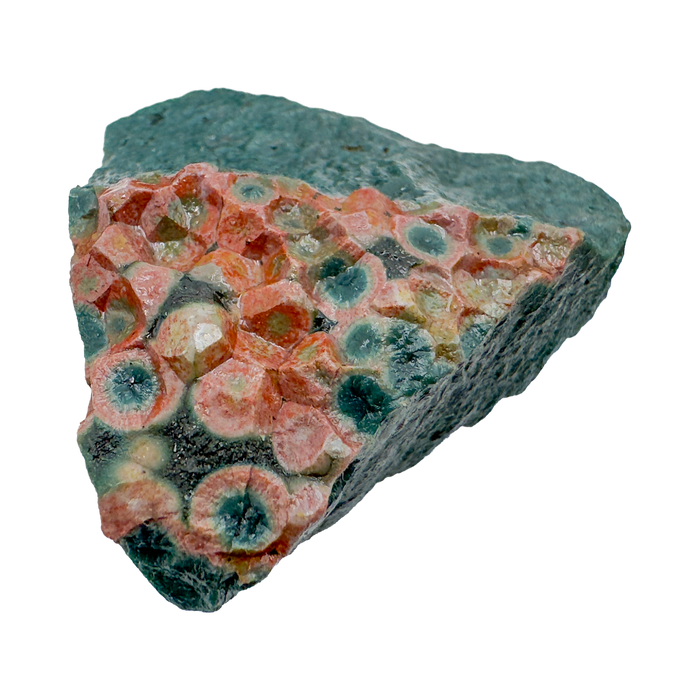
Ocean jasper: the orbicular cousin from the same island, a related but distinct stone.
The broad term jasper covers many unrelated scenic and solid-color stones from around the world, so origin is what pins down true polychrome jasper.
What it costs in the market
Tumbled polychrome jasper: roughly 2 to 10 dollars per piece. Cabochons, spheres, and palm stones: 10 to 60 dollars depending on size and color. Large towers, bowls, and fine carvings: 50 to several hundred dollars. Value comes from the richness of the color and the drama of the swirling pattern.
An education-first guide.
We don't currently carry polychrome jasper, so there's nothing to sell you here. This guide exists because the more you understand a stone, the better every decision you make about it becomes, wherever you buy it. Explore the rest of our crystal guides for stones we do source, each with full origin and treatment notes.
Explore the Crystal GuideThe closest match we carry: Jasper.
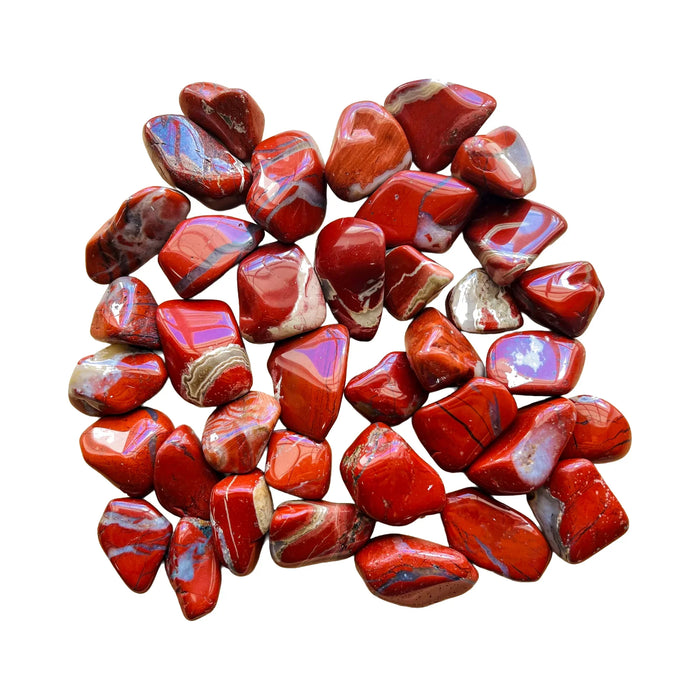
Polychrome Jasper is not something we carry. Jasper is the closest match in our collection, and every piece passes our sourcing standards: origin named, treatments disclosed.
- from 1,000+ reviews
- Ships within 72 hoursMonday to Friday, tracked
- 90 days to return itif you do not love it
- Free US shipping over $99$8.99 flat rate under
The Slow Note
New stones go to the list first.
No forwarding, no selling. Unsubscribe in one click. Privacy